|
1
|
Ostrom QT, Price M, Neff C, Cioffi G,
Waite KA, Kruchko C and Barnholtz-Sloan JS: CBTRUS statistical
report: Primary brain and other central nervous system tumors
diagnosed in the United States in 2016-2020. Neuro Oncol. 25(12
Suppl 2): iv1–iv99. 2023. View Article : Google Scholar : PubMed/NCBI
|
|
2
|
Xiao D, Yan C, Li D, Xi T, Liu X, Zhu D,
Huang G, Xu J, He Z, Wu A, et al: National brain tumour registry of
China (NBTRC) statistical report of primary brain tumours diagnosed
in china in years 2019-2020. Lancet Reg Health West Pac.
34:1007152023.PubMed/NCBI
|
|
3
|
Louis DN, Perry A, Wesseling P, Brat DJ,
Cree IA, Figarella-Branger D, Hawkins C, Ng HK, Pfister SM,
Reifenberger G, et al: The 2021 WHO classification of tumors of the
central nervous system: A summary. Neuro Oncol. 23:1231–1251. 2021.
View Article : Google Scholar : PubMed/NCBI
|
|
4
|
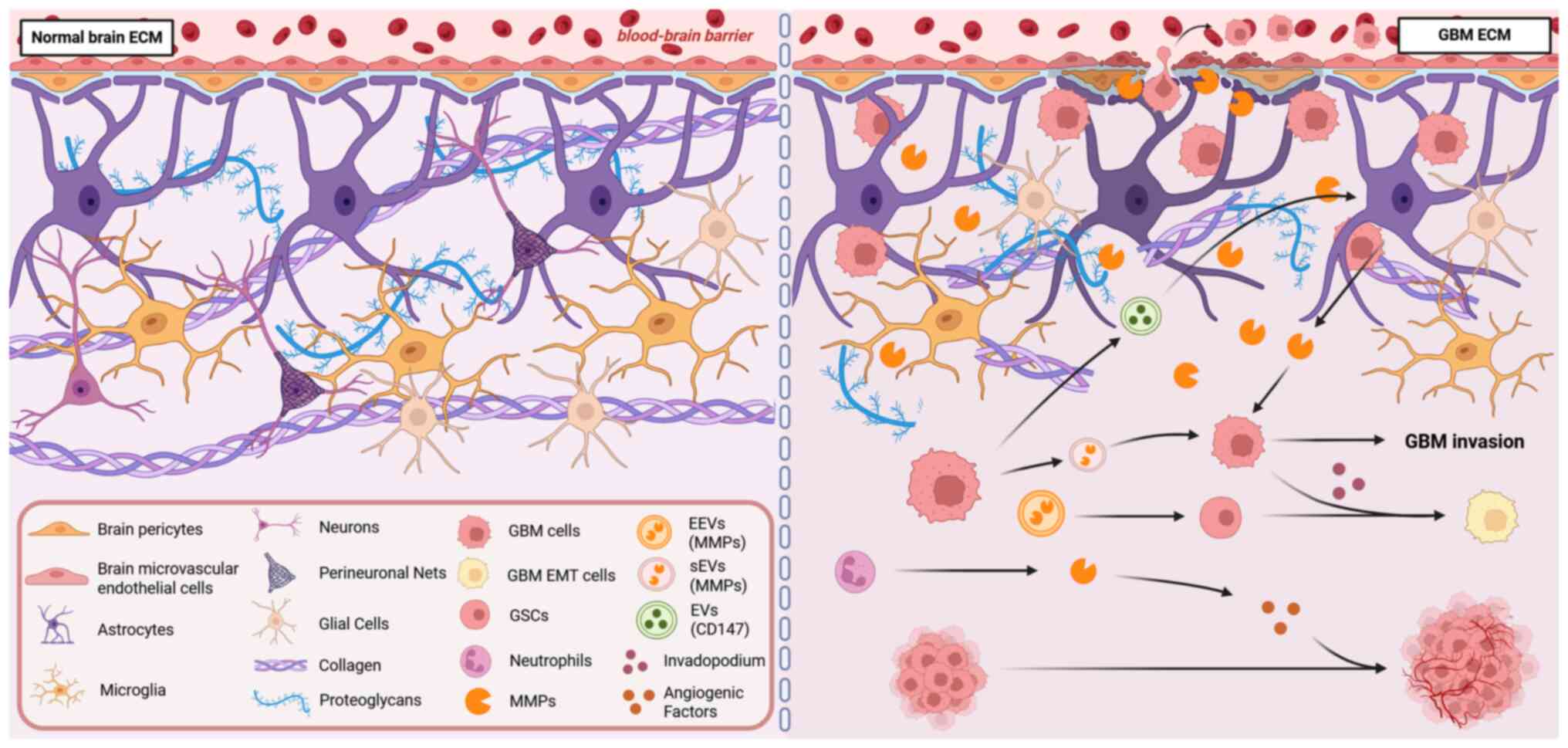
Barone DG, Lawrie TA and Hart MG: Image
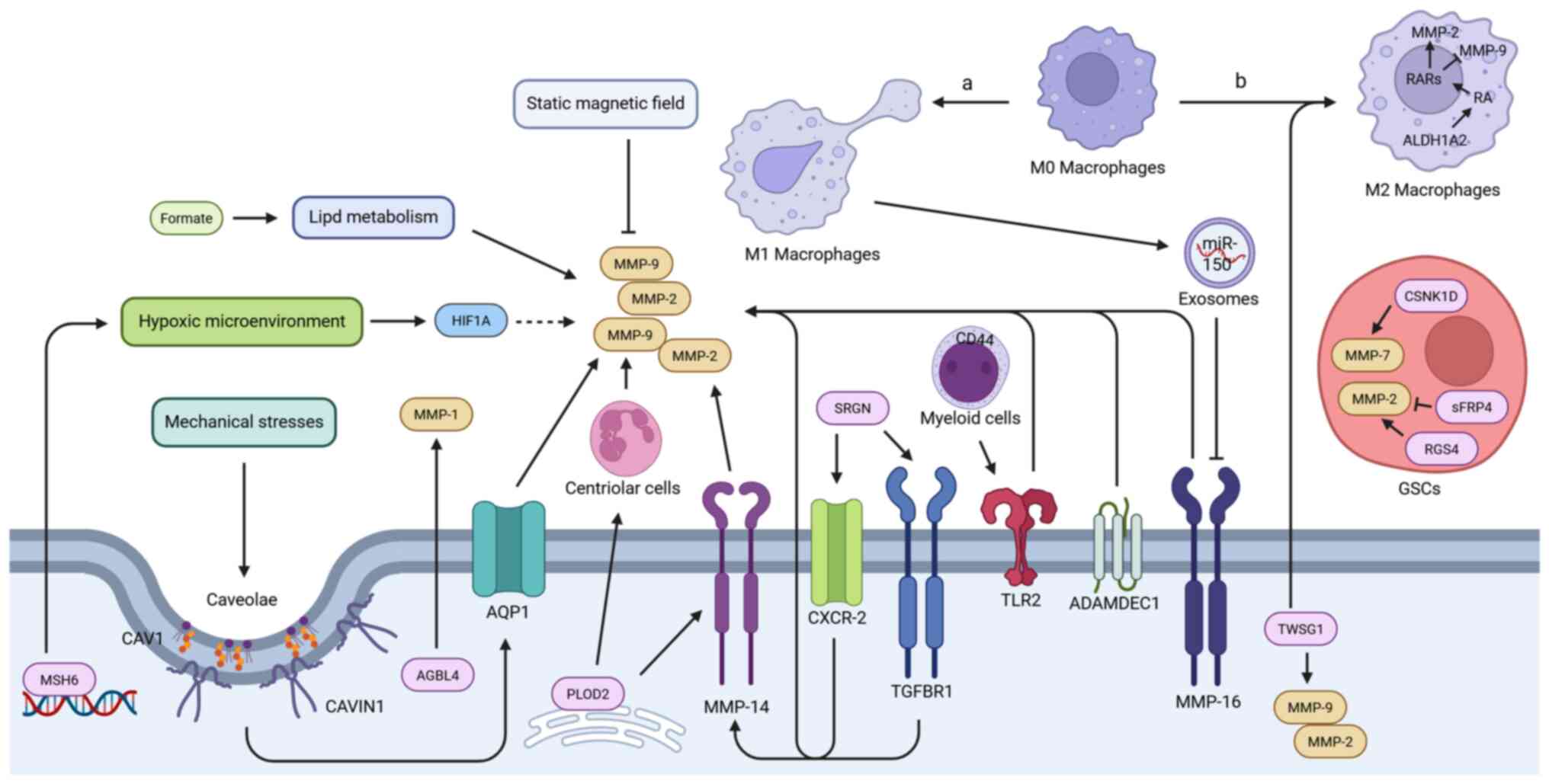
guided surgery for the resection of brain tumours. Cochrane
Database Syst Rev. 2014:CD0096852014.PubMed/NCBI
|
|
5
|
Pirro V, Alfaro CM, Jarmusch AK, Hattab
EM, Cohen-Gadol AA and Cooks RG: Intraoperative assessment of tumor
margins during glioma resection by desorption electrospray
ionization-mass spectrometry. Proc Natl Acad Sci USA.
114:6700–6705. 2017. View Article : Google Scholar : PubMed/NCBI
|
|
6
|
De Boer E, Harlaar NJ, Taruttis A,
Nagengast WB, Rosenthal EL, Ntziachristos V and Van Dam GM: Optical
innovations in surgery. Br J Surg. 102:e56–e72. 2015. View Article : Google Scholar : PubMed/NCBI
|
|
7
|
Hervey-Jumper SL and Berger MS: Maximizing
safe resection of low- and high-grade glioma. J Neuro-Oncol.
130:269–282. 2016. View Article : Google Scholar
|
|
8
|
Stupp R, Mason WP, van den Bent MJ, Weller
M, Fisher B, Taphoorn MJ, Belanger K, Brandes AA, Marosi C, Bogdahn
U, et al: Radiotherapy plus concomitant and adjuvant temozolomide
for glioblastoma. N Engl J Med. 352:987–996. 2005. View Article : Google Scholar : PubMed/NCBI
|
|
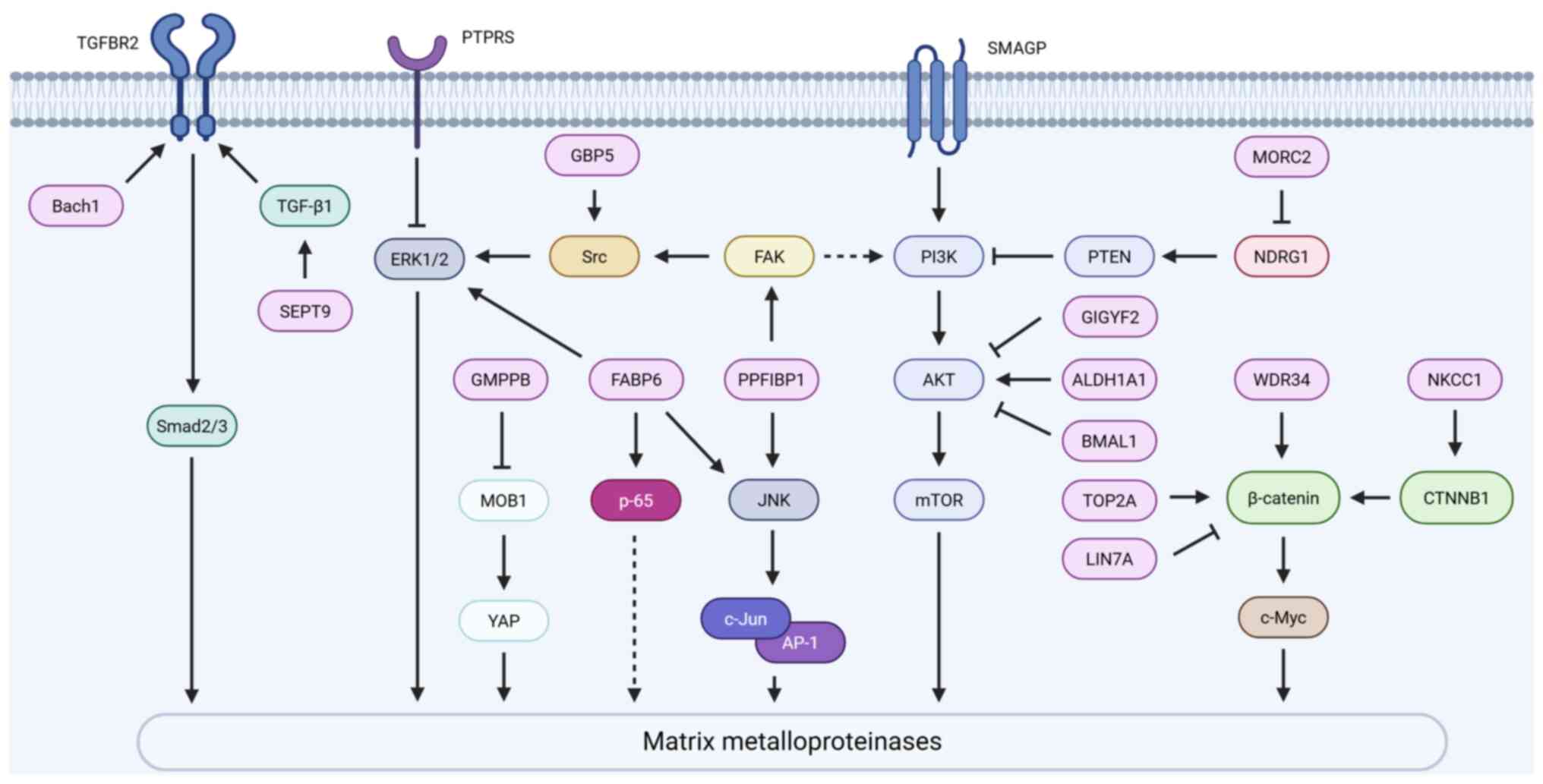
9
|
Perry JR, Laperriere N, O'Callaghan CJ,
Brandes AA, Menten J, Phillips C, Fay M, Nishikawa R, Cairncross
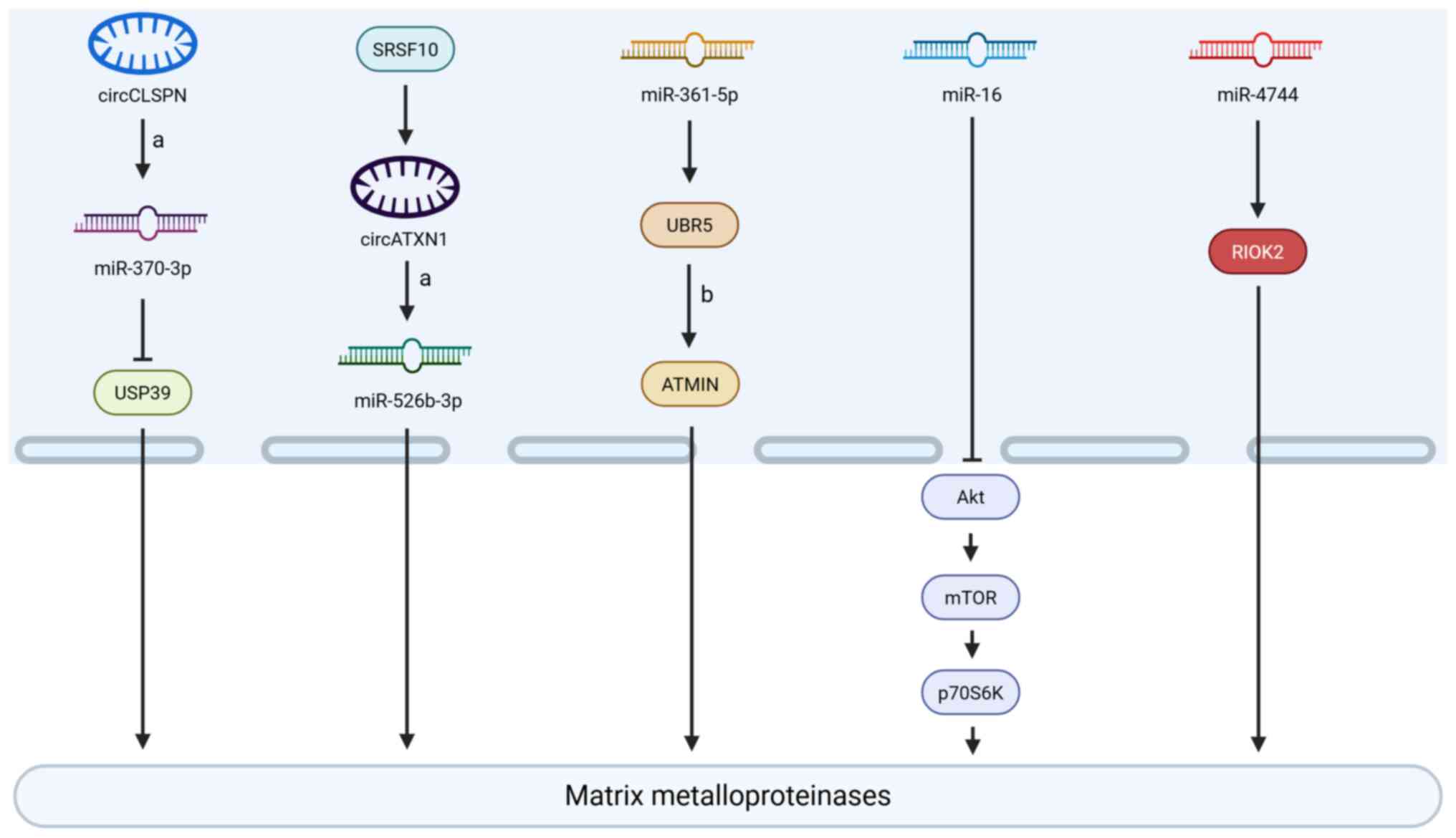
JG, Roa W, et al: Short-course radiation plus temozolomide in
elderly patients with glioblastoma. N Engl J Med. 376:1027–1037.
2017. View Article : Google Scholar : PubMed/NCBI
|
|
10
|
Rodríguez-Camacho A, Flores-Vázquez JG,
Moscardini-Martelli J, Torres-Ríos JA, Olmos-Guzmán A, Ortiz-Arce
CS, Cid-Sánchez DR, Pérez SR, Macías-González MDS,
Hernández-Sánchez LC, et al: Glioblastoma treatment:
State-of-the-art and future perspectives. Int J Mol Sci.
23:72072022. View Article : Google Scholar : PubMed/NCBI
|
|
11
|
Weller M and Le Rhun E: How did lomustine
become standard of care in recurrent glioblastoma? Cancer Treat
Rev. 87:1020292020. View Article : Google Scholar : PubMed/NCBI
|
|
12
|
Kirson ED, Dbalý V, Tovaryš F, Vymazal J,
Soustiel JF, Itzhaki A, Mordechovich D, Steinberg-Shapira S,
Gurvich Z, Schneiderman R, et al: Alternating electric fields
arrest cell proliferation in animal tumor models and human brain
tumors. Proc Natl Acad Sci USA. 104:10152–10157. 2007. View Article : Google Scholar : PubMed/NCBI
|
|
13
|
Giladi M, Schneiderman RS, Voloshin T,
Porat Y, Munster M, Blat R, Sherbo S, Bomzon Z, Urman N, Itzhaki A,
et al: Mitotic spindle disruption by alternating electric fields
leads to improper chromosome segregation and mitotic catastrophe in
cancer cells. Sci Rep. 5:180462015. View Article : Google Scholar : PubMed/NCBI
|
|
14
|
Stupp R, Taillibert S, Kanner A, Read W,
Steinberg D, Lhermitte B, Toms S, Idbaih A, Ahluwalia MS, Fink K,
et al: Effect of tumor-treating fields plus maintenance
temozolomide vs maintenance temozolomide alone on survival in
patients with glioblastoma: A randomized clinical trial. JAMA.
318:2306–2316. 2017. View Article : Google Scholar : PubMed/NCBI
|
|
15
|
Chinot OL, Wick W, Mason W, Henriksson R,
Saran F, Nishikawa R, Carpentier AF, Hoang-Xuan K, Kavan P, Cernea
D, et al: Bevacizumab plus radiotherapy-temozolomide for newly
diagnosed glioblastoma. N Engl J Med. 370:709–722. 2014. View Article : Google Scholar : PubMed/NCBI
|
|
16
|
Le Rhun E, Preusser M, Roth P, Reardon DA,
van den Bent M, Wen P, Reifenberger G and Weller M: Molecular
targeted therapy of glioblastoma. Cancer Treat Rev. 80:1018962019.
View Article : Google Scholar : PubMed/NCBI
|
|
17
|
Navone SE, Guarnaccia L, Locatelli M,
Rampini P, Caroli M, La Verde N, Gaudino C, Bettinardi N, Riboni L,
Marfia G and Campanella R: Significance and prognostic value of the
coagulation profile in patients with glioblastoma: Implications for
personalized therapy. World Neurosurg. 121:e621–e629. 2019.
View Article : Google Scholar
|
|
18
|
Cuddapah VA, Robel S, Watkins S and
Sontheimer H: A neurocentric perspective on glioma invasion. Nat
Rev Neurosci. 15:455–465. 2014. View Article : Google Scholar : PubMed/NCBI
|
|
19
|
Streiff MB, Ye X, Kickler TS, Desideri S,
Jani J, Fisher J and Grossman SA: A prospective multicenter study
of venous thromboembolism in patients with newly-diagnosed
high-grade glioma: Hazard rate and risk factors. J Neurooncol.
124:299–305. 2015. View Article : Google Scholar : PubMed/NCBI
|
|
20
|
Chen Y, Fei W, Shi Y, Ma W, Jiao W, Tao F,
Zhu J, Wang Y and Feng X: Venous thromboembolism risk factors in
pediatric patients with high-grade glioma: A multicenter
retrospective study. Front Pediatr. 13:15952232025. View Article : Google Scholar : PubMed/NCBI
|
|
21
|
Marras LC, Geerts WH and Perry JR: The
risk of venous thromboembolism is increased throughout the course
of malignant glioma: An evidence-based review. Cancer. 89:640–646.
2000. View Article : Google Scholar : PubMed/NCBI
|
|
22
|
Semrad TJ, O'Donnell R, Wun T, Chew H,
Harvey D, Zhou H and White RH: Epidemiology of venous
thromboembolism in 9489 patients with malignant glioma. J
Neurosurg. 106:601–608. 2007. View Article : Google Scholar : PubMed/NCBI
|
|
23
|
Brat DJ, Castellano-Sanchez AA, Hunter SB,
Pecot M, Cohen C, Hammond EH, Devi SN, Kaur B and Van Meir EG:
Pseudopalisades in glioblastoma are hypoxic, express extracellular
matrix proteases, and are formed by an actively migrating cell
population. Cancer Res. 64:920–927. 2004. View Article : Google Scholar : PubMed/NCBI
|
|
24
|
Gross J and Lapiere CM: Collagenolytic
activity in amphibian tissues: A tissue culture assay. Proc Natl
Acad Sci USA. 48:1014–1022. 1962. View Article : Google Scholar : PubMed/NCBI
|
|
25
|
Visse R and Nagase H: Matrix
metalloproteinases and tissue inhibitors of metalloproteinases:
Structure, function, and biochemistry. Circ Res. 92:827–839. 2003.
View Article : Google Scholar : PubMed/NCBI
|
|
26
|
Quintero-Fabián S, Arreola R,
Becerril-Villanueva E, Torres-Romero JC, Arana-Argáez V,
Lara-Riegos J, Ramírez-Camacho MA and Alvarez-Sánchez ME: Role of
matrix metalloproteinases in angiogenesis and cancer. Front Oncol.
9:13702019. View Article : Google Scholar
|
|
27
|
Gialeli C, Theocharis AD and Karamanos NK:
Roles of matrix metalloproteinases in cancer progression and their
pharmacological targeting. FEBS J. 278:16–27. 2011. View Article : Google Scholar
|
|
28
|
Niland S, Riscanevo AX and Eble JA: Matrix
metalloproteinases shape the tumor microenvironment in cancer
progression. Int J Mol Sci. 23:1462021. View Article : Google Scholar
|
|
29
|
Dibdiakova K, Majercikova Z, Galanda T,
Richterova R, Kolarovszki B, Racay P and Hatok J: Relationship
between the expression of matrix metalloproteinases and their
tissue inhibitors in patients with brain tumors. Int J Mol Sci.
25:28582024. View Article : Google Scholar : PubMed/NCBI
|
|
30
|
Wolburg H, Noell S, Fallier-Becker P, Mack
AF and Wolburg-Buchholz K: The disturbed blood-brain barrier in
human glioblastoma. Mol Aspects Med. 33:579–589. 2012. View Article : Google Scholar : PubMed/NCBI
|
|
31
|
Zhang S, Cheng L, Su Y, Qian Z, Wang Z,
Chen C, Li R, Zhang A, He J, Mao J, et al: AGBL4 promotes malignant
progression of glioblastoma via modulation of MMP-1 and
inflammatory pathways. Front Immunol. 15:14201822024. View Article : Google Scholar : PubMed/NCBI
|
|
32
|
Huang ZL, Abdallah AS, Shen GX, Suarez M,
Feng P, Yu YJ, Wang Y, Zheng SH, Hu YJ, Xiao X, et al: Silencing
GMPPB inhibits the proliferation and invasion of GBM via hippo/MMP3
pathways. Int J Mol Sci. 24:147072023. View Article : Google Scholar : PubMed/NCBI
|
|
33
|
Yan P, Wang J, Liu H, Liu X, Fu R and Feng
J: M1 macrophage-derived exosomes containing miR-150 inhibit glioma
progression by targeting MMP16. Cell Signal. 108:1107312023.
View Article : Google Scholar : PubMed/NCBI
|
|
34
|
Hitchcock SA: Blood-brain barrier
permeability considerations for CNS-targeted compound library
design. Curr Opin Chem Biol. 12:318–323. 2008. View Article : Google Scholar : PubMed/NCBI
|
|
35
|
Xie HJ, Zhan-Dui N, Zhao J, Er-Bu AGA,
Zhen P, ZhuoMa D and Sang T: Evaluation of nanoscaled dual
targeting drug-loaded liposomes on inhibiting vasculogenic mimicry
channels of brain glioma. Artif Cells Nanomed Biotechnol.
49:595–604. 2021. View Article : Google Scholar
|
|
36
|
Tian S, Xu J, Qiao X, Zhang X, Zhang S,
Zhang Y, Xu C, Wang H and Fang C: CuO nanoparticles for glioma
treatment in vitro and in vivo. Sci Rep. 14:232292024. View Article : Google Scholar : PubMed/NCBI
|
|
37
|
Castro-Ribeiro ML, Castro VIB, Vieira De
Castro J, Pires RA, Reis RL, Costa BM, Ferreira H and Neves NM: The
potential of the fibronectin inhibitor arg-gly-asp-ser in the
development of therapies for glioblastoma. Int J Mol Sci.
25:49102024. View Article : Google Scholar : PubMed/NCBI
|
|
38
|
Yang WB, Chuang JY, Ko CY, Chang WC and
Hsu TI: Dehydroepiandrosterone induces temozolomide resistance
through modulating phosphorylation and acetylation of Sp1 in
glioblastoma. Mol Neurobiol. 56:2301–2313. 2019. View Article : Google Scholar
|
|
39
|
Munoz JL, Bliss SA, Greco SJ, Ramkissoon
SH, Ligon KL and Rameshwar P: Delivery of functional anti-miR-9 by
mesenchymal stem cell-derived exosomes to glioblastoma multiforme
cells conferred chemosensitivity. Mol Ther Nucleic Acids.
2:e1262013. View Article : Google Scholar : PubMed/NCBI
|
|
40
|
McFaline-Figueroa JL, Braun CJ, Stanciu M,
Nagel ZD, Mazzucato P, Sangaraju D, Cerniauskas E, Barford K,
Vargas A, Chen Y, et al: Minor changes in expression of the
mismatch repair protein MSH2 exert a major impact on glioblastoma
response to temozolomide. Cancer Res. 75:3127–3138. 2015.
View Article : Google Scholar : PubMed/NCBI
|
|
41
|
Song H and Park KH: Regulation and
function of SOX9 during cartilage development and regeneration.
Semin Cancer Biol. 67(Pt 1): 12–23. 2020. View Article : Google Scholar : PubMed/NCBI
|
|
42
|
Guo XR, Wu MY, Dai LJ, Huang Y, Shan MY,
Ma SN, Wang J, Peng H, Ding Y, Zhang QF, et al: Nuclear
FAM289-galectin-1 interaction controls FAM289-mediated tumor
promotion in malignant glioma. J Exp Clin Cancer Res. 38:3942019.
View Article : Google Scholar : PubMed/NCBI
|
|
43
|
Yan H, Fu Z, Lin P, Gu Y, Cao J and Li Y:
Inhibition of human glioblastoma multiforme cells by
10,11-dehydrocurvularin through the MMP-2 and PI3K/AKT signaling
pathways. Eur J Pharmacol. 936:1753482022. View Article : Google Scholar : PubMed/NCBI
|
|
44
|
Yuan Z, Yang Z, Li W, Wu A, Su Z, Jiang B
and Ganesan S: Triphlorethol-a attenuates U251 human glioma cancer
cell proliferation and ameliorates apoptosis through JAK2/STAT3 and
p38 MAPK/ERK signaling pathways. J Biochem Mol Toxicol.
36:e231382022. View Article : Google Scholar
|
|
45
|
De Jong JM, Broekaart DWM, Bongaarts A,
Mühlebner A, Mills JD, Van Vliet EA and Aronica E: Altered
extracellular matrix as an alternative risk factor for
epileptogenicity in brain tumors. Biomedicines. 10:24752022.
View Article : Google Scholar : PubMed/NCBI
|
|
46
|
Thome I, Lacle R, Voß A, Bortolussi G,
Pantazis G, Schmidt A, Conrad C, Jacob R, Timmesfeld N, Bartsch JW
and Pagenstecher A: Neoplastic cells are the major source of
MT-MMPs in IDH1-mutant glioma, thus enhancing tumor-cell intrinsic
brain infiltration. Cancers (Basel). 12:24562020. View Article : Google Scholar : PubMed/NCBI
|
|
47
|
Sawicka MM, Sawicki K, Jadeszko M,
Bielawska K, Supruniuk E, Reszeć J, Prokop-Bielenia I, Polityńska
B, Jadeszko M, Rybaczek M, et al: Proline metabolism in WHO G4
gliomas is altered as compared to unaffected brain tissue. Cancers
(Basel). 16:4562024. View Article : Google Scholar : PubMed/NCBI
|
|
48
|
Whitehead CA, Fang H, Su H, Morokoff AP,
Kaye AH, Hanssen E, Nowell CJ, Drummond KJ, Greening DW, Vella LJ,
et al: Small extracellular vesicles promote invadopodia activity in
glioblastoma cells in a therapy-dependent manner. Cell Oncol
(Dordr). 46:909–931. 2023. View Article : Google Scholar : PubMed/NCBI
|
|
49
|
Colangelo NW and Azzam EI: Extracellular
vesicles originating from glioblastoma cells increase
metalloproteinase release by astrocytes: The role of CD147
(EMMPRIN) and ionizing radiation. Cell Commun Signaling. 18:212020.
View Article : Google Scholar
|
|
50
|
Perruzzi CA, De Fougerolles AR,
Koteliansky VE, Whelan MC, Westlin WF and Senger DR: Functional
overlap and cooperativity among αv and β1 integrin subfamilies
during skin angiogenesis. J Invest Dermatol. 120:1100–1109. 2003.
View Article : Google Scholar : PubMed/NCBI
|
|
51
|
Whelan MC and Senger DR: Collagen I
initiates endothelial cell morphogenesis by inducing actin
polymerization through suppression of cyclic AMP and protein kinase
A. J Biol Chem. 278:327–334. 2003. View Article : Google Scholar
|
|
52
|
Davis S, Aldrich TH, Jones PF, Acheson A,
Compton DL, Jain V, Ryan TE, Bruno J, Radziejewski C, Maisonpierre
PC and Yancopoulos GD: Isolation of angiopoietin-1, a ligand for
the TIE2 receptor, by secretion-trap expression cloning. Cell.
87:1161–1169. 1996. View Article : Google Scholar : PubMed/NCBI
|
|
53
|
Winer A, Adams S and Mignatti P: Matrix
metalloproteinase inhibitors in cancer therapy: Turning past
failures into future successes. Mol Cancer Ther. 17:1147–1155.
2018. View Article : Google Scholar : PubMed/NCBI
|
|
54
|
Jiguet-Jiglaire C, Boissonneau S,
Denicolai E, Hein V, Lasseur R, Garcia J, Romain S, Appay R,
Graillon T, Mason W, et al: Plasmatic MMP9 released from
tumor-infiltrating neutrophils is predictive for bevacizumab
efficacy in glioblastoma patients: An AVAglio ancillary study. Acta
Neuropathol Commun. 10:12022. View Article : Google Scholar : PubMed/NCBI
|
|
55
|
Luo W, Quan Q, Xu Z, Lei J and Peng R:
Bioinformatics analysis of MMP14+ myeloid cells affecting
endothelial-mesenchymal transformation and immune microenvironment
in glioma. Heliyon. 10:e268592024. View Article : Google Scholar : PubMed/NCBI
|
|
56
|
Yi B, Li H, Cai H, Lou X, Yu M and Li Z:
LOXL1-AS1 communicating with TIAR modulates vasculogenic mimicry in
glioma via regulation of the miR-374b-5p/MMP14 axis. J Cell Mol
Med. 26:475–490. 2022. View Article : Google Scholar
|
|
57
|
Kryczka J, Papiewska-Pajak I, Kowalska MA
and Boncela J: Cathepsin B is upregulated and mediates ECM
degradation in colon adenocarcinoma HT29 cells overexpressing
snail. Cells. 8:2032019. View Article : Google Scholar : PubMed/NCBI
|
|
58
|
Adnani L, Kassouf J, Meehan B, Spinelli C,
Tawil N, Nakano I and Rak J: Angiocrine extracellular vesicles
impose mesenchymal reprogramming upon proneural glioma stem cells.
Nat Commun. 13:54942022. View Article : Google Scholar : PubMed/NCBI
|
|
59
|
Djediai S, Gonzalez Suarez N, El
Cheikh-Hussein L, Rodriguez Torres S, Gresseau L, Dhayne S,
Joly-Lopez Z and Annabi B: MT1-MMP cooperates with TGF-β
receptor-mediated signaling to trigger SNAIL and induce
epithelial-to-mesenchymal-like transition in U87 glioblastoma
cells. Int J Mol Sci. 22:130062021. View Article : Google Scholar
|
|
60
|
Komatsu K, Nakanishi Y, Nemoto N, Hori T,
Sawada T and Kobayashi M: Expression and quantitative analysis of
matrix metalloproteinase-2 and-9 in human gliomas. Brain Tumor
Pathol. 21:105–112. 2004. View Article : Google Scholar
|
|
61
|
Hormigo A, Gu B, Karimi S, Riedel E,
Panageas KS, Edgar MA, Tanwar MK, Rao JS, Fleisher M, DeAngelis LM
and Holland EC: YKL-40 and matrix metalloproteinase-9 as potential
serum biomarkers for patients with high-grade gliomas. Clin Cancer
Res. 12:5698–5704. 2006. View Article : Google Scholar : PubMed/NCBI
|
|
62
|
Iwamoto FM, Hottinger AF, Karimi S, Riedel
E, Dantis J, Jahdi M, Panageas KS, Lassman AB, Abrey LE, Fleisher
M, et al: Longitudinal prospective study of matrix
metalloproteinase-9 as a serum marker in gliomas. J Neuro-oncol.
105:607–612. 2011. View Article : Google Scholar
|
|
63
|
Wong ET, Alsop D, Lee D, Tam A, Barron L,
Bloom J, Gautam S and Wu JK: Cerebrospinal fluid matrix
metalloproteinase-9 increases during treatment of recurrent
malignant gliomas. Cerebrospinal Fluid Res. 5:12008. View Article : Google Scholar : PubMed/NCBI
|
|
64
|
Tabouret E, Boudouresque F, Barrie M,
Matta M, Boucard C, Loundou A, Carpentier A, Sanson M, Metellus P,
Figarella-Branger D, et al: Association of matrix metalloproteinase
2 plasma level with response and survival in patients treated with
bevacizumab for recurrent high-grade glioma. Neuro Oncol.
16:392–399. 2014. View Article : Google Scholar :
|
|
65
|
Li Q, Chen B, Cai J, Sun Y, Wang G, Li Y,
Li R, Feng Y, Han B, Li J, et al: Comparative analysis of matrix
metalloproteinase family members reveals that MMP9 predicts
survival and response to temozolomide in patients with primary
glioblastoma. PLoS One. 11:e01518152016. View Article : Google Scholar : PubMed/NCBI
|
|
66
|
Zhang J, Yang Y, Dong Y and Liu C:
Microrchidia family CW-type zinc finger 2 promotes the
proliferation, invasion, migration and epithelial-mesenchymal
transition of glioma by regulating PTEN/PI3K/AKT signaling via
binding to N-myc downstream regulated gene 1 promoter. Int J Mol
Med. 49:162022. View Article : Google Scholar :
|
|
67
|
Liu Y, Ma J, Song JS, Zhou HY, Li JH, Luo
C, Geng X and Zhao HX: DNA topoisomerase II alpha promotes the
metastatic characteristics of glioma cells by transcriptionally
activating β-catenin. Bioengineered. 13:2207–2216. 2022. View Article : Google Scholar : PubMed/NCBI
|
|
68
|
Cong Z, Yuan F, Wang H, Cai X, Zhu J, Tang
T, Zhang L, Han Y and Ma C: BTB domain and CNC homolog 1 promotes
glioma invasion mainly through regulating extracellular matrix and
increases ferroptosis sensitivity. Biochim Biophys Acta Mol Basis
Dis. 1868:1665542022. View Article : Google Scholar : PubMed/NCBI
|
|
69
|
Pai FC, Huang HW, Tsai YL, Tsai WC, Cheng
YC, Chang HH and Chen Y: Inhibition of FABP6 reduces tumor cell
invasion and angiogenesis through the decrease in MMP-2 and VEGF in
human glioblastoma cells. Cells. 10:27822021. View Article : Google Scholar : PubMed/NCBI
|
|
70
|
Hu T, Lei D, Zhou J and Zhang B: circRNA
derived from CLSPN (circCLSPN) is an oncogene in human glioblastoma
multiforme by regulating cell growth, migration and invasion via
ceRNA pathway. J Biosci. 46:662021. View Article : Google Scholar : PubMed/NCBI
|
|
71
|
Jia J, Ouyang Z, Wang M, Ma W, Liu M,
Zhang M and Yu M: MicroRNA-361-5p slows down gliomas development
through regulating UBR5 to elevate ATMIN protein expression. Cell
Death Dis. 12:7462021. View Article : Google Scholar : PubMed/NCBI
|
|
72
|
Amini J, Zafarjafarzadeh N, Ghahramanlu S,
Mohammadalizadeh O, Mozaffari E, Bibak B and Sanadgol N: Role of
circular RNA MMP9 in glioblastoma progression: from interaction
with hnRNPC and hnRNPA1 to affecting the expression of BIRC5 by
sequestering miR -149. J Mol Recognit. 38:e31092025. View Article : Google Scholar
|
|
73
|
Delbrouck C, Kiweler N, Chen O, Pozdeev
VI, Haase L, Neises L, Oudin A, Fouquier d'Hérouël A, Shen R,
Schlicker L, et al: Formate promotes invasion and metastasis in
reliance on lipid metabolism. Cell Rep. 42:1130342023. View Article : Google Scholar : PubMed/NCBI
|
|
74
|
Pu W, Qiu J, Riggins GJ and Parat MO:
Matrix protease production, epithelial-to-mesenchymal transition
marker expression and invasion of glioblastoma cells in response to
osmotic or hydrostatic pressure. Sci Rep. 10:26342020. View Article : Google Scholar : PubMed/NCBI
|
|
75
|
Liu Y, He W, Guo Y, Qu S, Yao F, Liu J,
Chai J, Yang Y, Xu T, Liu Y, et al: CSNK1D is associated with
stemness and invasiveness in glioblastoma. Pathol Res Pract.
240:1541872022. View Article : Google Scholar : PubMed/NCBI
|
|
76
|
Vivanco I and Sawyers CL: The
phosphatidylinositol 3-kinase-AKT pathway in human cancer. Nat Rev
Cancer. 2:489–501. 2002. View
Article : Google Scholar : PubMed/NCBI
|
|
77
|
Huang YK, Wang TM, Chen CY, Li CY, Wang
SC, Irshad K, Pan Y and Chang KC: The role of ALDH1A1 in
glioblastoma proliferation and invasion. Chem Biol Interact.
402:1112022024. View Article : Google Scholar : PubMed/NCBI
|
|
78
|
Ni H, Ji D, Huang Z and Li J: SMAGP
knockdown inhibits the malignant phenotypes of glioblastoma cells
by inactivating the PI3K/akt pathway. Arch Biochem Biophys.
695:1086282020. View Article : Google Scholar : PubMed/NCBI
|
|
79
|
Yang W, Yuan Q, Zhang S, Zuo M, Li T, Li
J, Zhou X, Li M, Feng W, Xia X, et al: Elevated GIGYF2 expression
suppresses tumor migration and enhances sensitivity to temozolomide
in malignant glioma. Cancer Gene Ther. 29:750–757. 2022. View Article : Google Scholar
|
|
80
|
Gwon DH, Lee WY, Shin N, Kim SI, Jeong K,
Lee WH, Kim DW, Hong J and Lee SY: BMAL1 suppresses proliferation,
migration, and invasion of U87MG cells by downregulating cyclin B1,
phospho-AKT, and metalloproteinase-9. Int J Mol Sci. 21:23522020.
View Article : Google Scholar : PubMed/NCBI
|
|
81
|
Zuo J, Liu C, Ni H and Yu Z: WDR34 affects
PI3K/akt and wnt/β-catenin pathways to regulates malignant
biological behaviors of glioma cells. J Neurooncol. 156:281–293.
2022. View Article : Google Scholar : PubMed/NCBI
|
|
82
|
Sun L, Hui AM, Su Q, Vortmeyer A,
Kotliarov Y, Pastorino S, Passaniti A, Menon J, Walling J, Bailey
R, et al: Neuronal and glioma-derived stem cell factor induces
angiogenesis within the brain. Cancer Cell. 9:287–300. 2006.
View Article : Google Scholar : PubMed/NCBI
|
|
83
|
Lyu X, Shi Y, Wang D, Cao X, Guo J, Huang
G, Zhou L, Zhang M and Dong Z: Impact of LIN7A silencing on U87
cell invasion and its clinical significance in glioblastoma. Sci
Rep. 15:72122025. View Article : Google Scholar : PubMed/NCBI
|
|
84
|
Sun H, Long S, Wu B, Liu J and Li G: NKCC1
involvement in the epithelial-to-mesenchymal transition is a
prognostic biomarker in gliomas. PeerJ. 8:e87872020. View Article : Google Scholar : PubMed/NCBI
|
|
85
|
Zhang G, Feng W and Wu J: Down-regulation
of SEPT9 inhibits glioma progression through suppressing
TGF-β-induced epithelial-mesenchymal transition (EMT). Biomed
Pharmacother. 125:1097682020. View Article : Google Scholar
|
|
86
|
Dong C, Li X, Yang J, Yuan D, Zhou Y,
Zhang Y, Shi G, Zhang R, Liu J, Fu P and Sun M: PPFIBP1 induces
glioma cell migration and invasion through FAK/src/JNK signaling
pathway. Cell Death Dis. 12:8272021. View Article : Google Scholar : PubMed/NCBI
|
|
87
|
Zhang Y, Chang L, Huang P, Cao M, Hong R,
Zhao X, He X and Xu L: Loss of PTPRS elicits potent metastatic
capability and resistance to temozolomide in glioblastoma. Mol
Carcinog. 63:1235–1247. 2024. View Article : Google Scholar : PubMed/NCBI
|
|
88
|
Phillips HS, Kharbanda S, Chen R, Forrest
WF, Soriano RH, Wu TD, Misra A, Nigro JM, Colman H, Soroceanu L, et
al: Molecular subclasses of high-grade glioma predict prognosis,
delineate a pattern of disease progression, and resemble stages in
neurogenesis. Cancer Cell. 9:157–173. 2006. View Article : Google Scholar : PubMed/NCBI
|
|
89
|
Costa BM, Smith JS, Chen Y, Chen J,
Phillips HS, Aldape KD, Zardo G, Nigro J, James CD, Fridlyand J, et
al: Reversing HOXA9 oncogene activation by PI3K inhibition:
Epigenetic mechanism and prognostic significance in human
glioblastoma. Cancer Res. 70:453–462. 2010. View Article : Google Scholar : PubMed/NCBI
|
|
90
|
Lin K, Taylor JR Jr, Wu TD, Gutierrez J,
Elliott JM, Vernes JM, Koeppen H, Phillips HS, de Sauvage FJ and
Meng YG: TMEFF2 is a PDGF-AA binding protein with
methylation-associated gene silencing in multiple cancer types
including glioma. PLoS One. 6:e186082011. View Article : Google Scholar : PubMed/NCBI
|
|
91
|
Yu X, Jin J, Zheng Y, Zhu H, Xu H, Ma J,
Lan Q, Zhuang Z, Chen CC and Li M: GBP5 drives malignancy of
glioblastoma via the src/ERK1/2/MMP3 pathway. Cell Death Dis.
12:2032021. View Article : Google Scholar : PubMed/NCBI
|
|
92
|
Wang R, Zhang S, Chen X, Li N, Li J, Jia
R, Pan Y and Liang H: EIF4A3-induced circular RNA MMP9 (circMMP9)
acts as a sponge of miR-124 and promotes glioblastoma multiforme
cell tumorigenesis. Mol Cancer. 17:1662018. View Article : Google Scholar : PubMed/NCBI
|
|
93
|
Liu X, Shen S, Zhu L, Su R, Zheng J, Ruan
X, Shao L, Wang D, Yang C and Liu Y: SRSF10 inhibits biogenesis of
circ-ATXN1 to regulate glioma angiogenesis via miR-526b-3p/MMP2
pathway. J Exp Clin Cancer Res. 39:1212020. View Article : Google Scholar : PubMed/NCBI
|
|
94
|
Yang Y and Zhao F: MicroRNA-16 inhibits
the growth and metastasis of human glioma cells via modulation of
PI3K/AKT/mTOR signalling pathway. Arch Med Sci. 20:839–846. 2020.
View Article : Google Scholar : PubMed/NCBI
|
|
95
|
Song Y, Li C, Jin L, Xing J, Sha Z, Zhang
T, Ji D, Yu R and Gao S: RIOK2 is negatively regulated by miR-4744
and promotes glioma cell migration/invasion through
epithelial-mesenchymal transition. J Cell Mol Med. 24:4494–4509.
2020. View Article : Google Scholar : PubMed/NCBI
|
|
96
|
Meiser J, Schuster A, Pietzke M, Vande
Voorde J, Athineos D, Oizel K, Burgos-Barragan G, Wit N, Dhayade S,
Morton JP, et al: Increased formate overflow is a hallmark of
oxidative cancer. Nat Commun. 9:13682018. View Article : Google Scholar : PubMed/NCBI
|
|
97
|
Manou D, Golfinopoulou MA, Alharbi SND,
Alghamdi HA, Alzahrani FM and Theocharis AD: The expression of
serglycin is required for active transforming growth factor β
receptor I tumorigenic signaling in glioblastoma cells and
paracrine activation of stromal fibroblasts via CXCR-2.
Biomolecules. 14:4612024. View Article : Google Scholar
|
|
98
|
Pu W, Qiu J, Nassar ZD, Shaw PN, McMahon
KA, Ferguson C, Parton RG, Riggins GJ, Harris JM and Parat MO: A
role for caveola-forming proteins caveolin-1 and CAVIN1 in the
pro-invasive response of glioblastoma to osmotic and hydrostatic
pressure. J Cell Mol Med. 24:3724–3738. 2020. View Article : Google Scholar : PubMed/NCBI
|
|
99
|
Pu W, Nassar ZD, Khabbazi S, Xie N,
McMahon KA, Parton RG, Riggins GJ, Harris JM and Parat MO:
Correlation of the invasive potential of glioblastoma and
expression of caveola-forming proteins caveolin-1 and CAVIN1. J
Neurooncol. 143:207–220. 2019. View Article : Google Scholar : PubMed/NCBI
|
|
100
|
Oishi M, Munesue S, Harashima A, Nakada M,
Yamamoto Y and Hayashi Y: Aquaporin 1 elicits cell motility and
coordinates vascular bed formation by downregulating thrombospondin
type-1 domain-containing 7A in glioblastoma. Cancer Med.
9:3904–3917. 2020. View Article : Google Scholar : PubMed/NCBI
|
|
101
|
Sun Z, Zhao W, Fei X, He B, Shi L, Zhang Z
and Cai S: Static magnetic field inhibits epithelial mesenchymal
transition and metastasis of glioma. Sci Rep. 15:124302025.
View Article : Google Scholar : PubMed/NCBI
|
|
102
|
Shi Y, Jiang J, Cui Y, Chen Y, Dong T, An
H and Liu P: MSH6 aggravates the hypoxic microenvironment via
regulating HIF1A to promote the metastasis of glioblastoma
multiforme. DNA Cell Biol. 40:93–100. 2021. View Article : Google Scholar
|
|
103
|
Feng K, Ye G, Wang H, Li S, Wen X and Chen
M: Research on the mechanism of TWSG1 in the malignant progression
of glioma cells and tumor-associated macrophage infiltration. J
Neuropathol Exp Neurol. 83:843–852. 2024. View Article : Google Scholar : PubMed/NCBI
|
|
104
|
Hodgson JG, Yeh RF, Ray A, Wang NJ,
Smirnov I, Yu M, Hariono S, Silber J, Feiler HS, Gray JW, et al:
Comparative analyses of gene copy number and mRNA expression in
glioblastoma multiforme tumors and xenografts. Neuro Oncol.
11:477–487. 2009. View Article : Google Scholar : PubMed/NCBI
|
|
105
|
Korde LA, Lusa L, McShane L, Lebowitz PF,
Lukes L, Camphausen K, Parker JS, Swain SM, Hunter K and Zujewski
JA: Gene expression pathway analysis to predict response to
neoadjuvant docetaxel and capecitabine for breast cancer. Breast
Cancer Res Treat. 119:685–699. 2010. View Article : Google Scholar
|
|
106
|
Griesinger AM, Birks DK, Donson AM, Amani
V, Hoffman LM, Waziri A, Wang M, Handler MH and Foreman NK:
Characterization of distinct immunophenotypes across pediatric
brain tumor types. J Immunol. 191:4880–4888. 2013. View Article : Google Scholar : PubMed/NCBI
|
|
107
|
Qi H, Wang P, Sun H, Li X, Hao X, Tian W,
Yu L, Tang J, Dong J and Wang H: ADAMDEC1 accelerates GBM
progression via activation of the MMP2-related pathway. Front
Oncol. 12:9450252022. View Article : Google Scholar : PubMed/NCBI
|
|
108
|
Guda MR, Velpula KK, Asuthkar S, Cain CP
and Tsung AJ: Targeting RGS4 ablates glioblastoma proliferation.
Int J Mol Sci. 21:33002020. View Article : Google Scholar : PubMed/NCBI
|
|
109
|
Yasmin IA, Mohana Sundaram S, Banerjee A,
Varier L, Dharmarajan A and Warrier S: Netrin-like domain of sFRP4,
a wnt antagonist inhibits stemness, metastatic and invasive
properties by specifically blocking MMP-2 in cancer stem cells from
human glioma cell line U87MG. Exp Cell Res. 409:1129122021.
View Article : Google Scholar : PubMed/NCBI
|
|
110
|
Georgescu MM, Islam MZ, Li Y, Traylor J
and Nanda A: Novel targetable FGFR2 and FGFR3 alterations in
glioblastoma associate with aggressive phenotype and distinct gene
expression programs. Acta Neuropathol Commun. 9:692021. View Article : Google Scholar : PubMed/NCBI
|
|
111
|
Sanders S, Herpai DM, Rodriguez A, Huang
Y, Chou J, Hsu FC, Seals D, Mott R, Miller LD and Debinski W: The
presence and potential role of ALDH1A2 in the glioblastoma
microenvironment. Cells. 10:24852021. View Article : Google Scholar : PubMed/NCBI
|
|
112
|
Kreße N, Schröder H, Stein KP, Wilkens L,
Mawrin C, Sandalcioglu IE and Dumitru CA: PLOD2 is a prognostic
marker in glioblastoma that modulates the immune microenvironment
and tumor progression. Int J Mol Sci. 23:60372022. View Article : Google Scholar
|
|
113
|
Ivanova EL, Costa B, Eisemann T, Lohr S,
Boskovic P, Eichwald V, Meckler J, Jugold M, Orian-Rousseau V,
Peterziel H and Angel P: CD44 expressed by myeloid cells promotes
glioma invasion. Front Oncol. 12:9697872022. View Article : Google Scholar : PubMed/NCBI
|
|
114
|
Wang P, Hao X, Li X, Yan Y, Tian W, Xiao
L, Wang Z and Dong J: Curcumin inhibits adverse psychological
stress-induced proliferation and invasion of glioma cells via
down-regulating the ERK/MAPK pathway. J Cell Mol Med. 25:7190–7203.
2021. View Article : Google Scholar : PubMed/NCBI
|
|
115
|
Yang CL, Chik SC, Lau AS and Chan GC:
Coriolus versicolor and its bioactive molecule are potential
immunomodulators against cancer cell metastasis via inactivation of
MAPK pathway. J Ethnopharmacol. 301:1157902023. View Article : Google Scholar
|
|
116
|
Gallardo-Pérez JC, Trejo-Solís MC,
Robledo-Cadena DX, López-Marure R, Agredano-Moreno LT,
Jimenez-García LF and Sánchez-Lozada LG: Erythrose inhibits the
progression to invasiveness and reverts drug resistance of cancer
stem cells of glioblastoma. Med Oncol. 40:1042023. View Article : Google Scholar : PubMed/NCBI
|
|
117
|
Luo Z, Liu L, Li X, Chen W and Lu Z:
Tat-NTS suppresses the proliferation, migration and invasion of
glioblastoma cells by inhibiting annexin-A1 nuclear translocation.
Cell Mol Neurobiol. 42:2715–2725. 2022. View Article : Google Scholar
|
|
118
|
Zhou Y, Liu H, Zheng W, Chen Q, Hu S, Pan
Y, Bai Y, Zhang J and Shao C: MMP14 contributes to HDAC
inhibition-induced radiosensitization of glioblastoma. Int J Mol
Sci. 22:104032021. View Article : Google Scholar : PubMed/NCBI
|
|
119
|
Dosta P, Dion MZ, Prado M, Hurtado P,
Riojas-Javelly CJ, Cryer AM, Soria Y, Andrews Interiano N,
Muñoz-Taboada G and Artzi N: Matrix metalloproteinase- and
pH-sensitive nanoparticle system enhances drug retention and
penetration in glioblastoma. ACS Nano. 18:14145–14160. 2024.
View Article : Google Scholar : PubMed/NCBI
|
|
120
|
Li Y, Wang D, Zhang Z, Wang Y, Zhang Z,
Liang Z, Liu F and Chen L: Photodynamic therapy enhances the
cytotoxicity of temozolomide against glioblastoma via reprogramming
anaerobic glycolysis. Photodiagn Photodyn Ther. 42:1033422023.
View Article : Google Scholar
|
|
121
|
Rezaei T, Hejazi M, Mansoori B, Mohammadi
A, Amini M, Mosafer J, Rezaei S, Mokhtarzadeh A and Baradaran B:
microRNA-181a mediates the chemo-sensitivity of glioblastoma to
carmustine and regulates cell proliferation, migration, and
apoptosis. Eur J Pharmacol. 888:1734832020. View Article : Google Scholar : PubMed/NCBI
|
|
122
|
Chen CJ, Shang HS, Huang YL, Tien N, Chen
YL, Hsu SY, Wu RS, Tang CL, Lien JC, Lee MH, et al:
Bisdemethoxycurcumin suppresses human brain glioblastoma multiforme
GBM 8401 cell migration and invasion via affecting NF-κB and MMP-2
and MMP-9 signaling pathway in vitro. Environ Toxicol.
37:2388–2397. 2022. View Article : Google Scholar : PubMed/NCBI
|
|
123
|
Jalili-Nik M, Afshari AR, Sabri H, Bibak
B, Mollazadeh H and Sahebkar A: Zerumbone, a ginger sesquiterpene,
inhibits migration, invasion, and metastatic behavior of human
malignant glioblastoma multiforme in vitro. BioFactors. 47:729–739.
2021. View Article : Google Scholar : PubMed/NCBI
|
|
124
|
Cheng B, Hong X, Wang L, Cao Y, Qin D,
Zhou H and Gao D: Curzerene suppresses progression of human
glioblastoma through inhibition of glutathione S-transferase A4.
CNS Neurosci Ther. 28:690–702. 2022. View Article : Google Scholar : PubMed/NCBI
|
|
125
|
Alkahtani S, Sal-Johani N, Alarifi S and
Afzal M: Cytotoxicity mechanisms of blue-light-activated curcumin
in T98G cell line: Inducing apoptosis through ROS-dependent
downregulation of MMP pathways. Int J Mol Sci. 24:38422023.
View Article : Google Scholar : PubMed/NCBI
|
|
126
|
Han M, An J, Li S, Fan H, Wang L, Du Q, Du
J, Yang Y, Song Y and Peng F: Isocucurbitacin B inhibits glioma
growth through PI3K/AKT pathways and increases glioma sensitivity
to TMZ by inhibiting hsa-mir-1286a. Cancer Drug Resist.
7:162024.PubMed/NCBI
|
|
127
|
Yang JF, Chen TM, Chang HH, Tsai YL, Tsai
WC, Huang WY, Lo CH, Lin CS, Shen PC and Chen Y: Guggulsterone
inhibits migration and invasion through proteasomal and lysosomal
degradation in human glioblastoma cells. Eur J Pharmacol.
938:1754112023. View Article : Google Scholar
|
|
128
|
Wang X, Zou S, Ren T, Zhao LJ, Yu LF, Li
XY, Yan X and Zhang LJ: Alantolactone suppresses the metastatic
phenotype and induces the apoptosis of glioblastoma cells by
targeting LIMK kinase activity and activating the cofilin/G-actin
signaling cascade. Int J Mol Med. 47:682021. View Article : Google Scholar :
|
|
129
|
Dos Santos JS, Suzan AJ, Bonafé GA,
Fernandes AMAP, Longato GB, Antônio MA, Carvalho PO and Ortega MM:
Kaempferol and biomodified kaempferol from sophora japonica extract
as potential sources of anti-cancer polyphenolics against high
grade glioma cell lines. Int J Mol Sci. 24:107162023. View Article : Google Scholar : PubMed/NCBI
|
|
130
|
Khathayer F and Ray SK: Diosgenin as a
novel alternative therapy for inhibition of growth, invasion, and
angiogenesis abilities of different glioblastoma cell lines.
Neurochem Res. 45:2336–2351. 2020. View Article : Google Scholar : PubMed/NCBI
|
|
131
|
Liu HY, Ji YL, Du H, Chen SH, Wang DP and
Lv QL: Bacoside a inhibits the growth of glioma by promoting
apoptosis and autophagy in U251 and U87 cells. Naunyn Schmiedebergs
Arch Pharmacol. 397:2105–2120. 2024. View Article : Google Scholar
|
|
132
|
Yang HL, Chang YH, Pandey S, Bhat AA,
Vadivalagan C, Lin KY and Hseu YC: Antrodia camphorataand coenzyme
Q0, a novel quinone derivative of antrodia camphorata, impede
HIF-1α and epithelial-mesenchymal transition/metastasis in human
glioblastoma cells. Environ Toxicol. 38:1548–1564. 2023. View Article : Google Scholar : PubMed/NCBI
|
|
133
|
Frontiñán-Rubio J, Llanos-González E,
García-Carpintero S, Peinado JR, Ballesteros-Yáñez I, Rayo MV, de
la Fuente J, Pérez-García VM, Perez-Romasanta LA, Malumbres M, et
al: CoQ10 reduces glioblastoma growth and infiltration through
proteome remodeling and inhibition of angiogenesis and
inflammation. Cell Oncol (Dordr). 46:65–77. 2023. View Article : Google Scholar
|
|
134
|
Małek A, Strzemski M, Kapka-Skrzypczak L
and Kurzepa J: Anticancer activity of melittin-containing bee venom
fraction against glioblastoma cells in vitro. Int J Mol Sci.
26:23762025. View Article : Google Scholar :
|
|
135
|
Eidizade F, Soukhtanloo M, Zhiani R,
Mehrzad J and Mirzavi F: Inhibition of glioblastoma proliferation,
invasion, and migration by urolithin B through inducing G0/G1
arrest and targeting MMP-2/-9 expression and activity. BioFactors.
49:379–389. 2023. View Article : Google Scholar
|
|
136
|
Doğanlar O, Doğanlar ZB, Delen E and Doğan
A: The role of melatonin in angio-miR-associated inhibition of
tumorigenesis and invasion in human glioblastoma tumour spheroids.
Tissue Cell. 73:1016172021. View Article : Google Scholar
|
|
137
|
Liu DN, Liu M, Zhang SS, Shang YF, Song
FH, Zhang HW, Du GH and Wang YH: Chrysomycin a inhibits the
proliferation, migration and invasion of U251 and U87-MG
glioblastoma cells to exert its anti-cancer effects. Molecules.
27:61482022. View Article : Google Scholar : PubMed/NCBI
|
|
138
|
Lin YH, Chen TM, Lai CR, Tsai YL, Tsai WC
and Chen Y: GW4064 inhibits migration and invasion in human
glioblastoma multiforme through the downregulation of PKCα. Eur J
Pharmacol. 991:1773292025. View Article : Google Scholar
|
|
139
|
Wen ZH, Chang L, Yang SN, Yu CL, Tung FY,
Kuo HM, Lu IC, Wu CY, Shih PC, Chen WF and Chen NF: The
anti-angiogenic and anti-vasculogenic mimicry effects of GN25 in
endothelial and glioma cells. Biochim Biophys Acta Mol Cell Res.
1871:1197992024. View Article : Google Scholar : PubMed/NCBI
|
|
140
|
Shan W, Zuo K and Zuo Z: Hypoglycemic
agents increase regulatory factor X1 to inhibit cancer cell
behaviour in human glioblastoma cells. J Cell Mol Med.
28:e702602024. View Article : Google Scholar : PubMed/NCBI
|
|
141
|
Benn KW, Yuan PH, Chong HK, Stylii SS,
Luwor RB and French CR: hERG channel agonist NS1643 strongly
inhibits invasive astrocytoma cell line SMA-560. PLoS One.
19:e03094382024. View Article : Google Scholar : PubMed/NCBI
|
|
142
|
Zhao H, Xing F, Yuan J, Li Z and Zhang W:
Sevoflurane inhibits migration and invasion of glioma cells via
regulating miR-34a-5p/MMP-2 axis. Life Sci. 256:1178972020.
View Article : Google Scholar : PubMed/NCBI
|
|
143
|
Kang X, Li H and Zhang Z: Sevoflurane
blocks glioma malignant development by upregulating circRELN
through circRELN-mediated miR-1290/RORA axis. BMC Anesthesiol.
21:2132021. View Article : Google Scholar : PubMed/NCBI
|
|
144
|
Zhan X, Lei C and Yang L: Sevoflurane
inhibits cell proliferation and migration of glioma by targeting
the miR-27b/VEGF axis. Mol Med Rep. 23:4082021. View Article : Google Scholar :
|
|
145
|
Zhang L, Chen H, Tian C and Zheng D:
Propofol represses cell growth and metastasis by modulating the
circular RNA non-SMC condensin I complex subunit
G/MicroRNA-200a-3p/RAB5A axis in glioma. World Neurosurg.
153:e46–e58. 2021. View Article : Google Scholar : PubMed/NCBI
|
|
146
|
Wang J, Zhang J, Zhang Q, Zhang W, Zhang
Q, Jin G and Liu F: TS-2021, a third-generation oncolytic
adenovirus that carried Ki67 promoter, TGF-β2 5'UTR, and IL−15
against experimental glioblastoma. J Med Virol. 96:e293352024.
View Article : Google Scholar
|
|
147
|
Fan X, Li J, Long L, Shi T, Liu D, Tan W,
Zhang H, Wu X, Lei X and Wang Z: Design, synthesis and biological
evaluation of N-anthraniloyl tryptamine derivatives as pleiotropic
molecules for the therapy of malignant glioma. Eur J Med Chem.
222:1135642021. View Article : Google Scholar : PubMed/NCBI
|
|
148
|
Gabano E, Gariboldi MB, Caron G, Ermondi
G, Marras E, Vallaro M and Ravera M: Application of the
anthraquinone drug rhein as an axial ligand in bifunctional pt(iv)
complexes to obtain antiproliferative agents against human
glioblastoma cells. Dalton Trans. 51:6014–6026. 2022. View Article : Google Scholar : PubMed/NCBI
|
|
149
|
Kuang J, Rao ZY, Zheng DW, Kuang D, Huang
QX, Pan T, Li H, Zeng X and Zhang XZ: Nanoparticles hitchhike on
monocytes for glioblastoma treatment after low-dose radiotherapy.
ACS Nano. 17:13333–13347. 2023. View Article : Google Scholar : PubMed/NCBI
|
|
150
|
Durand M, Chateau A, Jubréaux J, Devy J,
Paquot H, Laurent G, Bazzi R, Roux S, Richet N, Reinhard-Ruch A, et
al: Radiosensitization with gadolinium chelate-coated gold
nanoparticles prevents aggressiveness and invasiveness in
glioblastoma. Int J Nanomedicine. 18:243–261. 2023. View Article : Google Scholar : PubMed/NCBI
|
|
151
|
Horta M, Soares P, Sarmento B, Leite
Pereira C and Lima RT: Nanostructured lipid carriers for enhanced
batimastat delivery across the blood-brain barrier: An in vitro
study for glioblastoma treatment. Drug Deliv Transl Res.
15:2794–2813. 2025. View Article : Google Scholar : PubMed/NCBI
|
|
152
|
Gupta R and Sharma D:
(carboxymethyl-stevioside)-coated magnetic dots for enhanced
magnetic hyperthermia and improved glioblastoma treatment. Colloids
Surf, B. 205:1118702021. View Article : Google Scholar
|
|
153
|
Ke G, Hu P, Xiong H, Zhang J, Xu H, Xiao
C, Liu Y, Cao M and Zheng Q: Enhancing temozolomide efficacy in
GBM: The synergistic role of chuanxiong rhizoma essential oil.
Phytomedicine. 140:1565752025. View Article : Google Scholar : PubMed/NCBI
|
|
154
|
Pibuel MA, Poodts D, Sias SA, Byrne A,
Hajos SE, Franco PG and Lompardía SL: 4-methylumbelliferone
enhances the effects of chemotherapy on both temozolomide-sensitive
and resistant glioblastoma cells. Sci Rep. 13:93562023. View Article : Google Scholar : PubMed/NCBI
|
|
155
|
Chen J, Zhuang YD, Zhang Q, Liu S, Zhuang
BB, Wang CH and Liang RS: Exploring the mechanism of cordycepin
combined with doxorubicin in treating glioblastoma based on network
pharmacology and biological verification. PeerJ. 10:e129422022.
View Article : Google Scholar : PubMed/NCBI
|
|
156
|
Wang J, Ren D, Sun Y, Xu C, Wang C, Cheng
R, Wang L, Jia G, Ren J, Ma J, et al: Inhibition of PLK4 might
enhance the anti-tumour effect of bortezomib on glioblastoma via
PTEN/PI3K/AKT/mTOR signalling pathway. J Cell Mol Med.
24:3931–3947. 2020. View Article : Google Scholar : PubMed/NCBI
|
|
157
|
Qin JJ, Niu MD, Cha Z, Geng QH, Li YL, Ren
CG, Molloy DP and Yu HR: TRAIL and celastrol combinational
treatment suppresses proliferation, migration, and invasion of
human glioblastoma cells via targeting wnt/β-catenin signaling
pathway. Chin J Integr Med. 30:322–329. 2024. View Article : Google Scholar
|
|
158
|
Ebrahimi S, Mirzavi F, Hashemy SI,
Khaleghi Ghadiri M, Stummer W and Gorji A: The in vitro anti-cancer
synergy of neurokinin-1 receptor antagonist, aprepitant, and
5-aminolevulinic acid in glioblastoma. Biofactors. 49:900–911.
2023. View Article : Google Scholar : PubMed/NCBI
|
|
159
|
Torsvik A, Stieber D, Enger PØ,
Golebiewska A, Molven A, Svendsen A, Westermark B, Niclou SP, Olsen
TK, Chekenya Enger M and Bjerkvig R: U-251 revisited: Genetic drift
and phenotypic consequences of long-term cultures of glioblastoma
cells. Cancer Med. 3:812–824. 2014. View Article : Google Scholar : PubMed/NCBI
|
|
160
|
Ostrom QT, Gittleman H, Truitt G, Boscia
A, Kruchko C and Barnholtz-Sloan JS: CBTRUS statistical report:
Primary brain and other central nervous system tumors diagnosed in
the United States in 2011-2015. Neuro Oncol. 20(suppl_4): iv1–iv86.
2018. View Article : Google Scholar : PubMed/NCBI
|
|
161
|
Gritsch S, Batchelor TT and Gonzalez
Castro LN: Diagnostic, therapeutic, and prognostic implications of
the 2021 world health organization classification of tumors of the
central nervous system. Cancer. 128:47–58. 2022. View Article : Google Scholar
|
|
162
|
Satgunaseelan L, Sy J, Shivalingam B, Sim
HW, Alexander KL and Buckland ME: Prognostic and predictive
biomarkers in central nervous system tumours: The molecular state
of play. Pathology. 56:158–169. 2024. View Article : Google Scholar : PubMed/NCBI
|
|
163
|
Groves MD, Puduvalli VK, Hess KR, Jaeckle
KA, Peterson P, Yung WK and Levin VA: Phase II trial of
temozolomide plus the matrix metalloproteinase inhibitor,
marimastat, in recurrent and progressive glioblastoma multiforme. J
Clin Oncol. 20:1383–1388. 2002. View Article : Google Scholar : PubMed/NCBI
|
|
164
|
Wolburg H, Wolburg-Buchholz K,
Fallier-Becker P, Noell S and Mack AF: Structure and functions of
aquaporin-4-based orthogonal arrays of particles. Int Rev Cell Mol
Biol. 287:1–41. 2011. View Article : Google Scholar : PubMed/NCBI
|
|
165
|
Endicott JA and Ling V: The biochemistry
of P-glycoprotein-mediated multidrug resistance. Annu Rev Biochem.
58:137–171. 1989. View Article : Google Scholar : PubMed/NCBI
|
|
166
|
Van Tellingen O, Yetkin-Arik B, De Gooijer
MC, Wesseling P, Wurdinger T and De Vries HE: Overcoming the
blood-brain tumor barrier for effective glioblastoma treatment.
Drug Resist Updat. 19:1–12. 2015. View Article : Google Scholar : PubMed/NCBI
|
|
167
|
Parrish KE, Sarkaria JN and Elmquist WF:
Improving drug delivery to primary and metastatic brain tumors:
Strategies to overcome the blood-brain barrier. Clin Pharmacol
Ther. 97:336–346. 2015. View
Article : Google Scholar : PubMed/NCBI
|
|
168
|
Oberoi RK, Parrish KE, Sio TT, Mittapalli
RK, Elmquist WF and Sarkaria JN: Strategies to improve delivery of
anticancer drugs across the blood-brain barrier to treat
glioblastoma. Neuro Oncol. 18:27–36. 2016. View Article : Google Scholar
|
|
169
|
Wu D, Chen Q, Chen X, Han F, Chen Z and
Wang Y: The blood-brain barrier: Structure, regulation and drug
delivery. Signal Transduct Target Ther. 8:2172023. View Article : Google Scholar
|
|
170
|
Holmbeck K, Bianco P, Caterina J, Yamada
S, Kromer M, Kuznetsov SA, Mankani M, Robey PG, Poole AR, Pidoux I,
et al: MT1-MMP-deficient mice develop dwarfism, osteopenia,
arthritis, and connective tissue disease due to inadequate collagen
turnover. Cell. 99:81–92. 1999. View Article : Google Scholar : PubMed/NCBI
|
|
171
|
Martignetti JA, Aqeel AA, Sewairi WA,
Boumah CE, Kambouris M, Mayouf SA, Sheth KV, Eid WA, Dowling O,
Harris J, et al: Mutation of the matrix metalloproteinase 2 gene
(MMP2) causes a multicentric osteolysis and arthritis syndrome. Nat
Genet. 28:261–265. 2001. View
Article : Google Scholar : PubMed/NCBI
|
|
172
|
Barish ME, Aftabizadeh M, Hibbard J,
Blanchard MS, Ostberg JR, Wagner JR, Manchanda M, Paul J, Stiller
T, Aguilar B, et al: Chlorotoxin-directed CAR T cell therapy for
recurrent glioblastoma: Interim clinical experience demonstrating
feasibility and safety. Cell Rep Med. 6:1023022025. View Article : Google Scholar : PubMed/NCBI
|
|
173
|
Thanh HD, Lee S, Nguyen TT, Huu TN, Ahn
EJ, Cho SH, Kim MS, Moon KS and Jung C: Temozolomide promotes
matrix metalloproteinase 9 expression through p38 MAPK and JNK
pathways in glioblastoma cells. Sci Rep. 14:143412024. View Article : Google Scholar : PubMed/NCBI
|
|
174
|
Whitehead CA, Morokoff AP, Kaye AH,
Drummond KJ, Mantamadiotis T and Stylli SS: Invadopodia associated
thrombospondin-1 contributes to a post-therapy pro-invasive
response in glioblastoma cells. Exp Cell Res. 431:1137432023.
View Article : Google Scholar : PubMed/NCBI
|
|
175
|
Żwierełło W, Maruszewska A,
Skórka-Majewicz M, Wszołek A and Gutowska I: Is fluoride
blameless?-the influence of fluorine compounds on the invasiveness
of the human glioma-like cell line U-87. Int J Mol Sci.
25:127732024. View Article : Google Scholar : PubMed/NCBI
|
|
176
|
Huang W, Li J, Geng X, Li S, Zou Y, Li Y,
Jing C and Yu H: The reactive astrocytes after surgical brain
injury potentiates the migration, invasion, and angiogenesis of C6
glioma. World Neurosurg. 168:e595–e606. 2022. View Article : Google Scholar : PubMed/NCBI
|
|
177
|
Ahmed MM, Hossain MM, Islam MR, Ali MS,
Nafi AAN, Ahmed MF, Ahmed KM, Miah MS, Rahman MM, Niu M and Islam
MK: Brain tumor detection and classification in MRI using hybrid
ViT and GRU model with explainable AI in Southern Bangladesh. Sci
Rep. 14:227972024. View Article : Google Scholar : PubMed/NCBI
|
|
178
|
Rastogi A, Brugnara G, Foltyn-Dumitru M,
Mahmutoglu MA, Preetha CJ, Kobler E, Pflüger I, Schell M,
Deike-Hofmann K, Kessler T, et al: Deep-learning-based
reconstruction of undersampled MRI to reduce scan times: A
multicentre, retrospective, cohort study. Lancet Oncol. 25:400–410.
2024. View Article : Google Scholar : PubMed/NCBI
|
|
179
|
Lu CH, Wei ST, Liu JJ, Chang YJ, Lin YF,
Yu CS and Chang SL: Recognition of a novel gene signature for human
glioblastoma. Int J Mol Sci. 23:41572022. View Article : Google Scholar : PubMed/NCBI
|
|
180
|
Shi J: Machine learning and bioinformatics
approaches for classification and clinical detection of bevacizumab
responsive glioblastoma subtypes based on miRNA expression. Sci
Rep. 12:86852022. View Article : Google Scholar : PubMed/NCBI
|
|
181
|
Rivera CA, Bhatia S, Uppalapati V, Berke
CN, Merenzon MA, Daggubati LC, Levy AS, Shah AH, Komotar RJ and
Ivan ME: Leveraging machine learning for preoperative prediction of
supramaximal ablation in laser interstitial thermal therapy for
brain tumors. Neurosurg Focus. 57:E62024. View Article : Google Scholar : PubMed/NCBI
|
|
182
|
Kuenzi BM, Park J, Fong SH, Sanchez KS,
Lee J, Kreisberg JF, Ma J and Ideker T: Predicting drug response
and synergy using a deep learning model of human cancer cells.
Cancer Cell. 38:672–684.e6. 2020. View Article : Google Scholar : PubMed/NCBI
|
|
183
|
Marques L, Costa B, Pereira M, Silva A,
Santos J, Saldanha L, Silva I, Magalhães P, Schmidt S and Vale N:
Advancing precision medicine: A review of innovative in silico
approaches for drug development, clinical pharmacology and
personalized healthcare. Pharmaceutics. 16:3322024. View Article : Google Scholar : PubMed/NCBI
|
|
184
|
Seo S, Nah S, Lee K, Choi N and Kim HN:
Triculture model of in vitro BBB and its application to study
BBB-associated chemosensitivity and drug delivery in glioblastoma.
Adv Funct Mater. 32:21068602022. View Article : Google Scholar
|
|
185
|
Tricinci O, De Pasquale D, Marino A,
Battaglini M, Pucci C and Ciofani G: A 3D biohybrid real-scale
model of the brain cancer microenvironment for advanced in vitro
testing. Adv Mater Technol. 5:20005402020. View Article : Google Scholar : PubMed/NCBI
|
|
186
|
Zhu D, Trinh P, Li J, Grant GA and Yang F:
Gradient hydrogels for screening stiffness effects on
patient-derived glioblastoma xenograft cellfates in 3D. J Biomed
Mater Res A. 109:1027–1035. 2021. View Article : Google Scholar
|
|
187
|
Wang C, Sinha S, Jiang X, Murphy L, Fitch
S, Wilson C, Grant G and Yang F: Matrix stiffness modulates
patient-derived glioblastoma cell fates in three-dimensional
hydrogels. Tissue Eng Part A. 27:390–401. 2021. View Article : Google Scholar :
|