Spandidos Publications Logo
  • About
    • About Spandidos
    • Aims and Scopes
    • Abstracting and Indexing
    • Editorial Policies
    • Reprints and Permissions
    • Job Opportunities
    • Terms and Conditions
    • Contact
  • Journals
    • All Journals
    • Oncology Letters
      • Oncology Letters
      • Information for Authors
      • Editorial Policies
      • Editorial Board
      • Aims and Scope
      • Abstracting and Indexing
      • Bibliographic Information
      • Archive
    • International Journal of Oncology
      • International Journal of Oncology
      • Information for Authors
      • Editorial Policies
      • Editorial Board
      • Aims and Scope
      • Abstracting and Indexing
      • Bibliographic Information
      • Archive
    • Molecular and Clinical Oncology
      • Molecular and Clinical Oncology
      • Information for Authors
      • Editorial Policies
      • Editorial Board
      • Aims and Scope
      • Abstracting and Indexing
      • Bibliographic Information
      • Archive
    • Experimental and Therapeutic Medicine
      • Experimental and Therapeutic Medicine
      • Information for Authors
      • Editorial Policies
      • Editorial Board
      • Aims and Scope
      • Abstracting and Indexing
      • Bibliographic Information
      • Archive
    • International Journal of Molecular Medicine
      • International Journal of Molecular Medicine
      • Information for Authors
      • Editorial Policies
      • Editorial Board
      • Aims and Scope
      • Abstracting and Indexing
      • Bibliographic Information
      • Archive
    • Biomedical Reports
      • Biomedical Reports
      • Information for Authors
      • Editorial Policies
      • Editorial Board
      • Aims and Scope
      • Abstracting and Indexing
      • Bibliographic Information
      • Archive
    • Oncology Reports
      • Oncology Reports
      • Information for Authors
      • Editorial Policies
      • Editorial Board
      • Aims and Scope
      • Abstracting and Indexing
      • Bibliographic Information
      • Archive
    • Molecular Medicine Reports
      • Molecular Medicine Reports
      • Information for Authors
      • Editorial Policies
      • Editorial Board
      • Aims and Scope
      • Abstracting and Indexing
      • Bibliographic Information
      • Archive
    • World Academy of Sciences Journal
      • World Academy of Sciences Journal
      • Information for Authors
      • Editorial Policies
      • Editorial Board
      • Aims and Scope
      • Abstracting and Indexing
      • Bibliographic Information
      • Archive
    • International Journal of Functional Nutrition
      • International Journal of Functional Nutrition
      • Information for Authors
      • Editorial Policies
      • Editorial Board
      • Aims and Scope
      • Abstracting and Indexing
      • Bibliographic Information
      • Archive
    • International Journal of Epigenetics
      • International Journal of Epigenetics
      • Information for Authors
      • Editorial Policies
      • Editorial Board
      • Aims and Scope
      • Abstracting and Indexing
      • Bibliographic Information
      • Archive
    • Medicine International
      • Medicine International
      • Information for Authors
      • Editorial Policies
      • Editorial Board
      • Aims and Scope
      • Abstracting and Indexing
      • Bibliographic Information
      • Archive
  • Articles
  • Information
    • Information for Authors
    • Information for Reviewers
    • Information for Librarians
    • Information for Advertisers
    • Conferences
  • Language Editing
Spandidos Publications Logo
  • About
    • About Spandidos
    • Aims and Scopes
    • Abstracting and Indexing
    • Editorial Policies
    • Reprints and Permissions
    • Job Opportunities
    • Terms and Conditions
    • Contact
  • Journals
    • All Journals
    • Biomedical Reports
      • Information for Authors
      • Editorial Policies
      • Editorial Board
      • Aims and Scope
      • Abstracting and Indexing
      • Bibliographic Information
      • Archive
    • Experimental and Therapeutic Medicine
      • Information for Authors
      • Editorial Policies
      • Editorial Board
      • Aims and Scope
      • Abstracting and Indexing
      • Bibliographic Information
      • Archive
    • International Journal of Epigenetics
      • Information for Authors
      • Editorial Policies
      • Editorial Board
      • Aims and Scope
      • Abstracting and Indexing
      • Bibliographic Information
      • Archive
    • International Journal of Functional Nutrition
      • Information for Authors
      • Editorial Policies
      • Editorial Board
      • Aims and Scope
      • Abstracting and Indexing
      • Bibliographic Information
      • Archive
    • International Journal of Molecular Medicine
      • Information for Authors
      • Editorial Policies
      • Editorial Board
      • Aims and Scope
      • Abstracting and Indexing
      • Bibliographic Information
      • Archive
    • International Journal of Oncology
      • Information for Authors
      • Editorial Policies
      • Editorial Board
      • Aims and Scope
      • Abstracting and Indexing
      • Bibliographic Information
      • Archive
    • Medicine International
      • Information for Authors
      • Editorial Policies
      • Editorial Board
      • Aims and Scope
      • Abstracting and Indexing
      • Bibliographic Information
      • Archive
    • Molecular and Clinical Oncology
      • Information for Authors
      • Editorial Policies
      • Editorial Board
      • Aims and Scope
      • Abstracting and Indexing
      • Bibliographic Information
      • Archive
    • Molecular Medicine Reports
      • Information for Authors
      • Editorial Policies
      • Editorial Board
      • Aims and Scope
      • Abstracting and Indexing
      • Bibliographic Information
      • Archive
    • Oncology Letters
      • Information for Authors
      • Editorial Policies
      • Editorial Board
      • Aims and Scope
      • Abstracting and Indexing
      • Bibliographic Information
      • Archive
    • Oncology Reports
      • Information for Authors
      • Editorial Policies
      • Editorial Board
      • Aims and Scope
      • Abstracting and Indexing
      • Bibliographic Information
      • Archive
    • World Academy of Sciences Journal
      • Information for Authors
      • Editorial Policies
      • Editorial Board
      • Aims and Scope
      • Abstracting and Indexing
      • Bibliographic Information
      • Archive
  • Articles
  • Information
    • For Authors
    • For Reviewers
    • For Librarians
    • For Advertisers
    • Conferences
  • Language Editing
Login Register Submit
  • This site uses cookies
  • You can change your cookie settings at any time by following the instructions in our Cookie Policy. To find out more, you may read our Privacy Policy.

    I agree
Search articles by DOI, keyword, author or affiliation
Search
Advanced Search
presentation
International Journal of Molecular Medicine
Join Editorial Board Propose a Special Issue
Print ISSN: 1107-3756 Online ISSN: 1791-244X
Journal Cover
February-2026 Volume 57 Issue 2

Full Size Image

Sign up for eToc alerts
Recommend to Library

Journals

International Journal of Molecular Medicine

International Journal of Molecular Medicine

International Journal of Molecular Medicine is an international journal devoted to molecular mechanisms of human disease.

International Journal of Oncology

International Journal of Oncology

International Journal of Oncology is an international journal devoted to oncology research and cancer treatment.

Molecular Medicine Reports

Molecular Medicine Reports

Covers molecular medicine topics such as pharmacology, pathology, genetics, neuroscience, infectious diseases, molecular cardiology, and molecular surgery.

Oncology Reports

Oncology Reports

Oncology Reports is an international journal devoted to fundamental and applied research in Oncology.

Experimental and Therapeutic Medicine

Experimental and Therapeutic Medicine

Experimental and Therapeutic Medicine is an international journal devoted to laboratory and clinical medicine.

Oncology Letters

Oncology Letters

Oncology Letters is an international journal devoted to Experimental and Clinical Oncology.

Biomedical Reports

Biomedical Reports

Explores a wide range of biological and medical fields, including pharmacology, genetics, microbiology, neuroscience, and molecular cardiology.

Molecular and Clinical Oncology

Molecular and Clinical Oncology

International journal addressing all aspects of oncology research, from tumorigenesis and oncogenes to chemotherapy and metastasis.

World Academy of Sciences Journal

World Academy of Sciences Journal

Multidisciplinary open-access journal spanning biochemistry, genetics, neuroscience, environmental health, and synthetic biology.

International Journal of Functional Nutrition

International Journal of Functional Nutrition

Open-access journal combining biochemistry, pharmacology, immunology, and genetics to advance health through functional nutrition.

International Journal of Epigenetics

International Journal of Epigenetics

Publishes open-access research on using epigenetics to advance understanding and treatment of human disease.

Medicine International

Medicine International

An International Open Access Journal Devoted to General Medicine.

Journal Cover
February-2026 Volume 57 Issue 2

Full Size Image

Sign up for eToc alerts
Recommend to Library

  • Article
  • Citations
    • Cite This Article
    • Download Citation
    • Create Citation Alert
    • Remove Citation Alert
    • Cited By
  • Similar Articles
    • Related Articles (in Spandidos Publications)
    • Similar Articles (Google Scholar)
    • Similar Articles (PubMed)
  • Download PDF
  • Download XML
  • View XML

  • Supplementary Files
    • Supplementary_Data.pdf
Article Open Access

FGF4 alleviates the lung cell damage caused by high glucose via AMPK‑PGC‑1 signaling axis in vitro and in vivo

  • Authors:
    • Qiujuan Fu
    • Yongfang Ou
    • Qin Wu
    • Jue Gong
    • Feixia Li
    • Tuxing Wang
    • Zhitai Lin
    • Kejie Huang
    • Jianlong Xie
  • View Affiliations / Copyright

    Affiliations: Pathological Diagnosis Center, Affiliated Hospital of Guangdong Medical University, Zhanjiang, Guangdong 524000, P.R. China, Department of Thoracic Surgery, Affiliated Hospital of Guangdong Medical University, Zhanjiang, Guangdong 524000, P.R. China
    Copyright: © Fu et al. This is an open access article distributed under the terms of Creative Commons Attribution License [CC BY 4.0].
  • Article Number: 39
    |
    Published online on: December 5, 2025
       https://doi.org/10.3892/ijmm.2025.5710
  • Expand metrics +
Metrics: Total Views: 0 (Spandidos Publications: | PMC Statistics: )
Metrics: Total PDF Downloads: 0 (Spandidos Publications: | PMC Statistics: )
Cited By (CrossRef): 0 citations Loading Articles...

This article is mentioned in:


Abstract

Long‑term hyperglycemia can damage the capillaries and neural regulation of the lungs, leading to pulmonary microvascular disease and neural regulation disorders, causing abnormalities in lung structure and function. The present study explored the effect of fibroblast growth factor (FGF)4 as a potential therapeutic growth factor on the effect of hyperglycemia on the lungs in vitro and in vivo models. The effect of FGF4 on the damage of lung cells caused by high glucose was evaluated in vitro and in vivo by a series of biochemical experiments (indirect immunofluorescence, western blotting, immunohistochemistry and siRNA). The results showed that FGF4 could effectively alleviate the inhibition of lung cell proliferation caused by high glucose. Further experiments found that high glucose caused inflammation, oxidative stress and fibrosis of lung cells, while the above pathological reactions were alleviated after treatment with FGF4. Further mechanism research showed that FGF4 treatment could markedly improve the survival rate of lung cells, reduce cell death and inflammatory responses and enhance the antioxidant stress resistance of cells. These effects are achieved by activating the adenosine monophosphate (AMP)‑activated protein kinase (AMPK)‑peroxisome proliferator‑activated receptor coactivator 1 (PGC‑1) signaling axis, which plays an important role in regulating cellular metabolism, antioxidant stress and anti‑inflammatory responses. In vivo experiments further confirmed the mitigating effect of FGF4 on lung tissue damage caused by high glucose. FGF4 treatment to diabetic model animals, lung function can be markedly improved and the degree of lung inflammation and fibrosis can be reduced. In summary, FGF4 exhibits a significant mitigating effect on high‑glucose‑induced lung cell damage through the AMPK‑PGC‑1 signaling axis, providing a new strategy for the treatment of diabetes and its pulmonary complications.
View Figures

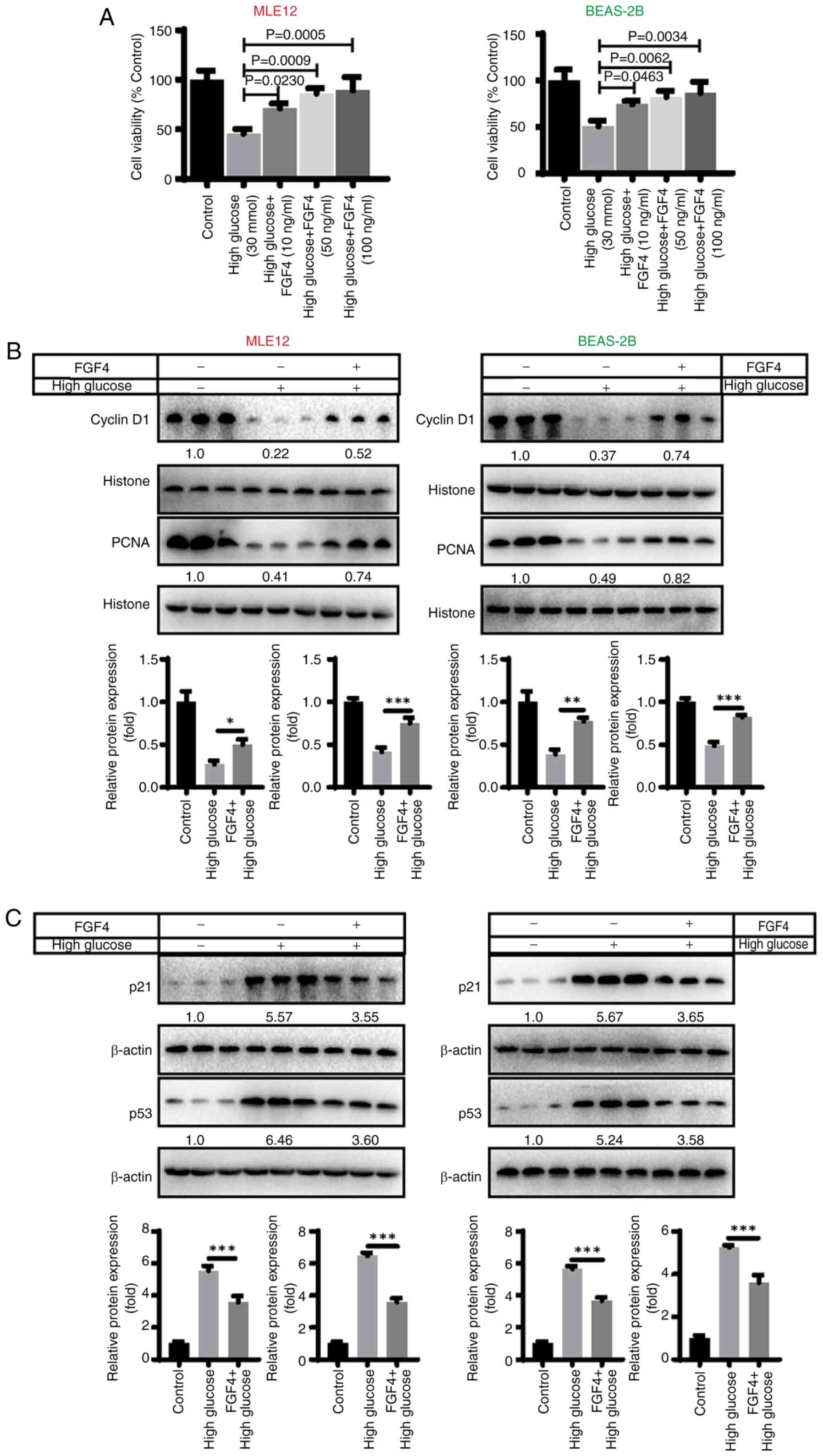
Figure 1

FGF4 alleviated the damage of lung
cells caused by hyperglycemia. (A) Cell proliferation is promoted
by FGF4 treatment. (B) The effect of FGF4 on the expression of
cyclinD1 and PCNA in cells. (C) The effect of FGF4 on the
expression of p21 and p53. *P<0.05,
**P<0.01, ***P<0.001. FGF4, fibroblast
growth factor 4; PCNA, proliferating cell nuclear antigen.

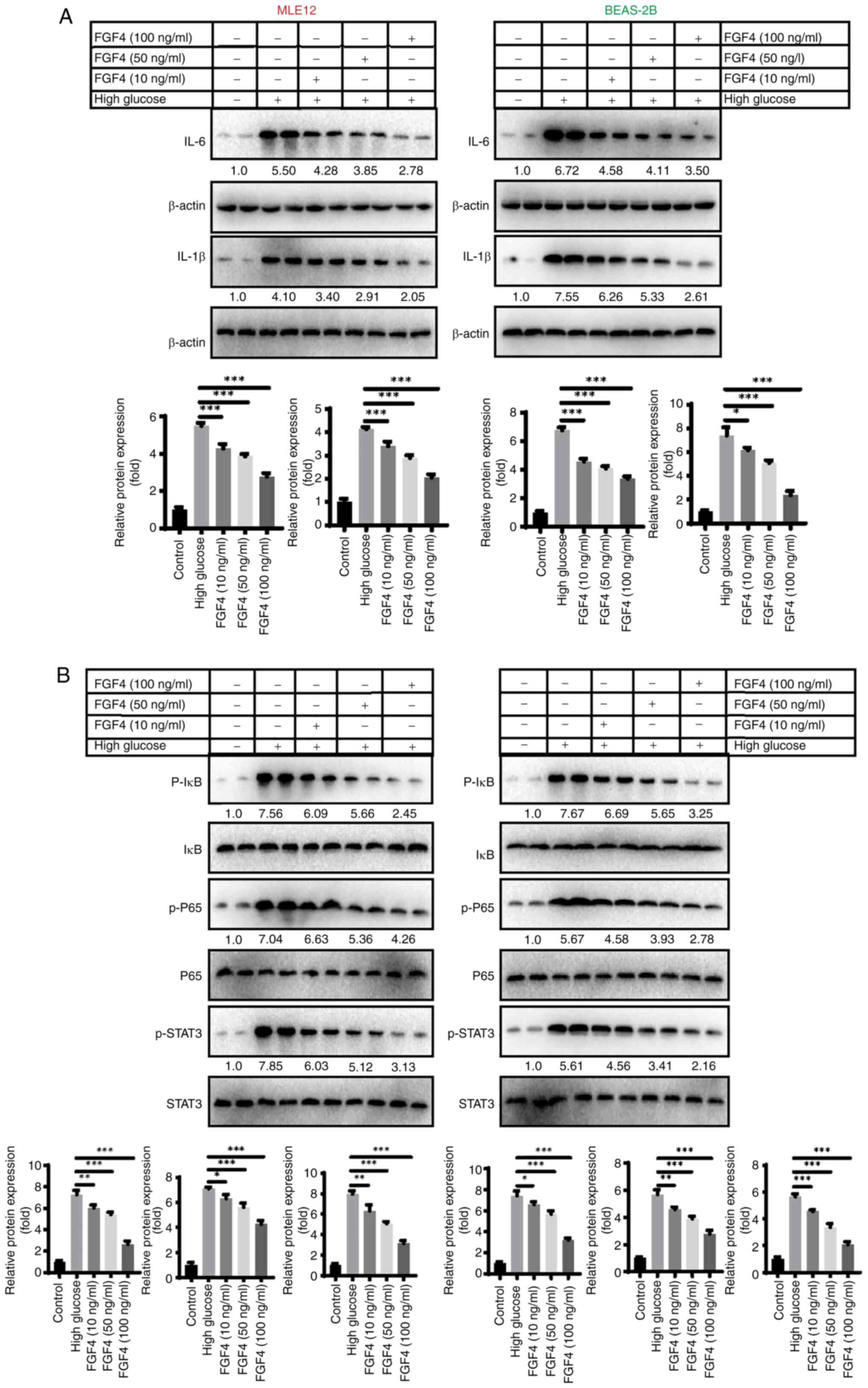
Figure 2

The effect of FGF4 on high
glucose-induced inflammation and oxidative stress in lung cells.
(A) The effect of FGF4 on IL-6 and IL-1β by western-blot analysis.
(B) The effect of FGF4 on the expression levels of p-IκB, p-P65 and
p-STAT3. *P<0.05, **P<0.01,
***P<0.001. FGF4, fibroblast growth factor 4; p-,
phosphorylated.

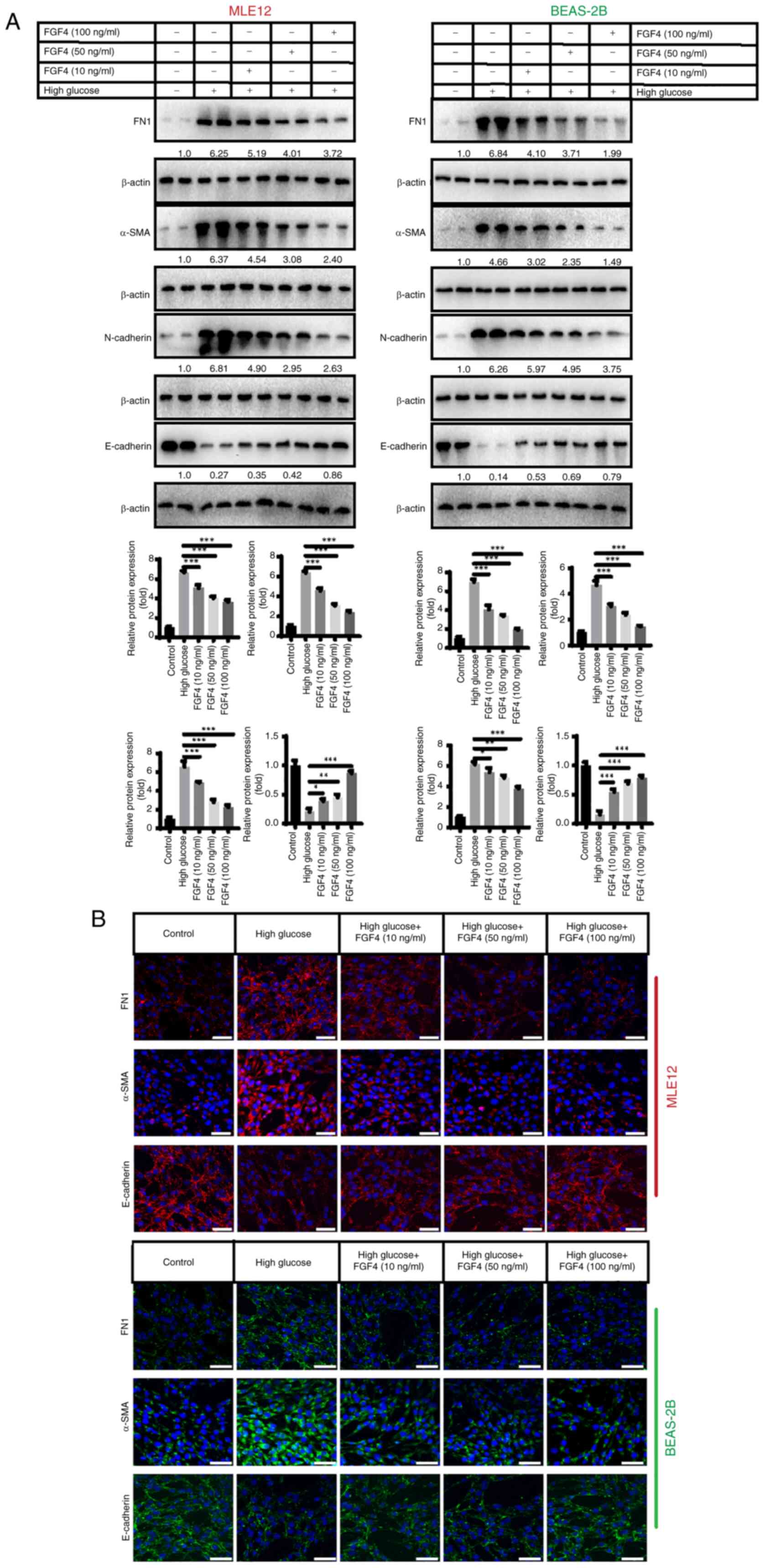
Figure 3

The effect of FGF4 on high
glucose-induced lung fibrosis. (A) The effect of FGF4 on the
expression of FN1, α-SMA, E-cadherin and N-cadherin. (B) Indirect
immunofluorescence analysis of the effect of FGF4 on fibrosis.
Scale bar, 50 μm. *P<0.05,
**P<0.01, ***P<0.001. FGF4, fibroblast
growth factor 4; FN1, fibronectin 1; α-SMA, α-smooth muscle
actin.

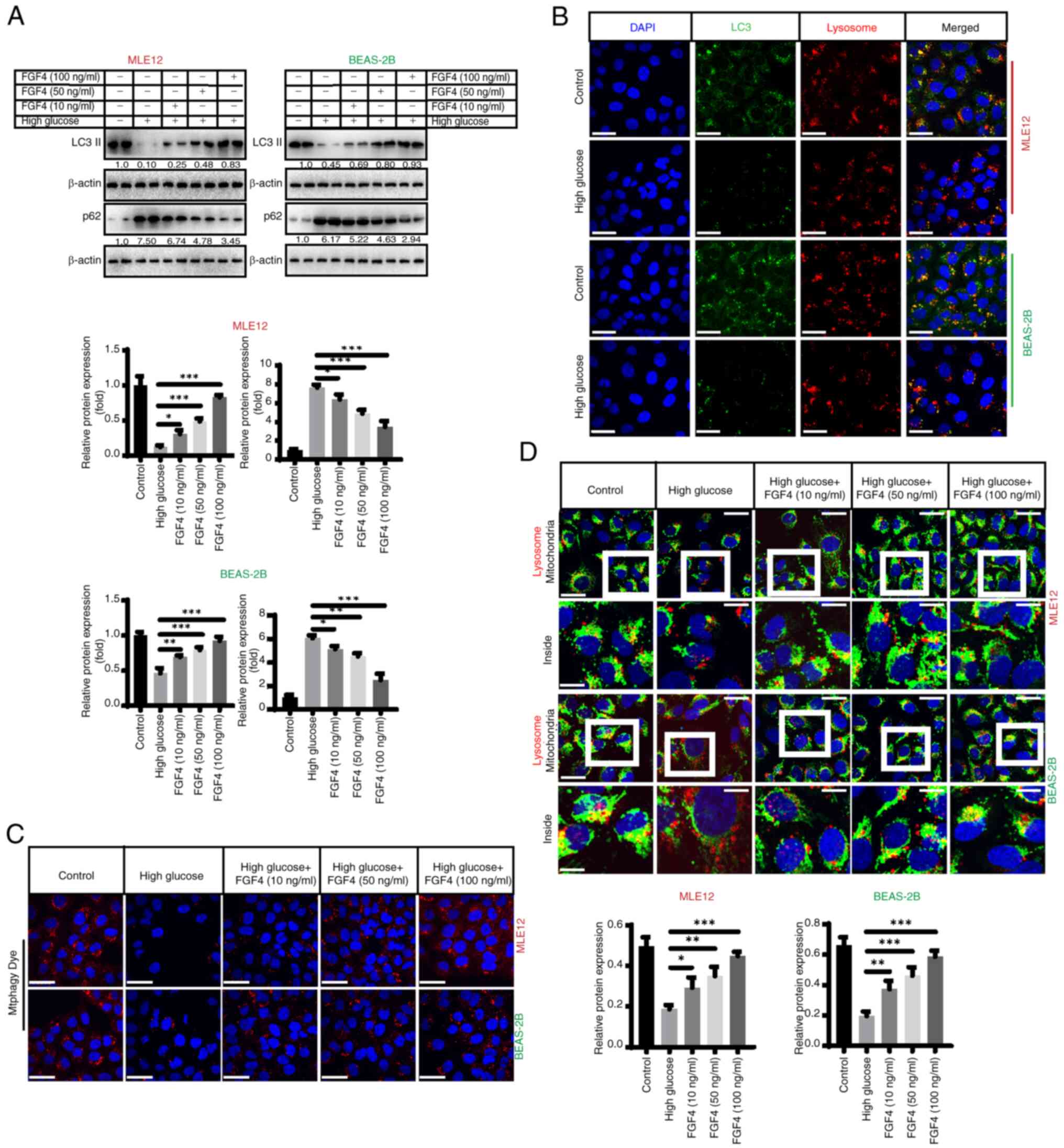
Figure 4

FGF4 alleviates the inhibition of
mitochondrial autophagy caused by high glucose. (A) Evaluation of
the level of autophagy in the presence of high glucose. (B) High
glucose inhibited the autophagy. (C) FGF4 promoted the autophagy
through using specific fluorescent probe. (D) Co-localization also
showed that autophagy of mitochondria was partially restored under
treatment with FGF4. *P<0.05, **P<0.01,
***P<0.001. FGF4, fibroblast growth factor 4; PINK1,
PTEN-induced kinase 1.

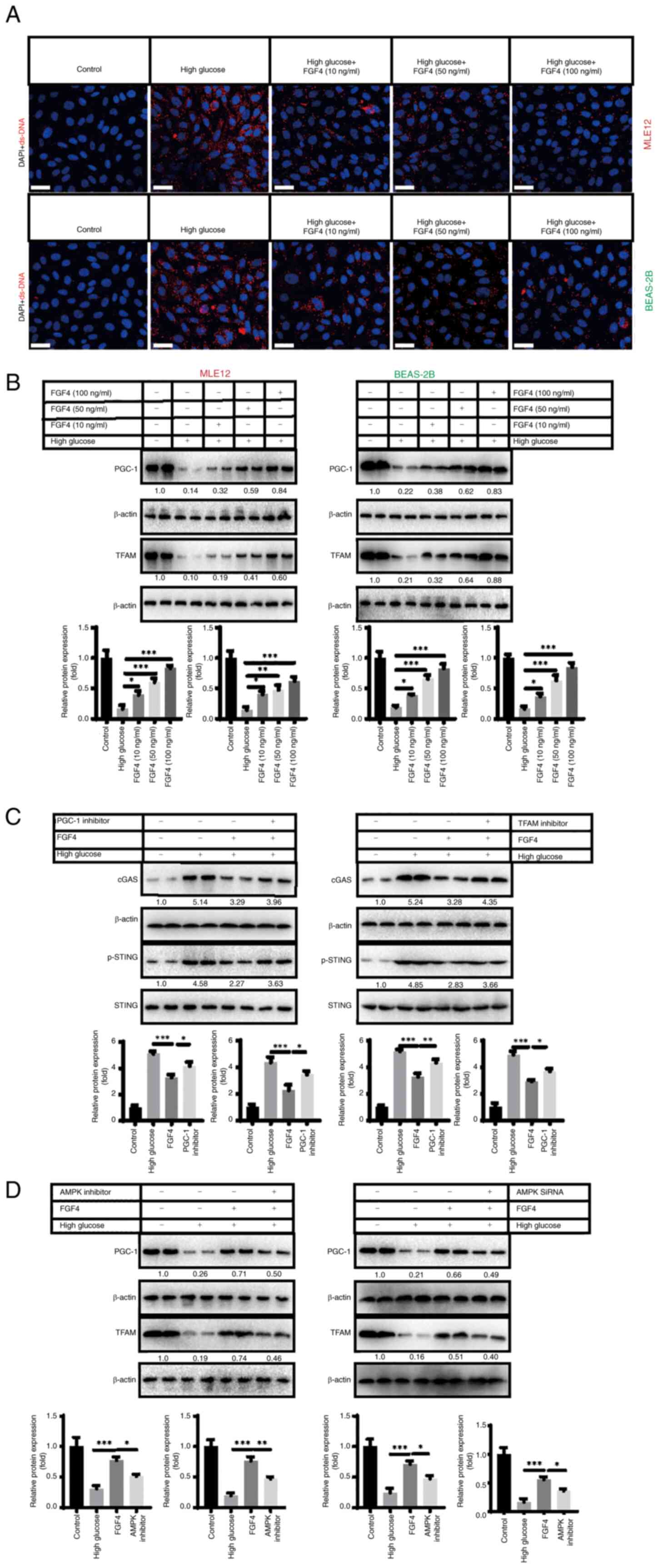
Figure 5

The effect of FGF4 on the cGAS-STING
signaling pathway triggered by high glucose. (A) FGF4 inhibited
high glucose-promoted the release of mitochondrial DNA into the
cytoplasm. Scale bar, 50 μM. (B) FGF4 restored the
expression of PGC-1 and TFAM. (C) FGF4 inhibited cGAS-STING
signaling. (D) The effect of FGF4 was blocked when AMPK was
inhibited. *P<0.05, **P<0.01,
***P<0.001. FGF4, fibroblast growth factor 4; PGC-1,
activated receptor coactivator 1; TFAM, mitochondrial transcription
factor A; AMPK, adenosine monophosphate activated protein
kinase.

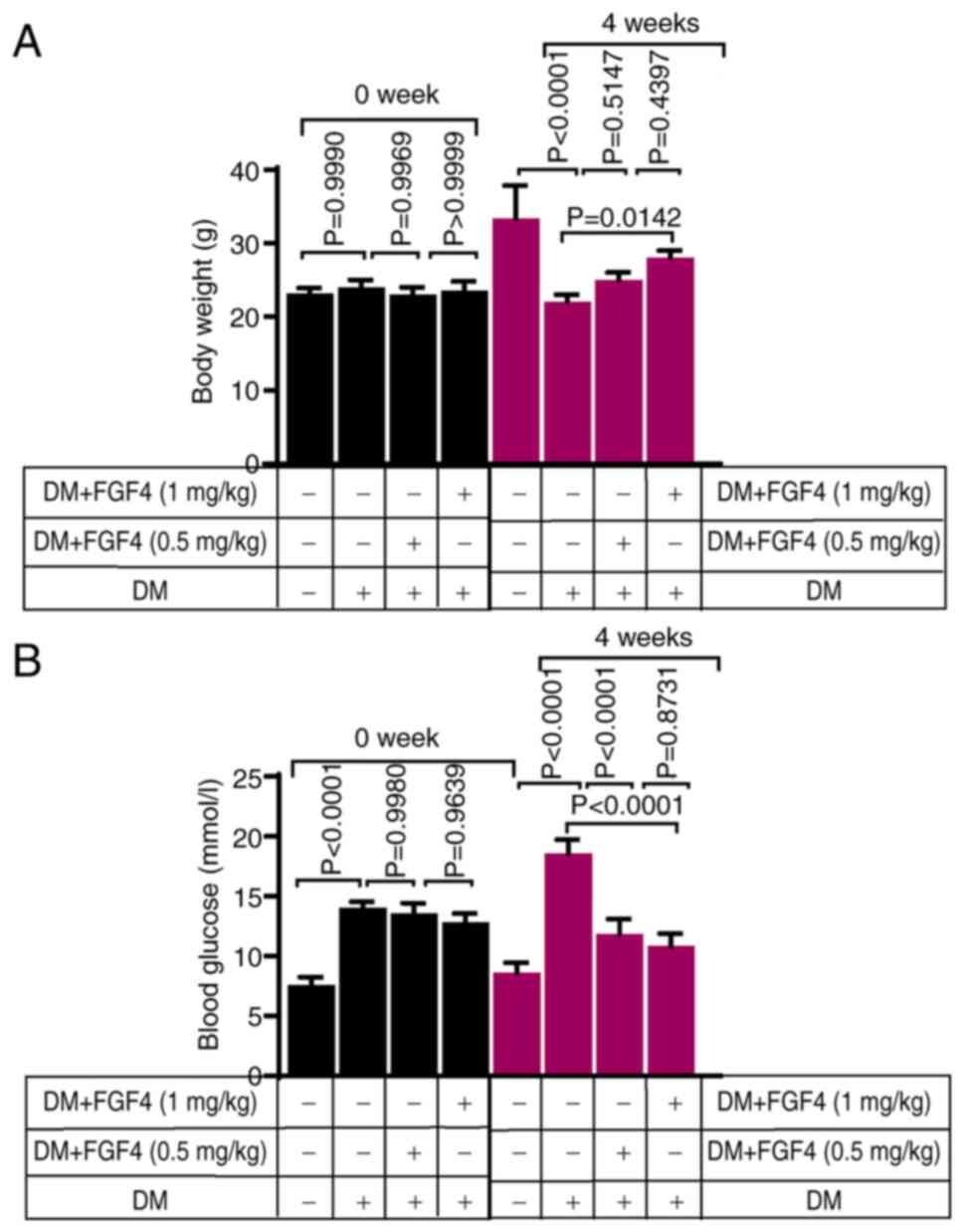
Figure 6

The effect of FGF4 on the body weight
and blood glucose of mice. (A) Effect of FGF4 on the body weight of
mice. (B) The effect of FGF4 on blood glucose. FGF4, fibroblast
growth factor 4; DM, diabetes mellitus.

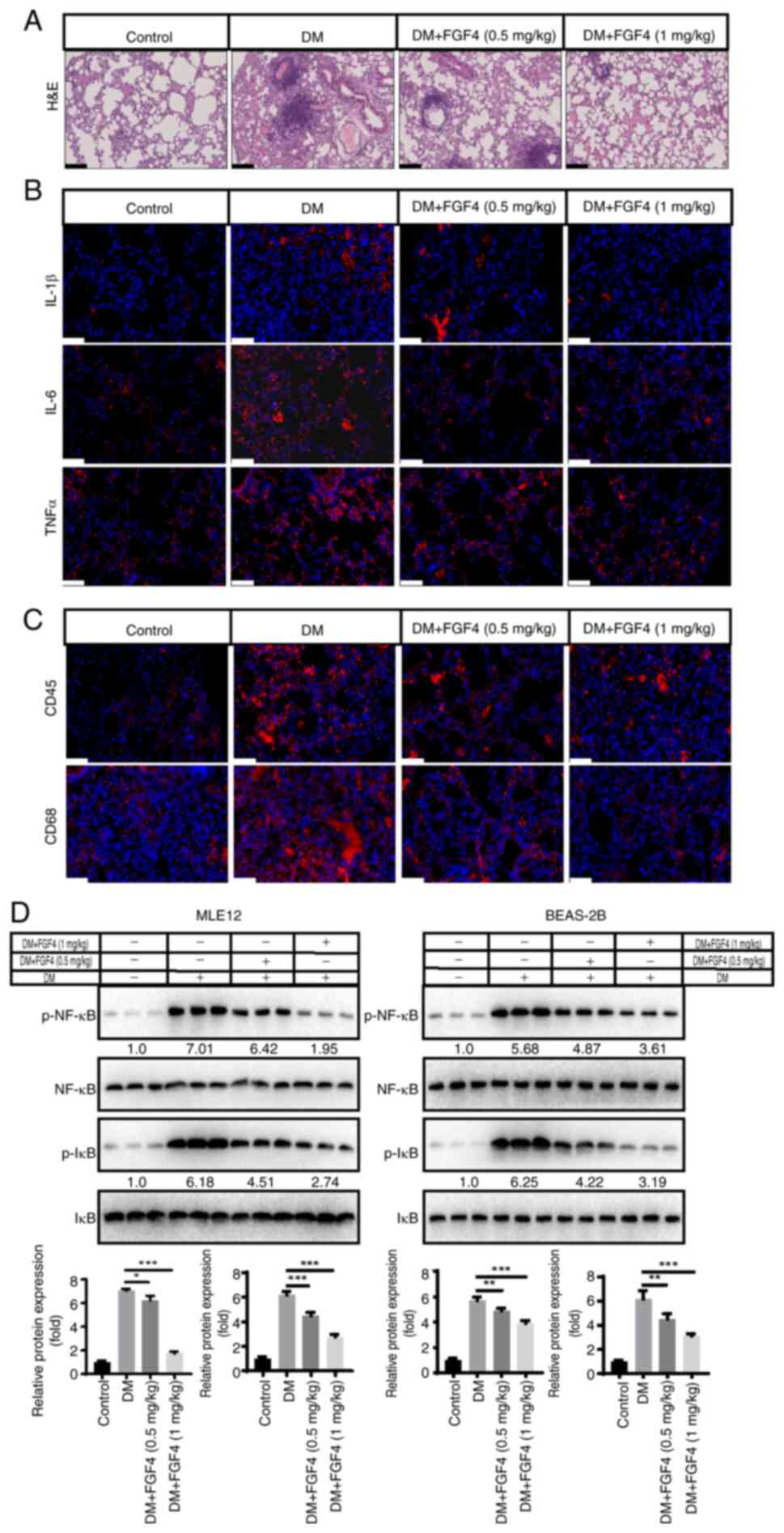
Figure 7

Effect of FGF4 on lung tissue
inflammation in diabetic mice. (A) H&E staining analysis of the
effect of FGF4 on the lung tissue of diabetic mice. (B)
Immunohistochemical analysis of the effect of FGF4 on lung
inflammation. Scale bar, 60 μm. (C) FGF4 treatment
alleviated the infiltration of inflammatory cells. (D) The effect
of FGF4 on the expression of NF-κB. *P<0.05,
**P<0.01, ***P<0.001. FGF4, fibroblast
growth factor 4; H&E, hematoxylin and eosin; DM, diabetes
mellitus.

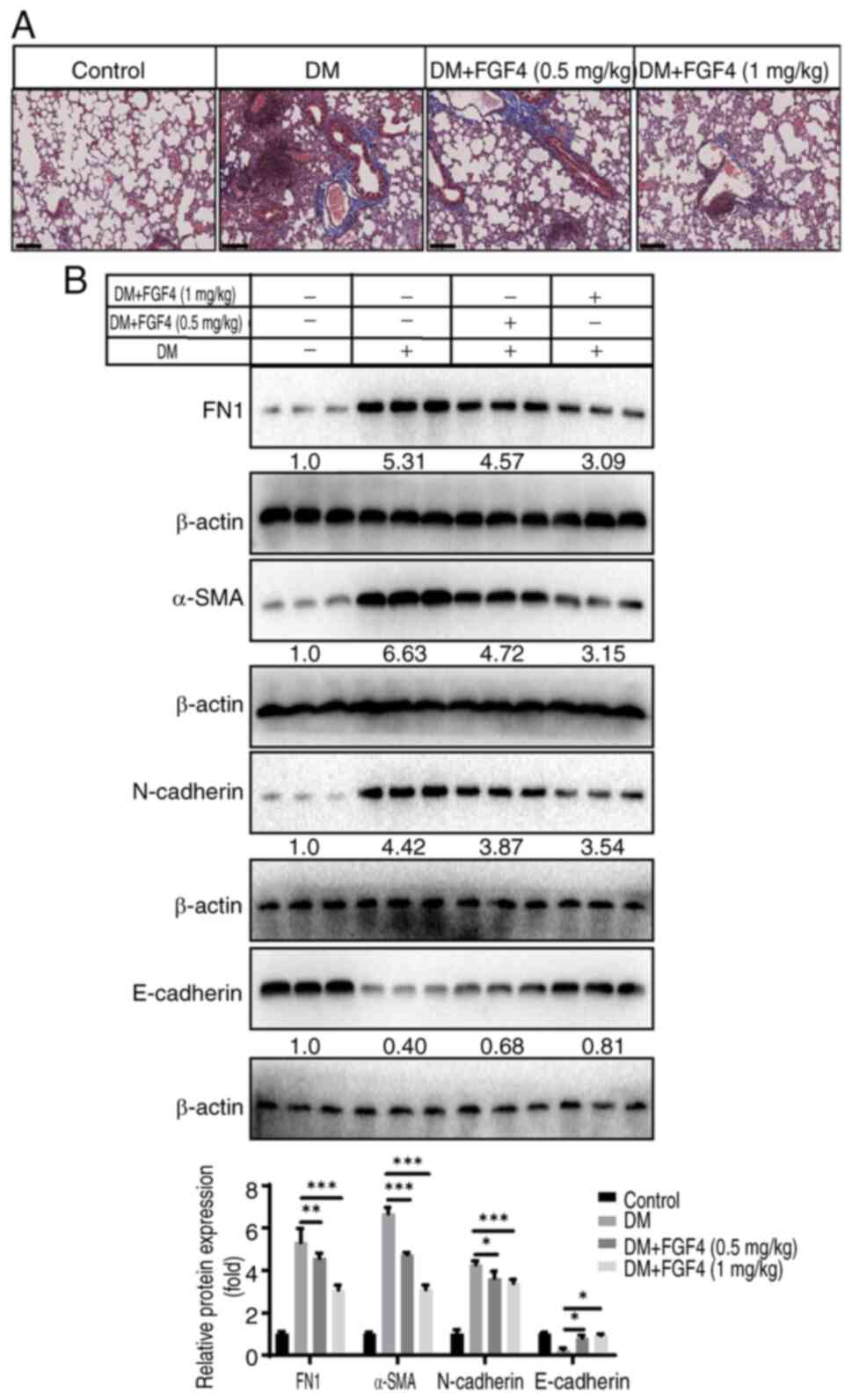
Figure 8

The effect of FGF4 on pulmonary
fibrosis in diabetic mice. (A) Masson staining analysis of the
effect of FGF4 on lung fibrosis. (B) The effect of FGF4 on marker
molecules for lung tissue fibrosis. FGF4, fibroblast growth factor
4; DM, diabetes mellitus. Scale bar, 200 μM.
*P<0.05, **P<0.01,
***P<0.001.

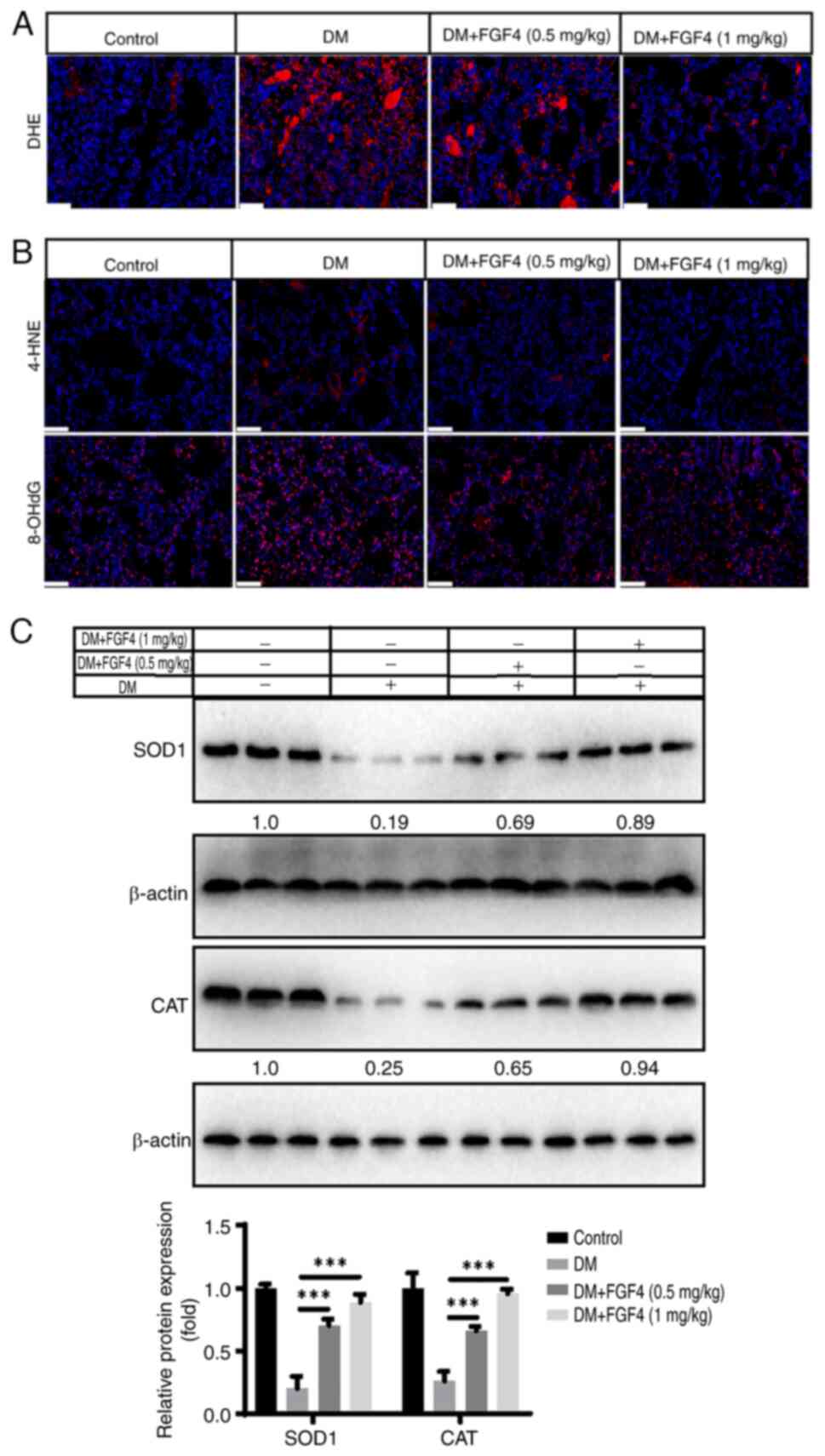
Figure 9

Effect of FGF4 on oxidative stress in
lung tissue of diabetic mice. (A) The effect of FGF4 on ROS by DHE.
(B) The effect of FGF4 on 4-HNE/8-OHdG (scale bar, 60 μm).
(C) The effect of FGF4 on the expression of SOD1 and CAT.
***P<0.001. FGF4, fibroblast growth factor 4; ROS,
reactive oxygen species; SOD, superoxide dismutase; CAT, catalase;
DM, diabetes mellitus.

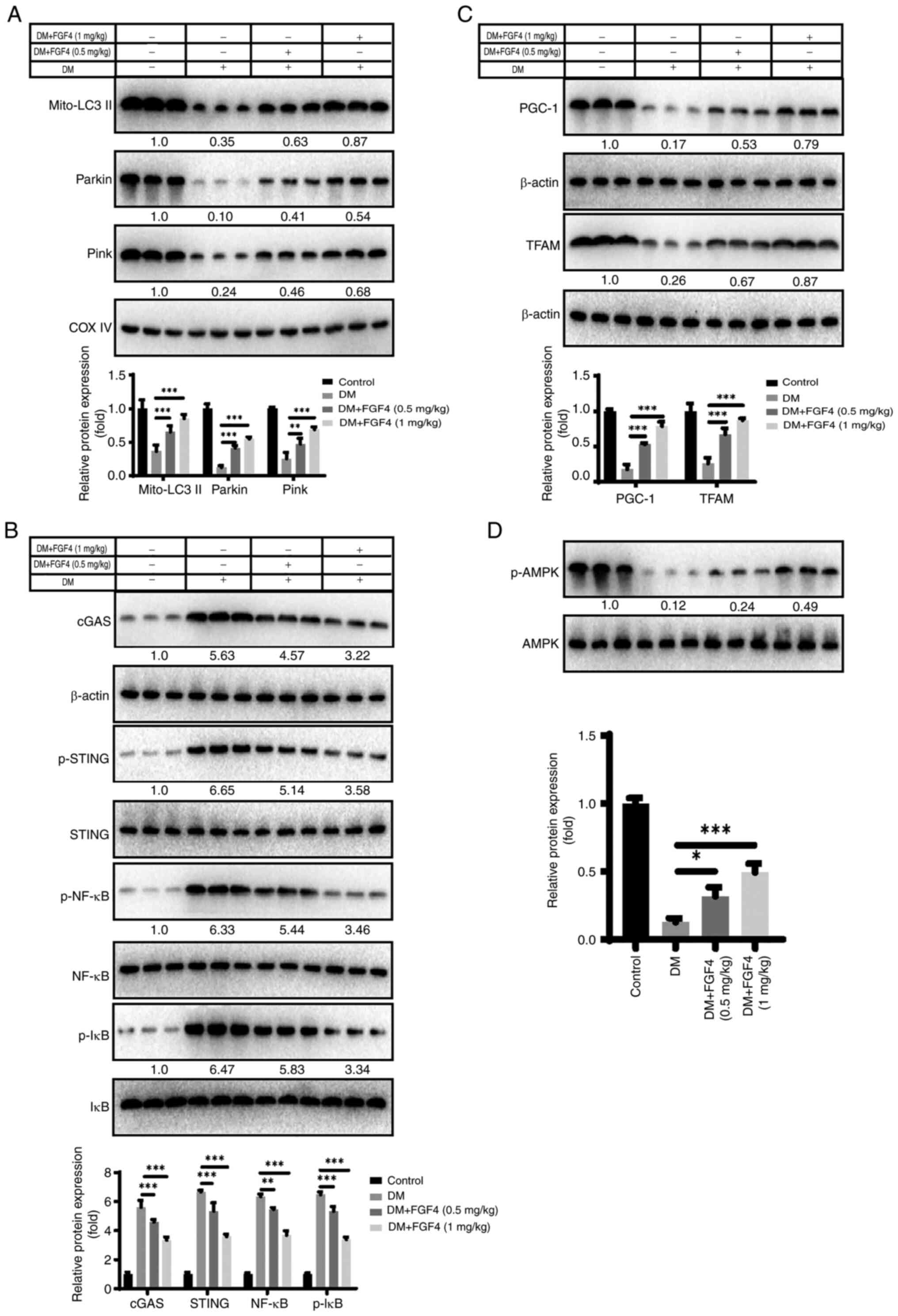
Figure 10

FGF4 improves mitochondrial autophagy
and the cGAS-STING signaling pathway. (A) FGF4 alleviated the
mitochondrial autophagy by western blotting. (B) FGF4 weakened the
cGAS-STING signaling pathway. (C) FGF4 enhanced the expression of
PGC-1-TFAM. (D) FGF4 treatment increased AMPK phosphorylation in
vivo. *P<0.05, **P<0.01,
***P<0.001. FGF4, fibroblast growth factor 4; PGC-1,
activated receptor coactivator 1; TFAM, mitochondrial transcription
factor A; AMPK, adenosine monophosphate activated protein
kinase.
View References

1 

Banday MZ, Sameer AS and Nissar S: Pathophysiology of diabetes: An overview. Avicenna J Med. 10:174–188. 2020. View Article : Google Scholar

2 

Cole JB and Florez JC: Genetics of diabetes mellitus and diabetes complications. Nat Rev Nephrol. 16:377–390. 2020. View Article : Google Scholar : PubMed/NCBI

3 

Klein S, Gastaldelli A, Yki-Järvinen H and Scherer PE: Why does obesity cause diabetes? Cell Metab. 34:11–20. 2022. View Article : Google Scholar : PubMed/NCBI

4 

Chan JCN, Lim LL, Wareham NJ, Shaw JE, Orchard TJ, Zhang P, Lau ESH, Eliasson B, Kong APS, Ezzati M, et al: The lancet commission on diabetes: Using data to transform diabetes care and patient lives. Lancet. 396:2019–2082. 2021. View Article : Google Scholar

5 

Goldman MD: Lung dysfunction in diabetes. Diabetes Care. 26:1915–1918. 2003. View Article : Google Scholar : PubMed/NCBI

6 

Hsia CCW and Raskin P: Lung function changes related to diabetes mellitus. Diabetes Technol Ther. 9(Suppl 1): S73–S82. 2007. View Article : Google Scholar : PubMed/NCBI

7 

Mameli C, Ghezzi M, Mari A, Cammi G, Macedoni M, Redaelli FC, Calcaterra V, Zuccotti G and D'Auria E: The diabetic lung: Insights into pulmonary changes in children and adolescents with type 1 diabetes. Metabolites. 11:692021. View Article : Google Scholar : PubMed/NCBI

8 

van Gent R, Brackel HJ, de Vroede M and van der Ent CK: Lung function abnormalities in children with type 1 diabetes. Respir Med. 96:976–978. 2002. View Article : Google Scholar : PubMed/NCBI

9 

Zheng H, Wu J, Jin Z and Yan LJ: Potential biochemical mechanisms of lung injury in diabetes. Aging Dis. 8:7–16. 2017. View Article : Google Scholar : PubMed/NCBI

10 

Yang L, Zhou F, Zheng D, Wang D, Li X, Zhao C and Huang X: FGF/FGFR signaling: From lung development to respiratory diseases. Cytokine Growth Factor Rev. 62:94–104. 2021. View Article : Google Scholar : PubMed/NCBI

11 

Ghanem M, Archer G, Crestani B and Mailleux AA: The endocrine FGFs axis: A systemic anti-fibrotic response that could prevent pulmonary fibrogenesis? Pharmacol Ther. 259:1086692024. View Article : Google Scholar : PubMed/NCBI

12 

Wang X, Zhou L, Ye S, Liu S, Chen L, Cheng Z, Huang Y, Wang B, Pan M, Wang D, et al: rFGF4 alleviates lipopolysaccharide-induced acute lung injury by inhibiting the TLR4/NF-κB signaling pathway. Int Immunopharmacol. 117:1099232023. View Article : Google Scholar

13 

Liu Y, Ji J, Zheng S, Wei A, Li D, Shi B, Han X and Chen X: Senescent lung-resident mesenchymal stem cells drive pulmonary fibrogenesis through FGF-4/FOXM1 axis. Stem Cell Res Ther. 15:3092024. View Article : Google Scholar : PubMed/NCBI

14 

Sundaram SM, Lenin RR and Janardhanan R: FGF4 alleviates hyperglycemia in diabetes and obesity conditions. Trends Endocrinol Metab. 34:583–585. 2023. View Article : Google Scholar : PubMed/NCBI

15 

Baumgartner-Parzer SM, Wagner L, Pettermann M, Grillari J, Gessl A and Waldhäusl W: High-glucose-triggered apoptosis in cultured endothelial cells. Diabetes. 44:1323–1327. 1995. View Article : Google Scholar : PubMed/NCBI

16 

Blake R and Trounce IA: Mitochondrial dysfunction and complications associated with diabetes. Biochim Biophys Acta. 1840:1404–1412. 2014. View Article : Google Scholar

17 

Yao K, Zhang WW, Yao L, Yang S, Nie W and Huang F: Carvedilol promotes mitochondrial biogenesis by regulating the PGC-1/TFAM pathway in human umbilical vein endothelial cells (HUVECs). Biochem Biophys Res Commun. 470:961–966. 2016. View Article : Google Scholar : PubMed/NCBI

18 

Khateeb J, Fuchs E and Khamaisi M: Diabetes and lung disease: An underestimated relationship. Rev Diabet Stud. 15:1–15. 2019. View Article : Google Scholar :

19 

Xiong XQ, Wang WT, Wang LR, Jin LD and Lin LN: Diabetes increases inflammation and lung injury associated with protective ventilation strategy in mice. Int Immunopharmacol. 13:280–283. 2012. View Article : Google Scholar : PubMed/NCBI

20 

Lontchi-Yimagou E, Sobngwi E, Matsha TE and Kengne AP: Diabetes mellitus and inflammation. Curr Diab Rep. 13:435–444. 2013. View Article : Google Scholar : PubMed/NCBI

21 

Forgiarini LA Jr, Kretzmann NA, Porawski M, Dias AS and Marroni NA: Experimental diabetes mellitus: Oxidative stress and changes in lung structure. J Bras Pneumol. 35:788–791. 2009. View Article : Google Scholar : PubMed/NCBI

22 

Shimizu M and Sato R: Endocrine fibroblast growth factors in relation to stress signaling. Cells. 11:5052022. View Article : Google Scholar : PubMed/NCBI

23 

Yang J, Xue Q, Miao L and Cai L: Pulmonary fibrosis: A possible diabetic complication. Diabetes Metab Res Rev. 27:311–317. 2011. View Article : Google Scholar : PubMed/NCBI

24 

Klionsky DJ and Emr SD: Autophagy as a regulated pathway of cellular degradation. Science. 290:1717–1721. 2000. View Article : Google Scholar : PubMed/NCBI

25 

Levine B and Kroemer G: Autophagy in the pathogenesis of disease. Cell. 132:27–42. 2008. View Article : Google Scholar : PubMed/NCBI

26 

Mizushima N: Autophagy: Process and function. Genes Dev. 21:2861–2873. 2007. View Article : Google Scholar : PubMed/NCBI

27 

Kim J, Kim HS and Chung JH: Molecular mechanisms of mitochondrial DNA release and activation of the cGAS-STING pathway. Exp Mol Med. 55:510–519. 2023. View Article : Google Scholar : PubMed/NCBI

28 

Jiménez-Loygorri JI, Villarejo-Zori B, Viedma-Poyatos Á, Zapata-Muñoz J, Benítez-Fernández R, Frutos-Lisón MD, Tomás-Barberán FA, Espín JC, Area-Gómez E, Gomez-Duran A and Boya P: Mitophagy curtails cytosolic mtDNA-dependent activation of cGAS/STING inflammation during aging. Nat Commun. 15:8302024. View Article : Google Scholar : PubMed/NCBI

Related Articles

  • Abstract
  • View
  • Download
  • Twitter
Copy and paste a formatted citation
Spandidos Publications style
Fu Q, Ou Y, Wu Q, Gong J, Li F, Wang T, Lin Z, Huang K and Xie J: FGF4 alleviates the lung cell damage caused by high glucose via AMPK‑PGC‑1 signaling axis <em>in vitro</em> and <em>in vivo</em>. Int J Mol Med 57: 39, 2026.
APA
Fu, Q., Ou, Y., Wu, Q., Gong, J., Li, F., Wang, T. ... Xie, J. (2026). FGF4 alleviates the lung cell damage caused by high glucose via AMPK‑PGC‑1 signaling axis <em>in vitro</em> and <em>in vivo</em>. International Journal of Molecular Medicine, 57, 39. https://doi.org/10.3892/ijmm.2025.5710
MLA
Fu, Q., Ou, Y., Wu, Q., Gong, J., Li, F., Wang, T., Lin, Z., Huang, K., Xie, J."FGF4 alleviates the lung cell damage caused by high glucose via AMPK‑PGC‑1 signaling axis <em>in vitro</em> and <em>in vivo</em>". International Journal of Molecular Medicine 57.2 (2026): 39.
Chicago
Fu, Q., Ou, Y., Wu, Q., Gong, J., Li, F., Wang, T., Lin, Z., Huang, K., Xie, J."FGF4 alleviates the lung cell damage caused by high glucose via AMPK‑PGC‑1 signaling axis <em>in vitro</em> and <em>in vivo</em>". International Journal of Molecular Medicine 57, no. 2 (2026): 39. https://doi.org/10.3892/ijmm.2025.5710
Copy and paste a formatted citation
x
Spandidos Publications style
Fu Q, Ou Y, Wu Q, Gong J, Li F, Wang T, Lin Z, Huang K and Xie J: FGF4 alleviates the lung cell damage caused by high glucose via AMPK‑PGC‑1 signaling axis <em>in vitro</em> and <em>in vivo</em>. Int J Mol Med 57: 39, 2026.
APA
Fu, Q., Ou, Y., Wu, Q., Gong, J., Li, F., Wang, T. ... Xie, J. (2026). FGF4 alleviates the lung cell damage caused by high glucose via AMPK‑PGC‑1 signaling axis <em>in vitro</em> and <em>in vivo</em>. International Journal of Molecular Medicine, 57, 39. https://doi.org/10.3892/ijmm.2025.5710
MLA
Fu, Q., Ou, Y., Wu, Q., Gong, J., Li, F., Wang, T., Lin, Z., Huang, K., Xie, J."FGF4 alleviates the lung cell damage caused by high glucose via AMPK‑PGC‑1 signaling axis <em>in vitro</em> and <em>in vivo</em>". International Journal of Molecular Medicine 57.2 (2026): 39.
Chicago
Fu, Q., Ou, Y., Wu, Q., Gong, J., Li, F., Wang, T., Lin, Z., Huang, K., Xie, J."FGF4 alleviates the lung cell damage caused by high glucose via AMPK‑PGC‑1 signaling axis <em>in vitro</em> and <em>in vivo</em>". International Journal of Molecular Medicine 57, no. 2 (2026): 39. https://doi.org/10.3892/ijmm.2025.5710
Follow us
  • Twitter
  • LinkedIn
  • Facebook
About
  • Spandidos Publications
  • Careers
  • Cookie Policy
  • Privacy Policy
How can we help?
  • Help
  • Live Chat
  • Contact
  • Email to our Support Team