Spandidos Publications Logo
  • About
    • About Spandidos
    • Aims and Scopes
    • Abstracting and Indexing
    • Editorial Policies
    • Reprints and Permissions
    • Job Opportunities
    • Terms and Conditions
    • Contact
  • Journals
    • All Journals
    • Oncology Letters
      • Oncology Letters
      • Information for Authors
      • Editorial Policies
      • Editorial Board
      • Aims and Scope
      • Abstracting and Indexing
      • Bibliographic Information
      • Archive
    • International Journal of Oncology
      • International Journal of Oncology
      • Information for Authors
      • Editorial Policies
      • Editorial Board
      • Aims and Scope
      • Abstracting and Indexing
      • Bibliographic Information
      • Archive
    • Molecular and Clinical Oncology
      • Molecular and Clinical Oncology
      • Information for Authors
      • Editorial Policies
      • Editorial Board
      • Aims and Scope
      • Abstracting and Indexing
      • Bibliographic Information
      • Archive
    • Experimental and Therapeutic Medicine
      • Experimental and Therapeutic Medicine
      • Information for Authors
      • Editorial Policies
      • Editorial Board
      • Aims and Scope
      • Abstracting and Indexing
      • Bibliographic Information
      • Archive
    • International Journal of Molecular Medicine
      • International Journal of Molecular Medicine
      • Information for Authors
      • Editorial Policies
      • Editorial Board
      • Aims and Scope
      • Abstracting and Indexing
      • Bibliographic Information
      • Archive
    • Biomedical Reports
      • Biomedical Reports
      • Information for Authors
      • Editorial Policies
      • Editorial Board
      • Aims and Scope
      • Abstracting and Indexing
      • Bibliographic Information
      • Archive
    • Oncology Reports
      • Oncology Reports
      • Information for Authors
      • Editorial Policies
      • Editorial Board
      • Aims and Scope
      • Abstracting and Indexing
      • Bibliographic Information
      • Archive
    • Molecular Medicine Reports
      • Molecular Medicine Reports
      • Information for Authors
      • Editorial Policies
      • Editorial Board
      • Aims and Scope
      • Abstracting and Indexing
      • Bibliographic Information
      • Archive
    • World Academy of Sciences Journal
      • World Academy of Sciences Journal
      • Information for Authors
      • Editorial Policies
      • Editorial Board
      • Aims and Scope
      • Abstracting and Indexing
      • Bibliographic Information
      • Archive
    • International Journal of Functional Nutrition
      • International Journal of Functional Nutrition
      • Information for Authors
      • Editorial Policies
      • Editorial Board
      • Aims and Scope
      • Abstracting and Indexing
      • Bibliographic Information
      • Archive
    • International Journal of Epigenetics
      • International Journal of Epigenetics
      • Information for Authors
      • Editorial Policies
      • Editorial Board
      • Aims and Scope
      • Abstracting and Indexing
      • Bibliographic Information
      • Archive
    • Medicine International
      • Medicine International
      • Information for Authors
      • Editorial Policies
      • Editorial Board
      • Aims and Scope
      • Abstracting and Indexing
      • Bibliographic Information
      • Archive
  • Articles
  • Information
    • Information for Authors
    • Information for Reviewers
    • Information for Librarians
    • Information for Advertisers
    • Conferences
  • Language Editing
Spandidos Publications Logo
  • About
    • About Spandidos
    • Aims and Scopes
    • Abstracting and Indexing
    • Editorial Policies
    • Reprints and Permissions
    • Job Opportunities
    • Terms and Conditions
    • Contact
  • Journals
    • All Journals
    • Biomedical Reports
      • Information for Authors
      • Editorial Policies
      • Editorial Board
      • Aims and Scope
      • Abstracting and Indexing
      • Bibliographic Information
      • Archive
    • Experimental and Therapeutic Medicine
      • Information for Authors
      • Editorial Policies
      • Editorial Board
      • Aims and Scope
      • Abstracting and Indexing
      • Bibliographic Information
      • Archive
    • International Journal of Epigenetics
      • Information for Authors
      • Editorial Policies
      • Editorial Board
      • Aims and Scope
      • Abstracting and Indexing
      • Bibliographic Information
      • Archive
    • International Journal of Functional Nutrition
      • Information for Authors
      • Editorial Policies
      • Editorial Board
      • Aims and Scope
      • Abstracting and Indexing
      • Bibliographic Information
      • Archive
    • International Journal of Molecular Medicine
      • Information for Authors
      • Editorial Policies
      • Editorial Board
      • Aims and Scope
      • Abstracting and Indexing
      • Bibliographic Information
      • Archive
    • International Journal of Oncology
      • Information for Authors
      • Editorial Policies
      • Editorial Board
      • Aims and Scope
      • Abstracting and Indexing
      • Bibliographic Information
      • Archive
    • Medicine International
      • Information for Authors
      • Editorial Policies
      • Editorial Board
      • Aims and Scope
      • Abstracting and Indexing
      • Bibliographic Information
      • Archive
    • Molecular and Clinical Oncology
      • Information for Authors
      • Editorial Policies
      • Editorial Board
      • Aims and Scope
      • Abstracting and Indexing
      • Bibliographic Information
      • Archive
    • Molecular Medicine Reports
      • Information for Authors
      • Editorial Policies
      • Editorial Board
      • Aims and Scope
      • Abstracting and Indexing
      • Bibliographic Information
      • Archive
    • Oncology Letters
      • Information for Authors
      • Editorial Policies
      • Editorial Board
      • Aims and Scope
      • Abstracting and Indexing
      • Bibliographic Information
      • Archive
    • Oncology Reports
      • Information for Authors
      • Editorial Policies
      • Editorial Board
      • Aims and Scope
      • Abstracting and Indexing
      • Bibliographic Information
      • Archive
    • World Academy of Sciences Journal
      • Information for Authors
      • Editorial Policies
      • Editorial Board
      • Aims and Scope
      • Abstracting and Indexing
      • Bibliographic Information
      • Archive
  • Articles
  • Information
    • For Authors
    • For Reviewers
    • For Librarians
    • For Advertisers
    • Conferences
  • Language Editing
Login Register Submit
  • This site uses cookies
  • You can change your cookie settings at any time by following the instructions in our Cookie Policy. To find out more, you may read our Privacy Policy.

    I agree
Search articles by DOI, keyword, author or affiliation
Search
Advanced Search
presentation
International Journal of Oncology
Join Editorial Board Propose a Special Issue
Print ISSN: 1019-6439 Online ISSN: 1791-2423
Journal Cover
August 2012 Volume 41 Issue 2

Full Size Image

Cover Legend PDF

Sign up for eToc alerts
Recommend to Library

Journals

International Journal of Molecular Medicine

International Journal of Molecular Medicine

International Journal of Molecular Medicine is an international journal devoted to molecular mechanisms of human disease.

International Journal of Oncology

International Journal of Oncology

International Journal of Oncology is an international journal devoted to oncology research and cancer treatment.

Molecular Medicine Reports

Molecular Medicine Reports

Covers molecular medicine topics such as pharmacology, pathology, genetics, neuroscience, infectious diseases, molecular cardiology, and molecular surgery.

Oncology Reports

Oncology Reports

Oncology Reports is an international journal devoted to fundamental and applied research in Oncology.

Experimental and Therapeutic Medicine

Experimental and Therapeutic Medicine

Experimental and Therapeutic Medicine is an international journal devoted to laboratory and clinical medicine.

Oncology Letters

Oncology Letters

Oncology Letters is an international journal devoted to Experimental and Clinical Oncology.

Biomedical Reports

Biomedical Reports

Explores a wide range of biological and medical fields, including pharmacology, genetics, microbiology, neuroscience, and molecular cardiology.

Molecular and Clinical Oncology

Molecular and Clinical Oncology

International journal addressing all aspects of oncology research, from tumorigenesis and oncogenes to chemotherapy and metastasis.

World Academy of Sciences Journal

World Academy of Sciences Journal

Multidisciplinary open-access journal spanning biochemistry, genetics, neuroscience, environmental health, and synthetic biology.

International Journal of Functional Nutrition

International Journal of Functional Nutrition

Open-access journal combining biochemistry, pharmacology, immunology, and genetics to advance health through functional nutrition.

International Journal of Epigenetics

International Journal of Epigenetics

Publishes open-access research on using epigenetics to advance understanding and treatment of human disease.

Medicine International

Medicine International

An International Open Access Journal Devoted to General Medicine.

Journal Cover
August 2012 Volume 41 Issue 2

Full Size Image

Cover Legend PDF

Sign up for eToc alerts
Recommend to Library

  • Article
  • Citations
    • Cite This Article
    • Download Citation
    • Create Citation Alert
    • Remove Citation Alert
    • Cited By
  • Similar Articles
    • Related Articles (in Spandidos Publications)
    • Similar Articles (Google Scholar)
    • Similar Articles (PubMed)
  • Download PDF
  • Download XML
  • View XML
Article Open Access

Depolarization potentiates TRAIL-induced apoptosis in human melanoma cells: Role for ATP-sensitive K+ channels and endoplasmic reticulum stress

  • Authors:
    • Yoshihiro Suzuki
    • Toshio Inoue
    • Mayumi Murai
    • Miki  Suzuki‑Karasaki
    • Toyoko Ochiai
    • Chisei  Ra
  • View Affiliations / Copyright

    Affiliations: Division of Molecular Cell Immunology and Allergology, Nihon University Graduate School of Medical Science, Tokyo, Japan, Department of Dermatology, Nihon University Surugadai Hospital, Tokyo, Japan
    Copyright: © Suzuki et al. This is an open access article distributed under the terms of Creative Commons Attribution License [CC BY_NC 3.0].
  • Pages: 465-475
    |
    Published online on: May 17, 2012
       https://doi.org/10.3892/ijo.2012.1483
  • Expand metrics +
Metrics: Total Views: 0 (Spandidos Publications: | PMC Statistics: )
Metrics: Total PDF Downloads: 0 (Spandidos Publications: | PMC Statistics: )
Cited By (CrossRef): 0 citations Loading Articles...

This article is mentioned in:


Abstract

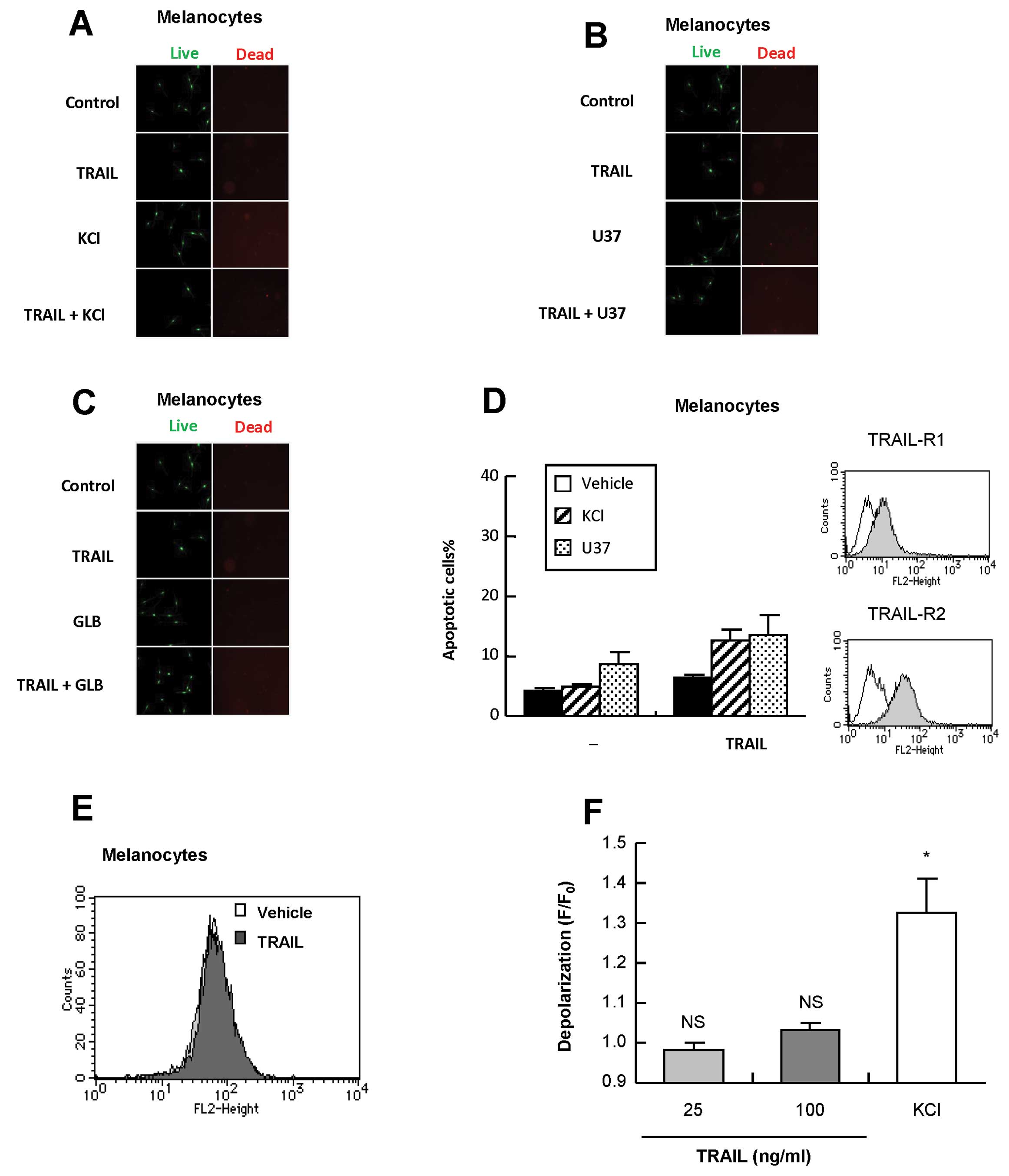
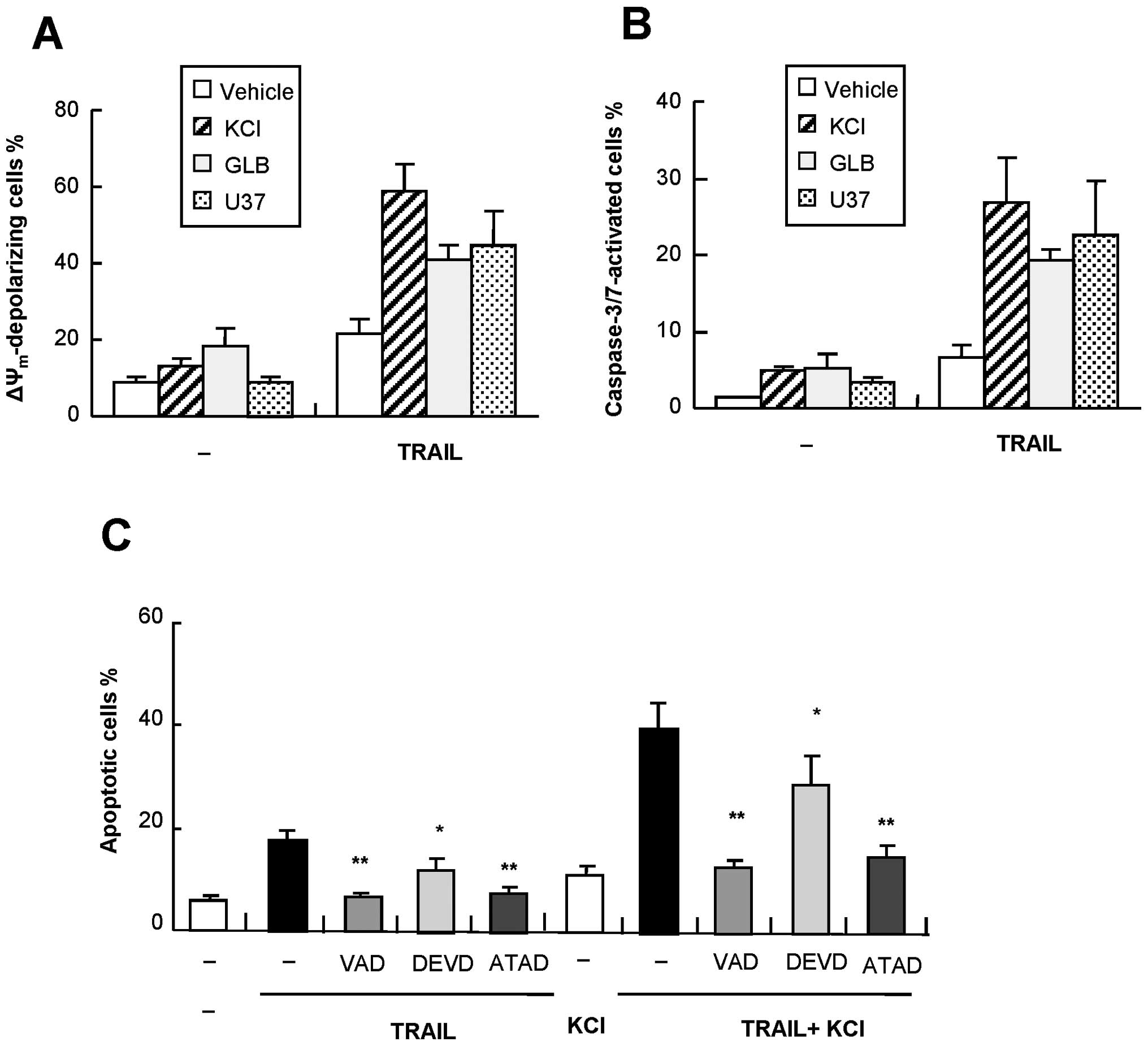
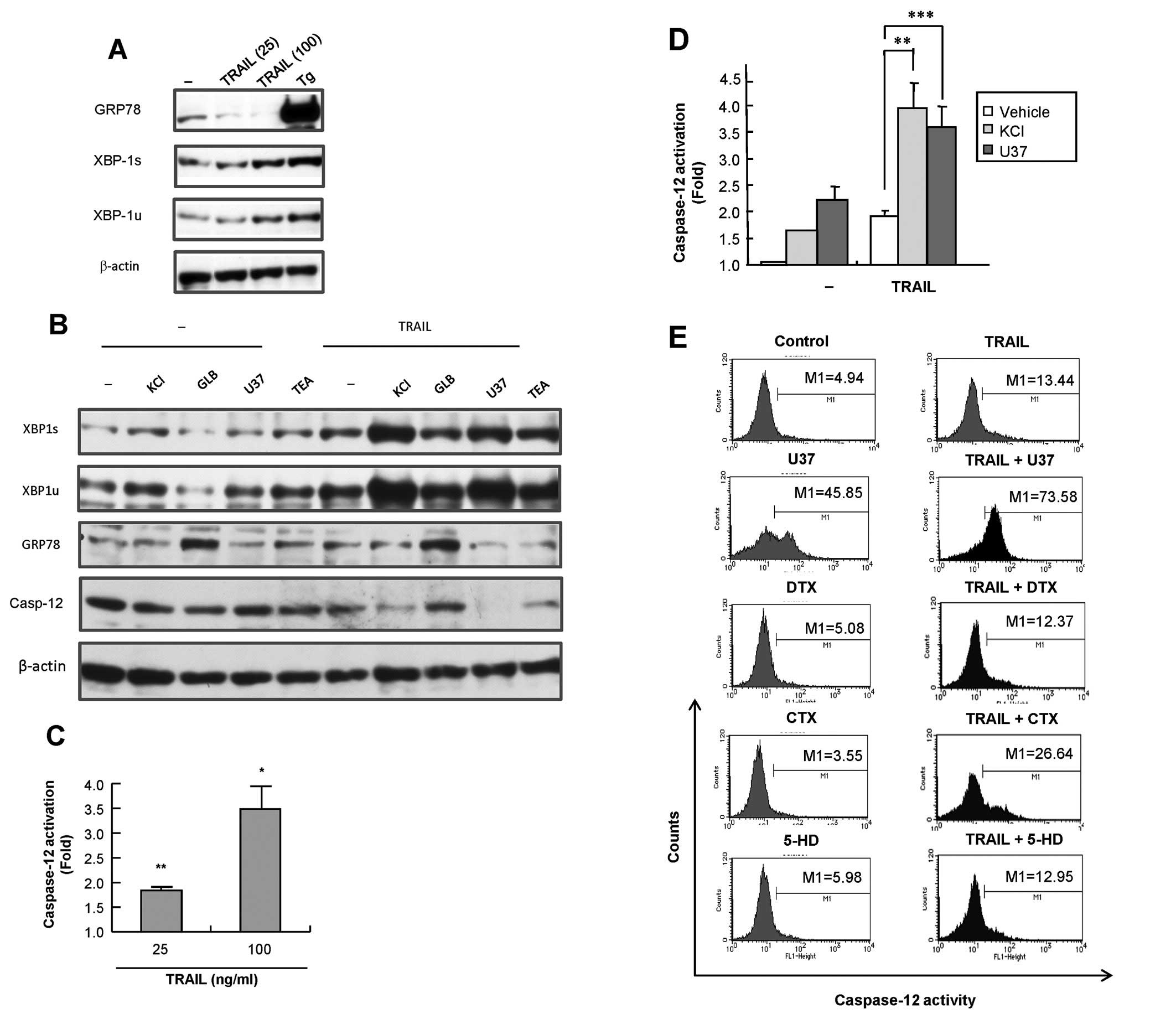
Tumor necrosis factor-related apoptosis-inducing ligand (TRAIL) is promising for cancer treatment owing to its selective cytotoxicity against malignant cells. However, some cancer cell types, including malignant melanoma cells, are resistant to TRAIL-induced apoptosis. Therefore, drugs that can amplify TRAIL cytotoxicity are urgently required. Depolarization of the plasma membrane potential is associated with apoptosis induced by a variety of death-inducing agents but its role in apoptosis remains a matter of debate. We found that TRAIL treatment resulted in robust depolarization in human melanoma cells with a considerable lag (2-4 h). Moreover, membrane-depolarizing agents, including K+ and ATP-sensitive K+ (KATP) channel inhibitors glibenclamide and U37883A enhanced TRAIL-induced apoptosis. On the contrary, inhibitors of calcium- and voltage-dependent K+ channels and mitochondrial KATP channels had no such effects. Melanocytes were insensitive to TRAIL-induced depolarization and apoptosis as well as to the sensitization by membrane-depolarizing agents despite their substantial surface expression of death receptors. TRAIL induced robust activation of X-box-binding protein-1 and caspase-12, both of which were enhanced by the K+ and KATP channel inhibitors, but not by other K+ channel inhibitors. Finally, caspase-12-selective inhibitor completely abolished the amplification of apoptosis. These findings suggest that depolarization promotes endoplasmic reticulum stress-mediated death pathway, thereby amplifying TRAIL cytotoxicity. Thus, membrane-depolarizing agents such as KATP channel inhibitors may have therapeutic potential in the treatment of TRAIL-resistant cancer cells without impairing tumor-selectivity.
View Figures

Figure 1

Figure 2

Figure 3

Figure 4

Figure 5

Figure 6

Figure 7

View References

1 

LeBlanc HN and Ashkenazi A: Apo2L/TRAIL and its death and decoy receptors. Cell Death Differ. 10:66–75. 2003. View Article : Google Scholar : PubMed/NCBI

2 

Kischkel FC, Lawrence DA, Chuntharapai A, et al: Apo2L/TRAIL-dependent recruitment of endogenous FADD and caspase-8 to death receptors 4 and 5. Immunity. 12:612–620. 2000. View Article : Google Scholar : PubMed/NCBI

3 

Lavrik IN, Golks A and Krammer PH: Caspases: pharmacological manipulation of cell death. J Clin Invest. 115:2665–2672. 2005. View Article : Google Scholar : PubMed/NCBI

4 

Danial NN and Korsmeyer SJ: Cell death: critical control points. Cell. 116:205–219. 2004. View Article : Google Scholar : PubMed/NCBI

5 

Yan N and Shi Y: Mechanisms of apoptosis through structural biology. Annu Rev Cell Dev Biol. 21:35–56. 2005. View Article : Google Scholar : PubMed/NCBI

6 

Dyer MJ and MacFarlane M: Cohen GM. Barriers to effective TRAIL-targeted therapy of malignancy. J Clin Oncol. 25:4505–4506. 2007. View Article : Google Scholar : PubMed/NCBI

7 

McCarthy JV and Cotter TG: Cell shrinkage and apoptosis: a role for potassium and sodium ion efflux. Cell Death Differ. 4:756–770. 1997. View Article : Google Scholar : PubMed/NCBI

8 

Lang F, Föller M, Lang K, et al: Cell volume regulatory ion channels in cell proliferation and cell death. Methods Enzymol. 428:209–225. 2007.PubMed/NCBI

9 

Burg ED, Remillard CV and Yuan JX: Potassium channels in the regulation of pulmonary artery smooth muscle cell proliferation and apoptosis: pharmacotherapeutic implications. Br J Pharmacol. 153:S99–S111. 2008. View Article : Google Scholar : PubMed/NCBI

10 

Bortner CD, Gomez-Angelats M and Cidlowski JA: Plasma membrane depolarization without repolarization is an early molecular event in anti-Fas-induced apoptosis. J Biol Chem. 276:4304–4314. 2001. View Article : Google Scholar : PubMed/NCBI

11 

Yin W, Li X, Feng S, et al: Plasma membrane depolarization and Na, K-ATPase impairment induced by mitochondrial toxins augment leukemia cell apoptosis via a novel mitochondrial amplification mechanism. Biochem Pharmacol. 78:191–202. 2009. View Article : Google Scholar

12 

Nolte F, Friedrich O, Rojewski M, Fink RH, Schrezenmeier H and Körper S: Depolarisation of the plasma membrane in the arsenic trioxide (As2O3)-and anti-CD95-induced apoptosis in myeloid cells. FEBS Lett. 578:85–89. 2004. View Article : Google Scholar : PubMed/NCBI

13 

Ghoumari AM, Piochon C, Tomkiewicz C, et al: Neuroprotective effect of mifepristone involves neuron depolarization. FASEB J. 20:1377–1386. 2006. View Article : Google Scholar : PubMed/NCBI

14 

Karki P, Seong C, Kim JE, et al: Intracellular K+ inhibits apoptosis by suppressing the Apaf-1 apoptosome formation and subsequent downstream pathways but not cytochrome c release. Cell Death Differ. 4:2068–2075. 2007.

15 

Yoshimaru T, Suzuki Y, Inoue T and Ra C: L-type Ca2+ channels in mast cells: activation by membrane depolarization and distinct roles in regulating mediator release from store-operated Ca2+ channels. Mol Immunol. 46:1267–1277. 2009.

16 

Suzuki Y, Yoshimaru T, Inoue T and Ra C: Cav 1.2 L-type Ca2+ channel protects mast cells against activation-induced cell death by preventing mitochondrial integrity disruption. Mol Immunol. 46:2370–2380. 2009.

17 

Suzuki Y, Yoshimaru T, Inoue T and Ra C: Mitochondrial Ca2+ flux is a critical determinant of the Ca2+ dependence of mast cell degranulation. J Leukoc Biol. 79:508–518. 2006.

18 

Inoue T, Suzuki Y, Yoshimaru T and Ra C: Nitric oxide protects mast cells from activation-induced cell death: the role of the phosphatidylinositol-3 kinase-Akt-endothelial nitric oxide synthase pathway. J Leukoc Biol. 83:1218–1229. 2008. View Article : Google Scholar : PubMed/NCBI

19 

Nakagawa T, Zhu H, Morishima N, Li E, Xu J, Yankner BA and Yuan J: Caspase-12 mediates endoplasmic-reticulum-specific apoptosis and cytotoxicity by amyloid beta. Nature. 403:98–103. 2000. View Article : Google Scholar : PubMed/NCBI

20 

Boyce M and Yuan J: Cellular response to endoplasmic reticulum stress: a matter of life or death. Cell Death Differ. 13:363–373. 2000. View Article : Google Scholar : PubMed/NCBI

21 

Breckenridge DG, Germain M, Mathai JP, Nguyen M and Shore GC: Regulation of apoptosis by endoplasmic reticulum pathways. Oncogene. 22:8608–8618. 2003. View Article : Google Scholar : PubMed/NCBI

22 

Chen LH, Jiang CC, Kiejda KA, et al: Thapsigargin sensitizes human melanoma cells to TRAIL-induced apoptosis by up-regulation of TRAIL-R2 through the unfolded protein response. Carcinogenesis. 28:2328–2336. 2007. View Article : Google Scholar : PubMed/NCBI

23 

Cai J, Yang J and Jones DP: Mitochondrial control of apoptosis: the role of cytochrome c. Biochim Biophys Acta. 1783:924–934. 1998.

24 

Düssmann H, Rehm M, Kögel D and Prehn JH: Outer mitochondrial membrane permeabilization during apoptosis triggers caspase-independent mitochondrial and caspase-dependent plasma membrane potential depolarization: a single-cell analysis. J Cell Sci. 116:525–536. 2003.

25 

Adachi S, Cross AR, Babior BM and Gottlieb RA: Bcl-2 and the outer mitochondrial membrane in the inactivation of cytochrome c during Fas-mediated apoptosis. J Biol Chem. 272:21878–21882. 1997. View Article : Google Scholar : PubMed/NCBI

26 

Groenendyk J and Michalak M: Endoplasmic reticulum quality control and apoptosis. Acta Biochim Pol. 52:381–395. 2005.PubMed/NCBI

27 

Szegezdi E, Fitzgerald U and Samali A: Caspase-12 and ER-stress-mediated apoptosis: the story so far. Ann NY Acad Sci. 1010:186–194. 2003. View Article : Google Scholar : PubMed/NCBI

28 

Rutkowski DT and Kaufman RJ: A trip to the ER: coping with stress. Trends Cell Biol. 14:20–28. 2004. View Article : Google Scholar : PubMed/NCBI

29 

Ferri KF and Kroemer G: Organelle-specific initiation of cell death pathways. Nat Cell Biol. 3:E255–E263. 2001. View Article : Google Scholar : PubMed/NCBI

30 

Jiang CC, Chen LH, Gillespie S, et al: Tunicamycin sensitizes human melanoma cells to tumor necrosis factor-related apoptosis-inducing ligand-induced apoptosis by up-regulation of TRAIL-R2 via the unfolded protein response. Cancer Res. 67:5880–5888. 2007. View Article : Google Scholar

31 

Fischer H, Koenig U, Eckhart L and Tschachler E: Human caspase 12 has acquired deleterious mutations. Biochem Biophys Res Commun. 293:722–726. 2002. View Article : Google Scholar : PubMed/NCBI

32 

Mandic A, Hansson J, Linder S and Shoshan MC: Cisplatin induces endoplasmic reticulum stress and nucleus-independent apoptotic signaling. J Biol Chem. 278:9100–9106. 2003. View Article : Google Scholar : PubMed/NCBI

33 

Tinhofer I, Anether G, Senfter M, et al: Stressful death of T-ALL tumor cells after treatment with the anti-tumor agent Tetrocarcin-A. FASEB J. 16:1295–1297. 2002.PubMed/NCBI

34 

Xie Q, Khaoustov VI, Chung CC, et al: Effect of tauroursodeoxycholic acid on endoplasmic reticulum stress-induced caspase-12 activation. Hepatology. 36:592–601. 2002. View Article : Google Scholar : PubMed/NCBI

35 

Trisciuoglio D, Uranchimeg B, Cardellina JH, et al: Induction of apoptosis in human cancer cells by candidaspongiolide, a novel sponge polyketide. J Natl Cancer Inst. 100:1233–1246. 2008. View Article : Google Scholar : PubMed/NCBI

36 

Shellman Y, Howe WR, Miller LA, et al: Hyperthermia induces endoplasmic reticulum-mediated apoptosis in melanoma and non-melanoma skin cancer cells. J Invest Dermatol. 128:949–956. 2007. View Article : Google Scholar : PubMed/NCBI

37 

Rao RV, Castro-Obregon S, Frankowski H, et al: Coupling endoplasmic reticulum stress to the cell death program. An Apaf-1-independent intrinsic pathway. J Biol Chem. 277:21836–21842. 2002. View Article : Google Scholar : PubMed/NCBI

38 

Morishima N, Nakanishi K, Takenouchi H, Shibata T and Yasuhiko Y: An endoplasmic reticulum stress-specific caspase cascade in apoptosis. Cytochrome c-independent activation of caspase-9 by caspase-12. J Biol Chem. 277:34287–34294. 2002. View Article : Google Scholar : PubMed/NCBI

39 

Mao ZG, Jiang CC, Yang F, Thorne RF, Hersey P and Zhang XD: TRAIL-induced apoptosis of human melanoma cells involves activation of caspase-4. Apoptosis. 15:1211–1222. 2010. View Article : Google Scholar : PubMed/NCBI

Related Articles

  • Abstract
  • View
  • Download
  • Twitter
Copy and paste a formatted citation
Spandidos Publications style
Suzuki Y, Inoue T, Murai M, Suzuki‑Karasaki M, Ochiai T and Ra C: Depolarization potentiates TRAIL-induced apoptosis in human melanoma cells: Role for ATP-sensitive K+ channels and endoplasmic reticulum stress. Int J Oncol 41: 465-475, 2012.
APA
Suzuki, Y., Inoue, T., Murai, M., Suzuki‑Karasaki, M., Ochiai, T., & Ra, C. (2012). Depolarization potentiates TRAIL-induced apoptosis in human melanoma cells: Role for ATP-sensitive K+ channels and endoplasmic reticulum stress. International Journal of Oncology, 41, 465-475. https://doi.org/10.3892/ijo.2012.1483
MLA
Suzuki, Y., Inoue, T., Murai, M., Suzuki‑Karasaki, M., Ochiai, T., Ra, C."Depolarization potentiates TRAIL-induced apoptosis in human melanoma cells: Role for ATP-sensitive K+ channels and endoplasmic reticulum stress". International Journal of Oncology 41.2 (2012): 465-475.
Chicago
Suzuki, Y., Inoue, T., Murai, M., Suzuki‑Karasaki, M., Ochiai, T., Ra, C."Depolarization potentiates TRAIL-induced apoptosis in human melanoma cells: Role for ATP-sensitive K+ channels and endoplasmic reticulum stress". International Journal of Oncology 41, no. 2 (2012): 465-475. https://doi.org/10.3892/ijo.2012.1483
Copy and paste a formatted citation
x
Spandidos Publications style
Suzuki Y, Inoue T, Murai M, Suzuki‑Karasaki M, Ochiai T and Ra C: Depolarization potentiates TRAIL-induced apoptosis in human melanoma cells: Role for ATP-sensitive K+ channels and endoplasmic reticulum stress. Int J Oncol 41: 465-475, 2012.
APA
Suzuki, Y., Inoue, T., Murai, M., Suzuki‑Karasaki, M., Ochiai, T., & Ra, C. (2012). Depolarization potentiates TRAIL-induced apoptosis in human melanoma cells: Role for ATP-sensitive K+ channels and endoplasmic reticulum stress. International Journal of Oncology, 41, 465-475. https://doi.org/10.3892/ijo.2012.1483
MLA
Suzuki, Y., Inoue, T., Murai, M., Suzuki‑Karasaki, M., Ochiai, T., Ra, C."Depolarization potentiates TRAIL-induced apoptosis in human melanoma cells: Role for ATP-sensitive K+ channels and endoplasmic reticulum stress". International Journal of Oncology 41.2 (2012): 465-475.
Chicago
Suzuki, Y., Inoue, T., Murai, M., Suzuki‑Karasaki, M., Ochiai, T., Ra, C."Depolarization potentiates TRAIL-induced apoptosis in human melanoma cells: Role for ATP-sensitive K+ channels and endoplasmic reticulum stress". International Journal of Oncology 41, no. 2 (2012): 465-475. https://doi.org/10.3892/ijo.2012.1483
Follow us
  • Twitter
  • LinkedIn
  • Facebook
About
  • Spandidos Publications
  • Careers
  • Cookie Policy
  • Privacy Policy
How can we help?
  • Help
  • Live Chat
  • Contact
  • Email to our Support Team