Spandidos Publications Logo
  • About
    • About Spandidos
    • Aims and Scopes
    • Abstracting and Indexing
    • Editorial Policies
    • Reprints and Permissions
    • Job Opportunities
    • Terms and Conditions
    • Contact
  • Journals
    • All Journals
    • Oncology Letters
      • Oncology Letters
      • Information for Authors
      • Editorial Policies
      • Editorial Board
      • Aims and Scope
      • Abstracting and Indexing
      • Bibliographic Information
      • Archive
    • International Journal of Oncology
      • International Journal of Oncology
      • Information for Authors
      • Editorial Policies
      • Editorial Board
      • Aims and Scope
      • Abstracting and Indexing
      • Bibliographic Information
      • Archive
    • Molecular and Clinical Oncology
      • Molecular and Clinical Oncology
      • Information for Authors
      • Editorial Policies
      • Editorial Board
      • Aims and Scope
      • Abstracting and Indexing
      • Bibliographic Information
      • Archive
    • Experimental and Therapeutic Medicine
      • Experimental and Therapeutic Medicine
      • Information for Authors
      • Editorial Policies
      • Editorial Board
      • Aims and Scope
      • Abstracting and Indexing
      • Bibliographic Information
      • Archive
    • International Journal of Molecular Medicine
      • International Journal of Molecular Medicine
      • Information for Authors
      • Editorial Policies
      • Editorial Board
      • Aims and Scope
      • Abstracting and Indexing
      • Bibliographic Information
      • Archive
    • Biomedical Reports
      • Biomedical Reports
      • Information for Authors
      • Editorial Policies
      • Editorial Board
      • Aims and Scope
      • Abstracting and Indexing
      • Bibliographic Information
      • Archive
    • Oncology Reports
      • Oncology Reports
      • Information for Authors
      • Editorial Policies
      • Editorial Board
      • Aims and Scope
      • Abstracting and Indexing
      • Bibliographic Information
      • Archive
    • Molecular Medicine Reports
      • Molecular Medicine Reports
      • Information for Authors
      • Editorial Policies
      • Editorial Board
      • Aims and Scope
      • Abstracting and Indexing
      • Bibliographic Information
      • Archive
    • World Academy of Sciences Journal
      • World Academy of Sciences Journal
      • Information for Authors
      • Editorial Policies
      • Editorial Board
      • Aims and Scope
      • Abstracting and Indexing
      • Bibliographic Information
      • Archive
    • International Journal of Functional Nutrition
      • International Journal of Functional Nutrition
      • Information for Authors
      • Editorial Policies
      • Editorial Board
      • Aims and Scope
      • Abstracting and Indexing
      • Bibliographic Information
      • Archive
    • International Journal of Epigenetics
      • International Journal of Epigenetics
      • Information for Authors
      • Editorial Policies
      • Editorial Board
      • Aims and Scope
      • Abstracting and Indexing
      • Bibliographic Information
      • Archive
    • Medicine International
      • Medicine International
      • Information for Authors
      • Editorial Policies
      • Editorial Board
      • Aims and Scope
      • Abstracting and Indexing
      • Bibliographic Information
      • Archive
  • Articles
  • Information
    • Information for Authors
    • Information for Reviewers
    • Information for Librarians
    • Information for Advertisers
    • Conferences
  • Language Editing
Spandidos Publications Logo
  • About
    • About Spandidos
    • Aims and Scopes
    • Abstracting and Indexing
    • Editorial Policies
    • Reprints and Permissions
    • Job Opportunities
    • Terms and Conditions
    • Contact
  • Journals
    • All Journals
    • Biomedical Reports
      • Information for Authors
      • Editorial Policies
      • Editorial Board
      • Aims and Scope
      • Abstracting and Indexing
      • Bibliographic Information
      • Archive
    • Experimental and Therapeutic Medicine
      • Information for Authors
      • Editorial Policies
      • Editorial Board
      • Aims and Scope
      • Abstracting and Indexing
      • Bibliographic Information
      • Archive
    • International Journal of Epigenetics
      • Information for Authors
      • Editorial Policies
      • Editorial Board
      • Aims and Scope
      • Abstracting and Indexing
      • Bibliographic Information
      • Archive
    • International Journal of Functional Nutrition
      • Information for Authors
      • Editorial Policies
      • Editorial Board
      • Aims and Scope
      • Abstracting and Indexing
      • Bibliographic Information
      • Archive
    • International Journal of Molecular Medicine
      • Information for Authors
      • Editorial Policies
      • Editorial Board
      • Aims and Scope
      • Abstracting and Indexing
      • Bibliographic Information
      • Archive
    • International Journal of Oncology
      • Information for Authors
      • Editorial Policies
      • Editorial Board
      • Aims and Scope
      • Abstracting and Indexing
      • Bibliographic Information
      • Archive
    • Medicine International
      • Information for Authors
      • Editorial Policies
      • Editorial Board
      • Aims and Scope
      • Abstracting and Indexing
      • Bibliographic Information
      • Archive
    • Molecular and Clinical Oncology
      • Information for Authors
      • Editorial Policies
      • Editorial Board
      • Aims and Scope
      • Abstracting and Indexing
      • Bibliographic Information
      • Archive
    • Molecular Medicine Reports
      • Information for Authors
      • Editorial Policies
      • Editorial Board
      • Aims and Scope
      • Abstracting and Indexing
      • Bibliographic Information
      • Archive
    • Oncology Letters
      • Information for Authors
      • Editorial Policies
      • Editorial Board
      • Aims and Scope
      • Abstracting and Indexing
      • Bibliographic Information
      • Archive
    • Oncology Reports
      • Information for Authors
      • Editorial Policies
      • Editorial Board
      • Aims and Scope
      • Abstracting and Indexing
      • Bibliographic Information
      • Archive
    • World Academy of Sciences Journal
      • Information for Authors
      • Editorial Policies
      • Editorial Board
      • Aims and Scope
      • Abstracting and Indexing
      • Bibliographic Information
      • Archive
  • Articles
  • Information
    • For Authors
    • For Reviewers
    • For Librarians
    • For Advertisers
    • Conferences
  • Language Editing
Login Register Submit
  • This site uses cookies
  • You can change your cookie settings at any time by following the instructions in our Cookie Policy. To find out more, you may read our Privacy Policy.

    I agree
Search articles by DOI, keyword, author or affiliation
Search
Advanced Search
presentation
International Journal of Oncology
Join Editorial Board Propose a Special Issue
Print ISSN: 1019-6439 Online ISSN: 1791-2423
Journal Cover
February 2013 Volume 42 Issue 2

Full Size Image

Cover Legend PDF

Sign up for eToc alerts
Recommend to Library

Journals

International Journal of Molecular Medicine

International Journal of Molecular Medicine

International Journal of Molecular Medicine is an international journal devoted to molecular mechanisms of human disease.

International Journal of Oncology

International Journal of Oncology

International Journal of Oncology is an international journal devoted to oncology research and cancer treatment.

Molecular Medicine Reports

Molecular Medicine Reports

Covers molecular medicine topics such as pharmacology, pathology, genetics, neuroscience, infectious diseases, molecular cardiology, and molecular surgery.

Oncology Reports

Oncology Reports

Oncology Reports is an international journal devoted to fundamental and applied research in Oncology.

Experimental and Therapeutic Medicine

Experimental and Therapeutic Medicine

Experimental and Therapeutic Medicine is an international journal devoted to laboratory and clinical medicine.

Oncology Letters

Oncology Letters

Oncology Letters is an international journal devoted to Experimental and Clinical Oncology.

Biomedical Reports

Biomedical Reports

Explores a wide range of biological and medical fields, including pharmacology, genetics, microbiology, neuroscience, and molecular cardiology.

Molecular and Clinical Oncology

Molecular and Clinical Oncology

International journal addressing all aspects of oncology research, from tumorigenesis and oncogenes to chemotherapy and metastasis.

World Academy of Sciences Journal

World Academy of Sciences Journal

Multidisciplinary open-access journal spanning biochemistry, genetics, neuroscience, environmental health, and synthetic biology.

International Journal of Functional Nutrition

International Journal of Functional Nutrition

Open-access journal combining biochemistry, pharmacology, immunology, and genetics to advance health through functional nutrition.

International Journal of Epigenetics

International Journal of Epigenetics

Publishes open-access research on using epigenetics to advance understanding and treatment of human disease.

Medicine International

Medicine International

An International Open Access Journal Devoted to General Medicine.

Journal Cover
February 2013 Volume 42 Issue 2

Full Size Image

Cover Legend PDF

Sign up for eToc alerts
Recommend to Library

  • Article
  • Citations
    • Cite This Article
    • Download Citation
    • Create Citation Alert
    • Remove Citation Alert
    • Cited By
  • Similar Articles
    • Related Articles (in Spandidos Publications)
    • Similar Articles (Google Scholar)
    • Similar Articles (PubMed)
  • Download PDF
  • Download XML
  • View XML
Article

Genistein, a soy phytoestrogen, prevents the growth of BG-1 ovarian cancer cells induced by 17β-estradiol or bisphenol A via the inhibition of cell cycle progression

  • Authors:
    • Kyung-A Hwang
    • Nam-Hee Kang
    • Bo-Rim Yi
    • Hye-Rim Lee
    • Min-Ah Park
    • Kyung-Chul Choi
  • View Affiliations / Copyright

    Affiliations: Laboratory of Veterinary Biochemistry and Immunology, College of Veterinary Medicine, Chungbuk National University, Cheongju, Chungbuk 361-763, Republic of Korea
  • Pages: 733-740
    |
    Published online on: November 29, 2012
       https://doi.org/10.3892/ijo.2012.1719
  • Expand metrics +
Metrics: Total Views: 0 (Spandidos Publications: | PMC Statistics: )
Metrics: Total PDF Downloads: 0 (Spandidos Publications: | PMC Statistics: )
Cited By (CrossRef): 0 citations Loading Articles...

This article is mentioned in:


Abstract

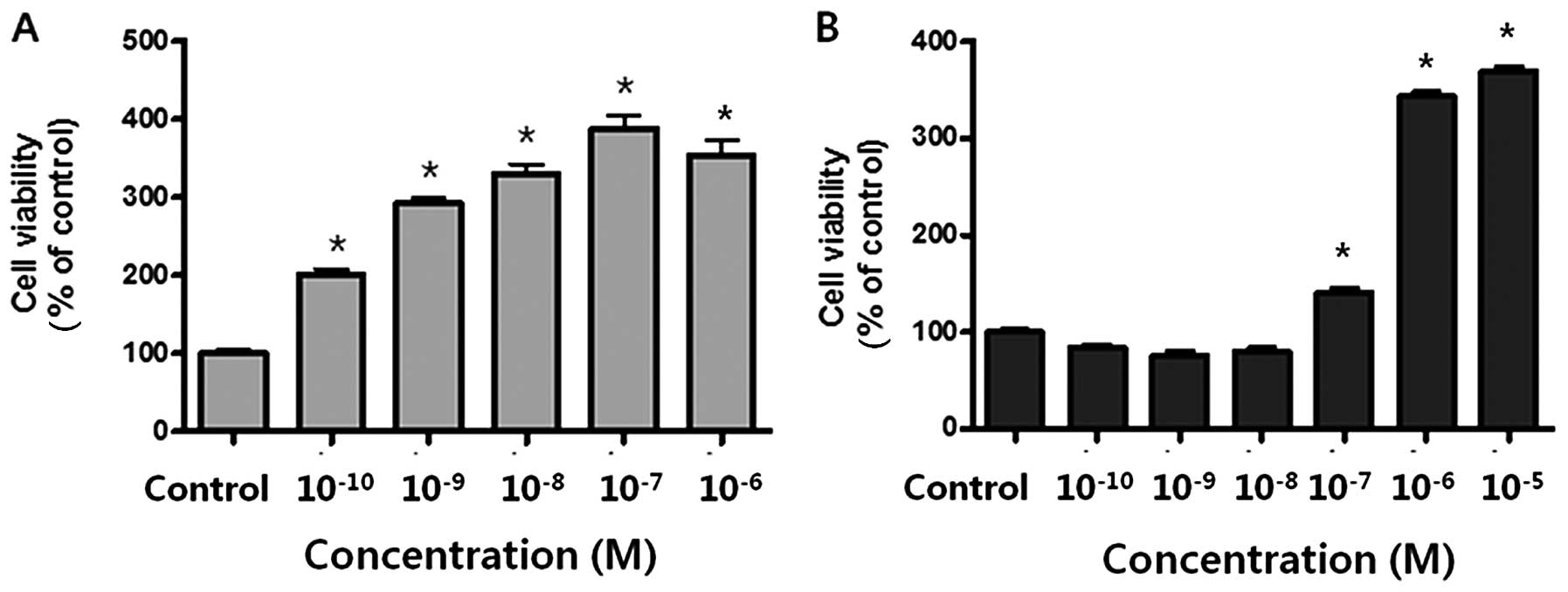
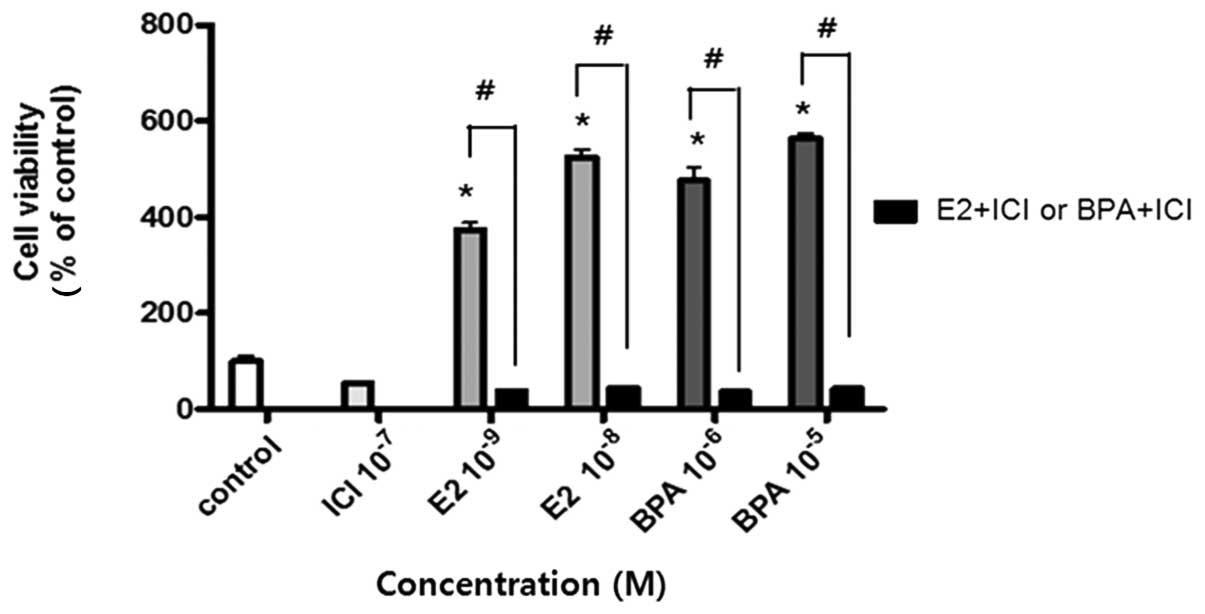
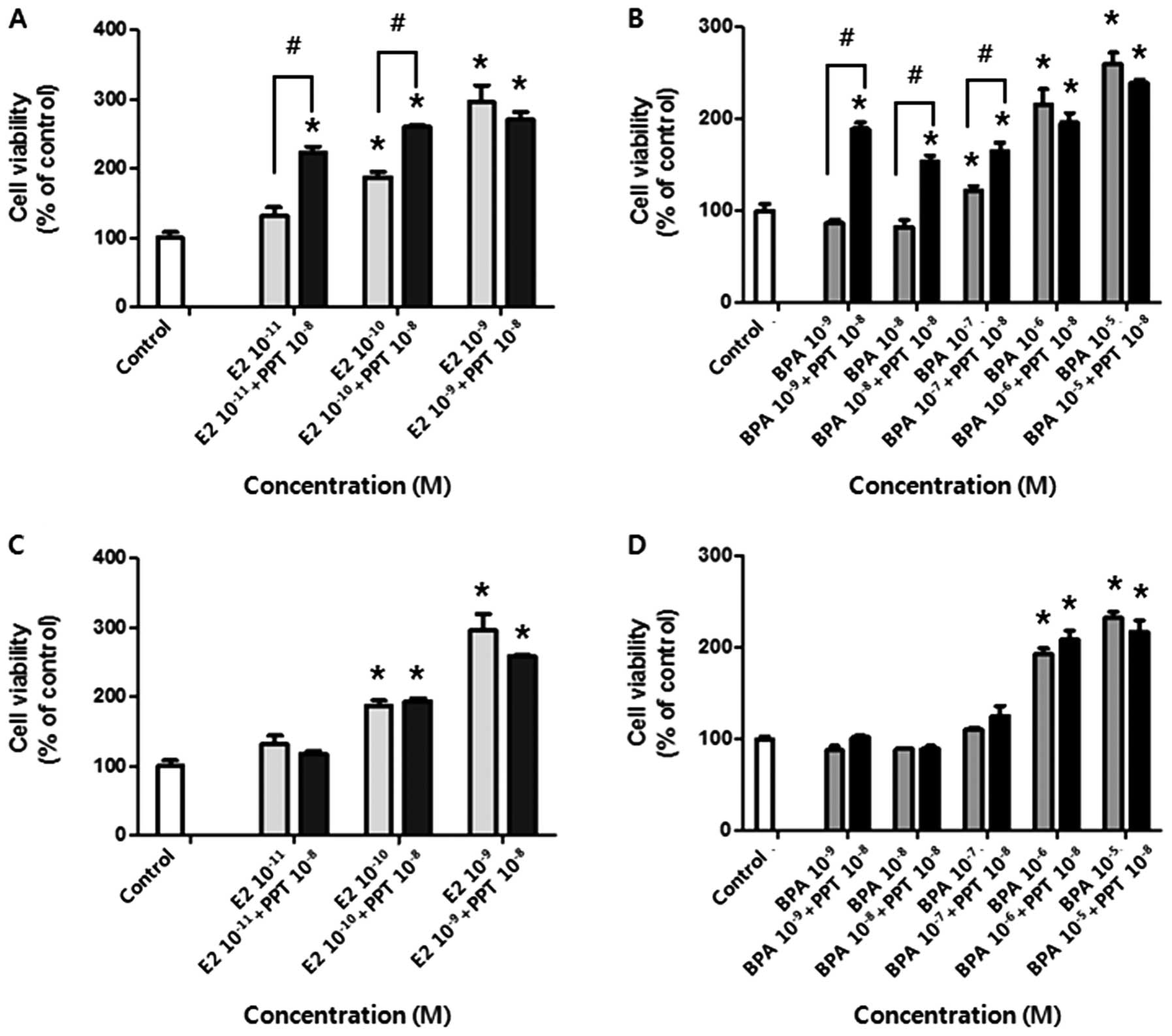
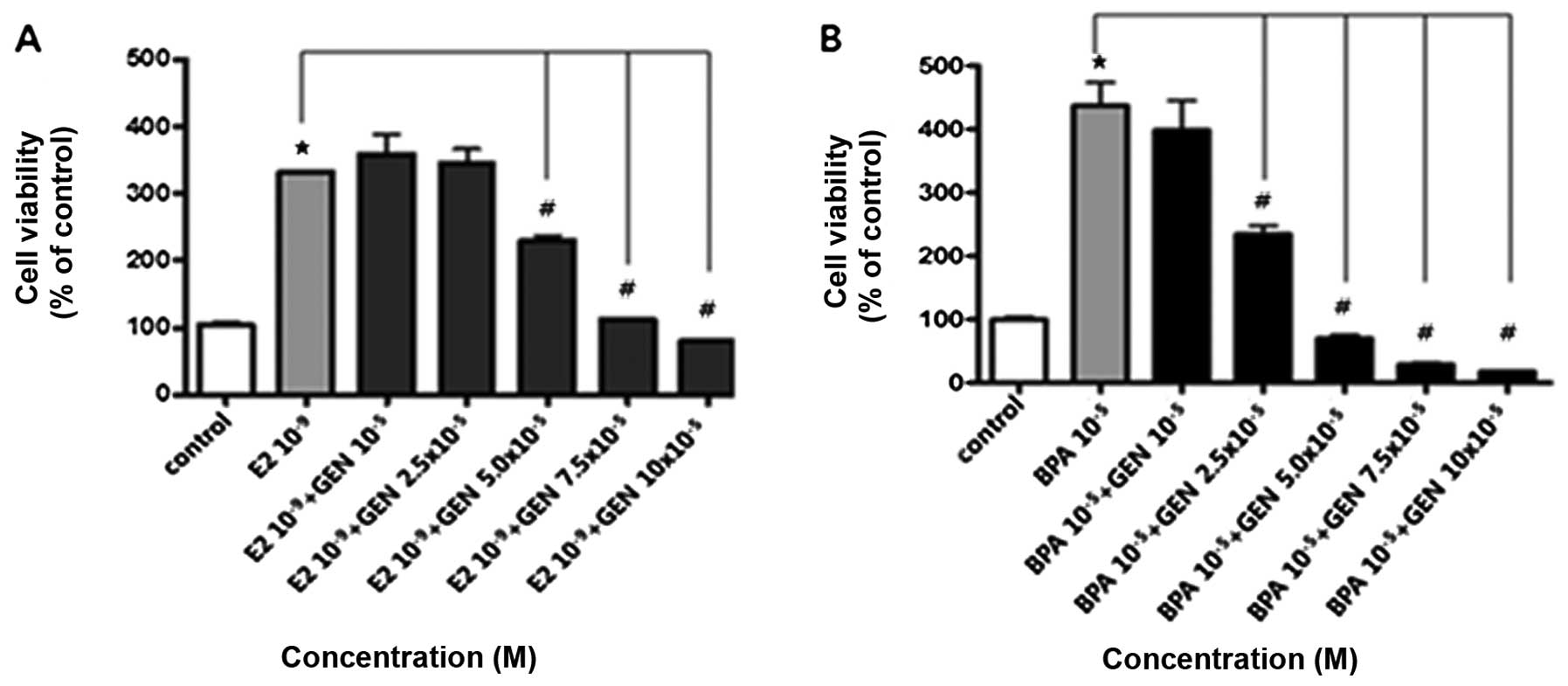
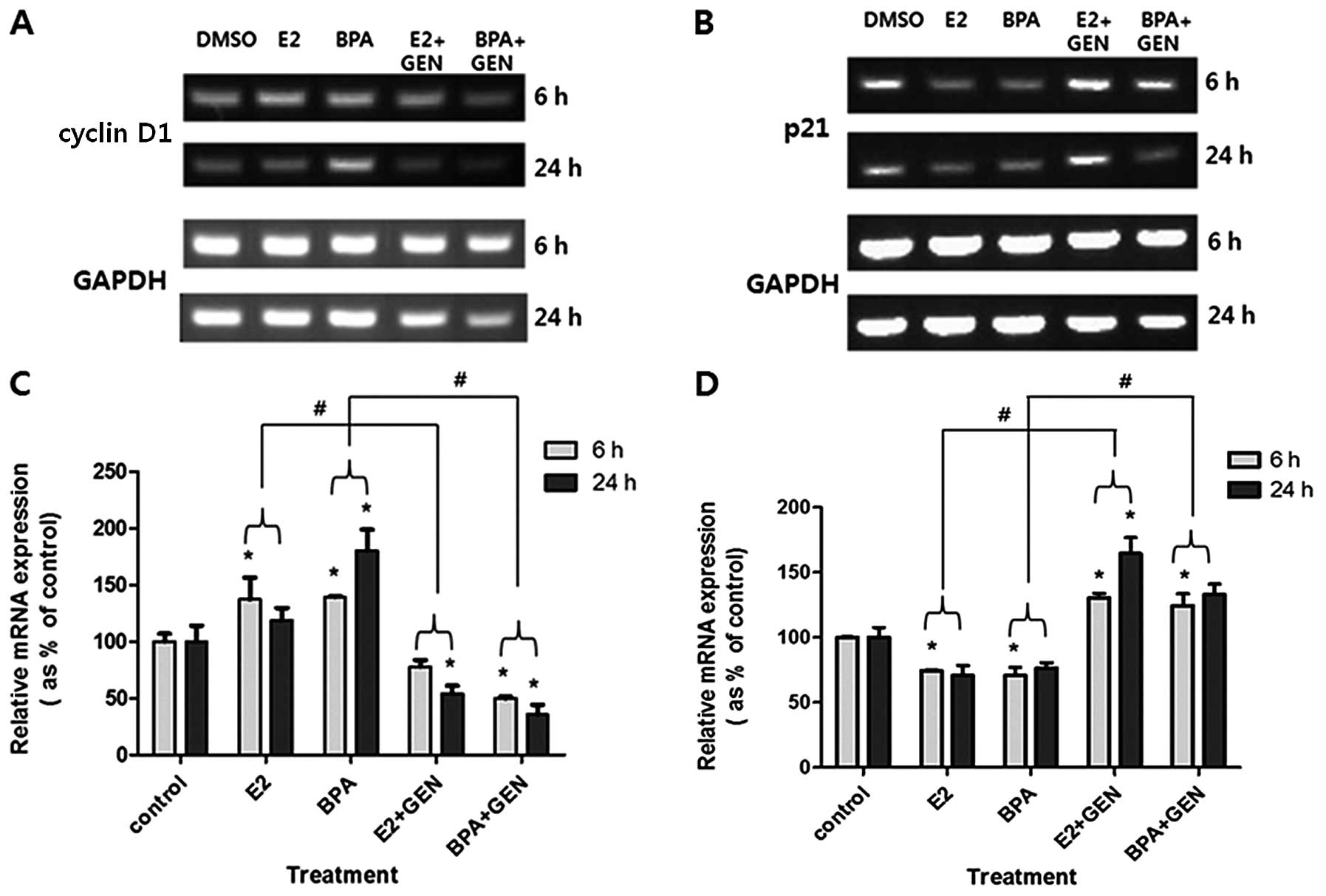
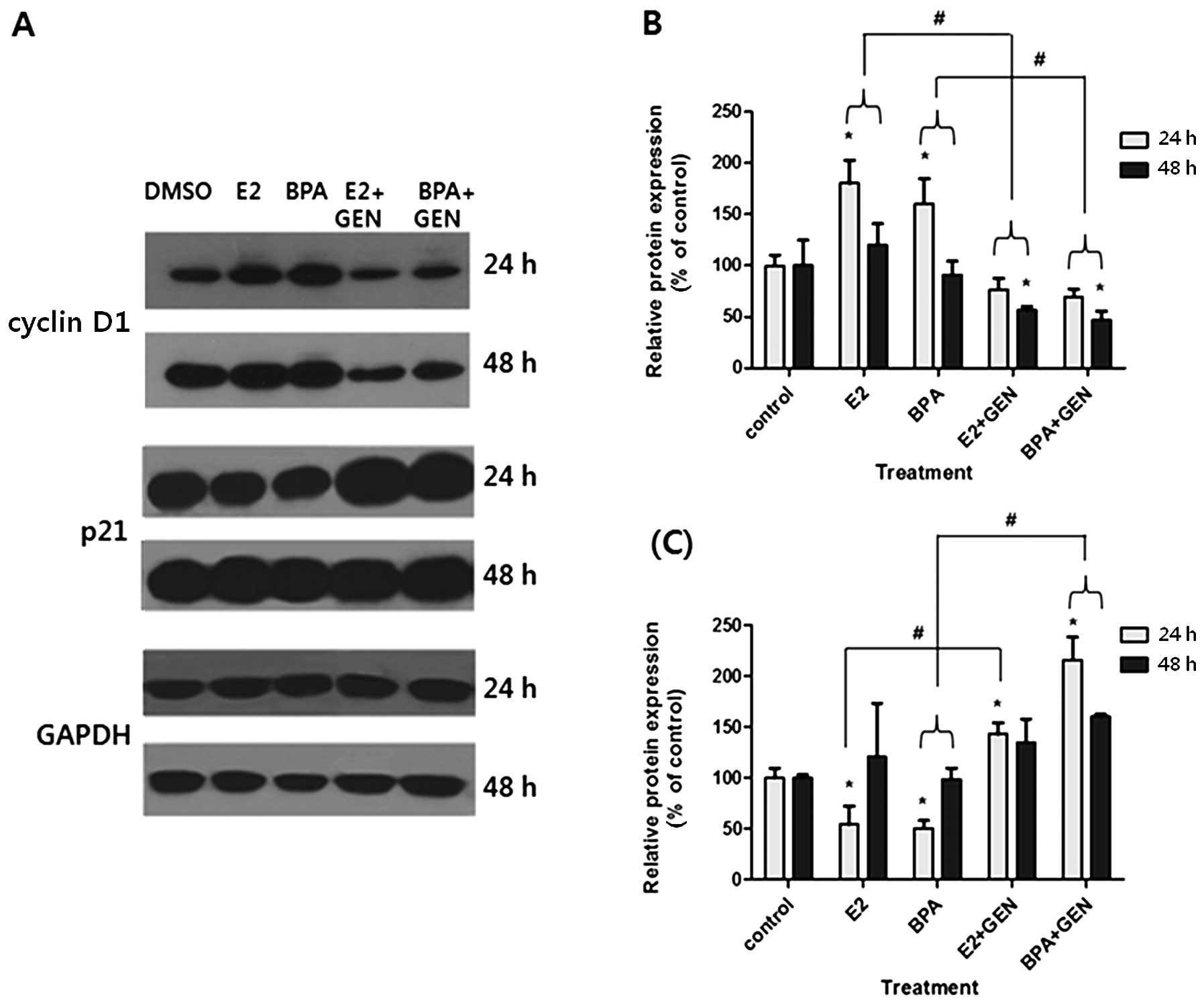
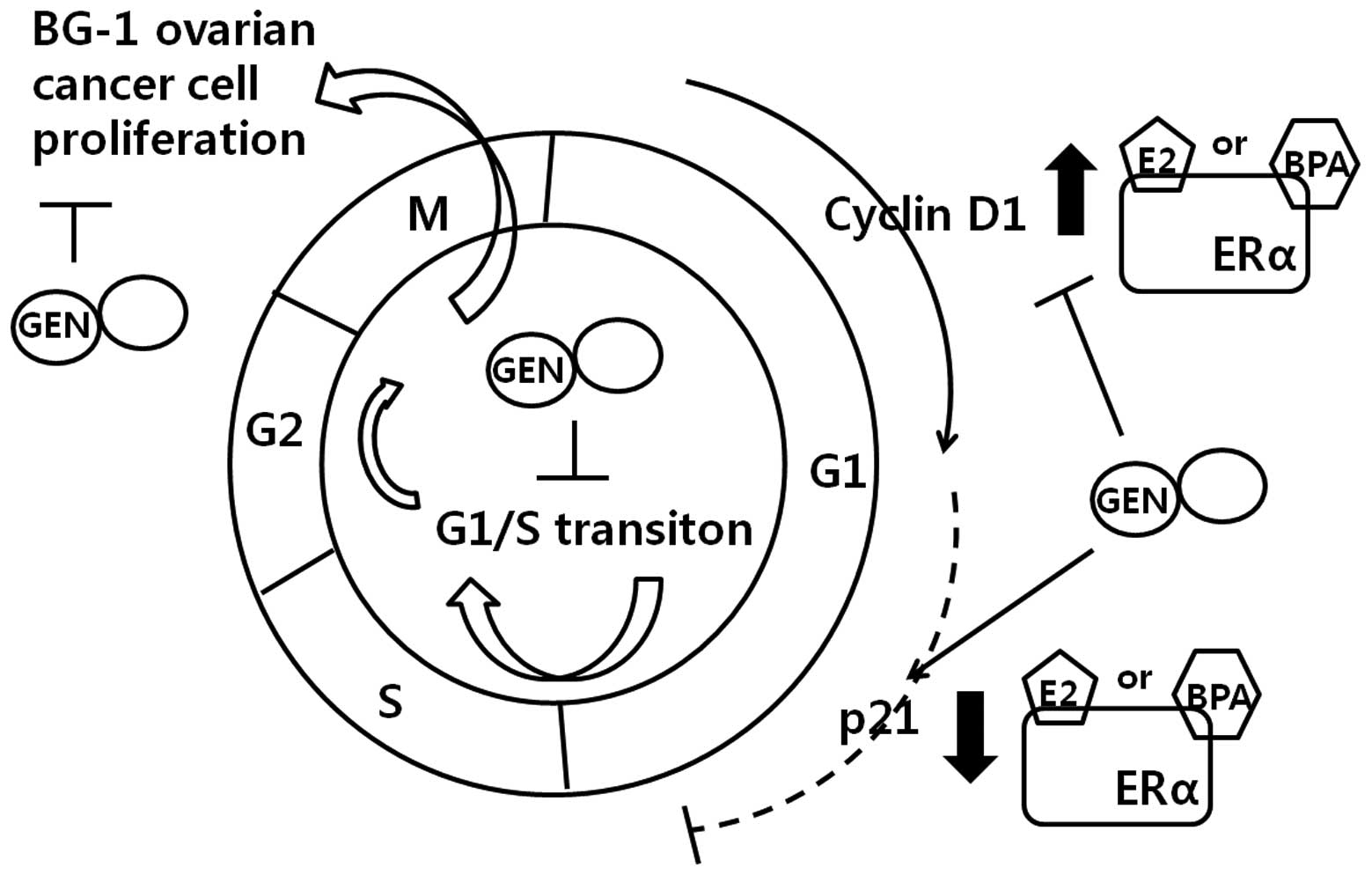
An endocrine disrupting chemical (EDC) is a global health concern. In this study, we examined the effects of genistein (GEN) on bisphenol A (BPA) or 17β-estradiol (E2)-induced cell growth and gene alterations of BG-1 ovarian cancer cells expressing estrogen receptors (ERs). In an in vitro cell viability assay, E2 or BPA significantly increased the growth of BG-1 cells. This increased proliferative activity was reversed by treatment with ICI 182,780, a well-known ER antagonist, while cell proliferation was further promoted in the presence of propyl pyrazole triol (PPT), an ERα agonist. These results imply that cell proliferation increased by E2 or BPA was mediated by ERs, particularly ERα. BPA clearly acted as a xenoestrogen in BG-1 ovarian cancer cells by mimicking E2 action. In contrast, GEN effectively suppressed BG-1 cell proliferation promoted by E2 or BPA by inhibiting cell cycle progression. E2 and BPA increased the expression of cyclin D1, a factor responsible for the G1/S cell cycle transition. They also decreased the expression of p21, a potent cyclin-dependent kinase (CDK) inhibitor that arrests the cell cycle in G1 phase, and promoted the proliferation of BG-1 cells. As shown by its repressive effect on cell growth, GEN decreased the expression of cyclin D1 augmented by E2 or BPA. On the other hand, GEN increased the p21 expression downregulated by E2 or BPA. Collectively, our findings suggest that GEN, a dietary phytoestrogen, has an inhibitory effect on the growth of estrogen-dependent cancers promoted by E2 or BPA.
View Figures

Figure 1

Figure 2

Figure 3

Figure 4

Figure 5

Figure 6

Figure 7

View References

1 

Pike MC, Krailo MD, Henderson BE, Casagrande JT and Hoel DG: ‘Hormonal’ risk factors, ‘breast tissue age’ and the age-incidence of breast cancer. Nature. 303:767–770. 1983.

2 

Santen RJ, Boyd NF, Chlebowski RT, et al: Critical assessment of new risk factors for breast cancer: considerations for development of an improved risk prediction model. Endocr Relat Cancer. 14:169–187. 2007. View Article : Google Scholar : PubMed/NCBI

3 

Missmer SA, Eliassen AH, Barbieri RL and Hankinson SE: Endogenous estrogen, androgen, and progesterone concentrations and breast cancer risk among postmenopausal women. J Natl Cancer Inst. 96:1856–1865. 2004. View Article : Google Scholar : PubMed/NCBI

4 

Russo J, Hasan Lareef M, Balogh G, Guo S and Russo IH: Estrogen and its metabolites are carcinogenic agents in human breast epithelial cells. J Steroid Biochem Mol Biol. 87:1–25. 2003. View Article : Google Scholar : PubMed/NCBI

5 

Rodriguez C, Patel AV, Calle EE, Jacob EJ and Thun MJ: Estrogen replacement therapy and ovarian cancer mortality in a large prospective study of US women. JAMA. 285:1460–1465. 2001. View Article : Google Scholar : PubMed/NCBI

6 

Baldwin WS, Curtis SW, Cauthen CA, Risinger JI, Korach KS and Barrett JC: BG-1 ovarian cell line: an alternative model for examining estrogen-dependent growth in vitro. In Vitro Cell Dev Biol Anim. 34:649–654. 1998. View Article : Google Scholar : PubMed/NCBI

7 

Giacalone PL, Daures JP, Ouafik L, Martin PM, Laffargue F and Maudelonde T: Steroids and adrenomedullin growth patterns in human ovarian cancer cells: estrogenic-regulation assay. Gynecol Oncol. 91:651–656. 2003. View Article : Google Scholar : PubMed/NCBI

8 

Grady D, Gebretsadik T, Kerlikowske K, Ernster V and Petitti D: Hormone replacement therapy and endometrial cancer risk: a meta-analysis. Obstet Gynecol. 85:304–313. 1995. View Article : Google Scholar : PubMed/NCBI

9 

Chung SH, Franceschi S and Lambert PF: Estrogen and ERalpha: culprits in cervical cancer? Trends Endocrinol Metab. 21:504–511. 2010. View Article : Google Scholar : PubMed/NCBI

10 

Soto AM and Sonnenschein C: Environmental causes of cancer: endocrine disruptors as carcinogens. Nat Rev Endocrinol. 6:363–370. 2010. View Article : Google Scholar : PubMed/NCBI

11 

Crisp TM, Clegg ED, Cooper RL, et al: Environmental endocrine disruption: an effects assessment and analysis. Environ Health Perspect. 106(Suppl 1): 11–56. 1998. View Article : Google Scholar : PubMed/NCBI

12 

Cabaravdic M: [Xenoestrogen effects of chemical compounds: influence on the breast cancer]. Med Arh. 60:97–100. 2006.(In Bosnian).

13 

Lee HR, Hwang KA, Park MA, Yi BR, Jeung EB and Choi KC: Treatment with bisphenol A and methoxychlor results in the growth of human breast cancer cells and alteration of the expression of cell cycle-related genes, cyclin D1 and p21, via an estrogen receptor-dependent signaling pathway. Int J Mol Med. 29:883–890. 2012.

14 

Park MA, Hwang KA and Choi KC: Diverse animal models to examine potential role(s) and mechanism of endocrine disrupting chemicals on the tumor progression and prevention: do they have tumorigenic or anti-tumorigenic property? Lab Anim Res. 27:265–273. 2011. View Article : Google Scholar

15 

Park MA, Hwang KA, Lee HR, Yi BR, Jeung EB and Choi KC: Cell growth of BG-1 ovarian cancer cells is promoted by di-n-butyl phthalate and hexabromocyclododecane via upregulation of the cyclin D and cyclin-dependent kinase-4 genes. Mol Med Rep. 5:761–766. 2012.PubMed/NCBI

16 

Wolstenholme JT, Rissman EF and Connelly JJ: The role of Bisphenol A in shaping the brain, epigenome and behavior. Horm Behav. 59:296–305. 2011. View Article : Google Scholar : PubMed/NCBI

17 

Lee HR, Kim TH and Choi KC: Treatment with bisphenol A leads to the promotion of human breast cancer cells and alteration of cell cycle-related gene expression, cyclin E and p27. J Biomed Res. 12:215–233. 2011.

18 

Brede C, Fjeldal P, Skjevrak I and Herikstad H: Increased migration levels of bisphenol A from polycarbonate baby bottles after dishwashing, boiling and brushing. Food Addit Contam. 20:684–689. 2003. View Article : Google Scholar : PubMed/NCBI

19 

Joskow R, Barr DB, Barr JR, Calafat AM, Needham LL and Rubin C: Exposure to bisphenol A from bis-glycidyl dimethacrylate-based dental sealants. J Am Dent Assoc. 137:353–362. 2006. View Article : Google Scholar : PubMed/NCBI

20 

Kang JH, Kito K and Kondo F: Factors influencing the migration of bisphenol A from cans. J Food Prot. 66:1444–1447. 2003.PubMed/NCBI

21 

Maffini MV, Rubin BS, Sonnenschein C and Soto AM: Endocrine disruptors and reproductive health: the case of bisphenol-A. Mol Cell Endocrinol. 254–255:179–186. 2006.PubMed/NCBI

22 

Fernandez SV and Russo J: Estrogen and xenoestrogens in breast cancer. Toxicol Pathol. 38:110–122. 2010. View Article : Google Scholar : PubMed/NCBI

23 

Prins GS, Birch L, Tang WY and Ho SM: Developmental estrogen exposures predispose to prostate carcinogenesis with aging. Reprod Toxicol. 23:374–382. 2007. View Article : Google Scholar : PubMed/NCBI

24 

Vandenberg LN, Maffini MV, Sonnenschein C, Rubin BS and Soto AM: Bisphenol-A and the great divide: a review of controversies in the field of endocrine disruption. Endocr Rev. 30:75–95. 2009. View Article : Google Scholar : PubMed/NCBI

25 

Bai W, Oliveros-Saunders B, Wang Q, Acevedo-Duncan ME and Nicosia SV: Estrogen stimulation of ovarian surface epithelial cell proliferation. In Vitro Cell Dev Biol Anim. 36:657–666. 2000. View Article : Google Scholar : PubMed/NCBI

26 

Choi KC, Kang SK, Tai CJ, Auersperg N and Leung PC: Estradiol up-regulates antiapoptotic Bcl-2 messenger ribonucleic acid and protein in tumorigenic ovarian surface epithelium cells. Endocrinology. 142:2351–2360. 2001.PubMed/NCBI

27 

Lindgren P, Backstrom T, Mahlck CG, Ridderheim M and Cajander S: Steroid receptors and hormones in relation to cell proliferation and apoptosis in poorly differentiated epithelial ovarian tumors. Int J Oncol. 19:31–38. 2001.PubMed/NCBI

28 

Ptak A and Gregoraszczuk EL: Bisphenol A induces leptin receptor expression, creating more binding sites for leptin, and activates the JAK/Stat, MAPK/ERK and PI3K/Akt signalling pathways in human ovarian cancer cell. Toxicol Lett. 210:332–337. 2012. View Article : Google Scholar

29 

Ptak A, Wrobel A and Gregoraszczuk EL: Effect of bisphenol-A on the expression of selected genes involved in cell cycle and apoptosis in the OVCAR-3 cell line. Toxicol Lett. 202:30–35. 2011. View Article : Google Scholar : PubMed/NCBI

30 

Sirtori CR, Arnoldi A and Johnson SK: Phytoestrogens: end of a tale? Ann Med. 37:423–438. 2005. View Article : Google Scholar : PubMed/NCBI

31 

Mense SM, Hei TK, Ganju RK and Bhat HK: Phytoestrogens and breast cancer prevention: possible mechanisms of action. Environ Health Perspect. 116:426–433. 2008.PubMed/NCBI

32 

Ravindranath MH, Muthugounder S, Presser N and Viswanathan S: Anticancer therapeutic potential of soy isoflavone, genistein. Adv Exp Med Biol. 546:121–165. 2004. View Article : Google Scholar : PubMed/NCBI

33 

Li HQ, Luo Y and Qiao CH: The mechanisms of anticancer agents by genistein and synthetic derivatives of isoflavone. Mini Rev Med Chem. 12:350–362. 2012. View Article : Google Scholar : PubMed/NCBI

34 

Yi BR, Kang NH, Hwang KA, Kim SU, Jeung EB and Choi KC: Antitumor therapeutic effects of cytosine deaminase and interferon-beta against endometrial cancer cells using genetically engineered stem cells in vitro. Anticancer Res. 31:2853–2861. 2011.

35 

Yi BR, O SN, Kang NH, et al: Genetically engineered stem cells expressing cytosine deaminase and interferon-beta migrate to human lung cancer cells and have potentially therapeutic anti-tumor effects. Int J Oncol. 39:833–839. 2011.PubMed/NCBI

36 

Kim KY, Yi BR, Lee HR, et al: Stem cells with fused gene expression of cytosine deaminase and interferon-beta migrate to human gastric cancer cells and result in synergistic growth inhibition for potential therapeutic use. Int J Oncol. 40:1097–1104. 2012.

37 

Kang NH, Yi BR, Lim SY, et al: Human amniotic membrane-derived epithelial stem cells display anticancer activity in BALB/c female nude mice bearing disseminated breast cancer xenografts. Int J Oncol. 40:2022–2028. 2012.

38 

Kang NH, Hwang KA, Yi BR, et al: Human amniotic fluid-derived stem cells expressing cytosine deaminase and thymidine kinase inhibits the growth of breast cancer cells in cellular and xenograft mouse models. Cancer Gene Ther. 19:412–419. 2012. View Article : Google Scholar

39 

Krell J, Januszewski A, Yan K and Palmieri C: Role of fulvestrant in the management of postmenopausal breast cancer. Expert Rev Anticancer Ther. 11:1641–1652. 2011. View Article : Google Scholar : PubMed/NCBI

40 

Kansra S, Yamagata S, Sneade L, Foster L and Ben-Jonathan N: Differential effects of estrogen receptor antagonists on pituitary lactotroph proliferation and prolactin release. Mol Cell Endocrinol. 239:27–36. 2005. View Article : Google Scholar : PubMed/NCBI

41 

Pelekanou V and Leclercq G: Recent insights into the effect of natural and environmental estrogens on mammary development and carcinogenesis. Int J Dev Biol. 55:869–878. 2011. View Article : Google Scholar : PubMed/NCBI

42 

Moghadam SJ, Hanks AM and Keyomarsi K: Breaking the cycle: An insight into the role of ERalpha in eukaryotic cell cycles. J Carcinog. 10:252011. View Article : Google Scholar : PubMed/NCBI

43 

Heldring N, Pike A, Andersson S, et al: Estrogen receptors: how do they signal and what are their targets. Physiol Rev. 87:905–931. 2007. View Article : Google Scholar : PubMed/NCBI

44 

Dos Santos E, Dieudonne MN, Leneveu MC, et al: Effects of 17beta-estradiol on preadipocyte proliferation in human adipose tissue: involvement of IGF1-R signaling. Horm Metab Res. 42:514–520. 2010.PubMed/NCBI

45 

Sherr CJ: Cancer cell cycles. Science. 274:1672–1677. 1996. View Article : Google Scholar : PubMed/NCBI

46 

Foster JS and Wimalasena J: Estrogen regulates activity of cyclin-dependent kinases and retinoblastoma protein phosphorylation in breast cancer cells. Mol Endocrinol. 10:488–498. 1996.PubMed/NCBI

47 

Konduri SD, Medisetty R, Liu W, et al: Mechanisms of estrogen receptor antagonism toward p53 and its implications in breast cancer therapeutic response and stem cell regulation. Proc Natl Acad Sci USA. 107:15081–15086. 2010. View Article : Google Scholar : PubMed/NCBI

48 

Li J and McMurray RW: Effects of estrogen receptor subtype-selective agonists on autoimmune disease in lupus-prone NZB/NZW F1 mouse model. Clin Immunol. 123:219–226. 2007. View Article : Google Scholar : PubMed/NCBI

49 

Hwang KA, Park SH, Yi BR and Choi KC: Gene alterations of ovarian cancer cells expressing estrogen receptors by estrogen and bisphenol a using microarray analysis. Lab Anim Res. 27:99–107. 2011. View Article : Google Scholar

Related Articles

  • Abstract
  • View
  • Download
  • Twitter
Copy and paste a formatted citation
Spandidos Publications style
Hwang K, Kang N, Yi B, Lee H, Park M and Choi K: Genistein, a soy phytoestrogen, prevents the growth of BG-1 ovarian cancer cells induced by 17β-estradiol or bisphenol A via the inhibition of cell cycle progression. Int J Oncol 42: 733-740, 2013.
APA
Hwang, K., Kang, N., Yi, B., Lee, H., Park, M., & Choi, K. (2013). Genistein, a soy phytoestrogen, prevents the growth of BG-1 ovarian cancer cells induced by 17β-estradiol or bisphenol A via the inhibition of cell cycle progression. International Journal of Oncology, 42, 733-740. https://doi.org/10.3892/ijo.2012.1719
MLA
Hwang, K., Kang, N., Yi, B., Lee, H., Park, M., Choi, K."Genistein, a soy phytoestrogen, prevents the growth of BG-1 ovarian cancer cells induced by 17β-estradiol or bisphenol A via the inhibition of cell cycle progression". International Journal of Oncology 42.2 (2013): 733-740.
Chicago
Hwang, K., Kang, N., Yi, B., Lee, H., Park, M., Choi, K."Genistein, a soy phytoestrogen, prevents the growth of BG-1 ovarian cancer cells induced by 17β-estradiol or bisphenol A via the inhibition of cell cycle progression". International Journal of Oncology 42, no. 2 (2013): 733-740. https://doi.org/10.3892/ijo.2012.1719
Copy and paste a formatted citation
x
Spandidos Publications style
Hwang K, Kang N, Yi B, Lee H, Park M and Choi K: Genistein, a soy phytoestrogen, prevents the growth of BG-1 ovarian cancer cells induced by 17β-estradiol or bisphenol A via the inhibition of cell cycle progression. Int J Oncol 42: 733-740, 2013.
APA
Hwang, K., Kang, N., Yi, B., Lee, H., Park, M., & Choi, K. (2013). Genistein, a soy phytoestrogen, prevents the growth of BG-1 ovarian cancer cells induced by 17β-estradiol or bisphenol A via the inhibition of cell cycle progression. International Journal of Oncology, 42, 733-740. https://doi.org/10.3892/ijo.2012.1719
MLA
Hwang, K., Kang, N., Yi, B., Lee, H., Park, M., Choi, K."Genistein, a soy phytoestrogen, prevents the growth of BG-1 ovarian cancer cells induced by 17β-estradiol or bisphenol A via the inhibition of cell cycle progression". International Journal of Oncology 42.2 (2013): 733-740.
Chicago
Hwang, K., Kang, N., Yi, B., Lee, H., Park, M., Choi, K."Genistein, a soy phytoestrogen, prevents the growth of BG-1 ovarian cancer cells induced by 17β-estradiol or bisphenol A via the inhibition of cell cycle progression". International Journal of Oncology 42, no. 2 (2013): 733-740. https://doi.org/10.3892/ijo.2012.1719
Follow us
  • Twitter
  • LinkedIn
  • Facebook
About
  • Spandidos Publications
  • Careers
  • Cookie Policy
  • Privacy Policy
How can we help?
  • Help
  • Live Chat
  • Contact
  • Email to our Support Team