Spandidos Publications Logo
  • About
    • About Spandidos
    • Aims and Scopes
    • Abstracting and Indexing
    • Editorial Policies
    • Reprints and Permissions
    • Job Opportunities
    • Terms and Conditions
    • Contact
  • Journals
    • All Journals
    • Oncology Letters
      • Oncology Letters
      • Information for Authors
      • Editorial Policies
      • Editorial Board
      • Aims and Scope
      • Abstracting and Indexing
      • Bibliographic Information
      • Archive
    • International Journal of Oncology
      • International Journal of Oncology
      • Information for Authors
      • Editorial Policies
      • Editorial Board
      • Aims and Scope
      • Abstracting and Indexing
      • Bibliographic Information
      • Archive
    • Molecular and Clinical Oncology
      • Molecular and Clinical Oncology
      • Information for Authors
      • Editorial Policies
      • Editorial Board
      • Aims and Scope
      • Abstracting and Indexing
      • Bibliographic Information
      • Archive
    • Experimental and Therapeutic Medicine
      • Experimental and Therapeutic Medicine
      • Information for Authors
      • Editorial Policies
      • Editorial Board
      • Aims and Scope
      • Abstracting and Indexing
      • Bibliographic Information
      • Archive
    • International Journal of Molecular Medicine
      • International Journal of Molecular Medicine
      • Information for Authors
      • Editorial Policies
      • Editorial Board
      • Aims and Scope
      • Abstracting and Indexing
      • Bibliographic Information
      • Archive
    • Biomedical Reports
      • Biomedical Reports
      • Information for Authors
      • Editorial Policies
      • Editorial Board
      • Aims and Scope
      • Abstracting and Indexing
      • Bibliographic Information
      • Archive
    • Oncology Reports
      • Oncology Reports
      • Information for Authors
      • Editorial Policies
      • Editorial Board
      • Aims and Scope
      • Abstracting and Indexing
      • Bibliographic Information
      • Archive
    • Molecular Medicine Reports
      • Molecular Medicine Reports
      • Information for Authors
      • Editorial Policies
      • Editorial Board
      • Aims and Scope
      • Abstracting and Indexing
      • Bibliographic Information
      • Archive
    • World Academy of Sciences Journal
      • World Academy of Sciences Journal
      • Information for Authors
      • Editorial Policies
      • Editorial Board
      • Aims and Scope
      • Abstracting and Indexing
      • Bibliographic Information
      • Archive
    • International Journal of Functional Nutrition
      • International Journal of Functional Nutrition
      • Information for Authors
      • Editorial Policies
      • Editorial Board
      • Aims and Scope
      • Abstracting and Indexing
      • Bibliographic Information
      • Archive
    • International Journal of Epigenetics
      • International Journal of Epigenetics
      • Information for Authors
      • Editorial Policies
      • Editorial Board
      • Aims and Scope
      • Abstracting and Indexing
      • Bibliographic Information
      • Archive
    • Medicine International
      • Medicine International
      • Information for Authors
      • Editorial Policies
      • Editorial Board
      • Aims and Scope
      • Abstracting and Indexing
      • Bibliographic Information
      • Archive
  • Articles
  • Information
    • Information for Authors
    • Information for Reviewers
    • Information for Librarians
    • Information for Advertisers
    • Conferences
  • Language Editing
Spandidos Publications Logo
  • About
    • About Spandidos
    • Aims and Scopes
    • Abstracting and Indexing
    • Editorial Policies
    • Reprints and Permissions
    • Job Opportunities
    • Terms and Conditions
    • Contact
  • Journals
    • All Journals
    • Biomedical Reports
      • Information for Authors
      • Editorial Policies
      • Editorial Board
      • Aims and Scope
      • Abstracting and Indexing
      • Bibliographic Information
      • Archive
    • Experimental and Therapeutic Medicine
      • Information for Authors
      • Editorial Policies
      • Editorial Board
      • Aims and Scope
      • Abstracting and Indexing
      • Bibliographic Information
      • Archive
    • International Journal of Epigenetics
      • Information for Authors
      • Editorial Policies
      • Editorial Board
      • Aims and Scope
      • Abstracting and Indexing
      • Bibliographic Information
      • Archive
    • International Journal of Functional Nutrition
      • Information for Authors
      • Editorial Policies
      • Editorial Board
      • Aims and Scope
      • Abstracting and Indexing
      • Bibliographic Information
      • Archive
    • International Journal of Molecular Medicine
      • Information for Authors
      • Editorial Policies
      • Editorial Board
      • Aims and Scope
      • Abstracting and Indexing
      • Bibliographic Information
      • Archive
    • International Journal of Oncology
      • Information for Authors
      • Editorial Policies
      • Editorial Board
      • Aims and Scope
      • Abstracting and Indexing
      • Bibliographic Information
      • Archive
    • Medicine International
      • Information for Authors
      • Editorial Policies
      • Editorial Board
      • Aims and Scope
      • Abstracting and Indexing
      • Bibliographic Information
      • Archive
    • Molecular and Clinical Oncology
      • Information for Authors
      • Editorial Policies
      • Editorial Board
      • Aims and Scope
      • Abstracting and Indexing
      • Bibliographic Information
      • Archive
    • Molecular Medicine Reports
      • Information for Authors
      • Editorial Policies
      • Editorial Board
      • Aims and Scope
      • Abstracting and Indexing
      • Bibliographic Information
      • Archive
    • Oncology Letters
      • Information for Authors
      • Editorial Policies
      • Editorial Board
      • Aims and Scope
      • Abstracting and Indexing
      • Bibliographic Information
      • Archive
    • Oncology Reports
      • Information for Authors
      • Editorial Policies
      • Editorial Board
      • Aims and Scope
      • Abstracting and Indexing
      • Bibliographic Information
      • Archive
    • World Academy of Sciences Journal
      • Information for Authors
      • Editorial Policies
      • Editorial Board
      • Aims and Scope
      • Abstracting and Indexing
      • Bibliographic Information
      • Archive
  • Articles
  • Information
    • For Authors
    • For Reviewers
    • For Librarians
    • For Advertisers
    • Conferences
  • Language Editing
Login Register Submit
  • This site uses cookies
  • You can change your cookie settings at any time by following the instructions in our Cookie Policy. To find out more, you may read our Privacy Policy.

    I agree
Search articles by DOI, keyword, author or affiliation
Search
Advanced Search
presentation
International Journal of Oncology
Join Editorial Board Propose a Special Issue
Print ISSN: 1019-6439 Online ISSN: 1791-2423
Journal Cover
September 2013 Volume 43 Issue 3

Full Size Image

Cover Legend PDF

Sign up for eToc alerts
Recommend to Library

Journals

International Journal of Molecular Medicine

International Journal of Molecular Medicine

International Journal of Molecular Medicine is an international journal devoted to molecular mechanisms of human disease.

International Journal of Oncology

International Journal of Oncology

International Journal of Oncology is an international journal devoted to oncology research and cancer treatment.

Molecular Medicine Reports

Molecular Medicine Reports

Covers molecular medicine topics such as pharmacology, pathology, genetics, neuroscience, infectious diseases, molecular cardiology, and molecular surgery.

Oncology Reports

Oncology Reports

Oncology Reports is an international journal devoted to fundamental and applied research in Oncology.

Experimental and Therapeutic Medicine

Experimental and Therapeutic Medicine

Experimental and Therapeutic Medicine is an international journal devoted to laboratory and clinical medicine.

Oncology Letters

Oncology Letters

Oncology Letters is an international journal devoted to Experimental and Clinical Oncology.

Biomedical Reports

Biomedical Reports

Explores a wide range of biological and medical fields, including pharmacology, genetics, microbiology, neuroscience, and molecular cardiology.

Molecular and Clinical Oncology

Molecular and Clinical Oncology

International journal addressing all aspects of oncology research, from tumorigenesis and oncogenes to chemotherapy and metastasis.

World Academy of Sciences Journal

World Academy of Sciences Journal

Multidisciplinary open-access journal spanning biochemistry, genetics, neuroscience, environmental health, and synthetic biology.

International Journal of Functional Nutrition

International Journal of Functional Nutrition

Open-access journal combining biochemistry, pharmacology, immunology, and genetics to advance health through functional nutrition.

International Journal of Epigenetics

International Journal of Epigenetics

Publishes open-access research on using epigenetics to advance understanding and treatment of human disease.

Medicine International

Medicine International

An International Open Access Journal Devoted to General Medicine.

Journal Cover
September 2013 Volume 43 Issue 3

Full Size Image

Cover Legend PDF

Sign up for eToc alerts
Recommend to Library

  • Article
  • Citations
    • Cite This Article
    • Download Citation
    • Create Citation Alert
    • Remove Citation Alert
    • Cited By
  • Similar Articles
    • Related Articles (in Spandidos Publications)
    • Similar Articles (Google Scholar)
    • Similar Articles (PubMed)
  • Download PDF
  • Download XML
  • View XML
Article

Sequential use of protein kinase inhibitors potentiates their toxicity to melanoma cells: A rationale to combine targeted drugs based on protein expression inhibition profiles

Retraction in: /10.3892/ijo.2024.5707
  • Authors:
    • Philippe G. Aftimos
    • Murielle Wiedig
    • Mireille Langouo Fontsa
    • Ahmad Awada
    • Ghanem Ghanem
    • Fabrice Journe
  • View Affiliations / Copyright

    Affiliations: Medical Oncology Clinic, Free University of Brussels, 1000 Brussels, Belgium, Laboratory of Oncology and Experimental Surgery, Jules Bordet Institute, Free University of Brussels, 1000 Brussels, Belgium
  • Pages: 919-926
    |
    Published online on: July 8, 2013
       https://doi.org/10.3892/ijo.2013.2008
  • Expand metrics +
Metrics: Total Views: 0 (Spandidos Publications: | PMC Statistics: )
Metrics: Total PDF Downloads: 0 (Spandidos Publications: | PMC Statistics: )
Cited By (CrossRef): 0 citations Loading Articles...

This article is mentioned in:


Abstract

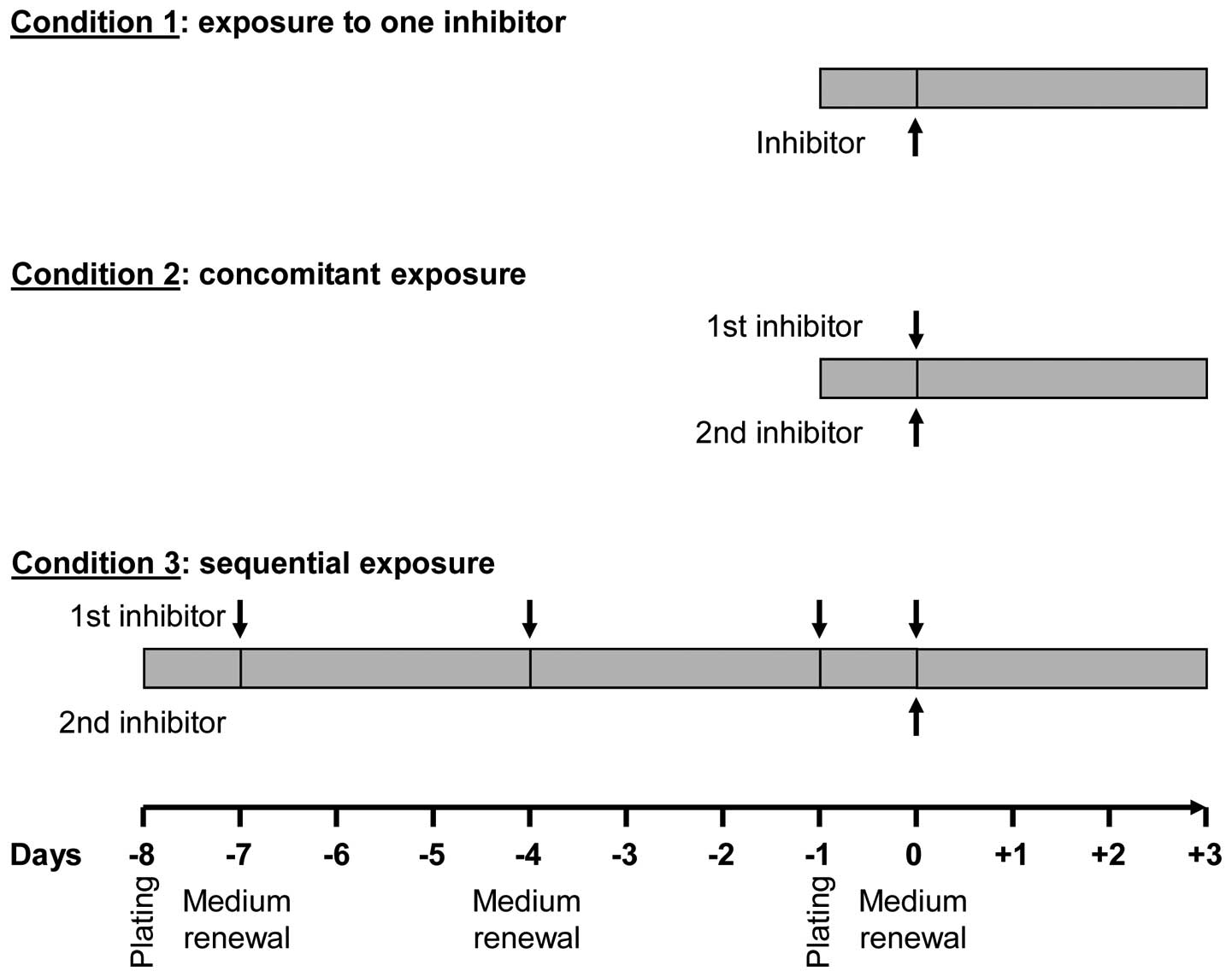
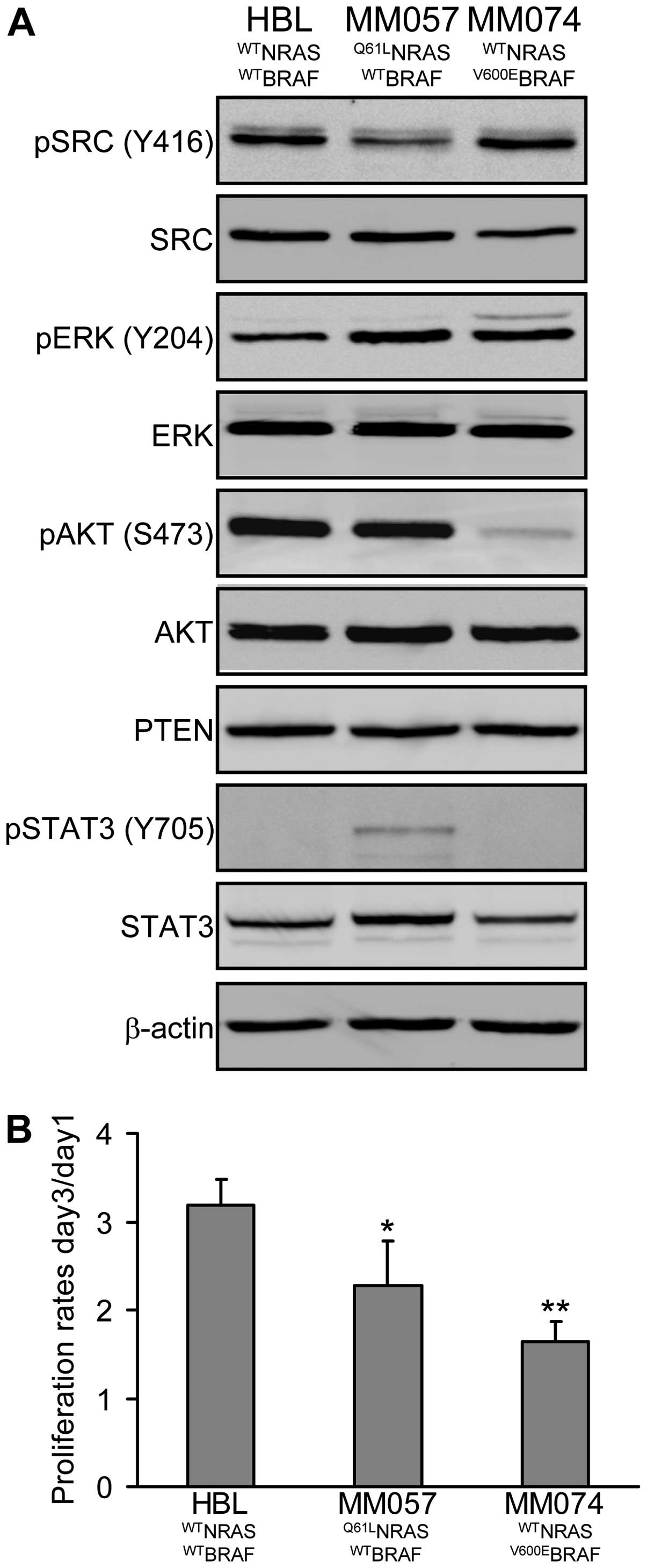
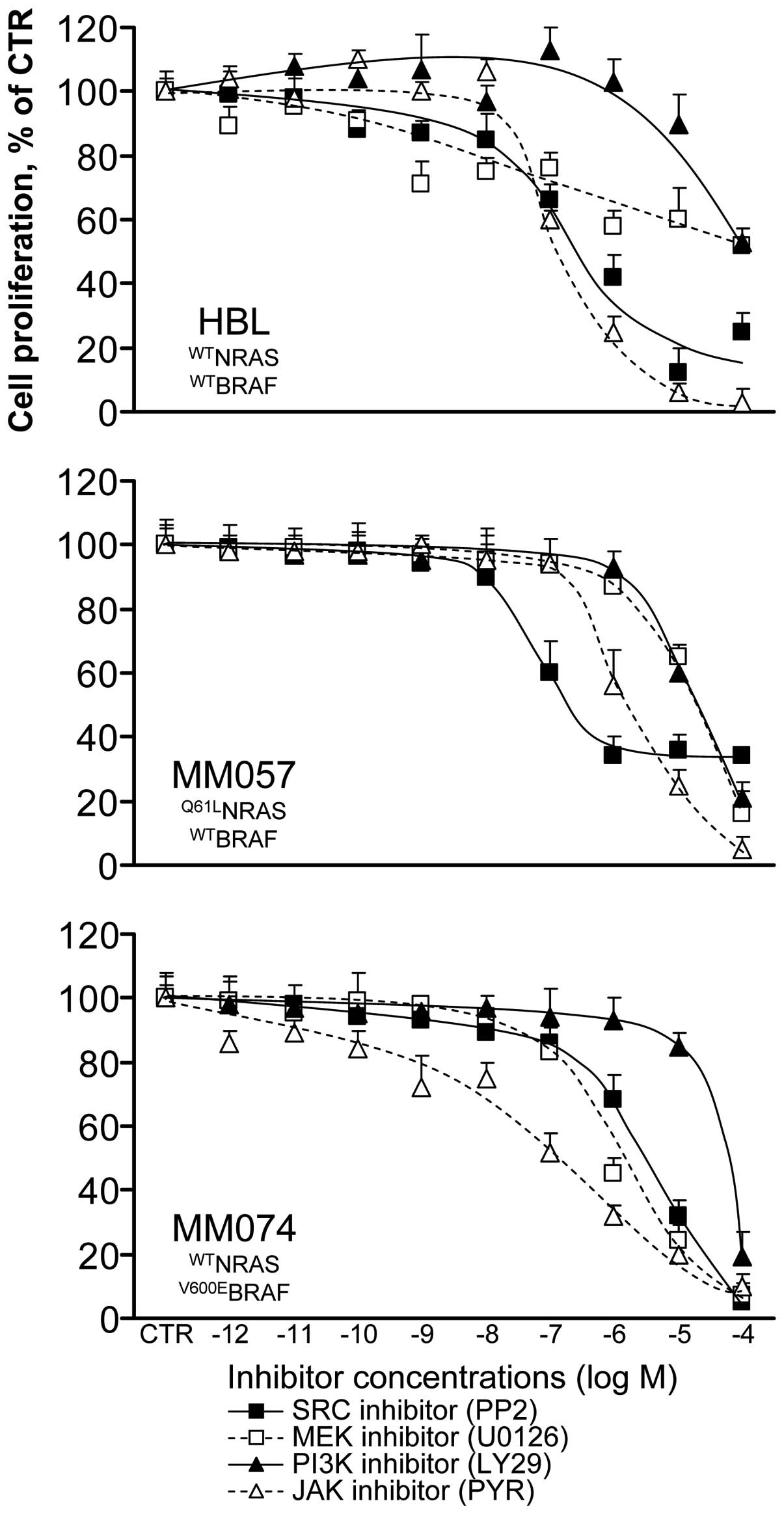
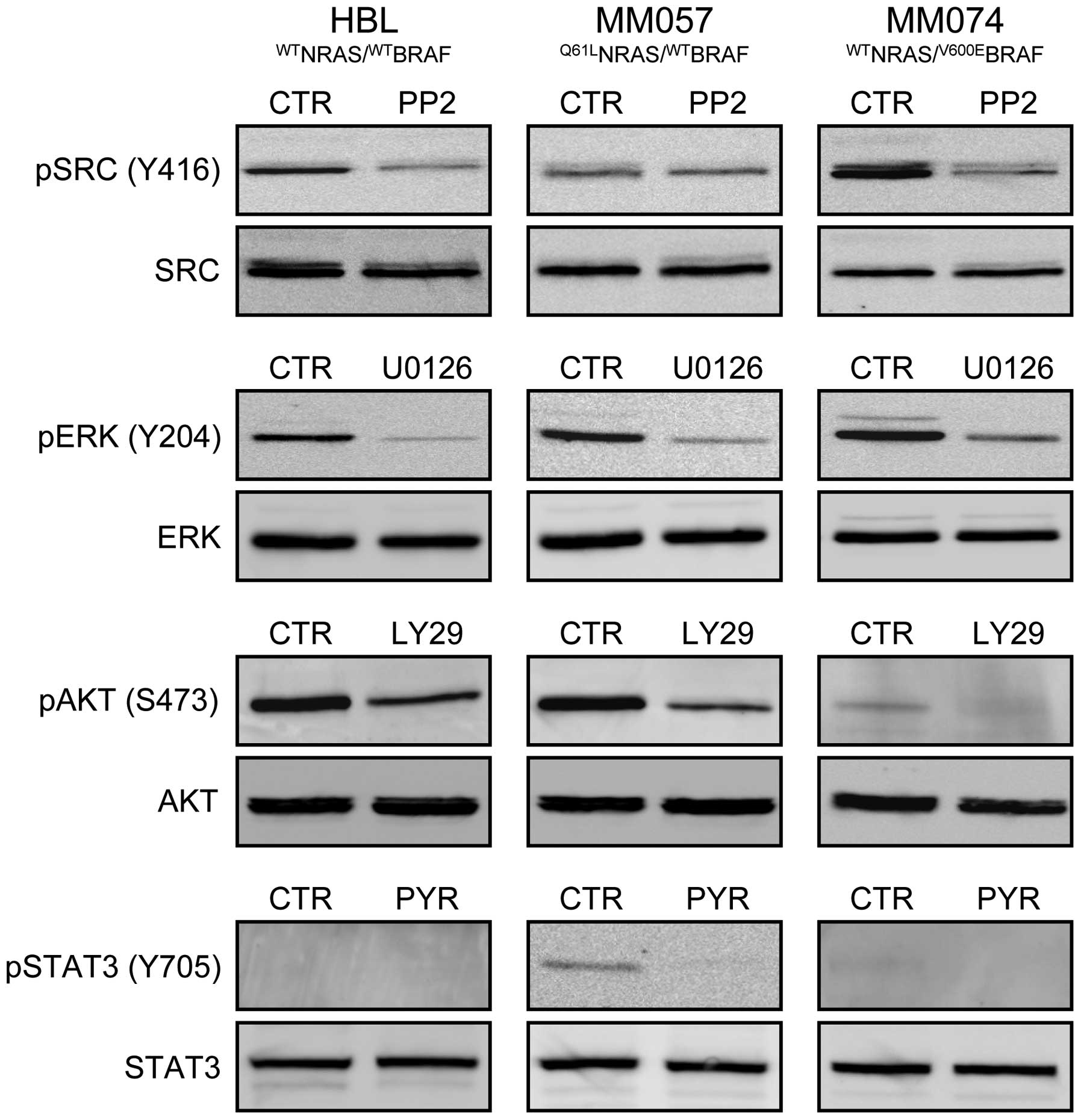
Targeted therapy has shown high efficacy in the treatment of metastatic melanoma with impressive response rates. However, resistance appears after a few months, underlining the need for simultaneous multiple signalling pathway inhibition to provide a durable benefit. The aim of our study was to evaluate the possible synergistic effect of various protein kinase inhibitor combinations targeting SRC, MEK, PI3K or JAK on the survival of representative melanoma cell lines with WTNRAS/WTBRAF and harbouring the most frequent mutations (Q61LNRAS/WTBRAF or WTNRAS/V600EBRAF). By comparing IC50s and protein inhibition profiles, cell exposure to a single inhibitor for 3 days (condition 1) showed that both WTBRAF lines were at least 15-fold more sensitive to SRC inhibition while V600EBRAF cells were 30-fold more sensitive to MEK inhibition, confirming that the latter cells are largely dependent on the MAPK pathway for growth. Concomitant treatment for 3 days (condition 2) revealed an antagonistic effect between SRC and JAK inhibitors as compared to treatment by each inhibitor alone in all 3 lines, supporting that both SRC and JAK stimulate the STAT pathway. Finally, sequential cell exposure to inhibitors by pre-treatment with a single effector at non-toxic but effective on target inhibition concentrations for 7 days followed by the addition of each of the other inhibitors for 3 days (condition 3) showed that MEK, PI3K or JAK inhibitor acted in synergy with the SRC inhibitor in both wild-type and Q61LNRAS cells, suggesting that the first inhibitor could activate the SRC/STAT compensatory signalling pathway. In conclusion, a treatment strategy consisting in a sequential use of targeted inhibitors to first render melanoma cells more dependent on alternative compensatory pathways that should subsequently be inhibited, may enhance efficacy. By contrast, concomitant exposure to various combinations of inhibitors at different concentrations failed to produce such effect, further supporting the importance of both the duration of cell exposure to inhibitors and their sequential use.
View Figures

Figure 1

Figure 2

Figure 3

Figure 4

Figure 5

Figure 6

View References

1 

Rokuhara S, Saida T, Oguchi M, Matsumoto K, Murase S and Oguchi S: Number of acquired melanocytic nevi in patients with melanoma and control subjects in Japan: Nevus count is a significant risk factor for nonacral melanoma but not for acral melanoma. J Am Acad Dermatol. 50:695–700. 2004. View Article : Google Scholar : PubMed/NCBI

2 

Miller AJ and Mihm MC Jr: Melanoma. N Engl J Med. 355:51–65. 2006. View Article : Google Scholar

3 

Berwick M, Erdei E and Hay J: Melanoma epidemiology and public health. Dermatol Clin. 27:205–214. viii2009. View Article : Google Scholar : PubMed/NCBI

4 

Cummins DL, Cummins JM, Pantle H, Silverman MA, Leonard AL and Chanmugam A: Cutaneous malignant melanoma. Mayo Clin Proc. 81:500–507. 2006. View Article : Google Scholar

5 

Hodi FS, O'Day SJ, McDermott DF, et al: Improved survival with ipilimumab in patients with metastatic melanoma. N Engl J Med. 363:711–723. 2010. View Article : Google Scholar

6 

Topalian SL, Hodi FS, Brahmer JR, et al: Safety, activity, and immune correlates of anti-PD-1 antibody in cancer. N Engl J Med. 366:2443–2454. 2012. View Article : Google Scholar : PubMed/NCBI

7 

Sosman JA, Kim KB, Schuchter L, et al: Survival in BRAF V600-mutant advanced melanoma treated with vemurafenib. N Engl J Med. 366:707–714. 2012. View Article : Google Scholar : PubMed/NCBI

8 

Falchook GS, Long GV, Kurzrock R, et al: Dabrafenib in patients with melanoma, untreated brain metastases, and other solid tumours: a phase 1 dose-escalation trial. Lancet. 379:1893–1901. 2012. View Article : Google Scholar : PubMed/NCBI

9 

Flaherty KT, Robert C, Hersey P, et al: Improved survival with MEK inhibition in BRAF-mutated melanoma. N Engl J Med. 367:107–114. 2012. View Article : Google Scholar : PubMed/NCBI

10 

Davies H, Bignell GR, Cox C, et al: Mutations of the BRAF gene in human cancer. Nature. 417:949–954. 2002. View Article : Google Scholar : PubMed/NCBI

11 

Flaherty KT, Puzanov I, Kim KB, et al: Inhibition of mutated, activated BRAF in metastatic melanoma. N Engl J Med. 363:809–819. 2010. View Article : Google Scholar : PubMed/NCBI

12 

Chapman PB, Hauschild A, Robert C, et al: Improved survival with vemurafenib in melanoma with BRAF V600E mutation. N Engl J Med. 364:2507–2516. 2011. View Article : Google Scholar : PubMed/NCBI

13 

Christensen C and Guldberg P: Growth factors rescue cutaneous melanoma cells from apoptosis induced by knockdown of mutated (V 600 E) B-RAF. Oncogene. 24:6292–6302. 2005. View Article : Google Scholar : PubMed/NCBI

14 

Montagut C, Sharma SV, Shioda T, et al: Elevated CRAF as a potential mechanism of acquired resistance to BRAF inhibition in melanoma. Cancer Res. 68:4853–4861. 2008. View Article : Google Scholar : PubMed/NCBI

15 

Johannessen CM, Boehm JS, Kim SY, et al: COT drives resistance to RAF inhibition through MAP kinase pathway reactivation. Nature. 468:968–972. 2010. View Article : Google Scholar : PubMed/NCBI

16 

Wagle N, Emery C, Berger MF, et al: Dissecting therapeutic resistance to RAF inhibition in melanoma by tumor genomic profiling. J Clin Oncol. 29:3085–3096. 2011. View Article : Google Scholar : PubMed/NCBI

17 

Poulikakos PI, Persaud Y, Janakiraman M, et al: RAF inhibitor resistance is mediated by dimerization of aberrantly spliced BRAF(V600E). Nature. 480:387–390. 2011. View Article : Google Scholar : PubMed/NCBI

18 

Yancovitz M, Litterman A, Yoon J, et al: Intra- and inter-tumor heterogeneity of BRAF(V600E) mutations in primary and metastatic melanoma. PLoS One. 7:e293362012. View Article : Google Scholar : PubMed/NCBI

19 

Tsao H, Zhang X, Benoit E and Haluska FG: Identification of PTEN/MMAC1 alterations in uncultured melanomas and melanoma cell lines. Oncogene. 16:3397–3402. 1998. View Article : Google Scholar : PubMed/NCBI

20 

Tsao H, Goel V, Wu H, Yang G and Haluska FG: Genetic interaction between NRAS and BRAF mutations and PTEN/MMAC1 inactivation in melanoma. J Invest Dermatol. 122:337–341. 2004. View Article : Google Scholar : PubMed/NCBI

21 

Cheung M, Sharma A, Madhunapantula SV and Robertson GP: Akt3 and mutant V600E B-Raf cooperate to promote early melanoma development. Cancer Res. 68:3429–3439. 2008. View Article : Google Scholar : PubMed/NCBI

22 

Niu G, Bowman T, Huang M, et al: Roles of activated Src and Stat3 signaling in melanoma tumor cell growth. Oncogene. 21:7001–7010. 2002. View Article : Google Scholar : PubMed/NCBI

23 

Byers LA, Sen B, Saigal B, et al: Reciprocal regulation of c-Src and STAT3 in non-small cell lung cancer. Clin Cancer Res. 15:6852–6861. 2009. View Article : Google Scholar : PubMed/NCBI

24 

Ji Z, Flaherty KT and Tsao H: Molecular therapeutic approaches to melanoma. Mol Aspects Med. 31:194–204. 2010. View Article : Google Scholar

25 

Yurkovetsky ZR, Kirkwood JM, Edington HD, et al: Multiplex analysis of serum cytokines in melanoma patients treated with interferon-alpha2b. Clin Cancer Res. 13:2422–2428. 2007. View Article : Google Scholar : PubMed/NCBI

26 

Robert C, Thomas L, Bondarenko I, et al: Ipilimumab plus dacarbazine for previously untreated metastatic melanoma. N Engl J Med. 364:2517–2526. 2011. View Article : Google Scholar : PubMed/NCBI

27 

Flaherty KT, Infante JR, Daud A, et al: Combined BRAF and MEK inhibition in melanoma with BRAF V600 mutations. N Engl J Med. 367:1694–1703. 2012. View Article : Google Scholar : PubMed/NCBI

28 

Das Thakur M, Salangsang F, Landman AS, et al: Modelling vemurafenib resistance in melanoma reveals a strategy to forestall drug resistance. Nature. 494:251–255. 2013.PubMed/NCBI

29 

Held MA, Langdon CG, Platt JT, et al: Genotype-selective combination therapies for melanoma identified by high-throughput drug screening. Cancer Discov. 3:52–67. 2013. View Article : Google Scholar : PubMed/NCBI

30 

Smalley KS: A pivotal role for ERK in the oncogenic behaviour of malignant melanoma? Int J Cancer. 104:527–532. 2003. View Article : Google Scholar : PubMed/NCBI

31 

Garnett MJ and Marais R: Guilty as charged: B-RAF is a human oncogene. Cancer Cell. 6:313–319. 2004. View Article : Google Scholar : PubMed/NCBI

32 

Gray-Schopfer VC, Cheong SC, Chong H, et al: Cellular senescence in naevi and immortalisation in melanoma: a role for p16? Br J Cancer. 95:496–505. 2006. View Article : Google Scholar : PubMed/NCBI

33 

Michaloglou C, Vredeveld LC, Soengas MS, et al: BRAFE600-associated senescence-like cell cycle arrest of human naevi. Nature. 436:720–724. 2005. View Article : Google Scholar : PubMed/NCBI

34 

Pollock PM, Harper UL, Hansen KS, et al: High frequency of BRAF mutations in nevi. Nat Genet. 33:19–20. 2003. View Article : Google Scholar : PubMed/NCBI

35 

Dhomen N, Reis-Filho JS, da Rocha Dias S, et al: Oncogenic Braf induces melanocyte senescence and melanoma in mice. Cancer Cell. 15:294–303. 2009. View Article : Google Scholar : PubMed/NCBI

36 

Wellbrock C, Karasarides M and Marais R: The RAF proteins take centre stage. Nat Rev Mol Cell Biol. 5:875–885. 2004. View Article : Google Scholar : PubMed/NCBI

37 

Gopal YN, Deng W, Woodman SE, et al: Basal and treatment-induced activation of AKT mediates resistance to cell death by AZD6244 (ARRY-142886) in Braf-mutant human cutaneous melanoma cells. Cancer Res. 70:8736–8747. 2010. View Article : Google Scholar : PubMed/NCBI

38 

Solit DB and Rosen N: Resistance to BRAF inhibition in melanomas. N Engl J Med. 364:772–774. 2011. View Article : Google Scholar : PubMed/NCBI

39 

Villanueva J, Vultur A, Lee JT, et al: Acquired resistance to BRAF inhibitors mediated by a RAF kinase switch in melanoma can be overcome by cotargeting MEK and IGF-1R/PI3K. Cancer Cell. 18:683–695. 2010. View Article : Google Scholar : PubMed/NCBI

40 

Flaherty KT and Smalley KS: Preclinical and clinical development of targeted therapy in melanoma: attention to schedule. Pigment Cell Melanoma Res. 22:529–531. 2009. View Article : Google Scholar : PubMed/NCBI

41 

Lui P, Cashin R, Machado M, Hemels M, Corey-Lisle PK and Einarson TR: Treatments for metastatic melanoma: synthesis of evidence from randomized trials. Cancer Treat Rev. 33:665–680. 2007. View Article : Google Scholar : PubMed/NCBI

Related Articles

  • Abstract
  • View
  • Download
  • Twitter
Copy and paste a formatted citation
Spandidos Publications style
Aftimos PG, Wiedig M, Langouo Fontsa M, Awada A, Ghanem G and Journe F: Sequential use of protein kinase inhibitors potentiates their toxicity to melanoma cells: A rationale to combine targeted drugs based on protein expression inhibition profiles Retraction in /10.3892/ijo.2024.5707. Int J Oncol 43: 919-926, 2013.
APA
Aftimos, P.G., Wiedig, M., Langouo Fontsa, M., Awada, A., Ghanem, G., & Journe, F. (2013). Sequential use of protein kinase inhibitors potentiates their toxicity to melanoma cells: A rationale to combine targeted drugs based on protein expression inhibition profiles Retraction in /10.3892/ijo.2024.5707. International Journal of Oncology, 43, 919-926. https://doi.org/10.3892/ijo.2013.2008
MLA
Aftimos, P. G., Wiedig, M., Langouo Fontsa, M., Awada, A., Ghanem, G., Journe, F."Sequential use of protein kinase inhibitors potentiates their toxicity to melanoma cells: A rationale to combine targeted drugs based on protein expression inhibition profiles Retraction in /10.3892/ijo.2024.5707". International Journal of Oncology 43.3 (2013): 919-926.
Chicago
Aftimos, P. G., Wiedig, M., Langouo Fontsa, M., Awada, A., Ghanem, G., Journe, F."Sequential use of protein kinase inhibitors potentiates their toxicity to melanoma cells: A rationale to combine targeted drugs based on protein expression inhibition profiles Retraction in /10.3892/ijo.2024.5707". International Journal of Oncology 43, no. 3 (2013): 919-926. https://doi.org/10.3892/ijo.2013.2008
Copy and paste a formatted citation
x
Spandidos Publications style
Aftimos PG, Wiedig M, Langouo Fontsa M, Awada A, Ghanem G and Journe F: Sequential use of protein kinase inhibitors potentiates their toxicity to melanoma cells: A rationale to combine targeted drugs based on protein expression inhibition profiles Retraction in /10.3892/ijo.2024.5707. Int J Oncol 43: 919-926, 2013.
APA
Aftimos, P.G., Wiedig, M., Langouo Fontsa, M., Awada, A., Ghanem, G., & Journe, F. (2013). Sequential use of protein kinase inhibitors potentiates their toxicity to melanoma cells: A rationale to combine targeted drugs based on protein expression inhibition profiles Retraction in /10.3892/ijo.2024.5707. International Journal of Oncology, 43, 919-926. https://doi.org/10.3892/ijo.2013.2008
MLA
Aftimos, P. G., Wiedig, M., Langouo Fontsa, M., Awada, A., Ghanem, G., Journe, F."Sequential use of protein kinase inhibitors potentiates their toxicity to melanoma cells: A rationale to combine targeted drugs based on protein expression inhibition profiles Retraction in /10.3892/ijo.2024.5707". International Journal of Oncology 43.3 (2013): 919-926.
Chicago
Aftimos, P. G., Wiedig, M., Langouo Fontsa, M., Awada, A., Ghanem, G., Journe, F."Sequential use of protein kinase inhibitors potentiates their toxicity to melanoma cells: A rationale to combine targeted drugs based on protein expression inhibition profiles Retraction in /10.3892/ijo.2024.5707". International Journal of Oncology 43, no. 3 (2013): 919-926. https://doi.org/10.3892/ijo.2013.2008
Follow us
  • Twitter
  • LinkedIn
  • Facebook
About
  • Spandidos Publications
  • Careers
  • Cookie Policy
  • Privacy Policy
How can we help?
  • Help
  • Live Chat
  • Contact
  • Email to our Support Team