Spandidos Publications Logo
  • About
    • About Spandidos
    • Aims and Scopes
    • Abstracting and Indexing
    • Editorial Policies
    • Reprints and Permissions
    • Job Opportunities
    • Terms and Conditions
    • Contact
  • Journals
    • All Journals
    • Oncology Letters
      • Oncology Letters
      • Information for Authors
      • Editorial Policies
      • Editorial Board
      • Aims and Scope
      • Abstracting and Indexing
      • Bibliographic Information
      • Archive
    • International Journal of Oncology
      • International Journal of Oncology
      • Information for Authors
      • Editorial Policies
      • Editorial Board
      • Aims and Scope
      • Abstracting and Indexing
      • Bibliographic Information
      • Archive
    • Molecular and Clinical Oncology
      • Molecular and Clinical Oncology
      • Information for Authors
      • Editorial Policies
      • Editorial Board
      • Aims and Scope
      • Abstracting and Indexing
      • Bibliographic Information
      • Archive
    • Experimental and Therapeutic Medicine
      • Experimental and Therapeutic Medicine
      • Information for Authors
      • Editorial Policies
      • Editorial Board
      • Aims and Scope
      • Abstracting and Indexing
      • Bibliographic Information
      • Archive
    • International Journal of Molecular Medicine
      • International Journal of Molecular Medicine
      • Information for Authors
      • Editorial Policies
      • Editorial Board
      • Aims and Scope
      • Abstracting and Indexing
      • Bibliographic Information
      • Archive
    • Biomedical Reports
      • Biomedical Reports
      • Information for Authors
      • Editorial Policies
      • Editorial Board
      • Aims and Scope
      • Abstracting and Indexing
      • Bibliographic Information
      • Archive
    • Oncology Reports
      • Oncology Reports
      • Information for Authors
      • Editorial Policies
      • Editorial Board
      • Aims and Scope
      • Abstracting and Indexing
      • Bibliographic Information
      • Archive
    • Molecular Medicine Reports
      • Molecular Medicine Reports
      • Information for Authors
      • Editorial Policies
      • Editorial Board
      • Aims and Scope
      • Abstracting and Indexing
      • Bibliographic Information
      • Archive
    • World Academy of Sciences Journal
      • World Academy of Sciences Journal
      • Information for Authors
      • Editorial Policies
      • Editorial Board
      • Aims and Scope
      • Abstracting and Indexing
      • Bibliographic Information
      • Archive
    • International Journal of Functional Nutrition
      • International Journal of Functional Nutrition
      • Information for Authors
      • Editorial Policies
      • Editorial Board
      • Aims and Scope
      • Abstracting and Indexing
      • Bibliographic Information
      • Archive
    • International Journal of Epigenetics
      • International Journal of Epigenetics
      • Information for Authors
      • Editorial Policies
      • Editorial Board
      • Aims and Scope
      • Abstracting and Indexing
      • Bibliographic Information
      • Archive
    • Medicine International
      • Medicine International
      • Information for Authors
      • Editorial Policies
      • Editorial Board
      • Aims and Scope
      • Abstracting and Indexing
      • Bibliographic Information
      • Archive
  • Articles
  • Information
    • Information for Authors
    • Information for Reviewers
    • Information for Librarians
    • Information for Advertisers
    • Conferences
  • Language Editing
Spandidos Publications Logo
  • About
    • About Spandidos
    • Aims and Scopes
    • Abstracting and Indexing
    • Editorial Policies
    • Reprints and Permissions
    • Job Opportunities
    • Terms and Conditions
    • Contact
  • Journals
    • All Journals
    • Biomedical Reports
      • Information for Authors
      • Editorial Policies
      • Editorial Board
      • Aims and Scope
      • Abstracting and Indexing
      • Bibliographic Information
      • Archive
    • Experimental and Therapeutic Medicine
      • Information for Authors
      • Editorial Policies
      • Editorial Board
      • Aims and Scope
      • Abstracting and Indexing
      • Bibliographic Information
      • Archive
    • International Journal of Epigenetics
      • Information for Authors
      • Editorial Policies
      • Editorial Board
      • Aims and Scope
      • Abstracting and Indexing
      • Bibliographic Information
      • Archive
    • International Journal of Functional Nutrition
      • Information for Authors
      • Editorial Policies
      • Editorial Board
      • Aims and Scope
      • Abstracting and Indexing
      • Bibliographic Information
      • Archive
    • International Journal of Molecular Medicine
      • Information for Authors
      • Editorial Policies
      • Editorial Board
      • Aims and Scope
      • Abstracting and Indexing
      • Bibliographic Information
      • Archive
    • International Journal of Oncology
      • Information for Authors
      • Editorial Policies
      • Editorial Board
      • Aims and Scope
      • Abstracting and Indexing
      • Bibliographic Information
      • Archive
    • Medicine International
      • Information for Authors
      • Editorial Policies
      • Editorial Board
      • Aims and Scope
      • Abstracting and Indexing
      • Bibliographic Information
      • Archive
    • Molecular and Clinical Oncology
      • Information for Authors
      • Editorial Policies
      • Editorial Board
      • Aims and Scope
      • Abstracting and Indexing
      • Bibliographic Information
      • Archive
    • Molecular Medicine Reports
      • Information for Authors
      • Editorial Policies
      • Editorial Board
      • Aims and Scope
      • Abstracting and Indexing
      • Bibliographic Information
      • Archive
    • Oncology Letters
      • Information for Authors
      • Editorial Policies
      • Editorial Board
      • Aims and Scope
      • Abstracting and Indexing
      • Bibliographic Information
      • Archive
    • Oncology Reports
      • Information for Authors
      • Editorial Policies
      • Editorial Board
      • Aims and Scope
      • Abstracting and Indexing
      • Bibliographic Information
      • Archive
    • World Academy of Sciences Journal
      • Information for Authors
      • Editorial Policies
      • Editorial Board
      • Aims and Scope
      • Abstracting and Indexing
      • Bibliographic Information
      • Archive
  • Articles
  • Information
    • For Authors
    • For Reviewers
    • For Librarians
    • For Advertisers
    • Conferences
  • Language Editing
Login Register Submit
  • This site uses cookies
  • You can change your cookie settings at any time by following the instructions in our Cookie Policy. To find out more, you may read our Privacy Policy.

    I agree
Search articles by DOI, keyword, author or affiliation
Search
Advanced Search
presentation
International Journal of Oncology
Join Editorial Board Propose a Special Issue
Print ISSN: 1019-6439 Online ISSN: 1791-2423
Journal Cover
October 2013 Volume 43 Issue 4

Full Size Image

Cover Legend PDF

Sign up for eToc alerts
Recommend to Library

Journals

International Journal of Molecular Medicine

International Journal of Molecular Medicine

International Journal of Molecular Medicine is an international journal devoted to molecular mechanisms of human disease.

International Journal of Oncology

International Journal of Oncology

International Journal of Oncology is an international journal devoted to oncology research and cancer treatment.

Molecular Medicine Reports

Molecular Medicine Reports

Covers molecular medicine topics such as pharmacology, pathology, genetics, neuroscience, infectious diseases, molecular cardiology, and molecular surgery.

Oncology Reports

Oncology Reports

Oncology Reports is an international journal devoted to fundamental and applied research in Oncology.

Experimental and Therapeutic Medicine

Experimental and Therapeutic Medicine

Experimental and Therapeutic Medicine is an international journal devoted to laboratory and clinical medicine.

Oncology Letters

Oncology Letters

Oncology Letters is an international journal devoted to Experimental and Clinical Oncology.

Biomedical Reports

Biomedical Reports

Explores a wide range of biological and medical fields, including pharmacology, genetics, microbiology, neuroscience, and molecular cardiology.

Molecular and Clinical Oncology

Molecular and Clinical Oncology

International journal addressing all aspects of oncology research, from tumorigenesis and oncogenes to chemotherapy and metastasis.

World Academy of Sciences Journal

World Academy of Sciences Journal

Multidisciplinary open-access journal spanning biochemistry, genetics, neuroscience, environmental health, and synthetic biology.

International Journal of Functional Nutrition

International Journal of Functional Nutrition

Open-access journal combining biochemistry, pharmacology, immunology, and genetics to advance health through functional nutrition.

International Journal of Epigenetics

International Journal of Epigenetics

Publishes open-access research on using epigenetics to advance understanding and treatment of human disease.

Medicine International

Medicine International

An International Open Access Journal Devoted to General Medicine.

Journal Cover
October 2013 Volume 43 Issue 4

Full Size Image

Cover Legend PDF

Sign up for eToc alerts
Recommend to Library

  • Article
  • Citations
    • Cite This Article
    • Download Citation
    • Create Citation Alert
    • Remove Citation Alert
    • Cited By
  • Similar Articles
    • Related Articles (in Spandidos Publications)
    • Similar Articles (Google Scholar)
    • Similar Articles (PubMed)
  • Download PDF
  • Download XML
  • View XML
Article

Novel methylsulfonyl chalcones as potential antiproliferative drugs for human prostate cancer: Involvement of the intrinsic pathway of apoptosis

  • Authors:
    • Bassel Ismail
    • Lamia Ghezali
    • Rokhaya Gueye
    • Youness Limami
    • Christelle Pouget
    • David Y. Leger
    • Frederique Martin
    • Jean-Louis Beneytout
    • Jean-Luc Duroux
    • Mona Diab-Assaf
    • Catherine Fagnere
    • Bertrand Liagre
  • View Affiliations / Copyright

    Affiliations: Biochemistry and Molecular Biology Laboratory, Faculty of Pharmacy, University of Limoges, FR 3503 GEIST, EA1069, GDR CNRS 3049, Limoges, France, Organic Chemistry and Therapeutic Laboratory, Faculty of Pharmacy, University of Limoges, FR 3503 GEIST, EA1069, GDR CNRS 3049, Limoges, France, Biophysical Laboratory, Faculty of Pharmacy, University of Limoges, FR 3503 GEIST, EA1069, GDR CNRS 3049, Limoges, France, Biochemistry Department, TM-PAC Team, Faculty of Science - Section II, Lebanese University, Jdeidet, Lebanon
  • Pages: 1160-1168
    |
    Published online on: July 19, 2013
       https://doi.org/10.3892/ijo.2013.2024
  • Expand metrics +
Metrics: Total Views: 0 (Spandidos Publications: | PMC Statistics: )
Metrics: Total PDF Downloads: 0 (Spandidos Publications: | PMC Statistics: )
Cited By (CrossRef): 0 citations Loading Articles...

This article is mentioned in:


Abstract

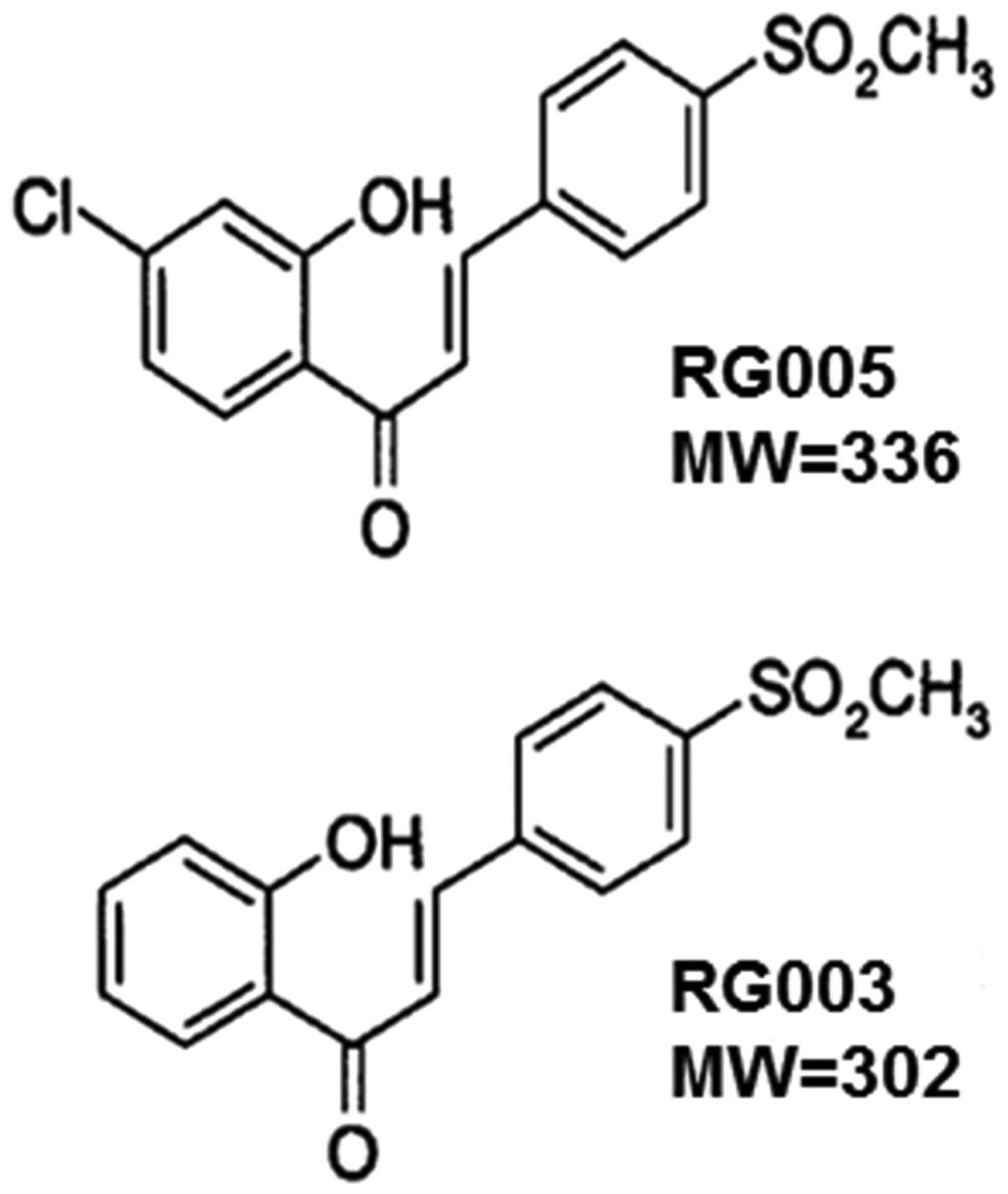
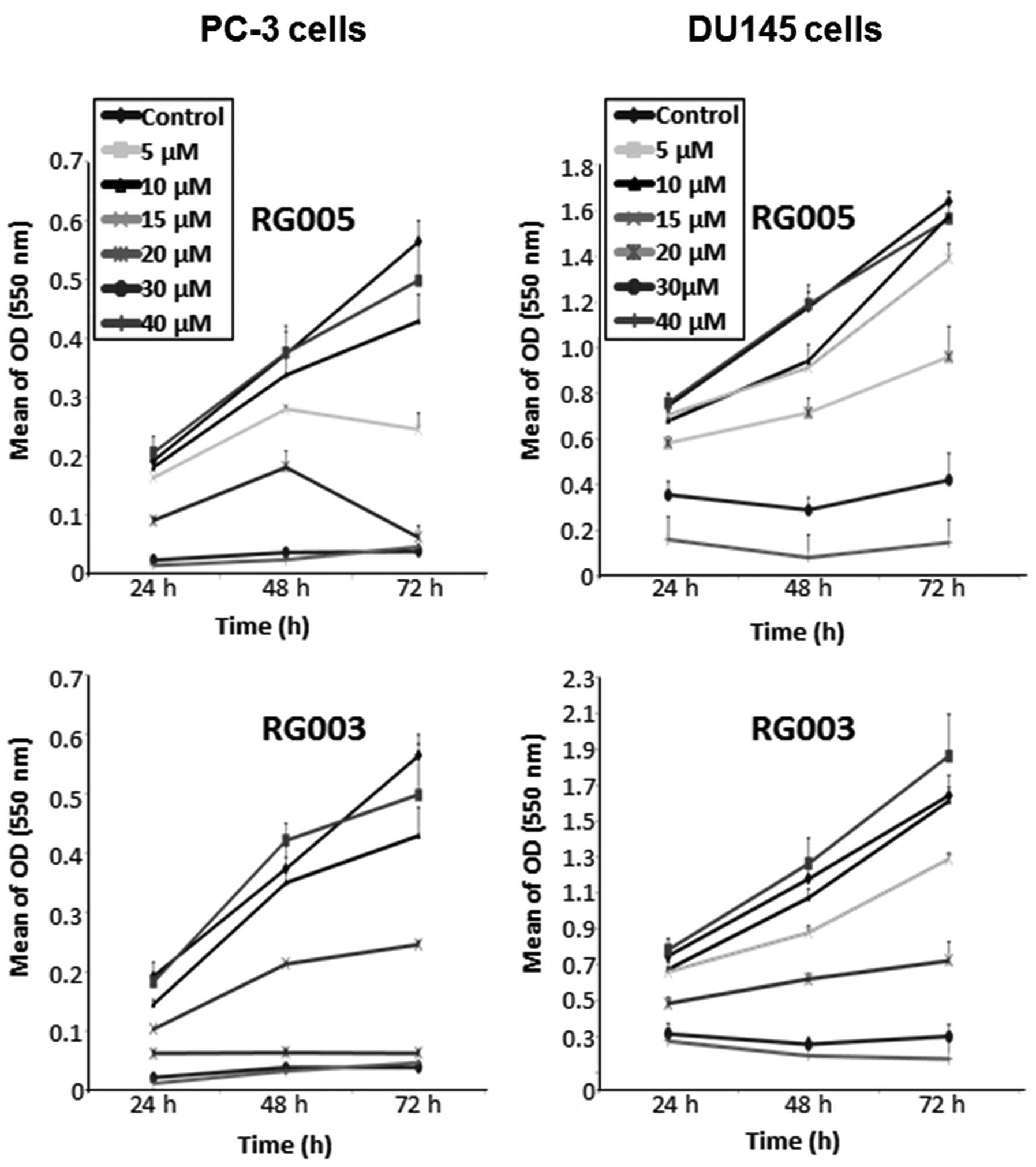
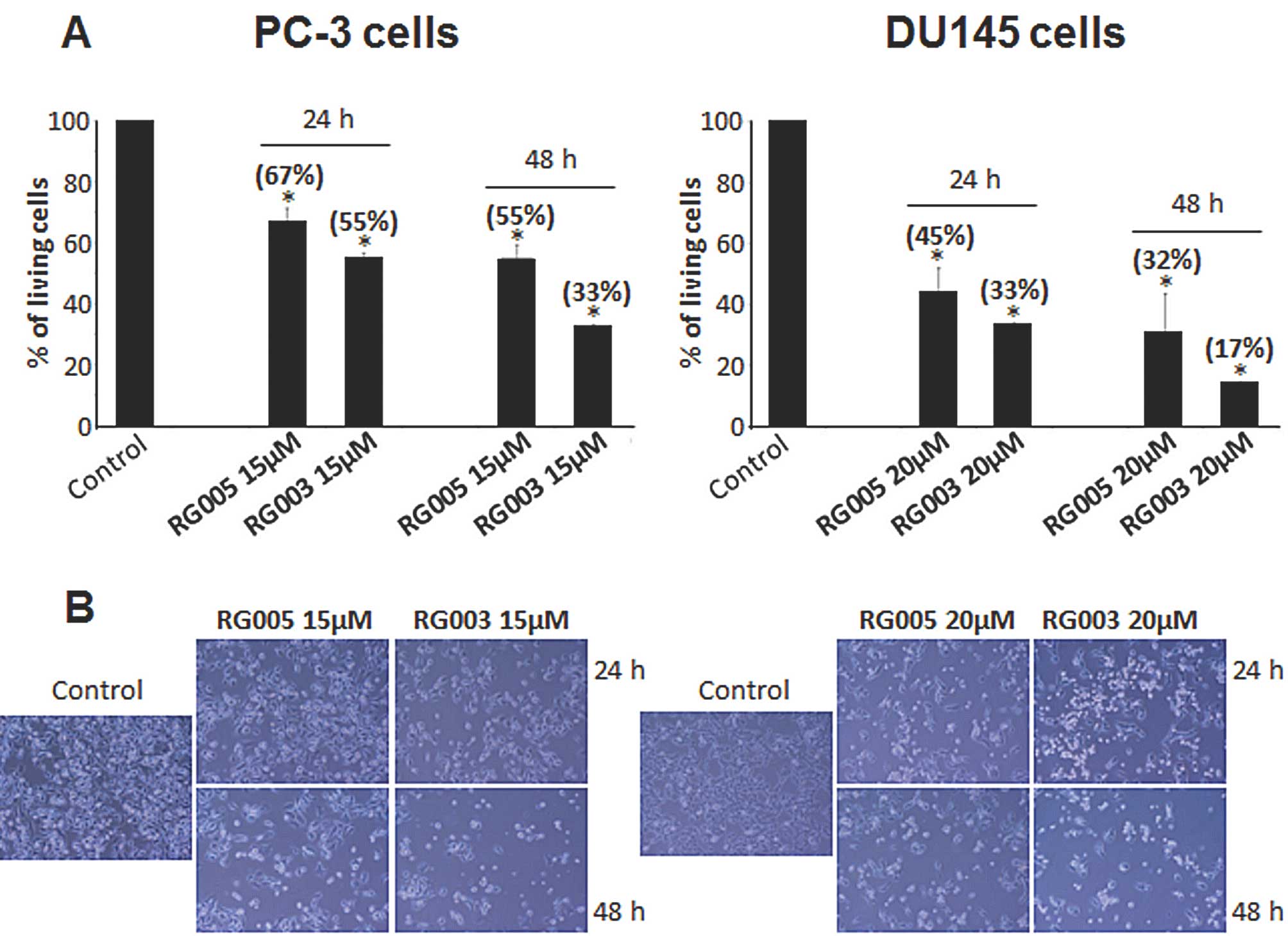
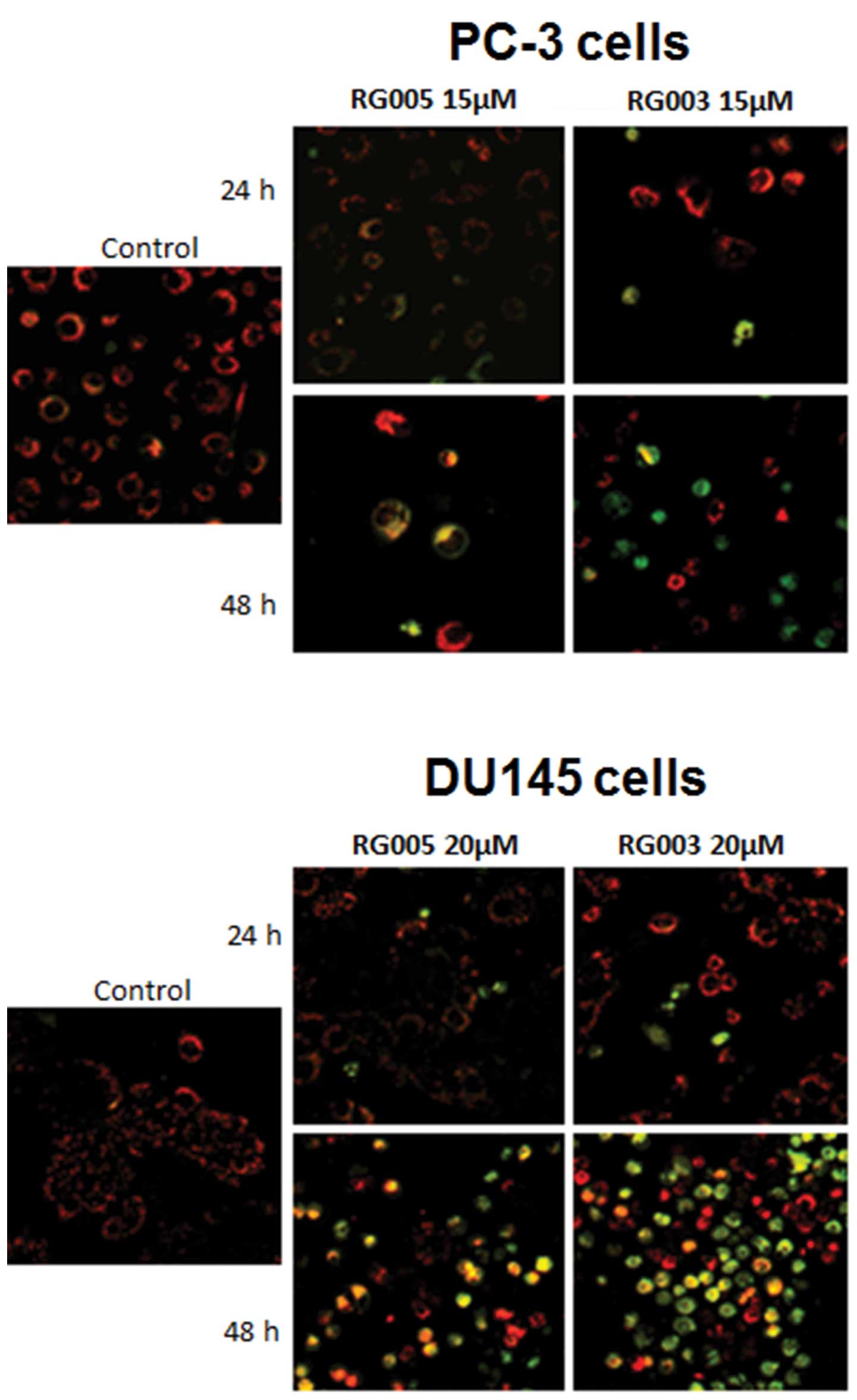
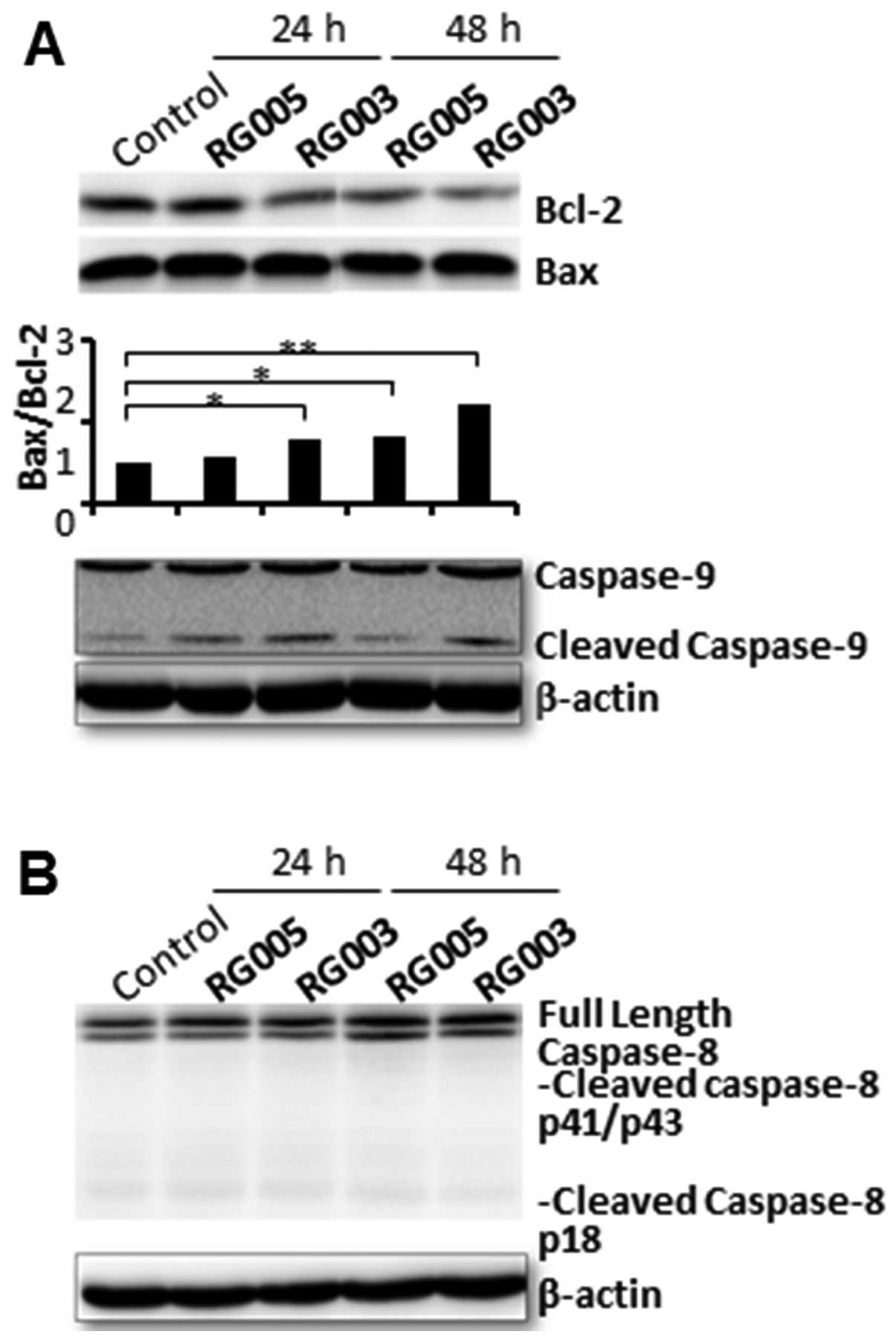
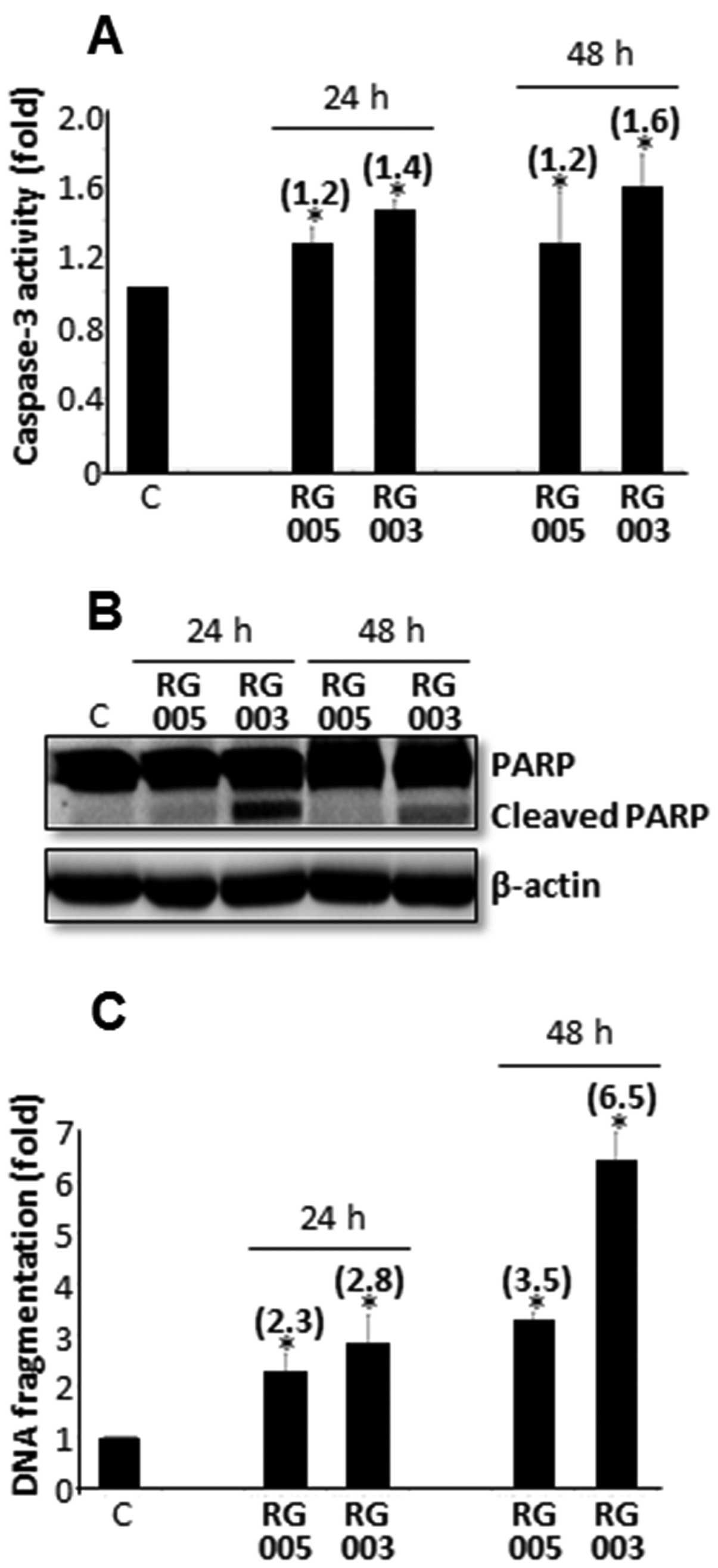
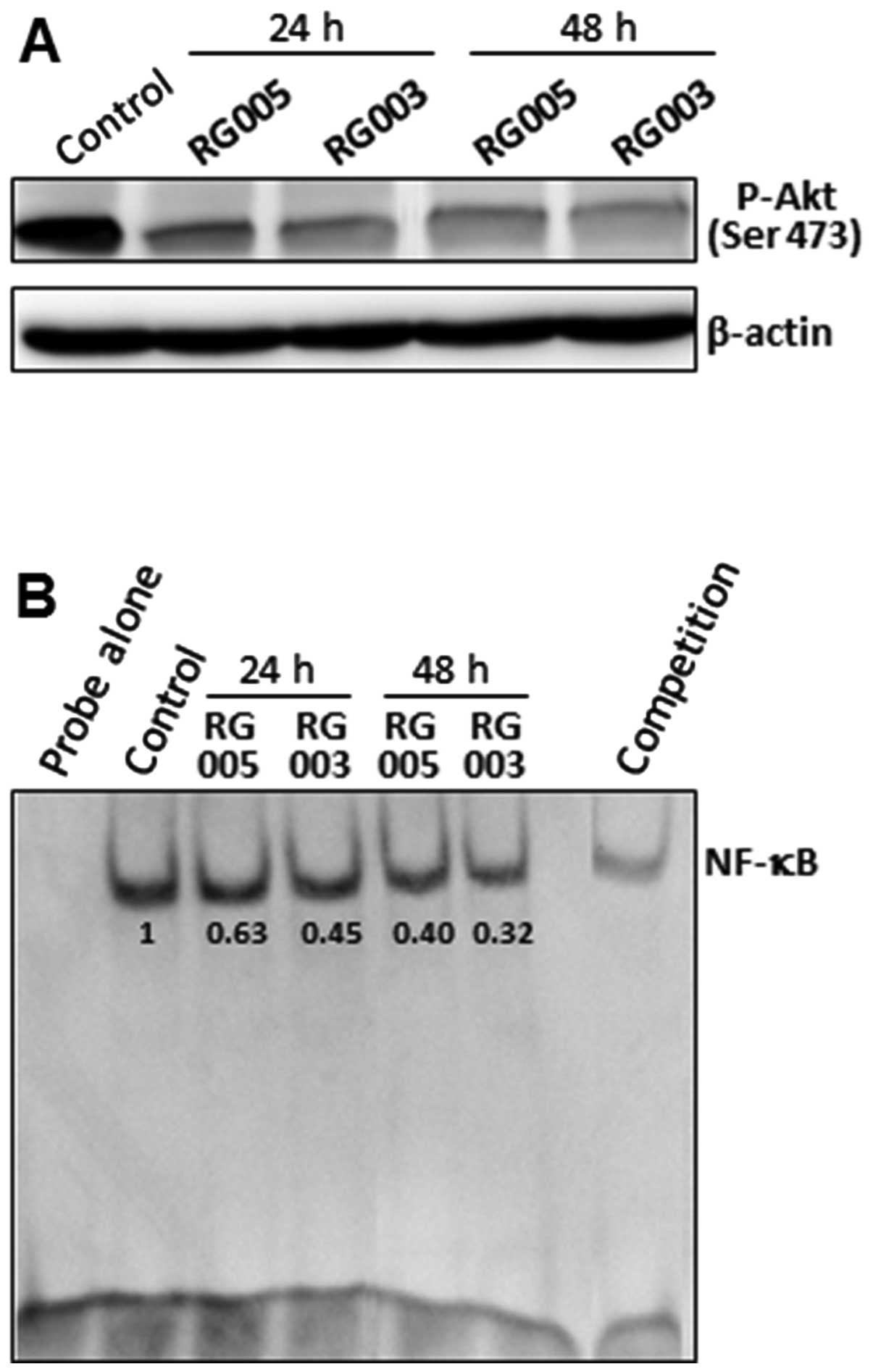
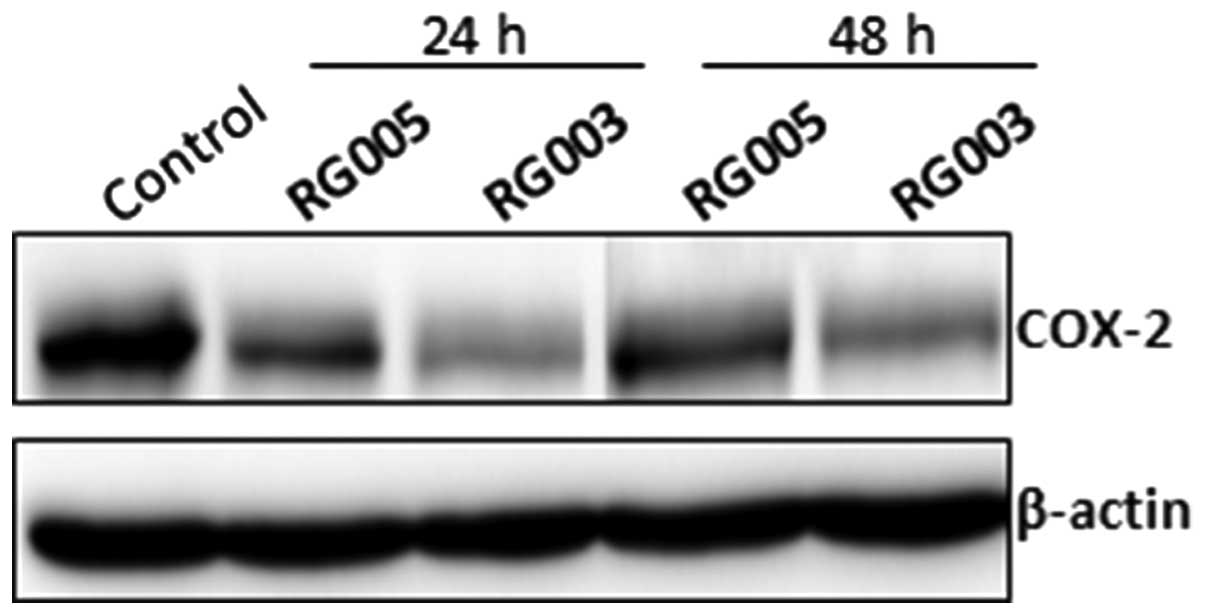
Limited success has been achieved in extending the survival of patients with metastatic and hormone-refractory prostate cancer (HRPC). There is a strong need for novel agents in the treatment and prevention of HRPC. In the present study, the apoptotic mechanism of action of RG003 (2'-hydroxy-4-methylsulfonylchalcone) and RG005 (4'-chloro-2'-hydroxy-4-methylsulfonylchalcone) in association with intracellular signalling pathways was investigated in the hormone-independent prostate carcinoma cells PC-3 and DU145. We showed that these compounds induced apoptosis through the intrinsic pathway but not through the extrinsic one. We showed that synthetic chalcones induced an activation of caspase-9 but not caspase-8 in PC-3 cells. Even if both chalcones induced apoptosis in PC-3 cells, a dominant effect of RG003 treatment was observed resulting in a disruption of ∆ψm, caspase-9 and caspase-3 activation, PARP cleavage and DNA fragmentation. Furthermore, in regard to our results, it is clear that the simultaneous inhibition of Akt and NF-κB signalling can significantly contribute to the anticancer effects of RG003 and RG005 in PC-3 prostate cancer cells. NF-κB inhibition was correlated with the reduction of COX-2 expression and induction of apoptosis. Our results clearly indicate for the first time that RG003 and RG005 exert their potent anti‑proliferative and pro-apoptotic effects through the modulation of Akt/NF-κB/COX-2 signal transduction pathways in PC-3 prostate cancer cells with a dominant effect for RG003.
View Figures

Figure 1

Figure 2

Figure 3

Figure 4

Figure 5

Figure 6

Figure 7

Figure 8

View References

1. 

Jemal A, Siegel R, Ward E, Hao Y, Xu J and Thun MJ: Cancer statistics, 2009. CA Cancer J Clin. 59:225–249. 2009. View Article : Google Scholar

2. 

Dreicer R: Current status of cytotoxic chemotherapy in patients with metastatic prostate cancer. Urol Oncol. 26:426–429. 2008. View Article : Google Scholar : PubMed/NCBI

3. 

Alcaraz MJ, Vicente AM, Araico A, Dominguez JN, Terencio MC and Ferrándiz ML: Role of nuclear factor-kappaB and heme oxygenase-1 in the mechanism of action of an anti-inflammatory chalcone derivative in RAW 264.7 cells. Br J Pharmacol. 142:1191–1199. 2004. View Article : Google Scholar : PubMed/NCBI

4. 

Domínguez JN, León C, Rodrigues J, Gamboa de Domínguez N, Gut J and Rosenthal PJ: Synthesis and evaluation of new anti-malarial phenylurenyl chalcone derivatives. J Med Chem. 48:3654–3658. 2005.PubMed/NCBI

5. 

Liu X and Go ML: Antiproliferative activity of chalcones with basic functionalities. Bioorg Med Chem. 15:7021–7034. 2007. View Article : Google Scholar : PubMed/NCBI

6. 

Aggarwal BB and Shishodia S: Molecular targets of dietary agents for prevention and therapy of cancer. Biochem Pharmacol. 71:1397–1421. 2006. View Article : Google Scholar : PubMed/NCBI

7. 

Hu W and Kavanagh JJ: Anticancer therapy targeting the apoptotic pathway. Lancet Oncol. 4:721–729. 2003. View Article : Google Scholar : PubMed/NCBI

8. 

Shen KH, Chang JK, Hsu YL and Kuo PL: Chalcone arrests cell cycle progression and induces apoptosis through induction of mitochondrial pathway and inhibition of nuclear factor kappa B signalling in human bladder cancer cells. Basic Clin Pharmacol Toxicol. 101:254–261. 2007. View Article : Google Scholar

9. 

Smith WL, DeWitt DL and Garavito RM: Cyclooxygenases: structural, cellular, and molecular biology. Annu Rev Biochem. 69:145–182. 2000. View Article : Google Scholar : PubMed/NCBI

10. 

Xie WL, Chipman JG, Robertson DL, Erikson RL and Simmons DL: Expression of a mitogen-responsive gene encoding prostaglandin synthase is regulated by mRNA splicing. Proc Natl Acad Sci USA. 88:2692–2696. 1991. View Article : Google Scholar : PubMed/NCBI

11. 

Gupta S, Srivastava M, Ahmad N, Bostwick DG and Mukhtar H: Over-expression of cyclooxygenase-2 in human prostate adenocarcinoma. Prostate. 42:73–78. 2000. View Article : Google Scholar : PubMed/NCBI

12. 

Wenzel U, Kuntz S, Brendel MD and Daniel H: Dietary flavone is a potent apoptosis inducer in human colon carcinoma cells. Cancer Res. 60:3823–3831. 2000.PubMed/NCBI

13. 

Corbiere C, Liagre B, Terro F and Beneytout JL: Induction of antiproliferative effect by diosgenin through activation of p53, release of apoptosis-inducing factor (AIF) and modulation of caspase-3 activity in different human cancer cells. Cell Res. 14:188–196. 2004. View Article : Google Scholar

14. 

Smiley ST, Reers M, Mottola-Hartshorn C, et al: Intracellular heterogeneity in mitochondrial membrane potentials revealed by a J-aggregate-forming lipophilic cation JC-1. Proc Natl Acad Sci USA. 88:3671–3675. 1991. View Article : Google Scholar

15. 

Lepage C, Liagre B, Cook-Moreau J, Pinon A and Beneytout JL: Cyclooxygenase-2 and 5-lipoxygenase pathways in diosgenin-induced apoptosis in HT-29 and HCT-116 colon cancer cells. Int J Oncol. 36:1183–1191. 2010.PubMed/NCBI

16. 

Leger DY, Liagre B and Beneytout JL: Role of MAPKs and NF-κB in diosgenin-induced megakaryocytic differentiation and subsequent apoptosis in HEL cells. Int J Oncol. 28:201–207. 2006.

17. 

Bertrand J, Liagre B, Ghezali L, Beneytout JL and Leger DY: Cyclooxygenase-2 positively regulates Akt signalling and enhances survival of erythroleukemia cells exposed to anti-cancer agents. Apoptosis. 18:836–850. 2013. View Article : Google Scholar : PubMed/NCBI

18. 

Ghezali L, Leger DY, Limami Y, Cook-Moreau J, Beneytout JL and Liagre B: Cyclopamine and jervine induce COX-2 overexpression in human erythroleukemia cells but only cyclopamine has a pro-apoptotic effect. Exp Cell Res. 319:1043–1053. 2013. View Article : Google Scholar : PubMed/NCBI

19. 

Green DR and Reed JC: Mitochondria and apoptosis. Science. 281:1309–1312. 1998. View Article : Google Scholar : PubMed/NCBI

20. 

Oltvai ZN, Milliman CL and Korsmeyer SJ: Bcl-2 heterodimerizes in vivo with a conserved homolog, Bax, that accelerates programmed cell death. Cell. 74:609–619. 1993. View Article : Google Scholar : PubMed/NCBI

21. 

MacKenzie SH, Schipper JL and Clark AC: The potential for caspases in drug discovery. Curr Opin Drug Discov Dev. 13:568–576. 2010.PubMed/NCBI

22. 

Liu YQ, Hu XY, Lu T, Cheng YN, Young CY, Yuan HQ and Lou HX: Retigeric acid B exhibits antitumor activity through suppression of nuclear factor-κB signalling in prostate cancer cells in vitro and in vivo. PLoS One. 7:e380002012.PubMed/NCBI

23. 

Datta SR, Dudek H, Tao X, Masters S, Fu H, Gotoh Y and Greenberg ME: Akt phosphorylation of BAD couples survival signals to the cell-intrinsic death machinery. Cell. 91:231–241. 1997. View Article : Google Scholar : PubMed/NCBI

24. 

Giri K and Aggarwal BB: Constitutive activation of NF-kappaB causes resistance to apoptosis in human cutaneous T cell lymphoma HuT-78 cells. Autocrine role of tumor necrosis factor and reactive oxygen intermediates. J Biol Chem. 273:14008–14014. 1998. View Article : Google Scholar : PubMed/NCBI

25. 

Wang D and Dubois RN: The role of COX-2 in intestinal inflammation and colorectal cancer. Oncogene. 29:781–788. 2010. View Article : Google Scholar : PubMed/NCBI

26. 

Kirschenbaum A, Liu X, Yao S and Levine AC: The role of cyclooxygenase-2 in prostate cancer. Urology. 58:127–131. 2001. View Article : Google Scholar : PubMed/NCBI

27. 

Lee KS, Lee HJ, Ahn KS, et al: Cyclooxygenase-2/prostaglandin E2 pathway mediates icariside II induced apoptosis in human PC-3 prostate cancer cells. Cancer Lett. 280:93–100. 2009. View Article : Google Scholar : PubMed/NCBI

28. 

Hankey BF, Feuer EJ, Clegg LX, et al: Cancer surveillance series: Interpreting trends in prostate cancer-part I: evidence of the effects of screening in recent prostate cancer incidence, mortality, and survival rates. J Natl Cancer Inst. 91:1017–1024. 1999. View Article : Google Scholar

29. 

Ganesh B, Saoba SL, Sarade MN and Pinjari SV: Risk factors for prostate cancer: an hospital-based case-control study from Mumbai, India. Indian J Urol. 27:345–350. 2011. View Article : Google Scholar : PubMed/NCBI

30. 

American Dietetic Association; Dietitians of Canada: Position of the American Dietetic Association and Dietitians of Canada: Vegetarian diets. J Am Diet Assoc. 103:748–765. 2003. View Article : Google Scholar

31. 

Hsing AW and Chokkalingam AP: Prostate cancer epidemiology. Front Biosci. 11:1388–1413. 2006. View Article : Google Scholar

32. 

Rodrigues J, Abramjuk C, Vásquez L, et al: New 4-maleamic acid and 4-maleamide peptidyl chalcones as potential multi-target drugs for human prostate cancer. Pharm Res. 28:907–919. 2011. View Article : Google Scholar : PubMed/NCBI

33. 

Deb Majumdar I, Devanabanda A, Fox B, Schwartzman J, Cong H, Porco JA Jr and Weber HC: Synthetic cyclohexenyl chalcone natural products possess cytotoxic activities against prostate cancer cells and inhibit cysteine cathepsins in vitro. Biochem Biophys Res Commun. 416:397–402. 2011.

34. 

Nagaraju M, Gnana Deepthi E, Ashwini C, et al: Synthesis and selective cytotoxic activity of novel hybrid chalcones against prostate cancer cells. Bioorg Med Chem Lett. 22:4314–4317. 2012. View Article : Google Scholar : PubMed/NCBI

35. 

Jung JI, Lim SS, Choi HJ, et al: Isoliquiritigenin induces apoptosis by depolarizing mitochondrial membranes in prostate cancer cells. J Nutr Biochem. 17:689–696. 2006. View Article : Google Scholar : PubMed/NCBI

36. 

Hengartner MO: The biochemistry of apoptosis. Nature. 407:770–776. 2000. View Article : Google Scholar : PubMed/NCBI

37. 

Zamzami N, Susin SA, Marchetti P, et al: Mitochondrial control of nuclear apoptosis. J Exp Med. 183:1533–1544. 1996. View Article : Google Scholar : PubMed/NCBI

38. 

Green D and Kroemer G: The central executioners of apoptosis: caspases or mitochondria? Trends Cell Biol. 8:267–271. 1998. View Article : Google Scholar : PubMed/NCBI

39. 

Liu X, Kim CN, Yang J, Jemmerson R and Wang X: Induction of apoptotic program in cell-free extracts: requirement for dATP and cytochrome c. Cell. 86:147–157. 1996. View Article : Google Scholar : PubMed/NCBI

40. 

Lebedeva IV, Sarkar D, Su ZZ, et al: Bcl-2 and Bcl-x(L) differentially protect human prostate cancer cells from induction of apoptosis by melanoma differentiation associated gene-7, mda-7/IL-24. Oncogene. 22:8758–8773. 2003. View Article : Google Scholar

41. 

Salvesen GS and Dixit VM: Caspases: intracellular signalling by proteolysis. Cell. 91:443–446. 1997. View Article : Google Scholar : PubMed/NCBI

42. 

D’Amours D, Desnoyers S, D’Silva I and Poirier GG: Poly(ADP-ribosyl)ation reactions in the regulation of nuclear functions. Biochem J. 342:249–268. 1999.

43. 

Nicholson DW: Caspase structure, proteolytic substrates, and function during apoptotic cell death. Cell Death Differ. 6:1028–1042. 1999. View Article : Google Scholar : PubMed/NCBI

44. 

Chen X, Thakkar H, Tyan F, et al: Constitutively active Akt is an important regulator of TRAIL sensitivity in prostate cancer. Oncogene. 20:6073–6083. 2001. View Article : Google Scholar : PubMed/NCBI

45. 

Murillo H, Huang H, Schmidt LJ, Smith DI and Tindall DJ: Role of PI3K signalling in survival and progression of LNCaP prostate cancer cells to the androgen refractory state. Endocrinology. 142:4795–4805. 2001. View Article : Google Scholar : PubMed/NCBI

46. 

Testa JR and Bellacosa A: AKT plays a central role in tumorigenesis. Proc Natl Acad Sci USA. 98:10983–10985. 2001. View Article : Google Scholar : PubMed/NCBI

47. 

Madrid LV, Mayo MW, Reuther JY and Baldwin AS Jr: Akt stimulates the transactivation potential of the RelA/p65 Subunit of NF-kappa B through utilization of the Ikappa B kinase and activation of the mitogen-activated protein kinase p38. J Biol Chem. 276:18934–18940. 2001. View Article : Google Scholar : PubMed/NCBI

48. 

Ahn KS, Sethi G and Aggarwal BB: Nuclear factor-kappa B: from clone to clinic. Curr Mol Med. 7:619–637. 2007. View Article : Google Scholar : PubMed/NCBI

49. 

Yang P, Cartwright CA, Li J, et al: Arachidonic acid metabolism in human prostate cancer. Int J Oncol. 41:1495–1503. 2012.PubMed/NCBI

50. 

Narayanan NK, Narayanan BA and Reddy BS: A combination of docosahexaenoic acid and celecoxib prevents prostate cancer cell growth in vitro and is associated with modulation of nuclear factor-κB, and steroid hormone receptors. Int J Oncol. 26:785–792. 2005.PubMed/NCBI

51. 

Sarveswaran S, Gautam SC and Ghosh J: Wedelolactone, a medicinal plant-derived coumestan, induces caspase-dependent apoptosis in prostate cancer cells via downregulation of PKCε without inhibiting Akt. Int J Oncol. 41:2191–2199. 2012.PubMed/NCBI

52. 

Patsos HA, Greenhough A, Hicks DJ, et al: The endogenous cannabinoid, anandamide, induces COX-2-dependent cell death in apoptosis-resistant colon cancer cells. Int J Oncol. 37:187–193. 2010.PubMed/NCBI

53. 

Limami Y, Pinon A, Leger DY, et al: HT-29 colorectal cancer cells undergoing apoptosis overexpress COX-2 to delay ursolic acid-induced cell death. Biochimie. 93:749–757. 2011. View Article : Google Scholar : PubMed/NCBI

54. 

Limami Y, Pinon A, Leger DY, et al: The P2Y2/Src/p38/COX-2 pathway is involved in the resistance to ursolic acid-induced apoptosis in colorectal and prostate cancer cells. Biochimie. 94:1754–1763. 2012. View Article : Google Scholar : PubMed/NCBI

55. 

Mencher SK and Wang LG: Promiscuous drugs compared to selective drugs (promiscuity can be a virtue). BMC Clin Pharmacol. 5:32005. View Article : Google Scholar : PubMed/NCBI

56. 

Trouillas P, Corbière C, Liagre B, Duroux JL and Beneytout JL: Structure-function relationship for saponin effects on cell cycle arrest and apoptosis in the human 1547 osteosarcoma cells: a molecular modelling approach of natural molecules structurally close to diosgenin. Bioorg Med Chem. 13:1141–1149. 2005. View Article : Google Scholar

Related Articles

  • Abstract
  • View
  • Download
  • Twitter
Copy and paste a formatted citation
Spandidos Publications style
Ismail B, Ghezali L, Gueye R, Limami Y, Pouget C, Leger DY, Martin F, Beneytout J, Duroux J, Diab-Assaf M, Diab-Assaf M, et al: Novel methylsulfonyl chalcones as potential antiproliferative drugs for human prostate cancer: Involvement of the intrinsic pathway of apoptosis. Int J Oncol 43: 1160-1168, 2013.
APA
Ismail, B., Ghezali, L., Gueye, R., Limami, Y., Pouget, C., Leger, D.Y. ... Liagre, B. (2013). Novel methylsulfonyl chalcones as potential antiproliferative drugs for human prostate cancer: Involvement of the intrinsic pathway of apoptosis. International Journal of Oncology, 43, 1160-1168. https://doi.org/10.3892/ijo.2013.2024
MLA
Ismail, B., Ghezali, L., Gueye, R., Limami, Y., Pouget, C., Leger, D. Y., Martin, F., Beneytout, J., Duroux, J., Diab-Assaf, M., Fagnere, C., Liagre, B."Novel methylsulfonyl chalcones as potential antiproliferative drugs for human prostate cancer: Involvement of the intrinsic pathway of apoptosis". International Journal of Oncology 43.4 (2013): 1160-1168.
Chicago
Ismail, B., Ghezali, L., Gueye, R., Limami, Y., Pouget, C., Leger, D. Y., Martin, F., Beneytout, J., Duroux, J., Diab-Assaf, M., Fagnere, C., Liagre, B."Novel methylsulfonyl chalcones as potential antiproliferative drugs for human prostate cancer: Involvement of the intrinsic pathway of apoptosis". International Journal of Oncology 43, no. 4 (2013): 1160-1168. https://doi.org/10.3892/ijo.2013.2024
Copy and paste a formatted citation
x
Spandidos Publications style
Ismail B, Ghezali L, Gueye R, Limami Y, Pouget C, Leger DY, Martin F, Beneytout J, Duroux J, Diab-Assaf M, Diab-Assaf M, et al: Novel methylsulfonyl chalcones as potential antiproliferative drugs for human prostate cancer: Involvement of the intrinsic pathway of apoptosis. Int J Oncol 43: 1160-1168, 2013.
APA
Ismail, B., Ghezali, L., Gueye, R., Limami, Y., Pouget, C., Leger, D.Y. ... Liagre, B. (2013). Novel methylsulfonyl chalcones as potential antiproliferative drugs for human prostate cancer: Involvement of the intrinsic pathway of apoptosis. International Journal of Oncology, 43, 1160-1168. https://doi.org/10.3892/ijo.2013.2024
MLA
Ismail, B., Ghezali, L., Gueye, R., Limami, Y., Pouget, C., Leger, D. Y., Martin, F., Beneytout, J., Duroux, J., Diab-Assaf, M., Fagnere, C., Liagre, B."Novel methylsulfonyl chalcones as potential antiproliferative drugs for human prostate cancer: Involvement of the intrinsic pathway of apoptosis". International Journal of Oncology 43.4 (2013): 1160-1168.
Chicago
Ismail, B., Ghezali, L., Gueye, R., Limami, Y., Pouget, C., Leger, D. Y., Martin, F., Beneytout, J., Duroux, J., Diab-Assaf, M., Fagnere, C., Liagre, B."Novel methylsulfonyl chalcones as potential antiproliferative drugs for human prostate cancer: Involvement of the intrinsic pathway of apoptosis". International Journal of Oncology 43, no. 4 (2013): 1160-1168. https://doi.org/10.3892/ijo.2013.2024
Follow us
  • Twitter
  • LinkedIn
  • Facebook
About
  • Spandidos Publications
  • Careers
  • Cookie Policy
  • Privacy Policy
How can we help?
  • Help
  • Live Chat
  • Contact
  • Email to our Support Team