Spandidos Publications Logo
  • About
    • About Spandidos
    • Aims and Scopes
    • Abstracting and Indexing
    • Editorial Policies
    • Reprints and Permissions
    • Job Opportunities
    • Terms and Conditions
    • Contact
  • Journals
    • All Journals
    • Oncology Letters
      • Oncology Letters
      • Information for Authors
      • Editorial Policies
      • Editorial Board
      • Aims and Scope
      • Abstracting and Indexing
      • Bibliographic Information
      • Archive
    • International Journal of Oncology
      • International Journal of Oncology
      • Information for Authors
      • Editorial Policies
      • Editorial Board
      • Aims and Scope
      • Abstracting and Indexing
      • Bibliographic Information
      • Archive
    • Molecular and Clinical Oncology
      • Molecular and Clinical Oncology
      • Information for Authors
      • Editorial Policies
      • Editorial Board
      • Aims and Scope
      • Abstracting and Indexing
      • Bibliographic Information
      • Archive
    • Experimental and Therapeutic Medicine
      • Experimental and Therapeutic Medicine
      • Information for Authors
      • Editorial Policies
      • Editorial Board
      • Aims and Scope
      • Abstracting and Indexing
      • Bibliographic Information
      • Archive
    • International Journal of Molecular Medicine
      • International Journal of Molecular Medicine
      • Information for Authors
      • Editorial Policies
      • Editorial Board
      • Aims and Scope
      • Abstracting and Indexing
      • Bibliographic Information
      • Archive
    • Biomedical Reports
      • Biomedical Reports
      • Information for Authors
      • Editorial Policies
      • Editorial Board
      • Aims and Scope
      • Abstracting and Indexing
      • Bibliographic Information
      • Archive
    • Oncology Reports
      • Oncology Reports
      • Information for Authors
      • Editorial Policies
      • Editorial Board
      • Aims and Scope
      • Abstracting and Indexing
      • Bibliographic Information
      • Archive
    • Molecular Medicine Reports
      • Molecular Medicine Reports
      • Information for Authors
      • Editorial Policies
      • Editorial Board
      • Aims and Scope
      • Abstracting and Indexing
      • Bibliographic Information
      • Archive
    • World Academy of Sciences Journal
      • World Academy of Sciences Journal
      • Information for Authors
      • Editorial Policies
      • Editorial Board
      • Aims and Scope
      • Abstracting and Indexing
      • Bibliographic Information
      • Archive
    • International Journal of Functional Nutrition
      • International Journal of Functional Nutrition
      • Information for Authors
      • Editorial Policies
      • Editorial Board
      • Aims and Scope
      • Abstracting and Indexing
      • Bibliographic Information
      • Archive
    • International Journal of Epigenetics
      • International Journal of Epigenetics
      • Information for Authors
      • Editorial Policies
      • Editorial Board
      • Aims and Scope
      • Abstracting and Indexing
      • Bibliographic Information
      • Archive
    • Medicine International
      • Medicine International
      • Information for Authors
      • Editorial Policies
      • Editorial Board
      • Aims and Scope
      • Abstracting and Indexing
      • Bibliographic Information
      • Archive
  • Articles
  • Information
    • Information for Authors
    • Information for Reviewers
    • Information for Librarians
    • Information for Advertisers
    • Conferences
  • Language Editing
Spandidos Publications Logo
  • About
    • About Spandidos
    • Aims and Scopes
    • Abstracting and Indexing
    • Editorial Policies
    • Reprints and Permissions
    • Job Opportunities
    • Terms and Conditions
    • Contact
  • Journals
    • All Journals
    • Biomedical Reports
      • Information for Authors
      • Editorial Policies
      • Editorial Board
      • Aims and Scope
      • Abstracting and Indexing
      • Bibliographic Information
      • Archive
    • Experimental and Therapeutic Medicine
      • Information for Authors
      • Editorial Policies
      • Editorial Board
      • Aims and Scope
      • Abstracting and Indexing
      • Bibliographic Information
      • Archive
    • International Journal of Epigenetics
      • Information for Authors
      • Editorial Policies
      • Editorial Board
      • Aims and Scope
      • Abstracting and Indexing
      • Bibliographic Information
      • Archive
    • International Journal of Functional Nutrition
      • Information for Authors
      • Editorial Policies
      • Editorial Board
      • Aims and Scope
      • Abstracting and Indexing
      • Bibliographic Information
      • Archive
    • International Journal of Molecular Medicine
      • Information for Authors
      • Editorial Policies
      • Editorial Board
      • Aims and Scope
      • Abstracting and Indexing
      • Bibliographic Information
      • Archive
    • International Journal of Oncology
      • Information for Authors
      • Editorial Policies
      • Editorial Board
      • Aims and Scope
      • Abstracting and Indexing
      • Bibliographic Information
      • Archive
    • Medicine International
      • Information for Authors
      • Editorial Policies
      • Editorial Board
      • Aims and Scope
      • Abstracting and Indexing
      • Bibliographic Information
      • Archive
    • Molecular and Clinical Oncology
      • Information for Authors
      • Editorial Policies
      • Editorial Board
      • Aims and Scope
      • Abstracting and Indexing
      • Bibliographic Information
      • Archive
    • Molecular Medicine Reports
      • Information for Authors
      • Editorial Policies
      • Editorial Board
      • Aims and Scope
      • Abstracting and Indexing
      • Bibliographic Information
      • Archive
    • Oncology Letters
      • Information for Authors
      • Editorial Policies
      • Editorial Board
      • Aims and Scope
      • Abstracting and Indexing
      • Bibliographic Information
      • Archive
    • Oncology Reports
      • Information for Authors
      • Editorial Policies
      • Editorial Board
      • Aims and Scope
      • Abstracting and Indexing
      • Bibliographic Information
      • Archive
    • World Academy of Sciences Journal
      • Information for Authors
      • Editorial Policies
      • Editorial Board
      • Aims and Scope
      • Abstracting and Indexing
      • Bibliographic Information
      • Archive
  • Articles
  • Information
    • For Authors
    • For Reviewers
    • For Librarians
    • For Advertisers
    • Conferences
  • Language Editing
Login Register Submit
  • This site uses cookies
  • You can change your cookie settings at any time by following the instructions in our Cookie Policy. To find out more, you may read our Privacy Policy.

    I agree
Search articles by DOI, keyword, author or affiliation
Search
Advanced Search
presentation
International Journal of Oncology
Join Editorial Board Propose a Special Issue
Print ISSN: 1019-6439 Online ISSN: 1791-2423
Journal Cover
December 2013 Volume 43 Issue 6

Full Size Image

Cover Legend PDF

Sign up for eToc alerts
Recommend to Library

Journals

International Journal of Molecular Medicine

International Journal of Molecular Medicine

International Journal of Molecular Medicine is an international journal devoted to molecular mechanisms of human disease.

International Journal of Oncology

International Journal of Oncology

International Journal of Oncology is an international journal devoted to oncology research and cancer treatment.

Molecular Medicine Reports

Molecular Medicine Reports

Covers molecular medicine topics such as pharmacology, pathology, genetics, neuroscience, infectious diseases, molecular cardiology, and molecular surgery.

Oncology Reports

Oncology Reports

Oncology Reports is an international journal devoted to fundamental and applied research in Oncology.

Experimental and Therapeutic Medicine

Experimental and Therapeutic Medicine

Experimental and Therapeutic Medicine is an international journal devoted to laboratory and clinical medicine.

Oncology Letters

Oncology Letters

Oncology Letters is an international journal devoted to Experimental and Clinical Oncology.

Biomedical Reports

Biomedical Reports

Explores a wide range of biological and medical fields, including pharmacology, genetics, microbiology, neuroscience, and molecular cardiology.

Molecular and Clinical Oncology

Molecular and Clinical Oncology

International journal addressing all aspects of oncology research, from tumorigenesis and oncogenes to chemotherapy and metastasis.

World Academy of Sciences Journal

World Academy of Sciences Journal

Multidisciplinary open-access journal spanning biochemistry, genetics, neuroscience, environmental health, and synthetic biology.

International Journal of Functional Nutrition

International Journal of Functional Nutrition

Open-access journal combining biochemistry, pharmacology, immunology, and genetics to advance health through functional nutrition.

International Journal of Epigenetics

International Journal of Epigenetics

Publishes open-access research on using epigenetics to advance understanding and treatment of human disease.

Medicine International

Medicine International

An International Open Access Journal Devoted to General Medicine.

Journal Cover
December 2013 Volume 43 Issue 6

Full Size Image

Cover Legend PDF

Sign up for eToc alerts
Recommend to Library

  • Article
  • Citations
    • Cite This Article
    • Download Citation
    • Create Citation Alert
    • Remove Citation Alert
    • Cited By
  • Similar Articles
    • Related Articles (in Spandidos Publications)
    • Similar Articles (Google Scholar)
    • Similar Articles (PubMed)
  • Download PDF
  • Download XML
  • View XML
Article Open Access

Hypoxia reduces CD138 expression and induces an immature and stem cell-like transcriptional program in myeloma cells

  • Authors:
    • Yawara Kawano
    • Yoshitaka Kikukawa
    • Shiho Fujiwara
    • Naoko Wada
    • Yutaka Okuno
    • Hiroaki Mitsuya
    • Hiroyuki Hata
  • View Affiliations / Copyright

    Affiliations: Department of Hematology, Kumamoto University School of Medicine, Kumamoto 860-8556, Japan, Division of Informative Clinical Science, Kumamoto University School of Medicine, Kumamoto 860-8556, Japan
    Copyright: © Kawano et al. This is an open access article distributed under the terms of Creative Commons Attribution License [CC BY_NC 3.0].
  • Pages: 1809-1816
    |
    Published online on: October 10, 2013
       https://doi.org/10.3892/ijo.2013.2134
  • Expand metrics +
Metrics: Total Views: 0 (Spandidos Publications: | PMC Statistics: )
Metrics: Total PDF Downloads: 0 (Spandidos Publications: | PMC Statistics: )
Cited By (CrossRef): 0 citations Loading Articles...

This article is mentioned in:


Abstract

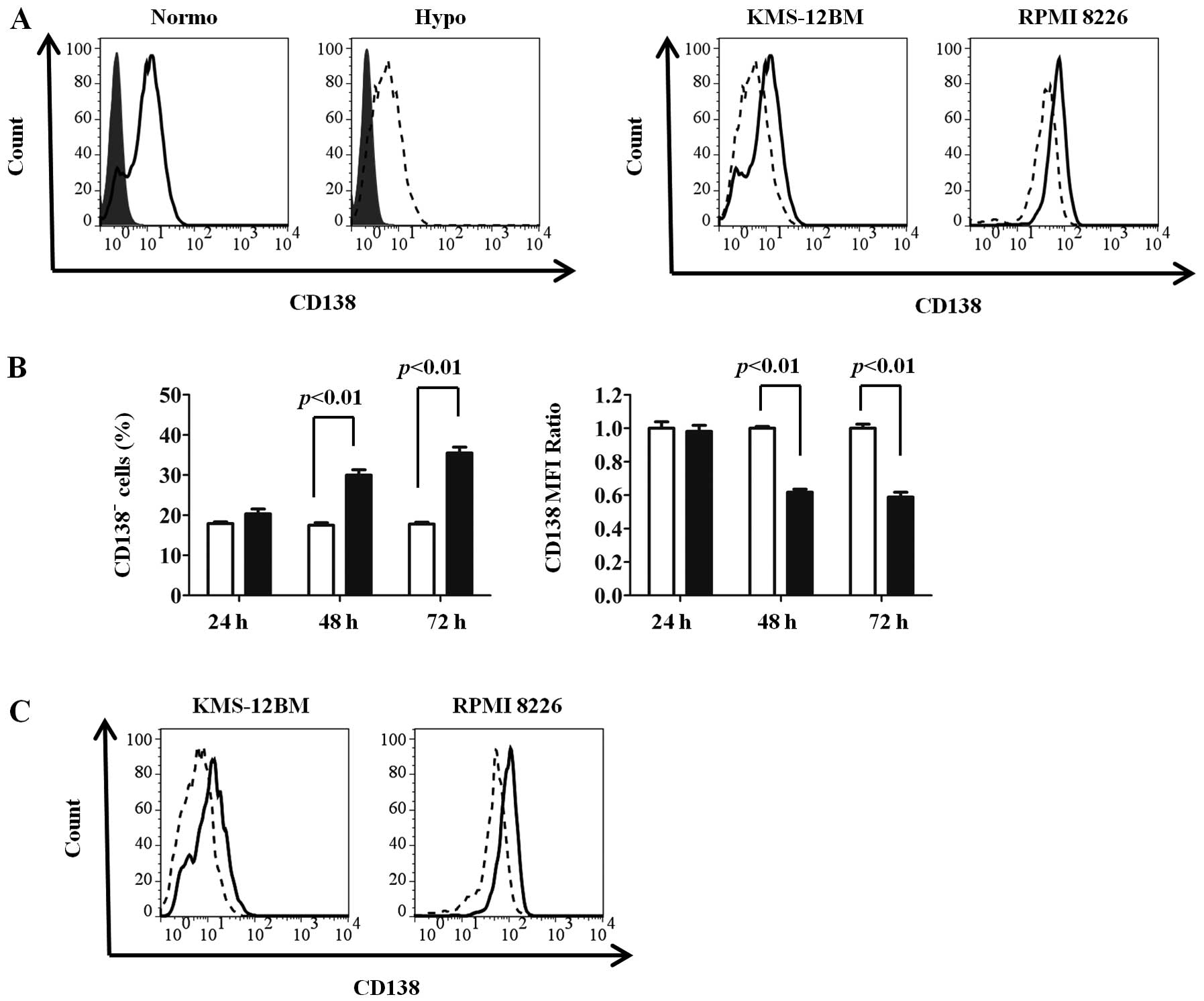
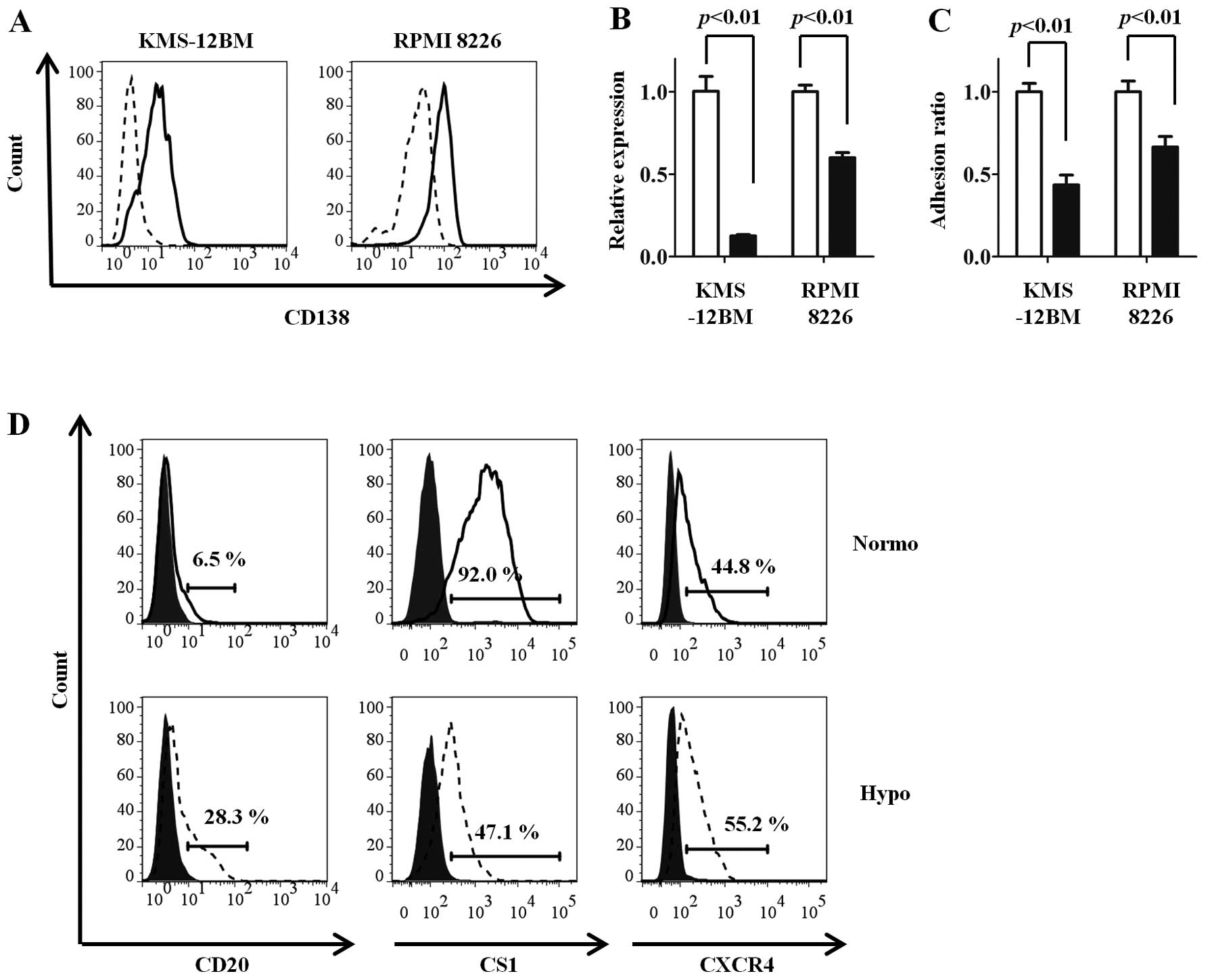
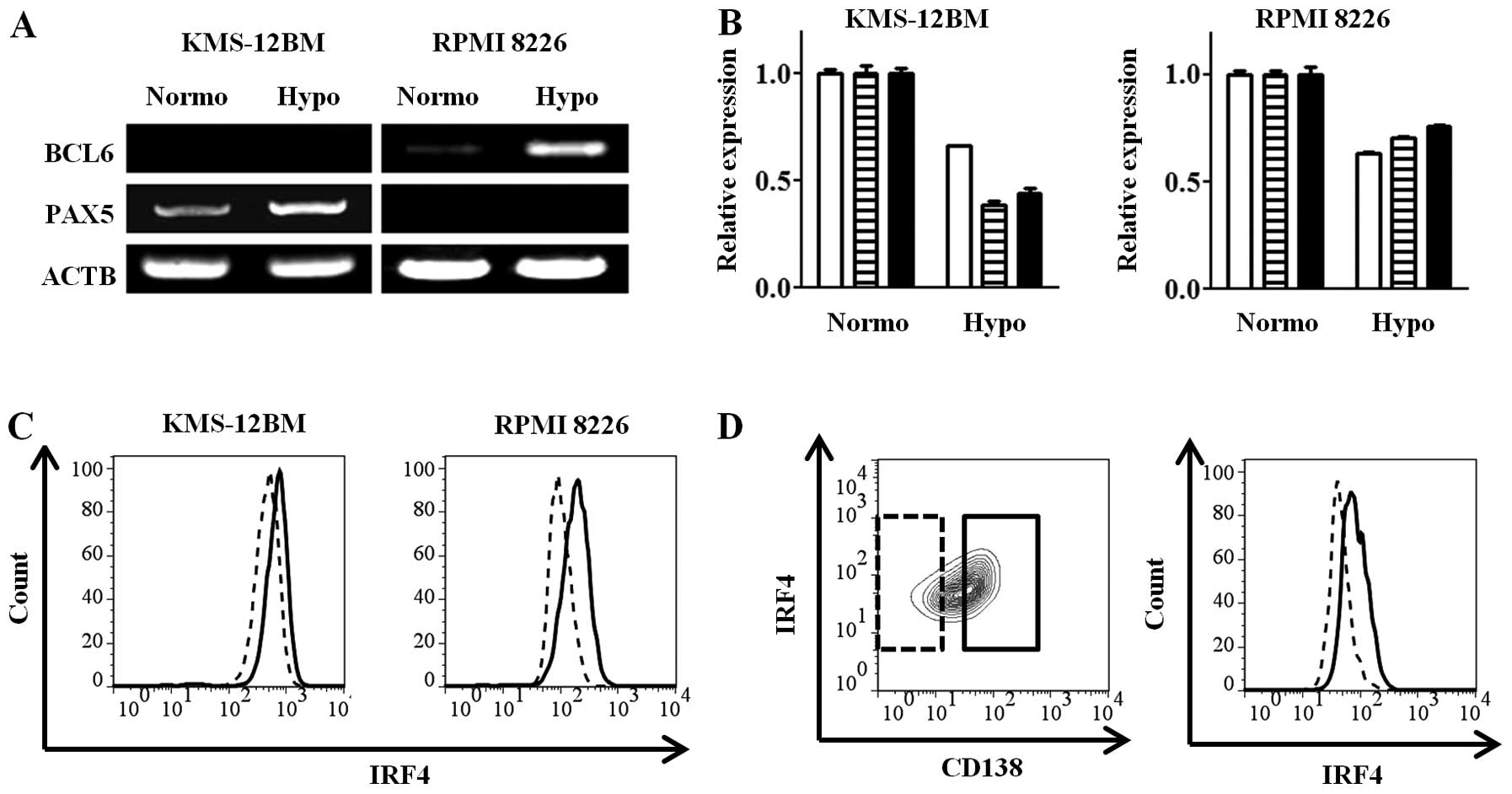
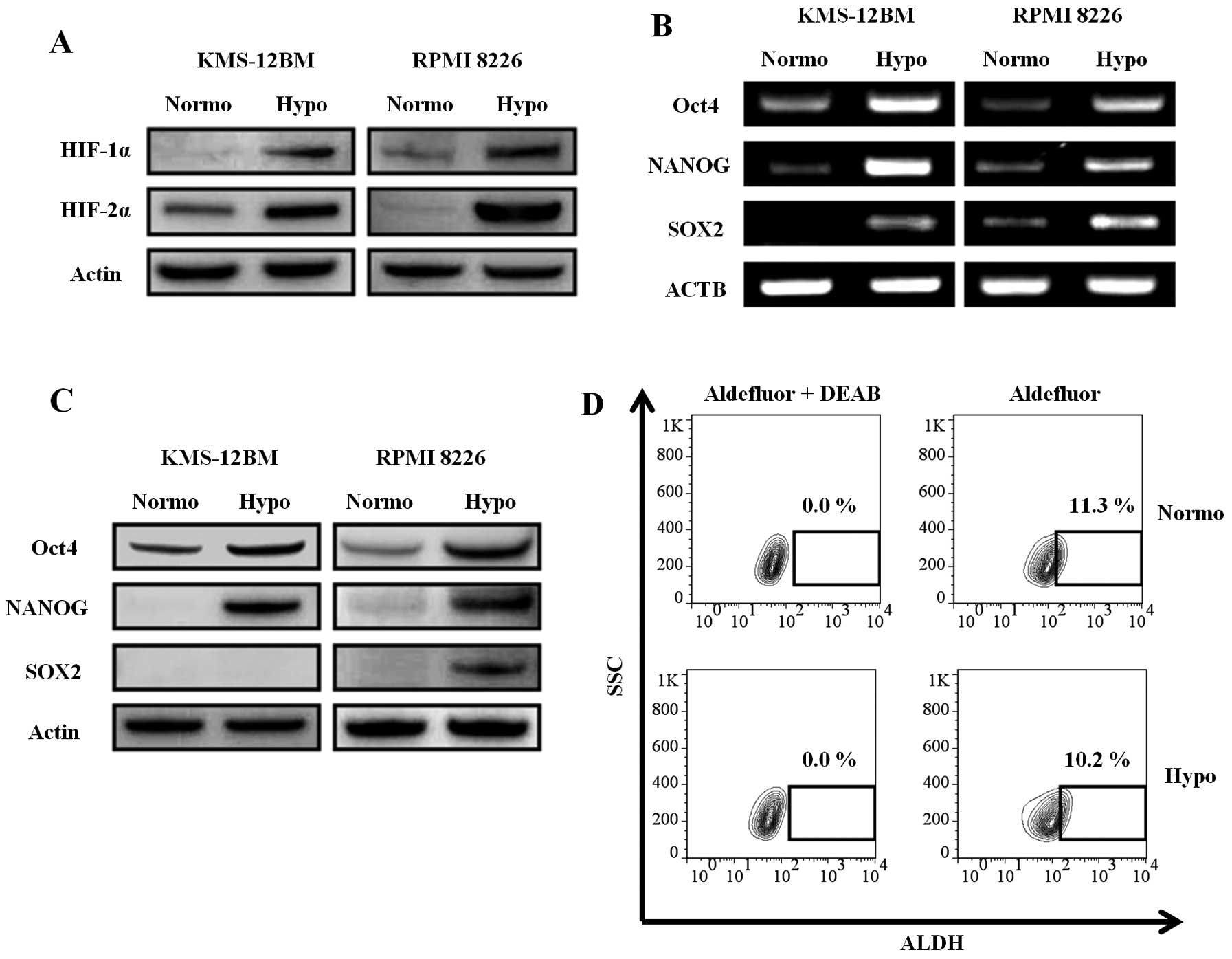
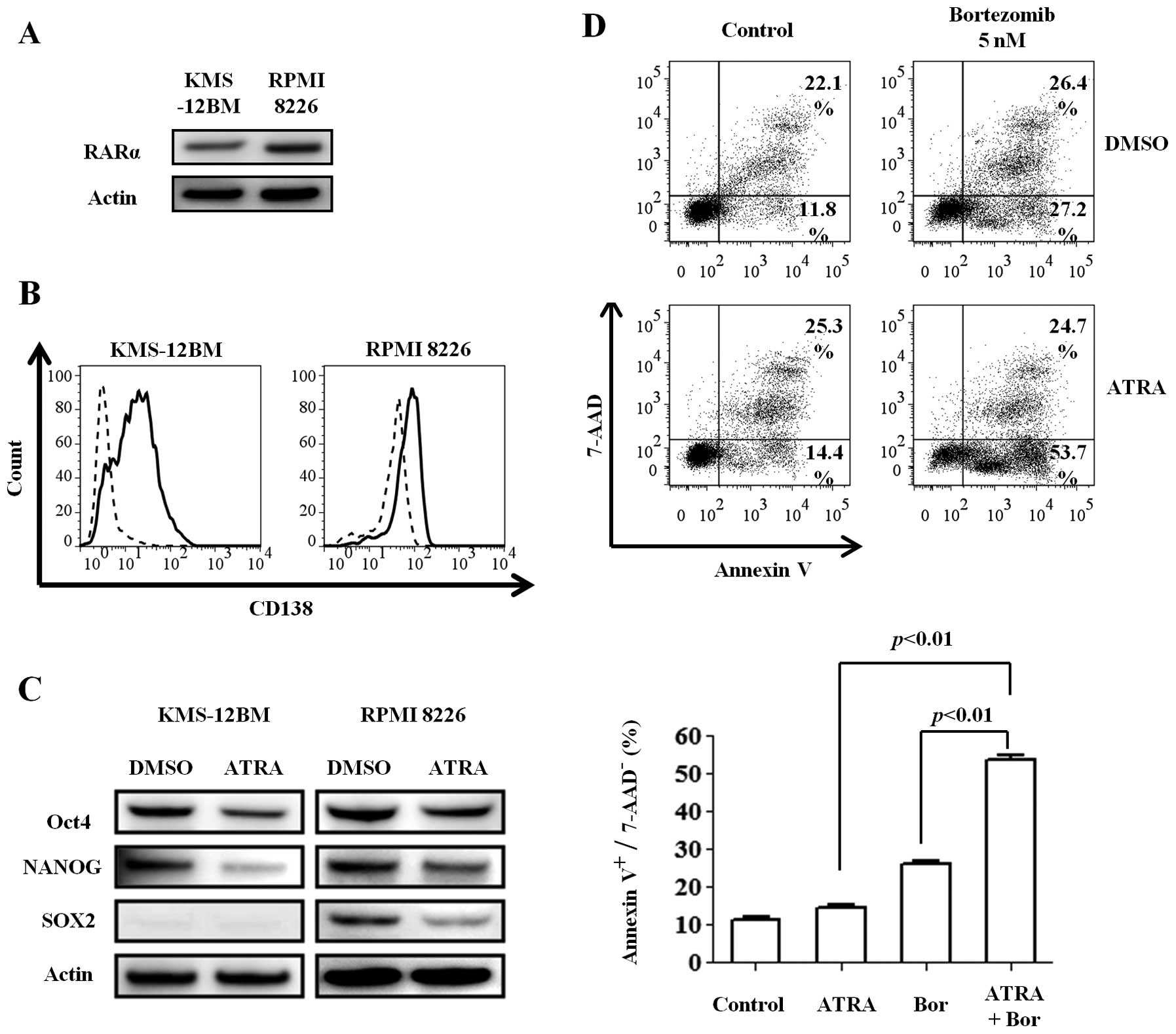
Although CD138 expression is a hallmark of plasma cells and myeloma cells, reduced CD138 expression is occasionally found. However, the mechanisms underlying CD138 downregulation in myeloma cells remain unclear. Previous reports suggest that the bone marrow microenvironment may contribute to CD138 downregulation. Among various factors in the tumor microenvironment, hypoxia is associated with tumor progression, poor clinical outcomes, dedifferentiation and the formation of cancer stem cell niches in solid tumors. Since recent findings showed that progression of multiple myeloma (MM) delivers hypoxia within the bone marrow, we hypothesized that CD138 expression may be regulated by hypoxia. In the present study, we examined whether the expression of CD138 and transcription factors occurred in myeloma cells under hypoxic conditions. MM cell lines (KMS-12BM and RPMI 8226) were cultured under normoxic or hypoxic conditions for up to 30 days. Changes in the phenotype and the expression of surface antigens and transcription factors were analyzed using flow cytometry, RT-PCR and western blotting. All-trans retinoic acid (ATRA) was used to examine the phenotypic changes under hypoxic conditions. The expression levels of CD138, CS1 and plasma cell-specific transcription factors decreased under hypoxic conditions, while those of CD20, CXCR4 and B cell-specific transcription factors increased compared with those under normoxic conditions. Stem cell-specific transcription factors were upregulated under hypoxic conditions, while no difference was observed in ALDH activity. The reduced CD138 expression under hypoxic conditions recovered when cells were treated with ATRA, even under hypoxic conditions, along with decreases in the expression of stem cell-specific transcription factor. Interestingly, ATRA treatment sensitized MM cells to bortezomib under hypoxia. We propose that hypoxia induces immature and stem cell-like transcription phenotypes in myeloma cells. Taken together with our previous observation that decreased CD138 expression is correlated with disease progression, the present data suggest that a hypoxic microenvironment affects the phenotype of MM cells, which may correlate with disease progression.
View Figures

Figure 1

Figure 2

Figure 3

Figure 4

Figure 5

View References

1. 

Kumar SK, Rajkumar SV, Dispenzieri A, et al: Improved survival in multiple myeloma and the impact of novel therapies. Blood. 111:2516–2520. 2008. View Article : Google Scholar : PubMed/NCBI

2. 

Clarke MF, Dick JE, Dirks PB, et al: Cancer stem cells - perspectives on current status and future directions: AACR Workshop on cancer stem cells. Cancer Res. 66:9339–9344. 2006. View Article : Google Scholar

3. 

Matsui W, Huff CA, Wang Q, et al: Characterization of clonogenic multiple myeloma cells. Blood. 103:2332–2336. 2004. View Article : Google Scholar : PubMed/NCBI

4. 

Medina F, Segundo C, Campos-Caro A, Gonzalez-Garcia I and Brieva JA: The heterogeneity shown by human plasma cells from tonsil, blood, and bone marrow reveals graded stages of increasing maturity, but local profiles of adhesion molecule expression. Blood. 99:2154–2161. 2002. View Article : Google Scholar

5. 

Wijdenes J, Vooijs WC, Clement C, et al: A plasmocyte selective monoclonal antibody (B-B4) recognizes syndecan-1. Br J Haematol. 94:318–323. 1996. View Article : Google Scholar : PubMed/NCBI

6. 

Ikeda H, Hideshima T, Fulciniti M, et al: The monoclonal antibody nBT062 conjugated to cytotoxic Maytansinoids has selective cytotoxicity against CD138-positive multiple myeloma cells in vitro and in vivo. Clin Cancer Res. 15:4028–4037. 2009. View Article : Google Scholar : PubMed/NCBI

7. 

Witzig TE, Kimlinger T, Stenson M and Therneau T: Syndecan-1 expression on malignant cells from the blood and marrow of patients with plasma cell proliferative disorders and B-cell chronic lymphocytic leukemia. Leuk Lymphoma. 31:167–175. 1998. View Article : Google Scholar : PubMed/NCBI

8. 

Reid S, Yang S, Brown R, et al: Characterisation and relevance of CD138-negative plasma cells in plasma cell myeloma. Int J Lab Hematol. 32:e190–e196. 2010. View Article : Google Scholar : PubMed/NCBI

9. 

Kawano Y, Fujiwara S, Wada N, et al: Multiple myeloma cells expressing low levels of CD138 have an immature phenotype and reduced sensitivity to lenalidomide. Int J Oncol. 41:876–884. 2012.PubMed/NCBI

10. 

Jakubikova J, Adamia S, Kost-Alimova M, et al: Lenalidomide targets clonogenic side population in multiple myeloma: pathophysiologic and clinical implications. Blood. 117:4409–4419. 2011. View Article : Google Scholar : PubMed/NCBI

11. 

Van Valckenborgh E, Matsui W, Agarwal P, et al: Tumor-initiating capacity of CD138− and CD138+ tumor cells in the 5T33 multiple myeloma model. Leukemia. 26:1436–1439. 2012.PubMed/NCBI

12. 

Chaidos A, Barnes CP, Cowan G, et al: Clinical drug resistance linked to interconvertible phenotypic and functional states of tumor-propagating cells in multiple myeloma. Blood. 121:318–328. 2013. View Article : Google Scholar : PubMed/NCBI

13. 

Yaccoby S: The phenotypic plasticity of myeloma plasma cells as expressed by dedifferentiation into an immature, resilient, and apoptosis-resistant phenotype. Clin Cancer Res. 11:7599–7606. 2005. View Article : Google Scholar : PubMed/NCBI

14. 

Zlei M, Egert S, Wider D, Ihorst G, Wasch R and Engelhardt M: Characterization of in vitro growth of multiple myeloma cells. Exp Hematol. 35:1550–1561. 2007. View Article : Google Scholar : PubMed/NCBI

15. 

Dezorella N, Pevsner-Fischer M, Deutsch V, et al: Mesenchymal stromal cells revert multiple myeloma cells to less differentiated phenotype by the combined activities of adhesive interactions and interleukin-6. Exp Cell Res. 315:1904–1913. 2009. View Article : Google Scholar

16. 

Fuhler GM, Baanstra M, Chesik D, et al: Bone marrow stromal cell interaction reduces syndecan-1 expression and induces kinomic changes in myeloma cells. Exp Cell Res. 316:1816–1828. 2010. View Article : Google Scholar : PubMed/NCBI

17. 

Axelson H, Fredlund E, Ovenberger M, Landberg G and Pahlman S: Hypoxia-induced dedifferentiation of tumor cells - a mechanism behind heterogeneity and aggressiveness of solid tumors. Semin Cell Dev Biol. 16:554–563. 2005. View Article : Google Scholar : PubMed/NCBI

18. 

Azab AK, Hu J, Quang P, et al: Hypoxia promotes dissemination of multiple myeloma through acquisition of epithelial to mesenchymal transition-like features. Blood. 119:5782–5794. 2012. View Article : Google Scholar : PubMed/NCBI

19. 

Ohtsuki T, Yawata Y, Wada H, Sugihara T, Mori M and Namba M: Two human myeloma cell lines, amylase-producing KMS-12-PE and amylase-non-producing KMS-12-BM, were established from a patient, having the same chromosome marker, t(11;14)(q13;q32). Br J Haematol. 73:199–204. 1989. View Article : Google Scholar : PubMed/NCBI

20. 

Matsuoka Y, Moore GE, Yagi Y and Pressman D: Production of free light chains of immunoglobulin by a hematopoietic cell line derived from a patient with multiple myeloma. Proc Soc Exp Biol Med. 125:1246–1250. 1967. View Article : Google Scholar : PubMed/NCBI

21. 

Livak KJ and Schmittgen TD: Analysis of relative gene expression data using real-time quantitative PCR and the 2(−Delta Delta C(T)) method. Methods. 25:402–408. 2001.

22. 

Fujiwara S, Kawano Y, Yuki H, et al: PDK1 inhibition is a novel therapeutic target in multiple myeloma. Br J Cancer. 108:170–178. 2013.PubMed/NCBI

23. 

Jourdan M, Ferlin M, Legouffe E, et al: The myeloma cell antigen syndecan-1 is lost by apoptotic myeloma cells. Br J Haematol. 100:637–646. 1998. View Article : Google Scholar : PubMed/NCBI

24. 

Ridley RC, Xiao H, Hata H, Woodliff J, Epstein J and Sanderson RD: Expression of syndecan regulates human myeloma plasma cell adhesion to type I collagen. Blood. 81:767–774. 1993.PubMed/NCBI

25. 

Shaffer AL, Emre NC, Lamy L, et al: IRF4 addiction in multiple myeloma. Nature. 454:226–231. 2008. View Article : Google Scholar : PubMed/NCBI

26. 

Shapiro-Shelef M and Calame K: Regulation of plasma-cell development. Nat Rev Immunol. 5:230–242. 2005. View Article : Google Scholar

27. 

Keith B and Simon MC: Hypoxia-inducible factors, stem cells, and cancer. Cell. 129:465–472. 2007. View Article : Google Scholar : PubMed/NCBI

28. 

Mathieu J, Zhang Z, Zhou W, et al: HIF induces human embryonic stem cell markers in cancer cells. Cancer Res. 71:4640–4652. 2011. View Article : Google Scholar : PubMed/NCBI

29. 

Brennan SK, Wang Q, Tressler R, et al: Telomerase inhibition targets clonogenic multiple myeloma cells through telomere length-dependent and independent mechanisms. PLoS One. 5:2010. View Article : Google Scholar

30. 

Zhou S, Schuetz JD, Bunting KD, et al: The ABC transporter Bcrp1/ABCG2 is expressed in a wide variety of stem cells and is a molecular determinant of the side-population phenotype. Nat Med. 7:1028–1034. 2001. View Article : Google Scholar : PubMed/NCBI

31. 

Gudas LJ and Wagner JA: Retinoids regulate stem cell differentiation. J Cell Physiol. 226:322–330. 2011. View Article : Google Scholar : PubMed/NCBI

32. 

Huang H, Wu D, Fu J, et al: All-trans retinoic acid can intensify the growth inhibition and differentiation induction effect of rosiglitazone on multiple myeloma cells. Eur J Haematol. 83:191–202. 2009. View Article : Google Scholar : PubMed/NCBI

33. 

Gu JL, Li J, Zhou ZH, et al: Differentiation induction enhances bortezomib efficacy and overcomes drug resistance in multiple myeloma. Biochem Biophys Res Commun. 420:644–650. 2012. View Article : Google Scholar : PubMed/NCBI

34. 

Akamatsu W, DeVeale B, Okano H, Cooney AJ and van der Kooy D: Suppression of Oct4 by germ cell nuclear factor restricts pluripotency and promotes neural stem cell development in the early neural lineage. J Neurosci. 29:2113–2124. 2009. View Article : Google Scholar : PubMed/NCBI

35. 

Gu P, LeMenuet D, Chung AC, Mancini M, Wheeler DA and Cooney AJ: Orphan nuclear receptor GCNF is required for the repression of pluripotency genes during retinoic acid-induced embryonic stem cell differentiation. Mol Cell Biol. 25:8507–8519. 2005. View Article : Google Scholar : PubMed/NCBI

36. 

Hosen N, Matsuoka Y, Kishida S, et al: CD138-negative clonogenic cells are plasma cells but not B cells in some multiple myeloma patients. Leukemia. 26:2135–2141. 2012. View Article : Google Scholar : PubMed/NCBI

37. 

Matsumoto A, Ono M, Fujimoto Y, Gallo RL, Bernfield M and Kohgo Y: Reduced expression of syndecan-1 in human hepatocellular carcinoma with high metastatic potential. Int J Cancer. 74:482–491. 1997. View Article : Google Scholar : PubMed/NCBI

38. 

Ishikawa T and Kramer RH: Sdc1 negatively modulates carcinoma cell motility and invasion. Exp Cell Res. 316:951–965. 2010. View Article : Google Scholar : PubMed/NCBI

39. 

Purushothaman A, Uyama T, Kobayashi F, et al: Heparanase-enhanced shedding of syndecan-1 by myeloma cells promotes endothelial invasion and angiogenesis. Blood. 115:2449–2457. 2010. View Article : Google Scholar : PubMed/NCBI

40. 

Harada H, Kawano MM, Huang N, et al: Phenotypic difference of normal plasma cells from mature myeloma cells. Blood. 81:2658–2663. 1993.PubMed/NCBI

41. 

Giatromanolaki A, Bai M, Margaritis D, et al: Hypoxia and activated VEGF/receptor pathway in multiple myeloma. Anticancer Res. 30:2831–2836. 2010.PubMed/NCBI

42. 

Martin SK, Diamond P, Williams SA, et al: Hypoxia-inducible factor-2 is a novel regulator of aberrant CXCL12 expression in multiple myeloma plasma cells. Haematologica. 95:776–784. 2010. View Article : Google Scholar : PubMed/NCBI

43. 

Spisek R, Kukreja A, Chen LC, et al: Frequent and specific immunity to the embryonal stem cell-associated antigen SOX2 in patients with monoclonal gammopathy. J Exp Med. 204:831–840. 2007. View Article : Google Scholar : PubMed/NCBI

44. 

Ikegame A, Ozaki S, Tsuji D, et al: Small molecule antibody targeting HLA class I inhibits myeloma cancer stem cells by repressing pluripotency-associated transcription factors. Leukemia. 26:2124–2134. 2012. View Article : Google Scholar

45. 

Schoenhals M, Kassambara A, De Vos J, Hose D, Moreaux J and Klein B: Embryonic stem cell markers expression in cancers. Biochem Biophys Res Commun. 383:157–162. 2009. View Article : Google Scholar : PubMed/NCBI

Related Articles

  • Abstract
  • View
  • Download
  • Twitter
Copy and paste a formatted citation
Spandidos Publications style
Kawano Y, Kikukawa Y, Fujiwara S, Wada N, Okuno Y, Mitsuya H and Hata H: Hypoxia reduces CD138 expression and induces an immature and stem cell-like transcriptional program in myeloma cells. Int J Oncol 43: 1809-1816, 2013.
APA
Kawano, Y., Kikukawa, Y., Fujiwara, S., Wada, N., Okuno, Y., Mitsuya, H., & Hata, H. (2013). Hypoxia reduces CD138 expression and induces an immature and stem cell-like transcriptional program in myeloma cells. International Journal of Oncology, 43, 1809-1816. https://doi.org/10.3892/ijo.2013.2134
MLA
Kawano, Y., Kikukawa, Y., Fujiwara, S., Wada, N., Okuno, Y., Mitsuya, H., Hata, H."Hypoxia reduces CD138 expression and induces an immature and stem cell-like transcriptional program in myeloma cells". International Journal of Oncology 43.6 (2013): 1809-1816.
Chicago
Kawano, Y., Kikukawa, Y., Fujiwara, S., Wada, N., Okuno, Y., Mitsuya, H., Hata, H."Hypoxia reduces CD138 expression and induces an immature and stem cell-like transcriptional program in myeloma cells". International Journal of Oncology 43, no. 6 (2013): 1809-1816. https://doi.org/10.3892/ijo.2013.2134
Copy and paste a formatted citation
x
Spandidos Publications style
Kawano Y, Kikukawa Y, Fujiwara S, Wada N, Okuno Y, Mitsuya H and Hata H: Hypoxia reduces CD138 expression and induces an immature and stem cell-like transcriptional program in myeloma cells. Int J Oncol 43: 1809-1816, 2013.
APA
Kawano, Y., Kikukawa, Y., Fujiwara, S., Wada, N., Okuno, Y., Mitsuya, H., & Hata, H. (2013). Hypoxia reduces CD138 expression and induces an immature and stem cell-like transcriptional program in myeloma cells. International Journal of Oncology, 43, 1809-1816. https://doi.org/10.3892/ijo.2013.2134
MLA
Kawano, Y., Kikukawa, Y., Fujiwara, S., Wada, N., Okuno, Y., Mitsuya, H., Hata, H."Hypoxia reduces CD138 expression and induces an immature and stem cell-like transcriptional program in myeloma cells". International Journal of Oncology 43.6 (2013): 1809-1816.
Chicago
Kawano, Y., Kikukawa, Y., Fujiwara, S., Wada, N., Okuno, Y., Mitsuya, H., Hata, H."Hypoxia reduces CD138 expression and induces an immature and stem cell-like transcriptional program in myeloma cells". International Journal of Oncology 43, no. 6 (2013): 1809-1816. https://doi.org/10.3892/ijo.2013.2134
Follow us
  • Twitter
  • LinkedIn
  • Facebook
About
  • Spandidos Publications
  • Careers
  • Cookie Policy
  • Privacy Policy
How can we help?
  • Help
  • Live Chat
  • Contact
  • Email to our Support Team