Spandidos Publications Logo
  • About
    • About Spandidos
    • Aims and Scopes
    • Abstracting and Indexing
    • Editorial Policies
    • Reprints and Permissions
    • Job Opportunities
    • Terms and Conditions
    • Contact
  • Journals
    • All Journals
    • Oncology Letters
      • Oncology Letters
      • Information for Authors
      • Editorial Policies
      • Editorial Board
      • Aims and Scope
      • Abstracting and Indexing
      • Bibliographic Information
      • Archive
    • International Journal of Oncology
      • International Journal of Oncology
      • Information for Authors
      • Editorial Policies
      • Editorial Board
      • Aims and Scope
      • Abstracting and Indexing
      • Bibliographic Information
      • Archive
    • Molecular and Clinical Oncology
      • Molecular and Clinical Oncology
      • Information for Authors
      • Editorial Policies
      • Editorial Board
      • Aims and Scope
      • Abstracting and Indexing
      • Bibliographic Information
      • Archive
    • Experimental and Therapeutic Medicine
      • Experimental and Therapeutic Medicine
      • Information for Authors
      • Editorial Policies
      • Editorial Board
      • Aims and Scope
      • Abstracting and Indexing
      • Bibliographic Information
      • Archive
    • International Journal of Molecular Medicine
      • International Journal of Molecular Medicine
      • Information for Authors
      • Editorial Policies
      • Editorial Board
      • Aims and Scope
      • Abstracting and Indexing
      • Bibliographic Information
      • Archive
    • Biomedical Reports
      • Biomedical Reports
      • Information for Authors
      • Editorial Policies
      • Editorial Board
      • Aims and Scope
      • Abstracting and Indexing
      • Bibliographic Information
      • Archive
    • Oncology Reports
      • Oncology Reports
      • Information for Authors
      • Editorial Policies
      • Editorial Board
      • Aims and Scope
      • Abstracting and Indexing
      • Bibliographic Information
      • Archive
    • Molecular Medicine Reports
      • Molecular Medicine Reports
      • Information for Authors
      • Editorial Policies
      • Editorial Board
      • Aims and Scope
      • Abstracting and Indexing
      • Bibliographic Information
      • Archive
    • World Academy of Sciences Journal
      • World Academy of Sciences Journal
      • Information for Authors
      • Editorial Policies
      • Editorial Board
      • Aims and Scope
      • Abstracting and Indexing
      • Bibliographic Information
      • Archive
    • International Journal of Functional Nutrition
      • International Journal of Functional Nutrition
      • Information for Authors
      • Editorial Policies
      • Editorial Board
      • Aims and Scope
      • Abstracting and Indexing
      • Bibliographic Information
      • Archive
    • International Journal of Epigenetics
      • International Journal of Epigenetics
      • Information for Authors
      • Editorial Policies
      • Editorial Board
      • Aims and Scope
      • Abstracting and Indexing
      • Bibliographic Information
      • Archive
    • Medicine International
      • Medicine International
      • Information for Authors
      • Editorial Policies
      • Editorial Board
      • Aims and Scope
      • Abstracting and Indexing
      • Bibliographic Information
      • Archive
  • Articles
  • Information
    • Information for Authors
    • Information for Reviewers
    • Information for Librarians
    • Information for Advertisers
    • Conferences
  • Language Editing
Spandidos Publications Logo
  • About
    • About Spandidos
    • Aims and Scopes
    • Abstracting and Indexing
    • Editorial Policies
    • Reprints and Permissions
    • Job Opportunities
    • Terms and Conditions
    • Contact
  • Journals
    • All Journals
    • Biomedical Reports
      • Information for Authors
      • Editorial Policies
      • Editorial Board
      • Aims and Scope
      • Abstracting and Indexing
      • Bibliographic Information
      • Archive
    • Experimental and Therapeutic Medicine
      • Information for Authors
      • Editorial Policies
      • Editorial Board
      • Aims and Scope
      • Abstracting and Indexing
      • Bibliographic Information
      • Archive
    • International Journal of Epigenetics
      • Information for Authors
      • Editorial Policies
      • Editorial Board
      • Aims and Scope
      • Abstracting and Indexing
      • Bibliographic Information
      • Archive
    • International Journal of Functional Nutrition
      • Information for Authors
      • Editorial Policies
      • Editorial Board
      • Aims and Scope
      • Abstracting and Indexing
      • Bibliographic Information
      • Archive
    • International Journal of Molecular Medicine
      • Information for Authors
      • Editorial Policies
      • Editorial Board
      • Aims and Scope
      • Abstracting and Indexing
      • Bibliographic Information
      • Archive
    • International Journal of Oncology
      • Information for Authors
      • Editorial Policies
      • Editorial Board
      • Aims and Scope
      • Abstracting and Indexing
      • Bibliographic Information
      • Archive
    • Medicine International
      • Information for Authors
      • Editorial Policies
      • Editorial Board
      • Aims and Scope
      • Abstracting and Indexing
      • Bibliographic Information
      • Archive
    • Molecular and Clinical Oncology
      • Information for Authors
      • Editorial Policies
      • Editorial Board
      • Aims and Scope
      • Abstracting and Indexing
      • Bibliographic Information
      • Archive
    • Molecular Medicine Reports
      • Information for Authors
      • Editorial Policies
      • Editorial Board
      • Aims and Scope
      • Abstracting and Indexing
      • Bibliographic Information
      • Archive
    • Oncology Letters
      • Information for Authors
      • Editorial Policies
      • Editorial Board
      • Aims and Scope
      • Abstracting and Indexing
      • Bibliographic Information
      • Archive
    • Oncology Reports
      • Information for Authors
      • Editorial Policies
      • Editorial Board
      • Aims and Scope
      • Abstracting and Indexing
      • Bibliographic Information
      • Archive
    • World Academy of Sciences Journal
      • Information for Authors
      • Editorial Policies
      • Editorial Board
      • Aims and Scope
      • Abstracting and Indexing
      • Bibliographic Information
      • Archive
  • Articles
  • Information
    • For Authors
    • For Reviewers
    • For Librarians
    • For Advertisers
    • Conferences
  • Language Editing
Login Register Submit
  • This site uses cookies
  • You can change your cookie settings at any time by following the instructions in our Cookie Policy. To find out more, you may read our Privacy Policy.

    I agree
Search articles by DOI, keyword, author or affiliation
Search
Advanced Search
presentation
International Journal of Oncology
Join Editorial Board Propose a Special Issue
Print ISSN: 1019-6439 Online ISSN: 1791-2423
Journal Cover
June-2014 Volume 44 Issue 6

Full Size Image

Cover Legend PDF

Sign up for eToc alerts
Recommend to Library

Journals

International Journal of Molecular Medicine

International Journal of Molecular Medicine

International Journal of Molecular Medicine is an international journal devoted to molecular mechanisms of human disease.

International Journal of Oncology

International Journal of Oncology

International Journal of Oncology is an international journal devoted to oncology research and cancer treatment.

Molecular Medicine Reports

Molecular Medicine Reports

Covers molecular medicine topics such as pharmacology, pathology, genetics, neuroscience, infectious diseases, molecular cardiology, and molecular surgery.

Oncology Reports

Oncology Reports

Oncology Reports is an international journal devoted to fundamental and applied research in Oncology.

Experimental and Therapeutic Medicine

Experimental and Therapeutic Medicine

Experimental and Therapeutic Medicine is an international journal devoted to laboratory and clinical medicine.

Oncology Letters

Oncology Letters

Oncology Letters is an international journal devoted to Experimental and Clinical Oncology.

Biomedical Reports

Biomedical Reports

Explores a wide range of biological and medical fields, including pharmacology, genetics, microbiology, neuroscience, and molecular cardiology.

Molecular and Clinical Oncology

Molecular and Clinical Oncology

International journal addressing all aspects of oncology research, from tumorigenesis and oncogenes to chemotherapy and metastasis.

World Academy of Sciences Journal

World Academy of Sciences Journal

Multidisciplinary open-access journal spanning biochemistry, genetics, neuroscience, environmental health, and synthetic biology.

International Journal of Functional Nutrition

International Journal of Functional Nutrition

Open-access journal combining biochemistry, pharmacology, immunology, and genetics to advance health through functional nutrition.

International Journal of Epigenetics

International Journal of Epigenetics

Publishes open-access research on using epigenetics to advance understanding and treatment of human disease.

Medicine International

Medicine International

An International Open Access Journal Devoted to General Medicine.

Journal Cover
June-2014 Volume 44 Issue 6

Full Size Image

Cover Legend PDF

Sign up for eToc alerts
Recommend to Library

  • Article
  • Citations
    • Cite This Article
    • Download Citation
    • Create Citation Alert
    • Remove Citation Alert
    • Cited By
  • Similar Articles
    • Related Articles (in Spandidos Publications)
    • Similar Articles (Google Scholar)
    • Similar Articles (PubMed)
  • Download PDF
  • Download XML
  • View XML
Article

Hypoxia-induced miR-210 in epithelial ovarian cancer enhances cancer cell viability via promoting proliferation and inhibiting apoptosis

  • Authors:
    • Li'an Li
    • Ke Huang
    • Yanqin You
    • Xiaoyu Fu
    • Lingyun Hu
    • Lei Song
    • Yuanguang Meng
  • View Affiliations / Copyright

    Affiliations: Department of Obstetrics and Gynecology, Chinese PLA General Hospital, Beijing 100853, P.R. China
  • Pages: 2111-2120
    |
    Published online on: April 4, 2014
       https://doi.org/10.3892/ijo.2014.2368
  • Expand metrics +
Metrics: Total Views: 0 (Spandidos Publications: | PMC Statistics: )
Metrics: Total PDF Downloads: 0 (Spandidos Publications: | PMC Statistics: )
Cited By (CrossRef): 0 citations Loading Articles...

This article is mentioned in:


Abstract

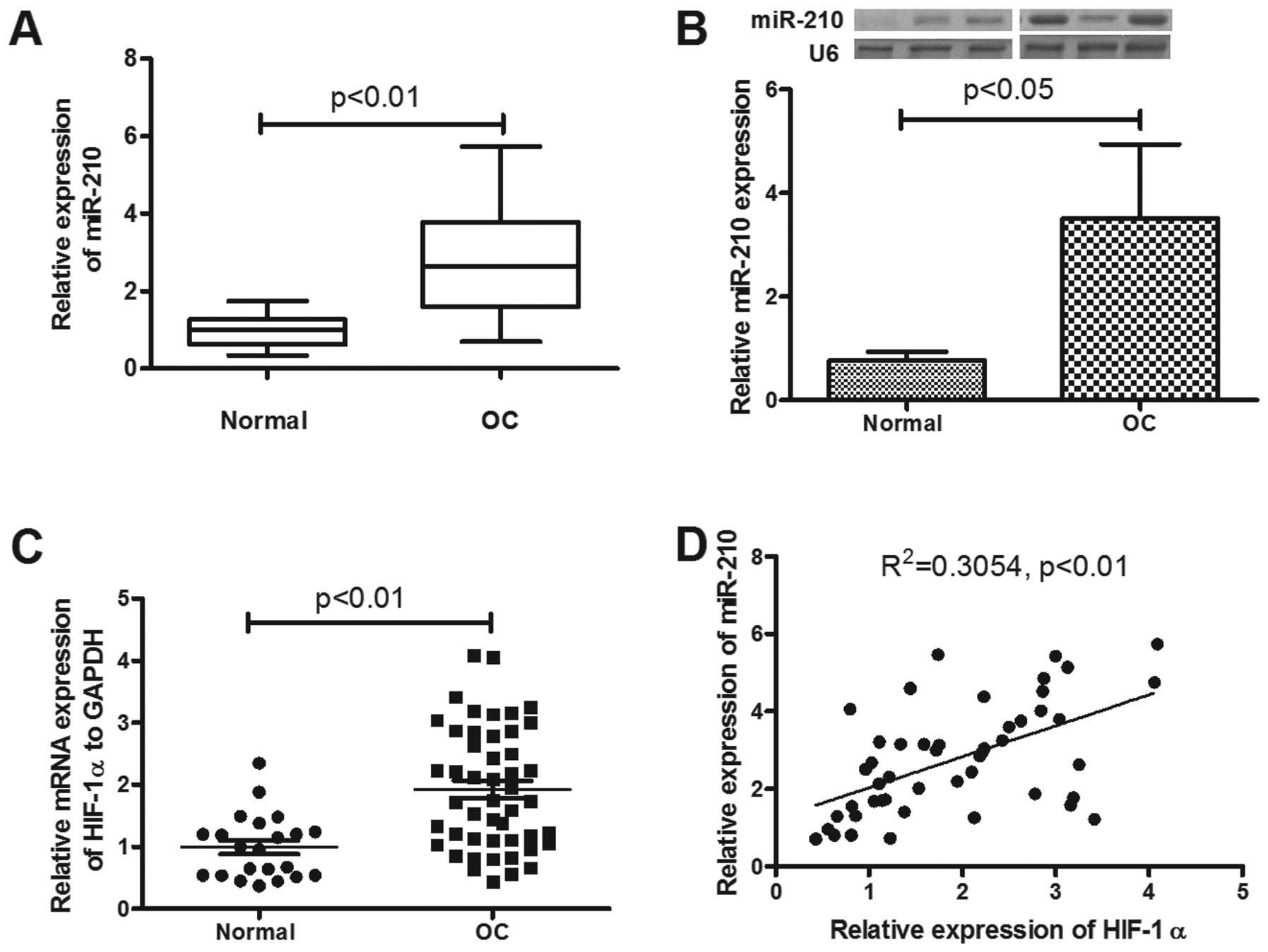
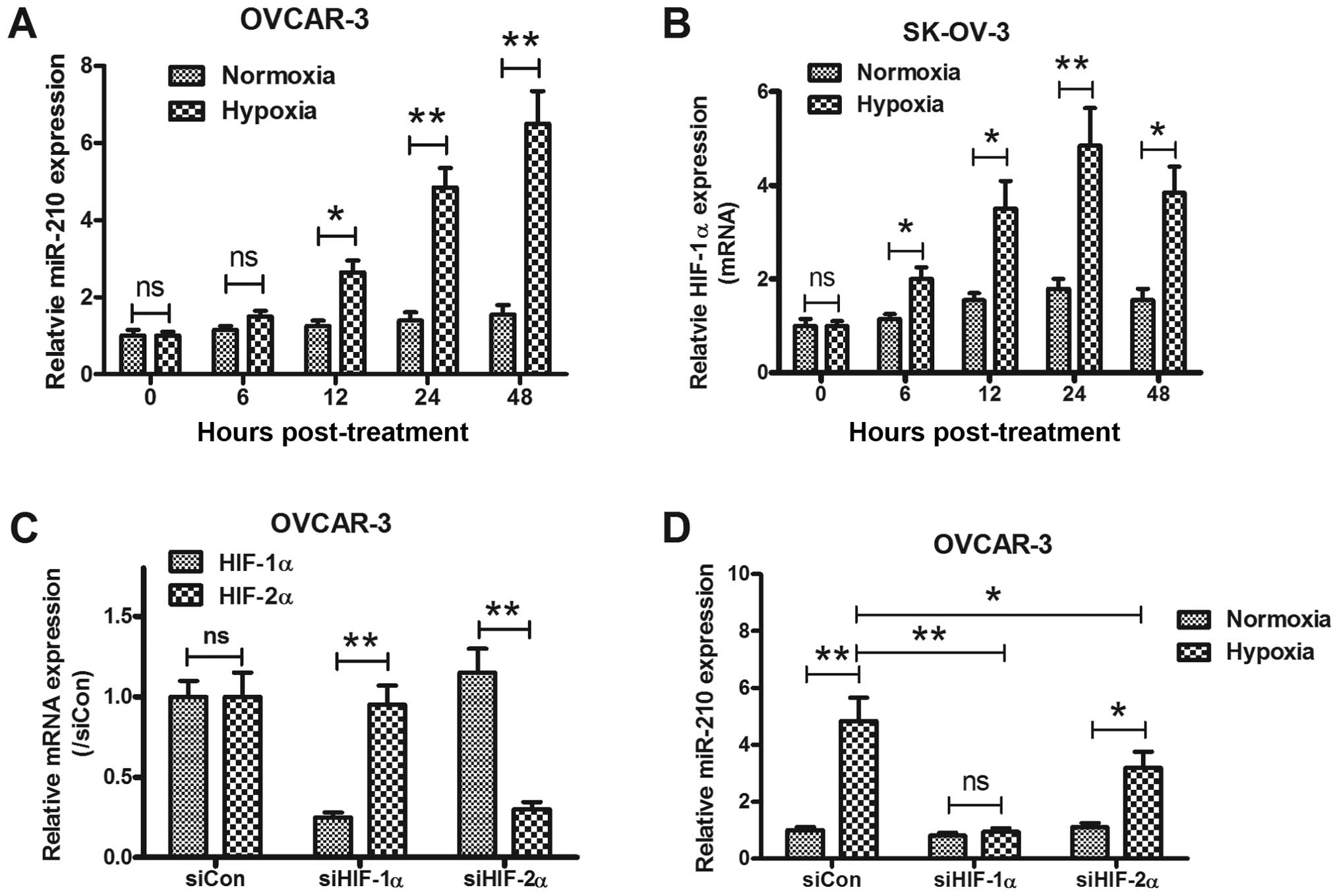
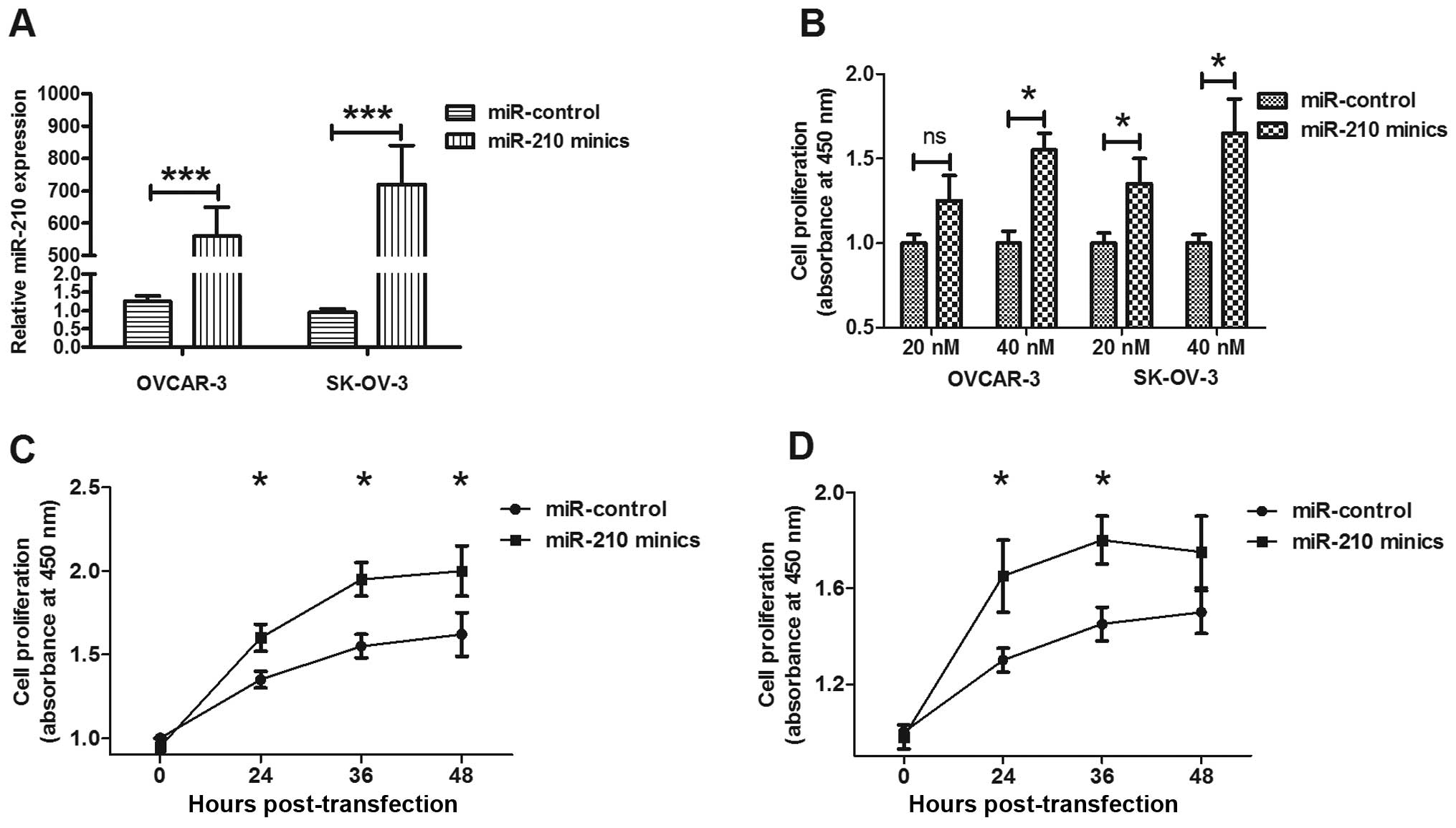
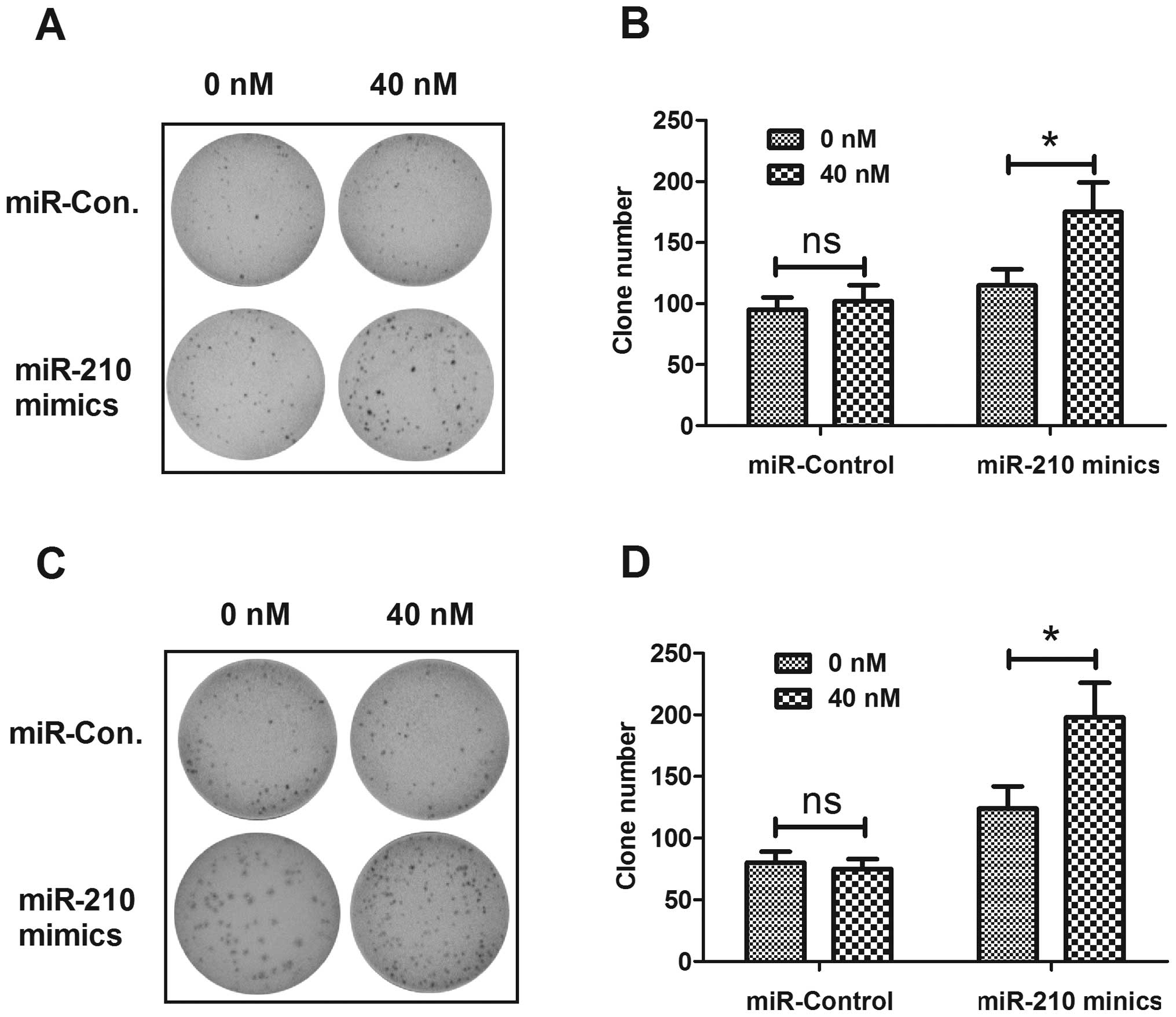
miR-210 is upregulated in a HIF-1α-dependent way in several types of cancers. In addition, upregulated miR-210 promotes cancer proliferation, via its anti-apoptotic effects. It is blind to the regulation of miR-210 under hypoxia conditions for ovarian cancer cells and to the effect of miR-210 on ovarian cancer growth. In the present study, we determined the expression of miR-210 in epithelial ovarian cancer specimens, and in ovarian cancer cell lines under hypoxia conditions, and determined in detail the effect of miR-210 overexpression on tumor cell proliferation, and the possible mechanisms of tumor growth by miR-210 regulation. It was shown that miR-210 expression is upregulated, in response to hypoxia conditions in epithelial ovarian cancer specimens as well as epithelial ovarian cancer cell lines, with an association to HIF-1α overexpression. Furthermore, upregulated miR-210 promoted tumor growth in vitro via targeting PTPN1 and inhibiting apoptosis. Therefore, our findings shed light on the mechanism of ovarian cancer adaptation to hypoxia.
View Figures

Figure 1

Figure 2

Figure 3

Figure 4

Figure 5

Figure 6

View References

1. 

Jemal A, Bray F, Center MM, Ferlay J, Ward E and Forman D: Global cancer statistics. CA Cancer J Clin. 61:69–90. 2011. View Article : Google Scholar

2. 

Colombo N, Van Gorp T, Parma G, et al: Ovarian cancer. Crit Rev Oncol Hematol. 60:159–179. 2006. View Article : Google Scholar

3. 

Moss C and Kaye SB: Ovarian cancer: progress and continuing controversies in management. Eur J Cancer. 38:1701–1707. 2002. View Article : Google Scholar : PubMed/NCBI

4. 

Hockel M and Vaupel P: Tumor hypoxia: definitions and current clinical, biologic, and molecular aspects. J Natl Cancer Inst. 93:266–276. 2001. View Article : Google Scholar : PubMed/NCBI

5. 

Dang CV and Semenza GL: Oncogenic alterations of metabolism. Trends Biochem Sci. 24:68–72. 1999. View Article : Google Scholar

6. 

Harris AL: Hypoxia - a key regulatory factor in tumour growth. Nat Rev Cancer. 2:38–47. 2002. View Article : Google Scholar : PubMed/NCBI

7. 

Cummins EP and Taylor CT: Hypoxia-responsive transcription factors. Pflugers Arch. 450:363–371. 2005. View Article : Google Scholar : PubMed/NCBI

8. 

Licausi F, Weits DA, Pant BD, Scheible WR, Geigenberger P and van Dongen JT: Hypoxia responsive gene expression is mediated by various subsets of transcription factors and miRNAs that are determined by the actual oxygen availability. New Phytol. 190:442–456. 2011. View Article : Google Scholar : PubMed/NCBI

9. 

Semenza GL: Targeting HIF-1 for cancer therapy. Nat Rev Cancer. 3:721–732. 2003. View Article : Google Scholar

10. 

Christofk HR, Vander Heiden MG, Harris MH, et al: The M2 splice isoform of pyruvate kinase is important for cancer metabolism and tumour growth. Nature. 452:230–233. 2008. View Article : Google Scholar : PubMed/NCBI

11. 

Wang GL, Jiang BH, Rue EA and Semenza GL: Hypoxia-inducible factor 1 is a basic-helix-loop-helix-PAS heterodimer regulated by cellular O2 tension. Proc Natl Acad Sci USA. 92:5510–5514. 1995. View Article : Google Scholar : PubMed/NCBI

12. 

Pouyssegur J, Dayan F and Mazure NM: Hypoxia signalling in cancer and approaches to enforce tumour regression. Nature. 441:437–443. 2006. View Article : Google Scholar : PubMed/NCBI

13. 

Kaelin WG Jr and Ratcliffe PJ: Oxygen sensing by metazoans: the central role of the HIF hydroxylase pathway. Mol Cell. 30:393–402. 2008. View Article : Google Scholar : PubMed/NCBI

14. 

Blancher C, Moore JW, Talks KL, Houlbrook S and Harris AL: Relationship of hypoxia-inducible factor (HIF)-1alpha and HIF-2alpha expression to vascular endothelial growth factor induction and hypoxia survival in human breast cancer cell lines. Cancer Res. 60:7106–7113. 2000.

15. 

Zhong H, De Marzo AM, Laughner E, et al: Overexpression of hypoxia-inducible factor 1alpha in common human cancers and their metastases. Cancer Res. 59:5830–5835. 1999.PubMed/NCBI

16. 

Hanahan D and Folkman J: Patterns and emerging mechanisms of the angiogenic switch during tumorigenesis. Cell. 86:353–364. 1996. View Article : Google Scholar : PubMed/NCBI

17. 

Pralhad T, Madhusudan S and Rajendrakumar K: Concept, mechanisms and therapeutics of angiogenesis in cancer and other diseases. J Pharm Pharmacol. 55:1045–1053. 2003. View Article : Google Scholar : PubMed/NCBI

18. 

Carmeliet P and Jain RK: Angiogenesis in cancer and other diseases. Nature. 407:249–257. 2000. View Article : Google Scholar : PubMed/NCBI

19. 

Semenza GL: HIF-1 and tumor progression: pathophysiology and therapeutics. Trends Mol Med. 8:S62–S67. 2002. View Article : Google Scholar : PubMed/NCBI

20. 

Chi JT, Wang Z, Nuyten DS, et al: Gene expression programs in response to hypoxia: cell type specificity and prognostic significance in human cancers. PLoS Med. 3:e472006. View Article : Google Scholar : PubMed/NCBI

21. 

Imai T, Horiuchi A, Wang C, et al: Hypoxia attenuates the expression of E-cadherin via up-regulation of SNAIL in ovarian carcinoma cells. Am J Pathol. 163:1437–1447. 2003. View Article : Google Scholar : PubMed/NCBI

22. 

Horiuchi A, Imai T, Shimizu M, et al: Hypoxia-induced changes in the expression of VEGF, HIF-1 alpha and cell cycle-related molecules in ovarian cancer cells. Anticancer Res. 22:2697–2702. 2002.PubMed/NCBI

23. 

Horiuchi A, Hayashi T, Kikuchi N, et al: Hypoxia upregulates ovarian cancer invasiveness via the binding of HIF-1alpha to a hypoxia-induced, methylation-free hypoxia response element of S100A4 gene. Int J Cancer. 131:1755–1767. 2012. View Article : Google Scholar : PubMed/NCBI

24. 

Osada R, Horiuchi A, Kikuchi N, et al: Expression of hypoxia-inducible factor 1alpha, hypoxia-inducible factor 2alpha, and von Hippel-Lindau protein in epithelial ovarian neoplasms and allelic loss of von Hippel-Lindau gene: nuclear expression of hypoxia-inducible factor 1alpha is an independent prognostic factor in ovarian carcinoma. Hum Pathol. 38:1310–1320. 2007.

25. 

Ambros V: MicroRNA pathways in flies and worms: growth, death, fat, stress, and timing. Cell. 113:673–676. 2003. View Article : Google Scholar : PubMed/NCBI

26. 

Bartel DP: MicroRNAs: target recognition and regulatory functions. Cell. 136:215–233. 2009. View Article : Google Scholar : PubMed/NCBI

27. 

Brennecke J, Hipfner DR, Stark A, Russell RB and Cohen SM: Bantam encodes a developmentally regulated microRNA that controls cell proliferation and regulates the proapoptotic gene hid in Drosophila. Cell. 113:25–36. 2003. View Article : Google Scholar : PubMed/NCBI

28. 

Reinhart BJ, Slack FJ, Basson M, et al: The 21-nucleotide let-7 RNA regulates developmental timing in Caenorhabditis elegans. Nature. 403:901–906. 2000. View Article : Google Scholar : PubMed/NCBI

29. 

Jay C, Nemunaitis J, Chen P, Fulgham P and Tong AW: miRNA profiling for diagnosis and prognosis of human cancer. DNA Cell Biol. 26:293–300. 2007. View Article : Google Scholar : PubMed/NCBI

30. 

Yu SL, Chen HY, Yang PC and Chen JJ: Unique microRNA signature and clinical outcome of cancers. DNA Cell Biology. 26:283–292. 2007. View Article : Google Scholar : PubMed/NCBI

31. 

Qiang R, Wang F, Shi LY, et al: Plexin-B1 is a target of miR-214 in cervical cancer and promotes the growth and invasion of HeLa cells. Int J Biochem Cell Biol. 43:632–641. 2011. View Article : Google Scholar : PubMed/NCBI

32. 

Au Yeung CL, Tsang TY, Yau PL and Kwok TT: Human papillomavirus type 16 E6 induces cervical cancer cell migration through the p53/microRNA-23b/urokinase-type plasminogen activator pathway. Oncogene. 30:2401–2410. 2011.

33. 

Xu CX, Xu M, Tan L, et al: MicroRNA miR-214 regulates ovarian cancer cell stemness by targeting p53/Nanog. J Biol Chem. 287:34970–34978. 2012. View Article : Google Scholar : PubMed/NCBI

34. 

Ye G, Fu G, Cui S, et al: MicroRNA 376c enhances ovarian cancer cell survival by targeting activin receptor-like kinase 7: implications for chemoresistance. J Cell Sci. 124:359–368. 2011. View Article : Google Scholar : PubMed/NCBI

35. 

Vecchione A, Belletti B, Lovat F, et al: A microRNA signature defines chemoresistance in ovarian cancer through modulation of angiogenesis. Proc Natl Acad Sci USA. 110:9845–9850. 2013. View Article : Google Scholar : PubMed/NCBI

36. 

Mutharasan RK, Nagpal V, Ichikawa Y and Ardehali H: microRNA-210 is upregulated in hypoxic cardiomyocytes through Akt- and p53-dependent pathways and exerts cyto-protective effects. Am J Physiol Heart Circ Physiol. 301:H1519–H1530. 2011. View Article : Google Scholar : PubMed/NCBI

37. 

Biswas S, Roy S, Banerjee J, et al: Hypoxia inducible microRNA 210 attenuates keratinocyte proliferation and impairs closure in a murine model of ischemic wounds. Proc Natl Acad Sci USA. 107:6976–6981. 2010. View Article : Google Scholar : PubMed/NCBI

38. 

Merlo A, de Quiros SB, Secades P, et al: Identification of a signaling axis HIF-1alpha/microRNA-210/ISCU independent of SDH mutation that defines a subgroup of head and neck paragangliomas. J Clin Endocrinol Metab. 97:E2194–E2200. 2012. View Article : Google Scholar : PubMed/NCBI

39. 

Wang H, Bian S and Yang CS: Green tea polyphenol EGCG suppresses lung cancer cell growth through upregulating miR-210 expression caused by stabilizing HIF-1alpha. Carcinogenesis. 32:1881–1889. 2011. View Article : Google Scholar : PubMed/NCBI

40. 

Camps C, Buffa FM, Colella S, et al: hsa-miR-210 is induced by hypoxia and is an independent prognostic factor in breast cancer. Clin Cancer Res. 14:1340–1348. 2008. View Article : Google Scholar : PubMed/NCBI

41. 

Gou D, Ramchandran R, Peng X, et al: miR-210 has an anti-apoptotic effect in pulmonary artery smooth muscle cells during hypoxia. Am J Physiol Lung Cell Mol Physiol. 303:L682–L691. 2012. View Article : Google Scholar : PubMed/NCBI

42. 

Fasanaro P, D’Alessandra Y, Di Stefano V, et al: MicroRNA-210 modulates endothelial cell response to hypoxia and inhibits the receptor tyrosine kinase ligand Ephrin-A3. J Biol Chem. 283:15878–15883. 2008. View Article : Google Scholar : PubMed/NCBI

43. 

Livak KJ and Schmittgen TD: Analysis of relative gene expression data using real-time quantitative PCR and the 2(−Delta Delta C(T)) method. Methods. 25:402–408. 2001.

44. 

Kim SW, Li Z, Moore PS, et al: A sensitive non-radioactive northern blot method to detect small RNAs. Nucleic Acids Res. 38:e982010. View Article : Google Scholar : PubMed/NCBI

45. 

Greijer AE and van der Wall E: The role of hypoxia inducible factor 1 (HIF-1) in hypoxia induced apoptosis. J Clin Pathol. 57:1009–1014. 2004. View Article : Google Scholar : PubMed/NCBI

46. 

Carmeliet P, Dor Y, Herbert JM, et al: Role of HIF-1alpha in hypoxia-mediated apoptosis, cell proliferation and tumour angiogenesis. Nature. 394:485–490. 1998. View Article : Google Scholar : PubMed/NCBI

47. 

Moritz W, Meier F, Stroka DM, et al: Apoptosis in hypoxic human pancreatic islets correlates with HIF-1alpha expression. FASEB J. 16:745–747. 2002.PubMed/NCBI

48. 

Zhu P, Ning Y, Yao L, Chen M and Xu C: The proliferation, apoptosis, invasion of endothelial-like epithelial ovarian cancer cells induced by hypoxia. J Exp Clin Cancer Res. 29:1242010. View Article : Google Scholar : PubMed/NCBI

49. 

Sangwan V, Paliouras GN, Cheng A, Dube N, Tremblay ML and Park M: Protein-tyrosine phosphatase 1B deficiency protects against Fas-induced hepatic failure. J Biol Chem. 281:221–228. 2006. View Article : Google Scholar : PubMed/NCBI

50. 

Gonzalez-Rodriguez A, Escribano O, Alba J, Rondinone CM, Benito M and Valverde AM: Levels of protein tyrosine phosphatase 1B determine susceptibility to apoptosis in serum-deprived hepatocytes. J Cell Physiol. 212:76–88. 2007. View Article : Google Scholar : PubMed/NCBI

51. 

Gu F, Nguyen DT, Stuible M, Dube N, Tremblay ML and Chevet E: Protein-tyrosine phosphatase 1B potentiates IRE1 signaling during endoplasmic reticulum stress. J Biol Chem. 279:49689–49693. 2004. View Article : Google Scholar : PubMed/NCBI

52. 

Akasaki Y, Liu G, Matundan HH, et al: A peroxisome proliferator-activated receptor-gamma agonist, troglitazone, facilitates caspase-8 and -9 activities by increasing the enzymatic activity of protein-tyrosine phosphatase-1B on human glioma cells. J Biol Chem. 281:6165–6174. 2006. View Article : Google Scholar

53. 

Iorio MV and Croce CM: microRNA involvement in human cancer. Carcinogenesis. 33:1126–1133. 2012. View Article : Google Scholar : PubMed/NCBI

54. 

Dahiya N and Morin PJ: MicroRNAs in ovarian carcinomas. Endocr Relat Cancer. 17:F77–F89. 2010. View Article : Google Scholar : PubMed/NCBI

55. 

Shih KK, Qin LX, Tanner EJ, et al: A microRNA survival signature (MiSS) for advanced ovarian cancer. Gynecol Oncol. 121:444–450. 2011. View Article : Google Scholar : PubMed/NCBI

56. 

Giannakakis A, Sandaltzopoulos R, Greshock J, et al: miR-210 links hypoxia with cell cycle regulation and is deleted in human epithelial ovarian cancer. Cancer Biol Ther. 7:255–264. 2008. View Article : Google Scholar : PubMed/NCBI

57. 

Tsuchiya S, Fujiwara T, Sato F, et al: MicroRNA-210 regulates cancer cell proliferation through targeting fibroblast growth factor receptor-like 1 (FGFRL1). J Biol Chem. 286:420–428. 2011. View Article : Google Scholar : PubMed/NCBI

58. 

Li T, Cao H, Zhuang J, et al: Identification of miR-130a, miR-27b and miR-210 as serum biomarkers for atherosclerosis obliterans. Clin Chim Acta. 412:66–70. 2011. View Article : Google Scholar : PubMed/NCBI

59. 

Puissegur MP, Mazure NM, Bertero T, et al: miR-210 is overexpressed in late stages of lung cancer and mediates mitochondrial alterations associated with modulation of HIF-1 activity. Cell Death Differ. 18:465–478. 2011. View Article : Google Scholar : PubMed/NCBI

60. 

Ramon LA, Braza-Boils A, Gilabert J, et al: microRNAs related to angiogenesis are dysregulated in endometrioid endometrial cancer. Hum Reprod. 27:3036–3045. 2012. View Article : Google Scholar : PubMed/NCBI

61. 

Chen WY, Liu WJ, Zhao YP, et al: Induction, modulation and potential targets of miR-210 in pancreatic cancer cells. Hepatobiliary Pancreat Dis Int. 11:319–324. 2012. View Article : Google Scholar : PubMed/NCBI

62. 

Favaro E, Ramachandran A, McCormick R, et al: MicroRNA-210 regulates mitochondrial free radical response to hypoxia and krebs cycle in cancer cells by targeting iron sulfur cluster protein ISCU. PLoS One. 5:e103452010. View Article : Google Scholar : PubMed/NCBI

63. 

Nakada C, Tsukamoto Y, Matsuura K, et al: Overexpression of miR-210, a downstream target of HIF1alpha, causes centrosome amplification in renal carcinoma cells. J Pathol. 224:280–288. 2011. View Article : Google Scholar : PubMed/NCBI

64. 

Noman MZ, Buart S, Romero P, et al: Hypoxia-inducible miR-210 regulates the susceptibility of tumor cells to lysis by cytotoxic T cells. Cancer Res. 72:4629–4641. 2012. View Article : Google Scholar : PubMed/NCBI

Related Articles

  • Abstract
  • View
  • Download
  • Twitter
Copy and paste a formatted citation
Spandidos Publications style
Li L, Huang K, You Y, Fu X, Hu L, Song L and Meng Y: Hypoxia-induced miR-210 in epithelial ovarian cancer enhances cancer cell viability via promoting proliferation and inhibiting apoptosis. Int J Oncol 44: 2111-2120, 2014.
APA
Li, L., Huang, K., You, Y., Fu, X., Hu, L., Song, L., & Meng, Y. (2014). Hypoxia-induced miR-210 in epithelial ovarian cancer enhances cancer cell viability via promoting proliferation and inhibiting apoptosis. International Journal of Oncology, 44, 2111-2120. https://doi.org/10.3892/ijo.2014.2368
MLA
Li, L., Huang, K., You, Y., Fu, X., Hu, L., Song, L., Meng, Y."Hypoxia-induced miR-210 in epithelial ovarian cancer enhances cancer cell viability via promoting proliferation and inhibiting apoptosis". International Journal of Oncology 44.6 (2014): 2111-2120.
Chicago
Li, L., Huang, K., You, Y., Fu, X., Hu, L., Song, L., Meng, Y."Hypoxia-induced miR-210 in epithelial ovarian cancer enhances cancer cell viability via promoting proliferation and inhibiting apoptosis". International Journal of Oncology 44, no. 6 (2014): 2111-2120. https://doi.org/10.3892/ijo.2014.2368
Copy and paste a formatted citation
x
Spandidos Publications style
Li L, Huang K, You Y, Fu X, Hu L, Song L and Meng Y: Hypoxia-induced miR-210 in epithelial ovarian cancer enhances cancer cell viability via promoting proliferation and inhibiting apoptosis. Int J Oncol 44: 2111-2120, 2014.
APA
Li, L., Huang, K., You, Y., Fu, X., Hu, L., Song, L., & Meng, Y. (2014). Hypoxia-induced miR-210 in epithelial ovarian cancer enhances cancer cell viability via promoting proliferation and inhibiting apoptosis. International Journal of Oncology, 44, 2111-2120. https://doi.org/10.3892/ijo.2014.2368
MLA
Li, L., Huang, K., You, Y., Fu, X., Hu, L., Song, L., Meng, Y."Hypoxia-induced miR-210 in epithelial ovarian cancer enhances cancer cell viability via promoting proliferation and inhibiting apoptosis". International Journal of Oncology 44.6 (2014): 2111-2120.
Chicago
Li, L., Huang, K., You, Y., Fu, X., Hu, L., Song, L., Meng, Y."Hypoxia-induced miR-210 in epithelial ovarian cancer enhances cancer cell viability via promoting proliferation and inhibiting apoptosis". International Journal of Oncology 44, no. 6 (2014): 2111-2120. https://doi.org/10.3892/ijo.2014.2368
Follow us
  • Twitter
  • LinkedIn
  • Facebook
About
  • Spandidos Publications
  • Careers
  • Cookie Policy
  • Privacy Policy
How can we help?
  • Help
  • Live Chat
  • Contact
  • Email to our Support Team