Spandidos Publications Logo
  • About
    • About Spandidos
    • Aims and Scopes
    • Abstracting and Indexing
    • Editorial Policies
    • Reprints and Permissions
    • Job Opportunities
    • Terms and Conditions
    • Contact
  • Journals
    • All Journals
    • Oncology Letters
      • Oncology Letters
      • Information for Authors
      • Editorial Policies
      • Editorial Board
      • Aims and Scope
      • Abstracting and Indexing
      • Bibliographic Information
      • Archive
    • International Journal of Oncology
      • International Journal of Oncology
      • Information for Authors
      • Editorial Policies
      • Editorial Board
      • Aims and Scope
      • Abstracting and Indexing
      • Bibliographic Information
      • Archive
    • Molecular and Clinical Oncology
      • Molecular and Clinical Oncology
      • Information for Authors
      • Editorial Policies
      • Editorial Board
      • Aims and Scope
      • Abstracting and Indexing
      • Bibliographic Information
      • Archive
    • Experimental and Therapeutic Medicine
      • Experimental and Therapeutic Medicine
      • Information for Authors
      • Editorial Policies
      • Editorial Board
      • Aims and Scope
      • Abstracting and Indexing
      • Bibliographic Information
      • Archive
    • International Journal of Molecular Medicine
      • International Journal of Molecular Medicine
      • Information for Authors
      • Editorial Policies
      • Editorial Board
      • Aims and Scope
      • Abstracting and Indexing
      • Bibliographic Information
      • Archive
    • Biomedical Reports
      • Biomedical Reports
      • Information for Authors
      • Editorial Policies
      • Editorial Board
      • Aims and Scope
      • Abstracting and Indexing
      • Bibliographic Information
      • Archive
    • Oncology Reports
      • Oncology Reports
      • Information for Authors
      • Editorial Policies
      • Editorial Board
      • Aims and Scope
      • Abstracting and Indexing
      • Bibliographic Information
      • Archive
    • Molecular Medicine Reports
      • Molecular Medicine Reports
      • Information for Authors
      • Editorial Policies
      • Editorial Board
      • Aims and Scope
      • Abstracting and Indexing
      • Bibliographic Information
      • Archive
    • World Academy of Sciences Journal
      • World Academy of Sciences Journal
      • Information for Authors
      • Editorial Policies
      • Editorial Board
      • Aims and Scope
      • Abstracting and Indexing
      • Bibliographic Information
      • Archive
    • International Journal of Functional Nutrition
      • International Journal of Functional Nutrition
      • Information for Authors
      • Editorial Policies
      • Editorial Board
      • Aims and Scope
      • Abstracting and Indexing
      • Bibliographic Information
      • Archive
    • International Journal of Epigenetics
      • International Journal of Epigenetics
      • Information for Authors
      • Editorial Policies
      • Editorial Board
      • Aims and Scope
      • Abstracting and Indexing
      • Bibliographic Information
      • Archive
    • Medicine International
      • Medicine International
      • Information for Authors
      • Editorial Policies
      • Editorial Board
      • Aims and Scope
      • Abstracting and Indexing
      • Bibliographic Information
      • Archive
  • Articles
  • Information
    • Information for Authors
    • Information for Reviewers
    • Information for Librarians
    • Information for Advertisers
    • Conferences
  • Language Editing
Spandidos Publications Logo
  • About
    • About Spandidos
    • Aims and Scopes
    • Abstracting and Indexing
    • Editorial Policies
    • Reprints and Permissions
    • Job Opportunities
    • Terms and Conditions
    • Contact
  • Journals
    • All Journals
    • Biomedical Reports
      • Information for Authors
      • Editorial Policies
      • Editorial Board
      • Aims and Scope
      • Abstracting and Indexing
      • Bibliographic Information
      • Archive
    • Experimental and Therapeutic Medicine
      • Information for Authors
      • Editorial Policies
      • Editorial Board
      • Aims and Scope
      • Abstracting and Indexing
      • Bibliographic Information
      • Archive
    • International Journal of Epigenetics
      • Information for Authors
      • Editorial Policies
      • Editorial Board
      • Aims and Scope
      • Abstracting and Indexing
      • Bibliographic Information
      • Archive
    • International Journal of Functional Nutrition
      • Information for Authors
      • Editorial Policies
      • Editorial Board
      • Aims and Scope
      • Abstracting and Indexing
      • Bibliographic Information
      • Archive
    • International Journal of Molecular Medicine
      • Information for Authors
      • Editorial Policies
      • Editorial Board
      • Aims and Scope
      • Abstracting and Indexing
      • Bibliographic Information
      • Archive
    • International Journal of Oncology
      • Information for Authors
      • Editorial Policies
      • Editorial Board
      • Aims and Scope
      • Abstracting and Indexing
      • Bibliographic Information
      • Archive
    • Medicine International
      • Information for Authors
      • Editorial Policies
      • Editorial Board
      • Aims and Scope
      • Abstracting and Indexing
      • Bibliographic Information
      • Archive
    • Molecular and Clinical Oncology
      • Information for Authors
      • Editorial Policies
      • Editorial Board
      • Aims and Scope
      • Abstracting and Indexing
      • Bibliographic Information
      • Archive
    • Molecular Medicine Reports
      • Information for Authors
      • Editorial Policies
      • Editorial Board
      • Aims and Scope
      • Abstracting and Indexing
      • Bibliographic Information
      • Archive
    • Oncology Letters
      • Information for Authors
      • Editorial Policies
      • Editorial Board
      • Aims and Scope
      • Abstracting and Indexing
      • Bibliographic Information
      • Archive
    • Oncology Reports
      • Information for Authors
      • Editorial Policies
      • Editorial Board
      • Aims and Scope
      • Abstracting and Indexing
      • Bibliographic Information
      • Archive
    • World Academy of Sciences Journal
      • Information for Authors
      • Editorial Policies
      • Editorial Board
      • Aims and Scope
      • Abstracting and Indexing
      • Bibliographic Information
      • Archive
  • Articles
  • Information
    • For Authors
    • For Reviewers
    • For Librarians
    • For Advertisers
    • Conferences
  • Language Editing
Login Register Submit
  • This site uses cookies
  • You can change your cookie settings at any time by following the instructions in our Cookie Policy. To find out more, you may read our Privacy Policy.

    I agree
Search articles by DOI, keyword, author or affiliation
Search
Advanced Search
presentation
International Journal of Oncology
Join Editorial Board Propose a Special Issue
Print ISSN: 1019-6439 Online ISSN: 1791-2423
Journal Cover
October 2014 Volume 45 Issue 4

Full Size Image

Cover Legend PDF

Sign up for eToc alerts
Recommend to Library

Journals

International Journal of Molecular Medicine

International Journal of Molecular Medicine

International Journal of Molecular Medicine is an international journal devoted to molecular mechanisms of human disease.

International Journal of Oncology

International Journal of Oncology

International Journal of Oncology is an international journal devoted to oncology research and cancer treatment.

Molecular Medicine Reports

Molecular Medicine Reports

Covers molecular medicine topics such as pharmacology, pathology, genetics, neuroscience, infectious diseases, molecular cardiology, and molecular surgery.

Oncology Reports

Oncology Reports

Oncology Reports is an international journal devoted to fundamental and applied research in Oncology.

Experimental and Therapeutic Medicine

Experimental and Therapeutic Medicine

Experimental and Therapeutic Medicine is an international journal devoted to laboratory and clinical medicine.

Oncology Letters

Oncology Letters

Oncology Letters is an international journal devoted to Experimental and Clinical Oncology.

Biomedical Reports

Biomedical Reports

Explores a wide range of biological and medical fields, including pharmacology, genetics, microbiology, neuroscience, and molecular cardiology.

Molecular and Clinical Oncology

Molecular and Clinical Oncology

International journal addressing all aspects of oncology research, from tumorigenesis and oncogenes to chemotherapy and metastasis.

World Academy of Sciences Journal

World Academy of Sciences Journal

Multidisciplinary open-access journal spanning biochemistry, genetics, neuroscience, environmental health, and synthetic biology.

International Journal of Functional Nutrition

International Journal of Functional Nutrition

Open-access journal combining biochemistry, pharmacology, immunology, and genetics to advance health through functional nutrition.

International Journal of Epigenetics

International Journal of Epigenetics

Publishes open-access research on using epigenetics to advance understanding and treatment of human disease.

Medicine International

Medicine International

An International Open Access Journal Devoted to General Medicine.

Journal Cover
October 2014 Volume 45 Issue 4

Full Size Image

Cover Legend PDF

Sign up for eToc alerts
Recommend to Library

  • Article
  • Citations
    • Cite This Article
    • Download Citation
    • Create Citation Alert
    • Remove Citation Alert
    • Cited By
  • Similar Articles
    • Related Articles (in Spandidos Publications)
    • Similar Articles (Google Scholar)
    • Similar Articles (PubMed)
  • Download PDF
  • Download XML
  • View XML
Article

Sulforaphane induces apoptosis in T24 human urinary bladder cancer cells through a reactive oxygen species-mediated mitochondrial pathway: The involvement of endoplasmic reticulum stress and the Nrf2 signaling pathway

  • Authors:
    • Guk Heui Jo
    • Gi-Young Kim
    • Wun-Jae Kim
    • Kun Young Park
    • Yung Hyun Choi
  • View Affiliations / Copyright

    Affiliations: Department of Biochemistry, Dongeui University College of Korean Medicine, Busan 614-052, Republic of Korea, Laboratory of Immunobiology, Department of Marine Life Sciences, Jeju National University, Jeju 690-756, Republic of Korea, Department of Urology, Chungbuk National University College of Medicine, Cheongju 361-763, Republic of Korea, Department of Food and Nutrition, College of Human Ecology, Busan National University, Busan 609-735, Republic of Korea
  • Pages: 1497-1506
    |
    Published online on: July 4, 2014
       https://doi.org/10.3892/ijo.2014.2536
  • Expand metrics +
Metrics: Total Views: 0 (Spandidos Publications: | PMC Statistics: )
Metrics: Total PDF Downloads: 0 (Spandidos Publications: | PMC Statistics: )
Cited By (CrossRef): 0 citations Loading Articles...

This article is mentioned in:


Abstract

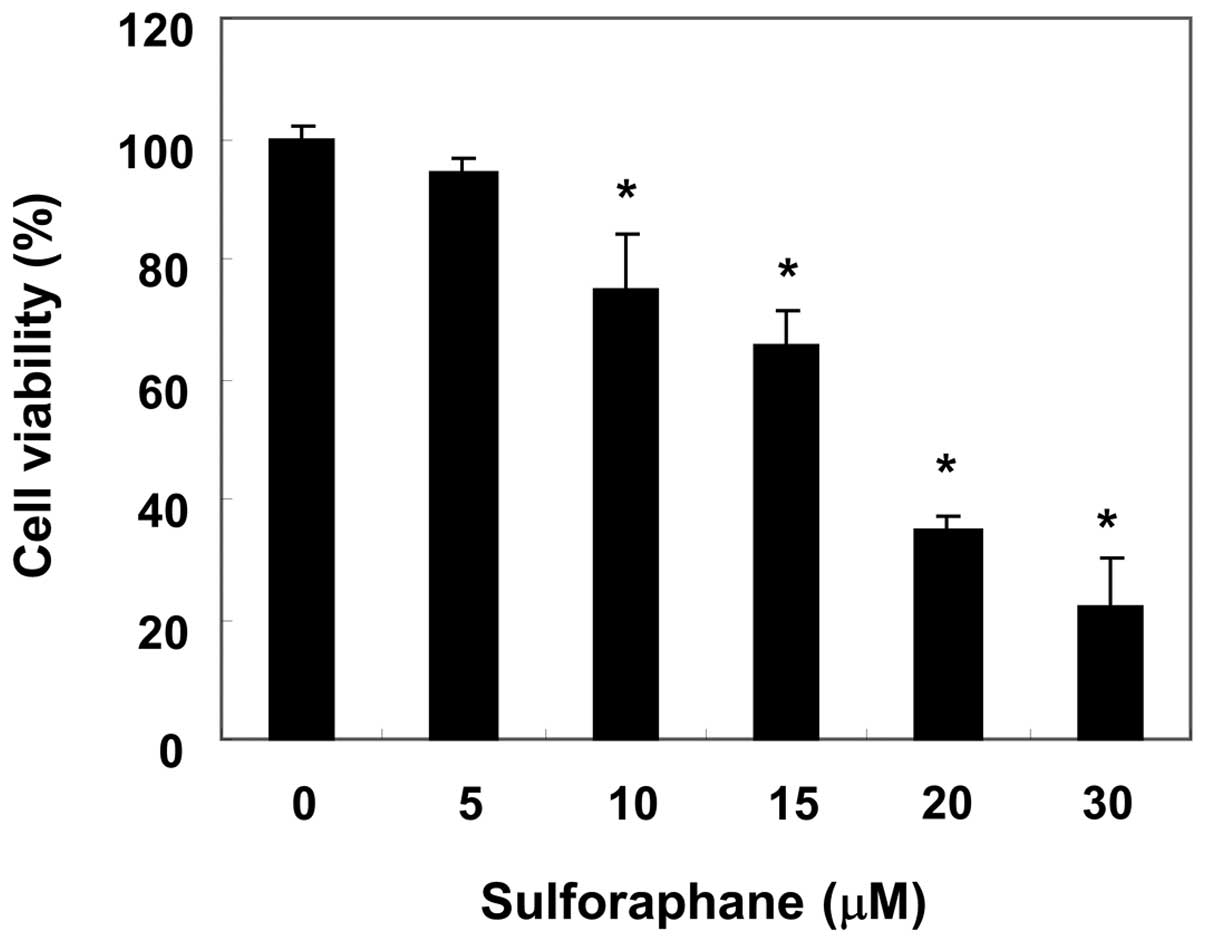
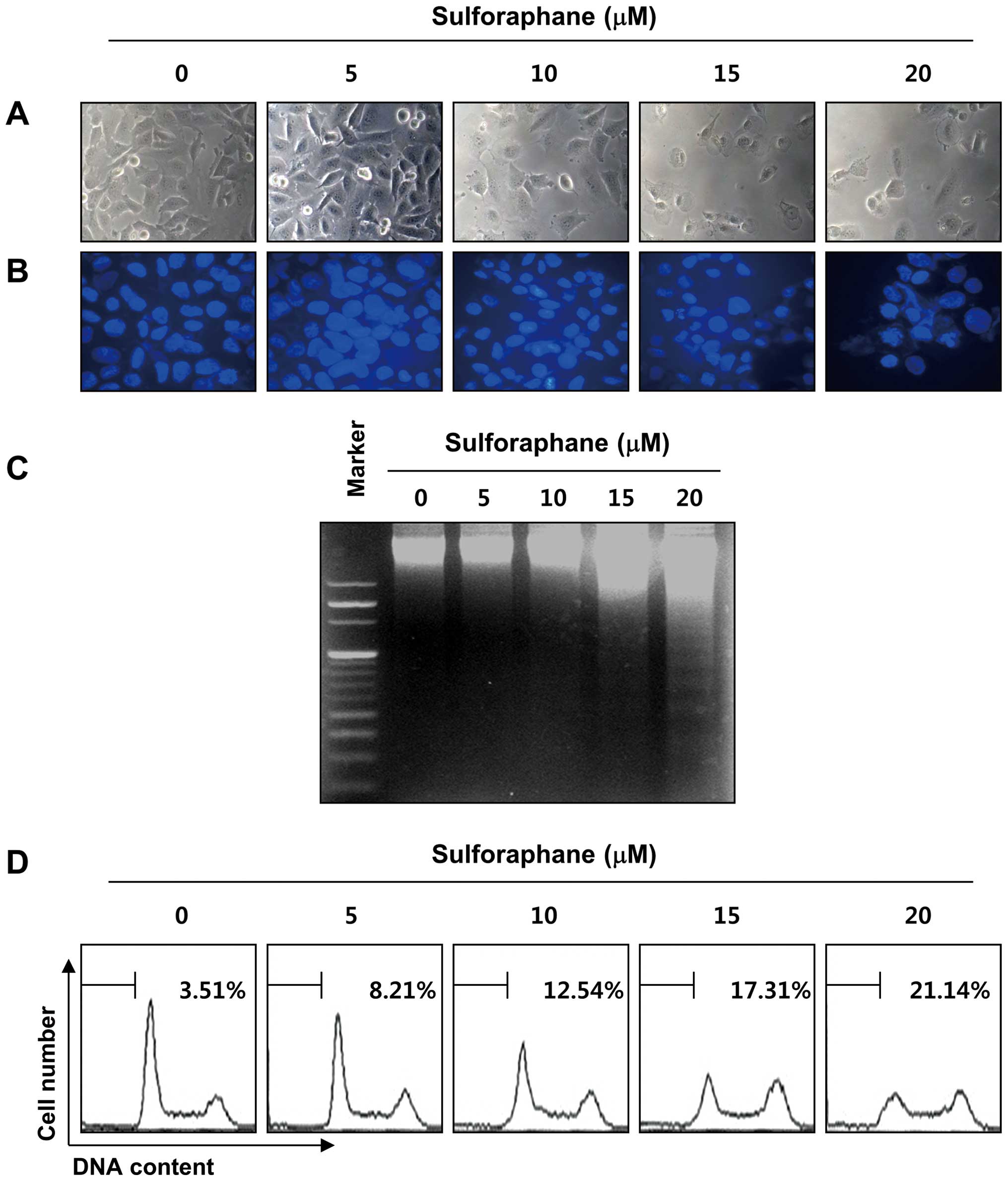
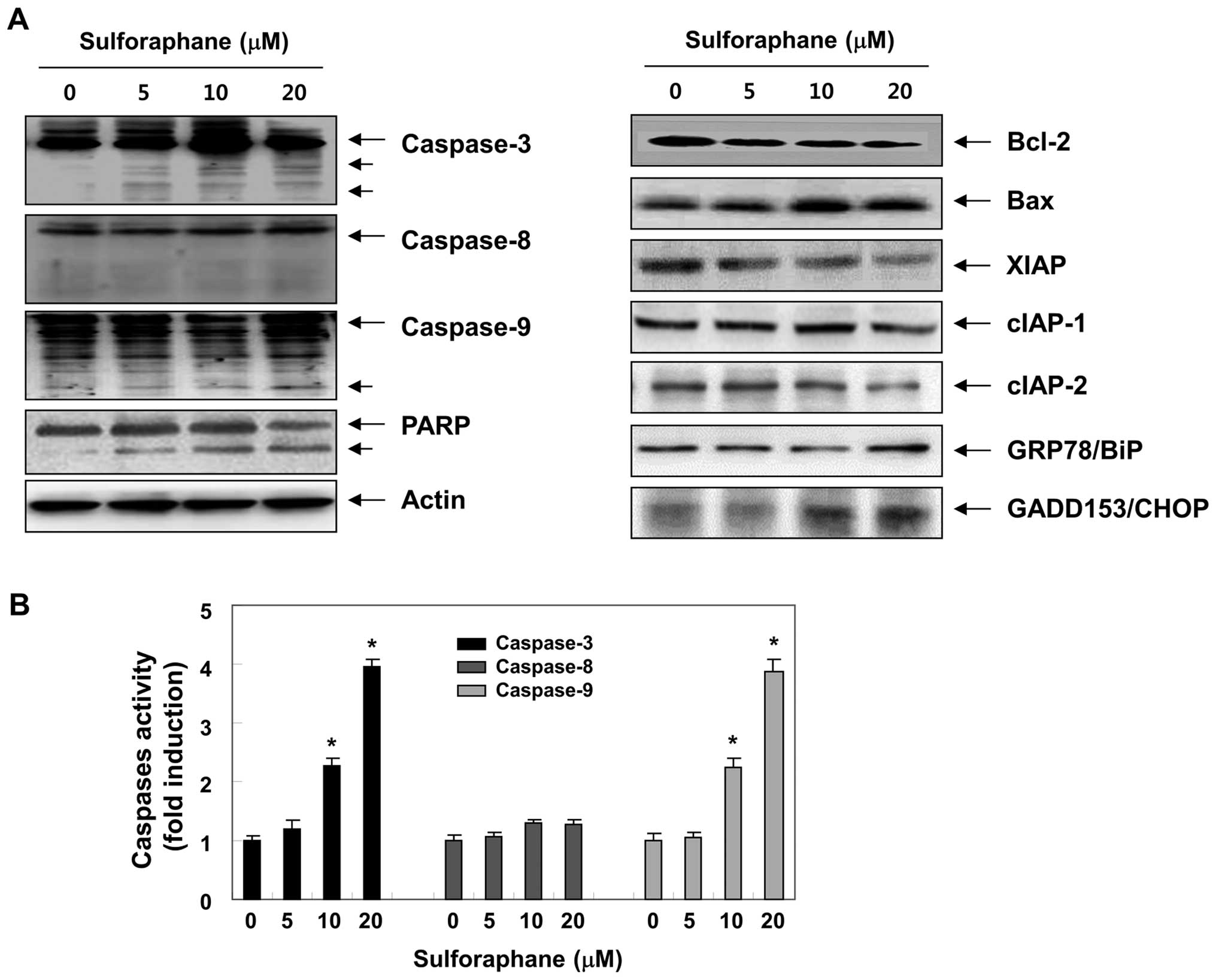
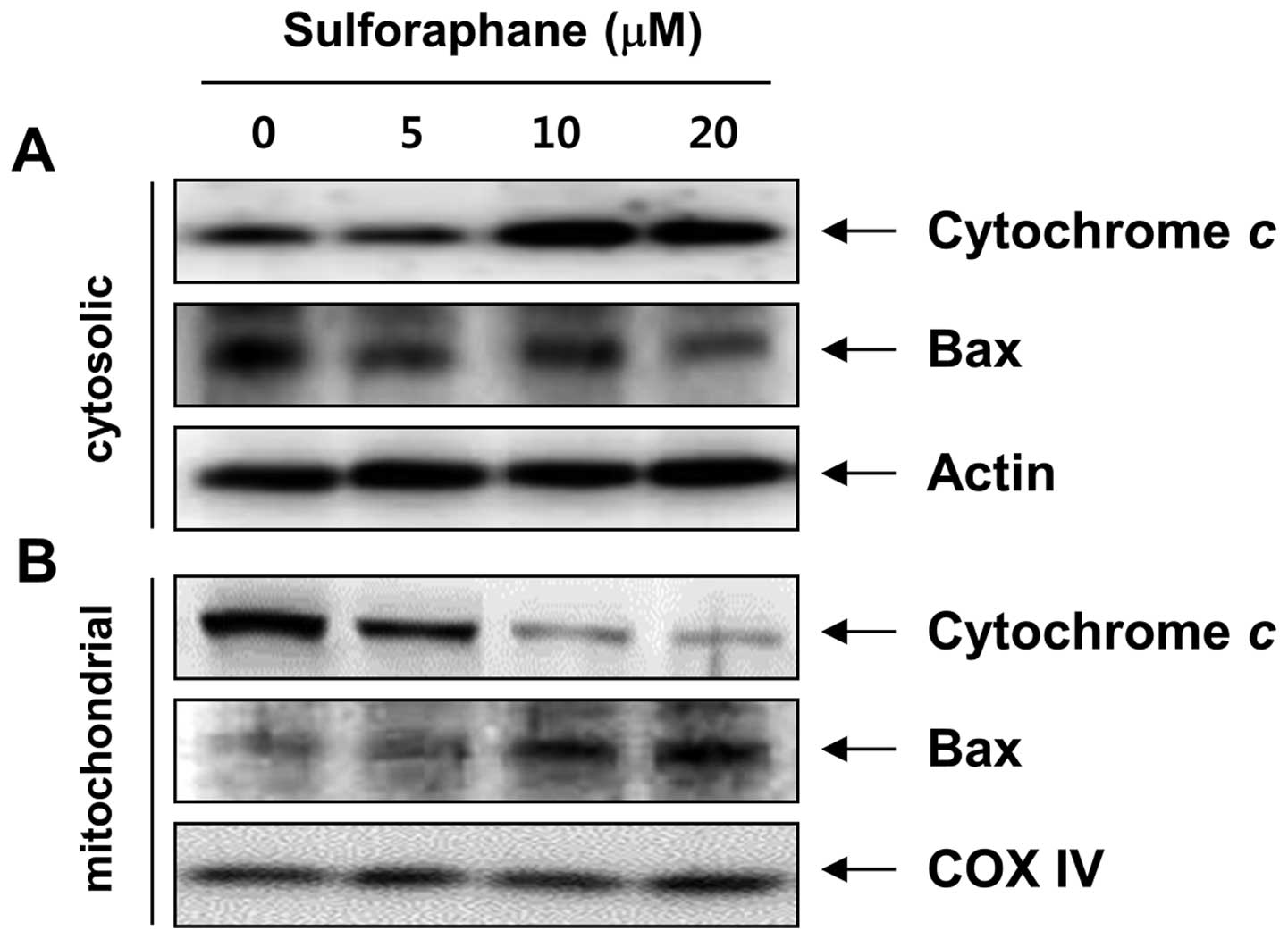
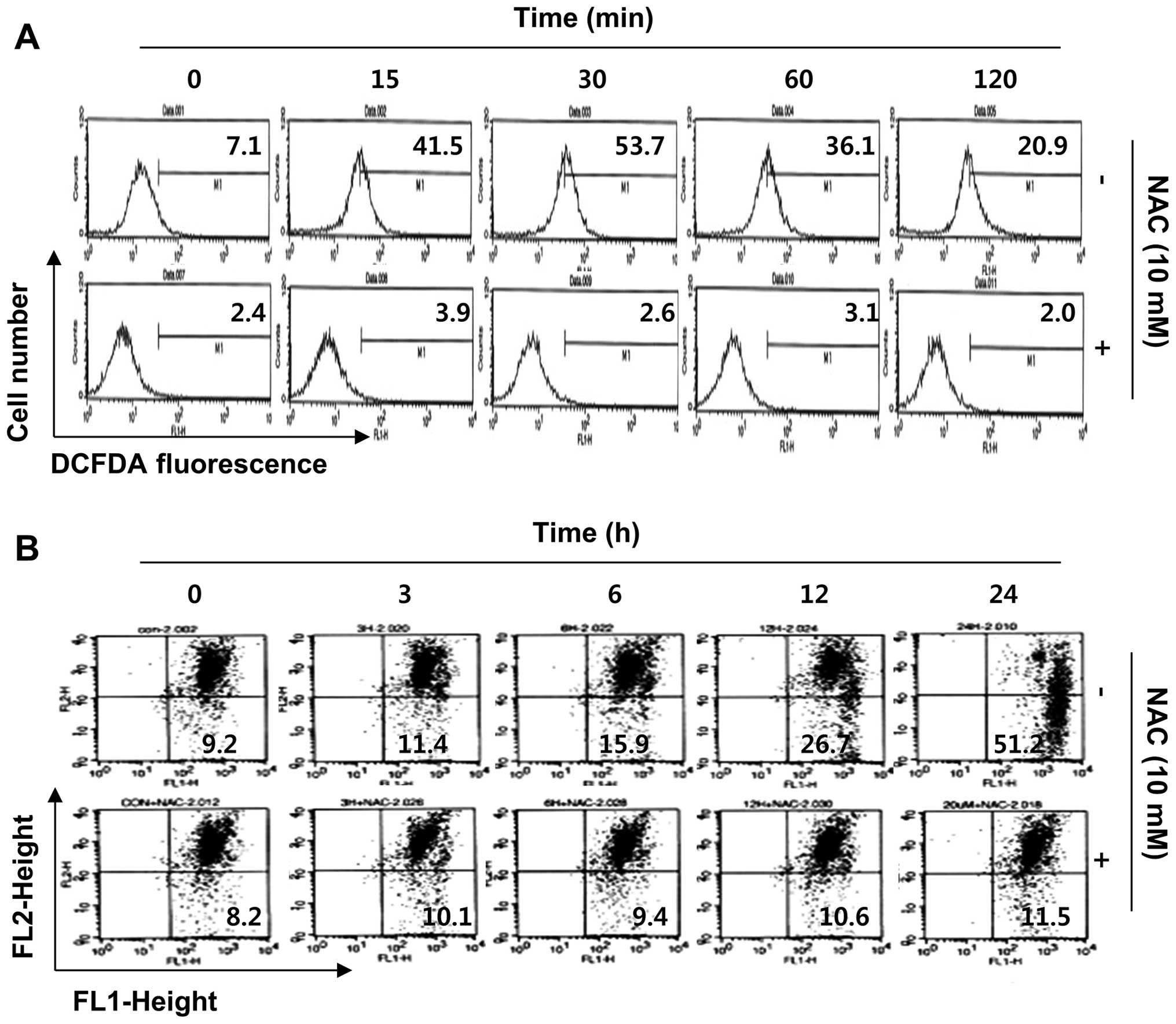
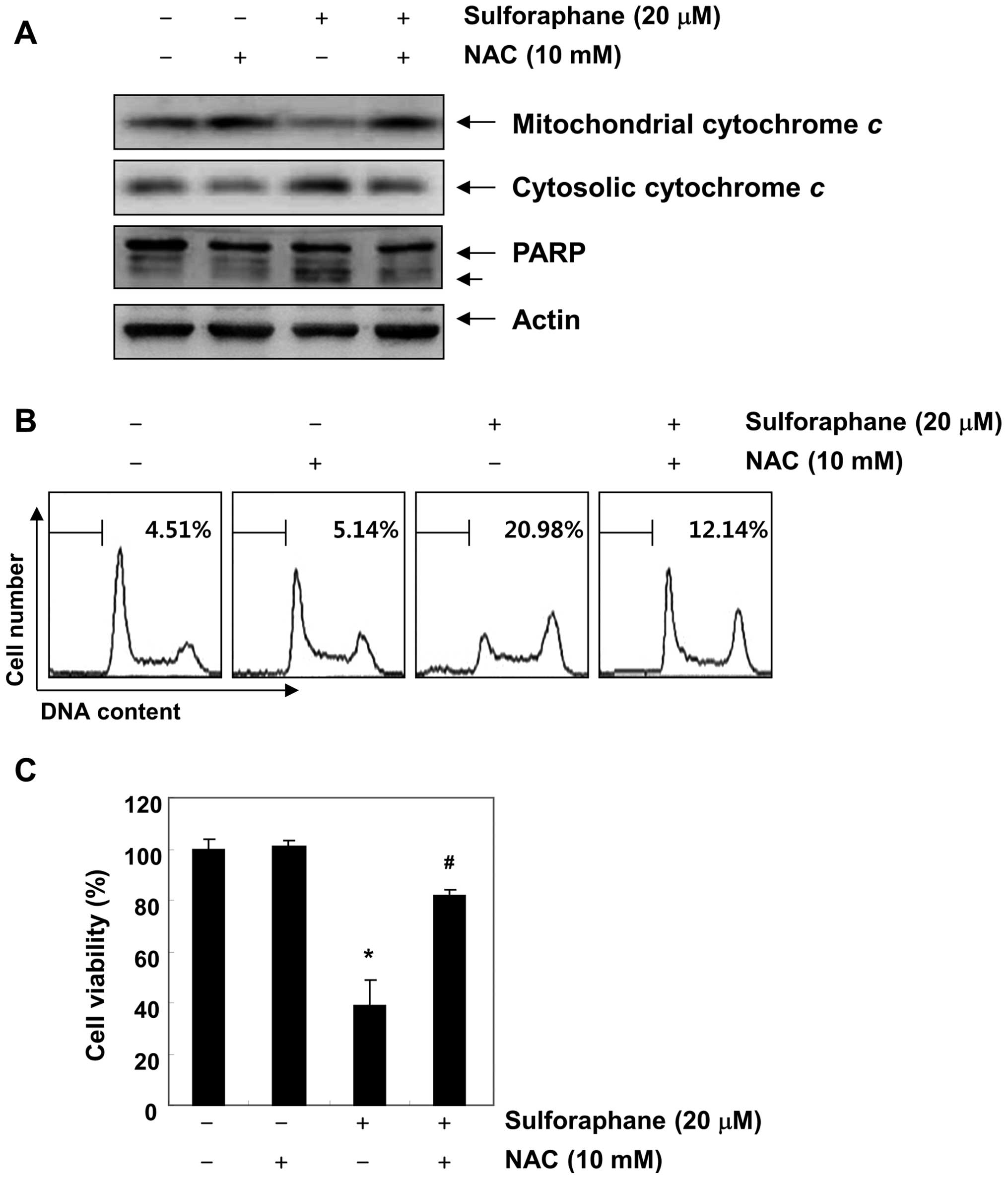
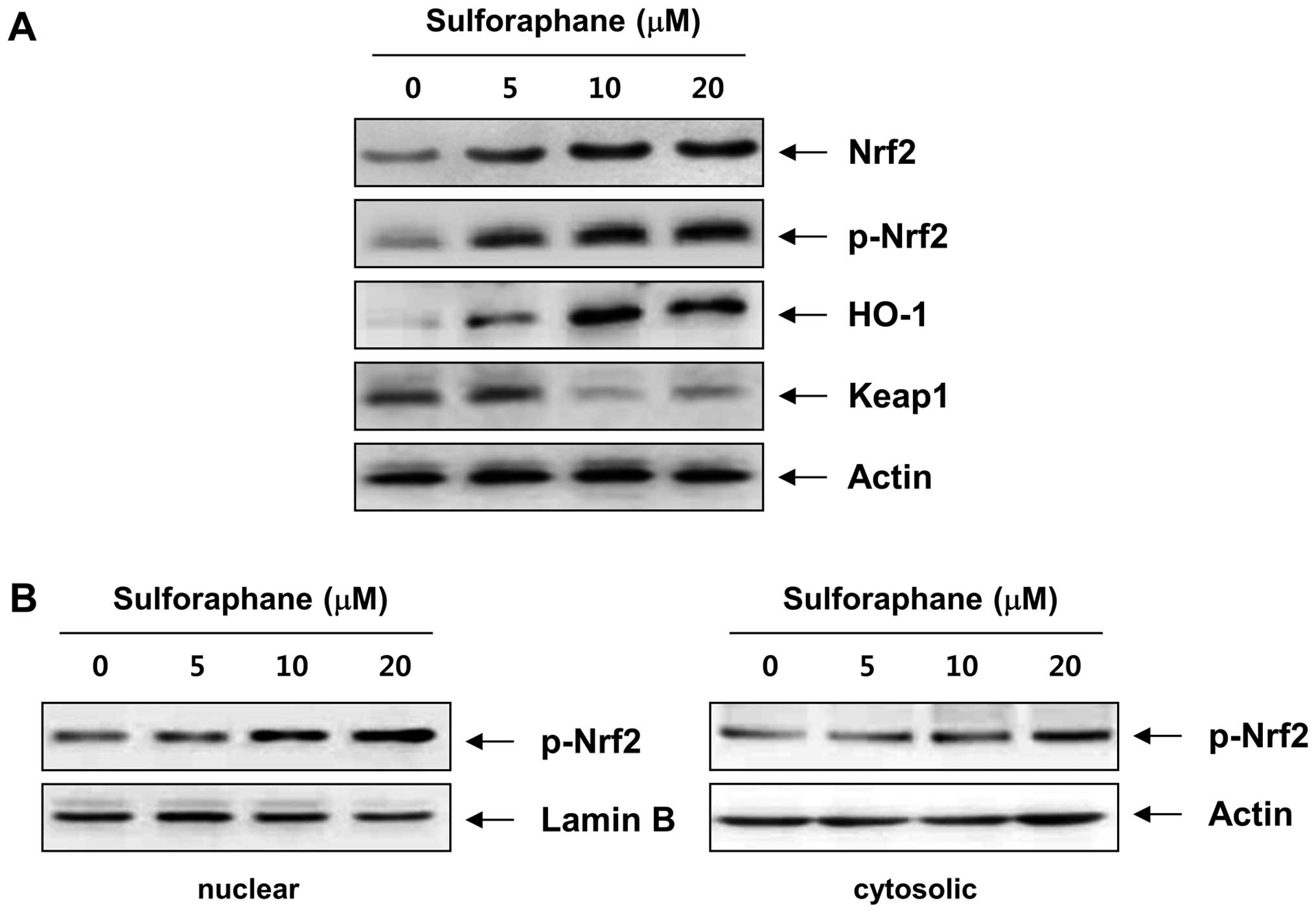
Sulforaphane, a naturally occurring isothiocyanate found in cruciferous vegetables, has received a great deal of attention because of its ability to inhibit cell proliferation and induce apoptosis in cancer cells. In this study, we investigated the anticancer activity of sulforaphane in the T24 human bladder cancer line, and explored its molecular mechanism of action. Our results showed that treatment with sulforaphane inhibited cell viability and induced apoptosis in T24 cells in a concentration-dependent manner. Sulforaphane-induced apoptosis was associated with mitochondria dysfunction, cytochrome c release and Bcl-2/Bax dysregulation. Furthermore, the increased activity of caspase-9 and -3, but not caspase-8, was accompanied by the cleavage of poly ADP-ribose polymerase, indicating the involvement of the mitochondria-mediated intrinsic apoptotic pathway. Concomitant with these changes, sulforaphane triggered reactive oxygen species (ROS) generation, which, along with the blockage of sulforaphane-induced loss of mitochondrial membrane potential and apoptosis, was strongly attenuated by the ROS scavenger N-acetyl-L-cysteine. Furthermore, sulforaphane was observed to activate endoplasmic reticulum (ER) stress and the nuclear factor-E2-related factor-2 (Nrf2) signaling pathway, as demonstrated by the upregulation of ER stress‑related proteins, including glucose-regulated protein 78 and C/EBP-homologous protein, and the accumulation of phosphorylated Nrf2 proteins in the nucleus and induction of heme oxygenase-1 expression, respectively. Taken together, these results demonstrate that sulforaphane has antitumor effects against bladder cancer cells through an ROS-mediated intrinsic apoptotic pathway, and suggest that ER stress and Nrf2 may represent strategic targets for sulforaphane-induced apoptosis.
View Figures

Figure 1

Figure 2

Figure 3

Figure 4

Figure 5

Figure 6

Figure 7

View References

1 

Cheung G, Sahai A, Billia M, Dasgupta P and Khan MS: Recent advances in the diagnosis and treatment of bladder cancer. BMC Med. 11:132013. View Article : Google Scholar

2 

Siegel R, Naishadham D and Jemal A: Cancer statistics, 2013. CA Cancer J Clin. 63:11–30. 2013. View Article : Google Scholar

3 

Pinto-Leite R, Arantes-Rodrigues R, Palmeira C, Colaço B, Lopes C, Colaço A, Costa C, da Silva VM, Oliveira P and Santos L: Everolimus combined with cisplatin has a potential role in treatment of urothelial bladder cancer. Biomed Pharmacother. 67:116–121. 2013. View Article : Google Scholar : PubMed/NCBI

4 

Black PC and Dinney CP: Bladder cancer angiogenesis and metastasis-translation from murine model to clinical trial. Cancer Metastasis Rev. 26:623–634. 2007. View Article : Google Scholar : PubMed/NCBI

5 

Chung KM and Yu SW: Interplay between autophagy and programmed cell death in mammalian neural stem cells. BMB Rep. 46:383–390. 2013. View Article : Google Scholar : PubMed/NCBI

6 

Elmore S: Apoptosis: a review of programmed cell death. Toxicol Pathol. 35:495–516. 2007. View Article : Google Scholar : PubMed/NCBI

7 

Jin Z and El-Deiry WS: Overview of cell death signaling pathways. Cancer Biol Ther. 4:139–163. 2005.PubMed/NCBI

8 

Burz C, Berindan-Neagoe I, Balacescu O and Irimie A: Apoptosis in cancer: key molecular signaling pathways and therapy targets. Acta Oncol. 48:811–821. 2009. View Article : Google Scholar : PubMed/NCBI

9 

Fleury C, Mignotte B and Vayssière JL: Mitochondrial reactive oxygen species in cell death signaling. Biochimie. 84:131–141. 2002. View Article : Google Scholar : PubMed/NCBI

10 

Fruehauf JP and Meyskens FL Jr: Reactive oxygen species: a breath of life or death? Clin Cancer Res. 13:789–794. 2007. View Article : Google Scholar : PubMed/NCBI

11 

Saeidnia S and Abdollahi M: Toxicological and pharmacological concerns on oxidative stress and related diseases. Toxicol Appl Pharmacol. 273:442–455. 2013. View Article : Google Scholar : PubMed/NCBI

12 

Dorai T and Aggarwal BB: Role of chemopreventive agents in cancer therapy. Cancer Lett. 215:129–140. 2004. View Article : Google Scholar : PubMed/NCBI

13 

Shu L, Cheung KL, Khor TO, Chen C and Kong AN: Phytochemicals: cancer chemoprevention and suppression of tumor onset and metastasis. Cancer Metastasis Rev. 29:483–502. 2010. View Article : Google Scholar : PubMed/NCBI

14 

Vinod BS, Maliekal TT and Anto RJ: Phytochemicals as chemosensitizers: from molecular mechanism to clinical significance. Antioxid Redox Signal. 18:1307–1348. 2013. View Article : Google Scholar : PubMed/NCBI

15 

Fimognari C and Hrelia P: Sulforaphane as a promising molecule for fighting cancer. Mutat Res. 635:90–104. 2007. View Article : Google Scholar : PubMed/NCBI

16 

Clarke JD, Dashwood RH and Ho E: Multi-targeted prevention of cancer by sulforaphane. Cancer Lett. 269:291–304. 2008. View Article : Google Scholar : PubMed/NCBI

17 

Cheung KL and Kong AN: Molecular targets of dietary phenethyl isothiocyanate and sulforaphane for cancer chemoprevention. AAPS J. 12:87–97. 2010. View Article : Google Scholar : PubMed/NCBI

18 

Shan Y, Wang X, Wang W, He C and Bao Y: p38 MAPK plays a distinct role in sulforaphane-induced up-regulation of ARE-dependent enzymes and down-regulation of COX-2 in human bladder cancer cells. Oncol Rep. 23:1133–1138. 2010.PubMed/NCBI

19 

Ding Y, Paonessa JD, Randall KL, Argoti D, Chen L, Vouros P and Zhang Y: Sulforaphane inhibits 4-aminobiphenyl-induced DNA damage in bladder cells and tissues. Carcinogenesis. 31:1999–2003. 2010. View Article : Google Scholar : PubMed/NCBI

20 

Shan Y, Zhang L, Bao Y, Li B, He C, Gao M, Feng X, Xu W, Zhang X and Wang S: Epithelial-mesenchymal transition, a novel target of sulforaphane via COX-2/MMP2, 9/Snail, ZEB1 and miR-200c/ZEB1 pathways in human bladder cancer cells. J Nutr Biochem. 24:1062–1069. 2013. View Article : Google Scholar : PubMed/NCBI

21 

Park HS, Han MH, Kim GY, Moon SK, Kim WJ, Hwang HJ, Park KY and Choi YH: Sulforaphane induces reactive oxygen species-mediated mitotic arrest and subsequent apoptosis in human bladder cancer 5637 cells. Food Chem Toxicol. 64:157–165. 2014. View Article : Google Scholar : PubMed/NCBI

22 

Kim NH, Hong BK, Choi SY, Moo Kwon H, Cho CS, Yi EC and Kim WU: Reactive oxygen species regulate context-dependent inhibition of NFAT5 target genes. Exp Mol Med. 45:e322013. View Article : Google Scholar : PubMed/NCBI

23 

MacKenzie SH and Clark AC: Targeting cell death in tumors by activating caspases. Curr Cancer Drug Targets. 8:98–109. 2008. View Article : Google Scholar : PubMed/NCBI

24 

Wen X, Lin ZQ, Liu B and Wei YQ: Caspase-mediated programmed cell death pathways as potential therapeutic targets in cancer. Cell Prolif. 45:217–224. 2012. View Article : Google Scholar : PubMed/NCBI

25 

Susnow N, Zeng L, Margineantu D and Hockenbery DM: Bcl-2 family proteins as regulators of oxidative stress. Semin Cancer Biol. 19:42–49. 2009. View Article : Google Scholar : PubMed/NCBI

26 

Ola MS, Nawaz M and Ahsan H: Role of Bcl-2 family proteins and caspases in the regulation of apoptosis. Mol Cell Biochem. 351:41–58. 2011. View Article : Google Scholar : PubMed/NCBI

27 

Shore GC, Papa FR and Oakes SA: Signaling cell death from the endoplasmic reticulum stress response. Curr Opin Cell Biol. 23:143–149. 2011. View Article : Google Scholar : PubMed/NCBI

28 

Logue SE, Cleary P, Saveljeva S and Samali A: New directions in ER stress-induced cell death. Apoptosis. 18:537–546. 2013. View Article : Google Scholar : PubMed/NCBI

29 

Li N and Nel AE: Role of the Nrf2-mediated signaling pathway as a negative regulator of inflammation: implications for the impact of particulate pollutants on asthma. Antioxid Redox Signal. 8:88–98. 2006. View Article : Google Scholar : PubMed/NCBI

30 

Keum YS: Regulation of the Keap1/Nrf2 system by chemopreventive sulforaphane: implications of posttranslational modifications. Ann N Y Acad Sci. 1229:184–189. 2011. View Article : Google Scholar : PubMed/NCBI

31 

Kansanen E, Kuosmanen SM, Leinonen H and Levonen AL: The Keap1-Nrf2 pathway: mechanisms of activation and dysregulation in cancer. Redox Biol. 1:45–49. 2013. View Article : Google Scholar : PubMed/NCBI

32 

Paine A, Eiz-Vesper B, Blasczyk R and Immenschuh S: Signaling to heme oxygenase-1 and its anti-inflammatory therapeutic potential. Biochem Pharmacol. 80:1895–1903. 2010. View Article : Google Scholar : PubMed/NCBI

33 

Na HK and Surh YJ: Oncogenic potential of Nrf2 and its principal target protein heme oxygenase-1. Free Radic Biol Med. 67C:353–365. 2014.PubMed/NCBI

34 

Roy SK, Srivastava RK and Shankar S: Inhibition of PI3K/AKT and MAPK/ERK pathways causes activation of FOXO transcription factor, leading to cell cycle arrest and apoptosis in pancreatic cancer. J Mol Signal. 5:102010. View Article : Google Scholar : PubMed/NCBI

35 

Bryant CS, Kumar S, Chamala S, Shah J, Pal J, Haider M, Seward S, Qazi AM, Morris R, Semaan A, Shammas MA, Steffes C, Potti RB, Prasad M, Weaver DW and Batchu RB: Sulforaphane induces cell cycle arrest by protecting RB-E2F-1 complex in epithelial ovarian cancer cells. Mol Cancer. 9:472010. View Article : Google Scholar : PubMed/NCBI

36 

Choi WY, Choi BT, Lee WH and Choi YH: Sulforaphane generates reactive oxygen species leading to mitochondrial perturbation for apoptosis in human leukemia U937 cells. Biomed Pharmacother. 62:637–644. 2008. View Article : Google Scholar : PubMed/NCBI

37 

Moon DO, Kang SH, Kim KC, Kim MO, Choi YH and Kim GY: Sulforaphane decreases viability and telomerase activity in hepatocellular carcinoma Hep3B cells through the reactive oxygen species-dependent pathway. Cancer Lett. 295:260–266. 2010. View Article : Google Scholar

38 

Moon DO, Kim MO, Kang SH, Choi YH and Kim GY: Sulforaphane suppresses TNF-alpha-mediated activation of NF-kappaB and induces apoptosis through activation of reactive oxygen species-dependent caspase-3. Cancer Lett. 274:132–142. 2009. View Article : Google Scholar : PubMed/NCBI

39 

Li J and Lee AS: Stress induction of GRP78/BiP and its role in cancer. Curr Mol Med. 6:45–54. 2006. View Article : Google Scholar : PubMed/NCBI

40 

Roller C and Maddalo D: The molecular chaperone GRP78/BiP in the development of chemoresistance: mechanism and possible treatment. Front Pharmacol. 4:102013. View Article : Google Scholar : PubMed/NCBI

41 

Oyadomari S and Mori M: Roles of CHOP/GADD153 in endoplasmic reticulum stress. Cell Death Differ. 11:381–389. 2004. View Article : Google Scholar : PubMed/NCBI

42 

Sano R and Reed JC: ER stress-induced cell death mechanisms. Biochim Biophys Acta. 1833:3460–3470. 2013. View Article : Google Scholar : PubMed/NCBI

43 

Cullinan SB and Diehl JA: Coordination of ER and oxidative stress signaling: the PERK/Nrf2 signaling pathway. Int J Biochem Cell Biol. 38:317–332. 2006. View Article : Google Scholar : PubMed/NCBI

44 

Xu H, Zhou YL, Zhang XY, Lu P and Li GS: Activation of PERK signaling through fluoride-mediated endoplasmic reticulum stress in OS732 cells. Toxicology. 277:1–5. 2010. View Article : Google Scholar : PubMed/NCBI

45 

Miyamoto N, Izumi H, Miyamoto R, Bin H, Kondo H, Tawara A, Sasaguri Y and Kohno K: Transcriptional regulation of activating transcription factor 4 under oxidative stress in retinal pigment epithelial ARPE-19/HPV-16 cells. Invest Ophthalmol Vis Sci. 52:1226–1234. 2011. View Article : Google Scholar : PubMed/NCBI

46 

Jeong WS, Keum YS, Chen C, Jain MR, Shen G, Kim JH, Li W and Kong AN: Differential expression and stability of endogenous nuclear factor E2-related factor 2 (Nrf2) by natural chemopreventive compounds in HepG2 human hepatoma cells. J Biochem Mol Biol. 38:167–176. 2005. View Article : Google Scholar

47 

Keum YS, Yu S, Chang PP, Yuan X, Kim JH, Xu C, Han J, Agarwal A and Kong AN: Mechanism of action of sulforaphane: inhibition of p38 mitogen-activated protein kinase isoforms contributing to the induction of antioxidant response element-mediated heme oxygenase-1 in human hepatoma HepG2 cells. Cancer Res. 66:8804–8813. 2006. View Article : Google Scholar

48 

Ping Z, Liu W, Kang Z, Cai J, Wang Q, Cheng N, Wang S, Wang S, Zhang JH and Sun X: Sulforaphane protects brains against hypoxic-ischemic injury through induction of Nrf2-dependent phase 2 enzyme. Brain Res. 1343:178–185. 2010. View Article : Google Scholar : PubMed/NCBI

49 

Lee YJ, Jeong HY, Kim YB, Lee YJ, Won SY, Shim JH, Cho MK, Nam HS and Lee SH: Reactive oxygen species and PI3K/Akt signaling play key roles in the induction of Nrf2-driven heme oxygenase-1 expression in sulforaphane-treated human mesothelioma MSTO-211H cells. Food Chem Toxicol. 50:116–123. 2012. View Article : Google Scholar

50 

Oh CJ, Kim JY, Min AK, Park KG, Harris RA, Kim HJ and Lee IK: Sulforaphane attenuates hepatic fibrosis via NF-E2-related factor 2-mediated inhibition of transforming growth factor-β/Smad signaling. Free Radic Biol Med. 52:671–682. 2012.PubMed/NCBI

51 

Alfieri A, Srivastava S, Siow RC, Cash D, Modo M, Duchen MR, Fraser PA, Williams SC and Mann GE: Sulforaphane preconditioning of the Nrf2/HO-1 defense pathway protects the cerebral vasculature against blood-brain barrier disruption and neurological deficits in stroke. Free Radic Biol Med. 65:1012–1022. 2013. View Article : Google Scholar

52 

Kleszczyński K, Ernst IM, Wagner AE, Kruse N, Zillikens D, Rimbach G and Fischer TW: Sulforaphane and phenylethyl isothiocyanate protect human skin against UVR-induced oxidative stress and apoptosis: role of Nrf2-dependent gene expression and antioxidant enzymes. Pharmacol Res. 78:28–40. 2013.PubMed/NCBI

Related Articles

  • Abstract
  • View
  • Download
  • Twitter
Copy and paste a formatted citation
Spandidos Publications style
Jo GH, Kim G, Kim W, Park KY and Choi YH: Sulforaphane induces apoptosis in T24 human urinary bladder cancer cells through a reactive oxygen species-mediated mitochondrial pathway: The involvement of endoplasmic reticulum stress and the Nrf2 signaling pathway. Int J Oncol 45: 1497-1506, 2014.
APA
Jo, G.H., Kim, G., Kim, W., Park, K.Y., & Choi, Y.H. (2014). Sulforaphane induces apoptosis in T24 human urinary bladder cancer cells through a reactive oxygen species-mediated mitochondrial pathway: The involvement of endoplasmic reticulum stress and the Nrf2 signaling pathway. International Journal of Oncology, 45, 1497-1506. https://doi.org/10.3892/ijo.2014.2536
MLA
Jo, G. H., Kim, G., Kim, W., Park, K. Y., Choi, Y. H."Sulforaphane induces apoptosis in T24 human urinary bladder cancer cells through a reactive oxygen species-mediated mitochondrial pathway: The involvement of endoplasmic reticulum stress and the Nrf2 signaling pathway". International Journal of Oncology 45.4 (2014): 1497-1506.
Chicago
Jo, G. H., Kim, G., Kim, W., Park, K. Y., Choi, Y. H."Sulforaphane induces apoptosis in T24 human urinary bladder cancer cells through a reactive oxygen species-mediated mitochondrial pathway: The involvement of endoplasmic reticulum stress and the Nrf2 signaling pathway". International Journal of Oncology 45, no. 4 (2014): 1497-1506. https://doi.org/10.3892/ijo.2014.2536
Copy and paste a formatted citation
x
Spandidos Publications style
Jo GH, Kim G, Kim W, Park KY and Choi YH: Sulforaphane induces apoptosis in T24 human urinary bladder cancer cells through a reactive oxygen species-mediated mitochondrial pathway: The involvement of endoplasmic reticulum stress and the Nrf2 signaling pathway. Int J Oncol 45: 1497-1506, 2014.
APA
Jo, G.H., Kim, G., Kim, W., Park, K.Y., & Choi, Y.H. (2014). Sulforaphane induces apoptosis in T24 human urinary bladder cancer cells through a reactive oxygen species-mediated mitochondrial pathway: The involvement of endoplasmic reticulum stress and the Nrf2 signaling pathway. International Journal of Oncology, 45, 1497-1506. https://doi.org/10.3892/ijo.2014.2536
MLA
Jo, G. H., Kim, G., Kim, W., Park, K. Y., Choi, Y. H."Sulforaphane induces apoptosis in T24 human urinary bladder cancer cells through a reactive oxygen species-mediated mitochondrial pathway: The involvement of endoplasmic reticulum stress and the Nrf2 signaling pathway". International Journal of Oncology 45.4 (2014): 1497-1506.
Chicago
Jo, G. H., Kim, G., Kim, W., Park, K. Y., Choi, Y. H."Sulforaphane induces apoptosis in T24 human urinary bladder cancer cells through a reactive oxygen species-mediated mitochondrial pathway: The involvement of endoplasmic reticulum stress and the Nrf2 signaling pathway". International Journal of Oncology 45, no. 4 (2014): 1497-1506. https://doi.org/10.3892/ijo.2014.2536
Follow us
  • Twitter
  • LinkedIn
  • Facebook
About
  • Spandidos Publications
  • Careers
  • Cookie Policy
  • Privacy Policy
How can we help?
  • Help
  • Live Chat
  • Contact
  • Email to our Support Team