Spandidos Publications Logo
  • About
    • About Spandidos
    • Aims and Scopes
    • Abstracting and Indexing
    • Editorial Policies
    • Reprints and Permissions
    • Job Opportunities
    • Terms and Conditions
    • Contact
  • Journals
    • All Journals
    • Oncology Letters
      • Oncology Letters
      • Information for Authors
      • Editorial Policies
      • Editorial Board
      • Aims and Scope
      • Abstracting and Indexing
      • Bibliographic Information
      • Archive
    • International Journal of Oncology
      • International Journal of Oncology
      • Information for Authors
      • Editorial Policies
      • Editorial Board
      • Aims and Scope
      • Abstracting and Indexing
      • Bibliographic Information
      • Archive
    • Molecular and Clinical Oncology
      • Molecular and Clinical Oncology
      • Information for Authors
      • Editorial Policies
      • Editorial Board
      • Aims and Scope
      • Abstracting and Indexing
      • Bibliographic Information
      • Archive
    • Experimental and Therapeutic Medicine
      • Experimental and Therapeutic Medicine
      • Information for Authors
      • Editorial Policies
      • Editorial Board
      • Aims and Scope
      • Abstracting and Indexing
      • Bibliographic Information
      • Archive
    • International Journal of Molecular Medicine
      • International Journal of Molecular Medicine
      • Information for Authors
      • Editorial Policies
      • Editorial Board
      • Aims and Scope
      • Abstracting and Indexing
      • Bibliographic Information
      • Archive
    • Biomedical Reports
      • Biomedical Reports
      • Information for Authors
      • Editorial Policies
      • Editorial Board
      • Aims and Scope
      • Abstracting and Indexing
      • Bibliographic Information
      • Archive
    • Oncology Reports
      • Oncology Reports
      • Information for Authors
      • Editorial Policies
      • Editorial Board
      • Aims and Scope
      • Abstracting and Indexing
      • Bibliographic Information
      • Archive
    • Molecular Medicine Reports
      • Molecular Medicine Reports
      • Information for Authors
      • Editorial Policies
      • Editorial Board
      • Aims and Scope
      • Abstracting and Indexing
      • Bibliographic Information
      • Archive
    • World Academy of Sciences Journal
      • World Academy of Sciences Journal
      • Information for Authors
      • Editorial Policies
      • Editorial Board
      • Aims and Scope
      • Abstracting and Indexing
      • Bibliographic Information
      • Archive
    • International Journal of Functional Nutrition
      • International Journal of Functional Nutrition
      • Information for Authors
      • Editorial Policies
      • Editorial Board
      • Aims and Scope
      • Abstracting and Indexing
      • Bibliographic Information
      • Archive
    • International Journal of Epigenetics
      • International Journal of Epigenetics
      • Information for Authors
      • Editorial Policies
      • Editorial Board
      • Aims and Scope
      • Abstracting and Indexing
      • Bibliographic Information
      • Archive
    • Medicine International
      • Medicine International
      • Information for Authors
      • Editorial Policies
      • Editorial Board
      • Aims and Scope
      • Abstracting and Indexing
      • Bibliographic Information
      • Archive
  • Articles
  • Information
    • Information for Authors
    • Information for Reviewers
    • Information for Librarians
    • Information for Advertisers
    • Conferences
  • Language Editing
Spandidos Publications Logo
  • About
    • About Spandidos
    • Aims and Scopes
    • Abstracting and Indexing
    • Editorial Policies
    • Reprints and Permissions
    • Job Opportunities
    • Terms and Conditions
    • Contact
  • Journals
    • All Journals
    • Biomedical Reports
      • Information for Authors
      • Editorial Policies
      • Editorial Board
      • Aims and Scope
      • Abstracting and Indexing
      • Bibliographic Information
      • Archive
    • Experimental and Therapeutic Medicine
      • Information for Authors
      • Editorial Policies
      • Editorial Board
      • Aims and Scope
      • Abstracting and Indexing
      • Bibliographic Information
      • Archive
    • International Journal of Epigenetics
      • Information for Authors
      • Editorial Policies
      • Editorial Board
      • Aims and Scope
      • Abstracting and Indexing
      • Bibliographic Information
      • Archive
    • International Journal of Functional Nutrition
      • Information for Authors
      • Editorial Policies
      • Editorial Board
      • Aims and Scope
      • Abstracting and Indexing
      • Bibliographic Information
      • Archive
    • International Journal of Molecular Medicine
      • Information for Authors
      • Editorial Policies
      • Editorial Board
      • Aims and Scope
      • Abstracting and Indexing
      • Bibliographic Information
      • Archive
    • International Journal of Oncology
      • Information for Authors
      • Editorial Policies
      • Editorial Board
      • Aims and Scope
      • Abstracting and Indexing
      • Bibliographic Information
      • Archive
    • Medicine International
      • Information for Authors
      • Editorial Policies
      • Editorial Board
      • Aims and Scope
      • Abstracting and Indexing
      • Bibliographic Information
      • Archive
    • Molecular and Clinical Oncology
      • Information for Authors
      • Editorial Policies
      • Editorial Board
      • Aims and Scope
      • Abstracting and Indexing
      • Bibliographic Information
      • Archive
    • Molecular Medicine Reports
      • Information for Authors
      • Editorial Policies
      • Editorial Board
      • Aims and Scope
      • Abstracting and Indexing
      • Bibliographic Information
      • Archive
    • Oncology Letters
      • Information for Authors
      • Editorial Policies
      • Editorial Board
      • Aims and Scope
      • Abstracting and Indexing
      • Bibliographic Information
      • Archive
    • Oncology Reports
      • Information for Authors
      • Editorial Policies
      • Editorial Board
      • Aims and Scope
      • Abstracting and Indexing
      • Bibliographic Information
      • Archive
    • World Academy of Sciences Journal
      • Information for Authors
      • Editorial Policies
      • Editorial Board
      • Aims and Scope
      • Abstracting and Indexing
      • Bibliographic Information
      • Archive
  • Articles
  • Information
    • For Authors
    • For Reviewers
    • For Librarians
    • For Advertisers
    • Conferences
  • Language Editing
Login Register Submit
  • This site uses cookies
  • You can change your cookie settings at any time by following the instructions in our Cookie Policy. To find out more, you may read our Privacy Policy.

    I agree
Search articles by DOI, keyword, author or affiliation
Search
Advanced Search
presentation
International Journal of Oncology
Join Editorial Board Propose a Special Issue
Print ISSN: 1019-6439 Online ISSN: 1791-2423
Journal Cover
January-2015 Volume 46 Issue 1

Full Size Image

Cover Legend PDF

Sign up for eToc alerts
Recommend to Library

Journals

International Journal of Molecular Medicine

International Journal of Molecular Medicine

International Journal of Molecular Medicine is an international journal devoted to molecular mechanisms of human disease.

International Journal of Oncology

International Journal of Oncology

International Journal of Oncology is an international journal devoted to oncology research and cancer treatment.

Molecular Medicine Reports

Molecular Medicine Reports

Covers molecular medicine topics such as pharmacology, pathology, genetics, neuroscience, infectious diseases, molecular cardiology, and molecular surgery.

Oncology Reports

Oncology Reports

Oncology Reports is an international journal devoted to fundamental and applied research in Oncology.

Experimental and Therapeutic Medicine

Experimental and Therapeutic Medicine

Experimental and Therapeutic Medicine is an international journal devoted to laboratory and clinical medicine.

Oncology Letters

Oncology Letters

Oncology Letters is an international journal devoted to Experimental and Clinical Oncology.

Biomedical Reports

Biomedical Reports

Explores a wide range of biological and medical fields, including pharmacology, genetics, microbiology, neuroscience, and molecular cardiology.

Molecular and Clinical Oncology

Molecular and Clinical Oncology

International journal addressing all aspects of oncology research, from tumorigenesis and oncogenes to chemotherapy and metastasis.

World Academy of Sciences Journal

World Academy of Sciences Journal

Multidisciplinary open-access journal spanning biochemistry, genetics, neuroscience, environmental health, and synthetic biology.

International Journal of Functional Nutrition

International Journal of Functional Nutrition

Open-access journal combining biochemistry, pharmacology, immunology, and genetics to advance health through functional nutrition.

International Journal of Epigenetics

International Journal of Epigenetics

Publishes open-access research on using epigenetics to advance understanding and treatment of human disease.

Medicine International

Medicine International

An International Open Access Journal Devoted to General Medicine.

Journal Cover
January-2015 Volume 46 Issue 1

Full Size Image

Cover Legend PDF

Sign up for eToc alerts
Recommend to Library

  • Article
  • Citations
    • Cite This Article
    • Download Citation
    • Create Citation Alert
    • Remove Citation Alert
    • Cited By
  • Similar Articles
    • Related Articles (in Spandidos Publications)
    • Similar Articles (Google Scholar)
    • Similar Articles (PubMed)
  • Download PDF
  • Download XML
  • View XML
Article

PJ34, a poly(ADP-ribose) polymerase (PARP) inhibitor, reverses melphalan-resistance and inhibits repair of DNA double-strand breaks by targeting the FA/BRCA pathway in multidrug resistant multiple myeloma cell line RPMI8226/R

  • Authors:
    • Ting Xiong
    • Heng Wei
    • Xiaoqiong Chen
    • Hui Xiao
  • View Affiliations / Copyright

    Affiliations: Department of Hematology, Zhongnan Hospital of Wuhan University, Wuhan, Hubei 430071, P.R. China
  • Pages: 223-232
    |
    Published online on: October 23, 2014
       https://doi.org/10.3892/ijo.2014.2726
  • Expand metrics +
Metrics: Total Views: 0 (Spandidos Publications: | PMC Statistics: )
Metrics: Total PDF Downloads: 0 (Spandidos Publications: | PMC Statistics: )
Cited By (CrossRef): 0 citations Loading Articles...

This article is mentioned in:


Abstract

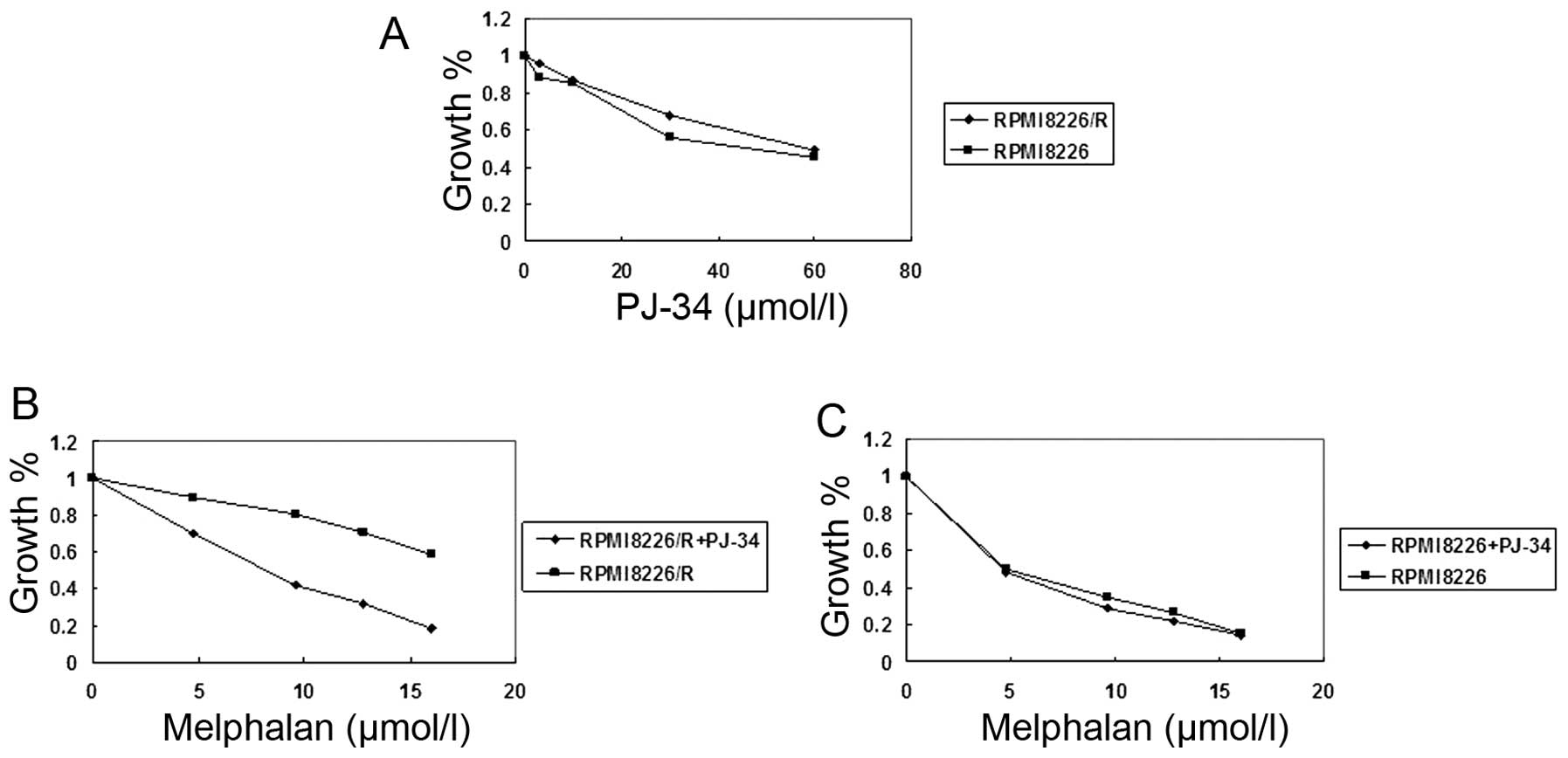
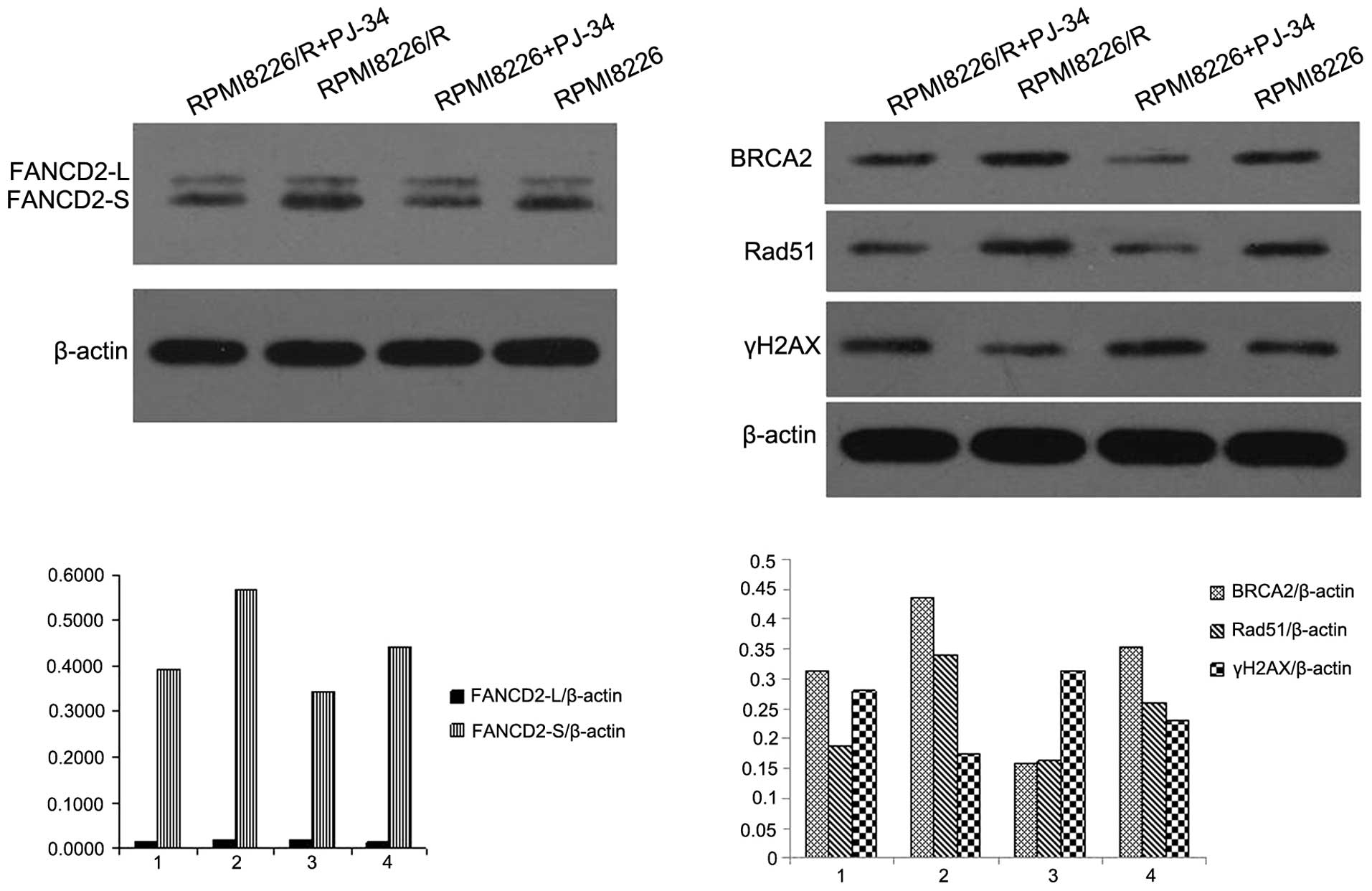
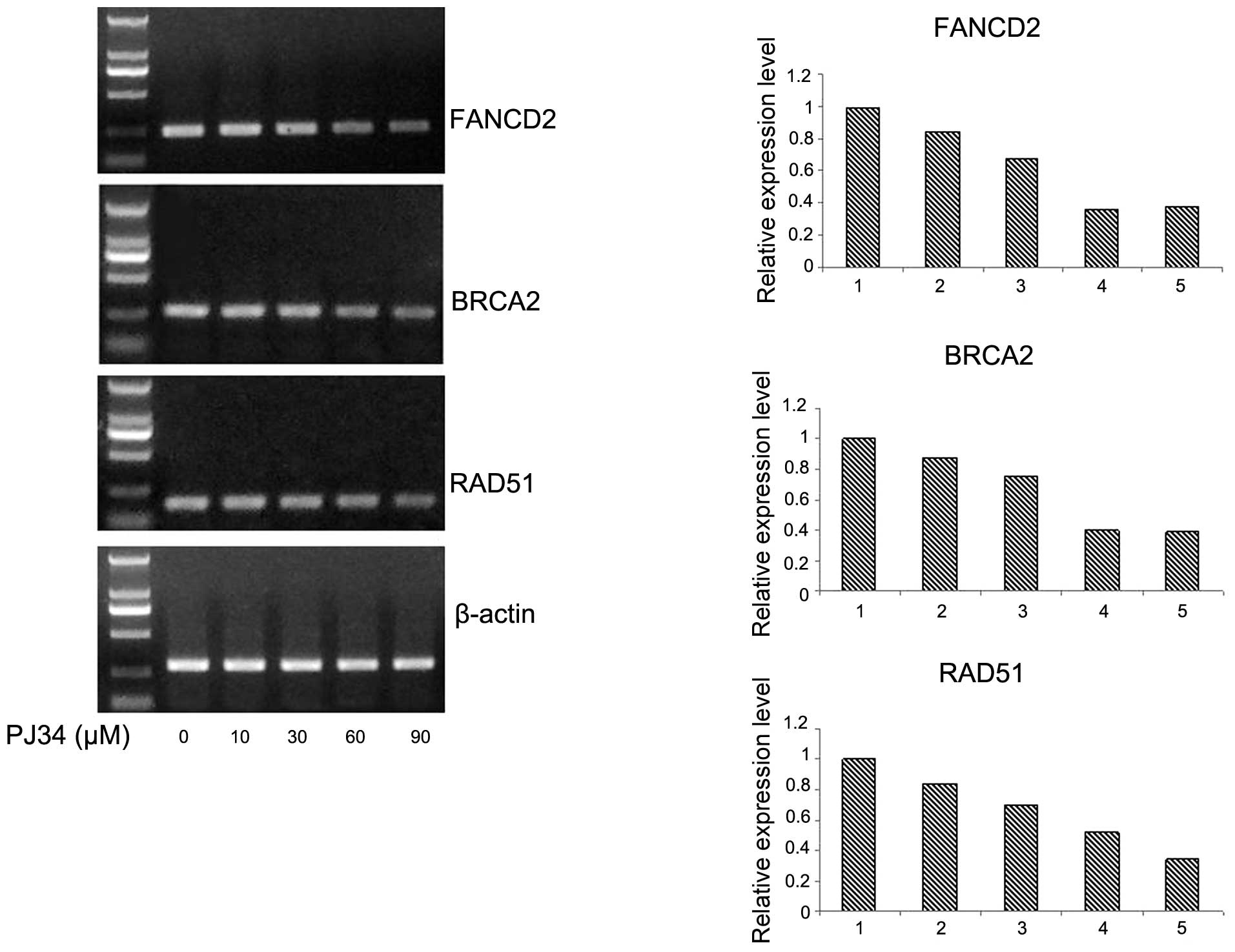
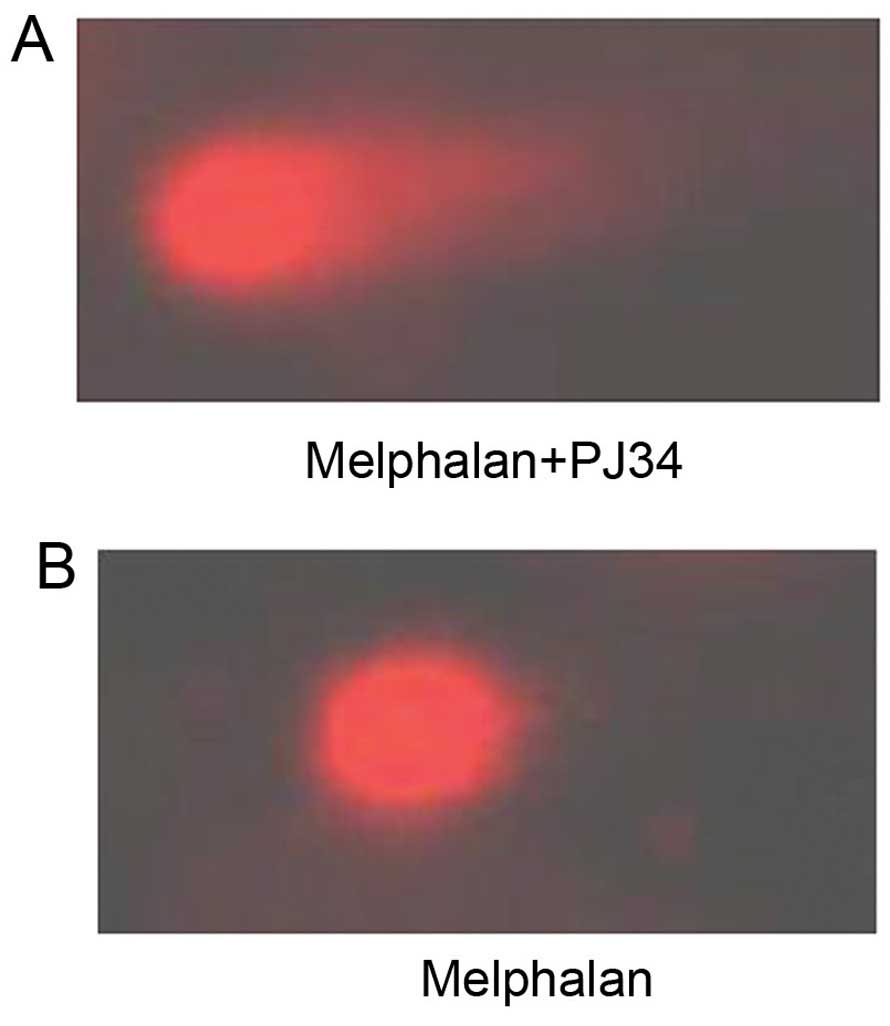
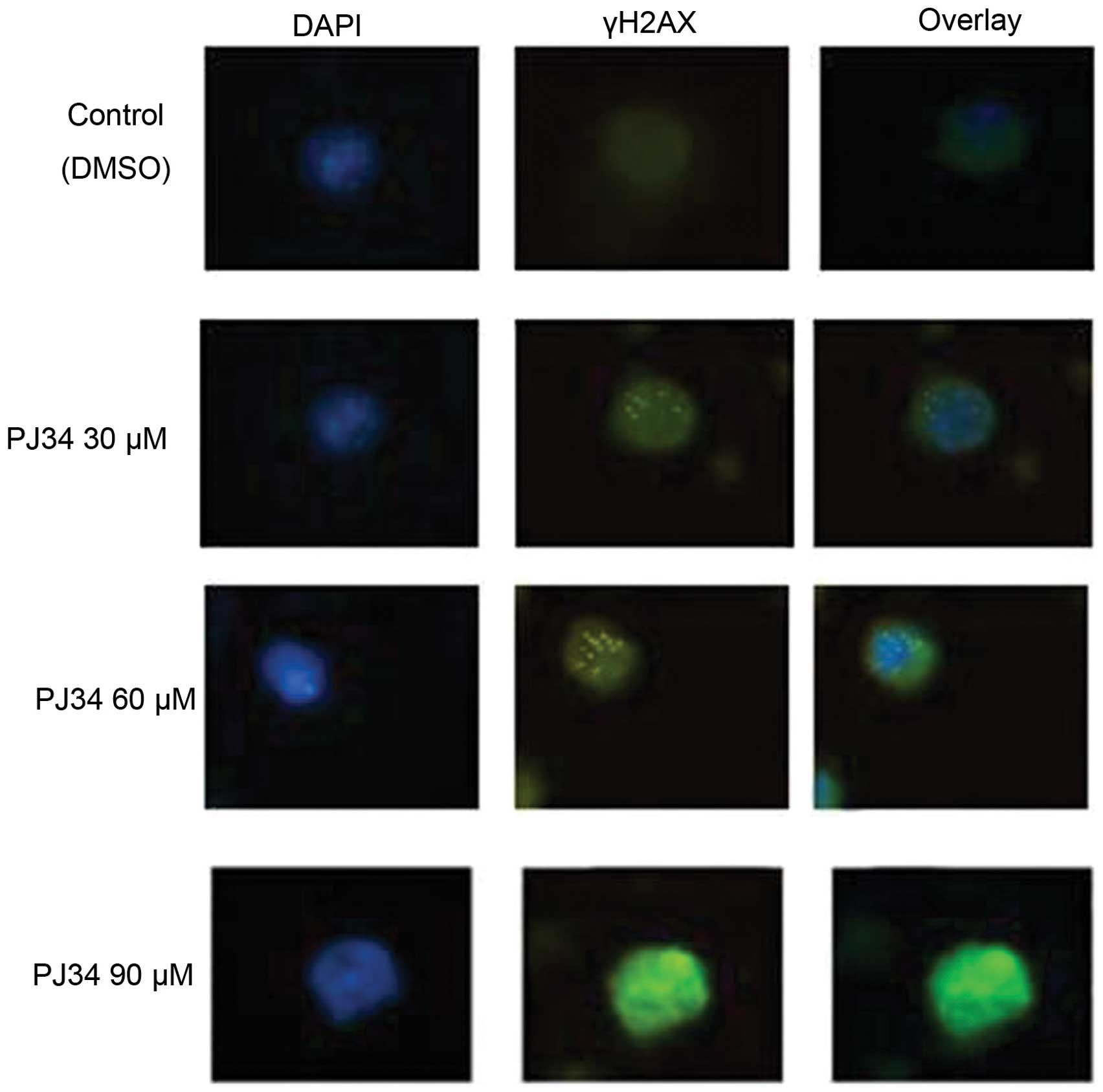
There is still no ideal treatment for multidrug resistant multiple myeloma, looking for drugs which can reverse chemotherapy resistance and enhance curative effects of chemotherapy drugs becomes a problem that needs to be solved urgently. Poly(ADP-ribose) polymerase inhibitors appear to be an important tool for medical therapy of several malignancies. In the present study, we investigated the potential of the PARP-1 inhibitor PJ34, in vitro, to further enhance the efficacy of the traditional chemotherapy drug melphalan in the multidrug-resistant multiple myeloma cell line RPMI8226/R. The effects of different concentrations of PJ34 and melphalan on cell proliferation were determined by the CCK-8 assay. The expressions of FA/BRCA pathway-related factors were detected by western blotting and RT-PCR. The percentage of cell apoptosis was measured with flow cytometry. DNA double-strand break (DSB) repair was quantified by γH2AX immunofluorescence. In addition, DNA damage repair at the level of the individual cell was determined by comet assay. Co-administration of PJ34 and melphalan had synergistic inhibitory effects on the proliferation of RPMI8226/R cells, suggesting more powerful antitumor activities. The apoptosis percentage also was increased more obviously by the treatment of melphalan plus PJ34. The activation of FA/BRCA pathway was inhibited by downregulation of related factors including FANCD2, BRCA2 and Rad51. PJ34 significantly increased the ratio of γH2AX-positive cells and the number of foci/cells. The comet tail rate of cells, tail length, tail moment and Olive tail moment all increased after PJ34 treatment in RPMI8226/R cells. These results indicate that PJ34 combined treatment with melphalan produces synergistic effects and reverses multidrug resistance of RPMI8226/R cells effectively. PJ34 cannot induce DNA damage directly, but it may increase the DNA damage induced by melphalan through inhibiting DNA damage repair. The suppression of FA/BRCA pathway may be the mechanism. Therefore, we suggest that PARP inhibitors may deserve future investigations as tools for medical treatment of multidrug resistant multiple myeloma.
View Figures

Figure 1

Figure 2

Figure 3

Figure 4

Figure 5

View References

1 

Spanswick VJ, Lowe HL, Newton C, et al: Evidence for different mechanisms of ‘unhooking’ for melphalan and cisplatin-induced DNA interstrand cross-links in vitro and in clinical acquired resistant tumour samples. BMC Cancer. 12:4362012. View Article : Google Scholar

2 

Bouwman P and Jonker J: The effects of deregulated DNA damage signalling on cancer chemotherapy response and resistance. Nat Rev Cancer. 12:587–598. 2012. View Article : Google Scholar : PubMed/NCBI

3 

Altieri F, Grillo C, Maceroni M, et al: DNA damage and repair: from molecular mechanisms to health implications. Antioxid Redox Signal. 10:891–937. 2008. View Article : Google Scholar : PubMed/NCBI

4 

Hlavin EM, Smeaton MB and Miller PS: Initiation of DNA interstrand cross-link repair in mammalian cells. Environ Mol Mutagen. 51:604–624. 2010.PubMed/NCBI

5 

Bessho T: Induction of DNA replication-mediated double strand breaks by psoralen DNA interstrandcross-links. J Biol Chem. 278:5250–5254. 2003. View Article : Google Scholar : PubMed/NCBI

6 

Sczepanski JT, Jacobs AC, Van Houten B, et al: Double-strand break formation during nucleotide excision repair of a DNA interstrand cross-link. Biochemistry. 48:7565–7567. 2009. View Article : Google Scholar : PubMed/NCBI

7 

Kim H and D’Andrea AD: Regulation of DNA cross-link repair by the Fanconi anemia/BRCA pathway. Genes Dev. 26:1393–1408. 2012. View Article : Google Scholar : PubMed/NCBI

8 

Mouw KW and D’Andrea AD: Crosstalk between the nucleotide excision repair and Fanconi anemia/BRCA pathways. DNA Repair. 19:130–134. 2014. View Article : Google Scholar : PubMed/NCBI

9 

Levitus M, Joenje H and de Winter JP: The Fanconi anemia pathway of genomic maintenance. Cell Oncol. 28:3–29. 2006.PubMed/NCBI

10 

Cohn MA and D’Andrea AD: Chromatin recruitment of DNA repair proteins: lessons from the fanconi anemia and double-strand break repair pathways. Mol Cell. 32:306–312. 2008. View Article : Google Scholar : PubMed/NCBI

11 

Rodríguez A, Sosa D, Torres L, et al: A Boolean network model of the FA/BRCA pathway. Bioinformatics. 28:858–866. 2012.

12 

Karanja KK, Cox SW, Duxin JP, et al: DNA2 and EXO1 in replication-coupled, homology-directed repair and in the interplay between HDR and the FA/BRCA network. Cell Cycle. 11:3983–3996. 2012. View Article : Google Scholar : PubMed/NCBI

13 

Stecklein SR and Jensen RA: Identifying and exploiting defects in the Fanconi anemia/BRCA pathway in oncology. Transl Res. 160:178–197. 2012. View Article : Google Scholar : PubMed/NCBI

14 

Jacquemont C, Simon JA, D’Andrea AD, et al: Non-specific chemical inhibition of the Fanconi anemia pathway sensitizes cancer cells to cisplatin. Mol Cancer. 11:262012. View Article : Google Scholar : PubMed/NCBI

15 

Chirnomas D, Taniguchi T, de la Vega M, et al: Chemosensitization to cisplatin by inhibitors of the Fanconi anemia/BRCA pathway. Mol Cancer Ther. 5:952–961. 2006. View Article : Google Scholar : PubMed/NCBI

16 

Taniguchi T and D’Andrea AD: Molecular pathogenesis of Fanconi anemia: recent progress. Blood. 107:4223–4233. 2006. View Article : Google Scholar : PubMed/NCBI

17 

Mori R, Yoshida K, Tanahashi T, et al: Decreased FANCJ caused by 5FU contributes to the increased sensitivity to oxaliplatin in gastric cancer cells. Gastric Cancer. 16:345–354. 2013. View Article : Google Scholar : PubMed/NCBI

18 

Deans AJ and West SC: DNA interstrand crosslink repair and cancer. Nat Rev Cancer. 11:467–480. 2011. View Article : Google Scholar : PubMed/NCBI

19 

Hegi ME, Sciuscio D, Murat A, et al: Epigenetic deregulation of DNA repair and its potential for therapy. Clin Cancer Res. 15:5026–5031. 2009. View Article : Google Scholar : PubMed/NCBI

20 

Palagyi A, Neveling K, Plinninger U, et al: Genetic inactivation of the Fanconi anemia gene FANCC identified in the hepatocellular carcinoma cell line HuH-7 confers sensitivity towards DNA-interstrand crosslinking agents. Mol Cancer. 9:1272010. View Article : Google Scholar

21 

Burkitt K and Ljungman M: Phenylbutyrate interferes with the Fanconi anemia and BRCA pathway and sensitizes head and neck cancer cells to cisplatin. Mol Cancer. 7:242008. View Article : Google Scholar : PubMed/NCBI

22 

Kondo N, Takahashi A, Mori E, et al: FANCD1/BRCA2 plays predominant role in the repair of DNA damage induced by ACNU or TMZ. PLoS One. 6:e196592011. View Article : Google Scholar : PubMed/NCBI

23 

Yarde DN, Oliveira V, Mathews L, et al: Targeting the Fanconi anemia/BRCA pathway circumvents drug resistance in multiple myeloma. Cancer Res. 69:9367–9375. 2009. View Article : Google Scholar : PubMed/NCBI

24 

Adhikari S, Choudhury S, Mitra PS, et al: Targeting base excision repair for chemosensitization. Anticancer Agents Med Chem. 8:351–357. 2008. View Article : Google Scholar : PubMed/NCBI

25 

David KK, Andrabi SA, Dawson TM, et al: Parthanatos, a messenger of death. Front Biosci. 14:1116–1128. 2009. View Article : Google Scholar : PubMed/NCBI

26 

Wang Y, Dawson VL and Dawson TM: Poly(ADP-ribose) signals to mitochondrial AIF: a key event in parthanatos. Exp Neurol. 218:193–202. 2009. View Article : Google Scholar : PubMed/NCBI

27 

Bryant HE, Petermann E, Schultz N, et al: PARP is activated at stalled forks to mediate Mre11-dependent replication restart and recombination. EMBO J. 28:2601–2615. 2009. View Article : Google Scholar : PubMed/NCBI

28 

Krishnakumar R and Kraus WL: The PARP side of the nucleus: molecular actions, physiological outcomes, and clinical targets. Mol Cell. 39:8–24. 2010. View Article : Google Scholar : PubMed/NCBI

29 

Węsierska-Gądek J, Zulehner N, Ferk F, et al: PARP inhibition potentiates the cytotoxic activity of C-1305, a selective inhibitor of topoisomerase II, in human BRCA1-positive breast cancer cells. Biochem Pharmacol. 84:1318–1331. 2012.PubMed/NCBI

30 

Lavarone E, Puppin C, Passon N, et al: The PARP inhibitor PJ34 modifies proliferation, NIS expression and epigenetic marks in thyroid cancer cell lines. Mol Cell Endocrinol. 365:1–10. 2013. View Article : Google Scholar : PubMed/NCBI

31 

Davidson D, Wang Y, Aloyz R, et al: The PARP inhibitor ABT-888 synergizes irinotecan treatment of colon cancer cell lines. Invest New Drugs. 31:461–468. 2013. View Article : Google Scholar : PubMed/NCBI

32 

Cheng H, Zhang Z, Borczuk A, et al: PARP inhibition selectively increases sensitivity to cisplatin in ERCC1-low non-small cell lung cancer cells. Carcinogenesis. 34:739–749. 2013. View Article : Google Scholar : PubMed/NCBI

33 

Cavallo F, Graziani G, Antinozzi C, et al: Reduced proficiency in homologous recombination underlies the high sensitivity of embryonal carcinoma testicular germ cell tumors to cisplatin and poly (ADP-ribose) polymerase inhibition. PLoS One. 7:e515632012. View Article : Google Scholar

34 

Donawho CK, Luo Y, Luo Y, et al: ABT-888, an orally active poly(ADP-ribose) polymerase inhibitor that potentiates DNA-damaging agents in preclinical tumor models. Clin Cancer Res. 13:2728–2737. 2007. View Article : Google Scholar : PubMed/NCBI

35 

Ahel I, Ahel D, Matsusaka T, et al: Poly(ADP-ribose)-binding zinc finger motifs in DNA repair/checkpoint proteins. Nature. 451:81–85. 2008. View Article : Google Scholar : PubMed/NCBI

36 

Pyriochou A, Olah G, Deitch EA, et al: Inhibition of angiogenesis by the poly(ADP-ribose) polymerase inhibitor PJ-34. Int J Mol Med. 22:113–118. 2008.PubMed/NCBI

37 

Xiao H, Xiao Q, Zhang K, et al: Reversal of multidrug resistance by curcumin through FA/BRCA pathway in multiple myeloma cell line MOLP-2/R. Ann Hematol. 89:399–404. 2010. View Article : Google Scholar : PubMed/NCBI

38 

Vinod BS, Maliekal TT and Anto RJ: Phytochemicals as chemosensitizers: from molecular mechanism to clinical significance. Antioxid Redox Signal. 18:1307–1348. 2013. View Article : Google Scholar : PubMed/NCBI

39 

Tomicic MT and Kaina B: Topoisomerase degradation, DSB repair, p53 and IAPs in cancer cell resistance to camptothecin-like topoisomerase I inhibitors. Biochim Biophys Acta. 1835:11–27. 2013.PubMed/NCBI

40 

Liu X, Luo X, Shi Y, et al: Poly (ADP-ribose) polymerase activity regulates apoptosis in HeLa cells after alkylating DNA damage. Cancer Biol Ther. 7:934–941. 2008. View Article : Google Scholar : PubMed/NCBI

41 

Gambi N, Tramontano F and Quesada P: Poly(ADPR) polymerase inhibition and apoptosis induction in cDDP-treated human carcinoma cell lines. Biochem Pharmacol. 75:2356–2363. 2008. View Article : Google Scholar : PubMed/NCBI

42 

Yang YG, Cortes U, Patnaik S, et al: Ablation of PARP-1 does not interfere with the repair of DNA double-strand breaks, but compromises the reactivation of stalled replication forks. Oncogene. 23:3872–3882. 2004. View Article : Google Scholar : PubMed/NCBI

43 

Mah LJ, Orlowski C, Ververis K, et al: Utility of γH2AX as a molecular marker of DNA double-strand breaks in nuclear medicine: applications to radionuclide therapy employing auger electron-emitting isotopes. Curr Radiopharm. 4:59–67. 2011. View Article : Google Scholar

44 

Richardson C: RAD51, genomic stability, and tumorigenesis. Cancer Lett. 218:127–139. 2005. View Article : Google Scholar : PubMed/NCBI

45 

Klein HL: The consequences of Rad51 overexpression for normal and tumor cells. DNA Repair. 7:686–693. 2008. View Article : Google Scholar : PubMed/NCBI

46 

Qiao GB, Wu YL, Yang XN, et al: High-level expression of Rad51 is an independent prognostic marker of survival in non-small-cell lung cancer patients. Br J Cancer. 93:137–143. 2005. View Article : Google Scholar : PubMed/NCBI

47 

Luoto KR, Meng AX, Wasylishen AR, et al: Tumor cell kill by c-MYC depletion: role of MYC-regulated genes that control DNA double-strand break repair. Cancer Res. 70:8748–8759. 2010. View Article : Google Scholar : PubMed/NCBI

Related Articles

  • Abstract
  • View
  • Download
  • Twitter
Copy and paste a formatted citation
Spandidos Publications style
Xiong T, Wei H, Chen X and Xiao H: PJ34, a poly(ADP-ribose) polymerase (PARP) inhibitor, reverses melphalan-resistance and inhibits repair of DNA double-strand breaks by targeting the FA/BRCA pathway in multidrug resistant multiple myeloma cell line RPMI8226/R. Int J Oncol 46: 223-232, 2015.
APA
Xiong, T., Wei, H., Chen, X., & Xiao, H. (2015). PJ34, a poly(ADP-ribose) polymerase (PARP) inhibitor, reverses melphalan-resistance and inhibits repair of DNA double-strand breaks by targeting the FA/BRCA pathway in multidrug resistant multiple myeloma cell line RPMI8226/R. International Journal of Oncology, 46, 223-232. https://doi.org/10.3892/ijo.2014.2726
MLA
Xiong, T., Wei, H., Chen, X., Xiao, H."PJ34, a poly(ADP-ribose) polymerase (PARP) inhibitor, reverses melphalan-resistance and inhibits repair of DNA double-strand breaks by targeting the FA/BRCA pathway in multidrug resistant multiple myeloma cell line RPMI8226/R". International Journal of Oncology 46.1 (2015): 223-232.
Chicago
Xiong, T., Wei, H., Chen, X., Xiao, H."PJ34, a poly(ADP-ribose) polymerase (PARP) inhibitor, reverses melphalan-resistance and inhibits repair of DNA double-strand breaks by targeting the FA/BRCA pathway in multidrug resistant multiple myeloma cell line RPMI8226/R". International Journal of Oncology 46, no. 1 (2015): 223-232. https://doi.org/10.3892/ijo.2014.2726
Copy and paste a formatted citation
x
Spandidos Publications style
Xiong T, Wei H, Chen X and Xiao H: PJ34, a poly(ADP-ribose) polymerase (PARP) inhibitor, reverses melphalan-resistance and inhibits repair of DNA double-strand breaks by targeting the FA/BRCA pathway in multidrug resistant multiple myeloma cell line RPMI8226/R. Int J Oncol 46: 223-232, 2015.
APA
Xiong, T., Wei, H., Chen, X., & Xiao, H. (2015). PJ34, a poly(ADP-ribose) polymerase (PARP) inhibitor, reverses melphalan-resistance and inhibits repair of DNA double-strand breaks by targeting the FA/BRCA pathway in multidrug resistant multiple myeloma cell line RPMI8226/R. International Journal of Oncology, 46, 223-232. https://doi.org/10.3892/ijo.2014.2726
MLA
Xiong, T., Wei, H., Chen, X., Xiao, H."PJ34, a poly(ADP-ribose) polymerase (PARP) inhibitor, reverses melphalan-resistance and inhibits repair of DNA double-strand breaks by targeting the FA/BRCA pathway in multidrug resistant multiple myeloma cell line RPMI8226/R". International Journal of Oncology 46.1 (2015): 223-232.
Chicago
Xiong, T., Wei, H., Chen, X., Xiao, H."PJ34, a poly(ADP-ribose) polymerase (PARP) inhibitor, reverses melphalan-resistance and inhibits repair of DNA double-strand breaks by targeting the FA/BRCA pathway in multidrug resistant multiple myeloma cell line RPMI8226/R". International Journal of Oncology 46, no. 1 (2015): 223-232. https://doi.org/10.3892/ijo.2014.2726
Follow us
  • Twitter
  • LinkedIn
  • Facebook
About
  • Spandidos Publications
  • Careers
  • Cookie Policy
  • Privacy Policy
How can we help?
  • Help
  • Live Chat
  • Contact
  • Email to our Support Team