Spandidos Publications Logo
  • About
    • About Spandidos
    • Aims and Scopes
    • Abstracting and Indexing
    • Editorial Policies
    • Reprints and Permissions
    • Job Opportunities
    • Terms and Conditions
    • Contact
  • Journals
    • All Journals
    • Oncology Letters
      • Oncology Letters
      • Information for Authors
      • Editorial Policies
      • Editorial Board
      • Aims and Scope
      • Abstracting and Indexing
      • Bibliographic Information
      • Archive
    • International Journal of Oncology
      • International Journal of Oncology
      • Information for Authors
      • Editorial Policies
      • Editorial Board
      • Aims and Scope
      • Abstracting and Indexing
      • Bibliographic Information
      • Archive
    • Molecular and Clinical Oncology
      • Molecular and Clinical Oncology
      • Information for Authors
      • Editorial Policies
      • Editorial Board
      • Aims and Scope
      • Abstracting and Indexing
      • Bibliographic Information
      • Archive
    • Experimental and Therapeutic Medicine
      • Experimental and Therapeutic Medicine
      • Information for Authors
      • Editorial Policies
      • Editorial Board
      • Aims and Scope
      • Abstracting and Indexing
      • Bibliographic Information
      • Archive
    • International Journal of Molecular Medicine
      • International Journal of Molecular Medicine
      • Information for Authors
      • Editorial Policies
      • Editorial Board
      • Aims and Scope
      • Abstracting and Indexing
      • Bibliographic Information
      • Archive
    • Biomedical Reports
      • Biomedical Reports
      • Information for Authors
      • Editorial Policies
      • Editorial Board
      • Aims and Scope
      • Abstracting and Indexing
      • Bibliographic Information
      • Archive
    • Oncology Reports
      • Oncology Reports
      • Information for Authors
      • Editorial Policies
      • Editorial Board
      • Aims and Scope
      • Abstracting and Indexing
      • Bibliographic Information
      • Archive
    • Molecular Medicine Reports
      • Molecular Medicine Reports
      • Information for Authors
      • Editorial Policies
      • Editorial Board
      • Aims and Scope
      • Abstracting and Indexing
      • Bibliographic Information
      • Archive
    • World Academy of Sciences Journal
      • World Academy of Sciences Journal
      • Information for Authors
      • Editorial Policies
      • Editorial Board
      • Aims and Scope
      • Abstracting and Indexing
      • Bibliographic Information
      • Archive
    • International Journal of Functional Nutrition
      • International Journal of Functional Nutrition
      • Information for Authors
      • Editorial Policies
      • Editorial Board
      • Aims and Scope
      • Abstracting and Indexing
      • Bibliographic Information
      • Archive
    • International Journal of Epigenetics
      • International Journal of Epigenetics
      • Information for Authors
      • Editorial Policies
      • Editorial Board
      • Aims and Scope
      • Abstracting and Indexing
      • Bibliographic Information
      • Archive
    • Medicine International
      • Medicine International
      • Information for Authors
      • Editorial Policies
      • Editorial Board
      • Aims and Scope
      • Abstracting and Indexing
      • Bibliographic Information
      • Archive
  • Articles
  • Information
    • Information for Authors
    • Information for Reviewers
    • Information for Librarians
    • Information for Advertisers
    • Conferences
  • Language Editing
Spandidos Publications Logo
  • About
    • About Spandidos
    • Aims and Scopes
    • Abstracting and Indexing
    • Editorial Policies
    • Reprints and Permissions
    • Job Opportunities
    • Terms and Conditions
    • Contact
  • Journals
    • All Journals
    • Biomedical Reports
      • Information for Authors
      • Editorial Policies
      • Editorial Board
      • Aims and Scope
      • Abstracting and Indexing
      • Bibliographic Information
      • Archive
    • Experimental and Therapeutic Medicine
      • Information for Authors
      • Editorial Policies
      • Editorial Board
      • Aims and Scope
      • Abstracting and Indexing
      • Bibliographic Information
      • Archive
    • International Journal of Epigenetics
      • Information for Authors
      • Editorial Policies
      • Editorial Board
      • Aims and Scope
      • Abstracting and Indexing
      • Bibliographic Information
      • Archive
    • International Journal of Functional Nutrition
      • Information for Authors
      • Editorial Policies
      • Editorial Board
      • Aims and Scope
      • Abstracting and Indexing
      • Bibliographic Information
      • Archive
    • International Journal of Molecular Medicine
      • Information for Authors
      • Editorial Policies
      • Editorial Board
      • Aims and Scope
      • Abstracting and Indexing
      • Bibliographic Information
      • Archive
    • International Journal of Oncology
      • Information for Authors
      • Editorial Policies
      • Editorial Board
      • Aims and Scope
      • Abstracting and Indexing
      • Bibliographic Information
      • Archive
    • Medicine International
      • Information for Authors
      • Editorial Policies
      • Editorial Board
      • Aims and Scope
      • Abstracting and Indexing
      • Bibliographic Information
      • Archive
    • Molecular and Clinical Oncology
      • Information for Authors
      • Editorial Policies
      • Editorial Board
      • Aims and Scope
      • Abstracting and Indexing
      • Bibliographic Information
      • Archive
    • Molecular Medicine Reports
      • Information for Authors
      • Editorial Policies
      • Editorial Board
      • Aims and Scope
      • Abstracting and Indexing
      • Bibliographic Information
      • Archive
    • Oncology Letters
      • Information for Authors
      • Editorial Policies
      • Editorial Board
      • Aims and Scope
      • Abstracting and Indexing
      • Bibliographic Information
      • Archive
    • Oncology Reports
      • Information for Authors
      • Editorial Policies
      • Editorial Board
      • Aims and Scope
      • Abstracting and Indexing
      • Bibliographic Information
      • Archive
    • World Academy of Sciences Journal
      • Information for Authors
      • Editorial Policies
      • Editorial Board
      • Aims and Scope
      • Abstracting and Indexing
      • Bibliographic Information
      • Archive
  • Articles
  • Information
    • For Authors
    • For Reviewers
    • For Librarians
    • For Advertisers
    • Conferences
  • Language Editing
Login Register Submit
  • This site uses cookies
  • You can change your cookie settings at any time by following the instructions in our Cookie Policy. To find out more, you may read our Privacy Policy.

    I agree
Search articles by DOI, keyword, author or affiliation
Search
Advanced Search
presentation
International Journal of Oncology
Join Editorial Board Propose a Special Issue
Print ISSN: 1019-6439 Online ISSN: 1791-2423
Journal Cover
January-2016 Volume 48 Issue 1

Full Size Image

Cover Legend PDF

Sign up for eToc alerts
Recommend to Library

Journals

International Journal of Molecular Medicine

International Journal of Molecular Medicine

International Journal of Molecular Medicine is an international journal devoted to molecular mechanisms of human disease.

International Journal of Oncology

International Journal of Oncology

International Journal of Oncology is an international journal devoted to oncology research and cancer treatment.

Molecular Medicine Reports

Molecular Medicine Reports

Covers molecular medicine topics such as pharmacology, pathology, genetics, neuroscience, infectious diseases, molecular cardiology, and molecular surgery.

Oncology Reports

Oncology Reports

Oncology Reports is an international journal devoted to fundamental and applied research in Oncology.

Experimental and Therapeutic Medicine

Experimental and Therapeutic Medicine

Experimental and Therapeutic Medicine is an international journal devoted to laboratory and clinical medicine.

Oncology Letters

Oncology Letters

Oncology Letters is an international journal devoted to Experimental and Clinical Oncology.

Biomedical Reports

Biomedical Reports

Explores a wide range of biological and medical fields, including pharmacology, genetics, microbiology, neuroscience, and molecular cardiology.

Molecular and Clinical Oncology

Molecular and Clinical Oncology

International journal addressing all aspects of oncology research, from tumorigenesis and oncogenes to chemotherapy and metastasis.

World Academy of Sciences Journal

World Academy of Sciences Journal

Multidisciplinary open-access journal spanning biochemistry, genetics, neuroscience, environmental health, and synthetic biology.

International Journal of Functional Nutrition

International Journal of Functional Nutrition

Open-access journal combining biochemistry, pharmacology, immunology, and genetics to advance health through functional nutrition.

International Journal of Epigenetics

International Journal of Epigenetics

Publishes open-access research on using epigenetics to advance understanding and treatment of human disease.

Medicine International

Medicine International

An International Open Access Journal Devoted to General Medicine.

Journal Cover
January-2016 Volume 48 Issue 1

Full Size Image

Cover Legend PDF

Sign up for eToc alerts
Recommend to Library

  • Article
  • Citations
    • Cite This Article
    • Download Citation
    • Create Citation Alert
    • Remove Citation Alert
    • Cited By
  • Similar Articles
    • Related Articles (in Spandidos Publications)
    • Similar Articles (Google Scholar)
    • Similar Articles (PubMed)
  • Download PDF
  • Download XML
  • View XML
Article

Theaflavin-3, 3'-digallate decreases human ovarian carcinoma OVCAR-3 cell-induced angiogenesis via Akt and Notch-1 pathways, not via MAPK pathways

  • Authors:
    • Ying Gao
    • Gary O. Rankin
    • Youying Tu
    • Yi Charlie Chen
  • View Affiliations / Copyright

    Affiliations: Department of Tea Science, Zhejiang University, Hangzhou 310058, P.R. China, Department of Pharmacology, Physiology and Toxicology, Joan C. Edwards School of Medicine, Marshall University, Huntington, WV 25755, USA, College of Science, Technology and Mathematics, Alderson Broaddus University, Philippi, WV 26416, USA
  • Pages: 281-292
    |
    Published online on: November 20, 2015
       https://doi.org/10.3892/ijo.2015.3257
  • Expand metrics +
Metrics: Total Views: 0 (Spandidos Publications: | PMC Statistics: )
Metrics: Total PDF Downloads: 0 (Spandidos Publications: | PMC Statistics: )
Cited By (CrossRef): 0 citations Loading Articles...

This article is mentioned in:


Abstract

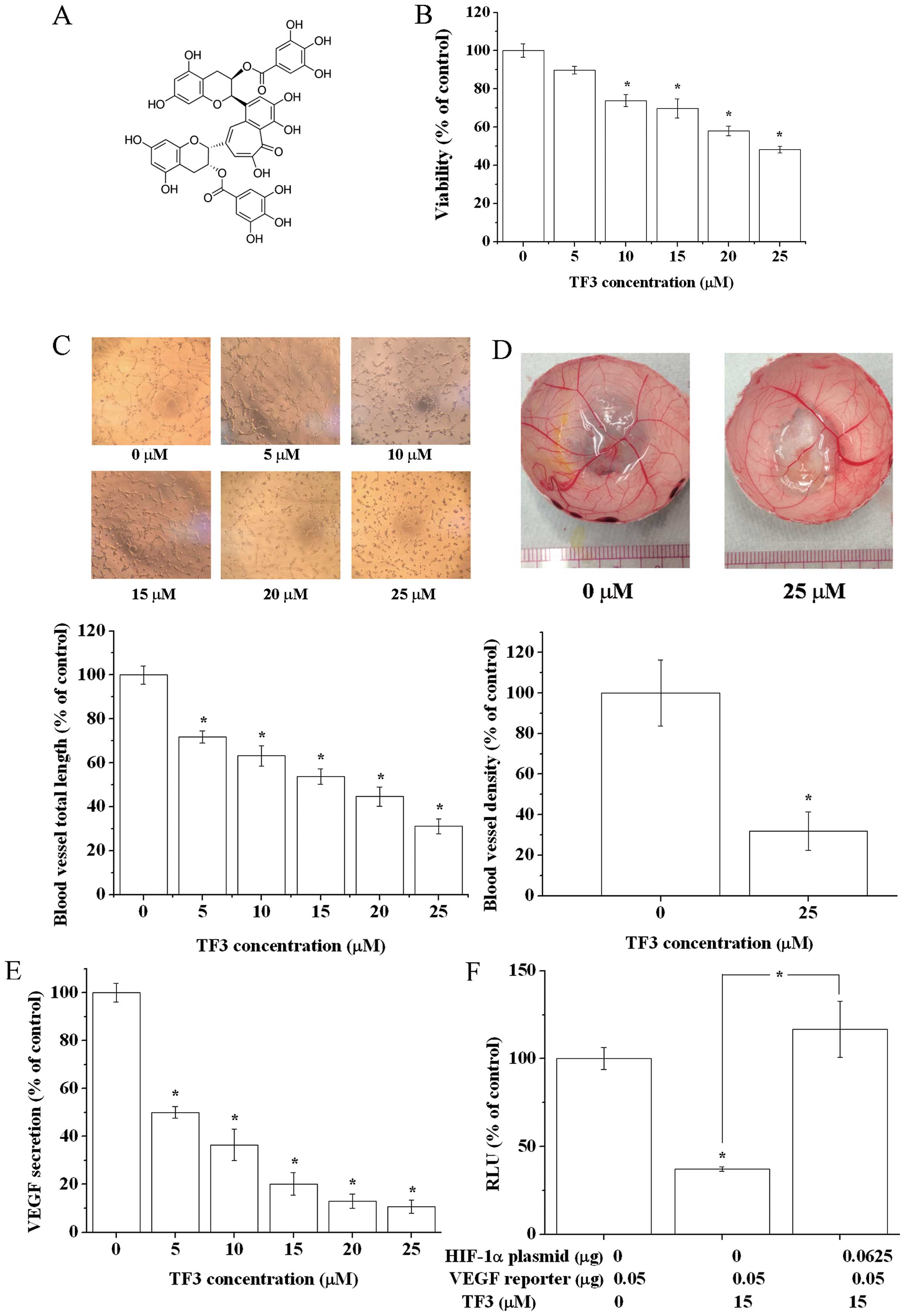
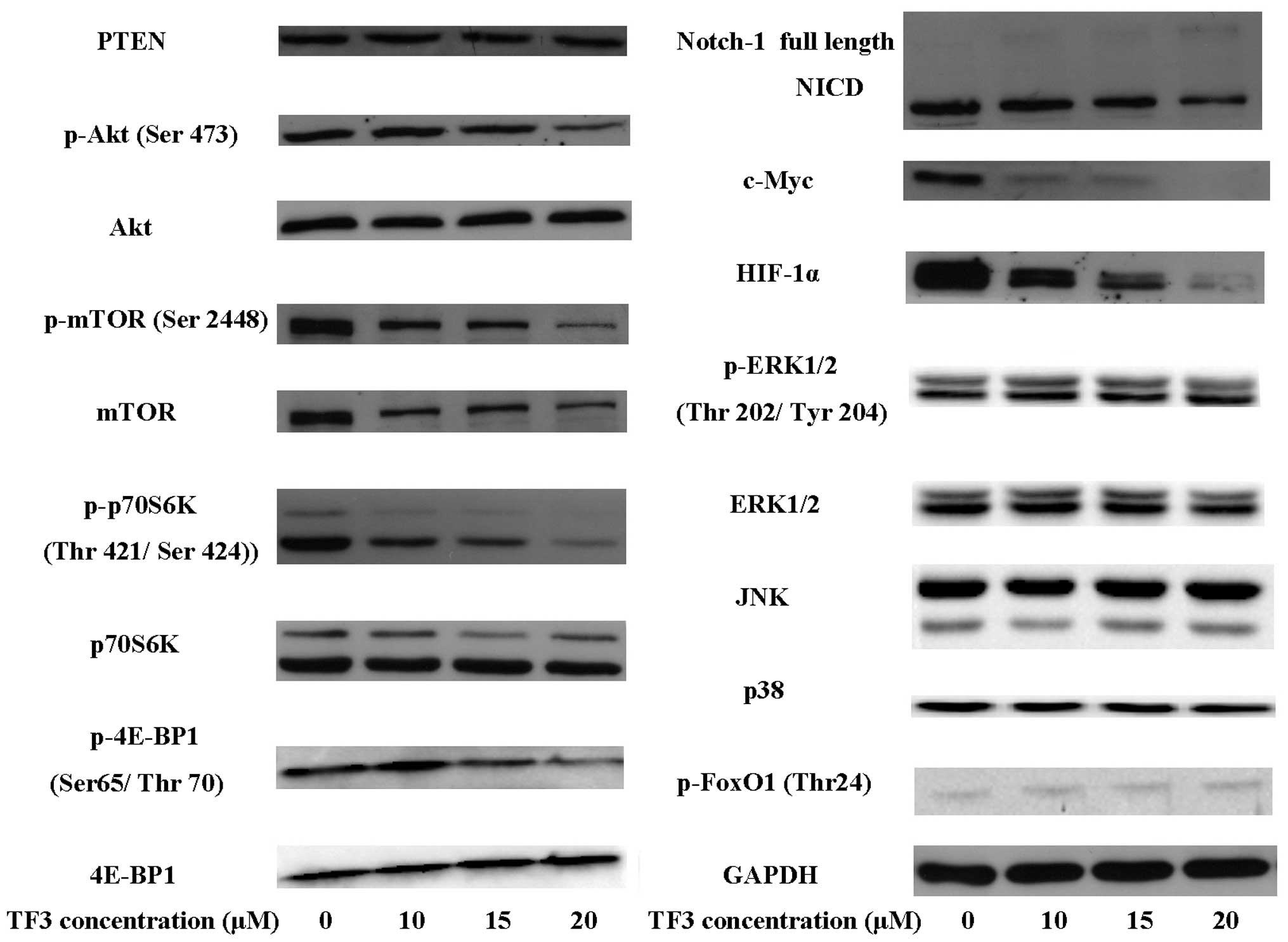
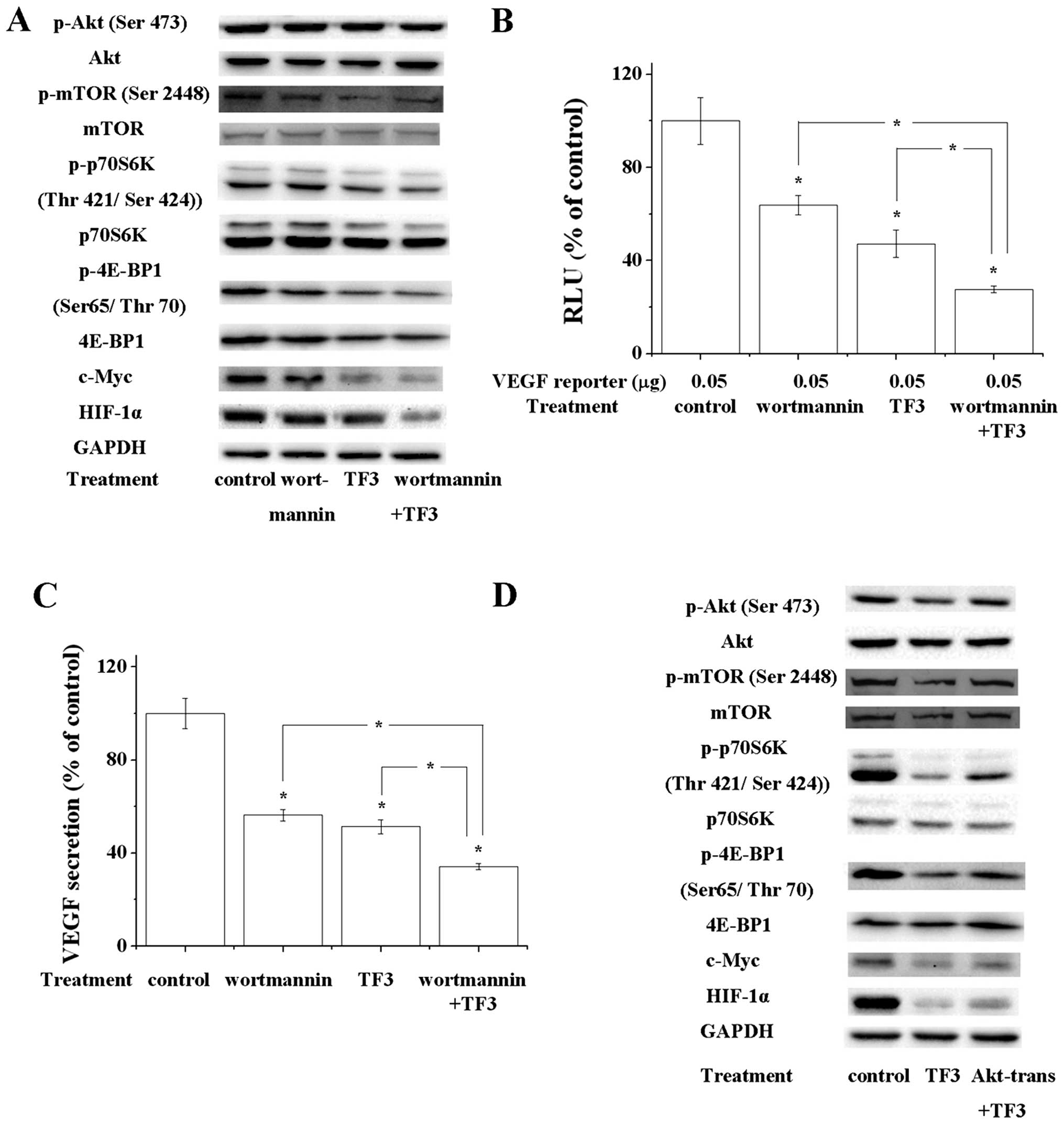
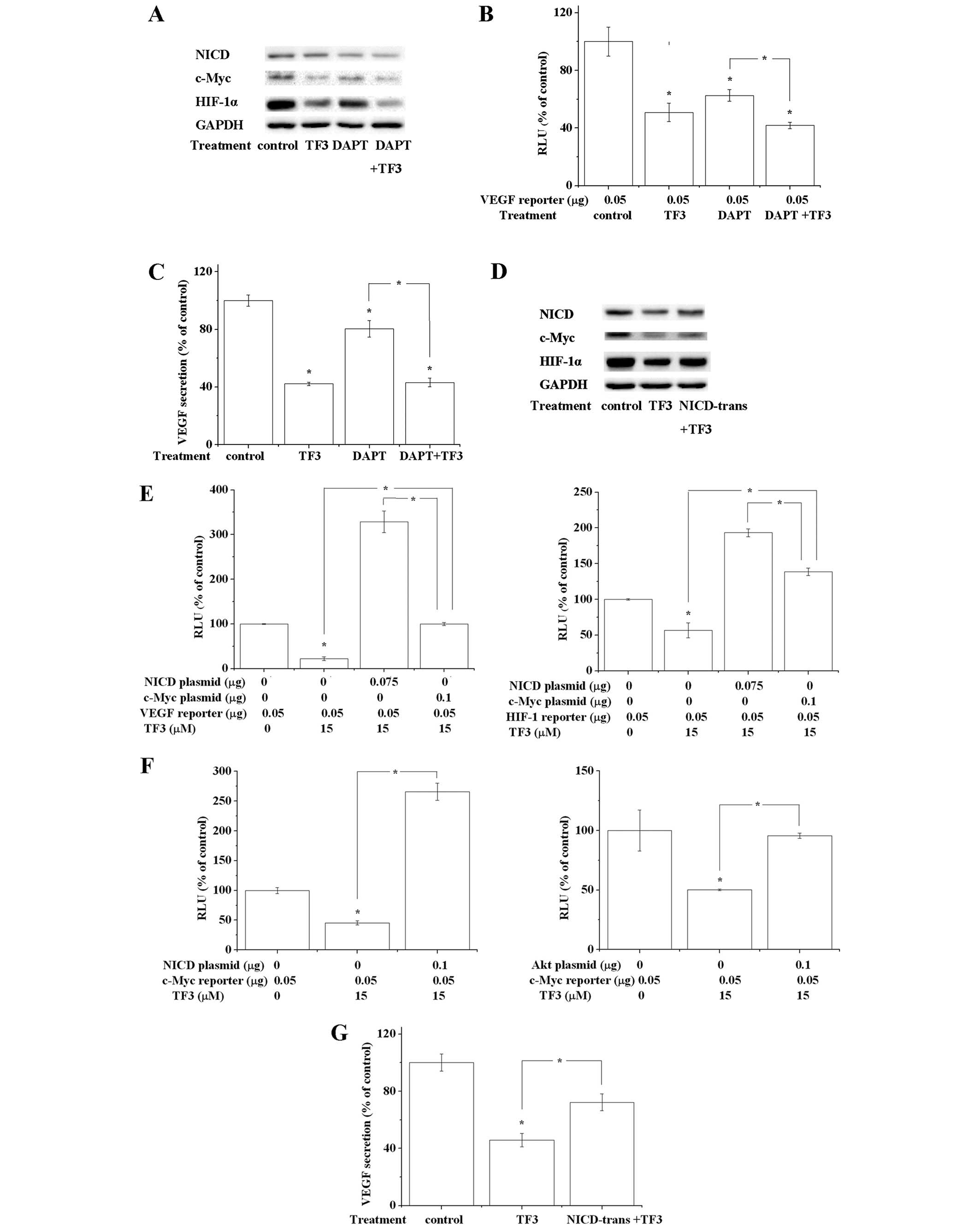
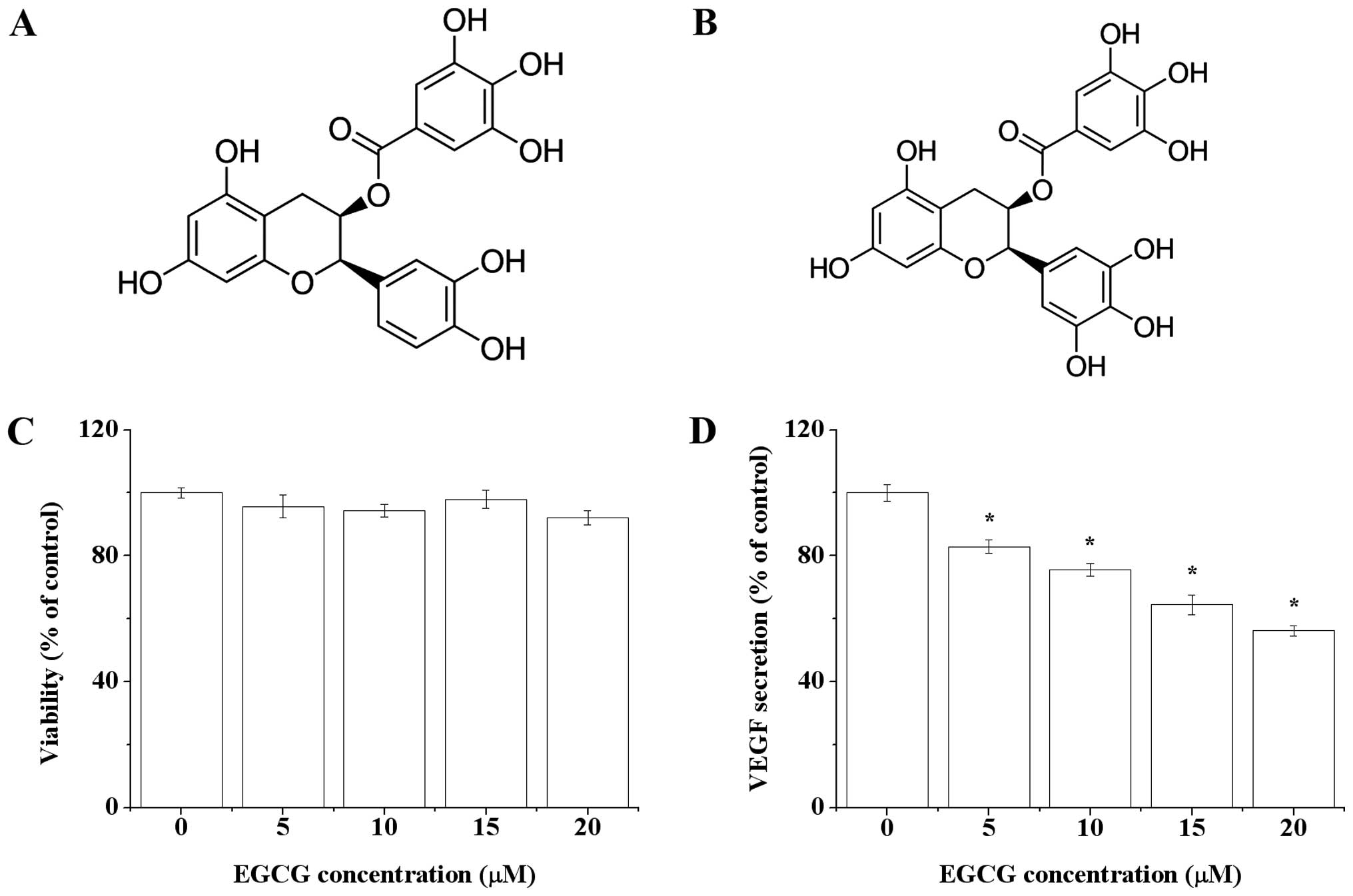
Theaflavin-3, 3'-digallate (TF3) is a black tea polyphenol produced from polymerization and oxidization of the green tea ployphenols epicatechin gallate and (-)-epigallocatechin-3-gallate (EGCG) during fermentation of fresh tea leaves. TF3 has been reported to have anticancer properties. However, the effect of TF3 on tumor angiogenesis and the underlying mechanisms are not clear. In the present study, TF3 was verified to inhibit tumor angiogenesis. Compared with EGCG, TF3 was more potent. TF3 inhibited human ovarian carcinoma OVCAR-3 cell-induced angiogenesis in human umbilical vein endothelial cell model and in chick chorioallantoic membrane model. TF3 reduced tumor angiogenesis by downregulating HIF-1α and VEGF. One of the mechanisms was TF3 inactivated Akt/mTOR/p70S6K/4E-BP1 pathway and Akt/c-Myc pathway. Besides, TF3 suppressed the cleavage of Notch-1, subsequently decreased the expression of c-Myc, HIF-1α and VEGF, and finally the impaired cancer cells induced angiogenesis. Nevertheless, TF3 did not have any influence on the MAPK pathways. Taken together, these findings suggest that TF3 might serve as a potential anti-angiogenic agent for cancer treatment.
View Figures

Figure 1

Figure 2

Figure 3

Figure 4

Figure 5

Figure 6

View References

1 

Mizuno T, Suzuki N, Makino H, Furui T, Morii E, Aoki H, Kunisada T, Yano M, Kuji S, Hirashima Y, et al: Cancer stem-like cells of ovarian clear cell carcinoma are enriched in the ALDH-high population associated with an accelerated scavenging system in reactive oxygen species. Gynecol Oncol. 137:299–305. 2015. View Article : Google Scholar

2 

Barakat RR, Markman M and Randall M: Principles and Practice of Gynecologic Oncology. Wolters Kluwer Health/Lippincott Williams & Wilkins; Philadelphia, PA: 2009

3 

Jayson GC, Kohn EC, Kitchener HC and Ledermann JA: Ovarian cancer. Lancet. 384:1376–1388. 2014. View Article : Google Scholar : PubMed/NCBI

4 

Folkman J, Watson K, Ingber D and Hanahan D: Induction of angiogenesis during the transition from hyperplasia to neoplasia. Nature. 339:58–61. 1989. View Article : Google Scholar : PubMed/NCBI

5 

Giri S, Karakoti A, Graham RP, Maguire JL, Reilly CM, Seal S, Rattan R and Shridhar V: Nanoceria: A rare-earth nanoparticle as a novel anti-angiogenic therapeutic agent in ovarian cancer. PLoS One. 8:e545782013. View Article : Google Scholar : PubMed/NCBI

6 

Burger RA: Overview of anti-angiogenic agents in development for ovarian cancer. Gynecol Oncol. 121:230–238. 2011. View Article : Google Scholar : PubMed/NCBI

7 

Zhong H, De Marzo AM, Laughner E, Lim M, Hilton DA, Zagzag D, Buechler P, Isaacs WB, Semenza GL and Simons JW: Overexpression of hypoxia-inducible factor 1alpha in common human cancers and their metastases. Cancer Res. 59:5830–5835. 1999.PubMed/NCBI

8 

Liang YC, Chen YC, Lin YL, Lin-Shiau SY, Ho CT and Lin JK: Suppression of extracellular signals and cell proliferation by the black tea polyphenol, theaflavin-3,3′-digallate. Carcinogenesis. 20:733–736. 1999. View Article : Google Scholar : PubMed/NCBI

9 

Sajilata MG, Bajaj PR and Singhai RS: Tea polyphenols as nutraceuticals. Compr Rev Food Sci Food Saf. 7:229–254. 2008. View Article : Google Scholar

10 

Tu YY, Tang AB and Watanabe N: The theaflavin monomers inhibit the cancer cells growth in vitro. Acta Biochim Biophys Sin (Shanghai). 36:508–512. 2004. View Article : Google Scholar

11 

Schuck AG, Ausubel MB, Zuckerbraun HL and Babich H: Theaflavin-3,3′-digallate, a component of black tea: an inducer of oxidative stress and apoptosis. Toxicol In Vitro. 22:598–609. 2008. View Article : Google Scholar : PubMed/NCBI

12 

Gao Y, Li W, Jia L, Li B, Chen YC and Tu Y: Enhancement of (−)-epigallocatechin-3-gallate and theaflavin-3-3′-digallate induced apoptosis by ascorbic acid in human lung adenocarcinoma SPC-A-1 cells and esophageal carcinoma Eca-109 cells via MAPK pathways. Biochem Biophys Res Commun. 438:370–374. 2013. View Article : Google Scholar : PubMed/NCBI

13 

Kobayashi S, Iwai S, Tsujiyama K, Kurahashi C, Udaka Y, Sanbe T, Suzaki H and Oguchi K: Theaflavin-3,3′-digallate inhibits tube formation in cocultured endothelial cells with fibroblasts. Showa Univ J Med Sci. 19:59–72. 2007. View Article : Google Scholar

14 

Siddiqui IA, Zaman N, Aziz MH, Reagan-Shaw SR, Sarfaraz S, Adhami VM, Ahmad N, Raisuddin S and Mukhtar H: Inhibition of CWR22Rnu1 tumor growth and PSA secretion in athymic nude mice by green and black teas. Carcinogenesis. 27:833–839. 2006. View Article : Google Scholar : PubMed/NCBI

15 

Xu Y, Jin YX, Wu YY and Tu YY: Isolation and purification of four individual theaflavins using semi-preparative high performance liquid chromatography. J Liquid Chromatogr Relat Technol. 33:1791–1801. 2010. View Article : Google Scholar

16 

Fang J, Xia C, Cao Z, Zheng JZ, Reed E and Jiang BH: Apigenin inhibits VEGF and HIF-1 expression via PI3K/AKT/p70S6K1 and HDM2/p53 pathways. FASEB J. 19:342–353. 2005. View Article : Google Scholar : PubMed/NCBI

17 

García-Maceira P and Mateo J: Silibinin inhibits hypoxia-inducible factor-1alpha and mTOR/p70S6K/4E-BP1 signalling pathway in human cervical and hepatoma cancer cells: Implications for anticancer therapy. Oncogene. 28:313–324. 2009. View Article : Google Scholar

18 

Chen C, Cai S, Wang G, Cao X, Yang X, Luo X, Feng Y and Hu J: c-Myc enhances colon cancer cell-mediated angiogenesis through the regulation of HIF-1α. Biochem Biophys Res Commun. 430:505–511. 2013. View Article : Google Scholar

19 

Asano T, Yao Y, Zhu J, Li D, Abbruzzese JL and Reddy SA: The PI 3-kinase/Akt signaling pathway is activated due to aberrant Pten expression and targets transcription factors NF-kappaB and c-Myc in pancreatic cancer cells. Oncogene. 23:8571–8580. 2004. View Article : Google Scholar : PubMed/NCBI

20 

Weng AP, Millholland JM, Yashiro-Ohtani Y, Arcangeli ML, Lau A, Wai C, Del Bianco C, Rodriguez CG, Sai H, Tobias J, et al: c-Myc is an important direct target of Notch1 in T-cell acute lymphoblastic leukemia/lymphoma. Genes Dev. 20:2096–2109. 2006. View Article : Google Scholar : PubMed/NCBI

21 

Huang D, Ding Y, Luo WM, Bender S, Qian CN, Kort E, Zhang ZF, VandenBeldt K, Duesbery NS, Resau JH, et al: Inhibition of MAPK kinase signaling pathways suppressed renal cell carcinoma growth and angiogenesis in vivo. Cancer Res. 68:81–88. 2008. View Article : Google Scholar : PubMed/NCBI

22 

Baker JA, Boakye K, McCann SE, Beehler GP, Rodabaugh KJ, Villella JA and Moysich KB: Consumption of black tea or coffee and risk of ovarian cancer. Int J Gynecol Cancer. 17:50–54. 2007. View Article : Google Scholar : PubMed/NCBI

23 

Banerjee P, Banerjee S and Mazumder S: Effect of theaflavin, A black tea extract on ovarian cancer cell line. Bombay Hosp J. 53:341–348. 2011.

24 

Maity S, Ukil A, Vedasiromoni JR and Das PK: Biodistribution and pharmacokinetics of theaflavin-3,3′-digallate, the major antioxidant of black tea, in mice. Int J Pharmacol. 2:240–246. 2006. View Article : Google Scholar

25 

Huang H, Chen AY, Rojanasakul Y, Ye X, Rankin GO and Chen YC: Dietary compounds galangin and myricetin suppress ovarian cancer cell angiogenesis. J Funct Foods. 15:464–475. 2015. View Article : Google Scholar : PubMed/NCBI

26 

Chen J, Chen AY, Huang H, Ye X, Rollyson WD, Perry HE, Brown KC, Rojanasakul Y, Rankin GO, Dasgupta P, et al: The flavonoid nobiletin inhibits tumor growth and angiogenesis of ovarian cancers via the Akt pathway. Int J Oncol. 46:2629–2638. 2015.PubMed/NCBI

27 

Schoell WM, Pieber D, Reich O, Lahousen M, Janicek M, Guecer F and Winter R: Tumor angiogenesis as a prognostic factor in ovarian carcinoma: Quantification of endothelial immunoreactivity by image analysis. Cancer. 80:2257–2262. 1997. View Article : Google Scholar : PubMed/NCBI

28 

Ciardiello F, Caputo R, Bianco R, Damiano V, Fontanini G, Cuccato S, De Placido S, Bianco AR and Tortora G: Inhibition of growth factor production and angiogenesis in human cancer cells by ZD1839 (Iressa), a selective epidermal growth factor receptor tyrosine kinase inhibitor. Clin Cancer Res. 7:1459–1465. 2001.PubMed/NCBI

29 

Hoeben A, Landuyt B, Highley MS, Wildiers H, Van Oosterom AT and De Bruijn EA: Vascular endothelial growth factor and angiogenesis. Pharmacol Rev. 56:549–580. 2004. View Article : Google Scholar : PubMed/NCBI

30 

Zhu LQ, Liu J and Ma CJ: Effect of theaflavin diagallate on anti-tumor proliferation and VEGF gene expression in lung adenocancer A549 cells. Cent S Pharm. 9:23–26. 2011.

31 

Jung YD and Ellis LM: Inhibition of tumour invasion and angiogenesis by epigallocatechin gallate (EGCG), a major component of green tea. Int J Exp Pathol. 82:309–316. 2001. View Article : Google Scholar

32 

Su YL, Leung LK, Huang Y and Chen ZY: Stability of tea theaflavins and catechins. Food Chem. 83:189–195. 2003. View Article : Google Scholar

33 

Yang ZY, Tu YY, Xia HL, Jie GL, Chen XM and He PM: Suppression of free-radicals and protection against H2O2-induced oxidative damage in HPF-1 cell by oxidized phenolic compounds present in black tea. Food Chem. 105:1349–1356. 2007. View Article : Google Scholar

34 

Gu JW, Makey KL, Tucker KB, Chinchar E, Mao X, Pei I, Thomas EY and Miele L: EGCG, a major green tea catechin suppresses breast tumor angiogenesis and growth via inhibiting the activation of HIF-1α and NFκB, and VEGF expression. Vasc Cell. 5:92013. View Article : Google Scholar

35 

Zhang Q, Tang X, Lu Q, Zhang Z, Rao J and Le AD: Green tea extract and (−)-epigallocatechin-3-gallate inhibit hypoxia- and serum-induced HIF-1alpha protein accumulation and VEGF expression in human cervical carcinoma and hepatoma cells. Mol Cancer Ther. 5:1227–1238. 2006. View Article : Google Scholar : PubMed/NCBI

36 

Li W, Tan D, Zhang Z, Liang JJ and Brown RE: Activation of Akt-mTOR-p70S6K pathway in angiogenesis in hepatocellular carcinoma. Oncol Rep. 20:713–719. 2008.PubMed/NCBI

37 

Li G, Shan C, Liu L, Zhou T, Zhou J, Hu X, Chen Y, Cui H and Gao N: Tanshinone IIA inhibits HIF-1α and VEGF expression in breast cancer cells via mTOR/p70S6K/RPS6/4E-BP1 signaling pathway. PLoS One. 10:e01174402015. View Article : Google Scholar

38 

Xu Q, Liu LZ, Qian X, Chen Q, Jiang Y, Li D, Lai L and Jiang BH: MiR-145 directly targets p70S6K1 in cancer cells to inhibit tumor growth and angiogenesis. Nucleic Acids Res. 40:761–774. 2012. View Article : Google Scholar :

39 

Pratheeshkumar P, Budhraja A, Son YO, Wang X, Zhang Z, Ding S, Wang L, Hitron A, Lee JC, Xu M, et al: Quercetin inhibits angiogenesis mediated human prostate tumor growth by targeting VEGFR-2 regulated AKT/mTOR/P70S6K signaling pathways. PLoS One. 7:e475162012. View Article : Google Scholar

40 

Baudino TA, McKay C, Pendeville-Samain H, Nilsson JA, Maclean KH, White EL, Davis AC, Ihle JN and Cleveland JL: c-Myc is essential for vasculogenesis and angiogenesis during development and tumor progression. Genes Dev. 16:2530–2543. 2002. View Article : Google Scholar : PubMed/NCBI

41 

Lee JG and Wu R: Erlotinib-cisplatin combination inhibits growth and angiogenesis through c-MYC and HIF-1α in EGFR-mutated lung cancer in vitro and in vivo. Neoplasia. 17:190–200. 2015. View Article : Google Scholar : PubMed/NCBI

42 

Meng RD, Shelton CC, Li YM, Qin LX, Notterman D, Paty PB and Schwartz GK: gamma-Secretase inhibitors abrogate oxaliplatin-induced activation of the Notch-1 signaling pathway in colon cancer cells resulting in enhanced chemosensitivity. Cancer Res. 69:573–582. 2009. View Article : Google Scholar : PubMed/NCBI

43 

Garcia A and Kandel JJ: Notch: A key regulator of tumor angiogenesis and metastasis. Histol Histopathol. 27:151–156. 2012.

44 

Guo D, Li C, Teng Q, Sun Z, Li Y and Zhang C: Notch1 over-expression promotes cell growth and tumor angiogenesis in myeloma. Neoplasma. 60:33–40. 2013. View Article : Google Scholar

45 

Proia T, Jiang F, Bell A, Nicoletti R, Kong L, Kreuter K, Poling L, Winston WM, Flaherty M, Weiler S, et al: 23814, an inhibitory antibody of ligand-mediated Notch1 activation, modulates angiogenesis and inhibits tumor growth without gastrointestinal toxicity. Mol Cancer Ther. 14:1858–1867. 2015. View Article : Google Scholar : PubMed/NCBI

46 

Yan B, Zhou Y, Feng S, et al: beta-elemene-attenuated tumor angiogenesis by targeting Notch-1 in gastric cancer stem-like cells. J Evid Based Complementary Altern Med. 2013:2684682013.

47 

Rose SL, Kunnimalaiyaan M, Drenzek J and Seiler N: Notch 1 signaling is active in ovarian cancer. Gynecol Oncol. 117:130–133. 2010. View Article : Google Scholar : PubMed/NCBI

48 

Shankar S, Chen Q and Srivastava RK: Inhibition of PI3K/AKT and MEK/ERK pathways act synergistically to enhance anti-angiogenic effects of EGCG through activation of FOXO transcription factor. J Mol Signal. 3:72008. View Article : Google Scholar

49 

Potente M, Urbich C, Sasaki K, Hofmann WK, Heeschen C, Aicher A, Kollipara R, DePinho RA, Zeiher AM and Dimmeler S: Involvement of Foxo transcription factors in angiogenesis and postnatal neovascularization. J Clin Invest. 115:2382–2392. 2005. View Article : Google Scholar : PubMed/NCBI

50 

Asada S, Daitoku H, Matsuzaki H, Saito T, Sudo T, Mukai H, Iwashita S, Kako K, Kishi T, Kasuya Y, et al: Mitogen-activated protein kinases, Erk and p38, phosphorylate and regulate Foxo1. Cell Signal. 19:519–527. 2007. View Article : Google Scholar

51 

Lam EW, Francis RE and Petkovic M: FOXO transcription factors: Key regulators of cell fate. Biochem Soc Trans. 34:722–726. 2006. View Article : Google Scholar : PubMed/NCBI

52 

Jung YD, Kim MS, Shin BA, Chay KO, Ahn BW, Liu W, Bucana CD, Gallick GE and Ellis LM: EGCG, a major component of green tea, inhibits tumour growth by inhibiting VEGF induction in human colon carcinoma cells. Br J Cancer. 84:844–850. 2001. View Article : Google Scholar : PubMed/NCBI

53 

Shankar S, Marsh L and Srivastava RK: EGCG inhibits growth of human pancreatic tumors orthotopically implanted in Balb C nude mice through modulation of FKHRL1/FOXO3a and neuropilin. Mol Cell Biochem. 372:83–94. 2013. View Article : Google Scholar

54 

Wang F, Chang Z, Fan Q and Wang L: Epigallocatechin-3-gallate inhibits the proliferation and migration of human ovarian carcinoma cells by modulating p38 kinase and matrix metal-loproteinase-2. Mol Med Rep. 9:1085–1089. 2014.PubMed/NCBI

55 

Jhoo JW, Lo CY, Li S, Sang S, Ang CY, Heinze TM and Ho CT: Stability of black tea polyphenol, theaflavin, and identification of theanaphthoquinone as its major radical reaction product. J Agric Food Chem. 53:6146–6150. 2005. View Article : Google Scholar : PubMed/NCBI

56 

Sang S, Lambert JD, Tian S, Hong J, Hou Z, Ryu JH, Stark RE, Rosen RT, Huang MT, Yang CS, et al: Enzymatic synthesis of tea theaflavin derivatives and their anti-inflammatory and cytotoxic activities. Bioorg Med Chem. 12:459–467. 2004. View Article : Google Scholar : PubMed/NCBI

57 

Park HY, Kunitake Y and Matsui T: Benzotropolone moiety in theaflavins is responsible for inhibiting peptide-transport and activating AMP-activated protein kinase in Caco-2 cells. Funct Foods Health Dis. 3:111–121. 2013.

Related Articles

  • Abstract
  • View
  • Download
  • Twitter
Copy and paste a formatted citation
Spandidos Publications style
Gao Y, Rankin GO, Tu Y and Chen YC: Theaflavin-3, 3'-digallate decreases human ovarian carcinoma OVCAR-3 cell-induced angiogenesis via Akt and Notch-1 pathways, not via MAPK pathways. Int J Oncol 48: 281-292, 2016.
APA
Gao, Y., Rankin, G.O., Tu, Y., & Chen, Y.C. (2016). Theaflavin-3, 3'-digallate decreases human ovarian carcinoma OVCAR-3 cell-induced angiogenesis via Akt and Notch-1 pathways, not via MAPK pathways. International Journal of Oncology, 48, 281-292. https://doi.org/10.3892/ijo.2015.3257
MLA
Gao, Y., Rankin, G. O., Tu, Y., Chen, Y. C."Theaflavin-3, 3'-digallate decreases human ovarian carcinoma OVCAR-3 cell-induced angiogenesis via Akt and Notch-1 pathways, not via MAPK pathways". International Journal of Oncology 48.1 (2016): 281-292.
Chicago
Gao, Y., Rankin, G. O., Tu, Y., Chen, Y. C."Theaflavin-3, 3'-digallate decreases human ovarian carcinoma OVCAR-3 cell-induced angiogenesis via Akt and Notch-1 pathways, not via MAPK pathways". International Journal of Oncology 48, no. 1 (2016): 281-292. https://doi.org/10.3892/ijo.2015.3257
Copy and paste a formatted citation
x
Spandidos Publications style
Gao Y, Rankin GO, Tu Y and Chen YC: Theaflavin-3, 3'-digallate decreases human ovarian carcinoma OVCAR-3 cell-induced angiogenesis via Akt and Notch-1 pathways, not via MAPK pathways. Int J Oncol 48: 281-292, 2016.
APA
Gao, Y., Rankin, G.O., Tu, Y., & Chen, Y.C. (2016). Theaflavin-3, 3'-digallate decreases human ovarian carcinoma OVCAR-3 cell-induced angiogenesis via Akt and Notch-1 pathways, not via MAPK pathways. International Journal of Oncology, 48, 281-292. https://doi.org/10.3892/ijo.2015.3257
MLA
Gao, Y., Rankin, G. O., Tu, Y., Chen, Y. C."Theaflavin-3, 3'-digallate decreases human ovarian carcinoma OVCAR-3 cell-induced angiogenesis via Akt and Notch-1 pathways, not via MAPK pathways". International Journal of Oncology 48.1 (2016): 281-292.
Chicago
Gao, Y., Rankin, G. O., Tu, Y., Chen, Y. C."Theaflavin-3, 3'-digallate decreases human ovarian carcinoma OVCAR-3 cell-induced angiogenesis via Akt and Notch-1 pathways, not via MAPK pathways". International Journal of Oncology 48, no. 1 (2016): 281-292. https://doi.org/10.3892/ijo.2015.3257
Follow us
  • Twitter
  • LinkedIn
  • Facebook
About
  • Spandidos Publications
  • Careers
  • Cookie Policy
  • Privacy Policy
How can we help?
  • Help
  • Live Chat
  • Contact
  • Email to our Support Team