Spandidos Publications Logo
  • About
    • About Spandidos
    • Aims and Scopes
    • Abstracting and Indexing
    • Editorial Policies
    • Reprints and Permissions
    • Job Opportunities
    • Terms and Conditions
    • Contact
  • Journals
    • All Journals
    • Oncology Letters
      • Oncology Letters
      • Information for Authors
      • Editorial Policies
      • Editorial Board
      • Aims and Scope
      • Abstracting and Indexing
      • Bibliographic Information
      • Archive
    • International Journal of Oncology
      • International Journal of Oncology
      • Information for Authors
      • Editorial Policies
      • Editorial Board
      • Aims and Scope
      • Abstracting and Indexing
      • Bibliographic Information
      • Archive
    • Molecular and Clinical Oncology
      • Molecular and Clinical Oncology
      • Information for Authors
      • Editorial Policies
      • Editorial Board
      • Aims and Scope
      • Abstracting and Indexing
      • Bibliographic Information
      • Archive
    • Experimental and Therapeutic Medicine
      • Experimental and Therapeutic Medicine
      • Information for Authors
      • Editorial Policies
      • Editorial Board
      • Aims and Scope
      • Abstracting and Indexing
      • Bibliographic Information
      • Archive
    • International Journal of Molecular Medicine
      • International Journal of Molecular Medicine
      • Information for Authors
      • Editorial Policies
      • Editorial Board
      • Aims and Scope
      • Abstracting and Indexing
      • Bibliographic Information
      • Archive
    • Biomedical Reports
      • Biomedical Reports
      • Information for Authors
      • Editorial Policies
      • Editorial Board
      • Aims and Scope
      • Abstracting and Indexing
      • Bibliographic Information
      • Archive
    • Oncology Reports
      • Oncology Reports
      • Information for Authors
      • Editorial Policies
      • Editorial Board
      • Aims and Scope
      • Abstracting and Indexing
      • Bibliographic Information
      • Archive
    • Molecular Medicine Reports
      • Molecular Medicine Reports
      • Information for Authors
      • Editorial Policies
      • Editorial Board
      • Aims and Scope
      • Abstracting and Indexing
      • Bibliographic Information
      • Archive
    • World Academy of Sciences Journal
      • World Academy of Sciences Journal
      • Information for Authors
      • Editorial Policies
      • Editorial Board
      • Aims and Scope
      • Abstracting and Indexing
      • Bibliographic Information
      • Archive
    • International Journal of Functional Nutrition
      • International Journal of Functional Nutrition
      • Information for Authors
      • Editorial Policies
      • Editorial Board
      • Aims and Scope
      • Abstracting and Indexing
      • Bibliographic Information
      • Archive
    • International Journal of Epigenetics
      • International Journal of Epigenetics
      • Information for Authors
      • Editorial Policies
      • Editorial Board
      • Aims and Scope
      • Abstracting and Indexing
      • Bibliographic Information
      • Archive
    • Medicine International
      • Medicine International
      • Information for Authors
      • Editorial Policies
      • Editorial Board
      • Aims and Scope
      • Abstracting and Indexing
      • Bibliographic Information
      • Archive
  • Articles
  • Information
    • Information for Authors
    • Information for Reviewers
    • Information for Librarians
    • Information for Advertisers
    • Conferences
  • Language Editing
Spandidos Publications Logo
  • About
    • About Spandidos
    • Aims and Scopes
    • Abstracting and Indexing
    • Editorial Policies
    • Reprints and Permissions
    • Job Opportunities
    • Terms and Conditions
    • Contact
  • Journals
    • All Journals
    • Biomedical Reports
      • Information for Authors
      • Editorial Policies
      • Editorial Board
      • Aims and Scope
      • Abstracting and Indexing
      • Bibliographic Information
      • Archive
    • Experimental and Therapeutic Medicine
      • Information for Authors
      • Editorial Policies
      • Editorial Board
      • Aims and Scope
      • Abstracting and Indexing
      • Bibliographic Information
      • Archive
    • International Journal of Epigenetics
      • Information for Authors
      • Editorial Policies
      • Editorial Board
      • Aims and Scope
      • Abstracting and Indexing
      • Bibliographic Information
      • Archive
    • International Journal of Functional Nutrition
      • Information for Authors
      • Editorial Policies
      • Editorial Board
      • Aims and Scope
      • Abstracting and Indexing
      • Bibliographic Information
      • Archive
    • International Journal of Molecular Medicine
      • Information for Authors
      • Editorial Policies
      • Editorial Board
      • Aims and Scope
      • Abstracting and Indexing
      • Bibliographic Information
      • Archive
    • International Journal of Oncology
      • Information for Authors
      • Editorial Policies
      • Editorial Board
      • Aims and Scope
      • Abstracting and Indexing
      • Bibliographic Information
      • Archive
    • Medicine International
      • Information for Authors
      • Editorial Policies
      • Editorial Board
      • Aims and Scope
      • Abstracting and Indexing
      • Bibliographic Information
      • Archive
    • Molecular and Clinical Oncology
      • Information for Authors
      • Editorial Policies
      • Editorial Board
      • Aims and Scope
      • Abstracting and Indexing
      • Bibliographic Information
      • Archive
    • Molecular Medicine Reports
      • Information for Authors
      • Editorial Policies
      • Editorial Board
      • Aims and Scope
      • Abstracting and Indexing
      • Bibliographic Information
      • Archive
    • Oncology Letters
      • Information for Authors
      • Editorial Policies
      • Editorial Board
      • Aims and Scope
      • Abstracting and Indexing
      • Bibliographic Information
      • Archive
    • Oncology Reports
      • Information for Authors
      • Editorial Policies
      • Editorial Board
      • Aims and Scope
      • Abstracting and Indexing
      • Bibliographic Information
      • Archive
    • World Academy of Sciences Journal
      • Information for Authors
      • Editorial Policies
      • Editorial Board
      • Aims and Scope
      • Abstracting and Indexing
      • Bibliographic Information
      • Archive
  • Articles
  • Information
    • For Authors
    • For Reviewers
    • For Librarians
    • For Advertisers
    • Conferences
  • Language Editing
Login Register Submit
  • This site uses cookies
  • You can change your cookie settings at any time by following the instructions in our Cookie Policy. To find out more, you may read our Privacy Policy.

    I agree
Search articles by DOI, keyword, author or affiliation
Search
Advanced Search
presentation
International Journal of Oncology
Join Editorial Board Propose a Special Issue
Print ISSN: 1019-6439 Online ISSN: 1791-2423
Journal Cover
August-2017 Volume 51 Issue 2

Full Size Image

Cover Legend PDF

Sign up for eToc alerts
Recommend to Library

Journals

International Journal of Molecular Medicine

International Journal of Molecular Medicine

International Journal of Molecular Medicine is an international journal devoted to molecular mechanisms of human disease.

International Journal of Oncology

International Journal of Oncology

International Journal of Oncology is an international journal devoted to oncology research and cancer treatment.

Molecular Medicine Reports

Molecular Medicine Reports

Covers molecular medicine topics such as pharmacology, pathology, genetics, neuroscience, infectious diseases, molecular cardiology, and molecular surgery.

Oncology Reports

Oncology Reports

Oncology Reports is an international journal devoted to fundamental and applied research in Oncology.

Experimental and Therapeutic Medicine

Experimental and Therapeutic Medicine

Experimental and Therapeutic Medicine is an international journal devoted to laboratory and clinical medicine.

Oncology Letters

Oncology Letters

Oncology Letters is an international journal devoted to Experimental and Clinical Oncology.

Biomedical Reports

Biomedical Reports

Explores a wide range of biological and medical fields, including pharmacology, genetics, microbiology, neuroscience, and molecular cardiology.

Molecular and Clinical Oncology

Molecular and Clinical Oncology

International journal addressing all aspects of oncology research, from tumorigenesis and oncogenes to chemotherapy and metastasis.

World Academy of Sciences Journal

World Academy of Sciences Journal

Multidisciplinary open-access journal spanning biochemistry, genetics, neuroscience, environmental health, and synthetic biology.

International Journal of Functional Nutrition

International Journal of Functional Nutrition

Open-access journal combining biochemistry, pharmacology, immunology, and genetics to advance health through functional nutrition.

International Journal of Epigenetics

International Journal of Epigenetics

Publishes open-access research on using epigenetics to advance understanding and treatment of human disease.

Medicine International

Medicine International

An International Open Access Journal Devoted to General Medicine.

Journal Cover
August-2017 Volume 51 Issue 2

Full Size Image

Cover Legend PDF

Sign up for eToc alerts
Recommend to Library

  • Article
  • Citations
    • Cite This Article
    • Download Citation
    • Create Citation Alert
    • Remove Citation Alert
    • Cited By
  • Similar Articles
    • Related Articles (in Spandidos Publications)
    • Similar Articles (Google Scholar)
    • Similar Articles (PubMed)
  • Download PDF
  • Download XML
  • View XML
Article

HS-1793, a resveratrol analogue, downregulates the expression of hypoxia-induced HIF-1 and VEGF and inhibits tumor growth of human breast cancer cells in a nude mouse xenograft model

  • Authors:
    • Dong Hwan Kim
    • Bokyung Sung
    • Jin-Ah Kim
    • Yong Jung Kang
    • Seong Yeon Hwang
    • Na-Lam Hwang
    • Hongsuk Suh
    • Yung Hyun Choi
    • Eunok Im
    • Hae Young Chung
    • Nam Deuk Kim
  • View Affiliations / Copyright

    Affiliations: Department of Pharmacy, Molecular Inflammation Research Center for Aging Intervention, Pusan National University, Busan 46241, Republic of Korea, Department of Chemistry and Chemistry Institute for Functional Materials, Pusan National University, Busan 46241, Republic of Korea, Department of Biochemistry, Dongeui University College of Oriental Medicine, Busan 47340, Republic of Korea
  • Pages: 715-723
    |
    Published online on: June 27, 2017
       https://doi.org/10.3892/ijo.2017.4058
  • Expand metrics +
Metrics: Total Views: 0 (Spandidos Publications: | PMC Statistics: )
Metrics: Total PDF Downloads: 0 (Spandidos Publications: | PMC Statistics: )
Cited By (CrossRef): 0 citations Loading Articles...

This article is mentioned in:


Abstract

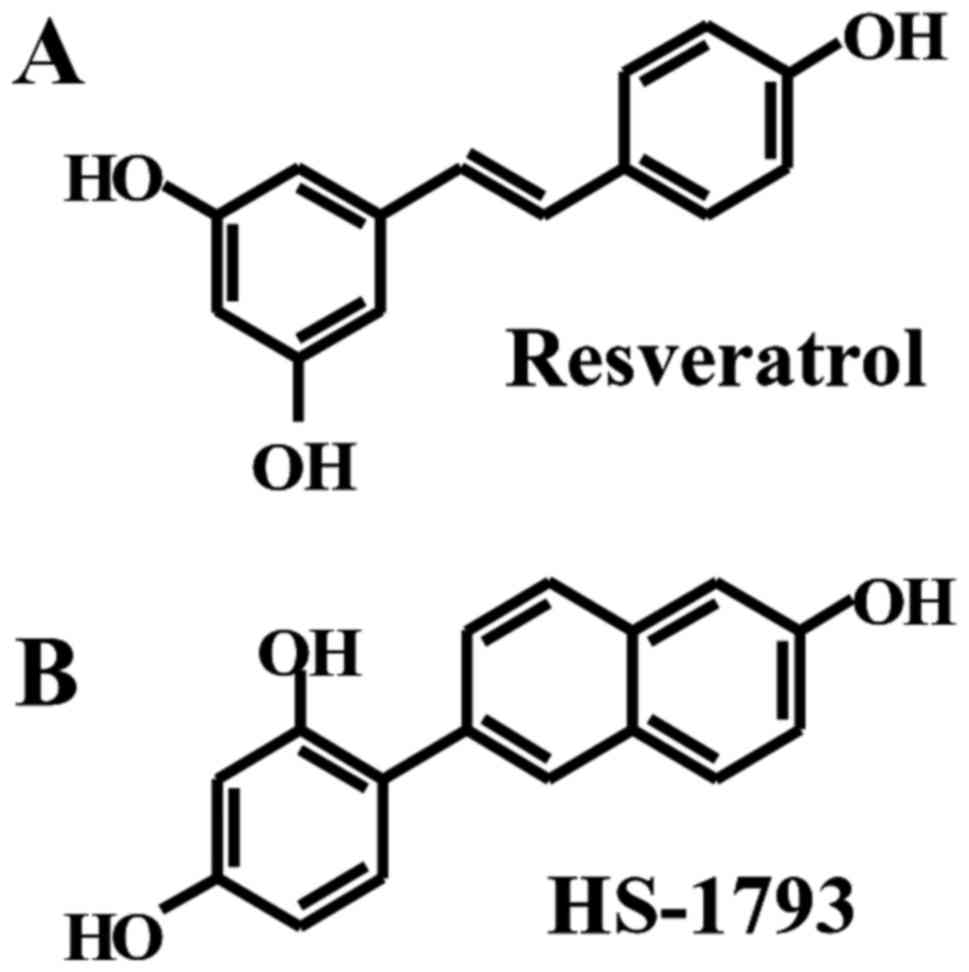
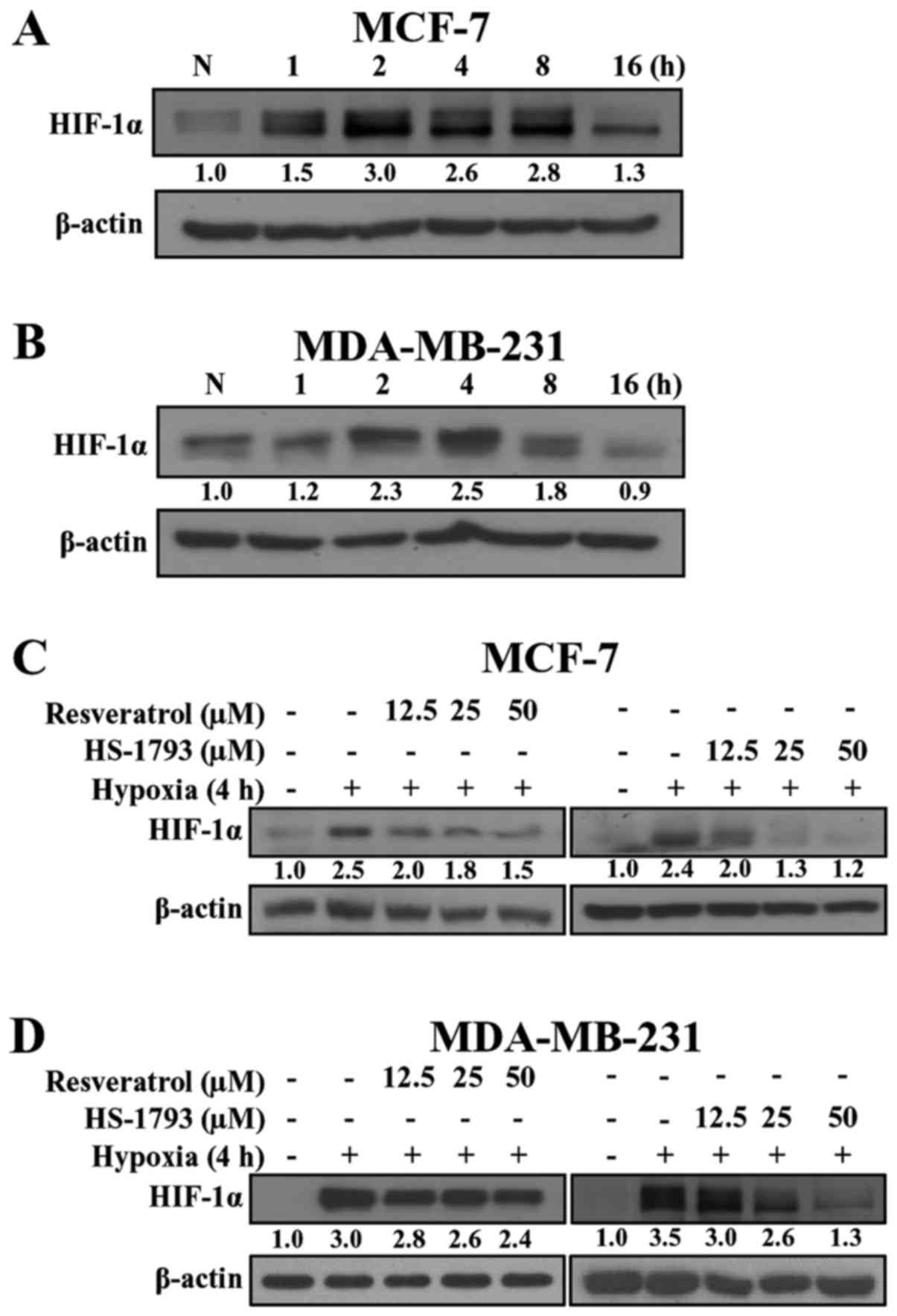
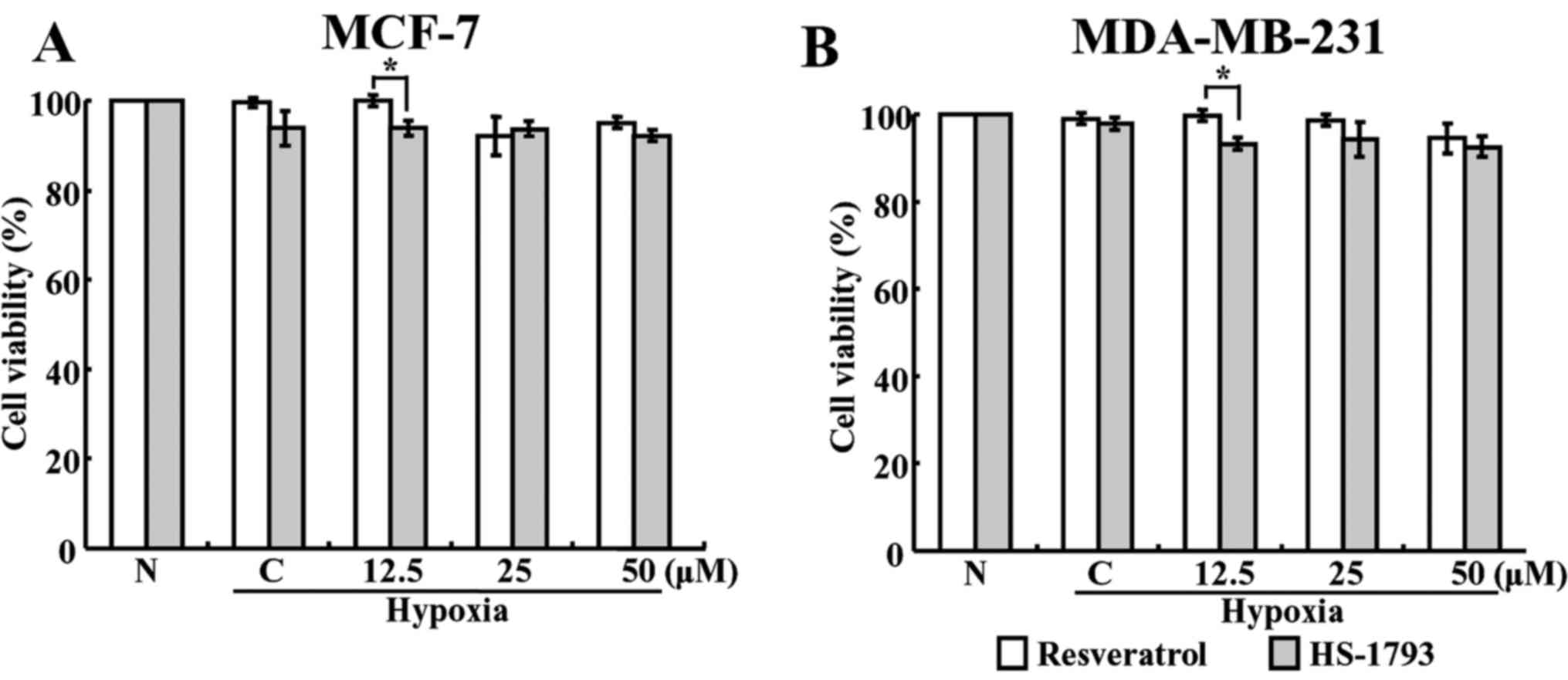
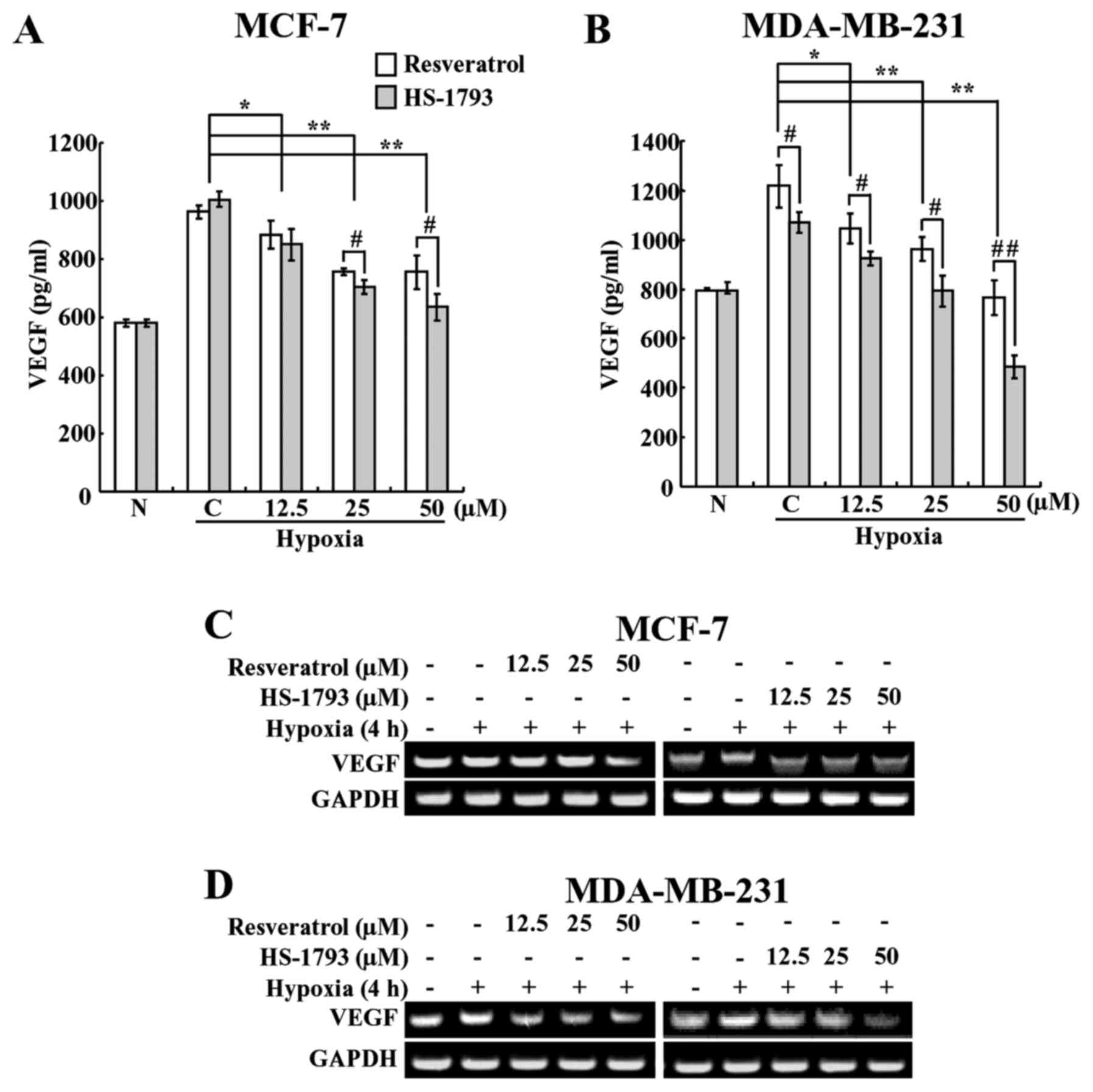
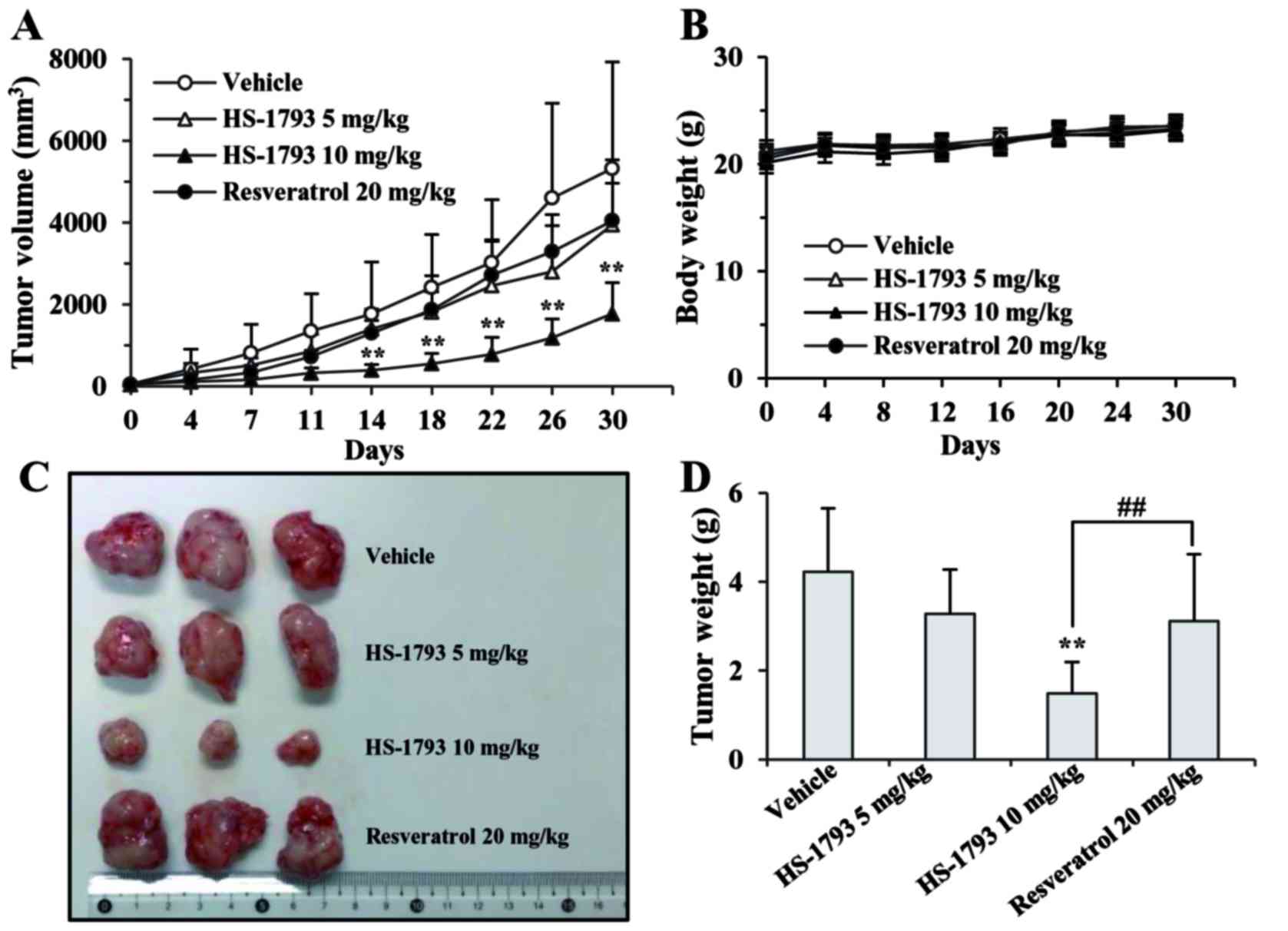
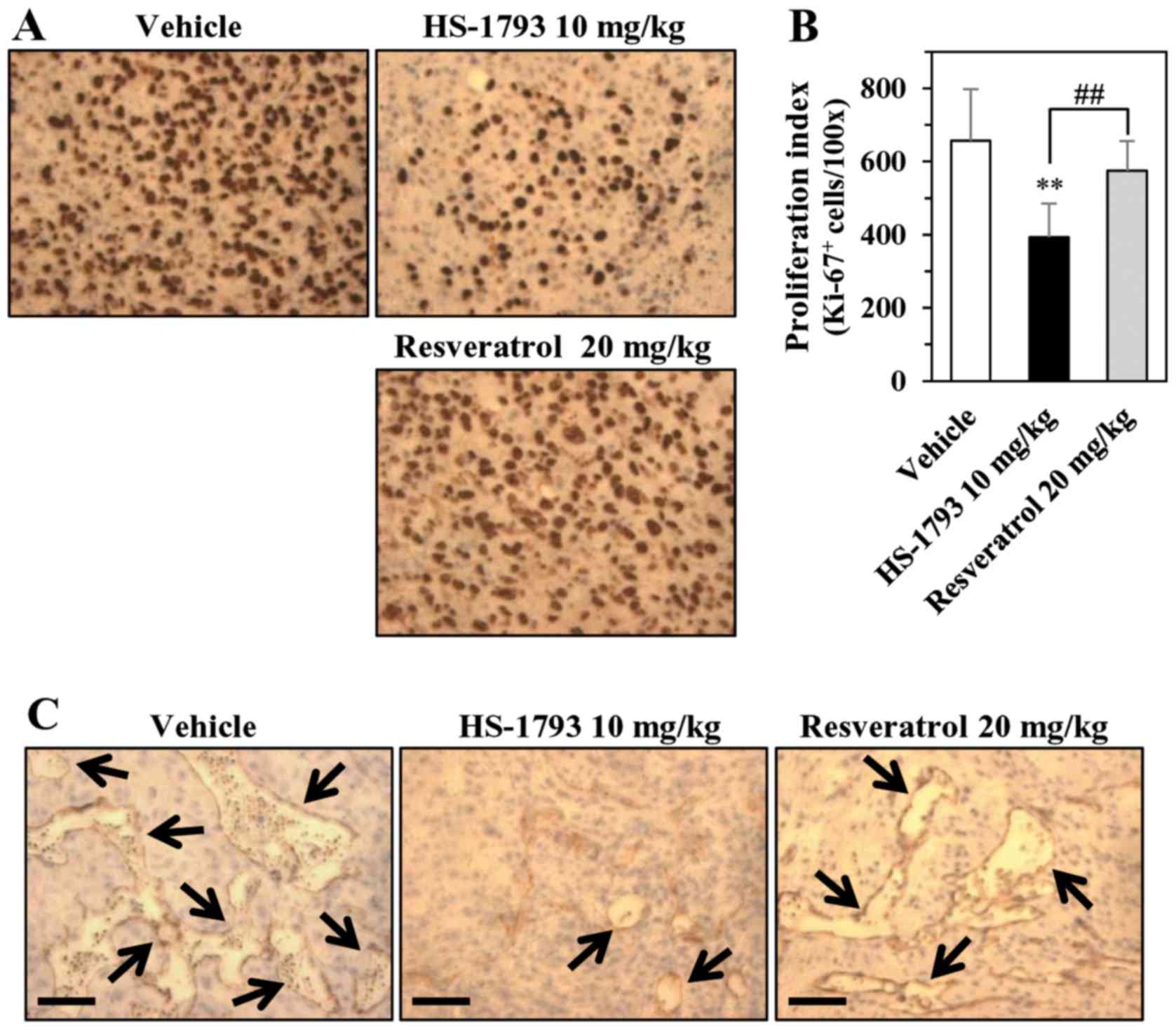
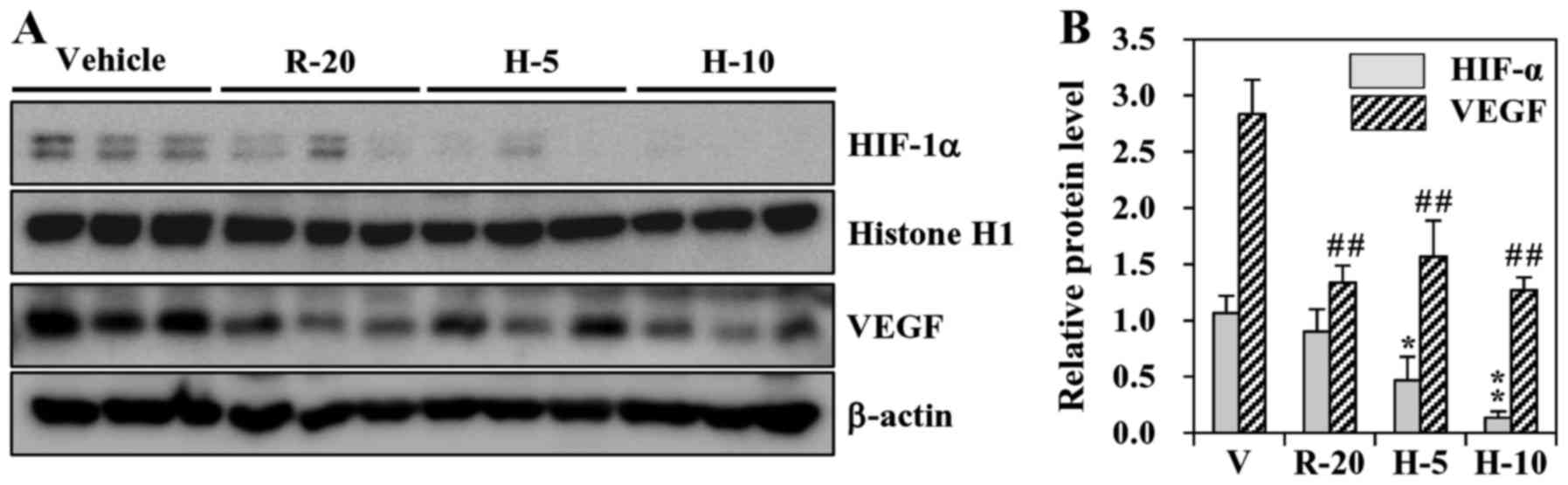
A synthetic analogue of resveratrol, 4-(6-hydroxy-2-naphtyl)-1,3-benzenediol (HS-1793), with improved photosensitivity and stability profiles, has been recently reported to exert anticancer activity on various cancer cells. However, the molecular mechanism of action and in vivo efficacy of HS-1793 in breast cancer cells have not been fully investigated. In the present study, we evaluated the effect of HS-1793 on hypoxia-inducible factor-1α (HIF-1α), which drives angiogenesis and the growth of solid tumors, in addition to the in vivo therapeutic effects of HS-1793 on breast cancer cells. HS-1793 was found to inhibit hypoxia (1.0% oxygen)-induced HIF-1α expression at the protein level, and its inhibitory effect was more potent than that of resveratrol in MCF-7 and MDA-MB-231 breast cancer cells. Furthermore, HS-1793 reduced the secretion and mRNA expression of vascular endothelial growth factor (VEGF), a key mediator of HIF-1-driven angiogenesis, without affecting cell viability. To evaluate the anticancer effects of HS-1793 in vivo, triple-negative MDA-MB-231 breast cancer xenografts were established in nude mice. HS-1793 significantly suppressed the growth of breast cancer tumor xenografts, without any apparent toxicity. Additionally, decreases in Ki-67, a proliferation index marker, and CD31, a biomarker of microvessel density, were observed in the tumor tissue. Expression of HIF-1 and VEGF was also downregulated in xenograft tumors treated with HS-1793. These in vivo results reinforce the improved anticancer activity of HS-1793 when compared with that of resveratrol. Overall, the present study suggests that the synthetic resveratrol analogue HS-1793 is a potent antitumor agent that inhibits tumor growth via the regulation of HIF-1, and demonstrates significant therapeutic potential for solid cancers.
View Figures

Figure 1

Figure 2

Figure 3

Figure 4

Figure 5

Figure 6

Figure 7

View References

1 

Torre LA, Islami F, Siegel RL, Ward EM and Jemal A: Global cancer in women: Burden and trends. Cancer Epidemiol Biomarkers Prev. 26:444–457. 2017. View Article : Google Scholar : PubMed/NCBI

2 

Brenton JD, Carey LA, Ahmed AA and Caldas C: Molecular classification and molecular forecasting of breast cancer: Ready for clinical application? J Clin Oncol. 23:7350–7360. 2005. View Article : Google Scholar : PubMed/NCBI

3 

Anders CK and Carey LA: Biology, metastatic patterns, and treatment of patients with triple-negative breast cancer. Clin Breast Cancer. 9(Suppl 2): S73–S81. 2009. View Article : Google Scholar : PubMed/NCBI

4 

Yadav BS, Sharma SC, Chanana P and Jhamb S: Systemic treatment strategies for triple-negative breast cancer. World J Clin Oncol. 5:125–133. 2014. View Article : Google Scholar : PubMed/NCBI

5 

Tao M, Ma D, Li Y, Zhou C, Li Y, Zhang Y, Duan W, Xu X, Wang R, Wu L, et al: Clinical significance of circulating tumor cells in breast cancer patients. Breast Cancer Res Treat. 129:247–254. 2011. View Article : Google Scholar : PubMed/NCBI

6 

Voss MJ, Möller MF, Powe DG, Niggemann B, Zänker KS and Entschladen F: Luminal and basal-like breast cancer cells show increased migration induced by hypoxia, mediated by an autocrine mechanism. BMC Cancer. 11:1582011. View Article : Google Scholar : PubMed/NCBI

7 

Pouysségur J, Dayan F and Mazure NM: Hypoxia signalling in cancer and approaches to enforce tumour regression. Nature. 441:437–443. 2006. View Article : Google Scholar : PubMed/NCBI

8 

Wilson WR and Hay MP: Targeting hypoxia in cancer therapy. Nat Rev Cancer. 11:393–410. 2011. View Article : Google Scholar : PubMed/NCBI

9 

Semenza GL: Oxygen sensing, hypoxia-inducible factors, and disease pathophysiology. Annu Rev Pathol. 9:47–71. 2014. View Article : Google Scholar

10 

Semenza GL: The hypoxic tumor microenvironment: A driving force for breast cancer progression. Biochim Biophys Acta. 1863:382–391. 2016. View Article : Google Scholar

11 

Kroemer G and Pouyssegur J: Tumor cell metabolism: Cancer's Achilles' heel. Cancer Cell. 13:472–482. 2008. View Article : Google Scholar : PubMed/NCBI

12 

Bernardi R and Gianni L: Hallmarks of triple negative breast cancer emerging at last? Cell Res. 24:904–905. 2014. View Article : Google Scholar : PubMed/NCBI

13 

Cancer Genome Atlas N; Cancer Genome Atlas Network: Comprehensive molecular portraits of human breast tumours. Nature. 490:61–70. 2012. View Article : Google Scholar : PubMed/NCBI

14 

Stopeck AT, Brown-Glaberman U, Wong HY, Park BH, Barnato SE, Gradishar WJ, Hudis CA and Rugo HS: The role of targeted therapy and biomarkers in breast cancer treatment. Clin Exp Metastasis. 29:807–819. 2012. View Article : Google Scholar : PubMed/NCBI

15 

Wang GL, Jiang BH, Rue EA and Semenza GL: Hypoxia-inducible factor 1 is a basic-helix-loop-helix-PAS heterodimer regulated by cellular O2 tension. Proc Natl Acad Sci USA. 92:5510–5514. 1995. View Article : Google Scholar

16 

Semenza GL: Hypoxia-inducible factors: Mediators of cancer progression and targets for cancer therapy. Trends Pharmacol Sci. 33:207–214. 2012. View Article : Google Scholar : PubMed/NCBI

17 

Semenza GL: Hypoxia-inducible factor 1: Master regulator of O2 homeostasis. Curr Opin Genet Dev. 8:588–594. 1998. View Article : Google Scholar : PubMed/NCBI

18 

Ke Q and Costa M: Hypoxia-inducible factor-1 (HIF-1). Mol Pharmacol. 70:1469–1480. 2006. View Article : Google Scholar : PubMed/NCBI

19 

Smoliga JM, Baur JA and Hausenblas HA: Resveratrol and health - a comprehensive review of human clinical trials. Mol Nutr Food Res. 55:1129–1141. 2011. View Article : Google Scholar : PubMed/NCBI

20 

Aggarwal BB, Bhardwaj A, Aggarwal RS, Seeram NP, Shishodia S and Takada Y: Role of resveratrol in prevention and therapy of cancer: Preclinical and clinical studies. Anticancer Res. 24:2783–2840. 2004.PubMed/NCBI

21 

Jeong SH, Song IS, Kim HK, Lee SR, Song S, Suh H, Yoon YG, Yoo YH, Kim N, Rhee BD, et al: An analogue of resveratrol HS-1793 exhibits anticancer activity against MCF-7 cells via inhibition of mitochondrial biogenesis gene expression. Mol Cell. 34:357–365. 2012. View Article : Google Scholar

22 

Kim HJ, Yang KM, Park YS, Choi YJ, Yun JH, Son CH, Suh HS, Jeong MH and Jo WS: The novel resveratrol analogue HS-1793 induces apoptosis via the mitochondrial pathway in murine breast cancer cells. Int J Oncol. 41:1628–1634. 2012.PubMed/NCBI

23 

Jeong SH, Jo WS, Song S, Suh H, Seol SY, Leem SH, Kwon TK and Yoo YH: A novel resveratrol derivative, HS1793, overcomes the resistance conferred by Bcl-2 in human leukemic U937 cells. Biochem Pharmacol. 77:1337–1347. 2009. View Article : Google Scholar : PubMed/NCBI

24 

Jeong NY, Yoon YG, Rho JH, Lee JS, Lee SY, Yoo KS, Song S, Suh H, Choi YH and Yoo YH: The novel resveratrol analog HS-1793-induced polyploid LNCaP prostate cancer cells are vulnerable to downregulation of Bcl-xL. Int J Oncol. 38:1597–1604. 2011.PubMed/NCBI

25 

Jeong SH, Lee JS, Jeong NY, Kim TH, Yoo KS, Song S, Suh H, Kwon TK, Park BS and Yoo YH: A novel resveratrol analogue HS-1793 treatment overcomes the resistance conferred by Bcl-2 and is associated with the formation of mature PML nuclear bodies in renal clear cell carcinoma Caki-1 cells. Int J Oncol. 35:1353–1360. 2009.PubMed/NCBI

26 

Jeong MH, Yang KM, Choi YJ, Kim SD, Yoo YH, Seo SY, Lee SH, Ryu SR, Lee CM, Suh H, et al: Resveratrol analog, HS-1793 enhance anti-tumor immunity by reducing the CD4+CD25+ regulatory T cells in FM3A tumor bearing mice. Int Immunopharmacol. 14:328–333. 2012. View Article : Google Scholar : PubMed/NCBI

27 

Kim JA, Kim DH, Hossain MA, Kim MY, Sung B, Yoon JH, Suh H, Jeong TC, Chung HY and Kim ND: HS-1793, a resveratrol analogue, induces cell cycle arrest and apoptotic cell death in human breast cancer cells. Int J Oncol. 44:473–480. 2014.

28 

Um HJ, Bae JH, Park JW, Suh H, Jeong NY, Yoo YH and Kwon TK: Differential effects of resveratrol and novel resveratrol derivative, HS-1793, on endoplasmic reticulum stress-mediated apoptosis and Akt inactivation. Int J Oncol. 36:1007–1013. 2010.PubMed/NCBI

29 

Kim DH, Hossain MA, Kim MY, Kim JA, Yoon JH, Suh HS, Kim GY, Choi YH, Chung HY and Kim ND: A novel resveratrol analogue, HS-1793, inhibits hypoxia-induced HIF-1α and VEGF expression, and migration in human prostate cancer cells. Int J Oncol. 43:1915–1924. 2013.PubMed/NCBI

30 

Kim DH, Kim MJ, Sung B, Suh H, Jung JH, Chung HY and Kim ND: Resveratrol analogue, HS-1793, induces apoptotic cell death and cell cycle arrest through downregulation of AKT in human colon cancer cells. Oncol Rep. 37:281–288. 2017.

31 

Tada H, Shiho O, Kuroshima K, Koyama M and Tsukamoto K: An improved colorimetric assay for interleukin 2. J Immunol Methods. 93:157–165. 1986. View Article : Google Scholar : PubMed/NCBI

32 

Sung B, Park S, Ha YM, Kim DH, Park CH, Jung KJ, Kim MS, Kim YJ, Kim MK, Moon JO, et al: Salicylideneamino-2-thiophenol modulates nuclear factor-κB through redox regulation during the aging process. Geriatr Gerontol Int. 15:211–219. 2015. View Article : Google Scholar

33 

Semenza GL: Hypoxia, clonal selection, and the role of HIF-1 in tumor progression. Crit Rev Biochem Mol Biol. 35:71–103. 2000. View Article : Google Scholar : PubMed/NCBI

34 

Folkman J: Role of angiogenesis in tumor growth and metastasis. Semin Oncol. 29(Suppl 16): 15–18. 2002. View Article : Google Scholar

35 

Schindl M, Schoppmann SF, Samonigg H, Hausmaninger H, Kwasny W, Gnant M, Jakesz R, Kubista E, Birner P and Oberhuber G; Austrian Breast and Colorectal Cancer Study Group: Overexpression of hypoxia-inducible factor 1alpha is associated with an unfavorable prognosis in lymph node-positive breast cancer. Clin Cancer Res. 8:1831–1837. 2002.PubMed/NCBI

36 

Huang M, Chen Q, Xiao J, Yao T, Bian L, Liu C and Lin Z: Overexpression of hypoxia-inducible factor-1α is a predictor of poor prognosis in cervical cancer: A clinicopathologic study and a meta-analysis. Int J Gynecol Cancer. 24:1054–1064. 2014. View Article : Google Scholar : PubMed/NCBI

37 

Hubbi ME, Gilkes DM, Hu H, Kshitiz, Ahmed I and Semenza GL: Cyclin-dependent kinases regulate lysosomal degradation of hypoxia-inducible factor 1α to promote cell-cycle progression. Proc Natl Acad Sci USA. 111:E3325–E3334. 2014. View Article : Google Scholar

38 

Forsythe JA, Jiang BH, Iyer NV, Agani F, Leung SW, Koos RD and Semenza GL: Activation of vascular endothelial growth factor gene transcription by hypoxia-inducible factor 1. Mol Cell Biol. 16:4604–4613. 1996. View Article : Google Scholar : PubMed/NCBI

39 

Carbó N, Costelli P, Baccino FM, López-Soriano FJ and Argilés JM: Resveratrol, a natural product present in wine, decreases tumour growth in a rat tumour model. Biochem Biophys Res Commun. 254:739–743. 1999. View Article : Google Scholar : PubMed/NCBI

40 

Wu SL, Sun ZJ, Yu L, Meng KW, Qin XL and Pan CE: Effect of resveratrol and in combination with 5-FU on murine liver cancer. World J Gastroenterol. 10:3048–3052. 2004. View Article : Google Scholar : PubMed/NCBI

41 

Kimura Y and Okuda H: Resveratrol isolated from Polygonum cuspidatum root prevents tumor growth and metastasis to lung and tumor-induced neovascularization in Lewis lung carcinoma-bearing mice. J Nutr. 131:1844–1849. 2001.PubMed/NCBI

42 

Marier JF, Vachon P, Gritsas A, Zhang J, Moreau JP and Ducharme MP: Metabolism and disposition of resveratrol in rats: Extent of absorption, glucuronidation, and enterohepatic recirculation evidenced by a linked-rat model. J Pharmacol Exp Ther. 302:369–373. 2002. View Article : Google Scholar : PubMed/NCBI

43 

Garvin S, Ollinger K and Dabrosin C: Resveratrol induces apoptosis and inhibits angiogenesis in human breast cancer xenografts in vivo. Cancer Lett. 231:113–122. 2006. View Article : Google Scholar

44 

Castillo-Pichardo L, Cubano LA and Dharmawardhane S: Dietary grape polyphenol resveratrol increases mammary tumor growth and metastasis in immunocompromised mice. BMC Complement Altern Med. 13:62013. View Article : Google Scholar : PubMed/NCBI

45 

Bove K, Lincoln DW and Tsan MF: Effect of resveratrol on growth of 4T1 breast cancer cells in vitro and in vivo. Biochem Biophys Res Commun. 291:1001–1005. 2002. View Article : Google Scholar : PubMed/NCBI

46 

Jeong SK, Yang K, Park YS, Choi YJ, Oh SJ, Lee CW, Lee KY, Jeong MH and Jo WS: Interferon gamma induced by resveratrol analog, HS-1793, reverses the properties of tumor associated macrophages. Int Immunopharmacol. 22:303–310. 2014. View Article : Google Scholar : PubMed/NCBI

Related Articles

  • Abstract
  • View
  • Download
  • Twitter
Copy and paste a formatted citation
Spandidos Publications style
Kim DH, Sung B, Kim J, Kang YJ, Hwang SY, Hwang N, Suh H, Choi YH, Im E, Chung HY, Chung HY, et al: HS-1793, a resveratrol analogue, downregulates the expression of hypoxia-induced HIF-1 and VEGF and inhibits tumor growth of human breast cancer cells in a nude mouse xenograft model. Int J Oncol 51: 715-723, 2017.
APA
Kim, D.H., Sung, B., Kim, J., Kang, Y.J., Hwang, S.Y., Hwang, N. ... Kim, N.D. (2017). HS-1793, a resveratrol analogue, downregulates the expression of hypoxia-induced HIF-1 and VEGF and inhibits tumor growth of human breast cancer cells in a nude mouse xenograft model. International Journal of Oncology, 51, 715-723. https://doi.org/10.3892/ijo.2017.4058
MLA
Kim, D. H., Sung, B., Kim, J., Kang, Y. J., Hwang, S. Y., Hwang, N., Suh, H., Choi, Y. H., Im, E., Chung, H. Y., Kim, N. D."HS-1793, a resveratrol analogue, downregulates the expression of hypoxia-induced HIF-1 and VEGF and inhibits tumor growth of human breast cancer cells in a nude mouse xenograft model". International Journal of Oncology 51.2 (2017): 715-723.
Chicago
Kim, D. H., Sung, B., Kim, J., Kang, Y. J., Hwang, S. Y., Hwang, N., Suh, H., Choi, Y. H., Im, E., Chung, H. Y., Kim, N. D."HS-1793, a resveratrol analogue, downregulates the expression of hypoxia-induced HIF-1 and VEGF and inhibits tumor growth of human breast cancer cells in a nude mouse xenograft model". International Journal of Oncology 51, no. 2 (2017): 715-723. https://doi.org/10.3892/ijo.2017.4058
Copy and paste a formatted citation
x
Spandidos Publications style
Kim DH, Sung B, Kim J, Kang YJ, Hwang SY, Hwang N, Suh H, Choi YH, Im E, Chung HY, Chung HY, et al: HS-1793, a resveratrol analogue, downregulates the expression of hypoxia-induced HIF-1 and VEGF and inhibits tumor growth of human breast cancer cells in a nude mouse xenograft model. Int J Oncol 51: 715-723, 2017.
APA
Kim, D.H., Sung, B., Kim, J., Kang, Y.J., Hwang, S.Y., Hwang, N. ... Kim, N.D. (2017). HS-1793, a resveratrol analogue, downregulates the expression of hypoxia-induced HIF-1 and VEGF and inhibits tumor growth of human breast cancer cells in a nude mouse xenograft model. International Journal of Oncology, 51, 715-723. https://doi.org/10.3892/ijo.2017.4058
MLA
Kim, D. H., Sung, B., Kim, J., Kang, Y. J., Hwang, S. Y., Hwang, N., Suh, H., Choi, Y. H., Im, E., Chung, H. Y., Kim, N. D."HS-1793, a resveratrol analogue, downregulates the expression of hypoxia-induced HIF-1 and VEGF and inhibits tumor growth of human breast cancer cells in a nude mouse xenograft model". International Journal of Oncology 51.2 (2017): 715-723.
Chicago
Kim, D. H., Sung, B., Kim, J., Kang, Y. J., Hwang, S. Y., Hwang, N., Suh, H., Choi, Y. H., Im, E., Chung, H. Y., Kim, N. D."HS-1793, a resveratrol analogue, downregulates the expression of hypoxia-induced HIF-1 and VEGF and inhibits tumor growth of human breast cancer cells in a nude mouse xenograft model". International Journal of Oncology 51, no. 2 (2017): 715-723. https://doi.org/10.3892/ijo.2017.4058
Follow us
  • Twitter
  • LinkedIn
  • Facebook
About
  • Spandidos Publications
  • Careers
  • Cookie Policy
  • Privacy Policy
How can we help?
  • Help
  • Live Chat
  • Contact
  • Email to our Support Team