Spandidos Publications Logo
  • About
    • About Spandidos
    • Aims and Scopes
    • Abstracting and Indexing
    • Editorial Policies
    • Reprints and Permissions
    • Job Opportunities
    • Terms and Conditions
    • Contact
  • Journals
    • All Journals
    • Oncology Letters
      • Oncology Letters
      • Information for Authors
      • Editorial Policies
      • Editorial Board
      • Aims and Scope
      • Abstracting and Indexing
      • Bibliographic Information
      • Archive
    • International Journal of Oncology
      • International Journal of Oncology
      • Information for Authors
      • Editorial Policies
      • Editorial Board
      • Aims and Scope
      • Abstracting and Indexing
      • Bibliographic Information
      • Archive
    • Molecular and Clinical Oncology
      • Molecular and Clinical Oncology
      • Information for Authors
      • Editorial Policies
      • Editorial Board
      • Aims and Scope
      • Abstracting and Indexing
      • Bibliographic Information
      • Archive
    • Experimental and Therapeutic Medicine
      • Experimental and Therapeutic Medicine
      • Information for Authors
      • Editorial Policies
      • Editorial Board
      • Aims and Scope
      • Abstracting and Indexing
      • Bibliographic Information
      • Archive
    • International Journal of Molecular Medicine
      • International Journal of Molecular Medicine
      • Information for Authors
      • Editorial Policies
      • Editorial Board
      • Aims and Scope
      • Abstracting and Indexing
      • Bibliographic Information
      • Archive
    • Biomedical Reports
      • Biomedical Reports
      • Information for Authors
      • Editorial Policies
      • Editorial Board
      • Aims and Scope
      • Abstracting and Indexing
      • Bibliographic Information
      • Archive
    • Oncology Reports
      • Oncology Reports
      • Information for Authors
      • Editorial Policies
      • Editorial Board
      • Aims and Scope
      • Abstracting and Indexing
      • Bibliographic Information
      • Archive
    • Molecular Medicine Reports
      • Molecular Medicine Reports
      • Information for Authors
      • Editorial Policies
      • Editorial Board
      • Aims and Scope
      • Abstracting and Indexing
      • Bibliographic Information
      • Archive
    • World Academy of Sciences Journal
      • World Academy of Sciences Journal
      • Information for Authors
      • Editorial Policies
      • Editorial Board
      • Aims and Scope
      • Abstracting and Indexing
      • Bibliographic Information
      • Archive
    • International Journal of Functional Nutrition
      • International Journal of Functional Nutrition
      • Information for Authors
      • Editorial Policies
      • Editorial Board
      • Aims and Scope
      • Abstracting and Indexing
      • Bibliographic Information
      • Archive
    • International Journal of Epigenetics
      • International Journal of Epigenetics
      • Information for Authors
      • Editorial Policies
      • Editorial Board
      • Aims and Scope
      • Abstracting and Indexing
      • Bibliographic Information
      • Archive
    • Medicine International
      • Medicine International
      • Information for Authors
      • Editorial Policies
      • Editorial Board
      • Aims and Scope
      • Abstracting and Indexing
      • Bibliographic Information
      • Archive
  • Articles
  • Information
    • Information for Authors
    • Information for Reviewers
    • Information for Librarians
    • Information for Advertisers
    • Conferences
  • Language Editing
Spandidos Publications Logo
  • About
    • About Spandidos
    • Aims and Scopes
    • Abstracting and Indexing
    • Editorial Policies
    • Reprints and Permissions
    • Job Opportunities
    • Terms and Conditions
    • Contact
  • Journals
    • All Journals
    • Biomedical Reports
      • Information for Authors
      • Editorial Policies
      • Editorial Board
      • Aims and Scope
      • Abstracting and Indexing
      • Bibliographic Information
      • Archive
    • Experimental and Therapeutic Medicine
      • Information for Authors
      • Editorial Policies
      • Editorial Board
      • Aims and Scope
      • Abstracting and Indexing
      • Bibliographic Information
      • Archive
    • International Journal of Epigenetics
      • Information for Authors
      • Editorial Policies
      • Editorial Board
      • Aims and Scope
      • Abstracting and Indexing
      • Bibliographic Information
      • Archive
    • International Journal of Functional Nutrition
      • Information for Authors
      • Editorial Policies
      • Editorial Board
      • Aims and Scope
      • Abstracting and Indexing
      • Bibliographic Information
      • Archive
    • International Journal of Molecular Medicine
      • Information for Authors
      • Editorial Policies
      • Editorial Board
      • Aims and Scope
      • Abstracting and Indexing
      • Bibliographic Information
      • Archive
    • International Journal of Oncology
      • Information for Authors
      • Editorial Policies
      • Editorial Board
      • Aims and Scope
      • Abstracting and Indexing
      • Bibliographic Information
      • Archive
    • Medicine International
      • Information for Authors
      • Editorial Policies
      • Editorial Board
      • Aims and Scope
      • Abstracting and Indexing
      • Bibliographic Information
      • Archive
    • Molecular and Clinical Oncology
      • Information for Authors
      • Editorial Policies
      • Editorial Board
      • Aims and Scope
      • Abstracting and Indexing
      • Bibliographic Information
      • Archive
    • Molecular Medicine Reports
      • Information for Authors
      • Editorial Policies
      • Editorial Board
      • Aims and Scope
      • Abstracting and Indexing
      • Bibliographic Information
      • Archive
    • Oncology Letters
      • Information for Authors
      • Editorial Policies
      • Editorial Board
      • Aims and Scope
      • Abstracting and Indexing
      • Bibliographic Information
      • Archive
    • Oncology Reports
      • Information for Authors
      • Editorial Policies
      • Editorial Board
      • Aims and Scope
      • Abstracting and Indexing
      • Bibliographic Information
      • Archive
    • World Academy of Sciences Journal
      • Information for Authors
      • Editorial Policies
      • Editorial Board
      • Aims and Scope
      • Abstracting and Indexing
      • Bibliographic Information
      • Archive
  • Articles
  • Information
    • For Authors
    • For Reviewers
    • For Librarians
    • For Advertisers
    • Conferences
  • Language Editing
Login Register Submit
  • This site uses cookies
  • You can change your cookie settings at any time by following the instructions in our Cookie Policy. To find out more, you may read our Privacy Policy.

    I agree
Search articles by DOI, keyword, author or affiliation
Search
Advanced Search
presentation
International Journal of Oncology
Join Editorial Board Propose a Special Issue
Print ISSN: 1019-6439 Online ISSN: 1791-2423
Journal Cover
January-2018 Volume 52 Issue 1

Full Size Image

Cover Legend PDF

Sign up for eToc alerts
Recommend to Library

Journals

International Journal of Molecular Medicine

International Journal of Molecular Medicine

International Journal of Molecular Medicine is an international journal devoted to molecular mechanisms of human disease.

International Journal of Oncology

International Journal of Oncology

International Journal of Oncology is an international journal devoted to oncology research and cancer treatment.

Molecular Medicine Reports

Molecular Medicine Reports

Covers molecular medicine topics such as pharmacology, pathology, genetics, neuroscience, infectious diseases, molecular cardiology, and molecular surgery.

Oncology Reports

Oncology Reports

Oncology Reports is an international journal devoted to fundamental and applied research in Oncology.

Experimental and Therapeutic Medicine

Experimental and Therapeutic Medicine

Experimental and Therapeutic Medicine is an international journal devoted to laboratory and clinical medicine.

Oncology Letters

Oncology Letters

Oncology Letters is an international journal devoted to Experimental and Clinical Oncology.

Biomedical Reports

Biomedical Reports

Explores a wide range of biological and medical fields, including pharmacology, genetics, microbiology, neuroscience, and molecular cardiology.

Molecular and Clinical Oncology

Molecular and Clinical Oncology

International journal addressing all aspects of oncology research, from tumorigenesis and oncogenes to chemotherapy and metastasis.

World Academy of Sciences Journal

World Academy of Sciences Journal

Multidisciplinary open-access journal spanning biochemistry, genetics, neuroscience, environmental health, and synthetic biology.

International Journal of Functional Nutrition

International Journal of Functional Nutrition

Open-access journal combining biochemistry, pharmacology, immunology, and genetics to advance health through functional nutrition.

International Journal of Epigenetics

International Journal of Epigenetics

Publishes open-access research on using epigenetics to advance understanding and treatment of human disease.

Medicine International

Medicine International

An International Open Access Journal Devoted to General Medicine.

Journal Cover
January-2018 Volume 52 Issue 1

Full Size Image

Cover Legend PDF

Sign up for eToc alerts
Recommend to Library

  • Article
  • Citations
    • Cite This Article
    • Download Citation
    • Create Citation Alert
    • Remove Citation Alert
    • Cited By
  • Similar Articles
    • Related Articles (in Spandidos Publications)
    • Similar Articles (Google Scholar)
    • Similar Articles (PubMed)
  • Download PDF
  • Download XML
  • View XML
Article Open Access

Effect of bis(hydroxymethyl) alkanoate curcuminoid derivative MTH-3 on cell cycle arrest, apoptotic and autophagic pathway in triple-negative breast adenocarcinoma MDA-MB-231 cells: An in vitro study

  • Authors:
    • Ling-Chu Chang
    • Min-Tsang Hsieh
    • Jai-Sing Yang
    • Chi-Cheng Lu
    • Fuu-Jen Tsai
    • Je-Wei Tsao
    • Yu-Jen Chiu
    • Sheng-Chu Kuo
    • Kuo-Hsiung Lee
  • View Affiliations / Copyright

    Affiliations: Chinese Medicinal Research and Development Center, China Medical University Hospital, Taichung 404, R.O.C., Department of Medical Research, China Medical University Hospital, China Medical University, Taichung 404, R.O.C., Department of Pharmacy, Buddhist Tzu Chi General Hospital, Hualien 970, Taiwan, R.O.C., Human Genetic Center, China Medical University Hospital, Taichung 404, R.O.C., School of Pharmacy, China Medical University, Taichung 404, R.O.C., Division of Reconstructive and Plastic Surgery, Department of Surgery, Taipei Veterans General Hospital, Taipei 112, Taiwan, R.O.C.
    Copyright: © Chang et al. This is an open access article distributed under the terms of Creative Commons Attribution License.
  • Pages: 67-76
    |
    Published online on: November 14, 2017
       https://doi.org/10.3892/ijo.2017.4204
  • Expand metrics +
Metrics: Total Views: 0 (Spandidos Publications: | PMC Statistics: )
Metrics: Total PDF Downloads: 0 (Spandidos Publications: | PMC Statistics: )
Cited By (CrossRef): 0 citations Loading Articles...

This article is mentioned in:


Abstract

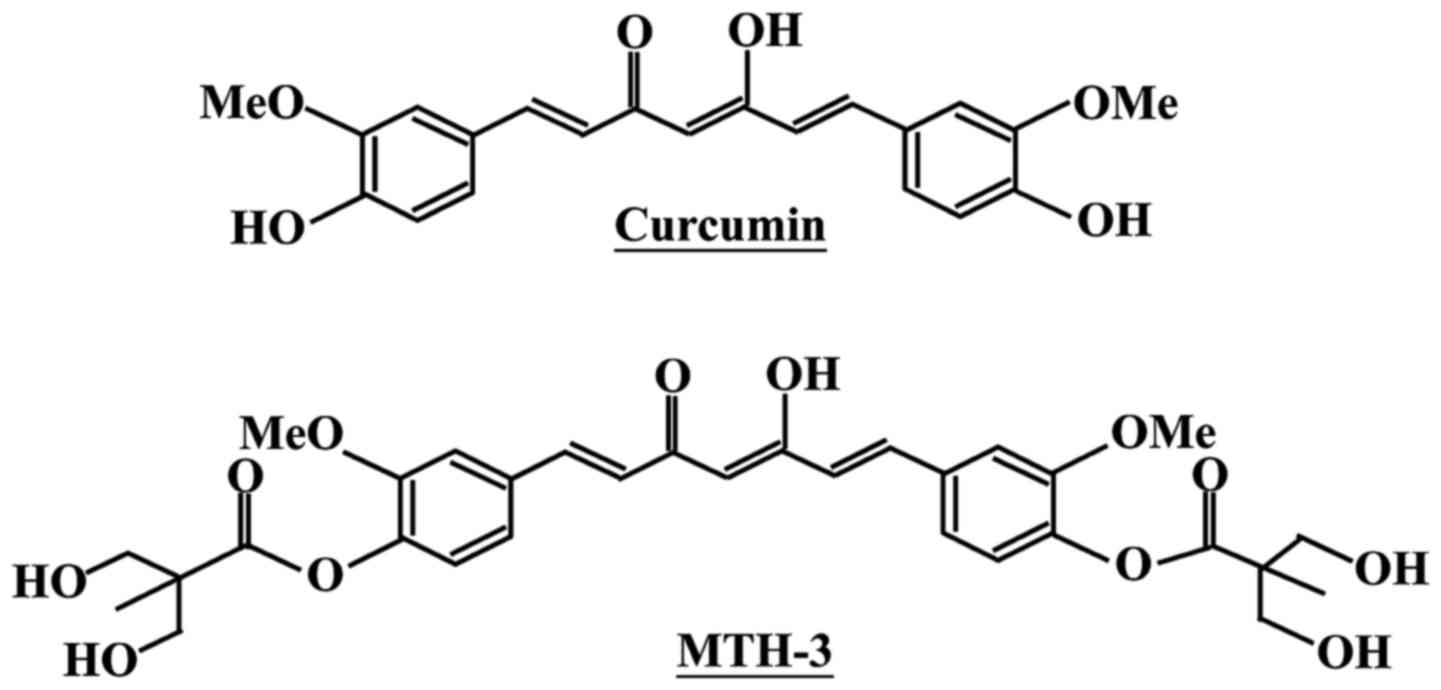
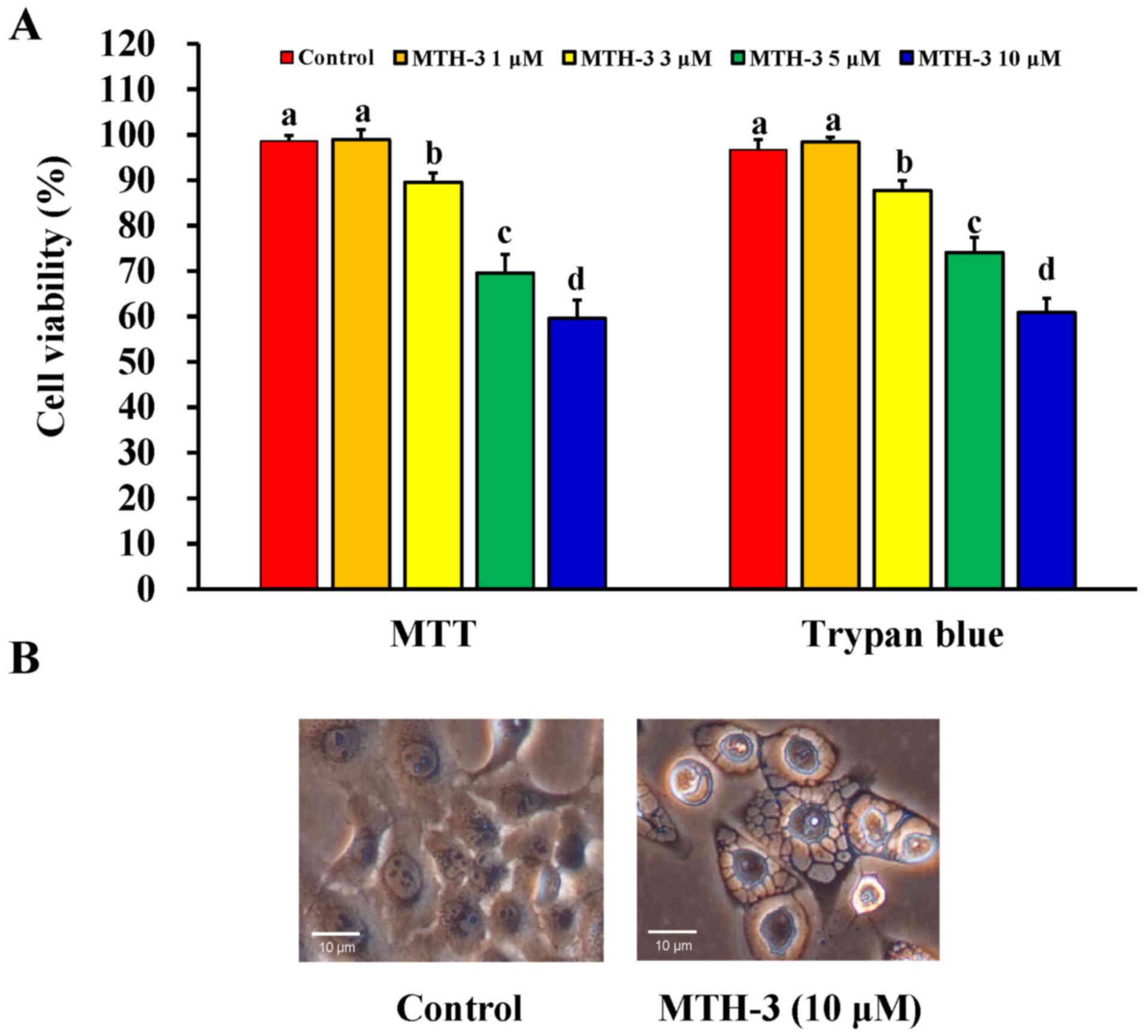
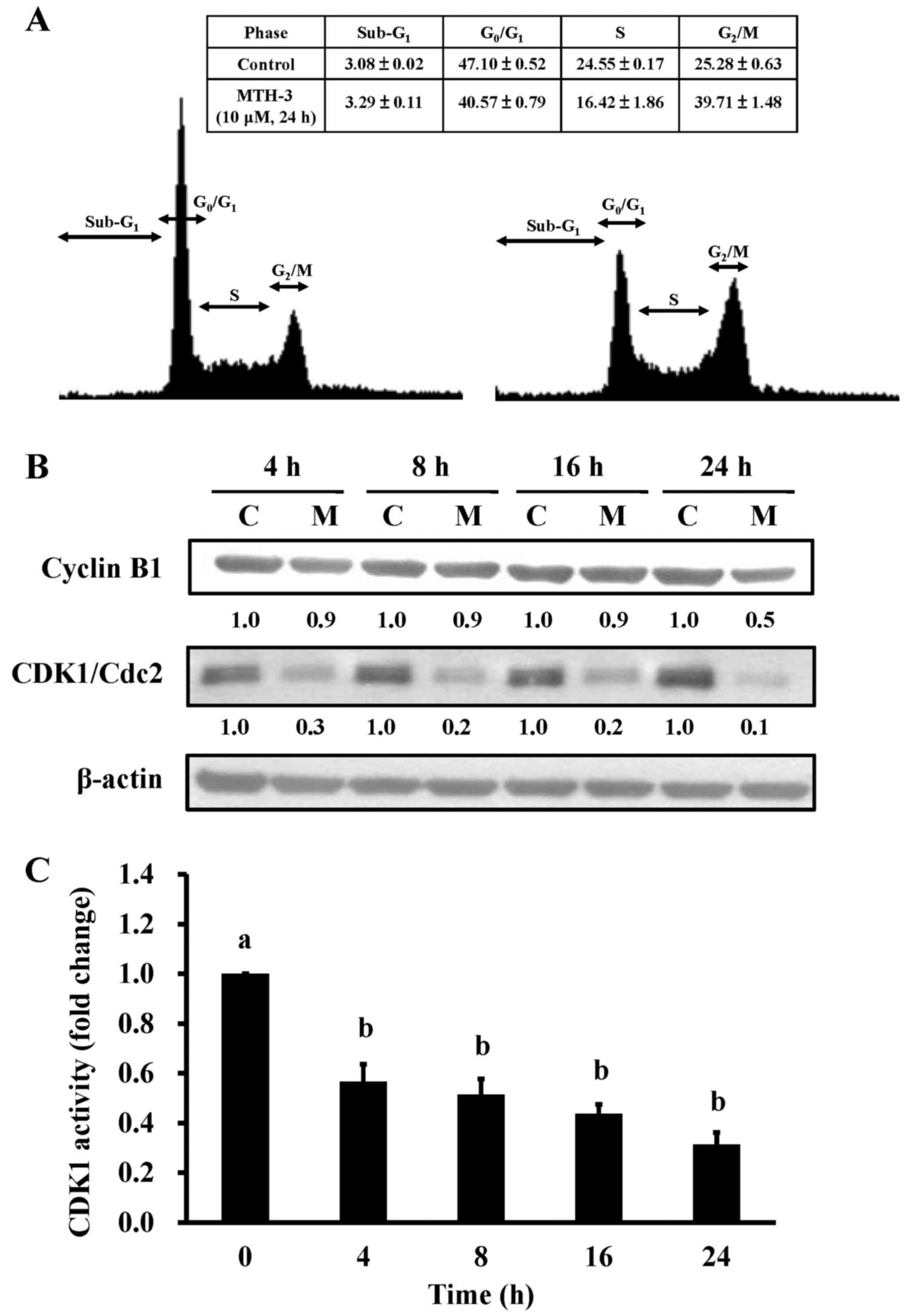
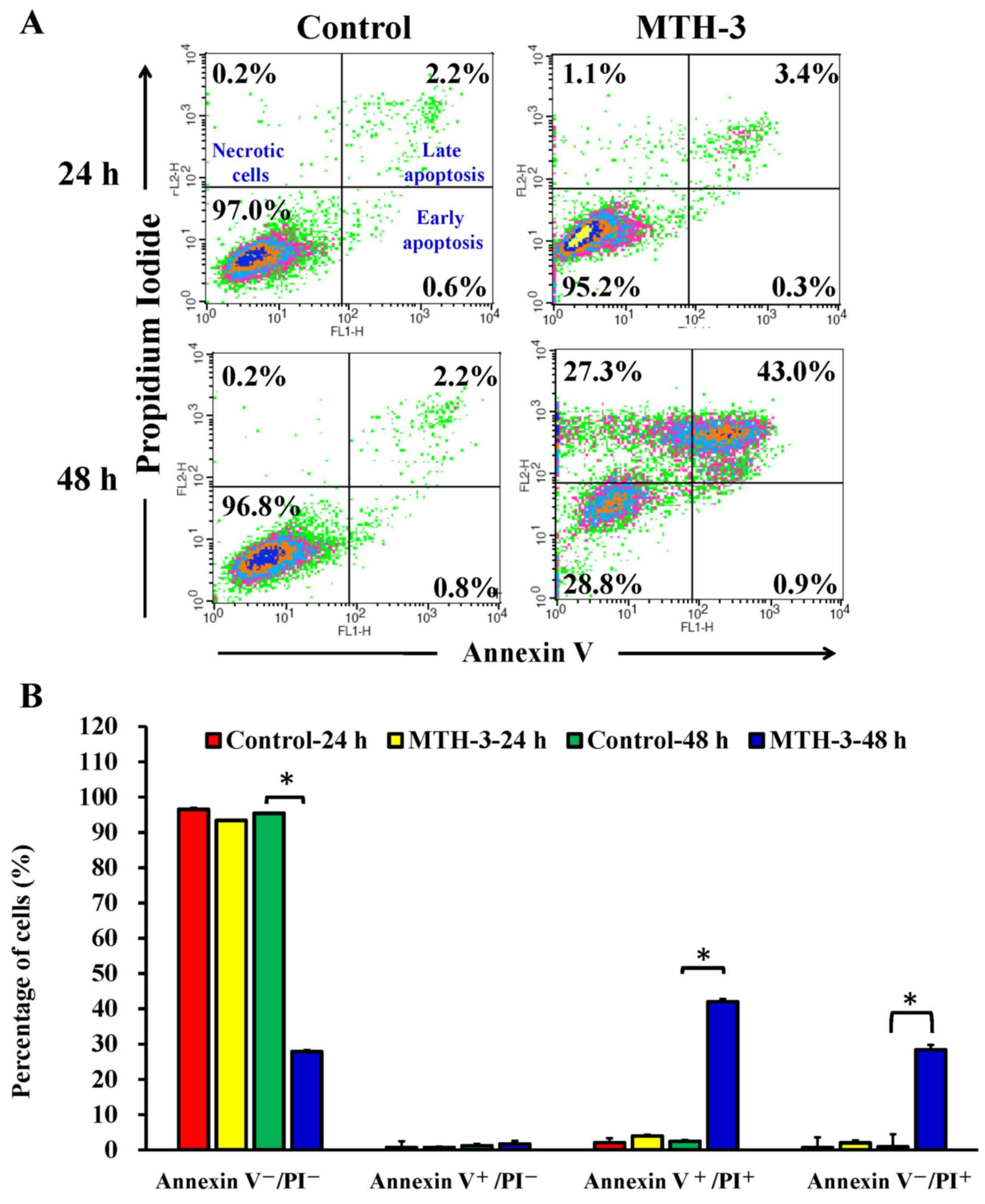
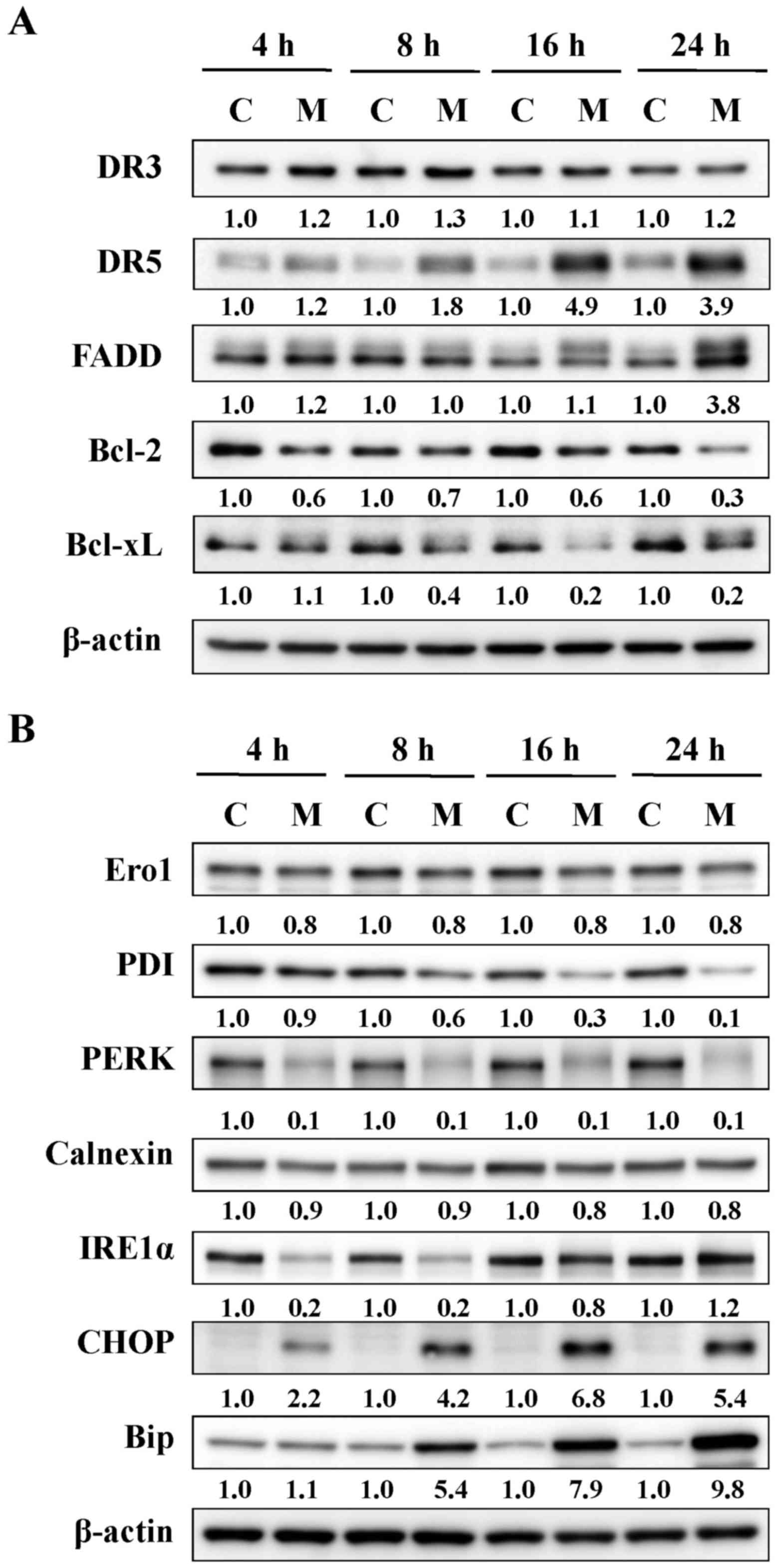
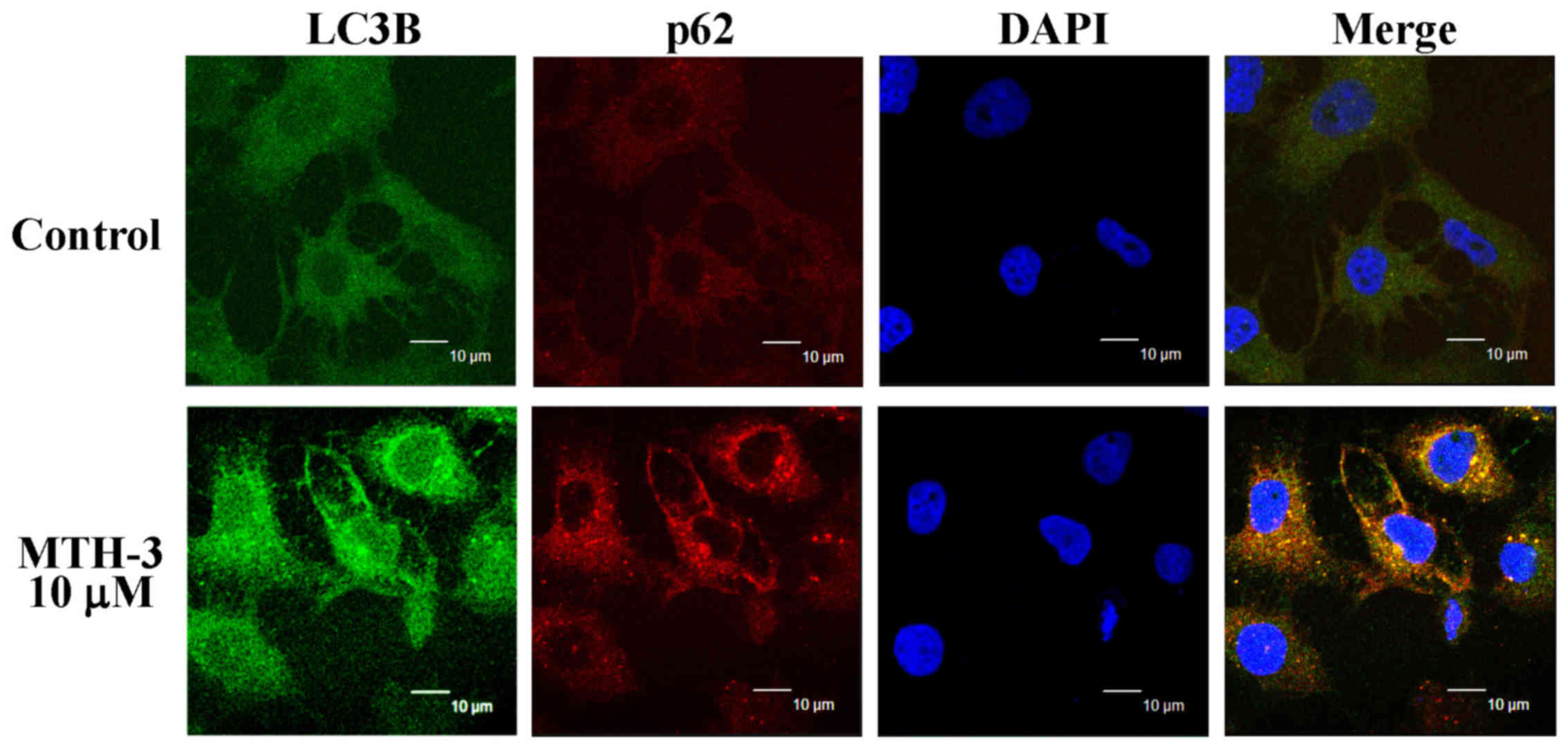
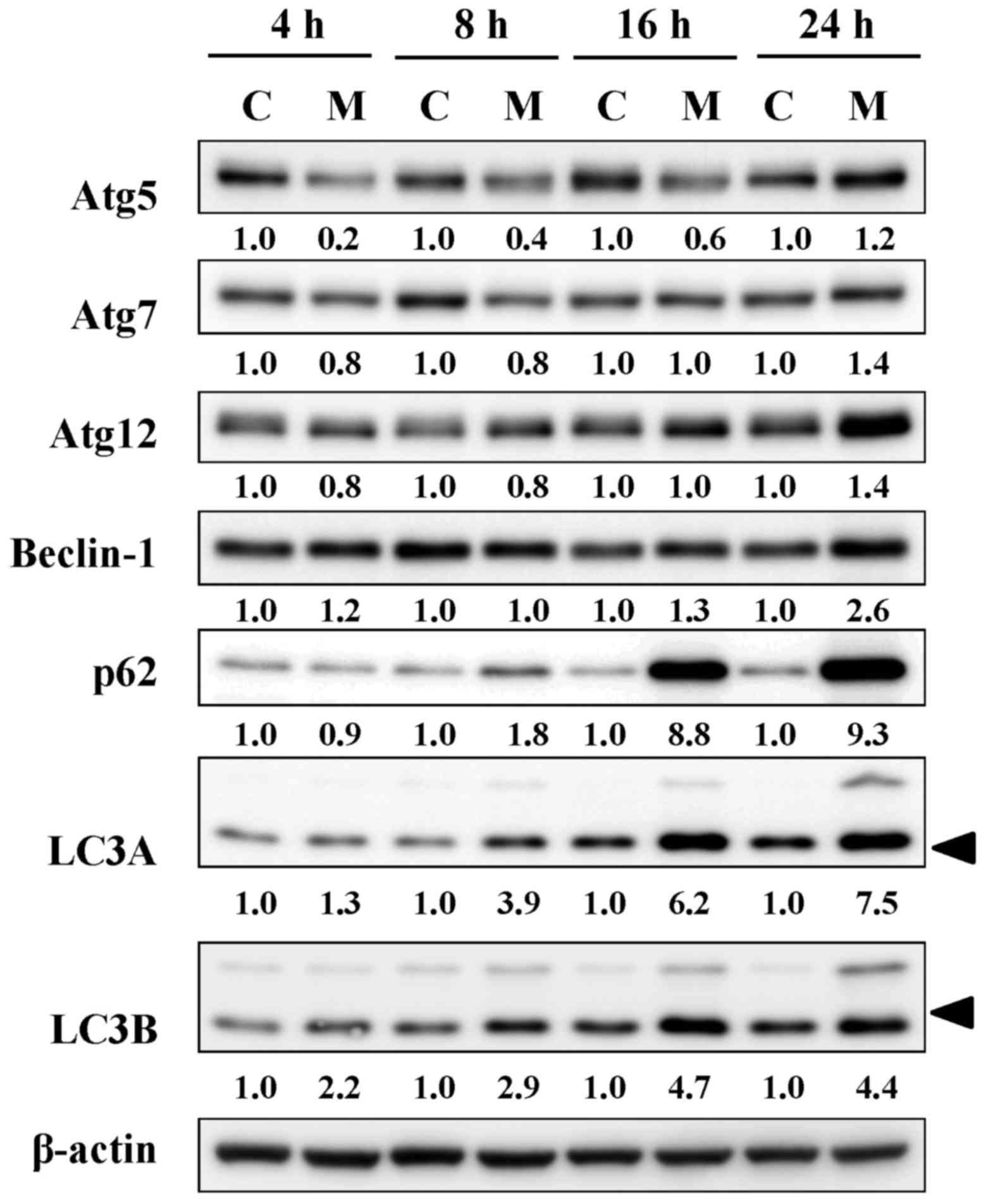
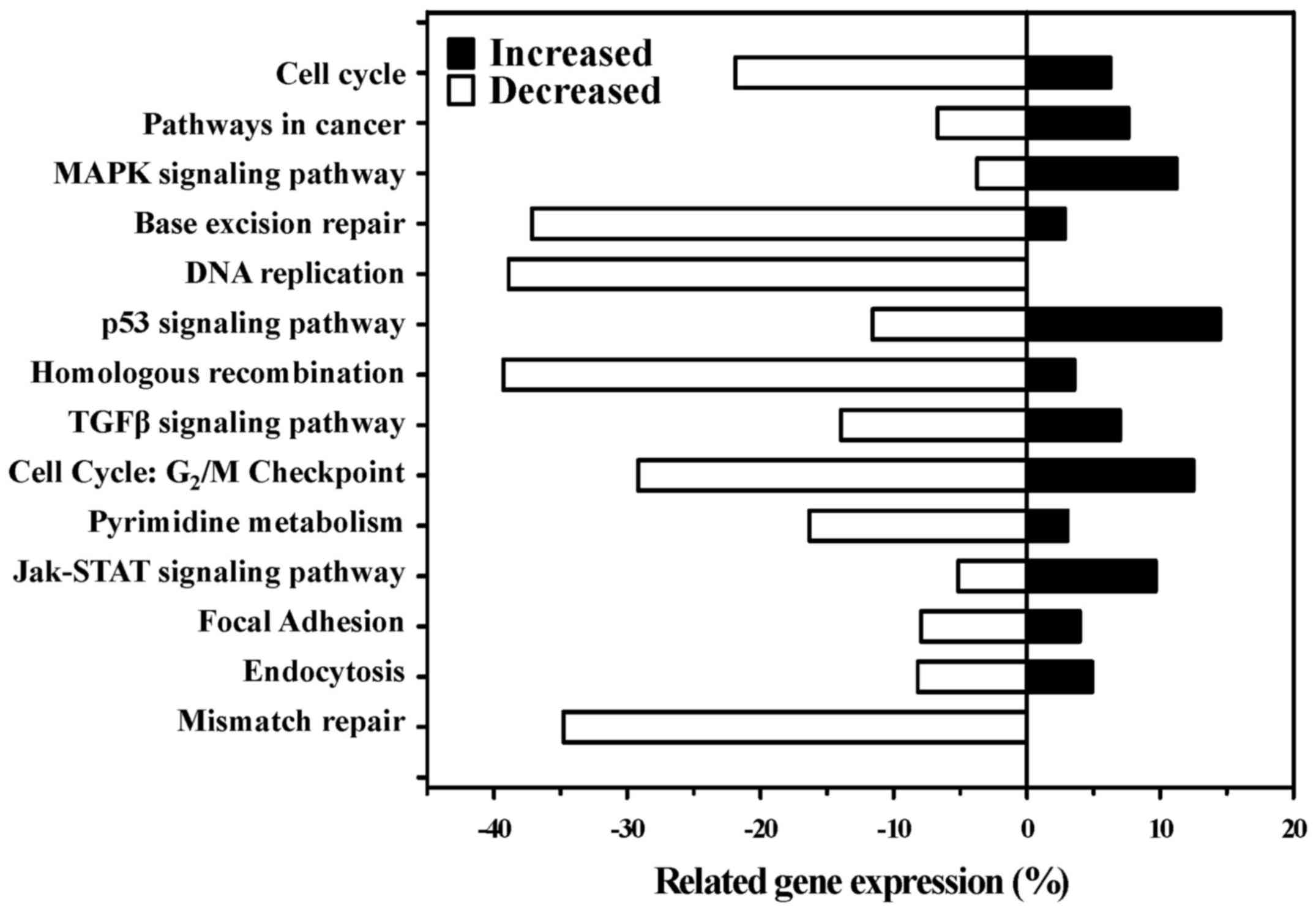
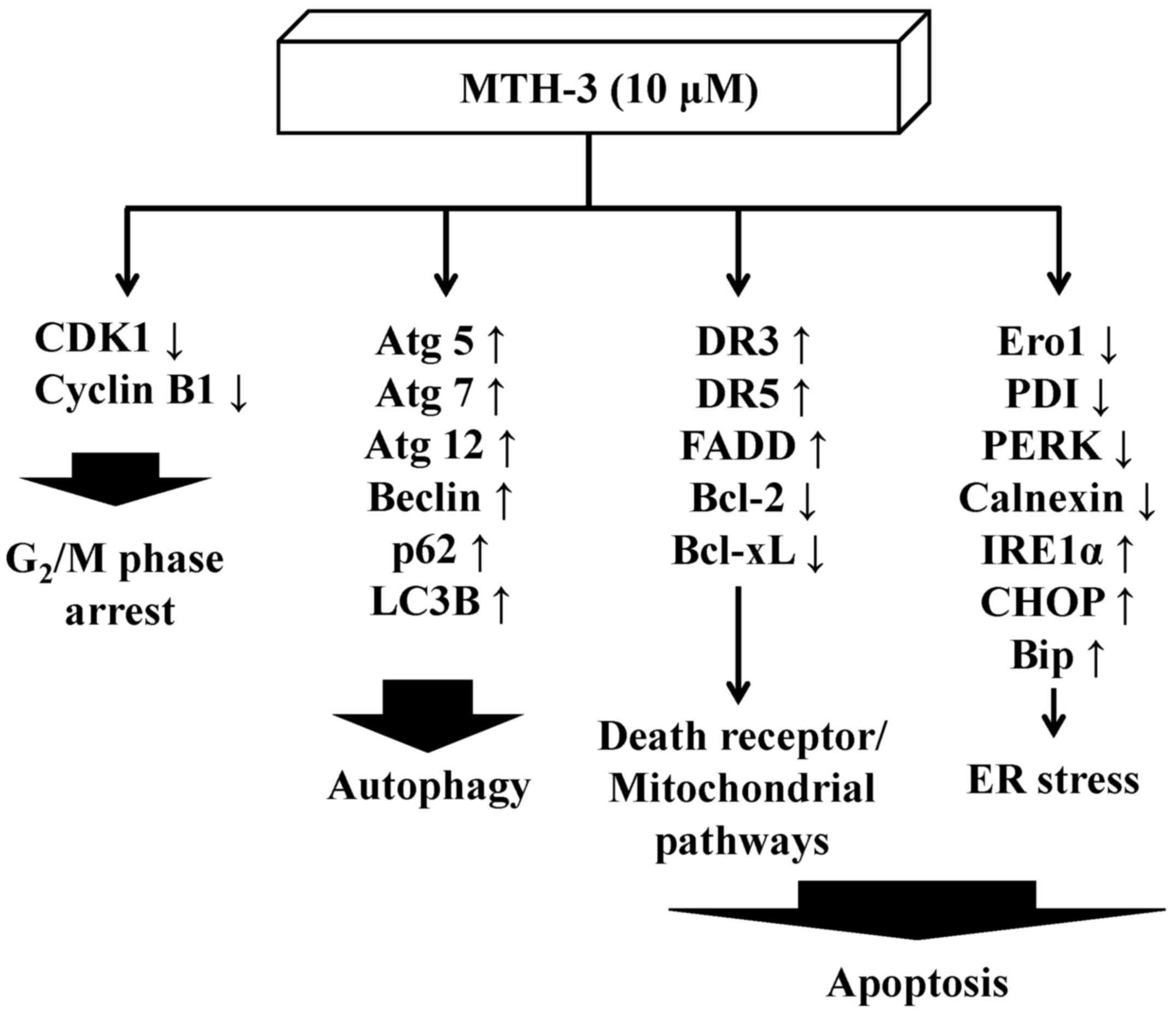
Curcumin has been shown to exert potential antitumor activity in vitro and in vivo involved in multiple signaling pathways. However, the application of curcumin is still limited because of its poor hydrophilicity and low bio-availability. In the present study, we investigated the therapeutic effects of a novel and water soluble bis(hydroxymethyl) alkanoate curcuminoid derivative, MTH-3, on human breast adenocarcinoma MDA-MB-231 cells. This study investigated the effect of MTH-3 on cell viability, cell cycle and induction of autophagy and apoptosis in MDA-MB-231 cells. After 24-h treatment with MTH-3, a concentration-dependent decrease in MDA-MB-231 cell viability was observed, and the IC50 value was 5.37±1.22 µM. MTH-3 significantly triggered G2/M phase arrest and apoptosis in MDA-MB-231 cells. Within a 24-h treatment, MTH-3 decreased the CDK1 activity by decreasing CDK1 and cyclin B1 protein levels. MTH-3-induced apoptosis was further confirmed by morphological assessment and annexin V/PI staining assay. Induction of apoptosis caused by MTH-3 was accompanied by an apparent increase of DR3, DR5 and FADD and, as well as a marked decrease of Bcl-2 and Bcl-xL protein expression. MTH-3 also decreased the protein levels of Ero1, PDI, PERK and calnexin, as well as increased the expression of IRE1α, CHOP and Bip that consequently led to ER stress and MDA-MB-231 cell apoptosis. In addition, MTH-3-treated cells were involved in the autophagic process and cleavage of LC3B was observed. MTH-3 enhanced the protein levels of LC3B, Atg5, Atg7, Atg12, p62 and Beclin-1 in MDA-MB-231 cells. Finally, DNA microarray was carried out to investigate the level changes of gene expression modulated by MTH-3 in MDA-MB-231 cells. Taken together, our results suggest that MTH-3 might be a novel therapeutic agent for the treatment of triple-negative breast cancer in the near future.
View Figures

Figure 1

Figure 2

Figure 3

Figure 4

Figure 5

Figure 6

Figure 7

Figure 8

Figure 9

View References

1 

Aseyev O, Ribeiro JM and Cardoso F: Review on the clinical use of eribulin mesylate for the treatment of breast cancer. Expert Opin Pharmacother. 17:589–600. 2016. View Article : Google Scholar : PubMed/NCBI

2 

Cornejo-Moreno BA, Uribe-Escamilla D and Salamanca-Gómez F: Breast cancer genes: Looking for BRACA's lost brother. Isr Med Assoc J. 16:787–792. 2014.

3 

Koo T and Kim IA: Brain metastasis in human epidermal growth factor receptor 2-positive breast cancer: From biology to treatment. Radiat Oncol J. 34:1–9. 2016. View Article : Google Scholar : PubMed/NCBI

4 

Mouh FZ, Mzibri ME, Slaoui M and Amrani M: Recent progress in triple negative breast cancer research. Asian Pac J Cancer Prev. 17:1595–1608. 2016. View Article : Google Scholar : PubMed/NCBI

5 

Hurvitz S and Mead M: Triple-negative breast cancer: Advancements in characterization and treatment approach. Curr Opin Obstet Gynecol. 28:59–69. 2016.

6 

Zeichner SB, Terawaki H and Gogineni K: A review of systemic treatment in metastatic triple-negative breast cancer. Breast Cancer (Auckl). 10:25–36. 2016.

7 

Wang Y, Cao S and Chen Y: Molecular treatment of different breast cancers. Anticancer Agents Med Chem. 15:701–720. 2015. View Article : Google Scholar : PubMed/NCBI

8 

Tomao F, Papa A, Zaccarelli E, Rossi L, Caruso D, Minozzi M, Vici P, Frati L and Tomao S: Triple-negative breast cancer: New perspectives for targeted therapies. Onco Targets Ther. 8:177–193. 2015. View Article : Google Scholar : PubMed/NCBI

9 

Gilani RA, Phadke S, Bao LW, Lachacz EJ, Dziubinski ML, Brandvold KR, Steffey ME, Kwarcinski FE, Graveel CR, Kidwell KM, et al: UM-164: A potent c-Src/38 kinase inhibitor with in vivo activity against triple-negative breast cancer. Clin Cancer Res. 22:5087–5096. 2016. View Article : Google Scholar : PubMed/NCBI

10 

Zheng B, Yang L, Wen C, Huang X, Xu C, Lee KH and Xu J: Curcumin analog L3 alleviates diabetic atherosclerosis by multiple effects. Eur J Pharmacol. 775:22–34. 2016. View Article : Google Scholar : PubMed/NCBI

11 

Ferreira N, Saraiva MJ and Almeida MR: Natural polyphenols as modulators of TTR amyloidogenesis: in vitro and in vivo evidences towards therapy. Amyloid. 19(Suppl 1): 39–42. 2012. View Article : Google Scholar : PubMed/NCBI

12 

Vilekar P, King C, Lagisetty P, Awasthi V and Awasthi S: Antibacterial activity of synthetic curcumin derivatives: 3,5-bis(benzylidene)-4-piperidone (EF24) and EF24-dimer linked via diethylenetriaminepentacetic acid (EF2DTPA). Appl Biochem Biotechnol. 172:3363–3373. 2014. View Article : Google Scholar : PubMed/NCBI

13 

Bhutani MK, Bishnoi M and Kulkarni SK: Anti-depressant like effect of curcumin and its combination with piperine in unpredictable chronic stress-induced behavioral, biochemical and neurochemical changes. Pharmacol Biochem Behav. 92:39–43. 2009. View Article : Google Scholar

14 

Cianciulli A, Calvello R, Porro C, Trotta T, Salvatore R and Panaro MA: PI3k/Akt signalling pathway plays a crucial role in the anti-inflammatory effects of curcumin in LPS-activated microglia. Int Immunopharmacol. 36:282–290. 2016. View Article : Google Scholar : PubMed/NCBI

15 

Choudhury AK, Raja S, Mahapatra S, Nagabhushanam K and Majeed M: Synthesis and evaluation of the anti-oxidant capacity of curcumin glucuronides, the major curcumin metabolites. Antioxidants. 4:750–767. 2015. View Article : Google Scholar

16 

Yang H, Xu W, Zhou Z, Liu J, Li X, Chen L, Weng J and Yu Z: Curcumin attenuates urinary excretion of albumin in type II diabetic patients with enhancing nuclear factor erythroid-derived 2-like 2 (Nrf2) system and repressing inflammatory signaling efficacies. Exp Clin Endocrinol Diabetes. 123:360–367. 2015. View Article : Google Scholar : PubMed/NCBI

17 

Lee D, Kim IY, Saha S and Choi KS: Paraptosis in the anti-cancer arsenal of natural products. Pharmacol Ther. 162:120–133. 2016. View Article : Google Scholar : PubMed/NCBI

18 

Borges GA, Rêgo DF, Assad DX, Coletta RD, De Canto Luca G and Guerra EN: In vivo and in vitro effects of curcumin on head and neck carcinoma: A systematic review. J Oral Pathol Med. 46:3–20. 2017. View Article : Google Scholar

19 

Sordillo PP and Helson L: Curcumin and cancer stem cells: Curcumin has asymmetrical effects on cancer and normal stem cells. Anticancer Res. 35:599–614. 2015.PubMed/NCBI

20 

Iqbal B, Ghildiyal A, Sahabjada, Singh S, Arshad M, Mahdi AA and Tiwari S: Antiproliferative and apoptotic effect of curcumin and TRAIL (TNF related apoptosis inducing ligand) in chronic myeloid leukaemic cells. J Clin Diagn Res. 10:XC01–XC05. 2016.PubMed/NCBI

21 

Zhang L, Cheng X, Gao Y, Bao J, Guan H, Lu R, Yu H, Xu Q and Sun Y: Induction of ROS-independent DNA damage by curcumin leads to G2/M cell cycle arrest and apoptosis in human papillary thyroid carcinoma BCPAP cells. Food Funct. 7:315–325. 2016. View Article : Google Scholar

22 

Huang YT, Lin YW, Chiu HM and Chiang BH: Curcumin induces apoptosis of colorectal cancer stem cells by coupling with CD44 marker. J Agric Food Chem. 64:2247–2253. 2016. View Article : Google Scholar : PubMed/NCBI

23 

Kantara C, O'Connell M, Sarkar S, Moya S, Ullrich R and Singh P: Curcumin promotes autophagic survival of a subset of colon cancer stem cells, which are ablated by DCLK1-siRNA. Cancer Res. 74:2487–2498. 2014. View Article : Google Scholar : PubMed/NCBI

24 

Ji JL, Huang XF and Zhu HL: Curcumin and its formulations: Potential anti-cancer agents. Anticancer Agents Med Chem. 12:210–218. 2012. View Article : Google Scholar

25 

Shehzad A, Wahid F and Lee YS: Curcumin in cancer chemo-prevention: Molecular targets, pharmacokinetics, bioavailability, and clinical trials. Arch Pharm (Weinheim). 343:489–499. 2010. View Article : Google Scholar

26 

Chang PY, Peng SF, Lee CY, Lu CC, Tsai SC, Shieh TM, Wu TS, Tu MG, Chen MY and Yang JS: Curcumin-loaded nanoparticles induce apoptotic cell death through regulation of the function of MDR1 and reactive oxygen species in cisplatin-resistant CAR human oral cancer cells. Int J Oncol. 43:1141–1150. 2013. View Article : Google Scholar : PubMed/NCBI

27 

Douglass BJ and Clouatre DL: Beyond yellow curry: Assessing commercial curcumin absorption technologies. J Am Coll Nutr. 34:347–358. 2015. View Article : Google Scholar : PubMed/NCBI

28 

Hsieh MT, Chang LC, Hung HY, Lin HY, Shih MH, Tsai CH, Kuo SC and Lee KH: New bis(hydroxymethyl) alkanoate curcuminoid derivatives exhibit activity against triple-negative breast cancer in vitro and in vivo. Eur J Med Chem. 131:141–151. 2017. View Article : Google Scholar : PubMed/NCBI

29 

Peng SF, Lee CY, Hour MJ, Tsai SC, Kuo DH, Chen FA, Shieh PC and Yang JS: Curcumin-loaded nanoparticles enhance apoptotic cell death of U2OS human osteosarcoma cells through the Akt-Bad signaling pathway. Int J Oncol. 44:238–246. 2014. View Article : Google Scholar

30 

Liao CL, Lai KC, Huang AC, Yang JS, Lin JJ, Wu SH, Gibson Wood W, Lin JG and Chung JG: Gallic acid inhibits migration and invasion in human osteosarcoma U-2 OS cells through suppressing the matrix metalloproteinase-2/-9, protein kinase B (PKB) and PKC signaling pathways. Food Chem Toxicol. 50:1734–1740. 2012. View Article : Google Scholar : PubMed/NCBI

31 

Tsai SC, Lu CC, Lee CY, Lin YC, Chung JG, Kuo SC, Amagaya S, Chen FN, Chen MY, Chan SF, et al: AKT serine/threonine protein kinase modulates bufalin-triggered intrinsic pathway of apoptosis in CAL 27 human oral cancer cells. Int J Oncol. 41:1683–1692. 2012. View Article : Google Scholar : PubMed/NCBI

32 

Liu CY, Yang JS, Huang SM, Chiang JH, Chen MH, Huang LJ, Ha HY, Fushiya S and Kuo SC: Smh-3 induces G2/M arrest and apoptosis through calcium-mediated endoplasmic reticulum stress and mitochondrial signaling in human hepatocellular carcinoma Hep3B cells. Oncol Rep. 29:751–762. 2013. View Article : Google Scholar

33 

Yang JS, Hour MJ, Huang WW, Lin KL, Kuo SC and Chung JG: MJ-29 inhibits tubulin polymerization, induces mitotic arrest, and triggers apoptosis via cyclin-dependent kinase 1-mediated Bcl-2 phosphorylation in human leukemia U937 cells. J Pharmacol Exp Ther. 334:477–488. 2010. View Article : Google Scholar : PubMed/NCBI

34 

Yang JS, Lin CA, Lu CC, Wen YF, Tsai FJ and Tsai SC: Carboxamide analog ITR-284 evokes apoptosis and inhibits migration ability in human lung adenocarcinoma A549 cells. Oncol Rep. 37:1786–1792. 2017. View Article : Google Scholar : PubMed/NCBI

35 

Ho CC, Huang AC, Yu CS, Lien JC, Wu SH, Huang YP, Huang HY, Kuo JH, Liao WY, Yang JS, et al: Ellagic acid induces apoptosis in TSGH8301 human bladder cancer cells through the endoplasmic reticulum stress- and mitochondria-dependent signaling pathways. Environ Toxicol. 29:1262–1274. 2014.

36 

Yuan CH, Horng CT, Lee CF, Chiang NN, Tsai FJ, Lu CC, Chiang JH, Hsu YM, Yang JS and Chen FA: Epigallocatechin gallate sensitizes cisplatin-resistant oral cancer CAR cell apoptosis and autophagy through stimulating AKT/STAT3 pathway and suppressing multidrug resistance 1 signaling. Environ Toxicol. 32:845–855. 2017. View Article : Google Scholar

37 

Chiang JH, Yang JS, Lu CC, Hour MJ, Chang SJ, Lee TH and Chung JG: Newly synthesized quinazolinone HMJ-38 suppresses angiogenetic responses and triggers human umbilical vein endo-thelial cell apoptosis through p53-modulated Fas/death receptor signaling. Toxicol Appl Pharmacol. 269:150–162. 2013. View Article : Google Scholar : PubMed/NCBI

38 

Huang WW, Chiu YJ, Fan MJ, Lu HF, Yeh HF, Li KH, Chen PY, Chung JG and Yang JS: Kaempferol induced apoptosis via endoplasmic reticulum stress and mitochondria-dependent pathway in human osteosarcoma U-2 OS cells. Mol Nutr Food Res. 54:1585–1595. 2010. View Article : Google Scholar : PubMed/NCBI

39 

Lu CC, Yang JS, Chiang JH, Hour MJ, Lin KL, Lee TH and Chung JG: Cell death caused by quinazolinone HMJ-38 challenge in oral carcinoma CAL 27 cells: Dissections of endoplasmic reticulum stress, mitochondrial dysfunction and tumor xenografts. Biochim Biophys Acta. 1840:2310–2320. 2014. View Article : Google Scholar : PubMed/NCBI

40 

King YA, Chiu YJ, Chen HP, Kuo DH, Lu CC and Yang JS: Endoplasmic reticulum stress contributes to arsenic trioxide-induced intrinsic apoptosis in human umbilical and bone marrow mesenchymal stem cells. Environ Toxicol. 31:314–328. 2016. View Article : Google Scholar

41 

Kuo YJ, Yang JS, Lu CC, Chiang SY, Lin JG and Chung JG: Ethanol extract of Hedyotis diffusa willd upregulates G0/G1 phase arrest and induces apoptosis in human leukemia cells by modulating caspase cascade signaling and altering associated genes expression was assayed by cDNA microarray. Environ Toxicol. 30:1162–1177. 2015. View Article : Google Scholar

42 

Wu RS, Liu KC, Tang NY, Chung HK, Ip SW, Yang JS and Chung JG: cDNA microarray analysis of the gene expression of murine leukemia RAW 264.7 cells after exposure to propofol. Environ Toxicol. 28:471–478. 2013. View Article : Google Scholar

43 

Guan F, Ding Y, Zhang Y, Zhou Y, Li M and Wang C: Curcumin suppresses proliferation and migration of MDA-MB-231 breast cancer cells through autophagy-dependent Akt degradation. PLoS One. 11:e01465532016. View Article : Google Scholar : PubMed/NCBI

44 

Dorée M and Hunt T: From Cdc2 to Cdk1: When did the cell cycle kinase join its cyclin partner? J Cell Sci. 115:2461–2464. 2002.PubMed/NCBI

45 

Chen ZQ, Jie X and Mo ZN: Curcumin inhibits growth, induces G1 arrest and apoptosis on human prostatic stromal cells by regulating Bcl-2/Bax. Zhongguo Zhong Yao Za Zhi. 33:2022–2025. 2008.In Chinese. PubMed/NCBI

46 

Srivastava RK, Chen Q, Siddiqui I, Sarva K and Shankar S: Linkage of curcumin-induced cell cycle arrest and apoptosis by cyclin-dependent kinase inhibitor p21(/WAF1/CIP1). Cell Cycle. 6:2953–2961. 2007. View Article : Google Scholar : PubMed/NCBI

47 

Cheng C, Jiao JT, Qian Y, Guo XY, Huang J, Dai MC, Zhang L, Ding XP, Zong D and Shao JF: Curcumin induces G2/M arrest and triggers apoptosis via FoxO1 signaling in U87 human glioma cells. Mol Med Rep. 13:3763–3770. 2016. View Article : Google Scholar : PubMed/NCBI

48 

Berrak O, Akkoc Y, Arisan ED, Coker-Gurkan A, Obakan-Yerlikaya P and Palavan-Unsal N: The inhibition of PI3K and NFkappaB promoted curcumin-induced cell cycle arrest at G2/M via altering polyamine metabolism in Bcl-2 overexpressing MCF-7 breast cancer cells. Biomed Pharmacother. 77:150–160. 2016. View Article : Google Scholar : PubMed/NCBI

49 

Negroni A, Cucchiara S and Stronati L: Apoptosis, necrosis, and necroptosis in the gut and intestinal homeostasis. Mediators Inflamm. 2015:2507622015. View Article : Google Scholar : PubMed/NCBI

50 

Yang Y, Jiang G, Zhang P and Fan J: Programmed cell death and its role in inflammation. Mil Med Res. 2:122015. View Article : Google Scholar : PubMed/NCBI

51 

Friesen C, Fulda S and Debatin KM: Cytotoxic drugs and the CD95 pathway. Leukemia. 13:1854–1858. 1999. View Article : Google Scholar : PubMed/NCBI

52 

Zhang YS, Shen Q and Li J: Traditional Chinese medicine targeting apoptotic mechanisms for esophageal cancer therapy. Acta Pharmacol Sin. 37:295–302. 2016. View Article : Google Scholar :

53 

Tameire F, Verginadis II and Koumenis C: Cell intrinsic and extrinsic activators of the unfolded protein response in cancer: Mechanisms and targets for therapy. Semin Cancer Biol. 33:3–15. 2015. View Article : Google Scholar : PubMed/NCBI

54 

Ferri KF and Kroemer G: Organelle-specific initiation of cell death pathways. Nat Cell Biol. 3:E255–E263. 2001. View Article : Google Scholar : PubMed/NCBI

55 

Dong Z, Liang S, Hu J, Jin W, Zhan Q and Zhao K: Autophagy as a target for hematological malignancy therapy. Blood Rev. 30:369–380. 2016. View Article : Google Scholar : PubMed/NCBI

56 

Gupta SC, Kismali G and Aggarwal BB: Curcumin, a component of turmeric: From farm to pharmacy. Biofactors. 39:2–13. 2013. View Article : Google Scholar : PubMed/NCBI

57 

Ye MX, Li Y, Yin H and Zhang J: Curcumin: Updated molecular mechanisms and intervention targets in human lung cancer. Int J Mol Sci. 13:3959–3978. 2012. View Article : Google Scholar : PubMed/NCBI

58 

Sánchez-Martínez C, Gelbert LM, Lallena MJ and de Dios A: Cyclin dependent kinase (CDK) inhibitors as anticancer drugs. Bioorg Med Chem Lett. 25:3420–3435. 2015. View Article : Google Scholar : PubMed/NCBI

59 

Kozakowska M, Szade K, Dulak J and Józkowicz A: Role of heme oxygenase-1 in postnatal differentiation of stem cells: a possible cross-talk with microRNAs. Antioxid Redox Signal. 20:1827–1850. 2014. View Article : Google Scholar :

60 

Murakami A: Dose-dependent functionality and toxicity of green tea polyphenols in experimental rodents. Arch Biochem Biophys. 557:3–10. 2014. View Article : Google Scholar : PubMed/NCBI

61 

Zheng KM, Zhang J, Zhang CL, Zhang YW and Chen XC: Curcumin inhibits appoptosin-induced apoptosis via upregulating heme oxygenase-1 expression in SH-SY5Y cells. Acta Pharmacol Sin. 36:544–552. 2015. View Article : Google Scholar : PubMed/NCBI

62 

Cremers NA, Lundvig DM, van Dalen SC, Schelbergen RF, van Lent PL, Szarek WA, Regan RF, Carels CE and Wagener FA: Curcumin-induced heme oxygenase-1 expression prevents H2O2 induced cell death in wild type and heme oxygenase-2 knockout adipose-derived mesenchymal stem cells. Int J Mol Sci. 15:17974–17999. 2014. View Article : Google Scholar : PubMed/NCBI

Related Articles

  • Abstract
  • View
  • Download
  • Twitter
Copy and paste a formatted citation
Spandidos Publications style
Chang L, Hsieh M, Yang J, Lu C, Tsai F, Tsao J, Chiu Y, Kuo S and Lee K: Effect of bis(hydroxymethyl) alkanoate curcuminoid derivative MTH-3 on cell cycle arrest, apoptotic and autophagic pathway in triple-negative breast adenocarcinoma MDA-MB-231 cells: An in vitro study. Int J Oncol 52: 67-76, 2018.
APA
Chang, L., Hsieh, M., Yang, J., Lu, C., Tsai, F., Tsao, J. ... Lee, K. (2018). Effect of bis(hydroxymethyl) alkanoate curcuminoid derivative MTH-3 on cell cycle arrest, apoptotic and autophagic pathway in triple-negative breast adenocarcinoma MDA-MB-231 cells: An in vitro study. International Journal of Oncology, 52, 67-76. https://doi.org/10.3892/ijo.2017.4204
MLA
Chang, L., Hsieh, M., Yang, J., Lu, C., Tsai, F., Tsao, J., Chiu, Y., Kuo, S., Lee, K."Effect of bis(hydroxymethyl) alkanoate curcuminoid derivative MTH-3 on cell cycle arrest, apoptotic and autophagic pathway in triple-negative breast adenocarcinoma MDA-MB-231 cells: An in vitro study". International Journal of Oncology 52.1 (2018): 67-76.
Chicago
Chang, L., Hsieh, M., Yang, J., Lu, C., Tsai, F., Tsao, J., Chiu, Y., Kuo, S., Lee, K."Effect of bis(hydroxymethyl) alkanoate curcuminoid derivative MTH-3 on cell cycle arrest, apoptotic and autophagic pathway in triple-negative breast adenocarcinoma MDA-MB-231 cells: An in vitro study". International Journal of Oncology 52, no. 1 (2018): 67-76. https://doi.org/10.3892/ijo.2017.4204
Copy and paste a formatted citation
x
Spandidos Publications style
Chang L, Hsieh M, Yang J, Lu C, Tsai F, Tsao J, Chiu Y, Kuo S and Lee K: Effect of bis(hydroxymethyl) alkanoate curcuminoid derivative MTH-3 on cell cycle arrest, apoptotic and autophagic pathway in triple-negative breast adenocarcinoma MDA-MB-231 cells: An in vitro study. Int J Oncol 52: 67-76, 2018.
APA
Chang, L., Hsieh, M., Yang, J., Lu, C., Tsai, F., Tsao, J. ... Lee, K. (2018). Effect of bis(hydroxymethyl) alkanoate curcuminoid derivative MTH-3 on cell cycle arrest, apoptotic and autophagic pathway in triple-negative breast adenocarcinoma MDA-MB-231 cells: An in vitro study. International Journal of Oncology, 52, 67-76. https://doi.org/10.3892/ijo.2017.4204
MLA
Chang, L., Hsieh, M., Yang, J., Lu, C., Tsai, F., Tsao, J., Chiu, Y., Kuo, S., Lee, K."Effect of bis(hydroxymethyl) alkanoate curcuminoid derivative MTH-3 on cell cycle arrest, apoptotic and autophagic pathway in triple-negative breast adenocarcinoma MDA-MB-231 cells: An in vitro study". International Journal of Oncology 52.1 (2018): 67-76.
Chicago
Chang, L., Hsieh, M., Yang, J., Lu, C., Tsai, F., Tsao, J., Chiu, Y., Kuo, S., Lee, K."Effect of bis(hydroxymethyl) alkanoate curcuminoid derivative MTH-3 on cell cycle arrest, apoptotic and autophagic pathway in triple-negative breast adenocarcinoma MDA-MB-231 cells: An in vitro study". International Journal of Oncology 52, no. 1 (2018): 67-76. https://doi.org/10.3892/ijo.2017.4204
Follow us
  • Twitter
  • LinkedIn
  • Facebook
About
  • Spandidos Publications
  • Careers
  • Cookie Policy
  • Privacy Policy
How can we help?
  • Help
  • Live Chat
  • Contact
  • Email to our Support Team