Spandidos Publications Logo
  • About
    • About Spandidos
    • Aims and Scopes
    • Abstracting and Indexing
    • Editorial Policies
    • Reprints and Permissions
    • Job Opportunities
    • Terms and Conditions
    • Contact
  • Journals
    • All Journals
    • Oncology Letters
      • Oncology Letters
      • Information for Authors
      • Editorial Policies
      • Editorial Board
      • Aims and Scope
      • Abstracting and Indexing
      • Bibliographic Information
      • Archive
    • International Journal of Oncology
      • International Journal of Oncology
      • Information for Authors
      • Editorial Policies
      • Editorial Board
      • Aims and Scope
      • Abstracting and Indexing
      • Bibliographic Information
      • Archive
    • Molecular and Clinical Oncology
      • Molecular and Clinical Oncology
      • Information for Authors
      • Editorial Policies
      • Editorial Board
      • Aims and Scope
      • Abstracting and Indexing
      • Bibliographic Information
      • Archive
    • Experimental and Therapeutic Medicine
      • Experimental and Therapeutic Medicine
      • Information for Authors
      • Editorial Policies
      • Editorial Board
      • Aims and Scope
      • Abstracting and Indexing
      • Bibliographic Information
      • Archive
    • International Journal of Molecular Medicine
      • International Journal of Molecular Medicine
      • Information for Authors
      • Editorial Policies
      • Editorial Board
      • Aims and Scope
      • Abstracting and Indexing
      • Bibliographic Information
      • Archive
    • Biomedical Reports
      • Biomedical Reports
      • Information for Authors
      • Editorial Policies
      • Editorial Board
      • Aims and Scope
      • Abstracting and Indexing
      • Bibliographic Information
      • Archive
    • Oncology Reports
      • Oncology Reports
      • Information for Authors
      • Editorial Policies
      • Editorial Board
      • Aims and Scope
      • Abstracting and Indexing
      • Bibliographic Information
      • Archive
    • Molecular Medicine Reports
      • Molecular Medicine Reports
      • Information for Authors
      • Editorial Policies
      • Editorial Board
      • Aims and Scope
      • Abstracting and Indexing
      • Bibliographic Information
      • Archive
    • World Academy of Sciences Journal
      • World Academy of Sciences Journal
      • Information for Authors
      • Editorial Policies
      • Editorial Board
      • Aims and Scope
      • Abstracting and Indexing
      • Bibliographic Information
      • Archive
    • International Journal of Functional Nutrition
      • International Journal of Functional Nutrition
      • Information for Authors
      • Editorial Policies
      • Editorial Board
      • Aims and Scope
      • Abstracting and Indexing
      • Bibliographic Information
      • Archive
    • International Journal of Epigenetics
      • International Journal of Epigenetics
      • Information for Authors
      • Editorial Policies
      • Editorial Board
      • Aims and Scope
      • Abstracting and Indexing
      • Bibliographic Information
      • Archive
    • Medicine International
      • Medicine International
      • Information for Authors
      • Editorial Policies
      • Editorial Board
      • Aims and Scope
      • Abstracting and Indexing
      • Bibliographic Information
      • Archive
  • Articles
  • Information
    • Information for Authors
    • Information for Reviewers
    • Information for Librarians
    • Information for Advertisers
    • Conferences
  • Language Editing
Spandidos Publications Logo
  • About
    • About Spandidos
    • Aims and Scopes
    • Abstracting and Indexing
    • Editorial Policies
    • Reprints and Permissions
    • Job Opportunities
    • Terms and Conditions
    • Contact
  • Journals
    • All Journals
    • Biomedical Reports
      • Information for Authors
      • Editorial Policies
      • Editorial Board
      • Aims and Scope
      • Abstracting and Indexing
      • Bibliographic Information
      • Archive
    • Experimental and Therapeutic Medicine
      • Information for Authors
      • Editorial Policies
      • Editorial Board
      • Aims and Scope
      • Abstracting and Indexing
      • Bibliographic Information
      • Archive
    • International Journal of Epigenetics
      • Information for Authors
      • Editorial Policies
      • Editorial Board
      • Aims and Scope
      • Abstracting and Indexing
      • Bibliographic Information
      • Archive
    • International Journal of Functional Nutrition
      • Information for Authors
      • Editorial Policies
      • Editorial Board
      • Aims and Scope
      • Abstracting and Indexing
      • Bibliographic Information
      • Archive
    • International Journal of Molecular Medicine
      • Information for Authors
      • Editorial Policies
      • Editorial Board
      • Aims and Scope
      • Abstracting and Indexing
      • Bibliographic Information
      • Archive
    • International Journal of Oncology
      • Information for Authors
      • Editorial Policies
      • Editorial Board
      • Aims and Scope
      • Abstracting and Indexing
      • Bibliographic Information
      • Archive
    • Medicine International
      • Information for Authors
      • Editorial Policies
      • Editorial Board
      • Aims and Scope
      • Abstracting and Indexing
      • Bibliographic Information
      • Archive
    • Molecular and Clinical Oncology
      • Information for Authors
      • Editorial Policies
      • Editorial Board
      • Aims and Scope
      • Abstracting and Indexing
      • Bibliographic Information
      • Archive
    • Molecular Medicine Reports
      • Information for Authors
      • Editorial Policies
      • Editorial Board
      • Aims and Scope
      • Abstracting and Indexing
      • Bibliographic Information
      • Archive
    • Oncology Letters
      • Information for Authors
      • Editorial Policies
      • Editorial Board
      • Aims and Scope
      • Abstracting and Indexing
      • Bibliographic Information
      • Archive
    • Oncology Reports
      • Information for Authors
      • Editorial Policies
      • Editorial Board
      • Aims and Scope
      • Abstracting and Indexing
      • Bibliographic Information
      • Archive
    • World Academy of Sciences Journal
      • Information for Authors
      • Editorial Policies
      • Editorial Board
      • Aims and Scope
      • Abstracting and Indexing
      • Bibliographic Information
      • Archive
  • Articles
  • Information
    • For Authors
    • For Reviewers
    • For Librarians
    • For Advertisers
    • Conferences
  • Language Editing
Login Register Submit
  • This site uses cookies
  • You can change your cookie settings at any time by following the instructions in our Cookie Policy. To find out more, you may read our Privacy Policy.

    I agree
Search articles by DOI, keyword, author or affiliation
Search
Advanced Search
presentation
International Journal of Oncology
Join Editorial Board Propose a Special Issue
Print ISSN: 1019-6439 Online ISSN: 1791-2423
Journal Cover
April-2018 Volume 52 Issue 4

Full Size Image

Cover Legend PDF

Sign up for eToc alerts
Recommend to Library

Journals

International Journal of Molecular Medicine

International Journal of Molecular Medicine

International Journal of Molecular Medicine is an international journal devoted to molecular mechanisms of human disease.

International Journal of Oncology

International Journal of Oncology

International Journal of Oncology is an international journal devoted to oncology research and cancer treatment.

Molecular Medicine Reports

Molecular Medicine Reports

Covers molecular medicine topics such as pharmacology, pathology, genetics, neuroscience, infectious diseases, molecular cardiology, and molecular surgery.

Oncology Reports

Oncology Reports

Oncology Reports is an international journal devoted to fundamental and applied research in Oncology.

Experimental and Therapeutic Medicine

Experimental and Therapeutic Medicine

Experimental and Therapeutic Medicine is an international journal devoted to laboratory and clinical medicine.

Oncology Letters

Oncology Letters

Oncology Letters is an international journal devoted to Experimental and Clinical Oncology.

Biomedical Reports

Biomedical Reports

Explores a wide range of biological and medical fields, including pharmacology, genetics, microbiology, neuroscience, and molecular cardiology.

Molecular and Clinical Oncology

Molecular and Clinical Oncology

International journal addressing all aspects of oncology research, from tumorigenesis and oncogenes to chemotherapy and metastasis.

World Academy of Sciences Journal

World Academy of Sciences Journal

Multidisciplinary open-access journal spanning biochemistry, genetics, neuroscience, environmental health, and synthetic biology.

International Journal of Functional Nutrition

International Journal of Functional Nutrition

Open-access journal combining biochemistry, pharmacology, immunology, and genetics to advance health through functional nutrition.

International Journal of Epigenetics

International Journal of Epigenetics

Publishes open-access research on using epigenetics to advance understanding and treatment of human disease.

Medicine International

Medicine International

An International Open Access Journal Devoted to General Medicine.

Journal Cover
April-2018 Volume 52 Issue 4

Full Size Image

Cover Legend PDF

Sign up for eToc alerts
Recommend to Library

  • Article
  • Citations
    • Cite This Article
    • Download Citation
    • Create Citation Alert
    • Remove Citation Alert
    • Cited By
  • Similar Articles
    • Related Articles (in Spandidos Publications)
    • Similar Articles (Google Scholar)
    • Similar Articles (PubMed)
  • Download PDF
  • Download XML
  • View XML
Article

Arctigenin inhibits the activation of the mTOR pathway, resulting in autophagic cell death and decreased ER expression in ER-positive human breast cancer cells

  • Authors:
    • Thressi Maxwell
    • Kyu Shik Lee
    • Soyoung Kim
    • Kyung-Soo Nam
  • View Affiliations / Copyright

    Affiliations: Department of Pharmacology, School of Medicine and Intractable Disease Research Center, Dongguk University, Gyeongju 38066, Republic of Korea
  • Pages: 1339-1349
    |
    Published online on: February 9, 2018
       https://doi.org/10.3892/ijo.2018.4271
  • Expand metrics +
Metrics: Total Views: 0 (Spandidos Publications: | PMC Statistics: )
Metrics: Total PDF Downloads: 0 (Spandidos Publications: | PMC Statistics: )
Cited By (CrossRef): 0 citations Loading Articles...

This article is mentioned in:


Abstract

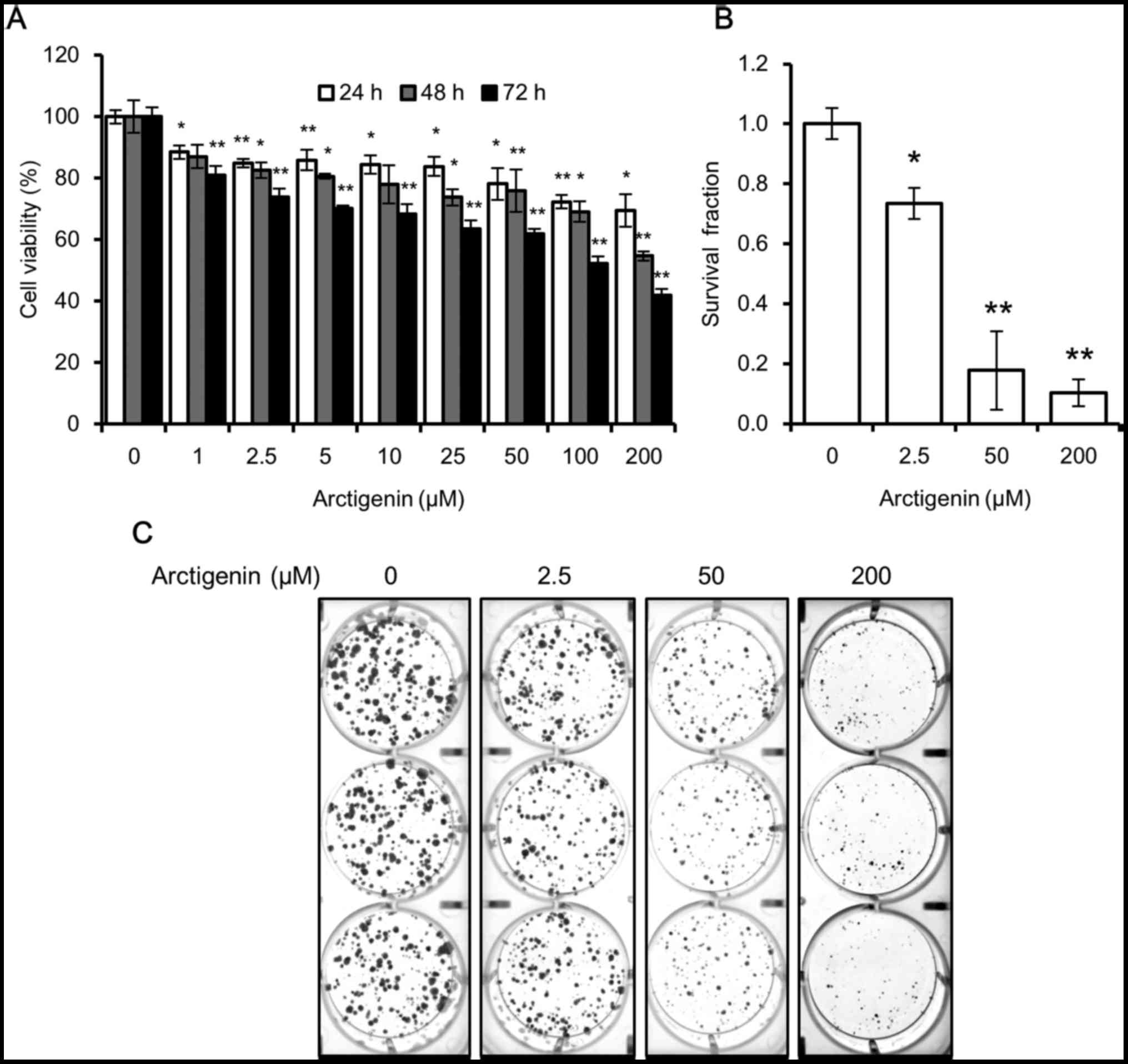
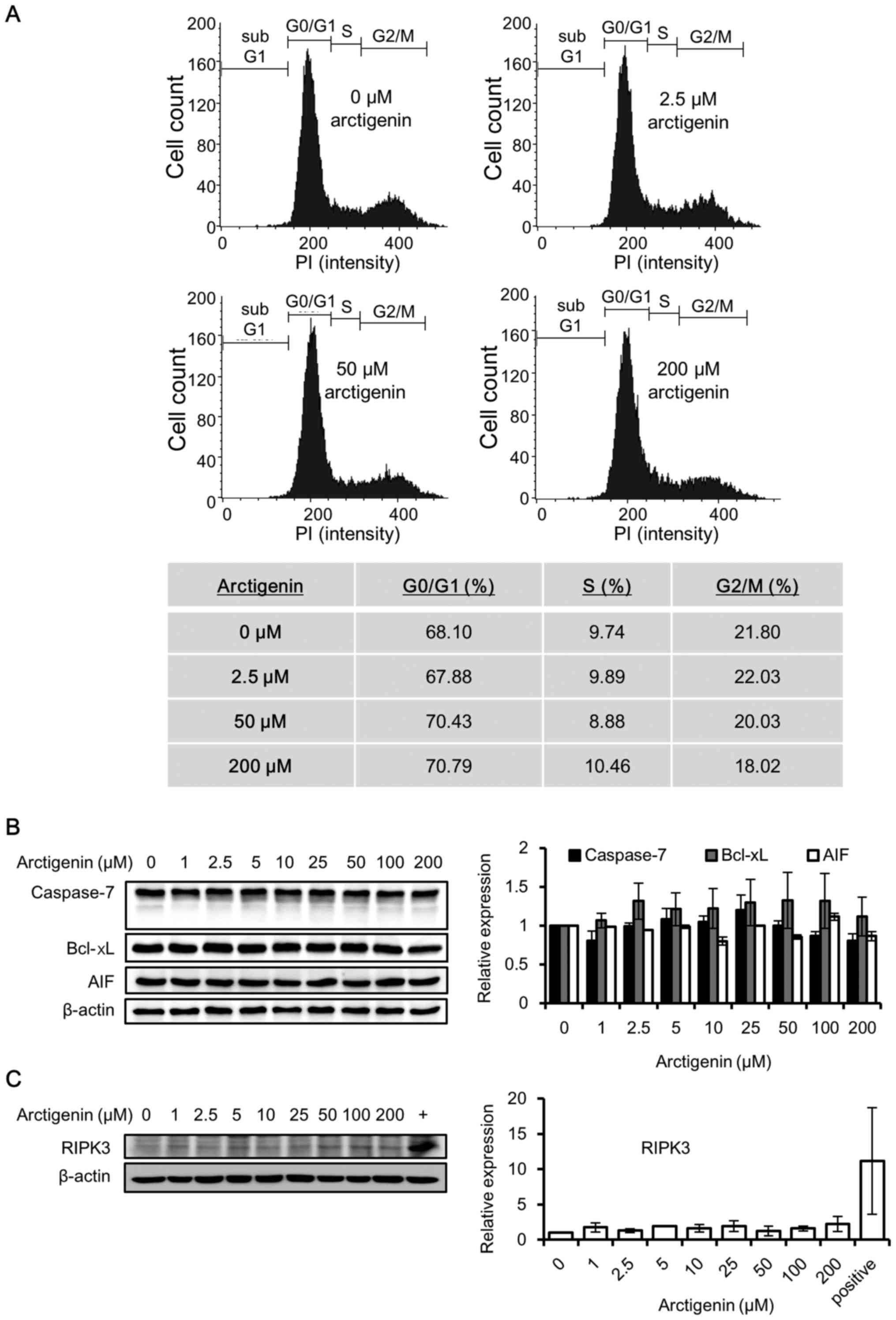
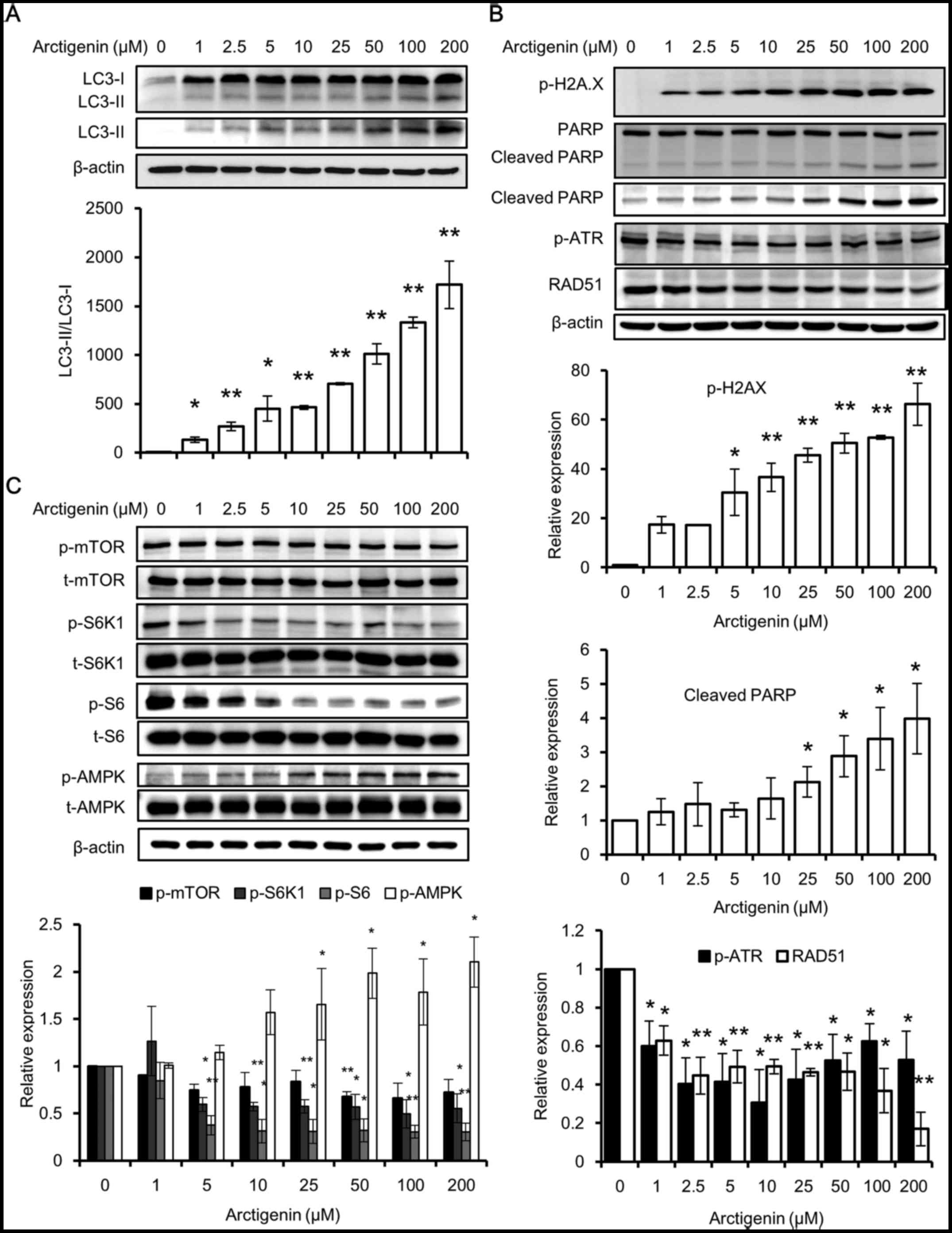
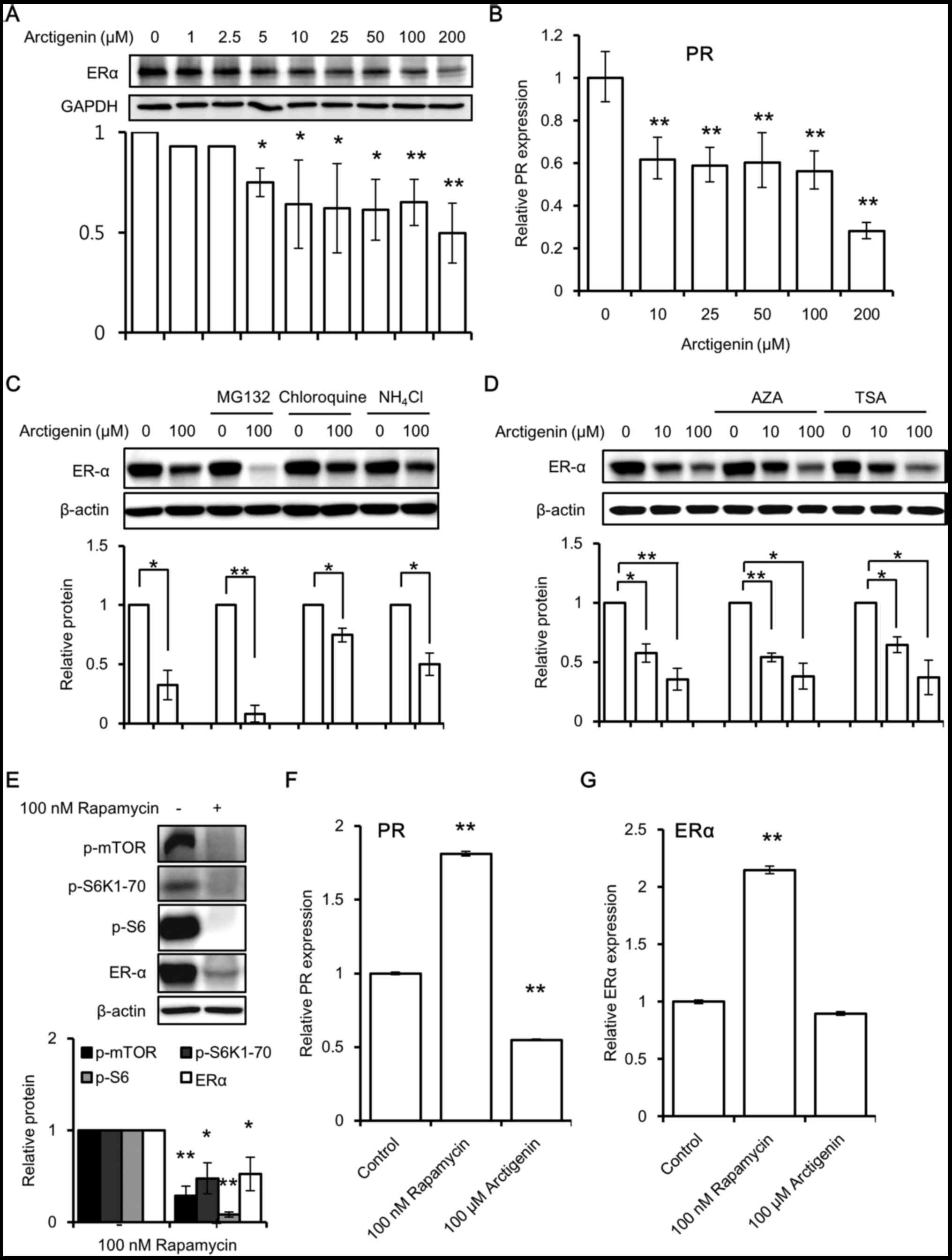
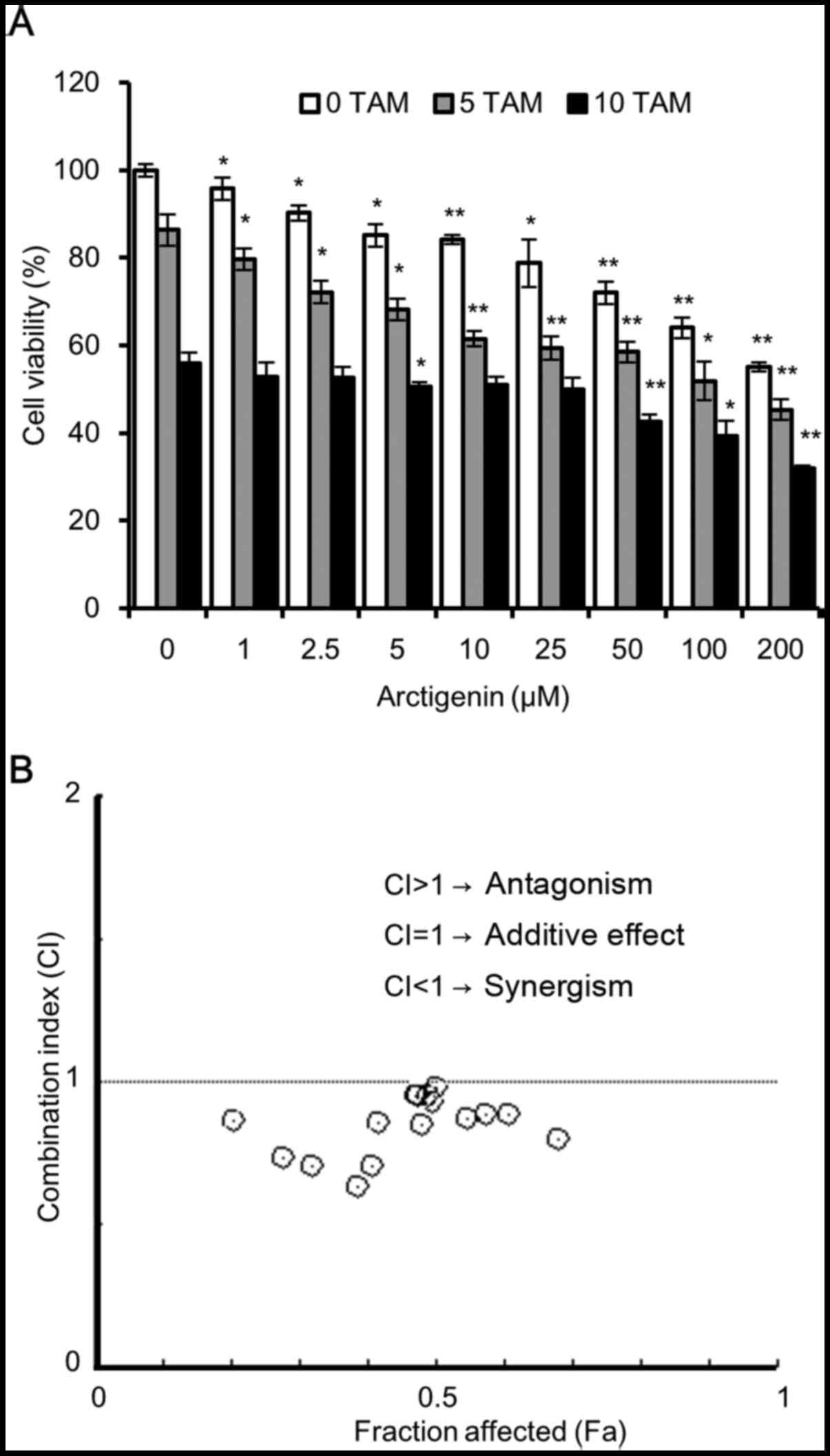
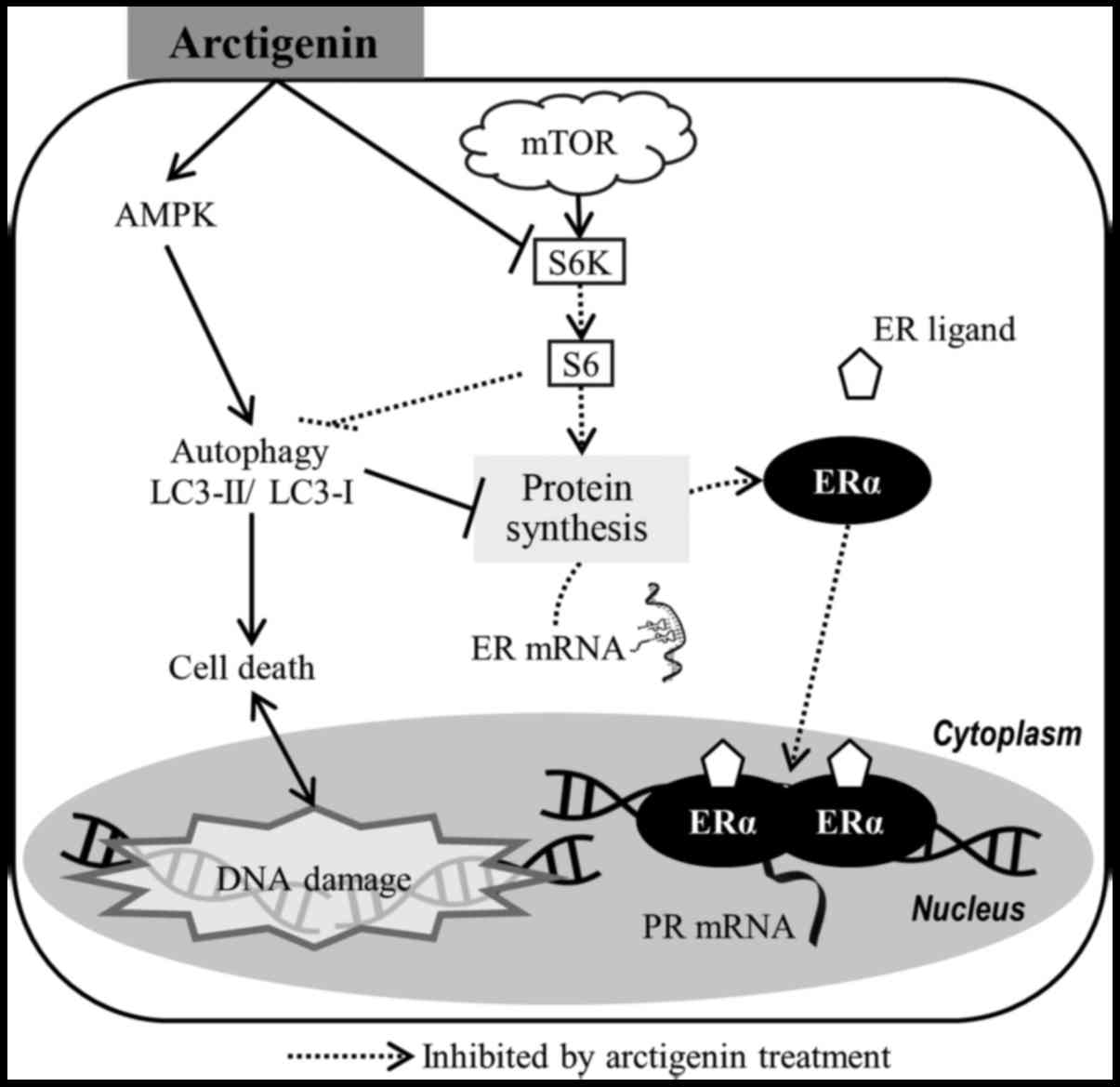
Arctigenin, a member of the Asteraceae family, is a biologically active lignan that is consumed worldwide due to its several health benefits. However, its use may pose a problem for patients with estrogen receptor (ER)α-positive breast cancer, since studies have shown that arctigenin is a phytoestrogen that exerts a proliferative effect by binding to the ER. Thus, in this study, we examined the effect of arctigenin on ERα-positive MCF-7 human breast cancer cells to determine whether the consumption of arctigenin is safe for patients with breast cancer. First, we found that arctigenin inhibited the viability of the MCF-7 cells, and colony formation assay confirmed that this effect was cytotoxic rather than cytostatic. The cytotoxic effects were not mediated by cell cycle arrest, apoptosis, or necroptosis, despite DNA damage, as indicated by poly(ADP-ribose) polymerase (PARP) cleavage and phosphorylated H2A.X. An increase in lipidated LC3, a marker of autophagosome formation, was observed, indicating that autophagy was induced by arctigenin, which was found to be triggered by the inhibition of the mechanistic target of rapamycin (mTOR) pathway. We then examined the effects of arctigenin on ERα expression and determined whether it affects the sensitivity of the cells to tamoxifen, as tamoxifen is commonly used against hormone-responsive cancers and is known to act via the ERα. We found that treatment with arctigenin effectively downregulated ERα expression, which was found to be a consequence of the inhibition of the mTOR pathway. However, treatment with arctigenin in combination with tamoxifen did not affect the sensitivity of the cells to tamoxifen, but instead, exerted a synergistic effect. On the whole, our data indicate that the phytoestrogen, arctigenin, mainly targeted the mTOR pathway in ERα-positive MCF-7 human breast cancer cells, leading to autophagy-induced cell death and the downregulation of ERα expression. Furthermore, the synergistic effects between arctigenin and tamoxifen suggest that the consumption of arctigenin is not only safe for patients with hormone-sensitive cancers, but may also be an effective co-treatment.
View Figures

Figure 1

Figure 2

Figure 3

Figure 4

Figure 5

Figure 6

View References

1 

Chan YS, Cheng LN, Wu JH, Chan E, Kwan YW, Lee SM, Leung GP, Yu PH and Chan SW: A review of the pharmacological effects of Arctium lappa (burdock). Inflammopharmacology. 19:245–254. 2011. View Article : Google Scholar

2 

Hayashi K, Narutaki K, Nagaoka Y, Hayashi T and Uesato S: Therapeutic effect of arctiin and arctigenin in immunocompetent and immunocompromised mice infected with influenza A virus. Biol Pharm Bull. 33:1199–1205. 2010. View Article : Google Scholar : PubMed/NCBI

3 

Swarup V, Ghosh J, Mishra MK and Basu A: Novel strategy for treatment of Japanese encephalitis using arctigenin, a plant lignan. J Antimicrob Chemother. 61:679–688. 2008. View Article : Google Scholar : PubMed/NCBI

4 

Kim Y, Hollenbaugh JA, Kim DH and Kim B: Novel PI3K/Akt inhibitors screened by the cytoprotective function of human immunodeficiency virus type 1 Tat. PLoS One. 6:e217812011. View Article : Google Scholar : PubMed/NCBI

5 

Kang HS, Lee JY and Kim CJ: Anti-inflammatory activity of arctigenin from Forsythiae Fructus. J Ethnopharmacol. 116:305–312. 2008. View Article : Google Scholar : PubMed/NCBI

6 

Lee JY and Kim CJ: Arctigenin, a phenylpropanoid dibenzylbutyrolactone lignan, inhibits type I-IV allergic inflammation and pro-inflammatory enzymes. Arch Pharm Res. 33:947–957. 2010. View Article : Google Scholar : PubMed/NCBI

7 

Zick SM, Sen A, Feng Y, Green J, Olatunde S and Boon H: Trial of Essiac to ascertain its effect in women with breast cancer (TEA-BC). J Altern Complement Med. 12:971–980. 2006. View Article : Google Scholar

8 

Hsieh CJ, Kuo PL, Hsu YC, Huang YF, Tsai EM and Hsu YL: Arctigenin, a dietary phytoestrogen, induces apoptosis of estrogen receptor-negative breast cancer cells through the ROS/p38 MAPK pathway and epigenetic regulation. Free Radic Biol Med. 67:159–170. 2014. View Article : Google Scholar

9 

Huang K, Li LA, Meng YG, You YQ, Fu XY and Song L: Arctigenin promotes apoptosis in ovarian cancer cells via the iNOS/NO/STAT3/survivin signalling. Basic Clin Pharmacol Toxicol. 115:507–511. 2014. View Article : Google Scholar : PubMed/NCBI

10 

Jeong JB, Hong SC, Jeong HJ and Koo JS: Arctigenin induces cell cycle arrest by blocking the phosphorylation of Rb via the modulation of cell cycle regulatory proteins in human gastric cancer cells. Int Immunopharmacol. 11:1573–1577. 2011. View Article : Google Scholar : PubMed/NCBI

11 

Jiang X, Zeng L, Huang J, Zhou H and Liu Y: Arctigenin, a natural lignan compound, induces apoptotic death of hepatocellular carcinoma cells via suppression of PI3-K/Akt signaling. J Biochem Mol Toxicol. 29:458–464. 2015. View Article : Google Scholar

12 

Kim JY, Hwang JH, Cha MR, Yoon MY, Son ES, Tomida A, Ko B, Song SW, Shin-ya K, Hwang YI, et al: Arctigenin blocks the unfolded protein response and shows therapeutic antitumor activity. J Cell Physiol. 224:33–40. 2010.PubMed/NCBI

13 

Susanti S, Iwasaki H, Inafuku M, Taira N and Oku H: Mechanism of arctigenin-mediated specific cytotoxicity against human lung adenocarcinoma cell lines. Phytomedicine. 21:39–46. 2013. View Article : Google Scholar : PubMed/NCBI

14 

Wang HQ, Jin JJ and Wang J: Arctigenin enhances chemosensitivity to cisplatin in human nonsmall lung cancer H460 cells through downregulation of survivin expression. J Biochem Mol Toxicol. 28:39–45. 2014. View Article : Google Scholar : PubMed/NCBI

15 

Wang L, Zhao F and Liu K: Induction of apoptosis of the human leukemia cells by arctigenin and its mechanism of action. Yao Xue Xue Bao. 43:542–547. 2008.In Chinese. PubMed/NCBI

16 

Yang S, Ma J, Xiao J, Lv X, Li X, Yang H, Liu Y, Feng S and Zhang Y: Arctigenin anti-tumor activity in bladder cancer T24 cell line through induction of cell-cycle arrest and apoptosis. Anat Rec (Hoboken). 295:1260–1266. 2012. View Article : Google Scholar

17 

Kang K, Lee HJ, Yoo JH, Jho EH, Kim CY, Kim M and Nho CW: Cell and nuclear enlargement of SW480 cells induced by a plant lignan, arctigenin: Evaluation of cellular DNA content using fluorescence microscopy and flow cytometry. DNA Cell Biol. 30:623–629. 2011. View Article : Google Scholar : PubMed/NCBI

18 

Feng T, Cao W, Shen W, Zhang L, Gu X, Guo Y, Tsai HI, Liu X, Li J, Zhang J, et al: Arctigenin inhibits STAT3 and exhibits anticancer potential in human triple-negative breast cancer therapy. Oncotarget. 8:329–344. 2017.

19 

Maxwell T, Chun SY, Lee KS, Kim S and Nam KS: The anti-metastatic effects of the phytoestrogen arctigenin on human breast cancer cell lines regardless of the status of ER expression. Int J Oncol. 50:727–735. 2017. View Article : Google Scholar

20 

Wu X, Tong B, Yang Y, Luo J, Yuan X, Wei Z, Yue M, Xia Y and Dai Y: Arctigenin functions as a selective agonist of estrogen receptor β to restrict mTORC1 activation and consequent Th17 differentiation. Oncotarget. 7:83893–83906. 2016. View Article : Google Scholar : PubMed/NCBI

21 

Bardin A, Boulle N, Lazennec G, Vignon F and Pujol P: Loss of ERbeta expression as a common step in estrogen-dependent tumor progression. Endocr Relat Cancer. 11:537–551. 2004. View Article : Google Scholar : PubMed/NCBI

22 

Skliris GP, Munot K, Bell SM, Carder PJ, Lane S, Horgan K, Lansdown MR, Parkes AT, Hanby AM, Markham AF, et al: Reduced expression of oestrogen receptor beta in invasive breast cancer and its re-expression using DNA methyl transferase inhibitors in a cell line model. J Pathol. 201:213–220. 2003. View Article : Google Scholar : PubMed/NCBI

23 

Xie LH, Ahn EM, Akao T, Abdel-Hafez AA, Nakamura N and Hattori M: Transformation of arctiin to estrogenic and antiestrogenic substances by human intestinal bacteria. Chem Pharm Bull (Tokyo). 51:378–384. 2003. View Article : Google Scholar

24 

Chou TC and Talalay P: Quantitative analysis of dose-effect relationships: The combined effects of multiple drugs or enzyme inhibitors. Adv Enzyme Regul. 22:27–55. 1984. View Article : Google Scholar : PubMed/NCBI

25 

Liang Y, Yan C and Schor NF: Apoptosis in the absence of caspase 3. Oncogene. 20:6570–6578. 2001. View Article : Google Scholar : PubMed/NCBI

26 

Vandenabeele P, Galluzzi L, Vanden Berghe T and Kroemer G: Molecular mechanisms of necroptosis: An ordered cellular explosion. Nat Rev Mol Cell Biol. 11:700–714. 2010. View Article : Google Scholar : PubMed/NCBI

27 

Wu X, Wu MY, Jiang M, Zhi Q, Bian X, Xu MD, Gong FR, Hou J, Tao M, Shou LM, et al: TNF-α sensitizes chemotherapy and radiotherapy against breast cancer cells. Cancer Cell Int. 17:132017. View Article : Google Scholar

28 

Jung CH, Ro SH, Cao J, Otto NM and Kim DH: mTOR regulation of autophagy. FEBS Lett. 584:1287–1295. 2010. View Article : Google Scholar : PubMed/NCBI

29 

Gu Y, Sun XX, Ye JM, He L, Yan SS, Zhang HH, Hu LH, Yuan JY and Yu Q: Arctigenin alleviates ER stress via activating AMPK. Acta Pharmacol Sin. 33:941–952. 2012. View Article : Google Scholar : PubMed/NCBI

30 

Wu X, Dou Y, Yang Y, Bian D, Luo J, Tong B, Xia Y and Dai Y: Arctigenin exerts anti-colitis efficacy through inhibiting the differentiation of Th1 and Th17 cells via an mTORC1-dependent pathway. Biochem Pharmacol. 96:323–336. 2015. View Article : Google Scholar : PubMed/NCBI

31 

Zhu Z, Yan J, Jiang W, Yao XG, Chen J, Chen L, Li C, Hu L, Jiang H and Shen X: Arctigenin effectively ameliorates memory impairment in Alzheimer's disease model mice targeting both β-amyloid production and clearance. J Neurosci. 33:13138–13149. 2013. View Article : Google Scholar : PubMed/NCBI

32 

Yoshioka A, Miyata H, Doki Y, Yamasaki M, Sohma I, Gotoh K, Takiguchi S, Fujiwara Y, Uchiyama Y and Monden M: LC3, an autophagosome marker, is highly expressed in gastrointestinal cancers. Int J Oncol. 33:461–468. 2008.PubMed/NCBI

33 

Chanoux RA, Yin B, Urtishak KA, Asare A, Bassing CH and Brown EJ: ATR and H2AX cooperate in maintaining genome stability under replication stress. J Biol Chem. 284:5994–6003. 2009. View Article : Google Scholar :

34 

Koehn H, Magan N, Isaacs RJ and Stowell KM: Differential regulation of DNA repair protein Rad51 in human tumour cell lines exposed to doxorubicin. Anticancer Drugs. 18:419–425. 2007. View Article : Google Scholar : PubMed/NCBI

35 

Maier P, Hartmann L, Wenz F and Herskind C: Cellular pathways in response to ionizing radiation and their targetability for tumor radiosensitization. Int J Mol Sci. 17:1–32. 2016. View Article : Google Scholar

36 

Meijer AJ and Codogno P: Autophagy: Regulation by energy sensing. Curr Biol. 21:R227–R229. 2011. View Article : Google Scholar : PubMed/NCBI

37 

Shagufta and Ahmad I: Tamoxifen a pioneering drug: An update on the therapeutic potential of tamoxifen derivatives. Eur J Med Chem. 143:515–531. 2018. View Article : Google Scholar

38 

Lonard DM, Nawaz Z, Smith CL and O'Malley BW: The 26S proteasome is required for estrogen receptor-alpha and coactivator turnover and for efficient estrogen receptor-alpha transactivation. Mol Cell. 5:939–948. 2000. View Article : Google Scholar : PubMed/NCBI

39 

Pinzone JJ, Stevenson H, Strobl JS and Berg PE: Molecular and cellular determinants of estrogen receptor alpha expression. Mol Cell Biol. 24:4605–4612. 2004. View Article : Google Scholar : PubMed/NCBI

40 

Cui X, Zhang P, Deng W, Oesterreich S, Lu Y, Mills GB and Lee AV: Insulin-like growth factor-I inhibits progesterone receptor expression in breast cancer cells via the phosphatidylinositol 3-kinase/Akt/mammalian target of rapamycin pathway: Progesterone receptor as a potential indicator of growth factor activity in breast cancer. Mol Endocrinol. 17:575–588. 2003. View Article : Google Scholar : PubMed/NCBI

41 

Rice S and Whitehead SA: Phytoestrogens and breast cancer–promoters or protectors? Endocr Relat Cancer. 13:995–1015. 2006. View Article : Google Scholar : PubMed/NCBI

42 

Matsumura A, Ghosh A, Pope GS and Darbre PD: Comparative study of oestrogenic properties of eight phytoestrogens in MCF7 human breast cancer cells. J Steroid Biochem Mol Biol. 94:431–443. 2005. View Article : Google Scholar : PubMed/NCBI

43 

Lee J, Imm JY and Lee SH: β-catenin mediates anti-adipogenic and anticancer effects of arctigenin in preadipocytes and breast cancer cells. J Agric Food Chem. 65:2513–2520. 2017. View Article : Google Scholar : PubMed/NCBI

44 

Lui A, New J, Ogony J, Thomas S and Lewis-Wambi J: Everolimus downregulates estrogen receptor and induces autophagy in aromatase inhibitor-resistant breast cancer cells. BMC Cancer. 16:4872016. View Article : Google Scholar : PubMed/NCBI

45 

Nathan MR and Schmid P: A review of fulvestrant in breast cancer. Oncol Ther. 5:17–29. 2017. View Article : Google Scholar : PubMed/NCBI

46 

Miller TW, Hennessy BT, González-Angulo AM, Fox EM, Mills GB, Chen H, Higham C, García-Echeverría C, Shyr Y and Arteaga CL: Hyperactivation of phosphatidylinositol-3 kinase promotes escape from hormone dependence in estrogen receptor-positive human breast cancer. J Clin Invest. 120:2406–2413. 2010. View Article : Google Scholar : PubMed/NCBI

47 

Chumsri S, Sabnis G, Tkaczuk K and Brodie A: mTOR inhibitors: Changing landscape of endocrine-resistant breast cancer. Future Oncol. 10:443–456. 2014. View Article : Google Scholar : PubMed/NCBI

48 

Ghayad SE, Bieche I, Vendrell JA, Keime C, Lidereau R, Dumontet C and Cohen PA: mTOR inhibition reverses acquired endocrine therapy resistance of breast cancer cells at the cell proliferation and gene-expression levels. Cancer Sci. 99:1992–2003. 2008.PubMed/NCBI

Related Articles

  • Abstract
  • View
  • Download
  • Twitter
Copy and paste a formatted citation
Spandidos Publications style
Maxwell T, Lee KS, Kim S and Nam K: Arctigenin inhibits the activation of the mTOR pathway, resulting in autophagic cell death and decreased ER expression in ER-positive human breast cancer cells. Int J Oncol 52: 1339-1349, 2018.
APA
Maxwell, T., Lee, K.S., Kim, S., & Nam, K. (2018). Arctigenin inhibits the activation of the mTOR pathway, resulting in autophagic cell death and decreased ER expression in ER-positive human breast cancer cells. International Journal of Oncology, 52, 1339-1349. https://doi.org/10.3892/ijo.2018.4271
MLA
Maxwell, T., Lee, K. S., Kim, S., Nam, K."Arctigenin inhibits the activation of the mTOR pathway, resulting in autophagic cell death and decreased ER expression in ER-positive human breast cancer cells". International Journal of Oncology 52.4 (2018): 1339-1349.
Chicago
Maxwell, T., Lee, K. S., Kim, S., Nam, K."Arctigenin inhibits the activation of the mTOR pathway, resulting in autophagic cell death and decreased ER expression in ER-positive human breast cancer cells". International Journal of Oncology 52, no. 4 (2018): 1339-1349. https://doi.org/10.3892/ijo.2018.4271
Copy and paste a formatted citation
x
Spandidos Publications style
Maxwell T, Lee KS, Kim S and Nam K: Arctigenin inhibits the activation of the mTOR pathway, resulting in autophagic cell death and decreased ER expression in ER-positive human breast cancer cells. Int J Oncol 52: 1339-1349, 2018.
APA
Maxwell, T., Lee, K.S., Kim, S., & Nam, K. (2018). Arctigenin inhibits the activation of the mTOR pathway, resulting in autophagic cell death and decreased ER expression in ER-positive human breast cancer cells. International Journal of Oncology, 52, 1339-1349. https://doi.org/10.3892/ijo.2018.4271
MLA
Maxwell, T., Lee, K. S., Kim, S., Nam, K."Arctigenin inhibits the activation of the mTOR pathway, resulting in autophagic cell death and decreased ER expression in ER-positive human breast cancer cells". International Journal of Oncology 52.4 (2018): 1339-1349.
Chicago
Maxwell, T., Lee, K. S., Kim, S., Nam, K."Arctigenin inhibits the activation of the mTOR pathway, resulting in autophagic cell death and decreased ER expression in ER-positive human breast cancer cells". International Journal of Oncology 52, no. 4 (2018): 1339-1349. https://doi.org/10.3892/ijo.2018.4271
Follow us
  • Twitter
  • LinkedIn
  • Facebook
About
  • Spandidos Publications
  • Careers
  • Cookie Policy
  • Privacy Policy
How can we help?
  • Help
  • Live Chat
  • Contact
  • Email to our Support Team