Spandidos Publications Logo
  • About
    • About Spandidos
    • Aims and Scopes
    • Abstracting and Indexing
    • Editorial Policies
    • Reprints and Permissions
    • Job Opportunities
    • Terms and Conditions
    • Contact
  • Journals
    • All Journals
    • Oncology Letters
      • Oncology Letters
      • Information for Authors
      • Editorial Policies
      • Editorial Board
      • Aims and Scope
      • Abstracting and Indexing
      • Bibliographic Information
      • Archive
    • International Journal of Oncology
      • International Journal of Oncology
      • Information for Authors
      • Editorial Policies
      • Editorial Board
      • Aims and Scope
      • Abstracting and Indexing
      • Bibliographic Information
      • Archive
    • Molecular and Clinical Oncology
      • Molecular and Clinical Oncology
      • Information for Authors
      • Editorial Policies
      • Editorial Board
      • Aims and Scope
      • Abstracting and Indexing
      • Bibliographic Information
      • Archive
    • Experimental and Therapeutic Medicine
      • Experimental and Therapeutic Medicine
      • Information for Authors
      • Editorial Policies
      • Editorial Board
      • Aims and Scope
      • Abstracting and Indexing
      • Bibliographic Information
      • Archive
    • International Journal of Molecular Medicine
      • International Journal of Molecular Medicine
      • Information for Authors
      • Editorial Policies
      • Editorial Board
      • Aims and Scope
      • Abstracting and Indexing
      • Bibliographic Information
      • Archive
    • Biomedical Reports
      • Biomedical Reports
      • Information for Authors
      • Editorial Policies
      • Editorial Board
      • Aims and Scope
      • Abstracting and Indexing
      • Bibliographic Information
      • Archive
    • Oncology Reports
      • Oncology Reports
      • Information for Authors
      • Editorial Policies
      • Editorial Board
      • Aims and Scope
      • Abstracting and Indexing
      • Bibliographic Information
      • Archive
    • Molecular Medicine Reports
      • Molecular Medicine Reports
      • Information for Authors
      • Editorial Policies
      • Editorial Board
      • Aims and Scope
      • Abstracting and Indexing
      • Bibliographic Information
      • Archive
    • World Academy of Sciences Journal
      • World Academy of Sciences Journal
      • Information for Authors
      • Editorial Policies
      • Editorial Board
      • Aims and Scope
      • Abstracting and Indexing
      • Bibliographic Information
      • Archive
    • International Journal of Functional Nutrition
      • International Journal of Functional Nutrition
      • Information for Authors
      • Editorial Policies
      • Editorial Board
      • Aims and Scope
      • Abstracting and Indexing
      • Bibliographic Information
      • Archive
    • International Journal of Epigenetics
      • International Journal of Epigenetics
      • Information for Authors
      • Editorial Policies
      • Editorial Board
      • Aims and Scope
      • Abstracting and Indexing
      • Bibliographic Information
      • Archive
    • Medicine International
      • Medicine International
      • Information for Authors
      • Editorial Policies
      • Editorial Board
      • Aims and Scope
      • Abstracting and Indexing
      • Bibliographic Information
      • Archive
  • Articles
  • Information
    • Information for Authors
    • Information for Reviewers
    • Information for Librarians
    • Information for Advertisers
    • Conferences
  • Language Editing
Spandidos Publications Logo
  • About
    • About Spandidos
    • Aims and Scopes
    • Abstracting and Indexing
    • Editorial Policies
    • Reprints and Permissions
    • Job Opportunities
    • Terms and Conditions
    • Contact
  • Journals
    • All Journals
    • Biomedical Reports
      • Information for Authors
      • Editorial Policies
      • Editorial Board
      • Aims and Scope
      • Abstracting and Indexing
      • Bibliographic Information
      • Archive
    • Experimental and Therapeutic Medicine
      • Information for Authors
      • Editorial Policies
      • Editorial Board
      • Aims and Scope
      • Abstracting and Indexing
      • Bibliographic Information
      • Archive
    • International Journal of Epigenetics
      • Information for Authors
      • Editorial Policies
      • Editorial Board
      • Aims and Scope
      • Abstracting and Indexing
      • Bibliographic Information
      • Archive
    • International Journal of Functional Nutrition
      • Information for Authors
      • Editorial Policies
      • Editorial Board
      • Aims and Scope
      • Abstracting and Indexing
      • Bibliographic Information
      • Archive
    • International Journal of Molecular Medicine
      • Information for Authors
      • Editorial Policies
      • Editorial Board
      • Aims and Scope
      • Abstracting and Indexing
      • Bibliographic Information
      • Archive
    • International Journal of Oncology
      • Information for Authors
      • Editorial Policies
      • Editorial Board
      • Aims and Scope
      • Abstracting and Indexing
      • Bibliographic Information
      • Archive
    • Medicine International
      • Information for Authors
      • Editorial Policies
      • Editorial Board
      • Aims and Scope
      • Abstracting and Indexing
      • Bibliographic Information
      • Archive
    • Molecular and Clinical Oncology
      • Information for Authors
      • Editorial Policies
      • Editorial Board
      • Aims and Scope
      • Abstracting and Indexing
      • Bibliographic Information
      • Archive
    • Molecular Medicine Reports
      • Information for Authors
      • Editorial Policies
      • Editorial Board
      • Aims and Scope
      • Abstracting and Indexing
      • Bibliographic Information
      • Archive
    • Oncology Letters
      • Information for Authors
      • Editorial Policies
      • Editorial Board
      • Aims and Scope
      • Abstracting and Indexing
      • Bibliographic Information
      • Archive
    • Oncology Reports
      • Information for Authors
      • Editorial Policies
      • Editorial Board
      • Aims and Scope
      • Abstracting and Indexing
      • Bibliographic Information
      • Archive
    • World Academy of Sciences Journal
      • Information for Authors
      • Editorial Policies
      • Editorial Board
      • Aims and Scope
      • Abstracting and Indexing
      • Bibliographic Information
      • Archive
  • Articles
  • Information
    • For Authors
    • For Reviewers
    • For Librarians
    • For Advertisers
    • Conferences
  • Language Editing
Login Register Submit
  • This site uses cookies
  • You can change your cookie settings at any time by following the instructions in our Cookie Policy. To find out more, you may read our Privacy Policy.

    I agree
Search articles by DOI, keyword, author or affiliation
Search
Advanced Search
presentation
International Journal of Oncology
Join Editorial Board Propose a Special Issue
Print ISSN: 1019-6439 Online ISSN: 1791-2423
Journal Cover
May-2018 Volume 52 Issue 5

Full Size Image

Cover Legend PDF

Sign up for eToc alerts
Recommend to Library

Journals

International Journal of Molecular Medicine

International Journal of Molecular Medicine

International Journal of Molecular Medicine is an international journal devoted to molecular mechanisms of human disease.

International Journal of Oncology

International Journal of Oncology

International Journal of Oncology is an international journal devoted to oncology research and cancer treatment.

Molecular Medicine Reports

Molecular Medicine Reports

Covers molecular medicine topics such as pharmacology, pathology, genetics, neuroscience, infectious diseases, molecular cardiology, and molecular surgery.

Oncology Reports

Oncology Reports

Oncology Reports is an international journal devoted to fundamental and applied research in Oncology.

Experimental and Therapeutic Medicine

Experimental and Therapeutic Medicine

Experimental and Therapeutic Medicine is an international journal devoted to laboratory and clinical medicine.

Oncology Letters

Oncology Letters

Oncology Letters is an international journal devoted to Experimental and Clinical Oncology.

Biomedical Reports

Biomedical Reports

Explores a wide range of biological and medical fields, including pharmacology, genetics, microbiology, neuroscience, and molecular cardiology.

Molecular and Clinical Oncology

Molecular and Clinical Oncology

International journal addressing all aspects of oncology research, from tumorigenesis and oncogenes to chemotherapy and metastasis.

World Academy of Sciences Journal

World Academy of Sciences Journal

Multidisciplinary open-access journal spanning biochemistry, genetics, neuroscience, environmental health, and synthetic biology.

International Journal of Functional Nutrition

International Journal of Functional Nutrition

Open-access journal combining biochemistry, pharmacology, immunology, and genetics to advance health through functional nutrition.

International Journal of Epigenetics

International Journal of Epigenetics

Publishes open-access research on using epigenetics to advance understanding and treatment of human disease.

Medicine International

Medicine International

An International Open Access Journal Devoted to General Medicine.

Journal Cover
May-2018 Volume 52 Issue 5

Full Size Image

Cover Legend PDF

Sign up for eToc alerts
Recommend to Library

  • Article
  • Citations
    • Cite This Article
    • Download Citation
    • Create Citation Alert
    • Remove Citation Alert
    • Cited By
  • Similar Articles
    • Related Articles (in Spandidos Publications)
    • Similar Articles (Google Scholar)
    • Similar Articles (PubMed)
  • Download PDF
  • Download XML
  • View XML
Article Open Access

Genome-wide transcriptional analysis of BRD4-regulated genes and pathways in human glioma U251 cells

  • Authors:
    • Zhanhui Du
    • Xiuxiang Song
    • Fangfang Yan
    • Jingjing Wang
    • Yuxia Zhao
    • Shangming Liu
  • View Affiliations / Copyright

    Affiliations: The Key Laboratory of Cardiovascular Remodelling and Function Research, Chinese Ministry of Education and Chinese Ministry of Public Health Qilu Hospital, Shandong University, Jinan, Shandong 250012, P.R. China, Department of Anaesthesiology, The People's Hospital of Jimo City, Qingdao, Shandong 266200, P.R. China, Department of Traditional Chinese Medicine, Qilu Hospital, Shandong University, Jinan, Shandong 250012, P.R. China, Institute of Pathology and Pathophysiology, Shandong University School of Medicine, Jinan, Shandong 250012, P.R. China
    Copyright: © Du et al. This is an open access article distributed under the terms of Creative Commons Attribution License.
  • Pages: 1415-1426
    |
    Published online on: March 16, 2018
       https://doi.org/10.3892/ijo.2018.4324
  • Expand metrics +
Metrics: Total Views: 0 (Spandidos Publications: | PMC Statistics: )
Metrics: Total PDF Downloads: 0 (Spandidos Publications: | PMC Statistics: )
Cited By (CrossRef): 0 citations Loading Articles...

This article is mentioned in:


Abstract

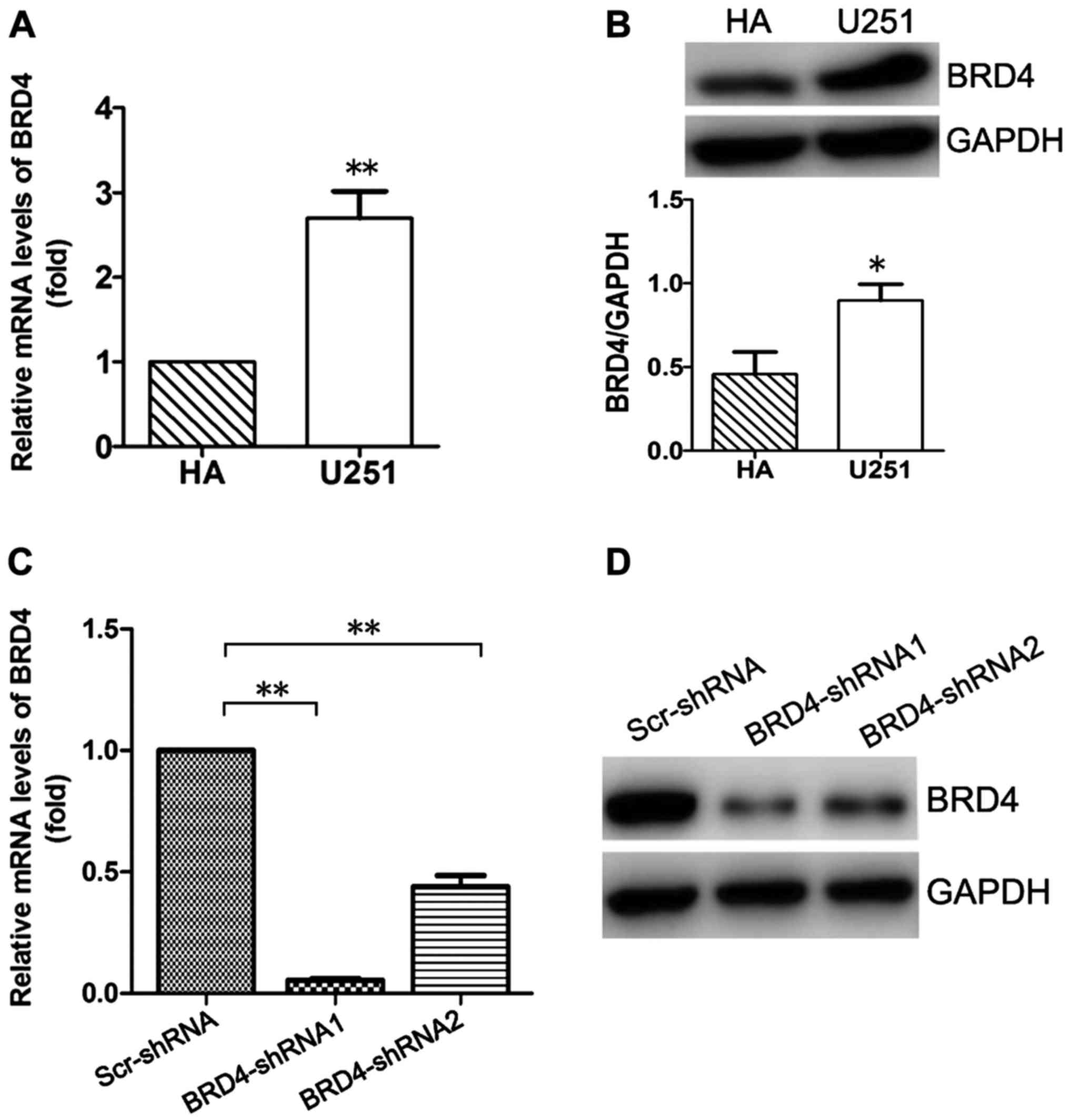
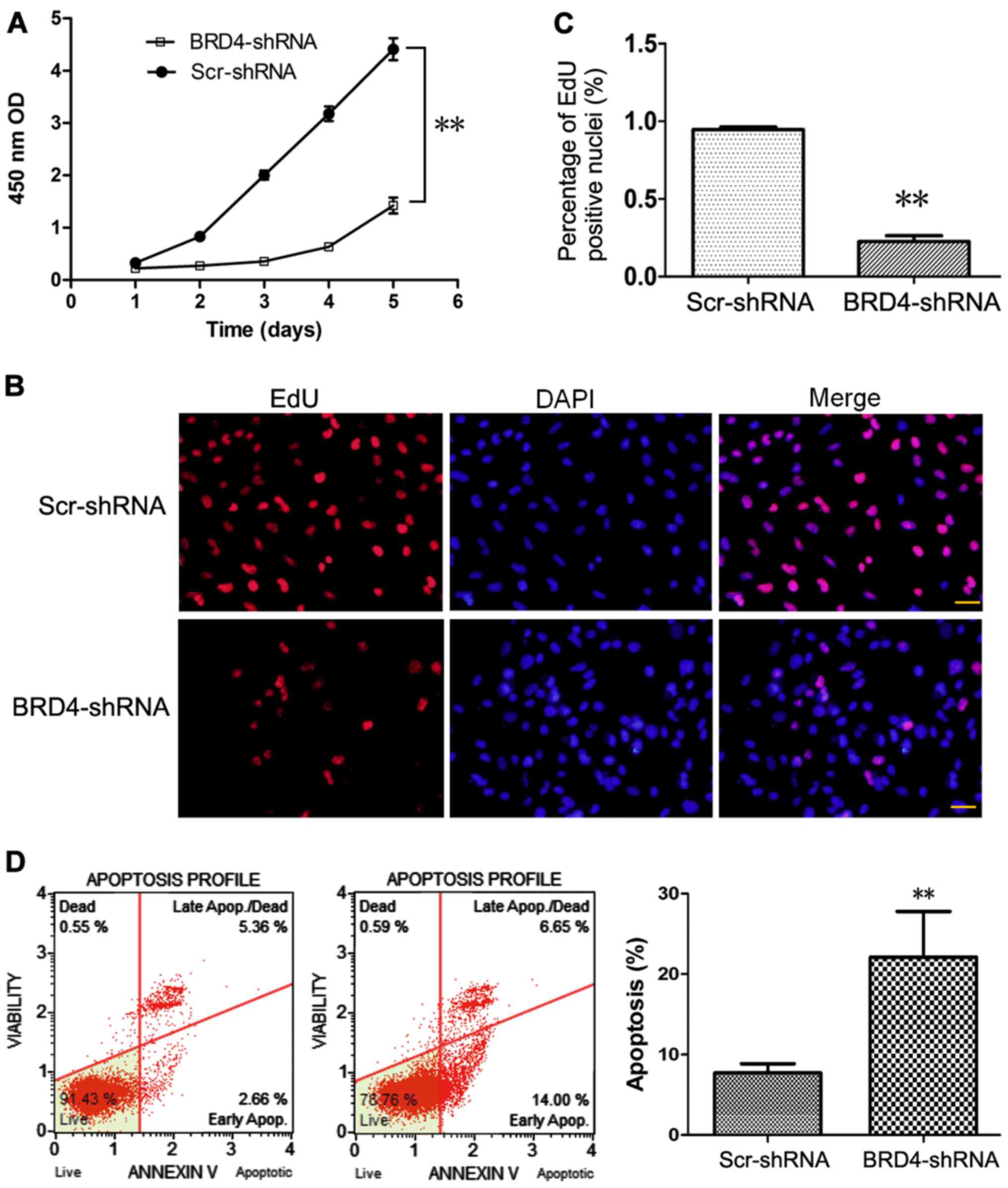
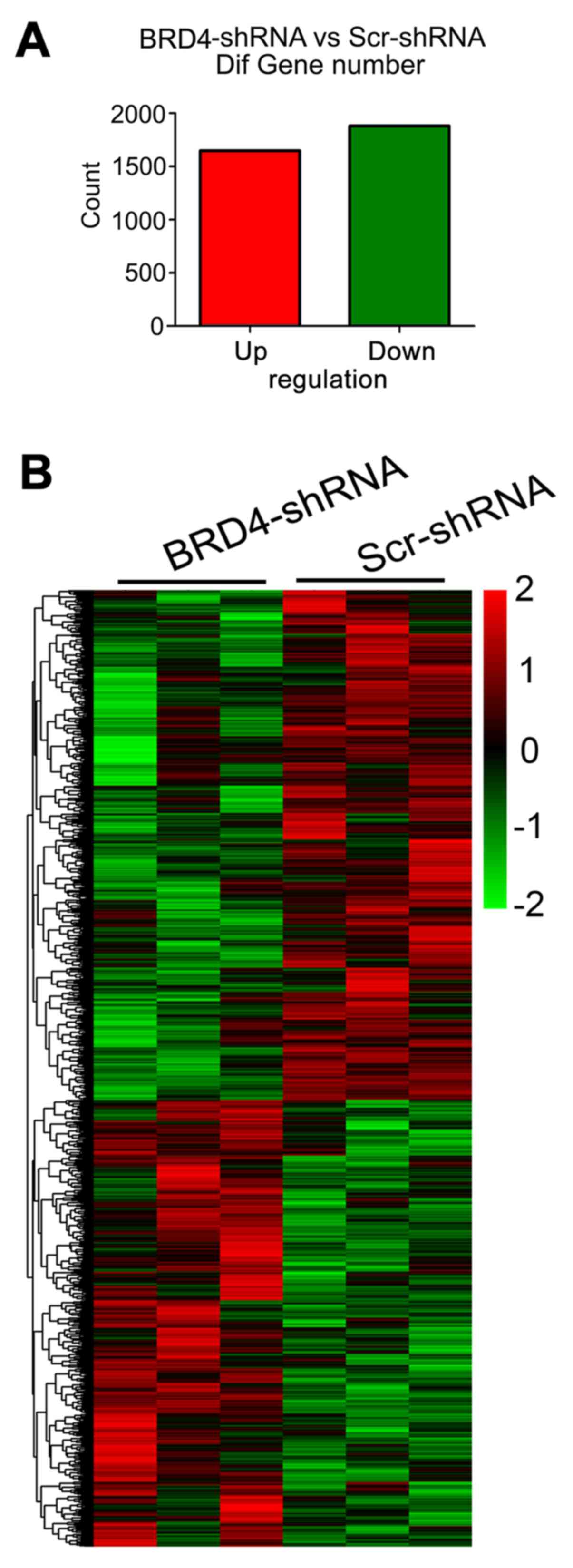
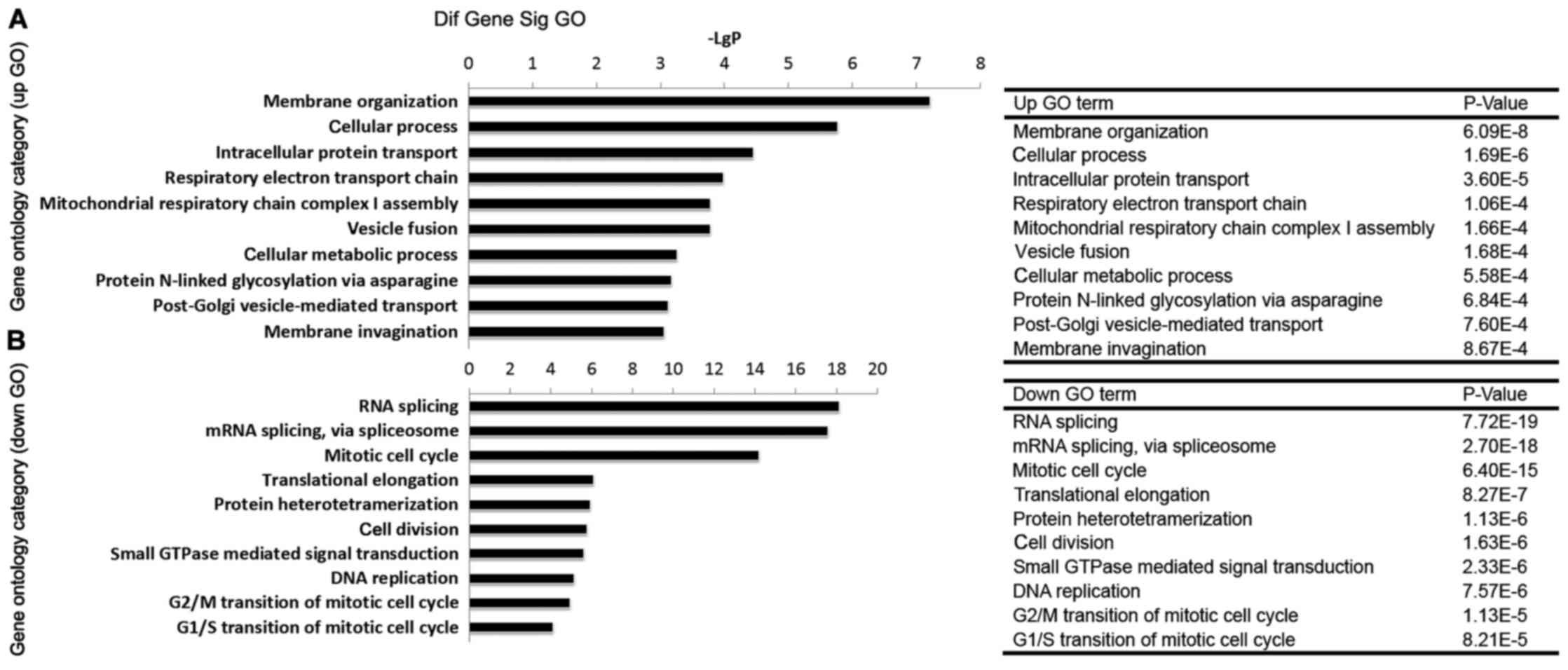
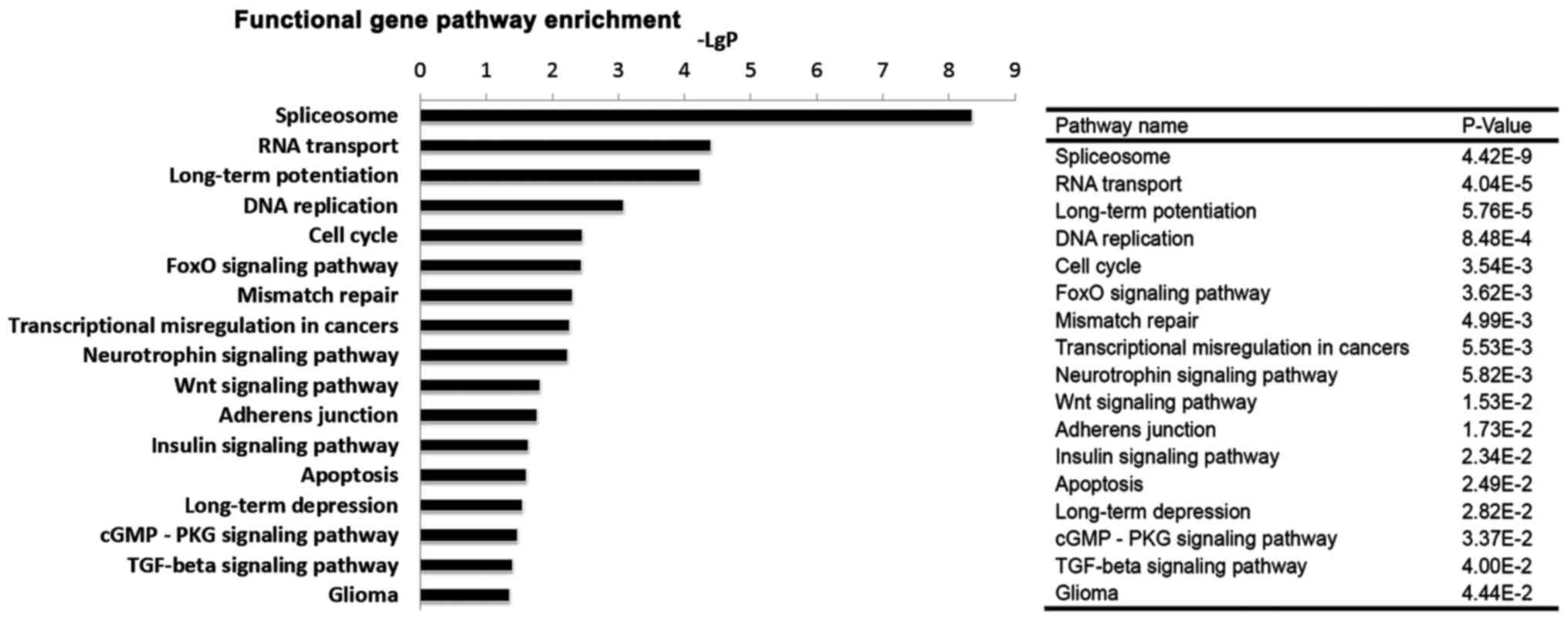
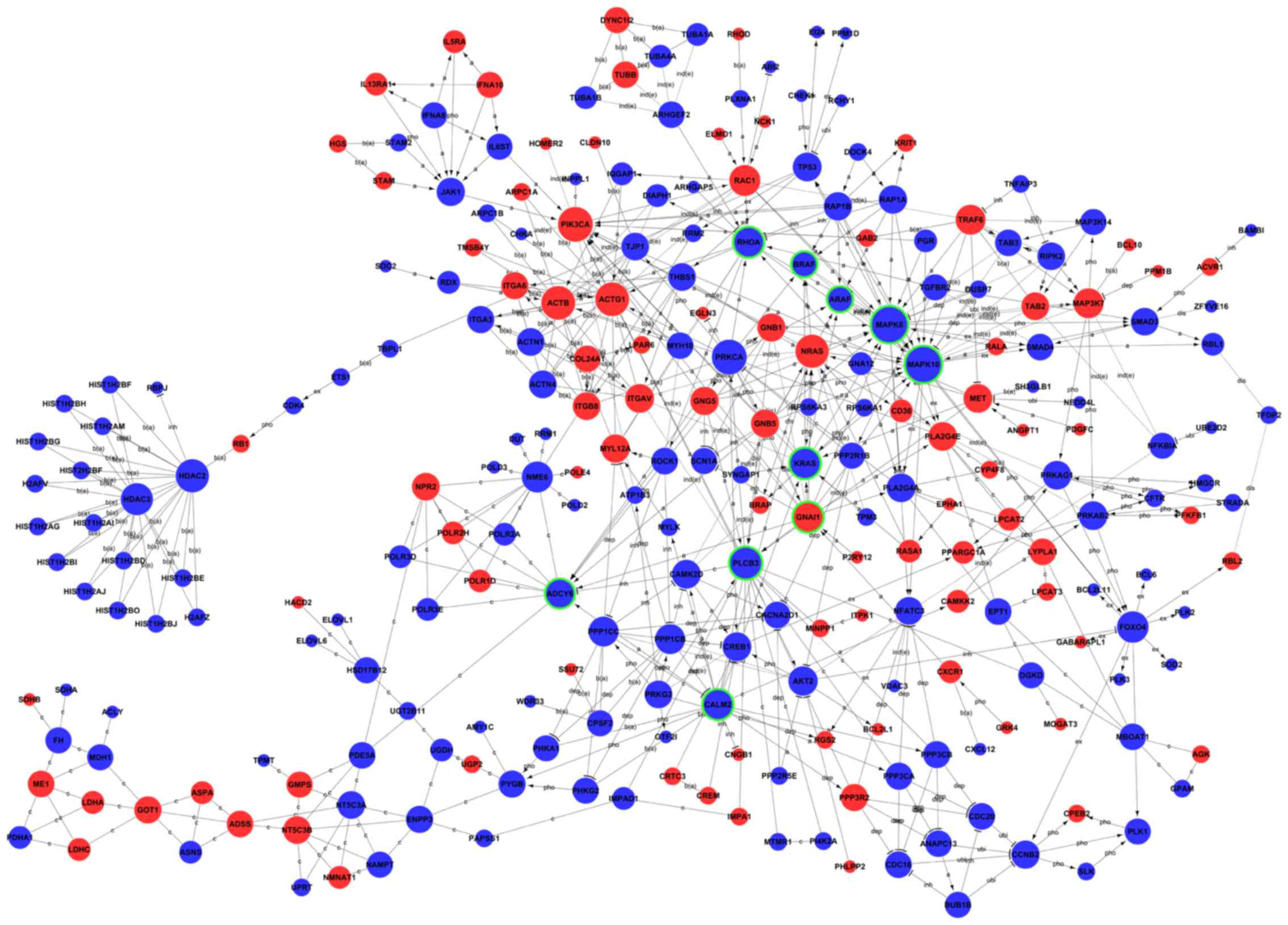
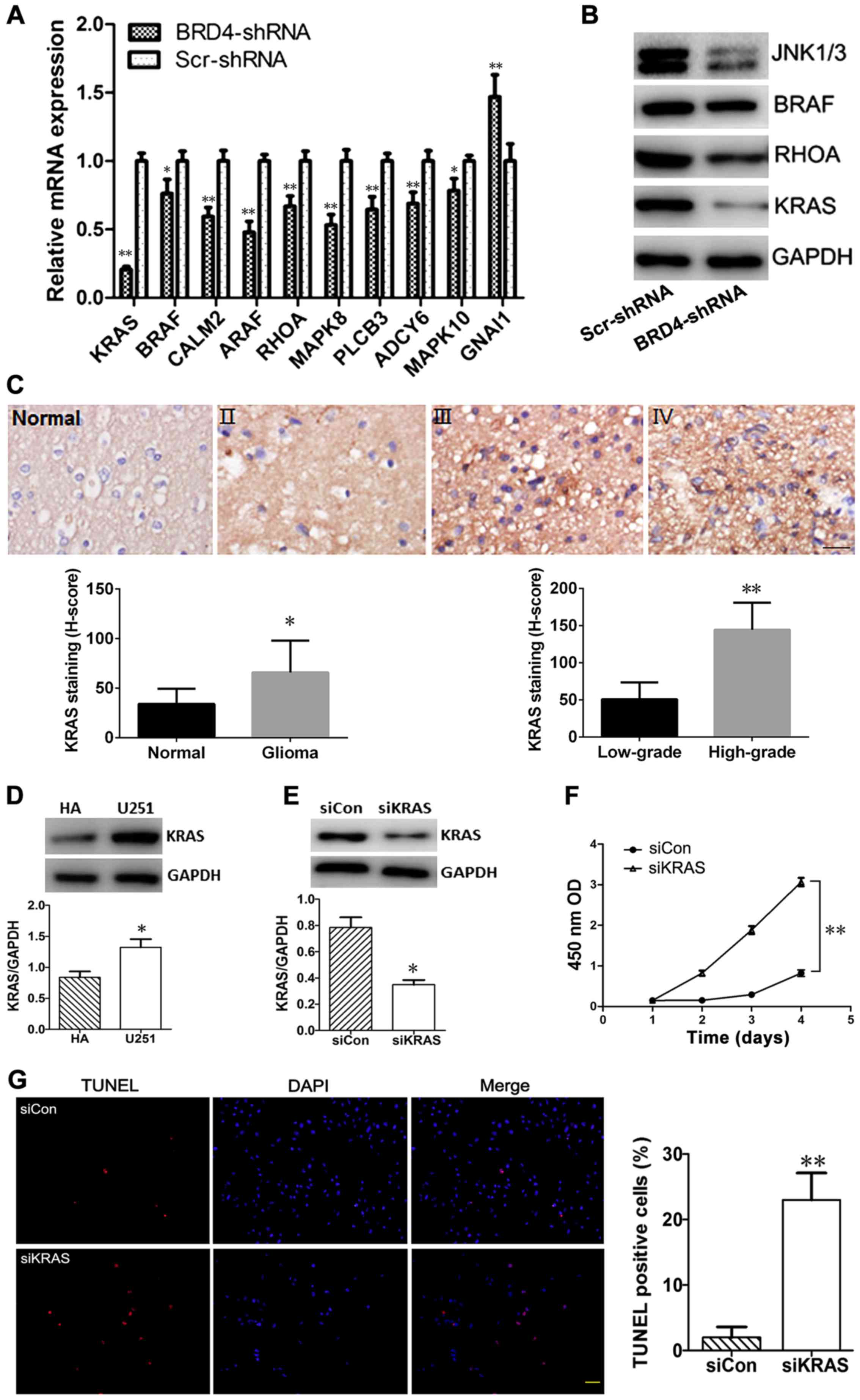
Bromodomain containing 4 (BRD4), a member of the bromodomain and extra-terminal family, has become a promising drug target for numerous types of cancer. BRD4 has been reported to be deregulated in gliomas; however, the precise molecular pathways regulated by BRD4 remained elusive. In the present study, BRD4 expression was silenced in the glioma cell line U251 and the results demonstrated that BRD4 knockdown attenuated cell proliferation and promoted cell apoptosis. A genome-wide analysis of BRD4-regulated transcripts in U251 cells was performed using microarray to reveal the possible molecular mechanism. A total of 3,529 differentially expressed genes were identified; 1,648 of these genes were upregulated and 1,881 were downregulated. The results of the gene ontology analysis revealed that these genes were mainly involved in membrane organization, mitotic cell cycle, cell division and DNA replication. Pathway analysis revealed that the pathways altered following BRD4 knockdown included multiple cellular processes, such as cell cycle and apoptosis. Candidate genes were identified through global signal transduction network analysis and were validated using reverse transcription-quantitative polymerase chain reaction and western blot analyses. The results demonstrated that BRD4 knockdown decreased the expression of KRAS proto-oncogene GTPase (KRAS). Downregulated KRAS expression in U251 cells restrained cell proliferation and promoted cell apoptosis, suggesting that the effect of BRD4 on glioma cells might occur through the Ras pathway. In conclusion, the present results confirmed the role of BRD4 in glioma and provided information for further exploration of the molecular mechanism of BRD4 in glioma development and progression.
View Figures

Figure 1

Figure 2

Figure 3

Figure 4

Figure 5

Figure 6

Figure 7

View References

1 

Stupp R, Mason WP, van den Bent MJ, Weller M, Fisher B, Taphoorn MJ, Belanger K, Brandes AA, Marosi C, Bogdahn U, et al European Organisation for Research and Treatment of Cancer Brain Tumor and Radiotherapy Groups; National Cancer Institute of Canada Clinical Trials Group: Radiotherapy plus concomitant and adjuvant temozolomide for glioblastoma. N Engl J Med. 352:987–996. 2005. View Article : Google Scholar : PubMed/NCBI

2 

Dawson MA, Prinjha RK, Dittmann A, Giotopoulos G, Bantscheff M, Chan WI, Robson SC, Chung CW, Hopf C, Savitski MM, et al: Inhibition of BET recruitment to chromatin as an effective treatment for MLL-fusion leukaemia. Nature. 478:529–533. 2011. View Article : Google Scholar : PubMed/NCBI

3 

Andrieu G, Tran AH, Strissel KJ and Denis GV: BRD4 regulates breast cancer dissemination through Jagged1/Notch1 signaling. Cancer Res. 76:6555–6567. 2016. View Article : Google Scholar : PubMed/NCBI

4 

Papavassiliou KA and Papavassiliou AG: Bromodomains: Pockets with therapeutic potential. Trends Mol Med. 20:477–478. 2014. View Article : Google Scholar : PubMed/NCBI

5 

Filippakopoulos P and Knapp S: Targeting bromodomains: Epigenetic readers of lysine acetylation. Nat Rev Drug Discov. 13:337–356. 2014. View Article : Google Scholar : PubMed/NCBI

6 

Dhalluin C, Carlson JE, Zeng L, He C, Aggarwal AK and Zhou MM: Structure and ligand of a histone acetyltransferase bromodomain. Nature. 399:491–496. 1999. View Article : Google Scholar : PubMed/NCBI

7 

Jang MK, Mochizuki K, Zhou M, Jeong HS, Brady JN and Ozato K: The bromodomain protein Brd4 is a positive regulatory component of P-TEFb and stimulates RNA polymerase II-dependent transcription. Mol Cell. 19:523–534. 2005. View Article : Google Scholar : PubMed/NCBI

8 

Zeng L and Zhou MM: Bromodomain: An acetyl-lysine binding domain. FEBS Lett. 513:124–128. 2002. View Article : Google Scholar : PubMed/NCBI

9 

Segura MF, Fontanals-Cirera B, Gaziel-Sovran A, Guijarro MV, Hanniford D, Zhang G, González-Gomez P, Morante M, Jubierre L, Zhang W, et al: BRD4 sustains melanoma proliferation and represents a new target for epigenetic therapy. Cancer Res. 73:6264–6276. 2013. View Article : Google Scholar : PubMed/NCBI

10 

Lockwood WW, Zejnullahu K, Bradner JE and Varmus H: Sensitivity of human lung adenocarcinoma cell lines to targeted inhibition of BET epigenetic signaling proteins. Proc Natl Acad Sci USA. 109:19408–19413. 2012. View Article : Google Scholar : PubMed/NCBI

11 

Delmore JE, Issa GC, Lemieux ME, Rahl PB, Shi J, Jacobs HM, Kastritis E, Gilpatrick T, Paranal RM, Qi J, et al: BET bromodomain inhibition as a therapeutic strategy to target c-Myc. Cell. 146:904–917. 2011. View Article : Google Scholar : PubMed/NCBI

12 

Zuber J, Shi J, Wang E, Rappaport AR, Herrmann H, Sison EA, Magoon D, Qi J, Blatt K, Wunderlich M, et al: RNAi screen identifies Brd4 as a therapeutic target in acute myeloid leukaemia. Nature. 478:524–528. 2011. View Article : Google Scholar : PubMed/NCBI

13 

Rahl PB, Lin CY, Seila AC, Flynn RA, McCuine S, Burge CB, Sharp PA and Young RA: c-Myc regulates transcriptional pause release. Cell. 141:432–445. 2010. View Article : Google Scholar : PubMed/NCBI

14 

Cheng Z, Gong Y, Ma Y, Lu K, Lu X, Pierce LA, Thompson RC, Muller S, Knapp S and Wang J: Inhibition of BET bromodomain targets genetically diverse glioblastoma. Clin Cancer Res. 19:1748–1759. 2013. View Article : Google Scholar : PubMed/NCBI

15 

Zhang Z, Ma P, Jing Y, Yan Y, Cai MC, Zhang M, Zhang S, Peng H, Ji ZL, Di W, et al: BET Bromodomain inhibition as a therapeutic strategy in ovarian cancer by downregulating FoxM1. Theranostics. 6:219–230. 2016. View Article : Google Scholar : PubMed/NCBI

16 

Liao YF, Wu YB, Long X, Zhu SQ, Jin C, Xu JJ and Ding JY: High level of BRD4 promotes non-small cell lung cancer progression. Oncotarget. 7:9491–9500. 2016. View Article : Google Scholar : PubMed/NCBI

17 

Du Z, Jia D, Liu S, Wang F, Li G, Zhang Y, Cao X, Ling EA and Hao A: Oct4 is expressed in human gliomas and promotes colony formation in glioma cells. Glia. 57:724–733. 2009. View Article : Google Scholar

18 

Azim HA Jr, Peccatori FA, Brohée S, Branstetter D, Loi S, Viale G, Piccart M, Dougall WC, Pruneri G and Sotiriou C: RANK-ligand (RANKL) expression in young breast cancer patients and during pregnancy. Breast Cancer Res. 17:242015. View Article : Google Scholar : PubMed/NCBI

19 

Yeo W, Chan SL, Mo FK, Chu CM, Hui JW, Tong JH, Chan AW, Koh J, Hui EP, Loong H, et al: Phase I/II study of temsirolimus for patients with unresectable Hepatocellular Carcinoma (HCC)-a correlative study to explore potential biomarkers for response. BMC Cancer. 15:3952015. View Article : Google Scholar

20 

Livak KJ and Schmittgen TD: Analysis of relative gene expression data using real-time quantitative PCR and the 2(−Delta Delta C(T)) method. Methods. 25:402–408. 2001. View Article : Google Scholar

21 

Saldanha AJ: Java Treeview - extensible visualization of microarray data. Bioinformatics. 20:3246–3248. 2004. View Article : Google Scholar : PubMed/NCBI

22 

Asangani IA, Dommeti VL, Wang X, Malik R, Cieslik M, Yang R, Escara-Wilke J, Wilder-Romans K, Dhanireddy S, Engelke C, et al: Therapeutic targeting of BET bromodomain proteins in castration-resistant prostate cancer. Nature. 510:278–282. 2014. View Article : Google Scholar : PubMed/NCBI

23 

Bandopadhayay P, Bergthold G, Nguyen B, Schubert S, Gholamin S, Tang Y, Bolin S, Schumacher SE, Zeid R, Masoud S, et al: BET bromodomain inhibition of MYC-amplified medulloblastoma. Clin Cancer Res. 20:912–925. 2014. View Article : Google Scholar

24 

Shi J, Wang Y, Zeng L, Wu Y, Deng J, Zhang Q, Lin Y, Li J, Kang T, Tao M, et al: Disrupting the interaction of BRD4 with diacetylated Twist suppresses tumorigenesis in basal-like breast cancer. Cancer Cell. 25:210–225. 2014. View Article : Google Scholar :

25 

Whyte WA, Orlando DA, Hnisz D, Abraham BJ, Lin CY, Kagey MH, Rahl PB, Lee TI and Young RA: Master transcription factors and mediator establish super-enhancers at key cell identity genes. Cell. 153:307–319. 2013. View Article : Google Scholar : PubMed/NCBI

26 

Pastori C, Daniel M, Penas C, Volmar CH, Johnstone AL, Brothers SP, Graham RM, Allen B, Sarkaria JN, Komotar RJ, et al: BET bromodomain proteins are required for glioblastoma cell proliferation. Epigenetics. 9:611–620. 2014. View Article : Google Scholar : PubMed/NCBI

27 

Dawson MA, Kouzarides T and Huntly BJP: Targeting epigenetic readers in cancer. N Engl J Med. 367:647–657. 2012. View Article : Google Scholar : PubMed/NCBI

28 

Muller S, Filippakopoulos P and Knapp S: Bromodomains as therapeutic targets. Expert Rev Mol Med. 13:e292011. View Article : Google Scholar :

29 

Belkina AC and Denis GV: BET domain co-regulators in obesity, inflammation and cancer. Nat Rev Cancer. 12:465–477. 2012. View Article : Google Scholar : PubMed/NCBI

30 

Dey A, Ellenberg J, Farina A, Coleman AE, Maruyama T, Sciortino S, Lippincott-Schwartz J and Ozato K: A bromodomain protein, MCAP, associates with mitotic chromosomes and affects G(2)-to-M transition. Mol Cell Biol. 20:6537–6549. 2000. View Article : Google Scholar : PubMed/NCBI

31 

Dey A, Chitsaz F, Abbasi A, Misteli T and Ozato K: The double bromodomain protein Brd4 binds to acetylated chromatin during interphase and mitosis. Proc Natl Acad Sci USA. 100:8758–8763. 2003. View Article : Google Scholar : PubMed/NCBI

32 

Hsu TY, Simon LM, Neill NJ, Marcotte R, Sayad A, Bland CS, Echeverria GV, Sun T, Kurley SJ, Tyagi S, et al: The spliceosome is a therapeutic vulnerability in MYC-driven cancer. Nature. 525:384–388. 2015. View Article : Google Scholar : PubMed/NCBI

33 

Hahn CN, Venugopal P, Scott HS and Hiwase DK: Splice factor mutations and alternative splicing as drivers of hematopoietic malignancy. Immunol Rev. 263:257–278. 2015. View Article : Google Scholar

34 

Wojtuszkiewicz A, Assaraf YG, Maas MJ, Kaspers GJ, Jansen G and Cloos J: Pre-mRNA splicing in cancer: The relevance in oncogenesis, treatment and drug resistance. Expert Opin Drug Metab Toxicol. 11:673–689. 2015. View Article : Google Scholar

35 

Coomans de Brachène A and Demoulin JB: FOXO transcription factors in cancer development and therapy. Cell Mol Life Sci. 73:1159–1172. 2016. View Article : Google Scholar

36 

Powathil GG, Gordon KE, Hill LA and Chaplain MA: Modelling the effects of cell-cycle heterogeneity on the response of a solid tumour to chemotherapy: Biological insights from a hybrid multiscale cellular automaton model. J Theor Biol. 308:1–19. 2012. View Article : Google Scholar : PubMed/NCBI

37 

Hallett RM, Huang C, Motazedian A, Auf der Mauer S, Pond GR, Hassell JA, Nordon RE and Draper JS: Treatment-induced cell cycle kinetics dictate tumor response to chemotherapy. Oncotarget. 6:7040–7052. 2015. View Article : Google Scholar : PubMed/NCBI

38 

Koval A, Ahmed K and Katanaev VL: Inhibition of Wnt signalling and breast tumour growth by the multi-purpose drug suramin through suppression of heterotrimeric G proteins and Wnt endocytosis. Biochem J. 473:371–381. 2016. View Article : Google Scholar

39 

Leek RD, Stratford I and Harris AL: The role of hypoxia-inducible factor-1 in three-dimensional tumor growth, apoptosis, and regulation by the insulin-signaling pathway. Cancer Res. 65:4147–4152. 2005. View Article : Google Scholar : PubMed/NCBI

40 

Sawa M, Masuda M and Yamada T: Targeting the Wnt signaling pathway in colorectal cancer. Expert Opin Ther Targets. 20:419–429. 2016. View Article : Google Scholar

41 

Ramos-Solano M, Álvarez-Zavala M, García-Castro B, Jave-Suárez LF and Aguilar-Lemarroy A: Wnt signalling pathway and cervical cancer. Rev Med Inst Mex Seguro Soc. 53(Suppl 2): S218–S224. 2015.In Spanish.

42 

Yong X, Tang B, Xiao YF, Xie R, Qin Y, Luo G, Hu CJ, Dong H and Yang SM: Helicobacter pylori upregulates Nanog and Oct4 via Wnt/β-catenin signaling pathway to promote cancer stem cell-like properties in human gastric cancer. Cancer Lett. 374:292–303. 2016. View Article : Google Scholar : PubMed/NCBI

43 

Yang L, Tang H, Kong Y, Xie X, Chen J, Song C, Liu X, Ye F, Li N, Wang N, et al: LGR5 Promotes Breast Cancer Progression and Maintains Stem-Like Cells Through Activation of Wnt/β-Catenin Signaling. Stem Cells. 33:2913–2924. 2015. View Article : Google Scholar : PubMed/NCBI

44 

Zhi X, Lin L, Yang S, Bhuvaneshwar K, Wang H, Gusev Y, Lee MH, Kallakury B, Shivapurkar N, Cahn K, et al: βII-Spectrin (SPTBN1) suppresses progression of hepatocellular carcinoma and Wnt signaling by regulation of Wnt inhibitor kallistatin. Hepatology. 61:598–612. 2015. View Article : Google Scholar :

45 

Zhang N, Wei P, Gong A, Chiu WT, Lee HT, Colman H, Huang H, Xue J, Liu M, Wang Y, et al: FoxM1 promotes β-catenin nuclear localization and controls Wnt target-gene expression and glioma tumorigenesis. Cancer Cell. 20:427–442. 2011. View Article : Google Scholar : PubMed/NCBI

46 

Zheng H, Ying H, Wiedemeyer R, Yan H, Quayle SN, Ivanova EV, Paik JH, Zhang H, Xiao Y, Perry SR, et al: LAGL2 regulates Wnt signaling to impede differentiation in neural stem cells and gliomas. Cancer Cell. 17:497–509. 2010. View Article : Google Scholar : PubMed/NCBI

47 

Jiang X, Yu Y, Yang HW, Agar NY, Frado L and Johnson MD: The imprinted gene PEG3 inhibits Wnt signaling and regulates glioma growth. J Biol Chem. 285:8472–8480. 2010. View Article : Google Scholar : PubMed/NCBI

48 

Ryu MJ, Liu Y, Zhong X, Du J, Peterson N, Kong G, Li H, Wang J, Salamat S, Chang Q, et al: Oncogenic Kras expression in post-mitotic neurons leads to S100A8-S100A9 protein overexpression and gliosis. J Biol Chem. 287:22948–22958. 2012. View Article : Google Scholar : PubMed/NCBI

49 

Milinkovic VP, Skender Gazibara MK, Manojlovic Gacic EM, Gazibara TM and Tanic NT: The impact of TP53 and RAS mutations on cerebellar glioblastomas. Exp Mol Pathol. 97:202–207. 2014. View Article : Google Scholar : PubMed/NCBI

50 

Lee DH, Qi J, Bradner JE, Said JW, Doan NB, Forscher C, Yang H and Koeffler HP: Synergistic effect of JQ1 and rapamycin for treatment of human osteosarcoma. Int J Cancer. 136:2055–2064. 2015. View Article : Google Scholar

51 

Chapuy B, McKeown MR, Lin CY, Monti S, Roemer MG, Qi J, Rahl PB, Sun HH, Yeda KT, Doench JG, et al: Discovery and characterization of super-enhancer-associated dependencies in diffuse large B cell lymphoma. Cancer Cell. 24:777–790. 2013. View Article : Google Scholar : PubMed/NCBI

52 

Mertz JA, Conery AR, Bryant BM, Sandy P, Balasubramanian S, Mele DA, Bergeron L and Sims RJ III: Targeting MYC dependence in cancer by inhibiting BET bromodomains. Proc Natl Acad Sci USA. 108:16669–16674. 2011. View Article : Google Scholar : PubMed/NCBI

53 

Liu X, Zhang Y, Chen Y, Li M, Zhou F, Li K, Cao H, Ni M, Liu Y, Gu Z, et al: In situ capture of chromatin interactions by biotinylated dCas9. Cell. 170:1028–1043.e19. 2017. View Article : Google Scholar : PubMed/NCBI

54 

Zhang W, Prakash C, Sum C, Gong Y, Li Y, Kwok JJ, Thiessen N, Pettersson S, Jones SJ, Knapp S, et al: Bromodomain-containing protein 4 (BRD4) regulates RNA polymerase II serine 2 phosphorylation in human CD4+ T cells. J Biol Chem. 287:43137–43155. 2012. View Article : Google Scholar : PubMed/NCBI

Related Articles

  • Abstract
  • View
  • Download
  • Twitter
Copy and paste a formatted citation
Spandidos Publications style
Du Z, Song X, Yan F, Wang J, Zhao Y and Liu S: Genome-wide transcriptional analysis of BRD4-regulated genes and pathways in human glioma U251 cells. Int J Oncol 52: 1415-1426, 2018.
APA
Du, Z., Song, X., Yan, F., Wang, J., Zhao, Y., & Liu, S. (2018). Genome-wide transcriptional analysis of BRD4-regulated genes and pathways in human glioma U251 cells. International Journal of Oncology, 52, 1415-1426. https://doi.org/10.3892/ijo.2018.4324
MLA
Du, Z., Song, X., Yan, F., Wang, J., Zhao, Y., Liu, S."Genome-wide transcriptional analysis of BRD4-regulated genes and pathways in human glioma U251 cells". International Journal of Oncology 52.5 (2018): 1415-1426.
Chicago
Du, Z., Song, X., Yan, F., Wang, J., Zhao, Y., Liu, S."Genome-wide transcriptional analysis of BRD4-regulated genes and pathways in human glioma U251 cells". International Journal of Oncology 52, no. 5 (2018): 1415-1426. https://doi.org/10.3892/ijo.2018.4324
Copy and paste a formatted citation
x
Spandidos Publications style
Du Z, Song X, Yan F, Wang J, Zhao Y and Liu S: Genome-wide transcriptional analysis of BRD4-regulated genes and pathways in human glioma U251 cells. Int J Oncol 52: 1415-1426, 2018.
APA
Du, Z., Song, X., Yan, F., Wang, J., Zhao, Y., & Liu, S. (2018). Genome-wide transcriptional analysis of BRD4-regulated genes and pathways in human glioma U251 cells. International Journal of Oncology, 52, 1415-1426. https://doi.org/10.3892/ijo.2018.4324
MLA
Du, Z., Song, X., Yan, F., Wang, J., Zhao, Y., Liu, S."Genome-wide transcriptional analysis of BRD4-regulated genes and pathways in human glioma U251 cells". International Journal of Oncology 52.5 (2018): 1415-1426.
Chicago
Du, Z., Song, X., Yan, F., Wang, J., Zhao, Y., Liu, S."Genome-wide transcriptional analysis of BRD4-regulated genes and pathways in human glioma U251 cells". International Journal of Oncology 52, no. 5 (2018): 1415-1426. https://doi.org/10.3892/ijo.2018.4324
Follow us
  • Twitter
  • LinkedIn
  • Facebook
About
  • Spandidos Publications
  • Careers
  • Cookie Policy
  • Privacy Policy
How can we help?
  • Help
  • Live Chat
  • Contact
  • Email to our Support Team