Spandidos Publications Logo
  • About
    • About Spandidos
    • Aims and Scopes
    • Abstracting and Indexing
    • Editorial Policies
    • Reprints and Permissions
    • Job Opportunities
    • Terms and Conditions
    • Contact
  • Journals
    • All Journals
    • Oncology Letters
      • Oncology Letters
      • Information for Authors
      • Editorial Policies
      • Editorial Board
      • Aims and Scope
      • Abstracting and Indexing
      • Bibliographic Information
      • Archive
    • International Journal of Oncology
      • International Journal of Oncology
      • Information for Authors
      • Editorial Policies
      • Editorial Board
      • Aims and Scope
      • Abstracting and Indexing
      • Bibliographic Information
      • Archive
    • Molecular and Clinical Oncology
      • Molecular and Clinical Oncology
      • Information for Authors
      • Editorial Policies
      • Editorial Board
      • Aims and Scope
      • Abstracting and Indexing
      • Bibliographic Information
      • Archive
    • Experimental and Therapeutic Medicine
      • Experimental and Therapeutic Medicine
      • Information for Authors
      • Editorial Policies
      • Editorial Board
      • Aims and Scope
      • Abstracting and Indexing
      • Bibliographic Information
      • Archive
    • International Journal of Molecular Medicine
      • International Journal of Molecular Medicine
      • Information for Authors
      • Editorial Policies
      • Editorial Board
      • Aims and Scope
      • Abstracting and Indexing
      • Bibliographic Information
      • Archive
    • Biomedical Reports
      • Biomedical Reports
      • Information for Authors
      • Editorial Policies
      • Editorial Board
      • Aims and Scope
      • Abstracting and Indexing
      • Bibliographic Information
      • Archive
    • Oncology Reports
      • Oncology Reports
      • Information for Authors
      • Editorial Policies
      • Editorial Board
      • Aims and Scope
      • Abstracting and Indexing
      • Bibliographic Information
      • Archive
    • Molecular Medicine Reports
      • Molecular Medicine Reports
      • Information for Authors
      • Editorial Policies
      • Editorial Board
      • Aims and Scope
      • Abstracting and Indexing
      • Bibliographic Information
      • Archive
    • World Academy of Sciences Journal
      • World Academy of Sciences Journal
      • Information for Authors
      • Editorial Policies
      • Editorial Board
      • Aims and Scope
      • Abstracting and Indexing
      • Bibliographic Information
      • Archive
    • International Journal of Functional Nutrition
      • International Journal of Functional Nutrition
      • Information for Authors
      • Editorial Policies
      • Editorial Board
      • Aims and Scope
      • Abstracting and Indexing
      • Bibliographic Information
      • Archive
    • International Journal of Epigenetics
      • International Journal of Epigenetics
      • Information for Authors
      • Editorial Policies
      • Editorial Board
      • Aims and Scope
      • Abstracting and Indexing
      • Bibliographic Information
      • Archive
    • Medicine International
      • Medicine International
      • Information for Authors
      • Editorial Policies
      • Editorial Board
      • Aims and Scope
      • Abstracting and Indexing
      • Bibliographic Information
      • Archive
  • Articles
  • Information
    • Information for Authors
    • Information for Reviewers
    • Information for Librarians
    • Information for Advertisers
    • Conferences
  • Language Editing
Spandidos Publications Logo
  • About
    • About Spandidos
    • Aims and Scopes
    • Abstracting and Indexing
    • Editorial Policies
    • Reprints and Permissions
    • Job Opportunities
    • Terms and Conditions
    • Contact
  • Journals
    • All Journals
    • Biomedical Reports
      • Information for Authors
      • Editorial Policies
      • Editorial Board
      • Aims and Scope
      • Abstracting and Indexing
      • Bibliographic Information
      • Archive
    • Experimental and Therapeutic Medicine
      • Information for Authors
      • Editorial Policies
      • Editorial Board
      • Aims and Scope
      • Abstracting and Indexing
      • Bibliographic Information
      • Archive
    • International Journal of Epigenetics
      • Information for Authors
      • Editorial Policies
      • Editorial Board
      • Aims and Scope
      • Abstracting and Indexing
      • Bibliographic Information
      • Archive
    • International Journal of Functional Nutrition
      • Information for Authors
      • Editorial Policies
      • Editorial Board
      • Aims and Scope
      • Abstracting and Indexing
      • Bibliographic Information
      • Archive
    • International Journal of Molecular Medicine
      • Information for Authors
      • Editorial Policies
      • Editorial Board
      • Aims and Scope
      • Abstracting and Indexing
      • Bibliographic Information
      • Archive
    • International Journal of Oncology
      • Information for Authors
      • Editorial Policies
      • Editorial Board
      • Aims and Scope
      • Abstracting and Indexing
      • Bibliographic Information
      • Archive
    • Medicine International
      • Information for Authors
      • Editorial Policies
      • Editorial Board
      • Aims and Scope
      • Abstracting and Indexing
      • Bibliographic Information
      • Archive
    • Molecular and Clinical Oncology
      • Information for Authors
      • Editorial Policies
      • Editorial Board
      • Aims and Scope
      • Abstracting and Indexing
      • Bibliographic Information
      • Archive
    • Molecular Medicine Reports
      • Information for Authors
      • Editorial Policies
      • Editorial Board
      • Aims and Scope
      • Abstracting and Indexing
      • Bibliographic Information
      • Archive
    • Oncology Letters
      • Information for Authors
      • Editorial Policies
      • Editorial Board
      • Aims and Scope
      • Abstracting and Indexing
      • Bibliographic Information
      • Archive
    • Oncology Reports
      • Information for Authors
      • Editorial Policies
      • Editorial Board
      • Aims and Scope
      • Abstracting and Indexing
      • Bibliographic Information
      • Archive
    • World Academy of Sciences Journal
      • Information for Authors
      • Editorial Policies
      • Editorial Board
      • Aims and Scope
      • Abstracting and Indexing
      • Bibliographic Information
      • Archive
  • Articles
  • Information
    • For Authors
    • For Reviewers
    • For Librarians
    • For Advertisers
    • Conferences
  • Language Editing
Login Register Submit
  • This site uses cookies
  • You can change your cookie settings at any time by following the instructions in our Cookie Policy. To find out more, you may read our Privacy Policy.

    I agree
Search articles by DOI, keyword, author or affiliation
Search
Advanced Search
presentation
International Journal of Oncology
Join Editorial Board Propose a Special Issue
Print ISSN: 1019-6439 Online ISSN: 1791-2423
Journal Cover
January-2019 Volume 54 Issue 1

Full Size Image

Cover Legend PDF

Sign up for eToc alerts
Recommend to Library

Journals

International Journal of Molecular Medicine

International Journal of Molecular Medicine

International Journal of Molecular Medicine is an international journal devoted to molecular mechanisms of human disease.

International Journal of Oncology

International Journal of Oncology

International Journal of Oncology is an international journal devoted to oncology research and cancer treatment.

Molecular Medicine Reports

Molecular Medicine Reports

Covers molecular medicine topics such as pharmacology, pathology, genetics, neuroscience, infectious diseases, molecular cardiology, and molecular surgery.

Oncology Reports

Oncology Reports

Oncology Reports is an international journal devoted to fundamental and applied research in Oncology.

Experimental and Therapeutic Medicine

Experimental and Therapeutic Medicine

Experimental and Therapeutic Medicine is an international journal devoted to laboratory and clinical medicine.

Oncology Letters

Oncology Letters

Oncology Letters is an international journal devoted to Experimental and Clinical Oncology.

Biomedical Reports

Biomedical Reports

Explores a wide range of biological and medical fields, including pharmacology, genetics, microbiology, neuroscience, and molecular cardiology.

Molecular and Clinical Oncology

Molecular and Clinical Oncology

International journal addressing all aspects of oncology research, from tumorigenesis and oncogenes to chemotherapy and metastasis.

World Academy of Sciences Journal

World Academy of Sciences Journal

Multidisciplinary open-access journal spanning biochemistry, genetics, neuroscience, environmental health, and synthetic biology.

International Journal of Functional Nutrition

International Journal of Functional Nutrition

Open-access journal combining biochemistry, pharmacology, immunology, and genetics to advance health through functional nutrition.

International Journal of Epigenetics

International Journal of Epigenetics

Publishes open-access research on using epigenetics to advance understanding and treatment of human disease.

Medicine International

Medicine International

An International Open Access Journal Devoted to General Medicine.

Journal Cover
January-2019 Volume 54 Issue 1

Full Size Image

Cover Legend PDF

Sign up for eToc alerts
Recommend to Library

  • Article
  • Citations
    • Cite This Article
    • Download Citation
    • Create Citation Alert
    • Remove Citation Alert
    • Cited By
  • Similar Articles
    • Related Articles (in Spandidos Publications)
    • Similar Articles (Google Scholar)
    • Similar Articles (PubMed)
  • Download PDF
  • Download XML
  • View XML
Article Open Access

Betulinic acid inhibits stemness and EMT of pancreatic cancer cells via activation of AMPK signaling

  • Authors:
    • Liankang Sun
    • Junyu Cao
    • Ke Chen
    • Liang Cheng
    • Cancan Zhou
    • Bin Yan
    • Weikun Qian
    • Jie Li
    • Wanxing Duan
    • Jiguang Ma
    • Dan Qi
    • Erxi Wu
    • Zheng Wang
    • Qingguang Liu
    • Qingyong Ma
    • Qinhong Xu
  • View Affiliations / Copyright

    Affiliations: Department of Hepatobiliary Surgery, First Affiliated Hospital of Xi'an Jiaotong University, Xi'an, Shaanxi 710061, P.R. China, Department of Anesthesiology, First Affiliated Hospital of Xi'an Jiaotong University, Xi'an, Shaanxi 710061, P.R. China, 3Department of Neurosurgery, Baylor Scott & White Health, Temple, TX 78508, USA, Department of Geriatric Surgery, First Affiliated Hospital of Xi'an Jiaotong University, Xi'an, Shaanxi 710061, P.R. China
    Copyright: © Sun et al. This is an open access article distributed under the terms of Creative Commons Attribution License.
  • Pages: 98-110
    |
    Published online on: October 24, 2018
       https://doi.org/10.3892/ijo.2018.4604
  • Expand metrics +
Metrics: Total Views: 0 (Spandidos Publications: | PMC Statistics: )
Metrics: Total PDF Downloads: 0 (Spandidos Publications: | PMC Statistics: )
Cited By (CrossRef): 0 citations Loading Articles...

This article is mentioned in:


Abstract

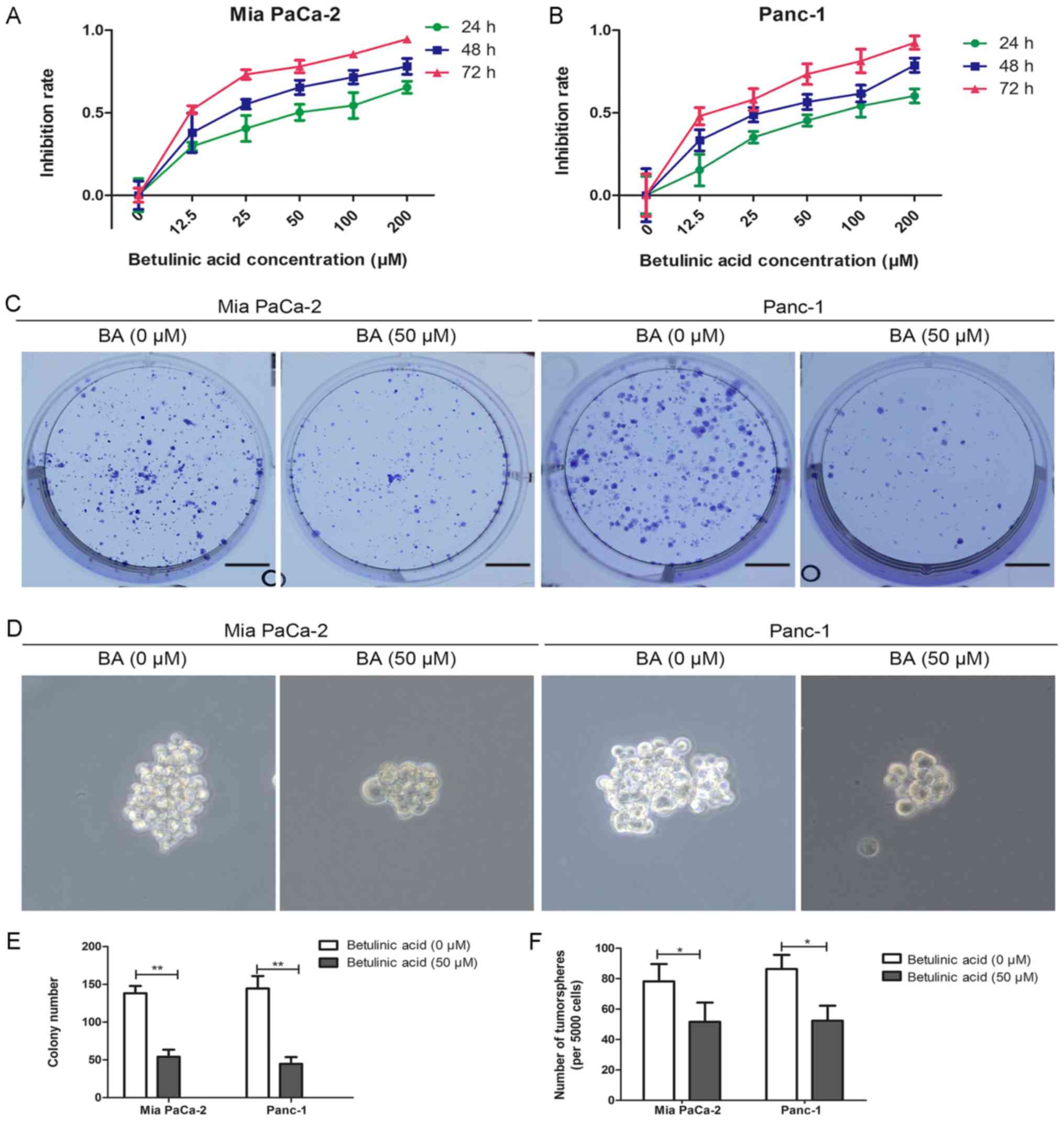
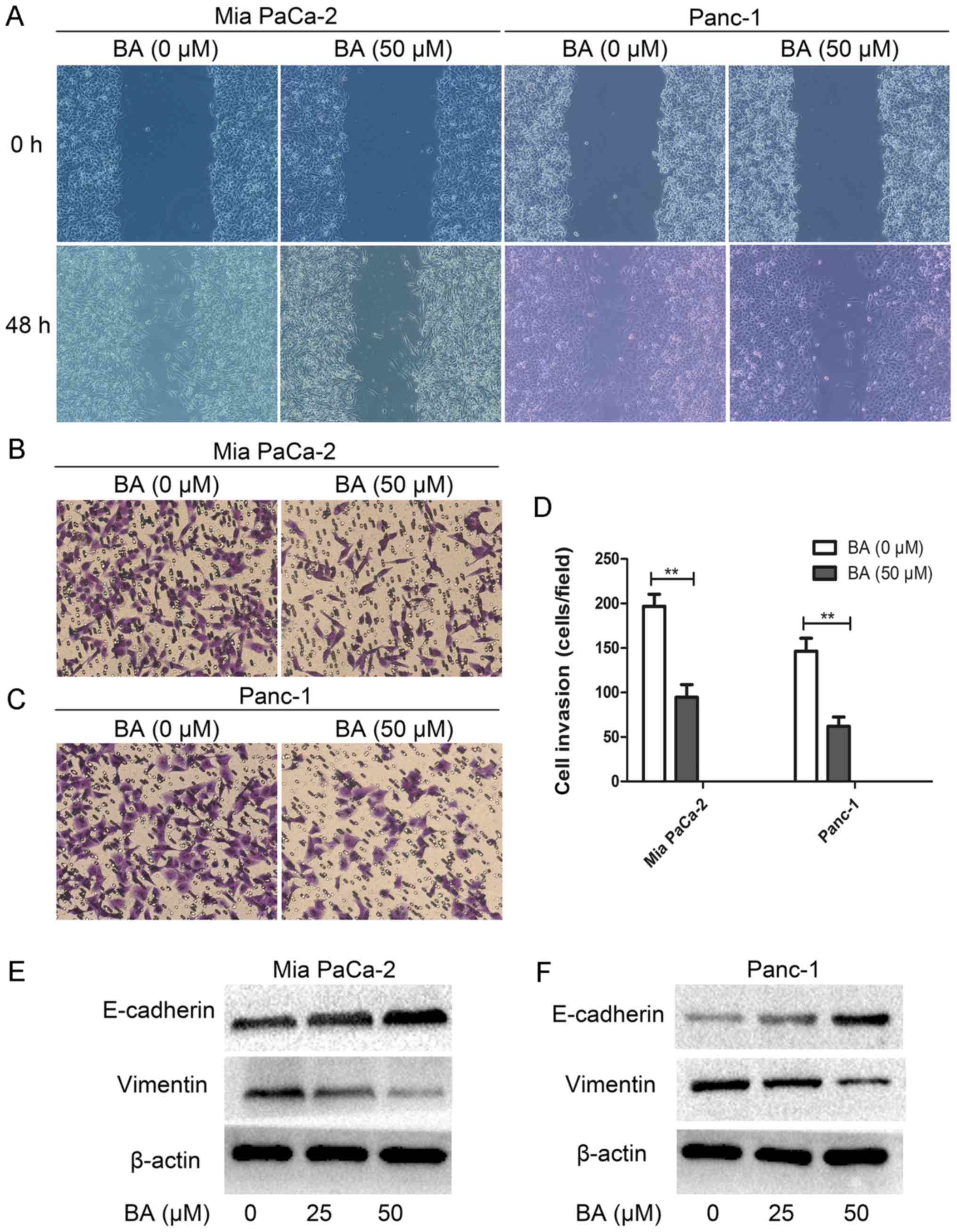
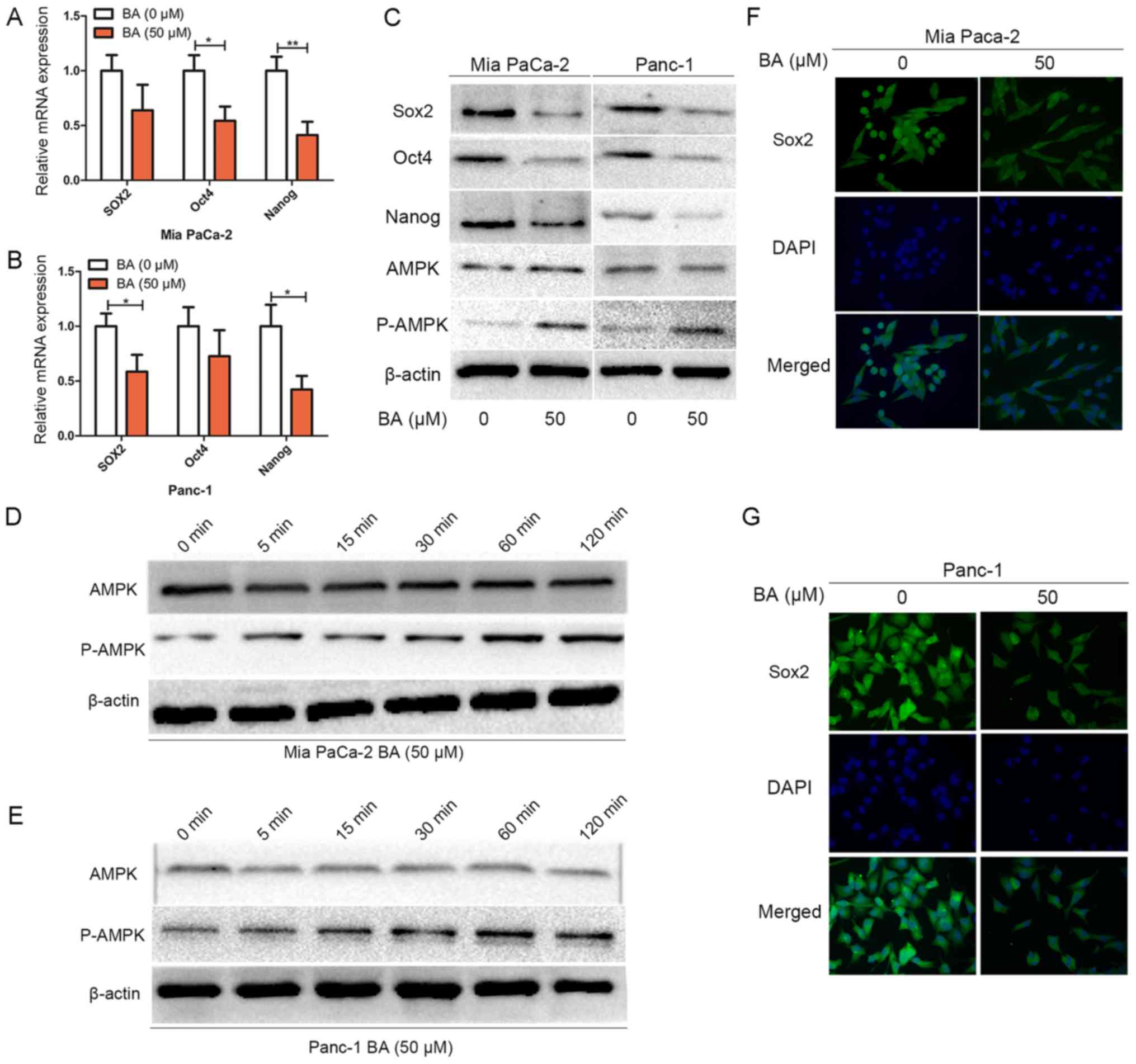
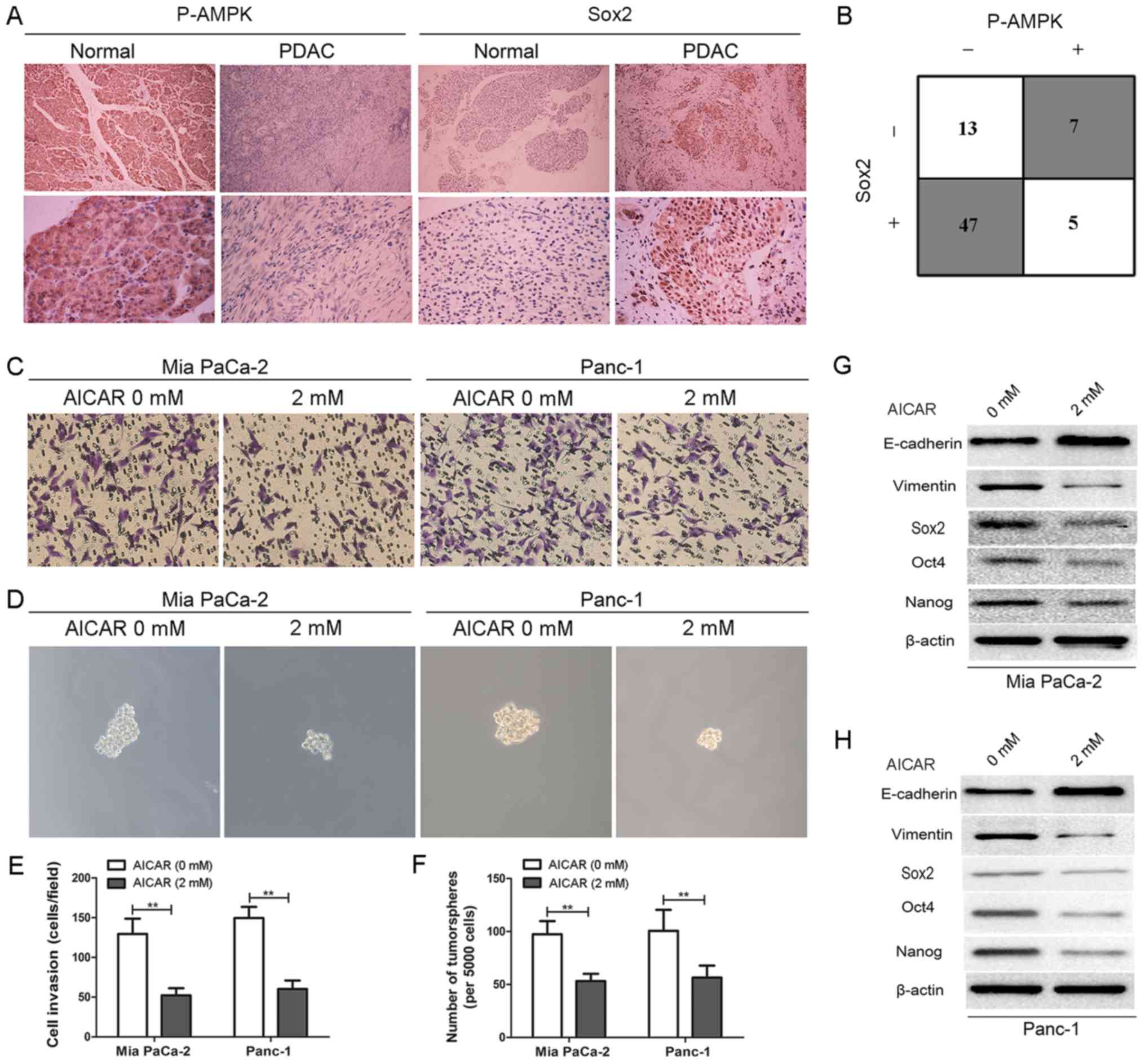
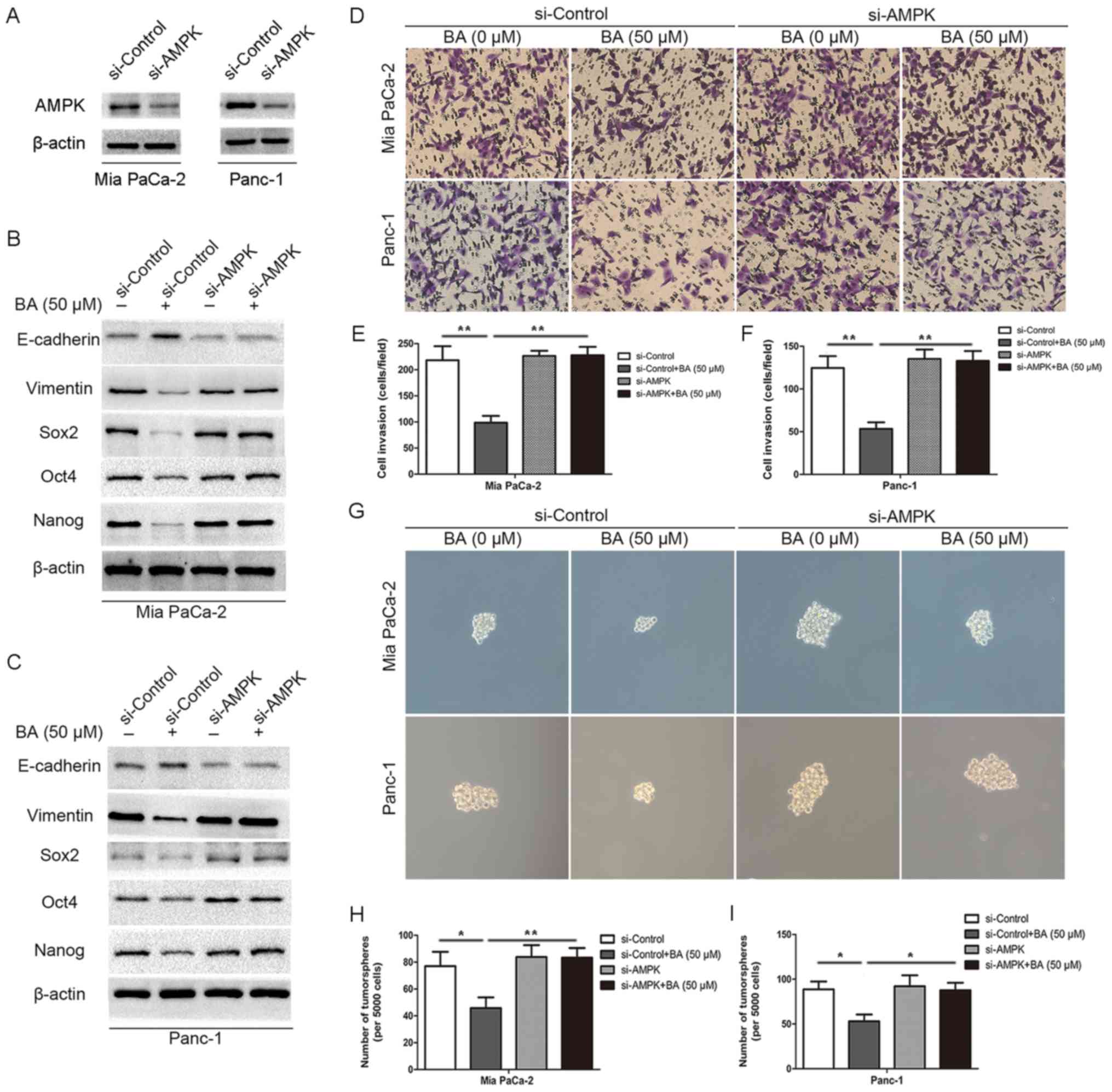
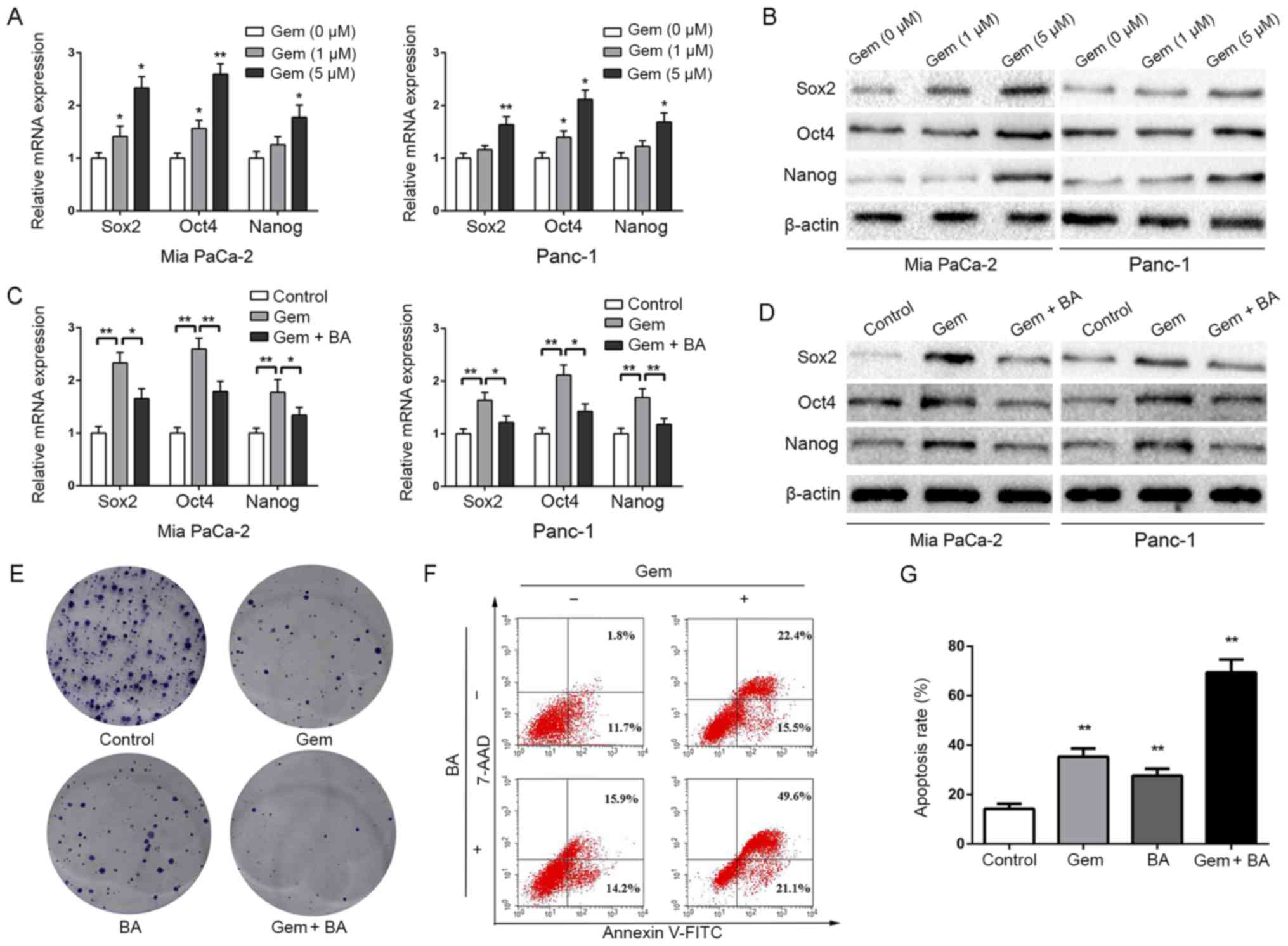
Cancer stem cells (CSCs), which are found in various types of human cancer, including pancreatic cancer, possess elevated metastatic potential, lead to tumor recurrence and cause chemoradiotherapy resistance. Alterations in cellular bioenergetics through the regulation of 5' adenosine monophosphate‑activated protein kinase (AMPK) signaling may be a prerequisite to stemness. Betulinic acid (BA) is a well‑known bioactive compound with antiretroviral and anti‑inflammatory potential, which has been reported to exert anticancer effects on various types of cancer, including pancreatic cancer. The present study aimed to investigate whether BA could inhibit pancreatic CSCs via regulation of AMPK signaling. The proliferation of pancreatic cancer cells was examined by MTT and colony formation assays. The migratory and invasive abilities of pancreatic cancer cells were assessed using wound‑scratch and Transwell invasion assays. In addition, the expression levels of candidate genes were measured by reverse transcription‑quantitative polymerase chain reaction and western blotting. The results revealed that BA inhibited the proliferation and tumorsphere formation of pancreatic cancer cells, suppressed epithelial‑mesenchymal transition (EMT), migration and invasion, and reduced the expression of three pluripotency factors [SRY‑box 2 (Sox2), octamer‑binding protein 4 (Oct4) and Nanog]. Furthermore, immunohistochemical analysis confirmed that there was a significant inverse association between the expression levels of phosphorylated (P)‑AMPK and Sox2 in pancreatic cancer, and it was revealed that BA may activate AMPK signaling. Notably, knockdown of AMPK reversed the suppressive effects of BA on EMT and stemness of pancreatic cancer cells. In addition, BA reversed the effects of gemcitabine on stemness and enhanced the sensitivity of pancreatic cancer cells to gemcitabine. Collectively, these results indicated that BA may effectively inhibit pluripotency factor expression (Sox2, Oct4 and Nanog), EMT and the stem‑like phenotype of pancreatic cancer cells via activating AMPK signaling. Therefore, BA may be considered an attractive therapeutic candidate and an effective inhibitor of the stem‑like phenotype in pancreatic cancer cells. Further investigation into the development of BA as an anticancer drug is warranted.
View Figures

Figure 1

Figure 2

Figure 3

Figure 4

Figure 5

Figure 6

View References

1 

Siegel RL, Miller KD and Jemal A: Cancer statistics, 2016. CA Cancer J Clin. 66:7–30. 2016. View Article : Google Scholar : PubMed/NCBI

2 

Gillen S, Schuster T, Meyer Zum, Büschenfelde C, Friess H and Kleeff J: Preoperative/neoadjuvant therapy in pancreatic cancer: A systematic review and meta-analysis of response and resection percentages. PLoS Med. 7:e10002672010. View Article : Google Scholar : PubMed/NCBI

3 

Siegel R, Ma J, Zou Z and Jemal A: Cancer statistics, 2014. CA Cancer J Clin. 64:9–29. 2014. View Article : Google Scholar : PubMed/NCBI

4 

Kamisawa T, Isawa T, Koike M, Tsuruta K and Okamoto A: Hematogenous metastases of pancreatic ductal carcinoma. Pancreas. 11:345–349. 1995. View Article : Google Scholar : PubMed/NCBI

5 

Gattinoni L, Klebanoff CA and Restifo NP: Paths to stemness: Building the ultimate antitumour T cell. Nat Rev Cancer. 12:671–684. 2012. View Article : Google Scholar : PubMed/NCBI

6 

Magee JA, Piskounova E and Morrison SJ: Cancer stem cells: Impact, heterogeneity, and uncertainty. Cancer Cell. 21:283–296. 2012. View Article : Google Scholar : PubMed/NCBI

7 

Clevers H: The cancer stem cell: Premises, promises and challenges. Nat Med. 17:313–319. 2011. View Article : Google Scholar : PubMed/NCBI

8 

Sengupta S, Nagalingam A, Muniraj N, Bonner MY, Mistriotis P, Afthinos A, Kuppusamy P, Lanoue D, Cho S, Korangath P, et al: Activation of tumor suppressor LKB1 by honokiol abrogates cancer stem-like phenotype in breast cancer via inhibition of oncogenic Stat3. Oncogene. 36:5709–5721. 2017. View Article : Google Scholar : PubMed/NCBI

9 

Thiery JP, Acloque H, Huang RY and Nieto MA: Epithelial-mesenchymal transitions in development and disease. Cell. 139:871–890. 2009. View Article : Google Scholar : PubMed/NCBI

10 

Mani SA, Guo W, Liao MJ, Eaton EN, Ayyanan A, Zhou AY, Brooks M, Reinhard F, Zhang CC, Shipitsin M, et al: The epithelial-mesenchymal transition generates cells with properties of stem cells. Cell. 133:704–715. 2008. View Article : Google Scholar : PubMed/NCBI

11 

Chaffer CL, Marjanovic ND, Lee T, Bell G, Kleer CG, Reinhardt F, D’Alessio AC, Young RA and Weinberg RA: Poised chromatin at the ZEB1 promoter enables breast cancer cell plasticity and enhances tumorigenicity. Cell. 154:61–74. 2013. View Article : Google Scholar : PubMed/NCBI

12 

Abel EV and Simeone DM: Biology and clinical applications of pancreatic cancer stem cells. Gastroenterology. 144:1241–1248. 2013. View Article : Google Scholar : PubMed/NCBI

13 

Hardie DG: AMP-activated/SNF1 protein kinases: Conserved guardians of cellular energy. Nat Rev Mol Cell Biol. 8:774–785. 2007. View Article : Google Scholar : PubMed/NCBI

14 

Young LH, Li J, Baron SJ and Russell RR: AMP-activated protein kinase: A key stress signaling pathway in the heart. Trends Cardiovasc Med. 15:110–118. 2005. View Article : Google Scholar : PubMed/NCBI

15 

Zheng X, Chi J, Zhi J, Zhang H, Yue D, Zhao J, Li D, Li Y, Gao M and Guo J: Aurora-A-mediated phosphorylation of LKB1 compromises LKB1/AMPK signaling axis to facilitate NSCLC growth and migration. Oncogene. 37:502–511. 2018. View Article : Google Scholar

16 

Shi WY, Xiao D, Wang L, Dong LH, Yan ZX, Shen ZX, Chen SJ, Chen Y and Zhao WL: Therapeutic metformin/AMPK activation blocked lymphoma cell growth via inhibition of mTOR pathway and induction of autophagy. Cell Death Dis. 3:e2752012. View Article : Google Scholar : PubMed/NCBI

17 

Handy JA, Saxena NK, Fu P, Lin S, Mells JE, Gupta NA and Anania FA: Adiponectin activation of AMPK disrupts leptin-mediated hepatic fibrosis via suppressors of cytokine signaling (SOCS-3). J Cell Biochem. 110:1195–1207. 2010. View Article : Google Scholar : PubMed/NCBI

18 

da Silva Morais A, Abarca-Quinones J, Guigas B, Viollet B, Stärkel P, Horsmans Y and Leclercq IA: Development of hepatic fibrosis occurs normally in AMPK-deficient mice. Clin Sci (Lond). 118:411–420. 2009. View Article : Google Scholar

19 

Kahn BB, Alquier T, Carling D and Hardie DG: AMP-activated protein kinase: Ancient energy gauge provides clues to modern understanding of metabolism. Cell Metab. 1:15–25. 2005. View Article : Google Scholar : PubMed/NCBI

20 

Menendez JA, Joven J, Cufí S, Corominas-Faja B, Oliveras-Ferraros C, Cuyàs E, Martin-Castillo B, López-Bonet E, Alarcón T and Vazquez-Martin A: The Warburg effect version 2.0: Metabolic reprogramming of cancer stem cells. Cell Cycle. 12:1166–1179. 2013. View Article : Google Scholar : PubMed/NCBI

21 

Cheng X, Kim JY, Ghafoory S, Duvaci T, Rafiee R, Theobald J, Alborzinia H, Holenya P, Fredebohm J, Merz KH, et al: Methylisoindigo preferentially kills cancer stem cells by interfering cell metabolism via inhibition of LKB1 and activation of AMPK in PDACs. Mol Oncol. 10:806–824. 2016. View Article : Google Scholar : PubMed/NCBI

22 

Lonardo E, Cioffi M, Sancho P, Sanchez-Ripoll Y, Trabulo SM, Dorado J, Balic A, Hidalgo M and Heeschen C: Metformin targets the metabolic achilles heel of human pancreatic cancer stem cells. PLoS One. 8:e765182013. View Article : Google Scholar : PubMed/NCBI

23 

Bao B, Wang Z, Ali S, Ahmad A, Azmi AS, Sarkar SH, Banerjee S, Kong D, Li Y, Thakur S, et al: Metformin inhibits cell proliferation, migration and invasion by attenuating CSC function mediated by deregulating miRNAs in pancreatic cancer cells. Cancer Prev Res (Phila). 5:355–364. 2012. View Article : Google Scholar

24 

Machado DG, Cunha MP, Neis VB, Balen GO, Colla A, Bettio LE, Oliveira A, Pazini FL, Dalmarco JB, Simionatto EL, et al: Antidepressant-like effects of fractions, essential oil, carnosol and betulinic acid isolated from Rosmarinus officinalis L. Food Chem. 136:999–1005. 2013. View Article : Google Scholar

25 

Tsai JC, Peng WH, Chiu TH, Lai SC and Lee CY: Anti-inflammatory effects of Scoparia dulcis L. and betulinic acid. Am J Chin Med. 39:943–956. 2011. View Article : Google Scholar : PubMed/NCBI

26 

Viji V, Helen A and Luxmi VR: Betulinic acid inhibits endotoxin-stimulated phosphorylation cascade and pro-inflammatory prostaglandin E(2) production in human peripheral blood mononuclear cells. Br J Pharmacol. 162:1291–1303. 2011. View Article : Google Scholar :

27 

Qian K, Bori ID, Chen CH, Huang L and Lee KH: Anti-AIDS agents 90. novel C-28 modified bevirimat analogues as potent HIV maturation inhibitors. J Med Chem. 55:8128–8136. 2012. View Article : Google Scholar : PubMed/NCBI

28 

Fujioka T, Kashiwada Y, Kilkuskie RE, Cosentino LM, Ballas LM, Jiang JB, Janzen WP, Chen IS and Lee KH: Anti-AIDS agents, 11. Betulinic acid and platanic acid as anti-HIV principles from Syzigium claviflorum, and the anti-HIV activity of structurally related triterpenoids. J Nat Prod. 57:243–247. 1994. View Article : Google Scholar : PubMed/NCBI

29 

Jain M, Kapadia R, Jadeja RN, Thounaojam MC, Devkar RV and Mishra SH: Hepatoprotective potential of Tecomella undulata stem bark is partially due to the presence of betulinic acid. J Ethnopharmacol. 143:194–200. 2012. View Article : Google Scholar : PubMed/NCBI

30 

Wang P, Li Q, Li K, Zhang X, Han Z, Wang J, Gao D and Li J: Betulinic acid exerts immunoregulation and anti-tumor effect on cervical carcinoma (U14) tumor-bearing mice. Pharmazie. 67:733–739. 2012.PubMed/NCBI

31 

Liu Y and Luo W: Betulinic acid induces Bax/Bak-independent cytochrome c release in human nasopharyngeal carcinoma cells. Mol Cells. 33:517–524. 2012. View Article : Google Scholar : PubMed/NCBI

32 

Chintharlapalli S, Papineni S, Lei P, Pathi S and Safe S: Betulinic acid inhibits colon cancer cell and tumor growth and induces proteasome-dependent and -independent downregulation of specificity proteins (Sp) transcription factors. BMC Cancer. 11:3712011. View Article : Google Scholar : PubMed/NCBI

33 

Gao Y, Jia Z, Kong X, Li Q, Chang DZ, Wei D, Le X, Suyun H, Huang S, Wang L, et al: Combining betulinic acid and mithramycin a effectively suppresses pancreatic cancer by inhibiting proliferation, invasion, and angiogenesis. Cancer Res. 71:5182–5193. 2011. View Article : Google Scholar : PubMed/NCBI

34 

Li L, Du Y, Kong X, Li Z, Jia Z, Cui J, Gao J, Wang G and Xie K: Lamin B1 is a novel therapeutic target of betulinic acid in pancreatic cancer. Clinical Cancer Res. 19:4651–4661. 2013. View Article : Google Scholar

35 

Quan HY, Kim DY, Kim SJ, Jo HK, Kim GW and Chung SH: Betulinic acid alleviates non-alcoholic fatty liver by inhibiting SREBP1 activity via the AMPK-mTOR-SREBP signaling pathway. Biochem Pharmacol. 85:1330–1340. 2013. View Article : Google Scholar : PubMed/NCBI

36 

Ma J, Duan W, Han S, Lei J, Xu Q, Chen X, Jiang Z, Nan L, Li J, Chen K, et al: Ginkgolic acid suppresses the development of pancreatic cancer by inhibiting pathways driving lipogenesis. Oncotarget. 6:20993–21003. 2015.PubMed/NCBI

37 

Lei J, Ma J, Ma Q, Li X, Liu H, Xu Q, Duan W, Sun Q, Xu J, Wu Z, et al: Hedgehog signaling regulates hypoxia induced epithelial to mesenchymal transition and invasion in pancreatic cancer cells via a ligand-independent manner. Mol Cancer. 12:662013. View Article : Google Scholar : PubMed/NCBI

38 

Lei J, Huo X, Duan W, Xu Q, Li R, Ma J, Li X, Han L, Li W, Sun H, et al: α-Mangostin inhibits hypoxia-driven ROS-induced PSC activation and pancreatic cancer cell invasion. Cancer Lett. 347:129–138. 2014. View Article : Google Scholar : PubMed/NCBI

39 

Schmittgen TD and Livak KJ: Analyzing real-time PCR data by the comparative C(T) method. Nat Protoc. 3:1101–1108. 2008. View Article : Google Scholar : PubMed/NCBI

40 

Özdemir BC, Pentcheva-Hoang T, Carstens JL, Zheng X, Wu CC, Simpson TR, Laklai H, Sugimoto H, Kahlert C, Novitskiy SV, et al: Depletion of carcinoma-associated fibroblasts and fibrosis induces immunosuppression and accelerates pancreas cancer with reduced survival. Cancer Cell. 25:719–734. 2014. View Article : Google Scholar : PubMed/NCBI

41 

Duan W, Chen K, Jiang Z, Chen X, Sun L, Li J, Lei J, Xu Q, Ma J, Li X, et al: Desmoplasia suppression by metformin-mediated AMPK activation inhibits pancreatic cancer progression. Cancer Lett. 385:225–233. 2017. View Article : Google Scholar

42 

Chen K, Qian W, Li J, Jiang Z, Cheng L, Yan B, Cao J, Sun L, Zhou C, Lei M, et al: Loss of AMPK activation promotes the invasion and metastasis of pancreatic cancer through an HSF1-dependent pathway. Mol Oncol. 11:1475–1492. 2017. View Article : Google Scholar : PubMed/NCBI

43 

Thiery JP: Epithelial-mesenchymal transitions in development and pathologies. Curr Opin Cell Biol. 15:740–746. 2003. View Article : Google Scholar : PubMed/NCBI

44 

Corominas-Faja B, Cufí S, Oliveras-Ferraros C, Cuyàs E, López-Bonet E, Lupu R, Alarcón T, Vellon L, Iglesias JM, Leis O, et al: Nuclear reprogramming of luminal-like breast cancer cells generates Sox2-overexpressing cancer stem-like cellular states harboring transcriptional activation of the mTOR pathway. Cell Cycle. 12:3109–3124. 2013. View Article : Google Scholar : PubMed/NCBI

45 

Zhang Z, Duan Q, Zhao H, Liu T, Wu H, Shen Q, Wang C and Yin T: Gemcitabine treatment promotes pancreatic cancer stemness through the Nox/ROS/NF-κB/STAT3 signaling cascade. Cancer Lett. 382:53–63. 2016. View Article : Google Scholar : PubMed/NCBI

46 

Cao J, Yang J, Ramachandran V, Arumugam T, Deng D, Li Z, Xu L and Logsdon CD: TM4SF1 promotes gemcitabine resistance of pancreatic cancer in vitro and in vivo. PLoS One. 10:e01449692015. View Article : Google Scholar : PubMed/NCBI

47 

Kamisawa T, Wood LD, Itoi T and Takaori K: Pancreatic cancer. Lancet. 388:73–85. 2016. View Article : Google Scholar : PubMed/NCBI

48 

Zhao J, Li J, Schlößer HA, Popp F, Popp MC, Alakus H, Jauch KW, Bruns CJ and Zhao Y: Targeting cancer stem cells and their Niche: Current therapeutic implications and challenges in pancreatic cancer. Stem Cells Int. 2017.6012810:2017.

49 

Kondo M, Wagers AJ, Manz MG, Prohaska SS, Scherer DC, Beilhack GF, Shizuru JA and Weissman IL: Biology of hematopoietic stem cells and progenitors: Implications for clinical application. Annu Rev Immunol. 21:759–806. 2003. View Article : Google Scholar : PubMed/NCBI

50 

Ben-Porath I, Thomson MW, Carey VJ, Ge R, Bell GW, Regev A and Weinberg RA: An embryonic stem cell-like gene expression signature in poorly differentiated aggressive human tumors. Nat Genet. 40:499–507. 2008. View Article : Google Scholar : PubMed/NCBI

51 

Faubert B, Boily G, Izreig S, Griss T, Samborska B, Dong Z, Dupuy F, Chambers C, Fuerth BJ, Viollet B, et al: AMPK is a negative regulator of the Warburg effect and suppresses tumor growth in vivo. Cell Metab. 17:113–124. 2013. View Article : Google Scholar : PubMed/NCBI

52 

Vazquez-Martin A, Vellon L, Quirós PM, Cufí S, Ruiz de Galarreta E, Oliveras-Ferraros C, Martin AG, Martin-Castillo B, López-Otín C and Menendez JA: Activation of AMP-activated protein kinase (AMPK) provides a metabolic barrier to reprogramming somatic cells into stem cells. Cell Cycle. 11:974–989. 2012. View Article : Google Scholar : PubMed/NCBI

53 

Wang L, Dong P, Wang W, Huang M and Tian B: Gemcitabine treatment causes resistance and malignancy of pancreatic cancer stem-like cells via induction of lncRNA HOTAIR. Exp Ther Med. 14:4773–4780. 2017.PubMed/NCBI

54 

Pisha E, Chai H, Lee IS, Chagwedera TE, Farnsworth NR, Cordell GA, Beecher CW, Fong HH, Kinghorn AD, Brown DM, et al: Discovery of betulinic acid as a selective inhibitor of human melanoma that functions by induction of apoptosis. Nat Med. 1:1046–1051. 1995. View Article : Google Scholar : PubMed/NCBI

Related Articles

  • Abstract
  • View
  • Download
  • Twitter
Copy and paste a formatted citation
Spandidos Publications style
Sun L, Cao J, Chen K, Cheng L, Zhou C, Yan B, Qian W, Li J, Duan W, Ma J, Ma J, et al: Betulinic acid inhibits stemness and EMT of pancreatic cancer cells via activation of AMPK signaling. Int J Oncol 54: 98-110, 2019.
APA
Sun, L., Cao, J., Chen, K., Cheng, L., Zhou, C., Yan, B. ... Xu, Q. (2019). Betulinic acid inhibits stemness and EMT of pancreatic cancer cells via activation of AMPK signaling. International Journal of Oncology, 54, 98-110. https://doi.org/10.3892/ijo.2018.4604
MLA
Sun, L., Cao, J., Chen, K., Cheng, L., Zhou, C., Yan, B., Qian, W., Li, J., Duan, W., Ma, J., Qi, D., Wu, E., Wang, Z., Liu, Q., Ma, Q., Xu, Q."Betulinic acid inhibits stemness and EMT of pancreatic cancer cells via activation of AMPK signaling". International Journal of Oncology 54.1 (2019): 98-110.
Chicago
Sun, L., Cao, J., Chen, K., Cheng, L., Zhou, C., Yan, B., Qian, W., Li, J., Duan, W., Ma, J., Qi, D., Wu, E., Wang, Z., Liu, Q., Ma, Q., Xu, Q."Betulinic acid inhibits stemness and EMT of pancreatic cancer cells via activation of AMPK signaling". International Journal of Oncology 54, no. 1 (2019): 98-110. https://doi.org/10.3892/ijo.2018.4604
Copy and paste a formatted citation
x
Spandidos Publications style
Sun L, Cao J, Chen K, Cheng L, Zhou C, Yan B, Qian W, Li J, Duan W, Ma J, Ma J, et al: Betulinic acid inhibits stemness and EMT of pancreatic cancer cells via activation of AMPK signaling. Int J Oncol 54: 98-110, 2019.
APA
Sun, L., Cao, J., Chen, K., Cheng, L., Zhou, C., Yan, B. ... Xu, Q. (2019). Betulinic acid inhibits stemness and EMT of pancreatic cancer cells via activation of AMPK signaling. International Journal of Oncology, 54, 98-110. https://doi.org/10.3892/ijo.2018.4604
MLA
Sun, L., Cao, J., Chen, K., Cheng, L., Zhou, C., Yan, B., Qian, W., Li, J., Duan, W., Ma, J., Qi, D., Wu, E., Wang, Z., Liu, Q., Ma, Q., Xu, Q."Betulinic acid inhibits stemness and EMT of pancreatic cancer cells via activation of AMPK signaling". International Journal of Oncology 54.1 (2019): 98-110.
Chicago
Sun, L., Cao, J., Chen, K., Cheng, L., Zhou, C., Yan, B., Qian, W., Li, J., Duan, W., Ma, J., Qi, D., Wu, E., Wang, Z., Liu, Q., Ma, Q., Xu, Q."Betulinic acid inhibits stemness and EMT of pancreatic cancer cells via activation of AMPK signaling". International Journal of Oncology 54, no. 1 (2019): 98-110. https://doi.org/10.3892/ijo.2018.4604
Follow us
  • Twitter
  • LinkedIn
  • Facebook
About
  • Spandidos Publications
  • Careers
  • Cookie Policy
  • Privacy Policy
How can we help?
  • Help
  • Live Chat
  • Contact
  • Email to our Support Team