Spandidos Publications Logo
  • About
    • About Spandidos
    • Aims and Scopes
    • Abstracting and Indexing
    • Editorial Policies
    • Reprints and Permissions
    • Job Opportunities
    • Terms and Conditions
    • Contact
  • Journals
    • All Journals
    • Oncology Letters
      • Oncology Letters
      • Information for Authors
      • Editorial Policies
      • Editorial Board
      • Aims and Scope
      • Abstracting and Indexing
      • Bibliographic Information
      • Archive
    • International Journal of Oncology
      • International Journal of Oncology
      • Information for Authors
      • Editorial Policies
      • Editorial Board
      • Aims and Scope
      • Abstracting and Indexing
      • Bibliographic Information
      • Archive
    • Molecular and Clinical Oncology
      • Molecular and Clinical Oncology
      • Information for Authors
      • Editorial Policies
      • Editorial Board
      • Aims and Scope
      • Abstracting and Indexing
      • Bibliographic Information
      • Archive
    • Experimental and Therapeutic Medicine
      • Experimental and Therapeutic Medicine
      • Information for Authors
      • Editorial Policies
      • Editorial Board
      • Aims and Scope
      • Abstracting and Indexing
      • Bibliographic Information
      • Archive
    • International Journal of Molecular Medicine
      • International Journal of Molecular Medicine
      • Information for Authors
      • Editorial Policies
      • Editorial Board
      • Aims and Scope
      • Abstracting and Indexing
      • Bibliographic Information
      • Archive
    • Biomedical Reports
      • Biomedical Reports
      • Information for Authors
      • Editorial Policies
      • Editorial Board
      • Aims and Scope
      • Abstracting and Indexing
      • Bibliographic Information
      • Archive
    • Oncology Reports
      • Oncology Reports
      • Information for Authors
      • Editorial Policies
      • Editorial Board
      • Aims and Scope
      • Abstracting and Indexing
      • Bibliographic Information
      • Archive
    • Molecular Medicine Reports
      • Molecular Medicine Reports
      • Information for Authors
      • Editorial Policies
      • Editorial Board
      • Aims and Scope
      • Abstracting and Indexing
      • Bibliographic Information
      • Archive
    • World Academy of Sciences Journal
      • World Academy of Sciences Journal
      • Information for Authors
      • Editorial Policies
      • Editorial Board
      • Aims and Scope
      • Abstracting and Indexing
      • Bibliographic Information
      • Archive
    • International Journal of Functional Nutrition
      • International Journal of Functional Nutrition
      • Information for Authors
      • Editorial Policies
      • Editorial Board
      • Aims and Scope
      • Abstracting and Indexing
      • Bibliographic Information
      • Archive
    • International Journal of Epigenetics
      • International Journal of Epigenetics
      • Information for Authors
      • Editorial Policies
      • Editorial Board
      • Aims and Scope
      • Abstracting and Indexing
      • Bibliographic Information
      • Archive
    • Medicine International
      • Medicine International
      • Information for Authors
      • Editorial Policies
      • Editorial Board
      • Aims and Scope
      • Abstracting and Indexing
      • Bibliographic Information
      • Archive
  • Articles
  • Information
    • Information for Authors
    • Information for Reviewers
    • Information for Librarians
    • Information for Advertisers
    • Conferences
  • Language Editing
Spandidos Publications Logo
  • About
    • About Spandidos
    • Aims and Scopes
    • Abstracting and Indexing
    • Editorial Policies
    • Reprints and Permissions
    • Job Opportunities
    • Terms and Conditions
    • Contact
  • Journals
    • All Journals
    • Biomedical Reports
      • Information for Authors
      • Editorial Policies
      • Editorial Board
      • Aims and Scope
      • Abstracting and Indexing
      • Bibliographic Information
      • Archive
    • Experimental and Therapeutic Medicine
      • Information for Authors
      • Editorial Policies
      • Editorial Board
      • Aims and Scope
      • Abstracting and Indexing
      • Bibliographic Information
      • Archive
    • International Journal of Epigenetics
      • Information for Authors
      • Editorial Policies
      • Editorial Board
      • Aims and Scope
      • Abstracting and Indexing
      • Bibliographic Information
      • Archive
    • International Journal of Functional Nutrition
      • Information for Authors
      • Editorial Policies
      • Editorial Board
      • Aims and Scope
      • Abstracting and Indexing
      • Bibliographic Information
      • Archive
    • International Journal of Molecular Medicine
      • Information for Authors
      • Editorial Policies
      • Editorial Board
      • Aims and Scope
      • Abstracting and Indexing
      • Bibliographic Information
      • Archive
    • International Journal of Oncology
      • Information for Authors
      • Editorial Policies
      • Editorial Board
      • Aims and Scope
      • Abstracting and Indexing
      • Bibliographic Information
      • Archive
    • Medicine International
      • Information for Authors
      • Editorial Policies
      • Editorial Board
      • Aims and Scope
      • Abstracting and Indexing
      • Bibliographic Information
      • Archive
    • Molecular and Clinical Oncology
      • Information for Authors
      • Editorial Policies
      • Editorial Board
      • Aims and Scope
      • Abstracting and Indexing
      • Bibliographic Information
      • Archive
    • Molecular Medicine Reports
      • Information for Authors
      • Editorial Policies
      • Editorial Board
      • Aims and Scope
      • Abstracting and Indexing
      • Bibliographic Information
      • Archive
    • Oncology Letters
      • Information for Authors
      • Editorial Policies
      • Editorial Board
      • Aims and Scope
      • Abstracting and Indexing
      • Bibliographic Information
      • Archive
    • Oncology Reports
      • Information for Authors
      • Editorial Policies
      • Editorial Board
      • Aims and Scope
      • Abstracting and Indexing
      • Bibliographic Information
      • Archive
    • World Academy of Sciences Journal
      • Information for Authors
      • Editorial Policies
      • Editorial Board
      • Aims and Scope
      • Abstracting and Indexing
      • Bibliographic Information
      • Archive
  • Articles
  • Information
    • For Authors
    • For Reviewers
    • For Librarians
    • For Advertisers
    • Conferences
  • Language Editing
Login Register Submit
  • This site uses cookies
  • You can change your cookie settings at any time by following the instructions in our Cookie Policy. To find out more, you may read our Privacy Policy.

    I agree
Search articles by DOI, keyword, author or affiliation
Search
Advanced Search
presentation
International Journal of Oncology
Join Editorial Board Propose a Special Issue
Print ISSN: 1019-6439 Online ISSN: 1791-2423
Journal Cover
April-2019 Volume 54 Issue 4

Full Size Image

Cover Legend PDF

Sign up for eToc alerts
Recommend to Library

Journals

International Journal of Molecular Medicine

International Journal of Molecular Medicine

International Journal of Molecular Medicine is an international journal devoted to molecular mechanisms of human disease.

International Journal of Oncology

International Journal of Oncology

International Journal of Oncology is an international journal devoted to oncology research and cancer treatment.

Molecular Medicine Reports

Molecular Medicine Reports

Covers molecular medicine topics such as pharmacology, pathology, genetics, neuroscience, infectious diseases, molecular cardiology, and molecular surgery.

Oncology Reports

Oncology Reports

Oncology Reports is an international journal devoted to fundamental and applied research in Oncology.

Experimental and Therapeutic Medicine

Experimental and Therapeutic Medicine

Experimental and Therapeutic Medicine is an international journal devoted to laboratory and clinical medicine.

Oncology Letters

Oncology Letters

Oncology Letters is an international journal devoted to Experimental and Clinical Oncology.

Biomedical Reports

Biomedical Reports

Explores a wide range of biological and medical fields, including pharmacology, genetics, microbiology, neuroscience, and molecular cardiology.

Molecular and Clinical Oncology

Molecular and Clinical Oncology

International journal addressing all aspects of oncology research, from tumorigenesis and oncogenes to chemotherapy and metastasis.

World Academy of Sciences Journal

World Academy of Sciences Journal

Multidisciplinary open-access journal spanning biochemistry, genetics, neuroscience, environmental health, and synthetic biology.

International Journal of Functional Nutrition

International Journal of Functional Nutrition

Open-access journal combining biochemistry, pharmacology, immunology, and genetics to advance health through functional nutrition.

International Journal of Epigenetics

International Journal of Epigenetics

Publishes open-access research on using epigenetics to advance understanding and treatment of human disease.

Medicine International

Medicine International

An International Open Access Journal Devoted to General Medicine.

Journal Cover
April-2019 Volume 54 Issue 4

Full Size Image

Cover Legend PDF

Sign up for eToc alerts
Recommend to Library

  • Article
  • Citations
    • Cite This Article
    • Download Citation
    • Create Citation Alert
    • Remove Citation Alert
    • Cited By
  • Similar Articles
    • Related Articles (in Spandidos Publications)
    • Similar Articles (Google Scholar)
    • Similar Articles (PubMed)
  • Download PDF
  • Download XML
  • View XML
Article

Triacetyl resveratrol upregulates miRNA‑200 and suppresses the Shh pathway in pancreatic cancer: A potential therapeutic agent

  • Authors:
    • Junsheng Fu
    • Anju Shrivastava
    • Sushant K. Shrivastava
    • Rakesh K. Srivastava
    • Sharmila Shankar
  • View Affiliations / Copyright

    Affiliations: College of Life Sciences, Fujian Agriculture and Forestry University, Fuzhou, Fujian 350002, P.R. China, St. Joseph's Hospital and Medical Center, Phoenix, AZ 85013, USA, Pharmaceutical Chemistry Research Laboratory, Department of Pharmaceutical Engineering and Technology, Indian Institute of Technology, Banaras Hindu University, Varanasi, Uttar Pradesh 221005, India, Kansas City VA Medical Center, Kansas City, MO 66128, USA
  • Pages: 1306-1316
    |
    Published online on: January 28, 2019
       https://doi.org/10.3892/ijo.2019.4700
  • Expand metrics +
Metrics: Total Views: 0 (Spandidos Publications: | PMC Statistics: )
Metrics: Total PDF Downloads: 0 (Spandidos Publications: | PMC Statistics: )
Cited By (CrossRef): 0 citations Loading Articles...

This article is mentioned in:


Abstract

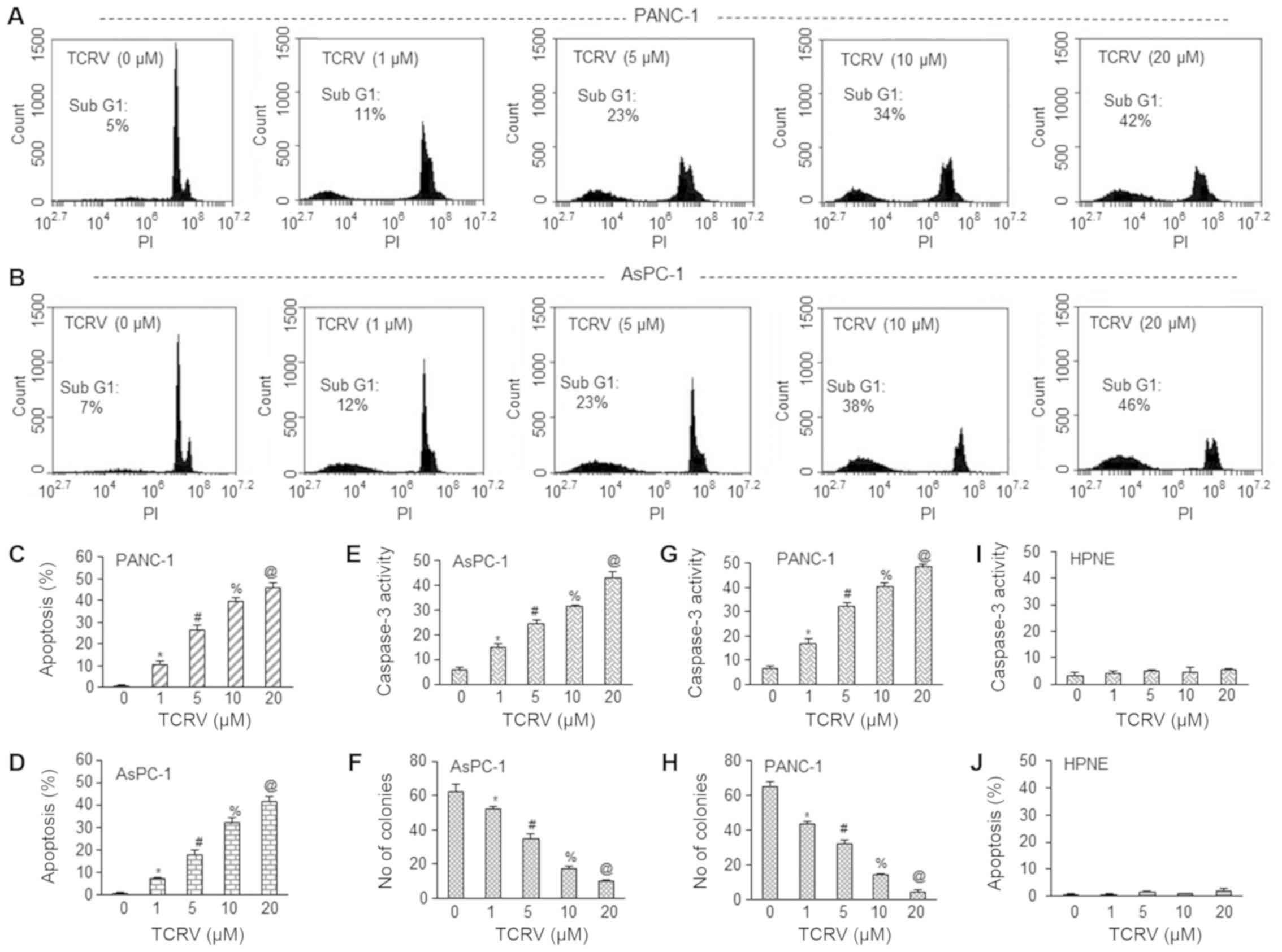
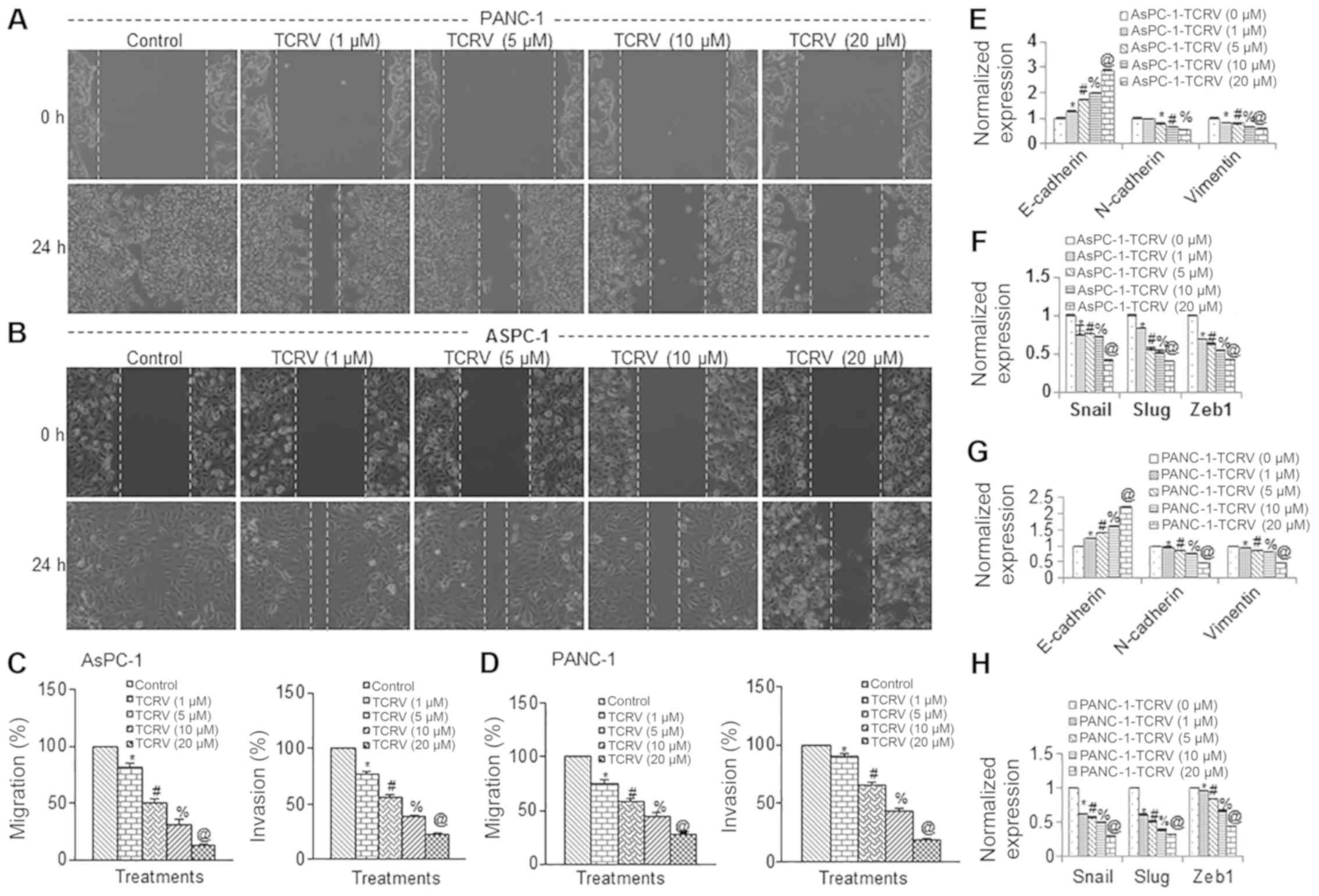
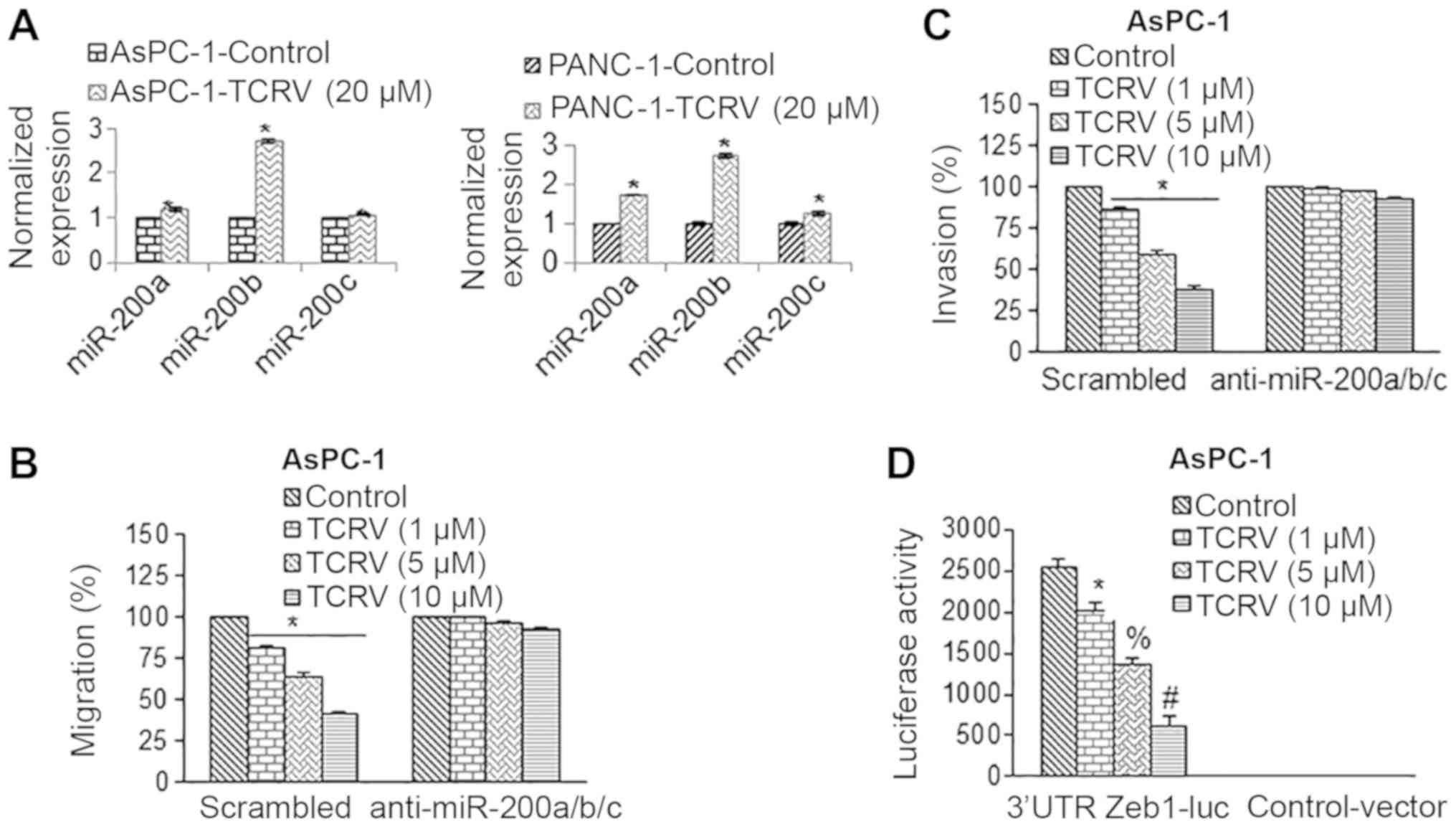
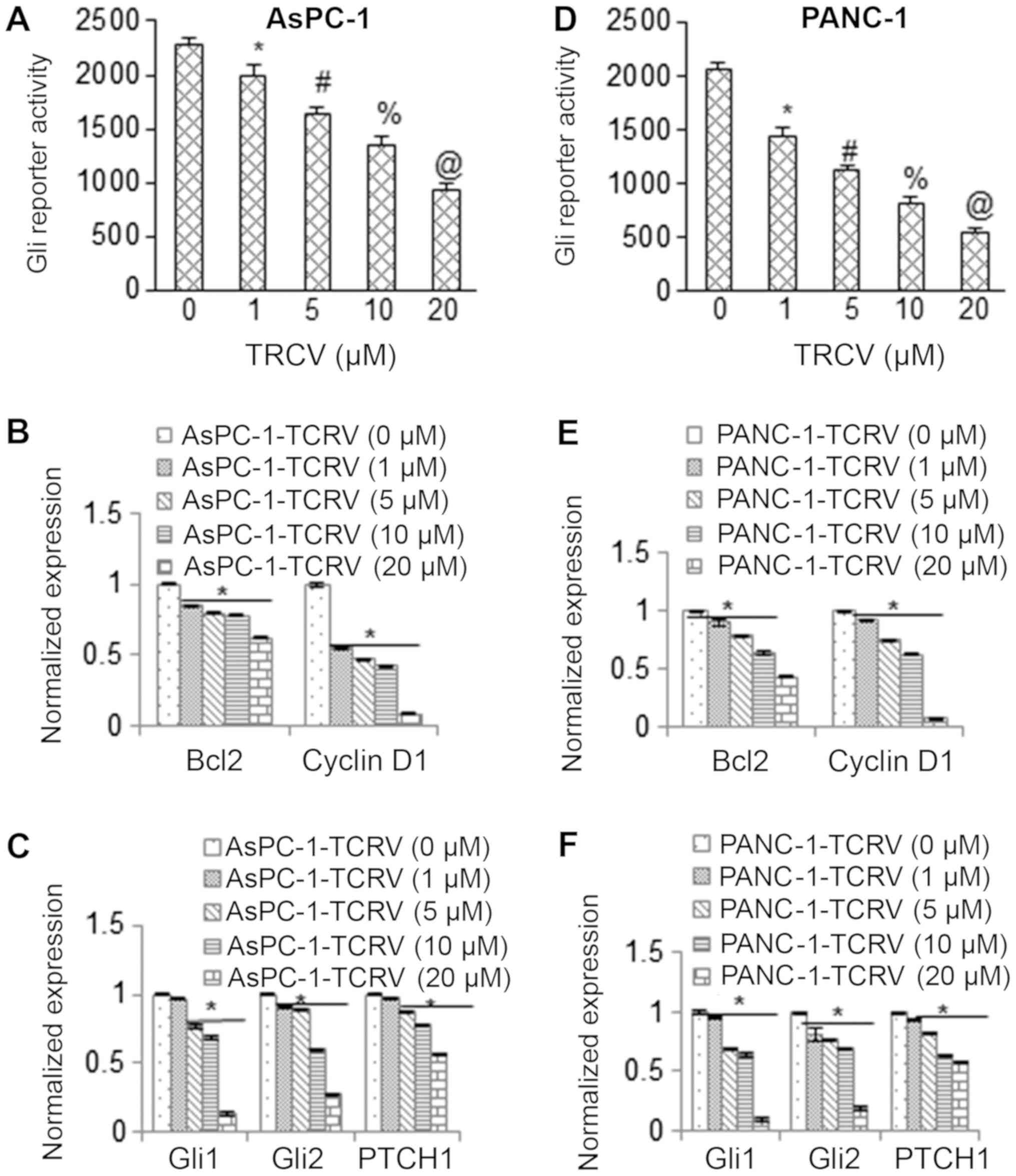
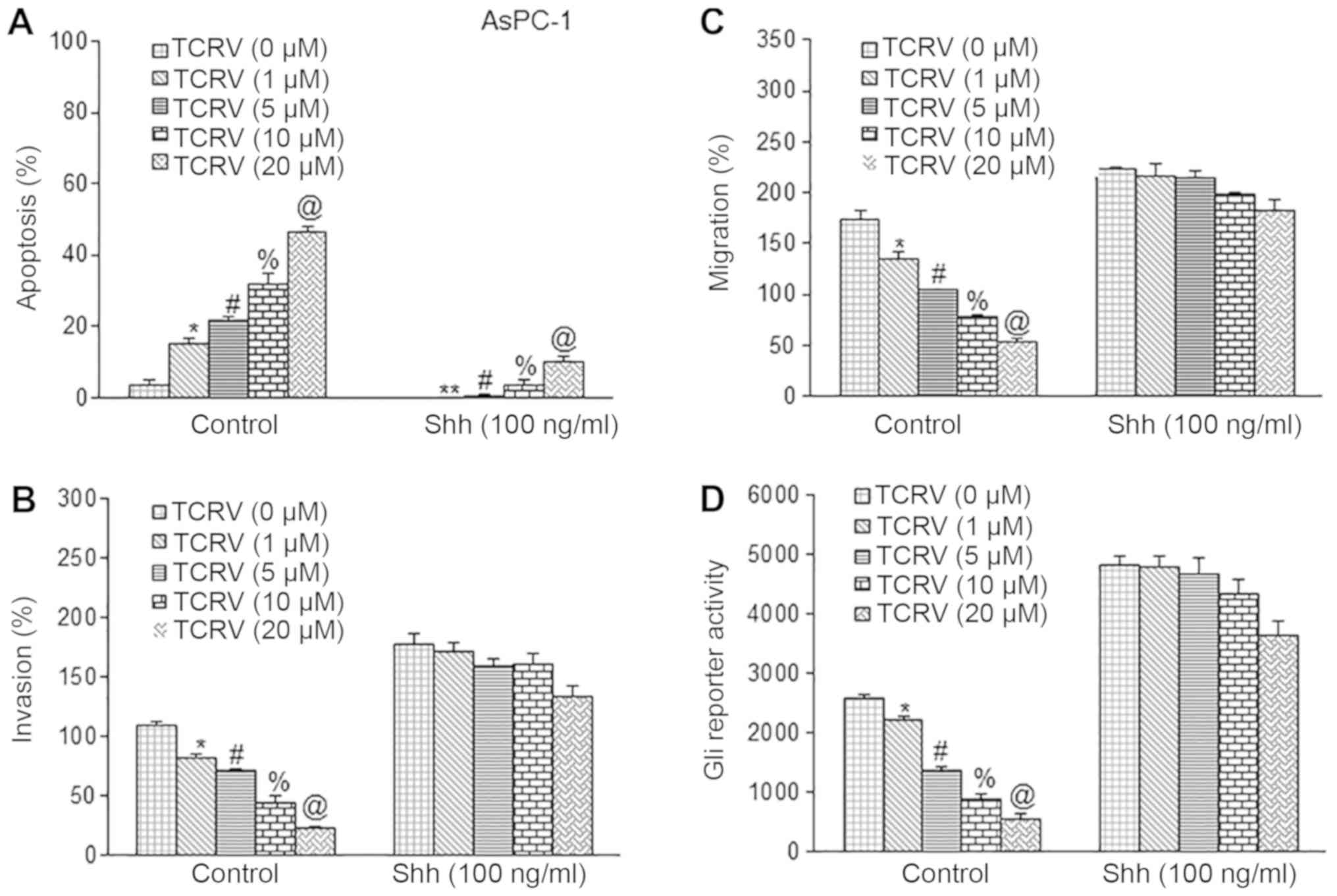
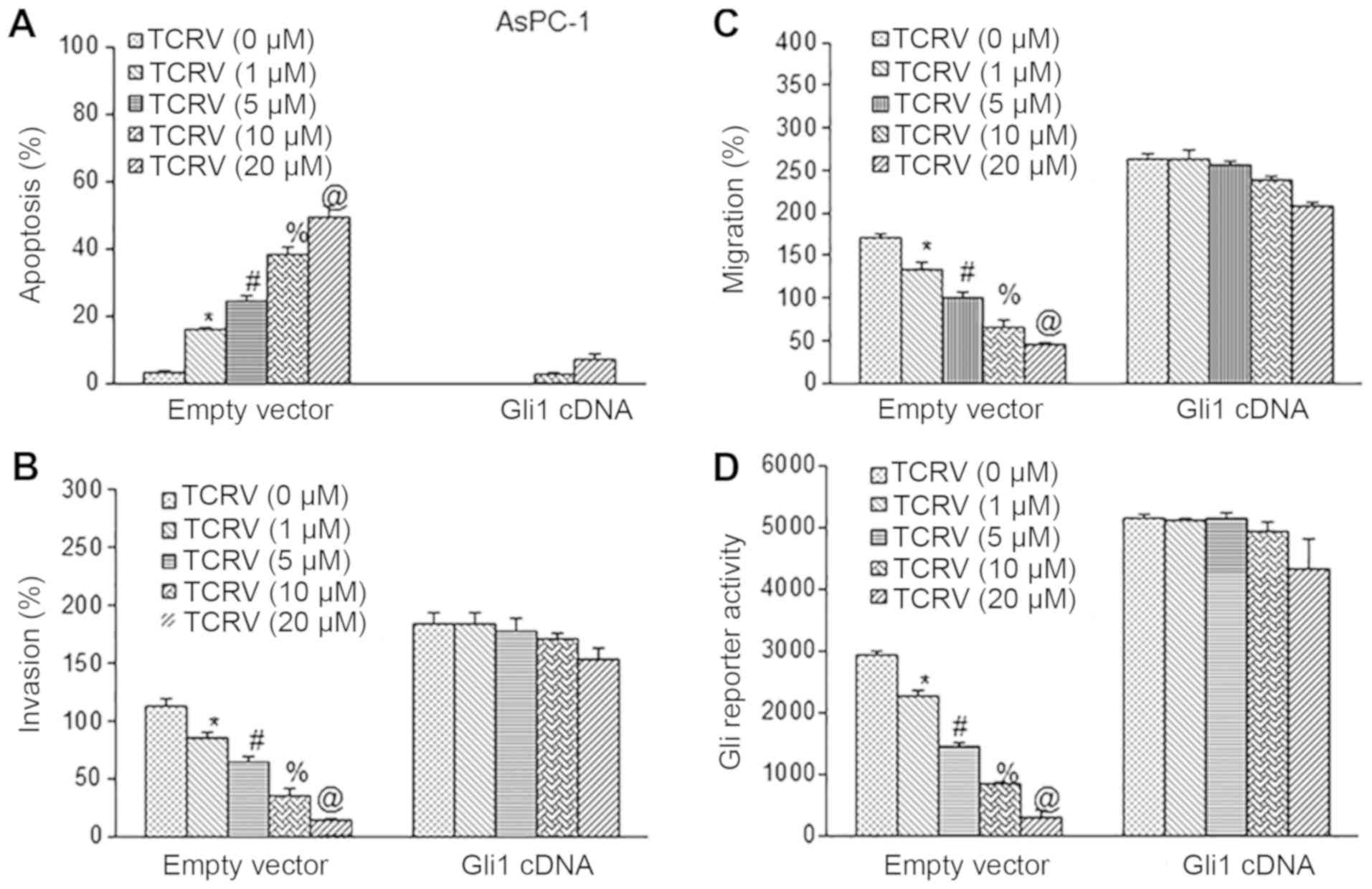
Trans‑3,4',5‑trihydroxystilbene (resveratrol) is a naturally occurring polyphenolic phytoalexin with marked anticancer activities, and is mainly found in grapes, berries and peanuts. However, due to a low bioavailability, it has not progressed to clinical practice for cancer treatment. Therefore, the aims of the present study were to examine the anticancer activities of the resveratrol derivative, triacetyl resveratrol (TCRV), in pancreatic cancer cells. Apoptosis was measured by fluorescence‑activated cell sorting and terminal deoxynucleotidyl transferase (TdT)‑mediated dUTP nick‑end labeling assays. Gene expression was measured by reverse transcription‑quantitative polymerase chain reaction. TCRV inhibited colony formation and induced apoptosis through caspase‑3 activation in human pancreatic cancer AsPC‑1 and PANC‑1 cells, whereas it exerted no effect on human pancreatic normal ductal epithelial cells (HPNE). TCRV inhibited epithelial‑mesenchymal transition (EMT) by upregulating the expression of E‑cadherin and suppressing the expression of N‑cadherin and the transcription factors, Snail, Slug and Zeb1. TCRV inhibited Zeb1 3'UTR‑luciferase activity through the upregulation of microRNA (miR)‑200 family members. The inhibitory effects of TCRV on pancreatic cancer cell migration and invasion were counteracted by anti‑miR‑200 family members. The inhibitory effects of TCRV on EMT and the induction of apoptosis were exerted through the suppression of the sonic hedgehog (Shh) pathway, and through the modulation of cyclin D1 and Bcl‑2 expression. The hyperactivation of the Shh pathway by either Shh protein or Gli1 overexpression abrogated the biological effects of TCRV. Taken together, the results of this study demonstrate that TCRV inhibits pancreatic cancer growth and EMT by targeting the Shh pathway and its downstream signaling mediators. TCRV inhibited EMT through the upregulation of miR‑200 family members. Since TCRV effectively inhibited the growth of human pancreatic cancer cells by modulating the Shh pathway, without affecting the growth of HPNE cells, our findings suggest the possible use of TCRV as a promising candidate for the treatment and/or prevention of pancreatic cancer.
View Figures

Figure 1

Figure 2

Figure 3

Figure 4

Figure 5

Figure 6

View References

1 

Siegel R, Naishadham D and Jemal A: Cancer statistics, 2013. CA Cancer J Clin. 63:11–30. 2013. View Article : Google Scholar : PubMed/NCBI

2 

Hidalgo M: Pancreatic cancer. N Engl J Med. 362:1605–1617. 2010. View Article : Google Scholar : PubMed/NCBI

3 

Li D: Molecular epidemiology of pancreatic cancer. Cancer J. 7:259–265. 2001.PubMed/NCBI

4 

Gold EB and Goldin SB: Epidemiology of and risk factors for pancreatic cancer. Surg Oncol Clin N Am. 7:67–91. 1998. View Article : Google Scholar : PubMed/NCBI

5 

Li SH, Fu J, Watkins DN, Srivastava RK and Shankar S: Sulforaphane regulates self-renewal of pancreatic cancer stem cells through the modulation of Sonic hedgehog-GLI pathway. Mol Cell Biochem. 373:217–227. 2013. View Article : Google Scholar

6 

Roy SK, Chen Q, Fu J, Shankar S and Srivastava RK: Resveratrol inhibits growth of orthotopic pancreatic tumors through activation of FOXO transcription factors. PLoS One. 6:e251662011. View Article : Google Scholar : PubMed/NCBI

7 

Shankar S, Ganapathy S, Hingorani SR and Srivastava RK: EGCG inhibits growth, invasion, angiogenesis and metastasis of pancreatic cancer. Front Biosci. 13:440–452. 2008. View Article : Google Scholar

8 

Shankar S, Nall D, Tang SN, Meeker D, Passarini J, Sharma J and Srivastava RK: Resveratrol inhibits pancreatic cancer stem cell characteristics in human and KrasG12D transgenic mice by inhibiting pluripotency maintaining factors and epithelial-mesenchymal transition. PLoS One. 6:e165302011. View Article : Google Scholar : PubMed/NCBI

9 

Shankar S, Suthakar G and Srivastava RK: Epigallocatechin-3-gallate inhibits cell cycle and induces apoptosis in pancreatic cancer. Front Biosci. 12:5039–5051. 2007. View Article : Google Scholar : PubMed/NCBI

10 

Srivastava RK, Tang SN, Zhu W, Meeker D and Shankar S: Sulforaphane inhibits self-renewal capacity of pancreatic cancer stem cells and synergizes with quercetin. Front Biosci (Elite Ed). 3:515–528. 2011. View Article : Google Scholar

11 

Verma RK, Yu W, Shrivastava A, Shankar S and Srivastava RK: α-Mangostin-encapsulated PLGA nanoparticles inhibit pancreatic carcinogenesis by targeting cancer stem cells in human, and transgenic (Kras(G12D), and Kras(G12D)/tp53R270H) mice. Sci Rep. 6:327432016. View Article : Google Scholar

12 

Zhao M, Tang SN, Marsh JL, Shankar S and Srivastava RK: Ellagic acid inhibits human pancreatic cancer growth in Balb c nude mice. Cancer Lett. 337:210–217. 2013. View Article : Google Scholar : PubMed/NCBI

13 

Shankar S, Singh G and Srivastava RK: Chemoprevention by resveratrol: Molecular mechanisms and therapeutic potential. Front Biosci. 12:4839–4854. 2007. View Article : Google Scholar : PubMed/NCBI

14 

Shankar S, Siddiqui I and Srivastava RK: Molecular mechanisms of resveratrol (3,4,5-trihydroxy-transstilbene) and its interaction with TNF-related apoptosis inducing ligand (TRAIL) in androgen-insensitive prostate cancer cells. Mol Cell Biochem. 304:273–285. 2007. View Article : Google Scholar : PubMed/NCBI

15 

Jang M and Pezzuto JM: Cancer chemopreventive activity of resveratrol. Drugs Exp Clin Res. 25:65–77. 1999.PubMed/NCBI

16 

Marques FZ, Markus MA and Morris BJ: The molecular basis of longevity, and clinical implications. Maturitas. 65:87–91. 2010. View Article : Google Scholar : PubMed/NCBI

17 

Marzetti E, Wohlgemuth SE, Anton SD, Bernabei R, Carter CS and Leeuwenburgh C: Cellular mechanisms of cardioprotection by calorie restriction: state of the science and future perspectives. Clin Geriatr Med. 25:715–732. 2009. View Article : Google Scholar : PubMed/NCBI

18 

Harikumar KB, Kunnumakkara AB, Sethi G, Diagaradjane P, Anand P, Pandey MK, Gelovani J, Krishnan S, Guha S and Aggarwal BB: Resveratrol, a multitargeted agent, can enhance antitumor activity of gemcitabine in vitro and in orthotopic mouse model of human pancreatic cancer. Int J Cancer. 127:257–268. 2010.

19 

Oi N, Jeong CH, Nadas J, Cho YY, Pugliese A, Bode AM and Dong Z: Resveratrol, a red wine polyphenol, suppresses pancreatic cancer by inhibiting leukotriene A4 hydrolase. Cancer Res. 70:9755–9764. 2010. View Article : Google Scholar : PubMed/NCBI

20 

Shankar S, Chen Q, Siddiqui I, Sarva K and Srivastava RK: Sensitization of TRAIL-resistant LNCaP cells by resveratrol (3,4′,5-tri-hydroxystilbene): Molecular mechanisms and therapeutic potential. J Mol Signal. 2:72007. View Article : Google Scholar

21 

Delmas D, Jannin B and Latruffe N: Resveratrol: Preventing properties against vascular alterations and ageing. Mol Nutr Food Res. 49:377–395. 2005. View Article : Google Scholar : PubMed/NCBI

22 

Fulda S and Debatin KM: Resveratrol-mediated sensitisation to TRAIL-induced apoptosis depends on death receptor and mitochondrial signalling. Eur J Cancer. 41:786–798. 2005. View Article : Google Scholar : PubMed/NCBI

23 

Patel KR, Scott E, Brown VA, Gescher AJ, Steward WP and Brown K: Clinical trials of resveratrol. Ann N Y Acad Sci. 1215:161–169. 2011. View Article : Google Scholar : PubMed/NCBI

24 

Saqui-Salces M and Merchant JL: Hedgehog signaling and gastrointestinal cancer. Biochim Biophys Acta. 1803:786–795. 2010. View Article : Google Scholar : PubMed/NCBI

25 

Kinzler KW, Ruppert JM, Bigner SH and Vogelstein B: The GLI gene is a member of the Kruppel family of zinc finger proteins. Nature. 332:371–374. 1988. View Article : Google Scholar : PubMed/NCBI

26 

Kasper M, Schnidar H, Neill GW, Hanneder M, Klingler S, Blaas L, Schmid C, Hauser-Kronberger C, Regl G, Philpott MP, et al: Selective modulation of Hedgehog/GLI target gene expression by epidermal growth factor signaling in human keratinocytes. Mol Cell Biol. 26:6283–6298. 2006. View Article : Google Scholar : PubMed/NCBI

27 

Ruiz i Altaba A, Sánchez P and Dahmane N: Gli and hedgehog in cancer: Tumours, embryos and stem cells. Nat Rev Cancer. 2:361–372. 2002. View Article : Google Scholar : PubMed/NCBI

28 

Ramalho-Santos M, Melton DA and McMahon AP: Hedgehog signals regulate multiple aspects of gastrointestinal development. Development. 127:2763–2772. 2000.PubMed/NCBI

29 

Taylor MD, Liu L, Raffel C, Hui CC, Mainprize TG, Zhang X, Agatep R, Chiappa S, Gao L, Lowrance A, et al: Mutations in SUFU predispose to medulloblastoma. Nat Genet. 31:306–310. 2002. View Article : Google Scholar : PubMed/NCBI

30 

Tostar U, Malm CJ, Meis-Kindblom JM, Kindblom LG, Toftgård R and Undén AB: Deregulation of the hedgehog signalling pathway: A possible role for the PTCH and SUFU genes in human rhabdomyoma and rhabdomyosarcoma development. J Pathol. 208:17–25. 2006. View Article : Google Scholar

31 

Watkins DN, Berman DM, Burkholder SG, Wang B, Beachy PA and Baylin SB: Hedgehog signalling within airway epithelial progenitors and in small-cell lung cancer. Nature. 422:313–317. 2003. View Article : Google Scholar : PubMed/NCBI

32 

Berman DM, Karhadkar SS, Maitra A, Montes De Oca R, Gerstenblith MR, Briggs K, Parker AR, Shimada Y, Eshleman JR, Watkins DN, et al: Widespread requirement for Hedgehog ligand stimulation in growth of digestive tract tumours. Nature. 425:846–851. 2003. View Article : Google Scholar : PubMed/NCBI

33 

Rodova M, Fu J, Watkins DN, Srivastava RK and Shankar S: Sonic hedgehog signaling inhibition provides opportunities for targeted therapy by sulforaphane in regulating pancreatic cancer stem cell self-renewal. PLoS One. 7:e460832012. View Article : Google Scholar : PubMed/NCBI

34 

Singh BN, Fu J, Srivastava RK and Shankar S: Hedgehog signaling antagonist GDC-0449 (Vismodegib) inhibits pancreatic cancer stem cell characteristics: Molecular mechanisms. PLoS One. 6:e273062011. View Article : Google Scholar : PubMed/NCBI

35 

Magistri P, Battistelli C, Strippoli R, Petrucciani N, Pellinen T, Rossi L, Mangogna L, Aurello P, D’Angelo F, Tripodi M, et al: SMO inhibition modulates cellular plasticity and invasiveness in colorectal cancer. Front Pharmacol. 8:9562018. View Article : Google Scholar : PubMed/NCBI

36 

Li X, Wang X, Xie C, Zhu J, Meng Y, Chen Y, Li Y, Jiang Y, Yang X, Wang S, et al: Sonic hedgehog and Wnt/β-catenin pathways mediate curcumin inhibition of breast cancer stem cells. Anticancer Drugs. 29:208–215. 2018.PubMed/NCBI

37 

Morgan H, Olivero C and Patel GK: Identification of human cutaneous basal cell carcinoma cancer stem cells. Methods Mol Biol. Apr 20–2018.(Epub ahead of print). View Article : Google Scholar

38 

Tong W, Qiu L, Qi M, Liu J, Hu K, Lin W, Huang Y and Fu J: GANT-61 and GDC-0449 induce apoptosis of prostate cancer stem cells through a GLI-dependent mechanism. J Cell Biochem. 119:3641–3652. 2018. View Article : Google Scholar

39 

Wang K, Pan L, Che X, Cui D and Li C: Gli1 inhibition induces cell-cycle arrest and enhanced apoptosis in brain glioma cell lines. J Neurooncol. 98:319–327. 2010. View Article : Google Scholar

40 

Tsuda N, Ishiyama S, Li Y, Ioannides CG, Abbruzzese JL and Chang DZ: Synthetic microRNA designed to target glioma-associated antigen 1 transcription factor inhibits division and induces late apoptosis in pancreatic tumor cells. Clin Cancer Res. 12:6557–6564. 2006. View Article : Google Scholar : PubMed/NCBI

41 

Bartel DP: MicroRNAs: Target recognition and regulatory functions. Cell. 136:215–233. 2009. View Article : Google Scholar : PubMed/NCBI

42 

Cho WC: MicroRNAs in cancer - from research to therapy. Biochim Biophys Acta. 1805:209–217. 2010.

43 

Guo S, Fesler A, Wang H and Ju J: microRNA based prognostic biomarkers in pancreatic Cancer. Biomark Res. 6:182018. View Article : Google Scholar : PubMed/NCBI

44 

Ventura A and Jacks T: MicroRNAs and cancer: Short RNAs go a long way. Cell. 136:586–591. 2009. View Article : Google Scholar

45 

Nicoloso MS, Spizzo R, Shimizu M, Rossi S and Calin GA: MicroRNAs - the micro steering wheel of tumour metastases. Nat Rev Cancer. 9:293–302. 2009. View Article : Google Scholar : PubMed/NCBI

46 

Fu J, Rodova M, Roy SK, Sharma J, Singh KP, Srivastava RK and Shankar S: GANT-61 inhibits pancreatic cancer stem cell growth in vitro and in NOD/SCID/IL2R gamma null mice xenograft. Cancer Lett. 330:22–32. 2013. View Article : Google Scholar

47 

Livak KJ and Schmittgen TD: Analysis of relative gene expression data using real-time quantitative PCR and the 2(−Delta Delta C(T)) method. Methods. 25:402–408. 2001. View Article : Google Scholar

48 

Thiery JP, Acloque H, Huang RY and Nieto MA: Epithelial-mesenchymal transitions in development and disease. Cell. 139:871–890. 2009. View Article : Google Scholar : PubMed/NCBI

49 

Iwatsuki M, Mimori K, Yokobori T, Ishi H, Beppu T, Nakamori S, Baba H and Mori M: Epithelial-mesenchymal transition in cancer development and its clinical significance. Cancer Sci. 101:293–299. 2010. View Article : Google Scholar

50 

Wellner U, Schubert J, Burk UC, Schmalhofer O, Zhu F, Sonntag A, Waldvogel B, Vannier C, Darling D, zur Hausen A, et al: The EMT-activator ZEB1 promotes tumorigenicity by repressing stemness-inhibiting microRNAs. Nat Cell Biol. 11:1487–1495. 2009. View Article : Google Scholar : PubMed/NCBI

51 

Hsieh TC, Wong C, John Bennett D and Wu JM: Regulation of p53 and cell proliferation by resveratrol and its derivatives in breast cancer cells: An in silico and biochemical approach targeting integrin αvβ3. Int J Cancer. 129:2732–2743. 2011. View Article : Google Scholar : PubMed/NCBI

52 

Hsieh TC, Huang YC and Wu JM: Control of prostate cell growth, DNA damage and repair and gene expression by resveratrol analogues, in vitro. Carcinogenesis. 32:93–101. 2011. View Article : Google Scholar

53 

Fritz S, Fernández-del Castillo C, Iafrate AJ, Mino-Kenudson M, Neyhard N, LaFemina J, Stirman A, Warshaw AL and Thayer SP: Novel xenograft and cell line derived from an invasive intraductal papillary mucinous neoplasm of the pancreas give new insights into molecular mechanisms. Pancreas. 39:308–314. 2010. View Article : Google Scholar

54 

Nissim S, Idos GE and Wu B: Genetic markers of malignant transformation in intraductal papillary mucinous neoplasm of the pancreas: A meta-analysis. Pancreas. 41:1195–1205. 2012. View Article : Google Scholar : PubMed/NCBI

55 

Nolan-Stevaux O, Lau J, Truitt ML, Chu GC, Hebrok M, Fernández-Zapico ME and Hanahan D: GLI1 is regulated through Smoothened-independent mechanisms in neoplastic pancreatic ducts and mediates PDAC cell survival and transformation. Genes Dev. 23:24–36. 2009. View Article : Google Scholar : PubMed/NCBI

56 

Lauth M and Toftgård R: Hedgehog signaling and pancreatic tumor development. Adv Cancer Res. 110:1–17. 2011. View Article : Google Scholar : PubMed/NCBI

57 

Thayer SP, di Magliano MP, Heiser PW, Nielsen CM, Roberts DJ, Lauwers GY, Qi YP, Gysin S, Fernándezdel Castillo C, Yajnik V, et al: Hedgehog is an early and late mediator of pancreatic cancer tumorigenesis. Nature. 425:851–856. 2003. View Article : Google Scholar : PubMed/NCBI

58 

Tang SN, Fu J, Nall D, Rodova M, Shankar S and Srivastava RK: Inhibition of sonic hedgehog pathway and pluripotency maintaining factors regulate human pancreatic cancer stem cell characteristics. Int J Cancer. 131:30–40. 2012. View Article : Google Scholar :

59 

Tang SN, Singh C, Nall D, Meeker D, Shankar S and Srivastava RK: The dietary bioflavonoid quercetin synergizes with epigallocathechin gallate (EGCG) to inhibit prostate cancer stem cell characteristics, invasion, migration and epithelial-mesenchymal transition. J Mol Signal. 5:142010. View Article : Google Scholar : PubMed/NCBI

60 

Kurahara H, Takao S, Maemura K, Mataki Y, Kuwahata T, Maeda K, Ding Q, Sakoda M, Iino S, Ishigami S, et al: Epithelial-mesenchymal transition and mesenchymal-epithelial transition via regulation of ZEB-1 and ZEB-2 expression in pancreatic cancer. J Surg Oncol. 105:655–661. 2012. View Article : Google Scholar : PubMed/NCBI

61 

Pantel K, Alix-Panabières C and Riethdorf S: Cancer microme-tastases. Nat Rev Clin Oncol. 6:339–351. 2009. View Article : Google Scholar : PubMed/NCBI

62 

Baffa R, Fassan M, Volinia S, O’Hara B, Liu CG, Palazzo JP, Gardiman M, Rugge M, Gomella LG, Croce CM, et al: MicroRNA expression profiling of human metastatic cancers identifies cancer gene targets. J Pathol. 219:214–221. 2009. View Article : Google Scholar : PubMed/NCBI

63 

Baranwal S and Alahari SK: miRNA control of tumor cell invasion and metastasis. Int J Cancer. 126:1283–1290. 2010.

64 

Nalls D, Tang SN, Rodova M, Srivastava RK and Shankar S: Targeting epigenetic regulation of miR-34a for treatment of pancreatic cancer by inhibition of pancreatic cancer stem cells. PLoS One. 6:e240992011. View Article : Google Scholar : PubMed/NCBI

65 

O’Brien SJ, Carter JV, Burton JF, Oxford BG, Schmidt MN, Hallion JC and Galandiuk S: The role of the miR-200 family in epithelial-mesenchymal transition in colorectal cancer: A systematic review. Int J Cancer. 142:2501–2511. 2018. View Article : Google Scholar

Related Articles

  • Abstract
  • View
  • Download
  • Twitter
Copy and paste a formatted citation
Spandidos Publications style
Fu J, Shrivastava A, Shrivastava SK, Srivastava RK and Shankar S: Triacetyl resveratrol upregulates miRNA‑200 and suppresses the Shh pathway in pancreatic cancer: A potential therapeutic agent. Int J Oncol 54: 1306-1316, 2019.
APA
Fu, J., Shrivastava, A., Shrivastava, S.K., Srivastava, R.K., & Shankar, S. (2019). Triacetyl resveratrol upregulates miRNA‑200 and suppresses the Shh pathway in pancreatic cancer: A potential therapeutic agent. International Journal of Oncology, 54, 1306-1316. https://doi.org/10.3892/ijo.2019.4700
MLA
Fu, J., Shrivastava, A., Shrivastava, S. K., Srivastava, R. K., Shankar, S."Triacetyl resveratrol upregulates miRNA‑200 and suppresses the Shh pathway in pancreatic cancer: A potential therapeutic agent". International Journal of Oncology 54.4 (2019): 1306-1316.
Chicago
Fu, J., Shrivastava, A., Shrivastava, S. K., Srivastava, R. K., Shankar, S."Triacetyl resveratrol upregulates miRNA‑200 and suppresses the Shh pathway in pancreatic cancer: A potential therapeutic agent". International Journal of Oncology 54, no. 4 (2019): 1306-1316. https://doi.org/10.3892/ijo.2019.4700
Copy and paste a formatted citation
x
Spandidos Publications style
Fu J, Shrivastava A, Shrivastava SK, Srivastava RK and Shankar S: Triacetyl resveratrol upregulates miRNA‑200 and suppresses the Shh pathway in pancreatic cancer: A potential therapeutic agent. Int J Oncol 54: 1306-1316, 2019.
APA
Fu, J., Shrivastava, A., Shrivastava, S.K., Srivastava, R.K., & Shankar, S. (2019). Triacetyl resveratrol upregulates miRNA‑200 and suppresses the Shh pathway in pancreatic cancer: A potential therapeutic agent. International Journal of Oncology, 54, 1306-1316. https://doi.org/10.3892/ijo.2019.4700
MLA
Fu, J., Shrivastava, A., Shrivastava, S. K., Srivastava, R. K., Shankar, S."Triacetyl resveratrol upregulates miRNA‑200 and suppresses the Shh pathway in pancreatic cancer: A potential therapeutic agent". International Journal of Oncology 54.4 (2019): 1306-1316.
Chicago
Fu, J., Shrivastava, A., Shrivastava, S. K., Srivastava, R. K., Shankar, S."Triacetyl resveratrol upregulates miRNA‑200 and suppresses the Shh pathway in pancreatic cancer: A potential therapeutic agent". International Journal of Oncology 54, no. 4 (2019): 1306-1316. https://doi.org/10.3892/ijo.2019.4700
Follow us
  • Twitter
  • LinkedIn
  • Facebook
About
  • Spandidos Publications
  • Careers
  • Cookie Policy
  • Privacy Policy
How can we help?
  • Help
  • Live Chat
  • Contact
  • Email to our Support Team