Spandidos Publications Logo
  • About
    • About Spandidos
    • Aims and Scopes
    • Abstracting and Indexing
    • Editorial Policies
    • Reprints and Permissions
    • Job Opportunities
    • Terms and Conditions
    • Contact
  • Journals
    • All Journals
    • Oncology Letters
      • Oncology Letters
      • Information for Authors
      • Editorial Policies
      • Editorial Board
      • Aims and Scope
      • Abstracting and Indexing
      • Bibliographic Information
      • Archive
    • International Journal of Oncology
      • International Journal of Oncology
      • Information for Authors
      • Editorial Policies
      • Editorial Board
      • Aims and Scope
      • Abstracting and Indexing
      • Bibliographic Information
      • Archive
    • Molecular and Clinical Oncology
      • Molecular and Clinical Oncology
      • Information for Authors
      • Editorial Policies
      • Editorial Board
      • Aims and Scope
      • Abstracting and Indexing
      • Bibliographic Information
      • Archive
    • Experimental and Therapeutic Medicine
      • Experimental and Therapeutic Medicine
      • Information for Authors
      • Editorial Policies
      • Editorial Board
      • Aims and Scope
      • Abstracting and Indexing
      • Bibliographic Information
      • Archive
    • International Journal of Molecular Medicine
      • International Journal of Molecular Medicine
      • Information for Authors
      • Editorial Policies
      • Editorial Board
      • Aims and Scope
      • Abstracting and Indexing
      • Bibliographic Information
      • Archive
    • Biomedical Reports
      • Biomedical Reports
      • Information for Authors
      • Editorial Policies
      • Editorial Board
      • Aims and Scope
      • Abstracting and Indexing
      • Bibliographic Information
      • Archive
    • Oncology Reports
      • Oncology Reports
      • Information for Authors
      • Editorial Policies
      • Editorial Board
      • Aims and Scope
      • Abstracting and Indexing
      • Bibliographic Information
      • Archive
    • Molecular Medicine Reports
      • Molecular Medicine Reports
      • Information for Authors
      • Editorial Policies
      • Editorial Board
      • Aims and Scope
      • Abstracting and Indexing
      • Bibliographic Information
      • Archive
    • World Academy of Sciences Journal
      • World Academy of Sciences Journal
      • Information for Authors
      • Editorial Policies
      • Editorial Board
      • Aims and Scope
      • Abstracting and Indexing
      • Bibliographic Information
      • Archive
    • International Journal of Functional Nutrition
      • International Journal of Functional Nutrition
      • Information for Authors
      • Editorial Policies
      • Editorial Board
      • Aims and Scope
      • Abstracting and Indexing
      • Bibliographic Information
      • Archive
    • International Journal of Epigenetics
      • International Journal of Epigenetics
      • Information for Authors
      • Editorial Policies
      • Editorial Board
      • Aims and Scope
      • Abstracting and Indexing
      • Bibliographic Information
      • Archive
    • Medicine International
      • Medicine International
      • Information for Authors
      • Editorial Policies
      • Editorial Board
      • Aims and Scope
      • Abstracting and Indexing
      • Bibliographic Information
      • Archive
  • Articles
  • Information
    • Information for Authors
    • Information for Reviewers
    • Information for Librarians
    • Information for Advertisers
    • Conferences
  • Language Editing
Spandidos Publications Logo
  • About
    • About Spandidos
    • Aims and Scopes
    • Abstracting and Indexing
    • Editorial Policies
    • Reprints and Permissions
    • Job Opportunities
    • Terms and Conditions
    • Contact
  • Journals
    • All Journals
    • Biomedical Reports
      • Information for Authors
      • Editorial Policies
      • Editorial Board
      • Aims and Scope
      • Abstracting and Indexing
      • Bibliographic Information
      • Archive
    • Experimental and Therapeutic Medicine
      • Information for Authors
      • Editorial Policies
      • Editorial Board
      • Aims and Scope
      • Abstracting and Indexing
      • Bibliographic Information
      • Archive
    • International Journal of Epigenetics
      • Information for Authors
      • Editorial Policies
      • Editorial Board
      • Aims and Scope
      • Abstracting and Indexing
      • Bibliographic Information
      • Archive
    • International Journal of Functional Nutrition
      • Information for Authors
      • Editorial Policies
      • Editorial Board
      • Aims and Scope
      • Abstracting and Indexing
      • Bibliographic Information
      • Archive
    • International Journal of Molecular Medicine
      • Information for Authors
      • Editorial Policies
      • Editorial Board
      • Aims and Scope
      • Abstracting and Indexing
      • Bibliographic Information
      • Archive
    • International Journal of Oncology
      • Information for Authors
      • Editorial Policies
      • Editorial Board
      • Aims and Scope
      • Abstracting and Indexing
      • Bibliographic Information
      • Archive
    • Medicine International
      • Information for Authors
      • Editorial Policies
      • Editorial Board
      • Aims and Scope
      • Abstracting and Indexing
      • Bibliographic Information
      • Archive
    • Molecular and Clinical Oncology
      • Information for Authors
      • Editorial Policies
      • Editorial Board
      • Aims and Scope
      • Abstracting and Indexing
      • Bibliographic Information
      • Archive
    • Molecular Medicine Reports
      • Information for Authors
      • Editorial Policies
      • Editorial Board
      • Aims and Scope
      • Abstracting and Indexing
      • Bibliographic Information
      • Archive
    • Oncology Letters
      • Information for Authors
      • Editorial Policies
      • Editorial Board
      • Aims and Scope
      • Abstracting and Indexing
      • Bibliographic Information
      • Archive
    • Oncology Reports
      • Information for Authors
      • Editorial Policies
      • Editorial Board
      • Aims and Scope
      • Abstracting and Indexing
      • Bibliographic Information
      • Archive
    • World Academy of Sciences Journal
      • Information for Authors
      • Editorial Policies
      • Editorial Board
      • Aims and Scope
      • Abstracting and Indexing
      • Bibliographic Information
      • Archive
  • Articles
  • Information
    • For Authors
    • For Reviewers
    • For Librarians
    • For Advertisers
    • Conferences
  • Language Editing
Login Register Submit
  • This site uses cookies
  • You can change your cookie settings at any time by following the instructions in our Cookie Policy. To find out more, you may read our Privacy Policy.

    I agree
Search articles by DOI, keyword, author or affiliation
Search
Advanced Search
presentation
International Journal of Oncology
Join Editorial Board Propose a Special Issue
Print ISSN: 1019-6439 Online ISSN: 1791-2423
Journal Cover
June-2019 Volume 54 Issue 6

Full Size Image

Cover Legend PDF

Sign up for eToc alerts
Recommend to Library

Journals

International Journal of Molecular Medicine

International Journal of Molecular Medicine

International Journal of Molecular Medicine is an international journal devoted to molecular mechanisms of human disease.

International Journal of Oncology

International Journal of Oncology

International Journal of Oncology is an international journal devoted to oncology research and cancer treatment.

Molecular Medicine Reports

Molecular Medicine Reports

Covers molecular medicine topics such as pharmacology, pathology, genetics, neuroscience, infectious diseases, molecular cardiology, and molecular surgery.

Oncology Reports

Oncology Reports

Oncology Reports is an international journal devoted to fundamental and applied research in Oncology.

Experimental and Therapeutic Medicine

Experimental and Therapeutic Medicine

Experimental and Therapeutic Medicine is an international journal devoted to laboratory and clinical medicine.

Oncology Letters

Oncology Letters

Oncology Letters is an international journal devoted to Experimental and Clinical Oncology.

Biomedical Reports

Biomedical Reports

Explores a wide range of biological and medical fields, including pharmacology, genetics, microbiology, neuroscience, and molecular cardiology.

Molecular and Clinical Oncology

Molecular and Clinical Oncology

International journal addressing all aspects of oncology research, from tumorigenesis and oncogenes to chemotherapy and metastasis.

World Academy of Sciences Journal

World Academy of Sciences Journal

Multidisciplinary open-access journal spanning biochemistry, genetics, neuroscience, environmental health, and synthetic biology.

International Journal of Functional Nutrition

International Journal of Functional Nutrition

Open-access journal combining biochemistry, pharmacology, immunology, and genetics to advance health through functional nutrition.

International Journal of Epigenetics

International Journal of Epigenetics

Publishes open-access research on using epigenetics to advance understanding and treatment of human disease.

Medicine International

Medicine International

An International Open Access Journal Devoted to General Medicine.

Journal Cover
June-2019 Volume 54 Issue 6

Full Size Image

Cover Legend PDF

Sign up for eToc alerts
Recommend to Library

  • Article
  • Citations
    • Cite This Article
    • Download Citation
    • Create Citation Alert
    • Remove Citation Alert
    • Cited By
  • Similar Articles
    • Related Articles (in Spandidos Publications)
    • Similar Articles (Google Scholar)
    • Similar Articles (PubMed)
  • Download PDF
  • Download XML
  • View XML
Article Open Access

Icariin enhances the chemosensitivity of cisplatin‑resistant ovarian cancer cells by suppressing autophagy via activation of the AKT/mTOR/ATG5 pathway

  • Authors:
    • Shaoyan Jiang
    • Hong Chang
    • Shaojie Deng
    • Danyi Fan
  • View Affiliations / Copyright

    Affiliations: Department of Pharmacy, Shenzhen Maternity and Child Healthcare Hospital, Shenzhen, Guangdong 518028, P.R. China
    Copyright: © Jiang et al. This is an open access article distributed under the terms of Creative Commons Attribution License.
  • Pages: 1933-1942
    |
    Published online on: April 15, 2019
       https://doi.org/10.3892/ijo.2019.4785
  • Expand metrics +
Metrics: Total Views: 0 (Spandidos Publications: | PMC Statistics: )
Metrics: Total PDF Downloads: 0 (Spandidos Publications: | PMC Statistics: )
Cited By (CrossRef): 0 citations Loading Articles...

This article is mentioned in:


Abstract

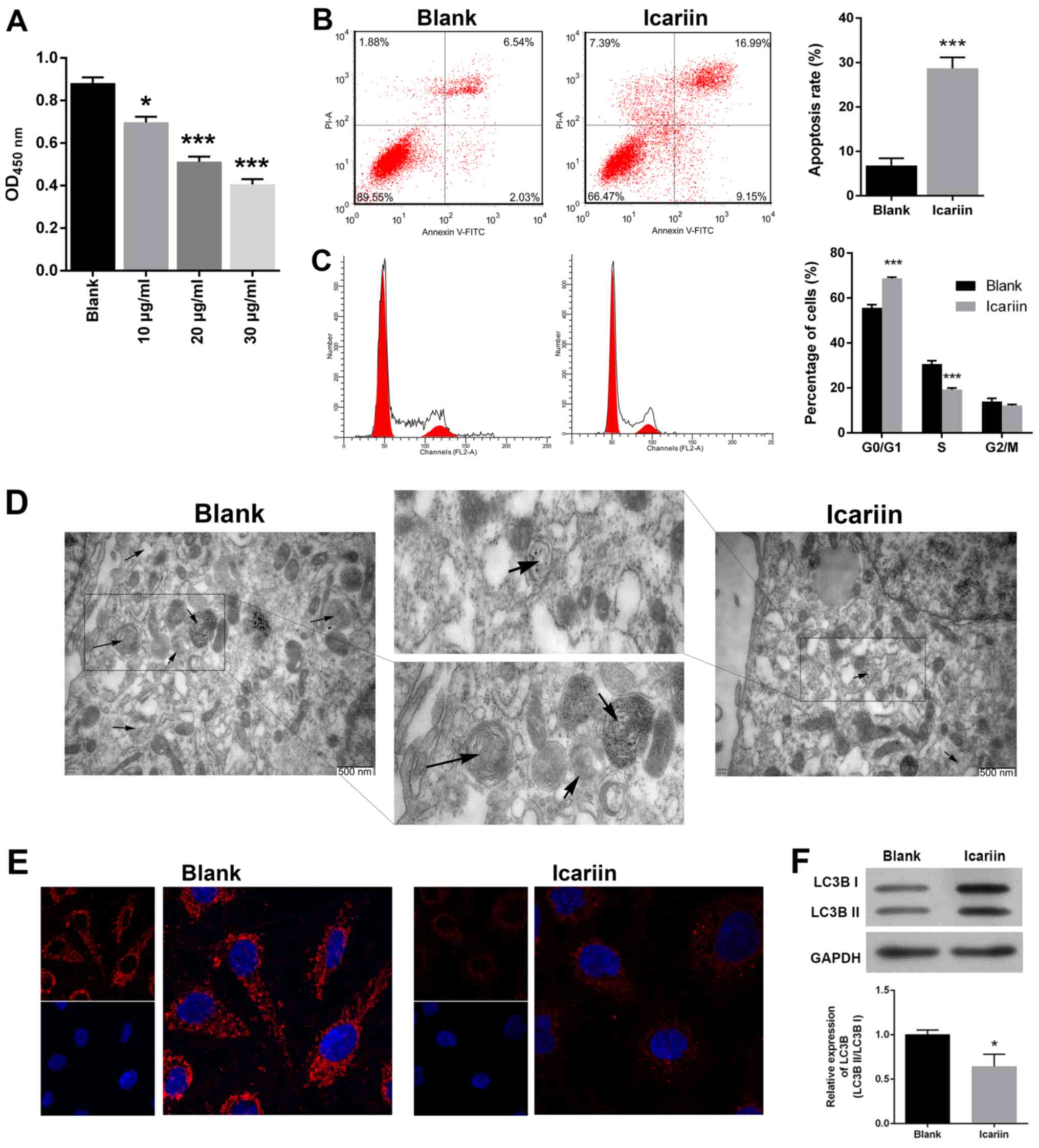
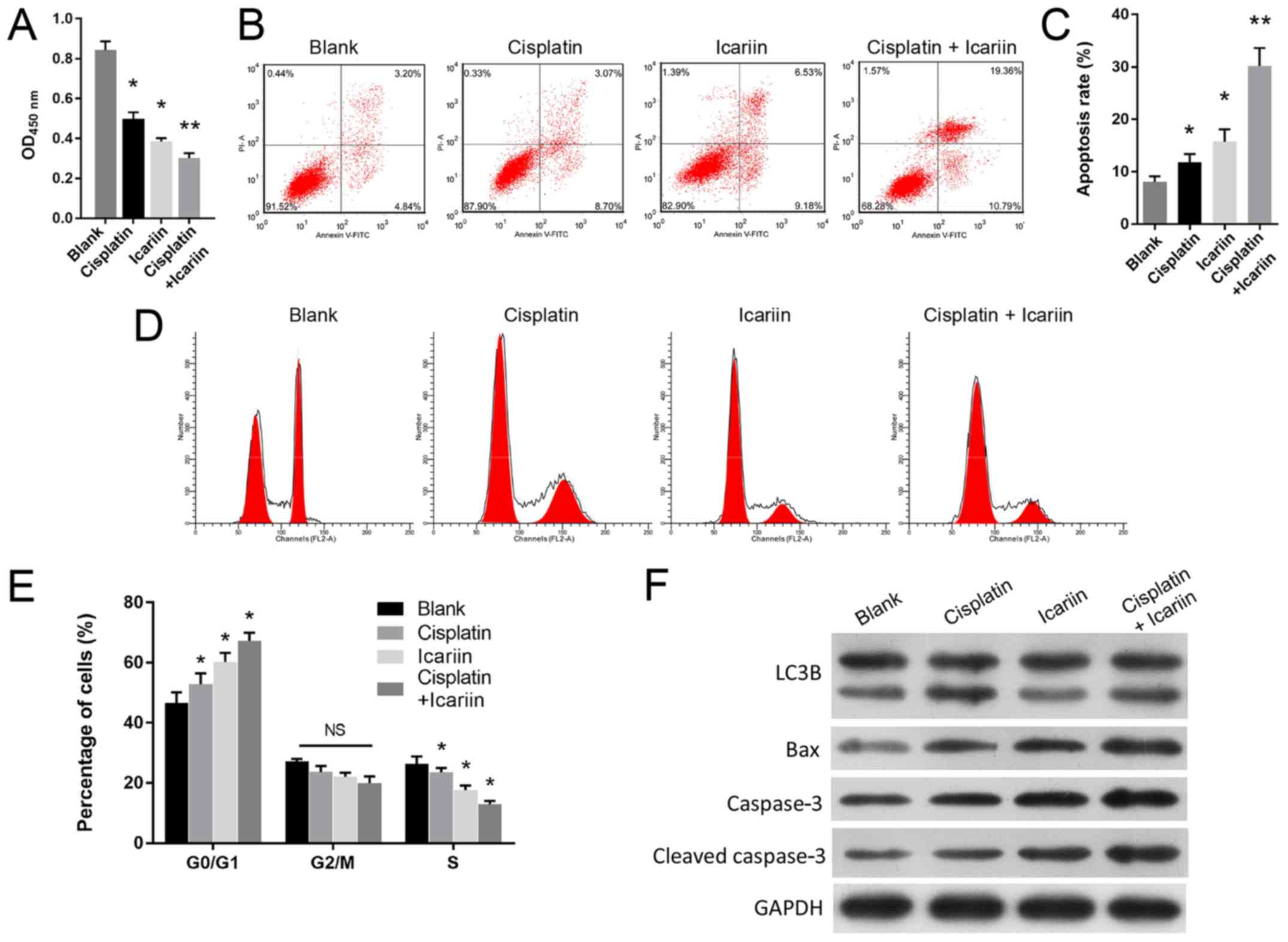
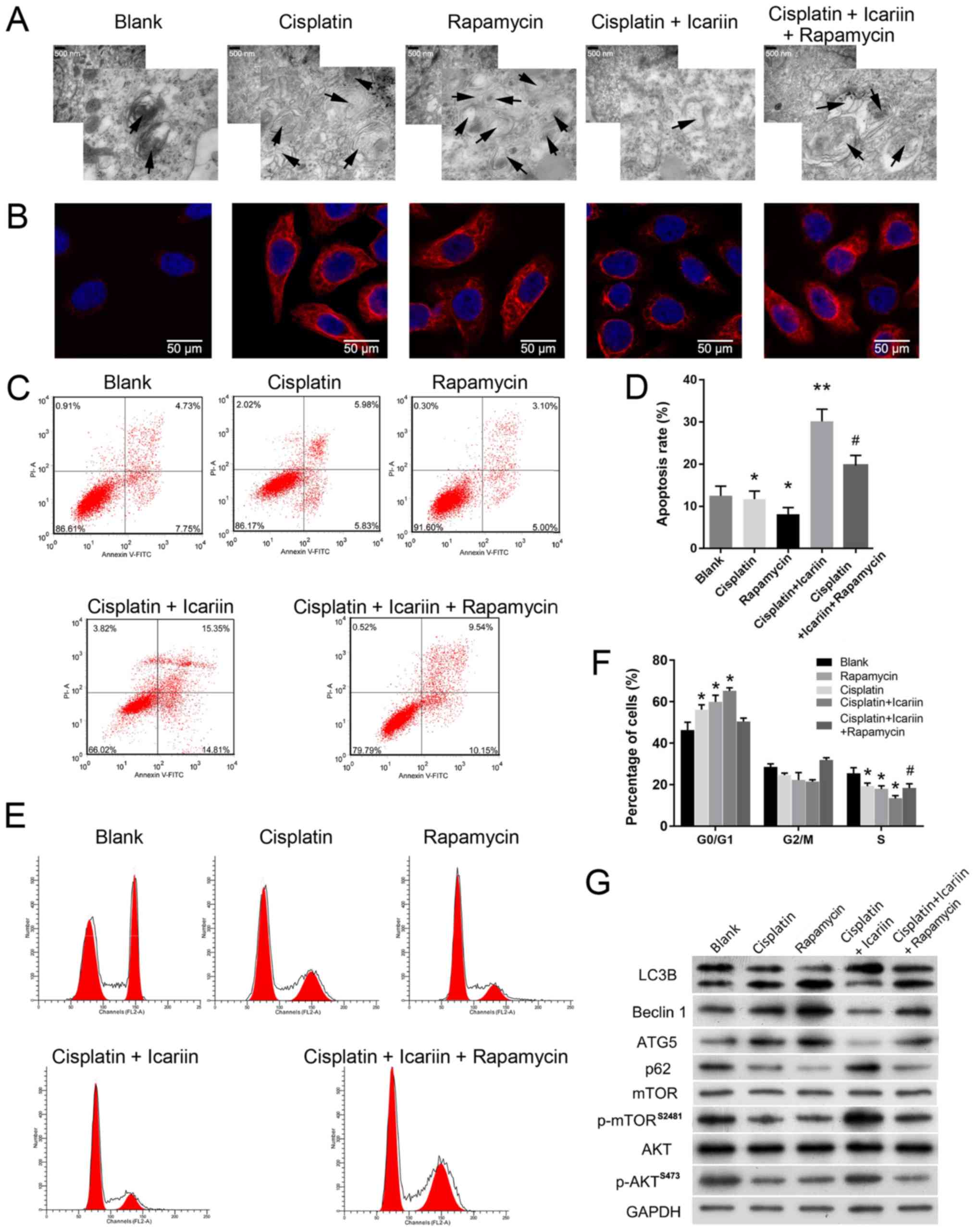
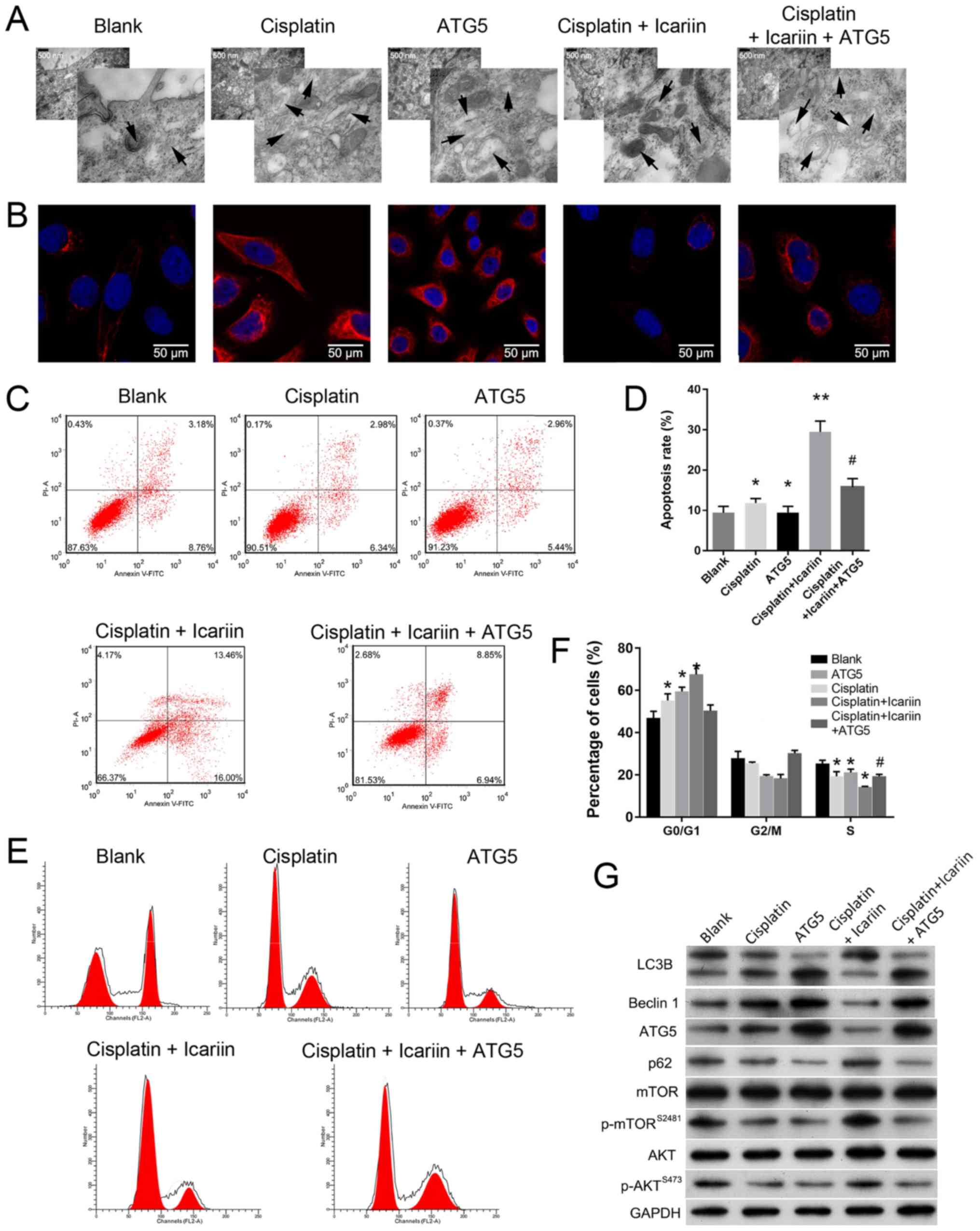
Icariin is a flavonoid derived from Epimedium sagittatum, and has a wide range of biological and pharmacological effects; however, little is known regarding its effect on drug‑resistant ovarian cancer and the signal transduction pathways underlying the regulation of apoptosis and autophagy. The present study aimed to investigate the re‑sensitization effects of icariin exerted on an ovarian cancer cell line. Autophagy was analyzed in a SKVCR cell line that had been treated with icariin. We investigated the sensitivity of SKVCR cells to cisplatin, as well as the effects of an autophagy agonist (rapamycin) on autophagy, apoptosis, and the protein kinase B (AKT) signaling pathway. Finally, the mechanism underlying the effects of autophagy‑related (ATG) protein ATG5 overexpression on autophagy, apoptosis and AKT signaling in SKVCR cells were determined. The results revealed that treatment with icariin inhibited cell viability and autophagy, but promoted G0/G1 phase cell cycle arrest and apoptosis as determined by Cell Counting Kit‑8, immunofluorescence and flow cytometry assays, respectively. Icariin reduced the resistance of SKVCR cells to cisplatin in vitro by inducing G1/S cell cycle transition, apoptosis and inhibiting autophagy. Furthermore, enhanced autophagy induced by rapamycin treatment or overexpression of ATG5 partially reversed the effect of icariin on cisplatin resistance and autophagy in SKVCR cells. At the molecular level, rapamycin treatment or overexpression of ATG5 reversed the effects of icariin on the expression of autophagy‑associated proteins, including microtubule‑associated protein 1 light chain 3β, Beclin‑1, ATG5 and p62, and the AKT/mammalian target of rapamycin (mTOR) pathway. Collectively, our results suggested that icariin enhances the chemosensitivity of SKVCR cells by suppressing autophagy via activation of the AKT/mTOR signaling pathway.
View Figures

Figure 1

Figure 2

Figure 3

Figure 4

View References

1 

Jelovac D and Armstrong DK: Recent progress in the diagnosis and treatment of ovarian cancer. CA Cancer J Clin. 61:183–203. 2011. View Article : Google Scholar : PubMed/NCBI

2 

Siegel R, Naishadham D and Jemal A: Cancer statistics, 2013. CA Cancer J Clin. 63:11–30. 2013. View Article : Google Scholar : PubMed/NCBI

3 

Iorio MV, Visone R, Di Leva G, Donati V, Petrocca F, Casalini P, Taccioli C, Volinia S, Liu CG, Alder H, et al: MicroRNA signatures in human ovarian cancer. Cancer Res. 67:8699–8707. 2007. View Article : Google Scholar : PubMed/NCBI

4 

Agarwal R and Kaye SB: Ovarian cancer: Strategies for overcoming resistance to chemotherapy. Nat Rev Cancer. 3:502–516. 2003. View Article : Google Scholar : PubMed/NCBI

5 

Yang ZJ, Chee CE, Huang S and Sinicrope FA: The role of autophagy in cancer: Therapeutic implications. Mol Cancer Ther. 10:1533–1541. 2011. View Article : Google Scholar : PubMed/NCBI

6 

Mizushima N, Levine B, Cuervo AM and Klionsky DJ: Autophagy fights disease through cellular self-digestion. Nature. 451:1069–1075. 2008. View Article : Google Scholar : PubMed/NCBI

7 

Rubinsztein DC: The roles of intracellular protein-degradation pathways in neurodegeneration. Nature. 443:780–786. 2006. View Article : Google Scholar : PubMed/NCBI

8 

Lum JJ, Bauer DE, Kong M, Harris MH, Li C, Lindsten T and Thompson CB: Growth factor regulation of autophagy and cell survival in the absence of apoptosis. Cell. 120:237–248. 2005. View Article : Google Scholar : PubMed/NCBI

9 

Onodera J and Ohsumi Y: Autophagy is required for maintenance of amino acid levels and protein synthesis under nitrogen starvation. J Biol Chem. 280:31582–31586. 2005. View Article : Google Scholar : PubMed/NCBI

10 

Maiuri MC, Zalckvar E, Kimchi A and Kroemer G: Self-eating and self-killing: Crosstalk between autophagy and apoptosis. Nat Rev Mol Cell Biol. 8:741–752. 2007. View Article : Google Scholar : PubMed/NCBI

11 

Kim KW, Myers CJ, Jung DK and Lu B: NVP-BEZ-235 enhances radiosensitization via blockade of the PI3K/mTOR pathway in cisplatin-resistant non-small cell lung carcinoma. Genes Cancer. 5:293–302. 2014.PubMed/NCBI

12 

Shinojima N, Yokoyama T, Kondo Y and Kondo S: Roles of the Akt/mTOR/p70S6K and ERK1/2 signaling pathways in curcumin-induced autophagy. Autophagy. 3:635–637. 2007. View Article : Google Scholar : PubMed/NCBI

13 

Engelman JA, Luo J and Cantley LC: The evolution of phosphatidylinositol 3-kinases as regulators of growth and metabolism. Nat Rev Genet. 7:606–619. 2006. View Article : Google Scholar : PubMed/NCBI

14 

Li X, Hu X, Wang J, Xu W, Yi C, Ma R and Jiang H: Inhibition of autophagy via activation of PI3K/Akt/mTOR pathway contributes to the protection of hesperidin against myocardial ischemia/reperfusion injury. Int J Mol Med. 42:1917–1924. 2018.PubMed/NCBI

15 

Wu YT, Tan HL, Shui G, Bauvy C, Huang Q, Wenk MR, Ong CN, Codogno P and Shen HM: Dual role of 3-methyladenine in modulation of autophagy via different temporal patterns of inhibition on class I and III phosphoinositide 3-kinase. J Biol Chem. 285:10850–10861. 2010. View Article : Google Scholar : PubMed/NCBI

16 

Marone R, Cmiljanovic V, Giese B and Wymann MP: Targeting phosphoinositide 3-kinase: Moving towards therapy. Biochim Biophys Acta. 1784:159–185. 2008. View Article : Google Scholar

17 

Li J, Hou N, Faried A, Tsutsumi S, Takeuchi T and Kuwano H: Inhibition of autophagy by 3-MA enhances the effect of 5-FU-induced apoptosis in colon cancer cells. Ann Surg Oncol. 16:761–771. 2009. View Article : Google Scholar : PubMed/NCBI

18 

Liu D, Yang Y, Liu Q and Wang J: Inhibition of autophagy by 3-MA potentiates cisplatin-induced apoptosis in esophageal squamous cell carcinoma cells. Med Oncol. 28:105–111. 2011. View Article : Google Scholar

19 

Singh BN, Kumar D, Shankar S and Srivastava RK: Rottlerin induces autophagy which leads to apoptotic cell death through inhibition of PI3K/Akt/mTOR pathway in human pancreatic cancer stem cells. Biochem Pharmacol. 84:1154–1163. 2012. View Article : Google Scholar : PubMed/NCBI

20 

Liu B, Xu C, Wu X, Liu F, Du Y, Sun J, Tao J and Dong J: Icariin exerts an antidepressant effect in an unpredictable chronic mild stress model of depression in rats and is associated with the regulation of hippocampal neuroinflammation. Neuroscience. 294:1932052015. View Article : Google Scholar : PubMed/NCBI

21 

Tang Y, Jacobi A, Vater C, Zou L, Zou X and Stiehler M: Icariin promotes angiogenic differentiation and prevents oxidative stress-induced autophagy in endothelial progenitor cells. Stem Cells. 33:1863–1877. 2015. View Article : Google Scholar : PubMed/NCBI

22 

Mo ZT, Li WN, Zhai YR and Gong QH: Icariin attenuates OGD/R-induced autophagy via Bcl-2-dependent cross talk between apoptosis and autophagy in PC12 cells. Evid Based Complement Alternat Med. 2016:43430842016. View Article : Google Scholar : PubMed/NCBI

23 

Fan C, Yang Y, Liu Y, Jiang S, Di S, Hu W, Ma Z, Li T, Zhu Y, Xin Z, et al: Icariin displays anticancer activity against human esophageal cancer cells via regulating endoplasmic reticulum stress-mediated apoptotic signaling. Sci Rep. 6:211452016. View Article : Google Scholar : PubMed/NCBI

24 

Wu X, Qiao B, Liu Q and Zhang W: Upregulation of extracellular matrix metalloproteinase inducer promotes hypoxia-induced epithelial-mesenchymal transition in esophageal cancer. Mol Med Rep. 12:7419–7424. 2015. View Article : Google Scholar : PubMed/NCBI

25 

Harhaji-Trajkovic L, Vilimanovich U, Kravic-Stevovic T, Bumbasirevic V and Trajkovic V: AMPK-mediated autophagy inhibits apoptosis in cisplatin-treated tumour cells. J Cell Mol Med. 13:3644–3654. 2009. View Article : Google Scholar

26 

Jiang S, Chang H, Deng S and Fan D: Icariin inhibits autophagy and promotes apoptosis in SKVCR cells through mTOR signal pathway. Cell Mol Biol. 64:4–10. 2018. View Article : Google Scholar : PubMed/NCBI

27 

Wang SS, Chen YH, Chen N, Wang LJ, Chen DX, Weng HL, Dooley S and Ding HG: Hydrogen sulfide promotes autophagy of hepatocellular carcinoma cells through the PI3K/Akt/mTOR signaling pathway. Cell Death Dis. 8:e26882017. View Article : Google Scholar : PubMed/NCBI

28 

Guo L, Zhao J, Qu Y, Yin R, Gao Q, Ding S, Zhang Y, Wei J and Xu G: microRNA-20a inhibits autophagic process by targeting ATG7 and ATG16L1 and favors mycobacterial survival in macrophage cells. Front Cell Infect Microbiol. 6:1342016. View Article : Google Scholar : PubMed/NCBI

29 

Chen Y, Zhou X, Qiao J and Bao A: MiR-142-3p overexpression increases chemo-sensitivity of NSCLC by inhibiting HMGB1-mediated autophagy. Cell Physiol Biochem. 41:1370–1382. 2017. View Article : Google Scholar : PubMed/NCBI

30 

Chang Z, Huo L, Li K, Wu Y and Hu Z: Blocked autophagy by miR-101 enhances osteosarcoma cell chemosensitivity in vitro. Scientific World Journal. 2014:7947562014. View Article : Google Scholar : PubMed/NCBI

31 

Kim C, Kim W, Lee H, Ji E, Choe YJ, Martindale JL, Akamatsu W, Okano H, Kim HS, Nam SW, et al: The RNA-binding protein HuD regulates autophagosome formation in pancreatic β cells by promoting autophagy-related gene 5 expression. J Biol Chem. 289:112–121. 2014. View Article : Google Scholar

32 

Jiang K, Li Y, Zhu Q, Xu J, Wang Y, Deng W, Liu Q, Zhang G and Meng S: Pharmacological modulation of autophagy enhances Newcastle disease virus-mediated oncolysis in drug-resistant lung cancer cells. BMC Cancer. 14:5512014. View Article : Google Scholar : PubMed/NCBI

33 

Eskelinen EL and Saftig P: Autophagy: A lysosomal degradation pathway with a central role in health and disease. Biochim Biophys Acta. 1793:664–673. 2009. View Article : Google Scholar

34 

He C and Klionsky DJ: Regulation mechanisms and signaling pathways of autophagy. Annu Rev Genet. 43:67–93. 2009. View Article : Google Scholar : PubMed/NCBI

35 

Yousefi S, Perozzo R, Schmid I, Ziemiecki A, Schaffner T, Scapozza L, Brunner T and Simon HU: Calpain-mediated cleavage of Atg5 switches autophagy to apoptosis. Nat Cell Biol. 8:1124–1132. 2006. View Article : Google Scholar : PubMed/NCBI

36 

McKnight NC and Zhenyu Y: Beclin 1, an essential component and master regulator of PI3K-III in health and disease. Curr Pathobiol Rep. 1:231–238. 2013. View Article : Google Scholar

37 

Wilkinson DS, Jariwala JS, Anderson E, Mitra K, Meisenhelder J, Chang JT, Ideker T, Hunter T, Nizet V, Dillin A, et al: Phosphorylation of LC3 by the Hippo kinases STK3/STK4 is essential for autophagy. Mol Cell. 57:55–68. 2015. View Article : Google Scholar :

38 

Sheng R, Zhang LS, Han R, Liu XQ, Gao B and Qin ZH: Autophagy activation is associated with neuroprotection in a rat model of focal cerebral ischemic preconditioning. Autophagy. 6:482–494. 2010. View Article : Google Scholar : PubMed/NCBI

39 

Akcakanat A, Sahin A, Shaye AN, Velasco MA and Meric-Bernstam F: Comparison of Akt/mTOR signaling in primary breast tumors and matched distant metastases. Cancer. 112:2352–2358. 2008. View Article : Google Scholar : PubMed/NCBI

40 

Chiang GG and Abraham RT: Phosphorylation of mammalian target of rapamycin (mTOR) at Ser-2448 is mediated by p70S6 kinase. J Biol Chem. 280:25485–25490. 2005. View Article : Google Scholar : PubMed/NCBI

41 

Chang L, Graham PH, Hao J, Ni J, Bucci J, Cozzi PJ, Kearsley JH and Li Y: PI3K/Akt/mTOR pathway inhibitors enhance radiosen-sitivity in radioresistant prostate cancer cells through inducing apoptosis, reducing autophagy, suppressing NHEJ and HR repair pathways. Cell Death Dis. 5:e14372014. View Article : Google Scholar

42 

Heras-Sandoval D, Pérez-Rojas JM, Hernández-Damián J and Pedraza-Chaverri J: The role of PI3K/AKT/mTOR pathway in the modulation of autophagy and the clearance of protein aggregates in neurodegeneration. Cell Signal. 26:2694–2701. 2014. View Article : Google Scholar : PubMed/NCBI

43 

Qiu Y, Li C, Wang Q, Zeng X and Ji P: Tanshinone IIA induces cell death via Beclin-1-dependent autophagy in oral squamous cell carcinoma SCC-9 cell line. Cancer Med. 7:397–407. 2018. View Article : Google Scholar : PubMed/NCBI

44 

Saiki S, Sasazawa Y, Imamichi Y, Kawajiri S, Fujimaki T, Tanida I, Kobayashi H, Sato F, Sato S, Ishikawa K, et al: Caffeine induces apoptosis by enhancement of autophagy via PI3K/Akt/mTOR/p70S6K inhibition. Autophagy. 7:176–187. 2011. View Article : Google Scholar :

45 

Nazio F, Strappazzon F, Antonioli M, Bielli P, Cianfanelli V, Bordi M, Gretzmeier C, Dengjel J, Piacentini M, Fimia GM, et al: mTOR inhibits autophagy by controlling ULK1 ubiquitylation, self-association and function through AMBRA1 and TRAF6. Nat Cell Biol. 15:406–416. 2013. View Article : Google Scholar : PubMed/NCBI

46 

Klionsky DJ, Cuervo AM and Seglen PO: Methods for monitoring autophagy from yeast to human. Autophagy. 3:181–206. 2007. View Article : Google Scholar : PubMed/NCBI

47 

Hu N, Kong LS, Chen H, Li WD, Qian AM, Wang XY, Du XL, Li CL, Yu XB and Li XQ: Autophagy protein 5 enhances the function of rat EPCs and promotes EPCs homing and thrombus recanalization via activating AKT. Thromb Res. 136:642–651. 2015. View Article : Google Scholar : PubMed/NCBI

48 

Du J, Teng RJ, Guan T, Eis A, Kaul S, Konduri GG and Shi Y: Role of autophagy in angiogenesis in aortic endothelial cells. Am J Physiol Cell Physiol. 302:C383–C391. 2012. View Article : Google Scholar :

49 

Eramo A, Ricci-Vitiani L, Zeuner A, Pallini R, Lotti F, Sette G, Pilozzi E, Larocca LM, Peschle C and De Maria R: Chemotherapy resistance of glioblastoma stem cells. Cell Death Differ. 13:1238–1241. 2006. View Article : Google Scholar : PubMed/NCBI

50 

Wang D, Chen J, Chen H, Duan Z, Xu Q, Wei M, Wang L and Zhong M: Leptin regulates proliferation and apoptosis of colorectal carcinoma through PI3K/Akt/mTOR signalling pathway. J Biosci. 37:91–101. 2012. View Article : Google Scholar : PubMed/NCBI

51 

Kang S, Dong SM, Kim BR, Park MS, Trink B, Byun HJ and Rho SB: Thioridazine induces apoptosis by targeting the PI3K/Akt/mTOR pathway in cervical and endometrial cancer cells. Apoptosis. 17:989–997. 2012. View Article : Google Scholar : PubMed/NCBI

52 

Jiang W and Ogretmen B: Autophagy paradox and ceramide. Biochim Biophys Acta. 1841:783–792. 2014. View Article : Google Scholar :

53 

Lin YC, Lin JF, Wen SI, Yang SC, Tsai TF, Chen HE, Chou KY and Hwang TI: Inhibition of high basal level of autophagy induces apoptosis in human bladder cancer cells. J Urol. 195:1126–1135. 2016. View Article : Google Scholar

54 

White E, Mehnert JM and Chan CS: Autophagy, metabolism, and cancer. Clin Cancer Res. 21:5037–5046. 2015. View Article : Google Scholar : PubMed/NCBI

55 

Schweichel JU and Merker HJ: The morphology of various types of cell death in prenatal tissues. Teratology. 7:253–266. 1973. View Article : Google Scholar : PubMed/NCBI

56 

He Z, Ma WY, Hashimoto T, Bode AM, Yang CS and Dong Z: Induction of apoptosis by caffeine is mediated by the p53, Bax, and caspase 3 pathways. Cancer Res. 63:4396–4401. 2003.PubMed/NCBI

Related Articles

  • Abstract
  • View
  • Download
  • Twitter
Copy and paste a formatted citation
Spandidos Publications style
Jiang S, Chang H, Deng S and Fan D: Icariin enhances the chemosensitivity of cisplatin‑resistant ovarian cancer cells by suppressing autophagy via activation of the AKT/mTOR/ATG5 pathway. Int J Oncol 54: 1933-1942, 2019.
APA
Jiang, S., Chang, H., Deng, S., & Fan, D. (2019). Icariin enhances the chemosensitivity of cisplatin‑resistant ovarian cancer cells by suppressing autophagy via activation of the AKT/mTOR/ATG5 pathway. International Journal of Oncology, 54, 1933-1942. https://doi.org/10.3892/ijo.2019.4785
MLA
Jiang, S., Chang, H., Deng, S., Fan, D."Icariin enhances the chemosensitivity of cisplatin‑resistant ovarian cancer cells by suppressing autophagy via activation of the AKT/mTOR/ATG5 pathway". International Journal of Oncology 54.6 (2019): 1933-1942.
Chicago
Jiang, S., Chang, H., Deng, S., Fan, D."Icariin enhances the chemosensitivity of cisplatin‑resistant ovarian cancer cells by suppressing autophagy via activation of the AKT/mTOR/ATG5 pathway". International Journal of Oncology 54, no. 6 (2019): 1933-1942. https://doi.org/10.3892/ijo.2019.4785
Copy and paste a formatted citation
x
Spandidos Publications style
Jiang S, Chang H, Deng S and Fan D: Icariin enhances the chemosensitivity of cisplatin‑resistant ovarian cancer cells by suppressing autophagy via activation of the AKT/mTOR/ATG5 pathway. Int J Oncol 54: 1933-1942, 2019.
APA
Jiang, S., Chang, H., Deng, S., & Fan, D. (2019). Icariin enhances the chemosensitivity of cisplatin‑resistant ovarian cancer cells by suppressing autophagy via activation of the AKT/mTOR/ATG5 pathway. International Journal of Oncology, 54, 1933-1942. https://doi.org/10.3892/ijo.2019.4785
MLA
Jiang, S., Chang, H., Deng, S., Fan, D."Icariin enhances the chemosensitivity of cisplatin‑resistant ovarian cancer cells by suppressing autophagy via activation of the AKT/mTOR/ATG5 pathway". International Journal of Oncology 54.6 (2019): 1933-1942.
Chicago
Jiang, S., Chang, H., Deng, S., Fan, D."Icariin enhances the chemosensitivity of cisplatin‑resistant ovarian cancer cells by suppressing autophagy via activation of the AKT/mTOR/ATG5 pathway". International Journal of Oncology 54, no. 6 (2019): 1933-1942. https://doi.org/10.3892/ijo.2019.4785
Follow us
  • Twitter
  • LinkedIn
  • Facebook
About
  • Spandidos Publications
  • Careers
  • Cookie Policy
  • Privacy Policy
How can we help?
  • Help
  • Live Chat
  • Contact
  • Email to our Support Team