Spandidos Publications Logo
  • About
    • About Spandidos
    • Aims and Scopes
    • Abstracting and Indexing
    • Editorial Policies
    • Reprints and Permissions
    • Job Opportunities
    • Terms and Conditions
    • Contact
  • Journals
    • All Journals
    • Oncology Letters
      • Oncology Letters
      • Information for Authors
      • Editorial Policies
      • Editorial Board
      • Aims and Scope
      • Abstracting and Indexing
      • Bibliographic Information
      • Archive
    • International Journal of Oncology
      • International Journal of Oncology
      • Information for Authors
      • Editorial Policies
      • Editorial Board
      • Aims and Scope
      • Abstracting and Indexing
      • Bibliographic Information
      • Archive
    • Molecular and Clinical Oncology
      • Molecular and Clinical Oncology
      • Information for Authors
      • Editorial Policies
      • Editorial Board
      • Aims and Scope
      • Abstracting and Indexing
      • Bibliographic Information
      • Archive
    • Experimental and Therapeutic Medicine
      • Experimental and Therapeutic Medicine
      • Information for Authors
      • Editorial Policies
      • Editorial Board
      • Aims and Scope
      • Abstracting and Indexing
      • Bibliographic Information
      • Archive
    • International Journal of Molecular Medicine
      • International Journal of Molecular Medicine
      • Information for Authors
      • Editorial Policies
      • Editorial Board
      • Aims and Scope
      • Abstracting and Indexing
      • Bibliographic Information
      • Archive
    • Biomedical Reports
      • Biomedical Reports
      • Information for Authors
      • Editorial Policies
      • Editorial Board
      • Aims and Scope
      • Abstracting and Indexing
      • Bibliographic Information
      • Archive
    • Oncology Reports
      • Oncology Reports
      • Information for Authors
      • Editorial Policies
      • Editorial Board
      • Aims and Scope
      • Abstracting and Indexing
      • Bibliographic Information
      • Archive
    • Molecular Medicine Reports
      • Molecular Medicine Reports
      • Information for Authors
      • Editorial Policies
      • Editorial Board
      • Aims and Scope
      • Abstracting and Indexing
      • Bibliographic Information
      • Archive
    • World Academy of Sciences Journal
      • World Academy of Sciences Journal
      • Information for Authors
      • Editorial Policies
      • Editorial Board
      • Aims and Scope
      • Abstracting and Indexing
      • Bibliographic Information
      • Archive
    • International Journal of Functional Nutrition
      • International Journal of Functional Nutrition
      • Information for Authors
      • Editorial Policies
      • Editorial Board
      • Aims and Scope
      • Abstracting and Indexing
      • Bibliographic Information
      • Archive
    • International Journal of Epigenetics
      • International Journal of Epigenetics
      • Information for Authors
      • Editorial Policies
      • Editorial Board
      • Aims and Scope
      • Abstracting and Indexing
      • Bibliographic Information
      • Archive
    • Medicine International
      • Medicine International
      • Information for Authors
      • Editorial Policies
      • Editorial Board
      • Aims and Scope
      • Abstracting and Indexing
      • Bibliographic Information
      • Archive
  • Articles
  • Information
    • Information for Authors
    • Information for Reviewers
    • Information for Librarians
    • Information for Advertisers
    • Conferences
  • Language Editing
Spandidos Publications Logo
  • About
    • About Spandidos
    • Aims and Scopes
    • Abstracting and Indexing
    • Editorial Policies
    • Reprints and Permissions
    • Job Opportunities
    • Terms and Conditions
    • Contact
  • Journals
    • All Journals
    • Biomedical Reports
      • Information for Authors
      • Editorial Policies
      • Editorial Board
      • Aims and Scope
      • Abstracting and Indexing
      • Bibliographic Information
      • Archive
    • Experimental and Therapeutic Medicine
      • Information for Authors
      • Editorial Policies
      • Editorial Board
      • Aims and Scope
      • Abstracting and Indexing
      • Bibliographic Information
      • Archive
    • International Journal of Epigenetics
      • Information for Authors
      • Editorial Policies
      • Editorial Board
      • Aims and Scope
      • Abstracting and Indexing
      • Bibliographic Information
      • Archive
    • International Journal of Functional Nutrition
      • Information for Authors
      • Editorial Policies
      • Editorial Board
      • Aims and Scope
      • Abstracting and Indexing
      • Bibliographic Information
      • Archive
    • International Journal of Molecular Medicine
      • Information for Authors
      • Editorial Policies
      • Editorial Board
      • Aims and Scope
      • Abstracting and Indexing
      • Bibliographic Information
      • Archive
    • International Journal of Oncology
      • Information for Authors
      • Editorial Policies
      • Editorial Board
      • Aims and Scope
      • Abstracting and Indexing
      • Bibliographic Information
      • Archive
    • Medicine International
      • Information for Authors
      • Editorial Policies
      • Editorial Board
      • Aims and Scope
      • Abstracting and Indexing
      • Bibliographic Information
      • Archive
    • Molecular and Clinical Oncology
      • Information for Authors
      • Editorial Policies
      • Editorial Board
      • Aims and Scope
      • Abstracting and Indexing
      • Bibliographic Information
      • Archive
    • Molecular Medicine Reports
      • Information for Authors
      • Editorial Policies
      • Editorial Board
      • Aims and Scope
      • Abstracting and Indexing
      • Bibliographic Information
      • Archive
    • Oncology Letters
      • Information for Authors
      • Editorial Policies
      • Editorial Board
      • Aims and Scope
      • Abstracting and Indexing
      • Bibliographic Information
      • Archive
    • Oncology Reports
      • Information for Authors
      • Editorial Policies
      • Editorial Board
      • Aims and Scope
      • Abstracting and Indexing
      • Bibliographic Information
      • Archive
    • World Academy of Sciences Journal
      • Information for Authors
      • Editorial Policies
      • Editorial Board
      • Aims and Scope
      • Abstracting and Indexing
      • Bibliographic Information
      • Archive
  • Articles
  • Information
    • For Authors
    • For Reviewers
    • For Librarians
    • For Advertisers
    • Conferences
  • Language Editing
Login Register Submit
  • This site uses cookies
  • You can change your cookie settings at any time by following the instructions in our Cookie Policy. To find out more, you may read our Privacy Policy.

    I agree
Search articles by DOI, keyword, author or affiliation
Search
Advanced Search
presentation
International Journal of Oncology
Join Editorial Board Propose a Special Issue
Print ISSN: 1019-6439 Online ISSN: 1791-2423
Journal Cover
June-2019 Volume 54 Issue 6

Full Size Image

Cover Legend PDF

Sign up for eToc alerts
Recommend to Library

Journals

International Journal of Molecular Medicine

International Journal of Molecular Medicine

International Journal of Molecular Medicine is an international journal devoted to molecular mechanisms of human disease.

International Journal of Oncology

International Journal of Oncology

International Journal of Oncology is an international journal devoted to oncology research and cancer treatment.

Molecular Medicine Reports

Molecular Medicine Reports

Covers molecular medicine topics such as pharmacology, pathology, genetics, neuroscience, infectious diseases, molecular cardiology, and molecular surgery.

Oncology Reports

Oncology Reports

Oncology Reports is an international journal devoted to fundamental and applied research in Oncology.

Experimental and Therapeutic Medicine

Experimental and Therapeutic Medicine

Experimental and Therapeutic Medicine is an international journal devoted to laboratory and clinical medicine.

Oncology Letters

Oncology Letters

Oncology Letters is an international journal devoted to Experimental and Clinical Oncology.

Biomedical Reports

Biomedical Reports

Explores a wide range of biological and medical fields, including pharmacology, genetics, microbiology, neuroscience, and molecular cardiology.

Molecular and Clinical Oncology

Molecular and Clinical Oncology

International journal addressing all aspects of oncology research, from tumorigenesis and oncogenes to chemotherapy and metastasis.

World Academy of Sciences Journal

World Academy of Sciences Journal

Multidisciplinary open-access journal spanning biochemistry, genetics, neuroscience, environmental health, and synthetic biology.

International Journal of Functional Nutrition

International Journal of Functional Nutrition

Open-access journal combining biochemistry, pharmacology, immunology, and genetics to advance health through functional nutrition.

International Journal of Epigenetics

International Journal of Epigenetics

Publishes open-access research on using epigenetics to advance understanding and treatment of human disease.

Medicine International

Medicine International

An International Open Access Journal Devoted to General Medicine.

Journal Cover
June-2019 Volume 54 Issue 6

Full Size Image

Cover Legend PDF

Sign up for eToc alerts
Recommend to Library

  • Article
  • Citations
    • Cite This Article
    • Download Citation
    • Create Citation Alert
    • Remove Citation Alert
    • Cited By
  • Similar Articles
    • Related Articles (in Spandidos Publications)
    • Similar Articles (Google Scholar)
    • Similar Articles (PubMed)
  • Download PDF
  • Download XML
  • View XML

  • Supplementary Files
    • Supplementary_Data.pdf
Article Open Access

INKA2, a novel p53 target that interacts with the serine/threonine kinase PAK4

  • Authors:
    • Yu‑Yu Liu
    • Chizu Tanikawa
    • Koji Ueda
    • Koichi Matsuda
  • View Affiliations / Copyright

    Affiliations: Laboratory of Clinical Genome Sequencing, Department of Computational Biology and Medical Sciences, Graduate School of Frontier Sciences, The University of Tokyo 108‑8639, Tokyo, Japan, Laboratory of Molecular Medicine, Human Genome Center, Institute of Medical Science, The University of Tokyo 108‑8639, Tokyo, Japan, Project for Realization of Personalized Cancer Medicine, Cancer Precision Medicine Center, Japanese Foundation for Cancer Research, Tokyo 135‑8550, Japan
    Copyright: © Liu et al. This is an open access article distributed under the terms of Creative Commons Attribution License.
  • Pages: 1907-1920
    |
    Published online on: April 15, 2019
       https://doi.org/10.3892/ijo.2019.4786
  • Expand metrics +
Metrics: Total Views: 0 (Spandidos Publications: | PMC Statistics: )
Metrics: Total PDF Downloads: 0 (Spandidos Publications: | PMC Statistics: )
Cited By (CrossRef): 0 citations Loading Articles...

This article is mentioned in:


Abstract

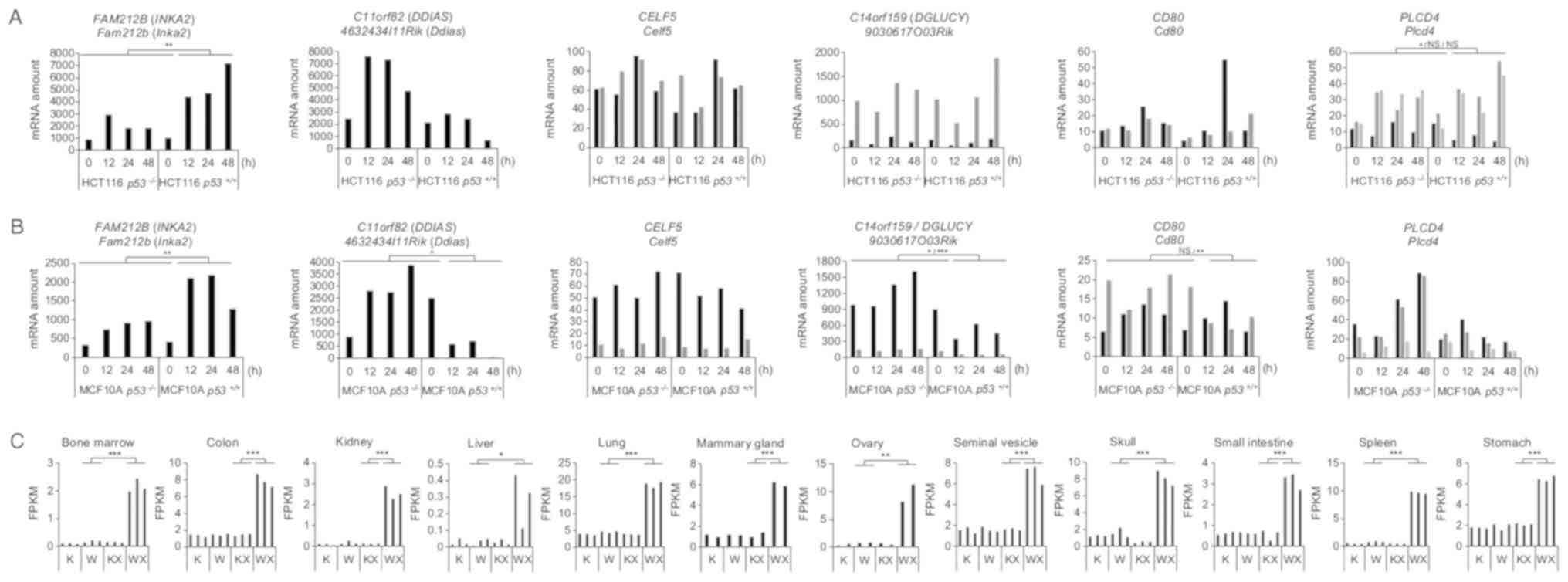
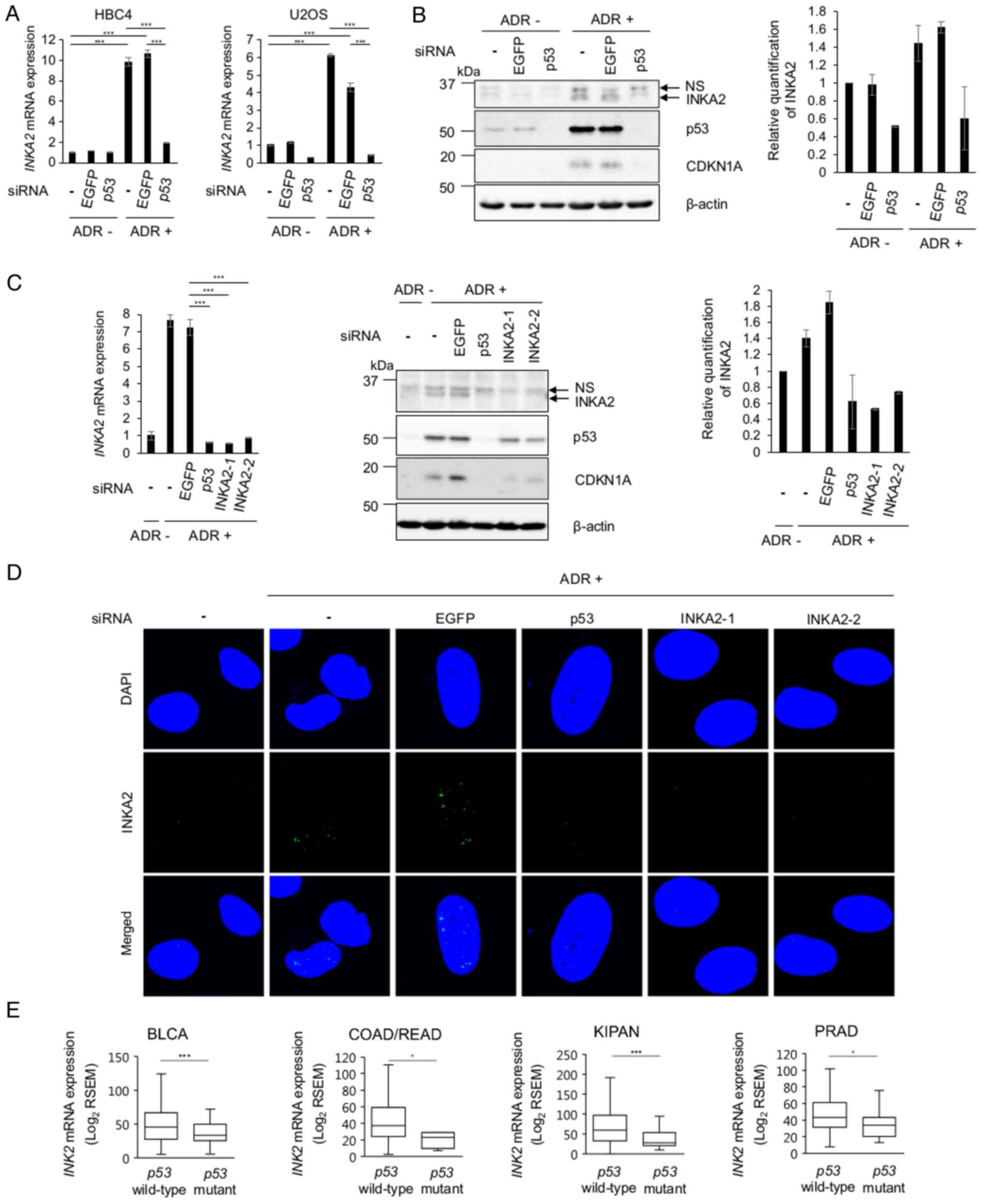
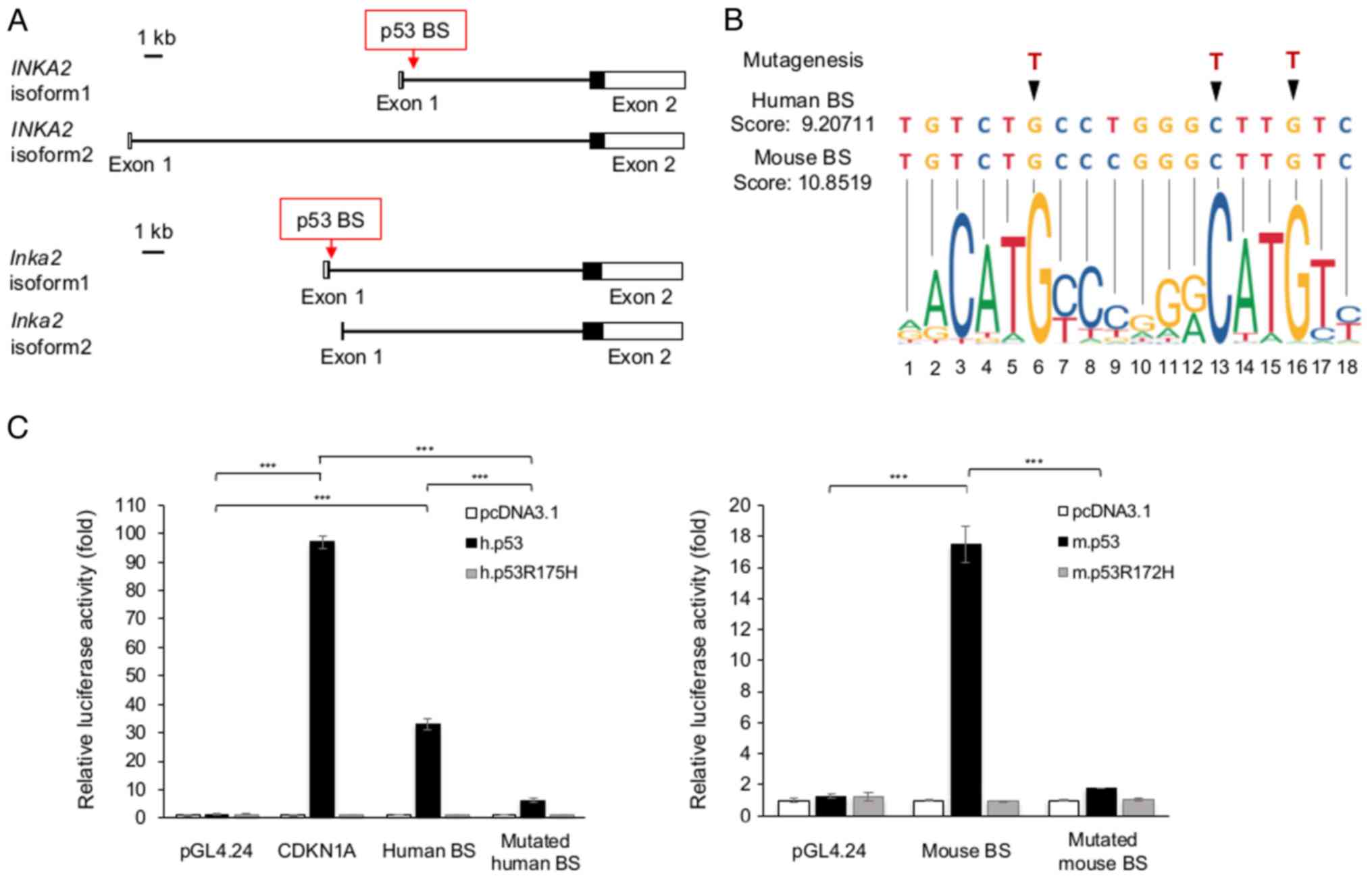
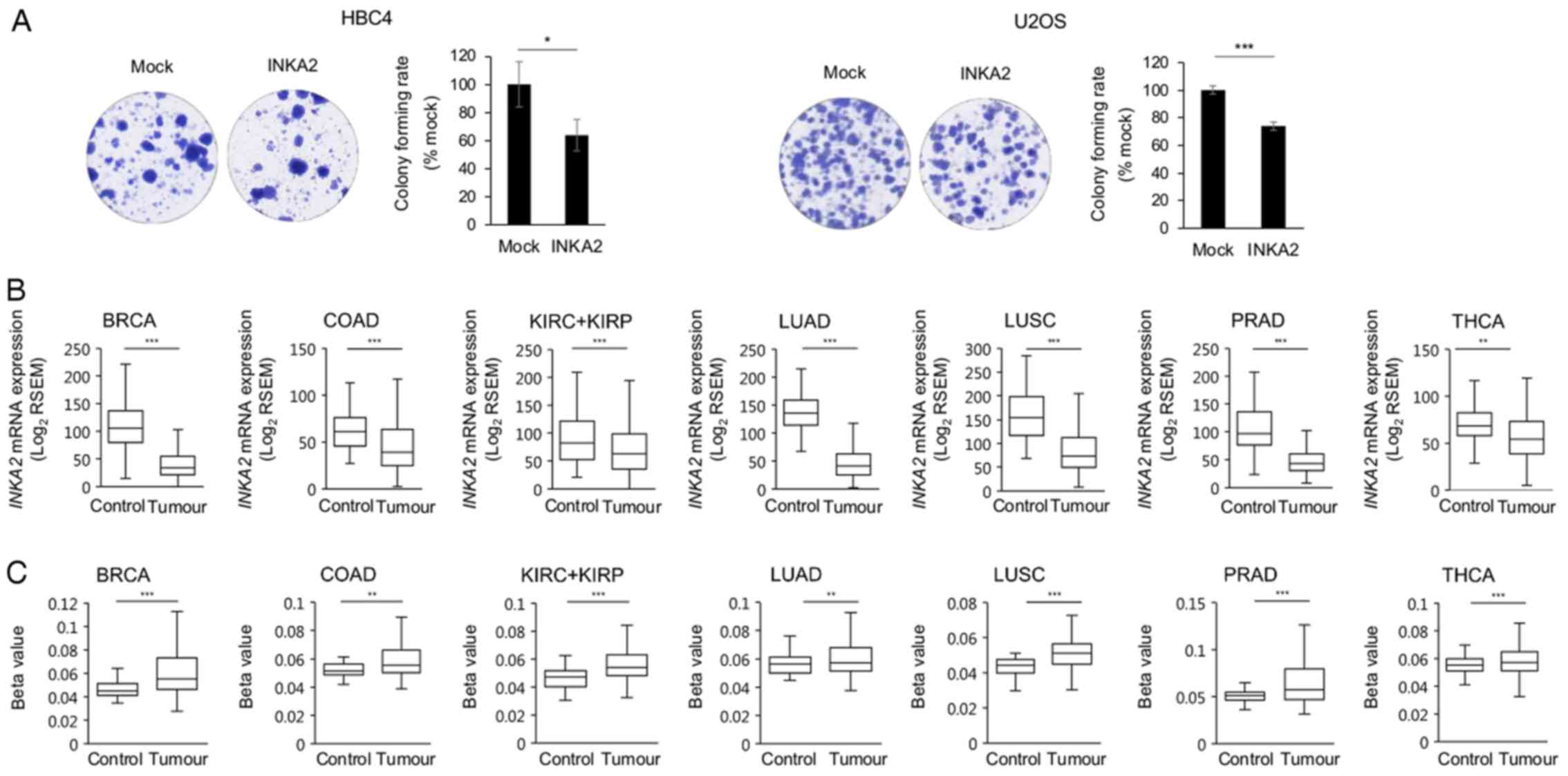
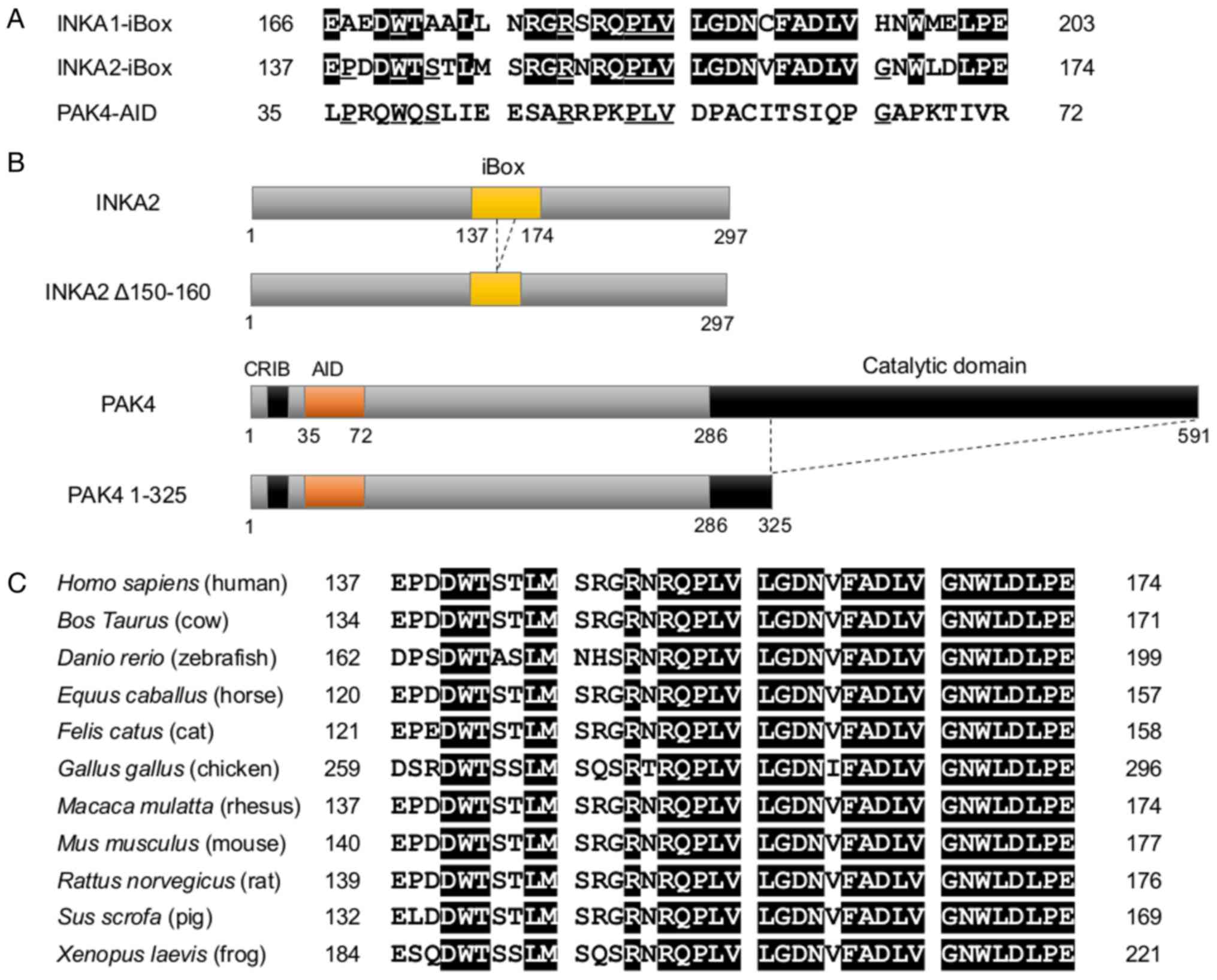
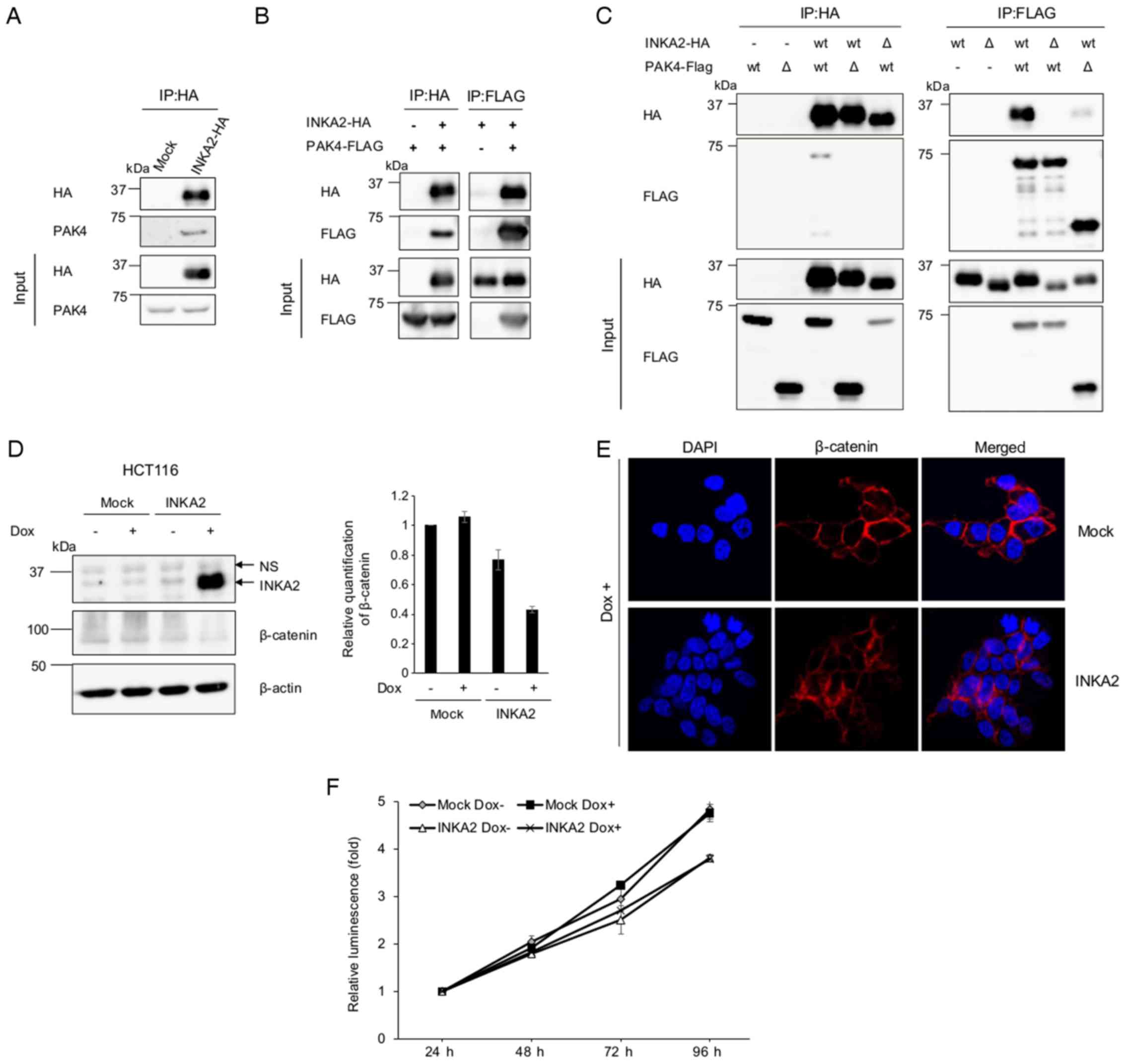
The p53 protein is a tumour suppressor and transcription factor that regulates the expression of target genes involved in numerous stress responses systems. In this study, we designed a screening strategy using DNA damage‑induced mouse and human transcriptome data to identify novel downstream targets of p53. Our method selected genes with an induced expression in multiple organs of X‑ray‑irradiated p53 wild‑type mice. The expression of inka box actin regulator 2 gene, known as Inka2, was upregulated in 12 organs when p53 expression was induced. Similarly, INKA2 was induced in a p53‑dependent manner at both the mRNA and protein level in human cells treated with adriamycin. Reporter assays confirmed that p53 directly regulated INKA2 through an intronic binding site. The overexpression of INKA2 produced a slight decrease in cancer cell growth in the colony formation assay. Moreover, the analysis of The Cancer Genome Atlas (TCGA) data revealed a decreased INKA2 expression in tumour samples carrying p53 mutations compared with p53 wild‑type samples. In addition, significantly higher levels of DNA methylation were observed in the INKA2 promoter in tumour samples, concordant with the reduced INKA2 expression in tumour tissues. These results demonstrate the potential of INKA2 as a cancer cell growth inhibitor. Furthermore, INKA2 protein interacts with the serine/threonine‑protein kinase, p21 (RAC1) activated kinase (PAK)4, which phosphorylates β‑catenin to prevent ubiquitin‑proteasomal degradation. As β‑catenin was downregulated in a stable INKA2‑expressing cell line, the findings of this study suggest that INKA2 is a novel, direct downstream target of p53 that potentially decreases cell growth by inhibiting the PAK4‑β‑catenin pathway.
View Figures

Figure 1

Figure 2

Figure 3

Figure 4

Figure 5

Figure 6

View References

1 

Vogelstein B, Lane D and Levine AJ: Surfing the p53 network. Nature. 408:307–310. 2000. View Article : Google Scholar : PubMed/NCBI

2 

el-Deiry WS, Tokino T, Velculescu VE, Levy DB, Parsons R, Trent JM, Lin D, Mercer WE, Kinzler KW and Vogelstein B: WAF1, a potential mediator of p53 tumor suppression. Cell. 75:817–825. 1993. View Article : Google Scholar : PubMed/NCBI

3 

Bunz F, Dutriaux A, Lengauer C, Waldman T, Zhou S, Brown JP, Sedivy JM, Kinzler KW and Vogelstein B: Requirement for p53 and p21 to sustain G2 arrest after DNA damage. Science. 282:1497–1501. 1998. View Article : Google Scholar : PubMed/NCBI

4 

el-Deiry WS, Harper JW, O’Connor PM, Velculescu VE, Canman CE, Jackman J, Pietenpol JA, Burrell M, Hill DE, Wang Y, et al: WAF1/CIP1 is induced in p53-mediated G1 arrest and apoptosis. Cancer Res. 54:1169–1174. 1994.PubMed/NCBI

5 

Attardi LD, de Vries A and Jacks T: Activation of the p53-dependent G1 checkpoint response in mouse embryo fibroblasts depends on the specific DNA damage inducer. Oncogene. 23:973–980. 2004. View Article : Google Scholar : PubMed/NCBI

6 

He G, Siddik ZH, Huang Z, Wang R, Koomen J, Kobayashi R, Khokhar AR and Kuang J: Induction of p21 by p53 following DNA damage inhibits both Cdk4 and Cdk2 activities. Oncogene. 24:2929–2943. 2005. View Article : Google Scholar : PubMed/NCBI

7 

Garner E and Raj K: Protective mechanisms of p53-p21-pRb proteins against DNA damage-induced cell death. Cell Cycle. 7:277–282. 2008. View Article : Google Scholar : PubMed/NCBI

8 

Xu J and Morris GF: p53-mediated regulation of proliferating cell nuclear antigen expression in cells exposed to ionizing radiation. Mol Cell Biol. 19:12–20. 1999. View Article : Google Scholar

9 

Grombacher T, Eichhorn U and Kaina B: p53 is involved in regulation of the DNA repair gene O6-methylguanine-DNA methyltransferase (MGMT) by DNA damaging agents. Oncogene. 17:845–851. 1998. View Article : Google Scholar : PubMed/NCBI

10 

Laptenko O and Prives C: Transcriptional regulation by p53: One protein, many possibilities. Cell Death Differ. 13:951–961. 2006. View Article : Google Scholar : PubMed/NCBI

11 

Tanikawa C, Zhang YZ, Yamamoto R, Tsuda Y, Tanaka M, Funauchi Y, Mori J, Imoto S, Yamaguchi R, Nakamura Y, et al: The transcriptional landscape of p53 signalling pathway. EBioMedicine. 20:109–119. 2017. View Article : Google Scholar : PubMed/NCBI

12 

Miyamoto T, Tanikawa C, Yodsurang V, Zhang YZ, Imoto S, Yamaguchi R, Miyano S, Nakagawa H and Matsuda K: Identification of a p53-repressed gene module in breast cancer cells. Oncotarget. 8:55821–55836. 2017. View Article : Google Scholar : PubMed/NCBI

13 

Koguchi T, Tanikawa C, Mori J, Kojima Y and Matsuda K: Regulation of myoinositol biosynthesis by p53-ISYNA1 pathway. Int J Oncol. 48:2415–2424. 2016. View Article : Google Scholar : PubMed/NCBI

14 

Yodsurang V, Tanikawa C, Miyamoto T, Lo PHY, Hirata M and Matsuda K: Identification of a novel p53 target, COL17A1, that inhibits breast cancer cell migration and invasion. Oncotarget. 8:55790–55803. 2017. View Article : Google Scholar : PubMed/NCBI

15 

Chèneby J, Gheorghe M, Artufel M, Mathelier A and Ballester B: ReMap 2018: An updated atlas of regulatory regions from an integrative analysis of DNA-binding ChIP-seq experiments. Nucleic Acids Res. 46:D267–D275. 2018. View Article : Google Scholar :

16 

Zhou KR, Liu S, Sun WJ, Zheng LL, Zhou H, Yang JH and Qu LH: ChIPBase v2.0: Decoding transcriptional regulatory networks of non-coding RNAs and protein-coding genes from ChIP-seq data. Nucleic Acids Res. 45:D43–D50. 2017. View Article : Google Scholar :

17 

Khan A, Fornes O, Stigliani A, Gheorghe M, Castro-Mondragon JA, van der Lee R, Bessy A, Chèneby J, Kulkarni SR, Tan G, et al: JASPAR 2018: Update of the open-access database of transcription factor binding profiles and its web framework. Nucleic Acids Res. 46:D260–D266. 2018. View Article : Google Scholar :

18 

Wei CL, Wu Q, Vega VB, Chiu KP, Ng P, Zhang T, Shahab A, Yong HC, Fu Y, Weng Z, et al: A global map of p53 transcription-factor binding sites in the human genome. Cell. 124:207–219. 2006. View Article : Google Scholar : PubMed/NCBI

19 

el-Deiry WS, Tokino T, Waldman T, Oliner JD, Velculescu VE, Burrell M, Hill DE, Healy E, Rees JL, Hamilton SR, et al: Topological control of p21WAF1/CIP1 expression in normal and neoplastic tissues. Cancer Res. 55:2910–2919. 1995.PubMed/NCBI

20 

Schneider CA, Rasband WS and Eliceiri KW: NIH Image to ImageJ: 25 years of image analysis. Nat Methods. 9:671–675. 2012. View Article : Google Scholar : PubMed/NCBI

21 

Takahashi Y, Tanikawa C, Miyamoto T, Hirata M, Wang G, Ueda K, Komatsu T and Matsuda K: Regulation of tubular recycling endosome biogenesis by the p53-MICALL1 pathway. Int J Oncol. 51:724–736. 2017. View Article : Google Scholar : PubMed/NCBI

22 

Cerami E, Gao J, Dogrusoz U, Gross BE, Sumer SO, Aksoy BA, Jacobsen A, Byrne CJ, Heuer ML, Larsson E, et al: The cBio cancer genomics portal: An open platform for exploring multidimensional cancer genomics data. Cancer Discov. 2:401–404. 2012. View Article : Google Scholar : PubMed/NCBI

23 

Gao J, Aksoy BA, Dogrusoz U, Dresdner G, Gross B, Sumer SO, Sun Y, Jacobsen A, Sinha R, Larsson E, et al: Integrative analysis of complex cancer genomics and clinical profiles using the cBio-Portal. Sci Signal. 6:pl12013. View Article : Google Scholar

24 

Huang WY, Hsu SD, Huang HY, Sun YM, Chou CH, Weng SL and Huang HD: MethHC: A database of DNA methylation and gene expression in human cancer. Nucleic Acids Res. 43:D856–D861. 2015. View Article : Google Scholar :

25 

Baxter EW and Milner J: p53 Regulates LIF expression in human medulloblastoma cells. J Neurooncol. 97:373–382. 2010. View Article : Google Scholar

26 

Budanov AV, Shoshani T, Faerman A, Zelin E, Kamer I, Kalinski H, Gorodin S, Fishman A, Chajut A, Einat P, et al: Identification of a novel stress-responsive gene Hi95 involved in regulation of cell viability. Oncogene. 21:6017–6031. 2002. View Article : Google Scholar : PubMed/NCBI

27 

Quintens R, Verreet T, Janssen A, Neefs M, Leysen L, Michaux A, Verslegers M, Samari N, Pani G, Verheyde J, et al: Identification of novel radiation-induced p53-dependent transcripts extensively regulated during mouse brain development. Biol Open. 4:331–344. 2015. View Article : Google Scholar : PubMed/NCBI

28 

Nakano K and Vousden KH: PUMA, a novel proapoptotic gene, is induced by p53. Mol Cell. 7:683–694. 2001. View Article : Google Scholar : PubMed/NCBI

29 

Endo Y, Fujita T, Tamura K, Tsuruga H and Nojima H: Structure and chromosomal assignment of the human cyclin G gene. Genomics. 38:92–95. 1996. View Article : Google Scholar : PubMed/NCBI

30 

Zhang Y, Shin SJ, Liu D, Ivanova E, Foerster F, Ying H, Zheng H, Xiao Y, Chen Z, Protopopov A, et al: ZNF365 promotes stability of fragile sites and telomeres. Cancer Discov. 3:798–811. 2013. View Article : Google Scholar : PubMed/NCBI

31 

Sung YH, Kim HJ, Devkota S, Roh J, Lee J, Rhee K, Bahk YY and Lee HW: Pierce1, a novel p53 target gene contributing to the ultraviolet-induced DNA damage response. Cancer Res. 70:10454–10463. 2010. View Article : Google Scholar : PubMed/NCBI

32 

Kawase T, Ohki R, Shibata T, Tsutsumi S, Kamimura N, Inazawa J, Ohta T, Ichikawa H, Aburatani H, Tashiro F, et al: PH domain-only protein PHLDA3 is a p53-regulated repressor of Akt. Cell. 136:535–550. 2009. View Article : Google Scholar : PubMed/NCBI

33 

Hsieh WJ, Hsieh SC, Chen CC and Wang FF: Human DDA3 is an oncoprotein down-regulated by p53 and DNA damage. Biochem Biophys Res Commun. 369:567–572. 2008. View Article : Google Scholar : PubMed/NCBI

34 

Osada M, Park HL, Park MJ, Liu JW, Wu G, Trink B and Sidransky D: A p53-type response element in the GDF15 promoter confers high specificity for p53 activation. Biochem Biophys Res Commun. 354:913–918. 2007. View Article : Google Scholar : PubMed/NCBI

35 

Tanikawa C, Furukawa Y, Yoshida N, Arakawa H, Nakamura Y and Matsuda K: XEDAR as a putative colorectal tumor suppressor that mediates p53-regulated anoikis pathway. Oncogene. 28:3081–3092. 2009. View Article : Google Scholar : PubMed/NCBI

36 

Consortium EP; ENCODE Project Consortium: An integrated encyclopedia of DNA elements in the human genome. Nature. 489:57–74. 2012. View Article : Google Scholar : PubMed/NCBI

37 

Kent WJ, Sugnet CW, Furey TS, Roskin KM, Pringle TH, Zahler AM and Haussler D: The human genome browser at UCSC. Genome Res. 12:996–1006. 2002. View Article : Google Scholar : PubMed/NCBI

38 

Baskaran Y, Ang KC, Anekal PV, Chan WL, Grimes JM, Manser E and Robinson RC: An in cellulo-derived structure of PAK4 in complex with its inhibitor Inka1. Nat Commun. 6:86812015. View Article : Google Scholar : PubMed/NCBI

39 

Ha BH, Davis MJ, Chen C, Lou HJ, Gao J, Zhang R, Krauthammer M, Halaban R, Schlessinger J, Turk BE, et al: Type II p21-activated kinases (PAKs) are regulated by an autoinhibitory pseudosubstrate. Proc Natl Acad Sci USA. 109:16107–16112. 2012. View Article : Google Scholar : PubMed/NCBI

40 

Wang W, Lim L, Baskaran Y, Manser E and Song J: NMR binding and crystal structure reveal that intrinsically-unstructured regulatory domain auto-inhibits PAK4 by a mechanism different from that of PAK1. Biochem Biophys Res Commun. 438:169–174. 2013. View Article : Google Scholar : PubMed/NCBI

41 

Li Y, Shao Y, Tong Y, Shen T, Zhang J, Li Y, Gu H and Li F: Nucleo-cytoplasmic shuttling of PAK4 modulates β-catenin intracellular translocation and signaling. Biochim Biophys Acta. 1823:465–475. 2012. View Article : Google Scholar

42 

Luo T, Xu Y, Hoffman TL, Zhang T, Schilling T and Sargent TD: Inca: A novel p21-activated kinase-associated protein required for cranial neural crest development. Development. 134:1279–1289. 2007. View Article : Google Scholar : PubMed/NCBI

43 

Reid BS, Sargent TD and Williams T: Generation and characterization of a novel neural crest marker allele, Inka1-LacZ, reveals a role for Inka1 in mouse neural tube closure. Dev Dyn. 239:1188–1196. 2010. View Article : Google Scholar : PubMed/NCBI

44 

Iwasaki Y, Yumoto T and Sakakibara S: Expression profiles of inka2 in the murine nervous system. Gene Expr Patterns. 19:83–97. 2015. View Article : Google Scholar : PubMed/NCBI

45 

Debebe A, Medina V, Chen CY, Mahajan IM, Jia C, Fu D, He L, Zeng N, Stiles BW, Chen CL, et al: Wnt/β-catenin activation and macrophage induction during liver cancer development following steatosis. Oncogene. 36:6020–6029. 2017. View Article : Google Scholar : PubMed/NCBI

46 

Lee K and A Piazza G: The interaction between the Wnt/β-catenin signaling cascade and PKG activation in cancer. J Biomed Res. 31:189–196. 2017.PubMed/NCBI

47 

Chong PS, Zhou J, Chooi JY, Chan ZL, Toh SH, Tan TZ, Wee S, Gunaratne J, Zeng Q and Chng WJ: Non-canonical activation of beta-catenin by PRL-3 phosphatase in acute myeloid leukemia. Oncogene. 38:1508–1519. 2018. View Article : Google Scholar

48 

Sinnberg T, Menzel M, Ewerth D, Sauer B, Schwarz M, Schaller M, Garbe C and Schittek B: β-Catenin signaling increases during melanoma progression and promotes tumor cell survival and chemoresistance. PLoS One. 6:e234292011. View Article : Google Scholar

49 

Yang CM, Ji S, Li Y, Fu LY, Jiang T and Meng FD: β-Catenin promotes cell proliferation, migration, and invasion but induces apoptosis in renal cell carcinoma. OncoTargets Ther. 10:711–724. 2017. View Article : Google Scholar

50 

Zhang X, Zhang X, Li Y, Shao Y, Xiao J, Zhu G and Li F: PAK4 regulates G6PD activity by p53 degradation involving colon cancer cell growth. Cell Death Dis. 8:e28202017. View Article : Google Scholar : PubMed/NCBI

51 

He LF, Xu HW, Chen M, Xian ZR, Wen XF, Chen MN, Du CW, Huang WH, Wu JD and Zhang GJ: Activated-PAK4 predicts worse prognosis in breast cancer and promotes tumorigenesis through activation of PI3K/AKT signaling. Oncotarget. 8:17573–17585. 2017.PubMed/NCBI

52 

Cai S, Ye Z, Wang X, Pan Y, Weng Y, Lao S, Wei H and Li L: Overexpression of P21-activated kinase 4 is associated with poor prognosis in non-small cell lung cancer and promotes migration and invasion. J Exp Clin Cancer Res. 34:482015. View Article : Google Scholar : PubMed/NCBI

53 

Siu MK, Chan HY, Kong DS, Wong ES, Wong OG, Ngan HY, Tam KF, Zhang H, Li Z, Chan QK, et al: p21-activated kinase 4 regulates ovarian cancer cell proliferation, migration, and invasion and contributes to poor prognosis in patients. Proc Natl Acad Sci USA. 107:18622–18627. 2010. View Article : Google Scholar : PubMed/NCBI

54 

Murray BW, Guo C, Piraino J, Westwick JK, Zhang C, Lamerdin J, Dagostino E, Knighton D, Loi CM, Zager M, et al: Small-molecule p21-activated kinase inhibitor PF-3758309 is a potent inhibitor of oncogenic signaling and tumor growth. Proc Natl Acad Sci USA. 107:9446–9451. 2010. View Article : Google Scholar : PubMed/NCBI

55 

Fujimura N: WNT/β-catenin signaling in vertebrate eye development. Front Cell Dev Biol. 4:1382016. View Article : Google Scholar

56 

Duan P and Bonewald LF: The role of the wnt/β-catenin signaling pathway in formation and maintenance of bone and teeth. Int J Biochem Cell Biol. 77:23–29. 2016. View Article : Google Scholar : PubMed/NCBI

57 

Tamamura Y, Otani T, Kanatani N, Koyama E, Kitagaki J, Komori T, Yamada Y, Costantini F, Wakisaka S, Pacifici M, et al: Developmental regulation of Wnt/beta-catenin signals is required for growth plate assembly, cartilage integrity, and endochondral ossification. J Biol Chem. 280:19185–19195. 2005. View Article : Google Scholar : PubMed/NCBI

58 

Xu HT, Lai WL, Liu HF, Wong LL, Ng IO and Ching YP: PAK4 phosphorylates p53 at serine 215 to promote liver cancer metastasis. Cancer Res. 76:5732–5742. 2016. View Article : Google Scholar : PubMed/NCBI

Related Articles

  • Abstract
  • View
  • Download
  • Twitter
Copy and paste a formatted citation
Spandidos Publications style
Liu YY, Tanikawa C, Ueda K and Matsuda K: INKA2, a novel p53 target that interacts with the serine/threonine kinase PAK4. Int J Oncol 54: 1907-1920, 2019.
APA
Liu, Y., Tanikawa, C., Ueda, K., & Matsuda, K. (2019). INKA2, a novel p53 target that interacts with the serine/threonine kinase PAK4. International Journal of Oncology, 54, 1907-1920. https://doi.org/10.3892/ijo.2019.4786
MLA
Liu, Y., Tanikawa, C., Ueda, K., Matsuda, K."INKA2, a novel p53 target that interacts with the serine/threonine kinase PAK4". International Journal of Oncology 54.6 (2019): 1907-1920.
Chicago
Liu, Y., Tanikawa, C., Ueda, K., Matsuda, K."INKA2, a novel p53 target that interacts with the serine/threonine kinase PAK4". International Journal of Oncology 54, no. 6 (2019): 1907-1920. https://doi.org/10.3892/ijo.2019.4786
Copy and paste a formatted citation
x
Spandidos Publications style
Liu YY, Tanikawa C, Ueda K and Matsuda K: INKA2, a novel p53 target that interacts with the serine/threonine kinase PAK4. Int J Oncol 54: 1907-1920, 2019.
APA
Liu, Y., Tanikawa, C., Ueda, K., & Matsuda, K. (2019). INKA2, a novel p53 target that interacts with the serine/threonine kinase PAK4. International Journal of Oncology, 54, 1907-1920. https://doi.org/10.3892/ijo.2019.4786
MLA
Liu, Y., Tanikawa, C., Ueda, K., Matsuda, K."INKA2, a novel p53 target that interacts with the serine/threonine kinase PAK4". International Journal of Oncology 54.6 (2019): 1907-1920.
Chicago
Liu, Y., Tanikawa, C., Ueda, K., Matsuda, K."INKA2, a novel p53 target that interacts with the serine/threonine kinase PAK4". International Journal of Oncology 54, no. 6 (2019): 1907-1920. https://doi.org/10.3892/ijo.2019.4786
Follow us
  • Twitter
  • LinkedIn
  • Facebook
About
  • Spandidos Publications
  • Careers
  • Cookie Policy
  • Privacy Policy
How can we help?
  • Help
  • Live Chat
  • Contact
  • Email to our Support Team