Spandidos Publications Logo
  • About
    • About Spandidos
    • Aims and Scopes
    • Abstracting and Indexing
    • Editorial Policies
    • Reprints and Permissions
    • Job Opportunities
    • Terms and Conditions
    • Contact
  • Journals
    • All Journals
    • Oncology Letters
      • Oncology Letters
      • Information for Authors
      • Editorial Policies
      • Editorial Board
      • Aims and Scope
      • Abstracting and Indexing
      • Bibliographic Information
      • Archive
    • International Journal of Oncology
      • International Journal of Oncology
      • Information for Authors
      • Editorial Policies
      • Editorial Board
      • Aims and Scope
      • Abstracting and Indexing
      • Bibliographic Information
      • Archive
    • Molecular and Clinical Oncology
      • Molecular and Clinical Oncology
      • Information for Authors
      • Editorial Policies
      • Editorial Board
      • Aims and Scope
      • Abstracting and Indexing
      • Bibliographic Information
      • Archive
    • Experimental and Therapeutic Medicine
      • Experimental and Therapeutic Medicine
      • Information for Authors
      • Editorial Policies
      • Editorial Board
      • Aims and Scope
      • Abstracting and Indexing
      • Bibliographic Information
      • Archive
    • International Journal of Molecular Medicine
      • International Journal of Molecular Medicine
      • Information for Authors
      • Editorial Policies
      • Editorial Board
      • Aims and Scope
      • Abstracting and Indexing
      • Bibliographic Information
      • Archive
    • Biomedical Reports
      • Biomedical Reports
      • Information for Authors
      • Editorial Policies
      • Editorial Board
      • Aims and Scope
      • Abstracting and Indexing
      • Bibliographic Information
      • Archive
    • Oncology Reports
      • Oncology Reports
      • Information for Authors
      • Editorial Policies
      • Editorial Board
      • Aims and Scope
      • Abstracting and Indexing
      • Bibliographic Information
      • Archive
    • Molecular Medicine Reports
      • Molecular Medicine Reports
      • Information for Authors
      • Editorial Policies
      • Editorial Board
      • Aims and Scope
      • Abstracting and Indexing
      • Bibliographic Information
      • Archive
    • World Academy of Sciences Journal
      • World Academy of Sciences Journal
      • Information for Authors
      • Editorial Policies
      • Editorial Board
      • Aims and Scope
      • Abstracting and Indexing
      • Bibliographic Information
      • Archive
    • International Journal of Functional Nutrition
      • International Journal of Functional Nutrition
      • Information for Authors
      • Editorial Policies
      • Editorial Board
      • Aims and Scope
      • Abstracting and Indexing
      • Bibliographic Information
      • Archive
    • International Journal of Epigenetics
      • International Journal of Epigenetics
      • Information for Authors
      • Editorial Policies
      • Editorial Board
      • Aims and Scope
      • Abstracting and Indexing
      • Bibliographic Information
      • Archive
    • Medicine International
      • Medicine International
      • Information for Authors
      • Editorial Policies
      • Editorial Board
      • Aims and Scope
      • Abstracting and Indexing
      • Bibliographic Information
      • Archive
  • Articles
  • Information
    • Information for Authors
    • Information for Reviewers
    • Information for Librarians
    • Information for Advertisers
    • Conferences
  • Language Editing
Spandidos Publications Logo
  • About
    • About Spandidos
    • Aims and Scopes
    • Abstracting and Indexing
    • Editorial Policies
    • Reprints and Permissions
    • Job Opportunities
    • Terms and Conditions
    • Contact
  • Journals
    • All Journals
    • Biomedical Reports
      • Information for Authors
      • Editorial Policies
      • Editorial Board
      • Aims and Scope
      • Abstracting and Indexing
      • Bibliographic Information
      • Archive
    • Experimental and Therapeutic Medicine
      • Information for Authors
      • Editorial Policies
      • Editorial Board
      • Aims and Scope
      • Abstracting and Indexing
      • Bibliographic Information
      • Archive
    • International Journal of Epigenetics
      • Information for Authors
      • Editorial Policies
      • Editorial Board
      • Aims and Scope
      • Abstracting and Indexing
      • Bibliographic Information
      • Archive
    • International Journal of Functional Nutrition
      • Information for Authors
      • Editorial Policies
      • Editorial Board
      • Aims and Scope
      • Abstracting and Indexing
      • Bibliographic Information
      • Archive
    • International Journal of Molecular Medicine
      • Information for Authors
      • Editorial Policies
      • Editorial Board
      • Aims and Scope
      • Abstracting and Indexing
      • Bibliographic Information
      • Archive
    • International Journal of Oncology
      • Information for Authors
      • Editorial Policies
      • Editorial Board
      • Aims and Scope
      • Abstracting and Indexing
      • Bibliographic Information
      • Archive
    • Medicine International
      • Information for Authors
      • Editorial Policies
      • Editorial Board
      • Aims and Scope
      • Abstracting and Indexing
      • Bibliographic Information
      • Archive
    • Molecular and Clinical Oncology
      • Information for Authors
      • Editorial Policies
      • Editorial Board
      • Aims and Scope
      • Abstracting and Indexing
      • Bibliographic Information
      • Archive
    • Molecular Medicine Reports
      • Information for Authors
      • Editorial Policies
      • Editorial Board
      • Aims and Scope
      • Abstracting and Indexing
      • Bibliographic Information
      • Archive
    • Oncology Letters
      • Information for Authors
      • Editorial Policies
      • Editorial Board
      • Aims and Scope
      • Abstracting and Indexing
      • Bibliographic Information
      • Archive
    • Oncology Reports
      • Information for Authors
      • Editorial Policies
      • Editorial Board
      • Aims and Scope
      • Abstracting and Indexing
      • Bibliographic Information
      • Archive
    • World Academy of Sciences Journal
      • Information for Authors
      • Editorial Policies
      • Editorial Board
      • Aims and Scope
      • Abstracting and Indexing
      • Bibliographic Information
      • Archive
  • Articles
  • Information
    • For Authors
    • For Reviewers
    • For Librarians
    • For Advertisers
    • Conferences
  • Language Editing
Login Register Submit
  • This site uses cookies
  • You can change your cookie settings at any time by following the instructions in our Cookie Policy. To find out more, you may read our Privacy Policy.

    I agree
Search articles by DOI, keyword, author or affiliation
Search
Advanced Search
presentation
International Journal of Oncology
Join Editorial Board Propose a Special Issue
Print ISSN: 1019-6439 Online ISSN: 1791-2423
Journal Cover
January-2020 Volume 56 Issue 1

Full Size Image

Cover Legend PDF

Sign up for eToc alerts
Recommend to Library

Journals

International Journal of Molecular Medicine

International Journal of Molecular Medicine

International Journal of Molecular Medicine is an international journal devoted to molecular mechanisms of human disease.

International Journal of Oncology

International Journal of Oncology

International Journal of Oncology is an international journal devoted to oncology research and cancer treatment.

Molecular Medicine Reports

Molecular Medicine Reports

Covers molecular medicine topics such as pharmacology, pathology, genetics, neuroscience, infectious diseases, molecular cardiology, and molecular surgery.

Oncology Reports

Oncology Reports

Oncology Reports is an international journal devoted to fundamental and applied research in Oncology.

Experimental and Therapeutic Medicine

Experimental and Therapeutic Medicine

Experimental and Therapeutic Medicine is an international journal devoted to laboratory and clinical medicine.

Oncology Letters

Oncology Letters

Oncology Letters is an international journal devoted to Experimental and Clinical Oncology.

Biomedical Reports

Biomedical Reports

Explores a wide range of biological and medical fields, including pharmacology, genetics, microbiology, neuroscience, and molecular cardiology.

Molecular and Clinical Oncology

Molecular and Clinical Oncology

International journal addressing all aspects of oncology research, from tumorigenesis and oncogenes to chemotherapy and metastasis.

World Academy of Sciences Journal

World Academy of Sciences Journal

Multidisciplinary open-access journal spanning biochemistry, genetics, neuroscience, environmental health, and synthetic biology.

International Journal of Functional Nutrition

International Journal of Functional Nutrition

Open-access journal combining biochemistry, pharmacology, immunology, and genetics to advance health through functional nutrition.

International Journal of Epigenetics

International Journal of Epigenetics

Publishes open-access research on using epigenetics to advance understanding and treatment of human disease.

Medicine International

Medicine International

An International Open Access Journal Devoted to General Medicine.

Journal Cover
January-2020 Volume 56 Issue 1

Full Size Image

Cover Legend PDF

Sign up for eToc alerts
Recommend to Library

  • Article
  • Citations
    • Cite This Article
    • Download Citation
    • Create Citation Alert
    • Remove Citation Alert
    • Cited By
  • Similar Articles
    • Related Articles (in Spandidos Publications)
    • Similar Articles (Google Scholar)
    • Similar Articles (PubMed)
  • Download PDF
  • Download XML
  • View XML
Article

Inhibitory effects on melanogenesis by thymoquinone are mediated through the β‑catenin pathway in B16F10 mouse melanoma cells

  • Authors:
    • Han Jeong
    • Seon‑Mi Yu
    • Song Ja Kim
  • View Affiliations / Copyright

    Affiliations: Department of Biological Sciences, College of Natural Sciences, Kongju National University, Gongju, Chungcheongnam‑do 32588, Republic of Korea
  • Pages: 379-389
    |
    Published online on: December 2, 2019
       https://doi.org/10.3892/ijo.2019.4930
  • Expand metrics +
Metrics: Total Views: 0 (Spandidos Publications: | PMC Statistics: )
Metrics: Total PDF Downloads: 0 (Spandidos Publications: | PMC Statistics: )
Cited By (CrossRef): 0 citations Loading Articles...

This article is mentioned in:


Abstract

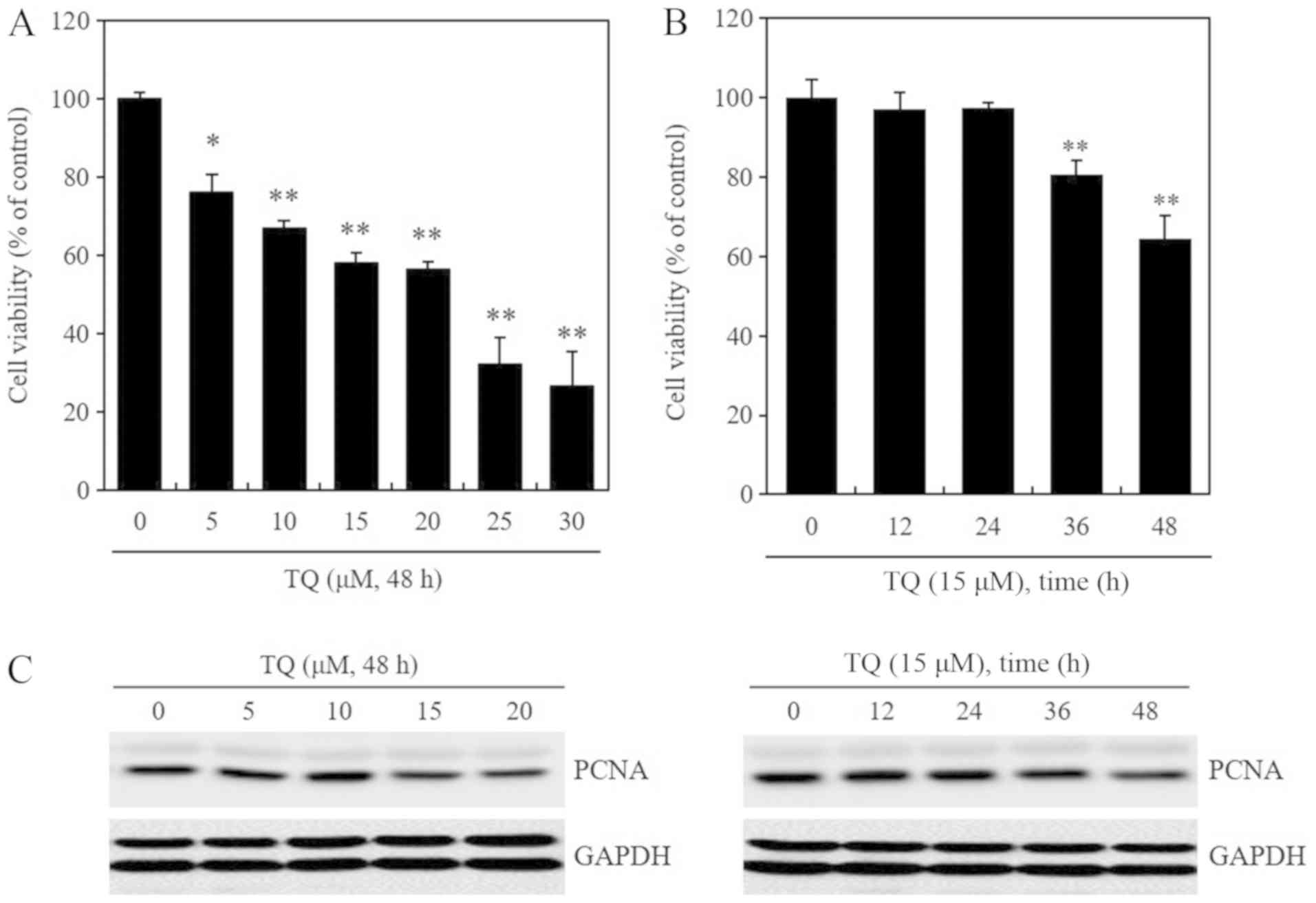
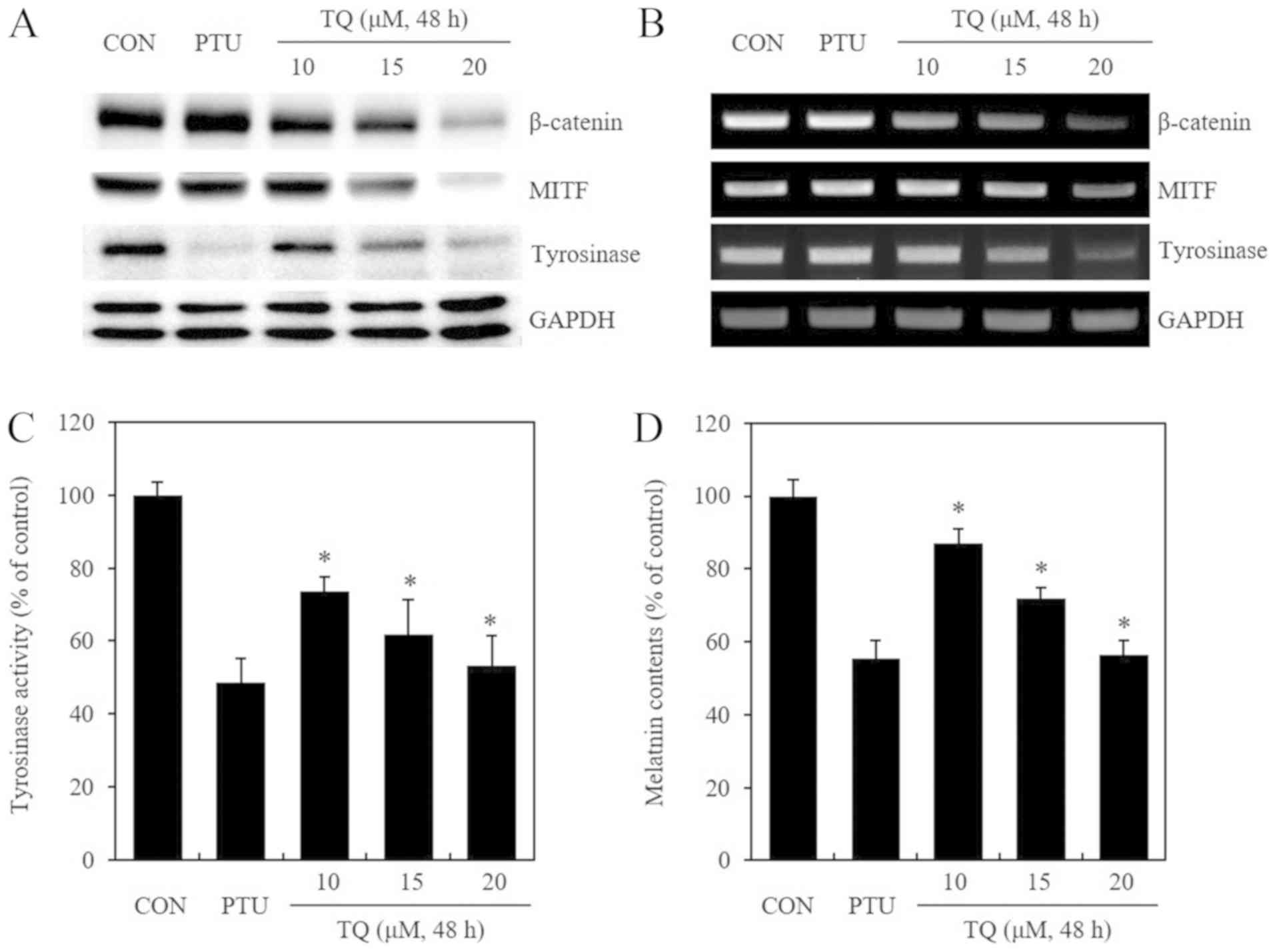
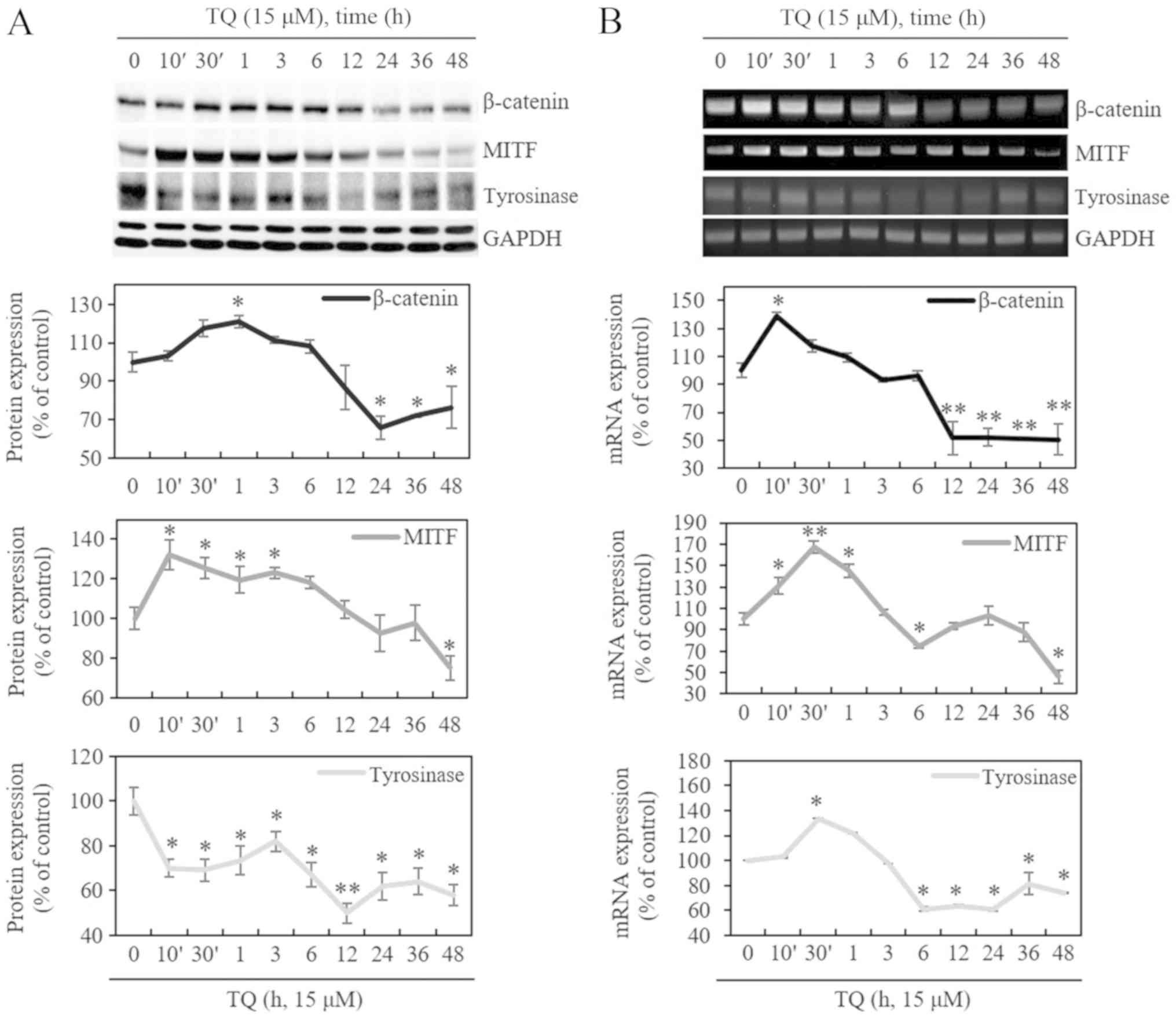
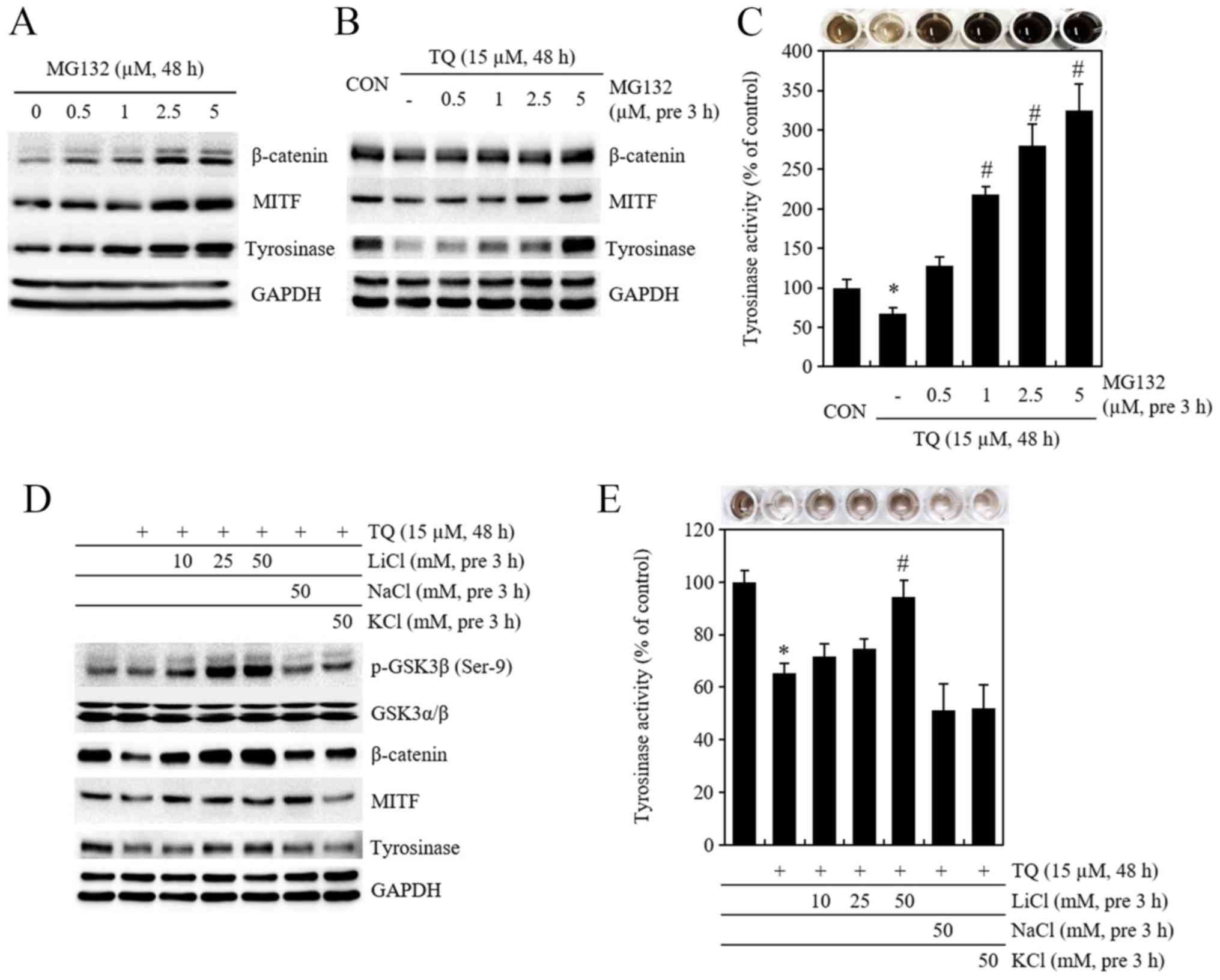
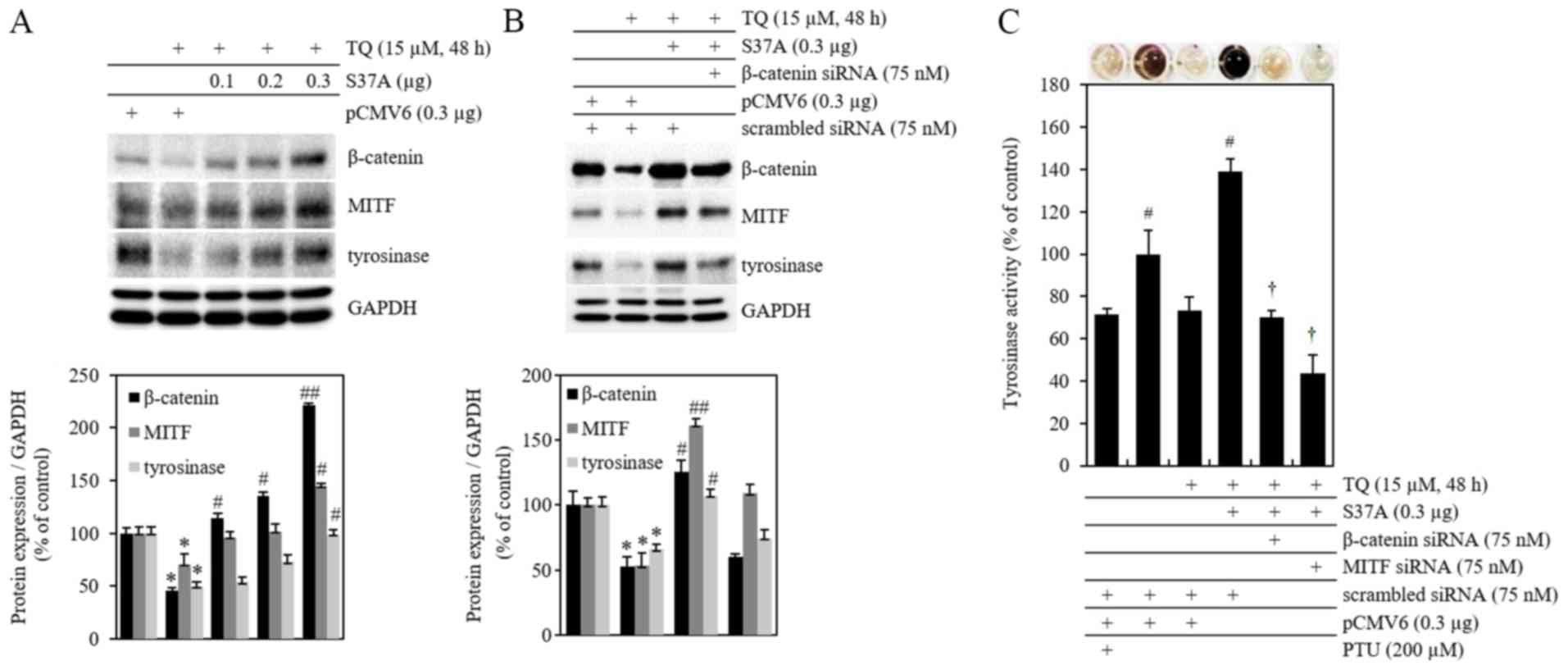
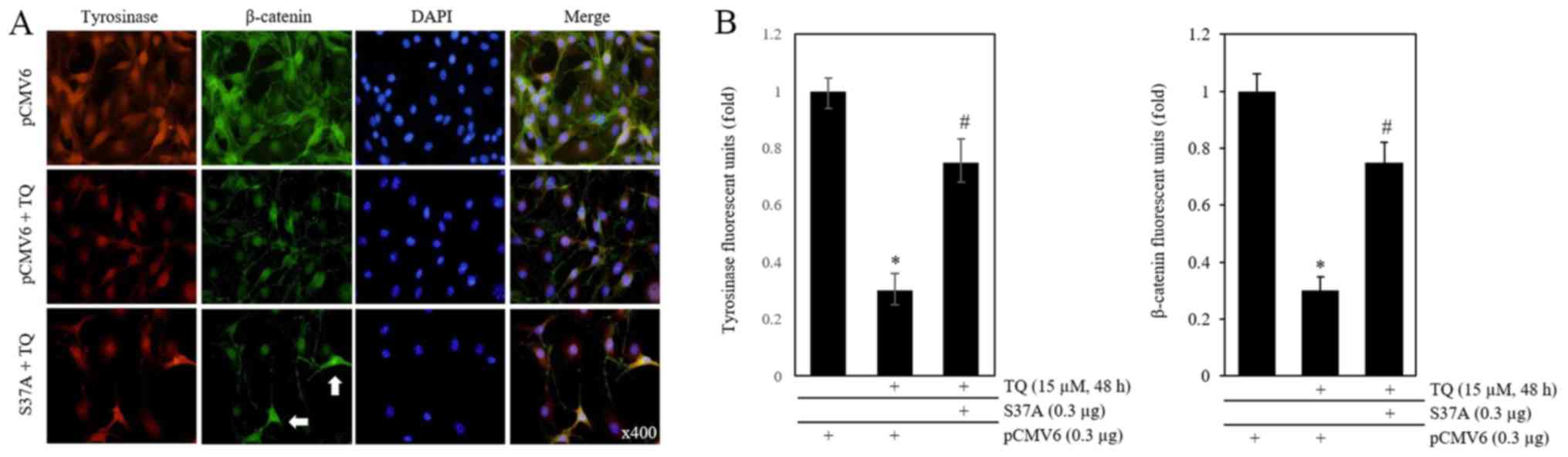
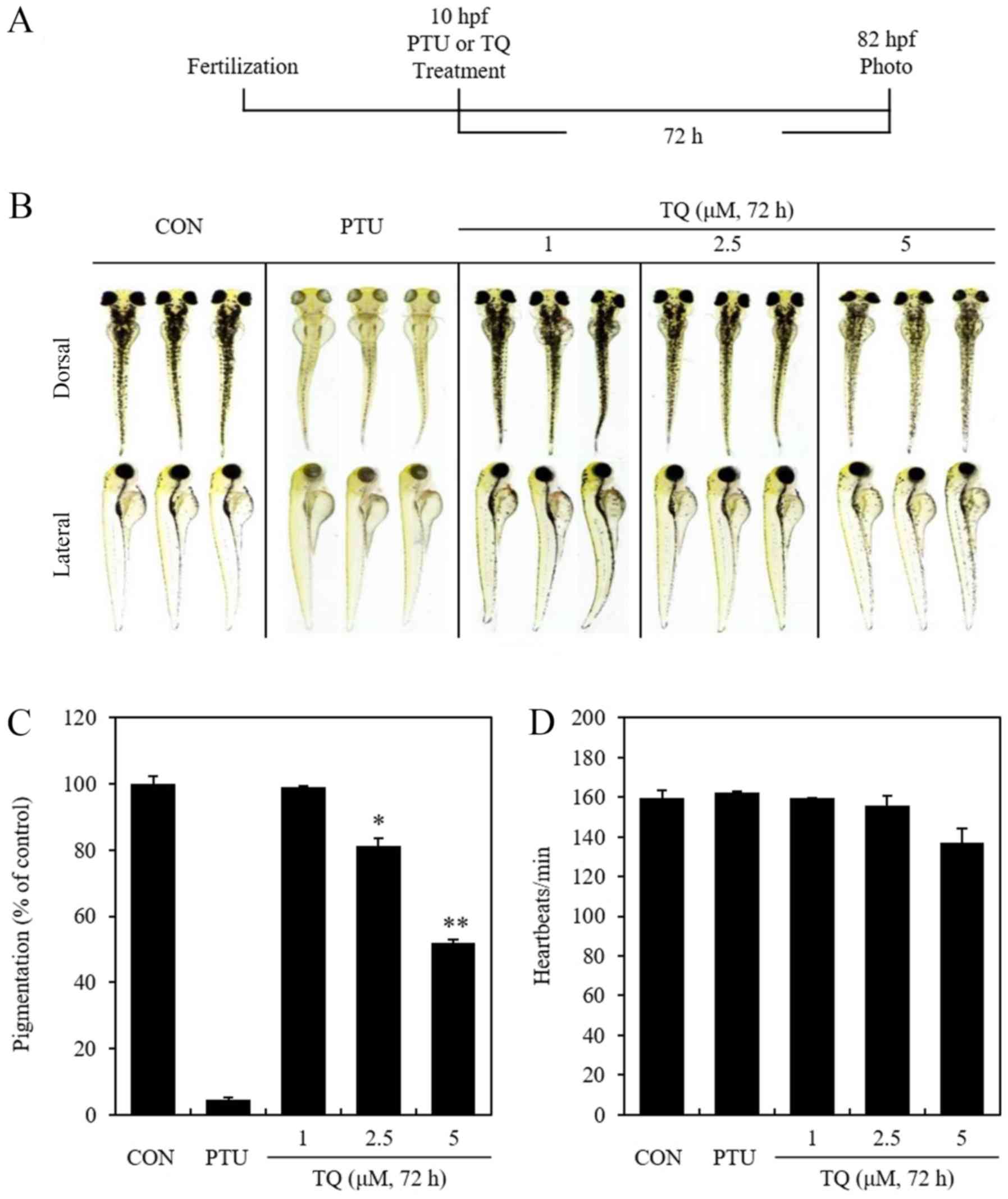
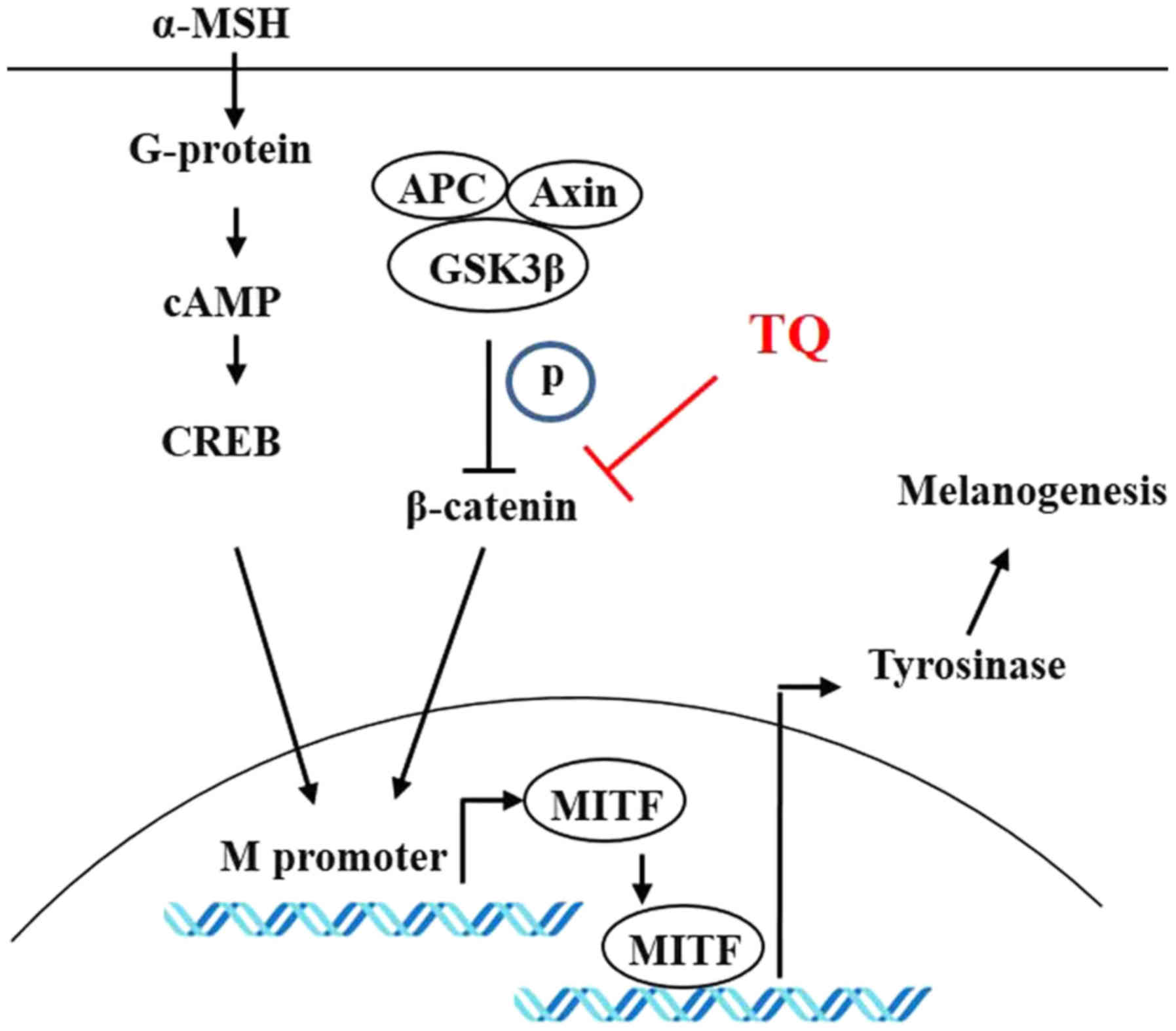
Thymoquinone (TQ) is a component found in the seeds of Nigella sativa, an annual plant growing on the Mediterranean coast, and is known for its anticancer and anti‑inflammatory effects. However, to date, at least to the best of our knowledge, limited studies are available examining the molecular mechanisms through which TQ inhibits melanogenesis. Accordingly, this study aimed to treat B16F10 mouse melanoma cells with TQ to investigate its apparent effects and its molecular regulatory mechanisms. Treatment of the B16F10 cells with 10, 15 and 20 µM of TQ for 48 h resulted in a dose‑dependent decrease in the expression of microphthalmia‑associated transcription factor (MITF), tyrosinase expression and tyrosinase activity, and these treatments simultaneously led to a decrease in the protein expression and transcription of β‑catenin, a Wnt signaling pathway protein. Pre‑treatment of the cells with the proteasome inhibitor, MG132, to confirm the inhibition of melanogenesis through the β‑catenin pathway by TQ treatment resulted in an increase in the expression of β‑catenin that was initially reduced by TQ, and the expression and activity of MITF and tyrosinase also increased. Pre‑treatment with LiCl, which is known to inactivate glycogen synthase kinase 3β (GSK3β) by inducing the phosphorylation of the Ser‑9 site, resulted in an increased phospho‑GSK3β expression accompanied by β‑catenin that was initially reduced by TQ, and the recovery of the expression and activity of tyrosinase was also confirmed. The transfection of S37A cDNA into B16F10 cells that overexpress β‑catenin resulted in the recovery of β‑catenin expression that was initially reduced by TQ, and this treatment also recovered the expression and activity of tyrosinase. When zebrafish eggs were treated with 1, 2.5 and 5 µM of TQ at 10 h following fertilization, their melanin content decreased in a dose‑dependent manner. On the whole, these findings demonstrated that the inhibition of melanogenesis in B16F10 mouse melanoma cells by TQ treatment resulted from the inhibition of the β‑catenin pathway and confirmed that TQ treatment inhibited melanogenesis in zebrafish.
View Figures

Figure 1

Figure 2

Figure 3

Figure 4

Figure 5

Figure 6

Figure 7

Figure 8

View References

1 

Morison WL: What is the function of melanin? Arch Dermatol. 121:1160–1163. 1985. View Article : Google Scholar : PubMed/NCBI

2 

Schallreuter KU, Kothari S, Chavan B and Spencer JD: Regulation of melanogenesis - controversies and new concepts. Exp Dermatol. 17:395–404. 2008. View Article : Google Scholar : PubMed/NCBI

3 

Lu Y, Zhu WY, Tan C, Yu GH and Gu JX: Melanocytes are potential immunocompetent cells: Evidence from recognition of immunological characteristics of cultured human melanocytes. Pigment Cell Res. 15:454–460. 2002. View Article : Google Scholar : PubMed/NCBI

4 

Plonka PM, Passeron T, Brenner M, Tobin DJ, Shibahara S, Thomas A, Slominski A, Kadekaro AL, Hershkovitz D, Peters E, et al: What are melanocytes really doing all day long? Exp Dermatol. 18:799–819. 2009. View Article : Google Scholar : PubMed/NCBI

5 

Park HY, Kosmadaki M, Yaar M and Gilchrest BA: Cellular mechanisms regulating human melanogenesis. Cell Mol Life Sci. 66:1493–1506. 2009. View Article : Google Scholar : PubMed/NCBI

6 

Tachibana M: MITF: A stream flowing for pigment cells. Pigment Cell Res. 13:230–240. 2000. View Article : Google Scholar : PubMed/NCBI

7 

Costin GE and Hearing VJ: Human skin pigmentation: Melanocytes modulate skin color in response to stress. FASEB J. 21:976–994. 2007. View Article : Google Scholar : PubMed/NCBI

8 

Gilchrest BA, Park HY, Eller MS and Yaar M: Mechanisms of ultraviolet light-induced pigmentation. Photochem Photobiol. 63:1–10. 1996. View Article : Google Scholar : PubMed/NCBI

9 

Slominski A, Tobin DJ, Shibahara S and Wortsman J: Melanin pigmentation in mammalian skin and its hormonal regulation. Physiol Rev. 84:1155–1228. 2004. View Article : Google Scholar : PubMed/NCBI

10 

Videira IF, Moura DF and Magina S: Mechanisms regulating melanogenesis. An Bras Dermatol. 88:76–83. 2013. View Article : Google Scholar : PubMed/NCBI

11 

Matoba Y, Kumagai T, Yamamoto A, Yoshitsu H and Sugiyama M: Crystallographic evidence that the dinuclear copper center of tyrosinase is flexible during catalysis. J Biol Chem. 281:8981–8990. 2006. View Article : Google Scholar : PubMed/NCBI

12 

Branza-Nichita N, Negroiu G, Petrescu AJ, Garman EF, Platt FM, Wormald MR, Dwek RA and Petrescu SM: Mutations at critical N-glycosylation sites reduce tyrosinase activity by altering folding and quality control. J Biol Chem. 275:8169–8175. 2000. View Article : Google Scholar : PubMed/NCBI

13 

Wasmeier C, Hume AN, Bolasco G and Seabra MC: Melanosomes at a glance. J Cell Sci. 121:3995–3999. 2008. View Article : Google Scholar : PubMed/NCBI

14 

Kanavy HE and Gerstenblith MR: Ultraviolet radiation and melanoma. Semin Cutan Med Surg. 30:222–228. 2011. View Article : Google Scholar : PubMed/NCBI

15 

Kraus C, Liehr T, Hülsken J, Behrens J, Birchmeier W, Grzeschik KH and Ballhausen WG: Localization of the human beta-catenin gene (CTNNB1) to 3p21: A region implicated in tumor development. Genomics. 23:272–274. 1994. View Article : Google Scholar : PubMed/NCBI

16 

Orford K, Crockett C, Jensen JP, Weissman AM and Byers SW: Serine phosphorylation-regulated ubiquitination and degradation of beta-catenin. J Biol Chem. 272:24735–24738. 1997. View Article : Google Scholar : PubMed/NCBI

17 

Aberle H, Bauer A, Stappert J, Kispert A and Kemler R: beta-catenin is a target for the ubiquitin-proteasome pathway. EMBO J. 16:3797–3804. 1997. View Article : Google Scholar : PubMed/NCBI

18 

Winston JT, Strack P, Beer-Romero P, Chu CY, Elledge SJ and Harper JW: The SCFbeta-TRCP-ubiquitin ligase complex associates specifically with phosphorylated destruction motifs in IkappaBalpha and beta-catenin and stimulates IkappaBalpha ubiquitination in vitro. Genes Dev. 13:270–283. 1999. View Article : Google Scholar : PubMed/NCBI

19 

Levy C, Khaled M and Fisher DE: MITF: Master regulator of melanocyte development and melanoma oncogene. Trends Mol Med. 12:406–414. 2006. View Article : Google Scholar : PubMed/NCBI

20 

Bellei B, Pitisci A, Catricalà C, Larue L and Picardo M: Wnt/β-catenin signaling is stimulated by α-melanocyte-stimulating hormone in melanoma and melanocyte cells: Implication in cell differentiation. Pigment Cell Melanoma Res. 24:309–325. 2011. View Article : Google Scholar

21 

Yasumoto K, Takeda K, Saito H, Watanabe K, Takahashi K and Shibahara S: Microphthalmia-associated transcription factor interacts with LEF-1, a mediator of Wnt signaling. EMBO J. 21:2703–2714. 2002. View Article : Google Scholar : PubMed/NCBI

22 

Mollaaghababa R and Pavan WJ: The importance of having your SOX on: Role of SOX10 in the development of neural crest-derived melanocytes and glia. Oncogene. 22:3024–3034. 2003. View Article : Google Scholar : PubMed/NCBI

23 

D'Mello SA, Finlay GJ, Baguley BC and Askarian-Amiri ME: Signaling pathways in melanogenesis. Int J Mol Sci. 17:E11442016. View Article : Google Scholar : PubMed/NCBI

24 

Ando H, Kondoh H, Ichihashi M and Hearing VJ: Approaches to identify inhibitors of melanin biosynthesis via the quality control of tyrosinase. J Invest Dermatol. 127:751–761. 2007. View Article : Google Scholar : PubMed/NCBI

25 

Maeda K and Fukuda M: Arbutin: Mechanism of its depigmenting action in human melanocyte culture. J Pharmacol Exp Ther. 276:765–769. 1996.PubMed/NCBI

26 

Battaini G, Monzani E, Casella L, Santagostini L and Pagliarin R: Inhibition of the catecholase activity of biomimetic dinuclear copper complexes by kojic acid. J Biol Inorg Chem. 5:262–268. 2000. View Article : Google Scholar : PubMed/NCBI

27 

DuBOIS KP and Erway WF: Studies on the mechanism of action of thiourea and related compounds; inhibition of oxidative enzymes and oxidations catalyzed by copper. J Biol Chem. 165:711–721. 1946.PubMed/NCBI

28 

Hall AM and Orlow SJ: Degradation of tyrosinase induced by phenylthiourea occurs following Golgi maturation. Pigment Cell Res. 18:122–129. 2005. View Article : Google Scholar : PubMed/NCBI

29 

Gali-Muhtasib H, Diab-Assaf M, Boltze C, Al-Hmaira J, Hartig R, Roessner A and Schneider-Stock R: Thymoquinone extracted from black seed triggers apoptotic cell death in human colorectal cancer cells via a p53-dependent mechanism. Int J Oncol. 25:857–866. 2004.PubMed/NCBI

30 

Daba MH and Abdel-Rahman MS: Hepatoprotective activity of thymoquinone in isolated rat hepatocytes. Toxicol Lett. 95:23–29. 1998. View Article : Google Scholar : PubMed/NCBI

31 

Asaduzzaman Khan M, Tania M, Fu S and Fu J: Thymoquinone, as an anticancer molecule: From basic research to clinical investigation. Oncotarget. 8:51907–51919. 2017.PubMed/NCBI

32 

Hossen MJ, Yang WS, Kim D, Aravinthan A, Kim JH and Cho JY: Thymoquinone: An IRAK1 inhibitor with in vivo and in vitro anti-inflammatory activities. Sci Rep. 7:429952017. View Article : Google Scholar : PubMed/NCBI

33 

Mostofa AGM, Hossain MK, Basak D and Bin Sayeed MS: Thymoquinone as a potential adjuvant therapy for cancer treatment: Evidence from preclinical studies. Front Pharmacol. 8:2952017. View Article : Google Scholar : PubMed/NCBI

34 

Matthews M and Varga ZM: Anesthesia and euthanasia in zebrafish. ILAR J. 53:192–204. 2012. View Article : Google Scholar

35 

Strykowski JL and Schech JM: Effectiveness of recommended euthanasia methods in larval zebrafish (Danio rerio). J Am Assoc Lab Anim Sci. 54:81–84. 2015.PubMed/NCBI

36 

Wilk R, Ali N, England SJ and Lewis KE: Using zebrafish to bring hands-on laboratory experiences to urban classrooms. Zebrafish. 15:156–178. 2018. View Article : Google Scholar : PubMed/NCBI

37 

Wang Y, Liu S, Dong W, Qu X, Huang C, Yan T and Du J: Combination of hesperetin and platinum enhances anticancer effect on lung adenocarcinoma. Biomed Pharmacother. 113:1087792019. View Article : Google Scholar : PubMed/NCBI

38 

Yang Y, Wang C, Zhao K, Zhang G, Wang D and Mei Y: TRMP, a p53-inducible long noncoding RNA, regulates G1/S cell cycle progression by modulating IRES-dependent p27 translation. Cell Death Dis. 9:8862018. View Article : Google Scholar : PubMed/NCBI

39 

Ouchida AT, Li Y, Geng J, Najafov A, Ofengeim D, Sun X, Yu Q and Yuan J: Synergistic effect of a novel autophagy inhibitor and quizartinib enhances cancer cell death. Cell Death Dis. 9:1382018. View Article : Google Scholar : PubMed/NCBI

40 

Stones DH, Fehr AGJ, Thompson L, et al: Zebrafish (Danio rerio) as a vertebrate model host to study colonization, pathogenesis, and transmission of foodborne Escherichia coli O157. mSphere. 2:e003652017. View Article : Google Scholar :

41 

Gray-Schopfer V, Wellbrock C and Marais R: Melanoma biology and new targeted therapy. Nature. 445:851–857. 2007. View Article : Google Scholar : PubMed/NCBI

42 

Woo CC, Kumar AP, Sethi G and Tan KH: Thymoquinone: Potential cure for inflammatory disorders and cancer. Biochem Pharmacol. 83:443–451. 2012. View Article : Google Scholar

43 

Woo CC, Hsu A, Kumar AP, Sethi G and Tan KH: Thymoquinone inhibits tumor growth and induces apoptosis in a breast cancer xenograft mouse model: The role of p38 MAPK and ROS. PLoS One. 8:e753562013. View Article : Google Scholar : PubMed/NCBI

44 

Yang J, Kuang XR, Lv PT and Yan XX: Thymoquinone inhibits proliferation and invasion of human nonsmall-cell lung cancer cells via ERK pathway. Tumour Biol. 36:259–269. 2015. View Article : Google Scholar

45 

Hatiboglu MA, Kocyigit A, Guler EM, Akdur K, Nalli A, Karatas E and Tuzgen S: Thymoquinone induces apoptosis in B16-F10 melanoma cell through inhibition of p-STAT3 and inhibits tumor growth in a murine intracerebral melanoma model. World Neurosurg. 114:e182–e190. 2018. View Article : Google Scholar : PubMed/NCBI

46 

Yu SM and Kim SJ: Thymoquinone-induced reactive oxygen species causes apoptosis of chondrocytes via PI3K/Akt and p38kinase pathway. Exp Biol Med (Maywood). 238:811–820. 2013. View Article : Google Scholar

47 

Jope RS, Yuskaitis CJ and Beurel E: Glycogen synthase kinase-3 (GSK3): Inflammation, diseases, and therapeutics. Neurochem Res. 32:577–595. 2007. View Article : Google Scholar :

48 

De Sarno P, Li X and Jope RS: Regulation of Akt and glycogen synthase kinase-3 beta phosphorylation by sodium valproate and lithium. Neuropharmacology. 43:1158–1164. 2002. View Article : Google Scholar : PubMed/NCBI

49 

Haegel H, Larue L, Ohsugi M, Fedorov L, Herrenknecht K and Kemler R: Lack of beta-catenin affects mouse development at gastrulation. Development. 121:3529–3537. 1995.PubMed/NCBI

50 

Kelly GM, Erezyilmaz DF and Moon RT: Induction of a secondary embryonic axis in zebrafish occurs following the overexpression of beta-catenin. Mech Dev. 53:261–273. 1995. View Article : Google Scholar : PubMed/NCBI

Related Articles

  • Abstract
  • View
  • Download
  • Twitter
Copy and paste a formatted citation
Spandidos Publications style
Jeong H, Yu SM and Kim SJ: Inhibitory effects on melanogenesis by thymoquinone are mediated through the β‑catenin pathway in B16F10 mouse melanoma cells. Int J Oncol 56: 379-389, 2020.
APA
Jeong, H., Yu, S., & Kim, S.J. (2020). Inhibitory effects on melanogenesis by thymoquinone are mediated through the β‑catenin pathway in B16F10 mouse melanoma cells. International Journal of Oncology, 56, 379-389. https://doi.org/10.3892/ijo.2019.4930
MLA
Jeong, H., Yu, S., Kim, S. J."Inhibitory effects on melanogenesis by thymoquinone are mediated through the β‑catenin pathway in B16F10 mouse melanoma cells". International Journal of Oncology 56.1 (2020): 379-389.
Chicago
Jeong, H., Yu, S., Kim, S. J."Inhibitory effects on melanogenesis by thymoquinone are mediated through the β‑catenin pathway in B16F10 mouse melanoma cells". International Journal of Oncology 56, no. 1 (2020): 379-389. https://doi.org/10.3892/ijo.2019.4930
Copy and paste a formatted citation
x
Spandidos Publications style
Jeong H, Yu SM and Kim SJ: Inhibitory effects on melanogenesis by thymoquinone are mediated through the β‑catenin pathway in B16F10 mouse melanoma cells. Int J Oncol 56: 379-389, 2020.
APA
Jeong, H., Yu, S., & Kim, S.J. (2020). Inhibitory effects on melanogenesis by thymoquinone are mediated through the β‑catenin pathway in B16F10 mouse melanoma cells. International Journal of Oncology, 56, 379-389. https://doi.org/10.3892/ijo.2019.4930
MLA
Jeong, H., Yu, S., Kim, S. J."Inhibitory effects on melanogenesis by thymoquinone are mediated through the β‑catenin pathway in B16F10 mouse melanoma cells". International Journal of Oncology 56.1 (2020): 379-389.
Chicago
Jeong, H., Yu, S., Kim, S. J."Inhibitory effects on melanogenesis by thymoquinone are mediated through the β‑catenin pathway in B16F10 mouse melanoma cells". International Journal of Oncology 56, no. 1 (2020): 379-389. https://doi.org/10.3892/ijo.2019.4930
Follow us
  • Twitter
  • LinkedIn
  • Facebook
About
  • Spandidos Publications
  • Careers
  • Cookie Policy
  • Privacy Policy
How can we help?
  • Help
  • Live Chat
  • Contact
  • Email to our Support Team