Spandidos Publications Logo
  • About
    • About Spandidos
    • Aims and Scopes
    • Abstracting and Indexing
    • Editorial Policies
    • Reprints and Permissions
    • Job Opportunities
    • Terms and Conditions
    • Contact
  • Journals
    • All Journals
    • Oncology Letters
      • Oncology Letters
      • Information for Authors
      • Editorial Policies
      • Editorial Board
      • Aims and Scope
      • Abstracting and Indexing
      • Bibliographic Information
      • Archive
    • International Journal of Oncology
      • International Journal of Oncology
      • Information for Authors
      • Editorial Policies
      • Editorial Board
      • Aims and Scope
      • Abstracting and Indexing
      • Bibliographic Information
      • Archive
    • Molecular and Clinical Oncology
      • Molecular and Clinical Oncology
      • Information for Authors
      • Editorial Policies
      • Editorial Board
      • Aims and Scope
      • Abstracting and Indexing
      • Bibliographic Information
      • Archive
    • Experimental and Therapeutic Medicine
      • Experimental and Therapeutic Medicine
      • Information for Authors
      • Editorial Policies
      • Editorial Board
      • Aims and Scope
      • Abstracting and Indexing
      • Bibliographic Information
      • Archive
    • International Journal of Molecular Medicine
      • International Journal of Molecular Medicine
      • Information for Authors
      • Editorial Policies
      • Editorial Board
      • Aims and Scope
      • Abstracting and Indexing
      • Bibliographic Information
      • Archive
    • Biomedical Reports
      • Biomedical Reports
      • Information for Authors
      • Editorial Policies
      • Editorial Board
      • Aims and Scope
      • Abstracting and Indexing
      • Bibliographic Information
      • Archive
    • Oncology Reports
      • Oncology Reports
      • Information for Authors
      • Editorial Policies
      • Editorial Board
      • Aims and Scope
      • Abstracting and Indexing
      • Bibliographic Information
      • Archive
    • Molecular Medicine Reports
      • Molecular Medicine Reports
      • Information for Authors
      • Editorial Policies
      • Editorial Board
      • Aims and Scope
      • Abstracting and Indexing
      • Bibliographic Information
      • Archive
    • World Academy of Sciences Journal
      • World Academy of Sciences Journal
      • Information for Authors
      • Editorial Policies
      • Editorial Board
      • Aims and Scope
      • Abstracting and Indexing
      • Bibliographic Information
      • Archive
    • International Journal of Functional Nutrition
      • International Journal of Functional Nutrition
      • Information for Authors
      • Editorial Policies
      • Editorial Board
      • Aims and Scope
      • Abstracting and Indexing
      • Bibliographic Information
      • Archive
    • International Journal of Epigenetics
      • International Journal of Epigenetics
      • Information for Authors
      • Editorial Policies
      • Editorial Board
      • Aims and Scope
      • Abstracting and Indexing
      • Bibliographic Information
      • Archive
    • Medicine International
      • Medicine International
      • Information for Authors
      • Editorial Policies
      • Editorial Board
      • Aims and Scope
      • Abstracting and Indexing
      • Bibliographic Information
      • Archive
  • Articles
  • Information
    • Information for Authors
    • Information for Reviewers
    • Information for Librarians
    • Information for Advertisers
    • Conferences
  • Language Editing
Spandidos Publications Logo
  • About
    • About Spandidos
    • Aims and Scopes
    • Abstracting and Indexing
    • Editorial Policies
    • Reprints and Permissions
    • Job Opportunities
    • Terms and Conditions
    • Contact
  • Journals
    • All Journals
    • Biomedical Reports
      • Information for Authors
      • Editorial Policies
      • Editorial Board
      • Aims and Scope
      • Abstracting and Indexing
      • Bibliographic Information
      • Archive
    • Experimental and Therapeutic Medicine
      • Information for Authors
      • Editorial Policies
      • Editorial Board
      • Aims and Scope
      • Abstracting and Indexing
      • Bibliographic Information
      • Archive
    • International Journal of Epigenetics
      • Information for Authors
      • Editorial Policies
      • Editorial Board
      • Aims and Scope
      • Abstracting and Indexing
      • Bibliographic Information
      • Archive
    • International Journal of Functional Nutrition
      • Information for Authors
      • Editorial Policies
      • Editorial Board
      • Aims and Scope
      • Abstracting and Indexing
      • Bibliographic Information
      • Archive
    • International Journal of Molecular Medicine
      • Information for Authors
      • Editorial Policies
      • Editorial Board
      • Aims and Scope
      • Abstracting and Indexing
      • Bibliographic Information
      • Archive
    • International Journal of Oncology
      • Information for Authors
      • Editorial Policies
      • Editorial Board
      • Aims and Scope
      • Abstracting and Indexing
      • Bibliographic Information
      • Archive
    • Medicine International
      • Information for Authors
      • Editorial Policies
      • Editorial Board
      • Aims and Scope
      • Abstracting and Indexing
      • Bibliographic Information
      • Archive
    • Molecular and Clinical Oncology
      • Information for Authors
      • Editorial Policies
      • Editorial Board
      • Aims and Scope
      • Abstracting and Indexing
      • Bibliographic Information
      • Archive
    • Molecular Medicine Reports
      • Information for Authors
      • Editorial Policies
      • Editorial Board
      • Aims and Scope
      • Abstracting and Indexing
      • Bibliographic Information
      • Archive
    • Oncology Letters
      • Information for Authors
      • Editorial Policies
      • Editorial Board
      • Aims and Scope
      • Abstracting and Indexing
      • Bibliographic Information
      • Archive
    • Oncology Reports
      • Information for Authors
      • Editorial Policies
      • Editorial Board
      • Aims and Scope
      • Abstracting and Indexing
      • Bibliographic Information
      • Archive
    • World Academy of Sciences Journal
      • Information for Authors
      • Editorial Policies
      • Editorial Board
      • Aims and Scope
      • Abstracting and Indexing
      • Bibliographic Information
      • Archive
  • Articles
  • Information
    • For Authors
    • For Reviewers
    • For Librarians
    • For Advertisers
    • Conferences
  • Language Editing
Login Register Submit
  • This site uses cookies
  • You can change your cookie settings at any time by following the instructions in our Cookie Policy. To find out more, you may read our Privacy Policy.

    I agree
Search articles by DOI, keyword, author or affiliation
Search
Advanced Search
presentation
International Journal of Oncology
Join Editorial Board Propose a Special Issue
Print ISSN: 1019-6439 Online ISSN: 1791-2423
Journal Cover
October-2022 Volume 61 Issue 4

Full Size Image

Cover Legend PDF

Sign up for eToc alerts
Recommend to Library

Journals

International Journal of Molecular Medicine

International Journal of Molecular Medicine

International Journal of Molecular Medicine is an international journal devoted to molecular mechanisms of human disease.

International Journal of Oncology

International Journal of Oncology

International Journal of Oncology is an international journal devoted to oncology research and cancer treatment.

Molecular Medicine Reports

Molecular Medicine Reports

Covers molecular medicine topics such as pharmacology, pathology, genetics, neuroscience, infectious diseases, molecular cardiology, and molecular surgery.

Oncology Reports

Oncology Reports

Oncology Reports is an international journal devoted to fundamental and applied research in Oncology.

Experimental and Therapeutic Medicine

Experimental and Therapeutic Medicine

Experimental and Therapeutic Medicine is an international journal devoted to laboratory and clinical medicine.

Oncology Letters

Oncology Letters

Oncology Letters is an international journal devoted to Experimental and Clinical Oncology.

Biomedical Reports

Biomedical Reports

Explores a wide range of biological and medical fields, including pharmacology, genetics, microbiology, neuroscience, and molecular cardiology.

Molecular and Clinical Oncology

Molecular and Clinical Oncology

International journal addressing all aspects of oncology research, from tumorigenesis and oncogenes to chemotherapy and metastasis.

World Academy of Sciences Journal

World Academy of Sciences Journal

Multidisciplinary open-access journal spanning biochemistry, genetics, neuroscience, environmental health, and synthetic biology.

International Journal of Functional Nutrition

International Journal of Functional Nutrition

Open-access journal combining biochemistry, pharmacology, immunology, and genetics to advance health through functional nutrition.

International Journal of Epigenetics

International Journal of Epigenetics

Publishes open-access research on using epigenetics to advance understanding and treatment of human disease.

Medicine International

Medicine International

An International Open Access Journal Devoted to General Medicine.

Journal Cover
October-2022 Volume 61 Issue 4

Full Size Image

Cover Legend PDF

Sign up for eToc alerts
Recommend to Library

  • Article
  • Citations
    • Cite This Article
    • Download Citation
    • Create Citation Alert
    • Remove Citation Alert
    • Cited By
  • Similar Articles
    • Related Articles (in Spandidos Publications)
    • Similar Articles (Google Scholar)
    • Similar Articles (PubMed)
  • Download PDF
  • Download XML
  • View XML

  • Supplementary Files
    • Supplementary_Data1.pdf
    • Supplementary_Data2.pdf
    • Supplementary_Data3.xlsx
    • Supplementary_Data4.xlsx
    • Supplementary_Data5.pdf
Article Open Access

Long non‑coding RNA 01614 hyperactivates WNT/β‑catenin signaling to promote pancreatic cancer progression by suppressing GSK‑3β

  • Authors:
    • Long-Jiang Chen
    • Lun Wu
    • Wei Wang
    • Lu-Lu Zhai
    • Feng Xiang
    • Wei-Bo Li
    • Zhi-Gang Tang
  • View Affiliations / Copyright

    Affiliations: Department of Pancreatic Surgery, Renmin Hospital of Wuhan University, Wuhan, Hubei 430060, P.R. China, Department of Breast and Τhyroid Surgery, Experiment Center of Medicine, Sinopharm Dongfeng General Hospital, Hubei University of Medicine, Shiyan, Hubei 442008, P.R. China
    Copyright: © Chen et al. This is an open access article distributed under the terms of Creative Commons Attribution License.
  • Article Number: 116
    |
    Published online on: August 4, 2022
       https://doi.org/10.3892/ijo.2022.5406
  • Expand metrics +
Metrics: Total Views: 0 (Spandidos Publications: | PMC Statistics: )
Metrics: Total PDF Downloads: 0 (Spandidos Publications: | PMC Statistics: )
Cited By (CrossRef): 0 citations Loading Articles...

This article is mentioned in:


Abstract

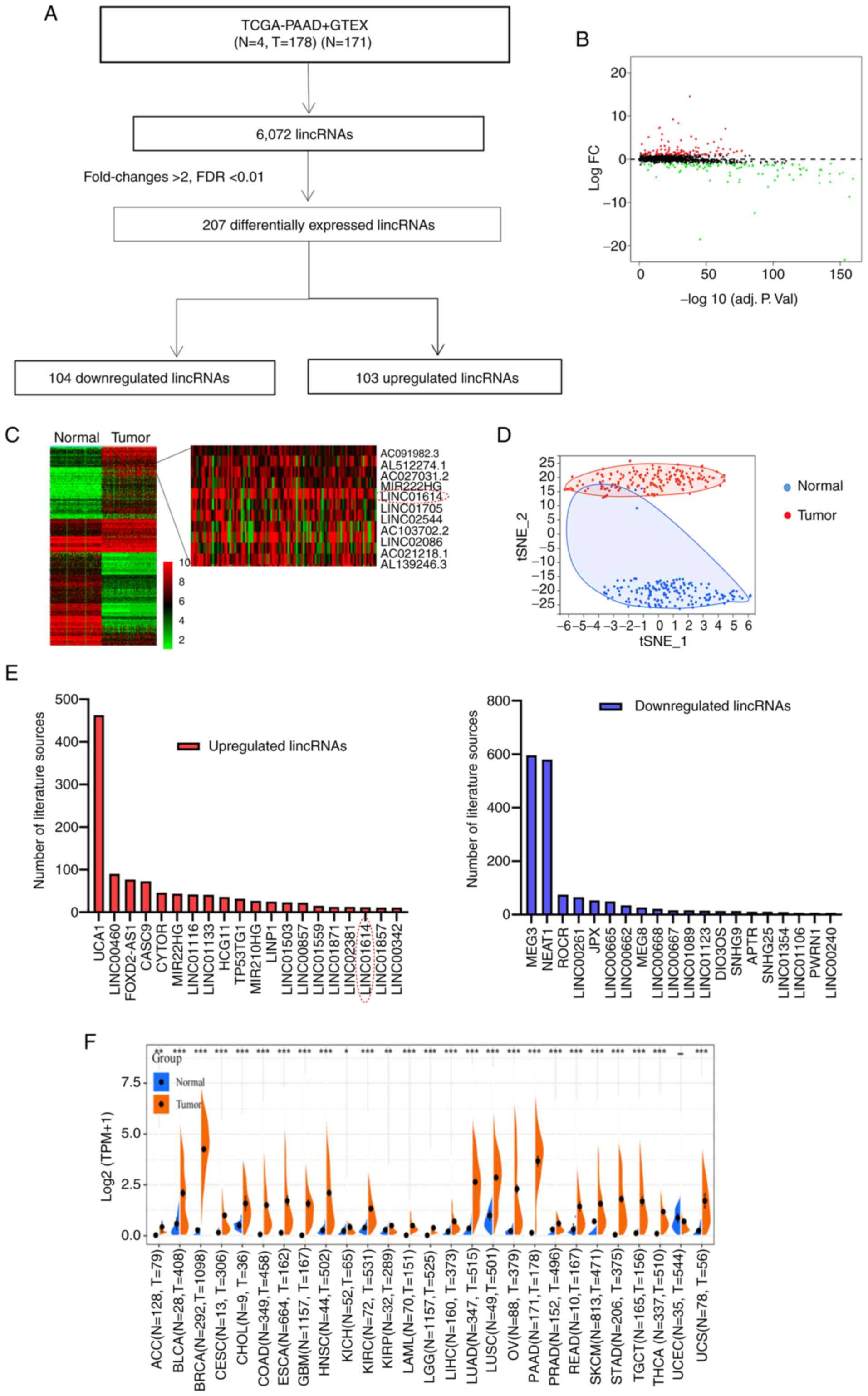
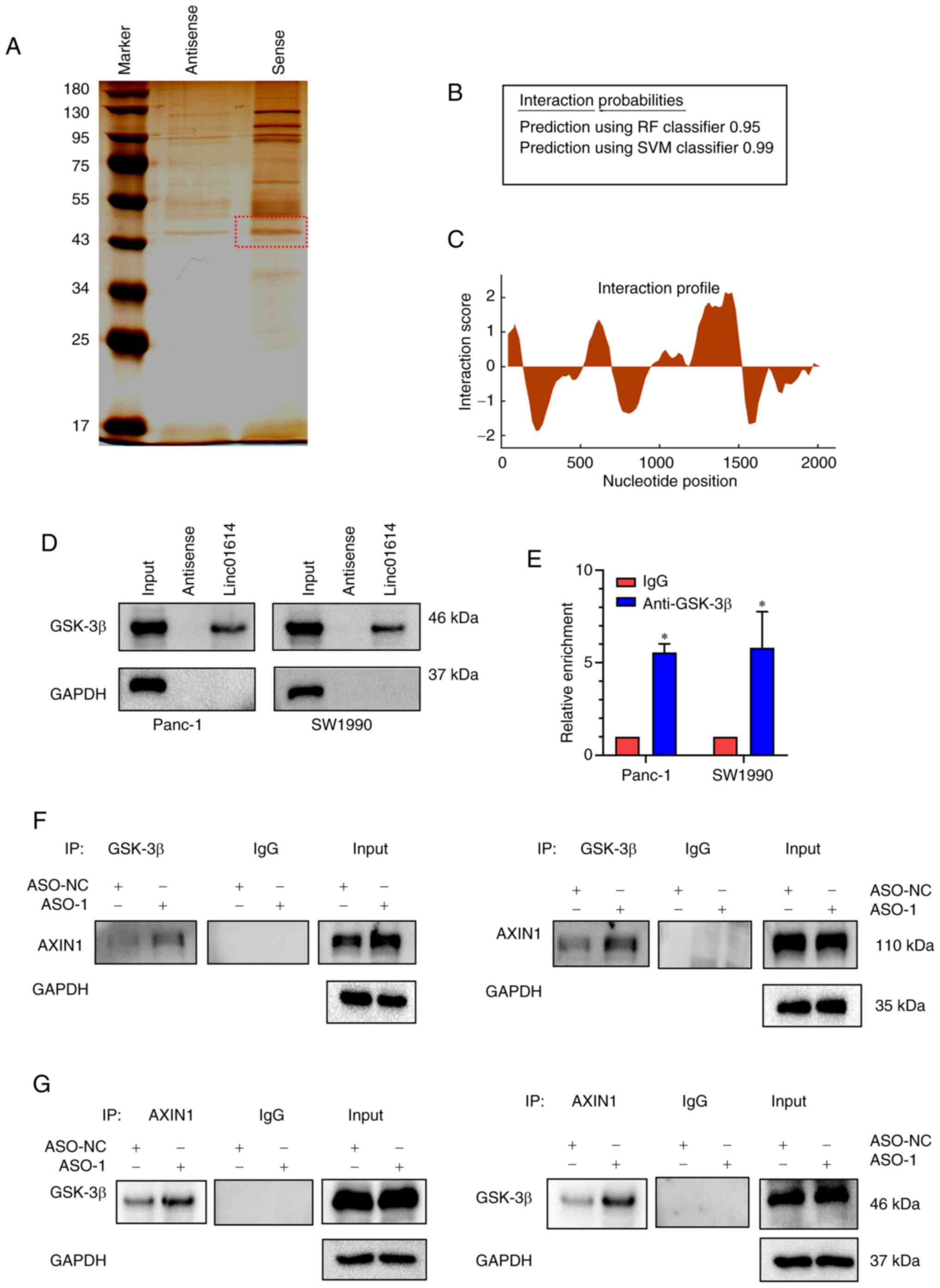
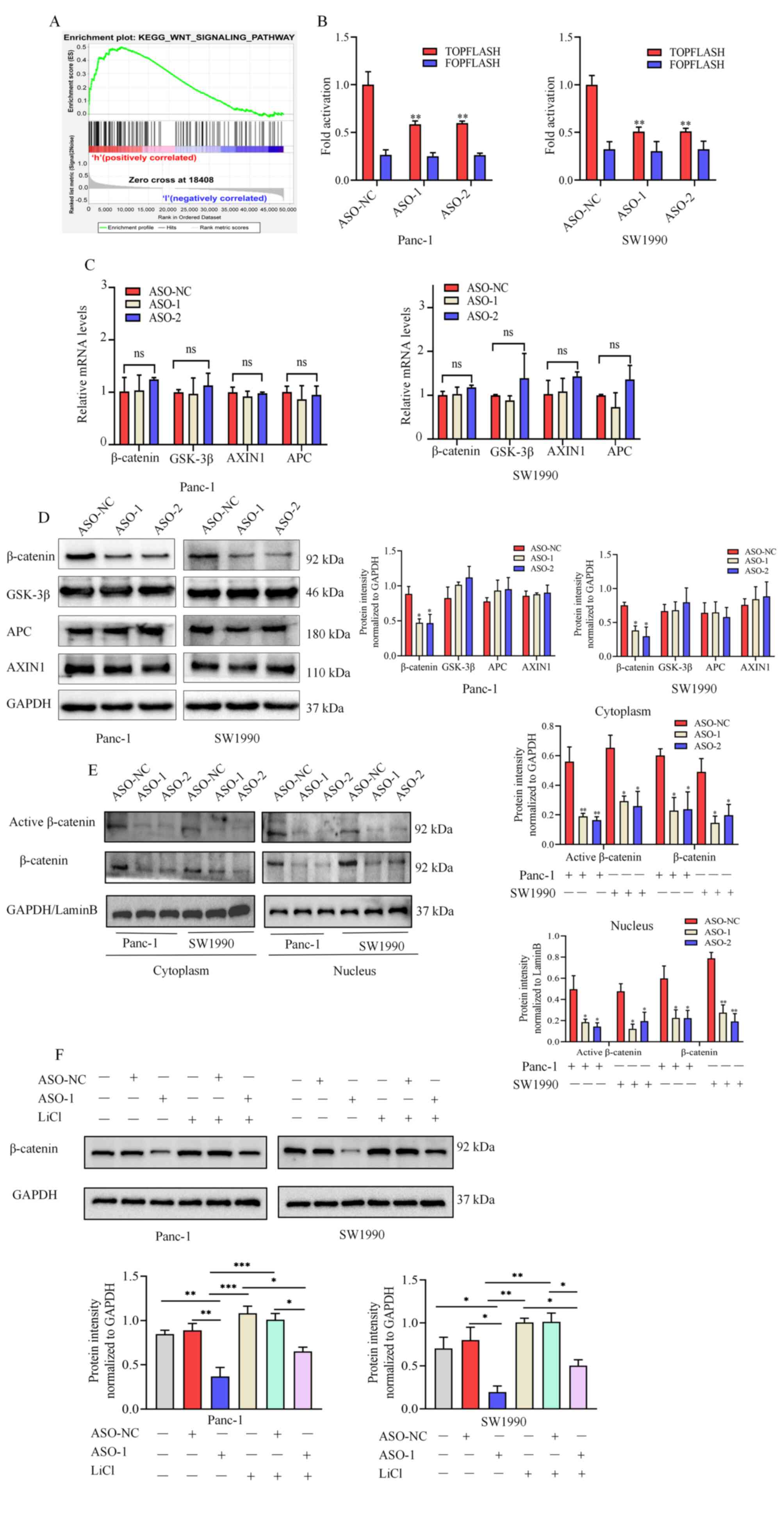
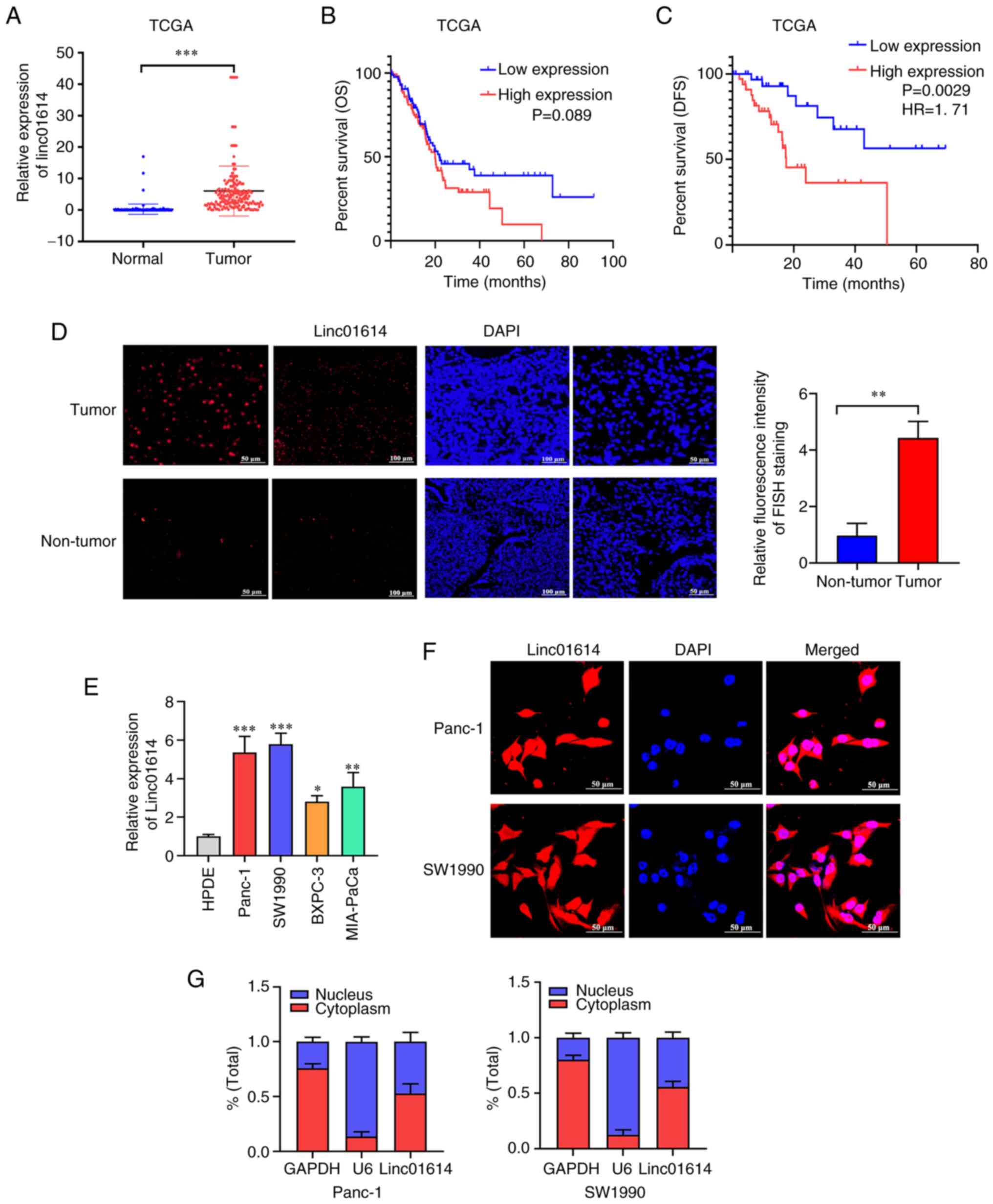
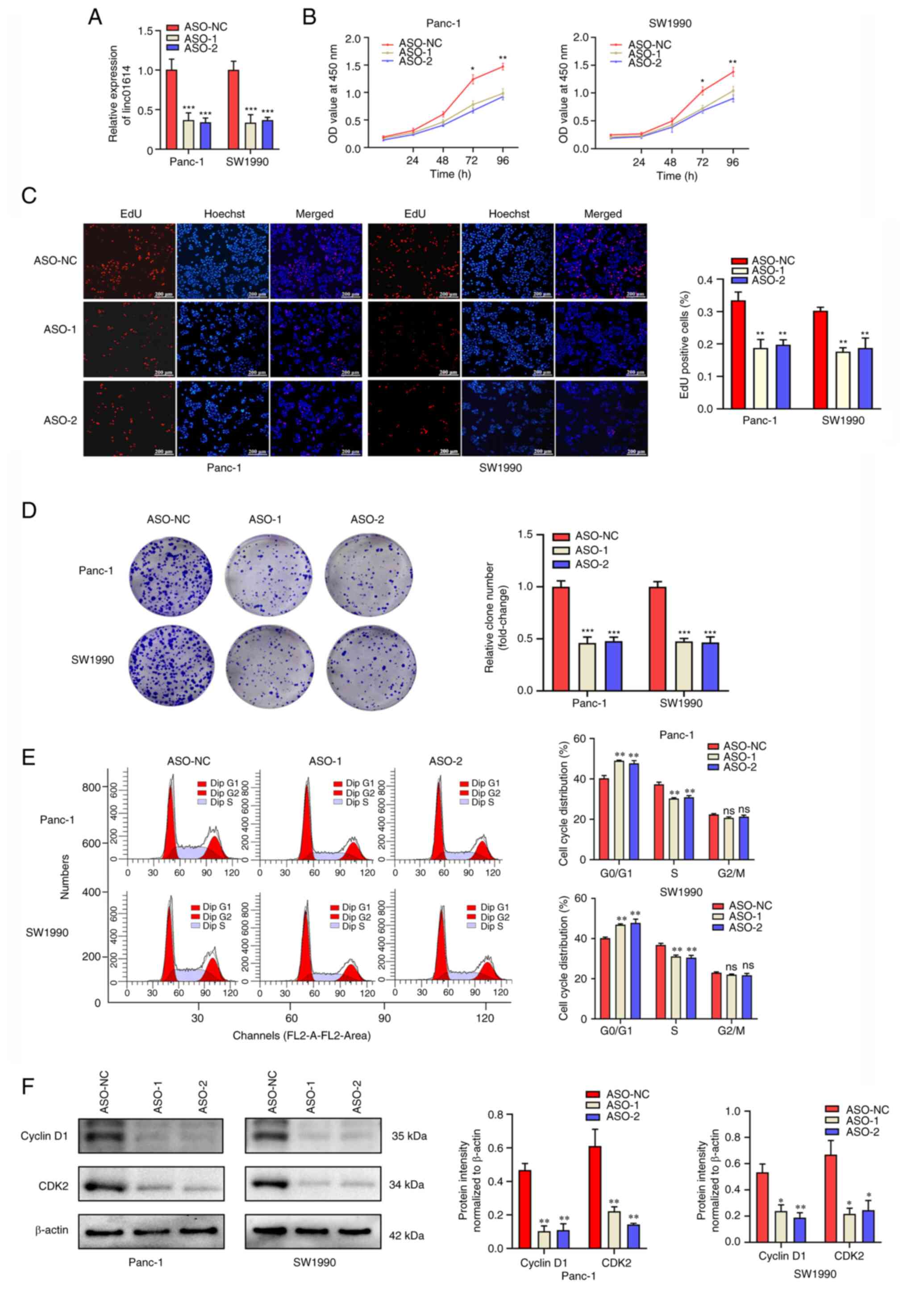
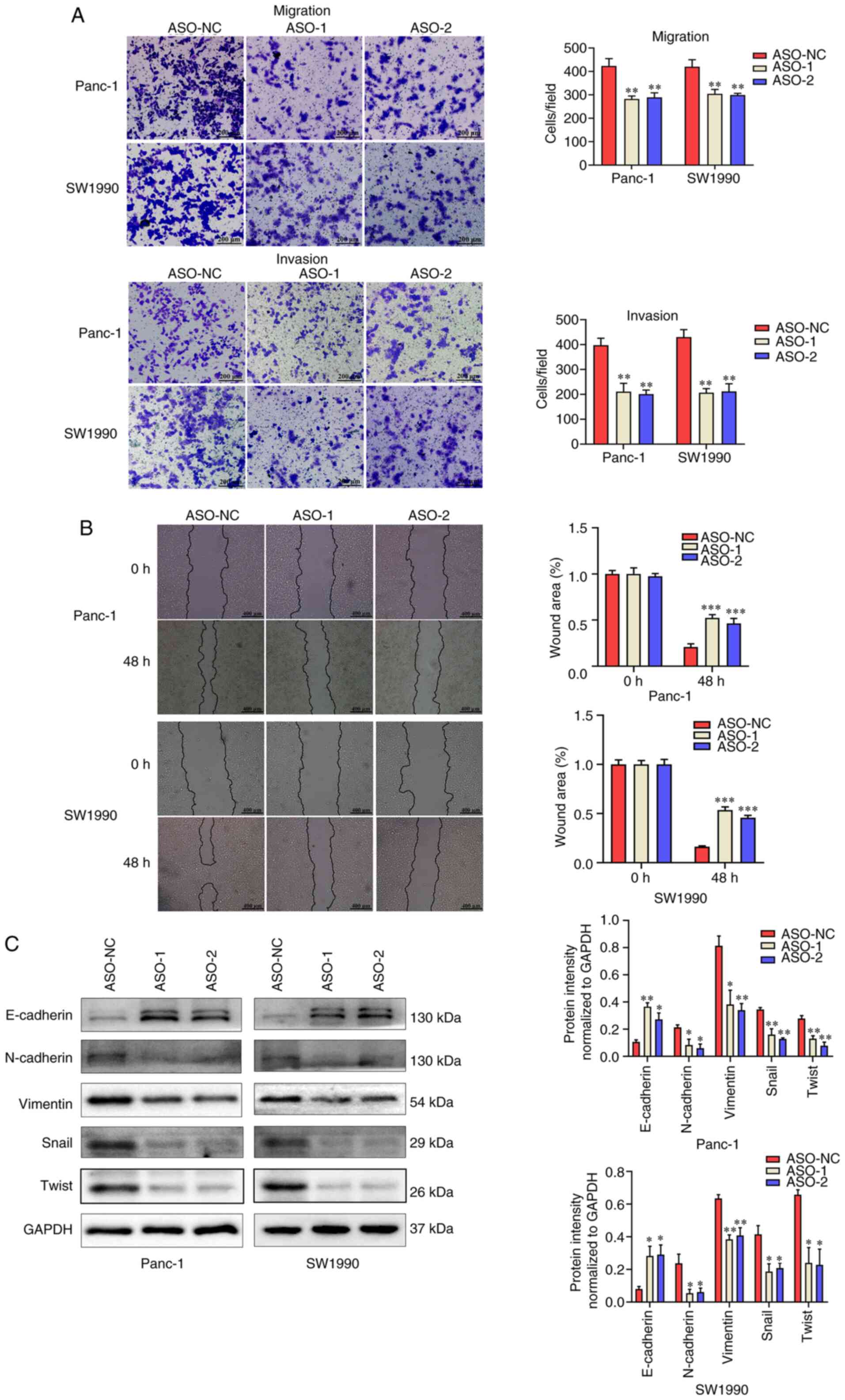
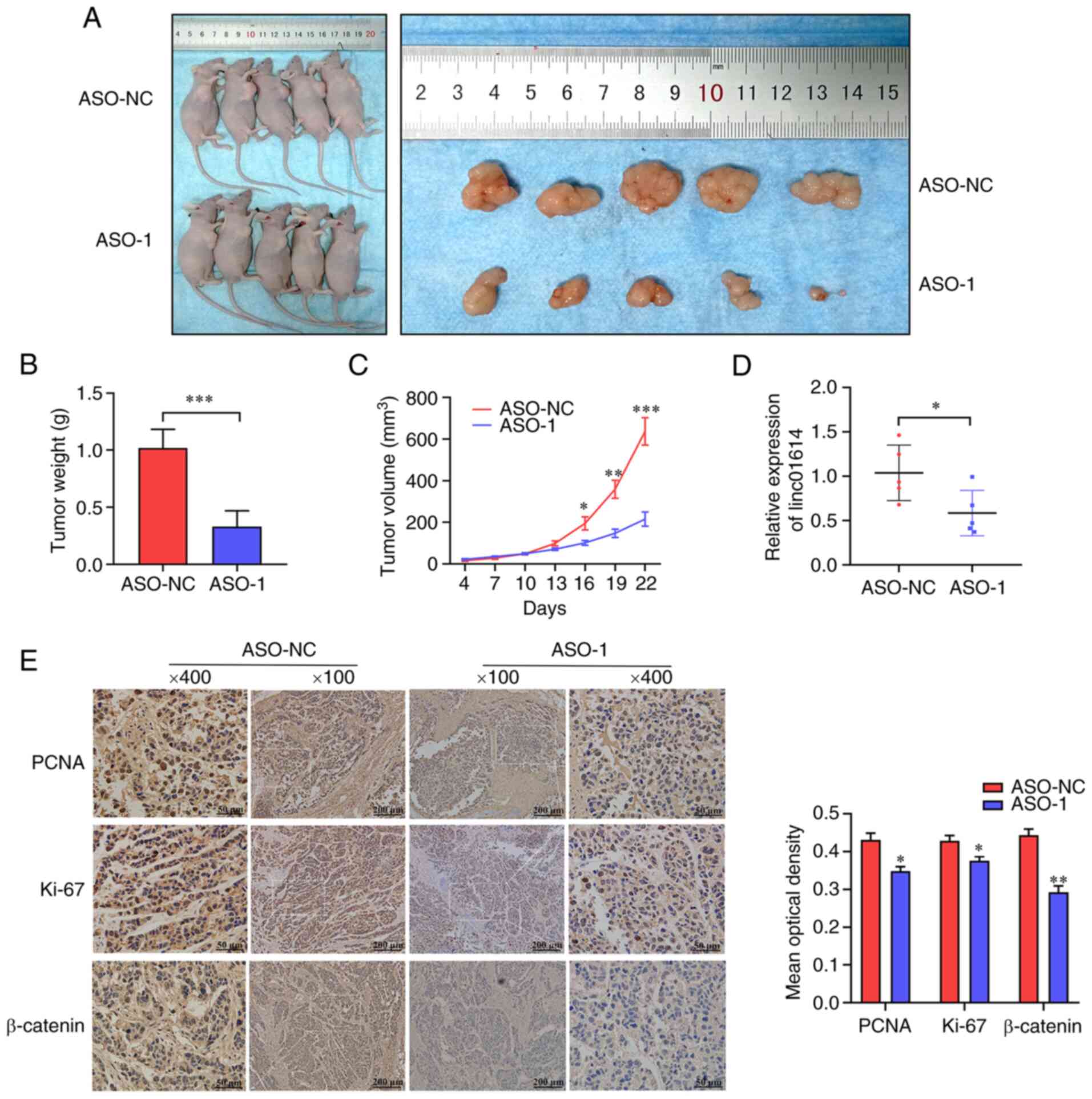
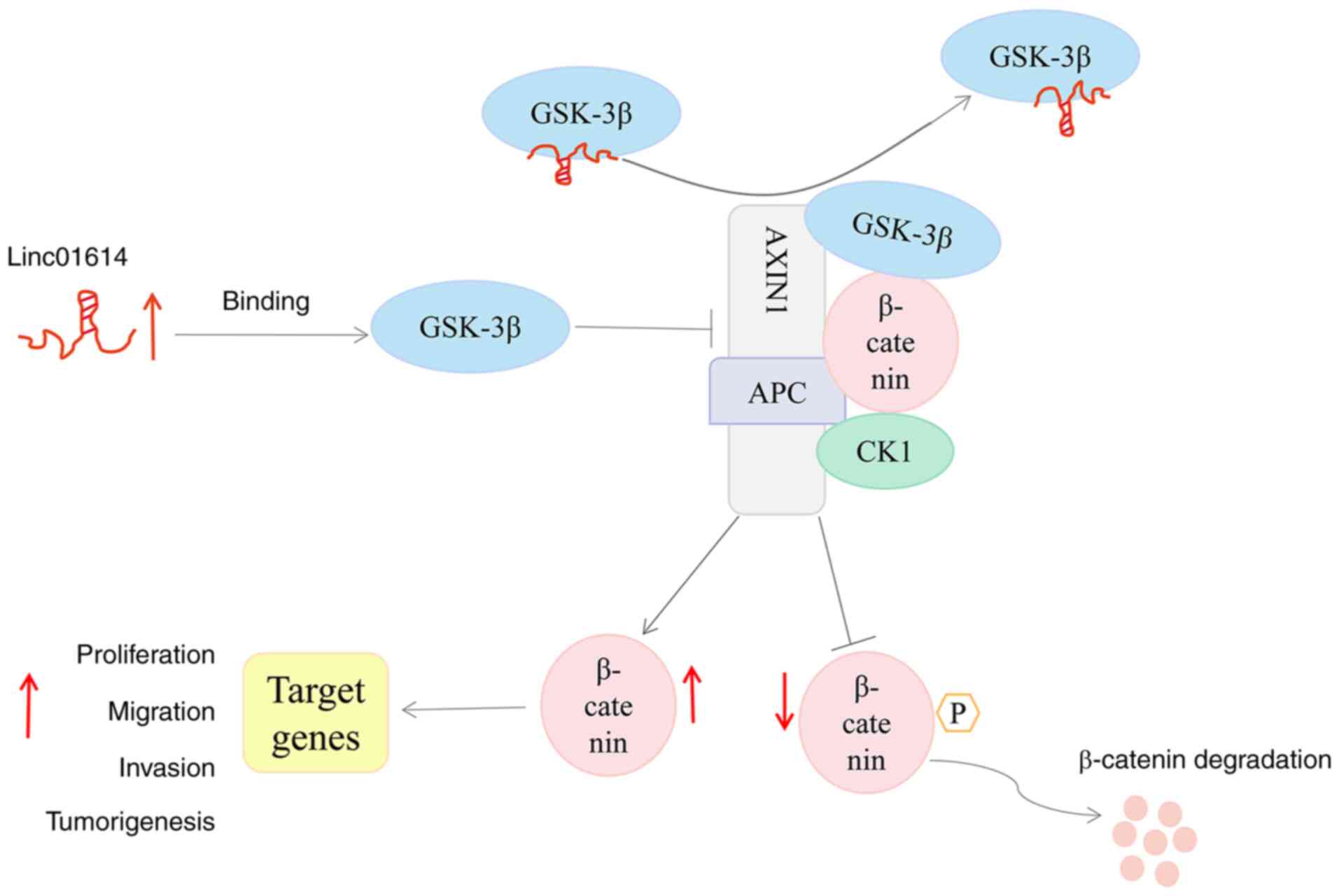
Pancreatic cancer (PC) is a lethal type of cancer for which effective therapies are limited. Long non‑coding RNAs (lncRNAs) represent a critical type of regulator category, mediating the tumorigenesis and development of various tumor types, including PC. However, the expression patterns and functions of numerous lncRNAs in PC remain poorly understood. In the present study, linc01614 was identified as a PC‑related lncRNA. linc01614 was notably upregulated in PC tissues and cell lines and was associated with the poor disease‑free survival of patients with PC according to the analysis of The Cancer Genome Atlas‑derived datasets. Functionally, linc01614 knockdown suppressed PC cell proliferation, migration and invasion in vitro, and inhibited tumor proliferation in vitro and in vivo. Mechanistically, linc01614 overexpression stabilized the level of β‑catenin protein to hyperactivate the WNT/β‑catenin signaling pathway in PC cells. Further analyses revealed that linc01614 bound to GSK‑3β and perturbed the interaction between GSK‑3β and AXIN1, thereby preventing the formation of the β‑catenin degradation complex and reducing the degradation of β‑catenin. In summary, the present findings reveal that linc01614 may function as an oncogene and promote the progression of PC and may thus be considered as a potential therapeutic target in the future.
View Figures

Figure 1

Figure 2

Figure 3

Figure 4

Figure 5

Figure 6

Figure 7

Figure 8

View References

1 

Siegel RL, Miller KD, Fuchs HE and Jemal A: Cancer statistics, 2021. CA Cancer J Clin. 71:7–33. 2021. View Article : Google Scholar : PubMed/NCBI

2 

GBD 2017 Pancreatic Cancer Collaborators: The global, regional, and national burden of pancreatic cancer and its attributable risk factors in 195 countries and territories, 1990-2017: A systematic analysis for the global burden of disease study 2017. Lancet Gastroenterol Hepatol. 4:934–947. 2019. View Article : Google Scholar : PubMed/NCBI

3 

Herting CJ, Karpovsky I and Lesinski GB: The tumor micro-environment in pancreatic ductal adenocarcinoma: Current perspectives and future directions. Cancer Metastasis Rev. 40:675–689. 2021. View Article : Google Scholar

4 

Ho WJ, Jaffee EM and Zheng L: The tumour microenvironment in pancreatic cancer-clinical challenges and opportunities. Nat Rev Clin Oncol. 17:527–540. 2020. View Article : Google Scholar : PubMed/NCBI

5 

Jarroux J, Morillon A and Pinskaya M: History, discovery, and classification of lncRNAs. Adv Exp Med Biol. 1008:1–46. 2017. View Article : Google Scholar

6 

Liu S, Zhan N, Gao C, Xu P, Wang H, Wang S, Piao S and Jing S: Long noncoding RNA CBR3-AS1 mediates tumorigenesis and radiosensitivity of non-small cell lung cancer through redox and DNA repair by CBR3-AS1/miR-409-3p/SOD1 axis. Cancer Lett. 526:1–11. 2022. View Article : Google Scholar

7 

Sun Y, Tian Y, He J, Tian Y, Zhang G, Zhao R, Zhu WJ and Gao P: Linc01133 contributes to gastric cancer growth by enhancing YES1-dependent YAP1 nuclear translocation via sponging miR-145-5p. Cell Death Dis. 13:512022. View Article : Google Scholar

8 

Hu H, Wang Y, Ding X, He Y, Lu Z, Wu P, Tian L, Yuan H, Liu D, Shi G, et al: Long non-coding RNA XLOC_000647 suppresses progression of pancreatic cancer and decreases epithelial-mesenchymal transition-induced cell invasion by down-regulating NLRP3. Mol Cancer. 17:182018. View Article : Google Scholar : PubMed/NCBI

9 

Singh N, Ramnarine VR, Song JH, Pandey R, Padi SK, Nouri M, Olive V, Kobelev M, Okumura K, Mccarthy D, et al: The long noncoding RNA H19 regulates tumor plasticity in neuroendocrine prostate cancer. Nat Commun. 12:73492021. View Article : Google Scholar

10 

Kopp F and Mendell JT: Functional classification and experimental dissection of long noncoding RNAs. Cell. 172:393–407. 2018. View Article : Google Scholar : PubMed/NCBI

11 

Wang KC and Chang HY: Molecular mechanisms of long noncoding RNAs. Mol Cell. 43:904–914. 2011. View Article : Google Scholar : PubMed/NCBI

12 

Gandhi M, Groß M, Holler JM, Coggins SA, Patil N, Leupold JH, Munschauer M, Schenone M, Hartigan CR, Allgayer H, et al: The lncRNA lincNMR regulates nucleotide metabolism via a YBX1-RRM2 axis in cancer. Nat Commun. 11:32142020. View Article : Google Scholar

13 

Iyer MK, Niknafs YS, Malik R, Singhal U, Sahu A, Hosono Y, Barrette TR, Prensner JR, Evans JR, Zhao S, et al: The landscape of long noncoding RNAs in the human transcriptome. Nat Genet. 47:199–208. 2015. View Article : Google Scholar : PubMed/NCBI

14 

Livak KJ and Schmittgen TD: Analysis of relative gene expression data using real-time quantitative PCR and the 2(-Delta Delta C(T)) method. Methods. 25:402–408. 2001. View Article : Google Scholar

15 

Pan S, Deng Y, Fu J, Zhang Y, Zhang Z and Qin X: N6-methyladenosine upregulates miR181d5p in exosomes derived from cancer associated fibroblasts to inhibit 5FU sensitivity by targeting NCALD in colorectal cancer. Int J Oncol. 60:142022. View Article : Google Scholar

16 

Chen Y, Cheng WY, Shi H, Huang S, Chen H, Liu D, Xu W, Yu J and Wang J: Classifying gastric cancer using FLORA reveals clinically relevant molecular subtypes and highlights linc01614 as a biomarker for patient prognosis. Oncogene. 40:2898–2909. 2021. View Article : Google Scholar : PubMed/NCBI

17 

Vishnubalaji R, Shaath H, Elkord E and Alajez NM: Long non-coding RNA (lncRNA) transcriptional landscape in breast cancer identifies linc01614 as non-favorable prognostic biomarker regulated by TGFβ and focal adhesion kinase (FAK) signaling. Cell Death Discov. 5:1092019. View Article : Google Scholar

18 

Liu AN, Qu HJ, Yu CY and Sun P: Knockdown of linc01614 inhibits lung adenocarcinoma cell progression by up-regulating miR-217 and down-regulating FOXP1. J Cell Mol Med. 22:4034–4044. 2018. View Article : Google Scholar : PubMed/NCBI

19 

Sun Y and Ling C: Analysis of the long non-coding RNA linc01614 in non-small cell lung cancer. Medicine (Baltimore). 98:e164372019. View Article : Google Scholar

20 

Cai Q, Zhao X, Wang Y, Li S, Wang J, Xin Z and Li F: linc01614 promotes osteosarcoma progression via miR-520a-3p/SNX3 axis. Cell Signal. 83:1099852021. View Article : Google Scholar : PubMed/NCBI

21 

Tang L, Chen Y, Peng X, Zhou Y, Jiang H, Wang G and Zhuang W: Identification and validation of potential pathogenic genes and prognostic markers in ESCC by integrated bioinformatics analysis. Front Genet. 11:5210042020. View Article : Google Scholar

22 

Aiello NM, Brabletz T, Kang Y, Nieto MA, Weinberg RA and Stanger BZ: Upholding a role for EMT in pancreatic cancer metastasis. Nature. 547:E7–E8. 2017. View Article : Google Scholar : PubMed/NCBI

23 

Thiery JP: Epithelial-mesenchymal transitions in tumour progression. Nat Rev Cancer. 2:442–454. 2002. View Article : Google Scholar

24 

Wang L, Wu H, Wang L, Zhang H, Lu J, Liang Z and Liu T: Asporin promotes pancreatic cancer cell invasion and migration by regulating the epithelial-to-mesenchymal transition (EMT) through both autocrine and paracrine mechanisms. Cancer Lett. 398:24–36. 2017. View Article : Google Scholar

25 

Liu Y, Tang T, Yang X, Qin P, Wang P, Zhang H, Bai M, Wu R and Li F: Tumor-derived exosomal long noncoding RNA LINC01133, regulated by Periostin, contributes to pancreatic ductal adenocarcinoma epithelial-mesenchymal transition through the Wnt/β-catenin pathway by silencing AXIN2. Oncogene. 40:3164–3179. 2021. View Article : Google Scholar :

26 

Zhang J, Cai H, Sun L, Zhan P, Chen M, Zhang F, Ran Y and Wan J: LGR5, a novel functional glioma stem cell marker, promotes EMT by activating the Wnt/β-catenin pathway and predicts poor survival of glioma patients. J Exp Clin Cancer Res. 37:2252018. View Article : Google Scholar

27 

Liu SL, Cai C, Yang ZY, Wu ZY, Wu XS, Wang XF, Dong P and Gong W: DGCR5 is activated by PAX5 and promotes pancreatic cancer via targeting miR-3163/TOP2A and activating Wnt/β-catenin pathway. Int J Biol Sci. 17:498–513. 2021. View Article : Google Scholar :

28 

Ram Makena M, Gatla H, Verlekar D, Sukhavasi S, K Pandey M and C Pramanik K: Wnt/β-Catenin signaling: The culprit in pancreatic carcinogenesis and therapeutic resistance. Int J Mol Sci. 20:42422019. View Article : Google Scholar

29 

Tang N, Xu S, Song T, Qiu Y, He J and Fu X: Zinc finger protein 91 accelerates tumour progression by activating β-catenin signalling in pancreatic cancer. Cell Prolif. 54:e130312021. View Article : Google Scholar

30 

Wang L, Heidt DG, Lee CJ, Yang H, Logsdon CD, Zhang L, Fearon ER, Ljungman M and Simeone DM: Oncogenic function of ATDC in pancreatic cancer through Wnt pathway activation and beta-catenin stabilization. Cancer Cell. 15:207–219. 2009. View Article : Google Scholar :

31 

Zhou C, Liang Y, Zhou L, Yan Y, Liu N, Zhang R, Huang Y, Wang M, Tang Y, Ali DW, et al: TSPAN1 promotes autophagy flux and mediates cooperation between WNT-CTNNB1 signaling and autophagy via the MIR454-FAM83A-TSPAN1 axis in pancreatic cancer. Autophagy. 17:3175–3195. 2021. View Article : Google Scholar :

32 

Kishida S, Yamamoto H, Ikeda S, Kishida M, Sakamoto I, Koyama S and Kikuchi A: Axin, a negative regulator of the wnt signaling pathway, directly interacts with adenomatous polyposis coli and regulates the stabilization of beta-catenin. J Biol Chem. 273:10823–10826. 1998. View Article : Google Scholar : PubMed/NCBI

33 

Seeling JM, Miller JR, Gil R, Moon RT, White R and Virshup DM: Regulation of beta-catenin signaling by the B56 subunit of protein phosphatase 2A. Science. 283:2089–2091. 1999. View Article : Google Scholar : PubMed/NCBI

34 

Jiang M, Zhang S, Yang Z, Lin H, Zhu J, Liu L, Wang W, Liu S, Liu W, Ma Y, et al: Self-recognition of an inducible host lncRNA by RIG-I feedback restricts innate immune response. Cell. 173:906–919. 2018. View Article : Google Scholar : PubMed/NCBI

35 

Xu J, Shao T, Song M, Xie Y, Zhou J, Yin J, Ding N, Zou H, Li Y and Zhang J: MIR22HG acts as a tumor suppressor via TGFβ/SMAD signaling and facilitates immunotherapy in colorectal cancer. Mol Cancer. 19:512020. View Article : Google Scholar

36 

Cabili MN, Dunagin MC, Mcclanahan PD, Biaesch A, Padovan-Merhar O, Regev A, Rinn JL and Raj A: Localization and abundance analysis of human lncRNAs at single-cell and single-molecule resolution. Genome Biol. 16:202015. View Article : Google Scholar : PubMed/NCBI

37 

van Heesch S, van Iterson M, Jacobi J, Boymans S, Essers PB, De Bruijn E, Hao W, Macinnes AW, Cuppen E and Simonis M: Extensive localization of long noncoding RNAs to the cytosol and mono- and polyribosomal complexes. Genome Biol. 15:R62014. View Article : Google Scholar : PubMed/NCBI

38 

Li Q, Sun M, Wang M, Feng M, Yang F, Li L, Zhao J, Chang C, Dong H, Xie T, et al: Dysregulation of Wnt/β-catenin signaling by protein kinases in hepatocellular carcinoma and its therapeutic application. Cancer Sci. 112:1695–1706. 2021. View Article : Google Scholar : PubMed/NCBI

39 

Morris JP IV, Wang SC and Hebrok M: KRAS, Hedgehog, Wnt and the twisted developmental biology of pancreatic ductal adenocarcinoma. Nat Rev Cancer. 10:683–695. 2010. View Article : Google Scholar

40 

Han M, Wang S, Fritah S, Wang X, Zhou W, Yang N, Ni S, Huang B, Chen A, Li G, et al: Interfering with long non-coding RNA MIR22HG processing inhibits glioblastoma progression through suppression of Wnt/β-catenin signalling. Brain. 143:512–530. 2020. View Article : Google Scholar : PubMed/NCBI

41 

Nyati KK, Hashimoto S, Singh SK, Tekguc M, Metwally H, Liu YC, Okuzaki D, Gemechu Y, Kang S and Kishimoto T: The novel long noncoding RNA AU021063, induced by IL-6/Arid5a signaling, exacerbates breast cancer invasion and metastasis by stabilizing Trib3 and activating the Mek/Erk pathway. Cancer Lett. 520:295–306. 2021. View Article : Google Scholar : PubMed/NCBI

42 

Wu N, Jiang M, Liu H, Chu Y, Wang D, Cao J, Wang Z, Xie X, Han Y and Xu B: LINC00941 promotes CRC metastasis through preventing SMAD4 protein degradation and activating the TGF-β/SMAD2/3 signaling pathway. Cell Death Differ. 28:219–232. 2021. View Article : Google Scholar

43 

Xu M, Cui R, Ye L, Wang Y, Wang X, Zhang Q, Wang K, Dong C, Le W and Chen B: LINC00941 promotes glycolysis in pancreatic cancer by modulating the Hippo pathway. Mol Ther Nucleic Acids. 26:280–294. 2021. View Article : Google Scholar : PubMed/NCBI

44 

Kimelman D and Xu W: beta-catenin destruction complex: Insights and questions from a structural perspective. Oncogene. 25:7482–7491. 2006. View Article : Google Scholar : PubMed/NCBI

45 

Ryu HY, Kim LE, Jeong H, Yeo BK, Lee JW, Nam H, Ha S, An HK, Park H, Jung S, et al: GSK3B induces autophagy by phosphorylating ULK1. Exp Mol Med. 53:369–383. 2021. View Article : Google Scholar : PubMed/NCBI

46 

Park R, Coveler AL, Cavalcante L and Saeed A: GSK-3β in pancreatic cancer: Spotlight on 9-ING-41, its therapeutic potential and immune modulatory properties. Biology (Basel). 10:6102021.

47 

Zhang Z, Gao Q and Wang S: Kinase GSK3β functions as a suppressor in colorectal carcinoma through the FTO-mediated MZF1/c-Myc axis. J Cell Mol Med. 25:2655–2665. 2021. View Article : Google Scholar : PubMed/NCBI

48 

Duda P, Akula SM, Abrams SL, Steelman LS, Martelli AM, Cocco L, Ratti S, Candido S, Libra M, Montalto G, et al: Targeting GSK3 and associated signaling pathways involved in cancer. Cells. 9:11102020. View Article : Google Scholar :

49 

Pecoraro C, Faggion B, Balboni B, Carbone D, Peters GJ, Diana P, Assaraf YG and Giovannetti E: GSK3β as a novel promising target to overcome chemoresistance in pancreatic cancer. Drug Resist Updat. 58:1007792021. View Article : Google Scholar

50 

Ying X, Jing L, Ma S, Li Q, Luo X, Pan Z, Feng Y and Feng P: GSK3β mediates pancreatic cancer cell invasion in vitro via the CXCR4/MMP-2 pathway. Cancer Cell Int. 15:702015. View Article : Google Scholar

51 

Mccubrey JA, Rakus D, Gizak A, Steelman LS, Abrams SL, Lertpiriyapong K, Fitzgerald TL, Yang LV, Montalto G, Cervello M, et al: Effects of mutations in Wnt/β-catenin, hedgehog, Notch and PI3K pathways on GSK-3 activity-diverse effects on cell growth, metabolism and cancer. Biochim Biophys Acta. 1863:2942–2976. 2016. View Article : Google Scholar

52 

Ling J, Wang F, Liu C, Dong X, Xue Y, Jia X, Song W and Li Q: FOXO1-regulated lncRNA LINC01197 inhibits pancreatic adenocarcinoma cell proliferation by restraining Wnt/β-catenin signaling. J Exp Clin Cancer Res. 38:1792019. View Article : Google Scholar

Related Articles

  • Abstract
  • View
  • Download
  • Twitter
Copy and paste a formatted citation
Spandidos Publications style
Chen L, Wu L, Wang W, Zhai L, Xiang F, Li W and Tang Z: Long non‑coding RNA 01614 hyperactivates WNT/β‑catenin signaling to promote pancreatic cancer progression by suppressing GSK‑3β. Int J Oncol 61: 116, 2022.
APA
Chen, L., Wu, L., Wang, W., Zhai, L., Xiang, F., Li, W., & Tang, Z. (2022). Long non‑coding RNA 01614 hyperactivates WNT/β‑catenin signaling to promote pancreatic cancer progression by suppressing GSK‑3β. International Journal of Oncology, 61, 116. https://doi.org/10.3892/ijo.2022.5406
MLA
Chen, L., Wu, L., Wang, W., Zhai, L., Xiang, F., Li, W., Tang, Z."Long non‑coding RNA 01614 hyperactivates WNT/β‑catenin signaling to promote pancreatic cancer progression by suppressing GSK‑3β". International Journal of Oncology 61.4 (2022): 116.
Chicago
Chen, L., Wu, L., Wang, W., Zhai, L., Xiang, F., Li, W., Tang, Z."Long non‑coding RNA 01614 hyperactivates WNT/β‑catenin signaling to promote pancreatic cancer progression by suppressing GSK‑3β". International Journal of Oncology 61, no. 4 (2022): 116. https://doi.org/10.3892/ijo.2022.5406
Copy and paste a formatted citation
x
Spandidos Publications style
Chen L, Wu L, Wang W, Zhai L, Xiang F, Li W and Tang Z: Long non‑coding RNA 01614 hyperactivates WNT/β‑catenin signaling to promote pancreatic cancer progression by suppressing GSK‑3β. Int J Oncol 61: 116, 2022.
APA
Chen, L., Wu, L., Wang, W., Zhai, L., Xiang, F., Li, W., & Tang, Z. (2022). Long non‑coding RNA 01614 hyperactivates WNT/β‑catenin signaling to promote pancreatic cancer progression by suppressing GSK‑3β. International Journal of Oncology, 61, 116. https://doi.org/10.3892/ijo.2022.5406
MLA
Chen, L., Wu, L., Wang, W., Zhai, L., Xiang, F., Li, W., Tang, Z."Long non‑coding RNA 01614 hyperactivates WNT/β‑catenin signaling to promote pancreatic cancer progression by suppressing GSK‑3β". International Journal of Oncology 61.4 (2022): 116.
Chicago
Chen, L., Wu, L., Wang, W., Zhai, L., Xiang, F., Li, W., Tang, Z."Long non‑coding RNA 01614 hyperactivates WNT/β‑catenin signaling to promote pancreatic cancer progression by suppressing GSK‑3β". International Journal of Oncology 61, no. 4 (2022): 116. https://doi.org/10.3892/ijo.2022.5406
Follow us
  • Twitter
  • LinkedIn
  • Facebook
About
  • Spandidos Publications
  • Careers
  • Cookie Policy
  • Privacy Policy
How can we help?
  • Help
  • Live Chat
  • Contact
  • Email to our Support Team