Spandidos Publications Logo
  • About
    • About Spandidos
    • Aims and Scopes
    • Abstracting and Indexing
    • Editorial Policies
    • Reprints and Permissions
    • Job Opportunities
    • Terms and Conditions
    • Contact
  • Journals
    • All Journals
    • Oncology Letters
      • Oncology Letters
      • Information for Authors
      • Editorial Policies
      • Editorial Board
      • Aims and Scope
      • Abstracting and Indexing
      • Bibliographic Information
      • Archive
    • International Journal of Oncology
      • International Journal of Oncology
      • Information for Authors
      • Editorial Policies
      • Editorial Board
      • Aims and Scope
      • Abstracting and Indexing
      • Bibliographic Information
      • Archive
    • Molecular and Clinical Oncology
      • Molecular and Clinical Oncology
      • Information for Authors
      • Editorial Policies
      • Editorial Board
      • Aims and Scope
      • Abstracting and Indexing
      • Bibliographic Information
      • Archive
    • Experimental and Therapeutic Medicine
      • Experimental and Therapeutic Medicine
      • Information for Authors
      • Editorial Policies
      • Editorial Board
      • Aims and Scope
      • Abstracting and Indexing
      • Bibliographic Information
      • Archive
    • International Journal of Molecular Medicine
      • International Journal of Molecular Medicine
      • Information for Authors
      • Editorial Policies
      • Editorial Board
      • Aims and Scope
      • Abstracting and Indexing
      • Bibliographic Information
      • Archive
    • Biomedical Reports
      • Biomedical Reports
      • Information for Authors
      • Editorial Policies
      • Editorial Board
      • Aims and Scope
      • Abstracting and Indexing
      • Bibliographic Information
      • Archive
    • Oncology Reports
      • Oncology Reports
      • Information for Authors
      • Editorial Policies
      • Editorial Board
      • Aims and Scope
      • Abstracting and Indexing
      • Bibliographic Information
      • Archive
    • Molecular Medicine Reports
      • Molecular Medicine Reports
      • Information for Authors
      • Editorial Policies
      • Editorial Board
      • Aims and Scope
      • Abstracting and Indexing
      • Bibliographic Information
      • Archive
    • World Academy of Sciences Journal
      • World Academy of Sciences Journal
      • Information for Authors
      • Editorial Policies
      • Editorial Board
      • Aims and Scope
      • Abstracting and Indexing
      • Bibliographic Information
      • Archive
    • International Journal of Functional Nutrition
      • International Journal of Functional Nutrition
      • Information for Authors
      • Editorial Policies
      • Editorial Board
      • Aims and Scope
      • Abstracting and Indexing
      • Bibliographic Information
      • Archive
    • International Journal of Epigenetics
      • International Journal of Epigenetics
      • Information for Authors
      • Editorial Policies
      • Editorial Board
      • Aims and Scope
      • Abstracting and Indexing
      • Bibliographic Information
      • Archive
    • Medicine International
      • Medicine International
      • Information for Authors
      • Editorial Policies
      • Editorial Board
      • Aims and Scope
      • Abstracting and Indexing
      • Bibliographic Information
      • Archive
  • Articles
  • Information
    • Information for Authors
    • Information for Reviewers
    • Information for Librarians
    • Information for Advertisers
    • Conferences
  • Language Editing
Spandidos Publications Logo
  • About
    • About Spandidos
    • Aims and Scopes
    • Abstracting and Indexing
    • Editorial Policies
    • Reprints and Permissions
    • Job Opportunities
    • Terms and Conditions
    • Contact
  • Journals
    • All Journals
    • Biomedical Reports
      • Information for Authors
      • Editorial Policies
      • Editorial Board
      • Aims and Scope
      • Abstracting and Indexing
      • Bibliographic Information
      • Archive
    • Experimental and Therapeutic Medicine
      • Information for Authors
      • Editorial Policies
      • Editorial Board
      • Aims and Scope
      • Abstracting and Indexing
      • Bibliographic Information
      • Archive
    • International Journal of Epigenetics
      • Information for Authors
      • Editorial Policies
      • Editorial Board
      • Aims and Scope
      • Abstracting and Indexing
      • Bibliographic Information
      • Archive
    • International Journal of Functional Nutrition
      • Information for Authors
      • Editorial Policies
      • Editorial Board
      • Aims and Scope
      • Abstracting and Indexing
      • Bibliographic Information
      • Archive
    • International Journal of Molecular Medicine
      • Information for Authors
      • Editorial Policies
      • Editorial Board
      • Aims and Scope
      • Abstracting and Indexing
      • Bibliographic Information
      • Archive
    • International Journal of Oncology
      • Information for Authors
      • Editorial Policies
      • Editorial Board
      • Aims and Scope
      • Abstracting and Indexing
      • Bibliographic Information
      • Archive
    • Medicine International
      • Information for Authors
      • Editorial Policies
      • Editorial Board
      • Aims and Scope
      • Abstracting and Indexing
      • Bibliographic Information
      • Archive
    • Molecular and Clinical Oncology
      • Information for Authors
      • Editorial Policies
      • Editorial Board
      • Aims and Scope
      • Abstracting and Indexing
      • Bibliographic Information
      • Archive
    • Molecular Medicine Reports
      • Information for Authors
      • Editorial Policies
      • Editorial Board
      • Aims and Scope
      • Abstracting and Indexing
      • Bibliographic Information
      • Archive
    • Oncology Letters
      • Information for Authors
      • Editorial Policies
      • Editorial Board
      • Aims and Scope
      • Abstracting and Indexing
      • Bibliographic Information
      • Archive
    • Oncology Reports
      • Information for Authors
      • Editorial Policies
      • Editorial Board
      • Aims and Scope
      • Abstracting and Indexing
      • Bibliographic Information
      • Archive
    • World Academy of Sciences Journal
      • Information for Authors
      • Editorial Policies
      • Editorial Board
      • Aims and Scope
      • Abstracting and Indexing
      • Bibliographic Information
      • Archive
  • Articles
  • Information
    • For Authors
    • For Reviewers
    • For Librarians
    • For Advertisers
    • Conferences
  • Language Editing
Login Register Submit
  • This site uses cookies
  • You can change your cookie settings at any time by following the instructions in our Cookie Policy. To find out more, you may read our Privacy Policy.

    I agree
Search articles by DOI, keyword, author or affiliation
Search
Advanced Search
presentation
Molecular and Clinical Oncology
Join Editorial Board Propose a Special Issue
Print ISSN: 2049-9450 Online ISSN: 2049-9469
Journal Cover
April-2026 Volume 24 Issue 4

Full Size Image

Sign up for eToc alerts
Recommend to Library

Journals

International Journal of Molecular Medicine

International Journal of Molecular Medicine

International Journal of Molecular Medicine is an international journal devoted to molecular mechanisms of human disease.

International Journal of Oncology

International Journal of Oncology

International Journal of Oncology is an international journal devoted to oncology research and cancer treatment.

Molecular Medicine Reports

Molecular Medicine Reports

Covers molecular medicine topics such as pharmacology, pathology, genetics, neuroscience, infectious diseases, molecular cardiology, and molecular surgery.

Oncology Reports

Oncology Reports

Oncology Reports is an international journal devoted to fundamental and applied research in Oncology.

Experimental and Therapeutic Medicine

Experimental and Therapeutic Medicine

Experimental and Therapeutic Medicine is an international journal devoted to laboratory and clinical medicine.

Oncology Letters

Oncology Letters

Oncology Letters is an international journal devoted to Experimental and Clinical Oncology.

Biomedical Reports

Biomedical Reports

Explores a wide range of biological and medical fields, including pharmacology, genetics, microbiology, neuroscience, and molecular cardiology.

Molecular and Clinical Oncology

Molecular and Clinical Oncology

International journal addressing all aspects of oncology research, from tumorigenesis and oncogenes to chemotherapy and metastasis.

World Academy of Sciences Journal

World Academy of Sciences Journal

Multidisciplinary open-access journal spanning biochemistry, genetics, neuroscience, environmental health, and synthetic biology.

International Journal of Functional Nutrition

International Journal of Functional Nutrition

Open-access journal combining biochemistry, pharmacology, immunology, and genetics to advance health through functional nutrition.

International Journal of Epigenetics

International Journal of Epigenetics

Publishes open-access research on using epigenetics to advance understanding and treatment of human disease.

Medicine International

Medicine International

An International Open Access Journal Devoted to General Medicine.

Journal Cover
April-2026 Volume 24 Issue 4

Full Size Image

Sign up for eToc alerts
Recommend to Library

  • Article
  • Citations
    • Cite This Article
    • Download Citation
    • Create Citation Alert
    • Remove Citation Alert
    • Cited By
  • Similar Articles
    • Related Articles (in Spandidos Publications)
    • Similar Articles (Google Scholar)
    • Similar Articles (PubMed)
  • Download PDF
  • Download XML
  • View XML
Article Open Access

PSMD6 as a biomarker for hepatocellular carcinoma: A comprehensive bioinformatics analysis and in vitro validation

  • Authors:
    • Jian Liu
    • Ting Wang
    • Zhenhua Zhu
  • View Affiliations / Copyright

    Affiliations: Department of Emergency, The First Hospital of Hunan University of Chinese Medicine, Changsha, Hunan 410007, P.R. China, Department of Public Health, The First Hospital of Hunan University of Chinese Medicine, Changsha, Hunan 410007, P.R. China, Otolaryngology‑Wide Head and Neck Surgery Department, The First Hospital of Hunan University of Chinese Medicine, Changsha, Hunan 410007, P.R. China
    Copyright: © Liu et al. This is an open access article distributed under the terms of Creative Commons Attribution License.
  • Article Number: 28
    |
    Published online on: February 24, 2026
       https://doi.org/10.3892/mco.2026.2937
  • Expand metrics +
Metrics: Total Views: 0 (Spandidos Publications: | PMC Statistics: )
Metrics: Total PDF Downloads: 0 (Spandidos Publications: | PMC Statistics: )
Cited By (CrossRef): 0 citations Loading Articles...

This article is mentioned in:


Abstract

Hepatocellular carcinoma (HCC) is a lethal malignancy with limited diagnostic biomarkers. The present study aims to comprehensively investigate the expression, clinical prognostic significance, and potential mechanisms of PSMD6 in HCC through comprehensive bioinformatics analyses and in vitro experimental validation. PSMD6 expression in HCC was analyzed using data from the UALCAN, SANGERBOX and TIMER databases. The association between PSMD6 expression and clinicopathological features, patient prognosis, and immune cell filtration was evaluated. Functional enrichment analyses (Gene Ontology and Kyoto Encyclopedia of Genes and Genomes) were performed to identify PSMD6‑related signaling pathways, and a protein‑protein interaction (PPI) network was constructed using the BioGRID and STRING databases. Key findings from bioinformatics analyses were validated in vitro using reverse transcription‑quantitative (RT‑qPCR) and western blotting in HCC cell lines. PSMD6 expression was significantly upregulated in HCC compared with adjacent normal tissues (P<0.001), which has been consistently validated by various databases and confirmed by in vitro experiments using RT‑qPCR and western blotting. High PSMD6 expression was significantly associated with advanced tumor grade and patient age and served as an independent predictor of poor overall survival (P<0.001). In addition, PSMD6 demonstrated high diagnostic accuracy for HCC (area under the curve=0.877). Moreover, PSMD6 expression showed a positive correlation with the infiltration levels of CD4+ T cells and B cells in HCC (P<0.05), independent of tumor purity (P>0.05). Functional enrichment analysis indicated that PSMD6 was involved in critical oncogenic pathways, including the cell cycle. PPI network analysis revealed that PSMD6 interact with several key proteins, such as PSMC3, PSMD7 and UCHL5 to achieve a regulatory function in HCC. In conclusion, PSMD6 is significantly overexpressed in HCC and is strongly associated with tumor progression and poor prognosis. It represents a promising diagnostic biomarker and a potential therapeutic target for HCC.
View Figures

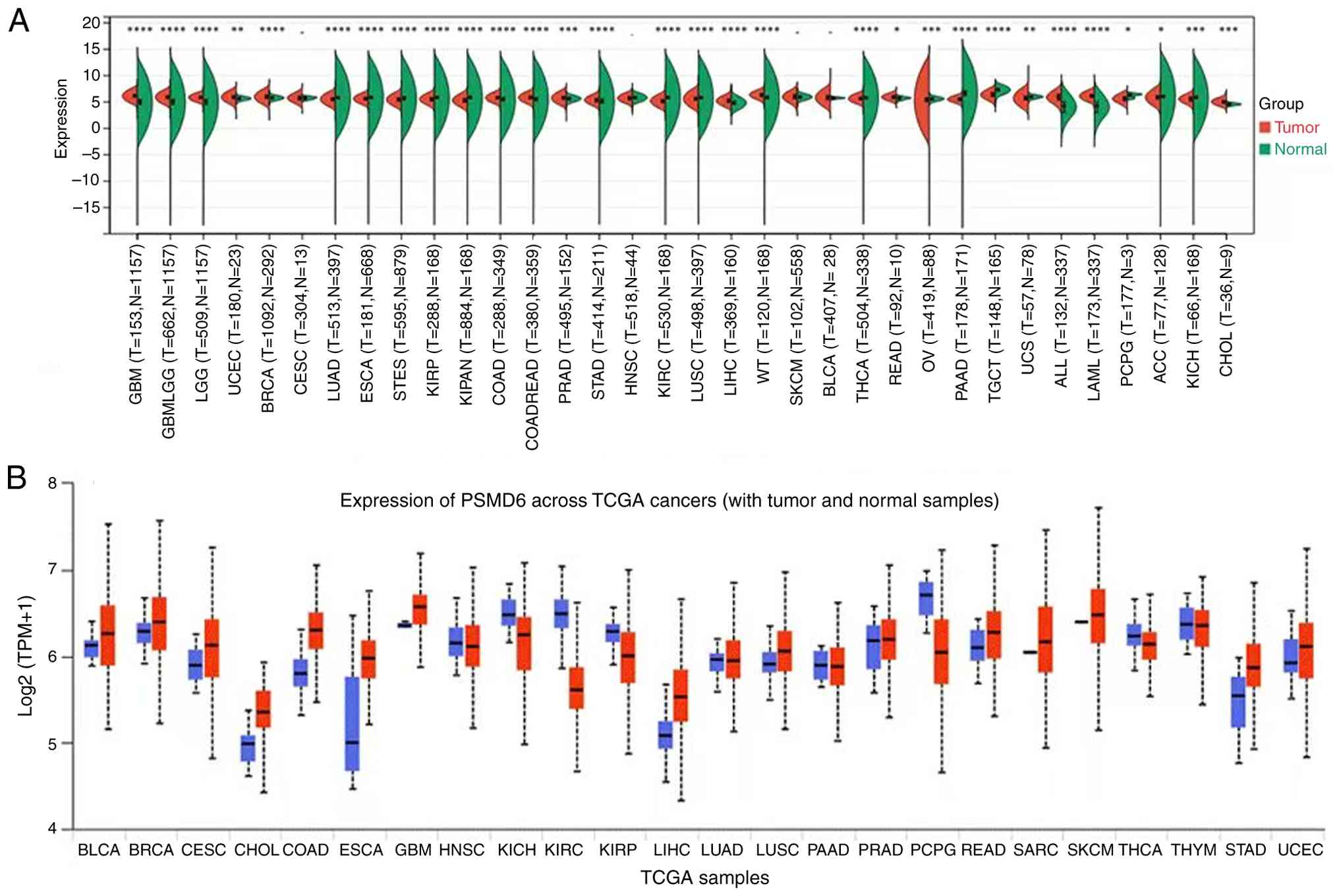
Figure 1

Pan-cancer analysis of PSMD6
expression. (A) PSMD6 mRNA expression levels across various cancer
types from the TCGA project, as analyzed via the SANGERBOX
database. (B) Validation of PSMD6 expression in multiple cancers
using the UALCAN database. Data are presented as log2-transformed
TPM values. PSMD6 is significantly upregulated in LIHC compared
with normal tissue *P<0.05, **P<0.01,
***P<0.001 and ****P<0.0001. PSMD6,
proteasome 26s subunit, non-ATPase 6; TCGA, The Cancer Genome
Atlas; TPM, transcripts per million; LIHC, liver hepatocellular
carcinoma.

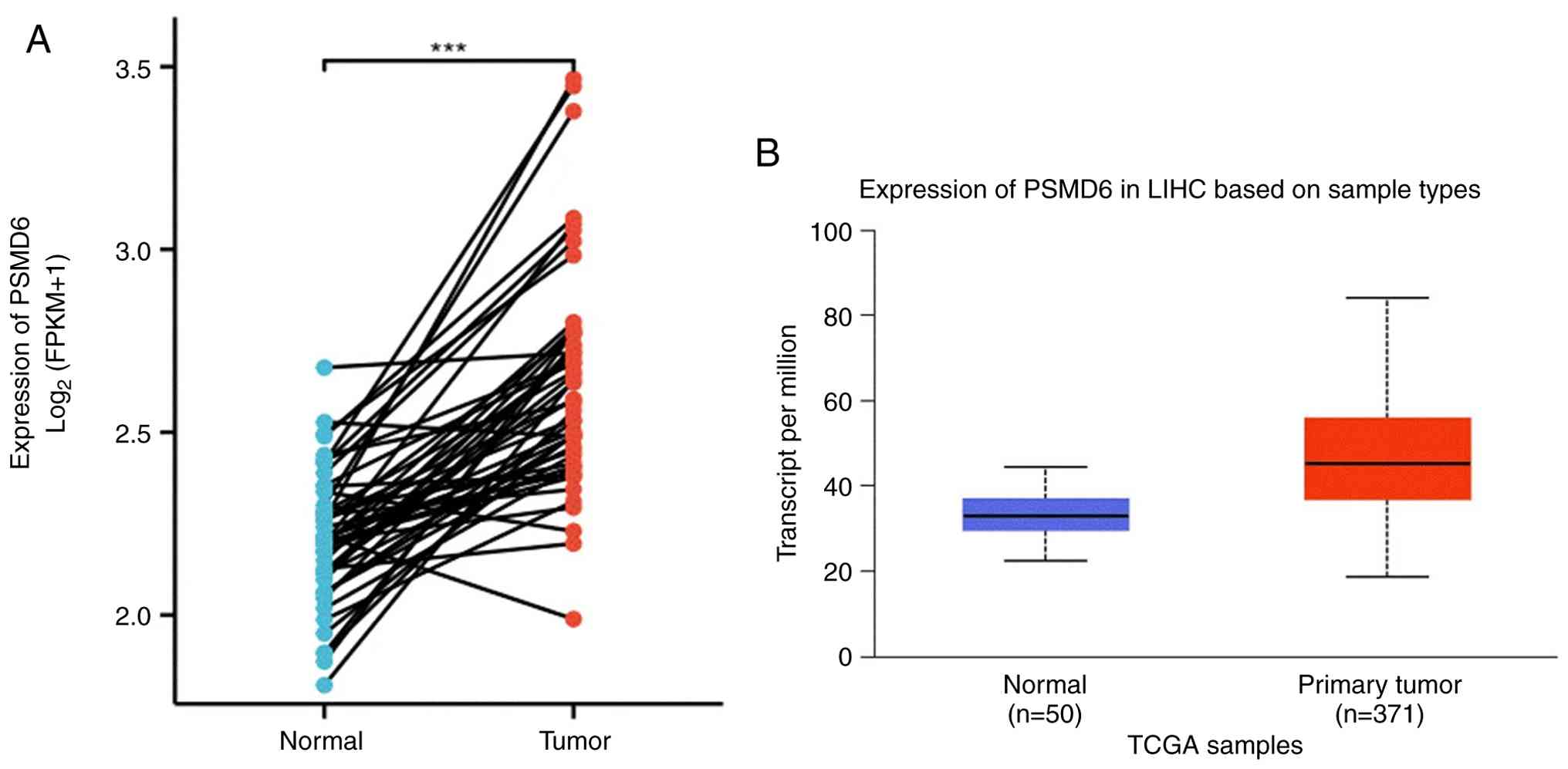
Figure 2

Differential expression of PSMD6 in
LIHC. (A and B) PSMD6 expression is significantly higher in LIHC
tumor tissues (n=371) compared with (A) adjacent normal tissues
(n=50) from TCGA or (B) combined normal tissues from TCGA and GTEx
(n=163), as analyzed by XIANTAO tools and UALCAN, respectively.
***P<0.001. PSMD6, proteasome 26s subunit, non-ATPase
6; LIHC, liver hepatocellular carcinoma; TCGA, The Cancer Genome
Atlas.

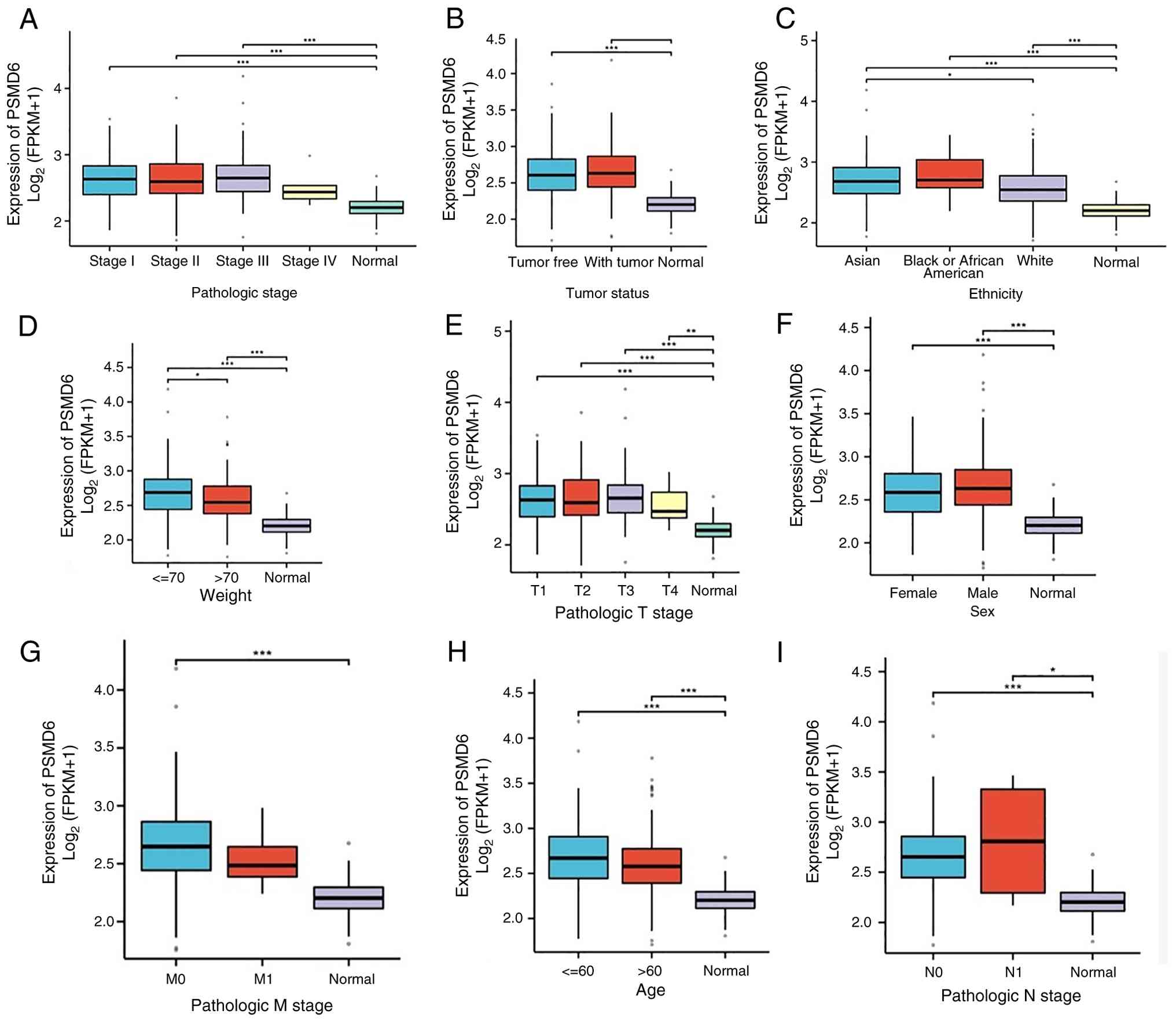
Figure 3

Association between PSMD6 expression
and clinicopathological characteristics in LIHC. (A-I) Box plots
showing PSMD6 expression levels stratified by (A) pathologic stage,
(B) tumor status, (C) ethnicity, (D) patient weight, (E) pathologic
T stage, (F) sex, (G) pathologic M stage, (H) age and (I)
pathologic N stage. Analyses were performed using data from The
Cancer Genome Atlas-LIHC cohort via XIANTAO tools.
*P<0.05, **P<0.01 and
***P<0.001. PSMD6, proteasome 26s subunit, non-ATPase
6; LIHC, liver hepatocellular carcinoma.

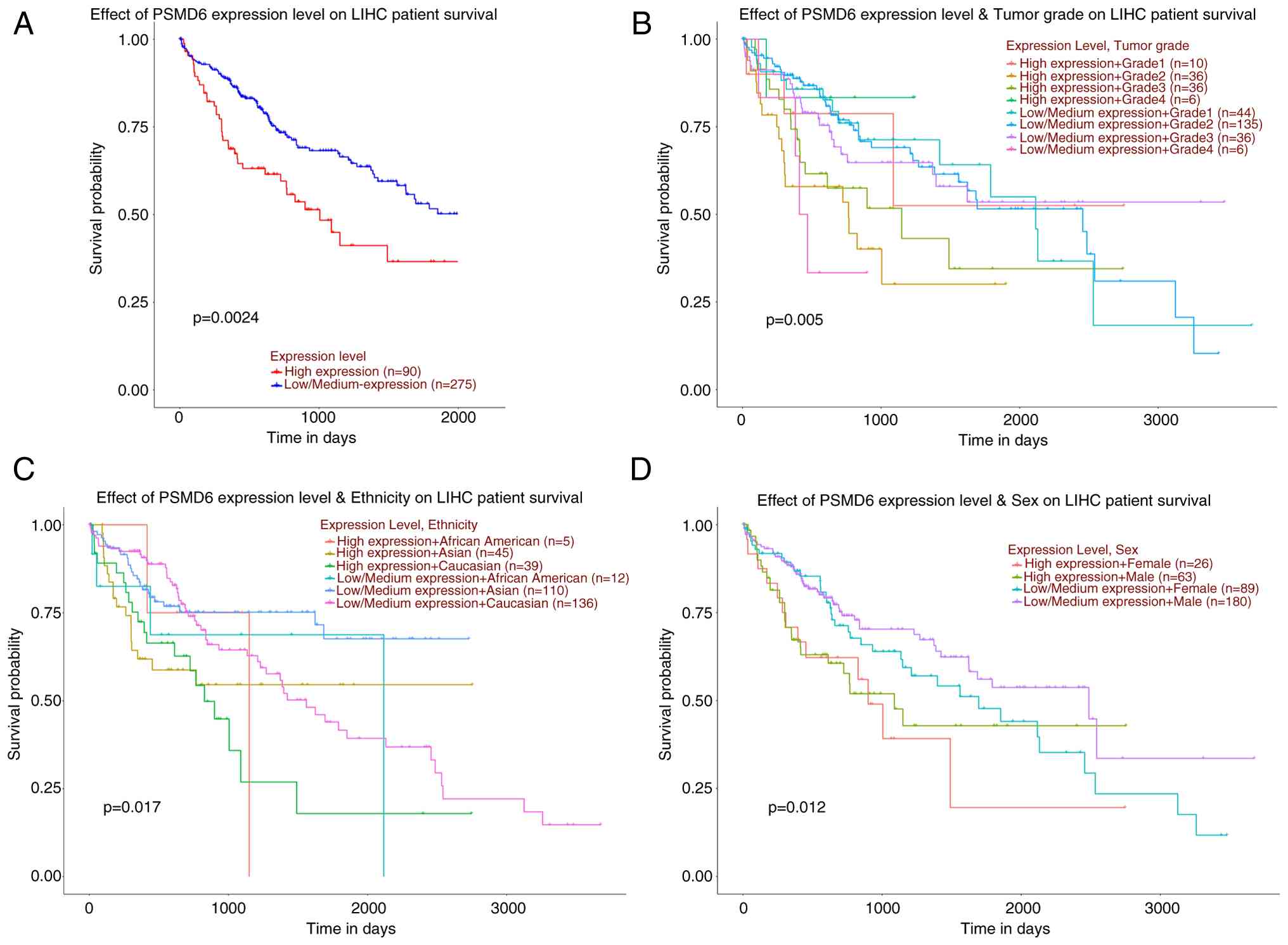
Figure 4

Survival analysis of PSMD6 in LIHC
using UALCAN. Kaplan-Meier curves showing the impact of PSMD6
expression on patient survival. (A) OS of all patients with LIHC
stratified by high and low PSMD6 expression. (B-D) Subgroup
analysis of OS based on (B) tumor grade, (C) ethnicity and (D) sex.
PSMD6, proteasome 26s subunit, non-ATPase 6; LIHC, liver
hepatocellular carcinoma; OS, overall survival.

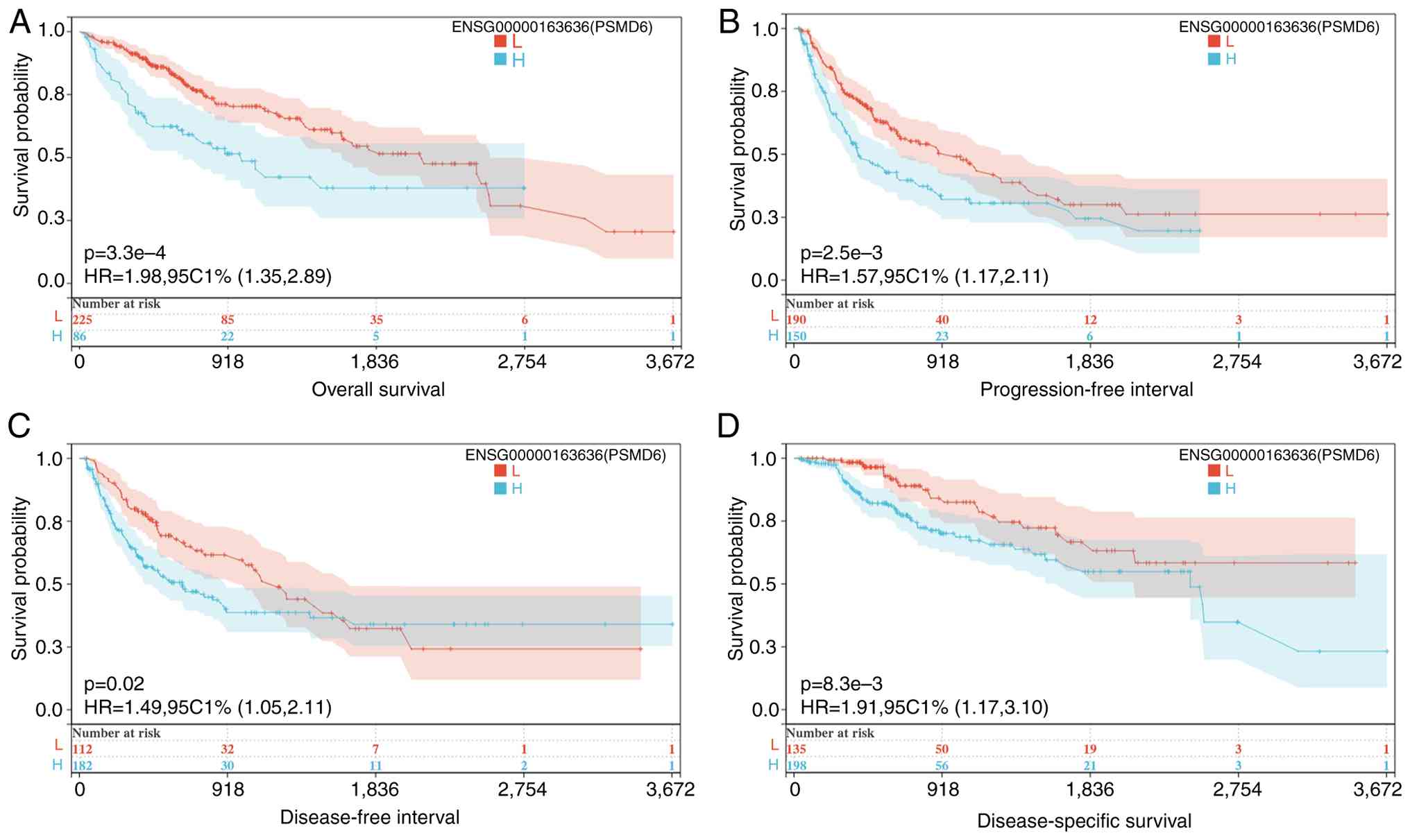
Figure 5

Prognostic value of PSMD6 in LIHC
using SANGERBOX. (A-D) Kaplan-Meier survival analysis demonstrating
the relationship between PSMD6 expression and (A) overall survival,
(B) progression-free interval, (C) disease-free interval, and (D)
disease-specific survival. PSMD6, proteasome 26s subunit,
non-ATPase 6; HR, hazard ratio.

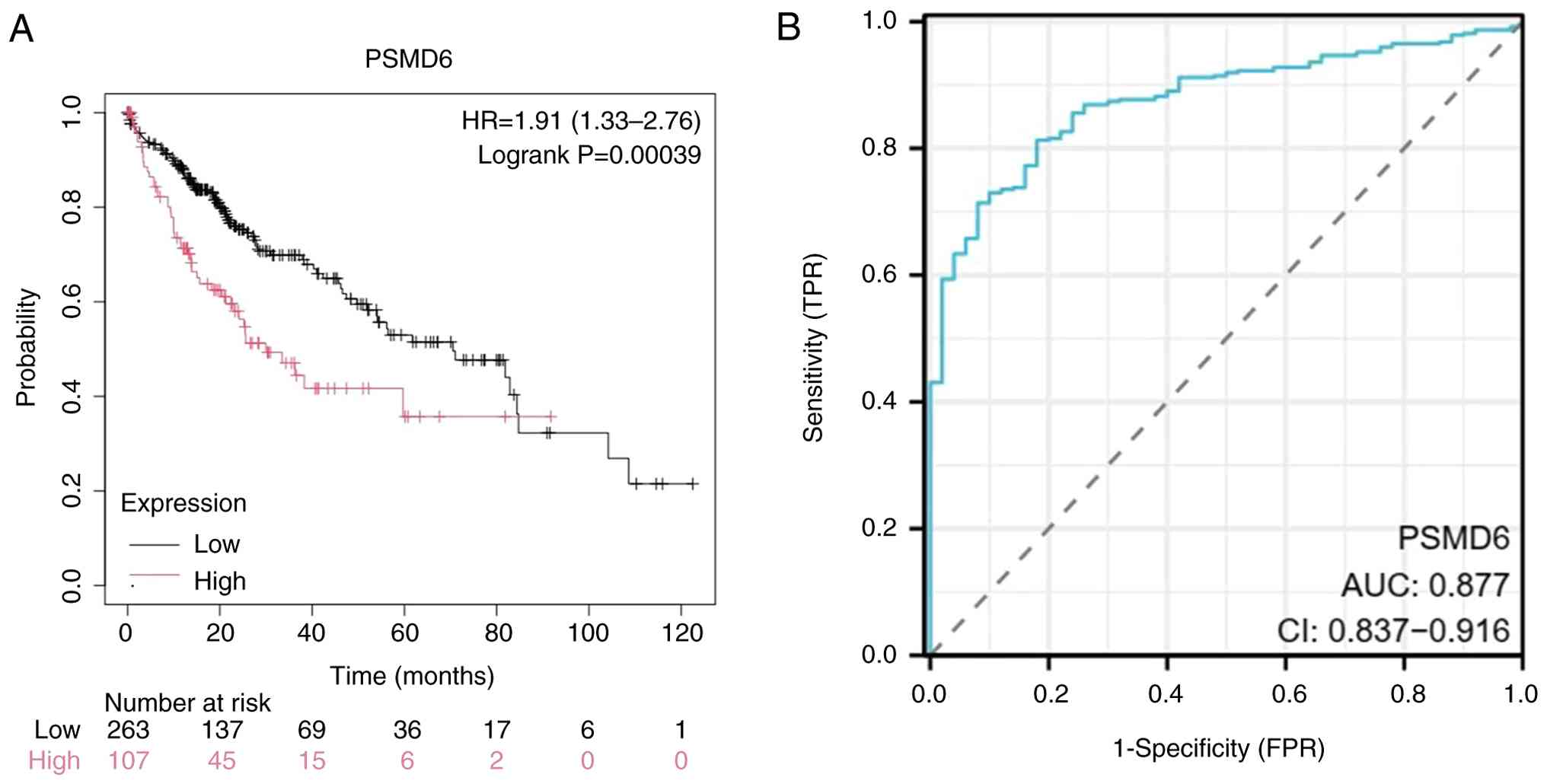
Figure 6

Diagnostic and prognostic value of
PSMD6. (A) Kaplan-Meier plot from the Kaplan-Meier Plotter database
confirms that high PSMD6 expression predicts poor overall survival
in patients with LIHC. (B) Receiver operating characteristic curve
analysis (via XIANTAO tools) evaluating the diagnostic power of
PSMD6 to distinguish LIHC tumors from normal tissues (FDR=1%).
PSMD6, proteasome 26s subunit, non-ATPase 6; LIHC, liver
hepatocellular carcinoma; AUC, area under the curve; HR, hazard
ratio; CI, confidence interval.

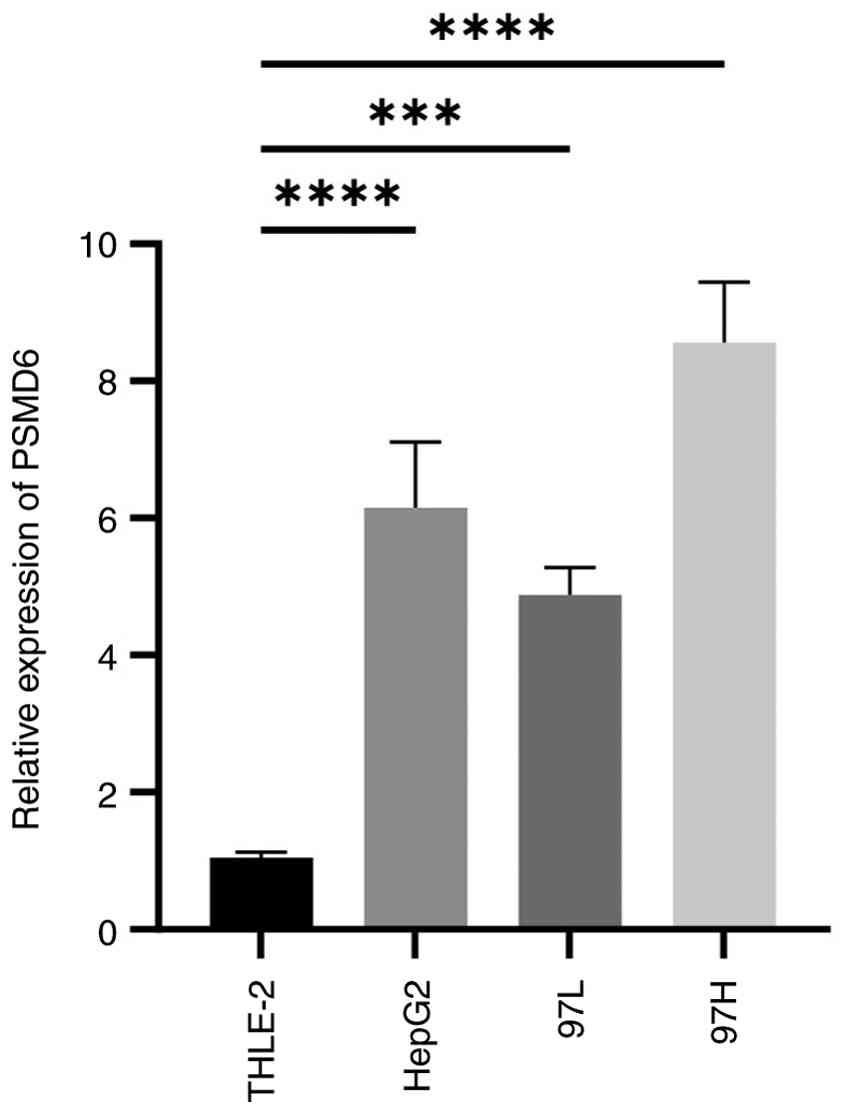
Figure 7

Validation of PSMD6 mRNA expression
in cell lines. Relative mRNA expression levels of PSMD6 in a normal
human hepatocyte cell line (THLE-2) and three hepatocellular
carcinoma cell lines (HepG2, MHCC97-L and MHCC97-H) as determined
by reverse transcription-quantitative PCR. Data are presented as
the mean ± SD. ***P<0.001 and
****P<0.0001. PSMD6, proteasome 26s subunit,
non-ATPase 6.

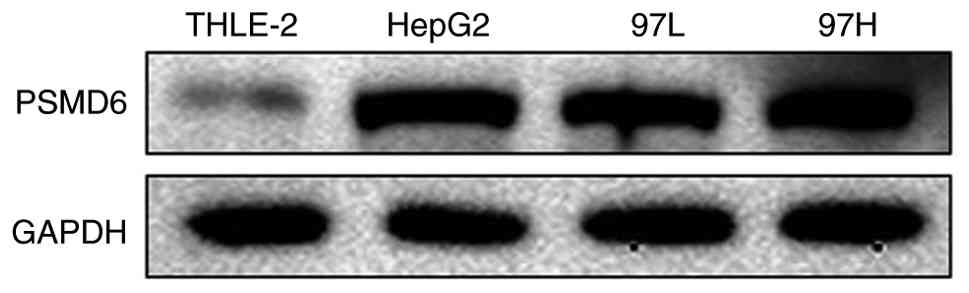
Figure 8

Validation of PSMD6 protein
expression in cell lines. Western blot analysis confirming the
elevated protein expression of PSMD6 in hepatocellular carcinoma
cell lines (HepG2, MHCC97-L and MHCC97-H) compared with the normal
hepatocyte cell line THLE-2. GAPDH was used as a loading control.
PSMD6, proteasome 26s subunit, non-ATPase 6.

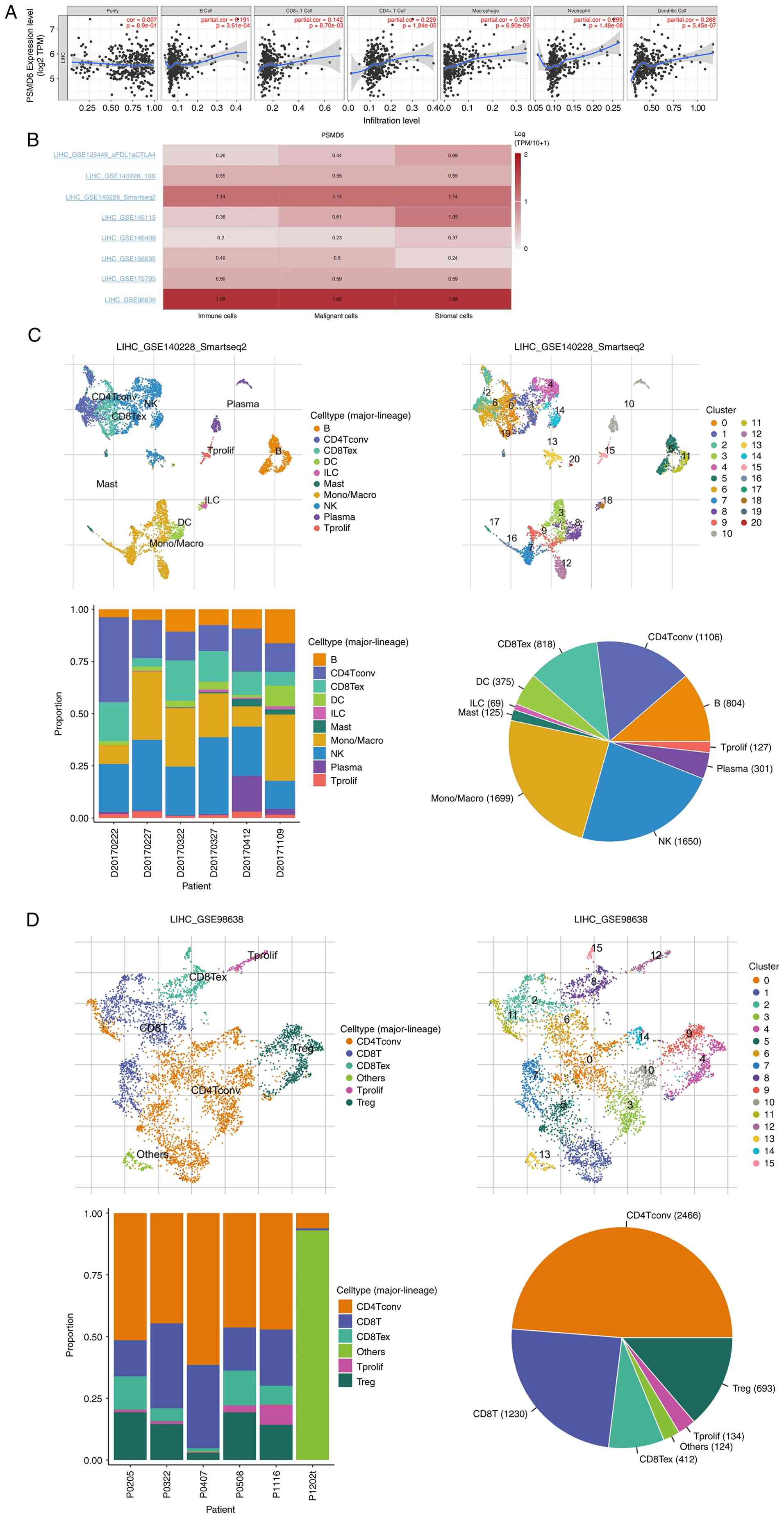
Figure 9

Correlation between PSMD6 expression
and immune cell infiltration in the LIHC tumor microenvironment.
(A) Scatter plots showing the correlation between PSMD6 expression
(log2 TPM) and the abundance of various immune cell types,
estimated by the TIMER2.0 algorithm. Statistical significance was
determined by Spearman's correlation. (B) Overview of the TISCH
database analysis showing the immune landscape of LIHC. (C and D)
Single-cell RNA-seq analysis from the TISCH database illustrating
the distribution and expression levels of PSMD6 (color scale)
across immune cell clusters in the (C) GSE140228_Smartseq2 and (D)
GSE98638 datasets. PSMD6, proteasome 26s subunit, non-ATPase 6;
LIHC, liver hepatocellular carcinoma.

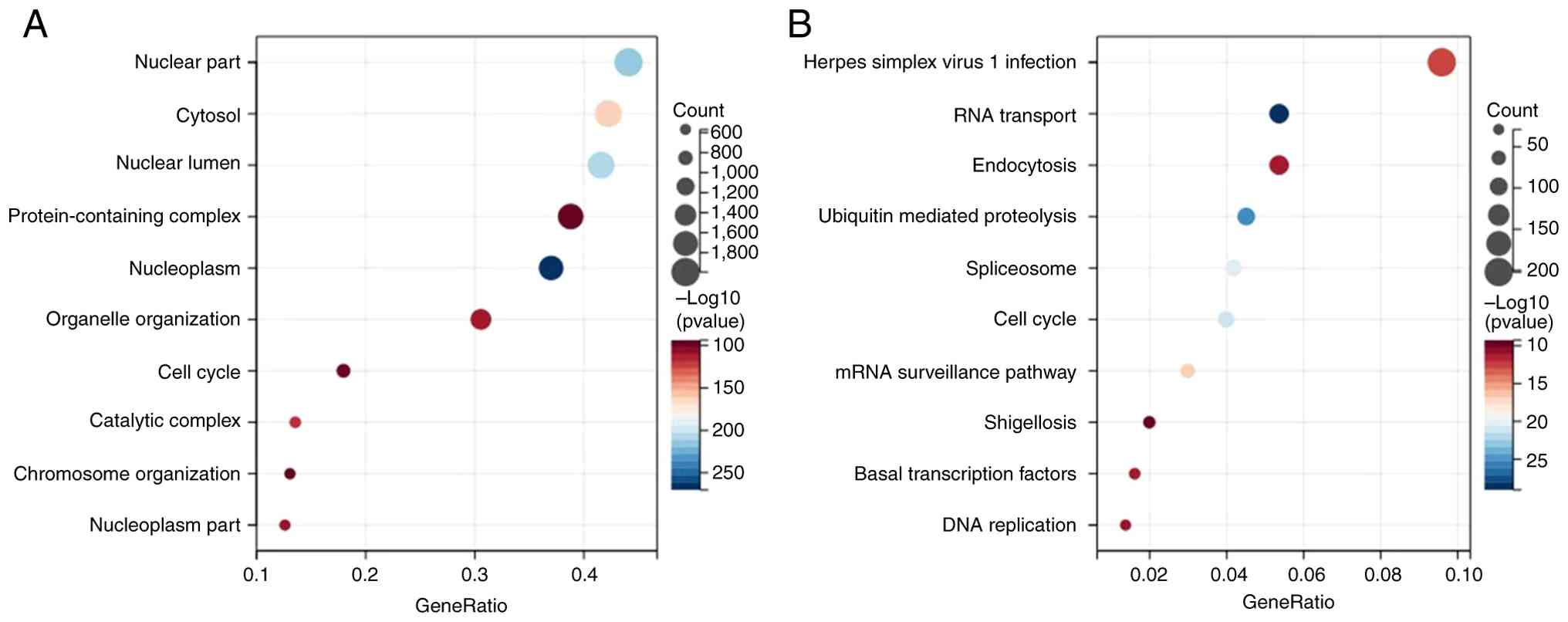
Figure 10

Functional enrichment analysis of
PSMD6-coexpressed genes in LIHC. (A) Significantly enriched Kyoto
Encyclopedia of Genes and Genomes pathways and (B) Gene Ontology
terms (Biological Process, Cellular Component, Molecular Function)
for genes correlated with PSMD6 expression in The Cancer Genome
Atlas-LIHC cohort. The bubble chart size and color represent the
number of genes and the significance level (-log10(P-value)),
respectively. PSMD6, proteasome 26s subunit, non-ATPase 6; LIHC,
liver hepatocellular carcinoma.

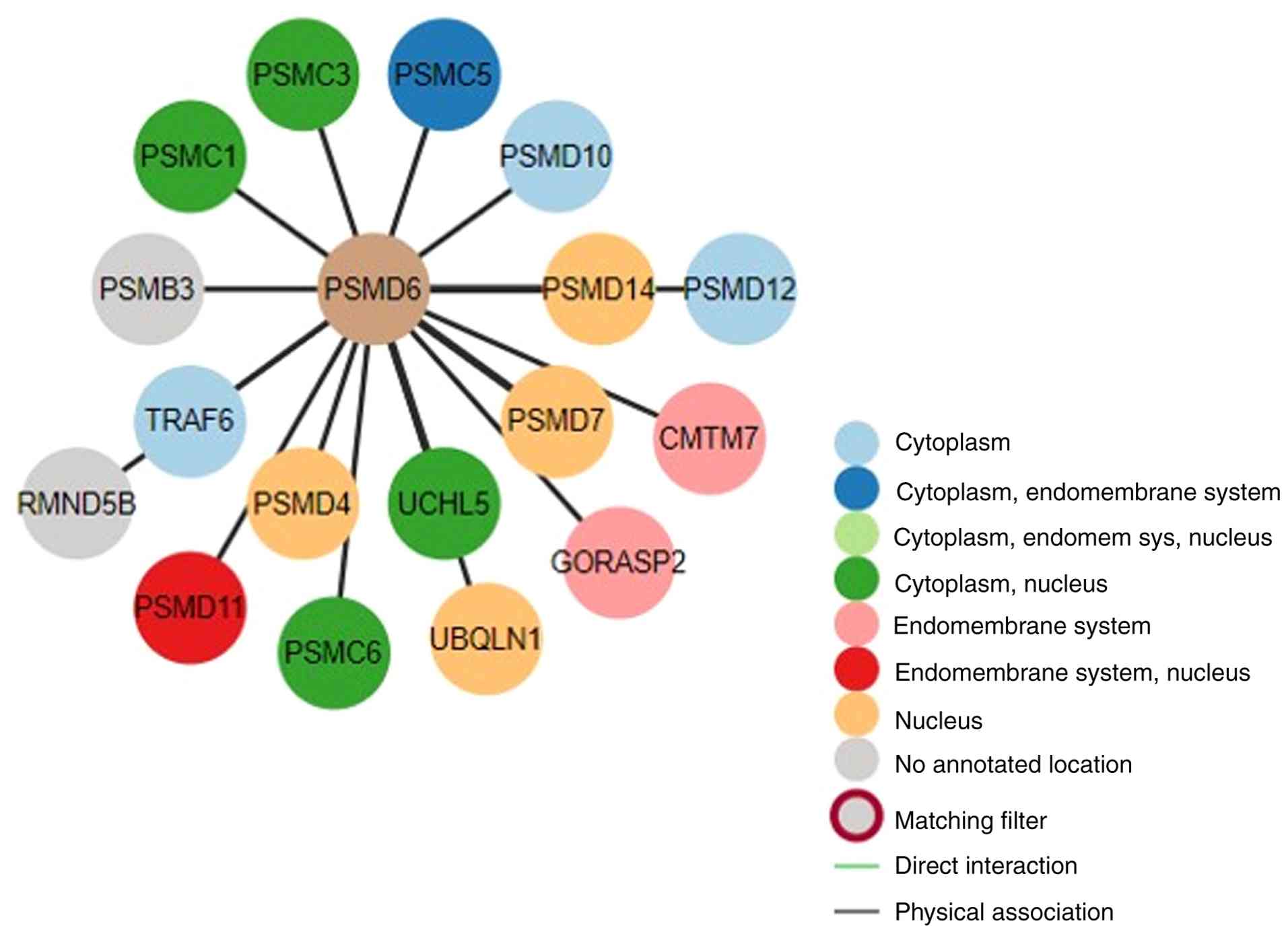
Figure 11

Analysis of the interaction between
proteasome 26s subunit, non-ATPase 6 and protein using BioGRID
database.

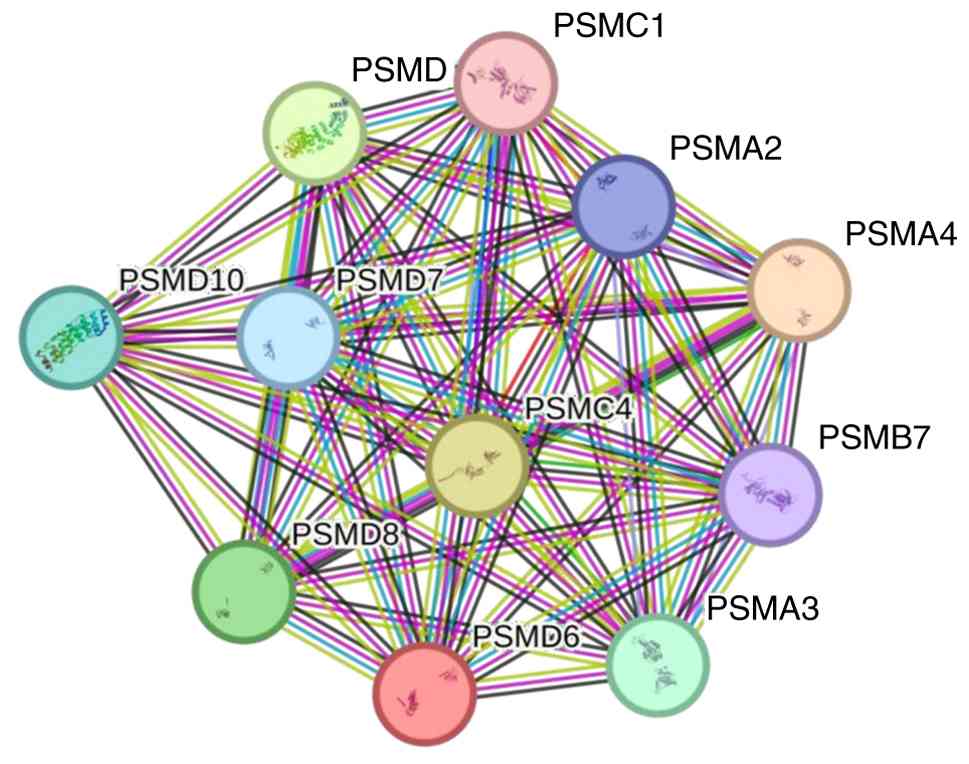
Figure 12

Analyzing the Interaction between
proteasome 26s subunit, non-ATPase 6 and proteins in STRING
database.
View References

1 

Calderaro J, Seraphin TP, Luedde T and Simon TG: Artificial intelligence for the prevention and clinical management of hepatocellular carcinoma. J Hepatol. 76:1348–1361. 2022.PubMed/NCBI View Article : Google Scholar

2 

Zheng RS, Chen R, Han BF, Wang SM, Li L, Sun KX, Zeng HM, Wei WW and He J: Cancer incidence and mortality in China, 2022. Zhonghua Zhong Liu Za Zhi (Chinese). 46:221–231. 2024.PubMed/NCBI View Article : Google Scholar

3 

Qiu F, Qiu F, Liu L, Liu J, Xu J and Huang X: The role of dermcidin in the diagnosis and staging of hepatocellular carcinoma. Genet Test Mol Biomarkers. 22:218–223. 2018.PubMed/NCBI View Article : Google Scholar

4 

Urquijo-Ponce JJ, Alventosa-Mateu C, Latorre-Sánchez M, Castelló-Miralles I and Diago M: Present and future of new systemic therapies for early and intermediate stages of hepatocellular carcinoma. World J Gastroenterol. 30:2512–2522. 2024.PubMed/NCBI View Article : Google Scholar

5 

Hoti E and Adam R: Liver transplantation for primary and metastatic liver cancers. Transpl Int. 21:1107–1117. 2008.PubMed/NCBI View Article : Google Scholar

6 

Sapisochin G and Bruix J: Liver transplantation for hepatocellular carcinoma: outcomes and novel surgical approaches. Nat Rev Gastroenterol Hepatol. 14:203–217. 2017.PubMed/NCBI View Article : Google Scholar

7 

Neuberger J: An update on liver transplantation: A critical review. J Autoimmun. 66:51–59. 2016.PubMed/NCBI View Article : Google Scholar

8 

Gao S, Gang J, Yu M, Xin G and Tan H: Computational analysis for identification of early diagnostic biomarkers and prognostic biomarkers of liver cancer based on GEO and TCGA databases and studies on pathways and biological functions affecting the survival time of liver cancer. BMC Cancer. 21(791)2021.PubMed/NCBI View Article : Google Scholar

9 

Fabregat I: Dysregulation of apoptosis in hepatocellular carcinoma cells. World J Gastroenterol. 15:513–520. 2009.PubMed/NCBI View Article : Google Scholar

10 

Li X, Li X, Hu Y, Liu O, Wang Y, Li S, Yang Q and Lin B: PSMD8 can serve as potential biomarker and therapeutic target of the PSMD family in ovarian cancer: based on bioinformatics analysis and in vitro validation. BMC Cancer. 23(573)2023.PubMed/NCBI View Article : Google Scholar

11 

Jiang L, Qi X, Lai M, Zhou J, Yuan M, You J, Liu Q, Pan J, Zhao L, Ying M, et al: WDR20 prevents hepatocellular carcinoma senescence by orchestrating the simultaneous USP12/46-mediated deubiquitination of c-Myc. Proc Natl Acad Sci USA. 121(e2407904121)2024.PubMed/NCBI View Article : Google Scholar

12 

Wang M, Yu F and Li P: Intratumor microbiota in cancer pathogenesis and immunity: From mechanisms of action to therapeutic opportunities. Front Immunol. 14(1269054)2023.PubMed/NCBI View Article : Google Scholar

13 

Li H, Ji Z, Paulo JA, Gygi SP and Rapoport TA: Bidirectional substrate shuttling between the 26S proteasome and the Cdc48 ATPase promotes protein degradation. Mol Cell. 84:1290–1303.e7. 2024.PubMed/NCBI View Article : Google Scholar

14 

Coll-Martínez B and Crosas B: How the 26S proteasome degrades ubiquitinated proteins in the cell. biomolecules. 9(395)2019.PubMed/NCBI View Article : Google Scholar

15 

Xuan DTM, Wu CC, Kao TJ, Ta HDK, Anuraga G, Andriani V, Athoillah M, Chiao CC, Wu YF, Lee KH, et al: Prognostic and immune infiltration signatures of proteasome 26S subunit, non-ATPase (PSMD) family genes in breast cancer patients. Aging (Albany NY). 13:24882–24913. 2021.PubMed/NCBI View Article : Google Scholar

16 

Li Y, Liu X, Zhao F, Zhao Z, Li X, Wang J, Huang B and Chen A: Comprehensive analysis of PSMD family members and validation of PSMD9 as a potential therapeutic target in human glioblastoma. CNS Neurosci Ther. 30(e14366)2024.PubMed/NCBI View Article : Google Scholar

17 

Zhang C, Xu T, Ji K, Cao S, Cao Y, Ai J, Jing L and Sun JH: An integrative analysis reveals the prognostic value and potential functions of PSMD11 in hepatocellular carcinoma. Mol Carcinog. 62:1355–1368. 2023.PubMed/NCBI View Article : Google Scholar

18 

Huang W, Mei J, Liu YJ, Li JP, Zou X, Qian XP and Zhang Y: An analysis regarding the association between proteasome (PSM) and hepatocellular carcinoma (HCC). J Hepatocell Carcinoma. 10:497–515. 2023.PubMed/NCBI View Article : Google Scholar

19 

Tsolou A, Nelson G, Trachana V, Chondrogianni N, Saretzki G, von Zglinicki T and Gonos ES: The 19S proteasome subunit Rpn7 stabilizes DNA damage foci upon genotoxic insult. IUBMB Life. 64:432–442. 2012.PubMed/NCBI View Article : Google Scholar

20 

Livak KJ and Schmittgen TD: Analysis of relative gene expression data using real-time quantitative PCR and the 2-ΔΔCT method. Methods. 25:402–408. 2001.PubMed/NCBI View Article : Google Scholar

21 

Bray F, Ferlay J, Soerjomataram I, Siegel RL, Torre LA and Jemal A: Global cancer statistics 2018: GLOBOCAN estimates of incidence and mortality worldwide for 36 cancers in 185 countries. CA Cancer J Clin. 68:394–424. 2018.PubMed/NCBI View Article : Google Scholar

22 

Han B, Zheng R, Zeng H, Wang S, Sun K, Chen R, Li L, Wei W and He J: Cancer incidence and mortality in China, 2022. J Natl Cancer Cent. 4:47–53. 2024.PubMed/NCBI View Article : Google Scholar

23 

Valery PC, Laversanne M, Clark PJ, Petrick JL, McGlynn KA and Bray F: Projections of primary liver cancer to 2030 in 30 countries worldwide. Hepatology. 67:600–611. 2018.PubMed/NCBI View Article : Google Scholar

24 

Singal AG, Kanwal F and Llovet JM: Global trends in hepatocellular carcinoma epidemiology: Implications for screening, prevention and therapy. Nat Rev Clin Oncol. 20:864–884. 2023.PubMed/NCBI View Article : Google Scholar

25 

Zhao K, Zhou X, Xiao Y, Wang Y and Wen L: Research progress in alpha-fetoprotein-induced immunosuppression of liver cancer. Mini Rev Med Chem. 22:2237–2243. 2022.PubMed/NCBI View Article : Google Scholar

26 

Zhou SS, Ye YP, Chen Y, Zeng DT, Zheng GC, He RQ, Chi BT, Wang L, Lin Q, Su QY, et al: Overexpression pattern, function, and clinical value of proteasome 26S subunit non-ATPase 6 in hepatocellular carcinoma. World J Clin Oncol. 16(99839)2025.PubMed/NCBI View Article : Google Scholar

27 

Zhou C, Li H, Han X, Pang H, Wu M, Tang Y and Luo X: Prognostic value and molecular mechanisms of proteasome 26S subunit, non-ATPase family genes for pancreatic ductal adenocarcinoma patients after pancreaticoduodenectomy. J Invest Surg. 35:330–346. 2022.PubMed/NCBI View Article : Google Scholar

28 

Guedes RA, Serra P, Salvador JA and Guedes RC: Computational approaches for the discovery of human proteasome inhibitors: An overview. Molecules. 21(927)2016.PubMed/NCBI View Article : Google Scholar

29 

Zong Q, Mao B, Zhang HB, Wang B, Yu WJ, Wang ZW and Wang YF: Comparative Ubiquitome analysis reveals deubiquitinating effects induced by Wolbachia infection in drosophila melanogaster. Int J Mol Sci. 23(9459)2022.PubMed/NCBI View Article : Google Scholar

30 

Donne R and Lujambio A: The liver cancer immune microenvironment: Therapeutic implications for hepatocellular carcinoma. Hepatology. 77:1773–1796. 2023.PubMed/NCBI View Article : Google Scholar

31 

Ruff SM, Shannon AH, Beane JD and Pawlik TM: Highlighting novel targets in immunotherapy for liver cancer. Expert Rev Gastroenterol Hepatol. 16:1029–1041. 2022.PubMed/NCBI View Article : Google Scholar

Related Articles

  • Abstract
  • View
  • Download
  • Twitter
Copy and paste a formatted citation
Spandidos Publications style
Liu J, Wang T and Zhu Z: <em>PSMD6</em> as a biomarker for hepatocellular carcinoma: A comprehensive bioinformatics analysis and <em>in vitro</em> validation. Mol Clin Oncol 24: 28, 2026.
APA
Liu, J., Wang, T., & Zhu, Z. (2026). <em>PSMD6</em> as a biomarker for hepatocellular carcinoma: A comprehensive bioinformatics analysis and <em>in vitro</em> validation. Molecular and Clinical Oncology, 24, 28. https://doi.org/10.3892/mco.2026.2937
MLA
Liu, J., Wang, T., Zhu, Z."<em>PSMD6</em> as a biomarker for hepatocellular carcinoma: A comprehensive bioinformatics analysis and <em>in vitro</em> validation". Molecular and Clinical Oncology 24.4 (2026): 28.
Chicago
Liu, J., Wang, T., Zhu, Z."<em>PSMD6</em> as a biomarker for hepatocellular carcinoma: A comprehensive bioinformatics analysis and <em>in vitro</em> validation". Molecular and Clinical Oncology 24, no. 4 (2026): 28. https://doi.org/10.3892/mco.2026.2937
Copy and paste a formatted citation
x
Spandidos Publications style
Liu J, Wang T and Zhu Z: <em>PSMD6</em> as a biomarker for hepatocellular carcinoma: A comprehensive bioinformatics analysis and <em>in vitro</em> validation. Mol Clin Oncol 24: 28, 2026.
APA
Liu, J., Wang, T., & Zhu, Z. (2026). <em>PSMD6</em> as a biomarker for hepatocellular carcinoma: A comprehensive bioinformatics analysis and <em>in vitro</em> validation. Molecular and Clinical Oncology, 24, 28. https://doi.org/10.3892/mco.2026.2937
MLA
Liu, J., Wang, T., Zhu, Z."<em>PSMD6</em> as a biomarker for hepatocellular carcinoma: A comprehensive bioinformatics analysis and <em>in vitro</em> validation". Molecular and Clinical Oncology 24.4 (2026): 28.
Chicago
Liu, J., Wang, T., Zhu, Z."<em>PSMD6</em> as a biomarker for hepatocellular carcinoma: A comprehensive bioinformatics analysis and <em>in vitro</em> validation". Molecular and Clinical Oncology 24, no. 4 (2026): 28. https://doi.org/10.3892/mco.2026.2937
Follow us
  • Twitter
  • LinkedIn
  • Facebook
About
  • Spandidos Publications
  • Careers
  • Cookie Policy
  • Privacy Policy
How can we help?
  • Help
  • Live Chat
  • Contact
  • Email to our Support Team