Spandidos Publications Logo
  • About
    • About Spandidos
    • Aims and Scopes
    • Abstracting and Indexing
    • Editorial Policies
    • Reprints and Permissions
    • Job Opportunities
    • Terms and Conditions
    • Contact
  • Journals
    • All Journals
    • Oncology Letters
      • Oncology Letters
      • Information for Authors
      • Editorial Policies
      • Editorial Board
      • Aims and Scope
      • Abstracting and Indexing
      • Bibliographic Information
      • Archive
    • International Journal of Oncology
      • International Journal of Oncology
      • Information for Authors
      • Editorial Policies
      • Editorial Board
      • Aims and Scope
      • Abstracting and Indexing
      • Bibliographic Information
      • Archive
    • Molecular and Clinical Oncology
      • Molecular and Clinical Oncology
      • Information for Authors
      • Editorial Policies
      • Editorial Board
      • Aims and Scope
      • Abstracting and Indexing
      • Bibliographic Information
      • Archive
    • Experimental and Therapeutic Medicine
      • Experimental and Therapeutic Medicine
      • Information for Authors
      • Editorial Policies
      • Editorial Board
      • Aims and Scope
      • Abstracting and Indexing
      • Bibliographic Information
      • Archive
    • International Journal of Molecular Medicine
      • International Journal of Molecular Medicine
      • Information for Authors
      • Editorial Policies
      • Editorial Board
      • Aims and Scope
      • Abstracting and Indexing
      • Bibliographic Information
      • Archive
    • Biomedical Reports
      • Biomedical Reports
      • Information for Authors
      • Editorial Policies
      • Editorial Board
      • Aims and Scope
      • Abstracting and Indexing
      • Bibliographic Information
      • Archive
    • Oncology Reports
      • Oncology Reports
      • Information for Authors
      • Editorial Policies
      • Editorial Board
      • Aims and Scope
      • Abstracting and Indexing
      • Bibliographic Information
      • Archive
    • Molecular Medicine Reports
      • Molecular Medicine Reports
      • Information for Authors
      • Editorial Policies
      • Editorial Board
      • Aims and Scope
      • Abstracting and Indexing
      • Bibliographic Information
      • Archive
    • World Academy of Sciences Journal
      • World Academy of Sciences Journal
      • Information for Authors
      • Editorial Policies
      • Editorial Board
      • Aims and Scope
      • Abstracting and Indexing
      • Bibliographic Information
      • Archive
    • International Journal of Functional Nutrition
      • International Journal of Functional Nutrition
      • Information for Authors
      • Editorial Policies
      • Editorial Board
      • Aims and Scope
      • Abstracting and Indexing
      • Bibliographic Information
      • Archive
    • International Journal of Epigenetics
      • International Journal of Epigenetics
      • Information for Authors
      • Editorial Policies
      • Editorial Board
      • Aims and Scope
      • Abstracting and Indexing
      • Bibliographic Information
      • Archive
    • Medicine International
      • Medicine International
      • Information for Authors
      • Editorial Policies
      • Editorial Board
      • Aims and Scope
      • Abstracting and Indexing
      • Bibliographic Information
      • Archive
  • Articles
  • Information
    • Information for Authors
    • Information for Reviewers
    • Information for Librarians
    • Information for Advertisers
    • Conferences
  • Language Editing
Spandidos Publications Logo
  • About
    • About Spandidos
    • Aims and Scopes
    • Abstracting and Indexing
    • Editorial Policies
    • Reprints and Permissions
    • Job Opportunities
    • Terms and Conditions
    • Contact
  • Journals
    • All Journals
    • Biomedical Reports
      • Information for Authors
      • Editorial Policies
      • Editorial Board
      • Aims and Scope
      • Abstracting and Indexing
      • Bibliographic Information
      • Archive
    • Experimental and Therapeutic Medicine
      • Information for Authors
      • Editorial Policies
      • Editorial Board
      • Aims and Scope
      • Abstracting and Indexing
      • Bibliographic Information
      • Archive
    • International Journal of Epigenetics
      • Information for Authors
      • Editorial Policies
      • Editorial Board
      • Aims and Scope
      • Abstracting and Indexing
      • Bibliographic Information
      • Archive
    • International Journal of Functional Nutrition
      • Information for Authors
      • Editorial Policies
      • Editorial Board
      • Aims and Scope
      • Abstracting and Indexing
      • Bibliographic Information
      • Archive
    • International Journal of Molecular Medicine
      • Information for Authors
      • Editorial Policies
      • Editorial Board
      • Aims and Scope
      • Abstracting and Indexing
      • Bibliographic Information
      • Archive
    • International Journal of Oncology
      • Information for Authors
      • Editorial Policies
      • Editorial Board
      • Aims and Scope
      • Abstracting and Indexing
      • Bibliographic Information
      • Archive
    • Medicine International
      • Information for Authors
      • Editorial Policies
      • Editorial Board
      • Aims and Scope
      • Abstracting and Indexing
      • Bibliographic Information
      • Archive
    • Molecular and Clinical Oncology
      • Information for Authors
      • Editorial Policies
      • Editorial Board
      • Aims and Scope
      • Abstracting and Indexing
      • Bibliographic Information
      • Archive
    • Molecular Medicine Reports
      • Information for Authors
      • Editorial Policies
      • Editorial Board
      • Aims and Scope
      • Abstracting and Indexing
      • Bibliographic Information
      • Archive
    • Oncology Letters
      • Information for Authors
      • Editorial Policies
      • Editorial Board
      • Aims and Scope
      • Abstracting and Indexing
      • Bibliographic Information
      • Archive
    • Oncology Reports
      • Information for Authors
      • Editorial Policies
      • Editorial Board
      • Aims and Scope
      • Abstracting and Indexing
      • Bibliographic Information
      • Archive
    • World Academy of Sciences Journal
      • Information for Authors
      • Editorial Policies
      • Editorial Board
      • Aims and Scope
      • Abstracting and Indexing
      • Bibliographic Information
      • Archive
  • Articles
  • Information
    • For Authors
    • For Reviewers
    • For Librarians
    • For Advertisers
    • Conferences
  • Language Editing
Login Register Submit
  • This site uses cookies
  • You can change your cookie settings at any time by following the instructions in our Cookie Policy. To find out more, you may read our Privacy Policy.

    I agree
Search articles by DOI, keyword, author or affiliation
Search
Advanced Search
presentation
Molecular Medicine Reports
Join Editorial Board Propose a Special Issue
Print ISSN: 1791-2997 Online ISSN: 1791-3004
Journal Cover
June-2014 Volume 9 Issue 6

Full Size Image

Sign up for eToc alerts
Recommend to Library

Journals

International Journal of Molecular Medicine

International Journal of Molecular Medicine

International Journal of Molecular Medicine is an international journal devoted to molecular mechanisms of human disease.

International Journal of Oncology

International Journal of Oncology

International Journal of Oncology is an international journal devoted to oncology research and cancer treatment.

Molecular Medicine Reports

Molecular Medicine Reports

Covers molecular medicine topics such as pharmacology, pathology, genetics, neuroscience, infectious diseases, molecular cardiology, and molecular surgery.

Oncology Reports

Oncology Reports

Oncology Reports is an international journal devoted to fundamental and applied research in Oncology.

Experimental and Therapeutic Medicine

Experimental and Therapeutic Medicine

Experimental and Therapeutic Medicine is an international journal devoted to laboratory and clinical medicine.

Oncology Letters

Oncology Letters

Oncology Letters is an international journal devoted to Experimental and Clinical Oncology.

Biomedical Reports

Biomedical Reports

Explores a wide range of biological and medical fields, including pharmacology, genetics, microbiology, neuroscience, and molecular cardiology.

Molecular and Clinical Oncology

Molecular and Clinical Oncology

International journal addressing all aspects of oncology research, from tumorigenesis and oncogenes to chemotherapy and metastasis.

World Academy of Sciences Journal

World Academy of Sciences Journal

Multidisciplinary open-access journal spanning biochemistry, genetics, neuroscience, environmental health, and synthetic biology.

International Journal of Functional Nutrition

International Journal of Functional Nutrition

Open-access journal combining biochemistry, pharmacology, immunology, and genetics to advance health through functional nutrition.

International Journal of Epigenetics

International Journal of Epigenetics

Publishes open-access research on using epigenetics to advance understanding and treatment of human disease.

Medicine International

Medicine International

An International Open Access Journal Devoted to General Medicine.

Journal Cover
June-2014 Volume 9 Issue 6

Full Size Image

Sign up for eToc alerts
Recommend to Library

  • Article
  • Citations
    • Cite This Article
    • Download Citation
    • Create Citation Alert
    • Remove Citation Alert
    • Cited By
  • Similar Articles
    • Related Articles (in Spandidos Publications)
    • Similar Articles (Google Scholar)
    • Similar Articles (PubMed)
  • Download PDF
  • Download XML
  • View XML
Article

Ursolic acid suppresses growth and adrenocorticotrophic hormone secretion in AtT20 cells as a potential agent targeting adrenocorticotrophic hormone‑producing pituitary adenoma

  • Authors:
    • Ying‑Ying Gong
    • Yuan‑Yuan Liu
    • Shuang Yu
    • Xiao‑Nan Zhu
    • Xiao‑Pei Cao
    • Hai‑Peng Xiao
  • View Affiliations / Copyright

    Affiliations: Department of Endocrinology, The First Affiliated Hospital of Sun Yat‑Sen University, Guangzhou, Guangdong 510080, P.R. China, Department of Pharmacology, Zhong‑Shan School of Medicine, Sun Yat‑Sen University, Guangzhou, Guangdong 510080, P.R. China
  • Pages: 2533-2539
    |
    Published online on: March 27, 2014
       https://doi.org/10.3892/mmr.2014.2078
  • Expand metrics +
Metrics: Total Views: 0 (Spandidos Publications: | PMC Statistics: )
Metrics: Total PDF Downloads: 0 (Spandidos Publications: | PMC Statistics: )
Cited By (CrossRef): 0 citations Loading Articles...

This article is mentioned in:


Abstract

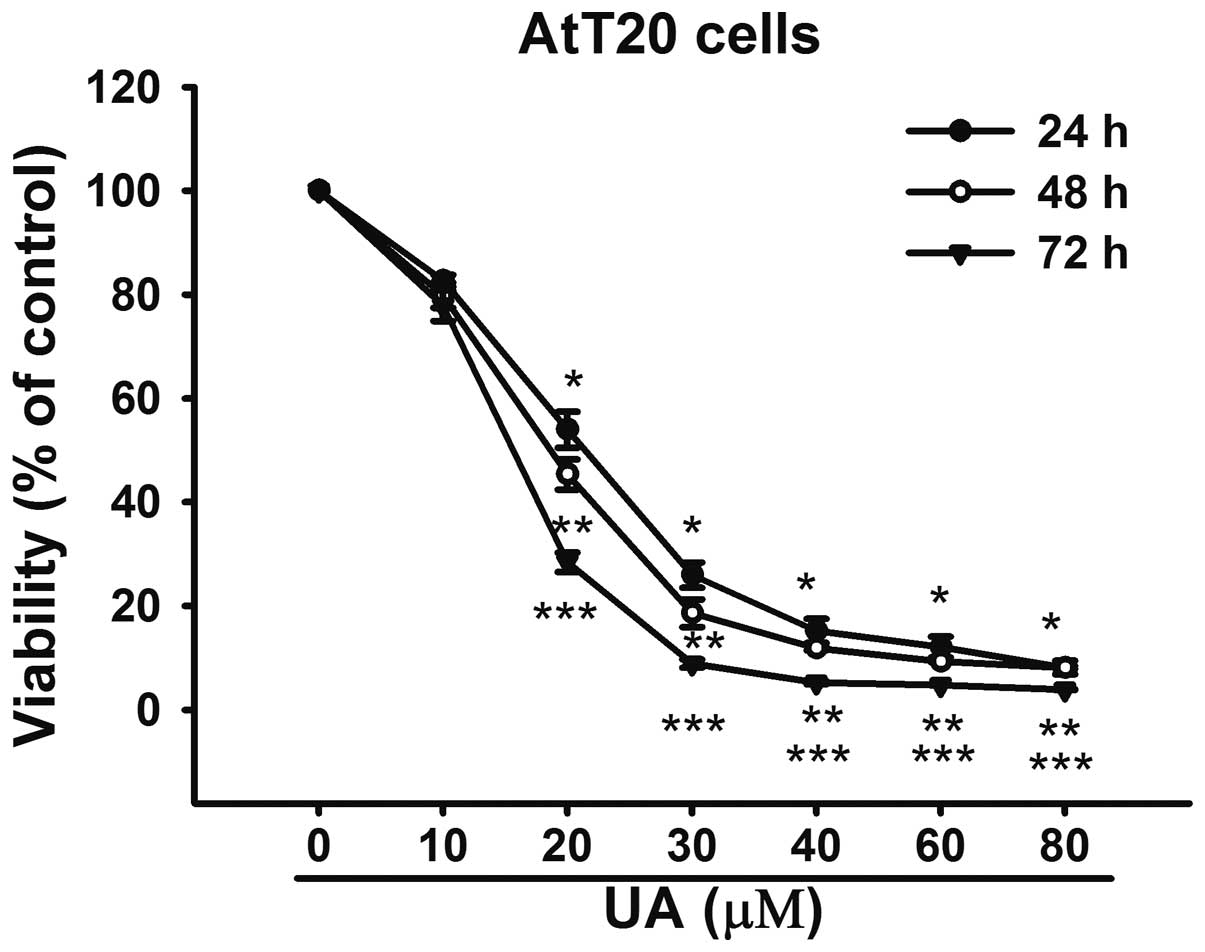
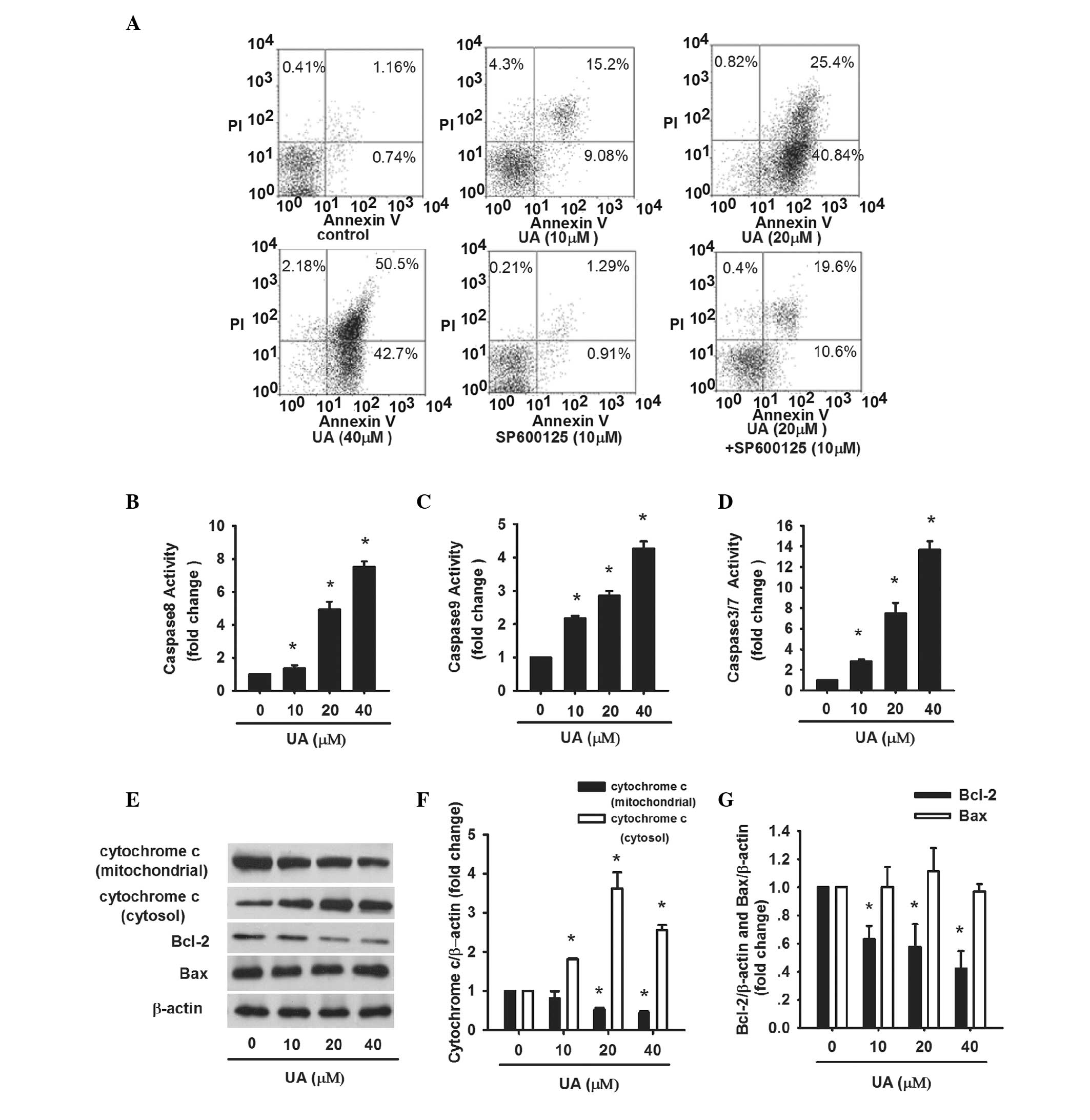
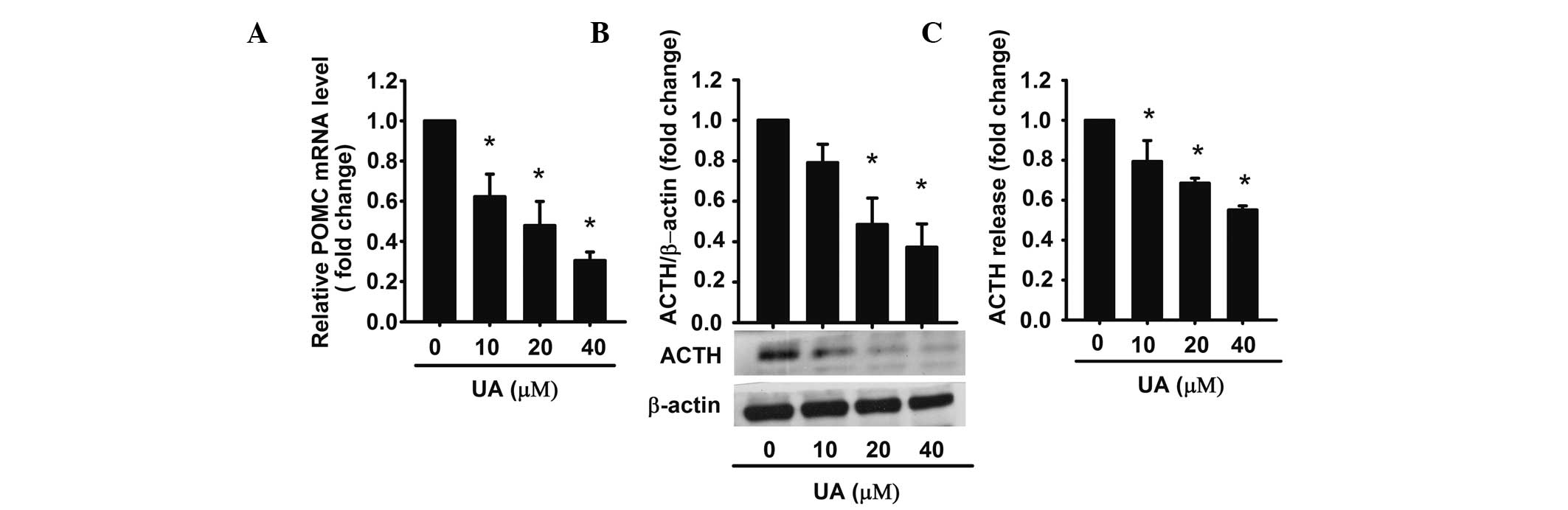
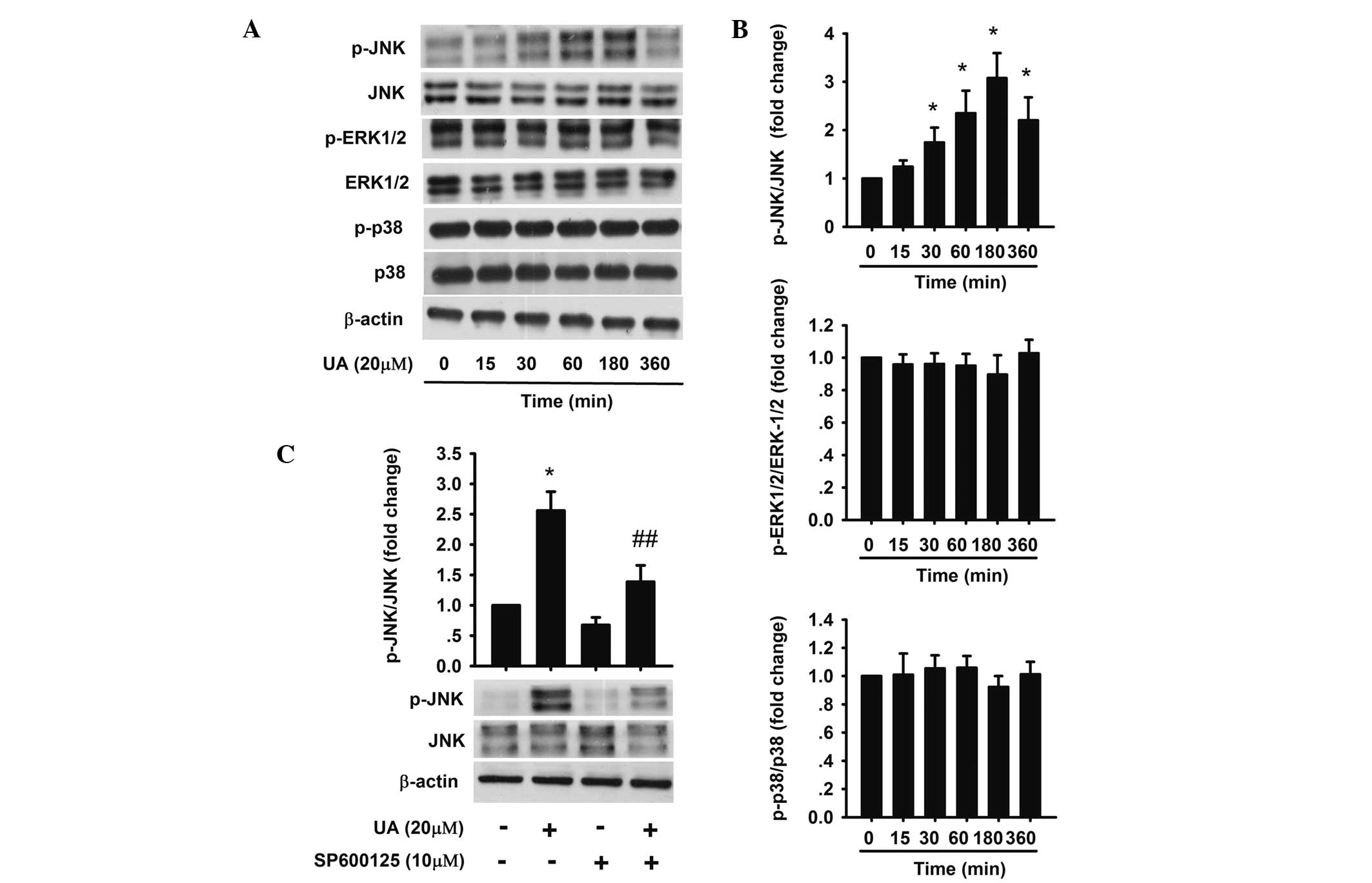
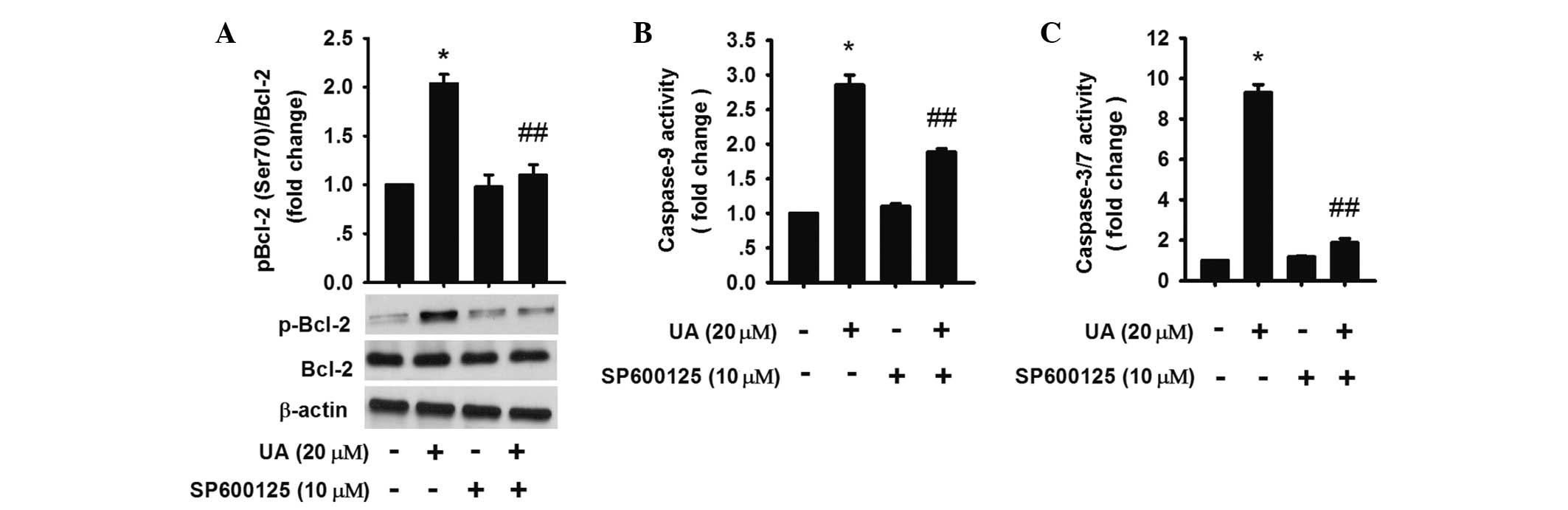
Adrenocorticotrophic hormone (ACTH)‑producing pituitary adenoma leads to excess ACTH secretion, which is associated with significant mortality and impaired quality of life. Thus far, the first line therapy is the transphenoidal microsurgery. Considering the high recurrence rate and complications of surgery, novel agents, which directly target on pituitary ACTH‑producing adenoma and suppress ACTH secretion are urgently required. In the present study, the effect of ursolic acid (UA) as a candidate agent targeting ACTH‑producing AtT20 cells was investigated. It was demonstrated that UA inhibited the viability and induced apoptosis of AtT20 cells and decreased ACTH secretion. The process of apoptosis involved a decrease of the B cell lymphoma 2 (Bcl‑2)/Bcl2-associated X protein ratio followed by a release of mitochondrial cytochrome c into the cytosol with subsequent activation of caspase‑9, ‑3/7 and ‑8. The potential signaling pathway involved the activation of c‑Jun N‑terminal kinase (JNK) but not extracellular signal‑regulated protein kinases1/2 and p38 mitogen-activated protein kinase. The JNK pathway participated in UA‑induced mitochondrial apoptotic signaling transduction via increasing the phosphorylation and degradation of Bcl‑2, which may be partly attenuated by the JNK inhibitor SP600125. In conclusion, the present study indicates that UA may be a promising candidate agent for the management of ACTH‑producing pituitary adenoma.
View Figures

Figure 1

Figure 2

Figure 3

Figure 4

Figure 5

View References

1 

Boscaro M, Barzon L, Fallo F and Sonino N: Cushing’s syndrome. Lancet. 357:783–791. 2001.

2 

Arnaldi G, Angeli A, Atkinson AB, et al: Diagnosis and complications of Cushing’s syndrome: a consensus statement. J Clin Endocrinol Metab. 88:5593–5602. 2003.

3 

Witek P, Zielinski G, Szamotulska K, Witek J and Zgliczynski W: Complications of Cushing’s disease - prospective evaluation and clinical characteristics. Do they affect the efficacy of surgical treatment? Endokrynol Pol. 63:277–285. 2012.

4 

Swearingen B: Update on pituitary surgery. J Clin Endocrinol Metab. 97:1073–1081. 2012. View Article : Google Scholar : PubMed/NCBI

5 

Atkinson AB, Kennedy A, Wiggam MI, McCance DR and Sheridan B: Long-term remission rates after pituitary surgery for Cushing’s disease: the need for long-term surveillance. Clin Endocrinol (Oxf). 63:549–559. 2005.

6 

Heaney AP: Clinical review: pituitary carcinoma: difficult diagnosis and treatment. J Clin Endocrinol Metab. 96:3649–3660. 2011. View Article : Google Scholar : PubMed/NCBI

7 

Beardwell CG, Adamson AR and Shalet SM: Prolonged remission in florid Cushing’s syndrome following metyrapone treatment. Clin Endocrinol (Oxf). 14:485–492. 1981.

8 

Boscaro M, Sonino N, Rampazzo A and Mantero F: Response of pituitary-adrenal axis to corticotrophin releasing hormone in patients with Cushing’s disease before and after ketoconazole treatment. Clin Endocrinol (Oxf). 27:461–467. 1987.

9 

Sonino N, Boscaro M and Fallo F: Pharmacologic management of Cushing syndrome: new targets for therapy. Treat Endocrinol. 4:87–94. 2005. View Article : Google Scholar : PubMed/NCBI

10 

Petersenn S, Schopohl J, Barkan A, et al: Pasireotide (SOM230) demonstrates efficacy and safety in patients with acromegaly: a randomized, multicenter, phase II trial. J Clin Endocrinol Metab. 95:2781–2789. 2010. View Article : Google Scholar : PubMed/NCBI

11 

Bode H, Seiz M, Lammert A, et al: SOM230 (pasireotide) and temozolomide achieve sustained control of tumour progression and ACTH secretion in pituitary carcinoma with widespread metastases. Exp Clin Endocrinol Diabetes. 118:760–763. 2010. View Article : Google Scholar : PubMed/NCBI

12 

Pivonello R, Ferone D, de Herder WW, et al: Dopamine receptor expression and function in corticotroph pituitary tumors. J Clin Endocrinol Metab. 89:2452–2462. 2004. View Article : Google Scholar : PubMed/NCBI

13 

Mullan KR, Leslie H, McCance DR, Sheridan B and Atkinson AB: The PPAR-gamma activator rosiglitazone fails to lower plasma ACTH levels in patients with Nelson’s syndrome. Clin Endocrinol (Oxf). 64:519–522. 2006.PubMed/NCBI

14 

Pecori Giraldi F, Scaroni C, Arvat E, et al: Effect of protracted treatment with rosiglitazone, a PPARgamma agonist, in patients with Cushing’s disease. Clin Endocrinol (Oxf). 64:219–224. 2006.PubMed/NCBI

15 

Liu J: Pharmacology of oleanolic acid and ursolic acid. J Ethnopharmacol. 49:57–68. 1995. View Article : Google Scholar : PubMed/NCBI

16 

Sultana N and Ata A: Oleanolic acid and related derivatives as medicinally important compounds. J Enzyme Inhib Med Chem. 23:739–756. 2008. View Article : Google Scholar : PubMed/NCBI

17 

Sultana N: Clinically useful anticancer, antitumor, and antiwrinkle agent, ursolic acid and related derivatives as medicinally important natural product. J Enzyme Inhib Med Chem. 26:616–642. 2011. View Article : Google Scholar : PubMed/NCBI

18 

Liu J: Oleanolic acid and ursolic acid: research perspectives. J Ethnopharmacol. 100:92–94. 2005. View Article : Google Scholar : PubMed/NCBI

19 

Kassi E, Papoutsi Z, Pratsinis H, Aligiannis N, Manoussakis M and Moutsatsou P: Ursolic acid, a naturally occurring triterpenoid, demonstrates anticancer activity on human prostate cancer cells. J Cancer Res Clin Oncol. 133:493–500. 2007. View Article : Google Scholar

20 

Shih WL, Yu FL, Chang CD, Liao MH, Wu HY and Lin PY: Suppression of AMF/PGI-mediated tumorigenic activities by ursolic acid in cultured hepatoma cells and in a mouse model. Mol Carcinog. 52:800–812. 2013.PubMed/NCBI

21 

Shyu MH, Kao TC and Yen GC: Oleanolic acid and ursolic acid induce apoptosis in HuH7 human hepatocellular carcinoma cells through a mitochondrial-dependent pathway and downregulation of XIAP. J Agric Food Chem. 58:6110–6118. 2010. View Article : Google Scholar : PubMed/NCBI

22 

Prasad S, Yadav VR, Sung B, et al: Ursolic acid inhibits growth and metastasis of human colorectal cancer in an orthotopic nude mouse model by targeting multiple cell signaling pathways: Chemosensitization with capecitabine. Clin Cancer Res. 18:4942–4953. 2012. View Article : Google Scholar

23 

Shan JZ, Xuan YY, Zheng S, Dong Q and Zhang SZ: Ursolic acid inhibits proliferation and induces apoptosis of HT-29 colon cancer cells by inhibiting the EGFR/MAPK pathway. J Zhejiang Univ Sci B. 10:668–674. 2009. View Article : Google Scholar : PubMed/NCBI

24 

Harmand PO, Duval R, Delage C and Simon A: Ursolic acid induces apoptosis through mitochondrial intrinsic pathway and caspase-3 activation in M4Beu melanoma cells. Int J Cancer. 114:1–11. 2005. View Article : Google Scholar : PubMed/NCBI

25 

De Angel RE, Smith SM, Glickman RD, Perkins SN and Hursting SD: Antitumor effects of ursolic acid in a mouse model of postmenopausal breast cancer. Nutr Cancer. 62:1074–1086. 2010.PubMed/NCBI

26 

Zheng QY, Jin FS, Yao C, Zhang T, Zhang GH and Ai X: Ursolic acid-induced AMP-activated protein kinase (AMPK) activation contributes to growth inhibition and apoptosis in human bladder cancer T24 cells. Biochem Biophys Res Commun. 419:741–747. 2012. View Article : Google Scholar : PubMed/NCBI

27 

Zhu W, Ou Y, Li Y, et al: A small-molecule triptolide suppresses angiogenesis and invasion of human anaplastic thyroid carcinoma cells via down-regulation of the nuclear factor-kappa B pathway. Mol Pharmacol. 75:812–819. 2009. View Article : Google Scholar

28 

Hollosy F, Meszaros G, Bokonyi G, et al: Cytostatic, cytotoxic and protein tyrosine kinase inhibitory activity of ursolic acid in A431 human tumor cells. Anticancer Res. 20:4563–4570. 2000.PubMed/NCBI

29 

Gamby C, Waage MC, Allen RG and Baizer L: Growth-associated protein-43 (GAP-43) facilitates peptide hormone secretion in mouse anterior pituitary AtT-20 cells. J Biol Chem. 271:10023–10028. 1996. View Article : Google Scholar : PubMed/NCBI

30 

White A and Gibson S: ACTH precursors: biological significance and clinical relevance. Clin Endocrinol (Oxf). 48:251–255. 1998. View Article : Google Scholar : PubMed/NCBI

31 

Chang L and Karin M: Mammalian MAP kinase signalling cascades. Nature. 410:37–40. 2001. View Article : Google Scholar : PubMed/NCBI

32 

Liu XS and Jiang J: Induction of apoptosis and regulation of the MAPK pathway by ursolic acid in human leukemia K562 cells. Planta Med. 73:1192–1194. 2007. View Article : Google Scholar : PubMed/NCBI

33 

Ruvolo PP, Deng X and May WS: Phosphorylation of Bcl2 and regulation of apoptosis. Leukemia. 15:515–522. 2001. View Article : Google Scholar : PubMed/NCBI

34 

Miyoshi N, Uchida K, Osawa T and Nakamura Y: A link between benzyl isothiocyanate-induced cell cycle arrest and apoptosis: involvement of mitogen-activated protein kinases in the Bcl-2 phosphorylation. Cancer Res. 64:2134–2142. 2004. View Article : Google Scholar : PubMed/NCBI

35 

Bonaccorsi I, Altieri F, Sciamanna I, et al: Endogenous reverse transcriptase as a mediator of ursolic acid’s anti-proliferative and differentiating effects in human cancer cell lines. Cancer Lett. 263:130–139. 2008.PubMed/NCBI

36 

Zhang YX, Kong CZ, Wang HQ, Wang LH, Xu CL and Sun YH: Phosphorylation of Bcl-2 and activation of caspase-3 via the c-Jun N-terminal kinase pathway in ursolic acid-induced DU145 cells apoptosis. Biochimie. 91:1173–1179. 2009. View Article : Google Scholar : PubMed/NCBI

37 

Zhang Y, Kong C, Zeng Y, et al: Ursolic acid induces PC-3 cell apoptosis via activation of JNK and inhibition of Akt pathways in vitro. Mol Carcinog. 49:374–385. 2010.PubMed/NCBI

38 

Cha HJ, Bae SK, Lee HY, et al: Anti-invasive activity of ursolic acid correlates with the reduced expression of matrix metalloproteinase-9 (MMP-9) in HT1080 human fibrosarcoma cells. Cancer Res. 56:2281–2284. 1996.PubMed/NCBI

39 

Yang L, Liu X, Lu Z, et al: Ursolic acid induces doxorubicin-resistant HepG2 cell death via the release of apoptosis-inducing factor. Cancer Lett. 298:128–138. 2010. View Article : Google Scholar : PubMed/NCBI

40 

Heaney AP, Fernando M, Yong WH and Melmed S: Functional PPAR-gamma receptor is a novel therapeutic target for ACTH-secreting pituitary adenomas. Nat Med. 8:1281–1287. 2002. View Article : Google Scholar : PubMed/NCBI

41 

Schaaf C, Shan B, Buchfelder M, et al: Curcumin acts as anti-tumorigenic and hormone-suppressive agent in murine and human pituitary tumour cells in vitro and in vivo. Endocr Relat Cancer. 16:1339–1350. 2009. View Article : Google Scholar : PubMed/NCBI

42 

Green DR: Apoptotic pathways: paper wraps stone blunts scissors. Cell. 102:1–4. 2000. View Article : Google Scholar : PubMed/NCBI

43 

Nagata S: Apoptosis by death factor. Cell. 88:355–365. 1997. View Article : Google Scholar : PubMed/NCBI

44 

Kroemer G and Reed JC: Mitochondrial control of cell death. Nat Med. 6:513–519. 2000. View Article : Google Scholar

45 

Kuwana T and Newmeyer DD: Bcl-2-family proteins and the role of mitochondria in apoptosis. Curr Opin Cell Biol. 15:691–699. 2003. View Article : Google Scholar : PubMed/NCBI

46 

Achiwa Y, Hasegawa K and Udagawa Y: Regulation of the phosphatidylinositol 3-kinase-Akt and the mitogen-activated protein kinase pathways by ursolic acid in human endometrial cancer cells. Biosci Biotechnol Biochem. 71:31–37. 2007. View Article : Google Scholar : PubMed/NCBI

47 

Zhang YX, Kong CZ, Wang LH, et al: Ursolic acid overcomes Bcl-2-mediated resistance to apoptosis in prostate cancer cells involving activation of JNK-induced Bcl-2 phosphorylation and degradation. J Cell Biochem. 109:764–773. 2010.PubMed/NCBI

48 

Cheng EH, Wei MC, Weiler S, et al: BCL-2, BCL-X(L) sequester BH3 domain-only molecules preventing BAX- and BAK-mediated mitochondrial apoptosis. Mol Cell. 8:705–711. 2001. View Article : Google Scholar : PubMed/NCBI

Related Articles

  • Abstract
  • View
  • Download
  • Twitter
Copy and paste a formatted citation
Spandidos Publications style
Gong YY, Liu YY, Yu S, Zhu XN, Cao XP and Xiao HP: Ursolic acid suppresses growth and adrenocorticotrophic hormone secretion in AtT20 cells as a potential agent targeting adrenocorticotrophic hormone‑producing pituitary adenoma. Mol Med Rep 9: 2533-2539, 2014.
APA
Gong, Y., Liu, Y., Yu, S., Zhu, X., Cao, X., & Xiao, H. (2014). Ursolic acid suppresses growth and adrenocorticotrophic hormone secretion in AtT20 cells as a potential agent targeting adrenocorticotrophic hormone‑producing pituitary adenoma. Molecular Medicine Reports, 9, 2533-2539. https://doi.org/10.3892/mmr.2014.2078
MLA
Gong, Y., Liu, Y., Yu, S., Zhu, X., Cao, X., Xiao, H."Ursolic acid suppresses growth and adrenocorticotrophic hormone secretion in AtT20 cells as a potential agent targeting adrenocorticotrophic hormone‑producing pituitary adenoma". Molecular Medicine Reports 9.6 (2014): 2533-2539.
Chicago
Gong, Y., Liu, Y., Yu, S., Zhu, X., Cao, X., Xiao, H."Ursolic acid suppresses growth and adrenocorticotrophic hormone secretion in AtT20 cells as a potential agent targeting adrenocorticotrophic hormone‑producing pituitary adenoma". Molecular Medicine Reports 9, no. 6 (2014): 2533-2539. https://doi.org/10.3892/mmr.2014.2078
Copy and paste a formatted citation
x
Spandidos Publications style
Gong YY, Liu YY, Yu S, Zhu XN, Cao XP and Xiao HP: Ursolic acid suppresses growth and adrenocorticotrophic hormone secretion in AtT20 cells as a potential agent targeting adrenocorticotrophic hormone‑producing pituitary adenoma. Mol Med Rep 9: 2533-2539, 2014.
APA
Gong, Y., Liu, Y., Yu, S., Zhu, X., Cao, X., & Xiao, H. (2014). Ursolic acid suppresses growth and adrenocorticotrophic hormone secretion in AtT20 cells as a potential agent targeting adrenocorticotrophic hormone‑producing pituitary adenoma. Molecular Medicine Reports, 9, 2533-2539. https://doi.org/10.3892/mmr.2014.2078
MLA
Gong, Y., Liu, Y., Yu, S., Zhu, X., Cao, X., Xiao, H."Ursolic acid suppresses growth and adrenocorticotrophic hormone secretion in AtT20 cells as a potential agent targeting adrenocorticotrophic hormone‑producing pituitary adenoma". Molecular Medicine Reports 9.6 (2014): 2533-2539.
Chicago
Gong, Y., Liu, Y., Yu, S., Zhu, X., Cao, X., Xiao, H."Ursolic acid suppresses growth and adrenocorticotrophic hormone secretion in AtT20 cells as a potential agent targeting adrenocorticotrophic hormone‑producing pituitary adenoma". Molecular Medicine Reports 9, no. 6 (2014): 2533-2539. https://doi.org/10.3892/mmr.2014.2078
Follow us
  • Twitter
  • LinkedIn
  • Facebook
About
  • Spandidos Publications
  • Careers
  • Cookie Policy
  • Privacy Policy
How can we help?
  • Help
  • Live Chat
  • Contact
  • Email to our Support Team