Spandidos Publications Logo
  • About
    • About Spandidos
    • Aims and Scopes
    • Abstracting and Indexing
    • Editorial Policies
    • Reprints and Permissions
    • Job Opportunities
    • Terms and Conditions
    • Contact
  • Journals
    • All Journals
    • Oncology Letters
      • Oncology Letters
      • Information for Authors
      • Editorial Policies
      • Editorial Board
      • Aims and Scope
      • Abstracting and Indexing
      • Bibliographic Information
      • Archive
    • International Journal of Oncology
      • International Journal of Oncology
      • Information for Authors
      • Editorial Policies
      • Editorial Board
      • Aims and Scope
      • Abstracting and Indexing
      • Bibliographic Information
      • Archive
    • Molecular and Clinical Oncology
      • Molecular and Clinical Oncology
      • Information for Authors
      • Editorial Policies
      • Editorial Board
      • Aims and Scope
      • Abstracting and Indexing
      • Bibliographic Information
      • Archive
    • Experimental and Therapeutic Medicine
      • Experimental and Therapeutic Medicine
      • Information for Authors
      • Editorial Policies
      • Editorial Board
      • Aims and Scope
      • Abstracting and Indexing
      • Bibliographic Information
      • Archive
    • International Journal of Molecular Medicine
      • International Journal of Molecular Medicine
      • Information for Authors
      • Editorial Policies
      • Editorial Board
      • Aims and Scope
      • Abstracting and Indexing
      • Bibliographic Information
      • Archive
    • Biomedical Reports
      • Biomedical Reports
      • Information for Authors
      • Editorial Policies
      • Editorial Board
      • Aims and Scope
      • Abstracting and Indexing
      • Bibliographic Information
      • Archive
    • Oncology Reports
      • Oncology Reports
      • Information for Authors
      • Editorial Policies
      • Editorial Board
      • Aims and Scope
      • Abstracting and Indexing
      • Bibliographic Information
      • Archive
    • Molecular Medicine Reports
      • Molecular Medicine Reports
      • Information for Authors
      • Editorial Policies
      • Editorial Board
      • Aims and Scope
      • Abstracting and Indexing
      • Bibliographic Information
      • Archive
    • World Academy of Sciences Journal
      • World Academy of Sciences Journal
      • Information for Authors
      • Editorial Policies
      • Editorial Board
      • Aims and Scope
      • Abstracting and Indexing
      • Bibliographic Information
      • Archive
    • International Journal of Functional Nutrition
      • International Journal of Functional Nutrition
      • Information for Authors
      • Editorial Policies
      • Editorial Board
      • Aims and Scope
      • Abstracting and Indexing
      • Bibliographic Information
      • Archive
    • International Journal of Epigenetics
      • International Journal of Epigenetics
      • Information for Authors
      • Editorial Policies
      • Editorial Board
      • Aims and Scope
      • Abstracting and Indexing
      • Bibliographic Information
      • Archive
    • Medicine International
      • Medicine International
      • Information for Authors
      • Editorial Policies
      • Editorial Board
      • Aims and Scope
      • Abstracting and Indexing
      • Bibliographic Information
      • Archive
  • Articles
  • Information
    • Information for Authors
    • Information for Reviewers
    • Information for Librarians
    • Information for Advertisers
    • Conferences
  • Language Editing
Spandidos Publications Logo
  • About
    • About Spandidos
    • Aims and Scopes
    • Abstracting and Indexing
    • Editorial Policies
    • Reprints and Permissions
    • Job Opportunities
    • Terms and Conditions
    • Contact
  • Journals
    • All Journals
    • Biomedical Reports
      • Information for Authors
      • Editorial Policies
      • Editorial Board
      • Aims and Scope
      • Abstracting and Indexing
      • Bibliographic Information
      • Archive
    • Experimental and Therapeutic Medicine
      • Information for Authors
      • Editorial Policies
      • Editorial Board
      • Aims and Scope
      • Abstracting and Indexing
      • Bibliographic Information
      • Archive
    • International Journal of Epigenetics
      • Information for Authors
      • Editorial Policies
      • Editorial Board
      • Aims and Scope
      • Abstracting and Indexing
      • Bibliographic Information
      • Archive
    • International Journal of Functional Nutrition
      • Information for Authors
      • Editorial Policies
      • Editorial Board
      • Aims and Scope
      • Abstracting and Indexing
      • Bibliographic Information
      • Archive
    • International Journal of Molecular Medicine
      • Information for Authors
      • Editorial Policies
      • Editorial Board
      • Aims and Scope
      • Abstracting and Indexing
      • Bibliographic Information
      • Archive
    • International Journal of Oncology
      • Information for Authors
      • Editorial Policies
      • Editorial Board
      • Aims and Scope
      • Abstracting and Indexing
      • Bibliographic Information
      • Archive
    • Medicine International
      • Information for Authors
      • Editorial Policies
      • Editorial Board
      • Aims and Scope
      • Abstracting and Indexing
      • Bibliographic Information
      • Archive
    • Molecular and Clinical Oncology
      • Information for Authors
      • Editorial Policies
      • Editorial Board
      • Aims and Scope
      • Abstracting and Indexing
      • Bibliographic Information
      • Archive
    • Molecular Medicine Reports
      • Information for Authors
      • Editorial Policies
      • Editorial Board
      • Aims and Scope
      • Abstracting and Indexing
      • Bibliographic Information
      • Archive
    • Oncology Letters
      • Information for Authors
      • Editorial Policies
      • Editorial Board
      • Aims and Scope
      • Abstracting and Indexing
      • Bibliographic Information
      • Archive
    • Oncology Reports
      • Information for Authors
      • Editorial Policies
      • Editorial Board
      • Aims and Scope
      • Abstracting and Indexing
      • Bibliographic Information
      • Archive
    • World Academy of Sciences Journal
      • Information for Authors
      • Editorial Policies
      • Editorial Board
      • Aims and Scope
      • Abstracting and Indexing
      • Bibliographic Information
      • Archive
  • Articles
  • Information
    • For Authors
    • For Reviewers
    • For Librarians
    • For Advertisers
    • Conferences
  • Language Editing
Login Register Submit
  • This site uses cookies
  • You can change your cookie settings at any time by following the instructions in our Cookie Policy. To find out more, you may read our Privacy Policy.

    I agree
Search articles by DOI, keyword, author or affiliation
Search
Advanced Search
presentation
Molecular Medicine Reports
Join Editorial Board Propose a Special Issue
Print ISSN: 1791-2997 Online ISSN: 1791-3004
Journal Cover
September-2014 Volume 10 Issue 3

Full Size Image

Sign up for eToc alerts
Recommend to Library

Journals

International Journal of Molecular Medicine

International Journal of Molecular Medicine

International Journal of Molecular Medicine is an international journal devoted to molecular mechanisms of human disease.

International Journal of Oncology

International Journal of Oncology

International Journal of Oncology is an international journal devoted to oncology research and cancer treatment.

Molecular Medicine Reports

Molecular Medicine Reports

Covers molecular medicine topics such as pharmacology, pathology, genetics, neuroscience, infectious diseases, molecular cardiology, and molecular surgery.

Oncology Reports

Oncology Reports

Oncology Reports is an international journal devoted to fundamental and applied research in Oncology.

Experimental and Therapeutic Medicine

Experimental and Therapeutic Medicine

Experimental and Therapeutic Medicine is an international journal devoted to laboratory and clinical medicine.

Oncology Letters

Oncology Letters

Oncology Letters is an international journal devoted to Experimental and Clinical Oncology.

Biomedical Reports

Biomedical Reports

Explores a wide range of biological and medical fields, including pharmacology, genetics, microbiology, neuroscience, and molecular cardiology.

Molecular and Clinical Oncology

Molecular and Clinical Oncology

International journal addressing all aspects of oncology research, from tumorigenesis and oncogenes to chemotherapy and metastasis.

World Academy of Sciences Journal

World Academy of Sciences Journal

Multidisciplinary open-access journal spanning biochemistry, genetics, neuroscience, environmental health, and synthetic biology.

International Journal of Functional Nutrition

International Journal of Functional Nutrition

Open-access journal combining biochemistry, pharmacology, immunology, and genetics to advance health through functional nutrition.

International Journal of Epigenetics

International Journal of Epigenetics

Publishes open-access research on using epigenetics to advance understanding and treatment of human disease.

Medicine International

Medicine International

An International Open Access Journal Devoted to General Medicine.

Journal Cover
September-2014 Volume 10 Issue 3

Full Size Image

Sign up for eToc alerts
Recommend to Library

  • Article
  • Citations
    • Cite This Article
    • Download Citation
    • Create Citation Alert
    • Remove Citation Alert
    • Cited By
  • Similar Articles
    • Related Articles (in Spandidos Publications)
    • Similar Articles (Google Scholar)
    • Similar Articles (PubMed)
  • Download PDF
  • Download XML
  • View XML
Article

Carbon dioxide‑pneumoperitoneum in rats reduces ischemia/reperfusion‑induced hepatic apoptosis and inflammatory responses by stimulating sensory neurons

  • Authors:
    • Miho Kawai
    • Juan Zhao
    • Hideyuki Ishiguro
    • Hiromitsu Takeyama
  • View Affiliations / Copyright

    Affiliations: Department of Gastroenterological Surgery, Nagoya City University, Graduate School of Medical Sciences, Nagoya, Aichi 467‑8601, Japan, Department of Translational Medical Science Research, Nagoya City University, Graduate School of Medical Sciences, Nagoya, Aichi 467‑8601, Japan
  • Pages: 1303-1308
    |
    Published online on: June 16, 2014
       https://doi.org/10.3892/mmr.2014.2329
  • Expand metrics +
Metrics: Total Views: 0 (Spandidos Publications: | PMC Statistics: )
Metrics: Total PDF Downloads: 0 (Spandidos Publications: | PMC Statistics: )
Cited By (CrossRef): 0 citations Loading Articles...

This article is mentioned in:


Abstract

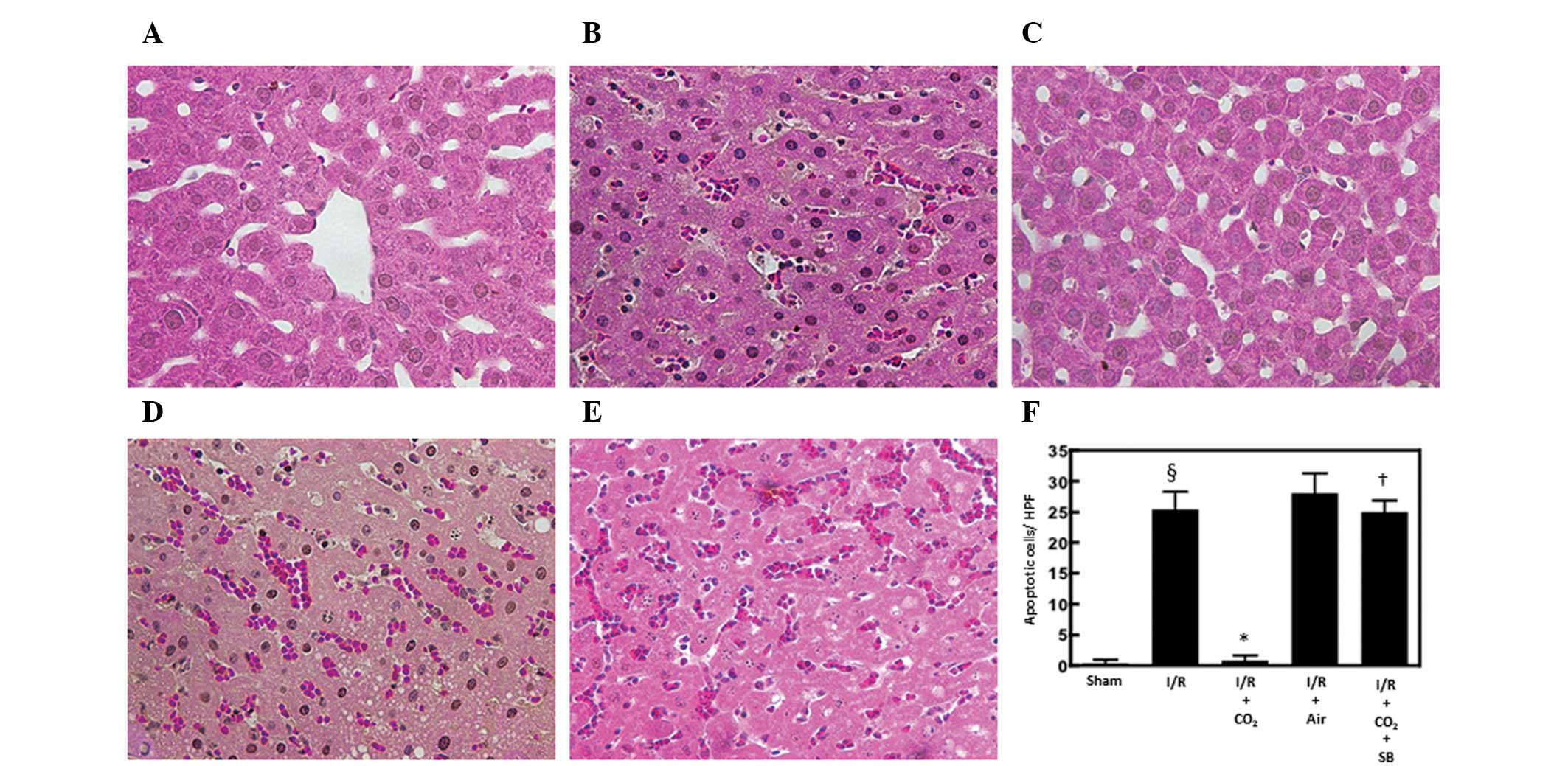
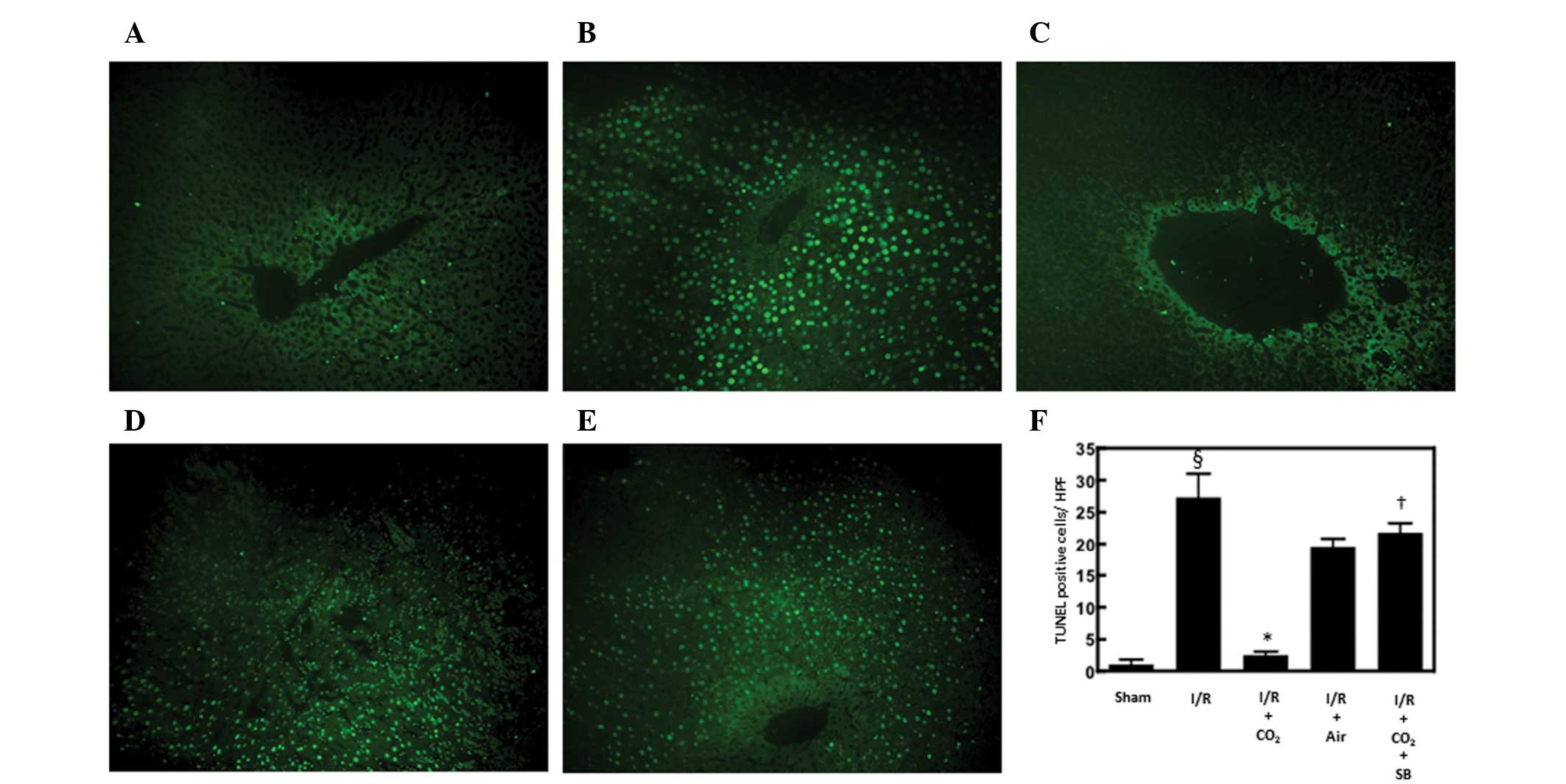
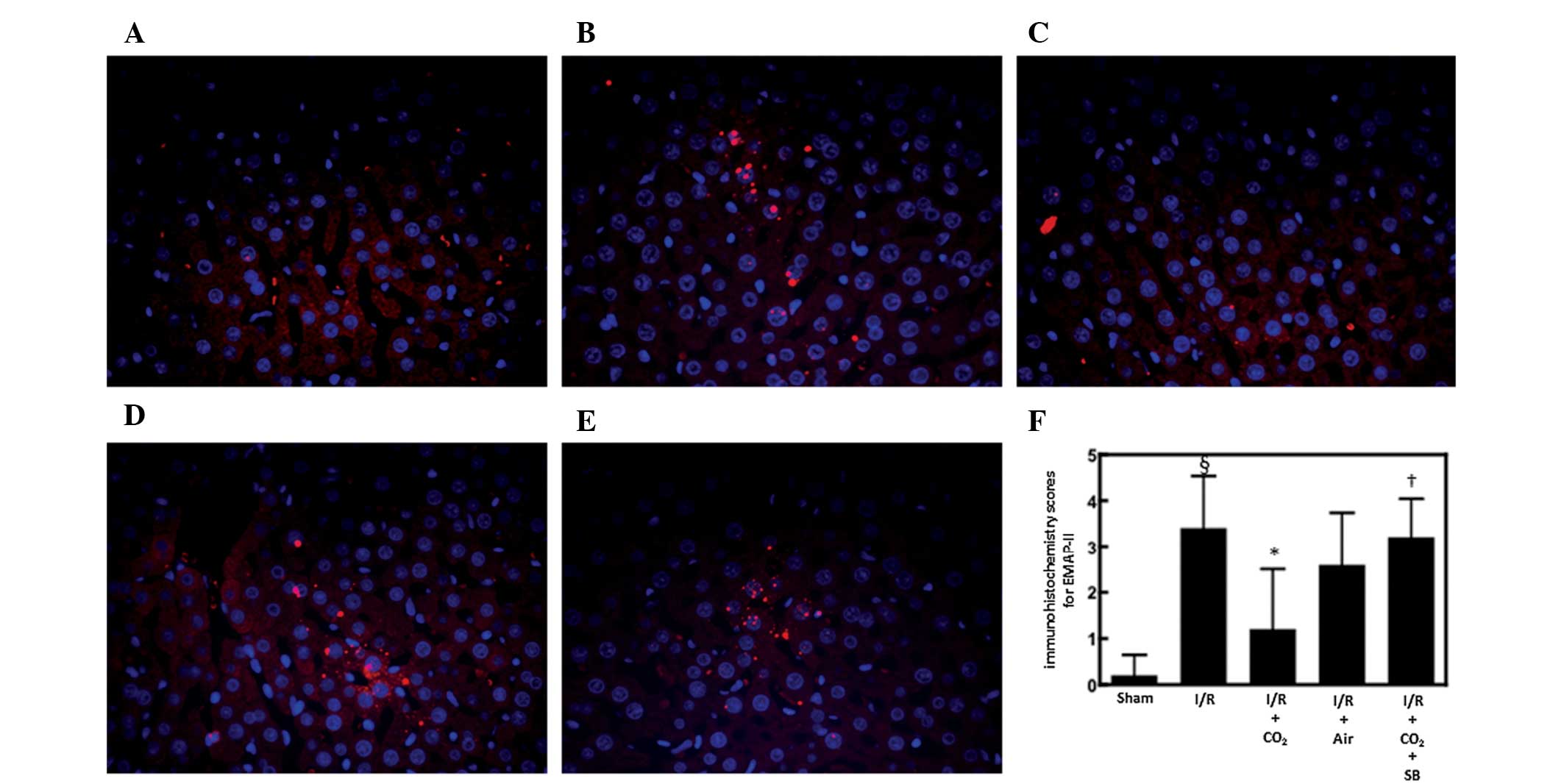
Laparoscopic surgery induces a milder inflammatory response than open surgery, however, the precise mechanisms underlying this phenomenon remain to be elucidated. Our previous study demonstrated that stimulation of sensory neurons inhibited hepatic apoptosis and inflammatory responses in rats subjected to hepatic ischemia/reperfusion (I/R). Since carbon dioxide (CO2) has been demonstrated to stimulate sensory neurons, it was hypothesized that CO2‑pneumoperitoneum, as used in laparoscopic surgery, may attenuate inflammatory responses by stimulating sensory neurons. This hypothesis was examined using rats subjected to hepatic I/R. The rats were subjected to partial hepatic ischemia for 60 min followed by reperfusion. Abdominal insufflation with CO2 or air was performed for 30 min prior to hepatic I/R. Hepatic I/R‑induced hepatocellular apoptosis and expression of the neutrophil chemoattractant endothelial monocyte‑activated polypeptide‑II, were inhibited by CO2‑pneumoperitoneum, however, not by air‑pneumoperitoneum. Pretreatment with the transient receptor potential vanilloid 1 antagonist SB366791 reversed the protective effects of CO2‑pneumoperitoneum. The results from the present study demonstrated that CO2‑pneumoperitoneum attenuates hepatic apoptosis and inflammatory responses in rats subjected to hepatic I/R, possibly by stimulating sensory neurons. These findings suggested that CO2‑pneumoperitoneum contributed to the attenuated inflammatory response observed following laparoscopic surgery.
View Figures

Figure 1

Figure 2

Figure 3

View References

1 

Mealy K, Gallagher H, Barry M, Lennon F, Traynor O and Hyland J: Physiological and metabolic responses to open and laparoscopic cholecystectomy. Br J Surg. 79:1061–1064. 1992. View Article : Google Scholar : PubMed/NCBI

2 

Zmora O, Hashavia E, Munz Y, Khaikin M, Shabtai M, Ayalon A, Dinur L and Rosin D: Laparoscopic colectomy is associated with decreased postoperative gastrointestinal dysfunction. Surg Endosc. 23:87–89. 2009. View Article : Google Scholar : PubMed/NCBI

3 

Redmond HP, Watson RW, Houghton T, Condron C, Watson RG and Bouchier-Hayes D: Immune function in patients undergoing open vs laparoscopic cholecystectomy. Arch Surg. 129:1240–1246. 1994. View Article : Google Scholar : PubMed/NCBI

4 

Vittimberga FJ Jr, Foley DP, Meyers WC and Callery MP: Laparoscopic surgery and the systemic immune response. Ann Surg. 227:326–334. 1998. View Article : Google Scholar : PubMed/NCBI

5 

Mann C, Boccara G, Grevy V, Navarro F, Fabre JM and Colson P: Argon pneumoperitoneum is more dangerous than CO2 pneumoperitoneum during venous gas embolism. Anesth Analg. 85:1367–1371. 1997.PubMed/NCBI

6 

Araújo Filho I, Honorato Sobrinho AA, Rego AC, Garcia AC, Fernandes DP, Cruz TM, Costa TC and Medeiros AC: Influence of laparoscopy and laparotomy on gasometry, leukocytes and cytokines in a rat abdominal sepsis model. Acta Cir Bras. 21:74–79. 2006.PubMed/NCBI

7 

Hanly EJ, Fuentes JM, Aurora AR, Bachman SL, De Maio A, Marohn MR and Talamini MA: Carbon dioxide pneumoperitoneum prevents mortality from sepsis. Surg Endosc. 20:1482–1487. 2006. View Article : Google Scholar : PubMed/NCBI

8 

Pitombo MB, Lupi OH, Gomes RN, Amâncio R, Refinetti RA, Bozza PT and Castro-Faria-Neto HC: Inflammatory response and bacterial dissemination after laparotomy and abdominal CO2 insufflation in a murine model of peritonitis. Surg Endosc. 20:1440–1447. 2006. View Article : Google Scholar : PubMed/NCBI

9 

Okajima K and Harada N: Regulation of inflammatory responses by sensory neurons: molecular mechanism(s) and possible therapeutic applications. Curr Med Chem. 13:2241–2251. 2006. View Article : Google Scholar : PubMed/NCBI

10 

Maggi CA and Meli A: The sensory-efferent function of capsaicin-sensitive sensory neurons. Gen Pharmacol. 19:1–43. 1988. View Article : Google Scholar : PubMed/NCBI

11 

Caterina MJ, Schumacher MA, Tominaga M, Rosen TA, Levine JD and Julius D: The capsaicin receptor: a heat-activated ion channel in the pain pathway. Nature. 389:816–824. 1997. View Article : Google Scholar

12 

Kawai M, Harada N, Takeyama H and Okajima K: Neutrophil elastase contributes to the development of ischemia/reperfusion-induced liver injury by decreasing the production of insulin-like growth factor-I in rats. Transl Res. 155:294–304. 2010. View Article : Google Scholar

13 

Daemen MA, van ‘t Veer C, Denecker G, Heemskerk VH, Wolfs TG, Clauss M, Vandenabeele P and Buurman WA: Inhibition of apoptosis induced by ischemia-reperfusion prevents inflammation. J Clin Invest. 104:541–549. 1999. View Article : Google Scholar : PubMed/NCBI

14 

Jaeschke H: Molecular mechanisms of hepatic ischemia-reperfusion injury and preconditioning. Am J Physiol Gastrointest Liver Physiol. 284:G15–G26. 2003.PubMed/NCBI

15 

Massip-Salcedo M, Roselló-Catafau J, Prieto J, Avila MA and Peralta C: The response of the hepatocyte to ischemia. Liver Int. 27:6–16. 2007. View Article : Google Scholar : PubMed/NCBI

16 

Holzer P: The pharmacological challenge to tame the transient receptor potential vanilloid-1 (TRPV1) nocisensor. Br J Pharmacol. 155:1145–1162. 2008. View Article : Google Scholar : PubMed/NCBI

17 

West MA, Hackam DJ, Baker J, Rodriguez JL, Bellingham J and Rotstein OD: Mechanism of decreased in vitro murine macrophage cytokine release after exposure to carbon dioxide: relevance to laparoscopic surgery. Ann Surg. 226:179–190. 1997. View Article : Google Scholar

18 

Akiba Y, Ghayouri S, Takeuchi T, Mizumori M, Guth PH, Engel E, Swenson ER and Kaunitz JD: Carbonic anhydrases and mucosal vanilloid receptors help mediate the hyperemic response to luminal CO2 in rat duodenum. Gastroenterology. 131:142–152. 2006. View Article : Google Scholar : PubMed/NCBI

19 

Prabhakar E and Lawson SN: The electrophysiological properties of rat primary afferent neurones with carbonic anhydrase activity. J Physiol. 482:609–622. 1995. View Article : Google Scholar : PubMed/NCBI

20 

Varga A, Németh J, Szabó A, McDougall JJ, Zhang C, Elekes K, Pintér E, Szolcsányi J and Helyes Z: Effects of the novel TRPV1 receptor antagonist SB366791 in vitro and in vivo in the rat. Neurosci Lett. 385:137–142. 2005. View Article : Google Scholar : PubMed/NCBI

21 

Hayashi H, Chaudry IH, Clemens MG and Baue AE: Hepatic ischemia models for determining the effects of ATP-MgCl2 treatment. J Surg Res. 40:167–175. 1986. View Article : Google Scholar : PubMed/NCBI

22 

Jaeschke H, Farhood A, Bautista AP, Spolarics Z, Spitzer JJ and Smith CW: Functional inactivation of neutrophils with a Mac-1 (CD11b/CD18) monoclonal antibody protects against ischemia-reperfusion injury in rat liver. Hepatology. 17:915–923. 1993. View Article : Google Scholar : PubMed/NCBI

23 

Nakayama T, Harada N, Asano M, Nomura N, Saito T, Mishima A and Okajima K: Atrial natriuretic peptide reduces ischemia/reperfusion-induced spinal cord injury in rats by enhancing sensory neuron activation. J Pharmacol Exp Ther. 322:582–590. 2007. View Article : Google Scholar

24 

Soeda J, Miyagawa S, Sano K, Masumoto J, Taniguchi S and Kawasaki S: Cytochrome c release into cytosol with subsequent caspase activation during warm ischemia in rat liver. Am J Physiol Gastrointest Liver Physiol. 281:G1115–G1123. 2001.PubMed/NCBI

25 

Martin EJ and Forkert PG: Evidence that 1,1-dichloroethylene induces apoptotic cell death in murine liver. J Pharmacol Exp Ther. 310:33–42. 2004. View Article : Google Scholar

26 

Kelly KJ, Sandoval RM, Dunn KW, Molitoris BA and Dagher PC: A novel method to determine specificity and sensitivity of the TUNEL reaction in the quantitation of apoptosis. Am J Physiol Cell Physiol. 284:C1309–C1318. 2003. View Article : Google Scholar

27 

Gavrieli Y, Sherman Y and Ben-Sasson SA: Identification of programmed cell death in situ via specific labeling of nuclear DNA fragmentation. J Cell Biol. 119:493–501. 1992. View Article : Google Scholar : PubMed/NCBI

28 

Chaerkady R, Harsha HC, Nalli A, Gucek M, Vivekanandan P, Akhtar J, Cole RN, Simmers J, Schulick RD, Singh S, Torbenson M, Pandey A and Thuluvath PJ: A quantitative proteomic approach for identification of potential biomarkers in hepatocellular carcinoma. J Proteome Res. 7:4289–4298. 2008. View Article : Google Scholar : PubMed/NCBI

29 

Barnes DM, Harris WH, Smith P, Millis RR and Rubens RD: Immunohistochemical determination of oestrogen receptor: comparison of different methods of assessment of staining and correlation with clinical outcome of breast cancer patients. Br J Cancer. 74:1445–1451. 1996. View Article : Google Scholar

30 

Kao J, Fan YG, Haehnel I, Brett J, Greenberg S, Clauss M, Kayton M, Houck K, Kisiel W, Seljelid R, et al: A peptide derived from the amino terminus of endothelial-monocyte-activating polypeptide II modulates mononuclear and polymorphonuclear leukocyte functions, defines an apparently novel cellular interaction site, and induces an acute inflammatory response. J Biol Chem. 269:9774–9782. 1994.

31 

Knies UE, Behrensdorf HA, Mitchell CA, Deutsch U, Risau W, Drexler HC and Clauss M: Regulation of endothelial monocyte-activating polypeptide II release by apoptosis. Proc Natl Acad Sci USA. 95:12322–12327. 1998. View Article : Google Scholar : PubMed/NCBI

32 

Vause C, Bowen E, Spierings E and Durham P: Effect of carbon dioxide on calcitonin gene-related peptide secretion from trigeminal neurons. Headache. 47:1385–1397. 2007.PubMed/NCBI

33 

van Horssen R, Eggermont AM and ten Hagen TL: Endothelial monocyte-activating polypeptide-II and its functions in (patho)physiological processes. Cytokine Growth Factor Rev. 17:339–348. 2006.PubMed/NCBI

34 

Jacobi CA, Wenger F, Opitz I and Müller JM: Immunologic changes during minimally invasive surgery. Dig Surg. 19:459–463. 2002. View Article : Google Scholar : PubMed/NCBI

35 

Pawlik M, Ptak A, Pajdo R, Konturek PC, Brzozowski T and Konturek SJ: Sensory nerves and calcitonin gene related peptide in the effect of ischemic preconditioning on acute and chronic gastric lesions induced by ischemia-reperfusion. J Physiol Pharmacol. 52:569–581. 2001.

36 

Pajdo R, Brzozowski T, Konturek PC, Kwiecien S, Konturek SJ, Sliwowski Z, Pawlik M, Ptak A, Drozdowicz D and Hahn EG: Ischemic preconditioning, the most effective gastroprotective intervention: involvement of prostaglandins, nitric oxide, adenosine and sensory nerves. Eur J Pharmacol. 427:263–276. 2001. View Article : Google Scholar

Related Articles

  • Abstract
  • View
  • Download
  • Twitter
Copy and paste a formatted citation
Spandidos Publications style
Kawai M, Zhao J, Ishiguro H and Takeyama H: Carbon dioxide‑pneumoperitoneum in rats reduces ischemia/reperfusion‑induced hepatic apoptosis and inflammatory responses by stimulating sensory neurons. Mol Med Rep 10: 1303-1308, 2014.
APA
Kawai, M., Zhao, J., Ishiguro, H., & Takeyama, H. (2014). Carbon dioxide‑pneumoperitoneum in rats reduces ischemia/reperfusion‑induced hepatic apoptosis and inflammatory responses by stimulating sensory neurons. Molecular Medicine Reports, 10, 1303-1308. https://doi.org/10.3892/mmr.2014.2329
MLA
Kawai, M., Zhao, J., Ishiguro, H., Takeyama, H."Carbon dioxide‑pneumoperitoneum in rats reduces ischemia/reperfusion‑induced hepatic apoptosis and inflammatory responses by stimulating sensory neurons". Molecular Medicine Reports 10.3 (2014): 1303-1308.
Chicago
Kawai, M., Zhao, J., Ishiguro, H., Takeyama, H."Carbon dioxide‑pneumoperitoneum in rats reduces ischemia/reperfusion‑induced hepatic apoptosis and inflammatory responses by stimulating sensory neurons". Molecular Medicine Reports 10, no. 3 (2014): 1303-1308. https://doi.org/10.3892/mmr.2014.2329
Copy and paste a formatted citation
x
Spandidos Publications style
Kawai M, Zhao J, Ishiguro H and Takeyama H: Carbon dioxide‑pneumoperitoneum in rats reduces ischemia/reperfusion‑induced hepatic apoptosis and inflammatory responses by stimulating sensory neurons. Mol Med Rep 10: 1303-1308, 2014.
APA
Kawai, M., Zhao, J., Ishiguro, H., & Takeyama, H. (2014). Carbon dioxide‑pneumoperitoneum in rats reduces ischemia/reperfusion‑induced hepatic apoptosis and inflammatory responses by stimulating sensory neurons. Molecular Medicine Reports, 10, 1303-1308. https://doi.org/10.3892/mmr.2014.2329
MLA
Kawai, M., Zhao, J., Ishiguro, H., Takeyama, H."Carbon dioxide‑pneumoperitoneum in rats reduces ischemia/reperfusion‑induced hepatic apoptosis and inflammatory responses by stimulating sensory neurons". Molecular Medicine Reports 10.3 (2014): 1303-1308.
Chicago
Kawai, M., Zhao, J., Ishiguro, H., Takeyama, H."Carbon dioxide‑pneumoperitoneum in rats reduces ischemia/reperfusion‑induced hepatic apoptosis and inflammatory responses by stimulating sensory neurons". Molecular Medicine Reports 10, no. 3 (2014): 1303-1308. https://doi.org/10.3892/mmr.2014.2329
Follow us
  • Twitter
  • LinkedIn
  • Facebook
About
  • Spandidos Publications
  • Careers
  • Cookie Policy
  • Privacy Policy
How can we help?
  • Help
  • Live Chat
  • Contact
  • Email to our Support Team