Spandidos Publications Logo
  • About
    • About Spandidos
    • Aims and Scopes
    • Abstracting and Indexing
    • Editorial Policies
    • Reprints and Permissions
    • Job Opportunities
    • Terms and Conditions
    • Contact
  • Journals
    • All Journals
    • Oncology Letters
      • Oncology Letters
      • Information for Authors
      • Editorial Policies
      • Editorial Board
      • Aims and Scope
      • Abstracting and Indexing
      • Bibliographic Information
      • Archive
    • International Journal of Oncology
      • International Journal of Oncology
      • Information for Authors
      • Editorial Policies
      • Editorial Board
      • Aims and Scope
      • Abstracting and Indexing
      • Bibliographic Information
      • Archive
    • Molecular and Clinical Oncology
      • Molecular and Clinical Oncology
      • Information for Authors
      • Editorial Policies
      • Editorial Board
      • Aims and Scope
      • Abstracting and Indexing
      • Bibliographic Information
      • Archive
    • Experimental and Therapeutic Medicine
      • Experimental and Therapeutic Medicine
      • Information for Authors
      • Editorial Policies
      • Editorial Board
      • Aims and Scope
      • Abstracting and Indexing
      • Bibliographic Information
      • Archive
    • International Journal of Molecular Medicine
      • International Journal of Molecular Medicine
      • Information for Authors
      • Editorial Policies
      • Editorial Board
      • Aims and Scope
      • Abstracting and Indexing
      • Bibliographic Information
      • Archive
    • Biomedical Reports
      • Biomedical Reports
      • Information for Authors
      • Editorial Policies
      • Editorial Board
      • Aims and Scope
      • Abstracting and Indexing
      • Bibliographic Information
      • Archive
    • Oncology Reports
      • Oncology Reports
      • Information for Authors
      • Editorial Policies
      • Editorial Board
      • Aims and Scope
      • Abstracting and Indexing
      • Bibliographic Information
      • Archive
    • Molecular Medicine Reports
      • Molecular Medicine Reports
      • Information for Authors
      • Editorial Policies
      • Editorial Board
      • Aims and Scope
      • Abstracting and Indexing
      • Bibliographic Information
      • Archive
    • World Academy of Sciences Journal
      • World Academy of Sciences Journal
      • Information for Authors
      • Editorial Policies
      • Editorial Board
      • Aims and Scope
      • Abstracting and Indexing
      • Bibliographic Information
      • Archive
    • International Journal of Functional Nutrition
      • International Journal of Functional Nutrition
      • Information for Authors
      • Editorial Policies
      • Editorial Board
      • Aims and Scope
      • Abstracting and Indexing
      • Bibliographic Information
      • Archive
    • International Journal of Epigenetics
      • International Journal of Epigenetics
      • Information for Authors
      • Editorial Policies
      • Editorial Board
      • Aims and Scope
      • Abstracting and Indexing
      • Bibliographic Information
      • Archive
    • Medicine International
      • Medicine International
      • Information for Authors
      • Editorial Policies
      • Editorial Board
      • Aims and Scope
      • Abstracting and Indexing
      • Bibliographic Information
      • Archive
  • Articles
  • Information
    • Information for Authors
    • Information for Reviewers
    • Information for Librarians
    • Information for Advertisers
    • Conferences
  • Language Editing
Spandidos Publications Logo
  • About
    • About Spandidos
    • Aims and Scopes
    • Abstracting and Indexing
    • Editorial Policies
    • Reprints and Permissions
    • Job Opportunities
    • Terms and Conditions
    • Contact
  • Journals
    • All Journals
    • Biomedical Reports
      • Information for Authors
      • Editorial Policies
      • Editorial Board
      • Aims and Scope
      • Abstracting and Indexing
      • Bibliographic Information
      • Archive
    • Experimental and Therapeutic Medicine
      • Information for Authors
      • Editorial Policies
      • Editorial Board
      • Aims and Scope
      • Abstracting and Indexing
      • Bibliographic Information
      • Archive
    • International Journal of Epigenetics
      • Information for Authors
      • Editorial Policies
      • Editorial Board
      • Aims and Scope
      • Abstracting and Indexing
      • Bibliographic Information
      • Archive
    • International Journal of Functional Nutrition
      • Information for Authors
      • Editorial Policies
      • Editorial Board
      • Aims and Scope
      • Abstracting and Indexing
      • Bibliographic Information
      • Archive
    • International Journal of Molecular Medicine
      • Information for Authors
      • Editorial Policies
      • Editorial Board
      • Aims and Scope
      • Abstracting and Indexing
      • Bibliographic Information
      • Archive
    • International Journal of Oncology
      • Information for Authors
      • Editorial Policies
      • Editorial Board
      • Aims and Scope
      • Abstracting and Indexing
      • Bibliographic Information
      • Archive
    • Medicine International
      • Information for Authors
      • Editorial Policies
      • Editorial Board
      • Aims and Scope
      • Abstracting and Indexing
      • Bibliographic Information
      • Archive
    • Molecular and Clinical Oncology
      • Information for Authors
      • Editorial Policies
      • Editorial Board
      • Aims and Scope
      • Abstracting and Indexing
      • Bibliographic Information
      • Archive
    • Molecular Medicine Reports
      • Information for Authors
      • Editorial Policies
      • Editorial Board
      • Aims and Scope
      • Abstracting and Indexing
      • Bibliographic Information
      • Archive
    • Oncology Letters
      • Information for Authors
      • Editorial Policies
      • Editorial Board
      • Aims and Scope
      • Abstracting and Indexing
      • Bibliographic Information
      • Archive
    • Oncology Reports
      • Information for Authors
      • Editorial Policies
      • Editorial Board
      • Aims and Scope
      • Abstracting and Indexing
      • Bibliographic Information
      • Archive
    • World Academy of Sciences Journal
      • Information for Authors
      • Editorial Policies
      • Editorial Board
      • Aims and Scope
      • Abstracting and Indexing
      • Bibliographic Information
      • Archive
  • Articles
  • Information
    • For Authors
    • For Reviewers
    • For Librarians
    • For Advertisers
    • Conferences
  • Language Editing
Login Register Submit
  • This site uses cookies
  • You can change your cookie settings at any time by following the instructions in our Cookie Policy. To find out more, you may read our Privacy Policy.

    I agree
Search articles by DOI, keyword, author or affiliation
Search
Advanced Search
presentation
Molecular Medicine Reports
Join Editorial Board Propose a Special Issue
Print ISSN: 1791-2997 Online ISSN: 1791-3004
Journal Cover
September-2014 Volume 10 Issue 3

Full Size Image

Sign up for eToc alerts
Recommend to Library

Journals

International Journal of Molecular Medicine

International Journal of Molecular Medicine

International Journal of Molecular Medicine is an international journal devoted to molecular mechanisms of human disease.

International Journal of Oncology

International Journal of Oncology

International Journal of Oncology is an international journal devoted to oncology research and cancer treatment.

Molecular Medicine Reports

Molecular Medicine Reports

Covers molecular medicine topics such as pharmacology, pathology, genetics, neuroscience, infectious diseases, molecular cardiology, and molecular surgery.

Oncology Reports

Oncology Reports

Oncology Reports is an international journal devoted to fundamental and applied research in Oncology.

Experimental and Therapeutic Medicine

Experimental and Therapeutic Medicine

Experimental and Therapeutic Medicine is an international journal devoted to laboratory and clinical medicine.

Oncology Letters

Oncology Letters

Oncology Letters is an international journal devoted to Experimental and Clinical Oncology.

Biomedical Reports

Biomedical Reports

Explores a wide range of biological and medical fields, including pharmacology, genetics, microbiology, neuroscience, and molecular cardiology.

Molecular and Clinical Oncology

Molecular and Clinical Oncology

International journal addressing all aspects of oncology research, from tumorigenesis and oncogenes to chemotherapy and metastasis.

World Academy of Sciences Journal

World Academy of Sciences Journal

Multidisciplinary open-access journal spanning biochemistry, genetics, neuroscience, environmental health, and synthetic biology.

International Journal of Functional Nutrition

International Journal of Functional Nutrition

Open-access journal combining biochemistry, pharmacology, immunology, and genetics to advance health through functional nutrition.

International Journal of Epigenetics

International Journal of Epigenetics

Publishes open-access research on using epigenetics to advance understanding and treatment of human disease.

Medicine International

Medicine International

An International Open Access Journal Devoted to General Medicine.

Journal Cover
September-2014 Volume 10 Issue 3

Full Size Image

Sign up for eToc alerts
Recommend to Library

  • Article
  • Citations
    • Cite This Article
    • Download Citation
    • Create Citation Alert
    • Remove Citation Alert
    • Cited By
  • Similar Articles
    • Related Articles (in Spandidos Publications)
    • Similar Articles (Google Scholar)
    • Similar Articles (PubMed)
  • Download PDF
  • Download XML
  • View XML
Article Open Access

Elevated expression of SLC34A2 inhibits the viability and invasion of A549 cells

  • Authors:
    • Weihan Yang
    • Yu Wang
    • Qiang Pu
    • Sujuan Ye
    • Qingping Ma
    • Jiang Ren
    • Guoxing Zhong
    • Lunxu Liu
    • Wen Zhu
  • View Affiliations / Copyright

    Affiliations: State Key Laboratory of Biotherapy and Cancer Center, West China Hospital, Sichuan University, Chengdu, Sichuan 610041, P.R. China, State Key Laboratory of Biotherapy and Cancer Center, West China Hospital, Sichuan University, Chengdu, Sichuan 610041, P.R. China, Department of Thoracic Surgery, West China Hospital, Sichuan University, Chengdu, Sichuan 610041, P.R. China
    Copyright: © Yang et al. This is an open access article distributed under the terms of Creative Commons Attribution License [CC BY_NC 3.0].
  • Pages: 1205-1214
    |
    Published online on: July 14, 2014
       https://doi.org/10.3892/mmr.2014.2376
  • Expand metrics +
Metrics: Total Views: 0 (Spandidos Publications: | PMC Statistics: )
Metrics: Total PDF Downloads: 0 (Spandidos Publications: | PMC Statistics: )
Cited By (CrossRef): 0 citations Loading Articles...

This article is mentioned in:


Abstract

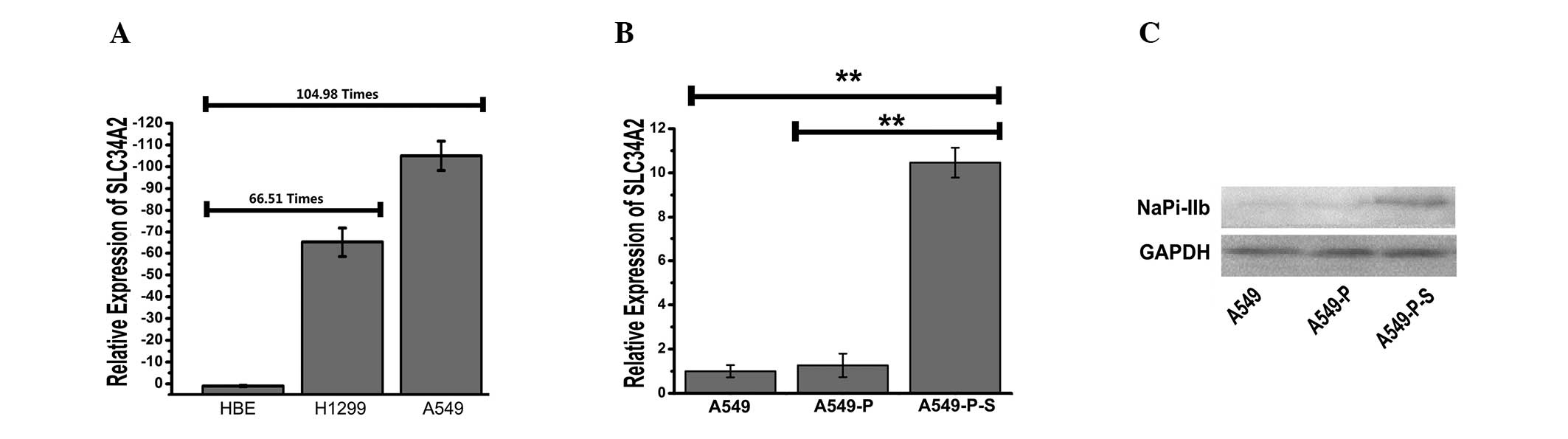
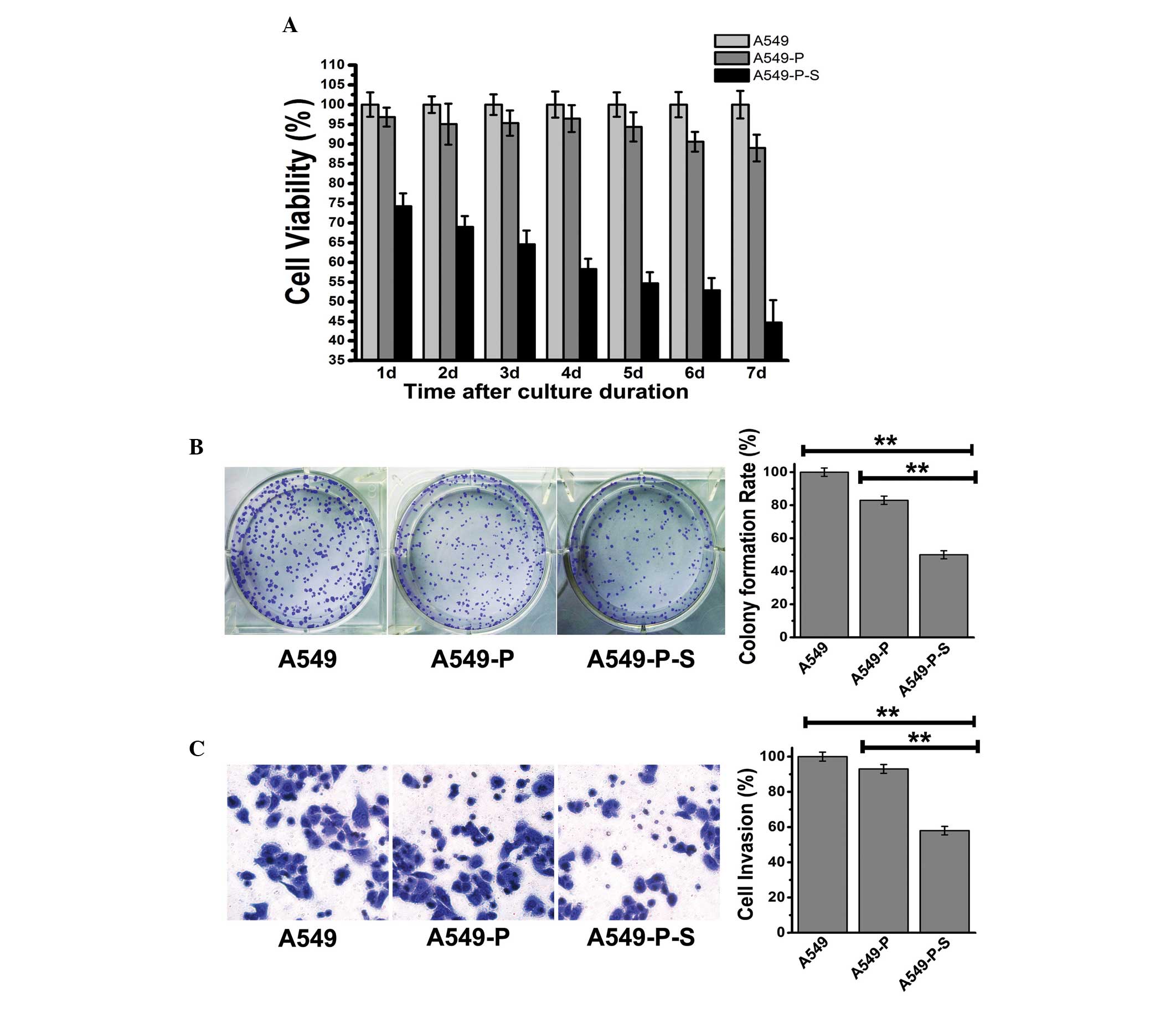
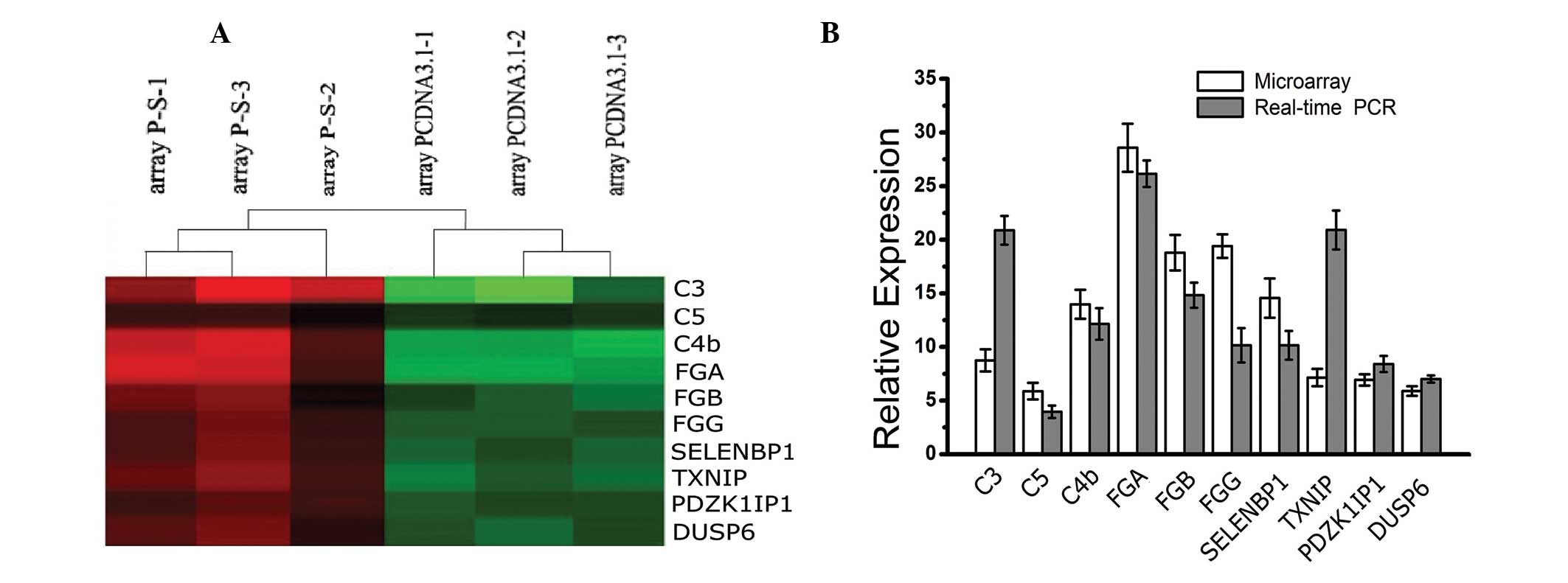
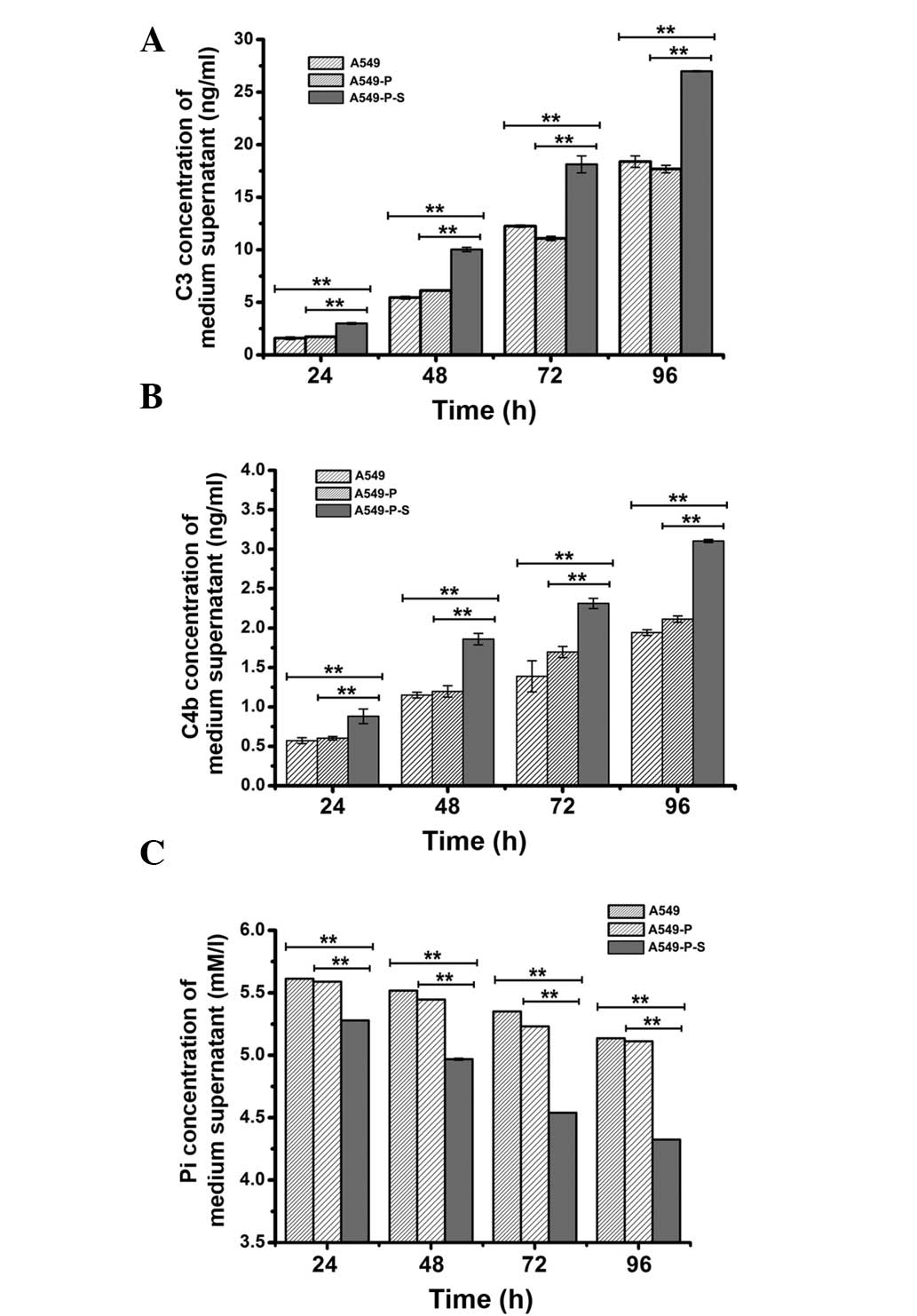
Abnormal expression of solute carrier family 34 (sodium phosphate), member 2 (SLC34A2) in the lung may induce abnormal alveolar type II (AT II) cells to transform into lung adenocarcinoma cells, and may also be important in biological process of lung adenocarcinoma. However, at present, the effects and molecular mechanisms of SLC34A2 in the initiation and progression of lung cancer remain to be elucidated. To the best of our knowledge, the present study revealed for the first time that the expression levels of SLC34A2 were downregulated in the A549 and H1299 lung adenocarcinoma cell lines. Further investigation demonstrated that the elevated expression of SLC34A2 in A549 cells was able to significantly inhibit cell viability and invasion in vitro. In addition, 10 upregulated genes between the A549‑P‑S cell line stably expressing SLC34A2 and the control cell line A549‑P were identified by microarray analysis and quantitative polymerase chain reaction, including seven tumor suppressor genes and three complement genes. Furthermore, the upregulation of complement gene C3 and complement 4B preproprotein (C4b) in A549‑P‑S cells was confirmed by ELISA analysis and was identified to be correlated with recovering Pi absorption in A549 cells by the phosphomolybdic acid method by enhancing the expression of SLC34A2. Therefore, it was hypothesized that the mechanisms underlying the effect of SLC34A2 on A549 cells might be associated with the activation of the complement alternative pathway (C3 and C4b) and upregulation of the expression of selenium binding protein 1, thioredoxin‑interacting protein, PDZK1‑interacting protein 1 and dual specificity protein phosphatase 6. Downregulation of SLC34A2 may primarily cause abnormal AT II cells to escape from complement‑associated immunosurveillance and abnormally express certain tumor‑suppressor genes inducing AT II cells to develop into lung adenocarcinoma. The present study further elucidated the effects and mechanisms of SLC34A2 in the generation and development of lung cancer.
View Figures

Figure 1

Figure 2

Figure 3

Figure 4

View References

1 

Jemal A, Siegel R, Ward E, Hao Y, Xu J and Thun MJ: Cancer statistics, 2009. CA Cancer J Clin. 59:225–249. 2009. View Article : Google Scholar

2 

Murer H, Forster I and Biber J: The sodium phosphate cotransporter family SLC34. Pfugers Arch. 447:763–767. 2004. View Article : Google Scholar : PubMed/NCBI

3 

Zheng X, Kammerer CM, Cox LA, Morrison A, Turner ST and Ferrell RE: Association of SLC34A2 variation and sodium-lithium countertransport activity in humans and baboons. Am J Hypertens. 22:288–293. 2009. View Article : Google Scholar : PubMed/NCBI

4 

Lituiev DS and Kiyamova RG: Mutations in the gene of human type IIb sodium-phosphate cotransporter SLC34A2. Biopolym Cell. 26:13–22. 2010. View Article : Google Scholar

5 

Tenenhouse HS: Phosphate transport: Molecular basis, regulation and pathophysiology. J Steroid Biochem Mol Biol. 103:572–577. 2007. View Article : Google Scholar : PubMed/NCBI

6 

Xu H, Bai L, Collins JF and Ghishan FK: Molecular cloning, functional characterization, tissue distribution, and chromosomal localization of a human, small intestinal sodium-phosphate (Na+-Pi) transporter (SLC34A2). Genomics. 62:281–284. 1999. View Article : Google Scholar

7 

Corut A, Senyigit A, Ugur S, Altin S, Ozcelik U, Calisir H, Yildirim Z, Gocmen A and Tolun A: Mutations in SLC34A2 cause pulmonary alveolar microlithiasis and are possibly associated with testicular microlithiasis. Am J Hum Genet. 79:650–656. 2006. View Article : Google Scholar

8 

Vachon L, Fareau GE, Wilson MG and Chan LS: Testicular microlithiasis in patients with Down syndrome. J Pediatr. 149:233–236. 2006. View Article : Google Scholar : PubMed/NCBI

9 

Hernando N, Sheikh S, Karim-Jimenez Z, Galliker H, Forgo J and Biber J: Asymmetrical targeting of type II Na-P(i) cotransporters in renal and intestinal epithelial cell lines. Am J Physiol Renal Physiol. 278:F361–F368. 2000.PubMed/NCBI

10 

Cerri MF, Rezende LC, Paes FM, Silva IV and Rangel LBA: The cotransporter NaPi-IIb: characteristics, regulation and its role in carcinogenesis. Applied Cancer Res. 30:197–203. 2010.

11 

Shibasaki Y, Etoh N and Hayasaka M: Targeted deletion of the tybe IIb Na+dependent Pi-co-transporter, NaPi-IIb, results in early embryonic lethality. Biochem Biophys Res Commun. 381:482–486. 2009.PubMed/NCBI

12 

Kopantzev EP, Monastyrskaya GS, Vinogradova TV, et al: Differences in gene expression levels between early and later stages of human lung development are opposite to those between normal lung tissue and non-small lung cell carcinoma. Lung Cancer. 62:23–34. 2008. View Article : Google Scholar

13 

el-Deiry WS, Nelkin BD, Celano P, Yen RW, Falco JP, Hamilton SR and Baylin SB: High expression of the DNA methyltransferase gene characterizes human neoplastic cells and progression stages of colon cancer. Proc Natl Acad Sci USA. 88:3470–3474. 1991. View Article : Google Scholar : PubMed/NCBI

14 

Lengauer C, Kinzler KW and Vogelstein B: DNA methylation and genetic instability in colorectal cancer cells. Proc Natl Acad Sci USA. 94:2545–2550. 1997. View Article : Google Scholar : PubMed/NCBI

15 

Liu H, Kho AT, Kohane IS and Sun Y: Predicting survival within the lung cancer histopathological hierarchy using a multi-scale genomic model of development. PLoS Med. 3:e2322006. View Article : Google Scholar

16 

Ramirez MI, Pollack L, Millien G, Cao YX, Hinds A and Williams MC: The alpha-isoform of caveolin-1 is a marker of vasculogenesis in early lung development. J Histochem Cytochem. 50:33–42. 2002. View Article : Google Scholar : PubMed/NCBI

17 

Hnasko R and Ben-Jonathan N: Developmental regulation of PV-1 in rat lung: association with the nuclear envelope and limited colocalization with Cav-1. Am J Physiol Lung Cell Mol Physiol. 288:L275–L284. 2005. View Article : Google Scholar

18 

Wiliams TM and Lisanti MP: Caveolin-1 in oncogenic transformation, cancer, and metastasis. Am J Physiol Cell Physiol. 288:C494–C506. 2005. View Article : Google Scholar : PubMed/NCBI

19 

Sunaga N, Miyajima K, Suzuki M, Sato M, White MA, Ramirez RD, Shay JW, Gazdar AF and Minna JD: Different roles for caveolin-1 in the development of non-small cell lung cancer versus small cell lung cancer. Cancer Res. 64:4277–4285. 2004. View Article : Google Scholar : PubMed/NCBI

20 

Bélanger MM, Gaudreau M, Roussel E and Couet J: Role of caveolin-1 in etoposide resistance development in A549 lung cancer cells. Cancer Biol Ther. 3:954–959. 2004.PubMed/NCBI

21 

Traebert M: Expression of type II Na-P(i) cotransporterin alveolar type II cells. Am J Physiol. 277:L868–L873. 1999.PubMed/NCBI

22 

Griffiths MJ, Bonnet D and Janes SM: Stem cells of the alveolar epithelium. Lancet. 366:249–260. 2005.

23 

Kinnard WV, Tuder R, Papst P and Fisher JH: Regulation of alveolar type II cell differentiation and proliferation in adult rat lung explants. Am J Respir Cell Mol Biol. 11:416–425. 1994. View Article : Google Scholar : PubMed/NCBI

24 

Ten Have-Opbroek AA, Benfield JR, Hammond WG and Dijkman JH: Alveolar stem cells in canine bronchial carcinogenesis. Cancer Lett. 101:211–217. 1996.PubMed/NCBI

25 

Ten Have-Opbroek AA, Benfield JR, van Krieken JH and Dijkman JH: The alveolar type II cell is a pluripotential stem cell in the genesis of human adenocarcinomas and squamous cell carcinomas. Histol Histopathol. 12:319–336. 1997.PubMed/NCBI

26 

Kitinya JN, Sueishi K, Tanaka K and Katsuda Y: Immunoreactivity of surfactant-apoprotein adenocarcinomas, large cell and small cell carcinomas of the lung. Acta Pathol Jpn. 36:1271–1278. 1986.PubMed/NCBI

27 

Gazdar FA, Linnoila R, Kurita Y, et al: Peripheral airway cell differentiation in human lung cancer. Cancer Res. 50:5481–5487. 1990.PubMed/NCBI

28 

Holm BA, Matalon S, Finkelstein JN and Notter RH: Type II pneumocyte changes during hyperoxic lung injury and recovery. J Appl Physiol. 1985.65:2672–2678. 1988.PubMed/NCBI

29 

Kim CF, Jackson EL, Woolfenden AE, et al: Identification of bronchioalveolar stem cells in normal lung and lung cancer. Cell. 121:823–835. 2005. View Article : Google Scholar : PubMed/NCBI

30 

Xu CX, Jin H, Chung YS, et al: Low dietary inorganic phosphate affects the lung growth of developing mice. J Vet Sci. 10:105–113. 2009. View Article : Google Scholar : PubMed/NCBI

31 

Tsao MS, Zhu H and Viallet J: Autocrine growth loop of the epidermal growth factor receptor in normal and immortalized human bronchial epithelial cells. Exp Cell Res. 223:268–273. 1996. View Article : Google Scholar : PubMed/NCBI

32 

Lieber M, Smith B, Szakal A, Nelson-Rees W and Todaro G: A continuous tumor-cell line from a human lung carcinoma with properties of type II alveolar epithelial cells. Int J Cancer. 17:62–70. 1976. View Article : Google Scholar : PubMed/NCBI

33 

Xu Q, Lu A, Xiao G, et al: Transcriptional profiling of midgut immunity response and degeneration in the wandering silkworm, Bombyx mori. Plos one. 7:e437692012. View Article : Google Scholar : PubMed/NCBI

34 

Hill LD, Sun L, Leuschen MP and Zach TL: C3 synthesis by A549 alveolar epithelial cells is increased by interferon-γ and dexamethasone. Immunology. 79:236–240. 1993.PubMed/NCBI

35 

Neal C, Neal M and Wickham H: Phosphate measurement in natural waters: two examples of analytical problems associated with silica interference using phosphomolybdic acid methodologies. Sci Total Environ. 252:511–512. 2000. View Article : Google Scholar

36 

Gałeza M, Zebracka J, Szpak-Ulczok S, et al: Expression of selected genes involved in transport of ions in papillary thyroid carcinoma. Endokrynol Pol. 57:26–31. 2006.(In Polish).

37 

Blanchard A, Shiu R, Booth S, et al: Gene expression profiling of early involuting mammary gland reveals novel genes potentially relevant to human breast cancer. Front Biosci. 12:2221–2232. 2007. View Article : Google Scholar

38 

Yin BW, Kiyamova R, Chua R, Caballero OL, et al: Monoclonal antibody MX35 detects the membrane transporter NaPi2b (SLC34A2) in human carcinomas. Cancer Immun. 8:32008.PubMed/NCBI

39 

Cuzin M: DNA chips: a new tool for genetic analysis and diagnostics. Transfus Clin Biol. 8:291–296. 2001. View Article : Google Scholar : PubMed/NCBI

40 

Strunk RC, Eidlen DM and Mason RJ: Pulmonary alveolar type II epithelial cells synthesize and secrete proteins of the classical and alternative complement pathways. J Clin Invest. 81:1419–1426. 1988. View Article : Google Scholar : PubMed/NCBI

41 

Niculescu F, Rus HG, Retegan M and Vlaicu R: Persistent complement activation on tumor cells in breast cancer. Am J Pathol. 140:1039–1043. 1992.PubMed/NCBI

42 

Magyarlaki T, Mosolits S, Baranyay F and Buzogany I: Immunohistochemistry of complement response on human renal cell carcinoma biopsies. Tumori. 82:473–479. 1996.PubMed/NCBI

43 

Clynes RA, Towers TL, Presta LG and Ravetch JV: Inhibitory Fc receptors modulate in vivo cytoxicity against tumor targets. Nat Med. 6:443–446. 2000. View Article : Google Scholar : PubMed/NCBI

44 

Kierszenbaum F and Budzko DB: Cytotoxic effects of normal sera on lymphoid cells. I. Antibody-independent killing of heterologous thymocytes by guinea pig, rabbit, and human sera: Role of the alternative pathway of complement activation. Cell Immunol. 29:137–146. 1977.

45 

Rothman BL, Despins AW and Kreutzer DL: Cytokine regulation of C3 and C5 production by the human type II pneumocyte cell line, A549. J Immunol. 145:592–598. 1990.PubMed/NCBI

46 

Rothman BL, Merrow M, Despins A, Kennedy T and Kreutzer DL: Effect of lipopolysaccharide on C3 and C5 production by human lung cells. J Immunol. 143:196–202. 1989.PubMed/NCBI

47 

Duerst RE, Ryan DH and Frantz CN: Variables affecting the killing of cultured human neuroblastoma cells with monoclonal antibody and complement. Cancer Res. 46:3420–3425. 1986.PubMed/NCBI

48 

Jima DD, Shaha RN and Orcutta TM: Enhanced transcription of complement and coagulation genes in the absence of adaptive immunity. Mol Immunol. 46:1505–1516. 2009. View Article : Google Scholar : PubMed/NCBI

49 

Hickman-Davis JM, Fang FC and Nathan C: Lung surfactant and reactive oxygen-nitrogen species: antimicrobial activity and host-pathogen interactions. Am J Physiol Lung Cell Mol Physiol. 281:L517–L523. 2001.PubMed/NCBI

50 

Malmsten M, Lassen B, James MV and Nilsson UR: Adsorption of complement proteins C3 and C1q. J Colloid Interface Sci. 178:123–134. 1996. View Article : Google Scholar

51 

Mold C: Effect of membrane phospholipids on activation of the alternative complement pathway. J Immunol. 143:1663–1668. 1989.PubMed/NCBI

52 

Takeda E, Yamamoto H, Nashiki K, Sato T, Arai H and Taketani Y: Inorganic phosphate homeostasis and the role of dietary phosphorus. J Cell Mol Med. 8:191–200. 2004. View Article : Google Scholar : PubMed/NCBI

53 

Furukawa T, Sunamura M, Motoi F, Matsuno S and Horii A: Potential tumor suppressive pathway involving DUSP6/MKP-3 in pancreatic cancer. Am J Pathol. 162:1807–1815. 2003. View Article : Google Scholar : PubMed/NCBI

54 

Zhang Z, Kobayashi S, Borczuk AC, Leidner RS, Laframboise T, Levine AD and Halmos B: Dual specificity phosphatase 6 (DUSP6) is an ETS-regulated negative feedback mediator of oncogenic ERK signaling in lung cancer cells. Carcinogenesis. 31:577–586. 2010.

55 

Li T, Yang W and Li M: Expression of selenium binding protein 1 characterizes intestinal cell maturation and predicts survival for patients with colorectal cancer. Mol Nutr Food Res. 52:1289–1299. 2008. View Article : Google Scholar : PubMed/NCBI

56 

Huang KC, Park DC, Ng SK, et al: Selenium binding protein 1 in ovarian cancer. Int J Cancer. 118:2433–2440. 2006. View Article : Google Scholar : PubMed/NCBI

57 

Chen G, Wang H and Miller CT: Reduced selenium-binding protein 1 expression is associated with poor outcome in lung adenocarcinomas. J Pathol. 202:321–329. 2004. View Article : Google Scholar : PubMed/NCBI

58 

Yang M and Sytkowski AJ: Differential expression and androgen regulation of the human selenium-binding protein gene hSP56 in prostate cancer cells. Cancer Res. 58:3150–3153. 1998.PubMed/NCBI

59 

Parikh H, Carlsson E, Chutkow WA and Johansson LE: TXNIP regulates peripheral glucose metabolism in humans. PLoS Med. 4:e1582007. View Article : Google Scholar : PubMed/NCBI

60 

Capuano P, Bacic D and Stange G: Expression and regulation of the renal Na/phosphate cotransporter NaPi-IIa in a mouse model deficient for the PDZ protein PDZK1. Pflugers Arch. 449:392–402. 2005. View Article : Google Scholar : PubMed/NCBI

Related Articles

  • Abstract
  • View
  • Download
  • Twitter
Copy and paste a formatted citation
Spandidos Publications style
Yang W, Wang Y, Pu Q, Ye S, Ma Q, Ren J, Zhong G, Liu L and Zhu W: Elevated expression of SLC34A2 inhibits the viability and invasion of A549 cells. Mol Med Rep 10: 1205-1214, 2014.
APA
Yang, W., Wang, Y., Pu, Q., Ye, S., Ma, Q., Ren, J. ... Zhu, W. (2014). Elevated expression of SLC34A2 inhibits the viability and invasion of A549 cells. Molecular Medicine Reports, 10, 1205-1214. https://doi.org/10.3892/mmr.2014.2376
MLA
Yang, W., Wang, Y., Pu, Q., Ye, S., Ma, Q., Ren, J., Zhong, G., Liu, L., Zhu, W."Elevated expression of SLC34A2 inhibits the viability and invasion of A549 cells". Molecular Medicine Reports 10.3 (2014): 1205-1214.
Chicago
Yang, W., Wang, Y., Pu, Q., Ye, S., Ma, Q., Ren, J., Zhong, G., Liu, L., Zhu, W."Elevated expression of SLC34A2 inhibits the viability and invasion of A549 cells". Molecular Medicine Reports 10, no. 3 (2014): 1205-1214. https://doi.org/10.3892/mmr.2014.2376
Copy and paste a formatted citation
x
Spandidos Publications style
Yang W, Wang Y, Pu Q, Ye S, Ma Q, Ren J, Zhong G, Liu L and Zhu W: Elevated expression of SLC34A2 inhibits the viability and invasion of A549 cells. Mol Med Rep 10: 1205-1214, 2014.
APA
Yang, W., Wang, Y., Pu, Q., Ye, S., Ma, Q., Ren, J. ... Zhu, W. (2014). Elevated expression of SLC34A2 inhibits the viability and invasion of A549 cells. Molecular Medicine Reports, 10, 1205-1214. https://doi.org/10.3892/mmr.2014.2376
MLA
Yang, W., Wang, Y., Pu, Q., Ye, S., Ma, Q., Ren, J., Zhong, G., Liu, L., Zhu, W."Elevated expression of SLC34A2 inhibits the viability and invasion of A549 cells". Molecular Medicine Reports 10.3 (2014): 1205-1214.
Chicago
Yang, W., Wang, Y., Pu, Q., Ye, S., Ma, Q., Ren, J., Zhong, G., Liu, L., Zhu, W."Elevated expression of SLC34A2 inhibits the viability and invasion of A549 cells". Molecular Medicine Reports 10, no. 3 (2014): 1205-1214. https://doi.org/10.3892/mmr.2014.2376
Follow us
  • Twitter
  • LinkedIn
  • Facebook
About
  • Spandidos Publications
  • Careers
  • Cookie Policy
  • Privacy Policy
How can we help?
  • Help
  • Live Chat
  • Contact
  • Email to our Support Team