Spandidos Publications Logo
  • About
    • About Spandidos
    • Aims and Scopes
    • Abstracting and Indexing
    • Editorial Policies
    • Reprints and Permissions
    • Job Opportunities
    • Terms and Conditions
    • Contact
  • Journals
    • All Journals
    • Oncology Letters
      • Oncology Letters
      • Information for Authors
      • Editorial Policies
      • Editorial Board
      • Aims and Scope
      • Abstracting and Indexing
      • Bibliographic Information
      • Archive
    • International Journal of Oncology
      • International Journal of Oncology
      • Information for Authors
      • Editorial Policies
      • Editorial Board
      • Aims and Scope
      • Abstracting and Indexing
      • Bibliographic Information
      • Archive
    • Molecular and Clinical Oncology
      • Molecular and Clinical Oncology
      • Information for Authors
      • Editorial Policies
      • Editorial Board
      • Aims and Scope
      • Abstracting and Indexing
      • Bibliographic Information
      • Archive
    • Experimental and Therapeutic Medicine
      • Experimental and Therapeutic Medicine
      • Information for Authors
      • Editorial Policies
      • Editorial Board
      • Aims and Scope
      • Abstracting and Indexing
      • Bibliographic Information
      • Archive
    • International Journal of Molecular Medicine
      • International Journal of Molecular Medicine
      • Information for Authors
      • Editorial Policies
      • Editorial Board
      • Aims and Scope
      • Abstracting and Indexing
      • Bibliographic Information
      • Archive
    • Biomedical Reports
      • Biomedical Reports
      • Information for Authors
      • Editorial Policies
      • Editorial Board
      • Aims and Scope
      • Abstracting and Indexing
      • Bibliographic Information
      • Archive
    • Oncology Reports
      • Oncology Reports
      • Information for Authors
      • Editorial Policies
      • Editorial Board
      • Aims and Scope
      • Abstracting and Indexing
      • Bibliographic Information
      • Archive
    • Molecular Medicine Reports
      • Molecular Medicine Reports
      • Information for Authors
      • Editorial Policies
      • Editorial Board
      • Aims and Scope
      • Abstracting and Indexing
      • Bibliographic Information
      • Archive
    • World Academy of Sciences Journal
      • World Academy of Sciences Journal
      • Information for Authors
      • Editorial Policies
      • Editorial Board
      • Aims and Scope
      • Abstracting and Indexing
      • Bibliographic Information
      • Archive
    • International Journal of Functional Nutrition
      • International Journal of Functional Nutrition
      • Information for Authors
      • Editorial Policies
      • Editorial Board
      • Aims and Scope
      • Abstracting and Indexing
      • Bibliographic Information
      • Archive
    • International Journal of Epigenetics
      • International Journal of Epigenetics
      • Information for Authors
      • Editorial Policies
      • Editorial Board
      • Aims and Scope
      • Abstracting and Indexing
      • Bibliographic Information
      • Archive
    • Medicine International
      • Medicine International
      • Information for Authors
      • Editorial Policies
      • Editorial Board
      • Aims and Scope
      • Abstracting and Indexing
      • Bibliographic Information
      • Archive
  • Articles
  • Information
    • Information for Authors
    • Information for Reviewers
    • Information for Librarians
    • Information for Advertisers
    • Conferences
  • Language Editing
Spandidos Publications Logo
  • About
    • About Spandidos
    • Aims and Scopes
    • Abstracting and Indexing
    • Editorial Policies
    • Reprints and Permissions
    • Job Opportunities
    • Terms and Conditions
    • Contact
  • Journals
    • All Journals
    • Biomedical Reports
      • Information for Authors
      • Editorial Policies
      • Editorial Board
      • Aims and Scope
      • Abstracting and Indexing
      • Bibliographic Information
      • Archive
    • Experimental and Therapeutic Medicine
      • Information for Authors
      • Editorial Policies
      • Editorial Board
      • Aims and Scope
      • Abstracting and Indexing
      • Bibliographic Information
      • Archive
    • International Journal of Epigenetics
      • Information for Authors
      • Editorial Policies
      • Editorial Board
      • Aims and Scope
      • Abstracting and Indexing
      • Bibliographic Information
      • Archive
    • International Journal of Functional Nutrition
      • Information for Authors
      • Editorial Policies
      • Editorial Board
      • Aims and Scope
      • Abstracting and Indexing
      • Bibliographic Information
      • Archive
    • International Journal of Molecular Medicine
      • Information for Authors
      • Editorial Policies
      • Editorial Board
      • Aims and Scope
      • Abstracting and Indexing
      • Bibliographic Information
      • Archive
    • International Journal of Oncology
      • Information for Authors
      • Editorial Policies
      • Editorial Board
      • Aims and Scope
      • Abstracting and Indexing
      • Bibliographic Information
      • Archive
    • Medicine International
      • Information for Authors
      • Editorial Policies
      • Editorial Board
      • Aims and Scope
      • Abstracting and Indexing
      • Bibliographic Information
      • Archive
    • Molecular and Clinical Oncology
      • Information for Authors
      • Editorial Policies
      • Editorial Board
      • Aims and Scope
      • Abstracting and Indexing
      • Bibliographic Information
      • Archive
    • Molecular Medicine Reports
      • Information for Authors
      • Editorial Policies
      • Editorial Board
      • Aims and Scope
      • Abstracting and Indexing
      • Bibliographic Information
      • Archive
    • Oncology Letters
      • Information for Authors
      • Editorial Policies
      • Editorial Board
      • Aims and Scope
      • Abstracting and Indexing
      • Bibliographic Information
      • Archive
    • Oncology Reports
      • Information for Authors
      • Editorial Policies
      • Editorial Board
      • Aims and Scope
      • Abstracting and Indexing
      • Bibliographic Information
      • Archive
    • World Academy of Sciences Journal
      • Information for Authors
      • Editorial Policies
      • Editorial Board
      • Aims and Scope
      • Abstracting and Indexing
      • Bibliographic Information
      • Archive
  • Articles
  • Information
    • For Authors
    • For Reviewers
    • For Librarians
    • For Advertisers
    • Conferences
  • Language Editing
Login Register Submit
  • This site uses cookies
  • You can change your cookie settings at any time by following the instructions in our Cookie Policy. To find out more, you may read our Privacy Policy.

    I agree
Search articles by DOI, keyword, author or affiliation
Search
Advanced Search
presentation
Molecular Medicine Reports
Join Editorial Board Propose a Special Issue
Print ISSN: 1791-2997 Online ISSN: 1791-3004
Journal Cover
December-2014 Volume 10 Issue 6

Full Size Image

Sign up for eToc alerts
Recommend to Library

Journals

International Journal of Molecular Medicine

International Journal of Molecular Medicine

International Journal of Molecular Medicine is an international journal devoted to molecular mechanisms of human disease.

International Journal of Oncology

International Journal of Oncology

International Journal of Oncology is an international journal devoted to oncology research and cancer treatment.

Molecular Medicine Reports

Molecular Medicine Reports

Covers molecular medicine topics such as pharmacology, pathology, genetics, neuroscience, infectious diseases, molecular cardiology, and molecular surgery.

Oncology Reports

Oncology Reports

Oncology Reports is an international journal devoted to fundamental and applied research in Oncology.

Experimental and Therapeutic Medicine

Experimental and Therapeutic Medicine

Experimental and Therapeutic Medicine is an international journal devoted to laboratory and clinical medicine.

Oncology Letters

Oncology Letters

Oncology Letters is an international journal devoted to Experimental and Clinical Oncology.

Biomedical Reports

Biomedical Reports

Explores a wide range of biological and medical fields, including pharmacology, genetics, microbiology, neuroscience, and molecular cardiology.

Molecular and Clinical Oncology

Molecular and Clinical Oncology

International journal addressing all aspects of oncology research, from tumorigenesis and oncogenes to chemotherapy and metastasis.

World Academy of Sciences Journal

World Academy of Sciences Journal

Multidisciplinary open-access journal spanning biochemistry, genetics, neuroscience, environmental health, and synthetic biology.

International Journal of Functional Nutrition

International Journal of Functional Nutrition

Open-access journal combining biochemistry, pharmacology, immunology, and genetics to advance health through functional nutrition.

International Journal of Epigenetics

International Journal of Epigenetics

Publishes open-access research on using epigenetics to advance understanding and treatment of human disease.

Medicine International

Medicine International

An International Open Access Journal Devoted to General Medicine.

Journal Cover
December-2014 Volume 10 Issue 6

Full Size Image

Sign up for eToc alerts
Recommend to Library

  • Article
  • Citations
    • Cite This Article
    • Download Citation
    • Create Citation Alert
    • Remove Citation Alert
    • Cited By
  • Similar Articles
    • Related Articles (in Spandidos Publications)
    • Similar Articles (Google Scholar)
    • Similar Articles (PubMed)
  • Download PDF
  • Download XML
  • View XML
Article

Silencing of the glypican-3 gene affects the biological behavior of human hepatocellular carcinoma cells

  • Authors:
    • Xin-Hui Qi
    • Di Wu
    • Hui-Xia Cui
    • Nan Ma
    • Jia Su
    • Yu-Tong Wang
    • You-Hong Jiang
  • View Affiliations / Copyright

    Affiliations: Cancer Research Institute, The First Affiliated Hospital of China Medical University, Shenyang, Liaoning 110001, P.R. China
  • Pages: 3177-3184
    |
    Published online on: September 26, 2014
       https://doi.org/10.3892/mmr.2014.2600
  • Expand metrics +
Metrics: Total Views: 0 (Spandidos Publications: | PMC Statistics: )
Metrics: Total PDF Downloads: 0 (Spandidos Publications: | PMC Statistics: )
Cited By (CrossRef): 0 citations Loading Articles...

This article is mentioned in:


Abstract

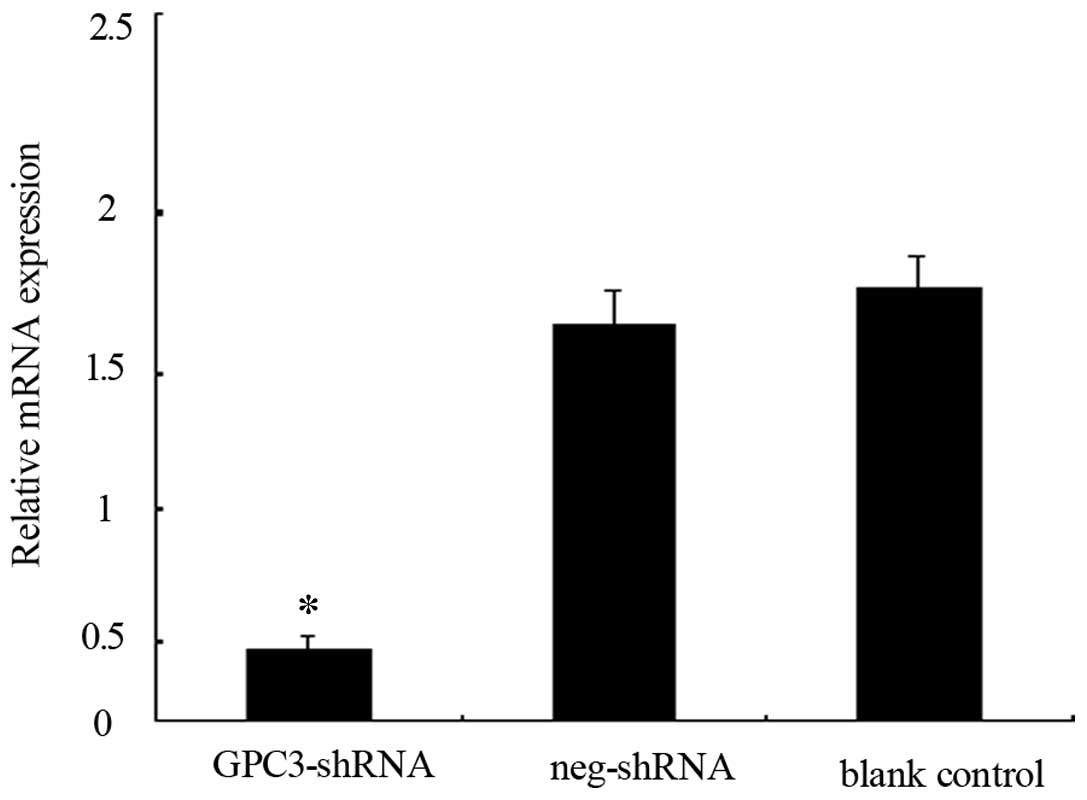
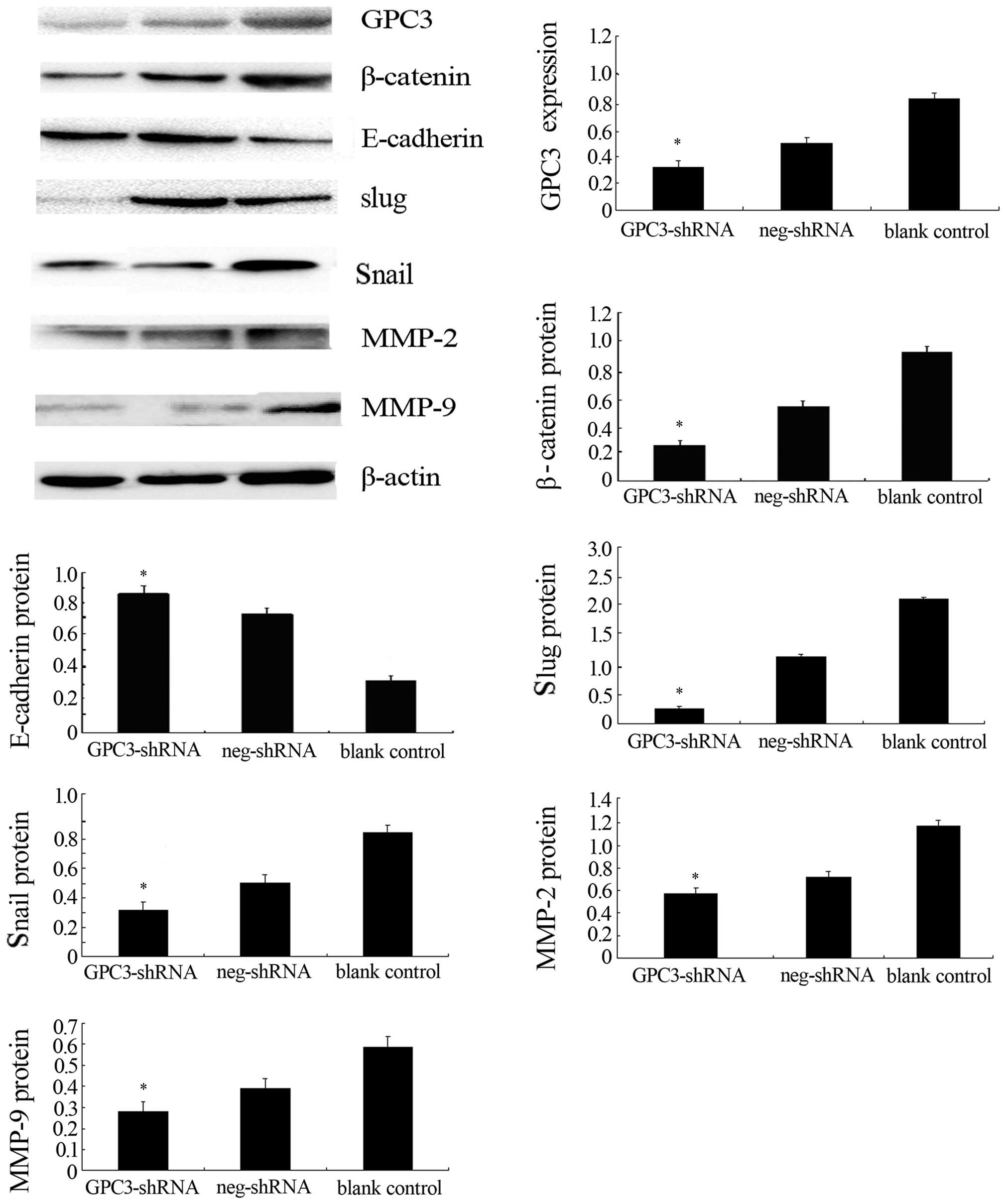
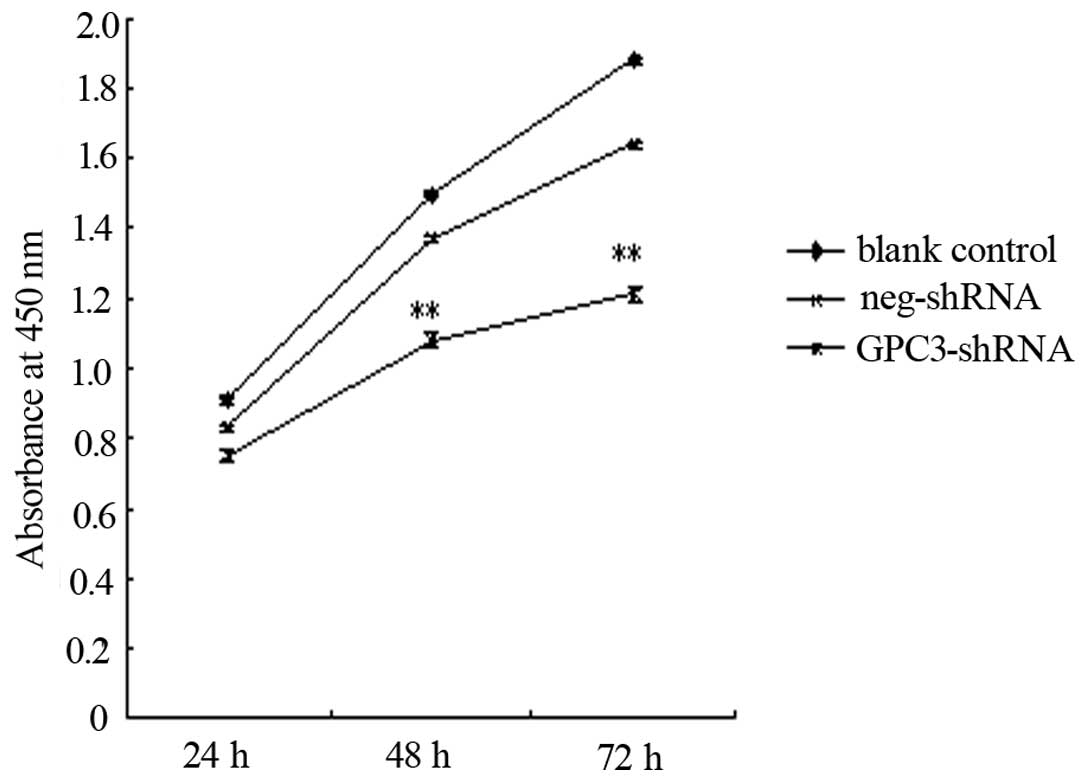
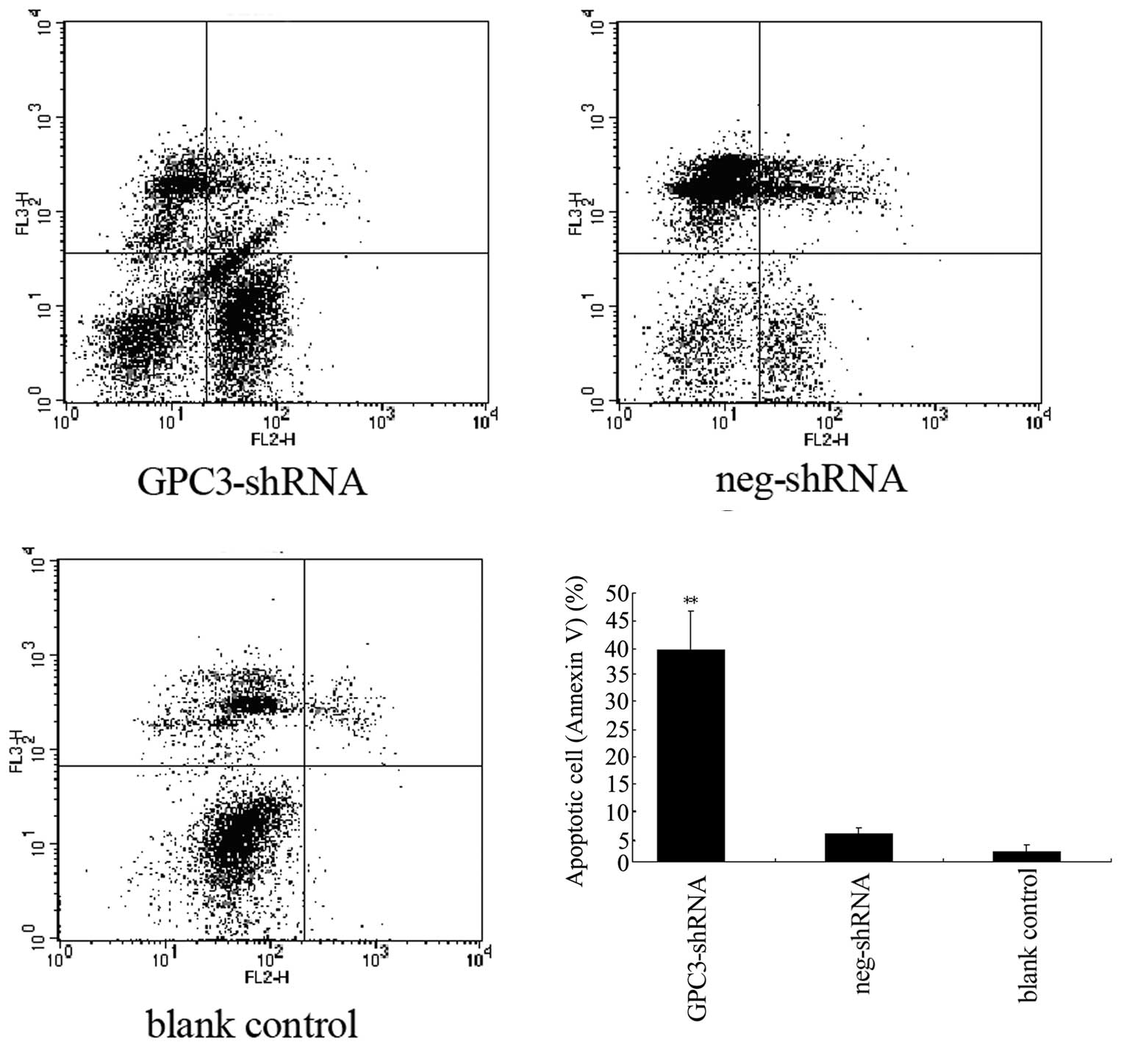
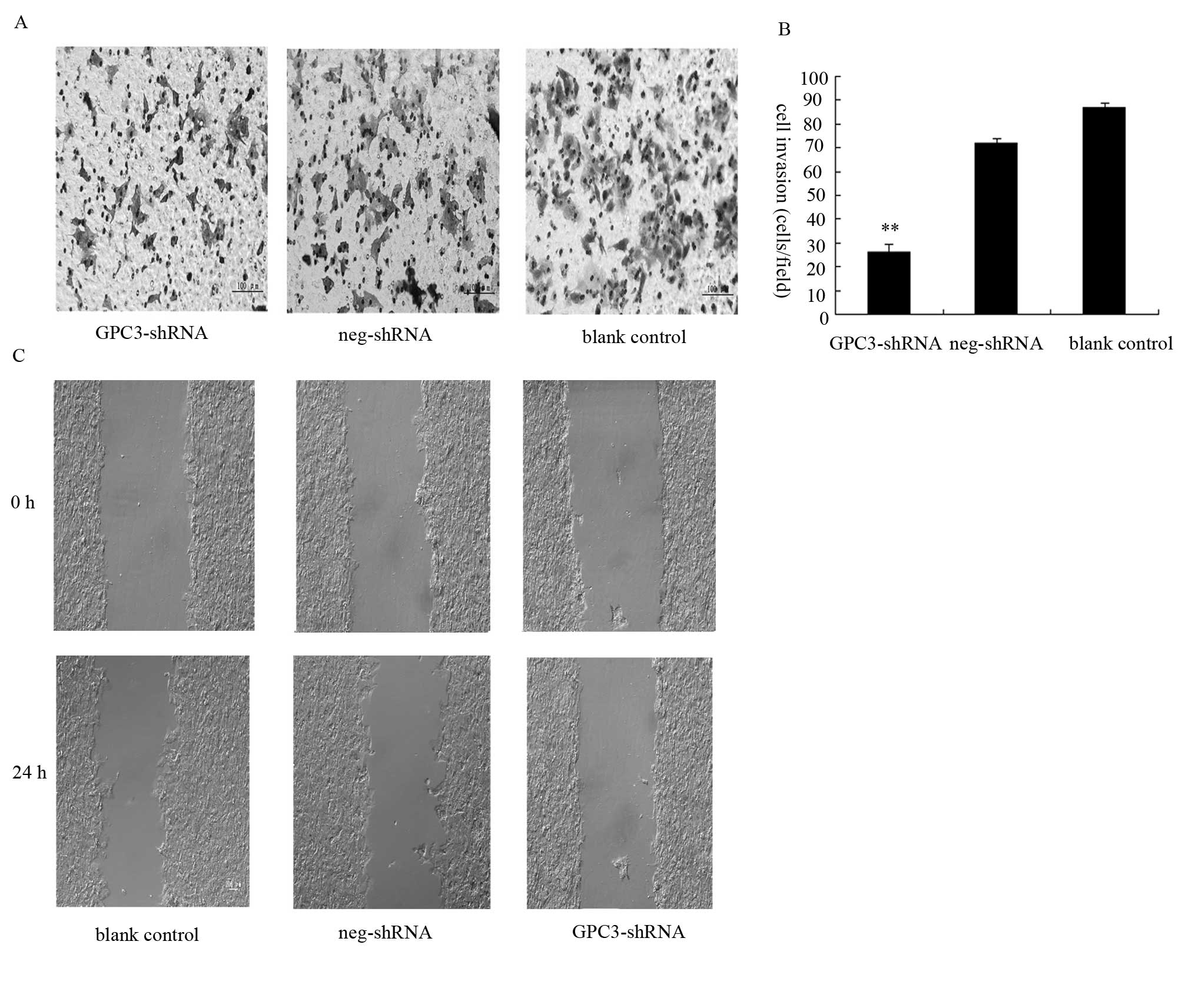
Hepatocellular carcinoma (HCC) is one of the leading causes of cancer death in the world. The gene glypican-3 (GPC3) is reported to be a potential therapeutic target for HCC. In this study, we use RNA interference with lentiviral vectors to explore the effect of GPC3 silencing on the biological behavior of HCC cells and the potential role of the GPC3 protein in the activation of epithelial-mesenchymal transition (EMT), which relates to HCC cell invasion and migration. Our data suggest that GPC3 silencing leads to a decrease in HCC cell proliferation and to an increase in apoptosis. We demonstrated that GPC3 silencing regulates cell invasion and migration, most probably through the activation of the EMT cellular program. In conclusion, GPC3 is associated with the HCC cell biological behavior, while the relationship between GPC3 and EMT in tumorigenesis of HCC deserves future investigation.
View Figures

Figure 1

Figure 2

Figure 3

Figure 4

Figure 5

View References

1 

Mazzanti R, Gramantieri L and Bolondi L: Hepatocellular carcinoma: epidemiology and clinical aspects. Mol Aspects Med. 29:130–143. 2008. View Article : Google Scholar : PubMed/NCBI

2 

Kawano Y, Sasaki A, Kai S, et al: Short- and long-term outcomes after hepatic resection for hepatocellular carcinoma with concomitant esophageal varices in patients with cirrhosis. Ann Surg Oncol. 15:1670–1676. 2008. View Article : Google Scholar

3 

Poon RT, Fan ST and Wong J: Risk factors, prevention and management of postoperative recurrence after resection of hepatocellular carcinoma. Ann Surg. 232:10–24. 2000. View Article : Google Scholar : PubMed/NCBI

4 

Mischak H, Allmaier G, Apweiler R, et al: Recommendations for biomarker identification and qualification in clinical proteomics. Sci Transl Med. 2:42–46. 2010. View Article : Google Scholar : PubMed/NCBI

5 

Mann CD, Neal CP, Garcea G, et al: Prognostic molecular markers in hepatocellular carcinoma: a systematic review. Eur J Cancer. 43:979–992. 2007. View Article : Google Scholar : PubMed/NCBI

6 

Wang Y, Shen Z, Zhu Z, et al: Clinical values of AFP, GPC3 mRNA in peripheral blood for prediction of hepatocellular carcinoma recurrence following OLT:AFP, GPC3 mRNA for prediction of HCC. Hepat Mon. 11:195–199. 2011.PubMed/NCBI

7 

Huynh H: Molecularly targeted therapy in hepatocellular carcinoma. Biochem Pharmacol. 80:550–560. 2010. View Article : Google Scholar : PubMed/NCBI

8 

Marra M, Sordelli IM, Lombardi A, et al: Molecular targets and oxidative stress biomarkers in hepatocellular carcinoma: an overview. J Transl Med. 9:171–185. 2011. View Article : Google Scholar : PubMed/NCBI

9 

Gonzalez SA and Keeffe EB: Diagnosis of hepatocellular carcinoma: role of tumor markers and liver biopsy. Clin Liver Dis. 15:297–306. 2011. View Article : Google Scholar : PubMed/NCBI

10 

Zou ZQ, Ding YP, Long B, et al: Gpc-3 is a notable diagnostic, prognostic and a latent targeted therapy marker in hepatocellular carcinoma. Hepatogastroenterology. 57:1285–1290. 2010.

11 

Capurro M, Wanless IR, Sherman M, et al: Glypican-3: a novel serum and histochemical marker for hepatocellular carcinoma. Gastroenterology. 125:89–97. 2003. View Article : Google Scholar : PubMed/NCBI

12 

Yamauchi N, Watanabe A, Hishinuma M, et al: The glypican 3 oncofetal protein is a promising diagnostic marker for hepatocellular carcinoma. Mod Pathol. 18:1591–1598. 2005.PubMed/NCBI

13 

Libbrecht L, Severi T, Cassiman D, et al: Glypican-3 expression distinguishes small hepatocellular carcinomas from cirrhosis, dysplastic nodules, and focal nodular hyperplasia-like nodules. Am J Surg Pathol. 30:1405–1411. 2006. View Article : Google Scholar

14 

Liovet JM, Chen Y, Wurmbach E, et al: A molecular signature to discriminate dysplastic nodules from early hepatocellular carcinoma in HCV-cirrhosis. Gastroenterology. 131:1758–1767. 2006. View Article : Google Scholar : PubMed/NCBI

15 

Nakatsura T, Kageshita T, Ito S, et al: Identification of glypican-3 as a novel tumor marker for melanoma. Clin Cancer Res. 10:6612–6621. 2004. View Article : Google Scholar : PubMed/NCBI

16 

Stadlmann S, Gueth U, Baumhoer D, et al: Glypican-3 expression in primary and recurrent ovarian carcinomas. Int J Gynecol Pathol. 26:341–344. 2007. View Article : Google Scholar : PubMed/NCBI

17 

Zynger DL, Dimov ND, Luan C, et al: Glypican 3: a novel marker in testicular germ cell tumors. Am J Surg Pathol. 30:1570–1575. 2006. View Article : Google Scholar : PubMed/NCBI

18 

Baumhoer D, Tornillo L, Stadlmann S, et al: Glypican 3 expression in human nonneoplastic, preneoplastic, and neoplastic tissues: a tissue microarray analysis of 4,387 tissue samples. Am J Clin Pathol. 129:899–906. 2008. View Article : Google Scholar

19 

Saikali Z and Sinnett D: Expression of glypican 3 (GPC3) in embryonal tumors. Int J Cancer. 89:418–422. 2000. View Article : Google Scholar : PubMed/NCBI

20 

Kim H, Xu GL, Borczuk AC, et al: The heparan sulfate proteoglycan GPC3 is a potential lung tumor suppressor. Am J Respir Cell Mol Biol. 29:694–701. 2003. View Article : Google Scholar : PubMed/NCBI

21 

Murthy SS, Shen T, De Rienzo A, et al: Expression of GPC3, an X-linked recessive overgrowth gene, is silenced in malignant mesothelioma. Oncogene. 19:410–416. 2000. View Article : Google Scholar : PubMed/NCBI

22 

Xiang YY, Ladeda V and Filmus J: Glypican-3 expression is silenced in human breast cancer. Oncogene. 20:7408–7412. 2001. View Article : Google Scholar : PubMed/NCBI

23 

Zhu ZW, Friess H, Wang L, et al: Enhanced glypican-3 expression differentiates the majority of hepatocellular carcinomas from benign hepatic disorders. Gut. 48:558–564. 2001. View Article : Google Scholar : PubMed/NCBI

24 

Filmus J and Capurro M: The role of glypican-3 in the regulation of body size and cancer. Cell Cycle. 7:2787–2790. 2008. View Article : Google Scholar : PubMed/NCBI

25 

Stigliano I, Puricelli L, Filmus J, et al: Glypican-3 regulates migration, adhesion and actin cytoskeleton organization in mammary tumor cells through Wnt signaling modulation. Breast Cancer Res Treat. 114:251–262. 2009. View Article : Google Scholar

26 

Filmus J, Church JG and Buick RN: Isolation of a cDNA corresponding to a developmentally regulated transcript in rat intestine. Mol Cell Biol. 8:4243–4249. 1998.PubMed/NCBI

27 

Pilia G, Hughes-Benzie RM, MacKenzie A, et al: Mutations in GPC3, a glypican gene, cause the Simpson-Golabi-Behmel overgrowth syndrome. Nat Genet. 12:241–247. 1996. View Article : Google Scholar : PubMed/NCBI

28 

De Cat B and David G: Developmental roles of the glypicans. Semin Cell Dev Biol. 12:117–125. 2001.

29 

Capurro MI, Xiang YY, Lobe C and Filmus J: Glypican-3 promotes the growth of hepatocellular carcinoma by stimulating canonical Wnt signaling. Cancer Res. 65:6245–6254. 2005. View Article : Google Scholar : PubMed/NCBI

30 

Ruan J, Liu F, Chen X, et al: Inhibition of glypican-3 expression via RNA interference influences the growth and invasive ability of the MHCC97-H human hepatocellular carcinoma cell line. International journal of molecular medicine. 28:497–503. 2011.PubMed/NCBI

31 

Yang J, Mani SA, Donaher JL, et al: Twist, a master regulator of morphogenesis, plays an essential role in tumor metastasis. Cell. 117:927–939. 2004. View Article : Google Scholar : PubMed/NCBI

32 

Livak KJ and Schmittgen TD: Analysis of relative gene expression data using real-time quantitative PCR and the 2(T)(-Delta Delta C) method. Methods. 25:402–408. 2001. View Article : Google Scholar : PubMed/NCBI

33 

Howard S, Deroo T, Fujita Y, et al: A positive role of cadherin in Wnt/β-catenin signalling during epithelial-mesenchymal transition. PloS one. 6:e238992011.

34 

Yook JI, Li XY, Ota I, et al: Wnt-dependent regulation of the E-cadherin repressor snail. Journal of Biological Chemistry. 280:11740–11748. 2005. View Article : Google Scholar : PubMed/NCBI

35 

Baeg GH and Perrimon N: Functional binding of secreted molecules to heparan sulfate proteoglycans in Drosophila. Curr Opin Cell Biol. 12:575–580. 2000. View Article : Google Scholar : PubMed/NCBI

36 

Jackson SM, Nakato H, Sugiura M, et al: dally, a Drosophila glypican, controls cellular responses to the TGF-β-related morphogen Dpp. Development. 124:4113–4120. 1997.PubMed/NCBI

37 

Perrimon N and Bernfield M: Specificities of heparin sulphate proteoglycans in developmental processes. Nature. 404:725–728. 2000. View Article : Google Scholar : PubMed/NCBI

38 

Topczewsky J, Sepich DS, Myers DC, et al: The zebrafish glypican knypek controls cell polarity during gastrulation movements of convergent extension. Dev Cell. 1:251–264. 2001. View Article : Google Scholar : PubMed/NCBI

39 

Ohkarawa B, Yamamoto TS, Tada M and Ueno N: Role of glypican 4 in the regulation of convergent extension movements during gastrulation in Xenopus laevis. Development. 130:2129–2138. 2003. View Article : Google Scholar : PubMed/NCBI

40 

De Cat B, Muyldermans SY, Coomans C, et al: Processing by proprotein convertases is required for glypican-3 modulation of cell survival, Wnt signaling, and gastrulation movements. J Cell Biol. 163:625–635. 2003.PubMed/NCBI

41 

Kramer KL and Yost HJ: Heparan sulfate core proteins in cell-cell signaling. Annu Rev Genet. 37:461–484. 2003. View Article : Google Scholar : PubMed/NCBI

42 

Baeg GH, Lin X, Khare N, et al: Heparan sulfate proteoglycans are critical for the organization of the extracellular distribution of Wingless. Development. 128:87–94. 2001.PubMed/NCBI

43 

Han C, Belenkaya TY, Wang B and Lin X: Drosophila glypicans control the cell-to-cell movement of hedgehog by a dynamin-independent process. Development. 131:601–611. 2004. View Article : Google Scholar

44 

Lum L, Yao S, Mozer B, et al: Identification of Hedgehog pathway components by RNAi in Drosophila cultured cells. Science. 299:2039–2045. 2003. View Article : Google Scholar : PubMed/NCBI

45 

Filmus J, Capurro M and Rast J: Glypicans. Genome Biol. 9:2242008. View Article : Google Scholar

46 

Song HH and Filmus J: The role of glypicans in mammalian development. Biochim Biophys Acta. 1573:241–246. 2002. View Article : Google Scholar : PubMed/NCBI

47 

Feitelson MA, Sun B, Satiroglu Tufan NL, et al: Genetic mechanisms of hepatocarcinogenesis. Oncogene. 21:2593–2604. 2002. View Article : Google Scholar : PubMed/NCBI

48 

Kern MA, Breuhahn K and Schirmacher P: Molecular pathogenesis of human hepatocellular carcinoma. Adv Cancer Res. 86:67–112. 2002. View Article : Google Scholar : PubMed/NCBI

49 

Satoh S, Daigo Y, Furukawa Y, et al: AXIN1 mutations in hepatocellular carcinomas, and growth suppression in cancer cells by virus-mediated transfer of AXIN1. Nat Genet. 24:245–250. 2000. View Article : Google Scholar : PubMed/NCBI

50 

Yang J and Weinberg RA: Epithelial-mesenchymal transition: at the crossroads of development and tumor metastasis. Dev Cell. 14:818–829. 2008. View Article : Google Scholar : PubMed/NCBI

51 

Li X, Xu Y, Chen Y, et al: SOX2 promotes tumor metastasis by stimulating epithelial-to-mesenchymal transition via regulation of WNT/β-catenin signal network. Cancer Lett. 336:379–389. 2013.PubMed/NCBI

52 

van Zijl F, Zulehner G, Petz M, et al: Epithelial-mesenchymal transition in hepatocellular carcinoma. Future Oncol. 5:1169–1179. 2009.

53 

Weinberg RA: Mechanisms of malignant progression. Carcinogenesis. 29:1092–1095. 2008. View Article : Google Scholar : PubMed/NCBI

54 

Thiery JP: Epithelial-mesenchymal transitions in development and pathologies. Curr Opin Cell Biol. 15:740–746. 2003. View Article : Google Scholar : PubMed/NCBI

55 

Thompson EW and Newgreen DF: Carcinoma invasion and metastasis: a role for epithelial-mesenchymal transition? Cancer Res. 65:5991–5995. 2005. View Article : Google Scholar : PubMed/NCBI

56 

Vincan E and Barker N: The upstream components of the Wnt signalling pathway in the dynamic EMT and MET associated with colorectal cancer progression. Clinical Exp Metastasis. 25:657–663. 2008. View Article : Google Scholar : PubMed/NCBI

57 

Prasad CP, Mirza S, Sharma G, et al: Epigenetic alterations of CDH1 and APC genes: Relationship with activation of Wnt/β-catenin Pathway in invasive ductal carcinoma of breast. Life Sci. 83:318–325. 2008.PubMed/NCBI

58 

Zhao JH, Luo Y, Jiang YG, et al: Knockdown of β-Catenin through shRNA cause a reversal of EMT and metastatic phenotypes induced by HIF-1α. Cancer Invest. 29:377–382. 2011.

59 

Miyoshi A, Kitajima Y, Kido S, et al: Snail accelerates cancer invasion by upregulating MMP expression and is associated with poor prognosis of hepatocellular carcinoma. Br J Cancer. 92:252–258. 2005.PubMed/NCBI

60 

Liotta LA: Tumor invasion and metastases - role of the extracellular matrix: Rhoads Memorial Award lecture. Cancer Res. 46:1–7. 1986.PubMed/NCBI

61 

Ban KC, Singh H, Krishnan R and Seow HF: GSK-3beta phosphorylation and alteration of beta-catenin in hepatocellular carcinoma. Cancer Lett. 199:201–208. 2003. View Article : Google Scholar : PubMed/NCBI

62 

Lucero OM, Dawson DW, Moon RT and Chien AJ: A reevaluation of the ‘oncogenic’ nature of Wnt/beta-catenin signaling in melanoma and other cancers. Curr Oncol Rep. 12:314–318. 2010.

63 

Sánchez-Tilló E, de Barrios O, Siles L, et al: β-catenin/TCF4 complex induces the epithelial-to-mesenchymal transition (EMT)-activator ZEB1 to regulate tumor invasiveness. Proc Natl Acad Sci USA. 108:19204–19209. 2011.

64 

Schmalhofer O, Brabletz S and Brabletz T: E-cadherin, β-catenin, and ZEB1 in malignant progression of cancer. Cancer Metastasis Rev. 28:151–166. 2009.

65 

Kim K, Daniels KJ and Hay ED: Tissue-specific expression of beta-catenin in normal mesenchyme and uveal melanomas and its effect on invasiveness. Exp Cell Res. 245:79–90. 1998. View Article : Google Scholar : PubMed/NCBI

66 

Conacci-Sorrell M, Simcha I, Ben-Yedidia T, et al: Autoregulation of E-cadherin expression by cadherin-cadherin interactions: the roles of beta-catenin signaling, Slug, and MAPK. J Cell Biol. 163:847–857. 2003. View Article : Google Scholar

67 

Onder TT, Gupta PB, Mani S, et al: Loss of E-cadherin promotes metastasis via multiple downstream transcriptional pathways. Cancer Res. 68:3645–3654. 2008. View Article : Google Scholar : PubMed/NCBI

68 

Oh SJ, Shin JH, Kim TH, et al: β-Catenin activation contributes to the pathogenesis of adenomyosis through epithelial–mesenchymal transition. J Path. 231:210–222. 2013.

Related Articles

  • Abstract
  • View
  • Download
  • Twitter
Copy and paste a formatted citation
Spandidos Publications style
Qi X, Wu D, Cui H, Ma N, Su J, Wang Y and Jiang Y: Silencing of the glypican-3 gene affects the biological behavior of human hepatocellular carcinoma cells. Mol Med Rep 10: 3177-3184, 2014.
APA
Qi, X., Wu, D., Cui, H., Ma, N., Su, J., Wang, Y., & Jiang, Y. (2014). Silencing of the glypican-3 gene affects the biological behavior of human hepatocellular carcinoma cells. Molecular Medicine Reports, 10, 3177-3184. https://doi.org/10.3892/mmr.2014.2600
MLA
Qi, X., Wu, D., Cui, H., Ma, N., Su, J., Wang, Y., Jiang, Y."Silencing of the glypican-3 gene affects the biological behavior of human hepatocellular carcinoma cells". Molecular Medicine Reports 10.6 (2014): 3177-3184.
Chicago
Qi, X., Wu, D., Cui, H., Ma, N., Su, J., Wang, Y., Jiang, Y."Silencing of the glypican-3 gene affects the biological behavior of human hepatocellular carcinoma cells". Molecular Medicine Reports 10, no. 6 (2014): 3177-3184. https://doi.org/10.3892/mmr.2014.2600
Copy and paste a formatted citation
x
Spandidos Publications style
Qi X, Wu D, Cui H, Ma N, Su J, Wang Y and Jiang Y: Silencing of the glypican-3 gene affects the biological behavior of human hepatocellular carcinoma cells. Mol Med Rep 10: 3177-3184, 2014.
APA
Qi, X., Wu, D., Cui, H., Ma, N., Su, J., Wang, Y., & Jiang, Y. (2014). Silencing of the glypican-3 gene affects the biological behavior of human hepatocellular carcinoma cells. Molecular Medicine Reports, 10, 3177-3184. https://doi.org/10.3892/mmr.2014.2600
MLA
Qi, X., Wu, D., Cui, H., Ma, N., Su, J., Wang, Y., Jiang, Y."Silencing of the glypican-3 gene affects the biological behavior of human hepatocellular carcinoma cells". Molecular Medicine Reports 10.6 (2014): 3177-3184.
Chicago
Qi, X., Wu, D., Cui, H., Ma, N., Su, J., Wang, Y., Jiang, Y."Silencing of the glypican-3 gene affects the biological behavior of human hepatocellular carcinoma cells". Molecular Medicine Reports 10, no. 6 (2014): 3177-3184. https://doi.org/10.3892/mmr.2014.2600
Follow us
  • Twitter
  • LinkedIn
  • Facebook
About
  • Spandidos Publications
  • Careers
  • Cookie Policy
  • Privacy Policy
How can we help?
  • Help
  • Live Chat
  • Contact
  • Email to our Support Team