Spandidos Publications Logo
  • About
    • About Spandidos
    • Aims and Scopes
    • Abstracting and Indexing
    • Editorial Policies
    • Reprints and Permissions
    • Job Opportunities
    • Terms and Conditions
    • Contact
  • Journals
    • All Journals
    • Oncology Letters
      • Oncology Letters
      • Information for Authors
      • Editorial Policies
      • Editorial Board
      • Aims and Scope
      • Abstracting and Indexing
      • Bibliographic Information
      • Archive
    • International Journal of Oncology
      • International Journal of Oncology
      • Information for Authors
      • Editorial Policies
      • Editorial Board
      • Aims and Scope
      • Abstracting and Indexing
      • Bibliographic Information
      • Archive
    • Molecular and Clinical Oncology
      • Molecular and Clinical Oncology
      • Information for Authors
      • Editorial Policies
      • Editorial Board
      • Aims and Scope
      • Abstracting and Indexing
      • Bibliographic Information
      • Archive
    • Experimental and Therapeutic Medicine
      • Experimental and Therapeutic Medicine
      • Information for Authors
      • Editorial Policies
      • Editorial Board
      • Aims and Scope
      • Abstracting and Indexing
      • Bibliographic Information
      • Archive
    • International Journal of Molecular Medicine
      • International Journal of Molecular Medicine
      • Information for Authors
      • Editorial Policies
      • Editorial Board
      • Aims and Scope
      • Abstracting and Indexing
      • Bibliographic Information
      • Archive
    • Biomedical Reports
      • Biomedical Reports
      • Information for Authors
      • Editorial Policies
      • Editorial Board
      • Aims and Scope
      • Abstracting and Indexing
      • Bibliographic Information
      • Archive
    • Oncology Reports
      • Oncology Reports
      • Information for Authors
      • Editorial Policies
      • Editorial Board
      • Aims and Scope
      • Abstracting and Indexing
      • Bibliographic Information
      • Archive
    • Molecular Medicine Reports
      • Molecular Medicine Reports
      • Information for Authors
      • Editorial Policies
      • Editorial Board
      • Aims and Scope
      • Abstracting and Indexing
      • Bibliographic Information
      • Archive
    • World Academy of Sciences Journal
      • World Academy of Sciences Journal
      • Information for Authors
      • Editorial Policies
      • Editorial Board
      • Aims and Scope
      • Abstracting and Indexing
      • Bibliographic Information
      • Archive
    • International Journal of Functional Nutrition
      • International Journal of Functional Nutrition
      • Information for Authors
      • Editorial Policies
      • Editorial Board
      • Aims and Scope
      • Abstracting and Indexing
      • Bibliographic Information
      • Archive
    • International Journal of Epigenetics
      • International Journal of Epigenetics
      • Information for Authors
      • Editorial Policies
      • Editorial Board
      • Aims and Scope
      • Abstracting and Indexing
      • Bibliographic Information
      • Archive
    • Medicine International
      • Medicine International
      • Information for Authors
      • Editorial Policies
      • Editorial Board
      • Aims and Scope
      • Abstracting and Indexing
      • Bibliographic Information
      • Archive
  • Articles
  • Information
    • Information for Authors
    • Information for Reviewers
    • Information for Librarians
    • Information for Advertisers
    • Conferences
  • Language Editing
Spandidos Publications Logo
  • About
    • About Spandidos
    • Aims and Scopes
    • Abstracting and Indexing
    • Editorial Policies
    • Reprints and Permissions
    • Job Opportunities
    • Terms and Conditions
    • Contact
  • Journals
    • All Journals
    • Biomedical Reports
      • Information for Authors
      • Editorial Policies
      • Editorial Board
      • Aims and Scope
      • Abstracting and Indexing
      • Bibliographic Information
      • Archive
    • Experimental and Therapeutic Medicine
      • Information for Authors
      • Editorial Policies
      • Editorial Board
      • Aims and Scope
      • Abstracting and Indexing
      • Bibliographic Information
      • Archive
    • International Journal of Epigenetics
      • Information for Authors
      • Editorial Policies
      • Editorial Board
      • Aims and Scope
      • Abstracting and Indexing
      • Bibliographic Information
      • Archive
    • International Journal of Functional Nutrition
      • Information for Authors
      • Editorial Policies
      • Editorial Board
      • Aims and Scope
      • Abstracting and Indexing
      • Bibliographic Information
      • Archive
    • International Journal of Molecular Medicine
      • Information for Authors
      • Editorial Policies
      • Editorial Board
      • Aims and Scope
      • Abstracting and Indexing
      • Bibliographic Information
      • Archive
    • International Journal of Oncology
      • Information for Authors
      • Editorial Policies
      • Editorial Board
      • Aims and Scope
      • Abstracting and Indexing
      • Bibliographic Information
      • Archive
    • Medicine International
      • Information for Authors
      • Editorial Policies
      • Editorial Board
      • Aims and Scope
      • Abstracting and Indexing
      • Bibliographic Information
      • Archive
    • Molecular and Clinical Oncology
      • Information for Authors
      • Editorial Policies
      • Editorial Board
      • Aims and Scope
      • Abstracting and Indexing
      • Bibliographic Information
      • Archive
    • Molecular Medicine Reports
      • Information for Authors
      • Editorial Policies
      • Editorial Board
      • Aims and Scope
      • Abstracting and Indexing
      • Bibliographic Information
      • Archive
    • Oncology Letters
      • Information for Authors
      • Editorial Policies
      • Editorial Board
      • Aims and Scope
      • Abstracting and Indexing
      • Bibliographic Information
      • Archive
    • Oncology Reports
      • Information for Authors
      • Editorial Policies
      • Editorial Board
      • Aims and Scope
      • Abstracting and Indexing
      • Bibliographic Information
      • Archive
    • World Academy of Sciences Journal
      • Information for Authors
      • Editorial Policies
      • Editorial Board
      • Aims and Scope
      • Abstracting and Indexing
      • Bibliographic Information
      • Archive
  • Articles
  • Information
    • For Authors
    • For Reviewers
    • For Librarians
    • For Advertisers
    • Conferences
  • Language Editing
Login Register Submit
  • This site uses cookies
  • You can change your cookie settings at any time by following the instructions in our Cookie Policy. To find out more, you may read our Privacy Policy.

    I agree
Search articles by DOI, keyword, author or affiliation
Search
Advanced Search
presentation
Molecular Medicine Reports
Join Editorial Board Propose a Special Issue
Print ISSN: 1791-2997 Online ISSN: 1791-3004
Journal Cover
April-2015 Volume 11 Issue 4

Full Size Image

Sign up for eToc alerts
Recommend to Library

Journals

International Journal of Molecular Medicine

International Journal of Molecular Medicine

International Journal of Molecular Medicine is an international journal devoted to molecular mechanisms of human disease.

International Journal of Oncology

International Journal of Oncology

International Journal of Oncology is an international journal devoted to oncology research and cancer treatment.

Molecular Medicine Reports

Molecular Medicine Reports

Covers molecular medicine topics such as pharmacology, pathology, genetics, neuroscience, infectious diseases, molecular cardiology, and molecular surgery.

Oncology Reports

Oncology Reports

Oncology Reports is an international journal devoted to fundamental and applied research in Oncology.

Experimental and Therapeutic Medicine

Experimental and Therapeutic Medicine

Experimental and Therapeutic Medicine is an international journal devoted to laboratory and clinical medicine.

Oncology Letters

Oncology Letters

Oncology Letters is an international journal devoted to Experimental and Clinical Oncology.

Biomedical Reports

Biomedical Reports

Explores a wide range of biological and medical fields, including pharmacology, genetics, microbiology, neuroscience, and molecular cardiology.

Molecular and Clinical Oncology

Molecular and Clinical Oncology

International journal addressing all aspects of oncology research, from tumorigenesis and oncogenes to chemotherapy and metastasis.

World Academy of Sciences Journal

World Academy of Sciences Journal

Multidisciplinary open-access journal spanning biochemistry, genetics, neuroscience, environmental health, and synthetic biology.

International Journal of Functional Nutrition

International Journal of Functional Nutrition

Open-access journal combining biochemistry, pharmacology, immunology, and genetics to advance health through functional nutrition.

International Journal of Epigenetics

International Journal of Epigenetics

Publishes open-access research on using epigenetics to advance understanding and treatment of human disease.

Medicine International

Medicine International

An International Open Access Journal Devoted to General Medicine.

Journal Cover
April-2015 Volume 11 Issue 4

Full Size Image

Sign up for eToc alerts
Recommend to Library

  • Article
  • Citations
    • Cite This Article
    • Download Citation
    • Create Citation Alert
    • Remove Citation Alert
    • Cited By
  • Similar Articles
    • Related Articles (in Spandidos Publications)
    • Similar Articles (Google Scholar)
    • Similar Articles (PubMed)
  • Download PDF
  • Download XML
  • View XML
Article

Sann-Joong-Kuey-Jian-Tang decreases the protein expression of mammalian target of rapamycin but increases microtubule associated protein II light chain 3 expression to inhibit human BxPC‑3 pancreatic carcinoma cells

  • Authors:
    • Chin‑Cheng Su
  • View Affiliations / Copyright

    Affiliations: Tumor Research Center of Integrative Medicine, Changhua Christian Hospital, Changhua, Taiwan 50006, R.O.C.
  • Pages: 3160-3166
    |
    Published online on: December 15, 2014
       https://doi.org/10.3892/mmr.2014.3090
  • Expand metrics +
Metrics: Total Views: 0 (Spandidos Publications: | PMC Statistics: )
Metrics: Total PDF Downloads: 0 (Spandidos Publications: | PMC Statistics: )
Cited By (CrossRef): 0 citations Loading Articles...

This article is mentioned in:


Abstract

Sann‑Joong‑Kuey‑Jian‑Tang (SJKJT), a Traditional Chinese Medicinal prescription, has been used for the treatment of lymphadenopathy and solid tumors, and has shown therapeutic potential in a number of human malignant tumor cell lines, such as Hep‑G2 hepatocellular carcinoma cells. Previous mechanistic studies demonstrated that SJKJT inhibited the proliferation of BxPC‑3 pancreatic carcinoma cells through the extrinsic and intrinsic apoptotic pathways in vitro. SJKJT was also shown to be cytotoxic to colo 205 colon cancer cells by inducing autophagy in vitro. The present study therefore investigated molecular mechanisms of autophagy in human BxPC‑3 pancreatic cancer cells treated with SJKJT. The cytotoxic effects of SJKJT on BxPC‑3 human pancreatic carcinoma cells were evaluated using an MTT assay. Furthermore, the expression of autophagy‑associated proteins, including mammalian target of rapamycin (mTOR), beclin‑1, autophagocytosis‑associated protein (Atg)3, Atg7, Atg5‑Atg12 and microtubule‑associated protein II light chain 3 (LC3‑II), was assessed using western blot analysis. The results demonstrated that BxPC‑3 cells treated with SJKJT exhibited decreased expression levels of mTOR and increased expression of LC3‑II protein. In addition, the expression of the beclin‑1, Atg3, Atg7 and Atg5‑Atg12 proteins was increased during the first 24 h, but decreased from 48 to 72 h. The results showed that SJKJT inhibited the proliferation of human BxPC‑3 pancreatic cancer cells in vitro. A possible underlying molecular mechanism may be the induction of autophagy. Further investigation into the therapeutic potential of SJKJT in human pancreatic cancer is required.

Introduction

Sann-Joong-Kuey-Jian-Tang (SJKJT), a Traditional Chinese Medicinal preparation, has been prescribed as a complementary medicine for patients with solid tumors in Taiwan. It consists of 17 species of medicinal herbs: Curcuma aeruginosa Roxb., Laminaria japonica Aresch, Bupleurum scorzoneri folium Willd (Bupleurum chinense DC), Coptis chinensis Franch, Paeonia lactiflora Pall, Pueraria lobata Ohwi, Trichosanthes cucumeroides Maxim, Phellodendron amurense Rupr., Glycyrrhiza uralensis Fisch, Sparganium stoloniferum Buch., Anemarrhena asphodeloides Bunge, Angelica sinensis Diels, Cimicifuga heracleifolia Komar, Scutellaria baicalensis Georgi, Gentiana scabra Bunge, Platycodon grandiflorus and Forsythia suspensa Vahl. It has been shown that SJKJT does not exert significant toxic effects on certain types of normal cells (1). A previous study by our group demonstrated that SJKJT increased the protein expression levels of tumor necrosis factor-α (TNF-α), caspase-8 and caspase-3 in colo 205 colon cancer cells, thereby inducing apoptosis in vivo and in vitro (2). It was also shown that SJKJT inhibited the proliferation of Hep-G2 hepatocellular carcinoma cells by increasing the expression of TNF-α, caspase-8, caspase-3 and B-cell lymphoma 2 (Bcl-2)-associated X (Bax) and decreasing that of translationally controlled tumor protein (TCTP) and myeloid cell leukemia 1 protein (Mcl-1) in vitro (3). Delayed diagnosis and a poor response to current forms of chemotherapy render pancreatic cancer a challenging malignancy to treat and the fourth leading cause of cancer-associated mortality in the USA (4,5). These statistics indicate that the development of novel therapeutic agents is required. Mujumdar et al (6) demonstrated that triptolide kills pancreatic cancer cells via two different mechanisms. It induces caspase-dependent apoptotic death in human BxPC-3 pancreatic cancer cells and caspase-independent autophagic death in metastatic cell lines. Traditional Chinese Medicinal herbs are increasingly recognized as having the potential for development as alternative therapies for a number of human malignant tumors (7). Previous studies have also shown that SJKJT inhibits the proliferation of human BxPC-3 pancreatic cancer cells by decreasing the expression of TCTP and Mcl-1 expression and increasing that of TNF-α and Bax in vitro (8). SJKJT is a potential chemotherapeutic agent for use in pancreatic cancer. The anticancer effects of SJKJT on human pancreatic cancer have not yet been fully elucidated, and therefore, further studies are required to investigate the mechanisms of action underlying its effects. Autophagy, derived from auto (self) and phagy (to eat), refers to self-digestion as a means of providing an alternative energy source. When cellular stress leads to continuous or excessive induction of autophagy, cell death may ensue. Thus, cell survival or cell death depends on the duration and severity of the insult (9). It has been shown that autophagy is activated in pancreatic cancer cells and is correlated with a poor patient outcome (10). It has also been demonstrated that pancreatic cancer requires autophagy for tumor growth (11). Previous studies have shown that SJKJT inhibits the proliferation of human colo 205 colon cancer cells by increasing the expression of the microtubule-associated protein II light chain 3 (LC3-II) protein in vitro (12). The present study focused on the mechanisms underlying the induction of autophagy by SJKJT in human BxPC-3 pancreatic cancer cells.

Materials and methods

Cells and reagents

The BxPC-3 human pancreatic cancer cell line (BCRC number: 60283) was obtained from the American Type Culture Collection (ATCC no. CRL-1687; Passage no. 9; mycoplasmic, negative; Manassas, VA, USA). The crude extract of SJKJT was obtained from Chuang Song Zong Pharmaceutical Co., Ltd. (Ligang Plant, Taiwan). Fetal bovine serum (FBS) and glutamine were obtained from Gibco BRL (Invitrogen Life Technologies, Grand Island, NY, USA). MTT, sodium deoxycholate, leupeptin, Triton X-100, Tris-HCl, ribonuclease-A, sodium pyruvate, 4-(2-hydroxyethyl)-1-piperazineethanesulfonic acid (HEPES), dimethyl sulfoxide (DMSO) and RPMI-1640 were obtained from Sigma-Aldrich (St. Louis, MO, USA). Potassium phosphates and Tris-EDTA (TE) buffer were purchased from Merck Millipore (Darmstadt, Germany). BioMax film was obtained from Kodak (Rochester, NY, USA). The following antibodies were used: Monoclonal insulin-like growth factor 1 receptor (IGFR; no. 3018, MW 95 kDa), monoclonal protein kinase B (AKT; no. 3063S, MW 60 kDa), monoclonal mammalian target of rapamycin (mTOR; no. 2983, MW 289 kDa), polyclonal beclin-1 (no. 3738, MW: 60 kDa) and polyclonal LC3-II (no. 3775, MW 14, 16 kDa) were obtained from Cell Signaling Technology, Inc. (Danvers, MA, USA); monoclonal Caspase-3 (Novus, Lot: NB500-210), monoclonal autophagocytosis associated protein (Atg) 7 (GTX63486, MW: 78 kDa), monoclonal Atg 3 (GTX63041, MW: 40 kDa), monoclonal Atg5-Atg12 (GTX62601, MW: 55 kDa); mouse anti-β-actin. The antibodies were diluted in 5% nonfat dry milk, 1X Tris-buffered saline and 0.1% Tween-20 (Sigma-Aldrich) at 4°C with gentle shaking, overnight. Penicillin-streptomycin was obtained from Sigma-Aldrich.

Cell culture

The BxPC-3 cells were maintained in RPMI-1640 medium containing 10% FBS, 1% penicillin/streptomycin (10,000 U/ml penicillin, 10 mg/ml streptomycin) at 37°C in a humidified atmosphere containing 5% CO2.

Cytotoxicity of SJKJT in BxPC-3 cells

The BxPC-3 cells were plated in 96-well plates at a density of 1×10⁴ cells per well for 16–20 h and then treated with various concentrations of SJKJT (0, 0.1, 0.2, 0.4, 0.6, 0.8 and 1 mg/ml) for different durations (24, 48 and 72 h). Subsequently, the cells were incubated with 1 mg/ml of MTT in fresh RPMI medium for 2 h. The surviving cells were measured at 590 nm using a microplate reader. The relative percentage of cell viability was calculated by dividing the absorbance of treated cells by that of the control in each experiment using the following formula: Proliferation rate (%)=(ODtest-ODblank)x100, where ODtest and ODblank are the optical density of the test substances and the blank control, respectively.

Western blot analysis

The effects of SJKJT on the protein expression of mTOR, beclin-1, Atg7, Atg3, Atg5-12 and LC3-II in BxPC-3 cells were assessed using western blot analysis. BxPC-3 cells were treated with various concentrations (0, 0.3, 0.6 and 1.2 mg/ml) of SJKJT for 48 or 72 h and the protein levels of mTOR, beclin-1, Atg7, Atg3, Atg5-12 and LC3-II were evaluated. BxPC-3 cells were also treated with SJKJT (0.6 mg/ml) for different durations (0, 12, 24, 36, 48 and 72 h) and the protein levels of mTOR, beclin-1, Atg7, Atg3, Atg5-12 and LC3-II were evaluated by western blot analysis.

Following treatment with SJKJT, cells were lysed in ice-cold whole cell extract buffer containing protease inhibitors (BioVision, Inc., Milpitas, CA, USA). The lysate was agitated for 30 min at 4°C and centrifuged at 7,267 × g for 10 min. Protein concentration was measured using a bicinchoninic acid protein assay kit (Pierce Biotechnology, Inc., Rockford, IL, USA). Equal quantities of protein were subjected to electrophoresis using 12% SDS-PAGE. To ensure equal protein loading and transfer, proteins were then transferred onto polyvinylidene difluoride membranes and the membranes were blocked overnight at 4°C using blocking buffer (5% non-fat dried milk in solution containing 50 mM Tris/HCl, pH 8.0; 2 mM CaCl2; 80 mM sodium chloride; 0.05% Tween 20; and 0.02% sodium azide). Membranes were then incubated for 2 h at 25°C with the primary antibodies listed above, followed by anti-rabbit or anti-mouse immunoglobulin G-horseradish peroxidase-conjugated secondary antibodies. The membranes were washed three times for 10 min with washing solution. Finally, the protein bands were visualized on an X-ray film using the K-12045-D50 WesternBright™ enhanced chemiluminescence kit (Advansta, Inc., Menlo Park, CA, USA) and quantified using Image J software, version 1.44 (National Institute of Health, Bethesda, MD, USA) The reference proteins GAPDH and β-actin were used as internal control.

Statistical analysis

Data are presented as the mean ± standard deviation. Student’s t-test was used to analyze statistical significance. P<0.05 was considered indicate a statistically significant difference.

Results

Cytotoxicity of SJKJT to BxPC-3 cells

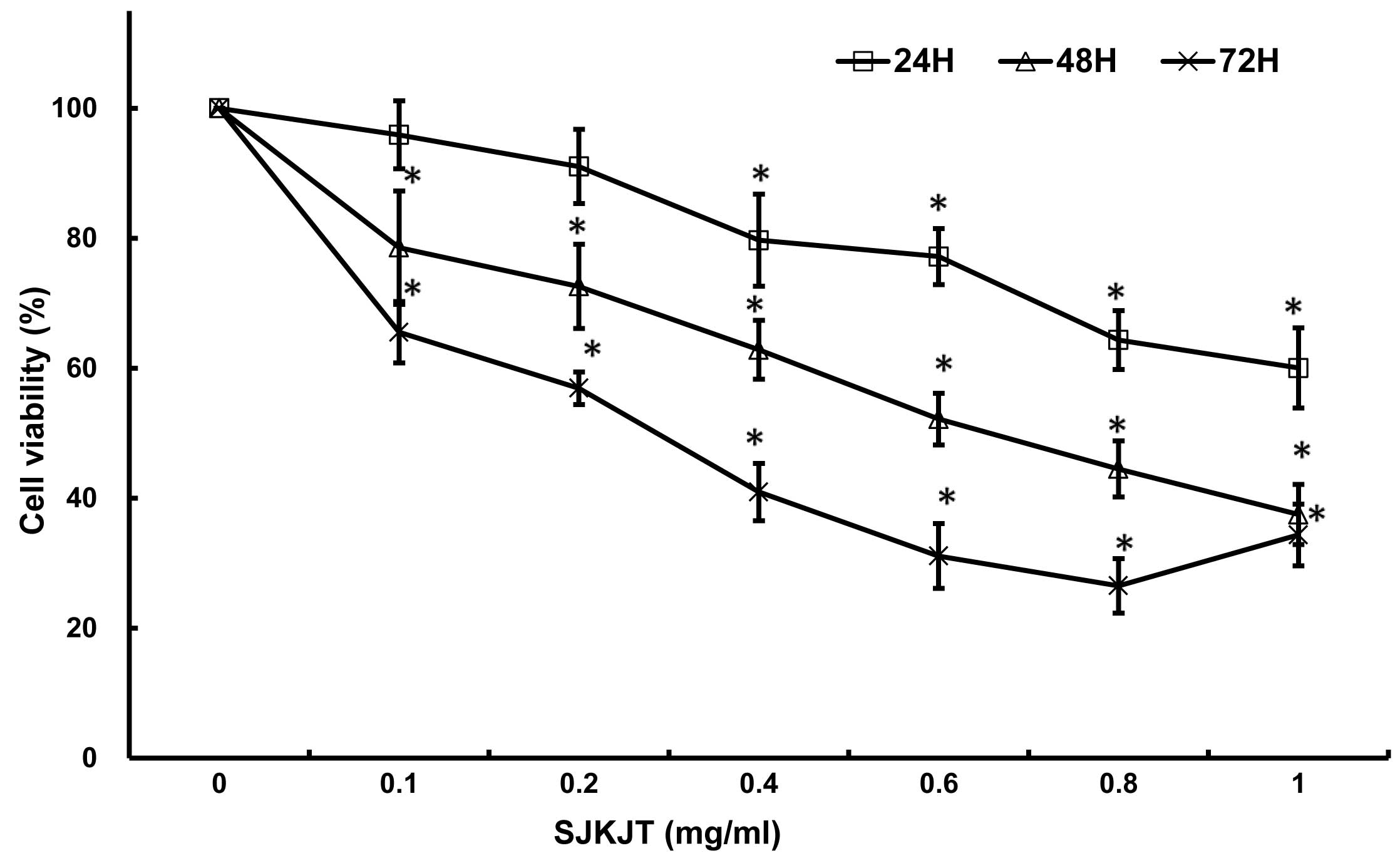
The results showed that SJKJT inhibits the proliferation of BxPC-3 cells. When cultured with various concentrations of SJKJT (0, 0.1, 0.2, 0.4, 0.6, 0.8 and 1 mg/ml) for 24, 48 and 72 h, the percentages of viable cells relative to those of the control were 95.91±5.23, 91.05±5.72, 79.69±7.08, 77.18±4.33, 64.35±4.52 and 60.03±4.16% at 24 h; 78.56±8.72, 72.59±6.48, 62.83±4.53, 52.17±3.98, 44.49±4.31 and 37.48±4.64% at 48 h; and 65.54±4.74, 56.92±2.52, 40.94±4.41, 31.10±4.98, 26.51±4.20 and 34.34±4.76% at 72 h, respectively (Fig. 1). The results demonstrated that SJKJT inhibited the proliferation of human pancreatic cancer BxPC-3 cells in a time- and dose-dependent manner.

Figure 1

Cytotoxicity of SJKJT on BxPC-3 cells. The cytotoxicity of SJKJT was determined using the MTT assay. Values are presented as the mean ± standard deviation of three experiments. *P<0.05 vs. 0 mg/ml SJKJT. SJKJT, Sann-Joong-Kuey-Jian-Tang.

Expression of mTOR, beclin-1, Atg7, Atg3, Atg5-12 and LC3-II proteins in BxPC-3 cells treated with SJKJT

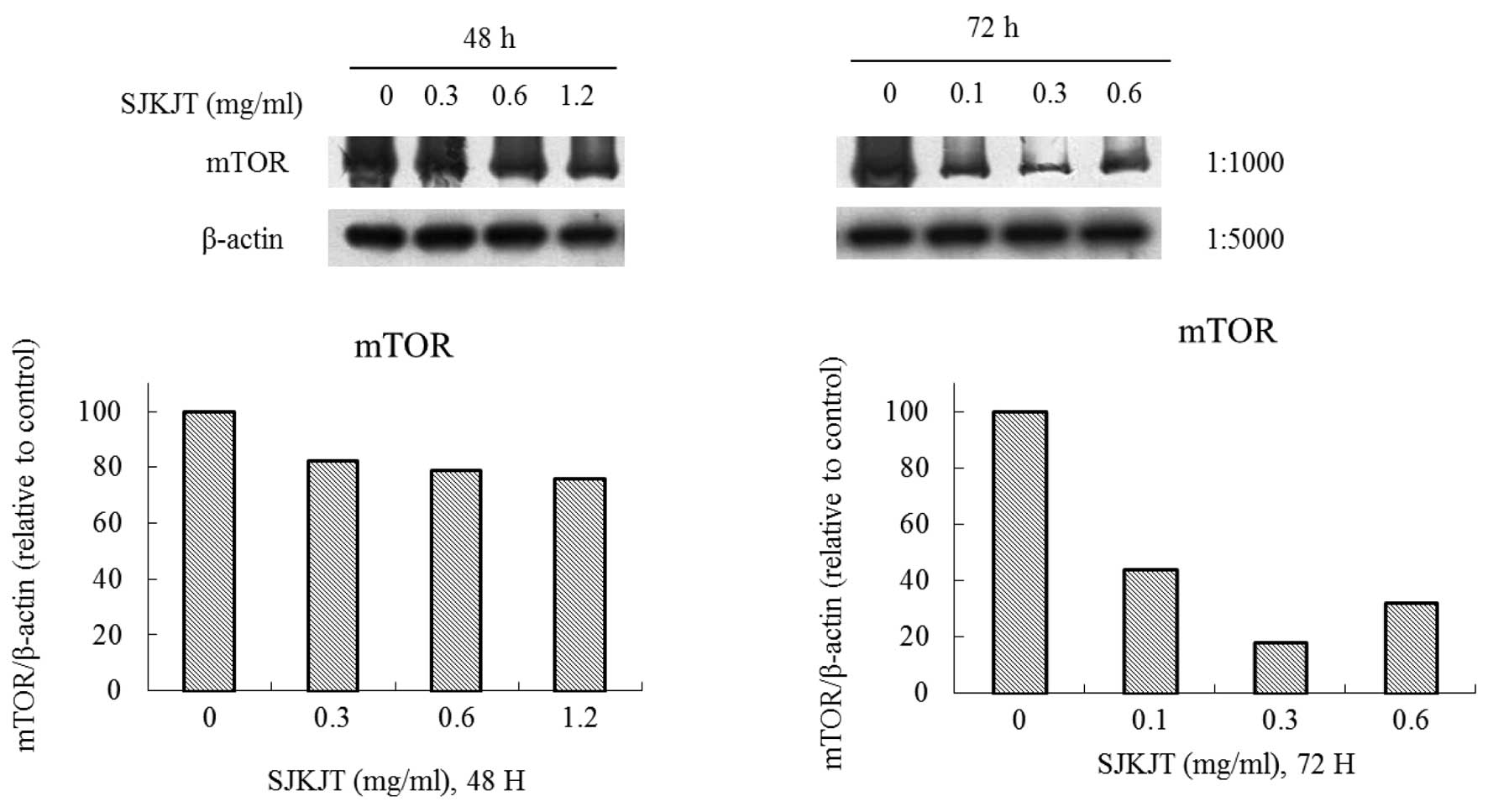
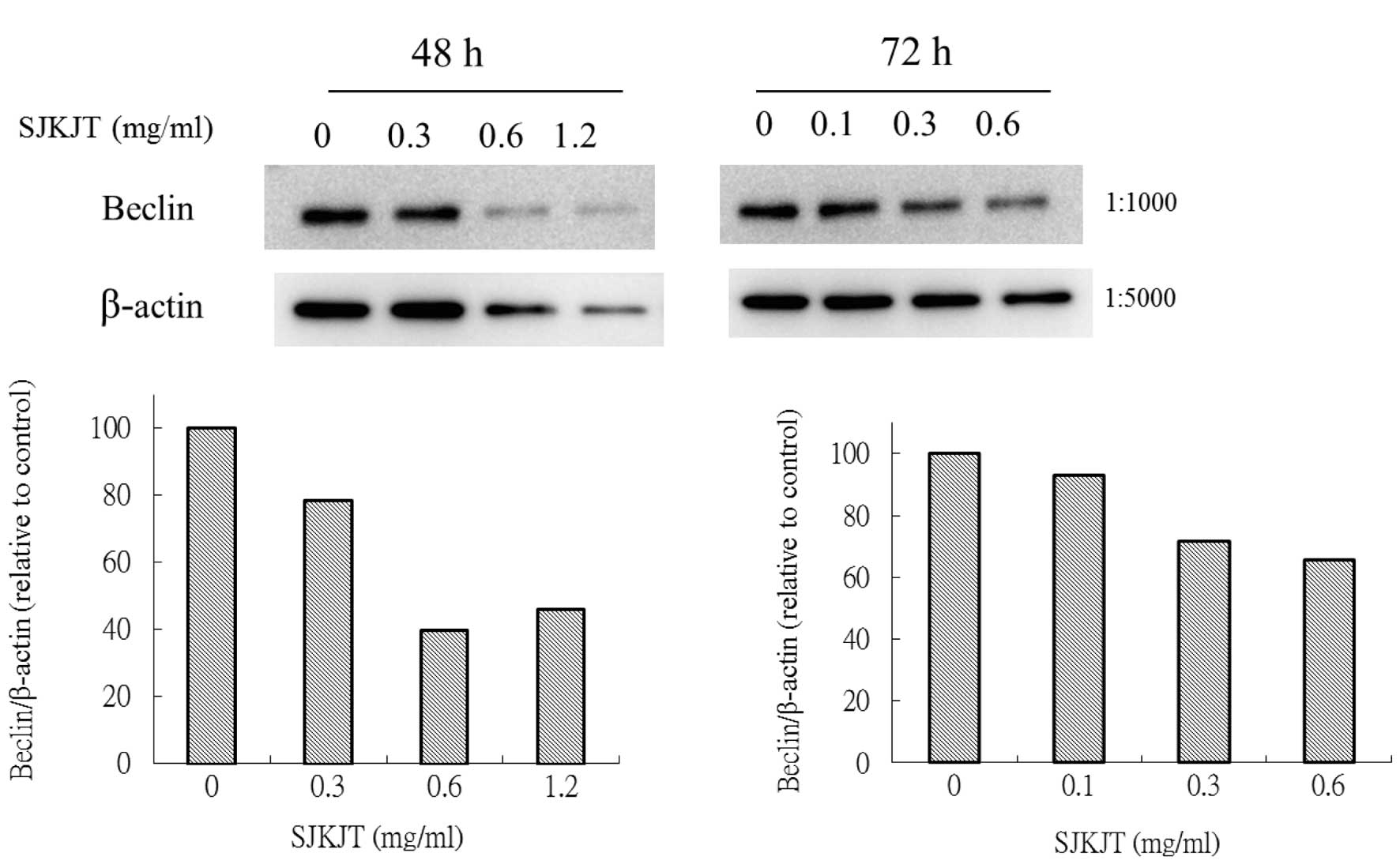
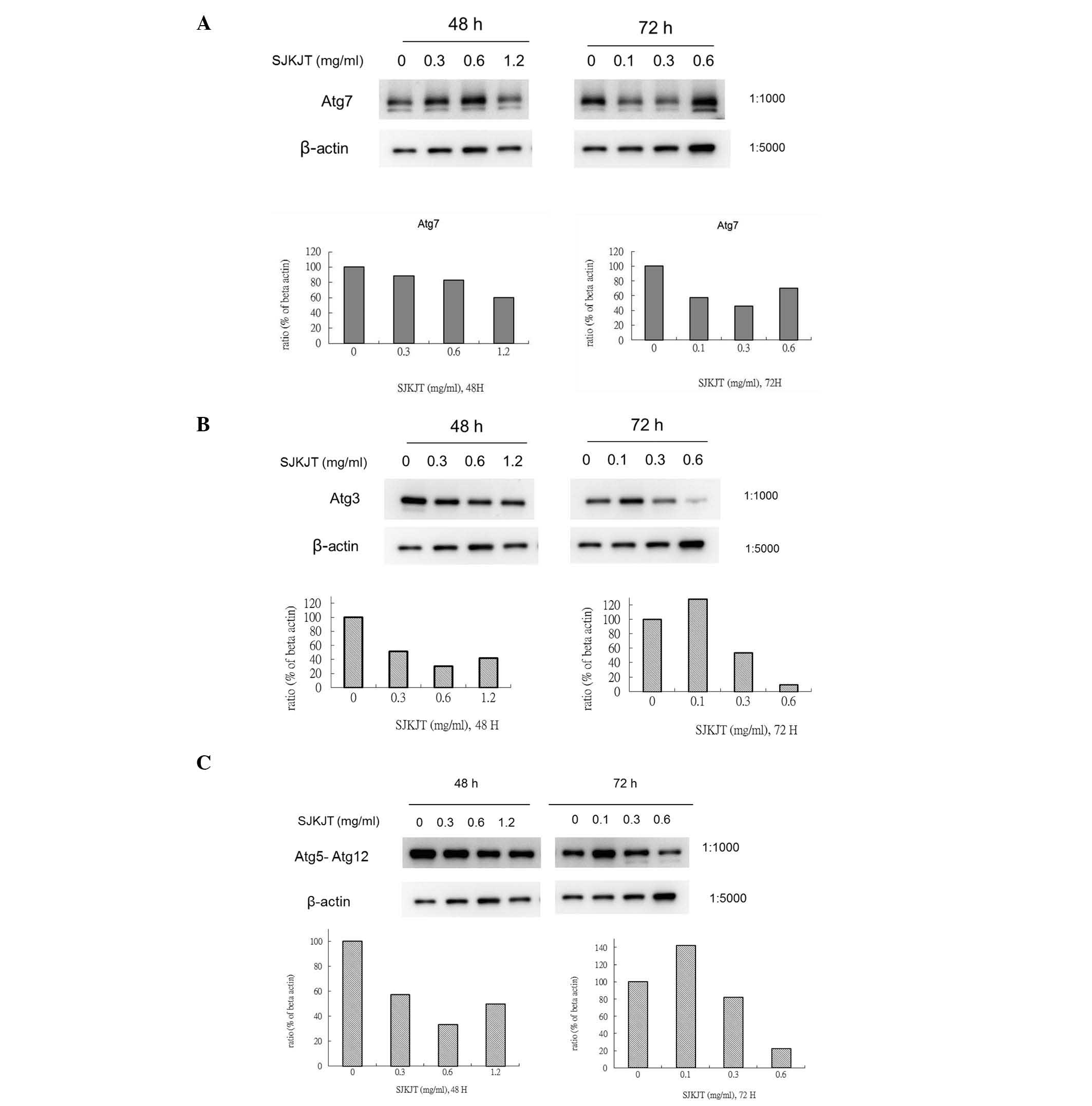
BxPC-3 cells were treated with various concentrations (0, 0.3, 0.6 and 1.2 mg/ml) of SJKJT for 48 or 72 h and the expression of beclin-1, Atg7, Atg3, Atg5-12 and LC3-II proteins was evaluated using western blot analysis. The results showed that when BxPC-3 cells were treated with various concentrations of SJKJT for 48 or 72 h, the expression levels of the mTOR (Fig. 2), beclin-1 (Fig. 3), Atg7 (Fig. 4A), Atg3 (Fig. 4B) and Atg5-12 (Fig. 4C) proteins were decreased.

Figure 2

Protein expression of mTOR in BxPC-3 cells. The BxPC-3 cells were treated with various concentrations of SJKJT for different durations (0, 0.3, 0.6 and 1.2 mg/ml for 48 h; and 0, 0.1, 0.3 and 0.6 mg/ml for 72 h). Expression of the mTOR protein was then evaluated by western blot analysis. Following treatment of BxPC-3 cells with various concentrations of SJKJT for 48 or 72 h, the expression of the mTOR protein was decreased in a dose-dependent manner. mTOR, mammalian target of rapamycin; SJKJT, Sann-Joong-Kuey-Jian-Tang.

Figure 3

Expression of the beclin-1 protein in BxPC-3 cells. BxPC-3 cells were treated with various concentrations of SJKJT for different durations (0, 0.3, 0.6 and 1.2 mg/ml for 48 h; 0, 0.1, 0.3 and 0.6 mg/ml for 72 h). Expression of the beclin-1 protein was then evaluated by western blot analysis. Following treatment of BxPC-3 cells with various concentrations of SJKJT for 48 or 72 h, the expression of the beclin-1 protein decreased in a dose-dependent manner. SJKJT, Sann-Joong-Kuey-Jian-Tang.

Figure 4

Protein expression of Atg7, Atg3 and Atg5-Atg12 in BxPC-3 cells. BxPC-3 cells were treated with various concentrations of SJKJT for different durations (0, 0.3, 0.6 and 1.2 mg/ml for 48 h; 0, 0.1, 0.3 and 0 6 mg/ml for 72 h). Expression of these proteins was then evaluated by western blot analysis. Following treatment of BxPC-3 cells with various concentrations of SJKJT for 48 or 72 h, the expression of (A) Atg-7, (B) Atg-3 and (C) Atg5-Atg12 were reduced in a dose-dependent manner. Atg, autophagocytosis-associated protein; SJKJT, Sann-Joong-Kuey-Jian-Tang.

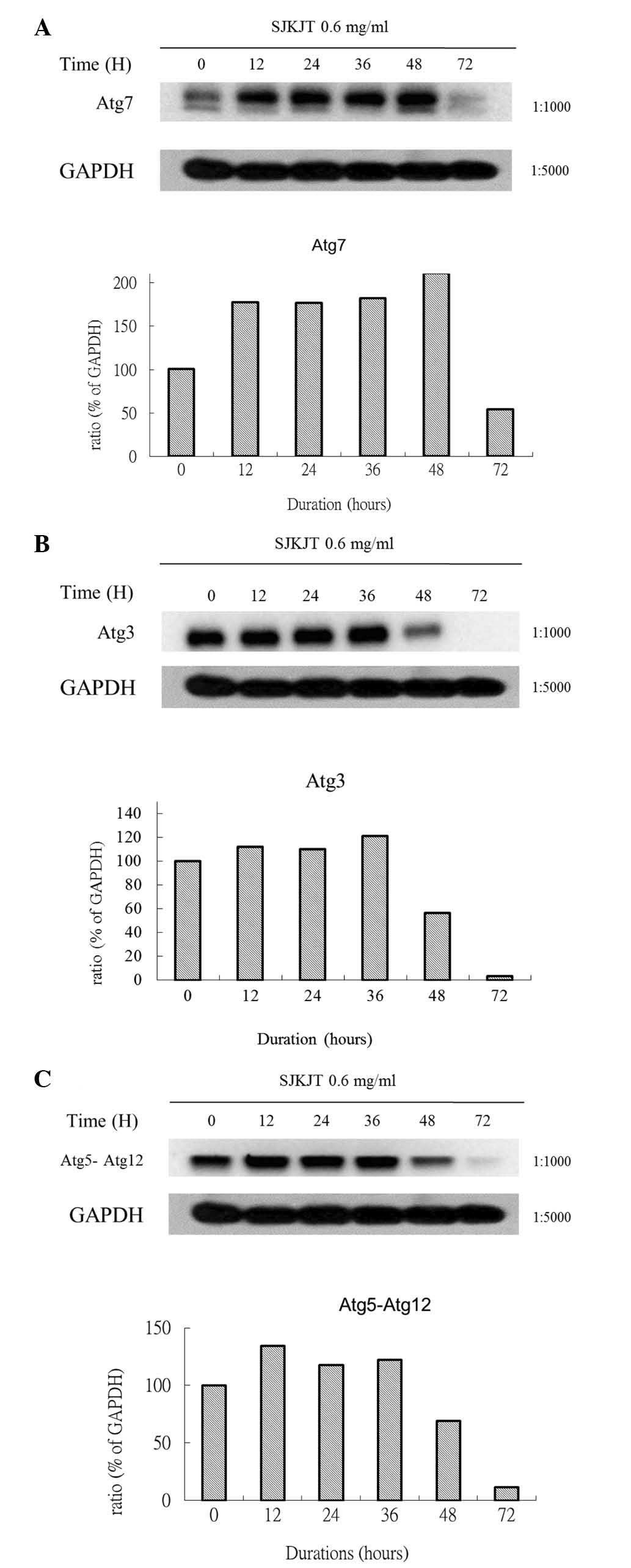
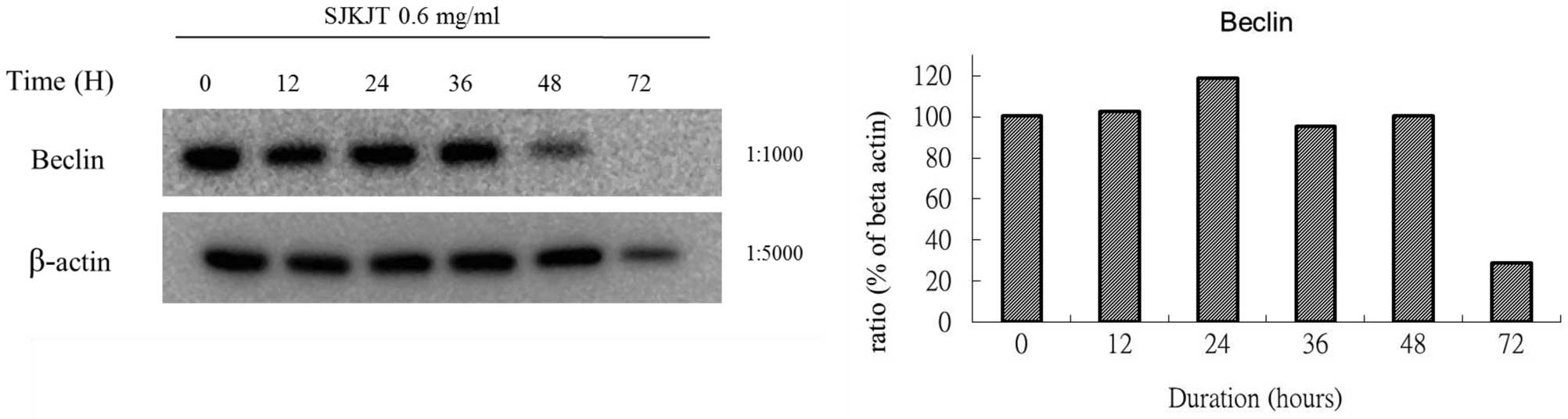
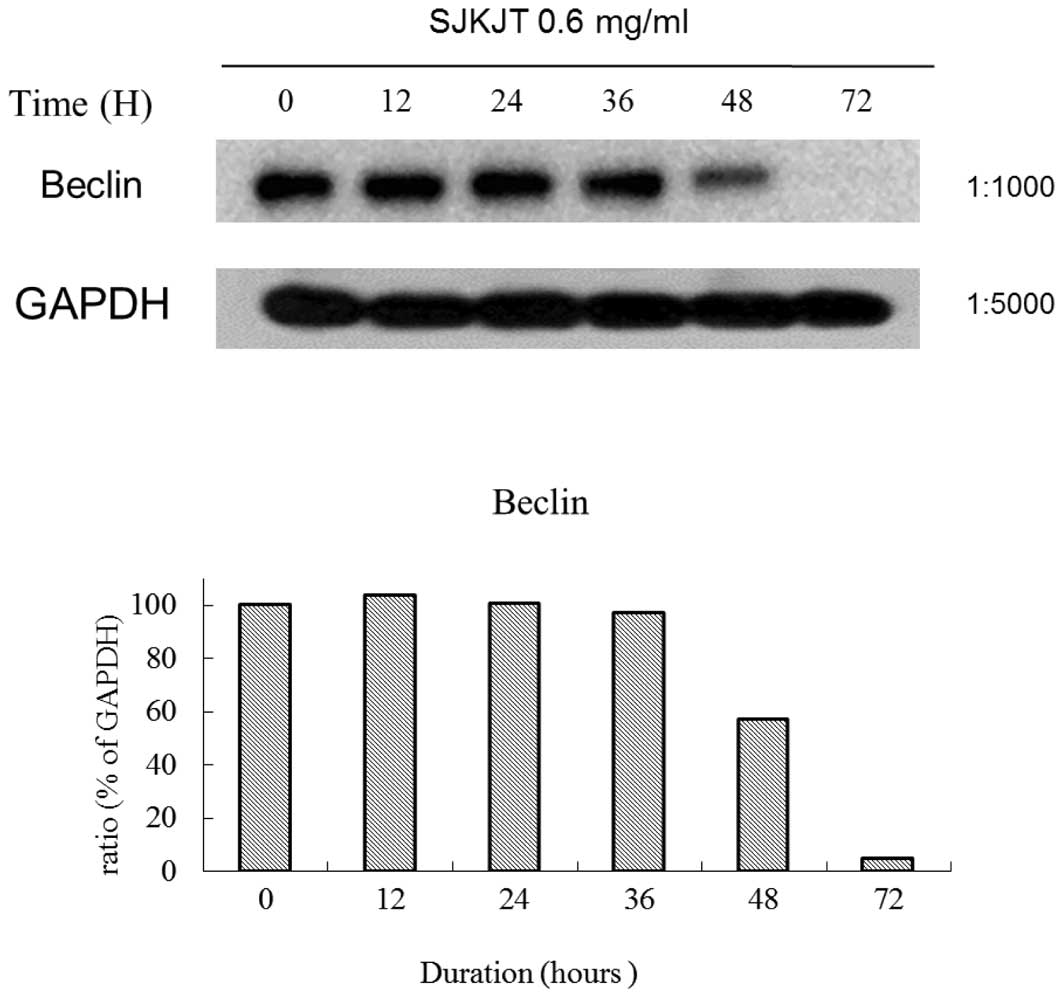
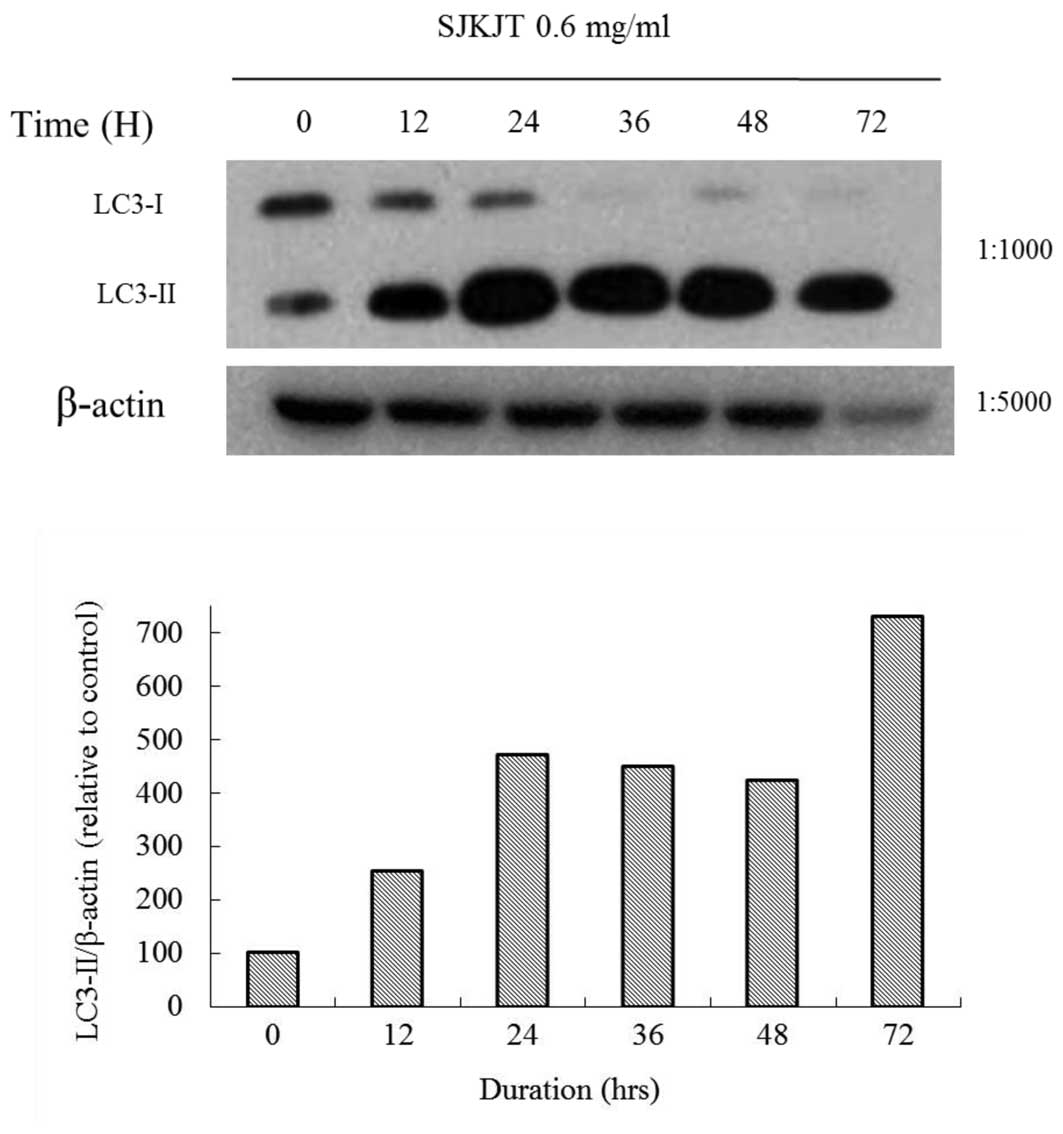
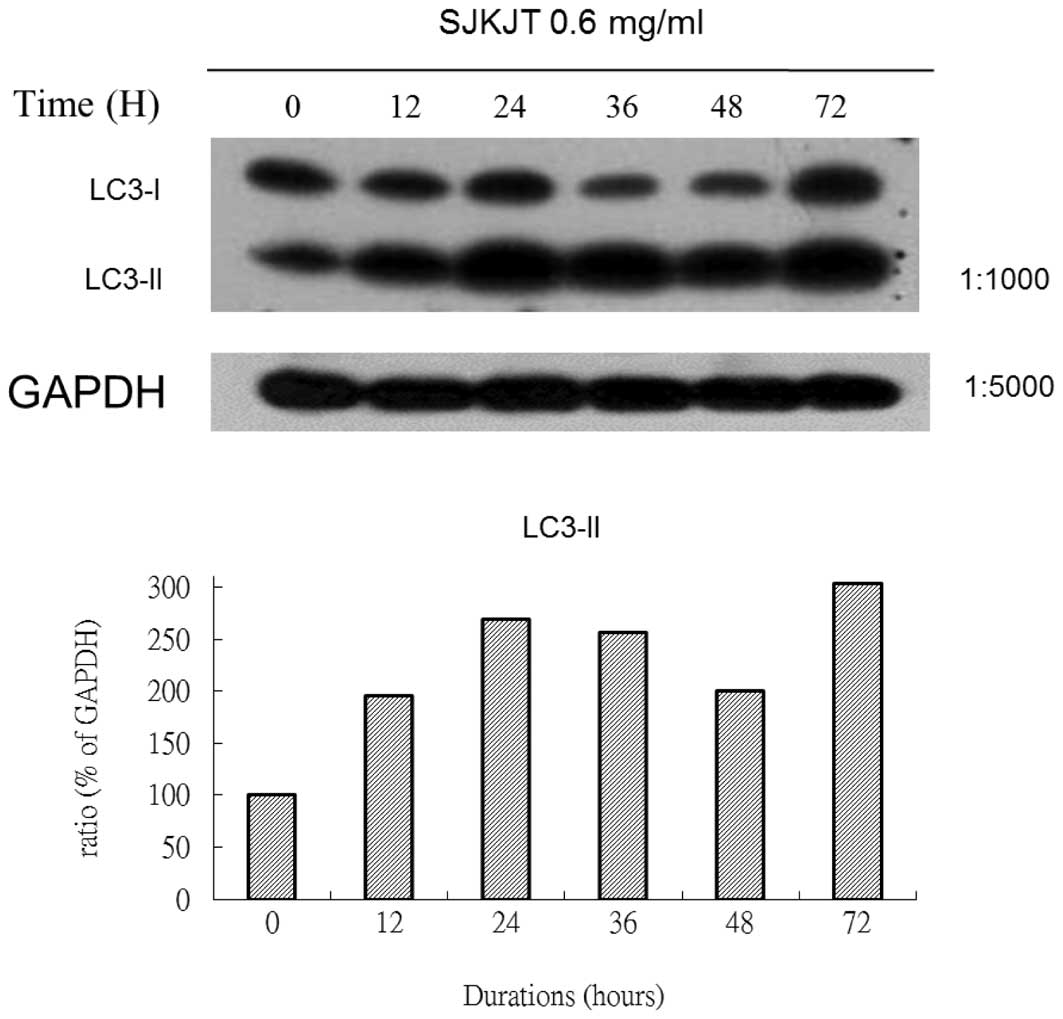
BxPC-3 cells were also treated with SJKJT (0.6 mg/ml) for different durations (0, 12, 24, 36, 48 and 72 h) and the expression levels of mTOR, beclin-1, Atg7, Atg3, Atg5-12 and LC3-II proteins were evaluated by western blotting. The results obtained using different reference proteins (GAPDH or β-actin) provided similar results. The results demonstrated that when BxPC-3 cells were treated with SJKJT for different durations, the expressions of the beclin-1 (Figs. 5 and 8), Atg7 (Figs. 6A and 9A), Atg3 (Figs. 6B and 9B) and Atg5-12 (Figs. 6C and 9C) proteins were increased during the first 24 h, but decreased at 48 and 72 h. By contrast, the expression of the LC3-II protein increased in a time-dependent manner (Figs. 7 and 10).
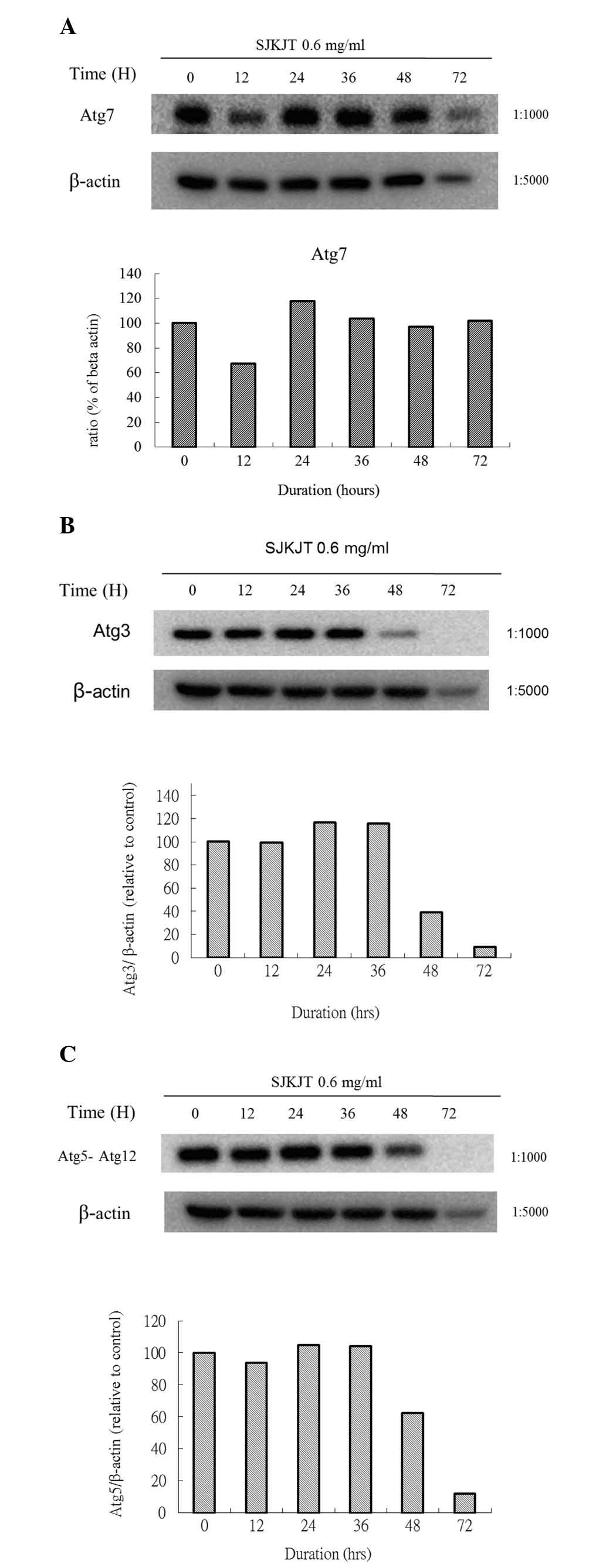
Figure 5

Protein expression of beclin-1 in BxPC-3 cells. BxPC-3 cells were treated with SJKJT (0.6 mg/ml) for different durations (0, 12, 24, 36, 48 and 72 h). Expression of the beclin-1 protein was evaluated by western blot analysis. When BxPC-3 cells were treated with SJKJT for different durations, the expression of the beclin-1 protein increased during the first 24 h, but decreased from 48 to 72 h. SJKJT, Sann-Joong-Kuey-Jian-Tang.

Figure 8

Protein expression of beclin-1 in BxPC-3 cells. BxPC-3 cells were treated with SJKJT (0.6 mg/ml) for different durations (0, 12, 24, 36, 48 and 72 h). Expression of the beclin-1 protein was evaluated by western blot analysis. The reference protein GAPDH was used as internal control. When BxPC-3 cells were treated with SJKJT for different durations, the expression of the beclin-1 protein was decreased at 48 and 72 h. Sann-Joong-Kuey-Jian-Tang.

Figure 6

Protein expression of (A) Atg7, (B) Atg3 and (C) Atg5-Atg12 in BxPC-3 cells. BxPC-3 cells were treated with SJKJT (0.6 mg/ml) for different durations (0, 12, 24, 36, 48 and 72 h). Expression of the proteins was evaluated by western blot analysis. When BxPC-3 cells were treated with SJKJT for different durations, the expression of the Atg7, Atg3 and Atg5-Atg12 proteins increased during the first 24 h, but that of Atg3 and Atg5-Atg12 decreased at 48 to 72 h. Atg, autophagocytosis associated protein; SJKJT, Sann-Joong-Kuey-Jian-Tang.

Figure 9

Protein expression of Atg7, Atg3 and Atg5-Atg12 in BxPC-3 cells. BxPC-3 cells were treated with SJKJT (0.6 mg/ml) for different durations (0, 12, 24, 36, 48 and 72 h). Expression of these proteins was evaluated by western blot analysis. The reference protein GAPDH was used as internal control. (A) When BxPC-3 cells were treated with SJKJT for different durations the expression of the Atg7 protein increased during the first 12 to 48 h, but decreased at 72 h. (B) The expression of the Atg3 protein increased during the first 12 to 36 h, but decreased at 48 to 72 h. (C) The expression of the Atg5-Atg12 protein increased during the first 12 to 36 h, but decreased at 48 to 72 h. Atg, autophagocytosis-associated protein; SJKJT, Sann-Joong-Kuey-Jian-Tang.

Figure 7

Protein expression of LC3-II in BxPC-3 cells. BxPC-3 cells were treated with SJKJT (0.6 mg/ml) for different durations (0, 12, 24, 36, 48 and 72 h). Expression of the LC3-II protein was evaluated by western blot analysis. When BxPC-3 cells were treated with SJKJT for different durations, the expression of the LC3-II protein increased in a time-dependent manner. LC3-II, microtubule-associated protein II light chain 3; SJKJT, Sann-Joong-Kuey-Jian-Tang.

Figure 10

Protein expression of LC3-II in BxPC-3 cells. BxPC-3 cells were treated with SJKJT (0.6 mg/ml) for different durations (0, 12, 24, 36, 48 and 72 h). Expression of the LC3-II protein was evaluated by western blot analysis. The reference protein GAPDH was used as an internal control. When BxPC-3 cells were treated with SJKJT for different durations, the expression of the LC3-II protein increased in a time-dependent manner. LC3-II, microtubule-associated protein II light chain 3; SJKJT, Sann-Joong-Kuey-Jian-Tang.

Discussion

Autophagy is one of forms of programmed cell death (type II cell death) (13). LC3-II levels may be used as a marker of autophagy and monitored using western blot analysis (14–15). When cellular stress leads to a continuous or excessive induction of autophagy, cell death may ensue (9). It has been shown that autophagy is activated in pancreatic cancer cells and is correlated with poor patient outcome (10). Yang et al (11) also demonstrated that pancreatic cancers require autophagy for tumor growth. The results of the present study showed that SJKJT inhibited the proliferation of BxPC-3 cells in a time- and dose-dependent manner in vitro. The results also demonstrated that when BxPC-3 cells were treated with various concentrations of SJKJT for 48 or 72 h, the expression levels of the mTOR protein were decreased. When BxPC-3 cells were treated with SJKJT for varying durations, the expression of the LC3-II protein was increased in a time- and dose-dependent manner. Autophagy has been proposed as a novel target for anticancer therapy (16). A possible molecular mechanism underlying the inhibition of BxPC-3 human pancreatic cancer cells by SJKJT may proceed via reduction in the expression of mTOR, thereby leading to activation of autophagy in vitro. To the best of our knowledge, the present study was the first to demonstrate that SJKJT decreased the protein expression of mTOR but increased that of LC3-II, which was associated with the inhibition of BxPC-3 human pancreatic carcinoma cells. The therapeutic potential of SJKJT in human pancreatic cancer requires further investigation.

Acknowledgements

This study was supported by the Changhua Christian Hospital (grant no. 100-CCH-ICO-06-1).

References

1 

Yang CH and Craise LM: Development of human epithelial cell systems for radiation risk assessment. Adv Space Res. 14:115–120. 1994. View Article : Google Scholar : PubMed/NCBI

2 

Cheng CY, Lin YH and Su CC: Sann-Joong-Kuey-Jian-Tang up-regulates the protein expression of Fas and TNF-α in colo 205 cells in vivo and in vitro. Mol Med Rep. 3:63–67. 2010.PubMed/NCBI

3 

Chen YL, Yan MY, Chien SY, Kuo SJ, Chen DR, Cheng CY and Su CC: Sann-Joong-Kuey-Jian-Tang inhibits hepatocellular carcinoma Hep-G2 cell proliferation by increasing TNF-α, Caspase-8, Caspase-3 and Bax but by decreasing TCTP and Mcl-1 expression in vitro. Mol Med Rep. 7:1487–1493. 2013.PubMed/NCBI

4 

Siegel R, Ward E, Brawley O and Jemal A: Cancer statistics, 2011: the impact of eliminating socioeconomic and racial disparities on premature cancer deaths. CA Cancer J Clin. 61:212–236. 2011. View Article : Google Scholar : PubMed/NCBI

5 

Siegel R, Naishadham D and Jemal A: Cancer statistics, 2012. CA Cancer J Clin. 62:10–29. 2012. View Article : Google Scholar : PubMed/NCBI

6 

Mujumdar N, Mackenzie TN, Dudeja V, et al: Triptolide induces cell death in pancreatic cancer cells by apoptotic and autophagic pathways. Gastroenterology. 139:598–608. 2010. View Article : Google Scholar : PubMed/NCBI

7 

Verhoef MJ, Balneaves LG, Boon HS and Vroegindewey A: Reasons for and characteristics associated with complementary and alternative medicine use among adult cancer patients: a systematic review. Integr Cancer Ther. 4:274–286. 2005. View Article : Google Scholar : PubMed/NCBI

8 

Chien SY, Kuo SJ, Chen DR and Su CC: Sann-Joong-Kuey-Jian-Tang decreases the protein expression of Mcl-1 and TCTP and increases that of TNF-α and Bax in BxPC-3 pancreatic carcinoma cells. Int J Mol Med. 32:85–92. 2013.PubMed/NCBI

9 

Dalby KN, Tekedereli I, Lopez-Berestein G and Ozpolat B: Targeting the prodeath and prosurvival functions of autophagy as novel therapeutic strategies in cancer. Autophagy. 6:322–329. 2010. View Article : Google Scholar : PubMed/NCBI

10 

Fujii S, Mitsunaga S, Yamazaki M, et al: Autophagy is activated in pancreatic cancer cells and correlates with poor patient outcome. Cancer Sci. 99:1813–1819. 2008.PubMed/NCBI

11 

Yang S, Wang X, Contino G, et al: Pancreatic cancers require autophagy for tumor growth. Genes Dev. 25:717–729. 2011. View Article : Google Scholar : PubMed/NCBI

12 

Cheng CY, Lin YH and Su CC: Sann-Joong-Kuey-Jian-Tang increases the protein expression of microtubule-associated protein II light chain 3 in human colon cancer colo 205 cells. Mol Med Rep. 2:707–711. 2009.PubMed/NCBI

13 

Clarke PG: Developmental cell death: morphological diversity and multiple mechanisms. Anat Embryol (Berl). 181:195–213. 1990. View Article : Google Scholar

14 

Yang YP, Liang ZQ, Gu ZL and Qin ZH: Molecular mechanism and regulation of autophagy. Acta Pharmacol Sin. 26:1421–1434. 2005. View Article : Google Scholar : PubMed/NCBI

15 

Konado Y and Kondo S: Autophagy and cancer therapy. Autophagy. 2:85–90. 2006. View Article : Google Scholar

16 

Moretti L, Yang ES, Kim KW and Lu B: Autophagy signaling in cancer and its potential as novel target to improve anticancer therapy. Drug Resist Updat. 10:135–143. 2007. View Article : Google Scholar : PubMed/NCBI

Related Articles

  • Abstract
  • View
  • Download
  • Twitter
Copy and paste a formatted citation
Spandidos Publications style
Su CC: Sann-Joong-Kuey-Jian-Tang decreases the protein expression of mammalian target of rapamycin but increases microtubule associated protein II light chain 3 expression to inhibit human BxPC‑3 pancreatic carcinoma cells. Mol Med Rep 11: 3160-3166, 2015.
APA
Su, C. (2015). Sann-Joong-Kuey-Jian-Tang decreases the protein expression of mammalian target of rapamycin but increases microtubule associated protein II light chain 3 expression to inhibit human BxPC‑3 pancreatic carcinoma cells. Molecular Medicine Reports, 11, 3160-3166. https://doi.org/10.3892/mmr.2014.3090
MLA
Su, C."Sann-Joong-Kuey-Jian-Tang decreases the protein expression of mammalian target of rapamycin but increases microtubule associated protein II light chain 3 expression to inhibit human BxPC‑3 pancreatic carcinoma cells". Molecular Medicine Reports 11.4 (2015): 3160-3166.
Chicago
Su, C."Sann-Joong-Kuey-Jian-Tang decreases the protein expression of mammalian target of rapamycin but increases microtubule associated protein II light chain 3 expression to inhibit human BxPC‑3 pancreatic carcinoma cells". Molecular Medicine Reports 11, no. 4 (2015): 3160-3166. https://doi.org/10.3892/mmr.2014.3090
Copy and paste a formatted citation
x
Spandidos Publications style
Su CC: Sann-Joong-Kuey-Jian-Tang decreases the protein expression of mammalian target of rapamycin but increases microtubule associated protein II light chain 3 expression to inhibit human BxPC‑3 pancreatic carcinoma cells. Mol Med Rep 11: 3160-3166, 2015.
APA
Su, C. (2015). Sann-Joong-Kuey-Jian-Tang decreases the protein expression of mammalian target of rapamycin but increases microtubule associated protein II light chain 3 expression to inhibit human BxPC‑3 pancreatic carcinoma cells. Molecular Medicine Reports, 11, 3160-3166. https://doi.org/10.3892/mmr.2014.3090
MLA
Su, C."Sann-Joong-Kuey-Jian-Tang decreases the protein expression of mammalian target of rapamycin but increases microtubule associated protein II light chain 3 expression to inhibit human BxPC‑3 pancreatic carcinoma cells". Molecular Medicine Reports 11.4 (2015): 3160-3166.
Chicago
Su, C."Sann-Joong-Kuey-Jian-Tang decreases the protein expression of mammalian target of rapamycin but increases microtubule associated protein II light chain 3 expression to inhibit human BxPC‑3 pancreatic carcinoma cells". Molecular Medicine Reports 11, no. 4 (2015): 3160-3166. https://doi.org/10.3892/mmr.2014.3090
Follow us
  • Twitter
  • LinkedIn
  • Facebook
About
  • Spandidos Publications
  • Careers
  • Cookie Policy
  • Privacy Policy
How can we help?
  • Help
  • Live Chat
  • Contact
  • Email to our Support Team