Spandidos Publications Logo
  • About
    • About Spandidos
    • Aims and Scopes
    • Abstracting and Indexing
    • Editorial Policies
    • Reprints and Permissions
    • Job Opportunities
    • Terms and Conditions
    • Contact
  • Journals
    • All Journals
    • Oncology Letters
      • Oncology Letters
      • Information for Authors
      • Editorial Policies
      • Editorial Board
      • Aims and Scope
      • Abstracting and Indexing
      • Bibliographic Information
      • Archive
    • International Journal of Oncology
      • International Journal of Oncology
      • Information for Authors
      • Editorial Policies
      • Editorial Board
      • Aims and Scope
      • Abstracting and Indexing
      • Bibliographic Information
      • Archive
    • Molecular and Clinical Oncology
      • Molecular and Clinical Oncology
      • Information for Authors
      • Editorial Policies
      • Editorial Board
      • Aims and Scope
      • Abstracting and Indexing
      • Bibliographic Information
      • Archive
    • Experimental and Therapeutic Medicine
      • Experimental and Therapeutic Medicine
      • Information for Authors
      • Editorial Policies
      • Editorial Board
      • Aims and Scope
      • Abstracting and Indexing
      • Bibliographic Information
      • Archive
    • International Journal of Molecular Medicine
      • International Journal of Molecular Medicine
      • Information for Authors
      • Editorial Policies
      • Editorial Board
      • Aims and Scope
      • Abstracting and Indexing
      • Bibliographic Information
      • Archive
    • Biomedical Reports
      • Biomedical Reports
      • Information for Authors
      • Editorial Policies
      • Editorial Board
      • Aims and Scope
      • Abstracting and Indexing
      • Bibliographic Information
      • Archive
    • Oncology Reports
      • Oncology Reports
      • Information for Authors
      • Editorial Policies
      • Editorial Board
      • Aims and Scope
      • Abstracting and Indexing
      • Bibliographic Information
      • Archive
    • Molecular Medicine Reports
      • Molecular Medicine Reports
      • Information for Authors
      • Editorial Policies
      • Editorial Board
      • Aims and Scope
      • Abstracting and Indexing
      • Bibliographic Information
      • Archive
    • World Academy of Sciences Journal
      • World Academy of Sciences Journal
      • Information for Authors
      • Editorial Policies
      • Editorial Board
      • Aims and Scope
      • Abstracting and Indexing
      • Bibliographic Information
      • Archive
    • International Journal of Functional Nutrition
      • International Journal of Functional Nutrition
      • Information for Authors
      • Editorial Policies
      • Editorial Board
      • Aims and Scope
      • Abstracting and Indexing
      • Bibliographic Information
      • Archive
    • International Journal of Epigenetics
      • International Journal of Epigenetics
      • Information for Authors
      • Editorial Policies
      • Editorial Board
      • Aims and Scope
      • Abstracting and Indexing
      • Bibliographic Information
      • Archive
    • Medicine International
      • Medicine International
      • Information for Authors
      • Editorial Policies
      • Editorial Board
      • Aims and Scope
      • Abstracting and Indexing
      • Bibliographic Information
      • Archive
  • Articles
  • Information
    • Information for Authors
    • Information for Reviewers
    • Information for Librarians
    • Information for Advertisers
    • Conferences
  • Language Editing
Spandidos Publications Logo
  • About
    • About Spandidos
    • Aims and Scopes
    • Abstracting and Indexing
    • Editorial Policies
    • Reprints and Permissions
    • Job Opportunities
    • Terms and Conditions
    • Contact
  • Journals
    • All Journals
    • Biomedical Reports
      • Information for Authors
      • Editorial Policies
      • Editorial Board
      • Aims and Scope
      • Abstracting and Indexing
      • Bibliographic Information
      • Archive
    • Experimental and Therapeutic Medicine
      • Information for Authors
      • Editorial Policies
      • Editorial Board
      • Aims and Scope
      • Abstracting and Indexing
      • Bibliographic Information
      • Archive
    • International Journal of Epigenetics
      • Information for Authors
      • Editorial Policies
      • Editorial Board
      • Aims and Scope
      • Abstracting and Indexing
      • Bibliographic Information
      • Archive
    • International Journal of Functional Nutrition
      • Information for Authors
      • Editorial Policies
      • Editorial Board
      • Aims and Scope
      • Abstracting and Indexing
      • Bibliographic Information
      • Archive
    • International Journal of Molecular Medicine
      • Information for Authors
      • Editorial Policies
      • Editorial Board
      • Aims and Scope
      • Abstracting and Indexing
      • Bibliographic Information
      • Archive
    • International Journal of Oncology
      • Information for Authors
      • Editorial Policies
      • Editorial Board
      • Aims and Scope
      • Abstracting and Indexing
      • Bibliographic Information
      • Archive
    • Medicine International
      • Information for Authors
      • Editorial Policies
      • Editorial Board
      • Aims and Scope
      • Abstracting and Indexing
      • Bibliographic Information
      • Archive
    • Molecular and Clinical Oncology
      • Information for Authors
      • Editorial Policies
      • Editorial Board
      • Aims and Scope
      • Abstracting and Indexing
      • Bibliographic Information
      • Archive
    • Molecular Medicine Reports
      • Information for Authors
      • Editorial Policies
      • Editorial Board
      • Aims and Scope
      • Abstracting and Indexing
      • Bibliographic Information
      • Archive
    • Oncology Letters
      • Information for Authors
      • Editorial Policies
      • Editorial Board
      • Aims and Scope
      • Abstracting and Indexing
      • Bibliographic Information
      • Archive
    • Oncology Reports
      • Information for Authors
      • Editorial Policies
      • Editorial Board
      • Aims and Scope
      • Abstracting and Indexing
      • Bibliographic Information
      • Archive
    • World Academy of Sciences Journal
      • Information for Authors
      • Editorial Policies
      • Editorial Board
      • Aims and Scope
      • Abstracting and Indexing
      • Bibliographic Information
      • Archive
  • Articles
  • Information
    • For Authors
    • For Reviewers
    • For Librarians
    • For Advertisers
    • Conferences
  • Language Editing
Login Register Submit
  • This site uses cookies
  • You can change your cookie settings at any time by following the instructions in our Cookie Policy. To find out more, you may read our Privacy Policy.

    I agree
Search articles by DOI, keyword, author or affiliation
Search
Advanced Search
presentation
Molecular Medicine Reports
Join Editorial Board Propose a Special Issue
Print ISSN: 1791-2997 Online ISSN: 1791-3004
Journal Cover
June-2015 Volume 11 Issue 6

Full Size Image

Sign up for eToc alerts
Recommend to Library

Journals

International Journal of Molecular Medicine

International Journal of Molecular Medicine

International Journal of Molecular Medicine is an international journal devoted to molecular mechanisms of human disease.

International Journal of Oncology

International Journal of Oncology

International Journal of Oncology is an international journal devoted to oncology research and cancer treatment.

Molecular Medicine Reports

Molecular Medicine Reports

Covers molecular medicine topics such as pharmacology, pathology, genetics, neuroscience, infectious diseases, molecular cardiology, and molecular surgery.

Oncology Reports

Oncology Reports

Oncology Reports is an international journal devoted to fundamental and applied research in Oncology.

Experimental and Therapeutic Medicine

Experimental and Therapeutic Medicine

Experimental and Therapeutic Medicine is an international journal devoted to laboratory and clinical medicine.

Oncology Letters

Oncology Letters

Oncology Letters is an international journal devoted to Experimental and Clinical Oncology.

Biomedical Reports

Biomedical Reports

Explores a wide range of biological and medical fields, including pharmacology, genetics, microbiology, neuroscience, and molecular cardiology.

Molecular and Clinical Oncology

Molecular and Clinical Oncology

International journal addressing all aspects of oncology research, from tumorigenesis and oncogenes to chemotherapy and metastasis.

World Academy of Sciences Journal

World Academy of Sciences Journal

Multidisciplinary open-access journal spanning biochemistry, genetics, neuroscience, environmental health, and synthetic biology.

International Journal of Functional Nutrition

International Journal of Functional Nutrition

Open-access journal combining biochemistry, pharmacology, immunology, and genetics to advance health through functional nutrition.

International Journal of Epigenetics

International Journal of Epigenetics

Publishes open-access research on using epigenetics to advance understanding and treatment of human disease.

Medicine International

Medicine International

An International Open Access Journal Devoted to General Medicine.

Journal Cover
June-2015 Volume 11 Issue 6

Full Size Image

Sign up for eToc alerts
Recommend to Library

  • Article
  • Citations
    • Cite This Article
    • Download Citation
    • Create Citation Alert
    • Remove Citation Alert
    • Cited By
  • Similar Articles
    • Related Articles (in Spandidos Publications)
    • Similar Articles (Google Scholar)
    • Similar Articles (PubMed)
  • Download PDF
  • Download XML
  • View XML
Article

3'-Azidothymidine may potently inhibit the biosynthesis of polylactosamine chains on highly glycosylated-CD147 and reduce matrix metalloproteinase-2 expression in SGC-7901 and U251 cells

  • Authors:
    • Xu Xu
    • Yu Hu
    • Jianlong Ni
    • Shuijun Hu
    • Zhi Jiang
    • Lan Xu
    • Chunliang Liu
    • Dong Hua
    • Shiliang Wu
  • View Affiliations / Copyright

    Affiliations: Department of Biochemistry and Molecular Biology, School of Medicine, Soochow University, Suzhou, Jiangsu 215123, P.R. China, The Fourth Affiliated Hospital of Soochow University, Wuxi, Jiangsu 214062, P.R. China
  • Pages: 4713-4719
    |
    Published online on: January 22, 2015
       https://doi.org/10.3892/mmr.2015.3241
  • Expand metrics +
Metrics: Total Views: 0 (Spandidos Publications: | PMC Statistics: )
Metrics: Total PDF Downloads: 0 (Spandidos Publications: | PMC Statistics: )
Cited By (CrossRef): 0 citations Loading Articles...

This article is mentioned in:


Abstract

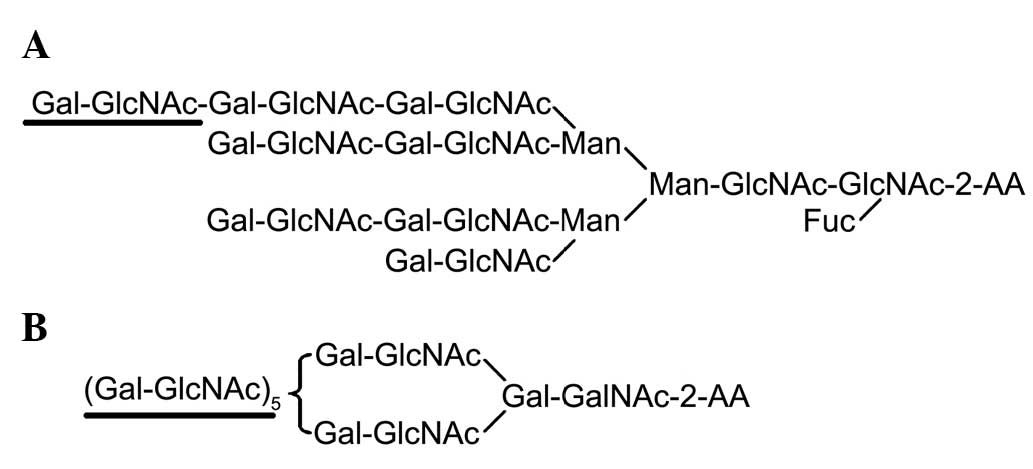
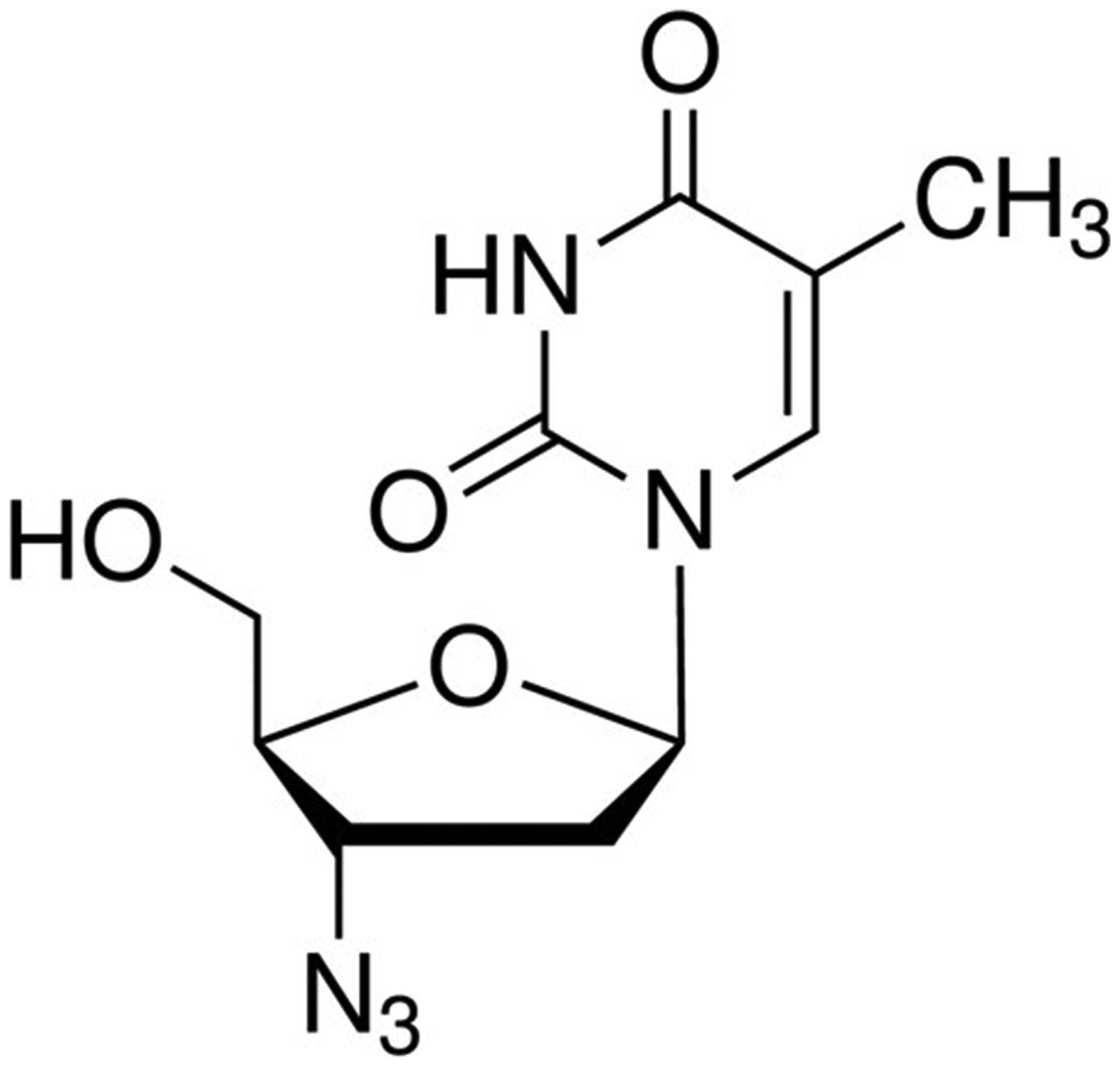
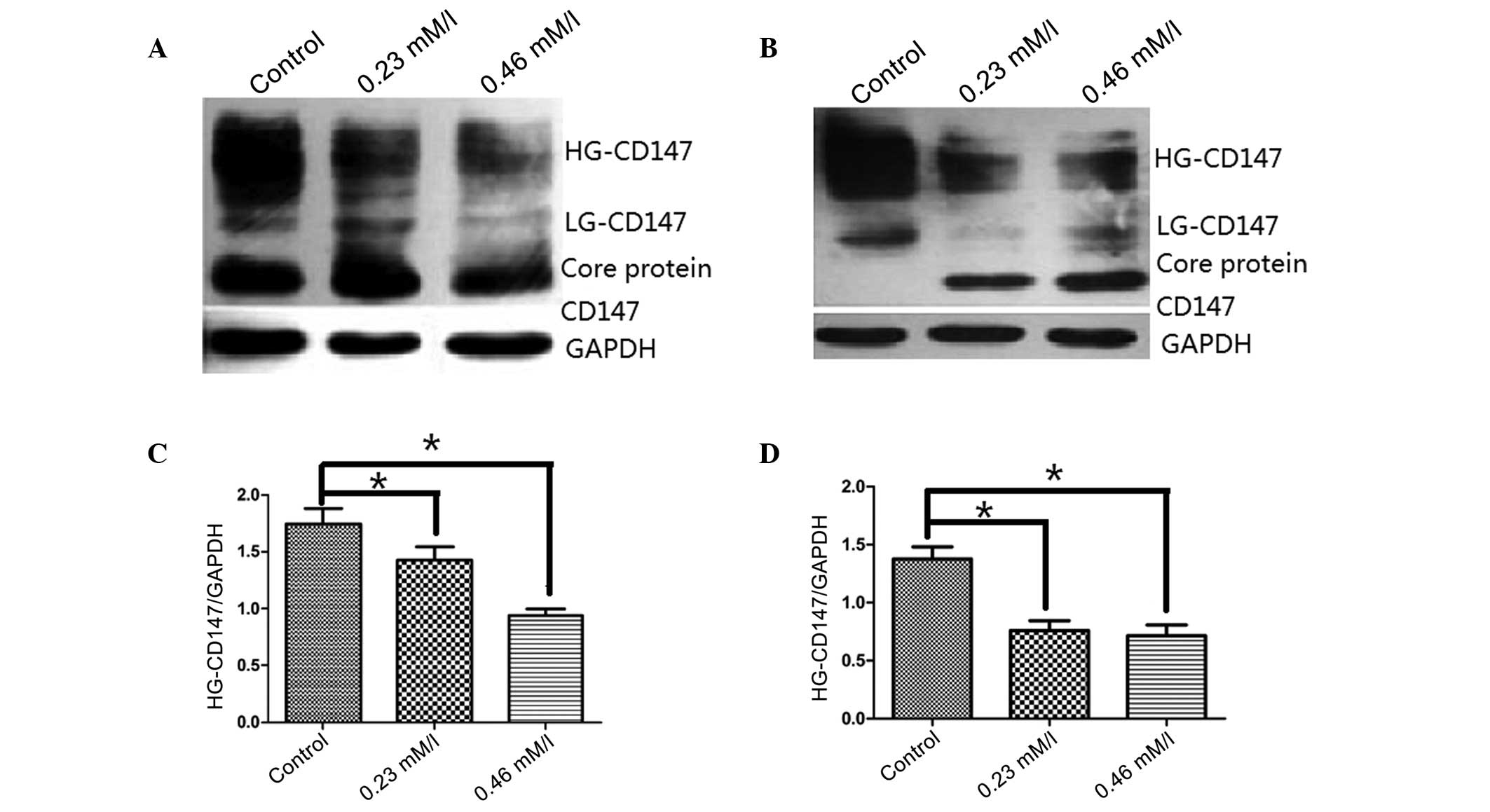
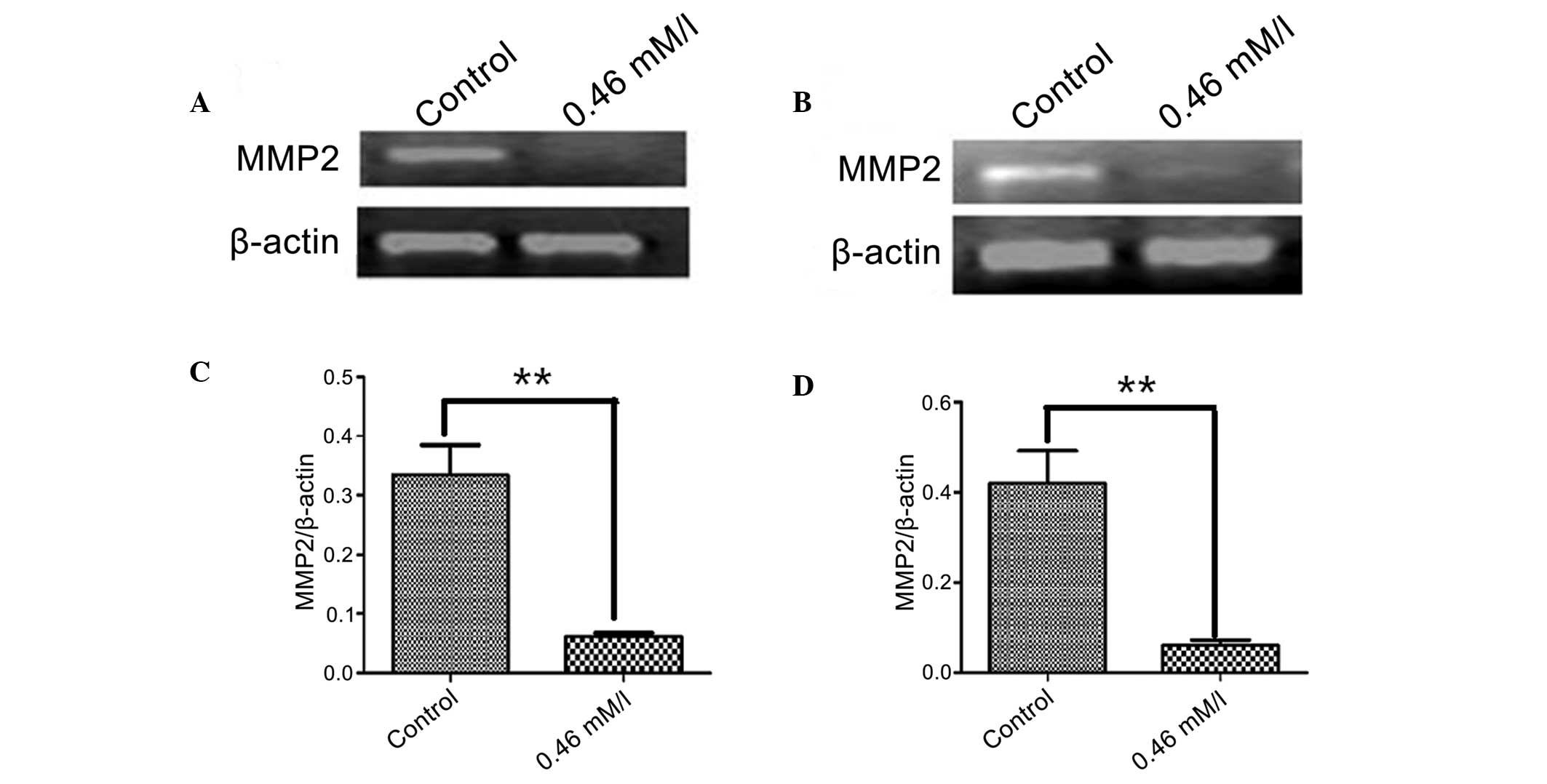
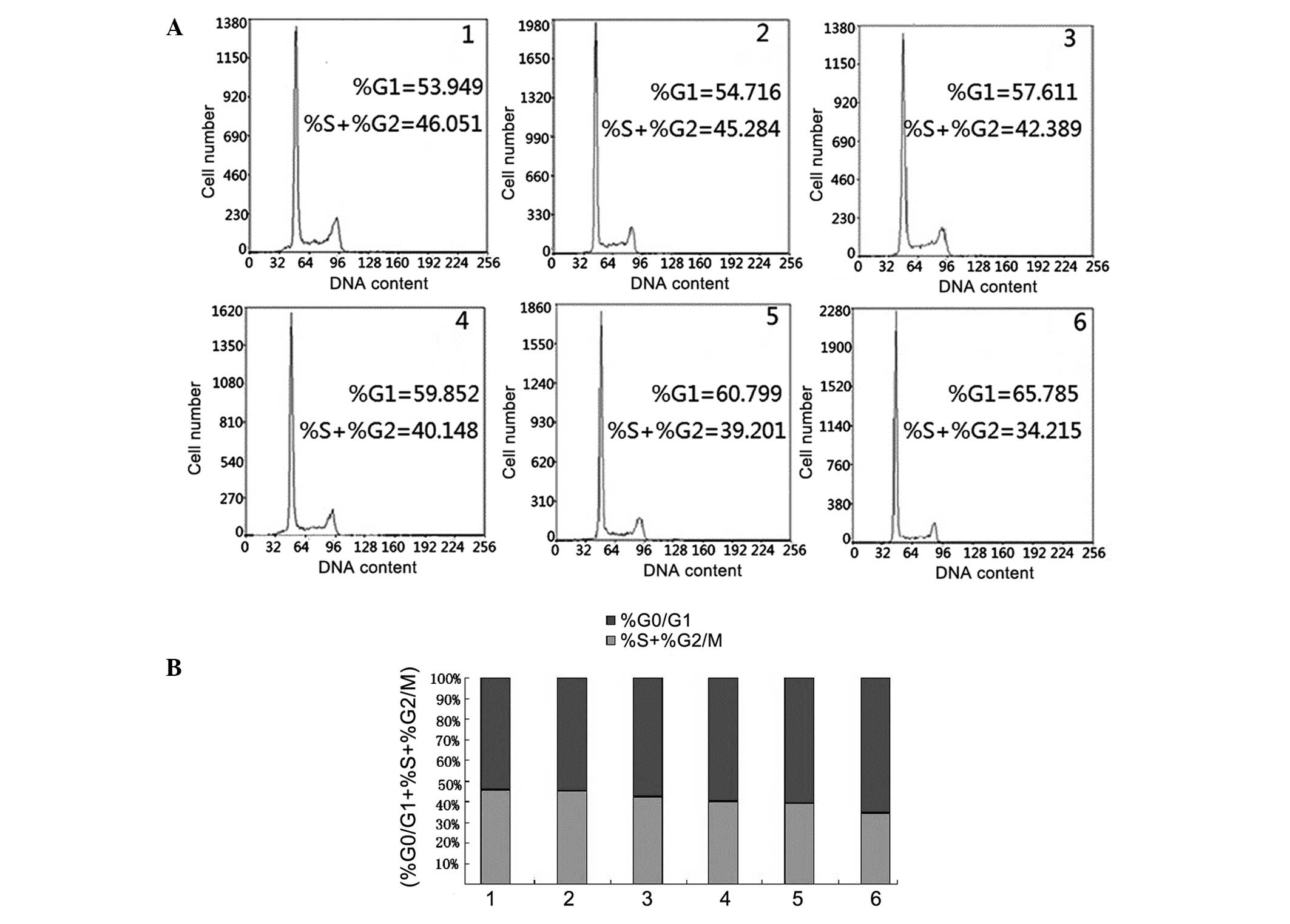
Alterations to N‑linked glycans are closely associated with cancer progression. Of particular importance in tumor growth and invasion, is the synthesis of complex N‑linked oligosaccharides containing poly‑N‑acetyllactosamine (polylactosamine) chains, which have previously been reported to inhibit 3'‑azidothymidine (AZT). Cluster of differentiation 147 (CD147) is a glycoprotein that carries β1,6‑branched polylactosamine sugars on its N‑glycans. The present study aimed to explore the mechanism by which AZT may affect matrix metalloproteinase‑2 (MMP2) expression and the cell cycle via regulation of the N‑glycans on CD147 in SGC‑7901 and U251 cell lines. Subsequent to treatment with various concentrations of AZT, the N‑glycans of highly glycosylated (HG)‑CD147 were observed to decrease in the two cell lines, and the expression of MMP2 was also significantly decreased. In addition, cell cycle analysis demonstrated that the percentage of the cells in the G1 phase increased in a dose‑dependent manner with AZT treatment, indicating that AZT may inhibit cell proliferation in SGC‑7901 cells. It was suggested that AZT may reduce the biosynthesis of polylactosamine chains on CD147 and reduce MMP2 expression to inhibit cell proliferation in SGC‑7901 and U251 cells. Thus, AZT is suggested to be an antineoplastic drug, which may be effective therapeutically for certain types of cancer through acting on the N‑glycans of HG‑CD147.
View Figures

Figure 1

Figure 2

Figure 3

Figure 4

Figure 5

Figure 6

View References

1 

Kato T, Suzuki M, Murata T and Park EY: The effects of N-glycosylation sites and the N-terminal region on the biological function of beta1,3-N-acetylglucosaminyltransferase 2 and its secretion. Biochem Biophys Res Commun. 329:699–705. 2005. View Article : Google Scholar : PubMed/NCBI

2 

Narimatsu H: Human glycogene cloning: focus on beta 3-glycosyltransferase and beta 4-glycosyltransferase families. Curr Opin Struct Biol. 16:567–575. 2006. View Article : Google Scholar : PubMed/NCBI

3 

Hakomori S: Glycosylation defining cancer malignancy: new wine in an old bottle. Proc Natl Acad Sci USA. 99:10231–10233. 2002. View Article : Google Scholar : PubMed/NCBI

4 

Saitoh O, Wang WC, Lotan R and Fukuda M: Differential glycosylation and cell surface expression of lysosomal membrane glycoproteins in sublines of a human colon cancer exhibiting distinct metastatic potentials. J Biol Chem. 267:5700–5711. 1992.PubMed/NCBI

5 

Kinoshita M, Mitsui Y, Kakoi N, Yamada K, Hayakawa T and Kakehi K: Common glycoproteins expressing polylactosamine-type glycans on matched patient primary and metastatic melanoma cells show different glycan profiles. J Proteome Res. 2013.PubMed/NCBI

6 

Mitsui Y, Yamada K, Hara S, Kinoshita M, Hayakawa T and Kakehi K: Comparative studies on glycoproteins expressing polylactosamine-type N-glycans in cancer cells. J Pharm Biomed Anal. 70:718–726. 2012. View Article : Google Scholar : PubMed/NCBI

7 

Togayachi A, Kozono Y, Ishida H, et al: Polylactosamine on glycoproteins influences basal levels of lymphocyte and macrophage activation. Proc Natl Acad Sci USA. 104:15829–15834. 2007. View Article : Google Scholar : PubMed/NCBI

8 

Tang W, Chang SB and Hemler ME: Links between CD147 function, glycosylation, and caveolin-1. Mol Biol Cell. 15:4043–4050. 2004. View Article : Google Scholar : PubMed/NCBI

9 

Huang W, Luo WJ, Zhu P, et al: Modulation of CD147-induced matrix metalloproteinase activity: role of CD147 N-glycosylation. Biochem J. 449:437–448. 2013. View Article : Google Scholar

10 

Gabison EE, Hoang-Xuan T, Mauviel A and Menashi S: EMMPRIN/CD147, an MMP modulator in cancer, development and tissue repair. Biochimie. 87:361–368. 2005. View Article : Google Scholar : PubMed/NCBI

11 

Agrawal SM and Yong VW: The many faces of EMMPRIN - roles in neuroinflammation. Biochim Biophys Acta. 1812:213–219. 2011. View Article : Google Scholar

12 

Hall ET, Yan JP, Melançon P and Kuchta RD: 3′-Azido-3′-deoxythymidine potently inhibits protein glycosylation. A novel mechanism for AZT cytotoxicity. J Biol Chem. 269:14355–14358. 1994.PubMed/NCBI

13 

Steet RA, Melancon P and Kuchta RD: 3′-Azidothymidine potently inhibits the biosynthesis of highly branched N-linked oligosaccharides and poly-N-acetyllactosamine chains in cells. J Biol Chem. 275:26812–26820. 2000.PubMed/NCBI

14 

Liu Z, Shen L, Xu L, Sun X, Zhou J and Wu S: Down-regulation of β-1,3-N-acetylglucosaminyltransferase-8 by siRNA inhibits the growth of human gastric cancer. Mol Med Rep. 4:497–503. 2011.PubMed/NCBI

15 

van den Eijnden DH, Koenderman AH and Schiphorst WE: Biosynthesis of blood group i-active polylactosaminoglycans. Partial purification and properties of an UDP-GlcNAc:N-acetyllactosaminide beta 1 - 3-N-acetylglucos aminyltransferase from Novikoff tumor cell ascites fluid. J Biol Chem. 263:12461–12471. 1988.PubMed/NCBI

16 

Ishida H, Togayachi A, Sakai T, et al: A novel beta1,3-N-acetylglucosaminyltransferase (beta3Gn-T8), which synthesizes poly-N-acetyllactosamine, is dramatically upregulated in colon cancer. FEBS Lett. 579:71–78. 2005. View Article : Google Scholar

17 

Do KY and Cummings RD: 2,6-branched mannose and the regulation of poly-N-acetyllactosamine biosynthesis in N-linked oligosaccharides of Chinese hamster ovary cells. J Biol Chem. 268:22028–22035. 1993.PubMed/NCBI

18 

Hakomori S: Tumor malignancy defined by aberrant glycosylation and sphingo(glyco)lipid metabolism. Cancer Res. 56:5309–5318. 1996.PubMed/NCBI

19 

Pierce M, Buckhaults P, Chen L and Fregien N: Regulation of N-acetylglucosaminyltransferase V and Asn-linked oligosaccharide beta(1,6) branching by a growth factor signaling pathway and effects on cell adhesion and metastatic potential. Glycoconj J. 14:623–630. 1997. View Article : Google Scholar : PubMed/NCBI

20 

Datti A, Orlacchio A, Siminovitch KA and Dennis JW: A coupled assay for UDP-GlcNAc:Gal beta 1-3GalNAc-R beta 1,6-N-acetylglucosaminyltransferase (GlcNAc to GalNAc). Anal Biochem. 206:262–266. 1992. View Article : Google Scholar : PubMed/NCBI

21 

Sawada R, Lowe JB and Fukuda M: E-selectin-dependent adhesion efficiency of colonic carcinoma cells is increased by genetic manipulation of their cell surface lysosomal membrane glycoprotein-1 expression levels. J Biol Chem. 268:12675–12681. 1993.PubMed/NCBI

22 

Krishnan V, Bane SM, Kawle PD, Naresh KN and Kalraiya RD: Altered melanoma cell surface glycosylation mediates organ specific adhesion and metastasis via lectin receptors on the lung vascular endothelium. Clin Exp Metastasis. 22:11–24. 2005. View Article : Google Scholar : PubMed/NCBI

23 

Ishida H, Togayachi A, Sakai T, et al: A novel beta1,3-N-acetyl-glucosaminyltransferase (beta3Gn-T8), which synthesizes poly-N-acetyllactosamine, is dramatically upregulated in colon cancer. FEBS Lett. 579:71–78. 2005. View Article : Google Scholar

24 

Ni J, Jiang Z, Shen L, et al: β3GnT8 regulates the metastatic potential of colorectal carcinoma cells by altering the glycosylation of CD147. Oncol Rep. 31:1795–1801. 2014.PubMed/NCBI

25 

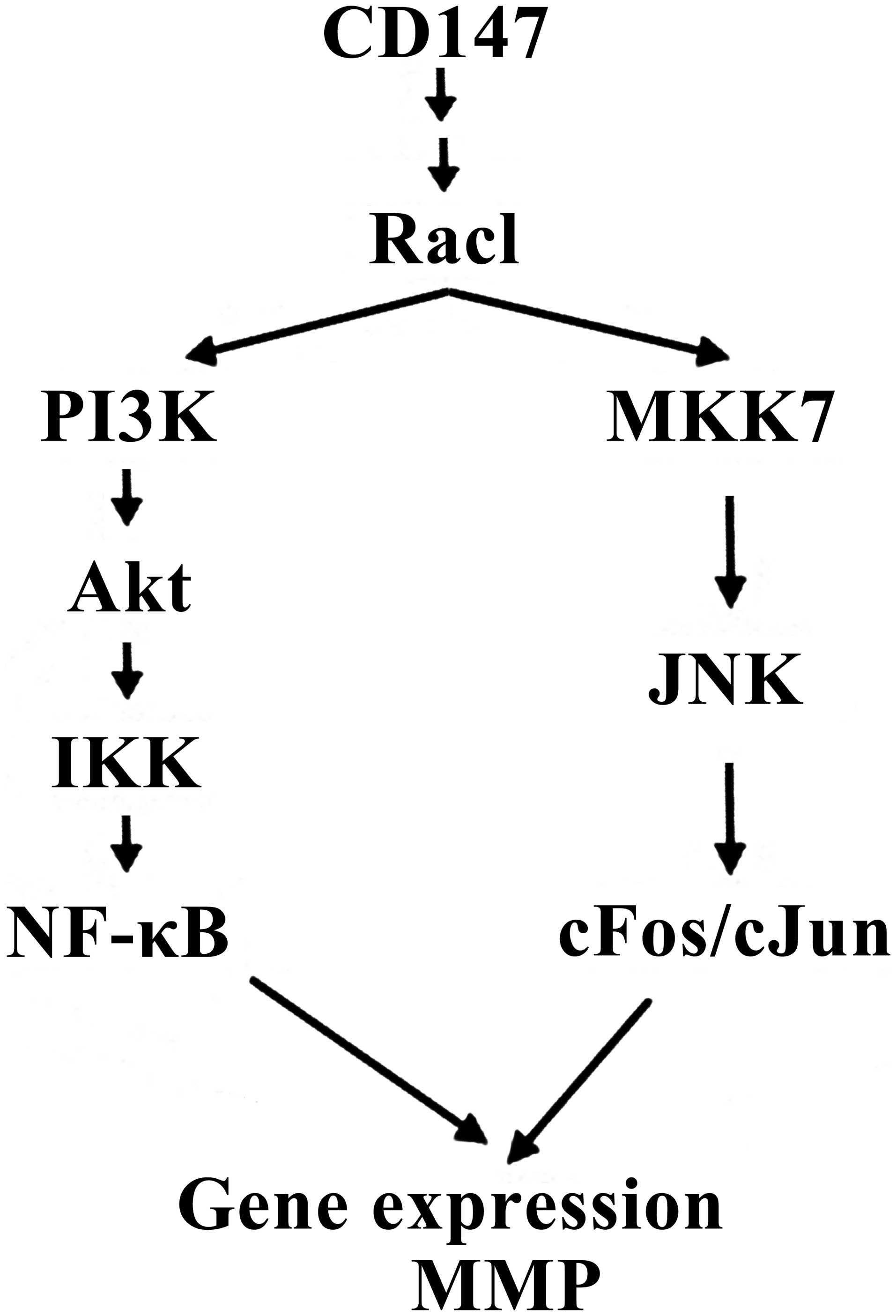
Venkatesan B, Valente AJ, Prabhu SD, Shanmugam P, Delafontaine P and Chandrasekar B: EMMPRIN activates multiple transcription factors in cardiomyocytes, and induces interleukin-18 expression via Rac1-dependent PI3K/Akt/IKK/NF-kappaB and MKK7/JNK/AP-1 signaling. J Mol Cell Cardiol. 49:655–663. 2010. View Article : Google Scholar : PubMed/NCBI

26 

Li G, Zhang Y, Qian Y, Zhang H, et al: Interleukin-17A promotes rheumatoid arthritis synoviocytes migration and invasion under hypoxia by increasing MMP2 and MMP9 expression through NF-κB/HIF-1α pathway. Mol Immunol. 53:227–236. 2013. View Article : Google Scholar

27 

Sun P, Mu Y and Zhang S: A novel NF-κB/MMP-3 signal pathway involves in the aggressivity of glioma promoted by Bmi-1. Tumour Biol. 35:12721–12727. 2014. View Article : Google Scholar : PubMed/NCBI

28 

Han YP, Tuan TL, Wu H, Hughes and Garner WL: TNF-alpha stimulates activation of pro-MMP2 in human skin through NF-(kappa)B mediated induction of MT1-MMP. J Cell Sci. 114:131–139. 2001.

Related Articles

  • Abstract
  • View
  • Download
  • Twitter
Copy and paste a formatted citation
Spandidos Publications style
Xu X, Hu Y, Ni J, Hu S, Jiang Z, Xu L, Liu C, Hua D and Wu S: 3'-Azidothymidine may potently inhibit the biosynthesis of polylactosamine chains on highly glycosylated-CD147 and reduce matrix metalloproteinase-2 expression in SGC-7901 and U251 cells. Mol Med Rep 11: 4713-4719, 2015.
APA
Xu, X., Hu, Y., Ni, J., Hu, S., Jiang, Z., Xu, L. ... Wu, S. (2015). 3'-Azidothymidine may potently inhibit the biosynthesis of polylactosamine chains on highly glycosylated-CD147 and reduce matrix metalloproteinase-2 expression in SGC-7901 and U251 cells. Molecular Medicine Reports, 11, 4713-4719. https://doi.org/10.3892/mmr.2015.3241
MLA
Xu, X., Hu, Y., Ni, J., Hu, S., Jiang, Z., Xu, L., Liu, C., Hua, D., Wu, S."3'-Azidothymidine may potently inhibit the biosynthesis of polylactosamine chains on highly glycosylated-CD147 and reduce matrix metalloproteinase-2 expression in SGC-7901 and U251 cells". Molecular Medicine Reports 11.6 (2015): 4713-4719.
Chicago
Xu, X., Hu, Y., Ni, J., Hu, S., Jiang, Z., Xu, L., Liu, C., Hua, D., Wu, S."3'-Azidothymidine may potently inhibit the biosynthesis of polylactosamine chains on highly glycosylated-CD147 and reduce matrix metalloproteinase-2 expression in SGC-7901 and U251 cells". Molecular Medicine Reports 11, no. 6 (2015): 4713-4719. https://doi.org/10.3892/mmr.2015.3241
Copy and paste a formatted citation
x
Spandidos Publications style
Xu X, Hu Y, Ni J, Hu S, Jiang Z, Xu L, Liu C, Hua D and Wu S: 3'-Azidothymidine may potently inhibit the biosynthesis of polylactosamine chains on highly glycosylated-CD147 and reduce matrix metalloproteinase-2 expression in SGC-7901 and U251 cells. Mol Med Rep 11: 4713-4719, 2015.
APA
Xu, X., Hu, Y., Ni, J., Hu, S., Jiang, Z., Xu, L. ... Wu, S. (2015). 3'-Azidothymidine may potently inhibit the biosynthesis of polylactosamine chains on highly glycosylated-CD147 and reduce matrix metalloproteinase-2 expression in SGC-7901 and U251 cells. Molecular Medicine Reports, 11, 4713-4719. https://doi.org/10.3892/mmr.2015.3241
MLA
Xu, X., Hu, Y., Ni, J., Hu, S., Jiang, Z., Xu, L., Liu, C., Hua, D., Wu, S."3'-Azidothymidine may potently inhibit the biosynthesis of polylactosamine chains on highly glycosylated-CD147 and reduce matrix metalloproteinase-2 expression in SGC-7901 and U251 cells". Molecular Medicine Reports 11.6 (2015): 4713-4719.
Chicago
Xu, X., Hu, Y., Ni, J., Hu, S., Jiang, Z., Xu, L., Liu, C., Hua, D., Wu, S."3'-Azidothymidine may potently inhibit the biosynthesis of polylactosamine chains on highly glycosylated-CD147 and reduce matrix metalloproteinase-2 expression in SGC-7901 and U251 cells". Molecular Medicine Reports 11, no. 6 (2015): 4713-4719. https://doi.org/10.3892/mmr.2015.3241
Follow us
  • Twitter
  • LinkedIn
  • Facebook
About
  • Spandidos Publications
  • Careers
  • Cookie Policy
  • Privacy Policy
How can we help?
  • Help
  • Live Chat
  • Contact
  • Email to our Support Team