Spandidos Publications Logo
  • About
    • About Spandidos
    • Aims and Scopes
    • Abstracting and Indexing
    • Editorial Policies
    • Reprints and Permissions
    • Job Opportunities
    • Terms and Conditions
    • Contact
  • Journals
    • All Journals
    • Oncology Letters
      • Oncology Letters
      • Information for Authors
      • Editorial Policies
      • Editorial Board
      • Aims and Scope
      • Abstracting and Indexing
      • Bibliographic Information
      • Archive
    • International Journal of Oncology
      • International Journal of Oncology
      • Information for Authors
      • Editorial Policies
      • Editorial Board
      • Aims and Scope
      • Abstracting and Indexing
      • Bibliographic Information
      • Archive
    • Molecular and Clinical Oncology
      • Molecular and Clinical Oncology
      • Information for Authors
      • Editorial Policies
      • Editorial Board
      • Aims and Scope
      • Abstracting and Indexing
      • Bibliographic Information
      • Archive
    • Experimental and Therapeutic Medicine
      • Experimental and Therapeutic Medicine
      • Information for Authors
      • Editorial Policies
      • Editorial Board
      • Aims and Scope
      • Abstracting and Indexing
      • Bibliographic Information
      • Archive
    • International Journal of Molecular Medicine
      • International Journal of Molecular Medicine
      • Information for Authors
      • Editorial Policies
      • Editorial Board
      • Aims and Scope
      • Abstracting and Indexing
      • Bibliographic Information
      • Archive
    • Biomedical Reports
      • Biomedical Reports
      • Information for Authors
      • Editorial Policies
      • Editorial Board
      • Aims and Scope
      • Abstracting and Indexing
      • Bibliographic Information
      • Archive
    • Oncology Reports
      • Oncology Reports
      • Information for Authors
      • Editorial Policies
      • Editorial Board
      • Aims and Scope
      • Abstracting and Indexing
      • Bibliographic Information
      • Archive
    • Molecular Medicine Reports
      • Molecular Medicine Reports
      • Information for Authors
      • Editorial Policies
      • Editorial Board
      • Aims and Scope
      • Abstracting and Indexing
      • Bibliographic Information
      • Archive
    • World Academy of Sciences Journal
      • World Academy of Sciences Journal
      • Information for Authors
      • Editorial Policies
      • Editorial Board
      • Aims and Scope
      • Abstracting and Indexing
      • Bibliographic Information
      • Archive
    • International Journal of Functional Nutrition
      • International Journal of Functional Nutrition
      • Information for Authors
      • Editorial Policies
      • Editorial Board
      • Aims and Scope
      • Abstracting and Indexing
      • Bibliographic Information
      • Archive
    • International Journal of Epigenetics
      • International Journal of Epigenetics
      • Information for Authors
      • Editorial Policies
      • Editorial Board
      • Aims and Scope
      • Abstracting and Indexing
      • Bibliographic Information
      • Archive
    • Medicine International
      • Medicine International
      • Information for Authors
      • Editorial Policies
      • Editorial Board
      • Aims and Scope
      • Abstracting and Indexing
      • Bibliographic Information
      • Archive
  • Articles
  • Information
    • Information for Authors
    • Information for Reviewers
    • Information for Librarians
    • Information for Advertisers
    • Conferences
  • Language Editing
Spandidos Publications Logo
  • About
    • About Spandidos
    • Aims and Scopes
    • Abstracting and Indexing
    • Editorial Policies
    • Reprints and Permissions
    • Job Opportunities
    • Terms and Conditions
    • Contact
  • Journals
    • All Journals
    • Biomedical Reports
      • Information for Authors
      • Editorial Policies
      • Editorial Board
      • Aims and Scope
      • Abstracting and Indexing
      • Bibliographic Information
      • Archive
    • Experimental and Therapeutic Medicine
      • Information for Authors
      • Editorial Policies
      • Editorial Board
      • Aims and Scope
      • Abstracting and Indexing
      • Bibliographic Information
      • Archive
    • International Journal of Epigenetics
      • Information for Authors
      • Editorial Policies
      • Editorial Board
      • Aims and Scope
      • Abstracting and Indexing
      • Bibliographic Information
      • Archive
    • International Journal of Functional Nutrition
      • Information for Authors
      • Editorial Policies
      • Editorial Board
      • Aims and Scope
      • Abstracting and Indexing
      • Bibliographic Information
      • Archive
    • International Journal of Molecular Medicine
      • Information for Authors
      • Editorial Policies
      • Editorial Board
      • Aims and Scope
      • Abstracting and Indexing
      • Bibliographic Information
      • Archive
    • International Journal of Oncology
      • Information for Authors
      • Editorial Policies
      • Editorial Board
      • Aims and Scope
      • Abstracting and Indexing
      • Bibliographic Information
      • Archive
    • Medicine International
      • Information for Authors
      • Editorial Policies
      • Editorial Board
      • Aims and Scope
      • Abstracting and Indexing
      • Bibliographic Information
      • Archive
    • Molecular and Clinical Oncology
      • Information for Authors
      • Editorial Policies
      • Editorial Board
      • Aims and Scope
      • Abstracting and Indexing
      • Bibliographic Information
      • Archive
    • Molecular Medicine Reports
      • Information for Authors
      • Editorial Policies
      • Editorial Board
      • Aims and Scope
      • Abstracting and Indexing
      • Bibliographic Information
      • Archive
    • Oncology Letters
      • Information for Authors
      • Editorial Policies
      • Editorial Board
      • Aims and Scope
      • Abstracting and Indexing
      • Bibliographic Information
      • Archive
    • Oncology Reports
      • Information for Authors
      • Editorial Policies
      • Editorial Board
      • Aims and Scope
      • Abstracting and Indexing
      • Bibliographic Information
      • Archive
    • World Academy of Sciences Journal
      • Information for Authors
      • Editorial Policies
      • Editorial Board
      • Aims and Scope
      • Abstracting and Indexing
      • Bibliographic Information
      • Archive
  • Articles
  • Information
    • For Authors
    • For Reviewers
    • For Librarians
    • For Advertisers
    • Conferences
  • Language Editing
Login Register Submit
  • This site uses cookies
  • You can change your cookie settings at any time by following the instructions in our Cookie Policy. To find out more, you may read our Privacy Policy.

    I agree
Search articles by DOI, keyword, author or affiliation
Search
Advanced Search
presentation
Molecular Medicine Reports
Join Editorial Board Propose a Special Issue
Print ISSN: 1791-2997 Online ISSN: 1791-3004
Journal Cover
June-2015 Volume 11 Issue 6

Full Size Image

Sign up for eToc alerts
Recommend to Library

Journals

International Journal of Molecular Medicine

International Journal of Molecular Medicine

International Journal of Molecular Medicine is an international journal devoted to molecular mechanisms of human disease.

International Journal of Oncology

International Journal of Oncology

International Journal of Oncology is an international journal devoted to oncology research and cancer treatment.

Molecular Medicine Reports

Molecular Medicine Reports

Covers molecular medicine topics such as pharmacology, pathology, genetics, neuroscience, infectious diseases, molecular cardiology, and molecular surgery.

Oncology Reports

Oncology Reports

Oncology Reports is an international journal devoted to fundamental and applied research in Oncology.

Experimental and Therapeutic Medicine

Experimental and Therapeutic Medicine

Experimental and Therapeutic Medicine is an international journal devoted to laboratory and clinical medicine.

Oncology Letters

Oncology Letters

Oncology Letters is an international journal devoted to Experimental and Clinical Oncology.

Biomedical Reports

Biomedical Reports

Explores a wide range of biological and medical fields, including pharmacology, genetics, microbiology, neuroscience, and molecular cardiology.

Molecular and Clinical Oncology

Molecular and Clinical Oncology

International journal addressing all aspects of oncology research, from tumorigenesis and oncogenes to chemotherapy and metastasis.

World Academy of Sciences Journal

World Academy of Sciences Journal

Multidisciplinary open-access journal spanning biochemistry, genetics, neuroscience, environmental health, and synthetic biology.

International Journal of Functional Nutrition

International Journal of Functional Nutrition

Open-access journal combining biochemistry, pharmacology, immunology, and genetics to advance health through functional nutrition.

International Journal of Epigenetics

International Journal of Epigenetics

Publishes open-access research on using epigenetics to advance understanding and treatment of human disease.

Medicine International

Medicine International

An International Open Access Journal Devoted to General Medicine.

Journal Cover
June-2015 Volume 11 Issue 6

Full Size Image

Sign up for eToc alerts
Recommend to Library

  • Article
  • Citations
    • Cite This Article
    • Download Citation
    • Create Citation Alert
    • Remove Citation Alert
    • Cited By
  • Similar Articles
    • Related Articles (in Spandidos Publications)
    • Similar Articles (Google Scholar)
    • Similar Articles (PubMed)
  • Download PDF
  • Download XML
  • View XML
Article Open Access

Exendin-4 enhances the migration of adipose-derived stem cells to neonatal rat ventricular cardiomyocyte-derived conditioned medium via the phosphoinositide 3-kinase/Akt-stromal cell-derived factor-1α/CXC chemokine receptor 4 pathway

  • Authors:
    • Hao Zhou
    • Junjie Yang
    • Ting Xin
    • Tao Zhang
    • Shunyin Hu
    • Shanshan Zhou
    • Guanghui Chen
    • Yundai Chen
  • View Affiliations / Copyright

    Affiliations: Department of Cardiology, Chinese People's Liberty Army General Hospital, Beijing 100853, P.R. China, Department of Cardiology, Tianjin First Central Hospital, Tianjin 300192, P.R. China
    Copyright: © Zhou et al. This is an open access article distributed under the terms of Creative Commons Attribution License [CC BY_NC 3.0].
  • Pages: 4063-4072
    |
    Published online on: January 22, 2015
       https://doi.org/10.3892/mmr.2015.3243
  • Expand metrics +
Metrics: Total Views: 0 (Spandidos Publications: | PMC Statistics: )
Metrics: Total PDF Downloads: 0 (Spandidos Publications: | PMC Statistics: )
Cited By (CrossRef): 0 citations Loading Articles...

This article is mentioned in:


Abstract

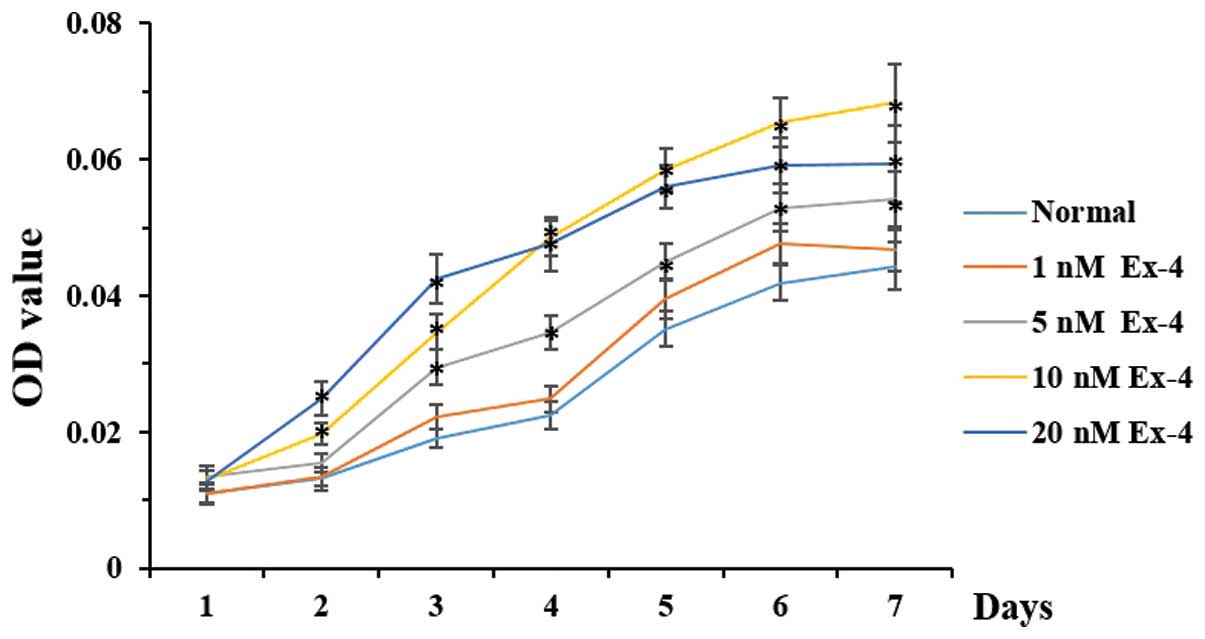
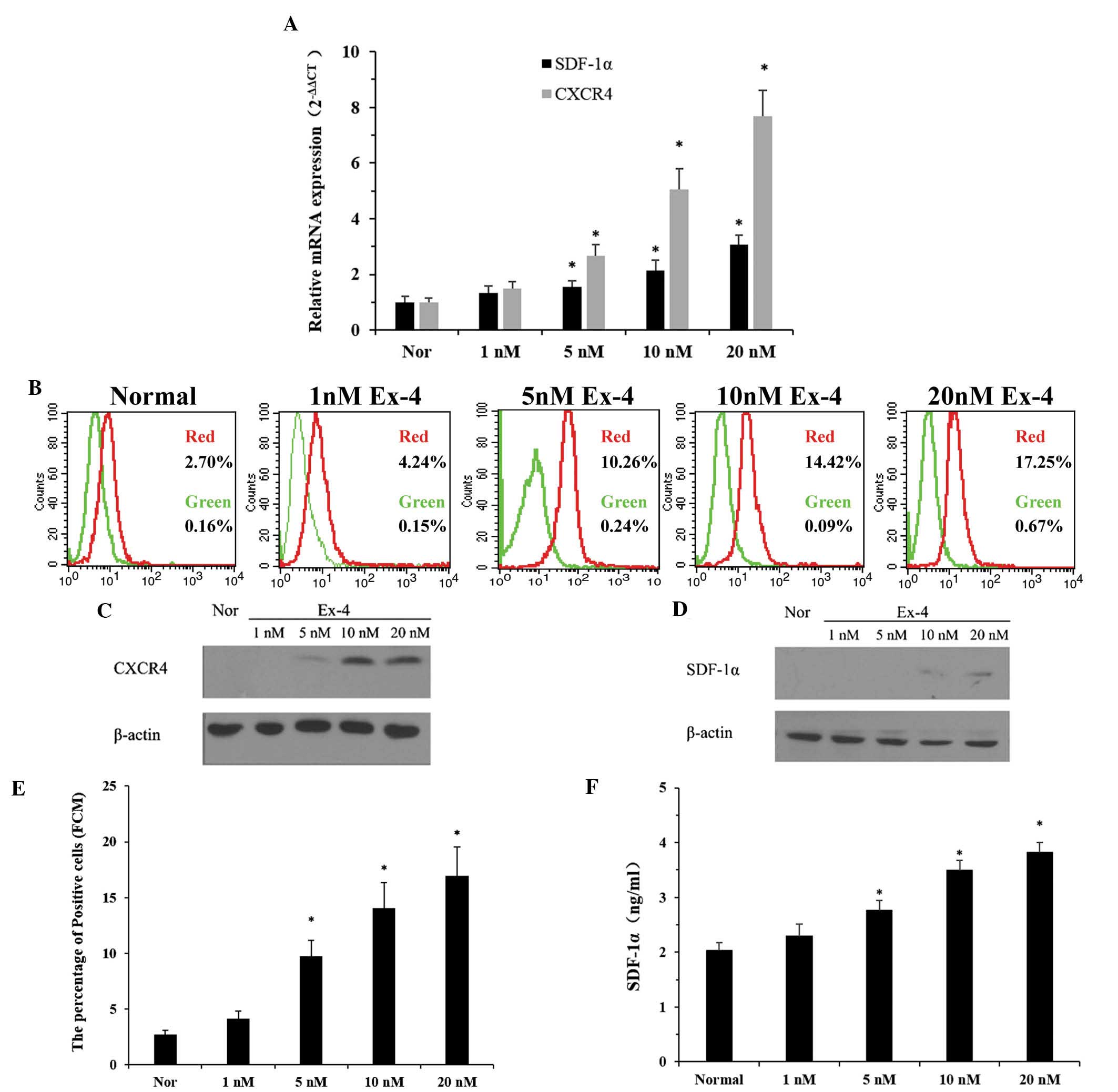
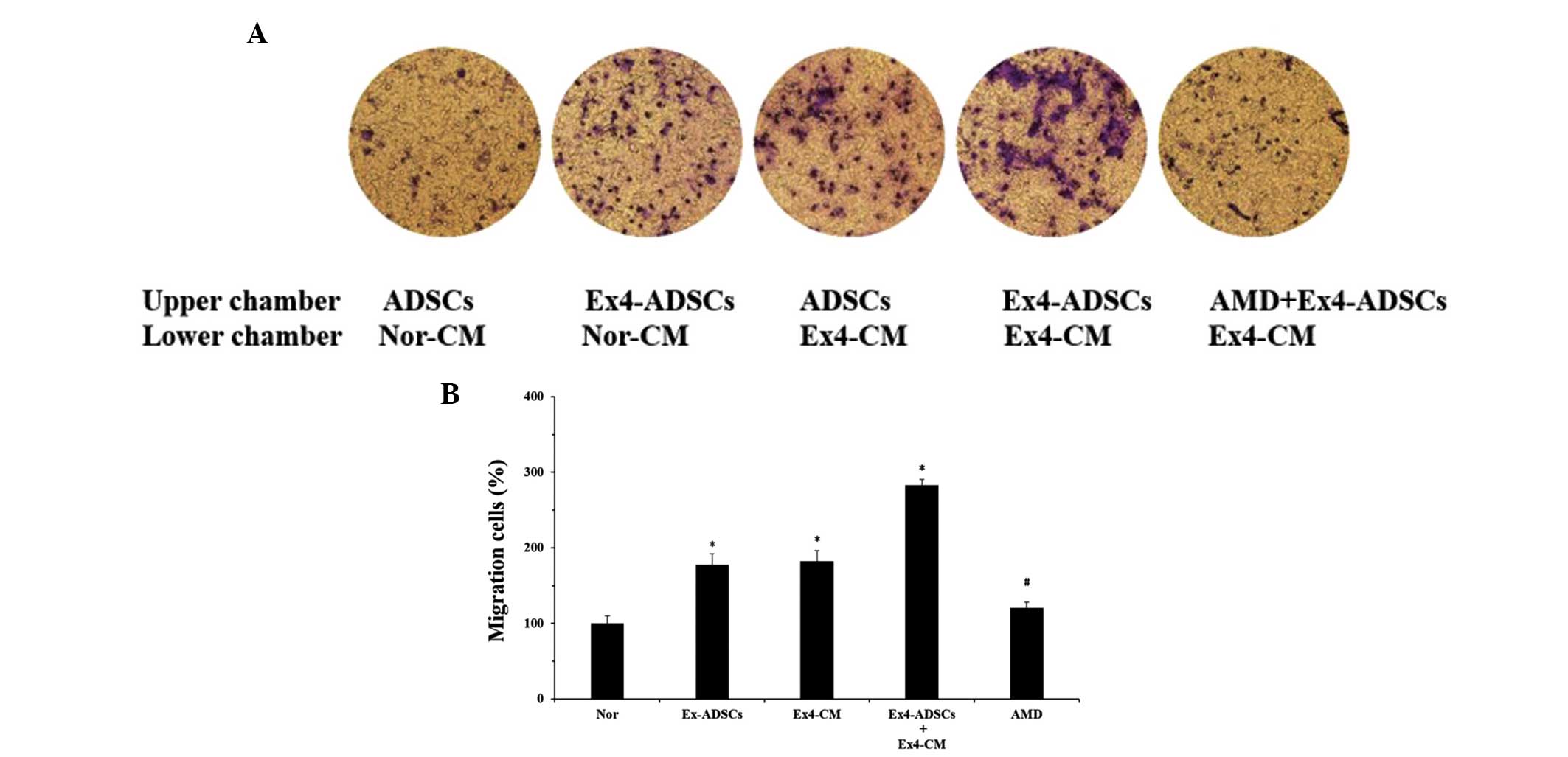
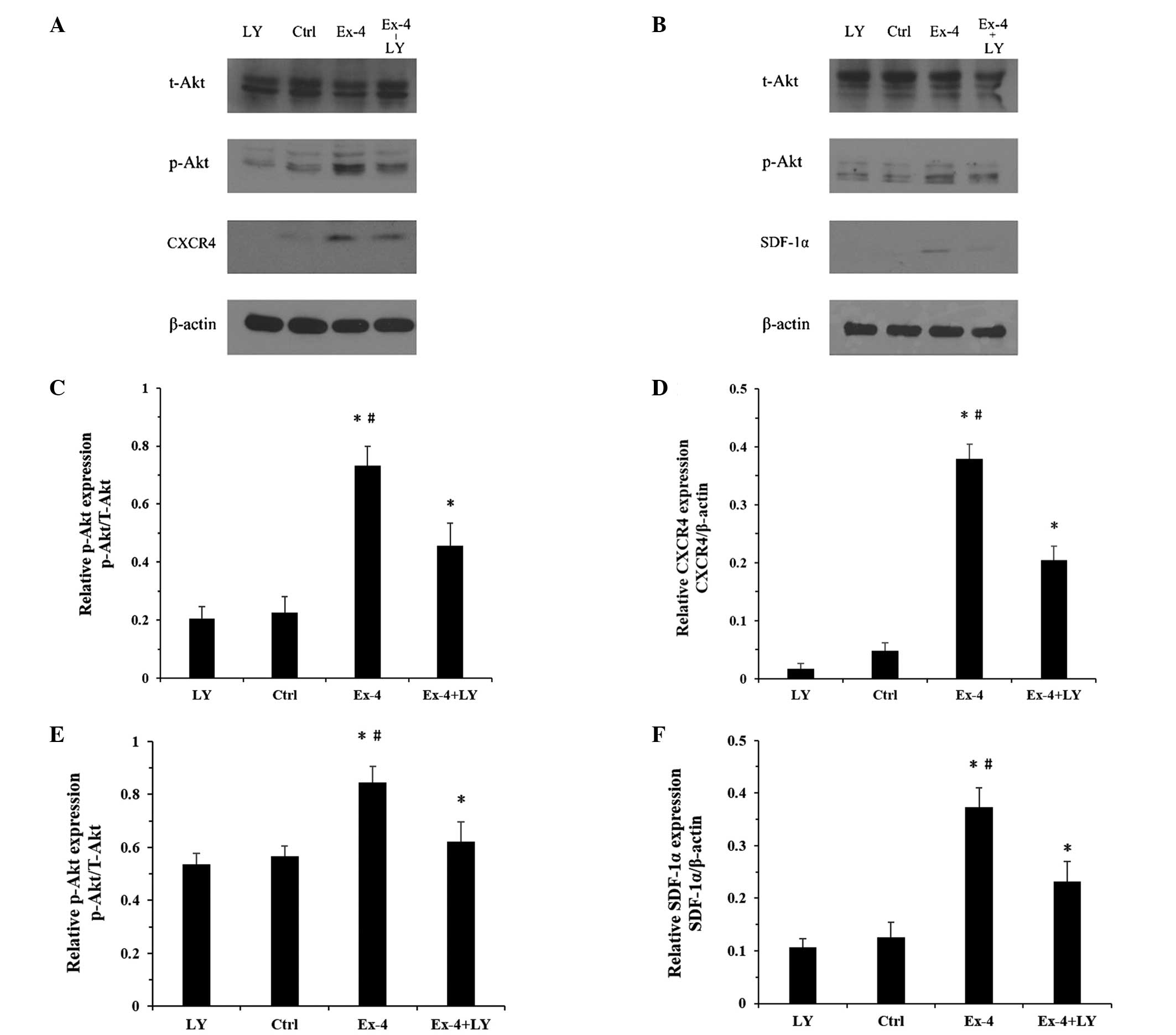
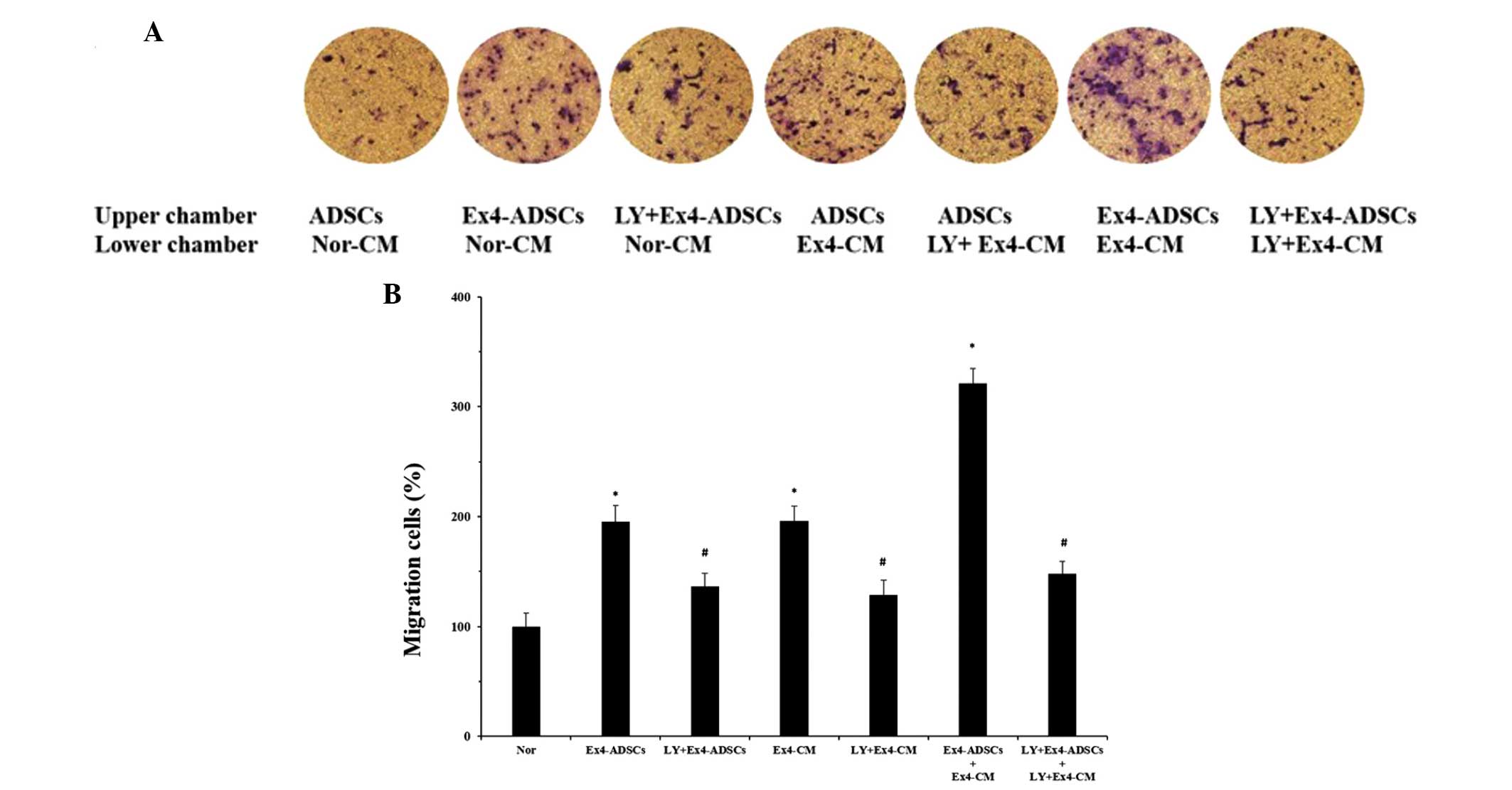
Adipose‑derived stem cells (ADSCs) are considered a suitable source of cells for the repair of tissue following acute myocardial infarction (AMI); however, the transplantation efficiency of ADSCs remains low. Therefore, identification of an efficient method to enhance the migration of engrafted cells to the target site is required. The present study used exendin‑4 (Ex‑4), a glucagon‑like peptide‑1 receptor agonist, to optimize the migratory capacity of ADSCs. The aim was to determine the effect and mechanisms of Ex‑4 on the migration of ADSCs to neonatal rat ventricular cardiomyocyte‑derived conditioned medium (NRVC‑CM). The ADSCs and cardiomyocytes were cultured in vitro. Following incubation of the ADSCs with Ex‑4, cell proliferation was measured using an MTT assay and the expression levels of CXC chemokine receptor 4 (CXCR4) were investigated by reverse transctiption quantitative polymerase chain reaction (RT‑qPCR), western blot analysis and flow cytometry. In addition, the expression levels of stromal cell‑derived factor‑1α (SDF‑1α) were evaluated in the NRVC‑CM treated with Ex‑4 by ELISA, RT‑qPCR and western blot analysis. The migration of the ADSCs to the NRVC‑CM was examined using a Transwell assay. Changes in the protein expression levels of phosphorylated (p‑)Akt were examined in the two types of cell by western blot analysis. The results suggested that Ex‑4 promoted the proliferation and expression of CXCR4 in the ADSCs, increased the secretion of SDF‑1α in the cardiomyocytes and increased the expression levels of p‑Akt in both cells. However, the alterations to the SDF‑1α/CXCR4 cascade in the cells were abrogated following pretreatment with LY‑294002, a phosphoinositide 3‑kinase(PI3K) inhibitor. Furthermore, a Transwell migration assay revealed marked translocation of the ADSCs through the membranes, towards the NRVC‑CM, following treatment with Ex‑4. However, these effects were reduced significantly by pretreatment of the cells with the SDF‑1α/CXCR4 cascade antagonist, AMD3100, and the PI3K inhibitor, LY‑294002. These results indicated that Ex‑4 augmented the SDF‑1α/CXCR4 cascade by activating the PI3K/Akt pathways in the ADSCs and NRVCs. Furthermore, enhancement of the PI3K/Akt-SDF-1α/CXCR4 pathway may be important in the migratory response of ADSCs to NRVC‑CM in vitro.
View Figures

Figure 1

Figure 2

Figure 3

Figure 4

Figure 5

Figure 6

View References

1 

Wallentin L, Kristensen SD, Anderson JL, et al: How can we optimize the processes of care for acute coronary syndromes to improve outcomes? Am Heart J. 168:622–631. 2014. View Article : Google Scholar : PubMed/NCBI

2 

Segers VF and Lee RT: Stem-cell therapy for cardiac disease. Nature. 451:937–942. 2008. View Article : Google Scholar : PubMed/NCBI

3 

Bai X, Yan Y, Song YH, et al: Both cultured and freshly isolated adipose tissue-derived stem cells enhance cardiac function after acute myocardial infarction. Eur Heart J. 31:489–501. 2010. View Article : Google Scholar

4 

Strioga M, Viswanathan S, Darinskas A, Slaby O and Michalek J: Same or not the same? Comparison of adipose tissue-derived versus bone marrow-derived mesenchymal stem and stromal cells. Stem Cells Dev. 21:2724–2752. 2012. View Article : Google Scholar : PubMed/NCBI

5 

Harasymiak-Krzyżanowska I, Niedojadło A, Karwat J, et al: Adipose tissue-derived stem cells show considerable promise for regenerative medicine applications. Cell Mol Biol Lett. 18:479–493. 2013. View Article : Google Scholar

6 

Konno M, Hamabe A, Hasegawa S, et al: Adipose-derived mesenchymal stem cells and regenerative medicine. Dev Growth Differ. 55:309–318. 2013. View Article : Google Scholar : PubMed/NCBI

7 

Mazo M, Gavira JJ, Pelacho B and Prosper F: Adipose‑derived stem cells for myocardial infarction. J. Cardiovasc Transl Res. 4:145–153. 2011. View Article : Google Scholar

8 

Chavakis E and Dimmeler S: Homing of progenitor cells to ischemic tissues. Antioxid Redox Signal. 15:967–980. 2011. View Article : Google Scholar

9 

Li Q, Zhang A, Tao C, Li X and Jin P: The role of SDF-1-CXCR4/CXCR7 axis in biological behaviors of adipose tissue-derived mesenchymal stem cells in vitro. Biochem Biophys Res Commun. 441:675–680. 2013. View Article : Google Scholar : PubMed/NCBI

10 

Cencioni C, Capogrossi MC and Napolitano M: The SDF-1/CXCR4 axis in stem cell preconditioning. Cardiovasc Res. 94:400–407. 2012. View Article : Google Scholar : PubMed/NCBI

11 

Zhuang Y, Chen X, Xu M, Zhang LY and Xiang F: Chemokine stromal cell-derived factor 1/CXCL12 increases homing of mesenchymal stem cells to injured myocardium and neovascularization following myocardial infarction. Chin Med J (Engl). 122:183–187. 2009.

12 

Haider H, Jiang S, Idris NM and Ashraf M: IGF-1-overexpressing mesenchymal stem cells accelerate bone marrow stem cell mobilization via paracrine activation of SDF-1alpha/CXCR4 signaling to promote myocardial repair. Circ Res. 103:1300–1308. 2008. View Article : Google Scholar : PubMed/NCBI

13 

Cho HH, Kyoung KM, Seo MJ, Kim YJ, Bae YC and Jung JS: Overexpression of CXCR4 increases migration and proliferation of human adipose tissue stromal cells. Stem Cells Dev. 15:853–864. 2006. View Article : Google Scholar

14 

Wang K, Zhao X, Kuang C, et al: Overexpression of SDF-1α enhanced migration and engraftment of cardiac stem cells and reduced infarcted size via CXCR4/PI3K pathway. PLoS One. 7:e439222012. View Article : Google Scholar

15 

Chang G, Zhang D, Yu H, et al: Cardioprotective effects of exenatide against oxidative stress-induced injury. Int J Mol Med. 32:1011–1020. 2013.PubMed/NCBI

16 

Li Y, Cao X, Li LX, et al: beta-Cell Pdx1 expression is essential for the glucoregulatory, proliferative, and cytoprotective actions of glucagon-like peptide-1. Diabetes. 54:482–491. 2005. View Article : Google Scholar : PubMed/NCBI

17 

Kang HM, Kang Y, Chun HJ, Jeong JW and Park C: Evaluation of the in vitro and in vivo angiogenic effects of exendin-4. Biochem Biophys Res Commun. 434:150–154. 2013. View Article : Google Scholar : PubMed/NCBI

18 

Miyahara Y, Nagaya N, Kataoka M, et al: Monolayered mesenchymal stem cells repair scarred myocardium after myocardial infarction. Nat Med. 12:459–465. 2006. View Article : Google Scholar : PubMed/NCBI

19 

Chen S, Liu J, Liu X, et al: Panax notoginseng saponins inhibit ischemia-induced apoptosis by activating PI3K/Akt pathway in cardiomyocytes. J Ethnopharmacol. 137:263–270. 2011. View Article : Google Scholar : PubMed/NCBI

20 

Ma X, Gao Y, Fan Y, et al: Overexpression of E2F1 promotes tumor malignancy and correlates with TNM stages in clear cell renal cell carcinoma. PLoS One. 8:e734362013. View Article : Google Scholar : PubMed/NCBI

21 

Zhang D, Fan GC, Zhou X, et al: Over-expression of CXCR4 on mesenchymal stem cells augments myoangiogenesis in the infarcted myocardium. J Mol Cell Cardiol. 44:281–292. 2008. View Article : Google Scholar : PubMed/NCBI

22 

Bonaros N, Sondermeijer H, Wiedemann D, et al: Downregulation of the CXC chemokine receptor 4/stromal cell-derived factor 1 pathway enhances myocardial neovascularization, cardiomyocyte survival, and functional recovery after myocardial infarction. J Thorac Cardiovasc Surg. 142:687–696. 2011. View Article : Google Scholar : PubMed/NCBI

23 

Wang YB, Liu YF, Lu XT, et al: Rehmannia glutinosa extract activates endothelial progenitor cells in a rat model of myocardial infarction through a SDF-1 α/CXCR4 cascade. PLoS One. 8:e543032013. View Article : Google Scholar

24 

Yang J, Zhang H, Zhao L, Chen Y, Liu H and Zhang T: Human adipose tissue-derived stem cells protect impaired cardiomyocytes from hypoxia/reoxygenation injury through hypoxia-induced paracrine mechanism. Cell Biochem Funct. 30:505–514. 2012. View Article : Google Scholar : PubMed/NCBI

25 

Li Y, Qu J, Shelat H, Gao S, Wassler M and Geng YJ: Clusterin induces CXCR4 expression and migration of cardiac progenitor cells. Exp Cell Res. 316:3435–3442. 2010. View Article : Google Scholar : PubMed/NCBI

26 

Timmers L, Henriques JP, de Kleijn DP, et al: Exenatide reduces infarct size and improves cardiac function in a porcine model of ischemia and reperfusion injury. J Am Coll Cardiol. 53:501–510. 2009. View Article : Google Scholar : PubMed/NCBI

27 

Strauer BE and Steinhoff G: 10 years of intracoronary and intramyocardial bone marrow stem cell therapy of the heart: from the methodological origin to clinical practice. J Am Coll Cardiol. 58:1095–1104. 2011. View Article : Google Scholar : PubMed/NCBI

28 

Templin C, Lüscher TF and Landmesser U: Cell‑based cardiovascular repair and regeneration in acute myocardial infarction and chronic ischemic cardiomyopathy-current status and future developments. Int J Dev Biol. 55:407–417. 2011. View Article : Google Scholar

29 

Krane M, Wernet O and Wu SM: Promises and pitfalls in cell replacement therapy for heart failure. Drug Discov Today Dis Mech. 7:e109–e115. 2010. View Article : Google Scholar : PubMed/NCBI

30 

Dow J, Simkhovich BZ, Kedes L and Kloner RA: Washout of transplanted cells from the heart: a potential new hurdle for cell transplantation therapy. Cardiovasc Res. 67:301–307. 2005. View Article : Google Scholar : PubMed/NCBI

31 

Askari AT, Unzek S, Popovic ZB, et al: Effect of stromal-cell-derived factor 1 on stem-cell homing and tissue regeneration in ischaemic cardiomyopathy. Lancet. 362:697–703. 2003. View Article : Google Scholar : PubMed/NCBI

32 

Rosenkranz K, Kumbruch S, Lebermann K, et al: The chemokine SDF-1/CXCL12 contributes to the ‘homingʼ of umbilical cord blood cells to a hypoxic-ischemic lesion in the rat brain. J Neurosci Res. 88:1223–1233. 2010.

33 

Stokman G, Stroo I, Claessen N, Teske GJ, Florquin S and Leemans JC: SDF-1 provides morphological and functional protection against renal ischaemia/reperfusion injury. Nephrol Dial Transplant. 25:3852–3859. 2010. View Article : Google Scholar : PubMed/NCBI

34 

Penn MS: SDF-1:CXCR4 axis is fundamental for tissue preservation and repair. Am J Pathol. 177:2166–2168. 2010. View Article : Google Scholar : PubMed/NCBI

35 

Sotsios Y, Whittaker GC, Westwick J and Ward SG: The CXC chemokine stromal cell-derived factor activates a Gi-coupled phosphoinositide 3-kinase in T lymphocytes. J Immunol. 163:5954–5963. 1999.PubMed/NCBI

36 

Hillyer P, Mordelet E, Flynn G and Male D: Chemokines, chemokine receptors and adhesion molecules on different human endothelia: discriminating the tissue-specific functions that affect leucocyte migration. Clin Exp Immunol. 134:431–441. 2003. View Article : Google Scholar : PubMed/NCBI

37 

Alsayed Y, Ngo H, Runnels J, et al: Mechanisms of regulation of CXCR4/SDF-1 (CXCL12)-dependent migration and homing in multiple myeloma. Blood. 109:2708–2717. 2007.

38 

Honczarenko M, Le Y, Swierkowski M, Ghiran I, Glodek AM and Silberstein LE: Human bone marrow stromal cells express a distinct set of biologically functional chemokine receptors. Stem Cells. 24:1030–1041. 2006. View Article : Google Scholar

39 

Cheng Z, Ou L, Zhou X, et al: Targeted migration of mesenchymal stem cells modified with CXCR4 gene to infarcted myocardium improves cardiac performance. Mol Ther. 16:571–579. 2008. View Article : Google Scholar : PubMed/NCBI

40 

Shi M, Li J, Liao L, et al: Regulation of CXCR4 expression in human mesenchymal stem cells by cytokine treatment: role in homing efficiency in NOD/SCID mice. Haematologica. 92:897–904. 2007. View Article : Google Scholar : PubMed/NCBI

41 

Tahrani AA, Bailey CJ, Del Prato S and Barnett AH: Management of type 2 diabetes: new and future developments in treatment. Lancet. 378:182–197. 2011. View Article : Google Scholar : PubMed/NCBI

42 

Davidson MH: Cardiovascular effects of glucagonlike peptide-1 agonists. Am J Cardiol. 108:33B–41B. 2011. View Article : Google Scholar : PubMed/NCBI

43 

Monji A, Mitsui T, Bando YK, Aoyama M, Shigeta T and Murohara T: Glucagon-like peptide-1 receptor activation reverses cardiac remodeling via normalizing cardiac steatosis and oxidative stress in type 2 diabetes. Am J Physiol Heart Circ Physiol. 305:H295–H304. 2013. View Article : Google Scholar : PubMed/NCBI

44 

Hu X, Dai S, Wu WJ, et al: Stromal cell derived factor-1 alpha confers protection against myocardial ischemia/reperfusion injury: role of the cardiac stromal cell derived factor-1 alpha CXCR4 axis. Circulation. 116:654–663. 2007. View Article : Google Scholar : PubMed/NCBI

45 

Huang C, Gu H, Zhang W, Manukyan MC, Shou W and Wang M: SDF-1/CXCR4 mediates acute protection of cardiac function through myocardial STAT3 signaling following global ischemia/reperfusion injury. Am J Physiol Heart Circ Physiol. 301:H1496–H1505. 2011. View Article : Google Scholar : PubMed/NCBI

46 

Hausenloy DJ, Lecour S and Yellon DM: Reperfusion injury salvage kinase and survivor activating factor enhancement prosurvival signaling pathways in ischemic postconditioning: two sides of the same coin. Antioxid Redox Signal. 14:893–907. 2011. View Article : Google Scholar

47 

Zou YR, Kottmann AH, Kuroda M, Taniuchi I and Littman DR: Function of the chemokine receptor CXCR4 in haematopoiesis and in cerebellar development. Nature. 393:595–599. 1998. View Article : Google Scholar : PubMed/NCBI

48 

Peled A, Petit I, Kollet O, et al: Dependence of human stem cell engraftment and repopulation of NOD/SCID mice on CXCR4. Science. 283:845–848. 1999. View Article : Google Scholar : PubMed/NCBI

49 

Ji JF, He BP, Dheen ST and Tay SS: Interactions of chemokines and chemokine receptors mediate the migration of mesenchymal stem cells to the impaired site in the brain after hypoglossal nerve injury. Stem Cells. 22:415–427. 2004. View Article : Google Scholar : PubMed/NCBI

50 

Odemis V, Boosmann K, Dieterlen MT and Engele J: The chemokine SDF1 controls multiple steps of myogenesis through atypical PKCzeta. J Cell Sci. 120:4050–4059. 2007. View Article : Google Scholar : PubMed/NCBI

51 

Mangi AA, Noiseux N, Kong D, et al: Mesenchymal stem cells modified with Akt prevent remodeling and restore performance of infarcted hearts. Nat Med. 9:1195–1201. 2003. View Article : Google Scholar : PubMed/NCBI

52 

Gnecchi M, Zhang Z, Ni A and Dzau VJ: Paracrine mechanisms in adult stem cell signaling and therapy. Circ Res. 103:1204–1219. 2008. View Article : Google Scholar : PubMed/NCBI

53 

González N, Acitores A, Sancho V, Valverde I and Villanueva-Peñacarrillo ML: Effect of GLP-1 on glucose transport and its cell signalling in human myocytes. Regul Pept. 126:203–211. 2005. View Article : Google Scholar : PubMed/NCBI

54 

Liu N, Tian J, Cheng J and Zhang J: Migration of CXCR4 gene-modified bone marrow-derived mesenchymal stem cells to the acute injured kidney. J Cell Biochem. 114:2677–2689. 2013. View Article : Google Scholar : PubMed/NCBI

55 

Kim SJ, Lee Y, Kim NY, et al: Pancreatic adenocarcinoma upregulated factor, a novel endothelial activator, promotes angiogenesis and vascular permeability. Oncogene. 32:3638–3647. 2013. View Article : Google Scholar

56 

McCaig AM, Cosimo E, Leach MT and Michie AM: Dasatinib inhibits CXCR4 signaling in chronic lymphocytic leukaemia cells and impairs migration towards CXCL12. PLoS One. 7:e489292012. View Article : Google Scholar : PubMed/NCBI

57 

Liu H, Xue W, Ge G, et al: Hypoxic preconditioning advances CXCR4 and CXCR7 expression by activating HIF-1α in MSCs. Biochem Biophys Res Commun. 401:509–515. 2010. View Article : Google Scholar : PubMed/NCBI

Related Articles

  • Abstract
  • View
  • Download
  • Twitter
Copy and paste a formatted citation
Spandidos Publications style
Zhou H, Yang J, Xin T, Zhang T, Hu S, Zhou S, Chen G and Chen Y: Exendin-4 enhances the migration of adipose-derived stem cells to neonatal rat ventricular cardiomyocyte-derived conditioned medium via the phosphoinositide 3-kinase/Akt-stromal cell-derived factor-1α/CXC chemokine receptor 4 pathway. Mol Med Rep 11: 4063-4072, 2015.
APA
Zhou, H., Yang, J., Xin, T., Zhang, T., Hu, S., Zhou, S. ... Chen, Y. (2015). Exendin-4 enhances the migration of adipose-derived stem cells to neonatal rat ventricular cardiomyocyte-derived conditioned medium via the phosphoinositide 3-kinase/Akt-stromal cell-derived factor-1α/CXC chemokine receptor 4 pathway. Molecular Medicine Reports, 11, 4063-4072. https://doi.org/10.3892/mmr.2015.3243
MLA
Zhou, H., Yang, J., Xin, T., Zhang, T., Hu, S., Zhou, S., Chen, G., Chen, Y."Exendin-4 enhances the migration of adipose-derived stem cells to neonatal rat ventricular cardiomyocyte-derived conditioned medium via the phosphoinositide 3-kinase/Akt-stromal cell-derived factor-1α/CXC chemokine receptor 4 pathway". Molecular Medicine Reports 11.6 (2015): 4063-4072.
Chicago
Zhou, H., Yang, J., Xin, T., Zhang, T., Hu, S., Zhou, S., Chen, G., Chen, Y."Exendin-4 enhances the migration of adipose-derived stem cells to neonatal rat ventricular cardiomyocyte-derived conditioned medium via the phosphoinositide 3-kinase/Akt-stromal cell-derived factor-1α/CXC chemokine receptor 4 pathway". Molecular Medicine Reports 11, no. 6 (2015): 4063-4072. https://doi.org/10.3892/mmr.2015.3243
Copy and paste a formatted citation
x
Spandidos Publications style
Zhou H, Yang J, Xin T, Zhang T, Hu S, Zhou S, Chen G and Chen Y: Exendin-4 enhances the migration of adipose-derived stem cells to neonatal rat ventricular cardiomyocyte-derived conditioned medium via the phosphoinositide 3-kinase/Akt-stromal cell-derived factor-1α/CXC chemokine receptor 4 pathway. Mol Med Rep 11: 4063-4072, 2015.
APA
Zhou, H., Yang, J., Xin, T., Zhang, T., Hu, S., Zhou, S. ... Chen, Y. (2015). Exendin-4 enhances the migration of adipose-derived stem cells to neonatal rat ventricular cardiomyocyte-derived conditioned medium via the phosphoinositide 3-kinase/Akt-stromal cell-derived factor-1α/CXC chemokine receptor 4 pathway. Molecular Medicine Reports, 11, 4063-4072. https://doi.org/10.3892/mmr.2015.3243
MLA
Zhou, H., Yang, J., Xin, T., Zhang, T., Hu, S., Zhou, S., Chen, G., Chen, Y."Exendin-4 enhances the migration of adipose-derived stem cells to neonatal rat ventricular cardiomyocyte-derived conditioned medium via the phosphoinositide 3-kinase/Akt-stromal cell-derived factor-1α/CXC chemokine receptor 4 pathway". Molecular Medicine Reports 11.6 (2015): 4063-4072.
Chicago
Zhou, H., Yang, J., Xin, T., Zhang, T., Hu, S., Zhou, S., Chen, G., Chen, Y."Exendin-4 enhances the migration of adipose-derived stem cells to neonatal rat ventricular cardiomyocyte-derived conditioned medium via the phosphoinositide 3-kinase/Akt-stromal cell-derived factor-1α/CXC chemokine receptor 4 pathway". Molecular Medicine Reports 11, no. 6 (2015): 4063-4072. https://doi.org/10.3892/mmr.2015.3243
Follow us
  • Twitter
  • LinkedIn
  • Facebook
About
  • Spandidos Publications
  • Careers
  • Cookie Policy
  • Privacy Policy
How can we help?
  • Help
  • Live Chat
  • Contact
  • Email to our Support Team