Spandidos Publications Logo
  • About
    • About Spandidos
    • Aims and Scopes
    • Abstracting and Indexing
    • Editorial Policies
    • Reprints and Permissions
    • Job Opportunities
    • Terms and Conditions
    • Contact
  • Journals
    • All Journals
    • Oncology Letters
      • Oncology Letters
      • Information for Authors
      • Editorial Policies
      • Editorial Board
      • Aims and Scope
      • Abstracting and Indexing
      • Bibliographic Information
      • Archive
    • International Journal of Oncology
      • International Journal of Oncology
      • Information for Authors
      • Editorial Policies
      • Editorial Board
      • Aims and Scope
      • Abstracting and Indexing
      • Bibliographic Information
      • Archive
    • Molecular and Clinical Oncology
      • Molecular and Clinical Oncology
      • Information for Authors
      • Editorial Policies
      • Editorial Board
      • Aims and Scope
      • Abstracting and Indexing
      • Bibliographic Information
      • Archive
    • Experimental and Therapeutic Medicine
      • Experimental and Therapeutic Medicine
      • Information for Authors
      • Editorial Policies
      • Editorial Board
      • Aims and Scope
      • Abstracting and Indexing
      • Bibliographic Information
      • Archive
    • International Journal of Molecular Medicine
      • International Journal of Molecular Medicine
      • Information for Authors
      • Editorial Policies
      • Editorial Board
      • Aims and Scope
      • Abstracting and Indexing
      • Bibliographic Information
      • Archive
    • Biomedical Reports
      • Biomedical Reports
      • Information for Authors
      • Editorial Policies
      • Editorial Board
      • Aims and Scope
      • Abstracting and Indexing
      • Bibliographic Information
      • Archive
    • Oncology Reports
      • Oncology Reports
      • Information for Authors
      • Editorial Policies
      • Editorial Board
      • Aims and Scope
      • Abstracting and Indexing
      • Bibliographic Information
      • Archive
    • Molecular Medicine Reports
      • Molecular Medicine Reports
      • Information for Authors
      • Editorial Policies
      • Editorial Board
      • Aims and Scope
      • Abstracting and Indexing
      • Bibliographic Information
      • Archive
    • World Academy of Sciences Journal
      • World Academy of Sciences Journal
      • Information for Authors
      • Editorial Policies
      • Editorial Board
      • Aims and Scope
      • Abstracting and Indexing
      • Bibliographic Information
      • Archive
    • International Journal of Functional Nutrition
      • International Journal of Functional Nutrition
      • Information for Authors
      • Editorial Policies
      • Editorial Board
      • Aims and Scope
      • Abstracting and Indexing
      • Bibliographic Information
      • Archive
    • International Journal of Epigenetics
      • International Journal of Epigenetics
      • Information for Authors
      • Editorial Policies
      • Editorial Board
      • Aims and Scope
      • Abstracting and Indexing
      • Bibliographic Information
      • Archive
    • Medicine International
      • Medicine International
      • Information for Authors
      • Editorial Policies
      • Editorial Board
      • Aims and Scope
      • Abstracting and Indexing
      • Bibliographic Information
      • Archive
  • Articles
  • Information
    • Information for Authors
    • Information for Reviewers
    • Information for Librarians
    • Information for Advertisers
    • Conferences
  • Language Editing
Spandidos Publications Logo
  • About
    • About Spandidos
    • Aims and Scopes
    • Abstracting and Indexing
    • Editorial Policies
    • Reprints and Permissions
    • Job Opportunities
    • Terms and Conditions
    • Contact
  • Journals
    • All Journals
    • Biomedical Reports
      • Information for Authors
      • Editorial Policies
      • Editorial Board
      • Aims and Scope
      • Abstracting and Indexing
      • Bibliographic Information
      • Archive
    • Experimental and Therapeutic Medicine
      • Information for Authors
      • Editorial Policies
      • Editorial Board
      • Aims and Scope
      • Abstracting and Indexing
      • Bibliographic Information
      • Archive
    • International Journal of Epigenetics
      • Information for Authors
      • Editorial Policies
      • Editorial Board
      • Aims and Scope
      • Abstracting and Indexing
      • Bibliographic Information
      • Archive
    • International Journal of Functional Nutrition
      • Information for Authors
      • Editorial Policies
      • Editorial Board
      • Aims and Scope
      • Abstracting and Indexing
      • Bibliographic Information
      • Archive
    • International Journal of Molecular Medicine
      • Information for Authors
      • Editorial Policies
      • Editorial Board
      • Aims and Scope
      • Abstracting and Indexing
      • Bibliographic Information
      • Archive
    • International Journal of Oncology
      • Information for Authors
      • Editorial Policies
      • Editorial Board
      • Aims and Scope
      • Abstracting and Indexing
      • Bibliographic Information
      • Archive
    • Medicine International
      • Information for Authors
      • Editorial Policies
      • Editorial Board
      • Aims and Scope
      • Abstracting and Indexing
      • Bibliographic Information
      • Archive
    • Molecular and Clinical Oncology
      • Information for Authors
      • Editorial Policies
      • Editorial Board
      • Aims and Scope
      • Abstracting and Indexing
      • Bibliographic Information
      • Archive
    • Molecular Medicine Reports
      • Information for Authors
      • Editorial Policies
      • Editorial Board
      • Aims and Scope
      • Abstracting and Indexing
      • Bibliographic Information
      • Archive
    • Oncology Letters
      • Information for Authors
      • Editorial Policies
      • Editorial Board
      • Aims and Scope
      • Abstracting and Indexing
      • Bibliographic Information
      • Archive
    • Oncology Reports
      • Information for Authors
      • Editorial Policies
      • Editorial Board
      • Aims and Scope
      • Abstracting and Indexing
      • Bibliographic Information
      • Archive
    • World Academy of Sciences Journal
      • Information for Authors
      • Editorial Policies
      • Editorial Board
      • Aims and Scope
      • Abstracting and Indexing
      • Bibliographic Information
      • Archive
  • Articles
  • Information
    • For Authors
    • For Reviewers
    • For Librarians
    • For Advertisers
    • Conferences
  • Language Editing
Login Register Submit
  • This site uses cookies
  • You can change your cookie settings at any time by following the instructions in our Cookie Policy. To find out more, you may read our Privacy Policy.

    I agree
Search articles by DOI, keyword, author or affiliation
Search
Advanced Search
presentation
Molecular Medicine Reports
Join Editorial Board Propose a Special Issue
Print ISSN: 1791-2997 Online ISSN: 1791-3004
Journal Cover
June-2015 Volume 11 Issue 6

Full Size Image

Sign up for eToc alerts
Recommend to Library

Journals

International Journal of Molecular Medicine

International Journal of Molecular Medicine

International Journal of Molecular Medicine is an international journal devoted to molecular mechanisms of human disease.

International Journal of Oncology

International Journal of Oncology

International Journal of Oncology is an international journal devoted to oncology research and cancer treatment.

Molecular Medicine Reports

Molecular Medicine Reports

Covers molecular medicine topics such as pharmacology, pathology, genetics, neuroscience, infectious diseases, molecular cardiology, and molecular surgery.

Oncology Reports

Oncology Reports

Oncology Reports is an international journal devoted to fundamental and applied research in Oncology.

Experimental and Therapeutic Medicine

Experimental and Therapeutic Medicine

Experimental and Therapeutic Medicine is an international journal devoted to laboratory and clinical medicine.

Oncology Letters

Oncology Letters

Oncology Letters is an international journal devoted to Experimental and Clinical Oncology.

Biomedical Reports

Biomedical Reports

Explores a wide range of biological and medical fields, including pharmacology, genetics, microbiology, neuroscience, and molecular cardiology.

Molecular and Clinical Oncology

Molecular and Clinical Oncology

International journal addressing all aspects of oncology research, from tumorigenesis and oncogenes to chemotherapy and metastasis.

World Academy of Sciences Journal

World Academy of Sciences Journal

Multidisciplinary open-access journal spanning biochemistry, genetics, neuroscience, environmental health, and synthetic biology.

International Journal of Functional Nutrition

International Journal of Functional Nutrition

Open-access journal combining biochemistry, pharmacology, immunology, and genetics to advance health through functional nutrition.

International Journal of Epigenetics

International Journal of Epigenetics

Publishes open-access research on using epigenetics to advance understanding and treatment of human disease.

Medicine International

Medicine International

An International Open Access Journal Devoted to General Medicine.

Journal Cover
June-2015 Volume 11 Issue 6

Full Size Image

Sign up for eToc alerts
Recommend to Library

  • Article
  • Citations
    • Cite This Article
    • Download Citation
    • Create Citation Alert
    • Remove Citation Alert
    • Cited By
  • Similar Articles
    • Related Articles (in Spandidos Publications)
    • Similar Articles (Google Scholar)
    • Similar Articles (PubMed)
  • Download PDF
  • Download XML
  • View XML
Article

Curcumin inhibits autophagy and apoptosis in hypoxia/reoxygenation-induced myocytes

  • Authors:
    • Zhouqing Huang
    • Bozhi Ye
    • Zhenyu Dai
    • Xinlei Wu
    • Zhongqiu Lu
    • Peiren Shan
    • Weijian Huang
  • View Affiliations / Copyright

    Affiliations: Department of Cardiology, The Key Laboratory of Cardiovascular Disease of Wenzhou, The First Affiliated Hospital of Wenzhou Medical University, Wenzhou, Zhejiang 325000, P.R. China, Department of Emergency, The Key Laboratory of Cardiovascular Disease of Wenzhou, The First Affiliated Hospital of Wenzhou Medical University, Wenzhou, Zhejiang 325000, P.R. China
  • Pages: 4678-4684
    |
    Published online on: February 9, 2015
       https://doi.org/10.3892/mmr.2015.3322
  • Expand metrics +
Metrics: Total Views: 0 (Spandidos Publications: | PMC Statistics: )
Metrics: Total PDF Downloads: 0 (Spandidos Publications: | PMC Statistics: )
Cited By (CrossRef): 0 citations Loading Articles...

This article is mentioned in:


Abstract

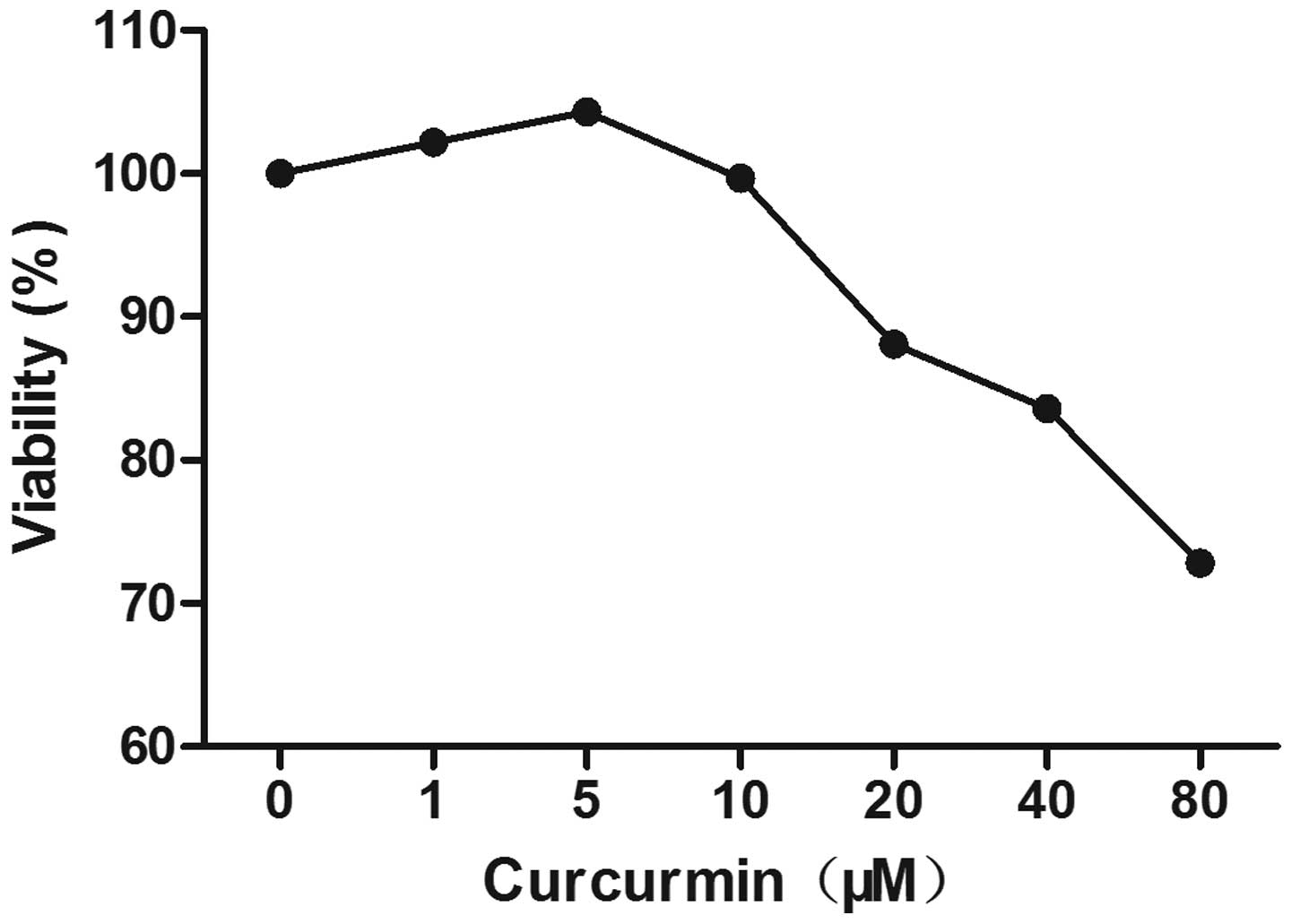
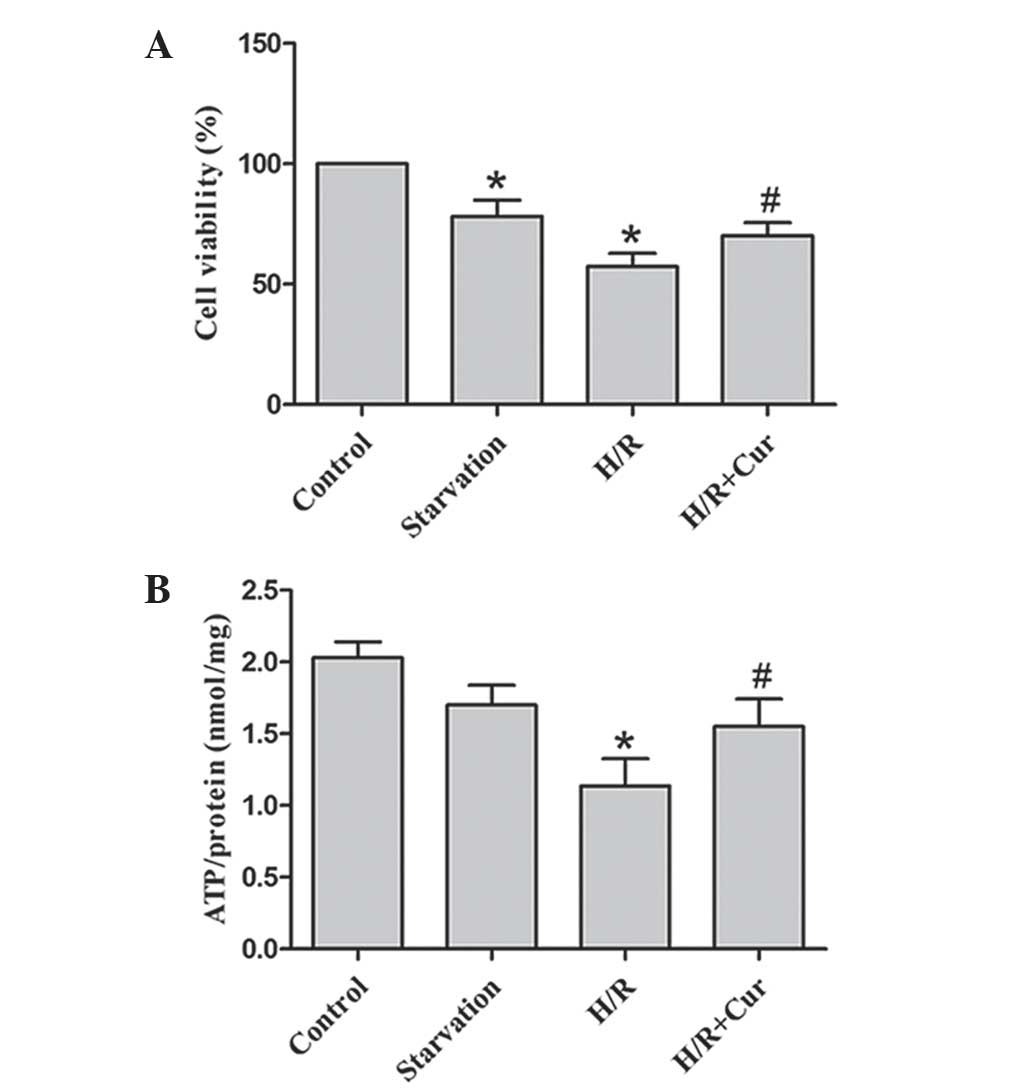
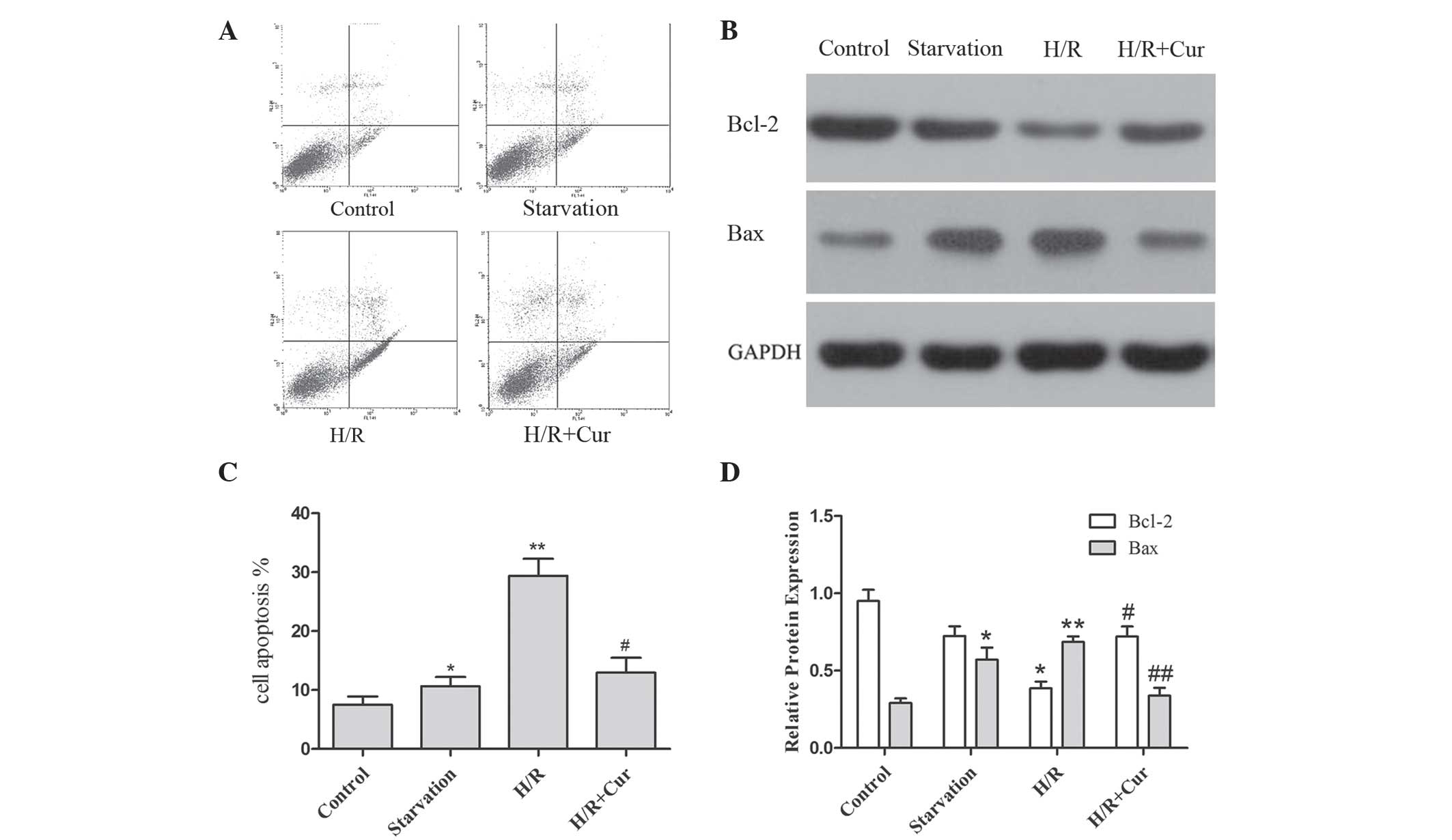
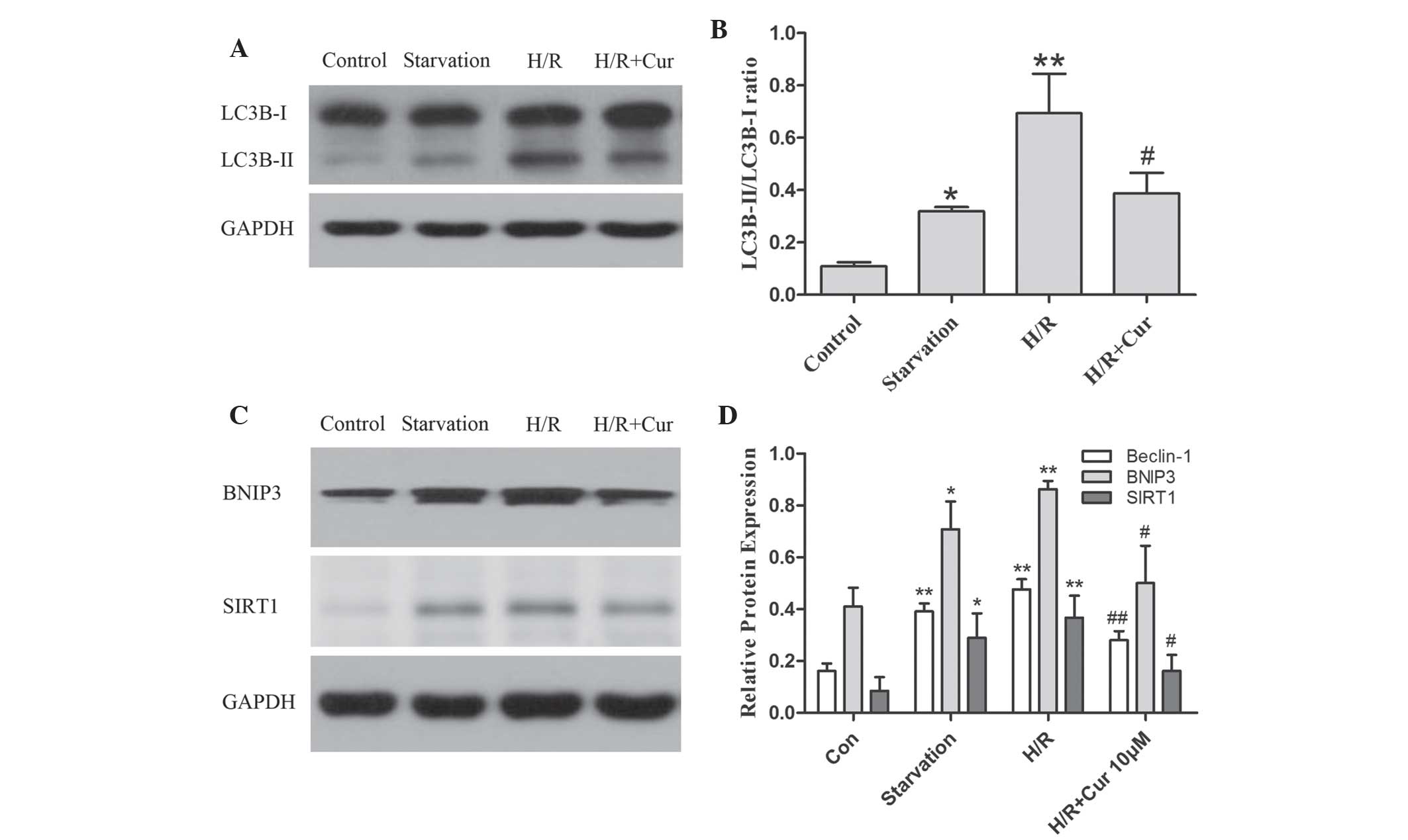
Primary percutaneous coronary intervention, or thombolytic therapy, provides effective myocardial blood reconstruction in patients with acute myocardial infarction to reduce acute myocardial ischemic injury. However, reperfusion can itself induce cardiomyocyte death, termed myocardial reperfusion injury (I/R). Hypoxia/reoxygenation (H/R) induces apoptosis and excessive autophagy among cardiomyocytes, leading to cell death. The present study investigated the effect of curcumin, a natural extract from Curcuma longa, on these two cellular processes in H9c2 myocytes. The levels of cellular apoptosis and autophagy were found to be upregulated in the H9c2 myocytes during H/R and were correlated with a reduced rate of cell survival. However, curcumin significantly suppressed the levels of H/R‑induced apoptosis (expression of annexin V) and autophagy (LC3B‑II/LC3B‑I ratio) in the H9c2 myocytes and promoted cell survival. Additionally, the expression of B‑cell lymphoma 2 (Bcl‑2) was significantly downregulated and the expression levels of Bcl‑2‑associated X protein, beclin‑1, Bcl‑2/adenovirus E1B 19 kDa interacting protein 3 (BNIP3) and silent information regulation 1 (SIRT1) were significantly upregulated in myocytes following H/R injury. These effects on the expression of these proteins were reversed by curcumin treatment. These findings suggested that the protective effect of curcumin against H/R injury in the H9c2 myocytes was through the inhibition of apoptosis and autophagy by inducing the expression of Bcl‑2 and inhibiting the expression levels of Bax, beclin‑1, BNIP3 and SIRT1. Therefore, curcumin may offer a promising therapeutic approach for the treatment of cardiomyocyte injury resulting from I/R.
View Figures

Figure 1

Figure 2

Figure 3

Figure 4

View References

1 

Keeley EC, Boura JA and Grines CL: Primary angioplasty versus intravenous thrombolytic therapy for acute myocardial infarction: a quantitative review of 23 randomised trials. Lancet. 361:13–20. 2003. View Article : Google Scholar : PubMed/NCBI

2 

Hausenloy DJ and Yellon DM: Myocardial ischemia-reperfusion injury: A neglected therapeutic target. J Clin Invest. 123:92–100. 2013. View Article : Google Scholar : PubMed/NCBI

3 

Yellon DM and Hausenloy DJ: Myocardial reperfusion injury. N Engl J Med. 357:1121–1135. 2007. View Article : Google Scholar : PubMed/NCBI

4 

Ong SB and Gustafsson AB: New roles for mitochondria in cell death in the reperfused myocardium. Cardiovasc Res. 94:190–196. 2012. View Article : Google Scholar :

5 

Zeng M, Wei X, Wu Z, et al: NF-κB-mediated induction of autophagy in cardiac ischemia/reperfusion injury. Biochem Biophys Res Commun. 436:180–185. 2013. View Article : Google Scholar : PubMed/NCBI

6 

Wagner C, Tillack D, Simonis G, Strasser RH and Weinbrenner C: Ischemic post-conditioning reduces infarct size of the in vivo rat heart: role of PI3-K, mTOR, GSK-3beta, and apoptosis. Mol Cell Biochem. 339:135–147. 2010. View Article : Google Scholar : PubMed/NCBI

7 

Ma X, Liu H, Foyil SR, Godar RJ, Weinheimer CJ and Diwan A: Autophagy is impaired in cardiac ischemia-reperfusion injury. Autophagy. 8:1394–1396. 2012. View Article : Google Scholar : PubMed/NCBI

8 

Yin Y, Guan Y, Duan J, et al: Cardioprotective effect of Danshensu against myocardial ischemia/reperfusion injury and inhibits apoptosis of H9c2 cardiomyocytes via Akt and ERK1/2 phosphorylation. Eur J Pharmacol. 699:219–226. 2013. View Article : Google Scholar

9 

Hadi NR, Yusif FG, Yousif M and Jaen KK: Both castration and goserelin acetate ameliorate myocardial ischemia reperfusion injury and apoptosis in male rats. ISRN Pharmacol. 2014:2069512014. View Article : Google Scholar : PubMed/NCBI

10 

Hadi NR, Al-Amran F, Yousif M and Zamil ST: Antiapoptotic effect of simvastatin ameliorates myocardial ischemia/reperfusion injury. ISRN Pharmacol. 2013:8150942013. View Article : Google Scholar

11 

Levine B and Klionsky DJ: Development by self-digestion: molecular mechanisms and biological functions of autophagy. Dev cell. 6:463–477. 2004. View Article : Google Scholar : PubMed/NCBI

12 

Loos B, Genade S, Ellis B, et al: At the core of survival: autophagy delays the onset of both apoptotic and necrotic cell death in a model of ischemic cell injury. Exp Cell Res. 317:1437–1453. 2011. View Article : Google Scholar : PubMed/NCBI

13 

Levine B and Yuan J: Autophagy in cell death: An innocent convict? J Clin Invest. 115:2679–2688. 2005. View Article : Google Scholar : PubMed/NCBI

14 

Matsui Y, Takagi H, Qu X, et al: Distinct roles of autophagy in the heart during ischemia and reperfusion: roles of AMP-activated protein kinase and Beclin 1 in mediating autophagy. Circ Res. 100:914–922. 2007. View Article : Google Scholar : PubMed/NCBI

15 

Kang M, Kim JH, Cho C, et al: Effect of Acori graminei Rhizoma on contractile dysfunction of ischemic and reperfused rat heart. Biol Pharm Bull. 29:483–488. 2006. View Article : Google Scholar : PubMed/NCBI

16 

Kang M, Kim JH, Cho C, et al: Anti-ischemic effect of Aurantii Fructus on contractile dysfunction of ischemic and reperfused rat heart. J Ethnopharmacol. 111:584–591. 2007. View Article : Google Scholar : PubMed/NCBI

17 

Abe Y, Hashimoto S and Horie T: Curcumin inhibition of inflammatory cytokine production by human peripheral blood monocytes and alveolar macrophages. Pharmacol Res. 39:41–47. 1999. View Article : Google Scholar : PubMed/NCBI

18 

Dhandapani KM, Mahesh VB and Brann DW: Curcumin suppresses growth and chemoresistance of human glioblastoma cells via AP-1 and NF-kappaB transcription factors. J Neurochem. 102:522–538. 2007. View Article : Google Scholar : PubMed/NCBI

19 

Kapakos G, Youreva V and Srivastava AK: Cardiovascular protection by curcumin: molecular aspects. Indian J Biochem Biophys. 49:306–315. 2012.PubMed/NCBI

20 

Yucel AF, Kanter M, Pergel A, Erboga M and Guzel A: The role of curcumin on intestinal oxidative stress, cell proliferation and apoptosis after ischemia/reperfusion injury in rats. J Mol Histol. 42:579–587. 2011. View Article : Google Scholar : PubMed/NCBI

21 

Shen SQ, Zhang Y, Xiang JJ and Xiong CL: Protective effect of curcumin against liver warm ischemia/reperfusion injury in rat model is associated with regulation of heat shock protein and antioxidant enzymes. World J Gastroenterol. 13:1953–1961. 2007. View Article : Google Scholar : PubMed/NCBI

22 

Awad AS and El-Sharif AA: Curcumin immune-mediated and anti-apoptotic mechanisms protect against renal ischemia/reperfusion and distant organ induced injuries. Int Immunopharmacol. 11:992–996. 2011. View Article : Google Scholar : PubMed/NCBI

23 

Wang L, Li C, Guo H, Kern TS, Huang K and Zheng L: Curcumin inhibits neuronal and vascular degeneration in retina after ischemia and reperfusion injury. PloS One. 6:e231942011. View Article : Google Scholar : PubMed/NCBI

24 

Gonzalez-Salazar A, Molina-Jijon E, Correa F, et al: Curcumin protects from cardiac reperfusion damage by attenuation of oxidant stress and mitochondrial dysfunction. Cardiovasc Toxicol. 11:357–364. 2011. View Article : Google Scholar : PubMed/NCBI

25 

Huang Z, Wang C, Wei L, et al: Resveratrol inhibits EMMPRIN expression via P38 and ERK1/2 pathways in PMA-induced THP-1 cells. Biochem Biophys Res Commun. 374:517–521. 2008. View Article : Google Scholar : PubMed/NCBI

26 

Levine B, Sinha S and Kroemer G: Bcl-2 family members: Dual regulators of apoptosis and autophagy. Autophagy. 4:600–606. 2008. View Article : Google Scholar : PubMed/NCBI

27 

Tanida I, Ueno T and Kominami E: LC3 conjugation system in mammalian autophagy. Int J Biochem Cell Biol. 36:2503–2518. 2004. View Article : Google Scholar : PubMed/NCBI

28 

Kroemer G, Galluzzi L, Vandenabeele P, et al: Classification of cell death: Recommendations of the nomenclature committee on cell death. Cell Death Differ. 16:3–11. 2009. View Article : Google Scholar :

29 

Wagener FA, Dekker D, Berden JH, et al: The role of reactive oxygen species in apoptosis of the diabetic kidney. Apoptosis. 14:1451–1458. 2009. View Article : Google Scholar : PubMed/NCBI

30 

Tian Y, Zhang W, Xia D, et al: Postconditioning inhibits myocardial apoptosis during prolonged reperfusion via a JAK2-STAT3-Bcl-2 pathway. J Biomed Sci. 18:532011. View Article : Google Scholar : PubMed/NCBI

31 

Fletcher JI, Meusburger S, Hawkins CJ, et al: Apoptosis is triggered when prosurvival Bcl-2 proteins cannot restrain Bax. Proc Natl Acad Sci USA. 105:18081–18087. 2008. View Article : Google Scholar : PubMed/NCBI

32 

Kim H, Rafiuddin-Shah M, Tu HC, et al: Hierarchical regulation of mitochondrion-dependent apoptosis by BCL-2 subfamilies. Nat Cell Biol. 8:1348–1358. 2006. View Article : Google Scholar : PubMed/NCBI

33 

Takagi H, Matsui Y and Sadoshima J: The role of autophagy in mediating cell survival and death during ischemia and reperfusion in the heart. Antioxid Redox Signal. 9:1373–1381. 2007. View Article : Google Scholar : PubMed/NCBI

34 

Takagi H, Matsui Y, Hirotani S, et al: AMPK mediates autophagy during myocardial ischemia in vivo. Autophagy. 3:405–407. 2007. View Article : Google Scholar : PubMed/NCBI

35 

Fu LL, Cheng Y and Liu B: Beclin-1: autophagic regulator and therapeutic target in cancer. Int J Biochem Cell Biol. 45:921–924. 2013. View Article : Google Scholar : PubMed/NCBI

36 

Zhang J and Ney PA: Role of BNIP3 and NIX in cell death, autophagy, and mitophagy. Cell Death Differ. 16:939–946. 2009. View Article : Google Scholar : PubMed/NCBI

37 

Shin BH, Lim Y, Oh HJ, et al: Pharmacological activation of Sirt1 ameliorates polyglutamine-induced toxicity through the regulation of autophagy. PloS One. 8:e649532013. View Article : Google Scholar : PubMed/NCBI

38 

Sinha S and Levine B: The autophagy effector Beclin 1: A novel BH3-only protein. Oncogene. 27:S137–148. 2008. View Article : Google Scholar

39 

Przyklenk K, Dong Y, Undyala VV and Whittaker P: Autophagy as a therapeutic target for ischaemia/reperfusion injury? Concepts, controversies, and challenges. Cardiovasc Res. 94:197–205. 2012. View Article : Google Scholar : PubMed/NCBI

40 

Valentim L, Laurence KM, Townsend PA, et al: Urocortin inhibits Beclin1-mediated autophagic cell death in cardiac myocytes exposed to ischaemia/reperfusion injury. J Mol Cell Cardiol. 40:846–852. 2006. View Article : Google Scholar : PubMed/NCBI

41 

Marquez RT and Xu L: Bcl-2:Beclin 1 complex: Multiple, mechanisms regulating autophagy/apoptosis toggle switch. Am J Cancer Res. 2:214–221. 2012.PubMed/NCBI

42 

Pattingre S, Tassa A, Qu X, et al: Bcl-2 antiapoptotic proteins inhibit Beclin 1-dependent autophagy. Cell. 122:927–939. 2005. View Article : Google Scholar : PubMed/NCBI

43 

Liang XH, Kleeman LK, Jiang HH, et al: Protection against fatal Sindbis virus encephalitis by beclin, a novel Bcl-2-interacting protein. J Virol. 72:8586–8596. 1998.PubMed/NCBI

44 

Akar U, Chaves-Reyez A, Barria M, et al: Silencing of Bcl-2 expression by small interfering RNA induces autophagic cell death in MCF-7 breast cancer cells. Autophagy. 4:669–679. 2008. View Article : Google Scholar : PubMed/NCBI

45 

Hamacher-Brady A, Brady NR, Logue SE, et al: Response to myocardial ischemia/reperfusion injury involves Bnip3 and autophagy. Cell Death Differ. 14:146–157. 2007. View Article : Google Scholar

46 

Bellot G, Garcia-Medina R, Gounon P, et al: Hypoxia-induced autophagy is mediated through hypoxia-inducible factor induction of BNIP3 and BNIP3L via their BH3 domains. Mol Cell Biol. 29:2570–2581. 2009. View Article : Google Scholar : PubMed/NCBI

47 

Yasuda M, Theodorakis P, Subramanian T and Chinnadurai G: Adenovirus E1B-19K/BCL-2 interacting protein BNIP3 contains a BH3 domain and a mitochondrial targeting sequence. J Biol Chem. 273:12415–12421. 1998. View Article : Google Scholar : PubMed/NCBI

48 

Chen G, Ray R, Dubik D, et al: The E1B 19K/Bcl-2-binding protein Nip3 is a dimeric mitochondrial protein that activates apoptosis. J Exp Med. 186:1975–1983. 1997. View Article : Google Scholar

49 

Hariharan N, Maejima Y, Nakae J, Paik J, Depinho RA and Sadoshima J: Deacetylation of FoxO by Sirt1 plays an essential role in mediating starvation-induced autophagy in cardiac myocytes. Circ res. 107:1470–1482. 2010. View Article : Google Scholar : PubMed/NCBI

50 

Lee IH, Cao L, Mostoslavsky R, et al: A role for the NAD-dependent deacetylase Sirt1 in the regulation of autophagy. Proc Natl Acad Sci USA. 105:3374–3379. 2008. View Article : Google Scholar : PubMed/NCBI

51 

Ou X, Lee MR, Huang X, Messina-Graham S and Broxmeyer HE: SIRT1 positively regulates autophagy and mitochondria function in embryonic stem cells under oxidative stress. Stem Cells. 32:1183–1194. 2014. View Article : Google Scholar : PubMed/NCBI

52 

Lee Y, Lee HY, Hanna RA and Gustafsson AB: Mitochondrial autophagy by Bnip3 involves Drp1-mediated mitochondrial fission and recruitment of Parkin in cardiac myocytes. Am J Physiol Heart Circ Physiol. 301:H1924–1931. 2011. View Article : Google Scholar : PubMed/NCBI

Related Articles

  • Abstract
  • View
  • Download
  • Twitter
Copy and paste a formatted citation
Spandidos Publications style
Huang Z, Ye B, Dai Z, Wu X, Lu Z, Shan P and Huang W: Curcumin inhibits autophagy and apoptosis in hypoxia/reoxygenation-induced myocytes. Mol Med Rep 11: 4678-4684, 2015.
APA
Huang, Z., Ye, B., Dai, Z., Wu, X., Lu, Z., Shan, P., & Huang, W. (2015). Curcumin inhibits autophagy and apoptosis in hypoxia/reoxygenation-induced myocytes. Molecular Medicine Reports, 11, 4678-4684. https://doi.org/10.3892/mmr.2015.3322
MLA
Huang, Z., Ye, B., Dai, Z., Wu, X., Lu, Z., Shan, P., Huang, W."Curcumin inhibits autophagy and apoptosis in hypoxia/reoxygenation-induced myocytes". Molecular Medicine Reports 11.6 (2015): 4678-4684.
Chicago
Huang, Z., Ye, B., Dai, Z., Wu, X., Lu, Z., Shan, P., Huang, W."Curcumin inhibits autophagy and apoptosis in hypoxia/reoxygenation-induced myocytes". Molecular Medicine Reports 11, no. 6 (2015): 4678-4684. https://doi.org/10.3892/mmr.2015.3322
Copy and paste a formatted citation
x
Spandidos Publications style
Huang Z, Ye B, Dai Z, Wu X, Lu Z, Shan P and Huang W: Curcumin inhibits autophagy and apoptosis in hypoxia/reoxygenation-induced myocytes. Mol Med Rep 11: 4678-4684, 2015.
APA
Huang, Z., Ye, B., Dai, Z., Wu, X., Lu, Z., Shan, P., & Huang, W. (2015). Curcumin inhibits autophagy and apoptosis in hypoxia/reoxygenation-induced myocytes. Molecular Medicine Reports, 11, 4678-4684. https://doi.org/10.3892/mmr.2015.3322
MLA
Huang, Z., Ye, B., Dai, Z., Wu, X., Lu, Z., Shan, P., Huang, W."Curcumin inhibits autophagy and apoptosis in hypoxia/reoxygenation-induced myocytes". Molecular Medicine Reports 11.6 (2015): 4678-4684.
Chicago
Huang, Z., Ye, B., Dai, Z., Wu, X., Lu, Z., Shan, P., Huang, W."Curcumin inhibits autophagy and apoptosis in hypoxia/reoxygenation-induced myocytes". Molecular Medicine Reports 11, no. 6 (2015): 4678-4684. https://doi.org/10.3892/mmr.2015.3322
Follow us
  • Twitter
  • LinkedIn
  • Facebook
About
  • Spandidos Publications
  • Careers
  • Cookie Policy
  • Privacy Policy
How can we help?
  • Help
  • Live Chat
  • Contact
  • Email to our Support Team