Spandidos Publications Logo
  • About
    • About Spandidos
    • Aims and Scopes
    • Abstracting and Indexing
    • Editorial Policies
    • Reprints and Permissions
    • Job Opportunities
    • Terms and Conditions
    • Contact
  • Journals
    • All Journals
    • Oncology Letters
      • Oncology Letters
      • Information for Authors
      • Editorial Policies
      • Editorial Board
      • Aims and Scope
      • Abstracting and Indexing
      • Bibliographic Information
      • Archive
    • International Journal of Oncology
      • International Journal of Oncology
      • Information for Authors
      • Editorial Policies
      • Editorial Board
      • Aims and Scope
      • Abstracting and Indexing
      • Bibliographic Information
      • Archive
    • Molecular and Clinical Oncology
      • Molecular and Clinical Oncology
      • Information for Authors
      • Editorial Policies
      • Editorial Board
      • Aims and Scope
      • Abstracting and Indexing
      • Bibliographic Information
      • Archive
    • Experimental and Therapeutic Medicine
      • Experimental and Therapeutic Medicine
      • Information for Authors
      • Editorial Policies
      • Editorial Board
      • Aims and Scope
      • Abstracting and Indexing
      • Bibliographic Information
      • Archive
    • International Journal of Molecular Medicine
      • International Journal of Molecular Medicine
      • Information for Authors
      • Editorial Policies
      • Editorial Board
      • Aims and Scope
      • Abstracting and Indexing
      • Bibliographic Information
      • Archive
    • Biomedical Reports
      • Biomedical Reports
      • Information for Authors
      • Editorial Policies
      • Editorial Board
      • Aims and Scope
      • Abstracting and Indexing
      • Bibliographic Information
      • Archive
    • Oncology Reports
      • Oncology Reports
      • Information for Authors
      • Editorial Policies
      • Editorial Board
      • Aims and Scope
      • Abstracting and Indexing
      • Bibliographic Information
      • Archive
    • Molecular Medicine Reports
      • Molecular Medicine Reports
      • Information for Authors
      • Editorial Policies
      • Editorial Board
      • Aims and Scope
      • Abstracting and Indexing
      • Bibliographic Information
      • Archive
    • World Academy of Sciences Journal
      • World Academy of Sciences Journal
      • Information for Authors
      • Editorial Policies
      • Editorial Board
      • Aims and Scope
      • Abstracting and Indexing
      • Bibliographic Information
      • Archive
    • International Journal of Functional Nutrition
      • International Journal of Functional Nutrition
      • Information for Authors
      • Editorial Policies
      • Editorial Board
      • Aims and Scope
      • Abstracting and Indexing
      • Bibliographic Information
      • Archive
    • International Journal of Epigenetics
      • International Journal of Epigenetics
      • Information for Authors
      • Editorial Policies
      • Editorial Board
      • Aims and Scope
      • Abstracting and Indexing
      • Bibliographic Information
      • Archive
    • Medicine International
      • Medicine International
      • Information for Authors
      • Editorial Policies
      • Editorial Board
      • Aims and Scope
      • Abstracting and Indexing
      • Bibliographic Information
      • Archive
  • Articles
  • Information
    • Information for Authors
    • Information for Reviewers
    • Information for Librarians
    • Information for Advertisers
    • Conferences
  • Language Editing
Spandidos Publications Logo
  • About
    • About Spandidos
    • Aims and Scopes
    • Abstracting and Indexing
    • Editorial Policies
    • Reprints and Permissions
    • Job Opportunities
    • Terms and Conditions
    • Contact
  • Journals
    • All Journals
    • Biomedical Reports
      • Information for Authors
      • Editorial Policies
      • Editorial Board
      • Aims and Scope
      • Abstracting and Indexing
      • Bibliographic Information
      • Archive
    • Experimental and Therapeutic Medicine
      • Information for Authors
      • Editorial Policies
      • Editorial Board
      • Aims and Scope
      • Abstracting and Indexing
      • Bibliographic Information
      • Archive
    • International Journal of Epigenetics
      • Information for Authors
      • Editorial Policies
      • Editorial Board
      • Aims and Scope
      • Abstracting and Indexing
      • Bibliographic Information
      • Archive
    • International Journal of Functional Nutrition
      • Information for Authors
      • Editorial Policies
      • Editorial Board
      • Aims and Scope
      • Abstracting and Indexing
      • Bibliographic Information
      • Archive
    • International Journal of Molecular Medicine
      • Information for Authors
      • Editorial Policies
      • Editorial Board
      • Aims and Scope
      • Abstracting and Indexing
      • Bibliographic Information
      • Archive
    • International Journal of Oncology
      • Information for Authors
      • Editorial Policies
      • Editorial Board
      • Aims and Scope
      • Abstracting and Indexing
      • Bibliographic Information
      • Archive
    • Medicine International
      • Information for Authors
      • Editorial Policies
      • Editorial Board
      • Aims and Scope
      • Abstracting and Indexing
      • Bibliographic Information
      • Archive
    • Molecular and Clinical Oncology
      • Information for Authors
      • Editorial Policies
      • Editorial Board
      • Aims and Scope
      • Abstracting and Indexing
      • Bibliographic Information
      • Archive
    • Molecular Medicine Reports
      • Information for Authors
      • Editorial Policies
      • Editorial Board
      • Aims and Scope
      • Abstracting and Indexing
      • Bibliographic Information
      • Archive
    • Oncology Letters
      • Information for Authors
      • Editorial Policies
      • Editorial Board
      • Aims and Scope
      • Abstracting and Indexing
      • Bibliographic Information
      • Archive
    • Oncology Reports
      • Information for Authors
      • Editorial Policies
      • Editorial Board
      • Aims and Scope
      • Abstracting and Indexing
      • Bibliographic Information
      • Archive
    • World Academy of Sciences Journal
      • Information for Authors
      • Editorial Policies
      • Editorial Board
      • Aims and Scope
      • Abstracting and Indexing
      • Bibliographic Information
      • Archive
  • Articles
  • Information
    • For Authors
    • For Reviewers
    • For Librarians
    • For Advertisers
    • Conferences
  • Language Editing
Login Register Submit
  • This site uses cookies
  • You can change your cookie settings at any time by following the instructions in our Cookie Policy. To find out more, you may read our Privacy Policy.

    I agree
Search articles by DOI, keyword, author or affiliation
Search
Advanced Search
presentation
Molecular Medicine Reports
Join Editorial Board Propose a Special Issue
Print ISSN: 1791-2997 Online ISSN: 1791-3004
Journal Cover
August-2015 Volume 12 Issue 2

Full Size Image

Sign up for eToc alerts
Recommend to Library

Journals

International Journal of Molecular Medicine

International Journal of Molecular Medicine

International Journal of Molecular Medicine is an international journal devoted to molecular mechanisms of human disease.

International Journal of Oncology

International Journal of Oncology

International Journal of Oncology is an international journal devoted to oncology research and cancer treatment.

Molecular Medicine Reports

Molecular Medicine Reports

Covers molecular medicine topics such as pharmacology, pathology, genetics, neuroscience, infectious diseases, molecular cardiology, and molecular surgery.

Oncology Reports

Oncology Reports

Oncology Reports is an international journal devoted to fundamental and applied research in Oncology.

Experimental and Therapeutic Medicine

Experimental and Therapeutic Medicine

Experimental and Therapeutic Medicine is an international journal devoted to laboratory and clinical medicine.

Oncology Letters

Oncology Letters

Oncology Letters is an international journal devoted to Experimental and Clinical Oncology.

Biomedical Reports

Biomedical Reports

Explores a wide range of biological and medical fields, including pharmacology, genetics, microbiology, neuroscience, and molecular cardiology.

Molecular and Clinical Oncology

Molecular and Clinical Oncology

International journal addressing all aspects of oncology research, from tumorigenesis and oncogenes to chemotherapy and metastasis.

World Academy of Sciences Journal

World Academy of Sciences Journal

Multidisciplinary open-access journal spanning biochemistry, genetics, neuroscience, environmental health, and synthetic biology.

International Journal of Functional Nutrition

International Journal of Functional Nutrition

Open-access journal combining biochemistry, pharmacology, immunology, and genetics to advance health through functional nutrition.

International Journal of Epigenetics

International Journal of Epigenetics

Publishes open-access research on using epigenetics to advance understanding and treatment of human disease.

Medicine International

Medicine International

An International Open Access Journal Devoted to General Medicine.

Journal Cover
August-2015 Volume 12 Issue 2

Full Size Image

Sign up for eToc alerts
Recommend to Library

  • Article
  • Citations
    • Cite This Article
    • Download Citation
    • Create Citation Alert
    • Remove Citation Alert
    • Cited By
  • Similar Articles
    • Related Articles (in Spandidos Publications)
    • Similar Articles (Google Scholar)
    • Similar Articles (PubMed)
  • Download PDF
  • Download XML
  • View XML
Article

Chloroquine exerts neuroprotection following traumatic brain injury via suppression of inflammation and neuronal autophagic death

  • Authors:
    • Chang‑Meng Cui
    • Jun‑Ling Gao
    • Ying Cui
    • Li‑Qian Sun
    • Yong‑Chao Wang
    • Kai‑Jie Wang
    • Ran Li
    • Yan‑Xia Tian
    • Jian‑Zhong Cui
  • View Affiliations / Copyright

    Affiliations: Department of Surgery, Hebei Medical University, Shijiazhung, Hebei 050017, P.R. China, School of Basic Medical Science, Hebei United University, Tangshan, Hebei 063000, P.R. China, Department of Neurosurgery, Tangshan Workers' Hospital, Tangshan, Hebei 063000, P.R. China
  • Pages: 2323-2328
    |
    Published online on: April 15, 2015
       https://doi.org/10.3892/mmr.2015.3611
  • Expand metrics +
Metrics: Total Views: 0 (Spandidos Publications: | PMC Statistics: )
Metrics: Total PDF Downloads: 0 (Spandidos Publications: | PMC Statistics: )
Cited By (CrossRef): 0 citations Loading Articles...

This article is mentioned in:


Abstract

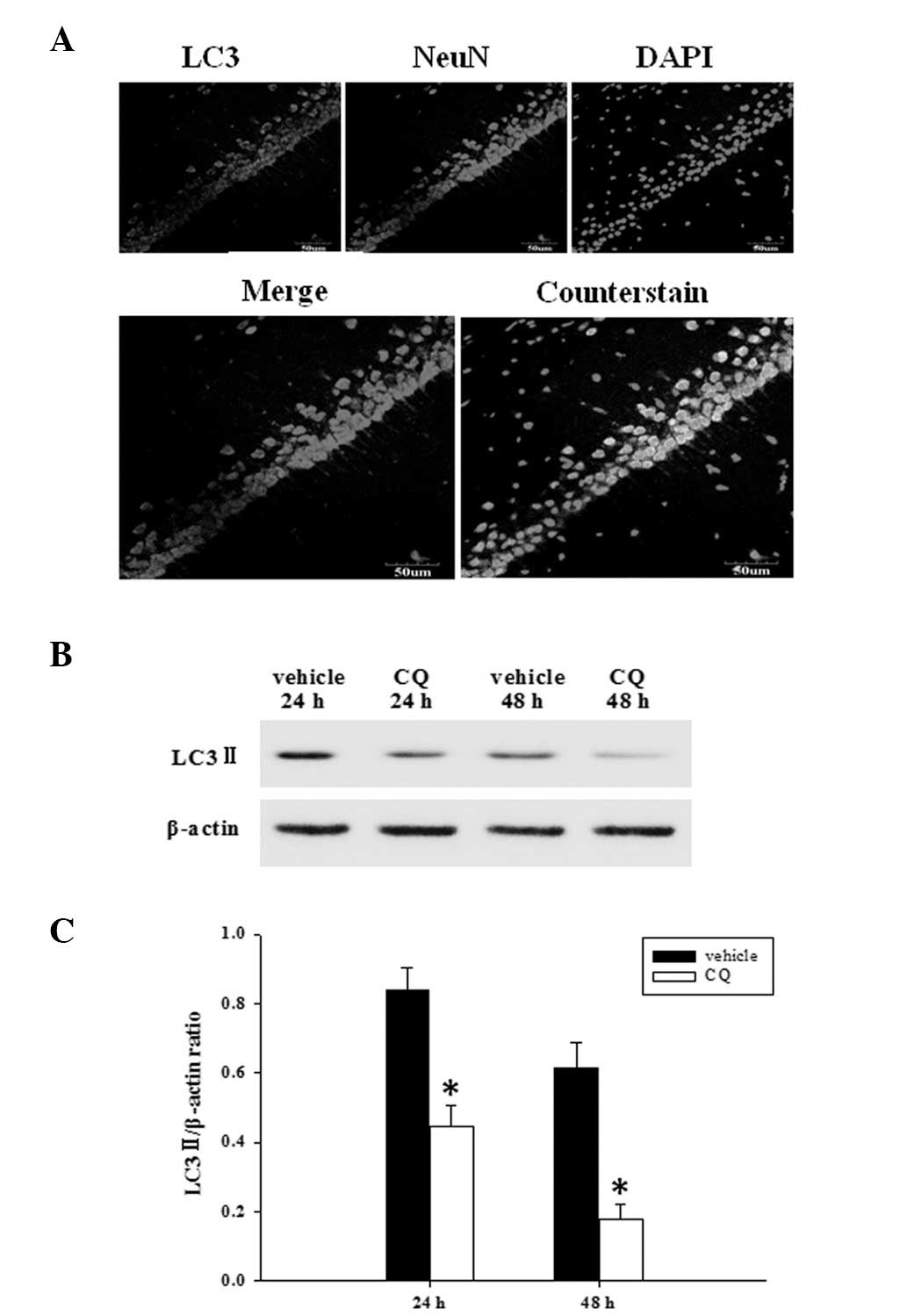
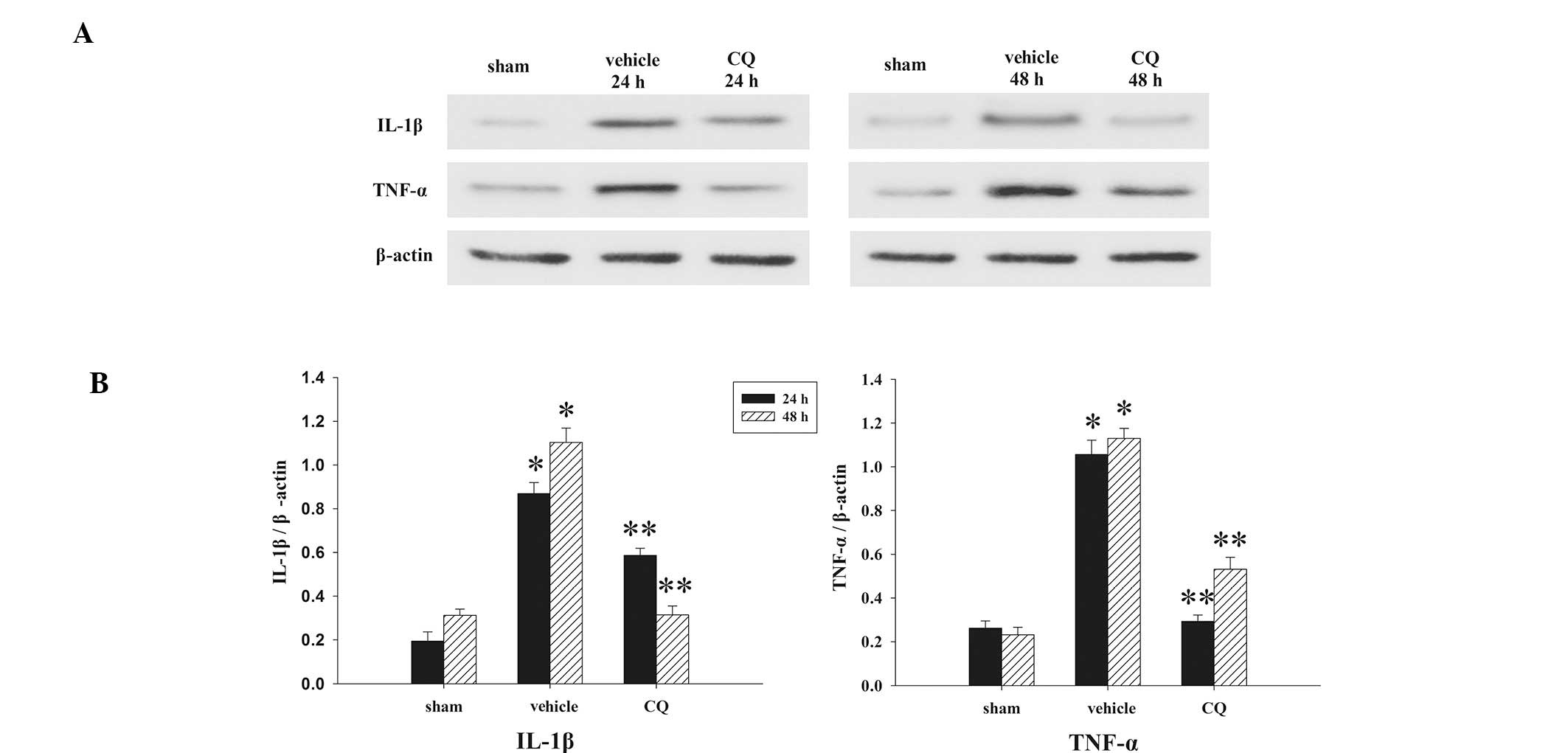
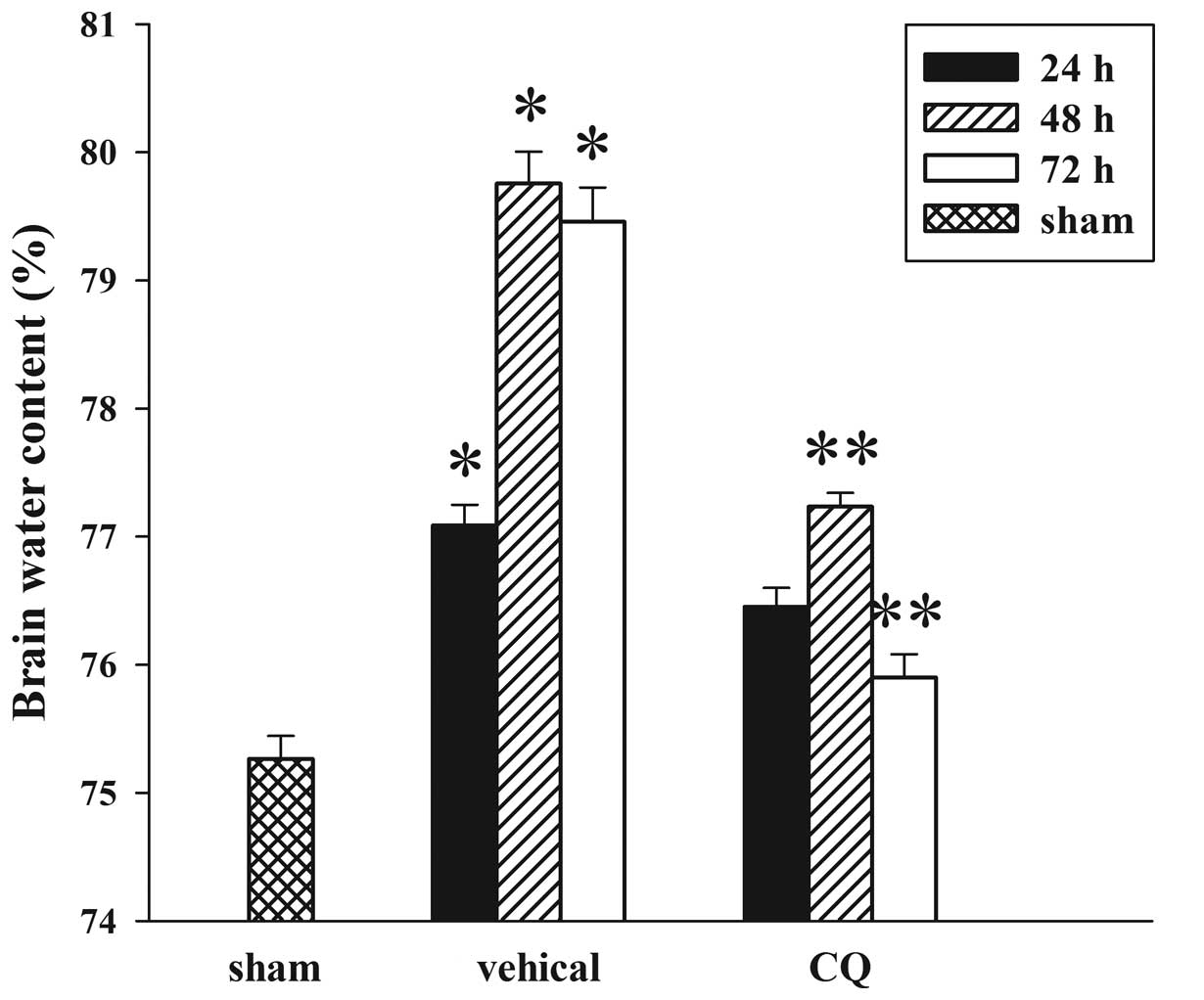
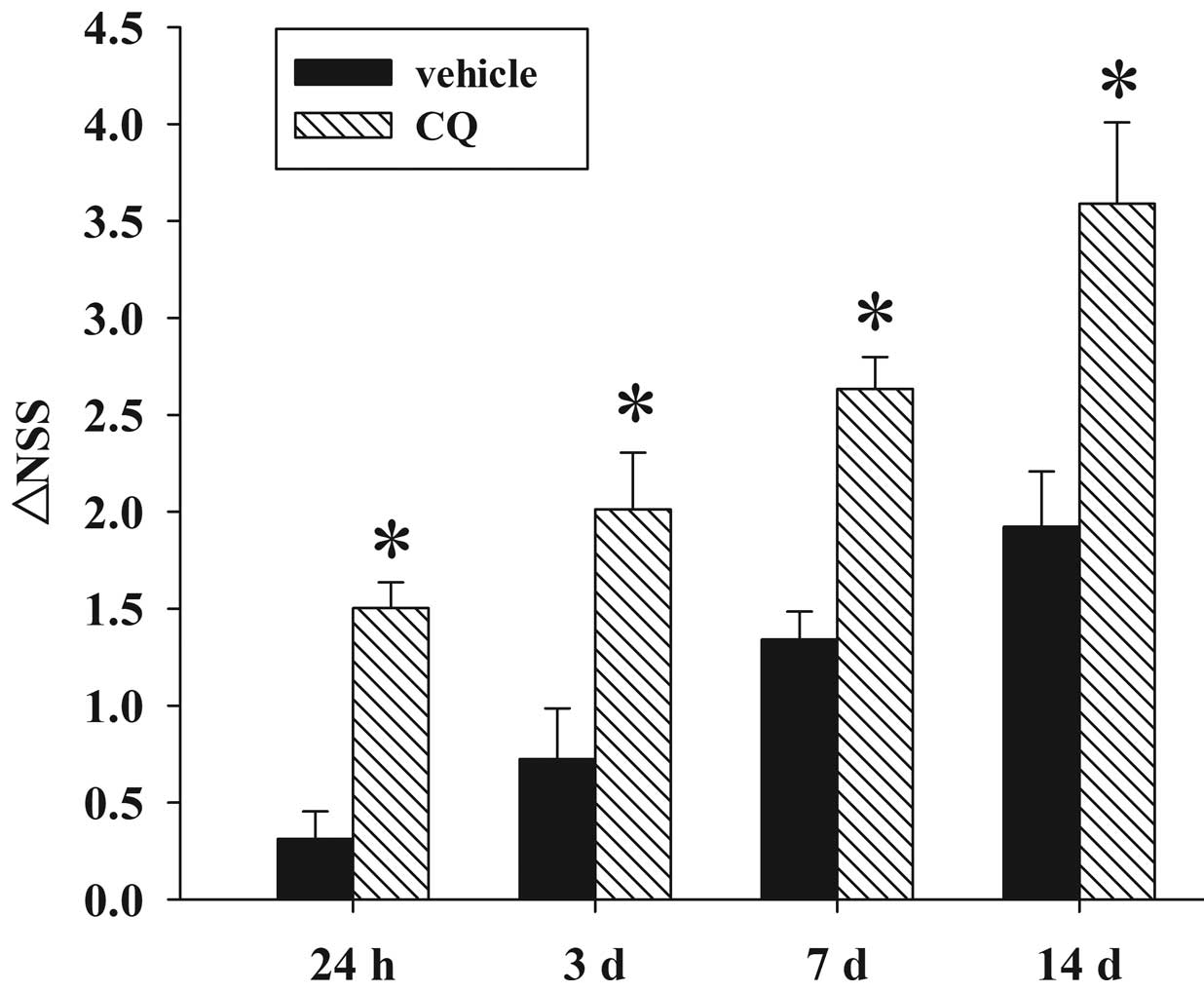
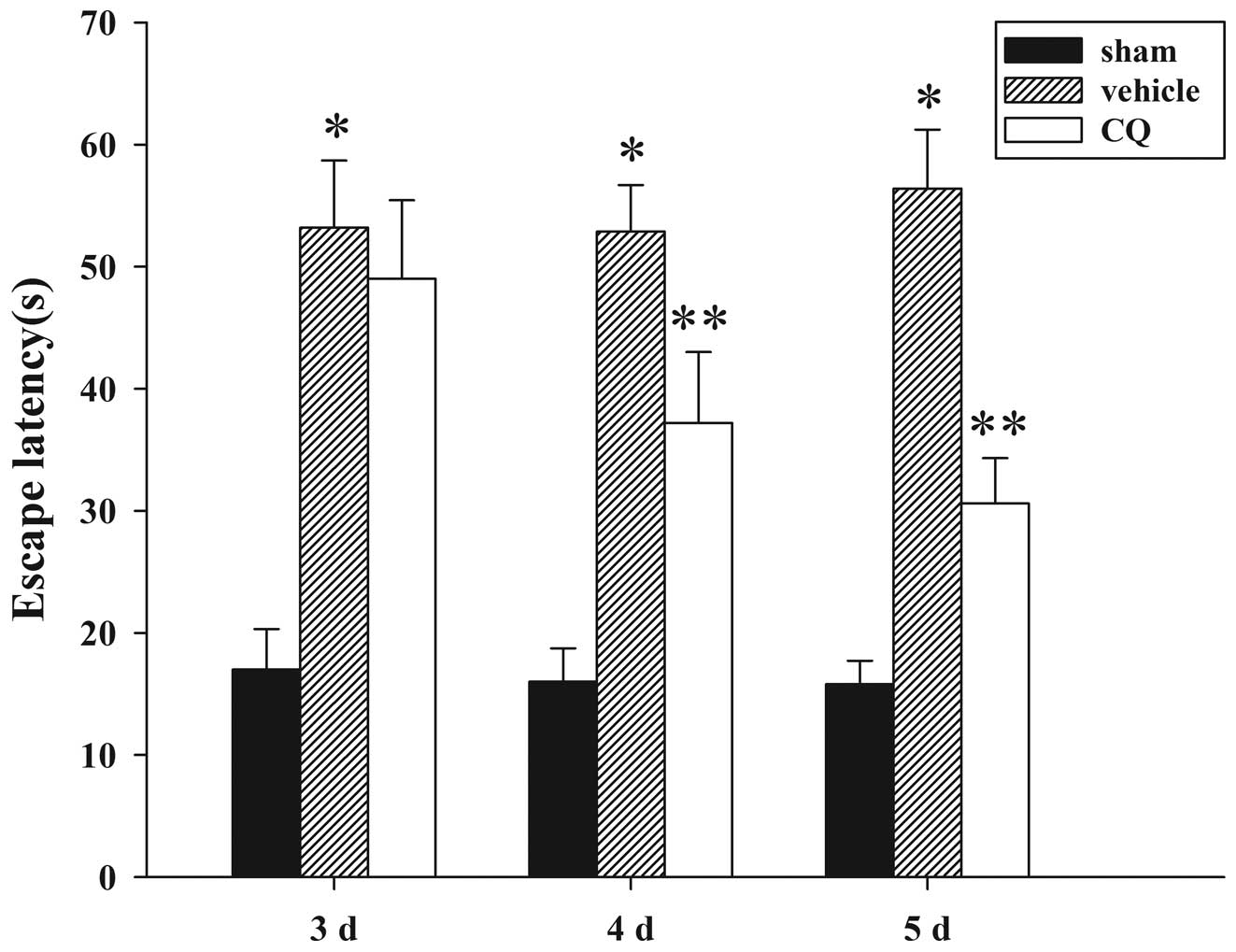
The antimalarial drug, chloroquine (CQ), has been reported as an autophagy inhibitor in a variety of disorders, including Alzheimer's disease and brain ischemia. To the best of our knowledge, no studies to date have examined the potential for CQ to provide neuroprotection in animal models of traumatic brain injury (TBI). The aim of this study was to investigate the neuroprotective actions of CQ in TBI and to determine the mechanisms underlying this effect. Rats were immediately subjected to a diffuse cortical impact injury caused by a modified weight‑drop device and divided randomly into three groups: sham‑operated, CQ treatment and vehicle. The CQ treatment group was administered CQ (intraperitoneally, 3 mg/kg body weight) immediately following the induction of injury. The co‑localization of neuron‑specific nuclear protein (NeuN) and microtubule‑associated protein 1 light chain 3 (LC3), was followed by immunofluorescent staining. The expression of LC3 and inflammatory cytokines was identified by western blot analysis. Wet‑dry weight method was utilized to evaluate TBI‑induced brain edema. Motor function was evaluated using the Neurological Severity Score (NSS) scale and the Morris water maze was employed to assess spatial learning ability. This study demonstrated that the administration of CQ attenuates TBI‑induced cerebral edema, and the associated motor and cognitive functional deficits that occur post‑injury. Following the induction of cerebral trauma, CQ treatment significantly suppressed neuronal autophagy and reduced expression levels of the inflammatory cytokines, interleukin‑1β (IL‑1β) and tumor necrosis factor‑α (TNF‑α), in the rat hippocampus. Our results have provided in vivo evidence that CQ may exert neuroprotective effects following TBI, in attenuating brain edema and improving neurological functioning, by reducing the damaging consequences of neuronal autophagy and cerebral inflammation.
View Figures

Figure 1

Figure 2

Figure 3

Figure 4

Figure 5

View References

1 

Thurman DJ, Alverson C, Dunn KA, Guerrero J and Sniezek JE: Traumatic brain injury in the United States: a public health perspective. J Head Trauma Rehabil. 14:602–615. 1999. View Article : Google Scholar

2 

Davis AE: Mechanisms of traumatic brain injury: biomechanical, structural and cellular considerations. Crit Care Nurs Q. 23:1–13. 2000. View Article : Google Scholar

3 

Wang YQ, Wang L, Zhang MY, et al: Necrostatin-1 suppresses autophagy and apoptosis in mice traumatic brain injury model. Neurochem Res. 37:1849–1858. 2012. View Article : Google Scholar : PubMed/NCBI

4 

Luo CL, Chen XP, Yang R, et al: Cathepsin B contributes to traumatic brain injury-induced cell death through a mitochondria-mediated apoptotic pathway. J Neurosci Res. 88:2847–2858. 2010.PubMed/NCBI

5 

Shintani T and Klionsky DJ: Autophagy in health and disease: a double-edged sword. Science. 306:990–995. 2004. View Article : Google Scholar : PubMed/NCBI

6 

Mizushima N: Autophagy: process and function. Genes Dev. 21:2861–2873. 2007. View Article : Google Scholar : PubMed/NCBI

7 

Galluzzi L, Aaronson SA, Abrams J, et al: Guidelines for the use and interpretation of assays for monitoring cell death in higher eukaryotes. Cell Death Differ. 16:1093–1107. 2009. View Article : Google Scholar : PubMed/NCBI

8 

Lai Y, Hickey RW, Yaming Chen Y, et al: Autophagy is increased after traumatic brain injury in mice and is partially inhibited by the antioxidant gamma-glutamylcysteinyl ethyl ester. J Cereb Blood Flow Metab. 28:540–550. 2008. View Article : Google Scholar

9 

Puyal J, Vaslin A, Mottier V and Clarke PG: Postischemic treatment of neonatal cerebral ischemia should target autophagy. Ann Neurol. 66:378–389. 2009. View Article : Google Scholar : PubMed/NCBI

10 

Caro LH, Plomp PJ, Wolvetang EJ, Kerkhof C and Meijer AJ: 3-Methyladenine, an inhibitor of autophagy, has multiple effects on metabolism. Eur J Biochem. 175:325–329. 1988. View Article : Google Scholar : PubMed/NCBI

11 

Homewood CA, Warhurst DC, Peters W and Baggaley VC: Lysosomes, pH and the anti-malarial action of chloroquine. Nature. 235:50–52. 1972. View Article : Google Scholar : PubMed/NCBI

12 

Slater AF: Chloroquine: mechanism of drug action and resistance in Plasmodium falciparum. Pharmacol Ther. 57:203–235. 1993. View Article : Google Scholar : PubMed/NCBI

13 

Janku F, McConkey DJ, Hong DS and Kurzrock R: Autophagy as a target for anticancer therapy. Nat Rev Clin Oncol. 8:528–539. 2011. View Article : Google Scholar : PubMed/NCBI

14 

Lopez G, Torres K and Lev D: Autophagy blockade enhances HDAC inhibitors’ pro-apoptotic effects: potential implications for the treatment of a therapeutic-resistant malignancy. Autophagy. 7:440–441. 2011. View Article : Google Scholar : PubMed/NCBI

15 

Sotelo J, Briceño E and López-González MA: Adding chloroquine to conventional treatment for glioblastoma multiforme: a randomized, double-blind, placebo-controlled trial. Ann Intern Med. 144:337–343. 2006. View Article : Google Scholar : PubMed/NCBI

16 

Kimura T, Takabatake Y, Takahashi A and Isaka Y: Chloroquine in cancer therapy: a double-edged sword of autophagy. Cancer Res. 73:3–7. 2013. View Article : Google Scholar : PubMed/NCBI

17 

Liu C, Gao Y, Barrett J and Hu B: Autophagy and protein aggregation after brain ischemia. J Neurochem. 115:68–78. 2010. View Article : Google Scholar : PubMed/NCBI

18 

Zhang JY, Peng C, Shi H, Wang S, Wang Q and Wang JZ: Inhibition of autophagy causes tau proteolysis by activating calpain in rat brain. J Alzheimers Dis. 16:39–47. 2009.PubMed/NCBI

19 

Marmarou A, Foda MA, van den Brink W, Campbell J, Kita H and Demetriadou K: A new model of diffuse brain injury in rats. J Neurosurg. 80:291–300. 1994. View Article : Google Scholar : PubMed/NCBI

20 

Tang J, Liu J, Zhou C, et al: Mmp-9 deficiency enhances collagenase-induced intracerebral hemorrhage and brain injury in mutant mice. J Cereb Blood Flow Metab. 24:1133–1145. 2004. View Article : Google Scholar : PubMed/NCBI

21 

Beni-Adani L, Gozes I, Cohen Y, et al: A peptide derived from activity-dependent neuroprotective protein (ADNP) ameliorates injury response in closed head injury in mice. J Pharmacol Exp Ther. 296:57–63. 2001.

22 

Hui-guo L, Kui L, Yan-ning Z and Yong-jian X: Apocynin attenuate spatial learning deficits and oxidative responses to intermittent hypoxia. Sleep Med. 11:205–212. 2010. View Article : Google Scholar : PubMed/NCBI

23 

Yi JH and Hazell AS: Excitotoxic mechanisms and the role of astrocytic glutamate transporters in traumatic brain injury. Neurochem Int. 48:394–403. 2006. View Article : Google Scholar : PubMed/NCBI

24 

Tyurin VA, Tyurina YY, Borisenko GG, et al: Oxidative stress following traumatic brain injury in rats. J Neurochem. 75:2178–2189. 2000. View Article : Google Scholar : PubMed/NCBI

25 

Frugier T, Morganti-Kossmann MC, O’Reilly D and McLean CA: In situ detection of inflammatory mediators in post mortem human brain tissue after traumatic injury. J Neurotrauma. 27:497–507. 2010. View Article : Google Scholar

26 

Raghupathi R: Cell death mechanisms following traumatic brain injury. Brain Pathol. 14:215–222. 2004. View Article : Google Scholar : PubMed/NCBI

27 

O’Connor WT, Smyth A and Gilchrist MD: Animal models of traumatic brain injury: a critical evaluation. Pharmacol Ther. 130:106–113. 2011. View Article : Google Scholar

28 

Diskin T, Tal-Or P, Erlich S, et al: Closed head injury induces upregulation of Beclin 1 at the cortical site of injury. J Neurotrauma. 22:750–762. 2005. View Article : Google Scholar : PubMed/NCBI

29 

Erlich S, Alexandrovich A, Shohami E and Pinkas-Kramarski R: Rapamycin is a neuroprotective treatment for traumatic brain injury. Neurobiol Dis. 26:86–93. 2007. View Article : Google Scholar : PubMed/NCBI

30 

van den Borne BE, Dijkmans BA, de Rooij H, le Cessie S and Verweij CL: Chloroquine and hydroxychloroquine equally affect tumor necrosis factor-alpha, interleukin 6, and interferon-gamma production by peripheral blood mononuclear cells. J Rheumatol. 24:55–60. 1997.PubMed/NCBI

31 

Jang CH, Choi JH, Byun MS and Jue DM: Chloroquine inhibits production of TNF-alpha, IL-1beta and IL-6 from lipopolysac-charide-stimulated human monocytes/macrophages by different modes. Rheumatology (Oxford). 45:703–710. 2006. View Article : Google Scholar

32 

Fullerton HJ, Ditelberg JS, Chen SF, et al: Copper/zinc superoxide dismutase transgenic brain accumulates hydrogen peroxide after perinatal hypoxia ischemia. Ann Neurol. 44:357–364. 1998. View Article : Google Scholar : PubMed/NCBI

33 

Sehgal S, Baker H and Vézina C: Rapamycin (AY-22,989), a new antifungal antibiotic. II Fermentation, isolation and characterization. J Antibiot (Tokyo). 28:727–732. 1975. View Article : Google Scholar

Related Articles

  • Abstract
  • View
  • Download
  • Twitter
Copy and paste a formatted citation
Spandidos Publications style
Cui CM, Gao JL, Cui Y, Sun LQ, Wang YC, Wang KJ, Li R, Tian YX and Cui JZ: Chloroquine exerts neuroprotection following traumatic brain injury via suppression of inflammation and neuronal autophagic death. Mol Med Rep 12: 2323-2328, 2015.
APA
Cui, C., Gao, J., Cui, Y., Sun, L., Wang, Y., Wang, K. ... Cui, J. (2015). Chloroquine exerts neuroprotection following traumatic brain injury via suppression of inflammation and neuronal autophagic death. Molecular Medicine Reports, 12, 2323-2328. https://doi.org/10.3892/mmr.2015.3611
MLA
Cui, C., Gao, J., Cui, Y., Sun, L., Wang, Y., Wang, K., Li, R., Tian, Y., Cui, J."Chloroquine exerts neuroprotection following traumatic brain injury via suppression of inflammation and neuronal autophagic death". Molecular Medicine Reports 12.2 (2015): 2323-2328.
Chicago
Cui, C., Gao, J., Cui, Y., Sun, L., Wang, Y., Wang, K., Li, R., Tian, Y., Cui, J."Chloroquine exerts neuroprotection following traumatic brain injury via suppression of inflammation and neuronal autophagic death". Molecular Medicine Reports 12, no. 2 (2015): 2323-2328. https://doi.org/10.3892/mmr.2015.3611
Copy and paste a formatted citation
x
Spandidos Publications style
Cui CM, Gao JL, Cui Y, Sun LQ, Wang YC, Wang KJ, Li R, Tian YX and Cui JZ: Chloroquine exerts neuroprotection following traumatic brain injury via suppression of inflammation and neuronal autophagic death. Mol Med Rep 12: 2323-2328, 2015.
APA
Cui, C., Gao, J., Cui, Y., Sun, L., Wang, Y., Wang, K. ... Cui, J. (2015). Chloroquine exerts neuroprotection following traumatic brain injury via suppression of inflammation and neuronal autophagic death. Molecular Medicine Reports, 12, 2323-2328. https://doi.org/10.3892/mmr.2015.3611
MLA
Cui, C., Gao, J., Cui, Y., Sun, L., Wang, Y., Wang, K., Li, R., Tian, Y., Cui, J."Chloroquine exerts neuroprotection following traumatic brain injury via suppression of inflammation and neuronal autophagic death". Molecular Medicine Reports 12.2 (2015): 2323-2328.
Chicago
Cui, C., Gao, J., Cui, Y., Sun, L., Wang, Y., Wang, K., Li, R., Tian, Y., Cui, J."Chloroquine exerts neuroprotection following traumatic brain injury via suppression of inflammation and neuronal autophagic death". Molecular Medicine Reports 12, no. 2 (2015): 2323-2328. https://doi.org/10.3892/mmr.2015.3611
Follow us
  • Twitter
  • LinkedIn
  • Facebook
About
  • Spandidos Publications
  • Careers
  • Cookie Policy
  • Privacy Policy
How can we help?
  • Help
  • Live Chat
  • Contact
  • Email to our Support Team