Spandidos Publications Logo
  • About
    • About Spandidos
    • Aims and Scopes
    • Abstracting and Indexing
    • Editorial Policies
    • Reprints and Permissions
    • Job Opportunities
    • Terms and Conditions
    • Contact
  • Journals
    • All Journals
    • Oncology Letters
      • Oncology Letters
      • Information for Authors
      • Editorial Policies
      • Editorial Board
      • Aims and Scope
      • Abstracting and Indexing
      • Bibliographic Information
      • Archive
    • International Journal of Oncology
      • International Journal of Oncology
      • Information for Authors
      • Editorial Policies
      • Editorial Board
      • Aims and Scope
      • Abstracting and Indexing
      • Bibliographic Information
      • Archive
    • Molecular and Clinical Oncology
      • Molecular and Clinical Oncology
      • Information for Authors
      • Editorial Policies
      • Editorial Board
      • Aims and Scope
      • Abstracting and Indexing
      • Bibliographic Information
      • Archive
    • Experimental and Therapeutic Medicine
      • Experimental and Therapeutic Medicine
      • Information for Authors
      • Editorial Policies
      • Editorial Board
      • Aims and Scope
      • Abstracting and Indexing
      • Bibliographic Information
      • Archive
    • International Journal of Molecular Medicine
      • International Journal of Molecular Medicine
      • Information for Authors
      • Editorial Policies
      • Editorial Board
      • Aims and Scope
      • Abstracting and Indexing
      • Bibliographic Information
      • Archive
    • Biomedical Reports
      • Biomedical Reports
      • Information for Authors
      • Editorial Policies
      • Editorial Board
      • Aims and Scope
      • Abstracting and Indexing
      • Bibliographic Information
      • Archive
    • Oncology Reports
      • Oncology Reports
      • Information for Authors
      • Editorial Policies
      • Editorial Board
      • Aims and Scope
      • Abstracting and Indexing
      • Bibliographic Information
      • Archive
    • Molecular Medicine Reports
      • Molecular Medicine Reports
      • Information for Authors
      • Editorial Policies
      • Editorial Board
      • Aims and Scope
      • Abstracting and Indexing
      • Bibliographic Information
      • Archive
    • World Academy of Sciences Journal
      • World Academy of Sciences Journal
      • Information for Authors
      • Editorial Policies
      • Editorial Board
      • Aims and Scope
      • Abstracting and Indexing
      • Bibliographic Information
      • Archive
    • International Journal of Functional Nutrition
      • International Journal of Functional Nutrition
      • Information for Authors
      • Editorial Policies
      • Editorial Board
      • Aims and Scope
      • Abstracting and Indexing
      • Bibliographic Information
      • Archive
    • International Journal of Epigenetics
      • International Journal of Epigenetics
      • Information for Authors
      • Editorial Policies
      • Editorial Board
      • Aims and Scope
      • Abstracting and Indexing
      • Bibliographic Information
      • Archive
    • Medicine International
      • Medicine International
      • Information for Authors
      • Editorial Policies
      • Editorial Board
      • Aims and Scope
      • Abstracting and Indexing
      • Bibliographic Information
      • Archive
  • Articles
  • Information
    • Information for Authors
    • Information for Reviewers
    • Information for Librarians
    • Information for Advertisers
    • Conferences
  • Language Editing
Spandidos Publications Logo
  • About
    • About Spandidos
    • Aims and Scopes
    • Abstracting and Indexing
    • Editorial Policies
    • Reprints and Permissions
    • Job Opportunities
    • Terms and Conditions
    • Contact
  • Journals
    • All Journals
    • Biomedical Reports
      • Information for Authors
      • Editorial Policies
      • Editorial Board
      • Aims and Scope
      • Abstracting and Indexing
      • Bibliographic Information
      • Archive
    • Experimental and Therapeutic Medicine
      • Information for Authors
      • Editorial Policies
      • Editorial Board
      • Aims and Scope
      • Abstracting and Indexing
      • Bibliographic Information
      • Archive
    • International Journal of Epigenetics
      • Information for Authors
      • Editorial Policies
      • Editorial Board
      • Aims and Scope
      • Abstracting and Indexing
      • Bibliographic Information
      • Archive
    • International Journal of Functional Nutrition
      • Information for Authors
      • Editorial Policies
      • Editorial Board
      • Aims and Scope
      • Abstracting and Indexing
      • Bibliographic Information
      • Archive
    • International Journal of Molecular Medicine
      • Information for Authors
      • Editorial Policies
      • Editorial Board
      • Aims and Scope
      • Abstracting and Indexing
      • Bibliographic Information
      • Archive
    • International Journal of Oncology
      • Information for Authors
      • Editorial Policies
      • Editorial Board
      • Aims and Scope
      • Abstracting and Indexing
      • Bibliographic Information
      • Archive
    • Medicine International
      • Information for Authors
      • Editorial Policies
      • Editorial Board
      • Aims and Scope
      • Abstracting and Indexing
      • Bibliographic Information
      • Archive
    • Molecular and Clinical Oncology
      • Information for Authors
      • Editorial Policies
      • Editorial Board
      • Aims and Scope
      • Abstracting and Indexing
      • Bibliographic Information
      • Archive
    • Molecular Medicine Reports
      • Information for Authors
      • Editorial Policies
      • Editorial Board
      • Aims and Scope
      • Abstracting and Indexing
      • Bibliographic Information
      • Archive
    • Oncology Letters
      • Information for Authors
      • Editorial Policies
      • Editorial Board
      • Aims and Scope
      • Abstracting and Indexing
      • Bibliographic Information
      • Archive
    • Oncology Reports
      • Information for Authors
      • Editorial Policies
      • Editorial Board
      • Aims and Scope
      • Abstracting and Indexing
      • Bibliographic Information
      • Archive
    • World Academy of Sciences Journal
      • Information for Authors
      • Editorial Policies
      • Editorial Board
      • Aims and Scope
      • Abstracting and Indexing
      • Bibliographic Information
      • Archive
  • Articles
  • Information
    • For Authors
    • For Reviewers
    • For Librarians
    • For Advertisers
    • Conferences
  • Language Editing
Login Register Submit
  • This site uses cookies
  • You can change your cookie settings at any time by following the instructions in our Cookie Policy. To find out more, you may read our Privacy Policy.

    I agree
Search articles by DOI, keyword, author or affiliation
Search
Advanced Search
presentation
Molecular Medicine Reports
Join Editorial Board Propose a Special Issue
Print ISSN: 1791-2997 Online ISSN: 1791-3004
Journal Cover
August-2015 Volume 12 Issue 2

Full Size Image

Sign up for eToc alerts
Recommend to Library

Journals

International Journal of Molecular Medicine

International Journal of Molecular Medicine

International Journal of Molecular Medicine is an international journal devoted to molecular mechanisms of human disease.

International Journal of Oncology

International Journal of Oncology

International Journal of Oncology is an international journal devoted to oncology research and cancer treatment.

Molecular Medicine Reports

Molecular Medicine Reports

Covers molecular medicine topics such as pharmacology, pathology, genetics, neuroscience, infectious diseases, molecular cardiology, and molecular surgery.

Oncology Reports

Oncology Reports

Oncology Reports is an international journal devoted to fundamental and applied research in Oncology.

Experimental and Therapeutic Medicine

Experimental and Therapeutic Medicine

Experimental and Therapeutic Medicine is an international journal devoted to laboratory and clinical medicine.

Oncology Letters

Oncology Letters

Oncology Letters is an international journal devoted to Experimental and Clinical Oncology.

Biomedical Reports

Biomedical Reports

Explores a wide range of biological and medical fields, including pharmacology, genetics, microbiology, neuroscience, and molecular cardiology.

Molecular and Clinical Oncology

Molecular and Clinical Oncology

International journal addressing all aspects of oncology research, from tumorigenesis and oncogenes to chemotherapy and metastasis.

World Academy of Sciences Journal

World Academy of Sciences Journal

Multidisciplinary open-access journal spanning biochemistry, genetics, neuroscience, environmental health, and synthetic biology.

International Journal of Functional Nutrition

International Journal of Functional Nutrition

Open-access journal combining biochemistry, pharmacology, immunology, and genetics to advance health through functional nutrition.

International Journal of Epigenetics

International Journal of Epigenetics

Publishes open-access research on using epigenetics to advance understanding and treatment of human disease.

Medicine International

Medicine International

An International Open Access Journal Devoted to General Medicine.

Journal Cover
August-2015 Volume 12 Issue 2

Full Size Image

Sign up for eToc alerts
Recommend to Library

  • Article
  • Citations
    • Cite This Article
    • Download Citation
    • Create Citation Alert
    • Remove Citation Alert
    • Cited By
  • Similar Articles
    • Related Articles (in Spandidos Publications)
    • Similar Articles (Google Scholar)
    • Similar Articles (PubMed)
  • Download PDF
  • Download XML
  • View XML
Article

Effects of high-intensity interval versus continuous moderate‑intensity aerobic exercise on apoptosis, oxidative stress and metabolism of the infarcted myocardium in a rat model

  • Authors:
    • Kai Lu
    • Li Wang
    • Changying Wang
    • Yuan Yang
    • Dayi Hu
    • Rongjing Ding
  • View Affiliations / Copyright

    Affiliations: Heart Center, Peking University People's Hospital, Beijing 100044, P.R. China, Department of Cardiology, The First Affiliated Hospital of Chongqing Medical University, Chongqing 400016, P.R. China
  • Pages: 2374-2382
    |
    Published online on: April 23, 2015
       https://doi.org/10.3892/mmr.2015.3669
  • Expand metrics +
Metrics: Total Views: 0 (Spandidos Publications: | PMC Statistics: )
Metrics: Total PDF Downloads: 0 (Spandidos Publications: | PMC Statistics: )
Cited By (CrossRef): 0 citations Loading Articles...

This article is mentioned in:


Abstract

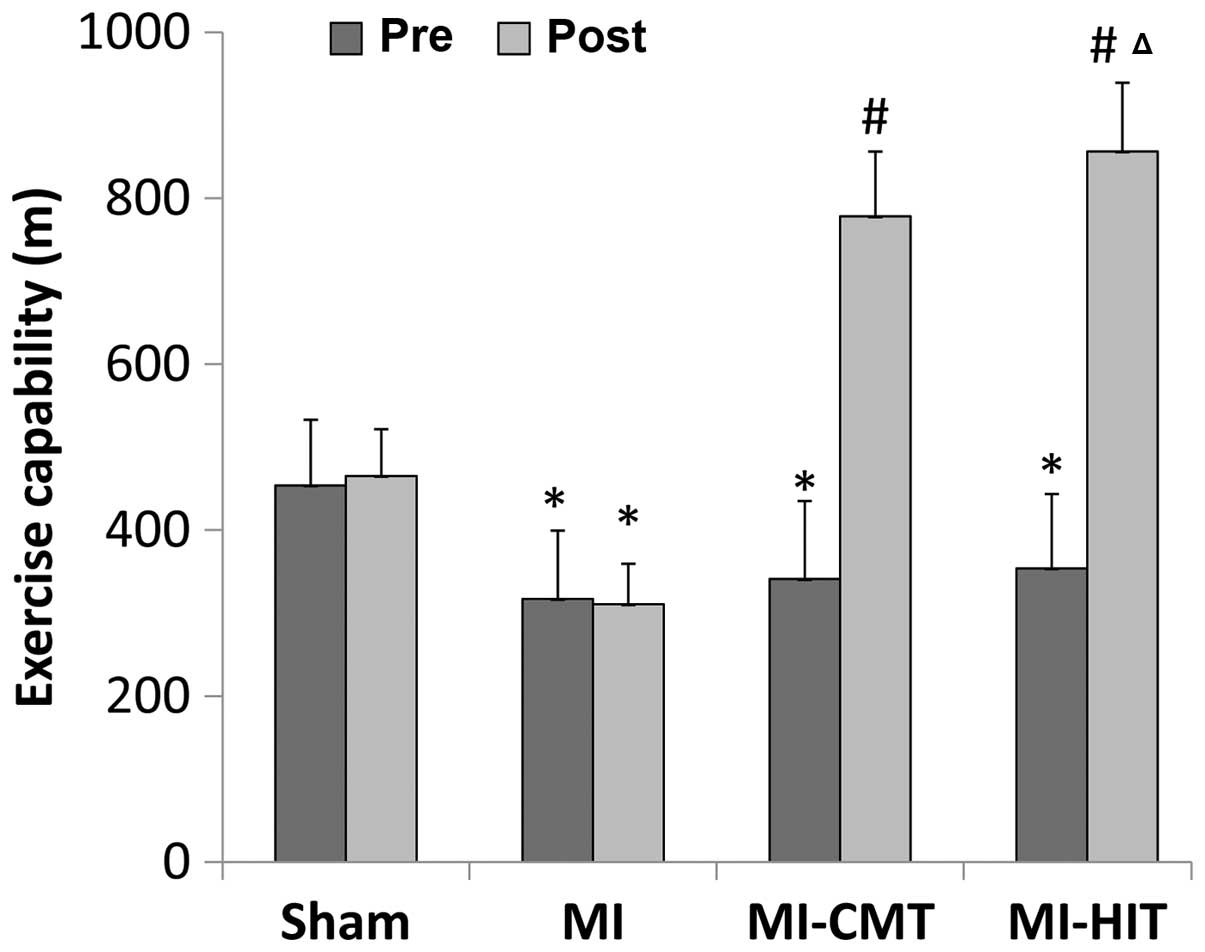
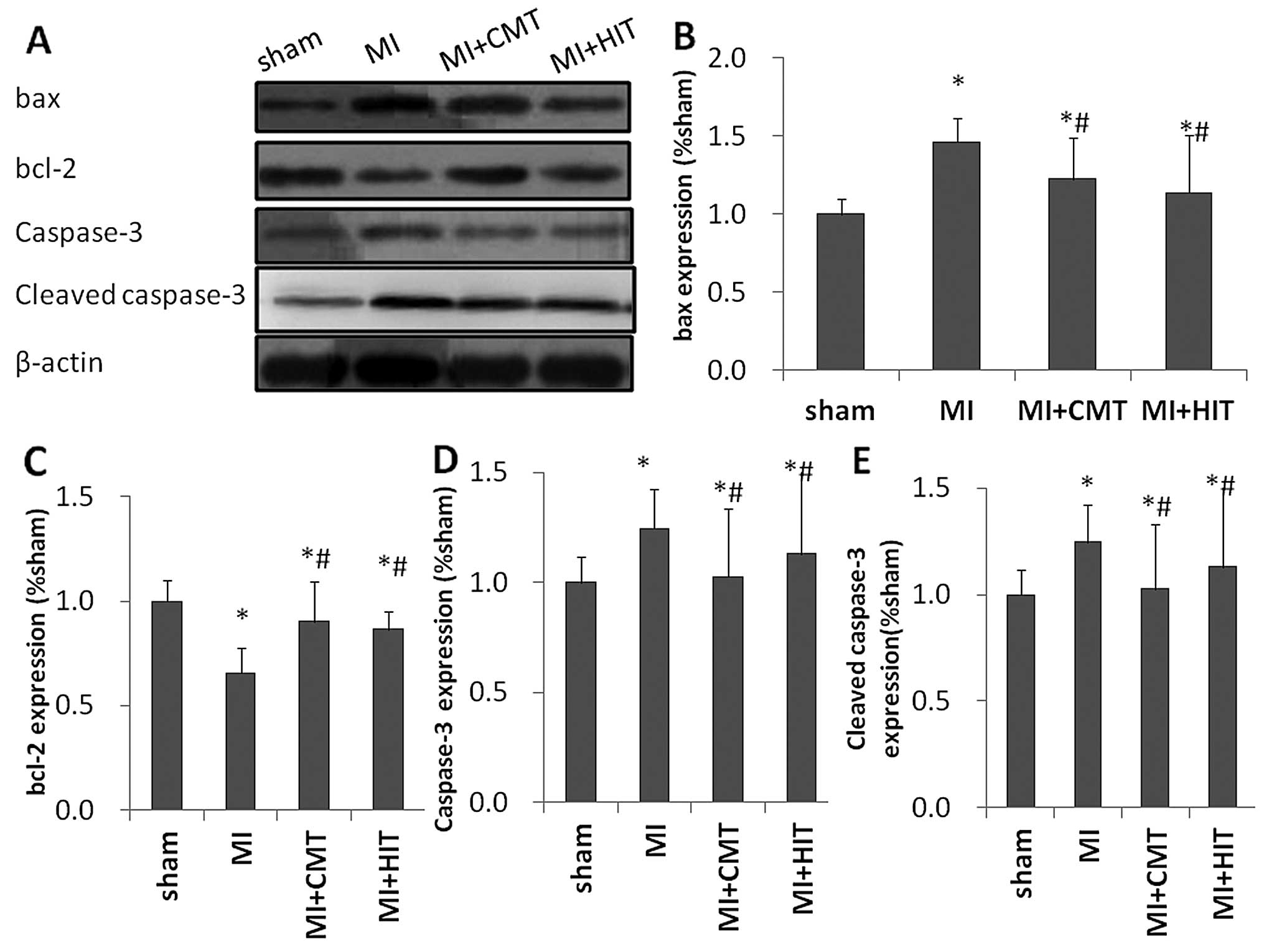
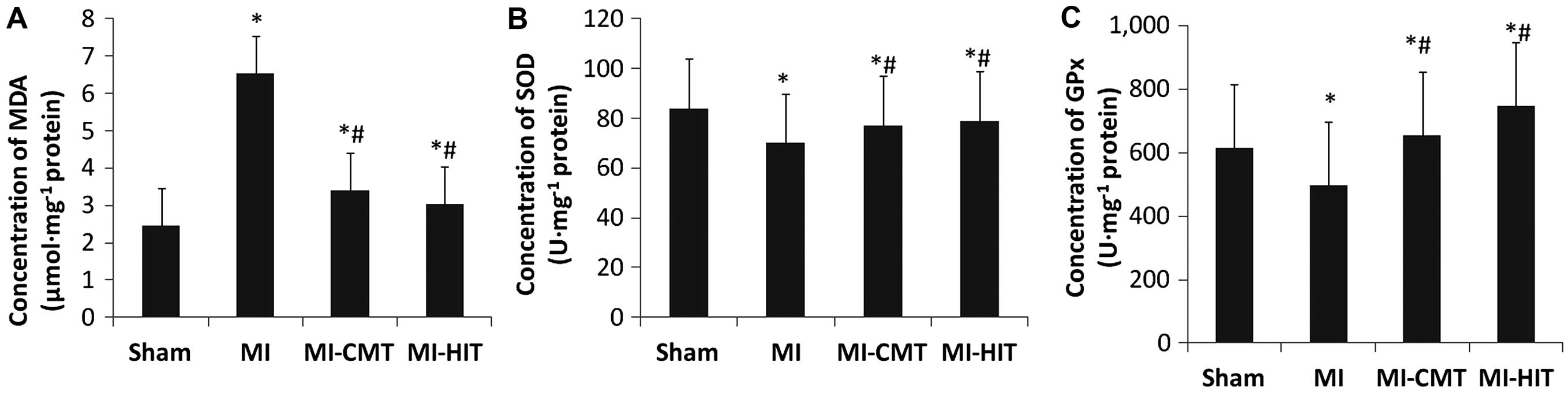
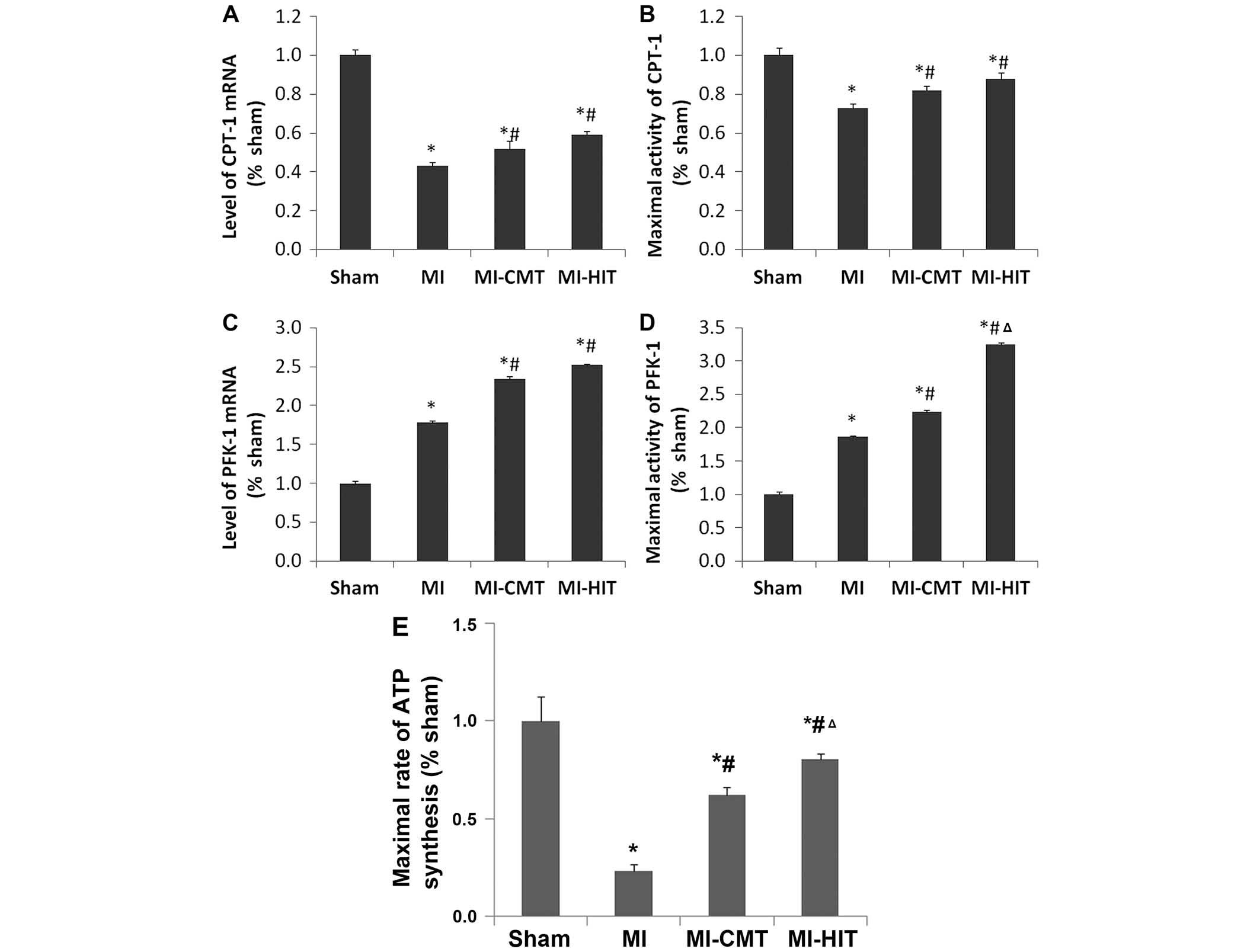
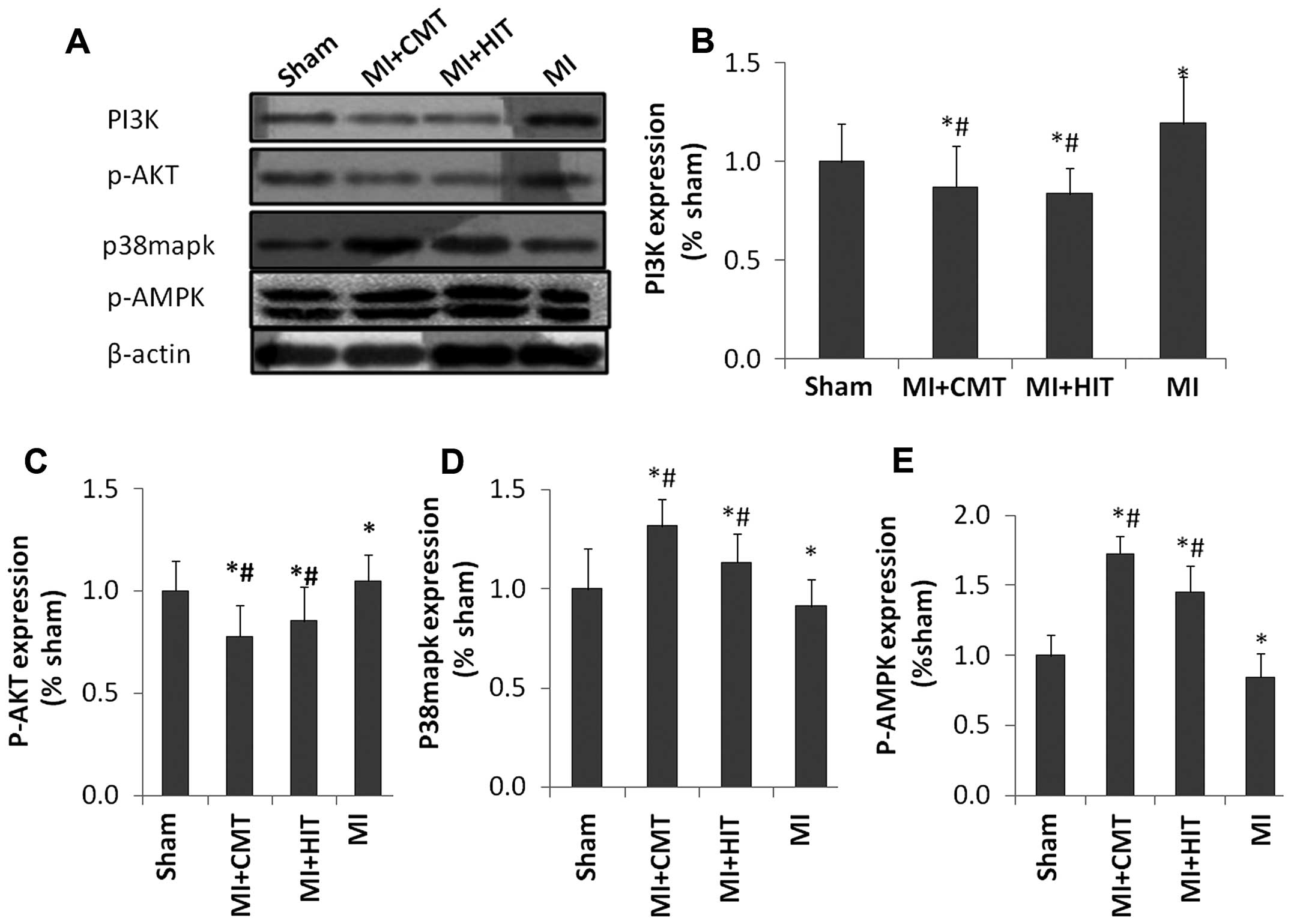
The optimal aerobic exercise training (AET) protocol for patients following myocardial infarction (MI) has remained under debate. The present study therefore aimed to compare the effects of continuous moderate‑intensity training (CMT) and high‑intensity interval training (HIT) on cardiac functional recovery, and to investigate the potential associated mechanisms in a post‑MI rat model. Female Sprague Dawley rats (8‑10 weeks old) undergoing MI or sham surgery were subsequently submitted to CMT or HIT, or kept sedentary for eight weeks. Prior to and following AET, echocardiographic parameters and exercise capacity of the rats were measured. Western blotting was used to evaluate the levels of apoptosis and associated signaling pathway protein expression. The concentrations of biomarkers of oxidative stress were also determined by ELISA assay. Messenger (m)RNA levels and activity of the key enzymes for glycolysis and fatty acid oxidation, as well as the rate of adenosine triphosphate (ATP) synthesis, were also measured. Compared with the MI group, exercise capacity and cardiac function were significantly improved following AET, particularly following HIT. Left ventricular ejection fraction and fraction shortening were further improved in the MI‑HIT group in comparison to that of the MI‑CMT group. The two forms of AET almost equally attenuated apoptosis of the post‑infarction myocardium. CMT and HIT also alleviated oxidative stress by decreasing the concentration of malondialdehyde and increasing the concentration of superoxide dismutase and glutathione peroxidase (GPx). In particular, HIT induced a greater increase in the concentration of GPx than that of CMT. AET, and HIT in particular, significantly increased the levels of mRNA and the maximal activity of phosphofructokinase‑1 and carnitine palmitoyl transferase‑1, as well as the maximal ratio of ATP synthesis. In addition, compared with the MI group, the expression of signaling proteins PI3K, Akt, p38mapk and AMPK was significantly altered in the MI‑CMT and MI‑HIT groups. HIT was superior to CMT in its ability to improve cardiac function and exercise capability in a post‑MI rat model. HIT was also superior to CMT with regard to attenuating oxidative stress and improving glucolipid metabolism of the post‑MI myocardium.
View Figures

Figure 1

Figure 2

Figure 3

Figure 4

Figure 5

View References

1 

Nagayama M, Itoh H and Maeda T: Cardiac rehabilitation for patients with acute myocardial infarction. Nihon Rinsho. 69(Suppl 9): S203–S209. 2011.In Japanese.

2 

Achttien RJ, Staal JB, van der Voort S, et al Practice Recommendations Development Group: Exercise-based cardiac rehabilitation in patients with coronary heart disease: a practice guideline. Neth Heart J. 21:429–438. 2013. View Article : Google Scholar : PubMed/NCBI

3 

Oldridge N: Exercise-based cardiac rehabilitation in patients with coronary heart disease: meta-analysis outcomes revisited. Future Cardiol. 8:729–751. 2012. View Article : Google Scholar : PubMed/NCBI

4 

Moholdt T, Aamot IL, Granøien I, et al: Aerobic interval training increases peak oxygen uptake more than usual care exercise training in myocardial infarction patients: a randomized controlled study. Clin Rehabil. 26:33–44. 2012. View Article : Google Scholar

5 

Moholdt T, Aamot IL, Granøien I, et al: Long-term follow-up after cardiac rehabilitation: a randomized study of usual care exercise training versus aerobic interval training after myocardial infarction. Int J Cardiol. 152:388–390. 2011. View Article : Google Scholar : PubMed/NCBI

6 

Maiorana A: Interval training confers greater gains than continuous training in people with heart failure. J Physiother. 58:1992012. View Article : Google Scholar : PubMed/NCBI

7 

Kemi OJ and Wisløff U: Mechanisms of exercise-induced improvements in the contractile apparatus of the mammalian myocardium. Acta Physiol (Oxf). 199:425–439. 2010. View Article : Google Scholar

8 

Garza MA, Wason EA and Zhang JQ: Cardiac remodeling and physical training post myocardial infarction. World J Cardiol. 7:52–64. 2015. View Article : Google Scholar : PubMed/NCBI

9 

Kida K, Osada N, Akashi YJ, Sekizuka H, Omiya K and Miyake F: The exercise training effects of skeletal muscle strength and muscle volume to improve functional capacity in patients with myocardial infarction. Int J Cardiol. 129:180–186. 2008. View Article : Google Scholar : PubMed/NCBI

10 

Moreira JB, Bechara LR, Bozi LH, et al: High-versus moderate-intensity aerobic exercise training effects on skeletal muscle of infarcted rats. J Appl Physiol (1985). 114:1029–1041. 2013. View Article : Google Scholar

11 

Lee Y and Gustafsson AB: Role of apoptosis in cardiovascular disease. Apoptosis. 14:536–548. 2009. View Article : Google Scholar : PubMed/NCBI

12 

Tullio F, Angotti C, Perrelli MG, Penna C and Pagliaro P: Redox balance and cardioprotection. Basic Res Cardiol. 108:3922013. View Article : Google Scholar : PubMed/NCBI

13 

Quindry JC, Hamilton KL, French JP, et al: Exercise-induced HSP-72 elevation and cardioprotection against infarct and apoptosis. J Appl Physiol 1985. 103:1056–1062. 2007. View Article : Google Scholar : PubMed/NCBI

14 

Chen TI, Shen YJ, Wang IC and Yang KT: Short-term exercise provides left ventricular myocardial protection against intermittent hypoxia-induced apoptosis in rats. Eur J Appl Physiol. 111:1939–1950. 2011. View Article : Google Scholar : PubMed/NCBI

15 

Wambolt RB, Lopaschuk GD, Brownsey RW and Allard MF: Dichloroacetate improves postischemic function of hypertrophied rat hearts. J Am Coll Cardiol. 36:1378–1385. 2000. View Article : Google Scholar : PubMed/NCBI

16 

Lopaschuk GD, Spafford MA, Davies NJ and Wall SR: Glucose and palmitate oxidation in isolated working rat hearts reperfused after a period of transient global ischemia. Circ Res. 66:546–553. 1990. View Article : Google Scholar : PubMed/NCBI

17 

Egstrup M, Kistorp CN, Schou M, et al: Abnormal glucose metabolism is associated with reduced left ventricular contractile reserve and exercise intolerance in patients with chronic heart failure. Eur Heart J Cardiovasc Imaging. 14:349–357. 2013. View Article : Google Scholar

18 

Reichkendler MH, Auerbach P, Rosenkilde M, et al: Exercise training favors increased insulin-stimulated glucose uptake in skeletal muscle in contrast to adipose tissue: a randomized study using FDG PET imaging. Am J Physiol Endocrinol Metab. 305:E496–E506. 2013. View Article : Google Scholar : PubMed/NCBI

19 

Bourlier V, Saint-Laurent C, Louche K, et al: Enhanced glucose metabolism is preserved in cultured primary myotubes from obese donors in response to exercise training. J Clin Endocrinol Metab. 98:3739–3747. 2013. View Article : Google Scholar : PubMed/NCBI

20 

Castorena CM, Arias EB, Sharma N and Cartee GD: Postexercise improvement in insulin-stimulated glucose uptake occurs concomitant with greater AS160 phosphorylation in muscle from normal and insulin-resistant rats. Diabetes. 63:2297–2308. 2014. View Article : Google Scholar : PubMed/NCBI

21 

Franke TF, Hornik CP, Segev L, Shostak GA and Sugimoto C: PI3K/Akt and apoptosis: size matters. Oncogene. 22:8983–8998. 2003. View Article : Google Scholar : PubMed/NCBI

22 

Blanc A, Pandey NR and Srivastava AK: Synchronous activation of ERK 1/2, p38mapk and PKB/Akt signaling by H2O2 vascular smooth muscle cells: Potential involvement in vascular in disease (Review). Int J Mol Med. 11:229–234. 2003.PubMed/NCBI

23 

Bijland S, Mancini SJ and Salt IP: Role of AMP-activated protein kinase in adipose tissue metabolism and inflammation. Clin Sci (Lond). 124:491–507. 2013. View Article : Google Scholar

24 

Pfeffer MA, Pfeffer JM, Fishbein MC, et al: Myocardial infarct size and ventricular function in rats. Circ Res. 44:503–512. 1979. View Article : Google Scholar : PubMed/NCBI

25 

Høydal MA, Wisløff U, Kemi OJ and Ellingsen O: Running speed and maximal oxygen uptake in rats and mice: practical implications for exercise training. Eur J Cardiovasc Prev Rehabil. 14:753–760. 2007. View Article : Google Scholar : PubMed/NCBI

26 

Kraljevic J, Marinovic J, Pravdic D, et al: Aerobic interval training attenuates remodelling and mitochondrial dysfunction in the post-infarction failing rat heart. Cardiovasc Res. 99:55–64. 2013. View Article : Google Scholar : PubMed/NCBI

27 

Pauly DF and McMillin JB: Importance of acyl-CoA availability in interpretation of carnitine palmitoyltransferase I kinetics. J Biol Chem. 263:18160–18167. 1988.PubMed/NCBI

28 

Dumas JF, Goupille C, Julienne CM, et al: Efficiency of oxidative phosphorylation in liver mitochondria is decreased in a rat model of peritoneal carcinosis. J Hepatol. 54:320–327. 2011. View Article : Google Scholar

29 

Zhang KR, Liu HT, Zhang HF, et al: Long-term aerobic exercise protects the heart against ischemia/reperfusion injury via PI3 kinase-dependent and Akt-mediated mechanism. Apoptosis. 12:1579–1588. 2007. View Article : Google Scholar : PubMed/NCBI

30 

Powers SK, Criswell D, Lawler J, et al: Rigorous exercise training increases superoxide dismutase activity in ventricular myocardium. Am J Physiol. 265(6 Pt 2): H2094–H2098. 1993.PubMed/NCBI

31 

Jiang HK, Miao Y, Wang YH, et al: Aerobic interval training protects against myocardial infarction-induced oxidative injury by enhancing antioxidase system and mitochondrial biosyn-thesis. Clin Exp Pharmacol Physiol. 41:192–201. 2014. View Article : Google Scholar : PubMed/NCBI

32 

Barbosa VA, Luciano TF, Vitto MF, et al: Exercise training plays cardioprotection through the oxidative stress reduction in obese rats submitted to myocardial infarction. Int J Cardiol. 157:422–424. 2012. View Article : Google Scholar : PubMed/NCBI

33 

Pinho CA, Tromm CB, Tavares AM, et al: Effects of different physical training protocols on ventricular oxidative stress parameters in infarction-induced rats. Life Sci. 90:553–559. 2012. View Article : Google Scholar : PubMed/NCBI

34 

Frederico MJ, Justo SL, Da Luz G, et al: Exercise training provides cardioprotection via a reduction in reactive oxygen species in rats submitted to myocardial infarction induced by isoproterenol. Free Radic Res. 43:957–964. 2009. View Article : Google Scholar : PubMed/NCBI

35 

Broderick TL, Poirier P and Gillis M: Exercise training restores abnormal myocardial glucose utilization and cardiac function in diabetes. Diabetes Metab Res Rev. 21:44–50. 2005. View Article : Google Scholar

36 

Burelle Y, Wambolt RB, Grist M, et al: Regular exercise is associated with a protective metabolic phenotype in the rat heart. Am J Physiol Heart Circ Physiol. 287:H1055–H1063. 2004. View Article : Google Scholar : PubMed/NCBI

37 

Garvey WT, Hardin D, Juhaszova M and Dominguez JH: Effects of diabetes on myocardial glucose transport system in rats: implications for diabetic cardiomyopathy. Am J Physiol. 264(3 Pt 2): H837–H844. 1993.PubMed/NCBI

38 

Richter EA and Hargreaves M: Exercise, GLUT4 and skeletal muscle glucose uptake. Physiol Rev. 93:993–1017. 2013. View Article : Google Scholar : PubMed/NCBI

39 

Hardie DG and Pan DA: Regulation of fatty acid synthesis and oxidation by the AMP-activated protein kinase. Biochem Soc Trans. 30:1064–1070. 2002. View Article : Google Scholar : PubMed/NCBI

40 

Zonderland ML, Bär PR, Reijneveld JC, Spruijt BM, Keizer HA and Glatz JF: Different metabolic adaptation of heart and skeletal muscles to moderate-intensity treadmill training in the rat. Eur J Appl Physiol Occup Physiol. 79:391–396. 1999. View Article : Google Scholar : PubMed/NCBI

Related Articles

  • Abstract
  • View
  • Download
  • Twitter
Copy and paste a formatted citation
Spandidos Publications style
Lu K, Wang L, Wang C, Yang Y, Hu D and Ding R: Effects of high-intensity interval versus continuous moderate‑intensity aerobic exercise on apoptosis, oxidative stress and metabolism of the infarcted myocardium in a rat model. Mol Med Rep 12: 2374-2382, 2015.
APA
Lu, K., Wang, L., Wang, C., Yang, Y., Hu, D., & Ding, R. (2015). Effects of high-intensity interval versus continuous moderate‑intensity aerobic exercise on apoptosis, oxidative stress and metabolism of the infarcted myocardium in a rat model. Molecular Medicine Reports, 12, 2374-2382. https://doi.org/10.3892/mmr.2015.3669
MLA
Lu, K., Wang, L., Wang, C., Yang, Y., Hu, D., Ding, R."Effects of high-intensity interval versus continuous moderate‑intensity aerobic exercise on apoptosis, oxidative stress and metabolism of the infarcted myocardium in a rat model". Molecular Medicine Reports 12.2 (2015): 2374-2382.
Chicago
Lu, K., Wang, L., Wang, C., Yang, Y., Hu, D., Ding, R."Effects of high-intensity interval versus continuous moderate‑intensity aerobic exercise on apoptosis, oxidative stress and metabolism of the infarcted myocardium in a rat model". Molecular Medicine Reports 12, no. 2 (2015): 2374-2382. https://doi.org/10.3892/mmr.2015.3669
Copy and paste a formatted citation
x
Spandidos Publications style
Lu K, Wang L, Wang C, Yang Y, Hu D and Ding R: Effects of high-intensity interval versus continuous moderate‑intensity aerobic exercise on apoptosis, oxidative stress and metabolism of the infarcted myocardium in a rat model. Mol Med Rep 12: 2374-2382, 2015.
APA
Lu, K., Wang, L., Wang, C., Yang, Y., Hu, D., & Ding, R. (2015). Effects of high-intensity interval versus continuous moderate‑intensity aerobic exercise on apoptosis, oxidative stress and metabolism of the infarcted myocardium in a rat model. Molecular Medicine Reports, 12, 2374-2382. https://doi.org/10.3892/mmr.2015.3669
MLA
Lu, K., Wang, L., Wang, C., Yang, Y., Hu, D., Ding, R."Effects of high-intensity interval versus continuous moderate‑intensity aerobic exercise on apoptosis, oxidative stress and metabolism of the infarcted myocardium in a rat model". Molecular Medicine Reports 12.2 (2015): 2374-2382.
Chicago
Lu, K., Wang, L., Wang, C., Yang, Y., Hu, D., Ding, R."Effects of high-intensity interval versus continuous moderate‑intensity aerobic exercise on apoptosis, oxidative stress and metabolism of the infarcted myocardium in a rat model". Molecular Medicine Reports 12, no. 2 (2015): 2374-2382. https://doi.org/10.3892/mmr.2015.3669
Follow us
  • Twitter
  • LinkedIn
  • Facebook
About
  • Spandidos Publications
  • Careers
  • Cookie Policy
  • Privacy Policy
How can we help?
  • Help
  • Live Chat
  • Contact
  • Email to our Support Team