Spandidos Publications Logo
  • About
    • About Spandidos
    • Aims and Scopes
    • Abstracting and Indexing
    • Editorial Policies
    • Reprints and Permissions
    • Job Opportunities
    • Terms and Conditions
    • Contact
  • Journals
    • All Journals
    • Oncology Letters
      • Oncology Letters
      • Information for Authors
      • Editorial Policies
      • Editorial Board
      • Aims and Scope
      • Abstracting and Indexing
      • Bibliographic Information
      • Archive
    • International Journal of Oncology
      • International Journal of Oncology
      • Information for Authors
      • Editorial Policies
      • Editorial Board
      • Aims and Scope
      • Abstracting and Indexing
      • Bibliographic Information
      • Archive
    • Molecular and Clinical Oncology
      • Molecular and Clinical Oncology
      • Information for Authors
      • Editorial Policies
      • Editorial Board
      • Aims and Scope
      • Abstracting and Indexing
      • Bibliographic Information
      • Archive
    • Experimental and Therapeutic Medicine
      • Experimental and Therapeutic Medicine
      • Information for Authors
      • Editorial Policies
      • Editorial Board
      • Aims and Scope
      • Abstracting and Indexing
      • Bibliographic Information
      • Archive
    • International Journal of Molecular Medicine
      • International Journal of Molecular Medicine
      • Information for Authors
      • Editorial Policies
      • Editorial Board
      • Aims and Scope
      • Abstracting and Indexing
      • Bibliographic Information
      • Archive
    • Biomedical Reports
      • Biomedical Reports
      • Information for Authors
      • Editorial Policies
      • Editorial Board
      • Aims and Scope
      • Abstracting and Indexing
      • Bibliographic Information
      • Archive
    • Oncology Reports
      • Oncology Reports
      • Information for Authors
      • Editorial Policies
      • Editorial Board
      • Aims and Scope
      • Abstracting and Indexing
      • Bibliographic Information
      • Archive
    • Molecular Medicine Reports
      • Molecular Medicine Reports
      • Information for Authors
      • Editorial Policies
      • Editorial Board
      • Aims and Scope
      • Abstracting and Indexing
      • Bibliographic Information
      • Archive
    • World Academy of Sciences Journal
      • World Academy of Sciences Journal
      • Information for Authors
      • Editorial Policies
      • Editorial Board
      • Aims and Scope
      • Abstracting and Indexing
      • Bibliographic Information
      • Archive
    • International Journal of Functional Nutrition
      • International Journal of Functional Nutrition
      • Information for Authors
      • Editorial Policies
      • Editorial Board
      • Aims and Scope
      • Abstracting and Indexing
      • Bibliographic Information
      • Archive
    • International Journal of Epigenetics
      • International Journal of Epigenetics
      • Information for Authors
      • Editorial Policies
      • Editorial Board
      • Aims and Scope
      • Abstracting and Indexing
      • Bibliographic Information
      • Archive
    • Medicine International
      • Medicine International
      • Information for Authors
      • Editorial Policies
      • Editorial Board
      • Aims and Scope
      • Abstracting and Indexing
      • Bibliographic Information
      • Archive
  • Articles
  • Information
    • Information for Authors
    • Information for Reviewers
    • Information for Librarians
    • Information for Advertisers
    • Conferences
  • Language Editing
Spandidos Publications Logo
  • About
    • About Spandidos
    • Aims and Scopes
    • Abstracting and Indexing
    • Editorial Policies
    • Reprints and Permissions
    • Job Opportunities
    • Terms and Conditions
    • Contact
  • Journals
    • All Journals
    • Biomedical Reports
      • Information for Authors
      • Editorial Policies
      • Editorial Board
      • Aims and Scope
      • Abstracting and Indexing
      • Bibliographic Information
      • Archive
    • Experimental and Therapeutic Medicine
      • Information for Authors
      • Editorial Policies
      • Editorial Board
      • Aims and Scope
      • Abstracting and Indexing
      • Bibliographic Information
      • Archive
    • International Journal of Epigenetics
      • Information for Authors
      • Editorial Policies
      • Editorial Board
      • Aims and Scope
      • Abstracting and Indexing
      • Bibliographic Information
      • Archive
    • International Journal of Functional Nutrition
      • Information for Authors
      • Editorial Policies
      • Editorial Board
      • Aims and Scope
      • Abstracting and Indexing
      • Bibliographic Information
      • Archive
    • International Journal of Molecular Medicine
      • Information for Authors
      • Editorial Policies
      • Editorial Board
      • Aims and Scope
      • Abstracting and Indexing
      • Bibliographic Information
      • Archive
    • International Journal of Oncology
      • Information for Authors
      • Editorial Policies
      • Editorial Board
      • Aims and Scope
      • Abstracting and Indexing
      • Bibliographic Information
      • Archive
    • Medicine International
      • Information for Authors
      • Editorial Policies
      • Editorial Board
      • Aims and Scope
      • Abstracting and Indexing
      • Bibliographic Information
      • Archive
    • Molecular and Clinical Oncology
      • Information for Authors
      • Editorial Policies
      • Editorial Board
      • Aims and Scope
      • Abstracting and Indexing
      • Bibliographic Information
      • Archive
    • Molecular Medicine Reports
      • Information for Authors
      • Editorial Policies
      • Editorial Board
      • Aims and Scope
      • Abstracting and Indexing
      • Bibliographic Information
      • Archive
    • Oncology Letters
      • Information for Authors
      • Editorial Policies
      • Editorial Board
      • Aims and Scope
      • Abstracting and Indexing
      • Bibliographic Information
      • Archive
    • Oncology Reports
      • Information for Authors
      • Editorial Policies
      • Editorial Board
      • Aims and Scope
      • Abstracting and Indexing
      • Bibliographic Information
      • Archive
    • World Academy of Sciences Journal
      • Information for Authors
      • Editorial Policies
      • Editorial Board
      • Aims and Scope
      • Abstracting and Indexing
      • Bibliographic Information
      • Archive
  • Articles
  • Information
    • For Authors
    • For Reviewers
    • For Librarians
    • For Advertisers
    • Conferences
  • Language Editing
Login Register Submit
  • This site uses cookies
  • You can change your cookie settings at any time by following the instructions in our Cookie Policy. To find out more, you may read our Privacy Policy.

    I agree
Search articles by DOI, keyword, author or affiliation
Search
Advanced Search
presentation
Molecular Medicine Reports
Join Editorial Board Propose a Special Issue
Print ISSN: 1791-2997 Online ISSN: 1791-3004
Journal Cover
September-2015 Volume 12 Issue 3

Full Size Image

Sign up for eToc alerts
Recommend to Library

Journals

International Journal of Molecular Medicine

International Journal of Molecular Medicine

International Journal of Molecular Medicine is an international journal devoted to molecular mechanisms of human disease.

International Journal of Oncology

International Journal of Oncology

International Journal of Oncology is an international journal devoted to oncology research and cancer treatment.

Molecular Medicine Reports

Molecular Medicine Reports

Covers molecular medicine topics such as pharmacology, pathology, genetics, neuroscience, infectious diseases, molecular cardiology, and molecular surgery.

Oncology Reports

Oncology Reports

Oncology Reports is an international journal devoted to fundamental and applied research in Oncology.

Experimental and Therapeutic Medicine

Experimental and Therapeutic Medicine

Experimental and Therapeutic Medicine is an international journal devoted to laboratory and clinical medicine.

Oncology Letters

Oncology Letters

Oncology Letters is an international journal devoted to Experimental and Clinical Oncology.

Biomedical Reports

Biomedical Reports

Explores a wide range of biological and medical fields, including pharmacology, genetics, microbiology, neuroscience, and molecular cardiology.

Molecular and Clinical Oncology

Molecular and Clinical Oncology

International journal addressing all aspects of oncology research, from tumorigenesis and oncogenes to chemotherapy and metastasis.

World Academy of Sciences Journal

World Academy of Sciences Journal

Multidisciplinary open-access journal spanning biochemistry, genetics, neuroscience, environmental health, and synthetic biology.

International Journal of Functional Nutrition

International Journal of Functional Nutrition

Open-access journal combining biochemistry, pharmacology, immunology, and genetics to advance health through functional nutrition.

International Journal of Epigenetics

International Journal of Epigenetics

Publishes open-access research on using epigenetics to advance understanding and treatment of human disease.

Medicine International

Medicine International

An International Open Access Journal Devoted to General Medicine.

Journal Cover
September-2015 Volume 12 Issue 3

Full Size Image

Sign up for eToc alerts
Recommend to Library

  • Article
  • Citations
    • Cite This Article
    • Download Citation
    • Create Citation Alert
    • Remove Citation Alert
    • Cited By
  • Similar Articles
    • Related Articles (in Spandidos Publications)
    • Similar Articles (Google Scholar)
    • Similar Articles (PubMed)
  • Download PDF
  • Download XML
  • View XML
Article Open Access

Hypoxia enhances cholangiocarcinoma invasion through activation of hepatocyte growth factor receptor and the extracellular signal‑regulated kinase signaling pathway

  • Authors:
    • Thitinee Vanichapol
    • Kawin Leelawat
    • Suradej Hongeng
  • View Affiliations / Copyright

    Affiliations: Department of Molecular Medicine, Faculty of Science, Mahidol University, Bangkok 10400, Thailand, Department of Surgery, Rajavithi Hospital, Bangkok 10400, Thailand, Department of Pediatrics, Ramathibodi Hospital, Mahidol University, Bangkok 10400, Thailand
    Copyright: © Vanichapol et al. This is an open access article distributed under the terms of Creative Commons Attribution License [CC BY_NC 3.0].
  • Pages: 3265-3272
    |
    Published online on: May 27, 2015
       https://doi.org/10.3892/mmr.2015.3865
  • Expand metrics +
Metrics: Total Views: 0 (Spandidos Publications: | PMC Statistics: )
Metrics: Total PDF Downloads: 0 (Spandidos Publications: | PMC Statistics: )
Cited By (CrossRef): 0 citations Loading Articles...

This article is mentioned in:


Abstract

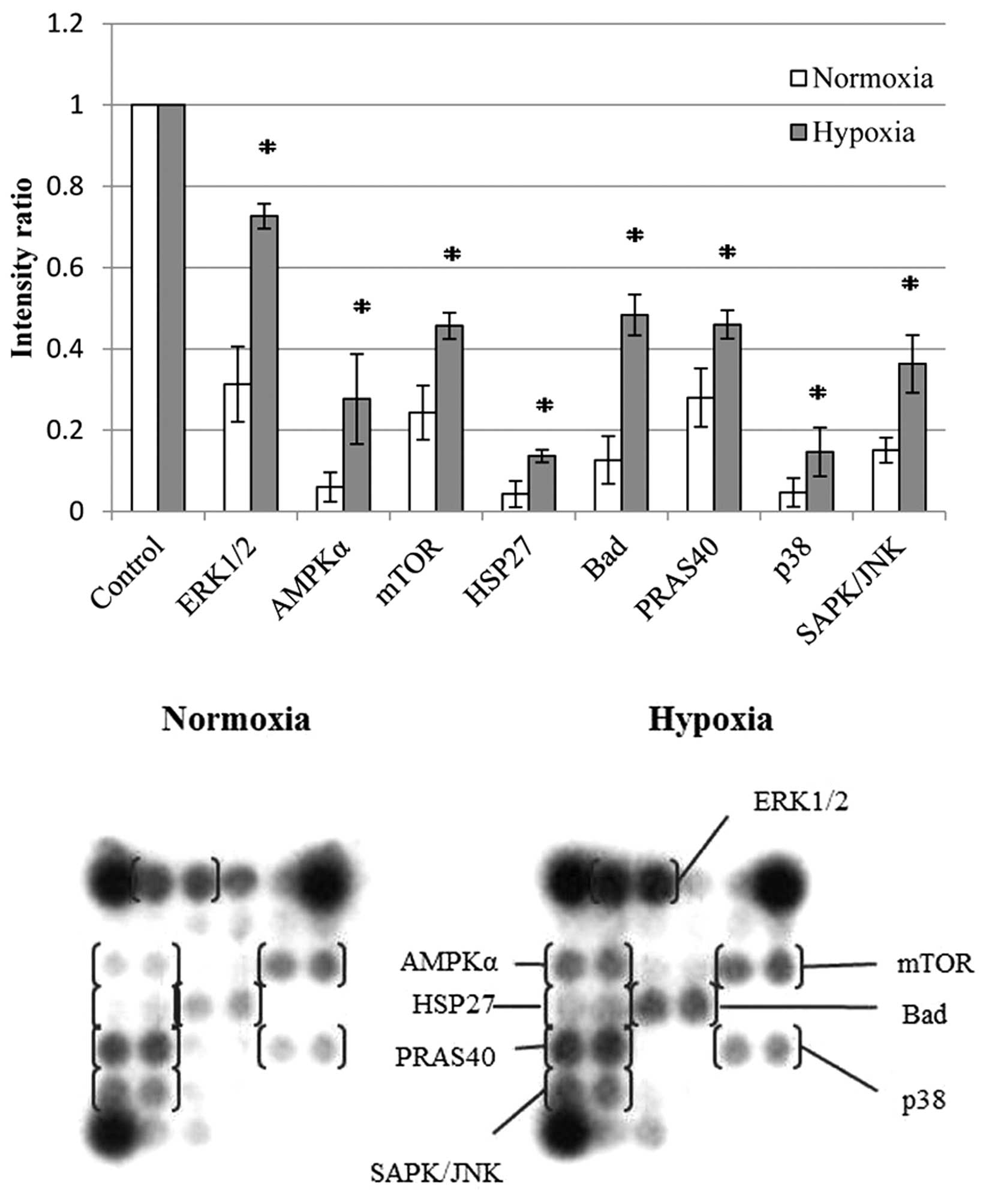
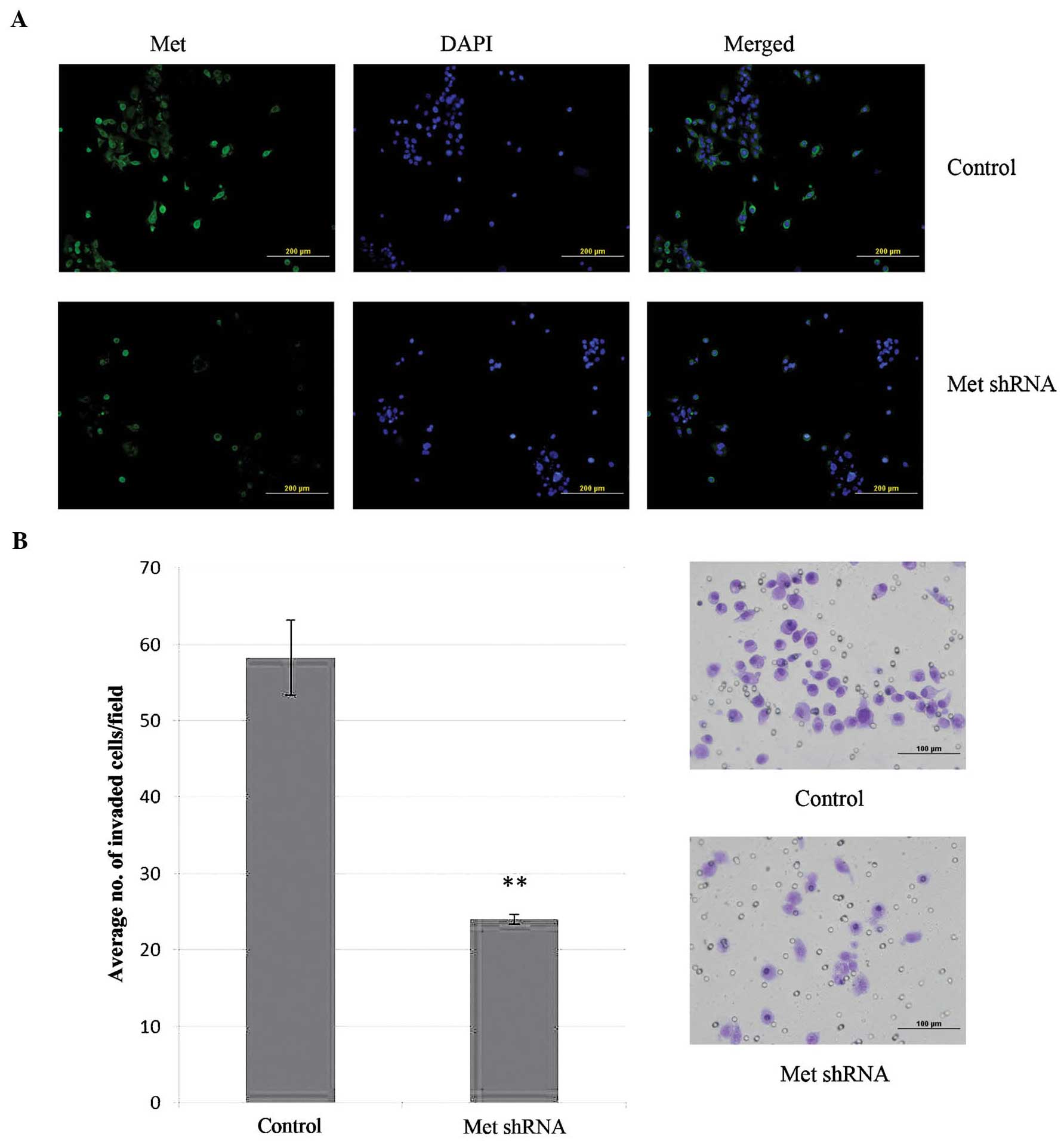
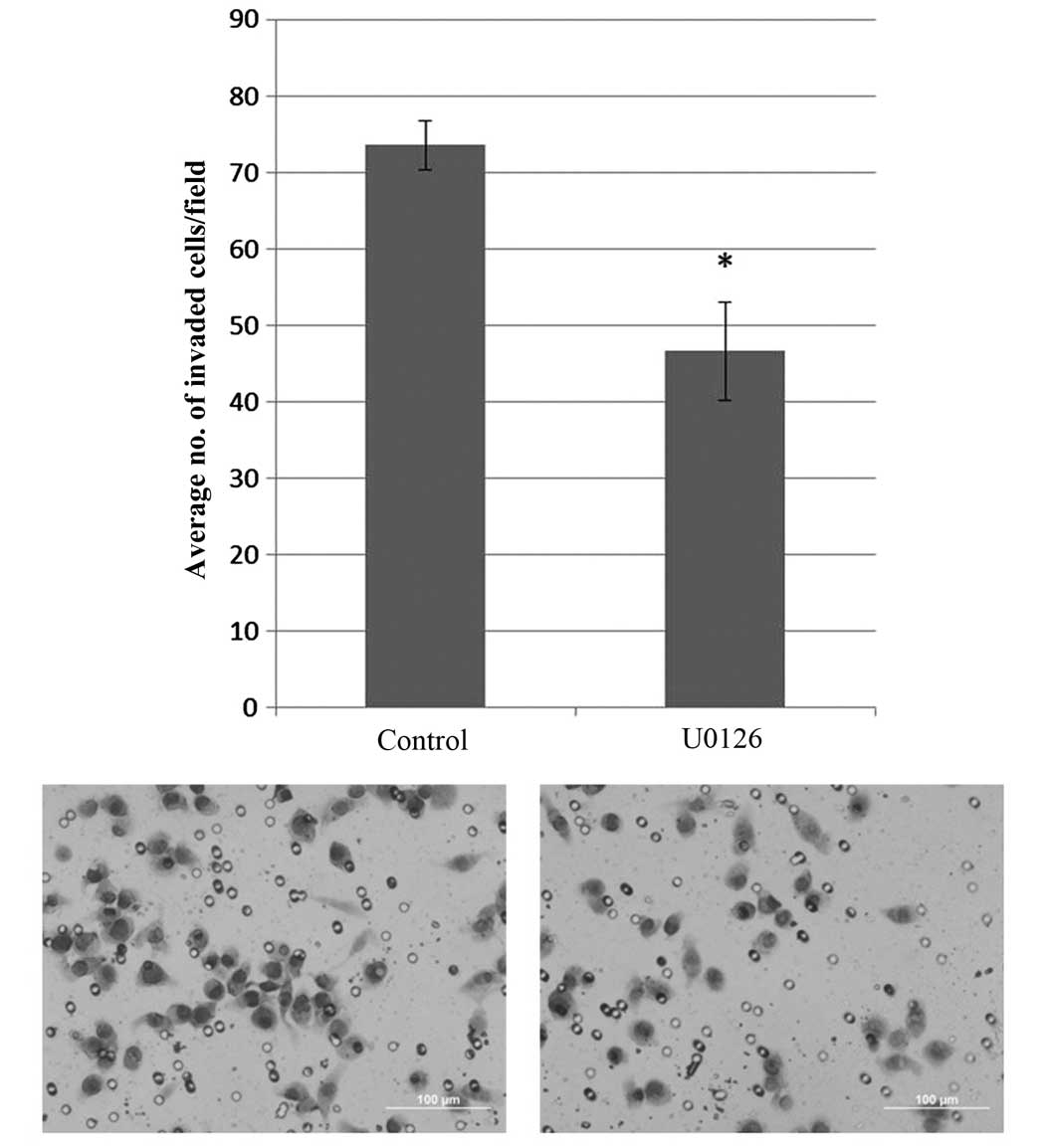
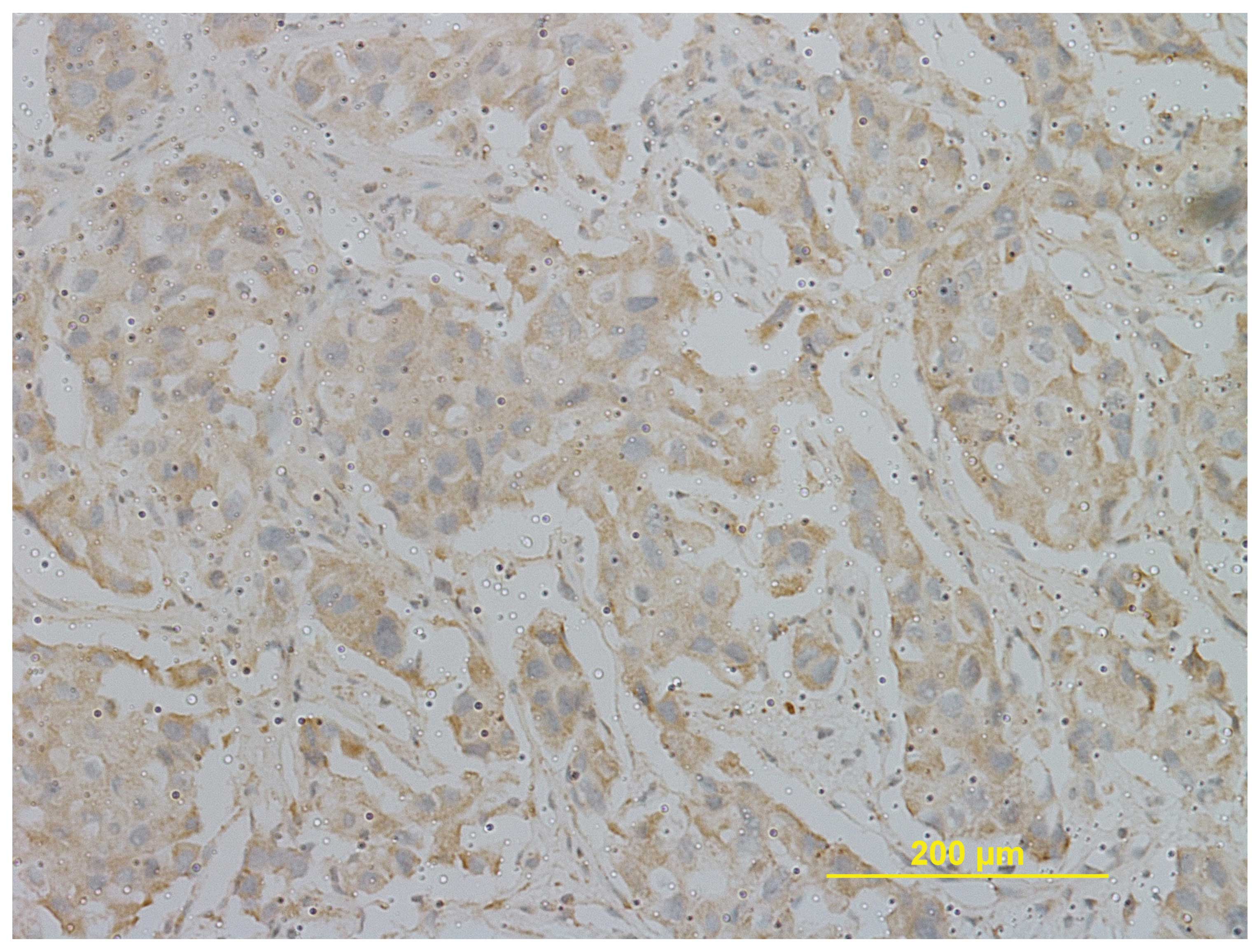
Hypoxia is associated with tumor progression and poor prognosis in several cancer types. The present study aimed to examine the contribution of hypoxia (1% O2) to cancer progression in a cholangiocarcinoma cell line, RMCCA‑1. The molecular basis of the hypoxic response pathway was investigated. The results showed that hypoxia significantly accelerated cancer cell proliferation and enhanced cell invasion (P<0.05). By using receptor tyrosine kinase and intracellular signaling antibody array kits, an increased phosphorylation/activation of a number of signaling molecules, particularly hepatocyte growth factor receptor (Met) and extracellular signal‑regulated kinase (ERK) 1/2, was identified. Inhibition of Met and ERK by small hairpin RNA and U0126, respectively, significantly inhibited hypoxia‑induced the invasive potential of RMCCA‑1 cells (P<0.05). However, according to immunohistochemical analysis, hypoxia‑inducible factor‑1α expression was not correlated with cancer staging or tumor differentiation in 44 samples of cholangicarcinoma cases. The findings of the present study emphasized the importance of Met/ERK pathway activation as a key molecular event that may be responsible for a more invasive phenotype in hypoxic tumors and suggest Met as a potential target for the treatment of cholangiocarcinoma.
View Figures

Figure 1

Figure 2

Figure 3

Figure 4

Figure 5

Figure 6

Figure 7

Figure 8

View References

1 

Zogragos GN, Farfaras A, Zagouri F, Chrysikos D and Karaliotas K: Cholangiocarcinoma: principles and current trends. Hepatobiliary Pancreat Dis Int. 10:10–20. 2011. View Article : Google Scholar

2 

Razumilava N and Gores GJ: Classification, diagnosis and management of cholangiocarcinoma. Clin Gastroenterol Hepatol. 11:13–21. 2013. View Article : Google Scholar

3 

Rattanasinganchan P, Leelawat K, Treepongkaruna SA, Tocharoentanaphol C, Subwongcharoen S, Suthiphongchai T and Tohtong R: Establishment and characterization of a cholan-giocarcinoma cell line (RMCCA-1) from a Thai patient. World J Gastroenterol. 12:6500–6506. 2006.PubMed/NCBI

4 

Friman S: Cholangiocarcinoma-current treatment options. Scand J Surg. 100:30–34. 2011.

5 

Miyoshi A, Kitajima Y, Ide T, et al: Hypoxia accelerates cancer invasion of hepatoma cells by upregulating MMP expression in an HIF-1α-independent manner. Int J Oncol. 29:1533–1539. 2006.PubMed/NCBI

6 

Yokoi K and Fidler IJ: Hypoxia increases resistance of human pancreatic cancer cells to apoptosis induced by gemcitabine. Clin Cancer Res. 10:2299–2306. 2004. View Article : Google Scholar : PubMed/NCBI

7 

Kim JY, Kim YJ, Lee S and Park JH: The critical role of ERK in death resistance and invasiveness of hypoxia-selected glioblastoma cells. BMC Cancer. 9:272009. View Article : Google Scholar : PubMed/NCBI

8 

Kitajima Y, Ide T, Ohtsuka T and Miyazaki K: Induction of hepatocyte growth factor activator gene expression under hypoxia activates the hepatocyte growth factor/c-Met system via hypoxia inducible factor-1 in pancreatic cancer. Cancer Sci. 99:1341–1347. 2008. View Article : Google Scholar : PubMed/NCBI

9 

Koh MY, Lemos R Jr, Lui X and Powis G: The hypoxia-associated factor switches cells from HIF-1α- to HIF-2α-dependent signaling promoting stem cell characteristics, aggressive tumor growth and invasion. Cancer Res. 71:4015–4027. 2011. View Article : Google Scholar : PubMed/NCBI

10 

Fu OY, Hou MF, Yang SF, Huang SC and Lee WY: Cobalt chloride-induced hypoxia modulates the invasive potential and matrix matelloproteinases of primary and metastatic breast cancer cells. Anticancer Res. 29:3131–3138. 2009.PubMed/NCBI

11 

Pennacchietti S, Michieli P, Galluzzo M, Mazzone M, Giordano S and Comoglio PM: Hypoxia promotes invasive growth by transcriptional activation of the met protooncogene. Cancer Cell. 3:347–361. 2003. View Article : Google Scholar : PubMed/NCBI

12 

Cecchi F, Rabe DC and Bottaro DP: Targeting the HGF/Met signaling pathway in cancer. Eur J Cancer. 46:1260–1270. 2010. View Article : Google Scholar : PubMed/NCBI

13 

Socoteanu MP, Mott F, Alpini G and Frankel AE: c-Met targeted therapy of cholangiocarcinoma. World J Gastroenterol. 14:2990–2994. 2008. View Article : Google Scholar : PubMed/NCBI

14 

Matsumura A, Kubota T, Taiyoh H, et al: HGF regulates VEGF expression via the c-Met receptor downstream pathways, PI3K/Akt, MAPK and STAT3, in CT26 murine cells. Int J Oncol. 42:535–542. 2013.

15 

Leelawat K, Leelawat S, Tepaksorn P, Rattanasinganchan P, Leungchaweng A, Tohtong R and Sobhon P: Involvement of c-Met/hepatocyte growth factor pathway in cholangiocarcinoma cell invasion and its therapeutic inhibition with small interfering RNA specific for c-Met. J Surg Res. 136:78–84. 2006. View Article : Google Scholar : PubMed/NCBI

16 

Santarpia L, Lippman SL and El-Naggar AK: Targeting the MAPK-RAS-RAF signaling pathway in cancer therapy. Expert Opin Ther Targets. 16:103–119. 2012. View Article : Google Scholar : PubMed/NCBI

17 

Katz M, Amit I and Yarden Y: Regulation of MAPKs by growth factors and receptor tyrosine kinases. Biochim Biophys Acta. 1773:1161–1176. 2007. View Article : Google Scholar : PubMed/NCBI

18 

Lee JW, Bae SH, Jeong JW, Kim SH and Kim KW: Hypoxia-inducible factor (HIF-1)α: its protein stability and biological functions. Exp Mol Med. 36:1–12. 2004. View Article : Google Scholar : PubMed/NCBI

19 

Harris AL: Hypoxia-a key regulatory factor in tumour growth. Nat Rev Cancer. 2:38–47. 2002. View Article : Google Scholar : PubMed/NCBI

20 

Organ SL and Tsao MS: An overview of the Met signaling pathway. Ther Adv Med Oncol. 3(Suppl 1): S7–S19. 2011. View Article : Google Scholar

21 

Seubwai W, Kraiklang R, Wongkham C and Wongkham S: Hypoxia enhances aggressiveness of cholangiocarcinoma cells. Asian Pac J Cancer Prev. 13(Suppl): 53–58. 2012.PubMed/NCBI

22 

Gwak GY, Yoon JH, Kim KM, Lee HS, Chung JW and Gores GJ: Hypoxia stimulates proliferation of human hepatoma cells through the induction of hexokinase II expression. J Hepatol. 42:358–364. 2005. View Article : Google Scholar : PubMed/NCBI

23 

He G, Jiang Y, Zhang B and Wu G: The effect of HIF-1α on glucose metabolism, growth and apoptosis of pancreatic cancerous cells. Asia Pac J Clin Nutr. 23:174–180. 2014.

24 

Dai R, Li J, Fu J, et al: The tyrosine kinase c-Met contributes to the pro-tumorigenic function of the p38 kinase in human bile duct cholangiocarcinoma cells. J Biol Chem. 287:39812–39823. 2012. View Article : Google Scholar : PubMed/NCBI

25 

Xu L, Nilsson MB, Saintigny P, et al: Epidermal growth factor receptor regulates MET levels and invasiveness through hypoxia-inducible factor-1α in non-small cell lung cancer cells. Oncogene. 29:2616–2627. 2010. View Article : Google Scholar : PubMed/NCBI

26 

Mylonis I, Chachami G, Samiotaka M, et al: Identification of MAPK phosphorylation sites and their role in the localization and activity of hypoxia-inducible factor-1α. J Biol Chem. 281:33095–33106. 2006. View Article : Google Scholar : PubMed/NCBI

27 

Lee KH, Choi EY, Hyun MS and Kim JR: Involvement of MAPK pathway in hypoxia-induced up-regulation of urokinase plasminogen activator receptor in a human prostatic cancer cell line, PC3MLN4. Exp Mol Med. 36:57–64. 2004. View Article : Google Scholar : PubMed/NCBI

28 

Mazzone M and Comoglio PM: The Met pathway: master switch and drug target in cancer progression. FASEB J. 20:1611–1621. 2006. View Article : Google Scholar : PubMed/NCBI

29 

Eckerich C, Zapf S, Fillbrandt R, Loges S, Westphat M and Lamszus K: Hypoxia can induce c-Met expression in glioma cells and enhance SF/HGF-induced cell migration. Int J Cancer. 121:276–283. 2007. View Article : Google Scholar : PubMed/NCBI

30 

Sullivan R and Graham CH: Hypoxia-driven selection of the metastatic phenotype. Cancer Metastasis Rev. 26:319–331. 2007. View Article : Google Scholar : PubMed/NCBI

31 

Hara S, Nakashiro K, Klosek SK, Ishikawa T, Shintani S and Hamakawa H: Hypoxia enhances c-Met/HGF receptor expression and signaling by activating HIF-1alpha in human salivary gland cancer cells. Oral Oncol. 42:593–598. 2006. View Article : Google Scholar : PubMed/NCBI

32 

Wang Y, Li Z, Zhang H, et al: HIF-1α and HIF-2α correlate with migration and invasion in gastric cancer. Cancer Biol Ther. 10:376–382. 2010. View Article : Google Scholar : PubMed/NCBI

Related Articles

  • Abstract
  • View
  • Download
  • Twitter
Copy and paste a formatted citation
Spandidos Publications style
Vanichapol T, Leelawat K and Hongeng S: Hypoxia enhances cholangiocarcinoma invasion through activation of hepatocyte growth factor receptor and the extracellular signal‑regulated kinase signaling pathway. Mol Med Rep 12: 3265-3272, 2015.
APA
Vanichapol, T., Leelawat, K., & Hongeng, S. (2015). Hypoxia enhances cholangiocarcinoma invasion through activation of hepatocyte growth factor receptor and the extracellular signal‑regulated kinase signaling pathway. Molecular Medicine Reports, 12, 3265-3272. https://doi.org/10.3892/mmr.2015.3865
MLA
Vanichapol, T., Leelawat, K., Hongeng, S."Hypoxia enhances cholangiocarcinoma invasion through activation of hepatocyte growth factor receptor and the extracellular signal‑regulated kinase signaling pathway". Molecular Medicine Reports 12.3 (2015): 3265-3272.
Chicago
Vanichapol, T., Leelawat, K., Hongeng, S."Hypoxia enhances cholangiocarcinoma invasion through activation of hepatocyte growth factor receptor and the extracellular signal‑regulated kinase signaling pathway". Molecular Medicine Reports 12, no. 3 (2015): 3265-3272. https://doi.org/10.3892/mmr.2015.3865
Copy and paste a formatted citation
x
Spandidos Publications style
Vanichapol T, Leelawat K and Hongeng S: Hypoxia enhances cholangiocarcinoma invasion through activation of hepatocyte growth factor receptor and the extracellular signal‑regulated kinase signaling pathway. Mol Med Rep 12: 3265-3272, 2015.
APA
Vanichapol, T., Leelawat, K., & Hongeng, S. (2015). Hypoxia enhances cholangiocarcinoma invasion through activation of hepatocyte growth factor receptor and the extracellular signal‑regulated kinase signaling pathway. Molecular Medicine Reports, 12, 3265-3272. https://doi.org/10.3892/mmr.2015.3865
MLA
Vanichapol, T., Leelawat, K., Hongeng, S."Hypoxia enhances cholangiocarcinoma invasion through activation of hepatocyte growth factor receptor and the extracellular signal‑regulated kinase signaling pathway". Molecular Medicine Reports 12.3 (2015): 3265-3272.
Chicago
Vanichapol, T., Leelawat, K., Hongeng, S."Hypoxia enhances cholangiocarcinoma invasion through activation of hepatocyte growth factor receptor and the extracellular signal‑regulated kinase signaling pathway". Molecular Medicine Reports 12, no. 3 (2015): 3265-3272. https://doi.org/10.3892/mmr.2015.3865
Follow us
  • Twitter
  • LinkedIn
  • Facebook
About
  • Spandidos Publications
  • Careers
  • Cookie Policy
  • Privacy Policy
How can we help?
  • Help
  • Live Chat
  • Contact
  • Email to our Support Team