Spandidos Publications Logo
  • About
    • About Spandidos
    • Aims and Scopes
    • Abstracting and Indexing
    • Editorial Policies
    • Reprints and Permissions
    • Job Opportunities
    • Terms and Conditions
    • Contact
  • Journals
    • All Journals
    • Oncology Letters
      • Oncology Letters
      • Information for Authors
      • Editorial Policies
      • Editorial Board
      • Aims and Scope
      • Abstracting and Indexing
      • Bibliographic Information
      • Archive
    • International Journal of Oncology
      • International Journal of Oncology
      • Information for Authors
      • Editorial Policies
      • Editorial Board
      • Aims and Scope
      • Abstracting and Indexing
      • Bibliographic Information
      • Archive
    • Molecular and Clinical Oncology
      • Molecular and Clinical Oncology
      • Information for Authors
      • Editorial Policies
      • Editorial Board
      • Aims and Scope
      • Abstracting and Indexing
      • Bibliographic Information
      • Archive
    • Experimental and Therapeutic Medicine
      • Experimental and Therapeutic Medicine
      • Information for Authors
      • Editorial Policies
      • Editorial Board
      • Aims and Scope
      • Abstracting and Indexing
      • Bibliographic Information
      • Archive
    • International Journal of Molecular Medicine
      • International Journal of Molecular Medicine
      • Information for Authors
      • Editorial Policies
      • Editorial Board
      • Aims and Scope
      • Abstracting and Indexing
      • Bibliographic Information
      • Archive
    • Biomedical Reports
      • Biomedical Reports
      • Information for Authors
      • Editorial Policies
      • Editorial Board
      • Aims and Scope
      • Abstracting and Indexing
      • Bibliographic Information
      • Archive
    • Oncology Reports
      • Oncology Reports
      • Information for Authors
      • Editorial Policies
      • Editorial Board
      • Aims and Scope
      • Abstracting and Indexing
      • Bibliographic Information
      • Archive
    • Molecular Medicine Reports
      • Molecular Medicine Reports
      • Information for Authors
      • Editorial Policies
      • Editorial Board
      • Aims and Scope
      • Abstracting and Indexing
      • Bibliographic Information
      • Archive
    • World Academy of Sciences Journal
      • World Academy of Sciences Journal
      • Information for Authors
      • Editorial Policies
      • Editorial Board
      • Aims and Scope
      • Abstracting and Indexing
      • Bibliographic Information
      • Archive
    • International Journal of Functional Nutrition
      • International Journal of Functional Nutrition
      • Information for Authors
      • Editorial Policies
      • Editorial Board
      • Aims and Scope
      • Abstracting and Indexing
      • Bibliographic Information
      • Archive
    • International Journal of Epigenetics
      • International Journal of Epigenetics
      • Information for Authors
      • Editorial Policies
      • Editorial Board
      • Aims and Scope
      • Abstracting and Indexing
      • Bibliographic Information
      • Archive
    • Medicine International
      • Medicine International
      • Information for Authors
      • Editorial Policies
      • Editorial Board
      • Aims and Scope
      • Abstracting and Indexing
      • Bibliographic Information
      • Archive
  • Articles
  • Information
    • Information for Authors
    • Information for Reviewers
    • Information for Librarians
    • Information for Advertisers
    • Conferences
  • Language Editing
Spandidos Publications Logo
  • About
    • About Spandidos
    • Aims and Scopes
    • Abstracting and Indexing
    • Editorial Policies
    • Reprints and Permissions
    • Job Opportunities
    • Terms and Conditions
    • Contact
  • Journals
    • All Journals
    • Biomedical Reports
      • Information for Authors
      • Editorial Policies
      • Editorial Board
      • Aims and Scope
      • Abstracting and Indexing
      • Bibliographic Information
      • Archive
    • Experimental and Therapeutic Medicine
      • Information for Authors
      • Editorial Policies
      • Editorial Board
      • Aims and Scope
      • Abstracting and Indexing
      • Bibliographic Information
      • Archive
    • International Journal of Epigenetics
      • Information for Authors
      • Editorial Policies
      • Editorial Board
      • Aims and Scope
      • Abstracting and Indexing
      • Bibliographic Information
      • Archive
    • International Journal of Functional Nutrition
      • Information for Authors
      • Editorial Policies
      • Editorial Board
      • Aims and Scope
      • Abstracting and Indexing
      • Bibliographic Information
      • Archive
    • International Journal of Molecular Medicine
      • Information for Authors
      • Editorial Policies
      • Editorial Board
      • Aims and Scope
      • Abstracting and Indexing
      • Bibliographic Information
      • Archive
    • International Journal of Oncology
      • Information for Authors
      • Editorial Policies
      • Editorial Board
      • Aims and Scope
      • Abstracting and Indexing
      • Bibliographic Information
      • Archive
    • Medicine International
      • Information for Authors
      • Editorial Policies
      • Editorial Board
      • Aims and Scope
      • Abstracting and Indexing
      • Bibliographic Information
      • Archive
    • Molecular and Clinical Oncology
      • Information for Authors
      • Editorial Policies
      • Editorial Board
      • Aims and Scope
      • Abstracting and Indexing
      • Bibliographic Information
      • Archive
    • Molecular Medicine Reports
      • Information for Authors
      • Editorial Policies
      • Editorial Board
      • Aims and Scope
      • Abstracting and Indexing
      • Bibliographic Information
      • Archive
    • Oncology Letters
      • Information for Authors
      • Editorial Policies
      • Editorial Board
      • Aims and Scope
      • Abstracting and Indexing
      • Bibliographic Information
      • Archive
    • Oncology Reports
      • Information for Authors
      • Editorial Policies
      • Editorial Board
      • Aims and Scope
      • Abstracting and Indexing
      • Bibliographic Information
      • Archive
    • World Academy of Sciences Journal
      • Information for Authors
      • Editorial Policies
      • Editorial Board
      • Aims and Scope
      • Abstracting and Indexing
      • Bibliographic Information
      • Archive
  • Articles
  • Information
    • For Authors
    • For Reviewers
    • For Librarians
    • For Advertisers
    • Conferences
  • Language Editing
Login Register Submit
  • This site uses cookies
  • You can change your cookie settings at any time by following the instructions in our Cookie Policy. To find out more, you may read our Privacy Policy.

    I agree
Search articles by DOI, keyword, author or affiliation
Search
Advanced Search
presentation
Molecular Medicine Reports
Join Editorial Board Propose a Special Issue
Print ISSN: 1791-2997 Online ISSN: 1791-3004
Journal Cover
October-2015 Volume 12 Issue 4

Full Size Image

Sign up for eToc alerts
Recommend to Library

Journals

International Journal of Molecular Medicine

International Journal of Molecular Medicine

International Journal of Molecular Medicine is an international journal devoted to molecular mechanisms of human disease.

International Journal of Oncology

International Journal of Oncology

International Journal of Oncology is an international journal devoted to oncology research and cancer treatment.

Molecular Medicine Reports

Molecular Medicine Reports

Covers molecular medicine topics such as pharmacology, pathology, genetics, neuroscience, infectious diseases, molecular cardiology, and molecular surgery.

Oncology Reports

Oncology Reports

Oncology Reports is an international journal devoted to fundamental and applied research in Oncology.

Experimental and Therapeutic Medicine

Experimental and Therapeutic Medicine

Experimental and Therapeutic Medicine is an international journal devoted to laboratory and clinical medicine.

Oncology Letters

Oncology Letters

Oncology Letters is an international journal devoted to Experimental and Clinical Oncology.

Biomedical Reports

Biomedical Reports

Explores a wide range of biological and medical fields, including pharmacology, genetics, microbiology, neuroscience, and molecular cardiology.

Molecular and Clinical Oncology

Molecular and Clinical Oncology

International journal addressing all aspects of oncology research, from tumorigenesis and oncogenes to chemotherapy and metastasis.

World Academy of Sciences Journal

World Academy of Sciences Journal

Multidisciplinary open-access journal spanning biochemistry, genetics, neuroscience, environmental health, and synthetic biology.

International Journal of Functional Nutrition

International Journal of Functional Nutrition

Open-access journal combining biochemistry, pharmacology, immunology, and genetics to advance health through functional nutrition.

International Journal of Epigenetics

International Journal of Epigenetics

Publishes open-access research on using epigenetics to advance understanding and treatment of human disease.

Medicine International

Medicine International

An International Open Access Journal Devoted to General Medicine.

Journal Cover
October-2015 Volume 12 Issue 4

Full Size Image

Sign up for eToc alerts
Recommend to Library

  • Article
  • Citations
    • Cite This Article
    • Download Citation
    • Create Citation Alert
    • Remove Citation Alert
    • Cited By
  • Similar Articles
    • Related Articles (in Spandidos Publications)
    • Similar Articles (Google Scholar)
    • Similar Articles (PubMed)
  • Download PDF
  • Download XML
  • View XML
Article

Ascorbic acid inhibits TPA-induced HL‑60 cell differentiation by decreasing cellular H2O2 and ERK phosphorylation

  • Authors:
    • Giou‑Teng Yiang
    • Jen‑Ni Chen
    • Tsai‑Kun Wu
    • Hsueh‑Fang Wang
    • Yu‑Ting Hung
    • Wei‑Jung Chang
    • Chinshuh Chen
    • Chyou‑Wei Wei
    • Yung‑Luen Yu
  • View Affiliations / Copyright

    Affiliations: Department of Emergency Medicine, Taipei Tzu Chi Hospital, Buddhist Tzu Chi Medical Foundation, New Taipei 231, Taiwan, R.O.C., Department of Food Science and Biotechnology, National Chung Hsing University, Taichung 402, Taiwan, R.O.C., The Ph.D. Program for Cancer Biology and Drug Discovery, China Medical University and Academia Sinica, Taichung 404, Taiwan, R.O.C., Department of Nutrition, Master Program of Biomedical Nutrition, Hungkuang University, Taichung 433, Taiwan, R.O.C., Graduate Institute of Cancer Biology and Center for Molecular Medicine, China Medical University, Taichung 404, Taiwan, R.O.C.
  • Pages: 5501-5507
    |
    Published online on: July 20, 2015
       https://doi.org/10.3892/mmr.2015.4091
  • Expand metrics +
Metrics: Total Views: 0 (Spandidos Publications: | PMC Statistics: )
Metrics: Total PDF Downloads: 0 (Spandidos Publications: | PMC Statistics: )
Cited By (CrossRef): 0 citations Loading Articles...

This article is mentioned in:


Abstract

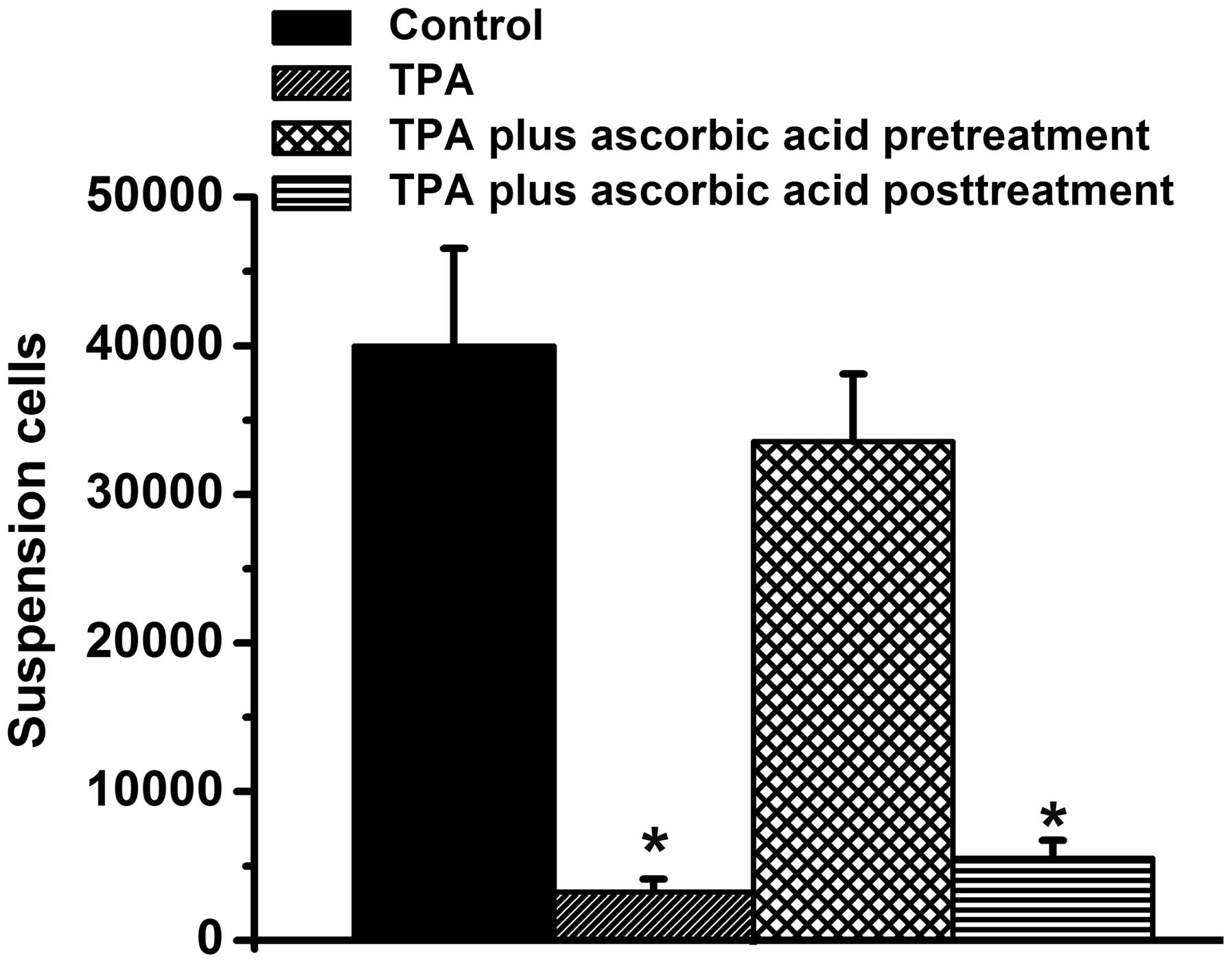
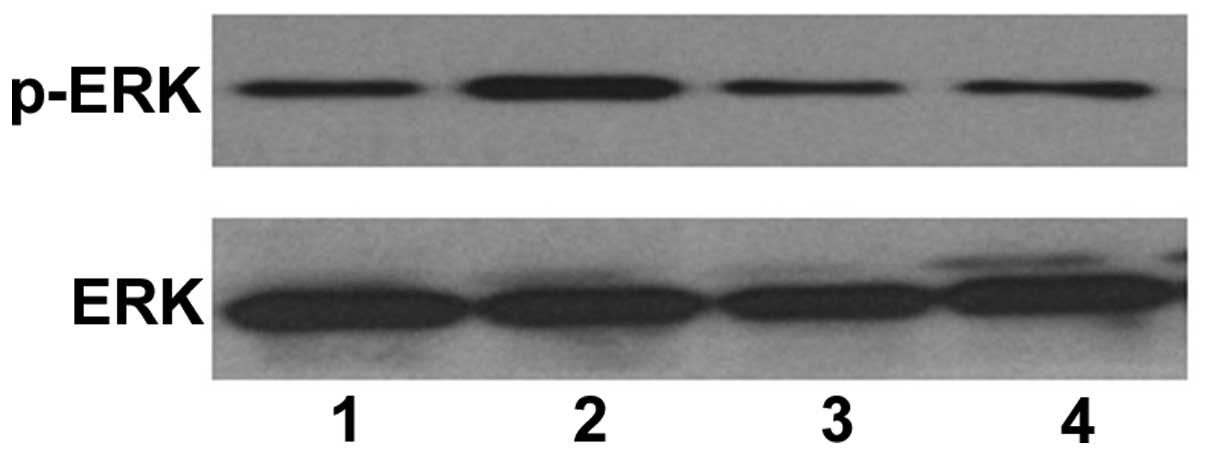
Retinoic acid (RA), vitamin D and 12-O‑tetradecanoyl phorbol-13-acetate (TPA) can induce HL-60 cells to differentiate into granulocytes, monocytes and macrophages, respectively. Similar to RA and vitamin D, ascorbic acid also belongs to the vitamin family. High‑dose ascorbic acid (>100 µM) induces HL‑60 cell apoptosis and induces a small fraction of HL‑60 cells to express the granulocyte marker, CD66b. In addition, ascorbic acid exerts an anti‑oxidative stress function. Oxidative stress is required for HL‑60 cell differentiation following treatment with TPA, however, the effect of ascorbic acid on HL‑60 cell differentiation in combination with TPA treatment remains to be fully elucidated. The aim of the present study was to investigate the cellular effects of ascorbic acid treatment on TPA-differentiated HL-60 cells. TPA-differentiated HL-60 cells were used for this investigation, this study and the levels of cellular hydrogen peroxide (H2O2), caspase activity and ERK phosphorylation were determined following combined treatment with TPA and ascorbic acid. The results demonstrated that low‑dose ascorbic acid (5 µM) reduced the cellular levels of H2O2 and inhibited the differentiation of HL‑60 cells into macrophages following treatment with TPA. In addition, the results of the present study further demonstrated that low‑dose ascorbic acid inactivates the ERK phosphorylation pathway, which inhibited HL‑60 cell differentiation following treatment with TPA.
View Figures

Figure 1

Figure 2

Figure 3

Figure 4

Figure 5

Figure 6

View References

1 

Trayner ID, Bustorff T, Etches AE, Mufti GJ, Foss Y and Farzaneh F: Changes in antigen expression on differentiating HL60 cells treated with dimethylsulphoxide, all-trans retinoic acid, alpha1,25-dihydroxyvitamin D3 or 12-O-tetradecanoyl phorbol-13-acetate. Leuk Res. 22:537–547. 1998. View Article : Google Scholar : PubMed/NCBI

2 

Zylber-Katz E and Glazer RI: Phospholipid- and Ca2+-dependent protein kinase activity and protein phosphorylation patterns in the differentiation of human promyelocytic leukemia cell line HL-60. Cancer Res. 45:5159–5164. 1985.PubMed/NCBI

3 

Congleton J, MacDonald R and Yen A: Src inhibitors, PP2 and dasatinib, increase retinoic acid-induced association of Lyn and c-Raf (S259) and enhance MAPK-dependent differentiation of myeloid leukemia cells. Leukemia. 26:1180–1188. 2012. View Article : Google Scholar :

4 

Ji Y, Kutner A, Verstuyf A, Verlinden L and Studzinski GP: Derivatives of vitamins D2 and D3 activate three MAPK pathways and upregulate pRb expression in differentiating HL60 cells. Cell Cycle. 1:410–415. 2002. View Article : Google Scholar

5 

Wang N, Wang LW, Gou BD, Zhang TL and Wang K: Realgar-induced differentiation is associated with MAPK pathways in HL-60 cells. Cell Biol Int. 32:1497–1505. 2008. View Article : Google Scholar : PubMed/NCBI

6 

Kim SH, Yoo JC and Kim TS: Nargenicin enhances 1,25-dihy-droxyvitamin D (3)- and all-trans retinoic acid-induced leukemia cell differentiation via PKCbetaI/MAPK pathways. Biochem Pharmacol. 77:1694–1701. 2009. View Article : Google Scholar : PubMed/NCBI

7 

Stixová L, Procházková J, Soucek K, Hofmanová J and Kozubík A: 5-Lipoxygenase inhibitors potentiate 1alpha,25-dihy-droxyvitamin D3-induced monocytic differentiation by activating p38 MAPK pathway. Mol Cell Biochem. 330:229–238. 2009. View Article : Google Scholar

8 

Battle TE, Levine RA and Yen A: Retinoic acid-induced blr1 expression promotes ERK2 activation and cell differentiation in HL-60 cells. Exp Cell Res. 254:287–298. 2000. View Article : Google Scholar : PubMed/NCBI

9 

Yen A, Roberson MS and Varvayanis S: Retinoic acid selectively activates the ERK2 but not JNK/SAPK or p38 MAP kinases when inducing myeloid differentiation. In Vitro Cell Dev Biol Anim. 35:527–532. 1999. View Article : Google Scholar : PubMed/NCBI

10 

Yu HN, Lee YR, Noh EM, Lee KS, Song EK, Han MK, Lee YC, Yim CY, Park J, Kim BS, et al: Tumor necrosis factor-alpha enhances DMSO-induced differentiation of HL-60 cells through the activation of ERK/MAPK pathway. Int J Hematol. 87:189–194. 2008. View Article : Google Scholar : PubMed/NCBI

11 

Li C, Yu Y, Wang Y, Liu L, Zhang M, Sugano S, Wang Z and Chang Z: Both ERK and JNK are required for enhancement of MD-2 gene expression during differentiation of HL-60 cells. Biol Cell. 100:365–375. 2008. View Article : Google Scholar : PubMed/NCBI

12 

Zhang J, Harrison JS and Studzinski GP: Isoforms of p38MAPK gamma and delta contribute to differentiation of human AML cells induced by 1,25-dihydroxyvitamin D (3). Exp Cell Res. 317:117–130. 2011. View Article : Google Scholar

13 

Matsumoto E, Hatanaka M, Bohgaki M and Maeda S: PKC pathway and ERK/MAPK pathway are required for induction of cyclin D1 and p21Waf1 during 12-o-tetradecanoylphorbol 13-acetate-induced differentiation of myeloleukemia cells. Kobe J Med Sci. 52:181–194. 2006.

14 

Yiang GT, Yu YL, Hu SC, Chen MH, Wang JJ and Wei CW: PKC and MEK pathways inhibit caspase-9/-3-mediated cytotoxicity in differentiated cells. FEBS Lett. 582:881–885. 2008. View Article : Google Scholar : PubMed/NCBI

15 

Wang X, Pesakhov S, Harrison JS, Danilenko M and Studzinski GP: ERK5 pathway regulates transcription factors important for monocytic differentiation of human myeloid leukemia cells. J Cell Physiol. 229:856–867. 2014. View Article : Google Scholar

16 

Jamshidi F, Zhang J, Harrison JS, Wang X and Studzinski GP: Induction of differentiation of human leukemia cells by combinations of COX inhibitors and 1,25-dihydroxyvitamin D3 involves Raf1 but not Erk 1/2 signaling. Cell Cycle. 7:917–924. 2008. View Article : Google Scholar : PubMed/NCBI

17 

Wang X, Pesakhov S, Weng A, Kafka M, Gocek E, Nguyen M, Harrison JS, Danilenko M and Studzinski GP: ERK 5/MAPK pathway has a major role in 1α,25-(oh) vitamin D3-induced terminal differentiation of myeloid leukemia cells. J Steroid Biochem Mol Biol. 144:223–227. 2013. View Article : Google Scholar

18 

Uruno A, Noguchi N, Matsuda K, Nata K, Yoshikawa T, Chikamatsu Y, Kagechika H, Harigae H, Ito S, Okamoto H, et al: All-trans retinoic acid and a novel synthetic retinoid tami-barotene (Am80) differentially regulate CD38 expression in human leukemia HL-60 cells: possible involvement of protein kinase C-delta. J Leukoc Biol. 90:235–247. 2011. View Article : Google Scholar : PubMed/NCBI

19 

Ju SM, Kang JG, Pae HO, Lee GS, Kim WS, Lyu YS and Jeon BH: Nardostachys chinensis induces the differentiation of human promyelocytic leukemic cells through the activation of the protein kinase C-dependent extracellular signal-regulated kinase signaling pathway. Int J Mol Med. 33:573–580. 2014.

20 

Ogino T, Ozaki M and Matsukawa A: Oxidative stress enhances granulocytic differentiation in HL 60 cells, an acute promy-elocytic leukemia cell line. Free Radic Res. 44:1328–1337. 2010. View Article : Google Scholar : PubMed/NCBI

21 

Hu XM, Yuan B, Tanaka S, Zhou Q, Onda K, Toyoda H and Hirano T: Involvement of oxidative stress associated with glutathione depletion and p38 mitogen-activated protein kinase activation in arsenic disulfide-induced differentiation in HL-60 cells. Leuk Lymphoma. 55:392–404. 2014. View Article : Google Scholar

22 

Kambhampati S, Li Y, Verma A, Sassano A, Majchrzak B, Deb DK, Parmar S, Giafis N, Kalvakolanu DV, Rahman A, et al: Activation of protein kinase C delta by all-trans-retinoic acid. J Biol Chem. 278:32544–32551. 2003. View Article : Google Scholar : PubMed/NCBI

23 

Kim SH, Kang SN, Kim HJ and Kim TS: Potentiation of 1,25-dihydroxyvitamin D (3)-induced differentiation of human promyelocytic leukemia cells into monocytes by costunolide, a germacranolide sesquiterpene lactone. Biochem Pharmacol. 64:1233–1242. 2002. View Article : Google Scholar : PubMed/NCBI

24 

Bondza-Kibangou P, Millot C, El Khoury V and Millot JM: Antioxidants and doxorubicin supplementation to modulate CD14 expression and oxidative stress induced by vitamin D3 and seocalcitol in HL60 cells. Oncol Rep. 18:1513–1519. 2007.PubMed/NCBI

25 

Yamamoto T, Sakaguchi N, Hachiya M, Nakayama F, Yamakawa M and Akashi M: Role of catalase in monocytic differentiation of U937 cells by TPA: hydrogen peroxide as a second messenger. Leukemia. 23:761–769. 2009. View Article : Google Scholar

26 

Yan Y, Zeng W, Song S, Zhang F, He W, Liang W and Niu Z: Vitamin C induces periodontal ligament progenitor cell differentiation via activation of ERK pathway mediated by PELP1. Protein Cell. 4:620–627. 2013. View Article : Google Scholar : PubMed/NCBI

27 

Mimori K, Komaki M, Iwasaki K and Ishikawa I: Extracellular signal-regulated kinase 1/2 is involved in ascorbic acid-induced osteoblastic differentiation in periodontal ligament cells. J Periodontol. 78:328–334. 2007. View Article : Google Scholar : PubMed/NCBI

28 

Shinozaki K, Hosokawa Y, Hazawa M, Kashiwakura I, Okumura K, Kaku T and Nakayama E: Ascorbic acid enhances radiation-induced apoptosis in an HL60 human leukemia cell line. J Radiat Res. 52:229–237. 2011. View Article : Google Scholar : PubMed/NCBI

29 

Gokhalé P, Patel T, Morrison MJ and Vissers MC: The effect of intracellular ascorbate on the susceptibility of HL60 and Jurkat cells to chemotherapy agents. Apoptosis. 11:1737–1746. 2006. View Article : Google Scholar : PubMed/NCBI

30 

Kang HK, Suh JH, Lee JJ, Yoon SH, Hyun JW, Choi SW, Choi JY, Ryu KH and Chung MH: Induction of the differentiation of HL-60 promyelocytic leukemia cells by L-ascorbic acid. Free Radic Res. 37:773–779. 2003. View Article : Google Scholar : PubMed/NCBI

31 

Witenberg B, Kletter Y, Kalir HH, Raviv Z, Fenig E, Nagler A, Halperin D and Fabian I: Ascorbic acid inhibits apoptosis induced by X irradiation in HL60 myeloid leukemia cells. Radiat Res. 152:468–478. 1999. View Article : Google Scholar : PubMed/NCBI

32 

Karasavvas N, Carcamo JM, Stratis G and Golde DW: Vitamin C protects HL60 and U266 cells from arsenic toxicity. Blood. 105:4004–4012. 2005. View Article : Google Scholar : PubMed/NCBI

33 

Cuddihy SL, Parker A, Harwood DT, Vissers MC and Winterbourn CC: Ascorbate interacts with reduced glutathione to scavenge phenoxyl radicals in HL60 cells. Free Radic Biol Med. 44:1637–1644. 2008. View Article : Google Scholar : PubMed/NCBI

34 

Parker A, Cuddihy SL, Son TG, Vissers MC and Winterbourn CC: Roles of superoxide and myeloperoxidase in ascorbate oxidation in stimulated neutrophils and H2O2-treated HL60 cells. Free Radic Biol Med. 51:1399–1405. 2011. View Article : Google Scholar : PubMed/NCBI

35 

Taniguchi M, A rai N, Kohno K, Ushio S and Fukuda S: Anti-oxidative and anti-aging activities of 2-O-alpha-glucopyranosyl-L-ascorbic acid on human dermal fibroblasts. Eur J Pharmacol. 674:126–131. 2012. View Article : Google Scholar

36 

Naziroglu M, Akkus S, Soyupek F, Yalman K, Çelik Ö, Eriş S and Uslusoy GA: Vitamins C and E treatment combined with exercise modulates oxidative stress markers in blood of patients with fibromyalgia: A controlled clinical pilot study. Stress. 13:498–505. 2010.PubMed/NCBI

37 

Yokoo S, Furumoto K, Hiyama E and Miwa N: Slow-down of age-dependent telomere shortening is executed in human skin keratinocytes by hormesis-like-effects of trace hydrogen peroxide or by anti-oxidative effects of pro-vitamin C in common concurrently with reduction of intracellular oxidative stress. J Cell Biochem. 93:588–597. 2004. View Article : Google Scholar : PubMed/NCBI

38 

Kim YH, Kim CH, Cho MK, Kim KM, Lee SY, Ahn BW, Yang SY, Kim SM and Song TB: Total peroxyl radical-trapping ability and anti-oxidant vitamins of the umbilical venous plasma and the placenta in pre-eclampsia. J Obstet Gynaecol Res. 32:32–41. 2006. View Article : Google Scholar : PubMed/NCBI

39 

Yiang GT, Chou PL, Hung YT, Chen JN, Chang WJ, Yu YL and Wei CW: Vitamin C enhances anticancer activity in methotrexa-tetreated Hep3B hepatocellular carcinoma cells. Oncol Rep. 32:1057–1063. 2014.PubMed/NCBI

40 

Yu YL, Yiang GT, Chou PL, Tseng HH, Wu TK, Hung YT, Lin PS, Lin SY, Liu HC, Chang WJ, et al: Dual role of acetaminophen in promoting hepatoma cell apoptosis and kidney fibroblast proliferation. Mol Med Rep. 9:2077–2084. 2014.PubMed/NCBI

41 

Yiang GT, Chen YH, Chou PL, Chang WJ, Wei CW and Yu YL: The NS3 protease and helicase domains of Japanese encephalitis virus trigger cell death via caspasedependent and independent pathways. Mol Med Rep. 7:826–830. 2013.PubMed/NCBI

42 

Chen KH, Li PC, Lin WH, Chien CT and Low BH: Depression by a green tea extract of alcohol-induced oxidative stress and lipogenesis in rat liver. Biosci Biotechnol Biochem. 75:1668–1676. 2011. View Article : Google Scholar : PubMed/NCBI

43 

Lin BR, Yu CJ, Chen WC, Lee HS, Chang HM, Lee YC, Chien CT and Chen CF: Green tea extract supplement reduces D-galactosamine-induced acute liver injury by inhibition of apoptotic and proinflammatory signaling. J Biomed Sci. 16:352009. View Article : Google Scholar : PubMed/NCBI

44 

Das D, Pintucci G and Stern A: MAPK-dependent expression of p21 (WAF) and p27 (kip1) in PMA-induced differentiation of HL60 cells. FEBS Lett. 472:50–52. 2000. View Article : Google Scholar : PubMed/NCBI

45 

Wei CW, Hu CC, Tang CH, Lee MC and Wang JJ: Induction of differentiation rescues HL-60 cells from Rana catesbeiana ribonuclease-induced cell death. FEBS Lett. 531:421–426. 2002. View Article : Google Scholar : PubMed/NCBI

46 

Siebel A, Cubillos-Rojas M, Santos RC, Schneider T, Bonan CD, Bartrons R, Ventura F, Rodrigues de Oliveira J and Rosa JL: Contribution of S6K1/MAPK signaling pathways in the response to oxidative stress: Activation of RSK and MSK by hydrogen peroxide. PLoS One. 8:e755232013. View Article : Google Scholar : PubMed/NCBI

47 

Moslehi M, Meshkini A and Yazdanparast R: Flavonoid baicalein modulates H2O2-induced mitogen-activated protein kinases activation and cell death in SK-N-MC cells. Cell Mol Neurobiol. 32:549–560. 2012. View Article : Google Scholar : PubMed/NCBI

48 

Kang KA, Lee KH, Zhang R, Piao MJ, Kang MY, Kwak YS, Yoo BS, You HJ and Hyun JW: Protective effects of Castanopsis cuspidate through activation of ERK and NF-kappaB on oxidative cell death induced by hydrogen peroxide. J Toxicol Environ Health A. 70:1319–1328. 2007. View Article : Google Scholar : PubMed/NCBI

49 

Ulrich-Merzenich G, Zeitler H, Panek D, Bokemeyer D and Vetter H: Vitamin C promotes human endothelial cell growth via the ERK-signaling pathway. Eur J Nutr. 46:87–94. 2007. View Article : Google Scholar : PubMed/NCBI

50 

Park S, Park CH, Hahm ER, Kim K, Kimler BF, Lee SJ, Park HK, Lee SH, Kim WS, Jung CW, et al: Activation of Raf1 and the ERK pathway in response to l-ascorbic acid in acute myeloid leukemia cells. Cell Signal. 17:111–119. 2005. View Article : Google Scholar

51 

Park HJ, Ock SM, Kim HJ, Park HJ, Lee YB, Choi JM, Cho CS, Lee JY, Cho BK and Cho DH: Vitamin C attenuates ERK signalling to inhibit the regulation of collagen production by LL-37 in human dermal fibroblasts. Exp Dermatol. 19:e258–e264. 2010. View Article : Google Scholar : PubMed/NCBI

52 

Cuaranta-Monroy I, Simandi Z, Kolostyak Z, Doan-Xuan QM, Poliska S, Horvath A, Nagy G, Bacso Z and Nagy L: Highly efficient differentiation of embryonic stem cells into adipocytes by ascorbic acid. Stem Cell Res. 13:88–97. 2014. View Article : Google Scholar : PubMed/NCBI

53 

Yu J, Tu YK, Tang YB and Cheng NC: Stemness and transdif-ferentiation of adipose-derived stem cells using L-ascorbic acid 2-phosphate-induced cell sheet formation. Biomaterials. 35:3516–3526. 2014. View Article : Google Scholar : PubMed/NCBI

54 

Valenti MT, Zanatta M, Donatelli L, Viviano G, Cavallini C, Scupoli MT and Dalle Carbonare L: Ascorbic acid induces either differentiation or apoptosis in MG-63 osteosarcoma lineage. Anticancer Res. 34:1617–1627. 2014.PubMed/NCBI

55 

Langenbach F and Handschel J: Effects of dexamethasone, ascorbic acid and beta-glycerophosphate on the osteogenic differentiation of stem cells in vitro. Stem Cell Res Ther. 4:1172013. View Article : Google Scholar

56 

Hadzir SN, Ibrahim SN, Abdul Wahab RM, Zaino Abidin IZ, Senafi S, Ariffin ZZ, Abdul Razak M and Zainal Ariffin SH: Ascorbic acid induces osteoblast differentiation of human suspension mononuclear cells. Cytotherapy. 16:674–682. 2014. View Article : Google Scholar

Related Articles

  • Abstract
  • View
  • Download
  • Twitter
Copy and paste a formatted citation
Spandidos Publications style
Yiang GT, Chen JN, Wu TK, Wang HF, Hung YT, Chang WJ, Chen C, Wei CW and Yu YL: Ascorbic acid inhibits TPA-induced HL‑60 cell differentiation by decreasing cellular H2O2 and ERK phosphorylation. Mol Med Rep 12: 5501-5507, 2015.
APA
Yiang, G., Chen, J., Wu, T., Wang, H., Hung, Y., Chang, W. ... Yu, Y. (2015). Ascorbic acid inhibits TPA-induced HL‑60 cell differentiation by decreasing cellular H2O2 and ERK phosphorylation. Molecular Medicine Reports, 12, 5501-5507. https://doi.org/10.3892/mmr.2015.4091
MLA
Yiang, G., Chen, J., Wu, T., Wang, H., Hung, Y., Chang, W., Chen, C., Wei, C., Yu, Y."Ascorbic acid inhibits TPA-induced HL‑60 cell differentiation by decreasing cellular H2O2 and ERK phosphorylation". Molecular Medicine Reports 12.4 (2015): 5501-5507.
Chicago
Yiang, G., Chen, J., Wu, T., Wang, H., Hung, Y., Chang, W., Chen, C., Wei, C., Yu, Y."Ascorbic acid inhibits TPA-induced HL‑60 cell differentiation by decreasing cellular H2O2 and ERK phosphorylation". Molecular Medicine Reports 12, no. 4 (2015): 5501-5507. https://doi.org/10.3892/mmr.2015.4091
Copy and paste a formatted citation
x
Spandidos Publications style
Yiang GT, Chen JN, Wu TK, Wang HF, Hung YT, Chang WJ, Chen C, Wei CW and Yu YL: Ascorbic acid inhibits TPA-induced HL‑60 cell differentiation by decreasing cellular H2O2 and ERK phosphorylation. Mol Med Rep 12: 5501-5507, 2015.
APA
Yiang, G., Chen, J., Wu, T., Wang, H., Hung, Y., Chang, W. ... Yu, Y. (2015). Ascorbic acid inhibits TPA-induced HL‑60 cell differentiation by decreasing cellular H2O2 and ERK phosphorylation. Molecular Medicine Reports, 12, 5501-5507. https://doi.org/10.3892/mmr.2015.4091
MLA
Yiang, G., Chen, J., Wu, T., Wang, H., Hung, Y., Chang, W., Chen, C., Wei, C., Yu, Y."Ascorbic acid inhibits TPA-induced HL‑60 cell differentiation by decreasing cellular H2O2 and ERK phosphorylation". Molecular Medicine Reports 12.4 (2015): 5501-5507.
Chicago
Yiang, G., Chen, J., Wu, T., Wang, H., Hung, Y., Chang, W., Chen, C., Wei, C., Yu, Y."Ascorbic acid inhibits TPA-induced HL‑60 cell differentiation by decreasing cellular H2O2 and ERK phosphorylation". Molecular Medicine Reports 12, no. 4 (2015): 5501-5507. https://doi.org/10.3892/mmr.2015.4091
Follow us
  • Twitter
  • LinkedIn
  • Facebook
About
  • Spandidos Publications
  • Careers
  • Cookie Policy
  • Privacy Policy
How can we help?
  • Help
  • Live Chat
  • Contact
  • Email to our Support Team