Spandidos Publications Logo
  • About
    • About Spandidos
    • Aims and Scopes
    • Abstracting and Indexing
    • Editorial Policies
    • Reprints and Permissions
    • Job Opportunities
    • Terms and Conditions
    • Contact
  • Journals
    • All Journals
    • Oncology Letters
      • Oncology Letters
      • Information for Authors
      • Editorial Policies
      • Editorial Board
      • Aims and Scope
      • Abstracting and Indexing
      • Bibliographic Information
      • Archive
    • International Journal of Oncology
      • International Journal of Oncology
      • Information for Authors
      • Editorial Policies
      • Editorial Board
      • Aims and Scope
      • Abstracting and Indexing
      • Bibliographic Information
      • Archive
    • Molecular and Clinical Oncology
      • Molecular and Clinical Oncology
      • Information for Authors
      • Editorial Policies
      • Editorial Board
      • Aims and Scope
      • Abstracting and Indexing
      • Bibliographic Information
      • Archive
    • Experimental and Therapeutic Medicine
      • Experimental and Therapeutic Medicine
      • Information for Authors
      • Editorial Policies
      • Editorial Board
      • Aims and Scope
      • Abstracting and Indexing
      • Bibliographic Information
      • Archive
    • International Journal of Molecular Medicine
      • International Journal of Molecular Medicine
      • Information for Authors
      • Editorial Policies
      • Editorial Board
      • Aims and Scope
      • Abstracting and Indexing
      • Bibliographic Information
      • Archive
    • Biomedical Reports
      • Biomedical Reports
      • Information for Authors
      • Editorial Policies
      • Editorial Board
      • Aims and Scope
      • Abstracting and Indexing
      • Bibliographic Information
      • Archive
    • Oncology Reports
      • Oncology Reports
      • Information for Authors
      • Editorial Policies
      • Editorial Board
      • Aims and Scope
      • Abstracting and Indexing
      • Bibliographic Information
      • Archive
    • Molecular Medicine Reports
      • Molecular Medicine Reports
      • Information for Authors
      • Editorial Policies
      • Editorial Board
      • Aims and Scope
      • Abstracting and Indexing
      • Bibliographic Information
      • Archive
    • World Academy of Sciences Journal
      • World Academy of Sciences Journal
      • Information for Authors
      • Editorial Policies
      • Editorial Board
      • Aims and Scope
      • Abstracting and Indexing
      • Bibliographic Information
      • Archive
    • International Journal of Functional Nutrition
      • International Journal of Functional Nutrition
      • Information for Authors
      • Editorial Policies
      • Editorial Board
      • Aims and Scope
      • Abstracting and Indexing
      • Bibliographic Information
      • Archive
    • International Journal of Epigenetics
      • International Journal of Epigenetics
      • Information for Authors
      • Editorial Policies
      • Editorial Board
      • Aims and Scope
      • Abstracting and Indexing
      • Bibliographic Information
      • Archive
    • Medicine International
      • Medicine International
      • Information for Authors
      • Editorial Policies
      • Editorial Board
      • Aims and Scope
      • Abstracting and Indexing
      • Bibliographic Information
      • Archive
  • Articles
  • Information
    • Information for Authors
    • Information for Reviewers
    • Information for Librarians
    • Information for Advertisers
    • Conferences
  • Language Editing
Spandidos Publications Logo
  • About
    • About Spandidos
    • Aims and Scopes
    • Abstracting and Indexing
    • Editorial Policies
    • Reprints and Permissions
    • Job Opportunities
    • Terms and Conditions
    • Contact
  • Journals
    • All Journals
    • Biomedical Reports
      • Information for Authors
      • Editorial Policies
      • Editorial Board
      • Aims and Scope
      • Abstracting and Indexing
      • Bibliographic Information
      • Archive
    • Experimental and Therapeutic Medicine
      • Information for Authors
      • Editorial Policies
      • Editorial Board
      • Aims and Scope
      • Abstracting and Indexing
      • Bibliographic Information
      • Archive
    • International Journal of Epigenetics
      • Information for Authors
      • Editorial Policies
      • Editorial Board
      • Aims and Scope
      • Abstracting and Indexing
      • Bibliographic Information
      • Archive
    • International Journal of Functional Nutrition
      • Information for Authors
      • Editorial Policies
      • Editorial Board
      • Aims and Scope
      • Abstracting and Indexing
      • Bibliographic Information
      • Archive
    • International Journal of Molecular Medicine
      • Information for Authors
      • Editorial Policies
      • Editorial Board
      • Aims and Scope
      • Abstracting and Indexing
      • Bibliographic Information
      • Archive
    • International Journal of Oncology
      • Information for Authors
      • Editorial Policies
      • Editorial Board
      • Aims and Scope
      • Abstracting and Indexing
      • Bibliographic Information
      • Archive
    • Medicine International
      • Information for Authors
      • Editorial Policies
      • Editorial Board
      • Aims and Scope
      • Abstracting and Indexing
      • Bibliographic Information
      • Archive
    • Molecular and Clinical Oncology
      • Information for Authors
      • Editorial Policies
      • Editorial Board
      • Aims and Scope
      • Abstracting and Indexing
      • Bibliographic Information
      • Archive
    • Molecular Medicine Reports
      • Information for Authors
      • Editorial Policies
      • Editorial Board
      • Aims and Scope
      • Abstracting and Indexing
      • Bibliographic Information
      • Archive
    • Oncology Letters
      • Information for Authors
      • Editorial Policies
      • Editorial Board
      • Aims and Scope
      • Abstracting and Indexing
      • Bibliographic Information
      • Archive
    • Oncology Reports
      • Information for Authors
      • Editorial Policies
      • Editorial Board
      • Aims and Scope
      • Abstracting and Indexing
      • Bibliographic Information
      • Archive
    • World Academy of Sciences Journal
      • Information for Authors
      • Editorial Policies
      • Editorial Board
      • Aims and Scope
      • Abstracting and Indexing
      • Bibliographic Information
      • Archive
  • Articles
  • Information
    • For Authors
    • For Reviewers
    • For Librarians
    • For Advertisers
    • Conferences
  • Language Editing
Login Register Submit
  • This site uses cookies
  • You can change your cookie settings at any time by following the instructions in our Cookie Policy. To find out more, you may read our Privacy Policy.

    I agree
Search articles by DOI, keyword, author or affiliation
Search
Advanced Search
presentation
Molecular Medicine Reports
Join Editorial Board Propose a Special Issue
Print ISSN: 1791-2997 Online ISSN: 1791-3004
Journal Cover
November-2015 Volume 12 Issue 5

Full Size Image

Sign up for eToc alerts
Recommend to Library

Journals

International Journal of Molecular Medicine

International Journal of Molecular Medicine

International Journal of Molecular Medicine is an international journal devoted to molecular mechanisms of human disease.

International Journal of Oncology

International Journal of Oncology

International Journal of Oncology is an international journal devoted to oncology research and cancer treatment.

Molecular Medicine Reports

Molecular Medicine Reports

Covers molecular medicine topics such as pharmacology, pathology, genetics, neuroscience, infectious diseases, molecular cardiology, and molecular surgery.

Oncology Reports

Oncology Reports

Oncology Reports is an international journal devoted to fundamental and applied research in Oncology.

Experimental and Therapeutic Medicine

Experimental and Therapeutic Medicine

Experimental and Therapeutic Medicine is an international journal devoted to laboratory and clinical medicine.

Oncology Letters

Oncology Letters

Oncology Letters is an international journal devoted to Experimental and Clinical Oncology.

Biomedical Reports

Biomedical Reports

Explores a wide range of biological and medical fields, including pharmacology, genetics, microbiology, neuroscience, and molecular cardiology.

Molecular and Clinical Oncology

Molecular and Clinical Oncology

International journal addressing all aspects of oncology research, from tumorigenesis and oncogenes to chemotherapy and metastasis.

World Academy of Sciences Journal

World Academy of Sciences Journal

Multidisciplinary open-access journal spanning biochemistry, genetics, neuroscience, environmental health, and synthetic biology.

International Journal of Functional Nutrition

International Journal of Functional Nutrition

Open-access journal combining biochemistry, pharmacology, immunology, and genetics to advance health through functional nutrition.

International Journal of Epigenetics

International Journal of Epigenetics

Publishes open-access research on using epigenetics to advance understanding and treatment of human disease.

Medicine International

Medicine International

An International Open Access Journal Devoted to General Medicine.

Journal Cover
November-2015 Volume 12 Issue 5

Full Size Image

Sign up for eToc alerts
Recommend to Library

  • Article
  • Citations
    • Cite This Article
    • Download Citation
    • Create Citation Alert
    • Remove Citation Alert
    • Cited By
  • Similar Articles
    • Related Articles (in Spandidos Publications)
    • Similar Articles (Google Scholar)
    • Similar Articles (PubMed)
  • Download PDF
  • Download XML
  • View XML
Article

Preparation and preliminary application of monoclonal antibodies to the receptor binding region of Clostridium difficile toxin B

  • Authors:
    • Wei Chen
    • Wen‑En Liu
    • Yan‑Ming Li
    • Shan Luo
    • Yi‑Ming Zhong
  • View Affiliations / Copyright

    Affiliations: Department of Clinical Laboratory, Xiangya Hospital of Central South University, Changsha, Hunan 410008, P.R. China
  • Pages: 7712-7720
    |
    Published online on: September 25, 2015
       https://doi.org/10.3892/mmr.2015.4369
  • Expand metrics +
Metrics: Total Views: 0 (Spandidos Publications: | PMC Statistics: )
Metrics: Total PDF Downloads: 0 (Spandidos Publications: | PMC Statistics: )
Cited By (CrossRef): 0 citations Loading Articles...

This article is mentioned in:


Abstract

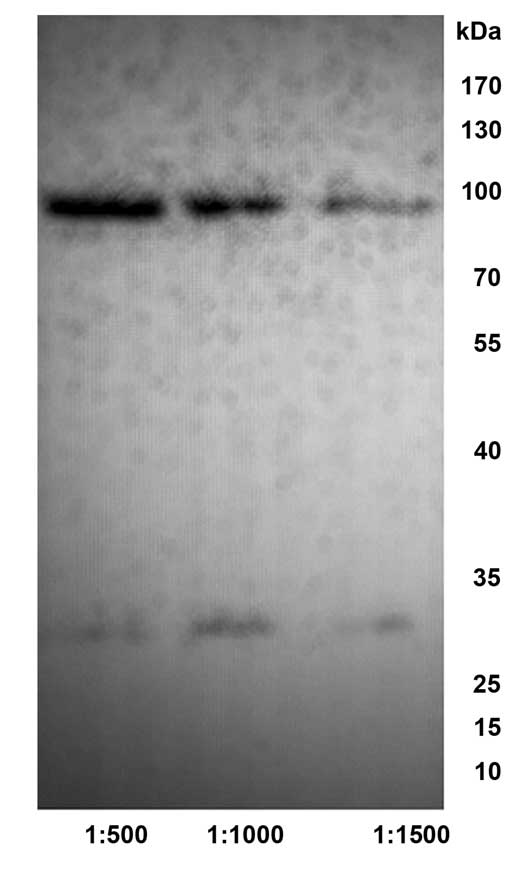
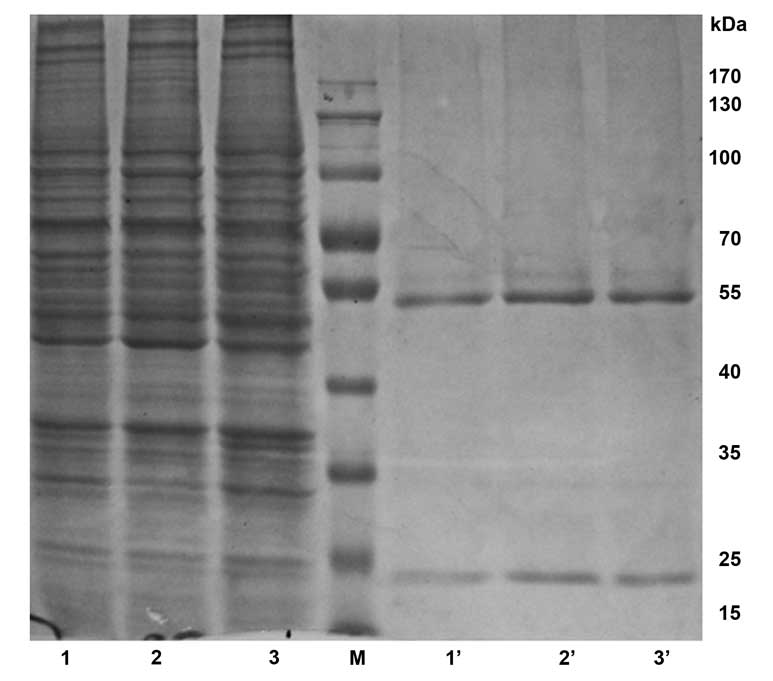
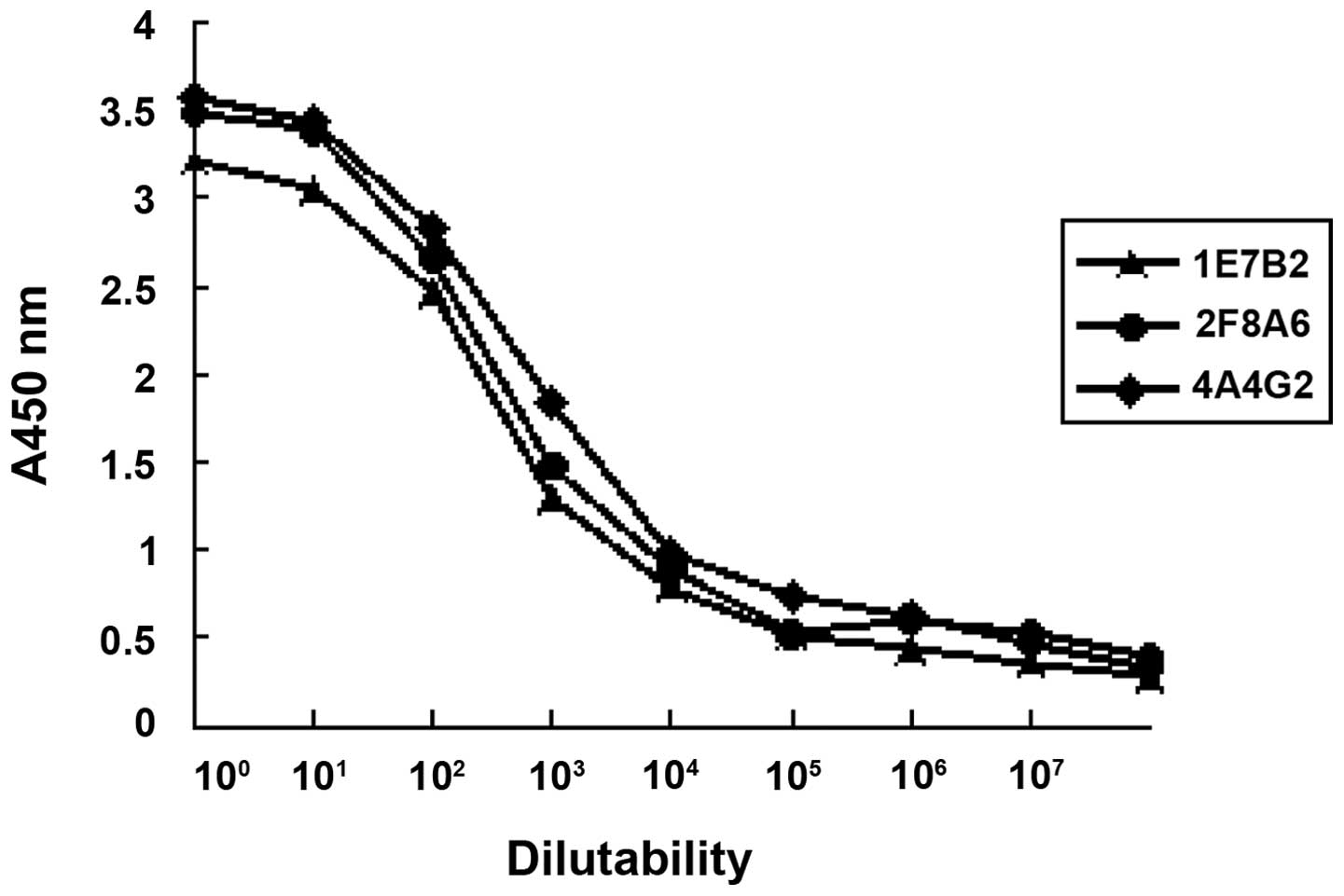
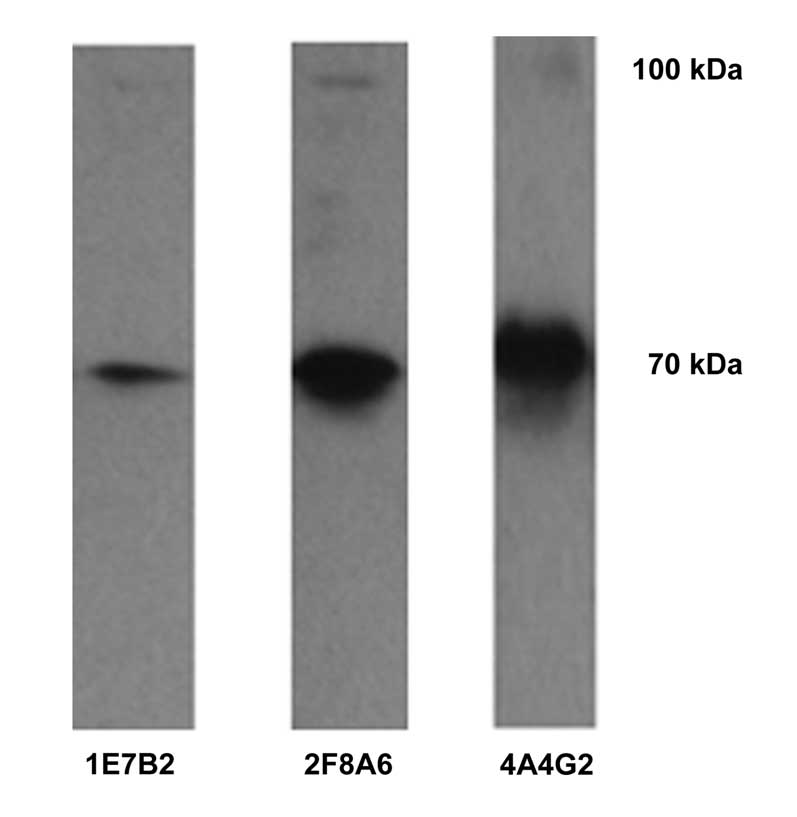
A previous nationwide Chinese epidemiological study revealed through isolation of A‑B+ Clostridium difficile strains, which produce toxin B (TcdB), but not toxin A TcdA, that the strains are widespread and more frequent in east Asian countries,. The development of a process capable of detecting TcdB is required in microbiological laboratories in order to facilitate the control of the A‑B+ C. difficile strains, however, no diagnostic reagents have been developed to date. The aim of the present study was to prepare monoclonal antibodies (mAbs) targeting the receptor binding region of TcdB (CDB3), and to establish a double‑antibody sandwich enzyme-linked immunosorbent assay (ds‑ELISA), which can be used for the diagnosis of C. difficile infection. The recombinant protein, glutathione S transferase (GST)‑CDB3 was expressed and purified using an Escherichia coli system. BALB/c mice were immunized with GST‑CDB3 recombinant protein. A hybridoma technique was used for the production of anti‑CDB3 mAb. The hybridoma clones were then screened using indirect ELISA, and anti‑CDB3 mAb was produced in the ascites of the BALB/c mice. Isotyping of anti‑CDB3 mAb was performed using an SBA Clonotyping system/horseradish peroxidase (HRP) ELISA kit. Protein G affinity chromatography was used for purification of anti‑CDB3 mAbs, and the titer and specificity of the anti‑CDB3 mAbs were assessed using indirect ELISA and western blot analysis, respectively. The ds‑ELISA was established using HRP‑labeled anti‑CDB3 mAbd, which were used to detect TcdB clinically in diarrhea stools. A total of five stable hybridoma cell clones (1E7B, 1F8D3, 2F8A6, 3B6F1 and 4A4G2) producing anti‑CDB3 mAb were established. The results of the present study indicated that the immunoglobulin (Ig)G isotype was predominant, as 1E7B2 IgG1 (λ), 2F8A6 IgG2a (κ) and 4A4G2 IgG1 (κ). In addition, the highest titer of anti‑CDB3 mAb (2F8A6 and 4A4G2) was 1:51,200. Western blotting revealed that the 2F8A6 and 4A4G2 mAbs recognized the CDB3 protein specifically. Following anti‑CDB3 mAb (4A4G2) HRP‑labeling, the optimal working concentration was confirmed to be 1:400, and the concentration of coated antibody (2F8A6) was 20 µg/ml. The sensitivity of the ds‑ELISA was 73.33% for the A+B+ toxigenic C. difficile strains, and 86.67% for the A‑B+ toxigenic C. difficile strains, with a specificity of 100% for all. In conclusion, the present study successfully developed novel mAbs specific to CDB3, and developed a ds-ELISA kit with high specificity and sensitivity for the rapid detection of TcdB. This offers a useful tool for the diagnostic assessment of TcdB.
View Figures

Figure 1

Figure 2

Figure 3

Figure 4

Figure 5

View References

1 

Hall IC and O'Toole E: Intestinal flora in newborn infants with a description of a new pathogenic anaerobe. Am J Dis Child. 49:390–402. 1935. View Article : Google Scholar

2 

George WL, Sutter VL, Goldstein EJ, Ludwig SL and Finegold SM: Aetiology of antimicrobial-agent-associated colitis. Lancet. 1:802–803. 1978. View Article : Google Scholar : PubMed/NCBI

3 

Cohen SH, Gerding DN, Johnson S, Kelly CP, Loo VG, McDonald LC, Pepin J and Wilcox MH; Healthcare Epidemiology of America; Infectious Diseases Society of America: Clinical practice guidelines for Clostridium difficile infection in adults: 2010 update by the society for healthcare epidemiology of America (SHEA) and the infectious diseases society of America (IDSA). Infect Control Hosp Epidemiol. 131:431–455. 2010. View Article : Google Scholar

4 

Kelly CP: Current strategies for management of initial Clostridium difficile infection. J Hosp Med. 7(Supple 3): S5–S10. 2012. View Article : Google Scholar : PubMed/NCBI

5 

Miller M, Gravel D, Mulvey M, Taylor G, Boyd D, Simor A, Gardam M, McGeer A, Hutchinson J, Moore D, et al: Health care-associated Clostridium difficile infection in Canada: Patient age and infecting strain type are highly predictive of severe outcome and mortality. Clin Infect Dis. 50:194–201. 2010. View Article : Google Scholar

6 

Kelly CP and LaMont JT: Clostridium difficile - more difficult than ever. N Engl J Med. 359:1932–1940. 2008. View Article : Google Scholar : PubMed/NCBI

7 

Khanna S and Pardi DS: The growing incidence and severity of Clostridium difficile infection in inpatient and outpatient settings. Expert Rev Gastroenterol Hepatol. 4:409–416. 2010. View Article : Google Scholar : PubMed/NCBI

8 

Bauer MP, Notermans DW, van Benthem BH, Brazier JS, Wilcox MH, Rupnik M, Monnet DL, van Dissel JT and Kuijper EJ; ECDIS Study Group: Clostridium difficile infection in Europe: A hospital-based survey. Lancet. 377:63–73. 2011. View Article : Google Scholar

9 

Gilca R, Hubert B, Fortin E, Gaulin C and Dionne M: Epidemiological patterns and hospital characteristics associated with increased incidence of Clostridium difficile infection in Quebec, Canada, 1998–2006. Infect Control Hosp Epidemiol. 31:939–947. 2010. View Article : Google Scholar : PubMed/NCBI

10 

Barbut F, Jones G and Eckert C: Epidemiology and control of Clostridium difficile infections in healthcare settings: An update. Curr Opin Infect Dis. 24:370–376. 2011. View Article : Google Scholar : PubMed/NCBI

11 

Kuijper EJ, Coignard B and Tüll P; ESCMID Study Group for Clostridium difficile; EU Member States; European Centre for Disease Prevention and Control: Emergence of Clostridium difficile-associated disease in North America and Europe. Clin Microbiol Infect. 12(Suppl 6): 2–18. 2006. View Article : Google Scholar : PubMed/NCBI

12 

Kutty PK, Woods CW, Sena AC, Benoit SR, Naggie S, Frederick J, Evans S, Engel J and McDonald LC: Risk factors for and estimated incidence of community-associated Clostridium difficile infection, North Carolina, USA. Emerg Infect Dis. 16:197–204. 2010. View Article : Google Scholar : PubMed/NCBI

13 

Hall AC, Curns AT, McDonald LC, Parashar UD and Lopman BA: The roles of Clostridium difficile and norovirus among gastroenteritis-associated deaths in the United States, 1997–2007. Clin Infect Dis. 55:216–223. 2012. View Article : Google Scholar : PubMed/NCBI

14 

Khanna S and Pardi DS: Clostridium difficile infection: New insights into management. Mayo Clin Proc. 87:1106–1117. 2012. View Article : Google Scholar : PubMed/NCBI

15 

McDonald LC, Lessa F and Sievert D; Centers for Disease Control and Prevention (CDC): Vital signs: Preventing Clostridium difficile infections. MMWR Morb Mortal Wkly Rep. 61:157–162. 2012.

16 

Miller BA, Chen LF, Sexton DJ and Anderson DJ: Comparison of the burdens of hospital-onset, healthcare facility-associated Clostridium difficile infection and of healthcare-associated infection due to methicillin-resistant Staphylococcus aureus in community hospitals. Infect Control Hosp Epidemiol. 32:387–390. 2011. View Article : Google Scholar : PubMed/NCBI

17 

Kuehne SA, Cartman ST, Heap JT, Kelly ML, Cockayne A and Minton NP: The role of toxin A and toxin B in Clostridium difficile infection. Nature. 467:711–713. 2010. View Article : Google Scholar : PubMed/NCBI

18 

Goorhuis A, Legaria MC, van den Berg RJ, Harmanus C, Klaassen CH, Brazier JS, Lumelsky G and Kuijper EJ: Application of multiple-locus variable-number tandem-repeat analysis to determine clonal spread of toxin A-negative Clostridium difficile in a general hospital in Buenos Aires, Argentina. Clin Microbiol Infect. 15:1080–1086. 2009. View Article : Google Scholar : PubMed/NCBI

19 

Huang H, Wu S, Wang M, Zhang Y, Fang H, Palmgren AC, Weintraub A and Nord CE: Clostridium difficile infections in a Shanghai hospital: Antimicrobial resistance, toxin profiles and ribotypes. Int J Antimicrob Agents. 33:339–342. 2009. View Article : Google Scholar

20 

Lyerly DM, Krivan HC and Wilkins TD: Clostridium difficile: Its disease and toxins. Clin Microbiol Rev. 1:1–18. 1988.PubMed/NCBI

21 

Kim H, Riley TV, Kim M, Kim CK, Yong D, Lee K, Chong Y and Park JW: Increasing prevalence of toxin A-negative, toxin B-positive isolates of Clostridium difficile in Korea: Impact on laboratory diagnosis. J Clin Microbiol. 46:1116–1117. 2008. View Article : Google Scholar : PubMed/NCBI

22 

Iwashima Y, Nakamura A, Kato H, Kato H, Wakimoto Y, Wakiyama N, Kaji C and Ueda R: A retrospective study of the epidemiology of Clostridium difficile infection at a University Hospital in Japan: Genotypic features of the isolates and clinical characteristics of the patients. J Infect Chemother. 16:329–333. 2010. View Article : Google Scholar : PubMed/NCBI

23 

Elliott B, Squire MM, Thean S, Chang BJ, Brazier JS, Rupnik M and Riley TV: New types of toxin A-negative, toxin B-positive strains among clinical isolates of Clostridium difficile in Australia. J Med Microbiol. 60:1108–1111. 2011. View Article : Google Scholar : PubMed/NCBI

24 

Pruitt RN and Lacy DB: Toward a structural understanding of Clostridium difficile toxins A and B. Front. Cell Infect Microbiol. 2:282012.

25 

Komatsu M, Kato H, Aihara M, Shimakawa K, Iwasaki M, Nagasaka Y, Fukuda S, Matsuo S, Arakawa Y, Watanabe M, et al: High frequency of antibiotic-associated diarrhea due to toxin A-negative, toxin B-positive Clostridium difficile in a hospital in Japan and risk factors for infection. Eur J Clin Microbiol Infect Dis. 22:525–529. 2003. View Article : Google Scholar : PubMed/NCBI

26 

Shin BM, Kuak EY, Yoo SJ, Shin WC and Yoo HM: Emerging toxin A–B+ variant strain of Clostridium difficile responsible for pseudomembranous colitis at a tertiary care hospital in Korea. Diagn Microbiol Infect Dis. 60:333–337. 2008. View Article : Google Scholar

27 

Hadji-Ghasemi F, Gharagozlou S, Ghods R, Roohi A, Khoshnoodi J and Shokri F: Generation and characterization of a mouse monoclonal antibody with specificity similar to staphylococcal protein A (SPA). Hybrid Hybridomics. 22:33–39. 2003. View Article : Google Scholar : PubMed/NCBI

28 

Hajighasemi F, Khoshnoodi J and Shokri F: Development of two murine monoclonal antibodies recognizing human nG1m(a)-like isoallotypic markers. Hybridoma (Larchmt). 27:473–479. 2008. View Article : Google Scholar

29 

Hajighasemi F, Gharagozlou S, Ghods R, Khoshnoodi J and Shokri F: Private idiotypes located on light and heavy chains of human myeloma proteins characterized by monoclonal antibodies. Hybridoma (Larchmt). 25:329–335. 2006. View Article : Google Scholar

30 

Singh RP, Bandyopadhyay SK, Sreenivasa BP and Dhar P: Production and characterization of monoclonal antibodies to peste des petits ruminants (PPR) virus. Vet Res Commun. 28:623–639. 2004. View Article : Google Scholar : PubMed/NCBI

31 

Harlow ED and Lane D: Antibodies: A Laboratory Manual. Cold Spring Harbor Laboratory; New York: pp. 148–242. 1988

32 

Hajighasemi F, Saboor-Yaraghi AA and Shokri F: Measurement of affinity constant of anti-human IgG monoclonal antibodies by an Elisa-based method. Iran Immunol. 1:154–161. 2004.

33 

Jie Y, Luo HB and Lu DY: Modern microbiological techology and its application. 1st edition. people health press; Beijing: pp. 173–183. 1997

34 

Curry S: Clostridium difficile. Clin Lab Med. 30:329–342. 2010. View Article : Google Scholar : PubMed/NCBI

35 

Crobach MJ, Dekkers OM, Wilcox MH and Kuijper EJ: European Society of Clinical Microbiology and Infectious Diseases (ESCMID): Data review and recommendations for diagnosing Clostridium difficile-infection (CDI). Clin Microbiol Infect. 15:1053–1066. 2009. View Article : Google Scholar : PubMed/NCBI

36 

Wilcox MH: Overcoming barriers to effective recognition and diagnosis of Clostridium difficile infection. Clin Microbiol Infect. 18(Suppl 6): 13–20. 2012. View Article : Google Scholar : PubMed/NCBI

37 

Boyanton BL, Sural P, Loomis CR, Pesta C, Gonzalez-Krellwitz L, Robinson-Dunn B and Riska P: Loop-mediated isothermal amplification compared to real-time PCR and enzyme immunoassay for toxigenic Clostridium difficile detection. J Clin Microbiol. 50:640–645. 2012. View Article : Google Scholar :

38 

Deshpande A, Pasupuleti V, Rolston DD, Jain A, Deshpande N, Pant C and Hernandez AV: Diagnostic accuracy of realtime polymerase chain reaction in detection of Clostridium difficile in the stool samples of patients with suspected Clostridium difficile infection: A metaanalysis. Clin Infect Dis. 53:e81–e90. 2011. View Article : Google Scholar : PubMed/NCBI

39 

Longtin Y, Trottier S, Brochu G, Paquet-Bolduc B, Garenc C, Loungnarath V, Beaulieu C, Goulet D and Longtin J: Impact of the type of diagnostic assay on Clostridium difficile infection and complication rates in a mandatory reporting program. Clin Infect Dis. 56:67–73. 2013. View Article : Google Scholar

40 

Wilkins TD and Lyerly DM: Clostridium difficile testing: After 20 years, still challenging. J Clin Microbiol. 41:531–534. 2003. View Article : Google Scholar : PubMed/NCBI

41 

Planche T, Aghaizu A, Holliman R, Riley P, Poloniecki J, Breathnach A and Krishna S: Diagnosis of Clostridium difficile infection by toxin detection kits: A systematic review. Lancet Infect Dis. 8:777–784. 2008. View Article : Google Scholar : PubMed/NCBI

42 

Cheknis AK, Sambol SP, Davidson DM, Nagaro KJ, Mancini MC, Hidalgo-Arroyo GA, Brazier JS, Johnson S and Gerding DN: Distribution of Clostridium difficile strains from a North American, European and Australian trial of treatment for Clostridium difficile infections: 2005–2007. Anaerobe. 15:230–233. 2009. View Article : Google Scholar : PubMed/NCBI

43 

Albesa-Jové D, Bertrand T, Carpenter EP, Swain GV, Lim J, Zhang J, Haire LF, Vasisht N, Braun V, Lange A, et al: Four distinct structural domains in Clostridium difficile toxin B visualized using SAXS. J Mol Biol. 396:1260–1270. 2010. View Article : Google Scholar : PubMed/NCBI

44 

von Eichel-Streiber C, Laufenberg-Feldmann R, Sartingen S, Schulze J and Sauerborn M: Comparative sequence analysis of the Clostridium difficile toxins A and B. Mol Gen Genet. 233:260–268. 1992. View Article : Google Scholar : PubMed/NCBI

Related Articles

  • Abstract
  • View
  • Download
  • Twitter
Copy and paste a formatted citation
Spandidos Publications style
Chen W, Liu WE, Li YM, Luo S and Zhong YM: Preparation and preliminary application of monoclonal antibodies to the receptor binding region of Clostridium difficile toxin B. Mol Med Rep 12: 7712-7720, 2015.
APA
Chen, W., Liu, W., Li, Y., Luo, S., & Zhong, Y. (2015). Preparation and preliminary application of monoclonal antibodies to the receptor binding region of Clostridium difficile toxin B. Molecular Medicine Reports, 12, 7712-7720. https://doi.org/10.3892/mmr.2015.4369
MLA
Chen, W., Liu, W., Li, Y., Luo, S., Zhong, Y."Preparation and preliminary application of monoclonal antibodies to the receptor binding region of Clostridium difficile toxin B". Molecular Medicine Reports 12.5 (2015): 7712-7720.
Chicago
Chen, W., Liu, W., Li, Y., Luo, S., Zhong, Y."Preparation and preliminary application of monoclonal antibodies to the receptor binding region of Clostridium difficile toxin B". Molecular Medicine Reports 12, no. 5 (2015): 7712-7720. https://doi.org/10.3892/mmr.2015.4369
Copy and paste a formatted citation
x
Spandidos Publications style
Chen W, Liu WE, Li YM, Luo S and Zhong YM: Preparation and preliminary application of monoclonal antibodies to the receptor binding region of Clostridium difficile toxin B. Mol Med Rep 12: 7712-7720, 2015.
APA
Chen, W., Liu, W., Li, Y., Luo, S., & Zhong, Y. (2015). Preparation and preliminary application of monoclonal antibodies to the receptor binding region of Clostridium difficile toxin B. Molecular Medicine Reports, 12, 7712-7720. https://doi.org/10.3892/mmr.2015.4369
MLA
Chen, W., Liu, W., Li, Y., Luo, S., Zhong, Y."Preparation and preliminary application of monoclonal antibodies to the receptor binding region of Clostridium difficile toxin B". Molecular Medicine Reports 12.5 (2015): 7712-7720.
Chicago
Chen, W., Liu, W., Li, Y., Luo, S., Zhong, Y."Preparation and preliminary application of monoclonal antibodies to the receptor binding region of Clostridium difficile toxin B". Molecular Medicine Reports 12, no. 5 (2015): 7712-7720. https://doi.org/10.3892/mmr.2015.4369
Follow us
  • Twitter
  • LinkedIn
  • Facebook
About
  • Spandidos Publications
  • Careers
  • Cookie Policy
  • Privacy Policy
How can we help?
  • Help
  • Live Chat
  • Contact
  • Email to our Support Team