Spandidos Publications Logo
  • About
    • About Spandidos
    • Aims and Scopes
    • Abstracting and Indexing
    • Editorial Policies
    • Reprints and Permissions
    • Job Opportunities
    • Terms and Conditions
    • Contact
  • Journals
    • All Journals
    • Oncology Letters
      • Oncology Letters
      • Information for Authors
      • Editorial Policies
      • Editorial Board
      • Aims and Scope
      • Abstracting and Indexing
      • Bibliographic Information
      • Archive
    • International Journal of Oncology
      • International Journal of Oncology
      • Information for Authors
      • Editorial Policies
      • Editorial Board
      • Aims and Scope
      • Abstracting and Indexing
      • Bibliographic Information
      • Archive
    • Molecular and Clinical Oncology
      • Molecular and Clinical Oncology
      • Information for Authors
      • Editorial Policies
      • Editorial Board
      • Aims and Scope
      • Abstracting and Indexing
      • Bibliographic Information
      • Archive
    • Experimental and Therapeutic Medicine
      • Experimental and Therapeutic Medicine
      • Information for Authors
      • Editorial Policies
      • Editorial Board
      • Aims and Scope
      • Abstracting and Indexing
      • Bibliographic Information
      • Archive
    • International Journal of Molecular Medicine
      • International Journal of Molecular Medicine
      • Information for Authors
      • Editorial Policies
      • Editorial Board
      • Aims and Scope
      • Abstracting and Indexing
      • Bibliographic Information
      • Archive
    • Biomedical Reports
      • Biomedical Reports
      • Information for Authors
      • Editorial Policies
      • Editorial Board
      • Aims and Scope
      • Abstracting and Indexing
      • Bibliographic Information
      • Archive
    • Oncology Reports
      • Oncology Reports
      • Information for Authors
      • Editorial Policies
      • Editorial Board
      • Aims and Scope
      • Abstracting and Indexing
      • Bibliographic Information
      • Archive
    • Molecular Medicine Reports
      • Molecular Medicine Reports
      • Information for Authors
      • Editorial Policies
      • Editorial Board
      • Aims and Scope
      • Abstracting and Indexing
      • Bibliographic Information
      • Archive
    • World Academy of Sciences Journal
      • World Academy of Sciences Journal
      • Information for Authors
      • Editorial Policies
      • Editorial Board
      • Aims and Scope
      • Abstracting and Indexing
      • Bibliographic Information
      • Archive
    • International Journal of Functional Nutrition
      • International Journal of Functional Nutrition
      • Information for Authors
      • Editorial Policies
      • Editorial Board
      • Aims and Scope
      • Abstracting and Indexing
      • Bibliographic Information
      • Archive
    • International Journal of Epigenetics
      • International Journal of Epigenetics
      • Information for Authors
      • Editorial Policies
      • Editorial Board
      • Aims and Scope
      • Abstracting and Indexing
      • Bibliographic Information
      • Archive
    • Medicine International
      • Medicine International
      • Information for Authors
      • Editorial Policies
      • Editorial Board
      • Aims and Scope
      • Abstracting and Indexing
      • Bibliographic Information
      • Archive
  • Articles
  • Information
    • Information for Authors
    • Information for Reviewers
    • Information for Librarians
    • Information for Advertisers
    • Conferences
  • Language Editing
Spandidos Publications Logo
  • About
    • About Spandidos
    • Aims and Scopes
    • Abstracting and Indexing
    • Editorial Policies
    • Reprints and Permissions
    • Job Opportunities
    • Terms and Conditions
    • Contact
  • Journals
    • All Journals
    • Biomedical Reports
      • Information for Authors
      • Editorial Policies
      • Editorial Board
      • Aims and Scope
      • Abstracting and Indexing
      • Bibliographic Information
      • Archive
    • Experimental and Therapeutic Medicine
      • Information for Authors
      • Editorial Policies
      • Editorial Board
      • Aims and Scope
      • Abstracting and Indexing
      • Bibliographic Information
      • Archive
    • International Journal of Epigenetics
      • Information for Authors
      • Editorial Policies
      • Editorial Board
      • Aims and Scope
      • Abstracting and Indexing
      • Bibliographic Information
      • Archive
    • International Journal of Functional Nutrition
      • Information for Authors
      • Editorial Policies
      • Editorial Board
      • Aims and Scope
      • Abstracting and Indexing
      • Bibliographic Information
      • Archive
    • International Journal of Molecular Medicine
      • Information for Authors
      • Editorial Policies
      • Editorial Board
      • Aims and Scope
      • Abstracting and Indexing
      • Bibliographic Information
      • Archive
    • International Journal of Oncology
      • Information for Authors
      • Editorial Policies
      • Editorial Board
      • Aims and Scope
      • Abstracting and Indexing
      • Bibliographic Information
      • Archive
    • Medicine International
      • Information for Authors
      • Editorial Policies
      • Editorial Board
      • Aims and Scope
      • Abstracting and Indexing
      • Bibliographic Information
      • Archive
    • Molecular and Clinical Oncology
      • Information for Authors
      • Editorial Policies
      • Editorial Board
      • Aims and Scope
      • Abstracting and Indexing
      • Bibliographic Information
      • Archive
    • Molecular Medicine Reports
      • Information for Authors
      • Editorial Policies
      • Editorial Board
      • Aims and Scope
      • Abstracting and Indexing
      • Bibliographic Information
      • Archive
    • Oncology Letters
      • Information for Authors
      • Editorial Policies
      • Editorial Board
      • Aims and Scope
      • Abstracting and Indexing
      • Bibliographic Information
      • Archive
    • Oncology Reports
      • Information for Authors
      • Editorial Policies
      • Editorial Board
      • Aims and Scope
      • Abstracting and Indexing
      • Bibliographic Information
      • Archive
    • World Academy of Sciences Journal
      • Information for Authors
      • Editorial Policies
      • Editorial Board
      • Aims and Scope
      • Abstracting and Indexing
      • Bibliographic Information
      • Archive
  • Articles
  • Information
    • For Authors
    • For Reviewers
    • For Librarians
    • For Advertisers
    • Conferences
  • Language Editing
Login Register Submit
  • This site uses cookies
  • You can change your cookie settings at any time by following the instructions in our Cookie Policy. To find out more, you may read our Privacy Policy.

    I agree
Search articles by DOI, keyword, author or affiliation
Search
Advanced Search
presentation
Molecular Medicine Reports
Join Editorial Board Propose a Special Issue
Print ISSN: 1791-2997 Online ISSN: 1791-3004
Journal Cover
November-2015 Volume 12 Issue 5

Full Size Image

Sign up for eToc alerts
Recommend to Library

Journals

International Journal of Molecular Medicine

International Journal of Molecular Medicine

International Journal of Molecular Medicine is an international journal devoted to molecular mechanisms of human disease.

International Journal of Oncology

International Journal of Oncology

International Journal of Oncology is an international journal devoted to oncology research and cancer treatment.

Molecular Medicine Reports

Molecular Medicine Reports

Covers molecular medicine topics such as pharmacology, pathology, genetics, neuroscience, infectious diseases, molecular cardiology, and molecular surgery.

Oncology Reports

Oncology Reports

Oncology Reports is an international journal devoted to fundamental and applied research in Oncology.

Experimental and Therapeutic Medicine

Experimental and Therapeutic Medicine

Experimental and Therapeutic Medicine is an international journal devoted to laboratory and clinical medicine.

Oncology Letters

Oncology Letters

Oncology Letters is an international journal devoted to Experimental and Clinical Oncology.

Biomedical Reports

Biomedical Reports

Explores a wide range of biological and medical fields, including pharmacology, genetics, microbiology, neuroscience, and molecular cardiology.

Molecular and Clinical Oncology

Molecular and Clinical Oncology

International journal addressing all aspects of oncology research, from tumorigenesis and oncogenes to chemotherapy and metastasis.

World Academy of Sciences Journal

World Academy of Sciences Journal

Multidisciplinary open-access journal spanning biochemistry, genetics, neuroscience, environmental health, and synthetic biology.

International Journal of Functional Nutrition

International Journal of Functional Nutrition

Open-access journal combining biochemistry, pharmacology, immunology, and genetics to advance health through functional nutrition.

International Journal of Epigenetics

International Journal of Epigenetics

Publishes open-access research on using epigenetics to advance understanding and treatment of human disease.

Medicine International

Medicine International

An International Open Access Journal Devoted to General Medicine.

Journal Cover
November-2015 Volume 12 Issue 5

Full Size Image

Sign up for eToc alerts
Recommend to Library

  • Article
  • Citations
    • Cite This Article
    • Download Citation
    • Create Citation Alert
    • Remove Citation Alert
    • Cited By
  • Similar Articles
    • Related Articles (in Spandidos Publications)
    • Similar Articles (Google Scholar)
    • Similar Articles (PubMed)
  • Download PDF
  • Download XML
  • View XML
Article

Curcumin induces p53-independent necrosis in H1299 cells via a mitochondria-associated pathway

  • Authors:
    • Feie Li
    • Xi Chen
    • Bing Xu
    • Hua Zhou
  • View Affiliations / Copyright

    Affiliations: Department of Pharmacy, Tongji Hospital of Tongji Medical College, Huazhong University of Science and Technology, Wuhan, Hubei 430030, P.R. China, School of Public Health, Tongji Medical College, Huazhong University of Science and Technology, Wuhan, Hubei 430030, P.R. China, Department of Pediatrics, Tongji Hospital of Tongji Medical College, Huazhong University of Science and Technology, Wuhan, Hubei 430030, P.R. China
  • Pages: 7806-7814
    |
    Published online on: September 30, 2015
       https://doi.org/10.3892/mmr.2015.4395
  • Expand metrics +
Metrics: Total Views: 0 (Spandidos Publications: | PMC Statistics: )
Metrics: Total PDF Downloads: 0 (Spandidos Publications: | PMC Statistics: )
Cited By (CrossRef): 0 citations Loading Articles...

This article is mentioned in:


Abstract

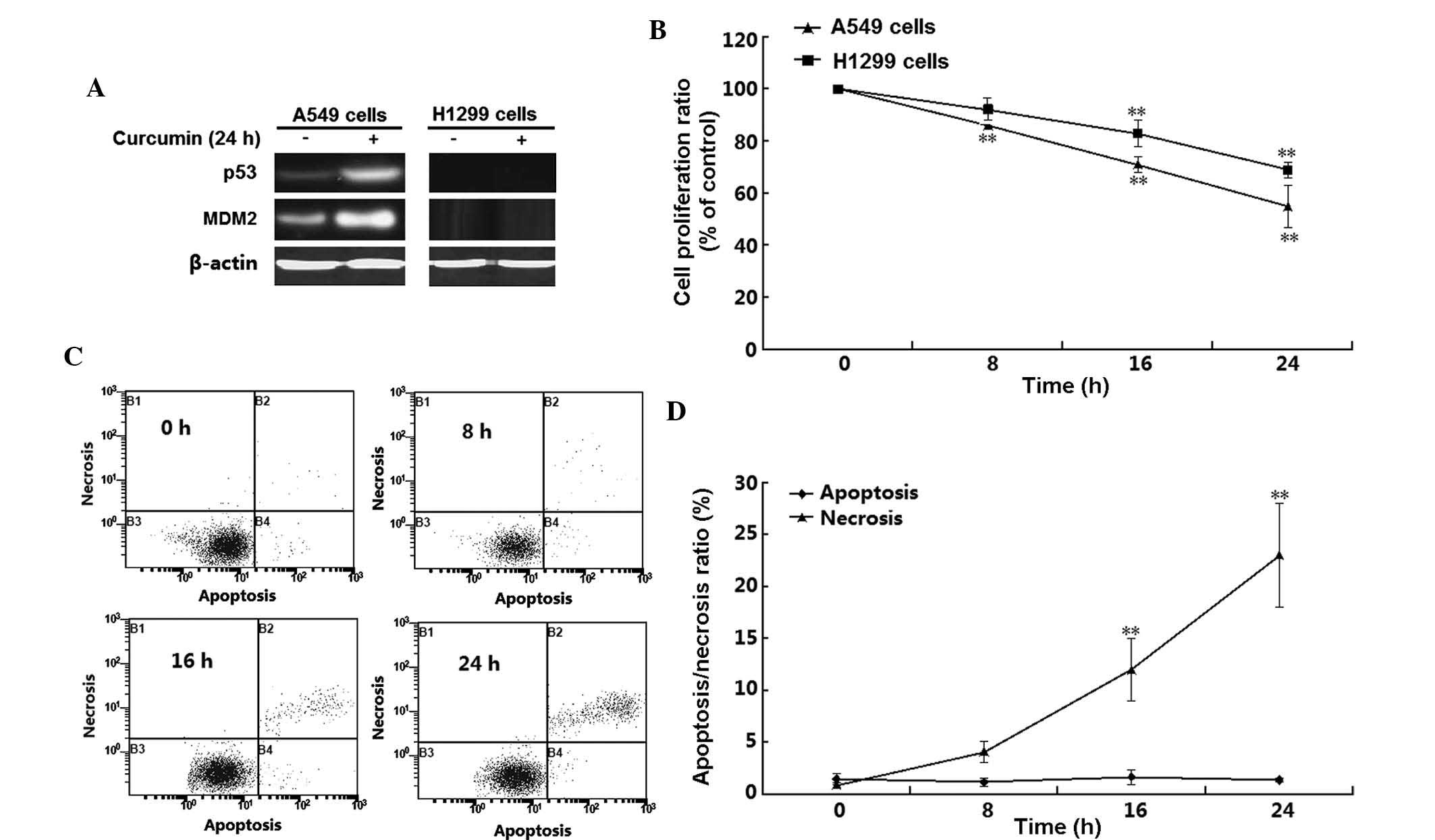
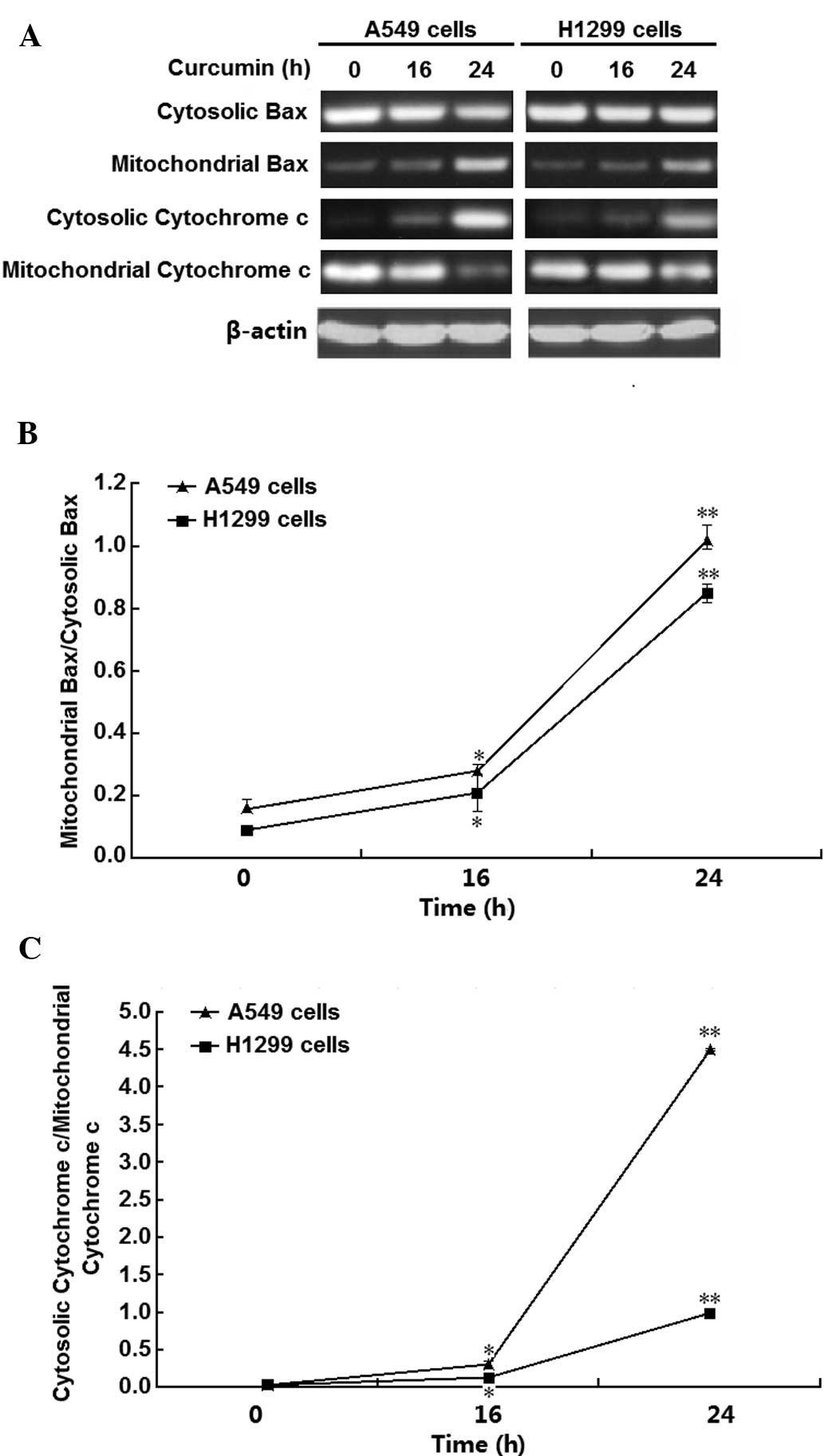
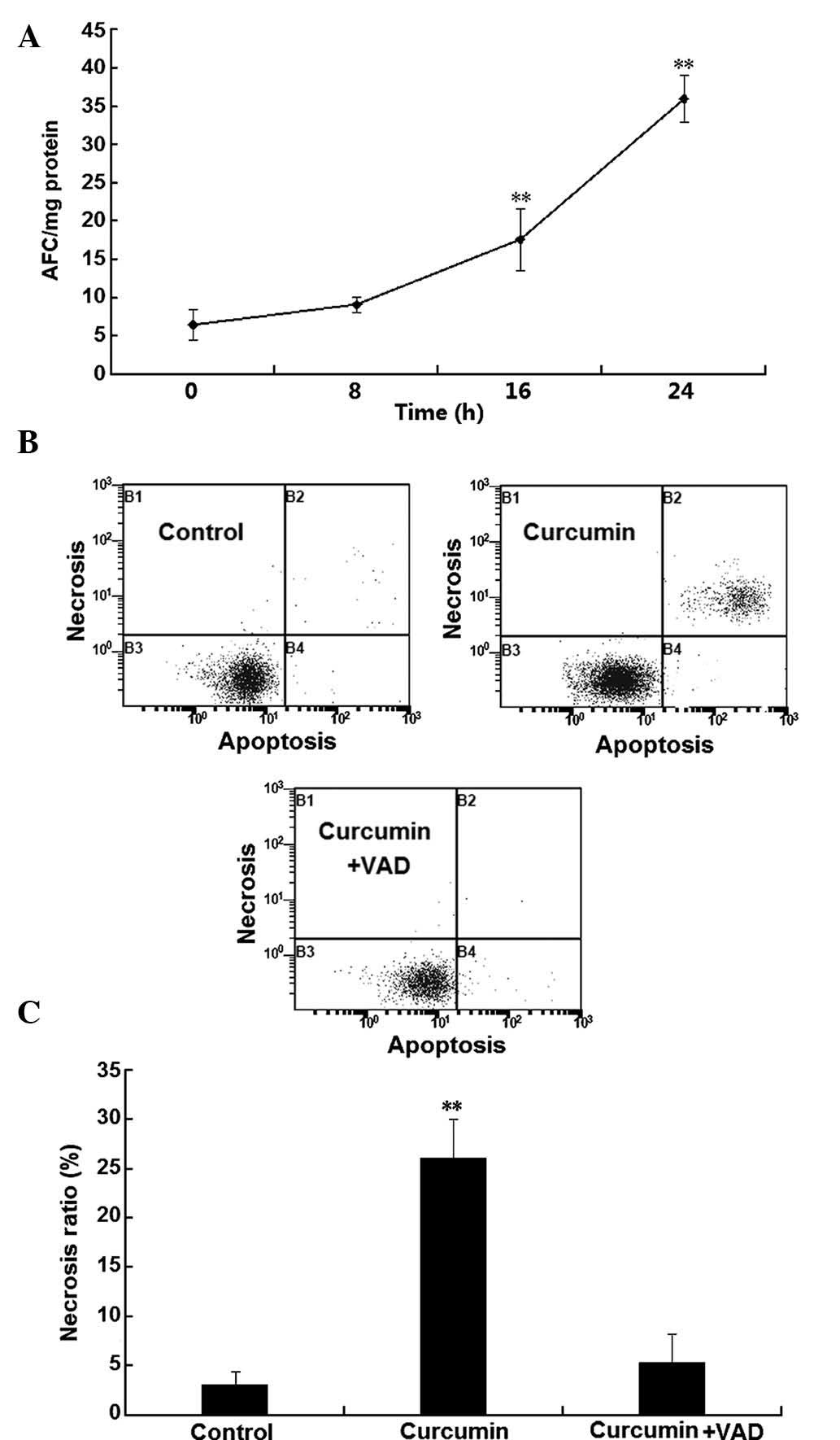
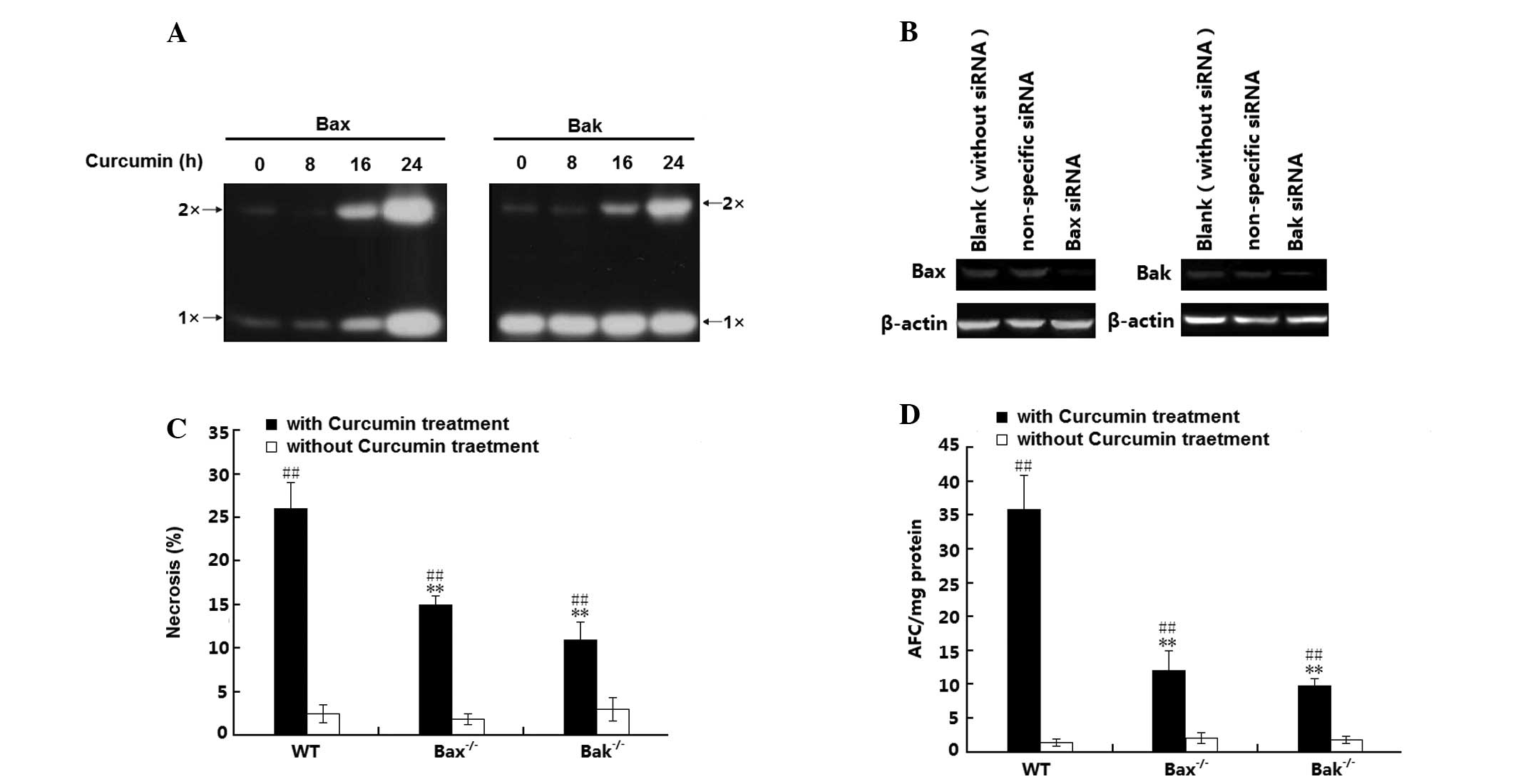
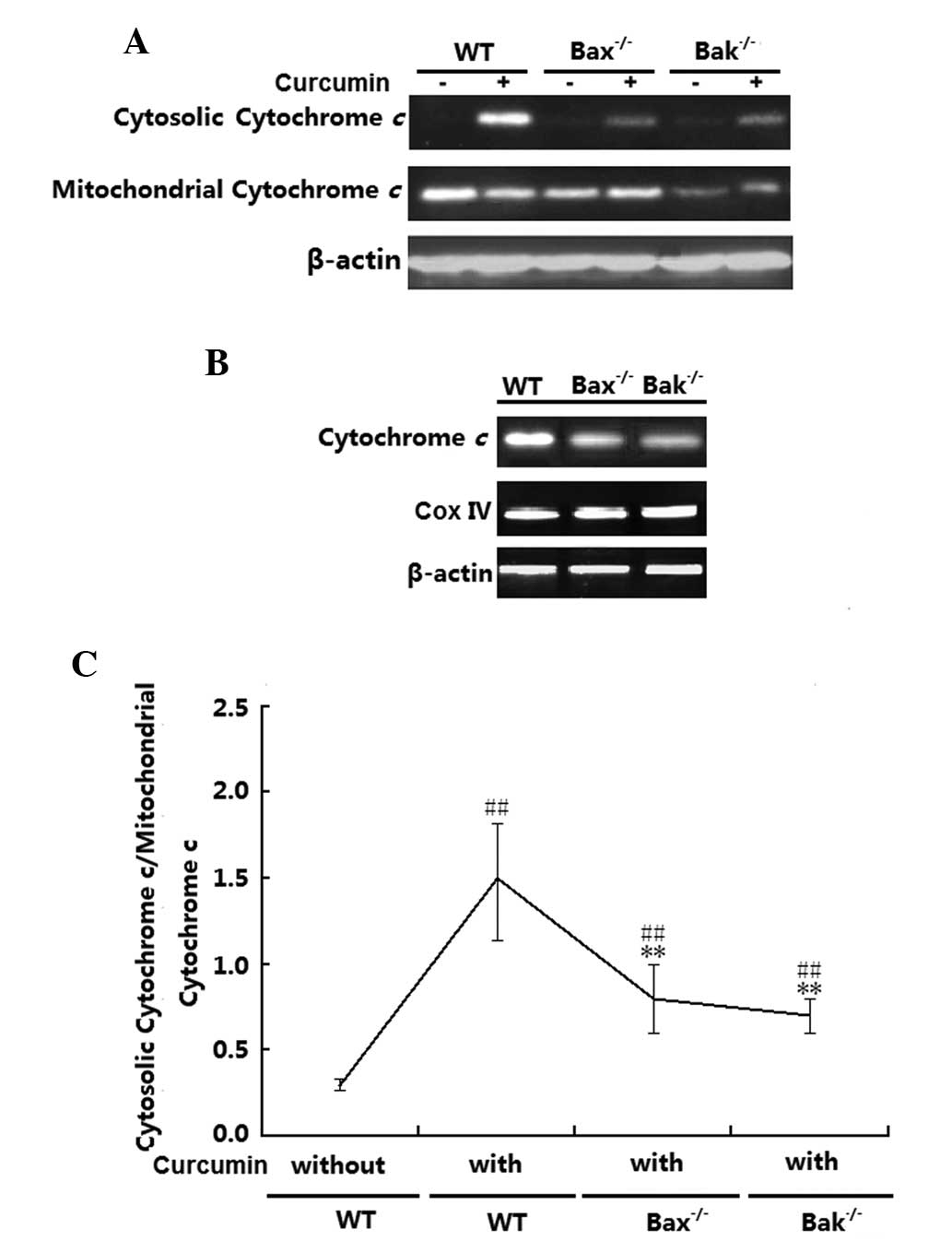
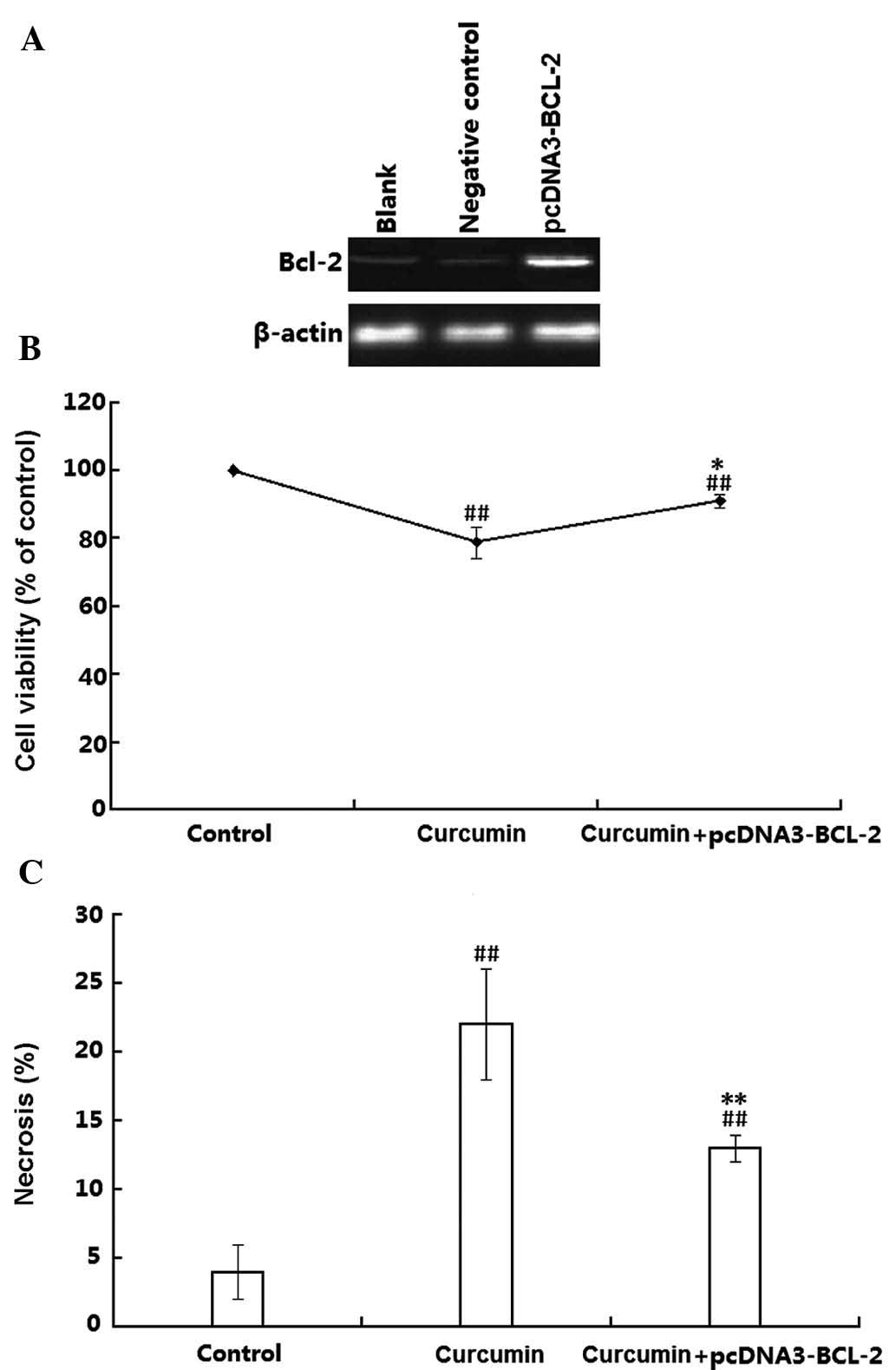
Curcumin has been shown to have various therapeutic and/or adjuvant therapeutic effects on human cancers, as it inhibits cancer cell proliferation and induces apoptosis through p53-dependent molecular pathways. However, numerous cancer cell types bear a mutant p53 gene, and whether curcumin has any therapeutic effects on p53-deficient/mutant cancer cells has remained elusive. The present study sought to determine whether curcumin exerts any anti-proliferative and cytotoxic effects on the p53-deficient H1299 human lung cancer cell line via a p53-independent mechanism. An MTT assay and flow cytometric analysis indicated that curcumin significantly decreased cell proliferation and induced necrotic cell death. Western blot analysis of the cytosolic and mitochondrial fractions of H1299 cells as well as a fluorometric caspase assay indicated that curcumin-induced necrosis was mitochondria- and caspase-dependent, and resulted in cytochrome c release. Of note, this necrotic cell death was reduced following inhibition of B-cell lymphoma‑2 (Bcl-2)‑associated X protein (Bax) or Bcl‑2 homologous antagonist killer (Bak) as well as overexpression of Bcl-2. In conclusion, the present study suggested that curcumin-induced necrotic cell death was mediated via a p53-independent molecular pathway, which was associated with Bax and Bak translocation, caspase activation and cytochrome c release.
View Figures

Figure 1

Figure 2

Figure 3

Figure 4

Figure 5

Figure 6

View References

1 

O'Sullivan-Coyne G, O'Sullivan GC, O'Donovan TR, Piwocka K and McKenna SL: Curcumin induces apoptosis-independent death in oesophageal cancer cells. Br J Cancer. 101:1585–1595. 2009. View Article : Google Scholar : PubMed/NCBI

2 

Friedman L, Lin L, Ball S, Bekaii-Saab T, Fuchs J, Li PK, Li C and Lin J: Curcumin analogues exhibit enhanced growth suppressive activity in human pancreatic cancer cells. Anticancer Drugs. 20:444–449. 2009. View Article : Google Scholar : PubMed/NCBI

3 

Steward WP and Gescher AJ: Curcumin in cancer management: Recent results of analogue design and clinical studies and desirable future research. Mol Nutr Food Res. 52:1005–1009. 2008. View Article : Google Scholar : PubMed/NCBI

4 

Shehzad A, Lee J, Huh TL and Lee YS: Curcumin induces apoptosis in human colorectal carcinoma (HCT-15) cells by regulating expression of Prp4 and p53. Mol Cells. 35:526–532. 2013. View Article : Google Scholar : PubMed/NCBI

5 

Choudhuri T, Pal S, Agwarwal ML, Das T and Sa G: Curcumin induces apoptosis in human breast cancer cells through p53-dependent Bax induction. FEBS Lett. 512:334–340. 2002. View Article : Google Scholar : PubMed/NCBI

6 

Alenzi FQ, Wyse RK and Altamimi WG: Apoptosis as a tool for therapeutic agents in haematological diseases. Expert Opin Biol Ther. 4:407–420. 2004. View Article : Google Scholar : PubMed/NCBI

7 

Huang S, Shao K, Liu Y, Kuang Y, Li J, An S, Guo Y, Ma H and Jiang C: Tumor-targeting and microenvironment-responsive smart nanoparticles for combination therapy of antiangiogenesis and apoptosis. ACS Nano. 7:2860–2871. 2013. View Article : Google Scholar : PubMed/NCBI

8 

Griffith TS: Induction of tumor cell apoptosis by TRAIL gene therapy. Methods Mol Biol. 542:315–334. 2009. View Article : Google Scholar : PubMed/NCBI

9 

Sosna J, Voigt S, Mathieu S, Lange A, Thon L, Davarnia P, Herdegen T, Linkermann A, Rittger A, Chan FK, et al: TNF-induced necroptosis and PARP-1-mediated necrosis represent distinct routes to programmed necrotic cell death. Cell Mol Life Sci. 71:331–348. 2014. View Article : Google Scholar :

10 

Proskuryakov SY, Gabai VL and Konoplyannikov AG: Necrosis is an active and controlled form of programmed cell death. Biochemistry (Mosc). 67:387–408. 2002. View Article : Google Scholar

11 

Vandenabeele P, W Declercq F, Van Herreweghe, et al: The role of the kinases RIP1 and RIP3 in TNF-induced necrosis. Sci Signal. 2010.115:re4

12 

Baritaud M, Boujrad H, Lorenzo HK, Krantic S and Susin SA: Histone H2AX: The missing link in AIF-mediated caspase-independent programmed necrosis. Cell Cycle. 9:3166–3173. 2010. View Article : Google Scholar : PubMed/NCBI

13 

Iwasaki R, Ito K, Ishida T, Hamanoue M, Adachi S, Watanabe T and Sato Y: Catechin, green tea component, causes caspase-independent necrosis-like cell death in chronic myelogenous leukemia. Cancer Sci. 100:349–356. 2009. View Article : Google Scholar : PubMed/NCBI

14 

Nicotera P and Melino G: Regulation of the apoptosis-necrosis switch. Oncogene. 23:2757–2765. 2004. View Article : Google Scholar : PubMed/NCBI

15 

Lin X, Sun T, Cai M and Shen P: Cell-death-mode switch from necrosis to apoptosis in hydrogen peroxide treated macrophages. Sci China Life Sci. 53:1196–1203. 2010. View Article : Google Scholar : PubMed/NCBI

16 

Bergeron L, Perez GI, Macdonald G, et al: Defects in regulation of apoptosis in caspase-2-deficient mice. Genes Dev. 12:1304–1314. 1998. View Article : Google Scholar : PubMed/NCBI

17 

Hosseinimehr SJ, Azadbakht M, Tanha M, Mahmodzadeh A and Mohammadifar S: Protective effect of hawthorn extract against genotoxicity induced by methyl methanesulfonate in human lymphocytes. Toxicol Ind Health. 27:363–369. 2010. View Article : Google Scholar : PubMed/NCBI

18 

Kosmider B, Wojcik I, Osiecka R, Bartkowiak J, Zyner E, Ochocki J and Liberski P: Enhanced P53 and BAX gene expression and apoptosis in A549 cells by cis-Pt(II) complex of 3-aminoflavone in comparison with cis-DDP. Invest New Drugs. 23:287–297. 2005. View Article : Google Scholar : PubMed/NCBI

19 

Song G, Mao YB, Cai QF, Yao LM, Ouyang GL and Bao SD: Curcumin induces human HT-29 colon adenocarcinoma cell apoptosis by activating p53 and regulating apoptosis-related protein expression. Braz J Med Biol Res. 38:1791–1798. 2005. View Article : Google Scholar : PubMed/NCBI

20 

Yu JL, Rak JW, Coomber BL, et al: Effect of p53 status on tumor response to antiangiogenic therapy. Science. 295:1526–1528. 2002. View Article : Google Scholar : PubMed/NCBI

21 

Tian F, Song M, Xu PR, et al: Curcumin promotes apoptosis of esophageal squamous carcinoma cell lines through inhibition of NF-kappaB signaling pathway. Ai Zheng. 27:566–570. 2008.In Chinese. PubMed/NCBI

22 

Zhang W, Liu N, Wang X, et al: Benzo(a)pyrene-7,8-diol-9,10-epoxide induced p53-independent necrosis via the mitochondria-associated pathway involving Bax and Bak activation. Hum Exp Toxicol. 34:179–190. 2015. View Article : Google Scholar

23 

Guo BC and Xu YH: Bcl-2 over-expression and activation of protein kinase C suppress the trail-induced apoptosis in Jurkat T cells. Cell Res. 11:101–106. 2001. View Article : Google Scholar : PubMed/NCBI

24 

Bar-Sela G, Epelbaum R and Schaffer M: Curcumin as an anti-cancer agent: Review of the gap between basic and clinical applications. Curr Med Chem. 17:190–197. 2010. View Article : Google Scholar : PubMed/NCBI

25 

Tian C, Xing G, Xie P, et al: KRAB-type zinc-finger protein Apak specifically regulates p53-dependent apoptosis. Nat Cell Biol. 11:580–591. 2009. View Article : Google Scholar : PubMed/NCBI

26 

Blankenberg FG: Apoptosis imaging: Anti-cancer agents in medicinal chemistry. Anticancer Agents Med Chem. 9:944–951. 2009. View Article : Google Scholar

27 

Meulmeester E and Jochemsen AG: p53: A guide to apoptosis. Curr Cancer Drug Targets. 8:87–97. 2008. View Article : Google Scholar : PubMed/NCBI

28 

Xu Y: Regulation of p53 responses by post-translational modifications. Cell Death Differ. 10:400–403. 2003. View Article : Google Scholar : PubMed/NCBI

29 

Leibowitz BJ, Qiu W, Liu H, Cheng T, Zhang L and Yu J: Uncoupling p53 functions in radiation-induced intestinal damage via PUMA and p21. Mol Cancer Res. 9:616–625. 2011. View Article : Google Scholar : PubMed/NCBI

30 

Thakur VS, Ruhul Amin AR, Paul RK, Gupta K, Hastak K, Agarwal MK, Jackson MW, Wald DN, Mukhtar H and Agarwal ML: p53-Dependent p21-mediated growth arrest pre-empts and protects HCT116 cells from PUMA-mediated apoptosis induced by EGCG. Cancer Lett. 296:225–232. 2010. View Article : Google Scholar : PubMed/NCBI

31 

Morales-Cruz M, Figueroa CM, Gonzalez-Robles T, et al: Activation of caspase-dependent apoptosis by intracellular delivery of cytochrome c-based nanoparticles. J Nanobiotechnology. 12:332014. View Article : Google Scholar : PubMed/NCBI

32 

Antignani A and Youle RJ: How do Bax and Bak lead to permeabilization of the outer mitochondrial membrane? Curr Opin Cell Biol. 18:685–689. 2006. View Article : Google Scholar : PubMed/NCBI

33 

Holcakova J, Ceskova P, Hrstka R, Muller P, Dubska L, Coates PJ, Palecek E and Vojtesek B: The cell type-specific effect of TAp73 isoforms on the cell cycle and apoptosis. Cell Mol Biol Lett. 13:404–420. 2008. View Article : Google Scholar : PubMed/NCBI

34 

Kim GT, Lee SH, Kim JI and Kim YM: Quercetin regulates the sestrin 2-AMPK-p38 MAPK signaling pathway and induces apoptosis by increasing the generation of intracellular ROS in a p53-independent manner. Int J Mol Med. 33:863–869. 2014.PubMed/NCBI

35 

Kim H, Tu HC, Ren D, et al: Stepwise activation of BAX and BAK by tBID, BIM, and PUMA initiates mitochondrial apoptosis. Mol Cell. 36:487–499. 2009. View Article : Google Scholar : PubMed/NCBI

36 

Antonsson B, Montessuit S, Lauper S, et al: Bax oligomerization is required for channel-forming activity in liposomes and to trigger cytochrome c release from mitochondria. Biochem J. 345(Pt 2): 271–278. 2000. View Article : Google Scholar : PubMed/NCBI

37 

Sundararajan R, Cuconati A, Nelson D and White E: Tumor necrosis factor-alpha induces Bax-Bak interaction and apoptosis, which is inhibited by adenovirus E1B 19K. J Biol Chem. 276:45120–45127. 2001. View Article : Google Scholar : PubMed/NCBI

38 

Wachter F, Grunert M, Blaj C, Weinstock DM, Jeremias I and Ehrhardt H: Impact of the p53 status of tumor cells on extrinsic and intrinsic apoptosis signaling. Cell Commun Signal. 11:272013. View Article : Google Scholar : PubMed/NCBI

39 

Mehmeti I, Gurgul-Convey E, Lenzen S and Lortz S: Induction of the intrinsic apoptosis pathway in insulin-secreting cells is dependent on oxidative damage of mitochondria but independent of caspase-12 activation. Biochim Biophys Acta. 1813:1827–1835. 2011. View Article : Google Scholar : PubMed/NCBI

40 

Buratta M, Castigli E, Sciaccaluga M, Pellegrino RM, Spinozzi F, Roberti R and Corazzi L: Loss of cardiolipin in palmitate-treated GL15 glioblastoma cells favors cytochrome c release from mitochondria leading to apoptosis. J Neurochem. 105:1019–1031. 2008. View Article : Google Scholar : PubMed/NCBI

41 

Lee HJ, Lee HJ, Lee EO, Ko SG, Bae HS, Kim CH, Ahn KS, Lu J and Kim SH: Mitochondria-cytochrome C-caspase-9 cascade mediates isorhamnetin-induced apoptosis. Cancer Lett. 270:342–353. 2008. View Article : Google Scholar : PubMed/NCBI

42 

Nakabayashi J and Sasaki A: A mathematical model for apoptosome assembly: The optimal cytochrome c/Apaf-1 ratio. J Theor Biol. 242:280–287. 2006. View Article : Google Scholar : PubMed/NCBI

43 

Adrain C and Martin SJ: The mitochondrial apoptosome: A killer unleashed by the cytochrome seas. Trends Biochem Sci. 26:390–397. 2001. View Article : Google Scholar : PubMed/NCBI

44 

Kihana T, Tsuda H, Teshima S, et al: High incidence of p53 gene mutation in human ovarian cancer and its association with nuclear accumulation of p53 protein and tumor DNA aneuploidy. Jpn J Cancer Res. 83:978–984. 1992. View Article : Google Scholar : PubMed/NCBI

Related Articles

  • Abstract
  • View
  • Download
  • Twitter
Copy and paste a formatted citation
Spandidos Publications style
Li F, Chen X, Xu B and Zhou H: Curcumin induces p53-independent necrosis in H1299 cells via a mitochondria-associated pathway. Mol Med Rep 12: 7806-7814, 2015.
APA
Li, F., Chen, X., Xu, B., & Zhou, H. (2015). Curcumin induces p53-independent necrosis in H1299 cells via a mitochondria-associated pathway. Molecular Medicine Reports, 12, 7806-7814. https://doi.org/10.3892/mmr.2015.4395
MLA
Li, F., Chen, X., Xu, B., Zhou, H."Curcumin induces p53-independent necrosis in H1299 cells via a mitochondria-associated pathway". Molecular Medicine Reports 12.5 (2015): 7806-7814.
Chicago
Li, F., Chen, X., Xu, B., Zhou, H."Curcumin induces p53-independent necrosis in H1299 cells via a mitochondria-associated pathway". Molecular Medicine Reports 12, no. 5 (2015): 7806-7814. https://doi.org/10.3892/mmr.2015.4395
Copy and paste a formatted citation
x
Spandidos Publications style
Li F, Chen X, Xu B and Zhou H: Curcumin induces p53-independent necrosis in H1299 cells via a mitochondria-associated pathway. Mol Med Rep 12: 7806-7814, 2015.
APA
Li, F., Chen, X., Xu, B., & Zhou, H. (2015). Curcumin induces p53-independent necrosis in H1299 cells via a mitochondria-associated pathway. Molecular Medicine Reports, 12, 7806-7814. https://doi.org/10.3892/mmr.2015.4395
MLA
Li, F., Chen, X., Xu, B., Zhou, H."Curcumin induces p53-independent necrosis in H1299 cells via a mitochondria-associated pathway". Molecular Medicine Reports 12.5 (2015): 7806-7814.
Chicago
Li, F., Chen, X., Xu, B., Zhou, H."Curcumin induces p53-independent necrosis in H1299 cells via a mitochondria-associated pathway". Molecular Medicine Reports 12, no. 5 (2015): 7806-7814. https://doi.org/10.3892/mmr.2015.4395
Follow us
  • Twitter
  • LinkedIn
  • Facebook
About
  • Spandidos Publications
  • Careers
  • Cookie Policy
  • Privacy Policy
How can we help?
  • Help
  • Live Chat
  • Contact
  • Email to our Support Team