Spandidos Publications Logo
  • About
    • About Spandidos
    • Aims and Scopes
    • Abstracting and Indexing
    • Editorial Policies
    • Reprints and Permissions
    • Job Opportunities
    • Terms and Conditions
    • Contact
  • Journals
    • All Journals
    • Oncology Letters
      • Oncology Letters
      • Information for Authors
      • Editorial Policies
      • Editorial Board
      • Aims and Scope
      • Abstracting and Indexing
      • Bibliographic Information
      • Archive
    • International Journal of Oncology
      • International Journal of Oncology
      • Information for Authors
      • Editorial Policies
      • Editorial Board
      • Aims and Scope
      • Abstracting and Indexing
      • Bibliographic Information
      • Archive
    • Molecular and Clinical Oncology
      • Molecular and Clinical Oncology
      • Information for Authors
      • Editorial Policies
      • Editorial Board
      • Aims and Scope
      • Abstracting and Indexing
      • Bibliographic Information
      • Archive
    • Experimental and Therapeutic Medicine
      • Experimental and Therapeutic Medicine
      • Information for Authors
      • Editorial Policies
      • Editorial Board
      • Aims and Scope
      • Abstracting and Indexing
      • Bibliographic Information
      • Archive
    • International Journal of Molecular Medicine
      • International Journal of Molecular Medicine
      • Information for Authors
      • Editorial Policies
      • Editorial Board
      • Aims and Scope
      • Abstracting and Indexing
      • Bibliographic Information
      • Archive
    • Biomedical Reports
      • Biomedical Reports
      • Information for Authors
      • Editorial Policies
      • Editorial Board
      • Aims and Scope
      • Abstracting and Indexing
      • Bibliographic Information
      • Archive
    • Oncology Reports
      • Oncology Reports
      • Information for Authors
      • Editorial Policies
      • Editorial Board
      • Aims and Scope
      • Abstracting and Indexing
      • Bibliographic Information
      • Archive
    • Molecular Medicine Reports
      • Molecular Medicine Reports
      • Information for Authors
      • Editorial Policies
      • Editorial Board
      • Aims and Scope
      • Abstracting and Indexing
      • Bibliographic Information
      • Archive
    • World Academy of Sciences Journal
      • World Academy of Sciences Journal
      • Information for Authors
      • Editorial Policies
      • Editorial Board
      • Aims and Scope
      • Abstracting and Indexing
      • Bibliographic Information
      • Archive
    • International Journal of Functional Nutrition
      • International Journal of Functional Nutrition
      • Information for Authors
      • Editorial Policies
      • Editorial Board
      • Aims and Scope
      • Abstracting and Indexing
      • Bibliographic Information
      • Archive
    • International Journal of Epigenetics
      • International Journal of Epigenetics
      • Information for Authors
      • Editorial Policies
      • Editorial Board
      • Aims and Scope
      • Abstracting and Indexing
      • Bibliographic Information
      • Archive
    • Medicine International
      • Medicine International
      • Information for Authors
      • Editorial Policies
      • Editorial Board
      • Aims and Scope
      • Abstracting and Indexing
      • Bibliographic Information
      • Archive
  • Articles
  • Information
    • Information for Authors
    • Information for Reviewers
    • Information for Librarians
    • Information for Advertisers
    • Conferences
  • Language Editing
Spandidos Publications Logo
  • About
    • About Spandidos
    • Aims and Scopes
    • Abstracting and Indexing
    • Editorial Policies
    • Reprints and Permissions
    • Job Opportunities
    • Terms and Conditions
    • Contact
  • Journals
    • All Journals
    • Biomedical Reports
      • Information for Authors
      • Editorial Policies
      • Editorial Board
      • Aims and Scope
      • Abstracting and Indexing
      • Bibliographic Information
      • Archive
    • Experimental and Therapeutic Medicine
      • Information for Authors
      • Editorial Policies
      • Editorial Board
      • Aims and Scope
      • Abstracting and Indexing
      • Bibliographic Information
      • Archive
    • International Journal of Epigenetics
      • Information for Authors
      • Editorial Policies
      • Editorial Board
      • Aims and Scope
      • Abstracting and Indexing
      • Bibliographic Information
      • Archive
    • International Journal of Functional Nutrition
      • Information for Authors
      • Editorial Policies
      • Editorial Board
      • Aims and Scope
      • Abstracting and Indexing
      • Bibliographic Information
      • Archive
    • International Journal of Molecular Medicine
      • Information for Authors
      • Editorial Policies
      • Editorial Board
      • Aims and Scope
      • Abstracting and Indexing
      • Bibliographic Information
      • Archive
    • International Journal of Oncology
      • Information for Authors
      • Editorial Policies
      • Editorial Board
      • Aims and Scope
      • Abstracting and Indexing
      • Bibliographic Information
      • Archive
    • Medicine International
      • Information for Authors
      • Editorial Policies
      • Editorial Board
      • Aims and Scope
      • Abstracting and Indexing
      • Bibliographic Information
      • Archive
    • Molecular and Clinical Oncology
      • Information for Authors
      • Editorial Policies
      • Editorial Board
      • Aims and Scope
      • Abstracting and Indexing
      • Bibliographic Information
      • Archive
    • Molecular Medicine Reports
      • Information for Authors
      • Editorial Policies
      • Editorial Board
      • Aims and Scope
      • Abstracting and Indexing
      • Bibliographic Information
      • Archive
    • Oncology Letters
      • Information for Authors
      • Editorial Policies
      • Editorial Board
      • Aims and Scope
      • Abstracting and Indexing
      • Bibliographic Information
      • Archive
    • Oncology Reports
      • Information for Authors
      • Editorial Policies
      • Editorial Board
      • Aims and Scope
      • Abstracting and Indexing
      • Bibliographic Information
      • Archive
    • World Academy of Sciences Journal
      • Information for Authors
      • Editorial Policies
      • Editorial Board
      • Aims and Scope
      • Abstracting and Indexing
      • Bibliographic Information
      • Archive
  • Articles
  • Information
    • For Authors
    • For Reviewers
    • For Librarians
    • For Advertisers
    • Conferences
  • Language Editing
Login Register Submit
  • This site uses cookies
  • You can change your cookie settings at any time by following the instructions in our Cookie Policy. To find out more, you may read our Privacy Policy.

    I agree
Search articles by DOI, keyword, author or affiliation
Search
Advanced Search
presentation
Molecular Medicine Reports
Join Editorial Board Propose a Special Issue
Print ISSN: 1791-2997 Online ISSN: 1791-3004
Journal Cover
December-2015 Volume 12 Issue 6

Full Size Image

Sign up for eToc alerts
Recommend to Library

Journals

International Journal of Molecular Medicine

International Journal of Molecular Medicine

International Journal of Molecular Medicine is an international journal devoted to molecular mechanisms of human disease.

International Journal of Oncology

International Journal of Oncology

International Journal of Oncology is an international journal devoted to oncology research and cancer treatment.

Molecular Medicine Reports

Molecular Medicine Reports

Covers molecular medicine topics such as pharmacology, pathology, genetics, neuroscience, infectious diseases, molecular cardiology, and molecular surgery.

Oncology Reports

Oncology Reports

Oncology Reports is an international journal devoted to fundamental and applied research in Oncology.

Experimental and Therapeutic Medicine

Experimental and Therapeutic Medicine

Experimental and Therapeutic Medicine is an international journal devoted to laboratory and clinical medicine.

Oncology Letters

Oncology Letters

Oncology Letters is an international journal devoted to Experimental and Clinical Oncology.

Biomedical Reports

Biomedical Reports

Explores a wide range of biological and medical fields, including pharmacology, genetics, microbiology, neuroscience, and molecular cardiology.

Molecular and Clinical Oncology

Molecular and Clinical Oncology

International journal addressing all aspects of oncology research, from tumorigenesis and oncogenes to chemotherapy and metastasis.

World Academy of Sciences Journal

World Academy of Sciences Journal

Multidisciplinary open-access journal spanning biochemistry, genetics, neuroscience, environmental health, and synthetic biology.

International Journal of Functional Nutrition

International Journal of Functional Nutrition

Open-access journal combining biochemistry, pharmacology, immunology, and genetics to advance health through functional nutrition.

International Journal of Epigenetics

International Journal of Epigenetics

Publishes open-access research on using epigenetics to advance understanding and treatment of human disease.

Medicine International

Medicine International

An International Open Access Journal Devoted to General Medicine.

Journal Cover
December-2015 Volume 12 Issue 6

Full Size Image

Sign up for eToc alerts
Recommend to Library

  • Article
  • Citations
    • Cite This Article
    • Download Citation
    • Create Citation Alert
    • Remove Citation Alert
    • Cited By
  • Similar Articles
    • Related Articles (in Spandidos Publications)
    • Similar Articles (Google Scholar)
    • Similar Articles (PubMed)
  • Download PDF
  • Download XML
  • View XML
Article Open Access

Role of the Toll‑like receptor 3 signaling pathway in the neuroprotective effect of sevoflurane pre‑conditioning during cardiopulmonary bypass in rats

  • Authors:
    • Jin Zhou
    • Nan Zhou
    • Xiao‑Ning Wu
    • Hui‑Juan Cao
    • Ying-Jie Sun
    • Tie‑Zheng Zhang
    • Ke‑Yan Chen
    • Dong‑Mei Yu
  • View Affiliations / Copyright

    Affiliations: Department of Anaesthesiology, General Hospital of Shenyang Military Region, Shenyang, Liaoning 110015, P.R. China
    Copyright: © Zhou et al. This is an open access article distributed under the terms of Creative Commons Attribution License.
  • Pages: 7859-7868
    |
    Published online on: October 9, 2015
       https://doi.org/10.3892/mmr.2015.4420
  • Expand metrics +
Metrics: Total Views: 0 (Spandidos Publications: | PMC Statistics: )
Metrics: Total PDF Downloads: 0 (Spandidos Publications: | PMC Statistics: )
Cited By (CrossRef): 0 citations Loading Articles...

This article is mentioned in:


Abstract

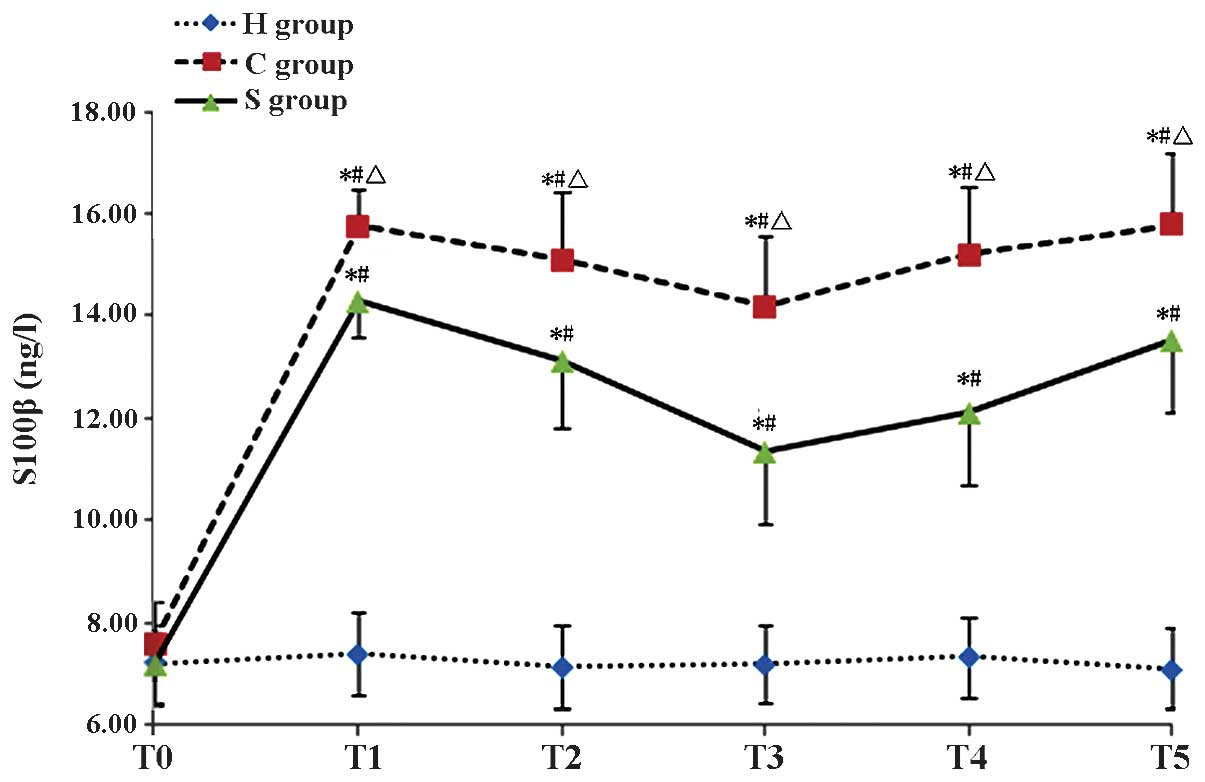
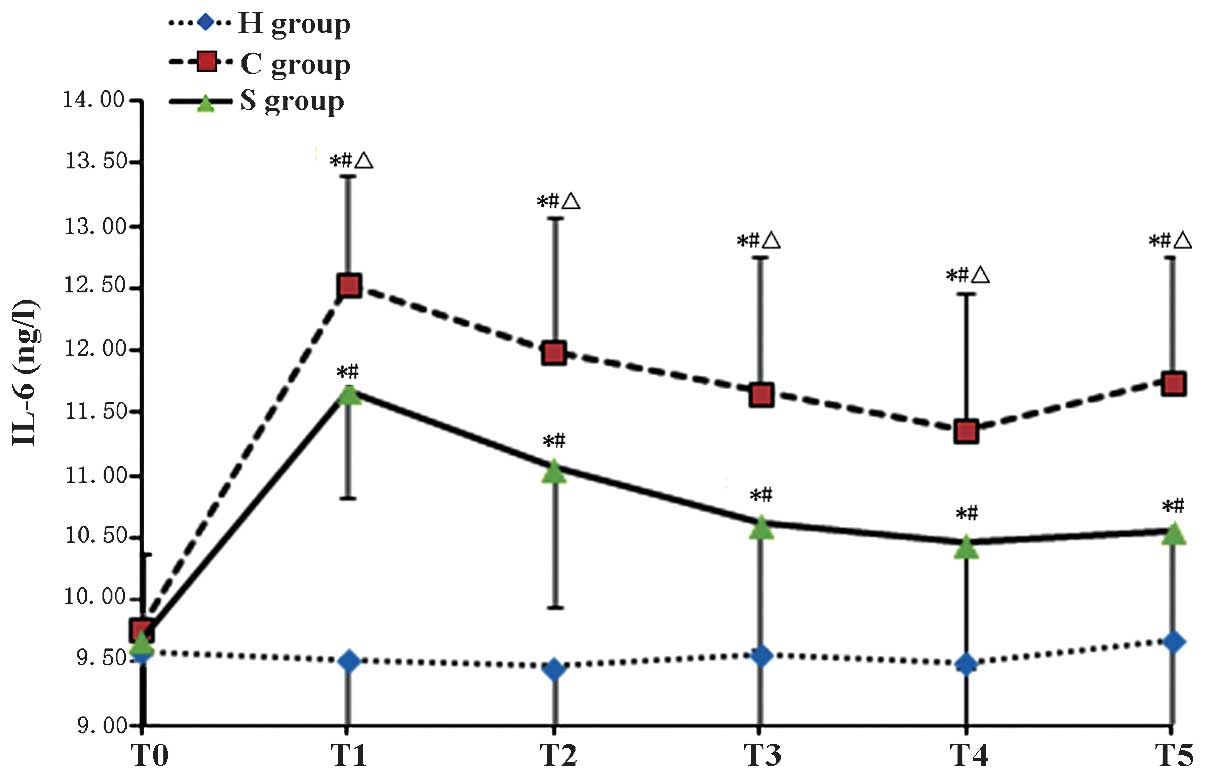
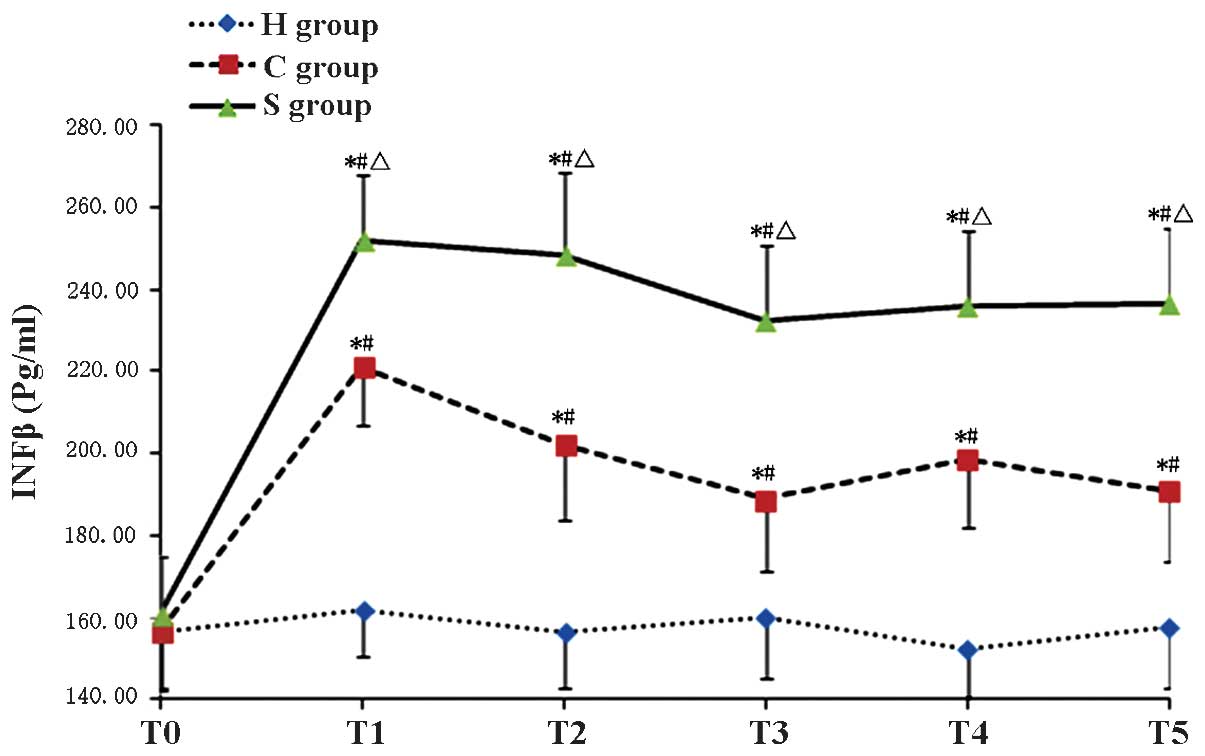
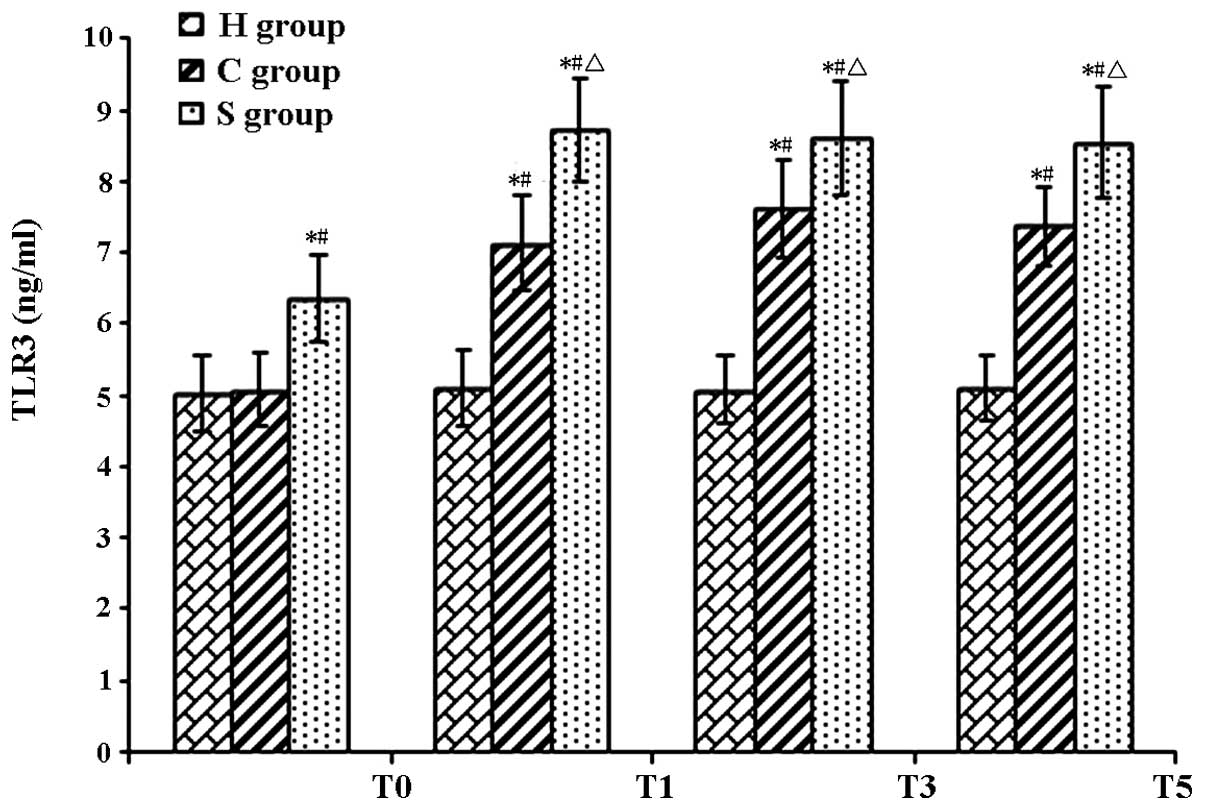
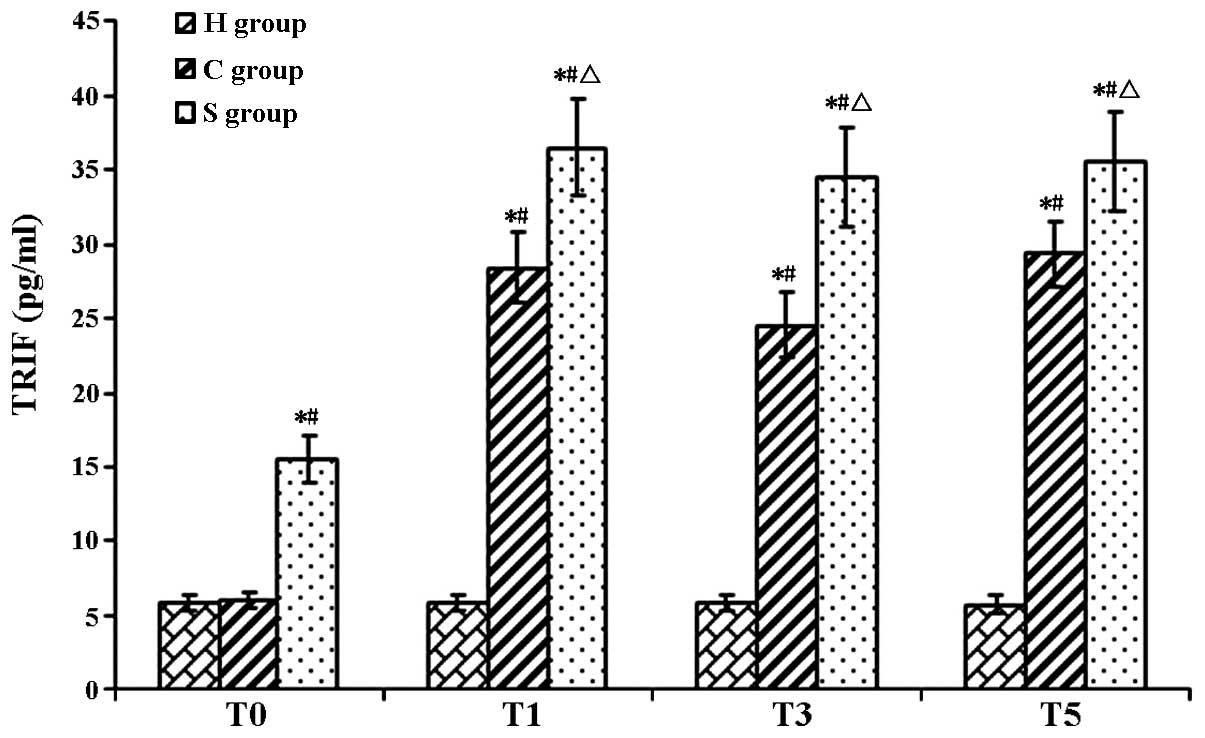
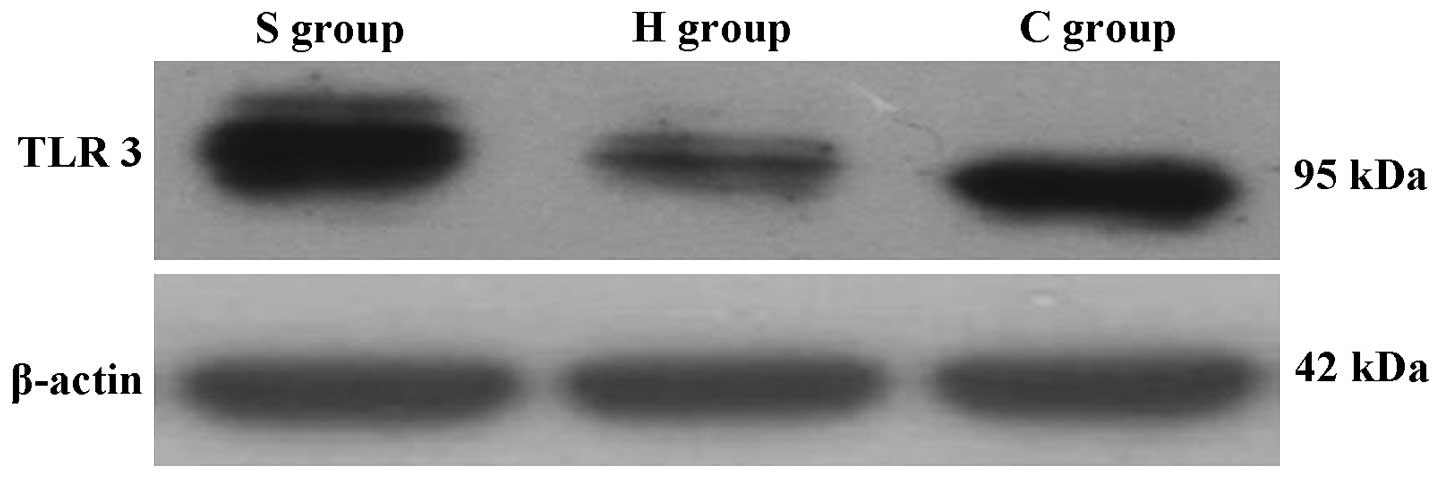
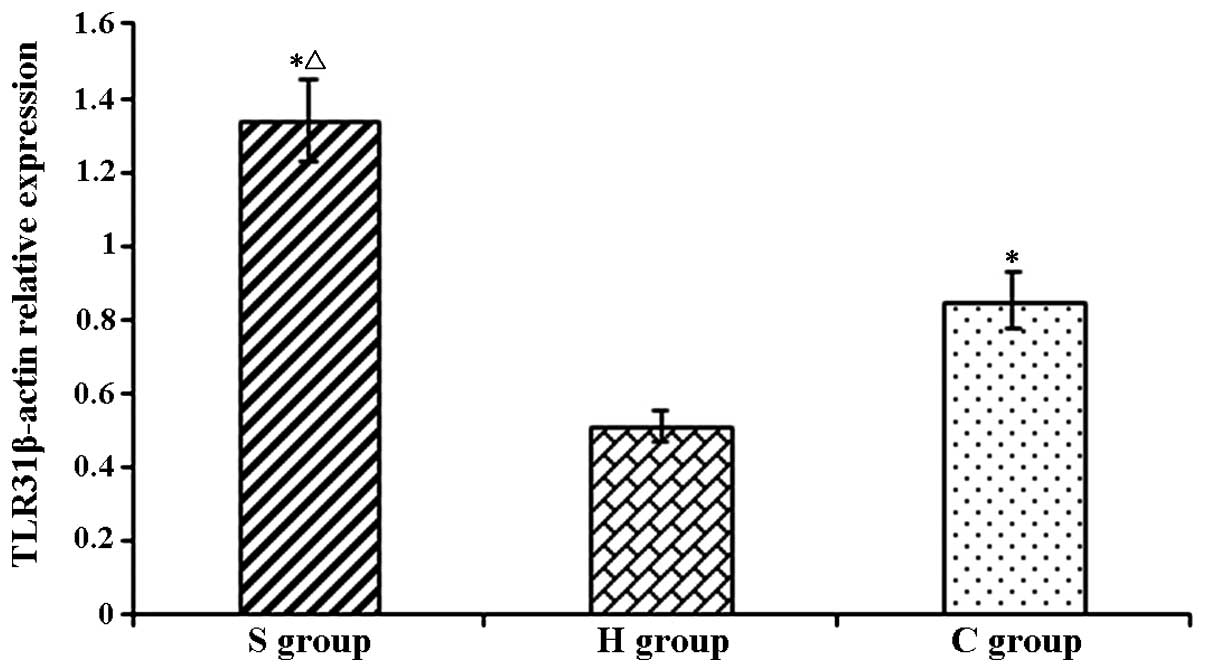
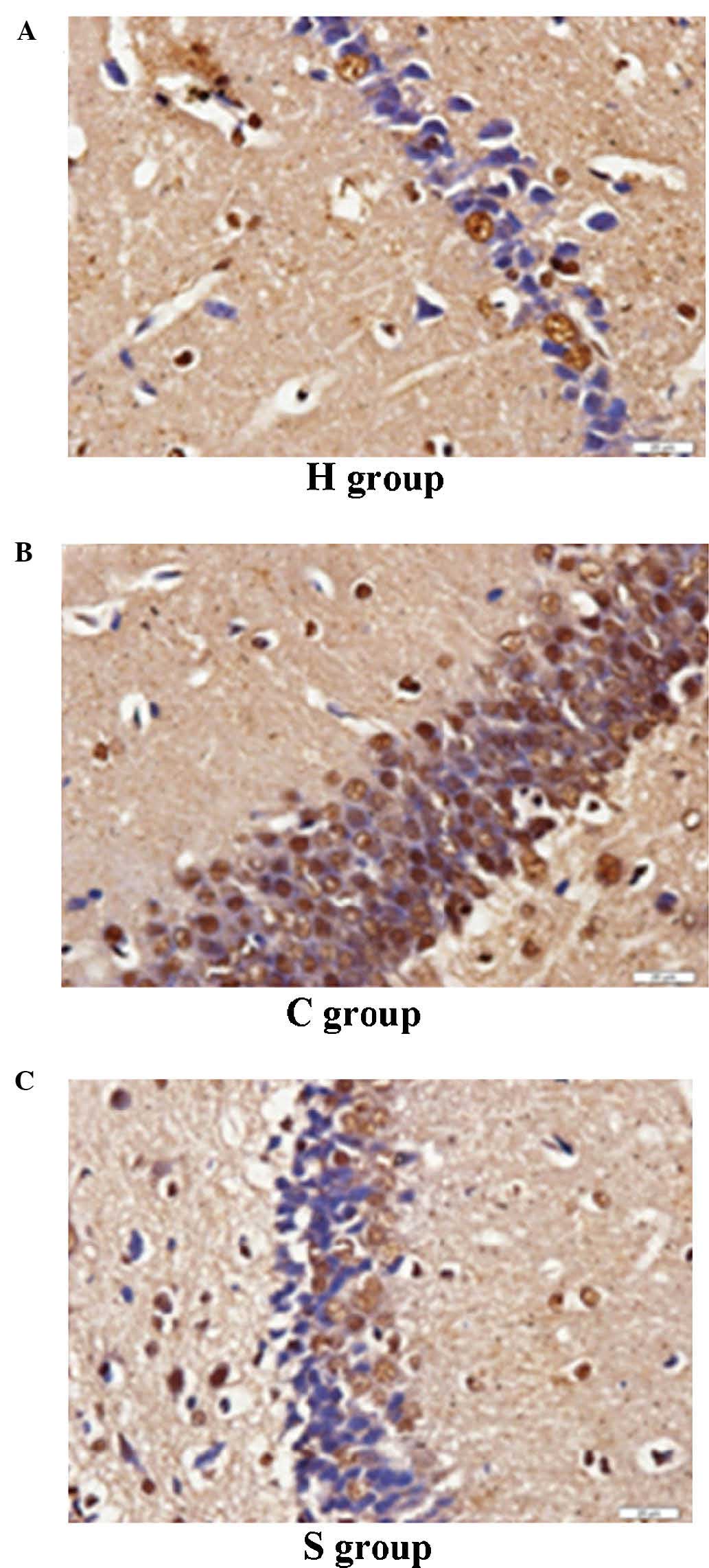
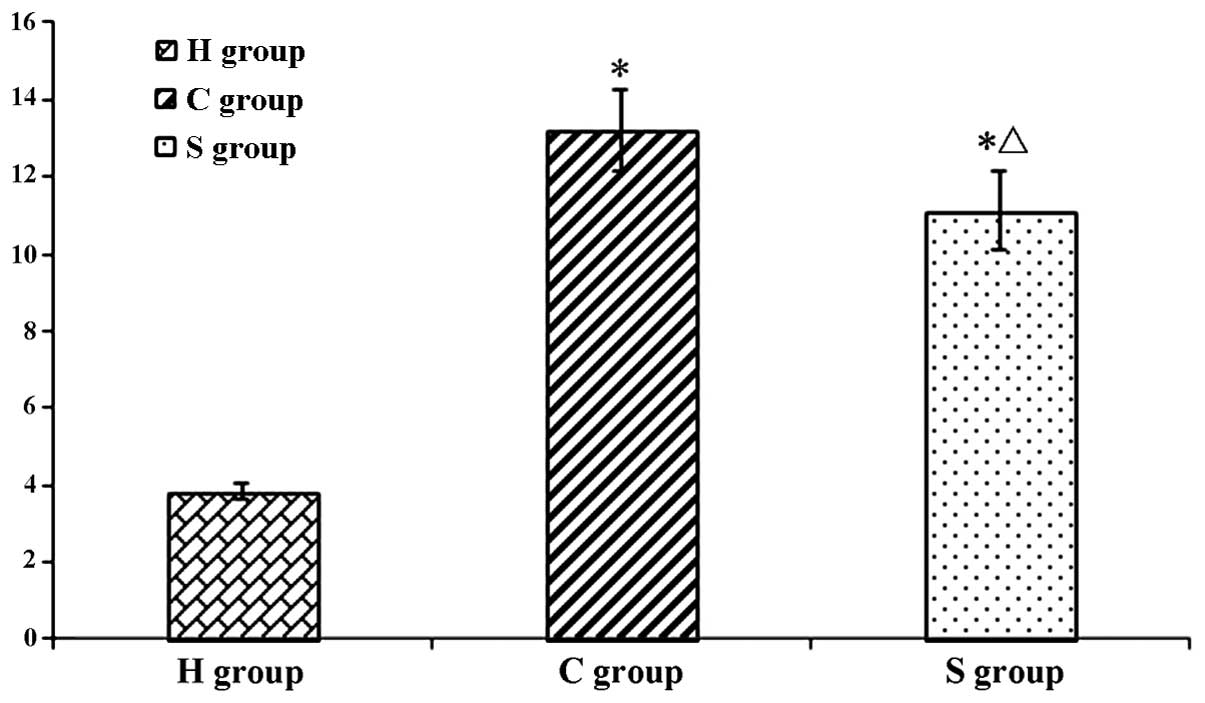
The aim of the present study was to explore the roles and possible molecular mechanism of the alleviating effect of sevoflurane pre‑treatment on the extracorporeal circulation and to investigate the possible involvement of the Toll‑like receptor (TLR3) signaling pathway. A total of 64 male Sprague Dawley rats were randomly divided into three groups: The sham operation group (H group; n=8), cardiopulmonary bypass (CPB) group (C group; n=24) and sevoflurane pre‑conditioning group (S group; n=32). The C group was subjected to tracheal intubation and mechanical ventilation, vessel puncture and catheter placement in the right femoral artery and right internal jugular vein, while no CPB was performed in the H group. The S group was pre‑treated with 2.4% sevoflurane for 1 h prior to establishing the CPB model. The CPB in the C and S groups was performed for 1 h. Blood of the rats was analyzed and clinical parameters were detected prior to, during and at various time‑points after CPB. In addition, eight rats from the C and S groups each were sacrificed at these time‑points and brain tissue samples were analyzed. The levels of the brain damage‑specific protein S100‑β as well as IL‑6 and IFN‑β in the serum were detected by ELISA; furthermore, the expression levels of TLR3 and TIR‑domain‑containing adapter‑inducing interferon‑β (TRIF) in the left hippocampus were assessed by ELISA and/or western blot analysis. The right hippocampus was assessed for neuronal apoptosis by terminal deoxynucleotidyl transferase dUTP nick end labeling assay. The mean arterial pressure, heart rate and hematocrit were significantly decreased following CPB (P<0.05), while there was no significant changes in any other clinical parameters. The serum levels of S100‑β and IL‑6 in the C group were significantly increased compared with those in the H group (P<0.05), which was attenuated by sevoflurane‑pre‑treatment. Compared with the H group, the serum levels of IFN‑β as well as hippocampal protein levels of TLR3 and TRIF were significantly increased in the C group during and after CPB (P<0.05), which was markedly aggravated in the S group (P<0.05). The number of apoptotic hippocampal neurons, although being generally low, was significantly increased in the C group compared with that in the H group (P<0.05), while apoptosis was significantly attenuated by sevoflurane‑pre‑treatment (P<0.05). The present study therefore concluded that 2.4% sevoflurane pre‑treatment has a protective effect on the rat brain against CPB‑induced injury, which may be mediated via the TLR3 signaling pathway through upregulating the expression levels of anti‑inflammatory and downregulating pro‑inflammatory proteins.
View Figures

Figure 1

Figure 2

Figure 3

Figure 4

Figure 5

Figure 6

Figure 7

Figure 8

Figure 9

View References

1 

Lombard FW and Mathew JP: Neurocognitive dysfunction following cardiac surgery. Semin Cardiothorac Vasc Anesth. 14:102–110. 2010. View Article : Google Scholar : PubMed/NCBI

2 

McKhann GM, Grega MA, Borowicz LM Jr, Baumgartner WA and Selnes OA: Stroke and encephalopathy after cardiac surgery. An update Stroke. 37:562–571. 2006. View Article : Google Scholar

3 

Mei B: Study of brain injury and brain protection during cardiopulmonary bypass progress. Zhong Guo Ti Wai Xun Huan Za Zhi. 8:125–127. 2010.In Chinese.

4 

Bowen KK, Naylor M and Vemuganti R: Prevention of inflammation is a mechanism of preconditioning-induced neuro-protection against focal cerebral ischemia. Neurochem Int. 49:127–135. 2006. View Article : Google Scholar : PubMed/NCBI

5 

Pradillo JM, Fernández-López D, García-Yébenes I, Sobrado M, Hurtado O, Moro MA and Lizasoain I: Toll-like receptor 4 is involved in neuroprotection afforded by ischemic preconditioning. J Neurochem. 109:287–294. 2009. View Article : Google Scholar : PubMed/NCBI

6 

Broad A, Kirby JA and Jones DE; Applied Immunology and Transplantation Research Group: Toll-like receptor interactions: Tolerance of MyD88-dependent cytokines but enhancement of MyD88-independent interferon-beta production. Immunology. 120:103–111. 2007. View Article : Google Scholar

7 

Marsh B, Stevens SL, Packard AE, Gopalan B, Hunter B, Leung PY, Harrington CA and Stenzel-Poore MP: Systemic lipopolysaccharide protects the brain from ischemic injury by reprogramming the response of the brain to stroke: A critical role for IRF3. J Neurosci. 29:9839–9849. 2009. View Article : Google Scholar : PubMed/NCBI

8 

Marsh BJ and Stenzel-Poore MP: Toll-like receptors: Novel pharmacological targets for the treatment of neurological diseases. Curr Opin Pharmacol. 8:8–13. 2008. View Article : Google Scholar

9 

De Miranda J, Yaddanapudi K, Hornig M, Villar G, Serge R and Lipkin WI: Induction of Toll-like receptor 3-mediated immunity during gestation inhibits cortical neurogenesis and causes behavioral disturbances. MBio. 1:e00176–10. 2010. View Article : Google Scholar : PubMed/NCBI

10 

Bsibsi M, Persoon-Deen C, Verwer RW, Meeuwsen S, Ravid R and Van Noort JM: Toll-like receptor 3 on adult human astrocytes triggers production of neuroprotective mediators. Glia. 53:688–695. 2006. View Article : Google Scholar : PubMed/NCBI

11 

Pan LN, Zhu W, Li C, Xu XL, Guo LJ and Lu Q: Toll-like receptor 3 agonist Poly I:C protects against simulated cerebral ischemia in vitro and in vivo. Acta Pharmacol Sin. 33:1246–1253. 2012. View Article : Google Scholar : PubMed/NCBI

12 

Djaiani G, Fedorko L, Borger MA, Green R, Carroll J, Marcon M and Karski J: Continuous-flow cell saver reduces cognitive decline in elderly patients after coronary bypass surgery. Circulation. 116:1888–1895. 2007. View Article : Google Scholar

13 

Yan YG, Wang DJ, Wu Z, Li QZ and Zhou Q: Relevant factors for severe neurological complications after coronary artery bypass graft. Zhong Guo Zu Zhi Gong Cheng Yan Jiu. 14:1174–1178. 2010.In Chinese.

14 

Anttila V, Hagino I, Iwata Y, Mettler BA, Lidov HG, Zurakowski D and Jonas RA: Aprotinin improves cerebral protection: Evidence from a survival porcine model. J Thorac Cardiovasc Surg. 132:948–953. 2006. View Article : Google Scholar : PubMed/NCBI

15 

Elefteriades JA: What is the best method for brain protection in surgery of the aortic arch? Straight DHCA. Cardiol Clin. 28:381–387. 2010. View Article : Google Scholar : PubMed/NCBI

16 

Nelson DP, Andropoulos DB and Fraser CD Jr: Perioperative neuroprotective strategies. Semin Thorac Cardiovasc Surg Pediatr Card Surg Annu. 11:49–56. 2008. View Article : Google Scholar

17 

Head BP and Patel P: Anesthetics and brain protection. Curr Opin Anesthesiol. 20:395–399. 2007. View Article : Google Scholar

18 

Xiong L, Zheng Y, Wu M, Hou L, Zhu Z, Zhang X and Lu Z: Preconditioning with isoflurane produces dose-dependent neuro-protection via activation of adenosine triphosphate-regulated potassium channels after focal cerebral ischemia in rats. Anesth Analg. 96:233–237. 2003.

19 

Kitagawa K, Matsumoto M, Tagaya M, Hata R, Ueda H, Niinobe M, Handa N, Fukunaga R, Kimura K and Mikoshiba K: 'Ischemic tolerance' phenomenon found in the brain. Brain Res. 528:21–24. 1990. View Article : Google Scholar : PubMed/NCBI

20 

Yang Q, Dong H, Deng J, Wang Q, Ye R, Li X, Hu S, Dong H and Xiong L: Sevoflurane preconditioning induces neuroprotection through reactive oxygen species-mediated up-regulation of antioxidant enzymes in rats. Anesth Analg. 112:931–937. 2011. View Article : Google Scholar : PubMed/NCBI

21 

Wang J, Lei B, Popp S, Meng F, Cottrell JE and Kass IS: Sevoflurane immediate preconditioning alters hypoxic membrane potential changes in rat hippocampal slices and improves recovery of CA1 pyramidal cells after hypoxia and global cerebral ischemia. Neuroscience. 145:1097–1107. 2007. View Article : Google Scholar : PubMed/NCBI

22 

Payne RS, Akca O, Roewer N, Schurr A and Kehl F: Sevoflurane-induced preconditioning protects against cerebral ischemic neuronal damage in rats. Brain Res. 1034:147–152. 2005. View Article : Google Scholar : PubMed/NCBI

23 

Park HP, Jeong EJ, Kim MH, Hwang JW, Lim YJ, Min SW, Kim CS and Jeon YT: Effects of sevoflurane on neuronal cell damage after severe cerebral ischemia in rats. Korean J Anesthesiol. 61:327–331. 2011. View Article : Google Scholar : PubMed/NCBI

24 

Dabrowski W, Rzecki Z, Czajkowski M, Pilat J, Wacinski P, Kotlinska E, Sztanke M, Sztanke K, Stazka K and Pasternak K: Volatile anesthetics reduce biochemical markers of brain injury and brain magnesium disorders in patients undergoing coronary artery bypass graft surgery. J Cardiothorac Vasc Anesth. 26:395–402. 2012. View Article : Google Scholar

25 

Wang H, Lu S, Yu Q, Liang W, Gao H, Li P, Gan Y, Chen J and Gao Y: Sevoflurane preconditioning confers neuroprotection via anti-inflammatory effect. Front Biosci (Elite Ed). 3:604–615. 2011. View Article : Google Scholar

26 

Song DD, Gao GJ, Sun YJ, Zhang TZ, Zhou J, Zhang Y and Yao Q: Rats without blood prefilled established model of cardiopulmonary bypass with cardiac arrest. Zhong Guo Ti Wai Xun Huan Za Zhi. 4:232–235. 2009.In Chinese.

27 

Obal D, Preckel B, Scharbatke H, Müllenheim J, Höterkes F, Thämer V and Schlack W: One MAC of sevoflurane provides protection against reperfusion injury in the rat heart in vivo. Br J Anaesth. 87:905–911. 2001. View Article : Google Scholar

28 

Payne RS, Akca O, Roewer N, Schurr A and Kehl F: Sevoflurane-induced preconditioning protects against cerebral ischemic neuronal damage in rats. Brain Res. 1034:147–152. 2005. View Article : Google Scholar : PubMed/NCBI

29 

Hu X, Zhang Y, Li W, Liu J and Li Y: Preconditioning with sevoflurane ameliorates spatial learning and memory deficit after focal cerebral ischemia-reperfusion in rats. Int J Dev Neurosci. 31:328–333. 2013. View Article : Google Scholar : PubMed/NCBI

30 

Groom RC, Quinn RD, Lennon P, Welch J, Kramer RS, Ross CS, Beaulieu PA, Brown JR, Malenka DJ, O'Connor GT, et al: Microemboli from cardiopulmonary bypass are associated with a serum marker of brain injury. J Extra Corpor Technol. 42:40–44. 2010.PubMed/NCBI

31 

Herrmann M, Ebert AD, Galazky I, Wunderlich MT, Kunz WS and Huth C: Neurobehavioral outcome prediction after cardiac surgery role of neurobiochemical markers of damage to neuronal and glial brain tissue. Stroke. 31:645–650. 2000. View Article : Google Scholar : PubMed/NCBI

32 

Aly WW, Abdul-Rahman SA, El Said SMS, et al: S100B and delirium in the geriatric acute care setting. Adv Aging Res. 3:1–5. 2014. View Article : Google Scholar

33 

Singh SP, Kapoor PM, Chowdhury U and Kiran U: Comparison of S100β levels and their correlation with hemodynamic indices in patients undergoing coronary artery bypass grafting with three different anesthetic techniques. Ann Card Anaesth. 14:197–202. 2011. View Article : Google Scholar : PubMed/NCBI

34 

Nikolakopoulou Z, Smith M, Hector LR, et al: S100A12 as a biomarker for neutrophil mediated inflammation in patients undergoing cardiac surgery necessitating cardiopulmonary bypass. Thorax. 68:141. 2013. View Article : Google Scholar

35 

Song J, Park J, Kim JY, Kim JD, Kang WS, Muhammad HB, Kwon MY, Kim SH, Yoon TG, Kim TY and Chung JW: Effect of ulinastatin on perioperative function and systemic inflammatory reaction during cardiac suregry: A randomized double-blinded study. Korean J Anesthesiol. 64:334–340. 2013. View Article : Google Scholar : PubMed/NCBI

36 

Li W, Wu X, Yan F, Liu J, Tang Y, Ma K and Li S: Effects of pulmonary artery perfusion with urinary trypsin inhibitor as a lung protective strategy under hypothermic low-flow cardiopulmonary bypass in an infant piglet model. Perfusion. 29:434–442. 2014. View Article : Google Scholar

37 

Liu XQ, Sheng R and Qin ZH: The neuroprotective mechanism of brain ischemic preconditioning. Acta Pharmacol Sin. 30:1071–1080. 2009. View Article : Google Scholar : PubMed/NCBI

38 

Lakhan SE, Kirchgessner A and Hofer M: Inflammatory mechanisms in ischemic stroke: Therapeutic approaches. J Transl Med. 7:972009. View Article : Google Scholar : PubMed/NCBI

39 

Ramlawi B, Rudolph JL, Mieno S, Feng J, Boodhwani M, Khabbaz K, Levkoff SE, Marcantonio ER, Bianchi C and Sellke FW: C-Reactive protein and inflammatory response associated to neurocognitive decline following cardiac surgery. Surgery. 140:221–226. 2006. View Article : Google Scholar : PubMed/NCBI

40 

Ashraf S, Bhattacharya K, Tian Y and Watterson K: Cytokine and S100B levels in paediatric patients undergoing corrective cardiac surgery with or without total circulatory arrest. Eur J Cardiothorac Surg. 16:32–37. 1999. View Article : Google Scholar : PubMed/NCBI

41 

Vila N, Castillo J, Dávalos A and Chamorro A: Proinflammatory cytokines and early neurological worsening in ischemic stroke. Stroke. 31:2325–2329. 2000. View Article : Google Scholar : PubMed/NCBI

42 

Selzner N, Selzner M, Odermatt B, Tian Y, Van Rooijen N and Clavien PA: ICAM-1 triggers liver regeneration through leukocyte recruitment and Kupffer cell-dependent release of TNF-alpha/IL-6 in mice. Gastroenterology. 124:692–700. 2003. View Article : Google Scholar : PubMed/NCBI

43 

Liu ZM, Yang QD, Liu YH, Huang XS and Zhang N: Serum IL-6 in patients with cerebral infarction and SICAM-1 and its clinical significance. Zhong Nan Da Xue Xue Bao Yi Xue Ban. 29:326–329. 2004.In Chinese.

44 

Reinsfelt B, Ricksten SE, Zetterberg H, Blennow K, Fredén-Lindqvist J and Westerlind A: Cerebrospinal fluid markers of brain injury, inflammation and blood-brain barrier dysfunction in cardiac surgery. Ann Thorac Surg. 94:549–555. 2012. View Article : Google Scholar : PubMed/NCBI

45 

Lee SH, Kim BJ, Kim YB, Chung PW, Moon HS, Suh BC, Yoon WT, Jin DK, Park YS, Lee YT and Park KY: IL-1β induction and IL-6 suppression are associated with aggravated neuronal damage in a lipopolysaccharide-pretreated kainic acid-induced rat pup seizure model. Neuroimmunomodulation. 19:319–325. 2012. View Article : Google Scholar

46 

Bedirli N, Bagriacik EU, Emmez H, Yilmaz G, Unal Y and Ozkose Z: Sevoflurane and isoflurane preconditioning provides neuroprotection by inhibition of apoptosis-related mRNA expression in a rat model of focal cerebral ischemia. J Neurosurg Anesthesiol. 24:336–344. 2012. View Article : Google Scholar : PubMed/NCBI

47 

Barreto G, White RE, Ouyang Y, Xu L and Giffard RG: Astrocytes: Targets for neuroprotection in stroke. Cent Nerv Syst Agents Med Chem. 11:164–173. 2011. View Article : Google Scholar : PubMed/NCBI

48 

Rosenzweig HL, Lessov NS, Henshall DC, Minami M, Simon RP and Stenzel-Poore MP: Endotoxin preconditioning prevents cellular inflammatory response during ischemic neuroprotection in mice. Stroke. 35:2576–2581. 2004. View Article : Google Scholar : PubMed/NCBI

49 

Nhu QM, Cuesta N and Vogel SN: Transcriptional regulation of lipopolysaccharide (LPS) -induced toll-like receptor (TLR) expression in murine macrophages: Role of interferon regulatory factors 1 (IRF-1) and 2 (IRF-2). J Endotoxin Res. 12:285–295. 2006. View Article : Google Scholar

Related Articles

  • Abstract
  • View
  • Download
  • Twitter
Copy and paste a formatted citation
Spandidos Publications style
Zhou J, Zhou N, Wu XN, Cao HJ, Sun Y, Zhang TZ, Chen KY and Yu DM: Role of the Toll‑like receptor 3 signaling pathway in the neuroprotective effect of sevoflurane pre‑conditioning during cardiopulmonary bypass in rats. Mol Med Rep 12: 7859-7868, 2015.
APA
Zhou, J., Zhou, N., Wu, X., Cao, H., Sun, Y., Zhang, T. ... Yu, D. (2015). Role of the Toll‑like receptor 3 signaling pathway in the neuroprotective effect of sevoflurane pre‑conditioning during cardiopulmonary bypass in rats. Molecular Medicine Reports, 12, 7859-7868. https://doi.org/10.3892/mmr.2015.4420
MLA
Zhou, J., Zhou, N., Wu, X., Cao, H., Sun, Y., Zhang, T., Chen, K., Yu, D."Role of the Toll‑like receptor 3 signaling pathway in the neuroprotective effect of sevoflurane pre‑conditioning during cardiopulmonary bypass in rats". Molecular Medicine Reports 12.6 (2015): 7859-7868.
Chicago
Zhou, J., Zhou, N., Wu, X., Cao, H., Sun, Y., Zhang, T., Chen, K., Yu, D."Role of the Toll‑like receptor 3 signaling pathway in the neuroprotective effect of sevoflurane pre‑conditioning during cardiopulmonary bypass in rats". Molecular Medicine Reports 12, no. 6 (2015): 7859-7868. https://doi.org/10.3892/mmr.2015.4420
Copy and paste a formatted citation
x
Spandidos Publications style
Zhou J, Zhou N, Wu XN, Cao HJ, Sun Y, Zhang TZ, Chen KY and Yu DM: Role of the Toll‑like receptor 3 signaling pathway in the neuroprotective effect of sevoflurane pre‑conditioning during cardiopulmonary bypass in rats. Mol Med Rep 12: 7859-7868, 2015.
APA
Zhou, J., Zhou, N., Wu, X., Cao, H., Sun, Y., Zhang, T. ... Yu, D. (2015). Role of the Toll‑like receptor 3 signaling pathway in the neuroprotective effect of sevoflurane pre‑conditioning during cardiopulmonary bypass in rats. Molecular Medicine Reports, 12, 7859-7868. https://doi.org/10.3892/mmr.2015.4420
MLA
Zhou, J., Zhou, N., Wu, X., Cao, H., Sun, Y., Zhang, T., Chen, K., Yu, D."Role of the Toll‑like receptor 3 signaling pathway in the neuroprotective effect of sevoflurane pre‑conditioning during cardiopulmonary bypass in rats". Molecular Medicine Reports 12.6 (2015): 7859-7868.
Chicago
Zhou, J., Zhou, N., Wu, X., Cao, H., Sun, Y., Zhang, T., Chen, K., Yu, D."Role of the Toll‑like receptor 3 signaling pathway in the neuroprotective effect of sevoflurane pre‑conditioning during cardiopulmonary bypass in rats". Molecular Medicine Reports 12, no. 6 (2015): 7859-7868. https://doi.org/10.3892/mmr.2015.4420
Follow us
  • Twitter
  • LinkedIn
  • Facebook
About
  • Spandidos Publications
  • Careers
  • Cookie Policy
  • Privacy Policy
How can we help?
  • Help
  • Live Chat
  • Contact
  • Email to our Support Team