Spandidos Publications Logo
  • About
    • About Spandidos
    • Aims and Scopes
    • Abstracting and Indexing
    • Editorial Policies
    • Reprints and Permissions
    • Job Opportunities
    • Terms and Conditions
    • Contact
  • Journals
    • All Journals
    • Oncology Letters
      • Oncology Letters
      • Information for Authors
      • Editorial Policies
      • Editorial Board
      • Aims and Scope
      • Abstracting and Indexing
      • Bibliographic Information
      • Archive
    • International Journal of Oncology
      • International Journal of Oncology
      • Information for Authors
      • Editorial Policies
      • Editorial Board
      • Aims and Scope
      • Abstracting and Indexing
      • Bibliographic Information
      • Archive
    • Molecular and Clinical Oncology
      • Molecular and Clinical Oncology
      • Information for Authors
      • Editorial Policies
      • Editorial Board
      • Aims and Scope
      • Abstracting and Indexing
      • Bibliographic Information
      • Archive
    • Experimental and Therapeutic Medicine
      • Experimental and Therapeutic Medicine
      • Information for Authors
      • Editorial Policies
      • Editorial Board
      • Aims and Scope
      • Abstracting and Indexing
      • Bibliographic Information
      • Archive
    • International Journal of Molecular Medicine
      • International Journal of Molecular Medicine
      • Information for Authors
      • Editorial Policies
      • Editorial Board
      • Aims and Scope
      • Abstracting and Indexing
      • Bibliographic Information
      • Archive
    • Biomedical Reports
      • Biomedical Reports
      • Information for Authors
      • Editorial Policies
      • Editorial Board
      • Aims and Scope
      • Abstracting and Indexing
      • Bibliographic Information
      • Archive
    • Oncology Reports
      • Oncology Reports
      • Information for Authors
      • Editorial Policies
      • Editorial Board
      • Aims and Scope
      • Abstracting and Indexing
      • Bibliographic Information
      • Archive
    • Molecular Medicine Reports
      • Molecular Medicine Reports
      • Information for Authors
      • Editorial Policies
      • Editorial Board
      • Aims and Scope
      • Abstracting and Indexing
      • Bibliographic Information
      • Archive
    • World Academy of Sciences Journal
      • World Academy of Sciences Journal
      • Information for Authors
      • Editorial Policies
      • Editorial Board
      • Aims and Scope
      • Abstracting and Indexing
      • Bibliographic Information
      • Archive
    • International Journal of Functional Nutrition
      • International Journal of Functional Nutrition
      • Information for Authors
      • Editorial Policies
      • Editorial Board
      • Aims and Scope
      • Abstracting and Indexing
      • Bibliographic Information
      • Archive
    • International Journal of Epigenetics
      • International Journal of Epigenetics
      • Information for Authors
      • Editorial Policies
      • Editorial Board
      • Aims and Scope
      • Abstracting and Indexing
      • Bibliographic Information
      • Archive
    • Medicine International
      • Medicine International
      • Information for Authors
      • Editorial Policies
      • Editorial Board
      • Aims and Scope
      • Abstracting and Indexing
      • Bibliographic Information
      • Archive
  • Articles
  • Information
    • Information for Authors
    • Information for Reviewers
    • Information for Librarians
    • Information for Advertisers
    • Conferences
  • Language Editing
Spandidos Publications Logo
  • About
    • About Spandidos
    • Aims and Scopes
    • Abstracting and Indexing
    • Editorial Policies
    • Reprints and Permissions
    • Job Opportunities
    • Terms and Conditions
    • Contact
  • Journals
    • All Journals
    • Biomedical Reports
      • Information for Authors
      • Editorial Policies
      • Editorial Board
      • Aims and Scope
      • Abstracting and Indexing
      • Bibliographic Information
      • Archive
    • Experimental and Therapeutic Medicine
      • Information for Authors
      • Editorial Policies
      • Editorial Board
      • Aims and Scope
      • Abstracting and Indexing
      • Bibliographic Information
      • Archive
    • International Journal of Epigenetics
      • Information for Authors
      • Editorial Policies
      • Editorial Board
      • Aims and Scope
      • Abstracting and Indexing
      • Bibliographic Information
      • Archive
    • International Journal of Functional Nutrition
      • Information for Authors
      • Editorial Policies
      • Editorial Board
      • Aims and Scope
      • Abstracting and Indexing
      • Bibliographic Information
      • Archive
    • International Journal of Molecular Medicine
      • Information for Authors
      • Editorial Policies
      • Editorial Board
      • Aims and Scope
      • Abstracting and Indexing
      • Bibliographic Information
      • Archive
    • International Journal of Oncology
      • Information for Authors
      • Editorial Policies
      • Editorial Board
      • Aims and Scope
      • Abstracting and Indexing
      • Bibliographic Information
      • Archive
    • Medicine International
      • Information for Authors
      • Editorial Policies
      • Editorial Board
      • Aims and Scope
      • Abstracting and Indexing
      • Bibliographic Information
      • Archive
    • Molecular and Clinical Oncology
      • Information for Authors
      • Editorial Policies
      • Editorial Board
      • Aims and Scope
      • Abstracting and Indexing
      • Bibliographic Information
      • Archive
    • Molecular Medicine Reports
      • Information for Authors
      • Editorial Policies
      • Editorial Board
      • Aims and Scope
      • Abstracting and Indexing
      • Bibliographic Information
      • Archive
    • Oncology Letters
      • Information for Authors
      • Editorial Policies
      • Editorial Board
      • Aims and Scope
      • Abstracting and Indexing
      • Bibliographic Information
      • Archive
    • Oncology Reports
      • Information for Authors
      • Editorial Policies
      • Editorial Board
      • Aims and Scope
      • Abstracting and Indexing
      • Bibliographic Information
      • Archive
    • World Academy of Sciences Journal
      • Information for Authors
      • Editorial Policies
      • Editorial Board
      • Aims and Scope
      • Abstracting and Indexing
      • Bibliographic Information
      • Archive
  • Articles
  • Information
    • For Authors
    • For Reviewers
    • For Librarians
    • For Advertisers
    • Conferences
  • Language Editing
Login Register Submit
  • This site uses cookies
  • You can change your cookie settings at any time by following the instructions in our Cookie Policy. To find out more, you may read our Privacy Policy.

    I agree
Search articles by DOI, keyword, author or affiliation
Search
Advanced Search
presentation
Molecular Medicine Reports
Join Editorial Board Propose a Special Issue
Print ISSN: 1791-2997 Online ISSN: 1791-3004
Journal Cover
January-2016 Volume 13 Issue 1

Full Size Image

Sign up for eToc alerts
Recommend to Library

Journals

International Journal of Molecular Medicine

International Journal of Molecular Medicine

International Journal of Molecular Medicine is an international journal devoted to molecular mechanisms of human disease.

International Journal of Oncology

International Journal of Oncology

International Journal of Oncology is an international journal devoted to oncology research and cancer treatment.

Molecular Medicine Reports

Molecular Medicine Reports

Covers molecular medicine topics such as pharmacology, pathology, genetics, neuroscience, infectious diseases, molecular cardiology, and molecular surgery.

Oncology Reports

Oncology Reports

Oncology Reports is an international journal devoted to fundamental and applied research in Oncology.

Experimental and Therapeutic Medicine

Experimental and Therapeutic Medicine

Experimental and Therapeutic Medicine is an international journal devoted to laboratory and clinical medicine.

Oncology Letters

Oncology Letters

Oncology Letters is an international journal devoted to Experimental and Clinical Oncology.

Biomedical Reports

Biomedical Reports

Explores a wide range of biological and medical fields, including pharmacology, genetics, microbiology, neuroscience, and molecular cardiology.

Molecular and Clinical Oncology

Molecular and Clinical Oncology

International journal addressing all aspects of oncology research, from tumorigenesis and oncogenes to chemotherapy and metastasis.

World Academy of Sciences Journal

World Academy of Sciences Journal

Multidisciplinary open-access journal spanning biochemistry, genetics, neuroscience, environmental health, and synthetic biology.

International Journal of Functional Nutrition

International Journal of Functional Nutrition

Open-access journal combining biochemistry, pharmacology, immunology, and genetics to advance health through functional nutrition.

International Journal of Epigenetics

International Journal of Epigenetics

Publishes open-access research on using epigenetics to advance understanding and treatment of human disease.

Medicine International

Medicine International

An International Open Access Journal Devoted to General Medicine.

Journal Cover
January-2016 Volume 13 Issue 1

Full Size Image

Sign up for eToc alerts
Recommend to Library

  • Article
  • Citations
    • Cite This Article
    • Download Citation
    • Create Citation Alert
    • Remove Citation Alert
    • Cited By
  • Similar Articles
    • Related Articles (in Spandidos Publications)
    • Similar Articles (Google Scholar)
    • Similar Articles (PubMed)
  • Download PDF
  • Download XML
  • View XML
Article

Hypoxia‑mediated activation of autophagic flux inhibits apoptosis of keratinocytes via blocking tumor necrosis factor‑related apoptosis‑inducing ligand

  • Authors:
    • Sung‑Wook Kim
    • Sang‑Youel Park
  • View Affiliations / Copyright

    Affiliations: Department of Biochemistry, Biosafety Research Institute, College of Veterinary Medicine, Chonbuk National University, Jeonju, Jeonbuk 561‑756, Republic of Korea
  • Pages: 805-810
    |
    Published online on: November 20, 2015
       https://doi.org/10.3892/mmr.2015.4592
  • Expand metrics +
Metrics: Total Views: 0 (Spandidos Publications: | PMC Statistics: )
Metrics: Total PDF Downloads: 0 (Spandidos Publications: | PMC Statistics: )
Cited By (CrossRef): 0 citations Loading Articles...

This article is mentioned in:


Abstract

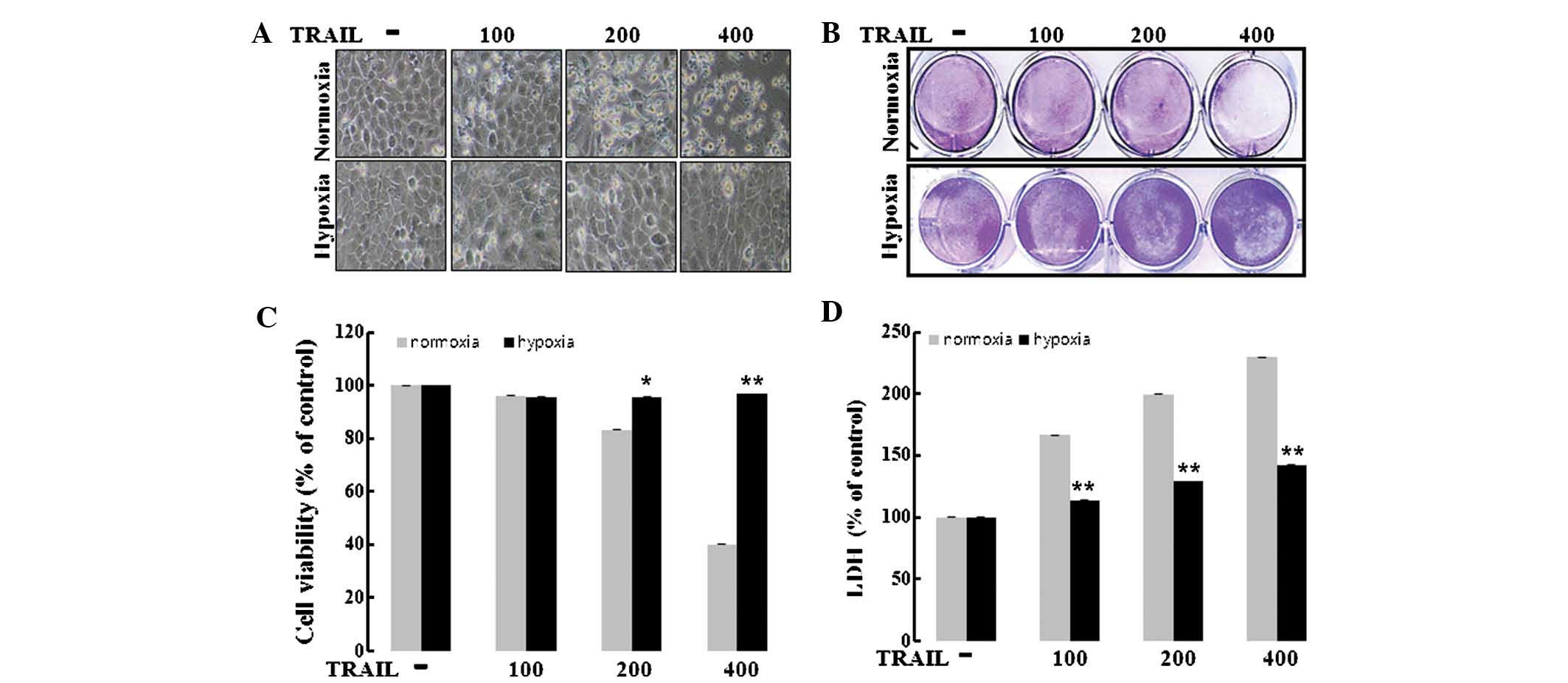
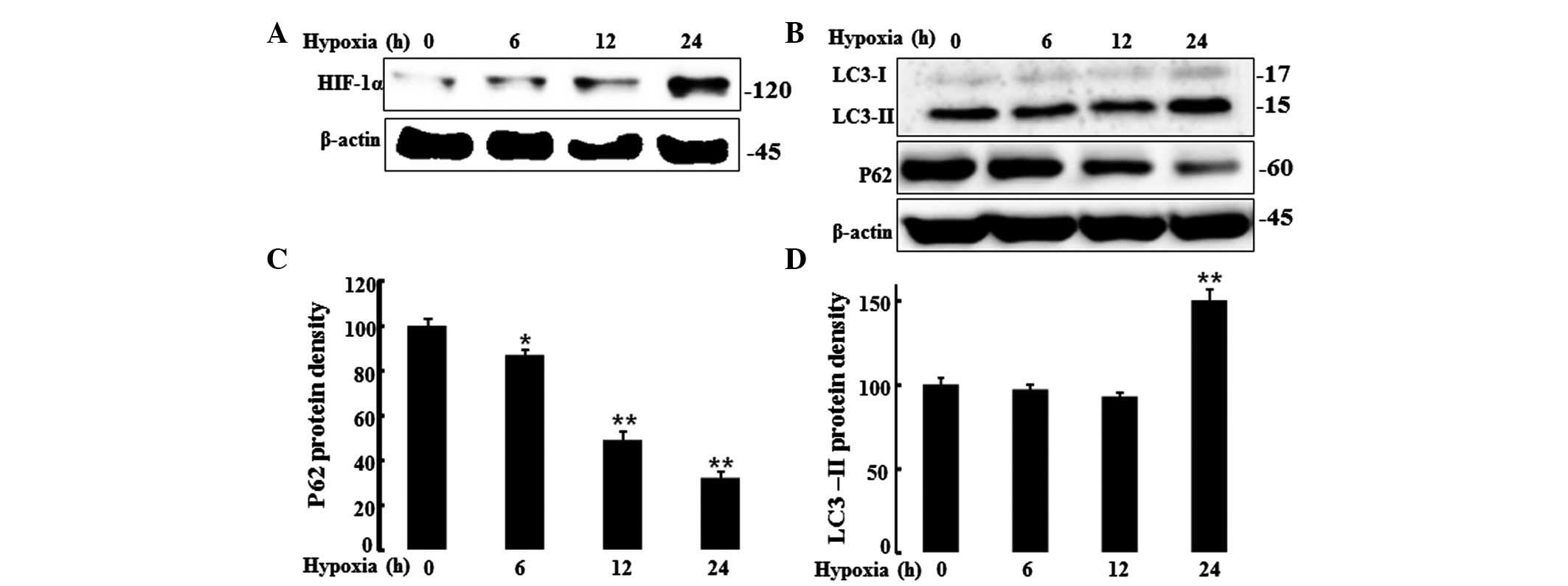
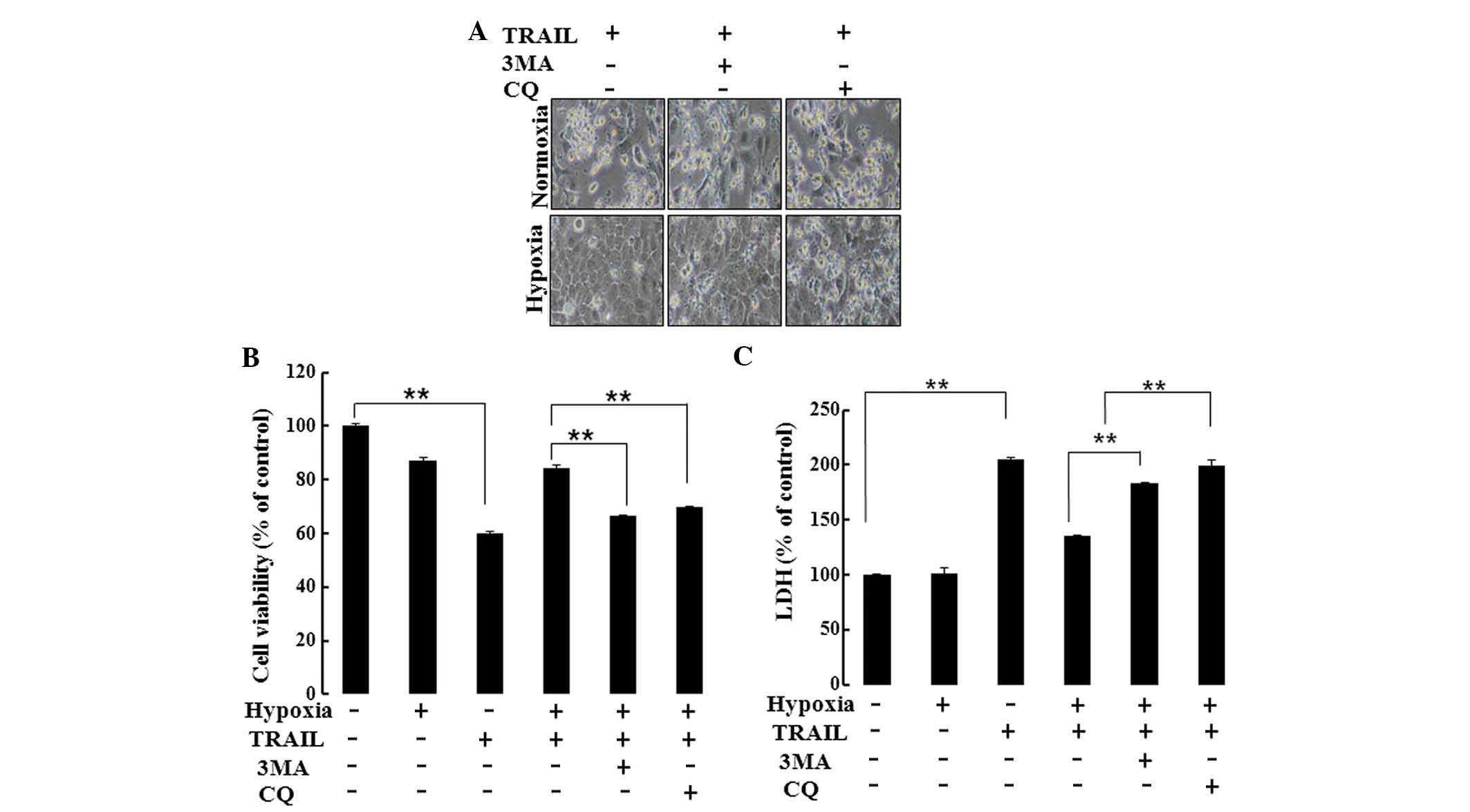
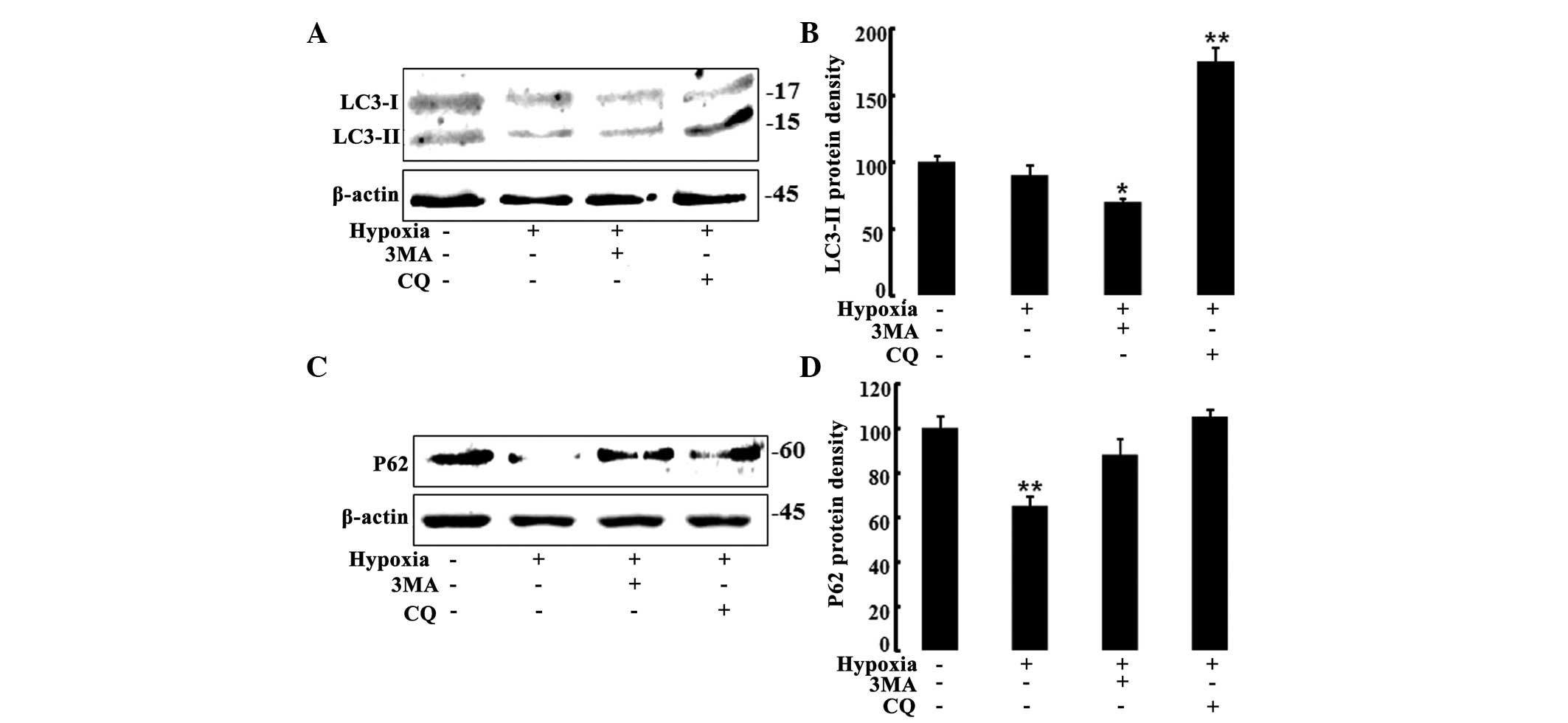
Tumor necrosis factor‑related apoptosis‑inducing ligand (TRAIL) is toxic against transformed tumor cells. Cornification is the terminal differentiation of keratinocytes and a specific form of programmed cell death caused by TRAIL that occurs in keratinocytes. Apoptosis can also be triggered when TRAIL induces expression of keratinocyte differentiation markers. The present study reported that hypoxia inhibits TRAIL‑induced apoptosis due to autophagic flux. It is well known that hypoxia activates autophagy in keratinocytes and reduces p62 protein levels. The present study demonstrated that hypoxia inhibited TRAIL‑mediated apoptosis and induced autophagic flux in HaCaT cells. In addition, autophagic flux‑inactivating reagents, including 3‑methyladenine and chloroquine, increased the TRAIL sensitivity of HaCaT cells exposed to hypoxia. In conclusion, these results indicated that inactivating autophagy increased TRAIL sensitivity in hypoxic HaCaT cells. Autophagy inhibitors may be beneficial in therapies using TRAIL against skin cancers.
View Figures

Figure 1

Figure 2

Figure 3

Figure 4

View References

1 

Johnstone RW, Frew AJ and Smyth MJ: The TRAIL apoptotic pathway in cancer onset, progression and therapy. Nat Rev Cancer. 8:782–798. 2008. View Article : Google Scholar : PubMed/NCBI

2 

Wu NL, Lee TA, Tsai TL and Lin WW: TRAIL-induced keratinocyte differentiation requires caspase activation and p63 expression. J Invest Dermatol. 131:874–883. 2011. View Article : Google Scholar : PubMed/NCBI

3 

Li JH, Kirkiles-Smith NC, McNiff JM and Pober JS: TRAIL induces apoptosis and inflammatory gene expression in human endothelial cells. J Immunol. 171:1526–1533. 2003. View Article : Google Scholar : PubMed/NCBI

4 

Semenza GL: Hypoxia-inducible factor 1: control of oxygen homeostasis in health and disease. Pediatr Res. 49:614–617. 2001. View Article : Google Scholar : PubMed/NCBI

5 

Hu Y, Kirito K, Yoshida K, Mitsumori T, Nakajima K, Nozaki Y, Hamanaka S, Nagashima T, Kunitama M, Sakoe K and Komatsu N: Inhibition of hypoxia-inducible factor-1 function enhances the sensitivity of multiple myeloma cells to melphalan. Mol Cancer Ther. 8:2329–2338. 2009. View Article : Google Scholar : PubMed/NCBI

6 

Kaelin WG Jr: Treatment of kidney cancer: insights provided by the VHL tumor-suppressor protein. Cancer. 115(Suppl 10): S2262–S2272. 2009. View Article : Google Scholar

7 

Tandara AA and Mustoe TA: Oxygen in wound healing-more than a nutrient. World J Surg. 28:294–300. 2004. View Article : Google Scholar : PubMed/NCBI

8 

LaVan FB and Hunt TK: Oxygen and wound healing. Clin Plast Surg. 17:463–472. 1990.PubMed/NCBI

9 

Evans NT and Naylor PF: The systemic oxygen supply to the surface of human skin. Respir Physiol. 3:21–37. 1967. View Article : Google Scholar : PubMed/NCBI

10 

Stewart FA, Denekamp J and Randhawa VS: Skin sensitization by misonidazole: a demonstration of uniform mild hypoxia. Br J Cancer. 45:869–877. 1982. View Article : Google Scholar : PubMed/NCBI

11 

Stucker M, Struk A, Altmeyer P, Herde M, Baumgärtl H and Lübbers DW: The cutaneous uptake of atmospheric oxygen contributes significantly to the oxygen supply of human dermis and epidermis. J Physiol. 538:985–994. 2002. View Article : Google Scholar : PubMed/NCBI

12 

Pursiheimo JP, Rantanen K, Heikkinen PT, Johansen T and Jaakkola PM: Hypoxia-activated autophagy accelerates degradation of SQSTM1/p62. Oncogene. 28:334–344. 2009. View Article : Google Scholar

13 

Levine B and Kroemer G: Autophagy in the pathogenesis of disease. Cell. 132:27–42. 2008. View Article : Google Scholar : PubMed/NCBI

14 

Delgado MA, Elmaoued RA, Davis AS, Kyei G and Deretic V: Toll-like receptors control autophagy. EMBO J. 27:1110–1121. 2008. View Article : Google Scholar : PubMed/NCBI

15 

Hussey S, Travassos LH and Jones NL: Autophagy as an emerging dimension to adaptive and innate immunity. Semin Immunol. 21:233–241. 2009. View Article : Google Scholar : PubMed/NCBI

16 

Zhao Y, Zhang CF, Rossiter H, Eckhart L, König U, Karner S, Mildner M, Bochkov VN, Tschachler E and Gruber F: Autophagy is induced by UVA and promotes removal of oxidized phospho-lipids and protein aggregates in epidermal keratinocytes. J Invest Dermatol. 133:1629–1637. 2013. View Article : Google Scholar : PubMed/NCBI

17 

Lee HM, Shin DM, Yuk JM, Shi G, Choi DK, Lee SH, Huang SM, Kim JM, Kim CD, Lee JH and Jo EK: Autophagy negatively regulates keratinocyte inflammatory responses via scaffolding protein p62/SQSTM1. J Immunol. 186:1248–1258. 2011. View Article : Google Scholar

18 

Seo JS, Seol JW, Moon MH, Jeong JK, Lee YJ and Park SY: Hypoxia protects neuronal cells from human prion protein fragment-induced apoptosis. J Neurochem. 112:715–722. 2010. View Article : Google Scholar

19 

Candi E, Rufini A, Terrinoni A, Dinsdale D, Ranalli M, Paradisi A, De Laurenzi V, Spagnoli LG, Catani MV, Ramadan S, et al: Differential roles of p63 isoforms in epidermal development: selective genetic complementation in p63 null mice. Cell Death Differ. 13:1037–1047. 2006. View Article : Google Scholar : PubMed/NCBI

20 

Eberle J, Fecker LF, Forschner T, Ulrich C, Röwert-Huber J and Stockfleth E: Apoptosis pathways as promising targets for skin cancer therapy. Br J Dermatol. 156(Suppl 3): 18–24. 2007. View Article : Google Scholar : PubMed/NCBI

21 

Mora R, Abschuetz A, Kees T, Dokic I, Joschko N, Kleber S, Geibig R, Mosconi E, Zentgraf H, Martin-Villalba A and Régnier-Vigouroux A: TNF-alpha- and TRAIL-resistant glioma cells undergo autophagy-dependent cell death induced by activated microglia. Glia. 57:561–581. 2009. View Article : Google Scholar

22 

Herrero-Martín G, Høyer-Hansen M, García-García C, Fumarola C, Farkas T, López-Rivas A and Jäättelä M: TAK1 activates AMPK-dependent cytoprotective autophagy in TRAIL-treated epithelial cells. EMBO J. 28:677–685. 2009. View Article : Google Scholar : PubMed/NCBI

23 

Itakura E and Mizushima N: p62 Targeting to the autophagosome formation site requires self-oligomerization but not LC3 binding. J Cell Biol. 192:17–27. 2011. View Article : Google Scholar : PubMed/NCBI

24 

Singh K, Sharma A, Mir MC, Drazba JA, Heston WD, Magi-Galluzzi C, Hansel D, Rubin BP, Klein EA and Almasan A: Autophagic flux determines cell death and survival in response to Apo2L/TRAIL (dulanermin). Mol Cancer. 13:702014. View Article : Google Scholar : PubMed/NCBI

Related Articles

  • Abstract
  • View
  • Download
  • Twitter
Copy and paste a formatted citation
Spandidos Publications style
Kim SW and Park SY: Hypoxia‑mediated activation of autophagic flux inhibits apoptosis of keratinocytes via blocking tumor necrosis factor‑related apoptosis‑inducing ligand. Mol Med Rep 13: 805-810, 2016.
APA
Kim, S., & Park, S. (2016). Hypoxia‑mediated activation of autophagic flux inhibits apoptosis of keratinocytes via blocking tumor necrosis factor‑related apoptosis‑inducing ligand. Molecular Medicine Reports, 13, 805-810. https://doi.org/10.3892/mmr.2015.4592
MLA
Kim, S., Park, S."Hypoxia‑mediated activation of autophagic flux inhibits apoptosis of keratinocytes via blocking tumor necrosis factor‑related apoptosis‑inducing ligand". Molecular Medicine Reports 13.1 (2016): 805-810.
Chicago
Kim, S., Park, S."Hypoxia‑mediated activation of autophagic flux inhibits apoptosis of keratinocytes via blocking tumor necrosis factor‑related apoptosis‑inducing ligand". Molecular Medicine Reports 13, no. 1 (2016): 805-810. https://doi.org/10.3892/mmr.2015.4592
Copy and paste a formatted citation
x
Spandidos Publications style
Kim SW and Park SY: Hypoxia‑mediated activation of autophagic flux inhibits apoptosis of keratinocytes via blocking tumor necrosis factor‑related apoptosis‑inducing ligand. Mol Med Rep 13: 805-810, 2016.
APA
Kim, S., & Park, S. (2016). Hypoxia‑mediated activation of autophagic flux inhibits apoptosis of keratinocytes via blocking tumor necrosis factor‑related apoptosis‑inducing ligand. Molecular Medicine Reports, 13, 805-810. https://doi.org/10.3892/mmr.2015.4592
MLA
Kim, S., Park, S."Hypoxia‑mediated activation of autophagic flux inhibits apoptosis of keratinocytes via blocking tumor necrosis factor‑related apoptosis‑inducing ligand". Molecular Medicine Reports 13.1 (2016): 805-810.
Chicago
Kim, S., Park, S."Hypoxia‑mediated activation of autophagic flux inhibits apoptosis of keratinocytes via blocking tumor necrosis factor‑related apoptosis‑inducing ligand". Molecular Medicine Reports 13, no. 1 (2016): 805-810. https://doi.org/10.3892/mmr.2015.4592
Follow us
  • Twitter
  • LinkedIn
  • Facebook
About
  • Spandidos Publications
  • Careers
  • Cookie Policy
  • Privacy Policy
How can we help?
  • Help
  • Live Chat
  • Contact
  • Email to our Support Team