Spandidos Publications Logo
  • About
    • About Spandidos
    • Aims and Scopes
    • Abstracting and Indexing
    • Editorial Policies
    • Reprints and Permissions
    • Job Opportunities
    • Terms and Conditions
    • Contact
  • Journals
    • All Journals
    • Oncology Letters
      • Oncology Letters
      • Information for Authors
      • Editorial Policies
      • Editorial Board
      • Aims and Scope
      • Abstracting and Indexing
      • Bibliographic Information
      • Archive
    • International Journal of Oncology
      • International Journal of Oncology
      • Information for Authors
      • Editorial Policies
      • Editorial Board
      • Aims and Scope
      • Abstracting and Indexing
      • Bibliographic Information
      • Archive
    • Molecular and Clinical Oncology
      • Molecular and Clinical Oncology
      • Information for Authors
      • Editorial Policies
      • Editorial Board
      • Aims and Scope
      • Abstracting and Indexing
      • Bibliographic Information
      • Archive
    • Experimental and Therapeutic Medicine
      • Experimental and Therapeutic Medicine
      • Information for Authors
      • Editorial Policies
      • Editorial Board
      • Aims and Scope
      • Abstracting and Indexing
      • Bibliographic Information
      • Archive
    • International Journal of Molecular Medicine
      • International Journal of Molecular Medicine
      • Information for Authors
      • Editorial Policies
      • Editorial Board
      • Aims and Scope
      • Abstracting and Indexing
      • Bibliographic Information
      • Archive
    • Biomedical Reports
      • Biomedical Reports
      • Information for Authors
      • Editorial Policies
      • Editorial Board
      • Aims and Scope
      • Abstracting and Indexing
      • Bibliographic Information
      • Archive
    • Oncology Reports
      • Oncology Reports
      • Information for Authors
      • Editorial Policies
      • Editorial Board
      • Aims and Scope
      • Abstracting and Indexing
      • Bibliographic Information
      • Archive
    • Molecular Medicine Reports
      • Molecular Medicine Reports
      • Information for Authors
      • Editorial Policies
      • Editorial Board
      • Aims and Scope
      • Abstracting and Indexing
      • Bibliographic Information
      • Archive
    • World Academy of Sciences Journal
      • World Academy of Sciences Journal
      • Information for Authors
      • Editorial Policies
      • Editorial Board
      • Aims and Scope
      • Abstracting and Indexing
      • Bibliographic Information
      • Archive
    • International Journal of Functional Nutrition
      • International Journal of Functional Nutrition
      • Information for Authors
      • Editorial Policies
      • Editorial Board
      • Aims and Scope
      • Abstracting and Indexing
      • Bibliographic Information
      • Archive
    • International Journal of Epigenetics
      • International Journal of Epigenetics
      • Information for Authors
      • Editorial Policies
      • Editorial Board
      • Aims and Scope
      • Abstracting and Indexing
      • Bibliographic Information
      • Archive
    • Medicine International
      • Medicine International
      • Information for Authors
      • Editorial Policies
      • Editorial Board
      • Aims and Scope
      • Abstracting and Indexing
      • Bibliographic Information
      • Archive
  • Articles
  • Information
    • Information for Authors
    • Information for Reviewers
    • Information for Librarians
    • Information for Advertisers
    • Conferences
  • Language Editing
Spandidos Publications Logo
  • About
    • About Spandidos
    • Aims and Scopes
    • Abstracting and Indexing
    • Editorial Policies
    • Reprints and Permissions
    • Job Opportunities
    • Terms and Conditions
    • Contact
  • Journals
    • All Journals
    • Biomedical Reports
      • Information for Authors
      • Editorial Policies
      • Editorial Board
      • Aims and Scope
      • Abstracting and Indexing
      • Bibliographic Information
      • Archive
    • Experimental and Therapeutic Medicine
      • Information for Authors
      • Editorial Policies
      • Editorial Board
      • Aims and Scope
      • Abstracting and Indexing
      • Bibliographic Information
      • Archive
    • International Journal of Epigenetics
      • Information for Authors
      • Editorial Policies
      • Editorial Board
      • Aims and Scope
      • Abstracting and Indexing
      • Bibliographic Information
      • Archive
    • International Journal of Functional Nutrition
      • Information for Authors
      • Editorial Policies
      • Editorial Board
      • Aims and Scope
      • Abstracting and Indexing
      • Bibliographic Information
      • Archive
    • International Journal of Molecular Medicine
      • Information for Authors
      • Editorial Policies
      • Editorial Board
      • Aims and Scope
      • Abstracting and Indexing
      • Bibliographic Information
      • Archive
    • International Journal of Oncology
      • Information for Authors
      • Editorial Policies
      • Editorial Board
      • Aims and Scope
      • Abstracting and Indexing
      • Bibliographic Information
      • Archive
    • Medicine International
      • Information for Authors
      • Editorial Policies
      • Editorial Board
      • Aims and Scope
      • Abstracting and Indexing
      • Bibliographic Information
      • Archive
    • Molecular and Clinical Oncology
      • Information for Authors
      • Editorial Policies
      • Editorial Board
      • Aims and Scope
      • Abstracting and Indexing
      • Bibliographic Information
      • Archive
    • Molecular Medicine Reports
      • Information for Authors
      • Editorial Policies
      • Editorial Board
      • Aims and Scope
      • Abstracting and Indexing
      • Bibliographic Information
      • Archive
    • Oncology Letters
      • Information for Authors
      • Editorial Policies
      • Editorial Board
      • Aims and Scope
      • Abstracting and Indexing
      • Bibliographic Information
      • Archive
    • Oncology Reports
      • Information for Authors
      • Editorial Policies
      • Editorial Board
      • Aims and Scope
      • Abstracting and Indexing
      • Bibliographic Information
      • Archive
    • World Academy of Sciences Journal
      • Information for Authors
      • Editorial Policies
      • Editorial Board
      • Aims and Scope
      • Abstracting and Indexing
      • Bibliographic Information
      • Archive
  • Articles
  • Information
    • For Authors
    • For Reviewers
    • For Librarians
    • For Advertisers
    • Conferences
  • Language Editing
Login Register Submit
  • This site uses cookies
  • You can change your cookie settings at any time by following the instructions in our Cookie Policy. To find out more, you may read our Privacy Policy.

    I agree
Search articles by DOI, keyword, author or affiliation
Search
Advanced Search
presentation
Molecular Medicine Reports
Join Editorial Board Propose a Special Issue
Print ISSN: 1791-2997 Online ISSN: 1791-3004
Journal Cover
February-2016 Volume 13 Issue 2

Full Size Image

Sign up for eToc alerts
Recommend to Library

Journals

International Journal of Molecular Medicine

International Journal of Molecular Medicine

International Journal of Molecular Medicine is an international journal devoted to molecular mechanisms of human disease.

International Journal of Oncology

International Journal of Oncology

International Journal of Oncology is an international journal devoted to oncology research and cancer treatment.

Molecular Medicine Reports

Molecular Medicine Reports

Covers molecular medicine topics such as pharmacology, pathology, genetics, neuroscience, infectious diseases, molecular cardiology, and molecular surgery.

Oncology Reports

Oncology Reports

Oncology Reports is an international journal devoted to fundamental and applied research in Oncology.

Experimental and Therapeutic Medicine

Experimental and Therapeutic Medicine

Experimental and Therapeutic Medicine is an international journal devoted to laboratory and clinical medicine.

Oncology Letters

Oncology Letters

Oncology Letters is an international journal devoted to Experimental and Clinical Oncology.

Biomedical Reports

Biomedical Reports

Explores a wide range of biological and medical fields, including pharmacology, genetics, microbiology, neuroscience, and molecular cardiology.

Molecular and Clinical Oncology

Molecular and Clinical Oncology

International journal addressing all aspects of oncology research, from tumorigenesis and oncogenes to chemotherapy and metastasis.

World Academy of Sciences Journal

World Academy of Sciences Journal

Multidisciplinary open-access journal spanning biochemistry, genetics, neuroscience, environmental health, and synthetic biology.

International Journal of Functional Nutrition

International Journal of Functional Nutrition

Open-access journal combining biochemistry, pharmacology, immunology, and genetics to advance health through functional nutrition.

International Journal of Epigenetics

International Journal of Epigenetics

Publishes open-access research on using epigenetics to advance understanding and treatment of human disease.

Medicine International

Medicine International

An International Open Access Journal Devoted to General Medicine.

Journal Cover
February-2016 Volume 13 Issue 2

Full Size Image

Sign up for eToc alerts
Recommend to Library

  • Article
  • Citations
    • Cite This Article
    • Download Citation
    • Create Citation Alert
    • Remove Citation Alert
    • Cited By
  • Similar Articles
    • Related Articles (in Spandidos Publications)
    • Similar Articles (Google Scholar)
    • Similar Articles (PubMed)
  • Download PDF
  • Download XML
  • View XML
Article Open Access

Curcumin enhances the antitumor effect of ABT-737 via activation of the ROS-ASK1-JNK pathway in hepatocellular carcinoma cells

  • Authors:
    • Ruinian Zheng
    • Zhijian You
    • Jun Jia
    • Shunhuan Lin
    • Shuai Han
    • Aixue Liu
    • Huidong Long
    • Senming Wang
  • View Affiliations / Copyright

    Affiliations: Department of Oncology, Zhujiang Hospital, Southern Medical University, Guangzhou, Guangdong 510282, P.R. China, Department of Oncology, Dongguan People's Hospital, Dongguan, Guangdong 523000, P.R. China, Department of General Surgery, Zhujiang Hospital, Southern Medical University, Guangzhou, Guangdong 510282, P.R. China, Department of Oncology, The Second People's Hospital of Shenzhen, Shenzhen, Guangdong 518035, P.R. China, Department of Internal Medicine, Affiliated Cancer Hospital of Guangzhou Medical University, Guangzhou, Guangdong 510095, P.R. China
    Copyright: © Zheng et al. This is an open access article distributed under the terms of Creative Commons Attribution License.
  • Pages: 1570-1576
    |
    Published online on: December 24, 2015
       https://doi.org/10.3892/mmr.2015.4715
  • Expand metrics +
Metrics: Total Views: 0 (Spandidos Publications: | PMC Statistics: )
Metrics: Total PDF Downloads: 0 (Spandidos Publications: | PMC Statistics: )
Cited By (CrossRef): 0 citations Loading Articles...

This article is mentioned in:


Abstract

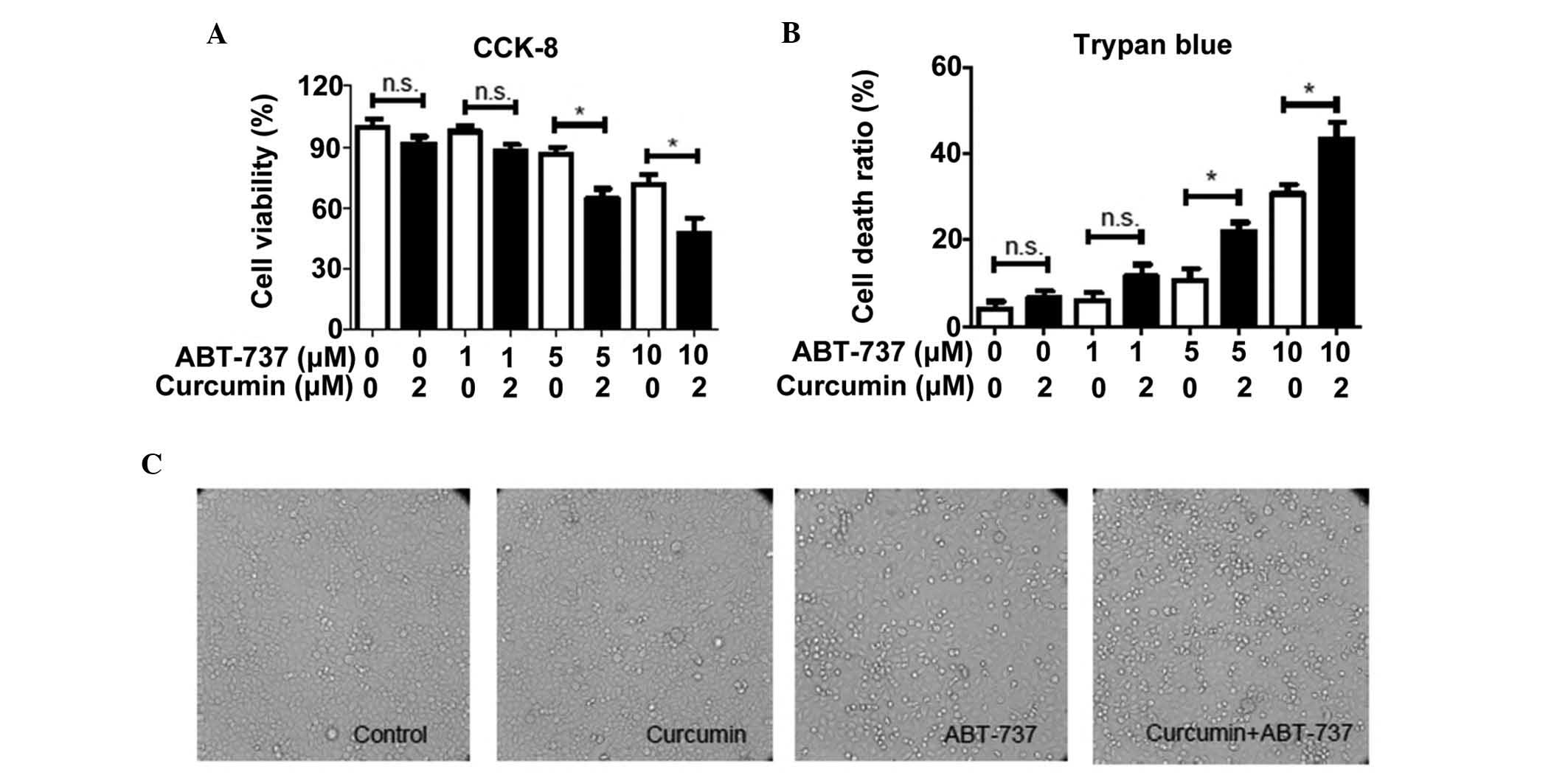
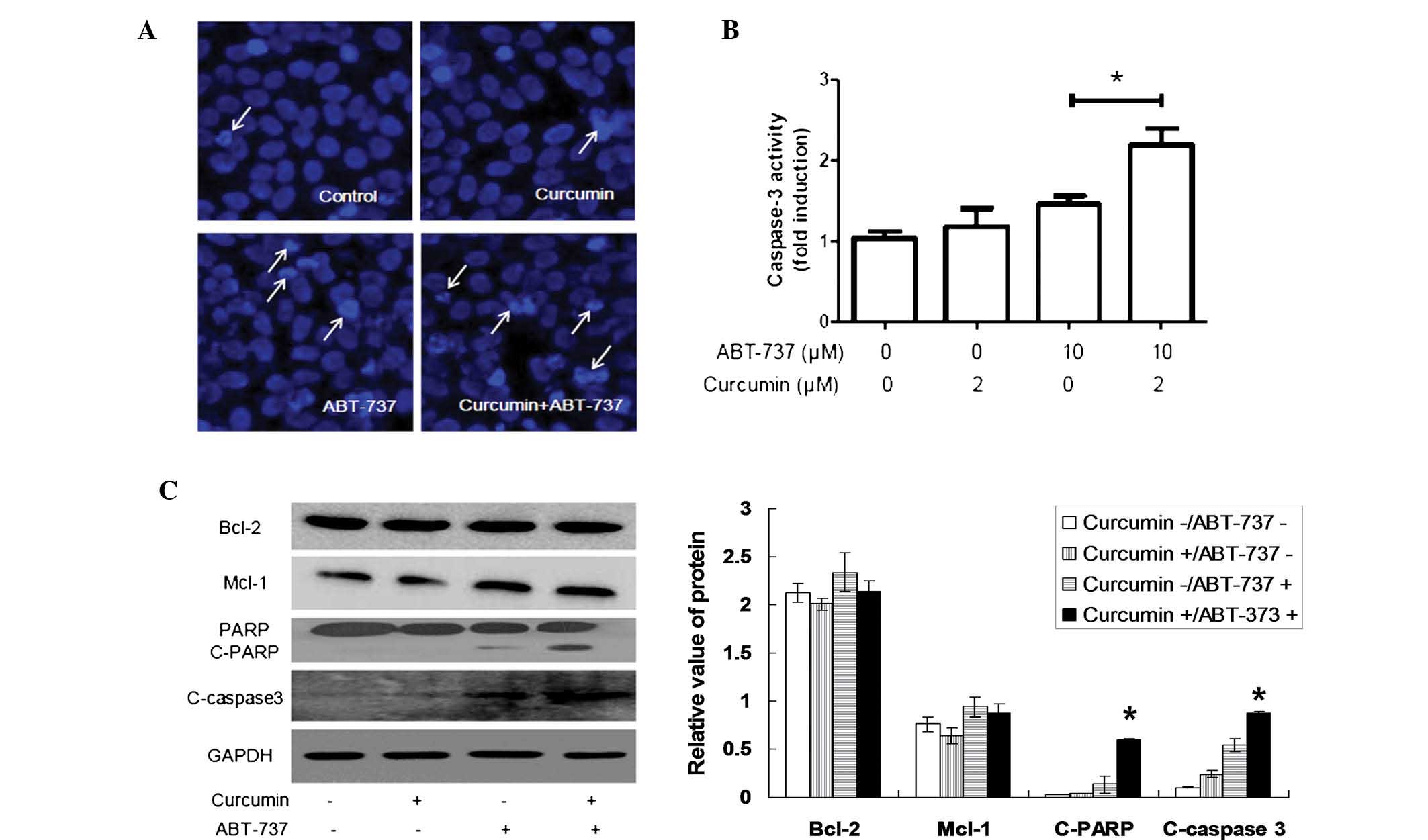
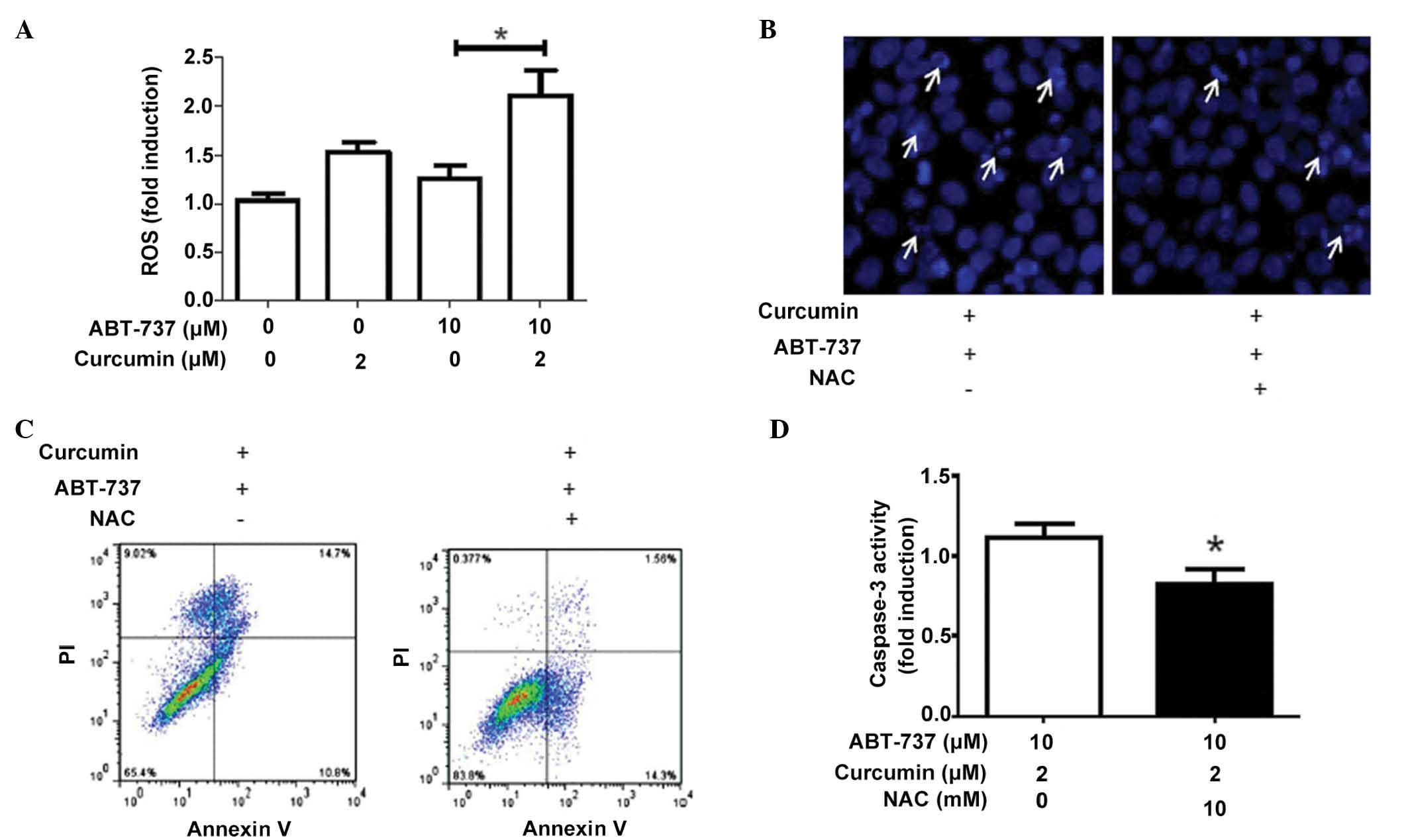
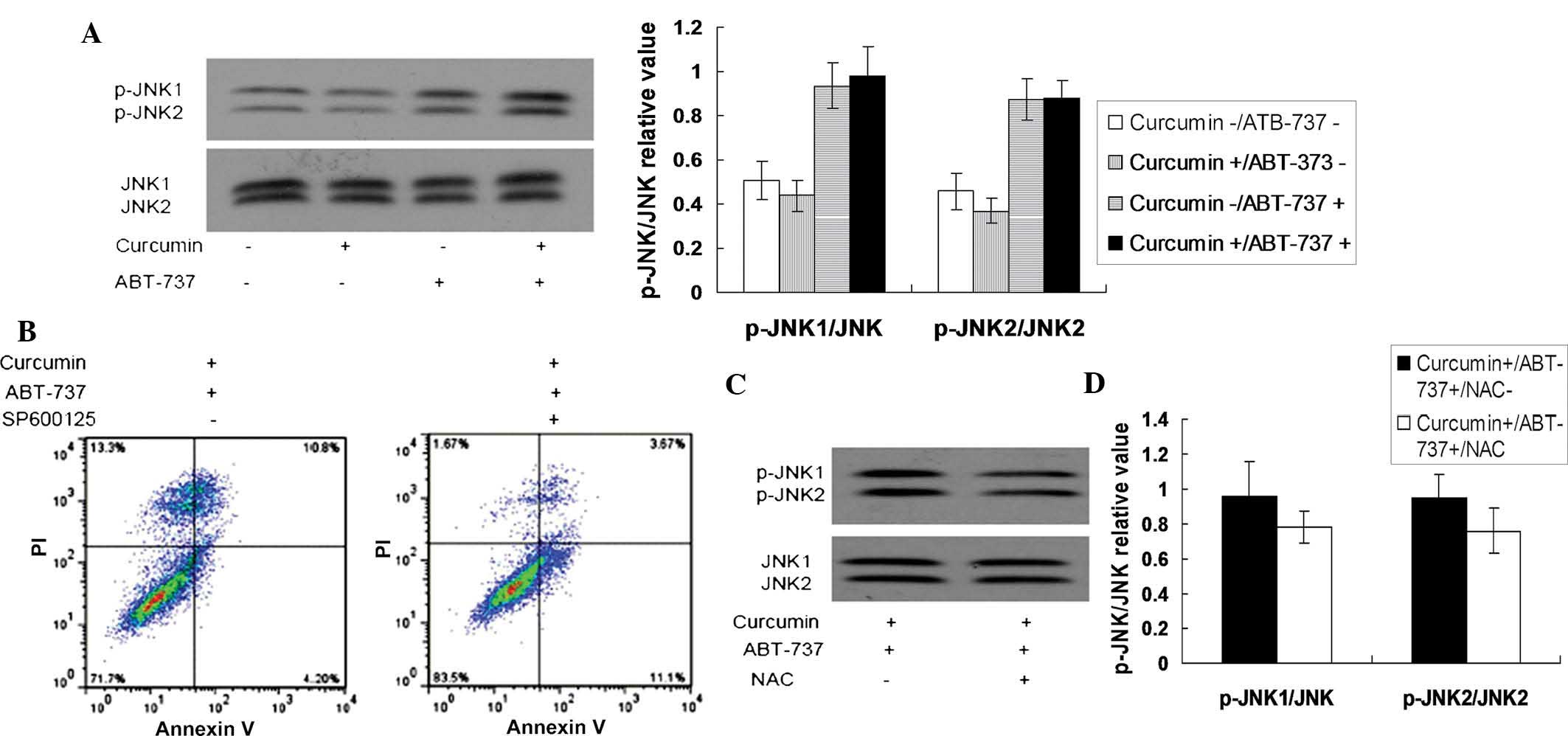
At present, the therapeutic treatment strategies for patients with hepatocellular carcinoma (HCC) remain unsatisfactory, and novel methods are urgently required to treat this disease. Members of the B cell lymphoma (Bcl)‑2 family are anti‑apoptotic proteins, which are commonly expressed at high levels in certain HCC tissues and positively correlate with the treatment resistance of patients with HCC. ABT‑737, an inhibitor of Bcl‑2 anti‑apoptotic proteins, has been demonstrated to exhibit potent antitumor effects in several types of tumor, including HCC. However, treatment with ABT‑737 alone also activates certain pro‑survival signaling pathways, which attenuate the antitumor validity of ABT‑737. Curcumin, which is obtained from Curcuma longa, is also an antitumor potentiator in multiple types of cancer. In the present study, the synergistic effect of curcumin and ABT‑737 on HCC cells was investigated for the first time, to the best of our knowledge. It was found that curcumin markedly enhanced the antitumor effects of ABT‑737 on HepG2 cells, which was partially dependent on the induction of apoptosis, according to western blot analysis and flow cytometric apoptosis analysis. In addition, the sustained activation of the ROS‑ASK1‑c‑Jun N‑terminal kinase pathway may be an important mediator of the synergistic effect of curcumin and ABT‑737. Collectively, these results indicated that the combination of curcumin and ABT‑737 can efficaciously induce the death of HCC cells, and may offer a potential treatment strategy for patients with HCC.
View Figures

Figure 1

Figure 2

Figure 3

Figure 4

View References

1 

El-Serag HB and Rudolph KL: Hepatocellular carcinoma: Epidemiology and molecular carcinogenesis. Gastroenterology. 132:2557–2576. 2007. View Article : Google Scholar : PubMed/NCBI

2 

Llovet JM: Updated treatment approach to hepatocellular carcinoma. J Gastroenterol. 40:225–235. 2005. View Article : Google Scholar : PubMed/NCBI

3 

Peck-Radosavljevic M: Drug therapy for advanced-stage liver cancer. Liver Cancer. 3:125–131. 2014. View Article : Google Scholar : PubMed/NCBI

4 

Levine B, Sinha S and Kroemer G: Bcl-2 family members: Dual regulators of apoptosis and autophagy. Autophagy. 4:600–606. 2008. View Article : Google Scholar : PubMed/NCBI

5 

Czabotar PE, Lessene G, Strasser A and Adams JM: Control of apoptosis by the BCL-2 protein family: Implications for physiology and therapy. Nat Rev Mol Cell Biol. 15:49–63. 2014. View Article : Google Scholar

6 

Su J, Zhou L, Xia MH, Xu Y, Xiang XY and Sun LK: Bcl-2 family proteins are involved in the signal crosstalk between endoplasmic reticulum stress and mitochondrial dysfunction in tumor chemotherapy resistance. Biomed Res Int. 2014:2343702014. View Article : Google Scholar : PubMed/NCBI

7 

Guo XZ, Shao XD, Liu MP, Xu JH, Ren LN, Zhao JJ, Li HY and Wang D: Effect of bax, bcl-2 and bcl-xL on regulating apoptosis in tissues of normal liver and hepatocellular carcinoma. World J Gastroenterol. 8:1059–1062. 2002. View Article : Google Scholar : PubMed/NCBI

8 

Chun E and Lee KY: Bcl-2 and Bcl-xL are important for the induction of paclitaxel resistance in human hepatocellular carcinoma cells. Biochem Biophys Res Commun. 315:771–779. 2004. View Article : Google Scholar : PubMed/NCBI

9 

Schattenberg JM, Schuchmann M and Galle PR: Cell death and hepatocarcinogenesis: Dysregulation of apoptosis signaling pathways. J Gastroenterol Hepatol. 26(Suppl 1): 213–219. 2011. View Article : Google Scholar : PubMed/NCBI

10 

Balakrishnan K and Gandhi V: Bcl-2 antagonists: A proof of concept for CLL therapy. Invest New Drugs. 31:1384–1394. 2013. View Article : Google Scholar : PubMed/NCBI

11 

Billard C: BH3 mimetics: Status of the field and new developments. Mol Cancer Ther. 12:1691–1700. 2013. View Article : Google Scholar : PubMed/NCBI

12 

Yu L and Liu S: Autophagy contributes to modulating the cytotoxicities of Bcl-2 homology domain-3 mimetics. Semin Cancer Biol. 23:553–560. 2013. View Article : Google Scholar : PubMed/NCBI

13 

Hikita H, Takehara T, Shimizu S, Kodama T, Shigekawa M, Iwase K, Hosui A, Miyagi T, Tatsumi T and Ishida H: The Bcl-xL inhibitor, ABT-737, efficiently induces apoptosis and suppresses growth of hepatoma cells in combination with sorafenib. Hepatology. 52:1310–1321. 2010. View Article : Google Scholar : PubMed/NCBI

14 

Wang G, Zhan Y, Wang H and Li W: ABT-263 sensitizes TRAIL-resistant hepatocarcinoma cells by downregulating the Bcl-2 family of anti-apoptotic protein. Cancer Chemother Pharmacol. 69:799–805. 2012. View Article : Google Scholar

15 

Zhang S, Li G, Ma X, Wang Y, Liu G, Feng L, Zhao Y, Zhang G, Wu Y and Ye X: Norcantharidin enhances ABT-737-induced apoptosis in hepatocellular carcinoma cells by transcriptional repression of Mcl-1. Cell Signal. 24:1803–1809. 2012. View Article : Google Scholar : PubMed/NCBI

16 

Ni Z, Wang B, Dai X, Ding W, Yang T, Li X, Lewin S, Xu L, Lian J and He F: HCC cells with high levels of Bcl-2 are resistant to ABT-737 via activation of the ROS-JNK-autophagy pathway. Free Radic Biol Med. 70:194–203. 2014. View Article : Google Scholar : PubMed/NCBI

17 

Wang B, Ni Z, Dai X, Qin L, Li X, Xu L, Lian J and He F: The Bcl-2/xL inhibitor ABT-263 increases the stability of Mcl-1 mRNA and protein in hepatocellular carcinoma cells. Mol Cancer. 13:982014. View Article : Google Scholar : PubMed/NCBI

18 

Shehzad A, Lee J and Lee YS: Curcumin in various cancers. Biofactors. 39:56–68. 2013. View Article : Google Scholar : PubMed/NCBI

19 

Witkin JM and Li X: Curcumin, an active constiuent of the ancient medicinal herb Curcuma longa L: Some uses and the establishment and biological basis of medical efficacy. CNS Neurol Disord Drug Targets. 12:487–497. 2013. View Article : Google Scholar : PubMed/NCBI

20 

Li Y and Zhang T: Targeting cancer stem cells by curcumin and clinical applications. Cancer Lett. 346:197–205. 2014. View Article : Google Scholar : PubMed/NCBI

21 

Prasad S, Gupta SC, Tyagi AK and Aggarwal BB: Curcumin, a component of golden spice: From bedside to bench and back. Biotechnol Adv. 32:1053–1064. 2014. View Article : Google Scholar : PubMed/NCBI

22 

Chuang SE, Kuo ML, Hsu CH, Chen CR, Lin JK, Lai GM, Hsieh CY and Cheng AL: Curcumin-containing diet inhibits diethylnitrosamine-induced murine hepatocarcinogenesis. Carcinogenesis. 21:331–335. 2000. View Article : Google Scholar : PubMed/NCBI

23 

Liu H, Liang Y, Wang L, Tian L, Song R, Han T, Pan S and Liu L: In vivo and in vitro suppression of hepatocellular carcinoma by EF24, a curcumin analog. PLoS One. 7:e480752012. View Article : Google Scholar : PubMed/NCBI

24 

Xu MX, Zhao L, Deng C, Yang L, Wang Y, Guo T, Li L, Lin J and Zhang L: Curcumin suppresses proliferation and induces apoptosis of human hepatocellular carcinoma cells via the wnt signaling pathway. Int J Oncol. 43:1951–1959. 2013.PubMed/NCBI

25 

Zhang K, Rui X and Yan X: Curcumin inhibits the proliferation and invasiveness of MHCC97-H cells via p38 signaling pathway. Drug Dev Res. 75:463–468. 2014.PubMed/NCBI

26 

Yin H, Guo R, Xu Y, Zheng Y, Hou Z, Dai X, Zhang Z, Zheng D and Xu H: Synergistic antitumor efficiency of docetaxel and curcumin against lung cancer. Acta Biochim Biophys Sin (Shanghai). 44:147–153. 2012. View Article : Google Scholar

27 

Boztas AO, Karakuzu O, Galante G, Ugur Z, Kocabas F, Altuntas CZ and Yazaydin AO: Synergistic interaction of paclitaxel and curcumin with cyclodextrin polymer complexation in human cancer cells. Mol Pharm. 10:2676–2683. 2013. View Article : Google Scholar : PubMed/NCBI

28 

Debata PR, Begum S, Mata A, Genzer O, Kleiner MJ, Banerjee P and Castellanos MR: Curcumin potentiates the ability of sunitinib to eliminate the VHL-lacking renal cancer cells 786-O: Rapid inhibition of Rb phosphorylation as a preamble to cyclin D1 inhibition. Anticancer Agents Med Chem. 13:1508–1513. 2013. View Article : Google Scholar : PubMed/NCBI

29 

Guo J, Li W, Shi H, Xie X, Li L, Tang H, Wu M, Kong Y, Yang L and Gao J: Synergistic effects of curcumin with emodin against the proliferation and invasion of breast cancer cells through upregulation of miR-34a. Mol Cell Biochem. 382:103–111. 2013. View Article : Google Scholar : PubMed/NCBI

30 

Meiyanto E, Putri DD, Susidarti RA, Murwanti R, Sardjiman, Fitriasari A, Husnaa U, Purnomo H and Kawaichi M: Curcumin and its analogues (PGV-0 and PGV-1) enhance sensitivity of resistant MCF-7 cells to doxorubicin through inhibition of HER2 and NF-kB activation. Asian Pac J Cancer Prev. 15:179–184. 2014. View Article : Google Scholar : PubMed/NCBI

31 

Ranjan K, Sharma A, Surolia A and Pathak C: Regulation of HA14-1 mediated oxidative stress, toxic response and autophagy by curcumin to enhance apoptotic activity in human embryonic kidney cells. Biofactors. 40:157–169. 2014. View Article : Google Scholar

32 

Zhou QM, Chen QL, Du J, Wang XF, Lu YY, Zhang H and Su SB: Synergistic effect of combinatorial treatment with curcumin and mitomycin C on the induction of apoptosis of breast cancer cells: A cDNA microarray analysis. Int J Mol Sci. 15:16284–16301. 2014. View Article : Google Scholar : PubMed/NCBI

33 

Konopleva M, Contractor R, Tsao T, Samudio I, Ruvolo PP, Kitada S, Deng X, Zhai D, Shi YX, Sneed T, et al: Mechanisms of apoptosis sensitivity and resistance to the BH3 mimetic ABT-737 in acute myeloid leukemia. Cancer Cell. 10:375–388. 2006. View Article : Google Scholar : PubMed/NCBI

34 

Kline MP, Rajkumar SV, Timm MM, Kimlinger TK, Haug JL, Lust JA, Greipp PR and Kumar S: ABT-737, an inhibitor of Bcl-2 family proteins, is a potent inducer of apoptosis in multiple myeloma cells. Leukemia. 21:1549–1560. 2007. View Article : Google Scholar : PubMed/NCBI

35 

Biswas N, Mahato SK, Chowdhury AA, Chaudhuri J, Manna A, Vinayagam J, Chatterjee S, Jaisankar P, Chaudhuri U and Bandyopadhyay S: ICB3E induces iNOS expression by ROS-dependent JNK and ERK activation for apoptosis of leukemic cells. Apoptosis. 17:612–626. 2012. View Article : Google Scholar : PubMed/NCBI

36 

Shi Y, Nikulenkov F, Zawacka-Pankau J, Li H, Gabdoulline R, Xu J, Eriksson S, Hedström E, Issaeva N, Kel A, et al: ROS-dependent activation of JNK converts p53 into an efficient inhibitor of oncogenes leading to robust apoptosis. Cell Death Differ. 21:612–623. 2014. View Article : Google Scholar : PubMed/NCBI

37 

Kalinski T and Roessner A: Hepatocellular carcinoma: Pathology and liver biopsy. Dig Dis. 27:102–108. 2009. View Article : Google Scholar : PubMed/NCBI

38 

Effendi K and Sakamoto M: Molecular pathology in early hepatocarcinogenesis. Oncology. 78:157–160. 2010. View Article : Google Scholar : PubMed/NCBI

39 

Ibrahim N, Yu Y, Walsh WR and Yang JL: Molecular targeted therapies for cancer: Sorafenib mono-therapy and its combination with other therapies (review). Oncol Rep. 27:1303–1311. 2012.PubMed/NCBI

40 

Lachenmayer A, Toffanin S, Cabellos L, Alsinet C, Hoshida Y, Villanueva A, Minguez B, Tsai HW, Ward SC, Thung S, et al: Combination therapy for hepatocellular carcinoma: Additive preclinical efficacy of the HDAC inhibitor panobinostat with sorafenib. J Hepatol. 56:1343–1350. 2012. View Article : Google Scholar : PubMed/NCBI

41 

He S, Wei YZ, Wang GL, Xu YY, Zhou JM, Zhang YX and Chen L: Study of RNA interference targeting NET-1 combination with sorafenib for hepatocellular carcinoma therapy in vitro and in vivo. Gastroenterol Res Pract. 2013:6851502013. View Article : Google Scholar : PubMed/NCBI

42 

Geng J, Li X, Lang X, Qiao C, Hu M, Yang J, Feng J and Lv M: Combination of cetuximab and rapamycin enhances the therapeutic efficacy in hepatocellular carcinoma. Technol Cancer Res Treat. 13:377–385. 2014.

43 

Nasr M, Selima E, Hamed O and Kazem A: Targeting different angiogenic pathways with combination of curcumin, leflunomide and perindopril inhibits diethylnitrosamine-induced hepatocellular carcinoma in mice. Eur J Pharmacol. 723:267–275. 2014. View Article : Google Scholar

44 

Wang F, Dai W, Wang Y, Shen M, Chen K, Cheng P, Zhang Y, Wang C, Li J, Zheng Y, et al: The synergistic in vitro and in vivo antitumor effect of combination therapy with salinomycin and 5-fluorouracil against hepatocellular carcinoma. PLoS One. 9:e974142014. View Article : Google Scholar : PubMed/NCBI

45 

Darvesh AS, Aggarwal BB and Bishayee A: Curcumin and liver cancer: A review. Curr Pharm Biotechnol. 13:218–228. 2012. View Article : Google Scholar

46 

Wang WH, Chiang IT, Ding K, Chung JG, Lin WJ, Lin SS and Hwang JJ: Curcumin-induced apoptosis in human hepatocellular carcinoma j5 cells: Critical role of Ca(+2)-dependent pathway Evid Based Complement. Alternat Med. 2012:5129072012.

47 

Navarro-Yepes J, Burns M, Anandhan A, Khalimonchuk O, del Razo LM, Quintanilla-Vega B, Pappa A, Panayiotidis MI and Franco R: Oxidative stress, redox signaling and autophagy: Cell death versus survival. Antioxid Redox Signal. 21:66–85. 2014. View Article : Google Scholar : PubMed/NCBI

48 

Sehgal V and Ram PT: Network motifs in JNK signaling. Genes Cancer. 4:409–413. 2013. View Article : Google Scholar : PubMed/NCBI

49 

Deng YT, Huang HC and Lin JK: Rotenone induces apoptosis in MCF-7 human breast cancer cell-mediated ROS through JNK and p38 signaling. Mol Carcinog. 49:141–151. 2010.

50 

Bubici C and Papa S: JNK signalling in cancer: In need of new, smarter therapeutic targets. Br J Pharmacol. 171:24–37. 2014. View Article : Google Scholar :

51 

Seki E, Brenner DA and Karin M: A liver full of JNK: Signaling in regulation of cell function and disease pathogenesis and clinical approaches. Gastroenterology. 143:307–320. 2012. View Article : Google Scholar : PubMed/NCBI

52 

Yan F, Wang XM, Liu ZC, Pan C, Yuan SB and Ma QM: JNK1, JNK2 and JNK3 are involved in P-glycoprotein-mediated multidrug resistance of hepatocellular carcinoma cells. Hepatobiliary Pancreat Dis Int. 9:287–295. 2010.PubMed/NCBI

53 

Hayakawa R, Hayakawa T, Takeda K and Ichijo H: Therapeutic targets in the ASK1-dependent stress signaling pathways. Proc Jpn Acad Ser B Phys Biol Sci. 88:434–453. 2012. View Article : Google Scholar : PubMed/NCBI

Related Articles

  • Abstract
  • View
  • Download
  • Twitter
Copy and paste a formatted citation
Spandidos Publications style
Zheng R, You Z, Jia J, Lin S, Han S, Liu A, Long H and Wang S: Curcumin enhances the antitumor effect of ABT-737 via activation of the ROS-ASK1-JNK pathway in hepatocellular carcinoma cells. Mol Med Rep 13: 1570-1576, 2016.
APA
Zheng, R., You, Z., Jia, J., Lin, S., Han, S., Liu, A. ... Wang, S. (2016). Curcumin enhances the antitumor effect of ABT-737 via activation of the ROS-ASK1-JNK pathway in hepatocellular carcinoma cells. Molecular Medicine Reports, 13, 1570-1576. https://doi.org/10.3892/mmr.2015.4715
MLA
Zheng, R., You, Z., Jia, J., Lin, S., Han, S., Liu, A., Long, H., Wang, S."Curcumin enhances the antitumor effect of ABT-737 via activation of the ROS-ASK1-JNK pathway in hepatocellular carcinoma cells". Molecular Medicine Reports 13.2 (2016): 1570-1576.
Chicago
Zheng, R., You, Z., Jia, J., Lin, S., Han, S., Liu, A., Long, H., Wang, S."Curcumin enhances the antitumor effect of ABT-737 via activation of the ROS-ASK1-JNK pathway in hepatocellular carcinoma cells". Molecular Medicine Reports 13, no. 2 (2016): 1570-1576. https://doi.org/10.3892/mmr.2015.4715
Copy and paste a formatted citation
x
Spandidos Publications style
Zheng R, You Z, Jia J, Lin S, Han S, Liu A, Long H and Wang S: Curcumin enhances the antitumor effect of ABT-737 via activation of the ROS-ASK1-JNK pathway in hepatocellular carcinoma cells. Mol Med Rep 13: 1570-1576, 2016.
APA
Zheng, R., You, Z., Jia, J., Lin, S., Han, S., Liu, A. ... Wang, S. (2016). Curcumin enhances the antitumor effect of ABT-737 via activation of the ROS-ASK1-JNK pathway in hepatocellular carcinoma cells. Molecular Medicine Reports, 13, 1570-1576. https://doi.org/10.3892/mmr.2015.4715
MLA
Zheng, R., You, Z., Jia, J., Lin, S., Han, S., Liu, A., Long, H., Wang, S."Curcumin enhances the antitumor effect of ABT-737 via activation of the ROS-ASK1-JNK pathway in hepatocellular carcinoma cells". Molecular Medicine Reports 13.2 (2016): 1570-1576.
Chicago
Zheng, R., You, Z., Jia, J., Lin, S., Han, S., Liu, A., Long, H., Wang, S."Curcumin enhances the antitumor effect of ABT-737 via activation of the ROS-ASK1-JNK pathway in hepatocellular carcinoma cells". Molecular Medicine Reports 13, no. 2 (2016): 1570-1576. https://doi.org/10.3892/mmr.2015.4715
Follow us
  • Twitter
  • LinkedIn
  • Facebook
About
  • Spandidos Publications
  • Careers
  • Cookie Policy
  • Privacy Policy
How can we help?
  • Help
  • Live Chat
  • Contact
  • Email to our Support Team