Spandidos Publications Logo
  • About
    • About Spandidos
    • Aims and Scopes
    • Abstracting and Indexing
    • Editorial Policies
    • Reprints and Permissions
    • Job Opportunities
    • Terms and Conditions
    • Contact
  • Journals
    • All Journals
    • Oncology Letters
      • Oncology Letters
      • Information for Authors
      • Editorial Policies
      • Editorial Board
      • Aims and Scope
      • Abstracting and Indexing
      • Bibliographic Information
      • Archive
    • International Journal of Oncology
      • International Journal of Oncology
      • Information for Authors
      • Editorial Policies
      • Editorial Board
      • Aims and Scope
      • Abstracting and Indexing
      • Bibliographic Information
      • Archive
    • Molecular and Clinical Oncology
      • Molecular and Clinical Oncology
      • Information for Authors
      • Editorial Policies
      • Editorial Board
      • Aims and Scope
      • Abstracting and Indexing
      • Bibliographic Information
      • Archive
    • Experimental and Therapeutic Medicine
      • Experimental and Therapeutic Medicine
      • Information for Authors
      • Editorial Policies
      • Editorial Board
      • Aims and Scope
      • Abstracting and Indexing
      • Bibliographic Information
      • Archive
    • International Journal of Molecular Medicine
      • International Journal of Molecular Medicine
      • Information for Authors
      • Editorial Policies
      • Editorial Board
      • Aims and Scope
      • Abstracting and Indexing
      • Bibliographic Information
      • Archive
    • Biomedical Reports
      • Biomedical Reports
      • Information for Authors
      • Editorial Policies
      • Editorial Board
      • Aims and Scope
      • Abstracting and Indexing
      • Bibliographic Information
      • Archive
    • Oncology Reports
      • Oncology Reports
      • Information for Authors
      • Editorial Policies
      • Editorial Board
      • Aims and Scope
      • Abstracting and Indexing
      • Bibliographic Information
      • Archive
    • Molecular Medicine Reports
      • Molecular Medicine Reports
      • Information for Authors
      • Editorial Policies
      • Editorial Board
      • Aims and Scope
      • Abstracting and Indexing
      • Bibliographic Information
      • Archive
    • World Academy of Sciences Journal
      • World Academy of Sciences Journal
      • Information for Authors
      • Editorial Policies
      • Editorial Board
      • Aims and Scope
      • Abstracting and Indexing
      • Bibliographic Information
      • Archive
    • International Journal of Functional Nutrition
      • International Journal of Functional Nutrition
      • Information for Authors
      • Editorial Policies
      • Editorial Board
      • Aims and Scope
      • Abstracting and Indexing
      • Bibliographic Information
      • Archive
    • International Journal of Epigenetics
      • International Journal of Epigenetics
      • Information for Authors
      • Editorial Policies
      • Editorial Board
      • Aims and Scope
      • Abstracting and Indexing
      • Bibliographic Information
      • Archive
    • Medicine International
      • Medicine International
      • Information for Authors
      • Editorial Policies
      • Editorial Board
      • Aims and Scope
      • Abstracting and Indexing
      • Bibliographic Information
      • Archive
  • Articles
  • Information
    • Information for Authors
    • Information for Reviewers
    • Information for Librarians
    • Information for Advertisers
    • Conferences
  • Language Editing
Spandidos Publications Logo
  • About
    • About Spandidos
    • Aims and Scopes
    • Abstracting and Indexing
    • Editorial Policies
    • Reprints and Permissions
    • Job Opportunities
    • Terms and Conditions
    • Contact
  • Journals
    • All Journals
    • Biomedical Reports
      • Information for Authors
      • Editorial Policies
      • Editorial Board
      • Aims and Scope
      • Abstracting and Indexing
      • Bibliographic Information
      • Archive
    • Experimental and Therapeutic Medicine
      • Information for Authors
      • Editorial Policies
      • Editorial Board
      • Aims and Scope
      • Abstracting and Indexing
      • Bibliographic Information
      • Archive
    • International Journal of Epigenetics
      • Information for Authors
      • Editorial Policies
      • Editorial Board
      • Aims and Scope
      • Abstracting and Indexing
      • Bibliographic Information
      • Archive
    • International Journal of Functional Nutrition
      • Information for Authors
      • Editorial Policies
      • Editorial Board
      • Aims and Scope
      • Abstracting and Indexing
      • Bibliographic Information
      • Archive
    • International Journal of Molecular Medicine
      • Information for Authors
      • Editorial Policies
      • Editorial Board
      • Aims and Scope
      • Abstracting and Indexing
      • Bibliographic Information
      • Archive
    • International Journal of Oncology
      • Information for Authors
      • Editorial Policies
      • Editorial Board
      • Aims and Scope
      • Abstracting and Indexing
      • Bibliographic Information
      • Archive
    • Medicine International
      • Information for Authors
      • Editorial Policies
      • Editorial Board
      • Aims and Scope
      • Abstracting and Indexing
      • Bibliographic Information
      • Archive
    • Molecular and Clinical Oncology
      • Information for Authors
      • Editorial Policies
      • Editorial Board
      • Aims and Scope
      • Abstracting and Indexing
      • Bibliographic Information
      • Archive
    • Molecular Medicine Reports
      • Information for Authors
      • Editorial Policies
      • Editorial Board
      • Aims and Scope
      • Abstracting and Indexing
      • Bibliographic Information
      • Archive
    • Oncology Letters
      • Information for Authors
      • Editorial Policies
      • Editorial Board
      • Aims and Scope
      • Abstracting and Indexing
      • Bibliographic Information
      • Archive
    • Oncology Reports
      • Information for Authors
      • Editorial Policies
      • Editorial Board
      • Aims and Scope
      • Abstracting and Indexing
      • Bibliographic Information
      • Archive
    • World Academy of Sciences Journal
      • Information for Authors
      • Editorial Policies
      • Editorial Board
      • Aims and Scope
      • Abstracting and Indexing
      • Bibliographic Information
      • Archive
  • Articles
  • Information
    • For Authors
    • For Reviewers
    • For Librarians
    • For Advertisers
    • Conferences
  • Language Editing
Login Register Submit
  • This site uses cookies
  • You can change your cookie settings at any time by following the instructions in our Cookie Policy. To find out more, you may read our Privacy Policy.

    I agree
Search articles by DOI, keyword, author or affiliation
Search
Advanced Search
presentation
Molecular Medicine Reports
Join Editorial Board Propose a Special Issue
Print ISSN: 1791-2997 Online ISSN: 1791-3004
Journal Cover
February-2016 Volume 13 Issue 2

Full Size Image

Sign up for eToc alerts
Recommend to Library

Journals

International Journal of Molecular Medicine

International Journal of Molecular Medicine

International Journal of Molecular Medicine is an international journal devoted to molecular mechanisms of human disease.

International Journal of Oncology

International Journal of Oncology

International Journal of Oncology is an international journal devoted to oncology research and cancer treatment.

Molecular Medicine Reports

Molecular Medicine Reports

Covers molecular medicine topics such as pharmacology, pathology, genetics, neuroscience, infectious diseases, molecular cardiology, and molecular surgery.

Oncology Reports

Oncology Reports

Oncology Reports is an international journal devoted to fundamental and applied research in Oncology.

Experimental and Therapeutic Medicine

Experimental and Therapeutic Medicine

Experimental and Therapeutic Medicine is an international journal devoted to laboratory and clinical medicine.

Oncology Letters

Oncology Letters

Oncology Letters is an international journal devoted to Experimental and Clinical Oncology.

Biomedical Reports

Biomedical Reports

Explores a wide range of biological and medical fields, including pharmacology, genetics, microbiology, neuroscience, and molecular cardiology.

Molecular and Clinical Oncology

Molecular and Clinical Oncology

International journal addressing all aspects of oncology research, from tumorigenesis and oncogenes to chemotherapy and metastasis.

World Academy of Sciences Journal

World Academy of Sciences Journal

Multidisciplinary open-access journal spanning biochemistry, genetics, neuroscience, environmental health, and synthetic biology.

International Journal of Functional Nutrition

International Journal of Functional Nutrition

Open-access journal combining biochemistry, pharmacology, immunology, and genetics to advance health through functional nutrition.

International Journal of Epigenetics

International Journal of Epigenetics

Publishes open-access research on using epigenetics to advance understanding and treatment of human disease.

Medicine International

Medicine International

An International Open Access Journal Devoted to General Medicine.

Journal Cover
February-2016 Volume 13 Issue 2

Full Size Image

Sign up for eToc alerts
Recommend to Library

  • Article
  • Citations
    • Cite This Article
    • Download Citation
    • Create Citation Alert
    • Remove Citation Alert
    • Cited By
  • Similar Articles
    • Related Articles (in Spandidos Publications)
    • Similar Articles (Google Scholar)
    • Similar Articles (PubMed)
  • Download PDF
  • Download XML
  • View XML
Article Open Access

Glucagon‑like peptide‑1 protects cardiomyocytes from advanced oxidation protein product‑induced apoptosis via the PI3K/Akt/Bad signaling pathway

  • Authors:
    • Hua Zhang
    • Zhouyi Xiong
    • Jiao Wang
    • Shuangshuang Zhang
    • Lei Lei
    • Li Yang
    • Zhen Zhang
  • View Affiliations / Copyright

    Affiliations: Department of Endocrinology, Zhujiang Hospital of Southern Medical University, Guangzhou, Guangdong 510282, P.R. China, Department of Endocrinology, The First Affiliated Hospital of Zhengzhou University, Zhengzhou, Henan 450052, P.R. China
    Copyright: © Zhang et al. This is an open access article distributed under the terms of Creative Commons Attribution License.
  • Pages: 1593-1601
    |
    Published online on: December 28, 2015
       https://doi.org/10.3892/mmr.2015.4724
  • Expand metrics +
Metrics: Total Views: 0 (Spandidos Publications: | PMC Statistics: )
Metrics: Total PDF Downloads: 0 (Spandidos Publications: | PMC Statistics: )
Cited By (CrossRef): 0 citations Loading Articles...

This article is mentioned in:


Abstract

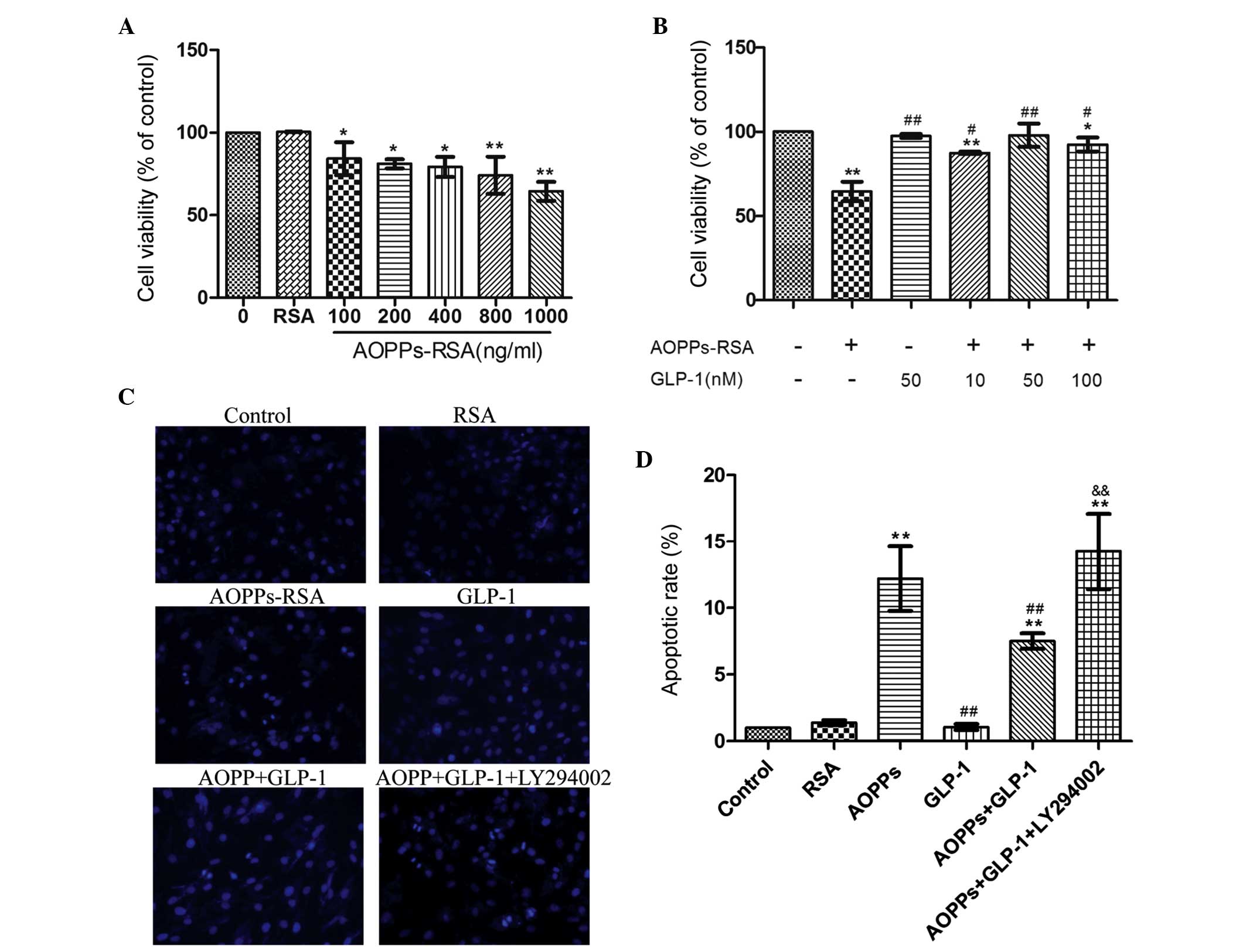
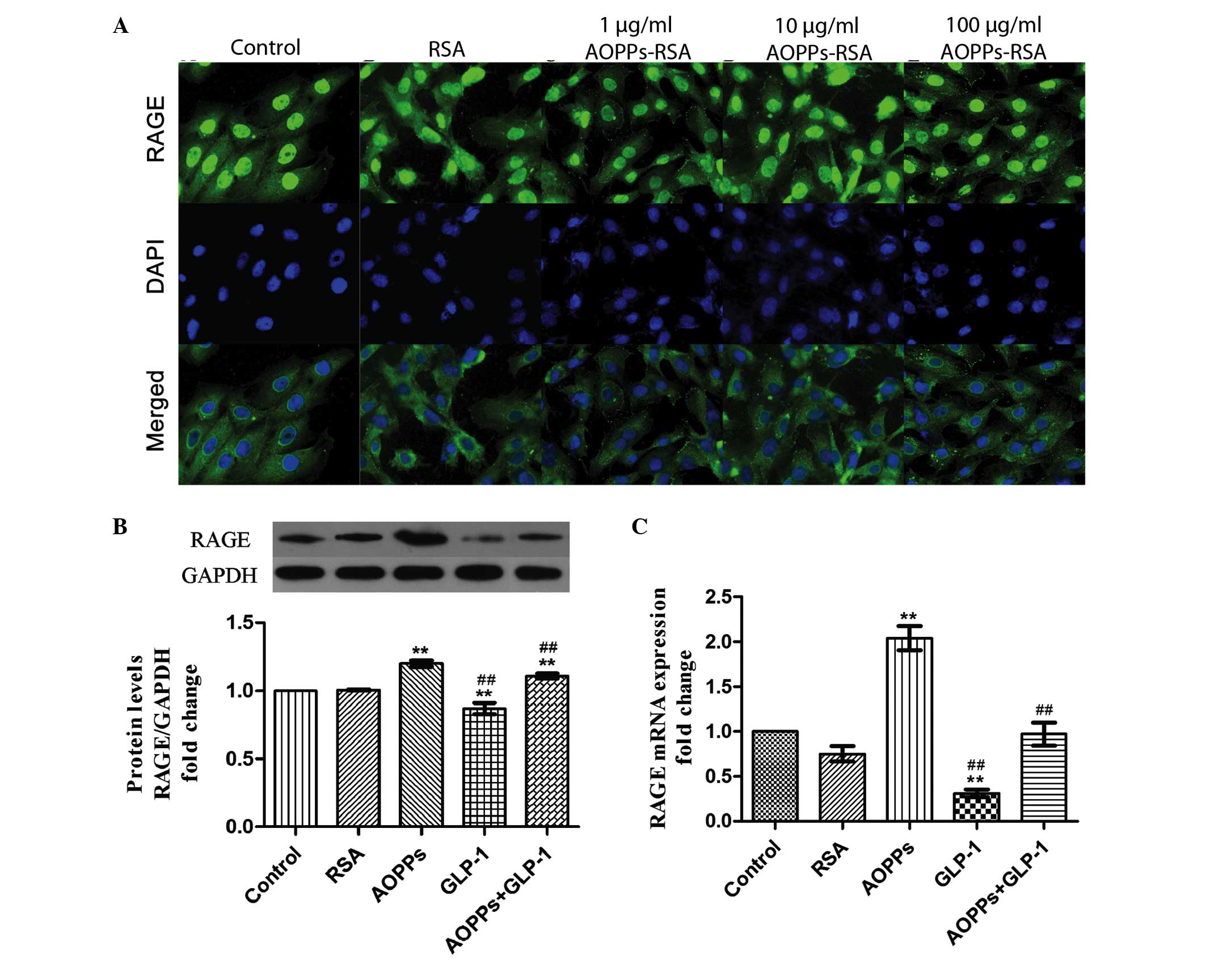
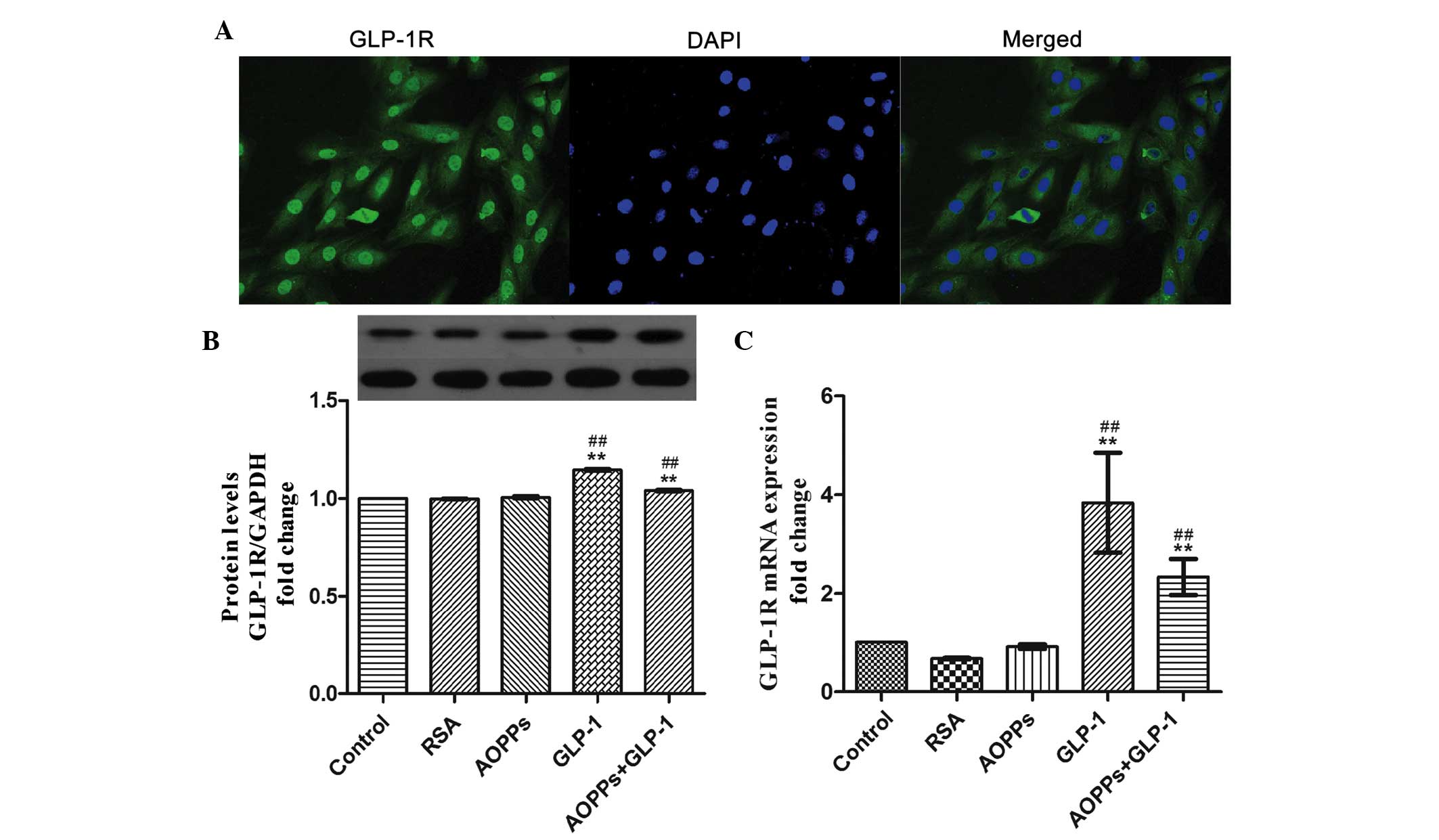
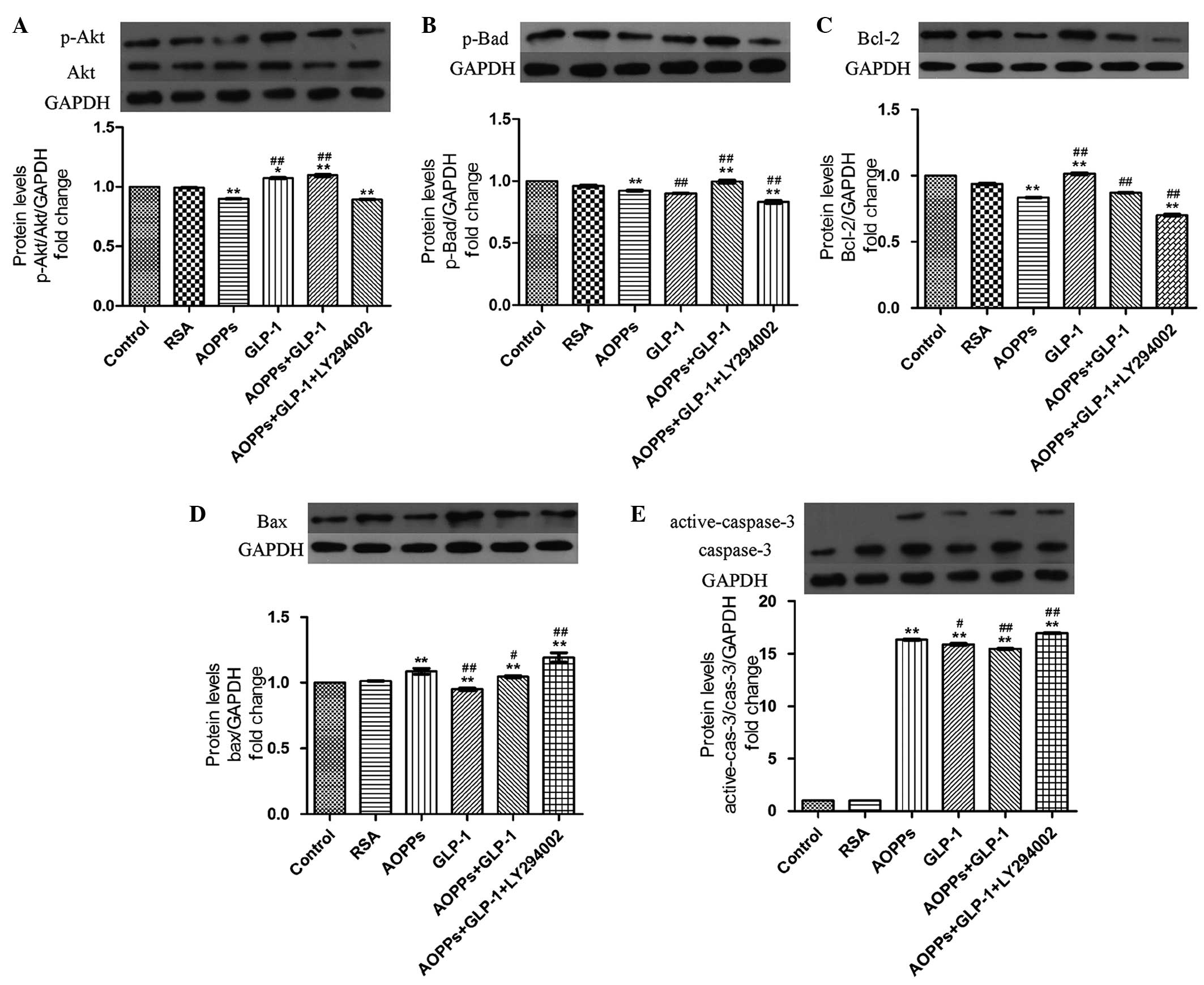
Cardiomyocyte apoptosis is a major event in the pathogenesis of diabetic cardiomyopathy. Currently, no single effective treatment for diabetic cardiomyopathy exists. The present study investigated whether advanced oxidative protein products (AOPPs) have a detrimental role in the survival of cardiomyocytes and if glucagon‑like peptide‑1 (GLP‑1) exerts a cardioprotective effect under these circumstances. The present study also aimed to determine the underlying mechanisms. H9c2 cells were exposed to increasing concentrations of AOPPs in the presence or absence of GLP‑1, and the viability and apoptotic rate were detected using a cell counting kit‑8 assay and flow cytometry, respectively. In addition, a phosphatidylinositol‑4,5‑bisphosphate 3‑kinase (PI3K) inhibitor, LY294002, was employed to illustrate the mechanism of the antiapoptotic effect of GLP‑1. The expression levels of the apoptotic‑associated proteins, Akt, B‑cell lymphoma (Bcl)‑2, Bcl‑2‑associated death promoter (Bad), Bcl‑2‑associated X protein (Bax) and caspase‑3 were measured by western blotting. It was revealed that GLP‑1 significantly attenuated AOPP‑induced cell toxicity and apoptosis. AOPPs inactivated the phosphorylation of Akt, reduced the phosphorylation of Bad, decreased the expression of Bcl‑2, increased the expression of Bax and the activation of caspase‑3 in H9c2 cells. GLP‑1 reversed the above changes induced by AOPPs and the protective effects of GLP‑1 were abolished by the PI3K inhibitor, LY294002. In conclusion, the present data suggested that GLP‑1 protected cardiomyocytes against AOPP‑induced apoptosis, predominantly via the PI3K/Akt/Bad pathway. These results provided a conceivable mechanism for the development of diabetic cardiomyopathy and rendered a novel application of GLP‑1 exerting favorable cardiac effects for the treatment of diabetic cardiomyopathy.
View Figures

Figure 1

Figure 2

Figure 3

Figure 4

View References

1 

Chen L, Magliano DJ and Zimmet PZ: The worldwide epidemiology of type 2 diabetes mellitus-present and future perspectives. Nat Rev Endocrinol. 8:228–236. 2011. View Article : Google Scholar : PubMed/NCBI

2 

Battiprolu PK, Lopez-Crisosto C, Wang ZV, Nemchenko A, Lavandero S and Hill JA: Diabetic cardiomyopathy and metabolic remodeling of the heart. Life Sci. 92:609–615. 2013. View Article : Google Scholar :

3 

Schilling JD and Mann DL: Diabetic cardiomyopathy: Bench to bedside. Heart Fail Clin. 8:619–631. 2012. View Article : Google Scholar : PubMed/NCBI

4 

Kuethe F, Sigusch HH, Bornstein SR, Hilbig K, Kamvissi V and Figulla HR: Apoptosis in patients with dilated cardiomyopathy and diabetes: A feature of diabetic cardiomyopathy? Horm Metab Res. 39:672–676. 2007. View Article : Google Scholar : PubMed/NCBI

5 

Fiordaliso F, Li B, Latini R, Sonnenblick EH, Anversa P, Leri A and Kajstura J: Myocyte death in streptozotocin-induced diabetes in rats in angiotensin II-dependent. Lab Invest. 80:513–527. 2000. View Article : Google Scholar : PubMed/NCBI

6 

Baraka A and AbdelGawad H: Targeting apoptosis in the heart of streptozotocin-induced diabetic rats. J Cardiovasc Pharmacol Ther. 15:175–181. 2010. View Article : Google Scholar : PubMed/NCBI

7 

Witko-Sarsat V, Friedlander M, Capeillère-Blandin C, Nguyen-Khoa T, Nguyen AT, Zingraff J, Jungers P and Descamps-Latscha B: Advanced oxidation protein products as a novel marker of oxidative stress in uremia. Kidney Int. 49:1304–1313. 1996. View Article : Google Scholar : PubMed/NCBI

8 

Kalousová M, Skrha J and Zima T: Advanced glycation end-products and advanced oxidation protein products in patients with diabetes mellitus. Physiol Res. 51:597–604. 2002.

9 

Kaneda H, Taguchi J, Ogasawara K, Aizawa T and Ohno M: Increased level of advanced oxidation protein products in patients with coronary artery disease. Atherosclerosis. 162:221–225. 2002. View Article : Google Scholar : PubMed/NCBI

10 

Atabek ME, Keskin M, Yazici C, Kendirci M, Hatipoglu N, Koklu E and Kurtoglu S: Protein oxidation in obesity and insulin resistance. Eur J Pediatr. 165:753–756. 2006. View Article : Google Scholar : PubMed/NCBI

11 

Tabak O, Gelisgen R, Erman H, Erdenen F, Muderrisoglu C, Aral H and Uzun H: Oxidative lipid, protein and DNA damage as oxidative stress markers in vascular complications of diabetes mellitus. Clin Invest Med. 34:E163–E171. 2011.PubMed/NCBI

12 

Guo ZJ, Niu HX, Hou FF, Zhang L, Fu N, Nagai R, Lu X, Chen BH, Shan YX and Tian JW: Advanced oxidation protein products activate vascular endothelial cells via a RAGE-mediated signaling pathway. Antioxid Redox Signal. 10:1699–1712. 2008. View Article : Google Scholar : PubMed/NCBI

13 

Zhou LL, Hou FF, Wang GB, Yang F, Xie D, Wang YP and Tian JW: Accumulation of advanced oxidation protein products induces podocyte apoptosis and deletion through NADPH-dependent mechanisms. Kidney Int. 76:1148–1160. 2009. View Article : Google Scholar : PubMed/NCBI

14 

Gaspari T, Liu H, Welungoda I, Hu Y, Widdop RE, Knudsen LB, Simpson RW and Dear AE: A GLP-1 receptor agonist liraglutide inhibits endothelial cell dysfunction and vascular adhesion molecule expression in an ApoE-/-mouse model. Diab Vasc Dis Res. 8:117–124. 2011. View Article : Google Scholar : PubMed/NCBI

15 

Lønborg J, Vejlstrup N, Kelbæk H, Bøtker HE, Kim WY, Mathiasen AB, Jørgensen E, Helqvist S, Saunamäki K, Clemmensen P, et al: Exenatide reduces reperfusion injury in patients with ST-segment elevation myocardial infarction. Eur Heart J. 33:1491–1499. 2012. View Article : Google Scholar

16 

Kieffer TJ and Habener JF: The glucagon-like peptides. Endocr Rev. 20:876–913. 1999. View Article : Google Scholar : PubMed/NCBI

17 

Tomas E and Habener JF: Insulin-like actions of glucagon-like peptide-1: A dual receptor hypothesis. Trends Endocrinol Metab. 21:59–67. 2010. View Article : Google Scholar

18 

Liu Q, Anderson C, Broyde A, Polizzi C, Fernandez R, Baron A and Parkes DG: Glucagon-like peptide-1 and the exenatide analogue AC3174 improve cardiac function, cardiac remodeling, and survival in rats with chronic heart failure. Cardiovasc Diabetol. 9:762010. View Article : Google Scholar : PubMed/NCBI

19 

Xie Y, Wang SX, Sha WW, Zhou X, Wang WL, Han LP, Li DQ and Yu DM: Effects and mechanism of glucagon-like peptide-1 on injury of rats cardiomyocytes induced by hypoxia-reoxygenation. Chin Med J (Engl). 121:2134–2138. 2008.

20 

Zhan Y, Sun HL, Chen H, Zhang H, Sun J, Zhang Z and Cai DH: Glucagon-like peptide-1 (GLP-1) protects vascular endothelial cells against advanced glycation end products (AGEs)-induced apoptosis. Med Sci Monit. 18:BR286–BR291. 2012. View Article : Google Scholar : PubMed/NCBI

21 

Newman RA, Hacker MP and Krakoff IH: Amelioration of adriamycin and daunorubicin myocardial toxicity by adenosine. Cancer Res. 41:3483–3488. 1981.PubMed/NCBI

22 

Zhou LL, Cao W, Xie C, Tian J, Zhou Z, Zhou Q, Zhu P, Li A, Liu Y, Miyata T, et al: The receptor of advanced glycation end products plays a central role in advanced oxidation protein products-induced podocyte apoptosis. Kidney Int. 82:759–770. 2012. View Article : Google Scholar : PubMed/NCBI

23 

Ravassa S, Zudaire A and Díez J: GLP-1 and cardioprotection: From bench to bedside. Cardiovasc Res. 94:316–323. 2012. View Article : Google Scholar : PubMed/NCBI

24 

Xie F, Sun S, Xu A, Zheng S, Xue M, Wu P, Zeng JH and Bai L: Advanced oxidation protein products induce intestine epithelial cell death through a redox-dependent, c-jun N-terminal kinase and poly (ADP-ribose) polymerase-1-mediated pathway. Cell Death Dis. 5:e10062014. View Article : Google Scholar : PubMed/NCBI

25 

Zhong ZM, Bai L and Chen JT: Advanced oxidation protein products inhibit proliferation and differentiation of rat osteoblast-like cells via NF-kappaB pathway. Cell Physiol Biochem. 24:105–114. 2009. View Article : Google Scholar : PubMed/NCBI

26 

Valente AJ, Yoshida T, Clark RA, Delafontaine P, Siebenlist U and Chandrasekar B: Advanced oxidation protein products induce cardiomyocyte death via Nox2/Rac1/superoxide-dependent TRAF3IP2/JNK signaling. Free Radic Biol Med. 60:125–135. 2013. View Article : Google Scholar : PubMed/NCBI

27 

Cai L, Wang Y, Zhou G, Chen T, Song Y, Li X and Kang YJ: Attenuation by metallothionein of early cardiac cell death via suppression of mitochondrial oxidative stress results in a prevention of diabetic cardiomyopathy. J Am Coll Cardiol. 48:1688–1697. 2006. View Article : Google Scholar : PubMed/NCBI

28 

Kuethe F, Sigusch HH, Bornstein SR, Hilbig K, Kamvissi V and Figulla HR: Apoptosis in patients with dilated cardiomyopathy and diabetes: a feature of diabetic cardiomyopathy? Horm Metab Res. 39:672–676. 2007. View Article : Google Scholar : PubMed/NCBI

29 

Piwowar A, Knapik-Kordecka M and Warwas M: Markers of oxidative protein damage in plasma and urine of type 2 diabetic patients. Br J Biomed Sci. 66:194–199. 2009.

30 

Piwowar A, Knapik-Kordecka M and Warwas M: AOPP and its relations with selected markers of oxidative/antioxidative system in type 2 diabetes mellitus. Diabetes Res Clin Pract. 77:188–192. 2007. View Article : Google Scholar : PubMed/NCBI

31 

Narula J, Arbustini E, Chandrashekhar Y and Schwaiger M: Apoptosis and the systolic dysfunction in congestive heart failure. Story of apoptosis interruptus and zombie myocytes. Cardiol Clin. 19:113–126. 2001. View Article : Google Scholar

32 

Puddu A, Storace D, Durante A, Odetti P and Viviani GL: Glucagon-like peptide-1 counteracts the detrimental effects of advanced glycation end-products in the pancreatic beta cell line HIT-T 15. Biochem Biophys Res Commun. 398:462–466. 2010. View Article : Google Scholar : PubMed/NCBI

33 

Marzioni M, Alpini G, Saccomanno S, Candelaresi C, Venter J, Rychlicki C, Fava G, Francis H, Trozzi L and Benedetti A: Exendin-4, a glucagon-like peptide 1 receptor agonist, protects cholangiocytes from apoptosis. Gut. 58:990–997. 2009. View Article : Google Scholar :

34 

Harkavyi A and Whitton PS: Glucagon-like peptide 1 receptor stimulation as a means of neuroprotection. Br J Pharmacol. 159:495–501. 2010. View Article : Google Scholar : PubMed/NCBI

35 

Ravassa S, Zudaire A, Carr RD and Diez J: Antiapoptotic effects of GLP-1 in murine HL-1 cardiomyocytes. Am J Physiol Heart Circ Physiol. 300:H1361–H1372. 2011. View Article : Google Scholar : PubMed/NCBI

36 

Ban K, Noyan-Ashraf MH, Hoefer J, Bolz SS, Drucker DJ and Husain M: Cardioprotective and vasodilatory actions of glucagon-like peptide 1 receptor are mediated through both glucagon-like peptide 1 receptor-dependent and -independent pathways. Circulation. 117:2340–2350. 2008. View Article : Google Scholar : PubMed/NCBI

37 

Bullock BP, Heller RS and Habener JF: Tissue distribution of messenger ribonucleic acid encoding the rat glucagon-like peptide-1 receptor. Endocrinology. 137:2968–2978. 1996.PubMed/NCBI

38 

Younce CW, Burmeister MA and Ayala JE: Exendin-4 attenuates high glucose-induced cardiomyocyte apoptosis via inhibition of endoplasmic reticulum stress and activation of SERCA2a. Am J Physiol Cell Physiol. 304:C508–C518. 2013. View Article : Google Scholar : PubMed/NCBI

39 

Timmers L, Henriques JP, de Kleijn DP, Devries JH, Kemperman H, Steendijk P, Verlaan CW, Kerver M, Piek JJ, Doevendans PA, et al: Exenatide reduces infarct size and improves cardiac function in a porcine model of ischemia and reperfusion injury. J Am Coll Cardiol. 53:501–510. 2009. View Article : Google Scholar : PubMed/NCBI

40 

Ban K, Kim KH, Cho CK, Sauvé M, Diamandis EP, Backx PH, Drucker DJ and Husain M: Glucagon-like peptide (GLP)-1 (9-36) amide-mediated cytoprotection is blocked by exendin (9-39) yet does not require the known GLP-1 receptor. Endocrinology. 151:1520–1531. 2010. View Article : Google Scholar : PubMed/NCBI

41 

Huisamen B, Genis A, Marais E and Lochner A: Pre-treatment with a DPP-4 inhibitor is infarct sparing in hearts from obese, pre-diabetic rats. Cardiovasc Drugs Ther. 25:13–20. 2011. View Article : Google Scholar

42 

Yao R and Cooper GM: Requirement for phosphati-dylinositol-3 kinase in the prevention of apoptosis by nerve growth factor. Science. 267:2003–2006. 1995. View Article : Google Scholar : PubMed/NCBI

43 

Mullonkal CJ and Toledo-Pereyra LH: Akt in ischemia and reperfusion. J Invest Surg. 20:195–203. 2007. View Article : Google Scholar : PubMed/NCBI

44 

Shao S, Nie M, Chen C, Chen X, Zhang M, Yuan G, Yu X and Yang Y: Protective action of liraglutide in beta cells under lipotoxic stress via PI3K/Akt/FoxO1 pathway. J Cell Biochem. 115:1166–1175. 2014. View Article : Google Scholar : PubMed/NCBI

45 

Chang G, Zhang P, Ye L, Lu K, Wang Y, Duan Q, Zheng A, Qin S and Zhang D: Protective effects of sitagliptin on myocardial injury and cardiac function in an ischemia/reperfusion rat model. Eur J Pharmacol. 718:105–113. 2013. View Article : Google Scholar : PubMed/NCBI

46 

Datta SR, Brunet A and Greenberg ME: Cellular survival: A play in three Akts. Genes Dev. 13:2905–2927. 1999. View Article : Google Scholar : PubMed/NCBI

47 

Datta SR, Dudek H, Tao X, Masters S, Fu H, Gotoh Y and Greenberg ME: Akt phosphorylation of BAD couples survival signals to the cell-intrinsic death machinery. Cell. 91:231–241. 1997. View Article : Google Scholar : PubMed/NCBI

48 

Chipuk JE and Green DR: How do BCL-2 proteins induce mitochondrial outer membrane permeabilization? Trends Cell Biol. 18:157–164. 2008. View Article : Google Scholar : PubMed/NCBI

49 

Dejean LM, Ryu SY, Martinez-Caballero S, Teijido O, Peixoto PM and Kinnally KW: MAC and Bcl-2 family proteins conspire in a deadly plot. Biochim Biophys Acta. 1797:1231–1238. 2010. View Article : Google Scholar : PubMed/NCBI

50 

Cunha DA, Ladrière L, Ortis F, Igoillo-Esteve M, Gurzov EN, Lupi R, Marchetti P, Eizirik DL and Cnop M: Glucagon-like peptide-1 agonists protect pancreatic beta-cells from lipotoxic endoplasmic reticulum stress through upregulation of BiP and JunB. Diabetes. 58:2851–2862. 2009. View Article : Google Scholar : PubMed/NCBI

Related Articles

  • Abstract
  • View
  • Download
  • Twitter
Copy and paste a formatted citation
Spandidos Publications style
Zhang H, Xiong Z, Wang J, Zhang S, Lei L, Yang L and Zhang Z: Glucagon‑like peptide‑1 protects cardiomyocytes from advanced oxidation protein product‑induced apoptosis via the PI3K/Akt/Bad signaling pathway. Mol Med Rep 13: 1593-1601, 2016.
APA
Zhang, H., Xiong, Z., Wang, J., Zhang, S., Lei, L., Yang, L., & Zhang, Z. (2016). Glucagon‑like peptide‑1 protects cardiomyocytes from advanced oxidation protein product‑induced apoptosis via the PI3K/Akt/Bad signaling pathway. Molecular Medicine Reports, 13, 1593-1601. https://doi.org/10.3892/mmr.2015.4724
MLA
Zhang, H., Xiong, Z., Wang, J., Zhang, S., Lei, L., Yang, L., Zhang, Z."Glucagon‑like peptide‑1 protects cardiomyocytes from advanced oxidation protein product‑induced apoptosis via the PI3K/Akt/Bad signaling pathway". Molecular Medicine Reports 13.2 (2016): 1593-1601.
Chicago
Zhang, H., Xiong, Z., Wang, J., Zhang, S., Lei, L., Yang, L., Zhang, Z."Glucagon‑like peptide‑1 protects cardiomyocytes from advanced oxidation protein product‑induced apoptosis via the PI3K/Akt/Bad signaling pathway". Molecular Medicine Reports 13, no. 2 (2016): 1593-1601. https://doi.org/10.3892/mmr.2015.4724
Copy and paste a formatted citation
x
Spandidos Publications style
Zhang H, Xiong Z, Wang J, Zhang S, Lei L, Yang L and Zhang Z: Glucagon‑like peptide‑1 protects cardiomyocytes from advanced oxidation protein product‑induced apoptosis via the PI3K/Akt/Bad signaling pathway. Mol Med Rep 13: 1593-1601, 2016.
APA
Zhang, H., Xiong, Z., Wang, J., Zhang, S., Lei, L., Yang, L., & Zhang, Z. (2016). Glucagon‑like peptide‑1 protects cardiomyocytes from advanced oxidation protein product‑induced apoptosis via the PI3K/Akt/Bad signaling pathway. Molecular Medicine Reports, 13, 1593-1601. https://doi.org/10.3892/mmr.2015.4724
MLA
Zhang, H., Xiong, Z., Wang, J., Zhang, S., Lei, L., Yang, L., Zhang, Z."Glucagon‑like peptide‑1 protects cardiomyocytes from advanced oxidation protein product‑induced apoptosis via the PI3K/Akt/Bad signaling pathway". Molecular Medicine Reports 13.2 (2016): 1593-1601.
Chicago
Zhang, H., Xiong, Z., Wang, J., Zhang, S., Lei, L., Yang, L., Zhang, Z."Glucagon‑like peptide‑1 protects cardiomyocytes from advanced oxidation protein product‑induced apoptosis via the PI3K/Akt/Bad signaling pathway". Molecular Medicine Reports 13, no. 2 (2016): 1593-1601. https://doi.org/10.3892/mmr.2015.4724
Follow us
  • Twitter
  • LinkedIn
  • Facebook
About
  • Spandidos Publications
  • Careers
  • Cookie Policy
  • Privacy Policy
How can we help?
  • Help
  • Live Chat
  • Contact
  • Email to our Support Team