Spandidos Publications Logo
  • About
    • About Spandidos
    • Aims and Scopes
    • Abstracting and Indexing
    • Editorial Policies
    • Reprints and Permissions
    • Job Opportunities
    • Terms and Conditions
    • Contact
  • Journals
    • All Journals
    • Oncology Letters
      • Oncology Letters
      • Information for Authors
      • Editorial Policies
      • Editorial Board
      • Aims and Scope
      • Abstracting and Indexing
      • Bibliographic Information
      • Archive
    • International Journal of Oncology
      • International Journal of Oncology
      • Information for Authors
      • Editorial Policies
      • Editorial Board
      • Aims and Scope
      • Abstracting and Indexing
      • Bibliographic Information
      • Archive
    • Molecular and Clinical Oncology
      • Molecular and Clinical Oncology
      • Information for Authors
      • Editorial Policies
      • Editorial Board
      • Aims and Scope
      • Abstracting and Indexing
      • Bibliographic Information
      • Archive
    • Experimental and Therapeutic Medicine
      • Experimental and Therapeutic Medicine
      • Information for Authors
      • Editorial Policies
      • Editorial Board
      • Aims and Scope
      • Abstracting and Indexing
      • Bibliographic Information
      • Archive
    • International Journal of Molecular Medicine
      • International Journal of Molecular Medicine
      • Information for Authors
      • Editorial Policies
      • Editorial Board
      • Aims and Scope
      • Abstracting and Indexing
      • Bibliographic Information
      • Archive
    • Biomedical Reports
      • Biomedical Reports
      • Information for Authors
      • Editorial Policies
      • Editorial Board
      • Aims and Scope
      • Abstracting and Indexing
      • Bibliographic Information
      • Archive
    • Oncology Reports
      • Oncology Reports
      • Information for Authors
      • Editorial Policies
      • Editorial Board
      • Aims and Scope
      • Abstracting and Indexing
      • Bibliographic Information
      • Archive
    • Molecular Medicine Reports
      • Molecular Medicine Reports
      • Information for Authors
      • Editorial Policies
      • Editorial Board
      • Aims and Scope
      • Abstracting and Indexing
      • Bibliographic Information
      • Archive
    • World Academy of Sciences Journal
      • World Academy of Sciences Journal
      • Information for Authors
      • Editorial Policies
      • Editorial Board
      • Aims and Scope
      • Abstracting and Indexing
      • Bibliographic Information
      • Archive
    • International Journal of Functional Nutrition
      • International Journal of Functional Nutrition
      • Information for Authors
      • Editorial Policies
      • Editorial Board
      • Aims and Scope
      • Abstracting and Indexing
      • Bibliographic Information
      • Archive
    • International Journal of Epigenetics
      • International Journal of Epigenetics
      • Information for Authors
      • Editorial Policies
      • Editorial Board
      • Aims and Scope
      • Abstracting and Indexing
      • Bibliographic Information
      • Archive
    • Medicine International
      • Medicine International
      • Information for Authors
      • Editorial Policies
      • Editorial Board
      • Aims and Scope
      • Abstracting and Indexing
      • Bibliographic Information
      • Archive
  • Articles
  • Information
    • Information for Authors
    • Information for Reviewers
    • Information for Librarians
    • Information for Advertisers
    • Conferences
  • Language Editing
Spandidos Publications Logo
  • About
    • About Spandidos
    • Aims and Scopes
    • Abstracting and Indexing
    • Editorial Policies
    • Reprints and Permissions
    • Job Opportunities
    • Terms and Conditions
    • Contact
  • Journals
    • All Journals
    • Biomedical Reports
      • Information for Authors
      • Editorial Policies
      • Editorial Board
      • Aims and Scope
      • Abstracting and Indexing
      • Bibliographic Information
      • Archive
    • Experimental and Therapeutic Medicine
      • Information for Authors
      • Editorial Policies
      • Editorial Board
      • Aims and Scope
      • Abstracting and Indexing
      • Bibliographic Information
      • Archive
    • International Journal of Epigenetics
      • Information for Authors
      • Editorial Policies
      • Editorial Board
      • Aims and Scope
      • Abstracting and Indexing
      • Bibliographic Information
      • Archive
    • International Journal of Functional Nutrition
      • Information for Authors
      • Editorial Policies
      • Editorial Board
      • Aims and Scope
      • Abstracting and Indexing
      • Bibliographic Information
      • Archive
    • International Journal of Molecular Medicine
      • Information for Authors
      • Editorial Policies
      • Editorial Board
      • Aims and Scope
      • Abstracting and Indexing
      • Bibliographic Information
      • Archive
    • International Journal of Oncology
      • Information for Authors
      • Editorial Policies
      • Editorial Board
      • Aims and Scope
      • Abstracting and Indexing
      • Bibliographic Information
      • Archive
    • Medicine International
      • Information for Authors
      • Editorial Policies
      • Editorial Board
      • Aims and Scope
      • Abstracting and Indexing
      • Bibliographic Information
      • Archive
    • Molecular and Clinical Oncology
      • Information for Authors
      • Editorial Policies
      • Editorial Board
      • Aims and Scope
      • Abstracting and Indexing
      • Bibliographic Information
      • Archive
    • Molecular Medicine Reports
      • Information for Authors
      • Editorial Policies
      • Editorial Board
      • Aims and Scope
      • Abstracting and Indexing
      • Bibliographic Information
      • Archive
    • Oncology Letters
      • Information for Authors
      • Editorial Policies
      • Editorial Board
      • Aims and Scope
      • Abstracting and Indexing
      • Bibliographic Information
      • Archive
    • Oncology Reports
      • Information for Authors
      • Editorial Policies
      • Editorial Board
      • Aims and Scope
      • Abstracting and Indexing
      • Bibliographic Information
      • Archive
    • World Academy of Sciences Journal
      • Information for Authors
      • Editorial Policies
      • Editorial Board
      • Aims and Scope
      • Abstracting and Indexing
      • Bibliographic Information
      • Archive
  • Articles
  • Information
    • For Authors
    • For Reviewers
    • For Librarians
    • For Advertisers
    • Conferences
  • Language Editing
Login Register Submit
  • This site uses cookies
  • You can change your cookie settings at any time by following the instructions in our Cookie Policy. To find out more, you may read our Privacy Policy.

    I agree
Search articles by DOI, keyword, author or affiliation
Search
Advanced Search
presentation
Molecular Medicine Reports
Join Editorial Board Propose a Special Issue
Print ISSN: 1791-2997 Online ISSN: 1791-3004
Journal Cover
June-2016 Volume 13 Issue 6

Full Size Image

Sign up for eToc alerts
Recommend to Library

Journals

International Journal of Molecular Medicine

International Journal of Molecular Medicine

International Journal of Molecular Medicine is an international journal devoted to molecular mechanisms of human disease.

International Journal of Oncology

International Journal of Oncology

International Journal of Oncology is an international journal devoted to oncology research and cancer treatment.

Molecular Medicine Reports

Molecular Medicine Reports

Covers molecular medicine topics such as pharmacology, pathology, genetics, neuroscience, infectious diseases, molecular cardiology, and molecular surgery.

Oncology Reports

Oncology Reports

Oncology Reports is an international journal devoted to fundamental and applied research in Oncology.

Experimental and Therapeutic Medicine

Experimental and Therapeutic Medicine

Experimental and Therapeutic Medicine is an international journal devoted to laboratory and clinical medicine.

Oncology Letters

Oncology Letters

Oncology Letters is an international journal devoted to Experimental and Clinical Oncology.

Biomedical Reports

Biomedical Reports

Explores a wide range of biological and medical fields, including pharmacology, genetics, microbiology, neuroscience, and molecular cardiology.

Molecular and Clinical Oncology

Molecular and Clinical Oncology

International journal addressing all aspects of oncology research, from tumorigenesis and oncogenes to chemotherapy and metastasis.

World Academy of Sciences Journal

World Academy of Sciences Journal

Multidisciplinary open-access journal spanning biochemistry, genetics, neuroscience, environmental health, and synthetic biology.

International Journal of Functional Nutrition

International Journal of Functional Nutrition

Open-access journal combining biochemistry, pharmacology, immunology, and genetics to advance health through functional nutrition.

International Journal of Epigenetics

International Journal of Epigenetics

Publishes open-access research on using epigenetics to advance understanding and treatment of human disease.

Medicine International

Medicine International

An International Open Access Journal Devoted to General Medicine.

Journal Cover
June-2016 Volume 13 Issue 6

Full Size Image

Sign up for eToc alerts
Recommend to Library

  • Article
  • Citations
    • Cite This Article
    • Download Citation
    • Create Citation Alert
    • Remove Citation Alert
    • Cited By
  • Similar Articles
    • Related Articles (in Spandidos Publications)
    • Similar Articles (Google Scholar)
    • Similar Articles (PubMed)
  • Download PDF
  • Download XML
  • View XML
Article Open Access

Effects of Per2 overexpression on growth inhibition and metastasis, and on MTA1, nm23-H1 and the autophagy-associated PI3K/PKB signaling pathway in nude mice xenograft models of ovarian cancer

  • Authors:
    • Zhaoxia Wang
    • Li Li
    • Yang Wang
  • View Affiliations / Copyright

    Affiliations: Department of Obstetrics and Gynecology, First Hospital of Shanxi Medical University, Taiyuan, Shanxi 030001, P.R. China, Bank of China Shanxi Branch, Taiyuan, Shanxi 030001, P.R. China
    Copyright: © Wang et al. This is an open access article distributed under the terms of Creative Commons Attribution License.
  • Pages: 4561-4568
    |
    Published online on: April 13, 2016
       https://doi.org/10.3892/mmr.2016.5116
  • Expand metrics +
Metrics: Total Views: 0 (Spandidos Publications: | PMC Statistics: )
Metrics: Total PDF Downloads: 0 (Spandidos Publications: | PMC Statistics: )
Cited By (CrossRef): 0 citations Loading Articles...

This article is mentioned in:


Abstract

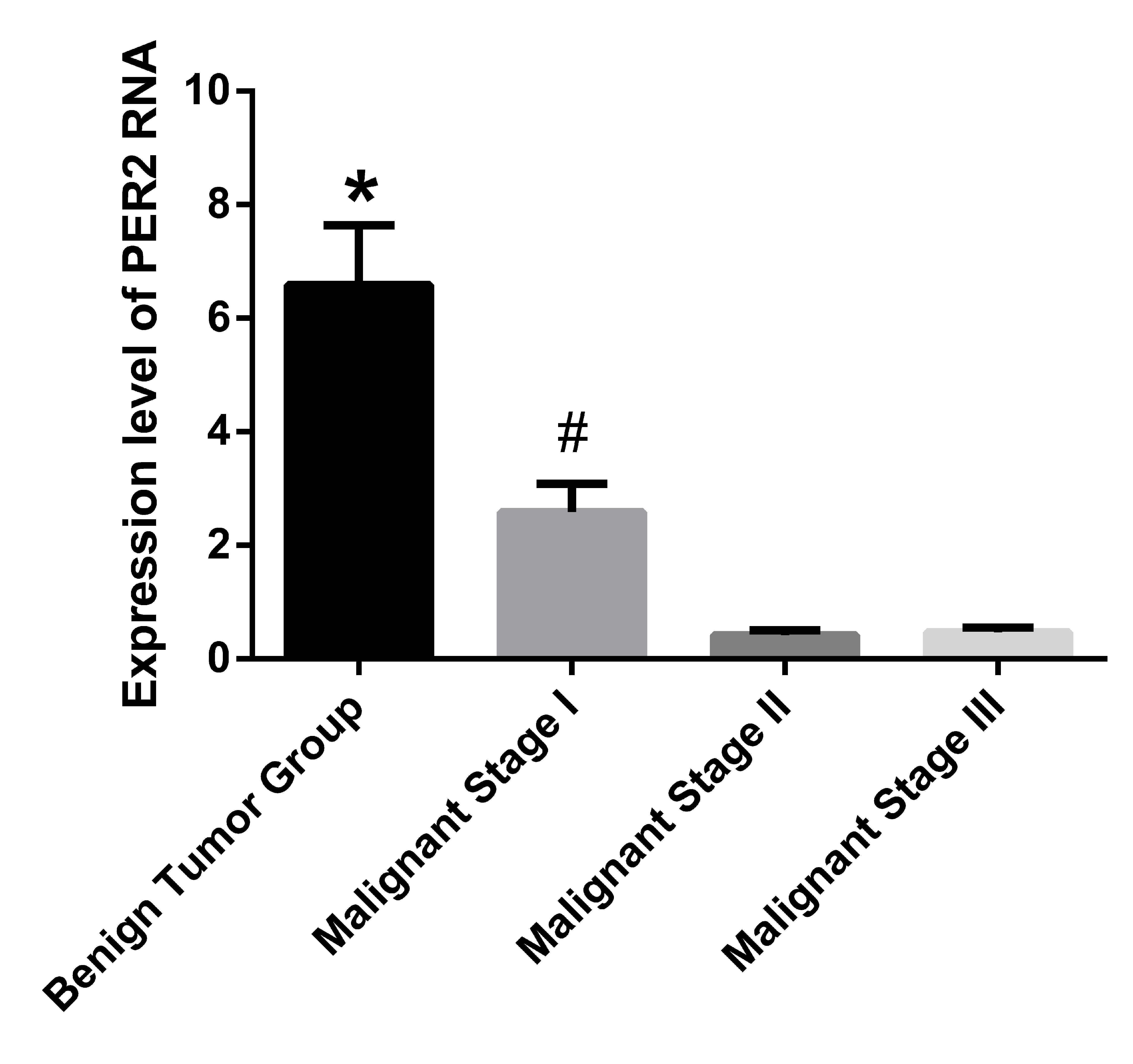
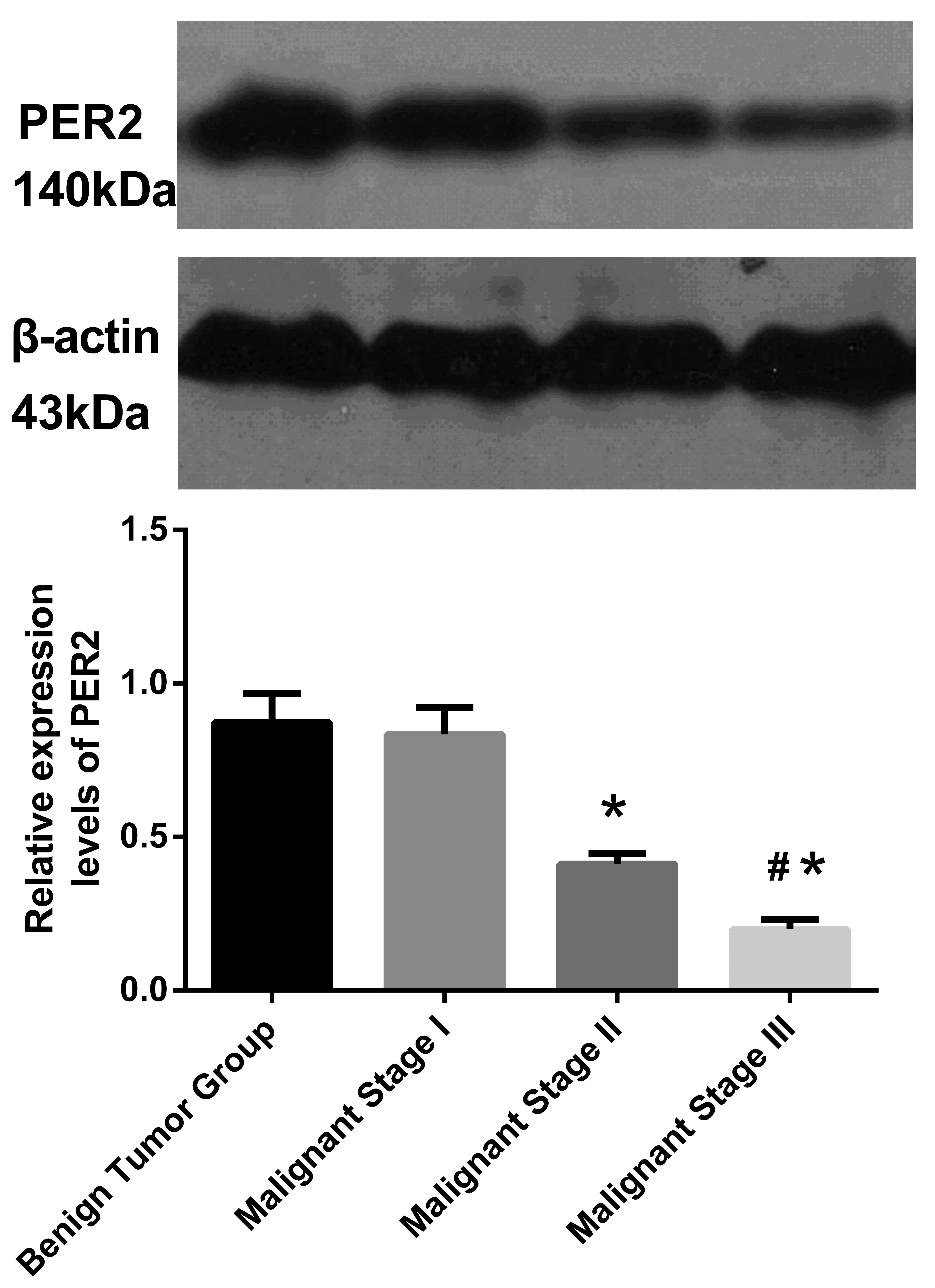
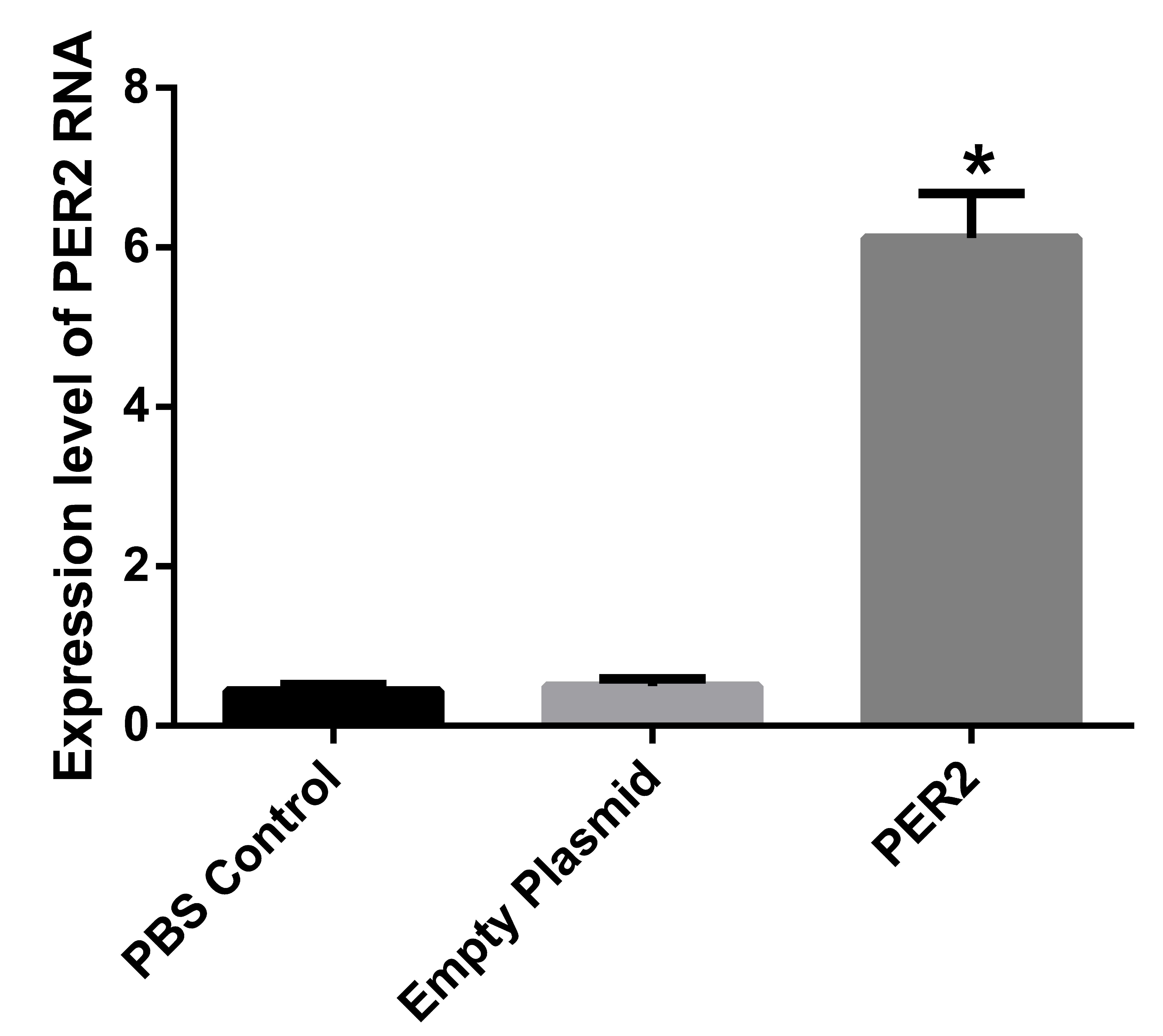
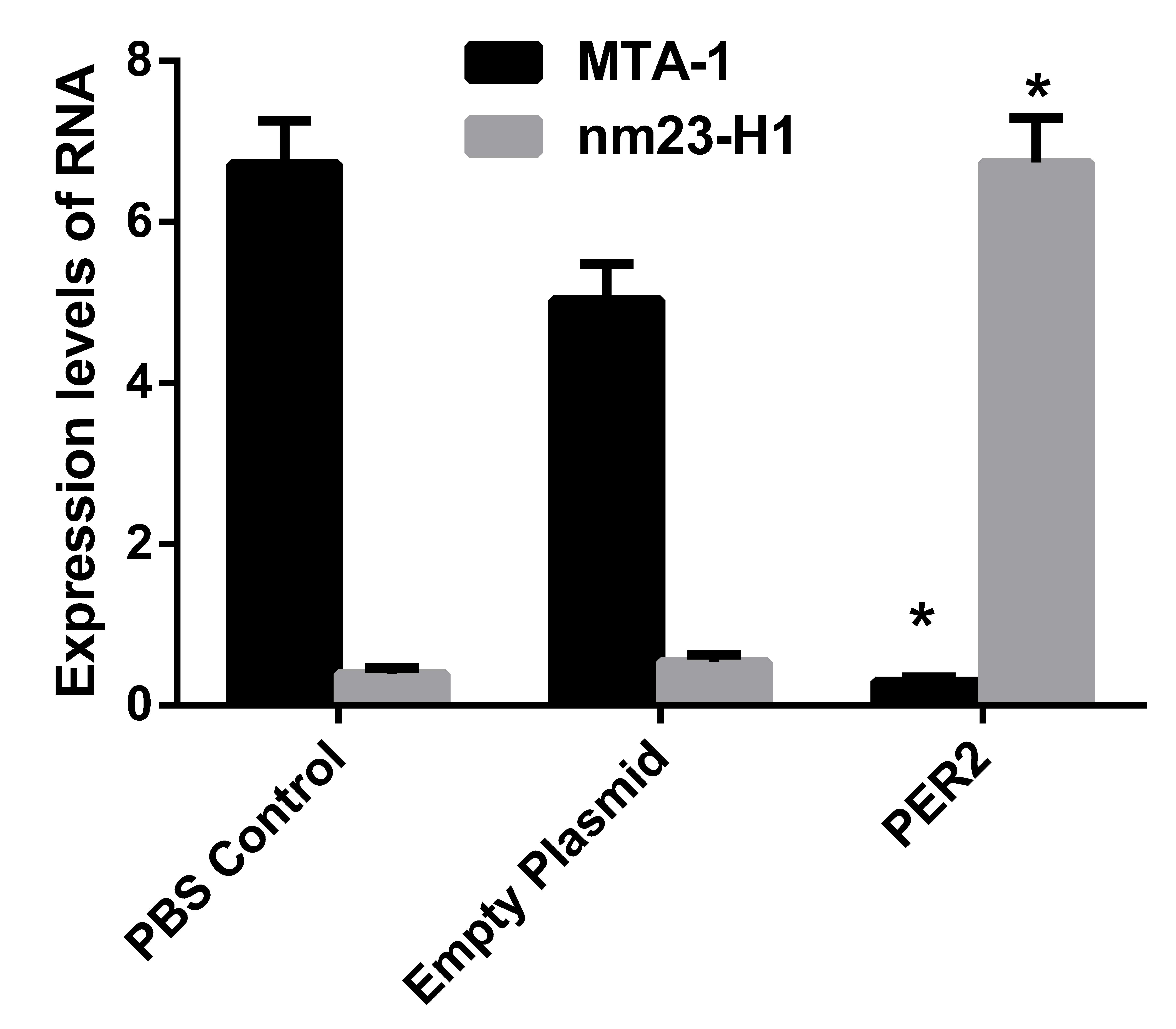
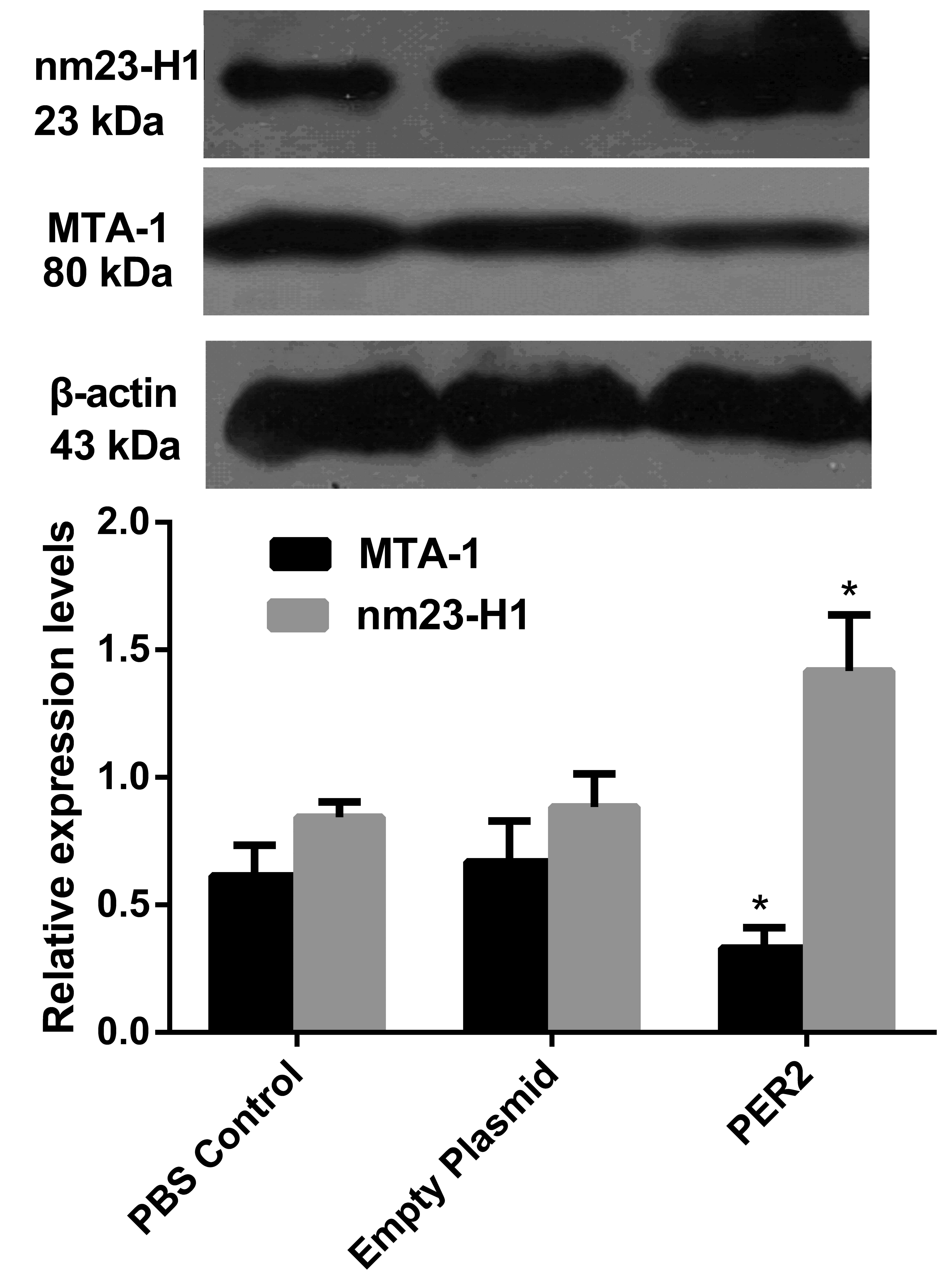
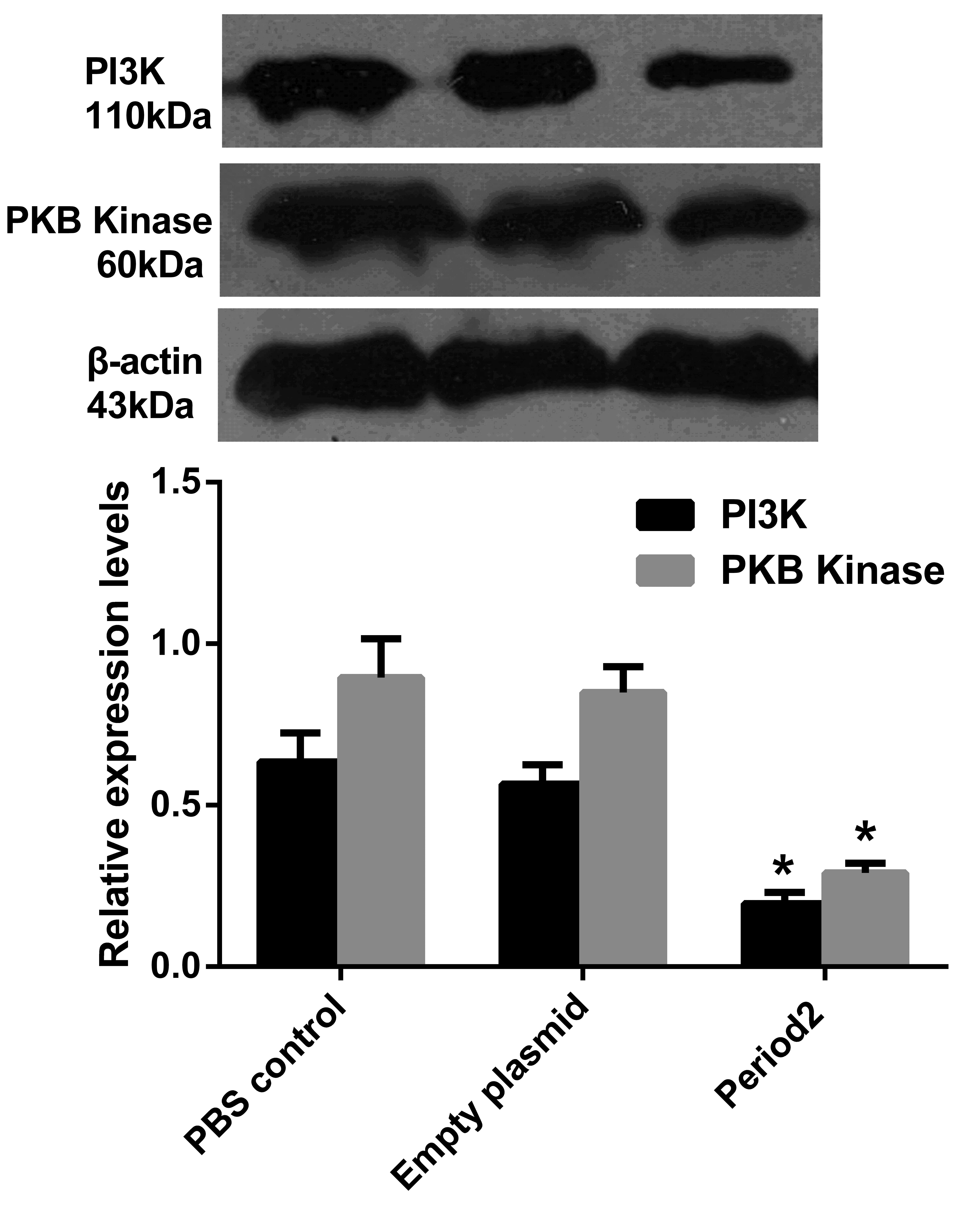
The aim of the present study was to evaluate the association between Period2 (Per2) and the occurrence and development of ovarian cancer, in addition to evaluating the effect of this gene on the growth and metastasis of ovarian cancer in nude mice xenograft models. The detection of Per2 by reverse transcription‑quantitative polymerase chain reaction (RT‑qPCR) and western blotting methods at various stages of ovarian cancer in tumor tissue samples was conducted. Nude mice xenograft models of ovarian cancer were constructed using an ovarian cancer cell line and, using a gene transfection technique, exogenous infusion of the recombinant gene, Per2, was performed. To assess for the successful and stable expression of Per2 in the tumor tissue, levels of Per2 expression in the nude mice xenograft models were detected by RT‑qPCR. During the experimental period, the tumor volumes were measured every three days. Two weeks following treatment cessation, the nude mice were sacrificed and the tumor weight and volume were measured. Furthermore, detection of the changes in expression levels of metastasis‑associated gene 1 (MTA‑1) and tumor metastasis suppressor gene, non‑metastasis protein 23‑H1 (nm23‑H1), and the expression change of autophagy‑associated signal transduction pathway, phosphatidylinositol 3‑kinase (PI3K)/protein kinase B (PKB) kinase were analyzed. The findings demonstrated that with ovarian cancer stage development, the expression of Per2 gradually reduced or ceased. In addition, exogenous Per2 was successfully and stably expressed in nude mice tumor tissue samples. Furthermore, in the Per2 overexpression group, MTA‑1 protein expression was significantly reduced when compared with the phosphate‑buffered saline (PBS) control and empty plasmid groups, while nm23‑H1 protein expression was significantly higher when compared with those two groups. The expression levels of PI3K and PKB kinase, which are marker proteins of the autophagy associated signaling pathway PI3K/PKB, were significantly downregulated, when compared with the PBS control and empty plasmid groups (P<0.001). Thus, it was demonstrated that Per2 is closely associated with the development of ovarian cancer, and late‑stage ovarian cancer is associated with Per2 mutation or deletion. Per2 overexpression, via exogenous infusion reduced the ovarian cancer growth rate, which was demonstrated by a significant increase in the tumor inhibition rate. In addition, Per2 may inhibit the expression of MTA‑1 and promote the expression of nm23‑H1 to restrict ovarian tumor growth and metastasis. Finally, it is hypothesized that Per2 affects autophagy by interfering with the PI3K/PKB signaling pathway, causing inhibition of tumor angiogenesis in order to inhibit tumor growth.
View Figures

Figure 1

Figure 2

Figure 3

Figure 4

Figure 5

Figure 6

View References

1 

Nasioudis D, Sisti G, Kanninen TT, Holcomb K, Di Tommaso M, Fambrini M and Witkin SS: Epidemiology and outcomes of squamous ovarian carcinoma; a population-based study. Gynecol Oncol. 2016. View Article : Google Scholar

2 

Kosary CL: FIGO stage, histology, histologic grade, age and race as prognostic factors in determining survival for cancers of the female gynecological system: An analysis of 1973–87 SEER cases of cancers of the endometrium, cervix, ovary, vulva, and vagina. Semin Surg Oncol. 10:31–46. 1994. View Article : Google Scholar : PubMed/NCBI

3 

Jiang J, Xie W and Cao J: Current situation of the therapies of middle-advanced ovarian cancer. Zhong Liu Yao Xue. 3:416–421. 2013.In Chinese.

4 

He JR, Gao X and Ren ZF: Global Incidence Patterns of Female Breast and Ovarian Cancers. China Cancer. 3:169–172. 2009.

5 

Lou JY, Peng ZL, Zheng Y, Wang H, He B and Wang HJ: Research on human ovarian cancer cell MDR1 gene silenced by siRNA. Sichuan Da Xue Xue Bao Yi Xue Ban. 38:753–755. 2007.In Chinese. PubMed/NCBI

6 

Menendez L, Walker D, Matyunina LV, Dickerson EB, Bowen NJ, Polavarapu N, Benigno BB and McDonald JF: Identification of candidate methylation-responsive genes in ovarian cancer. Mol Cancer. 6:102007. View Article : Google Scholar : PubMed/NCBI

7 

Tei H, Okamura H, Shigeyoshi Y, Fukuhara C, Ozawa R, Hirose M and Sakaki Y: Circadian oscillation of a mammalian homologue of the Drosophila period gene. Nature. 389:512–516. 1997. View Article : Google Scholar : PubMed/NCBI

8 

Shigeyoshi Y, Taguchi K, Yamamoto S, Takekida S, Yan L, Tei H, Moriya T, Shibata S, Loros JJ, Dunlap JC and Okamura H: Light-induced resetting of a mammalian circadian clock is associated with rapid induction of the mPer1 transcript. Cell. 91:1043–1053. 1997. View Article : Google Scholar

9 

Jin X, Shearman LP, Weaver DR, Zylka MJ, de Vries GJ and Reppert SM: A molecular mechanism regulating rhythmic output from the suprachiasmatic circadian clock. Cell. 96:57–68. 1999. View Article : Google Scholar : PubMed/NCBI

10 

Reppert SM and Weaver DR: Molecular analysis of mammalian circadian rhythms. Annu Rev Physiol. 63:647–676. 2001. View Article : Google Scholar : PubMed/NCBI

11 

Young MW and Kay SA: Time zones: A comparative genetics of circadian clocks. Nat Rev Genet. 2:702–715. 2001. View Article : Google Scholar : PubMed/NCBI

12 

Bjarnason GA and Jordan R: Circadian variation of cell proliferation and cell cycle protein expression in man: Clinical implications. Prog Cell Cycle Res. 4:193–206. 2000. View Article : Google Scholar : PubMed/NCBI

13 

Matsuo T, Yamaguchi S, Mitsui S, Emi A, Shimoda F and Okamura H: Control mechanism of the circadian clock for timing of cell division in vivo. Science. 302:255–259. 2003. View Article : Google Scholar : PubMed/NCBI

14 

Panda S, Antoch MP, Miller BH, Su AI, Schook AB, Straume M, Schultz PG, Kay SA, Takahashi JS and Hogenesch JB: Coordinated transcription of key pathways in the mouse by the circadian clock. Cell. 109:307–320. 2002. View Article : Google Scholar : PubMed/NCBI

15 

Barbason H, Herens C, Robaye B, Milis G, Sulon J, Bouzahzah B and VanCantfort J: Importance of cell kinetics rhythmicity for the control of cell proliferation and carcinogenesis in rat liver (review). In Vivo. 9:539–548. 1995.PubMed/NCBI

16 

Hansen J: Increased breast cancer risk among women who work predominantly at night. Epidemiology. 12:74–77. 2001. View Article : Google Scholar : PubMed/NCBI

17 

Lee CC: Tumor suppression by the mammalian Period genes. Cancer Causes Control. 17:525–530. 2006. View Article : Google Scholar : PubMed/NCBI

18 

Fu L, Pelicano H, Liu J, Huang P and Lee C: The circadian gene Period2 plays an important role in tumor suppression and DNA damage response in vivo. Cell. 111:41–50. 2002. View Article : Google Scholar : PubMed/NCBI

19 

Gery S, Komatsu N, Baldjyan L, Yu A, Koo D and Koeffler HP: The circadian gene per1 plays an important role in cell growth and DNA damage control in human cancer cells. Mol Cell. 22:375–382. 2006. View Article : Google Scholar : PubMed/NCBI

20 

Pecorelli S, Benedet JL, Creasman WT and Shepherd JH; FIGO staging of gynecologic cancer; 1994–1997 FIGO committee on Gynecologic Oncology: International Federation of Gynecology and Obstetrics. Int J Gynaecol Obstet. 65:243–249. 1999. View Article : Google Scholar : PubMed/NCBI

21 

Pfaffl MW: A new mathematical model for relative quantification in real-time RT-PCR. Nucleic Acids Res. 29:e452001. View Article : Google Scholar : PubMed/NCBI

22 

Karantanos T, Theodoropoulos G, Pektasides D and Gazouli M: Clock genes: Their role in colorectal cancer. World J Gastroenterol. 20:1986–1992. 2014. View Article : Google Scholar : PubMed/NCBI

23 

Chi C, He ZF, Liu Y, Lin XM and Sun CC: Expression and clinical significance of circadian gene Per2 in non-small cell lung cancer. Zhonghua Zhong Liu Za Zhi. 35:129–131. 2013.In Chinese. PubMed/NCBI

24 

Yang X, Wood PA, Oh EY, Du-Quiton J, Ansell CM and Hrushesky WJ: Down regulation of circadian clock gene Period 2 accelerates breast cancer growth by altering its daily growth rhythm. Breast Cancer Res Treat. 117:423–431. 2009. View Article : Google Scholar

25 

Koyanagi S, Kuramoto Y, Nakagawa H, Aramaki H, Ohdo S, Soeda S and Shimeno H: A molecular mechanism regulating circadian expression of vascular endothelial growth factor in tumor cells. Cancer Res. 63:7277–7283. 2003.PubMed/NCBI

26 

Toh Y, Oki E, Oda S, Tokunaga E, Ohno S, Maehara Y, Nicolson GL and Sugimachi K: Overexpression of the MTA1 gene in gastrointestinal carcinomas: Correlation with invasion and metastasis. Int J Cancer. 74:459–463. 1997. View Article : Google Scholar : PubMed/NCBI

27 

Talukder AH, Mishra SK, Mandal M, Balasenthil S, Mehta S, Sahin AA, Barnes CJ and Kumar R: MTA1 interacts with MAT1, a cyclin-dependent kinase-activating kinase complex ring finger factor, and regulates estrogen receptor transactivation functions. J Biol Chem. 278:11676–11685. 2003. View Article : Google Scholar : PubMed/NCBI

28 

Avtanski DB, Nagalingam A, Kuppusamy P, Bonner MY, Arbiser JL, Saxena NK and Sharma D: Honokiol abrogates leptin-induced tumor progression by inhibiting Wnt1-MTA1-β-catenin signaling axis in a microRNA-34a dependent manner. Oncotarget. 6:16396–16410. 2015. View Article : Google Scholar : PubMed/NCBI

29 

Marzook H, Deivendran S, Kumar R and Pillai MR: Role of MTA1 in head and neck cancers. Cancer Metastasis Rev. 33:953–964. 2014. View Article : Google Scholar : PubMed/NCBI

30 

Bruning A, Blankenstein T, Jückstock J and Mylonas I: Function and regulation of MTA1 and MTA3 in malignancies of the female reproductive system. Cancer Metastasis Rev. 33:943–951. 2014. View Article : Google Scholar : PubMed/NCBI

31 

Deng X, Du L, Wang C, Yang Y, Li J, Liu H, Zhang J, Wang L, Zhang X, Li W, et al: Close association of metastasis-associated protein 1 overexpression with increased angiogenesis and poor survival in patients with histologically node-negative gastric cancer. World J Surg. 37:792–798. 2013. View Article : Google Scholar : PubMed/NCBI

32 

Martin MD, Hilsenbeck SG, Mohsin SK, Hopp TA, Clark GM, Osborne CK, Allred DC and O'Connell P: Breast tumors that overexpress nuclear metastasis-associated 1 (MTA1) protein have high recurrence risks but enhanced responses to systemic therapies. Breast Cancer Res Treat. 95:7–12. 2006. View Article : Google Scholar

33 

Cheng CW, Liu YF, Yu JC, Wang HW, Ding SL, Hsiung CN, Hsu HM, Shieh JC, Wu PE and Shen CY: Prognostic significance of cyclin D1, β-catenin, and MTA1 in patients with invasive ductal carcinoma of the breast. Ann Surg Oncol. 19:4129–4139. 2012. View Article : Google Scholar : PubMed/NCBI

34 

Zhang H, Zhu X, Li N, Li D, Sha Z, Zheng X and Wang H: miR-125a-3p targets MTA1 to suppress NSCLC cell proliferation, migration, and invasion. Acta Biochim Biophys Sin. 47:496–503. 2015. View Article : Google Scholar : PubMed/NCBI

35 

Kawasaki G, Yanamoto S, Yoshitomi I, Yamada S and Mizuno A: Overexpression of metastasis-associated MTA1 in oral squamous cell carcinomas: Correlation with metastasis and invasion. Int J Oral Maxillofac Surg. 37:1039–1046. 2008. View Article : Google Scholar : PubMed/NCBI

36 

Gilles AM, Presecan E, Vonica A and Lascu I: Nucleoside diphosphate kinase from human erythrocytes. Structural characterization of the two polypeptide chains responsible for heterogeneity of the hexameric enzyme. J Biol Chem. 266:8784–8789. 1991.PubMed/NCBI

37 

Luo S, Wang X and Sun X: The expression and clinical significance of p16 and nm23 in cervical carcinoma. Zhong Guo Shi Yong Fu Ke Yu Chan Ke. 7:421–422. 2004.In Chinese.

38 

Utrera-Barillas D, Salcedo-Vargas M, Gariglio-Vidal P, Hernández-Hernández DM, Gutiérrez-Delgado F and Benítez-Bribiesca L: H-ras and Nm23-H1 gene expression and proteolytic activity in squamous cell carcinoma of the uterine cervix. Arch Med Res. 31:172–181. 2000. View Article : Google Scholar : PubMed/NCBI

39 

Wu W, Xu H and Deng Z: Expression of nm23H1 and E-cadherin protein in 39 cases of endometrial carcinoma. Zhong Liu Xue Zazhi. 4:322–323. 2006.

40 

Ding GF, Li JC and Xu YF: Study on the correlationship between the expression of nm23H1mRNA, TGF-beta1mRNA and tumor metastases, survival rate with prostate cancer. Fen Zi Xi Bao Sheng Wu Xue Bao. 39:544–552. 2006.In Chinese.

41 

Nicholson KM and Anderson NG: The protein kinase B/Akt signalling pathway in human malignancy. Cell Signal. 14:381–395. 2002. View Article : Google Scholar : PubMed/NCBI

42 

Li Q and Zhu GD: Targeting serine/threonine protein kinase B/Akt and cell-cycle checkpoint kinases for treating cancer. Curr Top Med Chem. 2:939–971. 2002. View Article : Google Scholar : PubMed/NCBI

43 

Elstrom RL, Bauer DE, Buzzai M, Karnauskas R, Harris MH, Plas DR, Zhuang H, Cinalli RM, Alavi A, Rudin CM and Thompso CB: Akt stimulates aerobic glycolysis in cancer cells. Cancer Res. 64:3892–3899. 2004. View Article : Google Scholar : PubMed/NCBI

44 

Kim D, Kim S, Koh H, Yoon SO, Chung AS, Cho KS and Chung J: Akt/PKB promotes cancer cell invasion via increased motility and metalloproteinase production. FASEB J. 15:1953–1962. 2001. View Article : Google Scholar : PubMed/NCBI

45 

Huang Y, Cai S and Yu S: Relationship between nm23-H1 expression and lymph node metastasis and prognosis in cervical cancer. Zhonghua Fu Chan Ke Za Zhi. 32:718–721. 1997.In Chinese.

46 

Utrera-Barillas D, Salcedo-Vargas M, Gariglio-Vidal P, Hernández-Hernández DM, Gutiérrez-Delgado F and Benítez-Bribiesca F: H-ras and nm23-H1 gene expression and proteolytic activity in squamous cell carcinoma of the uterine cervix. Arch Med Res. 31:172–181. 2000. View Article : Google Scholar : PubMed/NCBI

47 

Tong Y, Yung LY and Wong YH: Metastasis suppressors nm23H1 and nm23H2 differentially regulate neoplastic transformation and tumorigenesis. Cancer Lett. 361:207–217. 2015. View Article : Google Scholar : PubMed/NCBI

Related Articles

  • Abstract
  • View
  • Download
  • Twitter
Copy and paste a formatted citation
Spandidos Publications style
Wang Z, Li L and Wang Y: Effects of Per2 overexpression on growth inhibition and metastasis, and on MTA1, nm23-H1 and the autophagy-associated PI3K/PKB signaling pathway in nude mice xenograft models of ovarian cancer. Mol Med Rep 13: 4561-4568, 2016.
APA
Wang, Z., Li, L., & Wang, Y. (2016). Effects of Per2 overexpression on growth inhibition and metastasis, and on MTA1, nm23-H1 and the autophagy-associated PI3K/PKB signaling pathway in nude mice xenograft models of ovarian cancer. Molecular Medicine Reports, 13, 4561-4568. https://doi.org/10.3892/mmr.2016.5116
MLA
Wang, Z., Li, L., Wang, Y."Effects of Per2 overexpression on growth inhibition and metastasis, and on MTA1, nm23-H1 and the autophagy-associated PI3K/PKB signaling pathway in nude mice xenograft models of ovarian cancer". Molecular Medicine Reports 13.6 (2016): 4561-4568.
Chicago
Wang, Z., Li, L., Wang, Y."Effects of Per2 overexpression on growth inhibition and metastasis, and on MTA1, nm23-H1 and the autophagy-associated PI3K/PKB signaling pathway in nude mice xenograft models of ovarian cancer". Molecular Medicine Reports 13, no. 6 (2016): 4561-4568. https://doi.org/10.3892/mmr.2016.5116
Copy and paste a formatted citation
x
Spandidos Publications style
Wang Z, Li L and Wang Y: Effects of Per2 overexpression on growth inhibition and metastasis, and on MTA1, nm23-H1 and the autophagy-associated PI3K/PKB signaling pathway in nude mice xenograft models of ovarian cancer. Mol Med Rep 13: 4561-4568, 2016.
APA
Wang, Z., Li, L., & Wang, Y. (2016). Effects of Per2 overexpression on growth inhibition and metastasis, and on MTA1, nm23-H1 and the autophagy-associated PI3K/PKB signaling pathway in nude mice xenograft models of ovarian cancer. Molecular Medicine Reports, 13, 4561-4568. https://doi.org/10.3892/mmr.2016.5116
MLA
Wang, Z., Li, L., Wang, Y."Effects of Per2 overexpression on growth inhibition and metastasis, and on MTA1, nm23-H1 and the autophagy-associated PI3K/PKB signaling pathway in nude mice xenograft models of ovarian cancer". Molecular Medicine Reports 13.6 (2016): 4561-4568.
Chicago
Wang, Z., Li, L., Wang, Y."Effects of Per2 overexpression on growth inhibition and metastasis, and on MTA1, nm23-H1 and the autophagy-associated PI3K/PKB signaling pathway in nude mice xenograft models of ovarian cancer". Molecular Medicine Reports 13, no. 6 (2016): 4561-4568. https://doi.org/10.3892/mmr.2016.5116
Follow us
  • Twitter
  • LinkedIn
  • Facebook
About
  • Spandidos Publications
  • Careers
  • Cookie Policy
  • Privacy Policy
How can we help?
  • Help
  • Live Chat
  • Contact
  • Email to our Support Team