Spandidos Publications Logo
  • About
    • About Spandidos
    • Aims and Scopes
    • Abstracting and Indexing
    • Editorial Policies
    • Reprints and Permissions
    • Job Opportunities
    • Terms and Conditions
    • Contact
  • Journals
    • All Journals
    • Oncology Letters
      • Oncology Letters
      • Information for Authors
      • Editorial Policies
      • Editorial Board
      • Aims and Scope
      • Abstracting and Indexing
      • Bibliographic Information
      • Archive
    • International Journal of Oncology
      • International Journal of Oncology
      • Information for Authors
      • Editorial Policies
      • Editorial Board
      • Aims and Scope
      • Abstracting and Indexing
      • Bibliographic Information
      • Archive
    • Molecular and Clinical Oncology
      • Molecular and Clinical Oncology
      • Information for Authors
      • Editorial Policies
      • Editorial Board
      • Aims and Scope
      • Abstracting and Indexing
      • Bibliographic Information
      • Archive
    • Experimental and Therapeutic Medicine
      • Experimental and Therapeutic Medicine
      • Information for Authors
      • Editorial Policies
      • Editorial Board
      • Aims and Scope
      • Abstracting and Indexing
      • Bibliographic Information
      • Archive
    • International Journal of Molecular Medicine
      • International Journal of Molecular Medicine
      • Information for Authors
      • Editorial Policies
      • Editorial Board
      • Aims and Scope
      • Abstracting and Indexing
      • Bibliographic Information
      • Archive
    • Biomedical Reports
      • Biomedical Reports
      • Information for Authors
      • Editorial Policies
      • Editorial Board
      • Aims and Scope
      • Abstracting and Indexing
      • Bibliographic Information
      • Archive
    • Oncology Reports
      • Oncology Reports
      • Information for Authors
      • Editorial Policies
      • Editorial Board
      • Aims and Scope
      • Abstracting and Indexing
      • Bibliographic Information
      • Archive
    • Molecular Medicine Reports
      • Molecular Medicine Reports
      • Information for Authors
      • Editorial Policies
      • Editorial Board
      • Aims and Scope
      • Abstracting and Indexing
      • Bibliographic Information
      • Archive
    • World Academy of Sciences Journal
      • World Academy of Sciences Journal
      • Information for Authors
      • Editorial Policies
      • Editorial Board
      • Aims and Scope
      • Abstracting and Indexing
      • Bibliographic Information
      • Archive
    • International Journal of Functional Nutrition
      • International Journal of Functional Nutrition
      • Information for Authors
      • Editorial Policies
      • Editorial Board
      • Aims and Scope
      • Abstracting and Indexing
      • Bibliographic Information
      • Archive
    • International Journal of Epigenetics
      • International Journal of Epigenetics
      • Information for Authors
      • Editorial Policies
      • Editorial Board
      • Aims and Scope
      • Abstracting and Indexing
      • Bibliographic Information
      • Archive
    • Medicine International
      • Medicine International
      • Information for Authors
      • Editorial Policies
      • Editorial Board
      • Aims and Scope
      • Abstracting and Indexing
      • Bibliographic Information
      • Archive
  • Articles
  • Information
    • Information for Authors
    • Information for Reviewers
    • Information for Librarians
    • Information for Advertisers
    • Conferences
  • Language Editing
Spandidos Publications Logo
  • About
    • About Spandidos
    • Aims and Scopes
    • Abstracting and Indexing
    • Editorial Policies
    • Reprints and Permissions
    • Job Opportunities
    • Terms and Conditions
    • Contact
  • Journals
    • All Journals
    • Biomedical Reports
      • Information for Authors
      • Editorial Policies
      • Editorial Board
      • Aims and Scope
      • Abstracting and Indexing
      • Bibliographic Information
      • Archive
    • Experimental and Therapeutic Medicine
      • Information for Authors
      • Editorial Policies
      • Editorial Board
      • Aims and Scope
      • Abstracting and Indexing
      • Bibliographic Information
      • Archive
    • International Journal of Epigenetics
      • Information for Authors
      • Editorial Policies
      • Editorial Board
      • Aims and Scope
      • Abstracting and Indexing
      • Bibliographic Information
      • Archive
    • International Journal of Functional Nutrition
      • Information for Authors
      • Editorial Policies
      • Editorial Board
      • Aims and Scope
      • Abstracting and Indexing
      • Bibliographic Information
      • Archive
    • International Journal of Molecular Medicine
      • Information for Authors
      • Editorial Policies
      • Editorial Board
      • Aims and Scope
      • Abstracting and Indexing
      • Bibliographic Information
      • Archive
    • International Journal of Oncology
      • Information for Authors
      • Editorial Policies
      • Editorial Board
      • Aims and Scope
      • Abstracting and Indexing
      • Bibliographic Information
      • Archive
    • Medicine International
      • Information for Authors
      • Editorial Policies
      • Editorial Board
      • Aims and Scope
      • Abstracting and Indexing
      • Bibliographic Information
      • Archive
    • Molecular and Clinical Oncology
      • Information for Authors
      • Editorial Policies
      • Editorial Board
      • Aims and Scope
      • Abstracting and Indexing
      • Bibliographic Information
      • Archive
    • Molecular Medicine Reports
      • Information for Authors
      • Editorial Policies
      • Editorial Board
      • Aims and Scope
      • Abstracting and Indexing
      • Bibliographic Information
      • Archive
    • Oncology Letters
      • Information for Authors
      • Editorial Policies
      • Editorial Board
      • Aims and Scope
      • Abstracting and Indexing
      • Bibliographic Information
      • Archive
    • Oncology Reports
      • Information for Authors
      • Editorial Policies
      • Editorial Board
      • Aims and Scope
      • Abstracting and Indexing
      • Bibliographic Information
      • Archive
    • World Academy of Sciences Journal
      • Information for Authors
      • Editorial Policies
      • Editorial Board
      • Aims and Scope
      • Abstracting and Indexing
      • Bibliographic Information
      • Archive
  • Articles
  • Information
    • For Authors
    • For Reviewers
    • For Librarians
    • For Advertisers
    • Conferences
  • Language Editing
Login Register Submit
  • This site uses cookies
  • You can change your cookie settings at any time by following the instructions in our Cookie Policy. To find out more, you may read our Privacy Policy.

    I agree
Search articles by DOI, keyword, author or affiliation
Search
Advanced Search
presentation
Molecular Medicine Reports
Join Editorial Board Propose a Special Issue
Print ISSN: 1791-2997 Online ISSN: 1791-3004
Journal Cover
October-2016 Volume 14 Issue 4

Full Size Image

Sign up for eToc alerts
Recommend to Library

Journals

International Journal of Molecular Medicine

International Journal of Molecular Medicine

International Journal of Molecular Medicine is an international journal devoted to molecular mechanisms of human disease.

International Journal of Oncology

International Journal of Oncology

International Journal of Oncology is an international journal devoted to oncology research and cancer treatment.

Molecular Medicine Reports

Molecular Medicine Reports

Covers molecular medicine topics such as pharmacology, pathology, genetics, neuroscience, infectious diseases, molecular cardiology, and molecular surgery.

Oncology Reports

Oncology Reports

Oncology Reports is an international journal devoted to fundamental and applied research in Oncology.

Experimental and Therapeutic Medicine

Experimental and Therapeutic Medicine

Experimental and Therapeutic Medicine is an international journal devoted to laboratory and clinical medicine.

Oncology Letters

Oncology Letters

Oncology Letters is an international journal devoted to Experimental and Clinical Oncology.

Biomedical Reports

Biomedical Reports

Explores a wide range of biological and medical fields, including pharmacology, genetics, microbiology, neuroscience, and molecular cardiology.

Molecular and Clinical Oncology

Molecular and Clinical Oncology

International journal addressing all aspects of oncology research, from tumorigenesis and oncogenes to chemotherapy and metastasis.

World Academy of Sciences Journal

World Academy of Sciences Journal

Multidisciplinary open-access journal spanning biochemistry, genetics, neuroscience, environmental health, and synthetic biology.

International Journal of Functional Nutrition

International Journal of Functional Nutrition

Open-access journal combining biochemistry, pharmacology, immunology, and genetics to advance health through functional nutrition.

International Journal of Epigenetics

International Journal of Epigenetics

Publishes open-access research on using epigenetics to advance understanding and treatment of human disease.

Medicine International

Medicine International

An International Open Access Journal Devoted to General Medicine.

Journal Cover
October-2016 Volume 14 Issue 4

Full Size Image

Sign up for eToc alerts
Recommend to Library

  • Article
  • Citations
    • Cite This Article
    • Download Citation
    • Create Citation Alert
    • Remove Citation Alert
    • Cited By
  • Similar Articles
    • Related Articles (in Spandidos Publications)
    • Similar Articles (Google Scholar)
    • Similar Articles (PubMed)
  • Download PDF
  • Download XML
  • View XML
Article

Inhibiting autophagy promotes endoplasmic reticulum stress and the ROS‑induced nod‑like receptor 3‑dependent proinflammatory response in HepG2 cells

  • Authors:
    • Jia‑Jing Yin
    • Guangying Xie
    • Ning Zhang
    • Yanbo Li
  • View Affiliations / Copyright

    Affiliations: Department of Endocrinology, First Affiliated Hospital of Harbin Medical University, Harbin, Heilongjiang 150001, P.R. China
  • Pages: 3999-4007
    |
    Published online on: September 5, 2016
       https://doi.org/10.3892/mmr.2016.5708
  • Expand metrics +
Metrics: Total Views: 0 (Spandidos Publications: | PMC Statistics: )
Metrics: Total PDF Downloads: 0 (Spandidos Publications: | PMC Statistics: )
Cited By (CrossRef): 0 citations Loading Articles...

This article is mentioned in:


Abstract

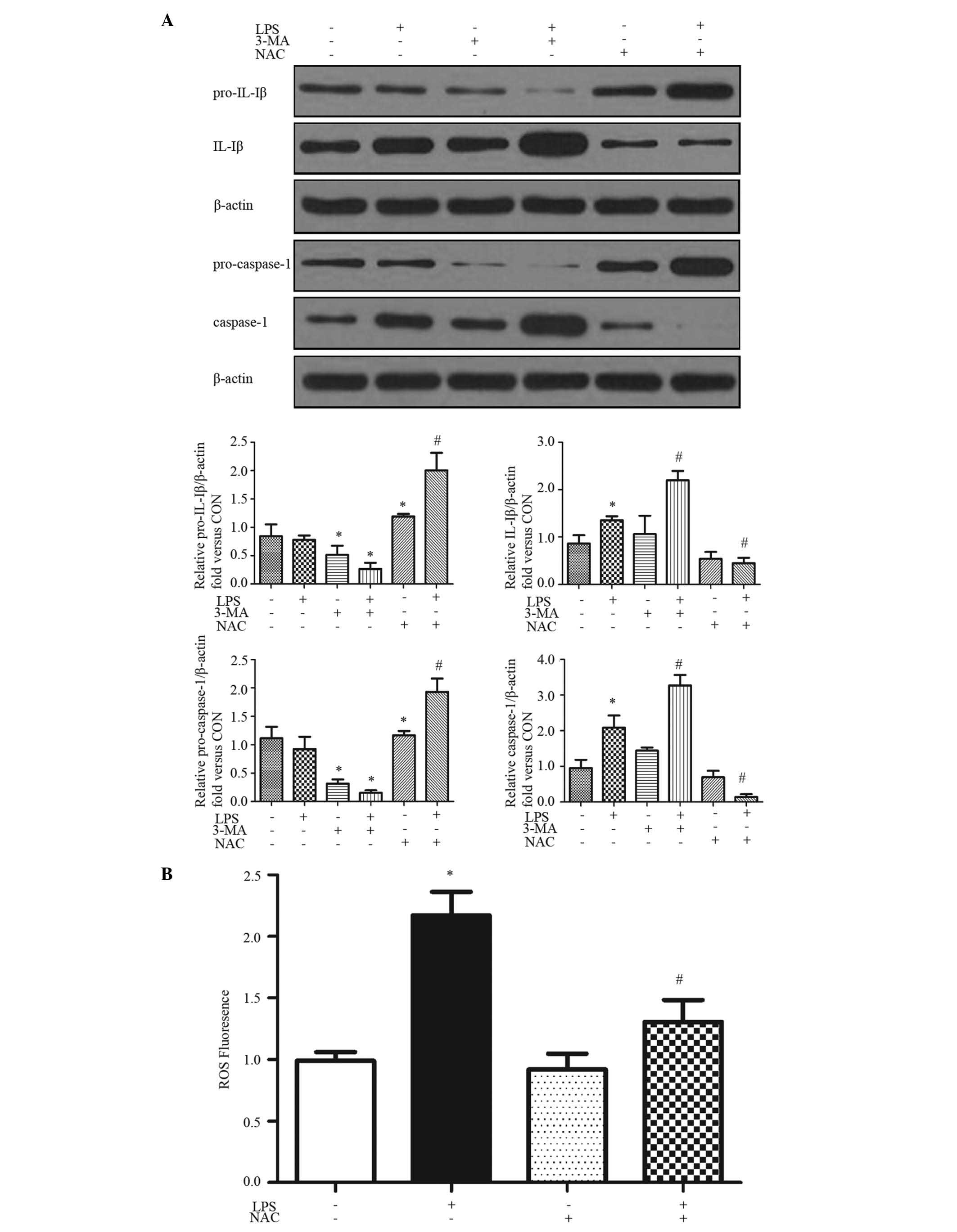
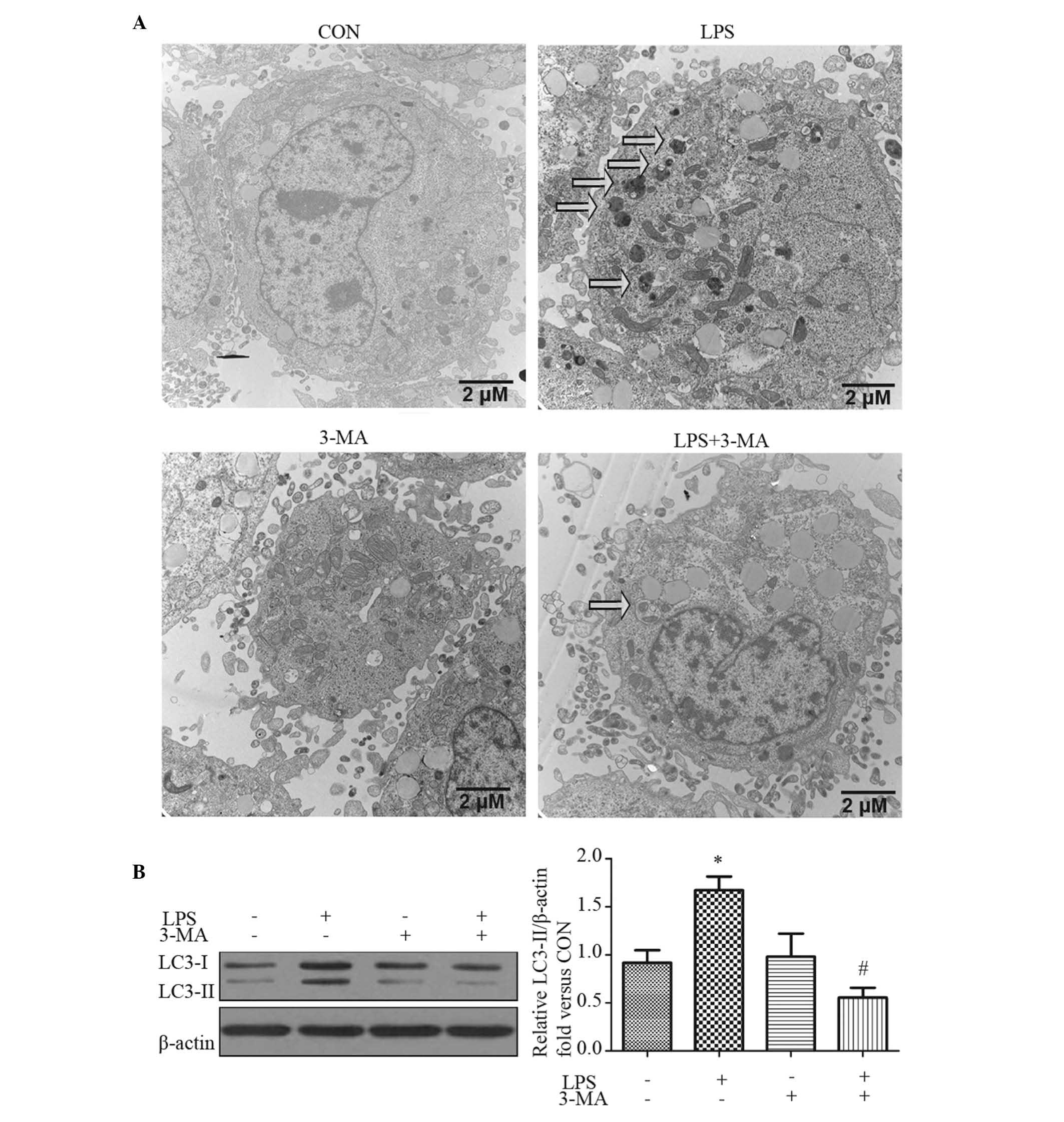
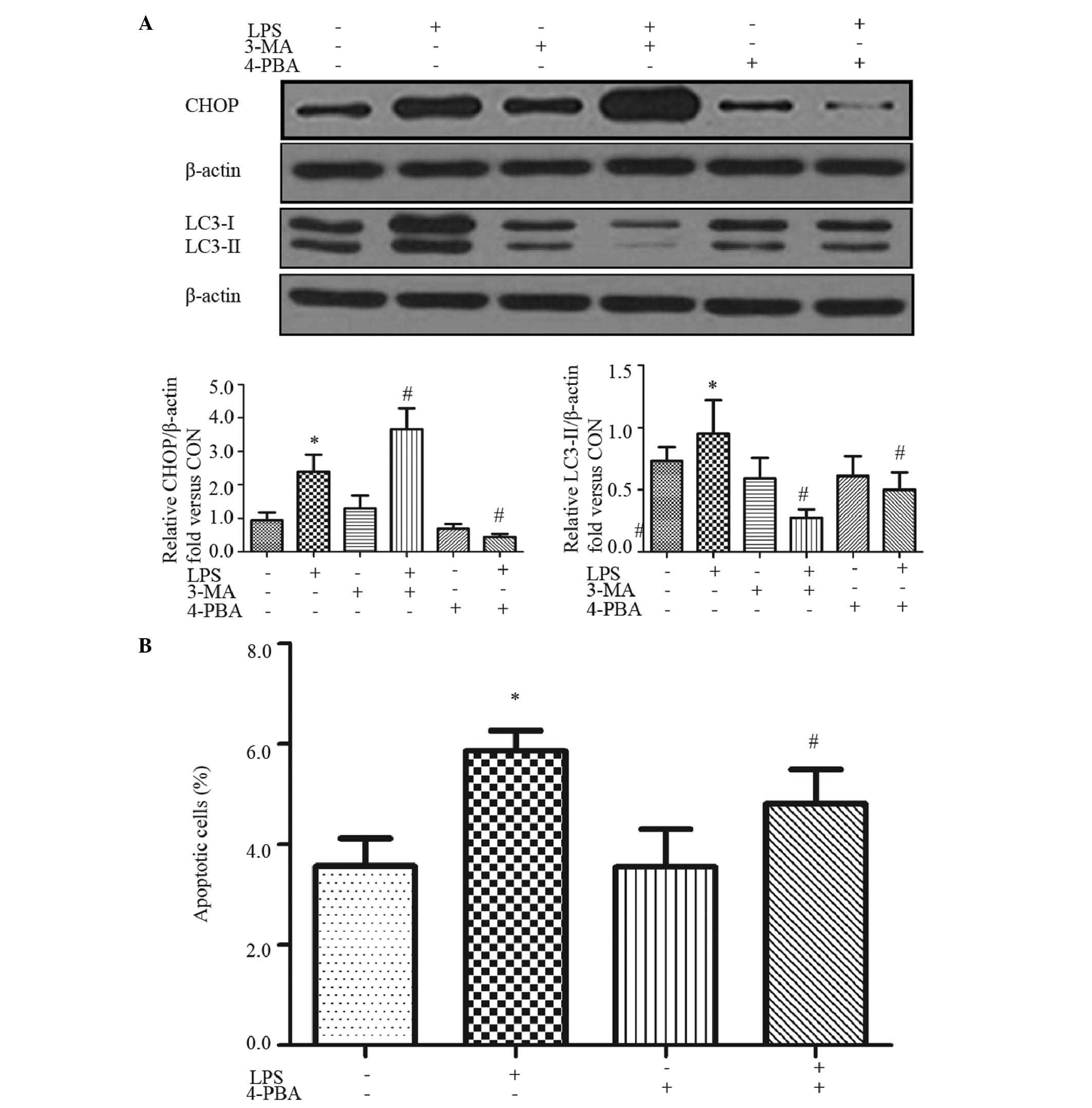
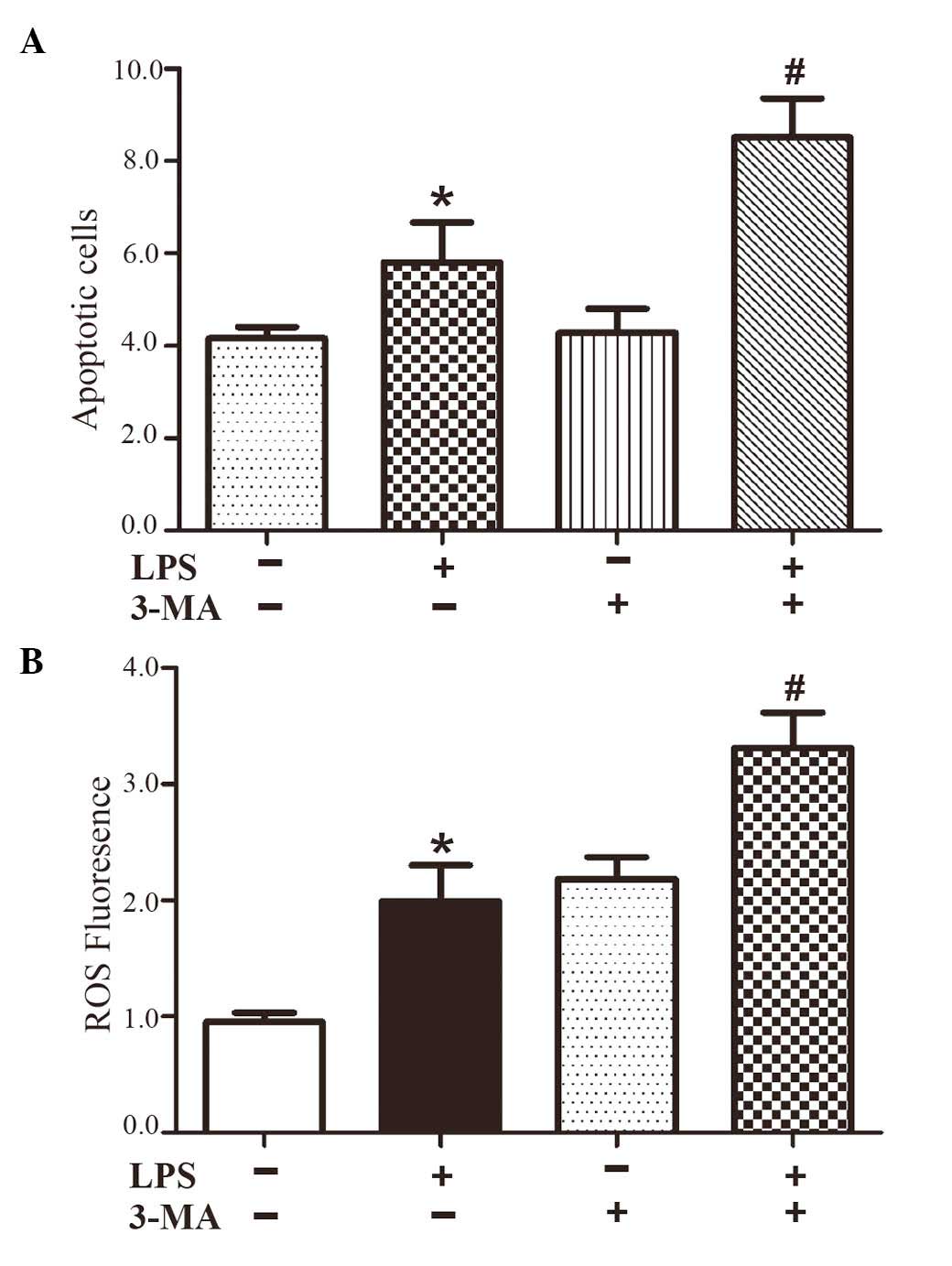
Inflammation and endoplasmic reticulum (ER) stress are key contributors to insulin resistance and metabolic disease, and interleukin (IL)‑1β is involved in insulin resistance. The present study aimed to investigated the role of autophagy in LPS‑induced ER stress and inflammation, which may provide evidence for controlling metabolic disease associated with inflammation. Lipopolysaccharide (LPS) induced the activation of ER stress and the nod‑like receptor 3‑dependent expression of IL‑1β and caspase‑1, as shown by western blotting, which contributed to HepG2 cell death. This also involved the generation of mitochondrial reactive oxygen species and the autophagy signaling response, which are derived from the ER stress pathway. The percentage of apoptotic cells was measured by flow cytometry with fluorescein isothiocyanate/propidium iodide staining. Reactive oxygen species formation was detected by flow cytometry using the peroxide sensitive fluorescent probe 2',7'‑dichlorofluorescin diacetate. Autophagy activation was measured by western blotting and confirmed using transmission electron microscopy. Furthermore, inhibiting autophagy promoted ER stress and the proinflammatory response in addition to cell death. These findings provide insights into the protective role of autophagy in LPS‑induced cell death and ER stress, and further identified the association of autophagy, ER stress and inflammation in HepG2 cells.
View Figures

Figure 1

Figure 2

Figure 3

Figure 4

View References

1 

Hotamisligil GS: Inflammation and metabolic disorders. Nature. 444:860–867. 2006. View Article : Google Scholar : PubMed/NCBI

2 

Jager J, Grémeaux T, Cormont M, Le Marchand-Brustel Y and Tanti JF: Interleukin-1beta-induced insulin resistance in adipocytes through down-regulation of insulin receptor substrate-1 expression. Endocrinology. 148:241–251. 2007. View Article : Google Scholar :

3 

Lagathu C, Yvan-Charvet L, Bastard JP, Maachi M, Quignard-Boulangé A, Capeau J and Caron M: Long-term treatment with interleukin-1beta induces insulin resistance in murine and human adipocytes. Diabetologia. 49:2162–2173. 2006. View Article : Google Scholar : PubMed/NCBI

4 

Kubes P and Mehal WZ: Sterile inflammation in the liver. Gastroenterology. 143:1158–1172. 2012. View Article : Google Scholar : PubMed/NCBI

5 

Navab M, Gharavi N and Watson AD: Inflammation and metabolic disorders. Curr Opin Clin Nutr Metab Care. 11:459–464. 2008. View Article : Google Scholar : PubMed/NCBI

6 

Amyot J, Semache M, Ferdaoussi M, Fontés G and Poitout V: Lipopolysaccharides impair insulin gene expression in isolated islets of Langerhans via toll-like receptor-4 and NF-κB signalling. PloS one. 7:e362002012. View Article : Google Scholar

7 

De Nardo D and Latz E: NLRP3 inflammasomes link inflammation and metabolic disease. Trends Immunol. 32:373–379. 2011. View Article : Google Scholar : PubMed/NCBI

8 

Ting JP, Willingham SB and Bergstralh DT: NLRs at the intersection of cell death and immunity. Nat Rev Immunol. 8:372–379. 2008. View Article : Google Scholar : PubMed/NCBI

9 

Schroder K and Tschopp J: The inflammasomes. Cell. 140:821–832. 2010. View Article : Google Scholar : PubMed/NCBI

10 

Vandanmagsar B, Youm YH, Ravussin A, Galgani JE, Stadler K, Mynatt RL, Ravussin E, Stephens JM and Dixit VD: The NLRP3 inflammasome instigates obesity-induced inflammation and insulin resistance. Nat Med. 17:179–188. 2011. View Article : Google Scholar : PubMed/NCBI

11 

Brenner C, Galluzzi L, Kepp O and Kroemer G: Decoding cell death signals in liver inflammation. J Hepatol. 59:583–594. 2013. View Article : Google Scholar : PubMed/NCBI

12 

Ogata M, Hino S, Saito A, Morikawa K, Kondo S, Kanemoto S, Murakami T, Taniguchi M, Tanii I, Yoshinaga K, et al: Autophagy is activated for cell survival after endoplasmic reticulum stress. Mol Cell Biol. 26:9220–9231. 2006. View Article : Google Scholar : PubMed/NCBI

13 

Nishitoh H: CHOP is a multifunctional transcription factor in the ER stress response. J Biochem. 151:217–219. 2012. View Article : Google Scholar : PubMed/NCBI

14 

Zhang L, Ren F, Zhang X, Wang X, Shi H, Zhou L, Zheng S, Chen Y, Chen D, Li L, Zhao C and Duan Z: Peroxisome proliferator-activated receptor alpha acts as a mediator of endoplasmic reticulum stress-induced hepatocyte apoptosis in acute liver failure. Dis Model Mech. 9:799–809. 2016. View Article : Google Scholar : PubMed/NCBI

15 

González-Rodríguez A, Mayoral R, Agra N, Valdecantos MP, Pardo V, Miquilena-Colina ME, Vargas-Castrillón J, Lo Iacono O, Corazzari M, Fimia GM, et al: Impaired autophagic flux is associated with increased endoplasmic reticulum stress during the development of NAFLD. Cell Death Dis. 5:e11792014. View Article : Google Scholar : PubMed/NCBI

16 

Green DR, Galluzzi L and Kroemer G: Mitochondria and the autophagy-inflammation-cell death axis in organismal aging. Science. 333:1109–1112. 2011. View Article : Google Scholar : PubMed/NCBI

17 

Singh R, Kaushik S, Wang Y, Xiang Y, Novak I, Komatsu M, Tanaka K, Cuervo AM and Czaja MJ: Autophagy regulates lipid metabolism. Nature. 458:1131–1135. 2009. View Article : Google Scholar : PubMed/NCBI

18 

Goldman SJ, Taylor R, Zhang Y and Jin S: Autophagy and the degradation of mitochondria. Mitochondrion. 10:309–315. 2010. View Article : Google Scholar : PubMed/NCBI

19 

Klionsky DJ and Emr SD: Autophagy as a regulated pathway of cellular degradation. Science. 290:1717–1721. 2000. View Article : Google Scholar : PubMed/NCBI

20 

Wang Y, Li YB, Yin JJ, Wang Y, Zhu LB, Xie GY and Pan SH: Autophagy regulates inflammation following oxidative injury in diabetes. Autophagy. 9:272–277. 2013. View Article : Google Scholar : PubMed/NCBI

21 

Kuballa P, Nolte WM, Castoreno AB and Xavier RJ: Autophagy and the immune system. Annu Rev Immunol. 30:611–646. 2012. View Article : Google Scholar : PubMed/NCBI

22 

Yang L, Li P, Fu S, Calay ES and Hotamisligil GS: Defective hepatic autophagy in obesity promotes ER stress and causes insulin resistance. Cell Metab. 11:467–478. 2010. View Article : Google Scholar : PubMed/NCBI

23 

Saitoh T, Fujita N, Jang MH, Uematsu S, Yang BG, Satoh T, Omori H, Noda T, Yamamoto N, Komatsu M, et al: Loss of the autophagy protein Atg16L1 enhances endotoxin-induced IL-1beta production. Nature. 456:264–268. 2008. View Article : Google Scholar : PubMed/NCBI

24 

Hotamisligil GS: Endoplasmic reticulum stress and the inflammatory basis of metabolic disease. Cell. 140:900–917. 2010. View Article : Google Scholar : PubMed/NCBI

25 

Wree A, Eguchi A, McGeough MD, Pena CA, Johnson CD, Canbay A, Hoffman HM and Feldstein AE: NLRP3 inflammasome activation results in hepatocyte pyroptosis, liver inflammation and fibrosis in mice. Hepatology. 59:898–910. 2014. View Article : Google Scholar :

26 

Wen H, Gris D, Lei Y, Jha S, Zhang L, Huang MT, Brickey WJ and Ting JP: Fatty acid-induced NLRP3-ASC inflammasome activation interferes with insulin signaling. Nat Immunol. 12:408–415. 2011. View Article : Google Scholar : PubMed/NCBI

27 

LeBel CP, Ischiropoulos H and Bondy SC: Evaluation of the probe 2′,7′-dichlorofluorescin as an indicator of reactive oxygen species formation and oxidative stress. Chem Res Toxicol. 5:227–231. 1992. View Article : Google Scholar : PubMed/NCBI

28 

Dangi A, Huang C, Tandon A, Stolz D, Wu T and Gandhi CR: Endotoxin-stimulated rat hepatic stellate cells induce autophagy in hepatocytes as a survival mechanism. J Cell Physiol. 231:94–105. 2016. View Article : Google Scholar

29 

Czaja MJ, Ding WX, Donohue TM Jr, Friedman SL, Kim JS, Komatsu M, Lemasters JJ, Lemoine A, Lin JD, Ou JH, et al: Functions of autophagy in normal and diseased liver. Autophagy. 9:1131–1158. 2013. View Article : Google Scholar : PubMed/NCBI

30 

Malhotra JD and Kaufman RJ: Endoplasmic reticulum stress and oxidative stress: A vicious cycle or a double-edged sword? Antioxid Redox Signal. 9:2277–2293. 2007. View Article : Google Scholar : PubMed/NCBI

31 

Scull CM and Tabas I: Mechanisms of ER stress-induced apoptosis in atherosclerosis. Arterioscler Thromb Vasc Biol. 31:2792–2797. 2011. View Article : Google Scholar : PubMed/NCBI

32 

Ding WX, Ni HM, Gao W, Yoshimori T, Stolz DB, Ron D and Yin XM: Linking of autophagy to ubiquitin-proteasome system is important for the regulation of endoplasmic reticulum stress and cell viability. Am J Pathol. 171:513–524. 2007. View Article : Google Scholar : PubMed/NCBI

33 

Uysal KT, Wiesbrock SM, Marino MW and Hotamisligil GS: Protection from obesity-induced insulin resistance in mice lacking TNF-alpha function. Nature. 389:610–614. 1997. View Article : Google Scholar : PubMed/NCBI

34 

Sabio G, Das M, Mora A, Zhang Z, Jun JY, Ko HJ, Barrett T, Kim JK and Davis RJ: A stress signaling pathway in adipose tissue regulates hepatic insulin resistance. Science. 322:1539–1543. 2008. View Article : Google Scholar : PubMed/NCBI

35 

Franchi L, Muñoz-Planillo R, Reimer T, Eigenbrod T and Núñez G: Inflammasomes as microbial sensors. Eur J Immunol. 40:611–615. 2010. View Article : Google Scholar : PubMed/NCBI

36 

Dostert C, Pétrilli V, Van Bruggen R, Steele C, Mossman BT and Tschopp J: Innate immune activation through Nalp3 inflammasome sensing of asbestos and silica. Science. 320:674–677. 2008. View Article : Google Scholar : PubMed/NCBI

37 

Napoli C, de Nigris F and Palinski W: Multiple role of reactive oxygen species in the arterial wall. J Cell Biochem. 82:674–682. 2001. View Article : Google Scholar : PubMed/NCBI

38 

Yuan XM, Li W, Olsson AG and Brunk UT: The toxicity to macrophages of oxidized low-density lipoprotein is mediated through lysosomal damage. Atherosclerosis. 133:153–161. 1997. View Article : Google Scholar : PubMed/NCBI

39 

Larsen CM, Faulenbach M, Vaag A, Vølund A, Ehses JA, Seifer t B, Mandr up-Poulsen T and Donath MY: Interleukin-1-receptor antagonist in type 2 diabetes mellitus. N Engl J Med. 356:1517–1526. 2007. View Article : Google Scholar : PubMed/NCBI

40 

Gandhi CR, Kuddus RH, Nemoto EM and Murase N: Endotoxin treatment causes an upregulation of the endothelin system in the liver: Amelioration of increased portal resistance by endothelin receptor antagonism. J Gastroenterol Hepatol. 16:61–69. 2001. View Article : Google Scholar : PubMed/NCBI

41 

Xie Q, Khaoustov VI, Chung CC, Sohn J, Krishnan B, Lewis DE and Yoffe B: Effect of tauroursodeoxycholic acid on endoplasmic reticulum stress-induced caspase-12 activation. Hepatology. 36:592–601. 2002. View Article : Google Scholar : PubMed/NCBI

42 

Kouroku Y, Fujita E, Tanida I, Ueno T, Isoai A, Kumagai H, Ogawa S, Kaufman RJ, Kominami E and Momoi T: ER stress (PERK/eIF2alpha phosphorylation) mediates the polyglutamine-induced LC3 conversion, an essential step for autophagy formation. Cell Death Differ. 14:230–239. 2007. View Article : Google Scholar

43 

Qin L, Wang Z, Tao L and Wang Y: ER stress negatively regulates AKT/TSC/mTOR pathway to enhance autophagy. Autophagy. 6:239–247. 2010. View Article : Google Scholar : PubMed/NCBI

44 

Høyer-Hansen M and Jäättelä M: Connecting endoplasmic reticulum stress to autophagy by unfolded protein response and calcium. Cell Death Differ. 14:1576–1582. 2007. View Article : Google Scholar : PubMed/NCBI

45 

Corcelle EA, Puustinen P and Jäättelä M: Apoptosis and autophagy: Targeting autophagy signalling in cancer cells-'trick or treats'? FEBS J. 276:6084–6096. 2009. View Article : Google Scholar : PubMed/NCBI

46 

Zhou R, Yazdi AS, Menu P and Tschopp J: A role for mitochondria in NLRP3 inflammasome activation. Nature. 469:221–225. 2011. View Article : Google Scholar

47 

Nakahira K, Haspel JA, Rathinam VA, Lee SJ, Dolinay T, Lam HC, Englert JA, Rabinovitch M, Cernadas M, Kim HP, et al: Autophagy proteins regulate innate immune responses by inhibiting the release of mitochondrial DNA mediated by the NALP3 inflammasome. Nat Immunol. 12:222–230. 2011. View Article : Google Scholar

48 

Degenhardt K, Mathew R, Beaudoin B, Bray K, Anderson D, Chen G, Mukherjee C, Shi Y, Gélinas C, Fan Y, et al: Autophagy promotes tumor cell survival and restricts necrosis, inflammation, and tumorigenesis. Cancer Cell. 10:51–64. 2006. View Article : Google Scholar : PubMed/NCBI

49 

Luo MX, Wong SH, Chan MT, Yu L, Yu SS, Wu F, Xiao Z, Wang X, Zhang L, Cheng AS, et al: Autophagy mediates HBx-induced nuclear factor-κB activation and release of IL-6, IL-8 and CXCL2 in hepatocytes. J Cell Physiol. 230:2382–2389. 2015. View Article : Google Scholar : PubMed/NCBI

50 

Talero E, Alcaide A, Ávila-Román J, García-Mauriño S, Vendramini-Costa D and Motilva V: Expression patterns of sirtuin 1-AMPK-autophagy pathway in chronic colitis and inflammation-associated colon neoplasia in IL-10-deficient mice. Int Immunopharmacol. 35:248–256. 2016. View Article : Google Scholar : PubMed/NCBI

Related Articles

  • Abstract
  • View
  • Download
  • Twitter
Copy and paste a formatted citation
Spandidos Publications style
Yin JJ, Xie G, Zhang N and Li Y: Inhibiting autophagy promotes endoplasmic reticulum stress and the ROS‑induced nod‑like receptor 3‑dependent proinflammatory response in HepG2 cells. Mol Med Rep 14: 3999-4007, 2016.
APA
Yin, J., Xie, G., Zhang, N., & Li, Y. (2016). Inhibiting autophagy promotes endoplasmic reticulum stress and the ROS‑induced nod‑like receptor 3‑dependent proinflammatory response in HepG2 cells. Molecular Medicine Reports, 14, 3999-4007. https://doi.org/10.3892/mmr.2016.5708
MLA
Yin, J., Xie, G., Zhang, N., Li, Y."Inhibiting autophagy promotes endoplasmic reticulum stress and the ROS‑induced nod‑like receptor 3‑dependent proinflammatory response in HepG2 cells". Molecular Medicine Reports 14.4 (2016): 3999-4007.
Chicago
Yin, J., Xie, G., Zhang, N., Li, Y."Inhibiting autophagy promotes endoplasmic reticulum stress and the ROS‑induced nod‑like receptor 3‑dependent proinflammatory response in HepG2 cells". Molecular Medicine Reports 14, no. 4 (2016): 3999-4007. https://doi.org/10.3892/mmr.2016.5708
Copy and paste a formatted citation
x
Spandidos Publications style
Yin JJ, Xie G, Zhang N and Li Y: Inhibiting autophagy promotes endoplasmic reticulum stress and the ROS‑induced nod‑like receptor 3‑dependent proinflammatory response in HepG2 cells. Mol Med Rep 14: 3999-4007, 2016.
APA
Yin, J., Xie, G., Zhang, N., & Li, Y. (2016). Inhibiting autophagy promotes endoplasmic reticulum stress and the ROS‑induced nod‑like receptor 3‑dependent proinflammatory response in HepG2 cells. Molecular Medicine Reports, 14, 3999-4007. https://doi.org/10.3892/mmr.2016.5708
MLA
Yin, J., Xie, G., Zhang, N., Li, Y."Inhibiting autophagy promotes endoplasmic reticulum stress and the ROS‑induced nod‑like receptor 3‑dependent proinflammatory response in HepG2 cells". Molecular Medicine Reports 14.4 (2016): 3999-4007.
Chicago
Yin, J., Xie, G., Zhang, N., Li, Y."Inhibiting autophagy promotes endoplasmic reticulum stress and the ROS‑induced nod‑like receptor 3‑dependent proinflammatory response in HepG2 cells". Molecular Medicine Reports 14, no. 4 (2016): 3999-4007. https://doi.org/10.3892/mmr.2016.5708
Follow us
  • Twitter
  • LinkedIn
  • Facebook
About
  • Spandidos Publications
  • Careers
  • Cookie Policy
  • Privacy Policy
How can we help?
  • Help
  • Live Chat
  • Contact
  • Email to our Support Team