Spandidos Publications Logo
  • About
    • About Spandidos
    • Aims and Scopes
    • Abstracting and Indexing
    • Editorial Policies
    • Reprints and Permissions
    • Job Opportunities
    • Terms and Conditions
    • Contact
  • Journals
    • All Journals
    • Oncology Letters
      • Oncology Letters
      • Information for Authors
      • Editorial Policies
      • Editorial Board
      • Aims and Scope
      • Abstracting and Indexing
      • Bibliographic Information
      • Archive
    • International Journal of Oncology
      • International Journal of Oncology
      • Information for Authors
      • Editorial Policies
      • Editorial Board
      • Aims and Scope
      • Abstracting and Indexing
      • Bibliographic Information
      • Archive
    • Molecular and Clinical Oncology
      • Molecular and Clinical Oncology
      • Information for Authors
      • Editorial Policies
      • Editorial Board
      • Aims and Scope
      • Abstracting and Indexing
      • Bibliographic Information
      • Archive
    • Experimental and Therapeutic Medicine
      • Experimental and Therapeutic Medicine
      • Information for Authors
      • Editorial Policies
      • Editorial Board
      • Aims and Scope
      • Abstracting and Indexing
      • Bibliographic Information
      • Archive
    • International Journal of Molecular Medicine
      • International Journal of Molecular Medicine
      • Information for Authors
      • Editorial Policies
      • Editorial Board
      • Aims and Scope
      • Abstracting and Indexing
      • Bibliographic Information
      • Archive
    • Biomedical Reports
      • Biomedical Reports
      • Information for Authors
      • Editorial Policies
      • Editorial Board
      • Aims and Scope
      • Abstracting and Indexing
      • Bibliographic Information
      • Archive
    • Oncology Reports
      • Oncology Reports
      • Information for Authors
      • Editorial Policies
      • Editorial Board
      • Aims and Scope
      • Abstracting and Indexing
      • Bibliographic Information
      • Archive
    • Molecular Medicine Reports
      • Molecular Medicine Reports
      • Information for Authors
      • Editorial Policies
      • Editorial Board
      • Aims and Scope
      • Abstracting and Indexing
      • Bibliographic Information
      • Archive
    • World Academy of Sciences Journal
      • World Academy of Sciences Journal
      • Information for Authors
      • Editorial Policies
      • Editorial Board
      • Aims and Scope
      • Abstracting and Indexing
      • Bibliographic Information
      • Archive
    • International Journal of Functional Nutrition
      • International Journal of Functional Nutrition
      • Information for Authors
      • Editorial Policies
      • Editorial Board
      • Aims and Scope
      • Abstracting and Indexing
      • Bibliographic Information
      • Archive
    • International Journal of Epigenetics
      • International Journal of Epigenetics
      • Information for Authors
      • Editorial Policies
      • Editorial Board
      • Aims and Scope
      • Abstracting and Indexing
      • Bibliographic Information
      • Archive
    • Medicine International
      • Medicine International
      • Information for Authors
      • Editorial Policies
      • Editorial Board
      • Aims and Scope
      • Abstracting and Indexing
      • Bibliographic Information
      • Archive
  • Articles
  • Information
    • Information for Authors
    • Information for Reviewers
    • Information for Librarians
    • Information for Advertisers
    • Conferences
  • Language Editing
Spandidos Publications Logo
  • About
    • About Spandidos
    • Aims and Scopes
    • Abstracting and Indexing
    • Editorial Policies
    • Reprints and Permissions
    • Job Opportunities
    • Terms and Conditions
    • Contact
  • Journals
    • All Journals
    • Biomedical Reports
      • Information for Authors
      • Editorial Policies
      • Editorial Board
      • Aims and Scope
      • Abstracting and Indexing
      • Bibliographic Information
      • Archive
    • Experimental and Therapeutic Medicine
      • Information for Authors
      • Editorial Policies
      • Editorial Board
      • Aims and Scope
      • Abstracting and Indexing
      • Bibliographic Information
      • Archive
    • International Journal of Epigenetics
      • Information for Authors
      • Editorial Policies
      • Editorial Board
      • Aims and Scope
      • Abstracting and Indexing
      • Bibliographic Information
      • Archive
    • International Journal of Functional Nutrition
      • Information for Authors
      • Editorial Policies
      • Editorial Board
      • Aims and Scope
      • Abstracting and Indexing
      • Bibliographic Information
      • Archive
    • International Journal of Molecular Medicine
      • Information for Authors
      • Editorial Policies
      • Editorial Board
      • Aims and Scope
      • Abstracting and Indexing
      • Bibliographic Information
      • Archive
    • International Journal of Oncology
      • Information for Authors
      • Editorial Policies
      • Editorial Board
      • Aims and Scope
      • Abstracting and Indexing
      • Bibliographic Information
      • Archive
    • Medicine International
      • Information for Authors
      • Editorial Policies
      • Editorial Board
      • Aims and Scope
      • Abstracting and Indexing
      • Bibliographic Information
      • Archive
    • Molecular and Clinical Oncology
      • Information for Authors
      • Editorial Policies
      • Editorial Board
      • Aims and Scope
      • Abstracting and Indexing
      • Bibliographic Information
      • Archive
    • Molecular Medicine Reports
      • Information for Authors
      • Editorial Policies
      • Editorial Board
      • Aims and Scope
      • Abstracting and Indexing
      • Bibliographic Information
      • Archive
    • Oncology Letters
      • Information for Authors
      • Editorial Policies
      • Editorial Board
      • Aims and Scope
      • Abstracting and Indexing
      • Bibliographic Information
      • Archive
    • Oncology Reports
      • Information for Authors
      • Editorial Policies
      • Editorial Board
      • Aims and Scope
      • Abstracting and Indexing
      • Bibliographic Information
      • Archive
    • World Academy of Sciences Journal
      • Information for Authors
      • Editorial Policies
      • Editorial Board
      • Aims and Scope
      • Abstracting and Indexing
      • Bibliographic Information
      • Archive
  • Articles
  • Information
    • For Authors
    • For Reviewers
    • For Librarians
    • For Advertisers
    • Conferences
  • Language Editing
Login Register Submit
  • This site uses cookies
  • You can change your cookie settings at any time by following the instructions in our Cookie Policy. To find out more, you may read our Privacy Policy.

    I agree
Search articles by DOI, keyword, author or affiliation
Search
Advanced Search
presentation
Molecular Medicine Reports
Join Editorial Board Propose a Special Issue
Print ISSN: 1791-2997 Online ISSN: 1791-3004
Journal Cover
November-2016 Volume 14 Issue 5

Full Size Image

Sign up for eToc alerts
Recommend to Library

Journals

International Journal of Molecular Medicine

International Journal of Molecular Medicine

International Journal of Molecular Medicine is an international journal devoted to molecular mechanisms of human disease.

International Journal of Oncology

International Journal of Oncology

International Journal of Oncology is an international journal devoted to oncology research and cancer treatment.

Molecular Medicine Reports

Molecular Medicine Reports

Covers molecular medicine topics such as pharmacology, pathology, genetics, neuroscience, infectious diseases, molecular cardiology, and molecular surgery.

Oncology Reports

Oncology Reports

Oncology Reports is an international journal devoted to fundamental and applied research in Oncology.

Experimental and Therapeutic Medicine

Experimental and Therapeutic Medicine

Experimental and Therapeutic Medicine is an international journal devoted to laboratory and clinical medicine.

Oncology Letters

Oncology Letters

Oncology Letters is an international journal devoted to Experimental and Clinical Oncology.

Biomedical Reports

Biomedical Reports

Explores a wide range of biological and medical fields, including pharmacology, genetics, microbiology, neuroscience, and molecular cardiology.

Molecular and Clinical Oncology

Molecular and Clinical Oncology

International journal addressing all aspects of oncology research, from tumorigenesis and oncogenes to chemotherapy and metastasis.

World Academy of Sciences Journal

World Academy of Sciences Journal

Multidisciplinary open-access journal spanning biochemistry, genetics, neuroscience, environmental health, and synthetic biology.

International Journal of Functional Nutrition

International Journal of Functional Nutrition

Open-access journal combining biochemistry, pharmacology, immunology, and genetics to advance health through functional nutrition.

International Journal of Epigenetics

International Journal of Epigenetics

Publishes open-access research on using epigenetics to advance understanding and treatment of human disease.

Medicine International

Medicine International

An International Open Access Journal Devoted to General Medicine.

Journal Cover
November-2016 Volume 14 Issue 5

Full Size Image

Sign up for eToc alerts
Recommend to Library

  • Article
  • Citations
    • Cite This Article
    • Download Citation
    • Create Citation Alert
    • Remove Citation Alert
    • Cited By
  • Similar Articles
    • Related Articles (in Spandidos Publications)
    • Similar Articles (Google Scholar)
    • Similar Articles (PubMed)
  • Download PDF
  • Download XML
  • View XML
Article

Caffeic acid, morin hydrate and quercetin partially attenuate sulfur mustard-induced cell death by inhibiting the lipoxygenase pathway

  • Authors:
    • Shin Kim
    • Kwang‑Joon Jeong
    • Sung Kweon Cho
    • Joo‑Won Park
    • Woo‑Jae Park
  • View Affiliations / Copyright

    Affiliations: Department of Immunology, School of Medicine, Keimyung University, Daegu 406‑799, Republic of Korea, Department of Research, The Armed Forces Medical Research Institute, Daejeon 305‑878, Republic of Korea, Department of Biochemistry, School of Medicine, Ewha Womans University, Seoul 158‑710, Republic of Korea
  • Pages: 4454-4460
    |
    Published online on: September 23, 2016
       https://doi.org/10.3892/mmr.2016.5766
  • Expand metrics +
Metrics: Total Views: 0 (Spandidos Publications: | PMC Statistics: )
Metrics: Total PDF Downloads: 0 (Spandidos Publications: | PMC Statistics: )
Cited By (CrossRef): 0 citations Loading Articles...

This article is mentioned in:


Abstract

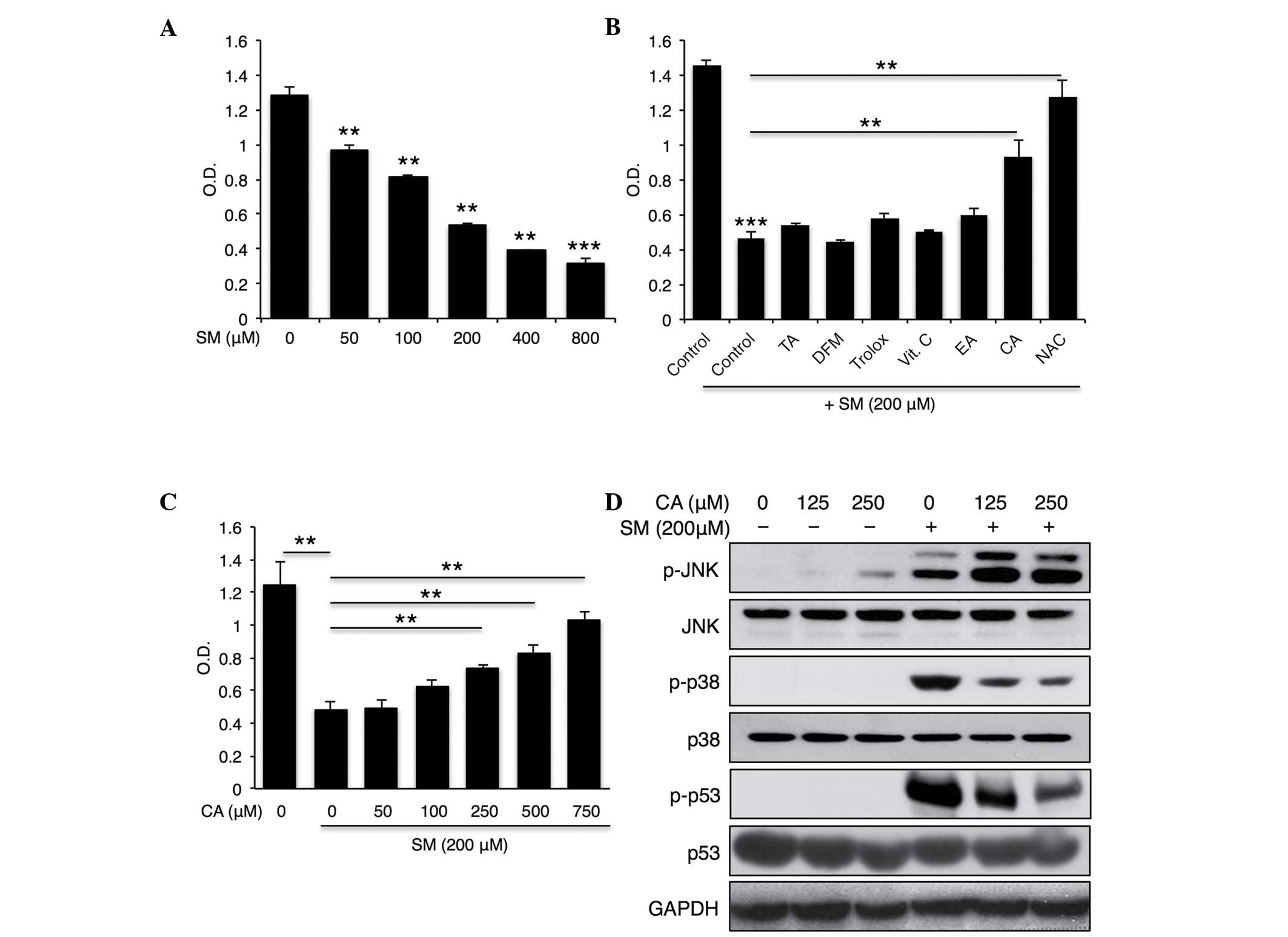
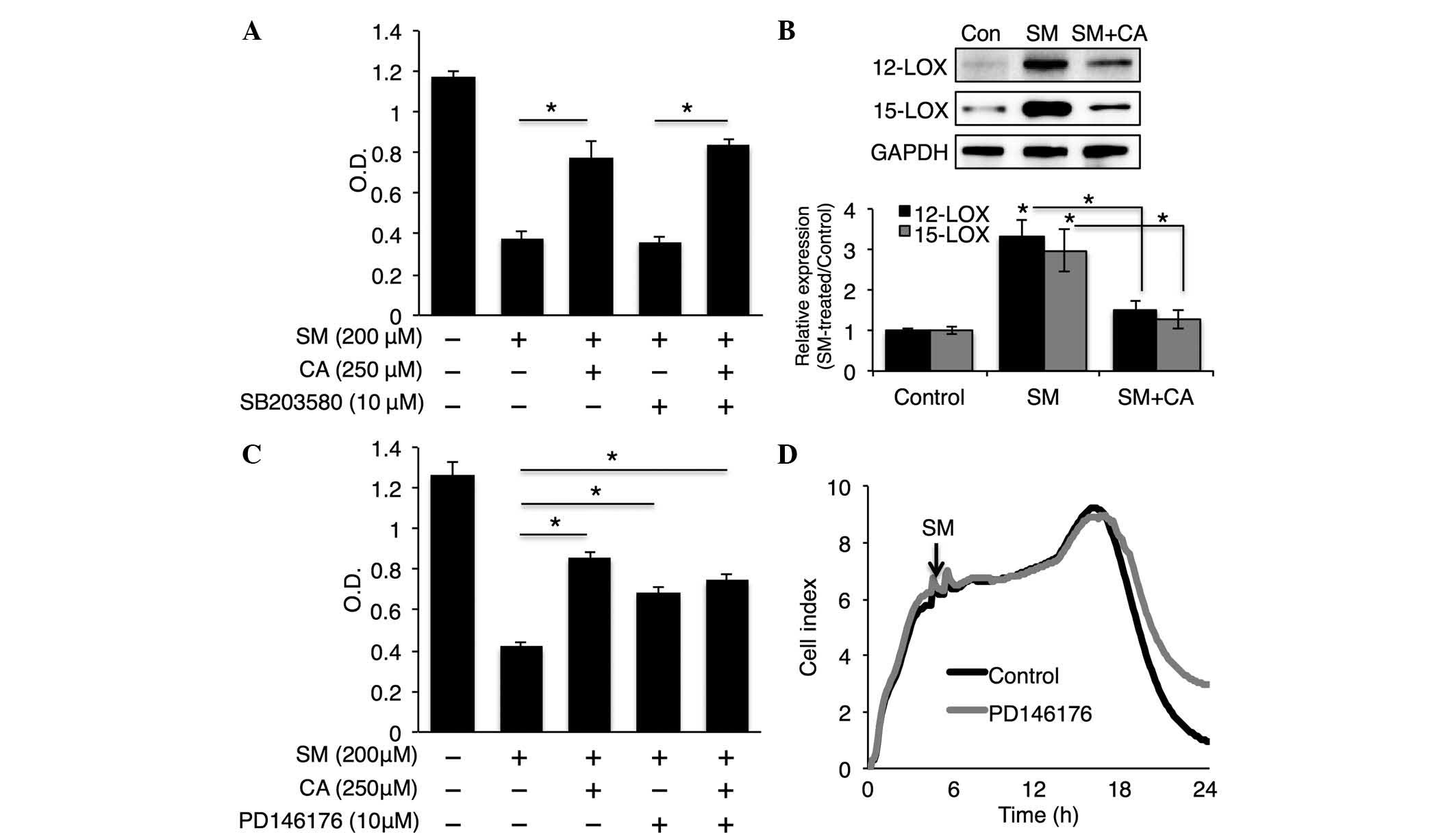
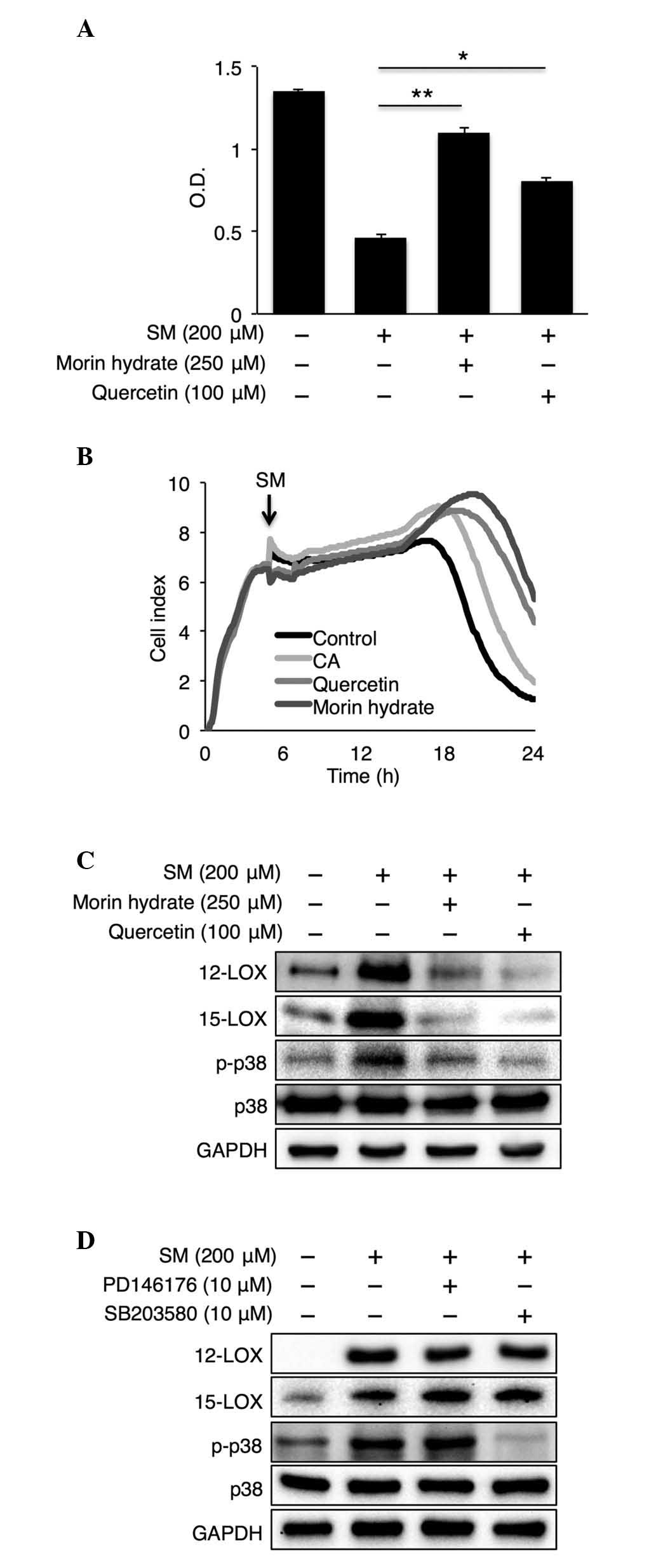
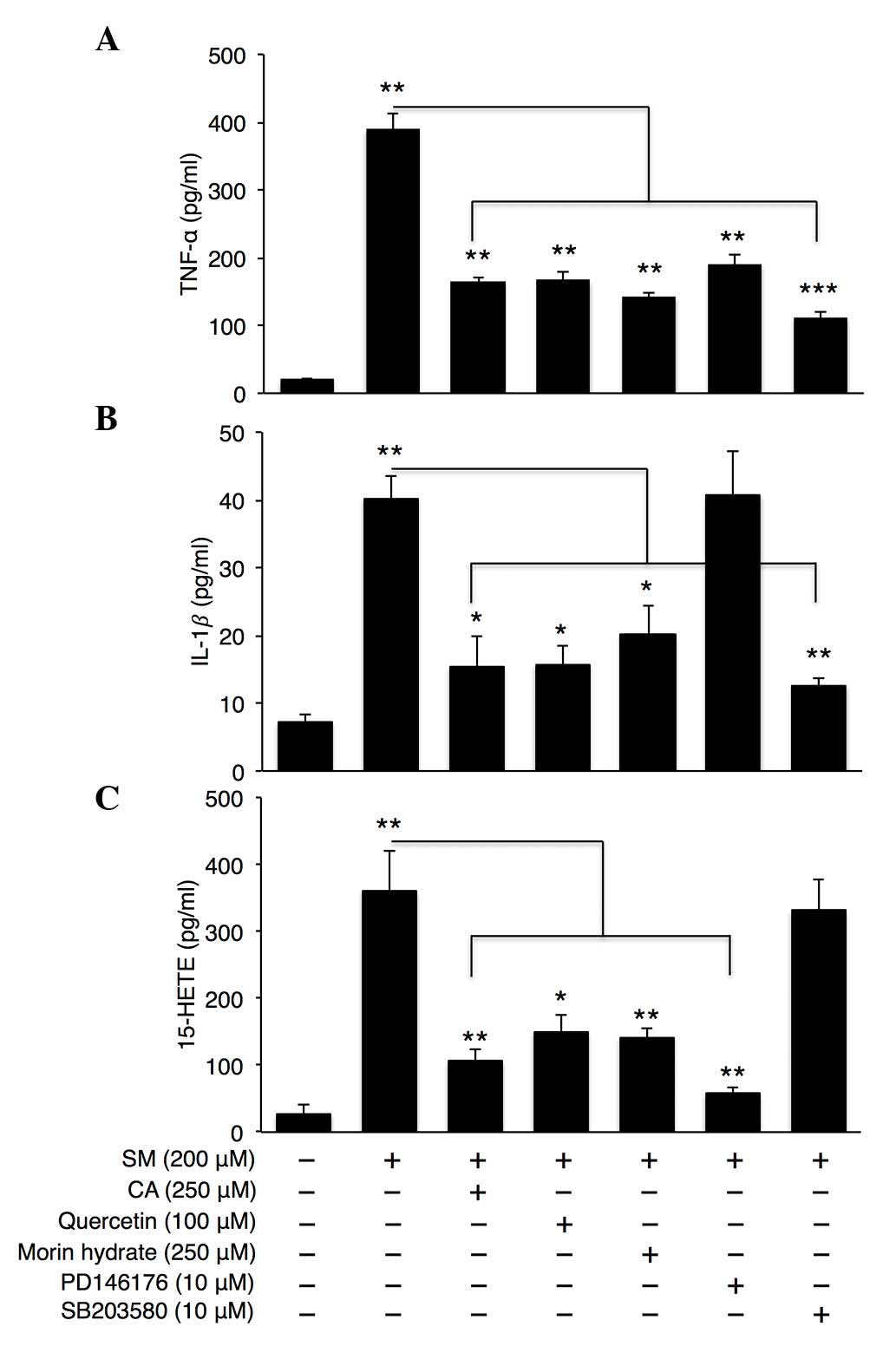
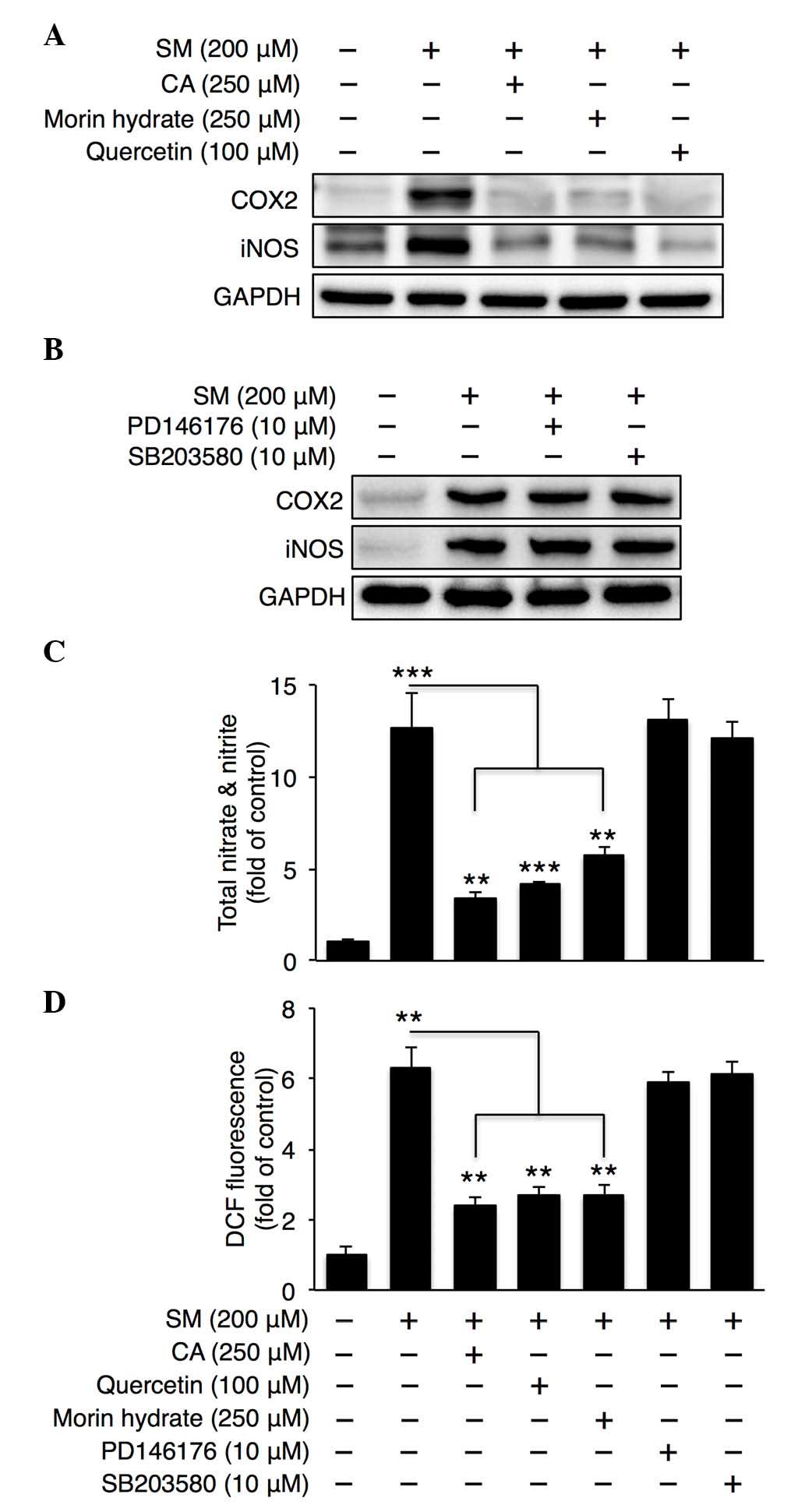
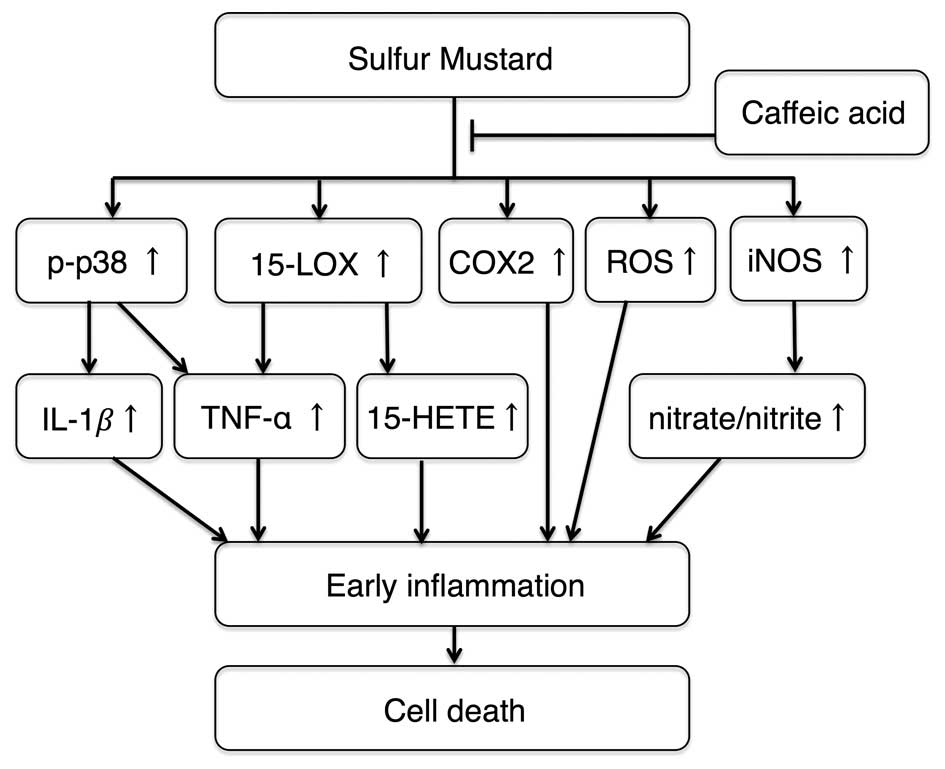
Sulfur mustard (SM) is an alkylating agent, which has been used as in chemical warfare in a number of conflicts. As the generation of reactive oxygen species (ROS), and adducts in DNA and proteins have been suggested as the mechanism underlying SM‑induced cytotoxicity, the present study screened several antioxidant candidates, including tannic acid, deferoxamine mesylate, trolox, vitamin C, ellagic acid and caffeic acid (CA) to assess their potential as therapeutic agents for SM‑induced cell death. Among several antioxidants, CA partially alleviated SM‑induced cell death in a dose‑dependent manner. Although CA treatment decreased the phosphorylation of p38 mitogen‑activated protein (MAP) kinase and p53, p38 MAP kinase inhibition by SB203580 did not affect SM‑induced cell death. As CA has also been reported as a 15‑lipoxygenase (15‑LOX) inhibitor, the role of 15‑LOX in SM‑induced cytotoxicity was also examined. Similar to the results observed with CA, treatment with PD146176, a specific 15‑LOX inhibitor, decreased SM‑induced cytotoxicity, accompanied by decreases in the production of tumor necrosis factor‑α and 15‑hydroxyeicosatetraenoic acid. Furthermore, the present study investigated the protective effects of two natural 15‑LOX inhibitors, morin hydrate and quercetin, in SM‑induced cytotoxicity. As expected, these inhibitors had similar protective effects against SM‑induced cytotoxicity. These antioxidants also reduced the generation of ROS and nitrate/nitrite. Therefore, the results of the present study indicated that the natural products, CA, quercetin and morin hydrate, offer potential as adjuvant therapeutic agents for SM‑induced toxicity, not only by reducing inflammation mediated by the p38 and LOX signaling pathways, but also by decreasing the generation of ROS and nitrate/nitrite.
View Figures

Figure 1

Figure 2

Figure 3

Figure 4

Figure 5

Figure 6

View References

1 

Kehe K, Balszuweit F, Steinritz D and Thiermann H: Molecular toxicology of sulfur mustard-induced cutaneous inflammation and blistering. Toxicology. 263:12–19. 2009. View Article : Google Scholar : PubMed/NCBI

2 

Ries C, Popp T, Egea V, Kehe K and Jochum M: Matrix metalloproteinase-9 expression and release from skin fibroblasts interacting with keratinocytes: Upregulation in response to sulphur mustard. Toxicology. 263:26–31. 2009. View Article : Google Scholar : PubMed/NCBI

3 

McClintock SD, Hoesel LM, Das SK, Till GO, Neff T, Kunkel RG, Smith MG and Ward PA: Attenuation of half sulfur mustard gas-induced acute lung injury in rats. J Appl Toxicol. 26:126–131. 2006. View Article : Google Scholar : PubMed/NCBI

4 

Kehe K, Raithel K, Kreppel H, Jochum M, Worek F and Thiermann H: Inhibition of poly (ADP-ribose) polymerase (PARP) influences the mode of sulfur mustard (SM)-induced cell death in HaCaT cells. Arch Toxicol. 82:461–470. 2008. View Article : Google Scholar : PubMed/NCBI

5 

Simbulan-Rosenthal CM, Ray R, Benton B, Soeda E, Daher A, Anderson D, Smith WJ and Rosenthal DS: Calmodulin mediates sulfur mustard toxicity in human keratinocytes. Toxicology. 227:21–35. 2006. View Article : Google Scholar : PubMed/NCBI

6 

Dillman JF III, McGary KL and Schlager JJ: An inhibitor of p38 MAP kinase downregulates cytokine release induced by sulfur mustard exposure in human epidermal keratinocytes. Toxicol In Vitro. 18:593–599. 2004. View Article : Google Scholar : PubMed/NCBI

7 

Rebholz B, Kehe K, Ruzicka T and Rupec RA: Role of NF-kappaB/RelA and MAPK pathways in keratinocytes in response to sulfur mustard. J Invest Dermatol. 128:1626–1632. 2008. View Article : Google Scholar : PubMed/NCBI

8 

Pal A, Tewari-Singh N, Gu M, Agarwal C, Huang J, Day BJ, White CW and Agarwal R: Sulfur mustard analog induces oxidative stress and activates signaling cascades in the skin of SKH-1 hairless mice. Free Radic Biol Med. 47:1640–1651. 2009. View Article : Google Scholar : PubMed/NCBI

9 

Paromov V, Suntres Z, Smith M and Stone WL: Sulfur mustard toxicity following dermal exposure: Role of oxidative stress and antioxidant therapy. J Burns Wounds. 7:e72007.PubMed/NCBI

10 

Kumar O, Sugendran K and Vijayaraghavan R: Protective effect of various antioxidants on the toxicity of sulphur mustard administered to mice by inhalation or percutaneous routes. Chem Biol Interact. 134:1–12. 2001. View Article : Google Scholar : PubMed/NCBI

11 

Naghii MR: Sulfur mustard intoxication, oxidative stress, and antioxidants. Mil Med. 167:573–575. 2002.PubMed/NCBI

12 

Gamaro GD, Suyenaga E, Borsoi M, Lermen J, Pereira P and Ardenghi P: Effect of rosmarinic and caffeic acids on inflammatory and nociception process in rats. ISRN Pharmacol. 2011:4516822011. View Article : Google Scholar : PubMed/NCBI

13 

Natarajan K, Singh S, Burke TR Jr, Grunberger D and Aggarwal BB: Caffeic acid phenethyl ester is a potent and specific inhibitor of activation of nuclear transcription factor NF-kappa B. Proc Natl Acad Sci USA. 93:9090–9095. 1996. View Article : Google Scholar : PubMed/NCBI

14 

Sud'ina GF, Mirzoeva OK, Pushkareva MA, Korshunova GA, Sumbatyan NV and Varfolomeev SD: Caffeic acid phenethyl ester as a lipoxygenase inhibitor with antioxidant properties. FEBS Lett. 329:21–24. 1993. View Article : Google Scholar : PubMed/NCBI

15 

Sultana B and Anwar F: Flavonols (kaempeferol, quercetin, myricetin) contents of selected fruits, vegetables and medicinal plants. Food Chem. 108:879–884. 2008. View Article : Google Scholar : PubMed/NCBI

16 

Rattanachaikunsopon P and Phumkhachorn P: Bacteriostatic effect of flavonoids isolated from leaves of Psidium guajava on fish pathogens. Fitoterapia. 78:434–436. 2007. View Article : Google Scholar : PubMed/NCBI

17 

Brash AR: Lipoxygenases: Occurrence, functions, catalysis, and acquisition of substrate. J Biol Chem. 274:23679–23682. 1999. View Article : Google Scholar : PubMed/NCBI

18 

Minsavage GD and Dillman JF III: Bifunctional alkylating agent-induced p53 and nonclassical nuclear factor kappaB responses and cell death are altered by caffeic acid phenethyl ester: A potential role for antioxidant/electrophilic response-element signaling. J Pharmacol Exp Ther. 321:202–212. 2007. View Article : Google Scholar : PubMed/NCBI

19 

Sadik CD, Sies H and Schewe T: Inhibition of 15-lipoxygenases by flavonoids: Structure-activity relations and mode of action. Biochem Pharmacol. 65:773–781. 2003. View Article : Google Scholar : PubMed/NCBI

20 

Black AT, Joseph LB, Casillas RP, Heck DE, Gerecke DR, Sinko PJ, Laskin DL and Laskin JD: Role of MAP kinases in regulating expression of antioxidants and inflammatory mediators in mouse keratinocytes following exposure to the half mustard, 2-chloroethyl ethyl sulfide. Toxicol Appl Pharmacol. 245:352–360. 2010. View Article : Google Scholar : PubMed/NCBI

21 

Lefkowitz LJ and Smith WJ: Sulfur mustard-induced arachidonic acid release is mediated by phospholipase D in human keratinocytes. Biochem Biophys Res Commun. 295:1062–1067. 2002. View Article : Google Scholar : PubMed/NCBI

22 

Gerecke DR, Chen M, Isukapalli SS, Gordon MK, Chang YC, Tong W, Androulakis IP and Georgopoulos PG: Differential gene expression profiling of mouse skin after sulfur mustard exposure: Extended time response and inhibitor effect. Toxicol Appl Pharmacol. 234:156–165. 2009. View Article : Google Scholar : PubMed/NCBI

23 

Folco G and Murphy RC: Eicosanoid transcellular biosynthesis: From cell-cell interactions to in vivo tissue responses. Pharmacol Rev. 58:375–388. 2006. View Article : Google Scholar : PubMed/NCBI

24 

Seiler A, Schneider M, Förster H, Roth S, Wirth EK, Culmsee C, Plesnila N, Kremmer E, Rådmark O, Wurst W, et al: Glutathione peroxidase 4 senses and translates oxidative stress into 12/15-lipoxygenase dependent- and AIF-mediated cell death. Cell Metab. 8:237–248. 2008. View Article : Google Scholar : PubMed/NCBI

25 

Gu J, Liu Y, Wen Y, Natarajan R, Lanting L and Nadler JL: Evidence that increased 12-lipoxygenase activity induces apoptosis in fibroblasts. J Cell Physiol. 186:357–365. 2001. View Article : Google Scholar : PubMed/NCBI

26 

Wang H, Li J, Follett PL, Zhang Y, Cotanche DA, Jensen FE, Volpe JJ and Rosenberg PA: 12-Lipoxygenase plays a key role in cell death caused by glutathione depletion and arachidonic acid in rat oligodendrocytes. Eur J Neurosci. 20:2049–2058. 2004. View Article : Google Scholar : PubMed/NCBI

27 

Li Y, Maher P and Schubert D: A role for 12-lipoxygenase in nerve cell death caused by glutathione depletion. Neuron. 19:453–463. 1997. View Article : Google Scholar : PubMed/NCBI

28 

Martínez-Clemente M, Ferré N, González-Périz A, López-Parra M, Horrillo R, Titos E, Morán-Salvador E, Miquel R, Arroyo V, Funk CD and Clària J: 5-lipoxygenase deficiency reduces hepatic inflammation and tumor necrosis factor alpha-induced hepatocyte damage in hyperlipidemia-prone ApoE-null mice. Hepatology. 51:817–827. 2010. View Article : Google Scholar : PubMed/NCBI

29 

Wen Y, Gu J, Chakrabarti SK, Aylor K, Marshall J, Takahashi Y, Yoshimoto T and Nadler JL: The role of 12/15-lipoxygenase in the expression of interleukin-6 and tumor necrosis factor-alpha in macrophages. Endocrinology. 148:1313–1322. 2007. View Article : Google Scholar : PubMed/NCBI

30 

Schade UF, Ernst M, Reinke M and Wolter DT: Lipoxygenase inhibitors suppress formation of tumor necrosis factor in vitro and in vivo. Biochem Biophys Res Commun. 159:748–754. 1989. View Article : Google Scholar : PubMed/NCBI

31 

Zhang R, Kang KA, Piao MJ, Maeng YH, Lee KH, Chang WY, You HJ, Kim JS, Kang SS and Hyun JW: Cellular protection of morin against the oxidative stress induced by hydrogen peroxide. Chem Biol Interact. 177:21–27. 2009. View Article : Google Scholar : PubMed/NCBI

32 

Dugas AJ, Castañeda-Acosta J, Bonin GC, Price KL, Fischer NH and Winston GW: Evaluation of the total peroxyl radical-scavenging capacity of flavonoids: Structure-activity relationships. J Nat Prod. 63:327–331. 2000. View Article : Google Scholar : PubMed/NCBI

33 

Chen YJ, Shiao MS and Wang SY: The antioxidant caffeic acid phenethyl ester induces apoptosis associated with selective scavenging of hydrogen peroxide in human leukemic HL-60 cells. Anticancer Drugs. 12:143–149. 2001. View Article : Google Scholar : PubMed/NCBI

34 

Choi K and Choi C: Differential regulation of c-Jun N-terminal kinase and NF-kappaB pathway by caffeic acid phenethyl ester in astroglial and monocytic cells. J Neurochem. 105:557–564. 2008. View Article : Google Scholar : PubMed/NCBI

Related Articles

  • Abstract
  • View
  • Download
  • Twitter
Copy and paste a formatted citation
Spandidos Publications style
Kim S, Jeong KJ, Cho SK, Park JW and Park WJ: Caffeic acid, morin hydrate and quercetin partially attenuate sulfur mustard-induced cell death by inhibiting the lipoxygenase pathway. Mol Med Rep 14: 4454-4460, 2016.
APA
Kim, S., Jeong, K., Cho, S.K., Park, J., & Park, W. (2016). Caffeic acid, morin hydrate and quercetin partially attenuate sulfur mustard-induced cell death by inhibiting the lipoxygenase pathway. Molecular Medicine Reports, 14, 4454-4460. https://doi.org/10.3892/mmr.2016.5766
MLA
Kim, S., Jeong, K., Cho, S. K., Park, J., Park, W."Caffeic acid, morin hydrate and quercetin partially attenuate sulfur mustard-induced cell death by inhibiting the lipoxygenase pathway". Molecular Medicine Reports 14.5 (2016): 4454-4460.
Chicago
Kim, S., Jeong, K., Cho, S. K., Park, J., Park, W."Caffeic acid, morin hydrate and quercetin partially attenuate sulfur mustard-induced cell death by inhibiting the lipoxygenase pathway". Molecular Medicine Reports 14, no. 5 (2016): 4454-4460. https://doi.org/10.3892/mmr.2016.5766
Copy and paste a formatted citation
x
Spandidos Publications style
Kim S, Jeong KJ, Cho SK, Park JW and Park WJ: Caffeic acid, morin hydrate and quercetin partially attenuate sulfur mustard-induced cell death by inhibiting the lipoxygenase pathway. Mol Med Rep 14: 4454-4460, 2016.
APA
Kim, S., Jeong, K., Cho, S.K., Park, J., & Park, W. (2016). Caffeic acid, morin hydrate and quercetin partially attenuate sulfur mustard-induced cell death by inhibiting the lipoxygenase pathway. Molecular Medicine Reports, 14, 4454-4460. https://doi.org/10.3892/mmr.2016.5766
MLA
Kim, S., Jeong, K., Cho, S. K., Park, J., Park, W."Caffeic acid, morin hydrate and quercetin partially attenuate sulfur mustard-induced cell death by inhibiting the lipoxygenase pathway". Molecular Medicine Reports 14.5 (2016): 4454-4460.
Chicago
Kim, S., Jeong, K., Cho, S. K., Park, J., Park, W."Caffeic acid, morin hydrate and quercetin partially attenuate sulfur mustard-induced cell death by inhibiting the lipoxygenase pathway". Molecular Medicine Reports 14, no. 5 (2016): 4454-4460. https://doi.org/10.3892/mmr.2016.5766
Follow us
  • Twitter
  • LinkedIn
  • Facebook
About
  • Spandidos Publications
  • Careers
  • Cookie Policy
  • Privacy Policy
How can we help?
  • Help
  • Live Chat
  • Contact
  • Email to our Support Team