Spandidos Publications Logo
  • About
    • About Spandidos
    • Aims and Scopes
    • Abstracting and Indexing
    • Editorial Policies
    • Reprints and Permissions
    • Job Opportunities
    • Terms and Conditions
    • Contact
  • Journals
    • All Journals
    • Oncology Letters
      • Oncology Letters
      • Information for Authors
      • Editorial Policies
      • Editorial Board
      • Aims and Scope
      • Abstracting and Indexing
      • Bibliographic Information
      • Archive
    • International Journal of Oncology
      • International Journal of Oncology
      • Information for Authors
      • Editorial Policies
      • Editorial Board
      • Aims and Scope
      • Abstracting and Indexing
      • Bibliographic Information
      • Archive
    • Molecular and Clinical Oncology
      • Molecular and Clinical Oncology
      • Information for Authors
      • Editorial Policies
      • Editorial Board
      • Aims and Scope
      • Abstracting and Indexing
      • Bibliographic Information
      • Archive
    • Experimental and Therapeutic Medicine
      • Experimental and Therapeutic Medicine
      • Information for Authors
      • Editorial Policies
      • Editorial Board
      • Aims and Scope
      • Abstracting and Indexing
      • Bibliographic Information
      • Archive
    • International Journal of Molecular Medicine
      • International Journal of Molecular Medicine
      • Information for Authors
      • Editorial Policies
      • Editorial Board
      • Aims and Scope
      • Abstracting and Indexing
      • Bibliographic Information
      • Archive
    • Biomedical Reports
      • Biomedical Reports
      • Information for Authors
      • Editorial Policies
      • Editorial Board
      • Aims and Scope
      • Abstracting and Indexing
      • Bibliographic Information
      • Archive
    • Oncology Reports
      • Oncology Reports
      • Information for Authors
      • Editorial Policies
      • Editorial Board
      • Aims and Scope
      • Abstracting and Indexing
      • Bibliographic Information
      • Archive
    • Molecular Medicine Reports
      • Molecular Medicine Reports
      • Information for Authors
      • Editorial Policies
      • Editorial Board
      • Aims and Scope
      • Abstracting and Indexing
      • Bibliographic Information
      • Archive
    • World Academy of Sciences Journal
      • World Academy of Sciences Journal
      • Information for Authors
      • Editorial Policies
      • Editorial Board
      • Aims and Scope
      • Abstracting and Indexing
      • Bibliographic Information
      • Archive
    • International Journal of Functional Nutrition
      • International Journal of Functional Nutrition
      • Information for Authors
      • Editorial Policies
      • Editorial Board
      • Aims and Scope
      • Abstracting and Indexing
      • Bibliographic Information
      • Archive
    • International Journal of Epigenetics
      • International Journal of Epigenetics
      • Information for Authors
      • Editorial Policies
      • Editorial Board
      • Aims and Scope
      • Abstracting and Indexing
      • Bibliographic Information
      • Archive
    • Medicine International
      • Medicine International
      • Information for Authors
      • Editorial Policies
      • Editorial Board
      • Aims and Scope
      • Abstracting and Indexing
      • Bibliographic Information
      • Archive
  • Articles
  • Information
    • Information for Authors
    • Information for Reviewers
    • Information for Librarians
    • Information for Advertisers
    • Conferences
  • Language Editing
Spandidos Publications Logo
  • About
    • About Spandidos
    • Aims and Scopes
    • Abstracting and Indexing
    • Editorial Policies
    • Reprints and Permissions
    • Job Opportunities
    • Terms and Conditions
    • Contact
  • Journals
    • All Journals
    • Biomedical Reports
      • Information for Authors
      • Editorial Policies
      • Editorial Board
      • Aims and Scope
      • Abstracting and Indexing
      • Bibliographic Information
      • Archive
    • Experimental and Therapeutic Medicine
      • Information for Authors
      • Editorial Policies
      • Editorial Board
      • Aims and Scope
      • Abstracting and Indexing
      • Bibliographic Information
      • Archive
    • International Journal of Epigenetics
      • Information for Authors
      • Editorial Policies
      • Editorial Board
      • Aims and Scope
      • Abstracting and Indexing
      • Bibliographic Information
      • Archive
    • International Journal of Functional Nutrition
      • Information for Authors
      • Editorial Policies
      • Editorial Board
      • Aims and Scope
      • Abstracting and Indexing
      • Bibliographic Information
      • Archive
    • International Journal of Molecular Medicine
      • Information for Authors
      • Editorial Policies
      • Editorial Board
      • Aims and Scope
      • Abstracting and Indexing
      • Bibliographic Information
      • Archive
    • International Journal of Oncology
      • Information for Authors
      • Editorial Policies
      • Editorial Board
      • Aims and Scope
      • Abstracting and Indexing
      • Bibliographic Information
      • Archive
    • Medicine International
      • Information for Authors
      • Editorial Policies
      • Editorial Board
      • Aims and Scope
      • Abstracting and Indexing
      • Bibliographic Information
      • Archive
    • Molecular and Clinical Oncology
      • Information for Authors
      • Editorial Policies
      • Editorial Board
      • Aims and Scope
      • Abstracting and Indexing
      • Bibliographic Information
      • Archive
    • Molecular Medicine Reports
      • Information for Authors
      • Editorial Policies
      • Editorial Board
      • Aims and Scope
      • Abstracting and Indexing
      • Bibliographic Information
      • Archive
    • Oncology Letters
      • Information for Authors
      • Editorial Policies
      • Editorial Board
      • Aims and Scope
      • Abstracting and Indexing
      • Bibliographic Information
      • Archive
    • Oncology Reports
      • Information for Authors
      • Editorial Policies
      • Editorial Board
      • Aims and Scope
      • Abstracting and Indexing
      • Bibliographic Information
      • Archive
    • World Academy of Sciences Journal
      • Information for Authors
      • Editorial Policies
      • Editorial Board
      • Aims and Scope
      • Abstracting and Indexing
      • Bibliographic Information
      • Archive
  • Articles
  • Information
    • For Authors
    • For Reviewers
    • For Librarians
    • For Advertisers
    • Conferences
  • Language Editing
Login Register Submit
  • This site uses cookies
  • You can change your cookie settings at any time by following the instructions in our Cookie Policy. To find out more, you may read our Privacy Policy.

    I agree
Search articles by DOI, keyword, author or affiliation
Search
Advanced Search
presentation
Molecular Medicine Reports
Join Editorial Board Propose a Special Issue
Print ISSN: 1791-2997 Online ISSN: 1791-3004
Journal Cover
July-2017 Volume 16 Issue 1

Full Size Image

Sign up for eToc alerts
Recommend to Library

Journals

International Journal of Molecular Medicine

International Journal of Molecular Medicine

International Journal of Molecular Medicine is an international journal devoted to molecular mechanisms of human disease.

International Journal of Oncology

International Journal of Oncology

International Journal of Oncology is an international journal devoted to oncology research and cancer treatment.

Molecular Medicine Reports

Molecular Medicine Reports

Covers molecular medicine topics such as pharmacology, pathology, genetics, neuroscience, infectious diseases, molecular cardiology, and molecular surgery.

Oncology Reports

Oncology Reports

Oncology Reports is an international journal devoted to fundamental and applied research in Oncology.

Experimental and Therapeutic Medicine

Experimental and Therapeutic Medicine

Experimental and Therapeutic Medicine is an international journal devoted to laboratory and clinical medicine.

Oncology Letters

Oncology Letters

Oncology Letters is an international journal devoted to Experimental and Clinical Oncology.

Biomedical Reports

Biomedical Reports

Explores a wide range of biological and medical fields, including pharmacology, genetics, microbiology, neuroscience, and molecular cardiology.

Molecular and Clinical Oncology

Molecular and Clinical Oncology

International journal addressing all aspects of oncology research, from tumorigenesis and oncogenes to chemotherapy and metastasis.

World Academy of Sciences Journal

World Academy of Sciences Journal

Multidisciplinary open-access journal spanning biochemistry, genetics, neuroscience, environmental health, and synthetic biology.

International Journal of Functional Nutrition

International Journal of Functional Nutrition

Open-access journal combining biochemistry, pharmacology, immunology, and genetics to advance health through functional nutrition.

International Journal of Epigenetics

International Journal of Epigenetics

Publishes open-access research on using epigenetics to advance understanding and treatment of human disease.

Medicine International

Medicine International

An International Open Access Journal Devoted to General Medicine.

Journal Cover
July-2017 Volume 16 Issue 1

Full Size Image

Sign up for eToc alerts
Recommend to Library

  • Article
  • Citations
    • Cite This Article
    • Download Citation
    • Create Citation Alert
    • Remove Citation Alert
    • Cited By
  • Similar Articles
    • Related Articles (in Spandidos Publications)
    • Similar Articles (Google Scholar)
    • Similar Articles (PubMed)
  • Download PDF
  • Download XML
  • View XML
Article Open Access

σ-1 receptor stimulation protects against pressure-induced damage through InsR-MAPK signaling in human trabecular meshwork cells

  • Authors:
    • Bo Meng
    • Hongyi Li
    • Xian Sun
    • Wei Qu
    • Binbin Yang
    • Fang Cheng
    • Liping Shi
    • Huiping Yuan
  • View Affiliations / Copyright

    Affiliations: Department of Ophthalmology, The Second Affiliated Hospital of Harbin Medical University, Harbin, Heilongjiang 150086, P.R. China, Department of Ophthalmology and Otorhinolaryngology, Hospital of Heilongjiang University, Harbin, Heilongjiang 150080, P.R. China, Department of Oncology, The Third Affiliated Hospital of Harbin Medical University, Harbin, Heilongjiang 150081, P.R. China
    Copyright: © Meng et al. This is an open access article distributed under the terms of Creative Commons Attribution License.
  • Pages: 617-624
    |
    Published online on: May 30, 2017
       https://doi.org/10.3892/mmr.2017.6647
  • Expand metrics +
Metrics: Total Views: 0 (Spandidos Publications: | PMC Statistics: )
Metrics: Total PDF Downloads: 0 (Spandidos Publications: | PMC Statistics: )
Cited By (CrossRef): 0 citations Loading Articles...

This article is mentioned in:


Abstract

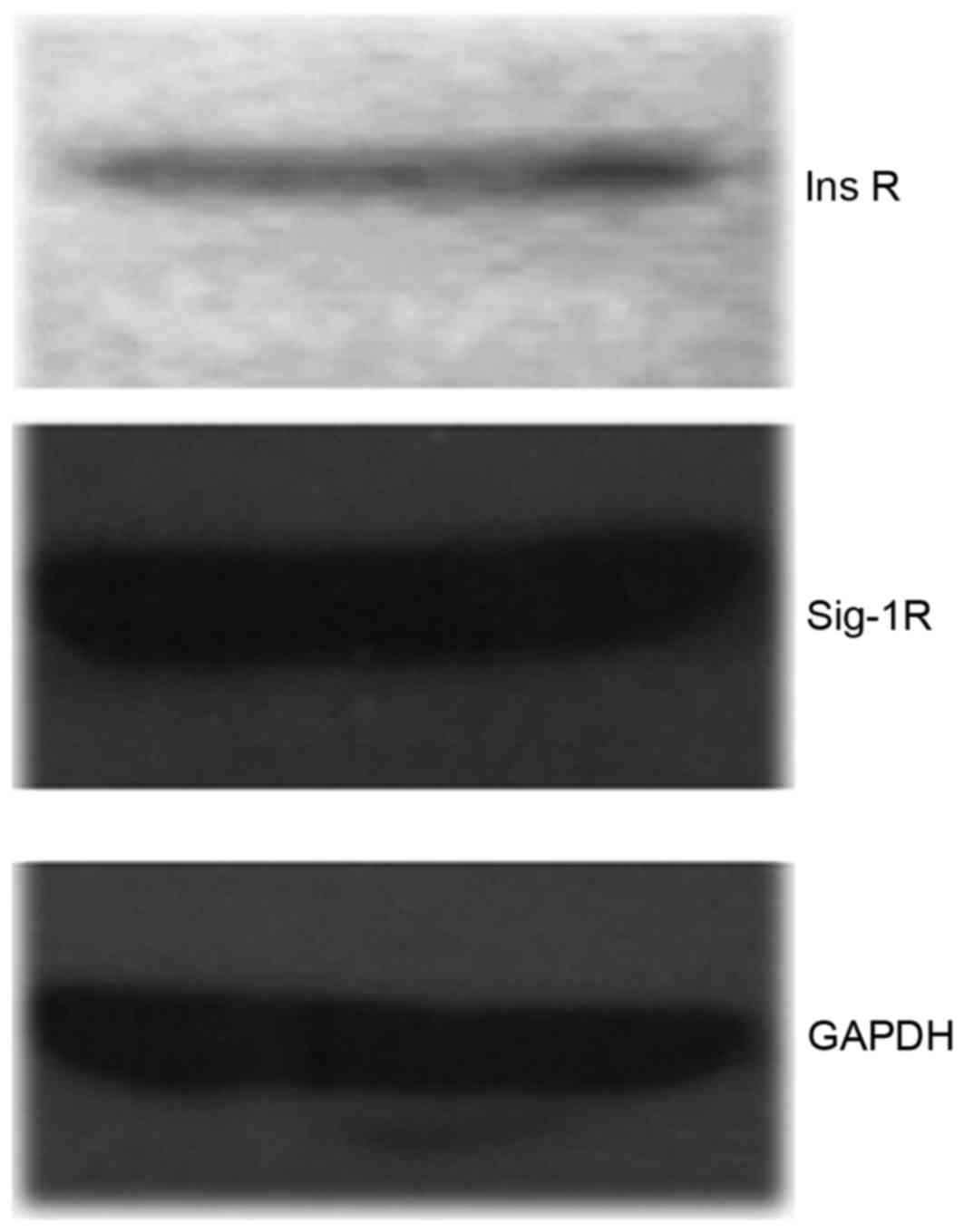
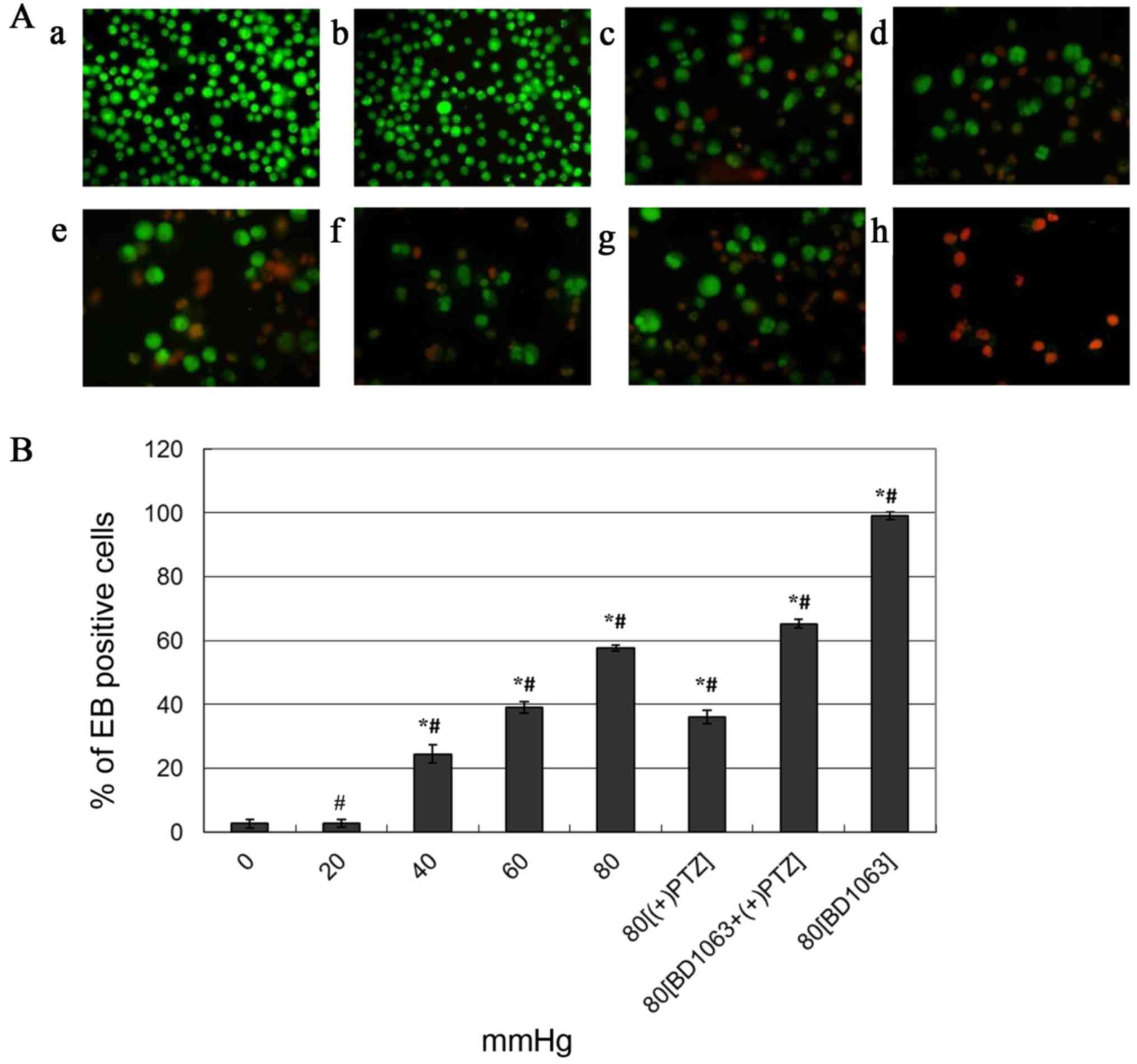
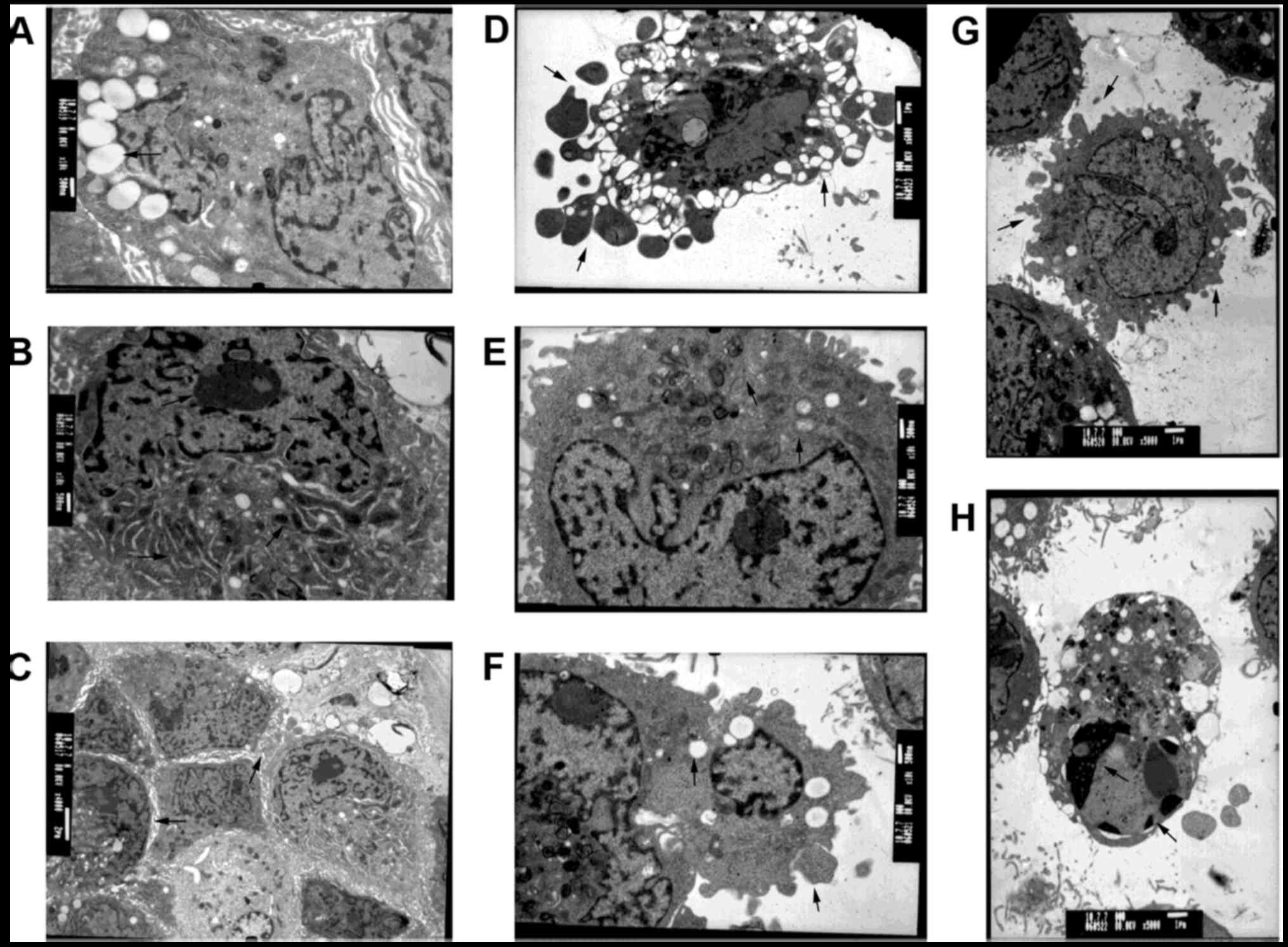
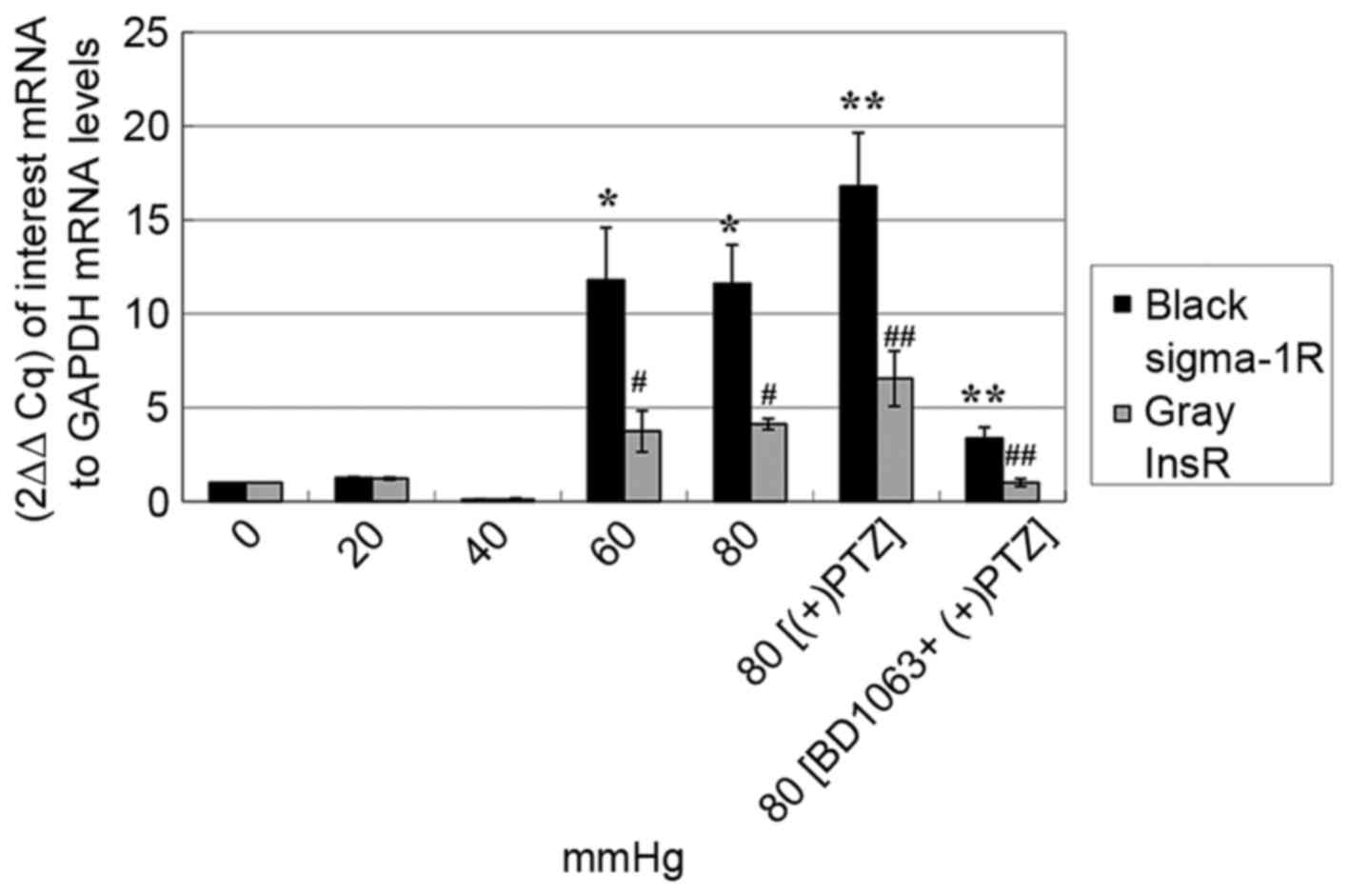
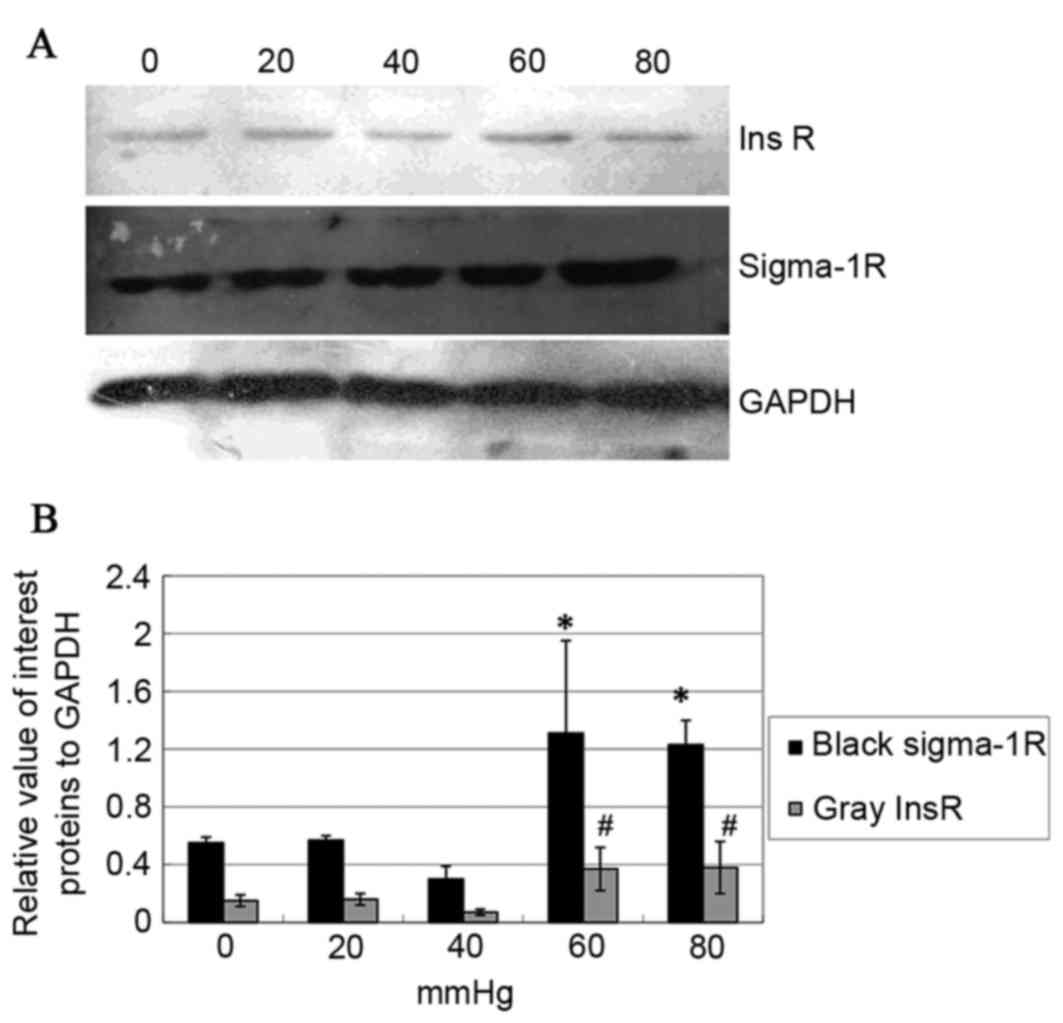
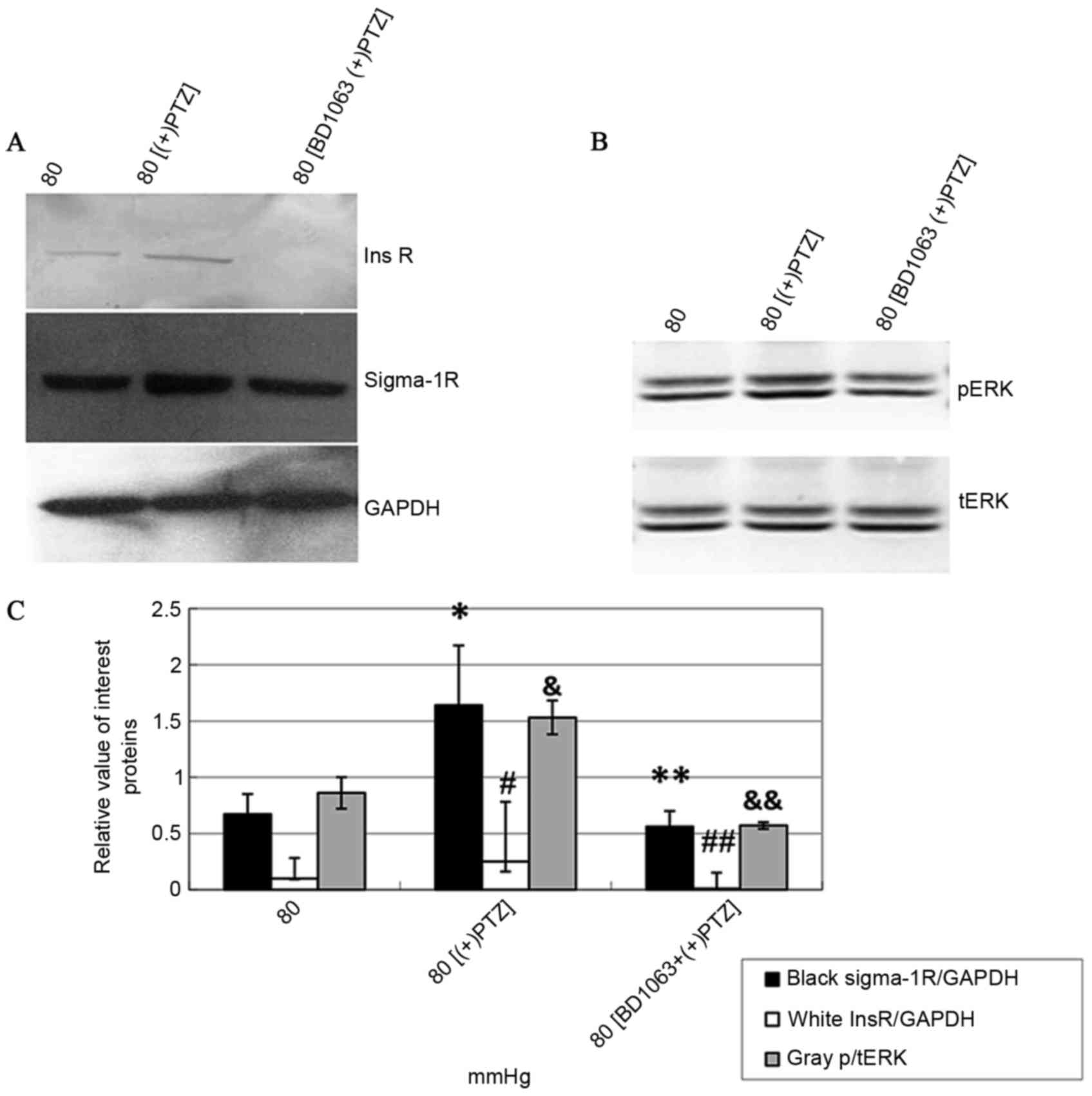
The purpose of the present study was to investigate the protective effect of the σ-1 receptor (Sig-1R) agonist (+)‑pentazocin (PTZ) on pressure-induced apoptosis and death of human trabecular meshwork cells (hTMCs). The expression levels of Sig‑1R and insulin receptor (InsR) were examined in hTMCs. Cells were cultured under a pressure of 0, 20, 40, 60 and 80 mmHg for 48 h, and under 80 mmHg for 44 h, after which the cells were treated with (+)‑PTZ (20 µM), N-(2-(3,4-dichlorophenyl)ethyl)-N‑methyl-2‑(dimethylamino) ethylamine (BD‑1063; 20 µM) administered 30 min prior to (+)‑PTZ, or BD‑1063 (20 µM) and then exposed to 80 mmHg again until the 48 h time‑point. The changes of the cells were observed by optical and electron microscopy, the apoptosis and death of hTMCs were detected by ethidium bromide/acridine orange dual staining assay and the expression of Sig‑1R and InsR by reverse transcription‑quantitative polymerase chain reaction and western blot analysis. The phosphorylation of extracellular signal‑regulated kinase (ERK), an important downstream protein of the InsR‑mitogen‑activated protein kinases (MAPK) signaling pathway, was also detected by western blot analysis when (+)‑PTZ and BD‑1063 were added to the 80 mmHg‑treated cells. Sig‑1Rs and InsRs were expressed in hTMCs. The apoptosis and death of hTMCs increased from 40 mmHg with 50% cell death when the pressure was at 80 mmHg and the structure of the cells noticeably changed. The expression of Sig‑1R and InsR increased along with the elevation of pressure. (+)‑PTZ decreased the apoptosis and death of hTMCs and increased the expression of Sig‑1R and InsR, and the phosphorylation of ERK. Such effects were blocked by BD‑1063. The present study suggested that Sig‑1R agonist (+)‑PTZ can protect hTMCs from pressure‑induced apoptosis and death by activating InsR and the MAPK signal pathway.
View Figures

Figure 1

Figure 2

Figure 3

Figure 4

Figure 5

Figure 6

View References

1 

Quigley HA, Tielsch JM, Katz J and Sommer A: Rate of progression in open-angle glaucoma estimated from cross-sectional prevalence of visual field damage. Am J Ophthalmol. 122:355–363. 1996. View Article : Google Scholar : PubMed/NCBI

2 

Harper MM, Adamson L, Blits B, Bunge MB, Grozdanic SD and Sakaguchi DS: Brain-derived neurotrophic factor released from engineered mesenchymal stem cells attenuates glutamate and hydrogen peroxide-mediated death of staurosporine-differentiated RGC-5 cells. Exp Eye Res. 89:538–548. 2006. View Article : Google Scholar

3 

Boland MV and Quigley HA: Risk factors and open-angle glaucoma: Classification and application. J Glaucoma. 16:406–418. 2007. View Article : Google Scholar : PubMed/NCBI

4 

Cruz-lñigo Y, Izquierdo NJ, García O and Pérez R: Open-angle glaucoma in patients with diabetic retinopathy at the Puerto Rico Medical Center. Bol Asoc Med P R. 104:10–13. 2012.

5 

Chopra V, Varma R, Francis BA, Wu J, Torres M and Azen SP: Los Angeles Latino Eye Study Group: Type 2 diabetes mellitus and the risk of open-angle glaucoma the Los Angeles Latino Eye Study. Ophthalmology. 115:227–232.e1. 2008. View Article : Google Scholar : PubMed/NCBI

6 

Mitchell P, Smith W, Chey T and Henley P: Open-angle glaucoma and diabetes: The Blue Mountains Eye Study, Australia. Ophthalmology. 104:712–718. 1997. View Article : Google Scholar : PubMed/NCBI

7 

Sato T and Roy S: Effect of high glucose on fibronectin expression and cell proliferation in trabecular meshwork cells. Invest Ophthalmol Vis Sci. 43:170–175. 2002.PubMed/NCBI

8 

Nakamura M, Kanamori A and Negi A: Diabetes mellitus as a risk factor for glaucomatous optic neuropathy. Ophthalmologica. 219:1–10. 2005. View Article : Google Scholar : PubMed/NCBI

9 

Yang Q, Xu Y, Xie P, Cheng H, Song Q, Su T, Yuan S and Liu Q: Retinal neurodegeneration in db/db mice at the early period of diabetes. J Ophthalmol. 2015:7574122015. View Article : Google Scholar : PubMed/NCBI

10 

Yang Y, Mao D, Chen X, Zhao L, Tian Q, Liu C and Zhou BL: Decrease in retinal neuronal cells in streptozotocin-induced diabetic mice. Mol Vis. 18:1411–1420. 2012.PubMed/NCBI

11 

de Moraes G and Layton CJ: Therapeutic targeting of diabetic retinal neuropathy as a strategy in preventing diabetic retinopathy. Clin Exp Ophthalmol. 44:838–852. 2016. View Article : Google Scholar : PubMed/NCBI

12 

Soto I, Howell GR, John CW, Kief JL, Libby RT and John SW: DBA/2J mice are susceptible to diabetic nephropathy and diabetic exacerbation of IOP elevation. PLoS One. 9:e1072912014. View Article : Google Scholar : PubMed/NCBI

13 

Wong VH, Bui BV and Vingrys AJ: Clinical and experimental links between diabetes and glaucoma. Clin Exp Optom. 94:4–23. 2011. View Article : Google Scholar : PubMed/NCBI

14 

Faiq MA, Dada R, Saluja D and Dada T: Glaucoma-diabetes of the brain: A radical hypothesis about its nature and pathogenesis. Med Hypotheses. 82:535–546. 2014. View Article : Google Scholar : PubMed/NCBI

15 

Shen L, Walter S, Melles RB, Glymour MM and Jorgenson E: Diabetes pathology and risk of primary open-angle glaucoma: Evaluating causal mechanisms by using genetic information. Am J Epidemiol. 183:147–155. 2016.PubMed/NCBI

16 

Nakae J, Kido Y and Accili D: Distinct and overlapping functions of insulin and IGF-I receptors. Endocr Rev. 22:818–835. 2001. View Article : Google Scholar : PubMed/NCBI

17 

Baumann CA and Saltiel AR: Spatial compartmentalization of signal transduction in insulin action. Bioessays. 23:215–222. 2001. View Article : Google Scholar : PubMed/NCBI

18 

Saltiel AR and Kahn CR: Insulin signalling and the regulation of glucose and lipid metabolism. Nature. 414:799–806. 2001. View Article : Google Scholar : PubMed/NCBI

19 

Johnston AM, Pirola L and Van Obberghen E: Molecular mechanisms of insulin receptor substrate protein-mediated modulation of insulin signalling. FEBS Lett. 546:32–36. 2003. View Article : Google Scholar : PubMed/NCBI

20 

Ola MS, Moore P, El-Sherbeny A, Roon P, Agarwal N, Sarthy VP, Casellas P, Ganapathy V and Smith SB: Expression pattern of sigma receptor 1 mRNA and protein in mammalian retina. Brain Res Mol Brain Res. 95:86–95. 2001. View Article : Google Scholar : PubMed/NCBI

21 

Campana G, Bucolo C, Murari G and Spampinato S: Ocular hypotensive action of topical flunarizine in the rabbit: Role of sigma 1 recognition sites. J Pharmacol Exp Ther. 303:1086–1094. 2002. View Article : Google Scholar : PubMed/NCBI

22 

Bucolo C, Campana G, Di Toro R, Cacciaguerra S and Spampinato S: Sigma1 recognition sites in rabbit iris-ciliary body: Topical sigma1-site agonists lower intraocular pressure. J Pharmacol Exp Ther. 289:1362–1369. 1999.PubMed/NCBI

23 

Martin PM, Ola MS, Agarwal N, Ganapathy V and Smith SB: The sigma receptor ligand (+)-pentazocine prevents apoptotic retinal ganglion cell death induced in vitro by homocysteine and glutamate. Brain Res Mol Brain Res. 123:66–75. 2004. View Article : Google Scholar : PubMed/NCBI

24 

Hayashi T and Su TP: Sigma-1 receptor chaperones at the ER-mitochondrion interface regulate Ca(2+) signaling and cell survival. Cell. 131:596–610. 2007. View Article : Google Scholar : PubMed/NCBI

25 

Su TP and Hayashi T: Understanding the molecular mechanism of sigma-1 receptors: Towards a hypothesis that sigma-1 receptors are intracellular amplifiers for signal transduction. Curr Med Chem. 10:2073–2080. 2003. View Article : Google Scholar : PubMed/NCBI

26 

Cobos EJ, Entrena JM, Nieto FR, Cendán CM and Del Pozo E: Pharmacology and therapeutic potential of sigma(1) receptor ligands. Curr Neuropharmacol. 6:344–366. 2009. View Article : Google Scholar

27 

Sun X, Cheng F, Meng B, Yang B, Song W and Yuan H: Pregnenolone sulfate decreases intraocular pressure and changes expression of sigma receptor in a model of chronic ocular hypertension. Mol Biol Rep. 39:6607–6614. 2012. View Article : Google Scholar : PubMed/NCBI

28 

Livak KJ and Schmittgen TD: Analysis of relative gene expression data using real-time quantitative PCR and the 2(−Delta DeltaC(T)) method. Methods. 25:402–408. 2001. View Article : Google Scholar : PubMed/NCBI

29 

Zhao J, Mysona BA, Qureshi A, Kim L, Fields T, Gonsalvez GB, Smith SB and Bollinger KE: (+)-Pentazocine reduces NMDA-induced murine retinal ganglion cell death through a σ1-dependent mechanism. Invest Ophthalmol Vis Sci. 57:453–461. 2016. View Article : Google Scholar : PubMed/NCBI

30 

Mueller BH II, Park Y, Ma HY, Dibas A, Ellis DZ, Clark AF and Yorio T: Sigma-1 receptor stimulation protects retinal ganglion cells from ischemia-like insult through the activation of extracellular-signal-regulated kinases 1/2. Exp Eye Res. 128:156–169. 2014. View Article : Google Scholar : PubMed/NCBI

31 

Mueller BH II, Park Y, Daudt DR III, Ma HY, Akopova I, Stankowska DL, Clark AF and Yorio T: Sigma-1 receptor stimulation attenuates calcium influx through activated L-type voltage gated calcium channels in purified retinal ganglion cells. Exp Eye Res. 107:21–31. 2013. View Article : Google Scholar : PubMed/NCBI

32 

Kass MA, Heuer DK, Higginbotham EJ, Johnson CA, Keltner JL, Miller JP, Parrish RK II, Wilson MR and Gordon MO: The ocular hypertension treatment study: A randomized trial determines that topical ocular hypotensive medication delays or prevents the onset of primary open-angle glaucoma. Arch Ophthalmol. 120:701–713, 829–830. 2002. View Article : Google Scholar : PubMed/NCBI

33 

Heijl A, Leske MC, Bengtsson B, Hyman L and Hussein M: Early Manifest Glaucoma Trial Group: Reduction of intraocular pressure and glaucoma progression: Results from the Early Manifest Glaucoma Trial. Arch Ophthalmol. 120:1268–1279. 2002. View Article : Google Scholar : PubMed/NCBI

34 

Alvarado J, Murphy C and Juster R: Trabecular meshwork cellularity in primary open-angle glaucoma and nonglaucomatous normals. Ophthalmology. 91:564–579. 1984. View Article : Google Scholar : PubMed/NCBI

35 

Rohen JW, Lütjen-Drecoll E, Flugel C, Meyer M and Grierson I: Ultrastructure of the trabecular meshwork in untreated cases of primary open-angle glaucoma (POAG). Exp Eye Res. 56:683–692. 1993. View Article : Google Scholar : PubMed/NCBI

36 

Lutjen-Drecoll E, Rittig M, Rauterberg J, Jander R and Mollenhauer J: Immunomicroscopical study of type VI collagen in the trabecular meshwork of normal and glaucomatous eyes. Exp Eye Res. 48:139–147. 1989. View Article : Google Scholar : PubMed/NCBI

37 

Tripathi RC: Pathologic anatomy of the outflow pathway of aqueous humor in chronic simple glaucoma. Exp Eye Res. 25:(Suppl). S403–S407. 1977. View Article : Google Scholar

38 

Zhang X, Ognibene CM, Clark AF and Yorio T: Dexamethasone inhibition of trabecular meshwork cell phagocytosis and its modulation by glucocorticoid receptor beta. Exp Eye Res. 84:275–284. 2007. View Article : Google Scholar : PubMed/NCBI

39 

Cao Y, Wei H, Pfaffl M, Da B and Li Z: Apoptosis of human trabecular meshwork cells induced by transforming growth factor-beta2 in vitro. J Huazhong Univ Sci Technolog Med Sci. 24:87–89, 94. 2004. View Article : Google Scholar : PubMed/NCBI

40 

Ziangirova GG and Antonova OV: Lipid peroxidation in the pathogenesis of primary open-angle glaucoma. Vestn Oftalmol. 119:54–55. 2003.(In Russian). PubMed/NCBI

41 

Zhao D, Cho J, Kim MH, Friedman DS and Guallar E: Diabetes, fasting glucose, and the risk of glaucoma: A metaanalysis. Ophthalmology. 122:72–78. 2015. View Article : Google Scholar : PubMed/NCBI

42 

Ko F, Boland MV, Gupta P, Gadkaree SK, Vitale S, Guallar E, Zhao D and Friedman DS: Diabetes, triglyceride levels, and other risk factors for glaucoma in the National Health and Nutrition Examination Survey 2005–2008. Invest Ophthalmol Vis Sci. 57:2152–2157. 2016. View Article : Google Scholar : PubMed/NCBI

43 

Mitchell P, Smith W, Chey T and Healey PR: Open-angle glaucoma and diabetes: The Blue Mountains eye study, Australia. Ophthalmology. 104:712–718. 1997. View Article : Google Scholar : PubMed/NCBI

44 

Klein BE, Klein R and Jensen SC: Open-angle glaucoma and older-onset diabetes. The Beaver Dam Eye Study. Ophthalmology. 101:1173–1177. 1994. View Article : Google Scholar : PubMed/NCBI

45 

Xie L, Chen H, Overbeek PA and Reneker LW: Elevated insulin signaling disrupts the growth and differentiation pattern of the mouse lens. Mol Vis. 13:397–407. 2007.PubMed/NCBI

46 

Zamanillo D, Romero L, Merlos M and Vela JM: Sigma 1 receptor: A new therapeutic target for pain. Eur J Pharmacol. 716:78–93. 2013. View Article : Google Scholar : PubMed/NCBI

47 

Mori T, Hayashi T, Hayashi E and Su TP: Sigma-1 receptor chaperone at the ER-mitochondrion interface mediates the mitochondrion-ER-nucleus signaling for cellular survival. PLoS One. 8:e769412013. View Article : Google Scholar : PubMed/NCBI

48 

Su TP, Hayashi T, Maurice T, Buch S and Ruoho AE: The sigma-1 receptor chaperone as an inter-organelle signaling modulator. Trends Pharmacol Sci. 31:557–566. 2010. View Article : Google Scholar : PubMed/NCBI

Related Articles

  • Abstract
  • View
  • Download
  • Twitter
Copy and paste a formatted citation
Spandidos Publications style
Meng B, Li H, Sun X, Qu W, Yang B, Cheng F, Shi L and Yuan H: σ-1 receptor stimulation protects against pressure-induced damage through InsR-MAPK signaling in human trabecular meshwork cells. Mol Med Rep 16: 617-624, 2017.
APA
Meng, B., Li, H., Sun, X., Qu, W., Yang, B., Cheng, F. ... Yuan, H. (2017). σ-1 receptor stimulation protects against pressure-induced damage through InsR-MAPK signaling in human trabecular meshwork cells. Molecular Medicine Reports, 16, 617-624. https://doi.org/10.3892/mmr.2017.6647
MLA
Meng, B., Li, H., Sun, X., Qu, W., Yang, B., Cheng, F., Shi, L., Yuan, H."σ-1 receptor stimulation protects against pressure-induced damage through InsR-MAPK signaling in human trabecular meshwork cells". Molecular Medicine Reports 16.1 (2017): 617-624.
Chicago
Meng, B., Li, H., Sun, X., Qu, W., Yang, B., Cheng, F., Shi, L., Yuan, H."σ-1 receptor stimulation protects against pressure-induced damage through InsR-MAPK signaling in human trabecular meshwork cells". Molecular Medicine Reports 16, no. 1 (2017): 617-624. https://doi.org/10.3892/mmr.2017.6647
Copy and paste a formatted citation
x
Spandidos Publications style
Meng B, Li H, Sun X, Qu W, Yang B, Cheng F, Shi L and Yuan H: σ-1 receptor stimulation protects against pressure-induced damage through InsR-MAPK signaling in human trabecular meshwork cells. Mol Med Rep 16: 617-624, 2017.
APA
Meng, B., Li, H., Sun, X., Qu, W., Yang, B., Cheng, F. ... Yuan, H. (2017). σ-1 receptor stimulation protects against pressure-induced damage through InsR-MAPK signaling in human trabecular meshwork cells. Molecular Medicine Reports, 16, 617-624. https://doi.org/10.3892/mmr.2017.6647
MLA
Meng, B., Li, H., Sun, X., Qu, W., Yang, B., Cheng, F., Shi, L., Yuan, H."σ-1 receptor stimulation protects against pressure-induced damage through InsR-MAPK signaling in human trabecular meshwork cells". Molecular Medicine Reports 16.1 (2017): 617-624.
Chicago
Meng, B., Li, H., Sun, X., Qu, W., Yang, B., Cheng, F., Shi, L., Yuan, H."σ-1 receptor stimulation protects against pressure-induced damage through InsR-MAPK signaling in human trabecular meshwork cells". Molecular Medicine Reports 16, no. 1 (2017): 617-624. https://doi.org/10.3892/mmr.2017.6647
Follow us
  • Twitter
  • LinkedIn
  • Facebook
About
  • Spandidos Publications
  • Careers
  • Cookie Policy
  • Privacy Policy
How can we help?
  • Help
  • Live Chat
  • Contact
  • Email to our Support Team