Spandidos Publications Logo
  • About
    • About Spandidos
    • Aims and Scopes
    • Abstracting and Indexing
    • Editorial Policies
    • Reprints and Permissions
    • Job Opportunities
    • Terms and Conditions
    • Contact
  • Journals
    • All Journals
    • Oncology Letters
      • Oncology Letters
      • Information for Authors
      • Editorial Policies
      • Editorial Board
      • Aims and Scope
      • Abstracting and Indexing
      • Bibliographic Information
      • Archive
    • International Journal of Oncology
      • International Journal of Oncology
      • Information for Authors
      • Editorial Policies
      • Editorial Board
      • Aims and Scope
      • Abstracting and Indexing
      • Bibliographic Information
      • Archive
    • Molecular and Clinical Oncology
      • Molecular and Clinical Oncology
      • Information for Authors
      • Editorial Policies
      • Editorial Board
      • Aims and Scope
      • Abstracting and Indexing
      • Bibliographic Information
      • Archive
    • Experimental and Therapeutic Medicine
      • Experimental and Therapeutic Medicine
      • Information for Authors
      • Editorial Policies
      • Editorial Board
      • Aims and Scope
      • Abstracting and Indexing
      • Bibliographic Information
      • Archive
    • International Journal of Molecular Medicine
      • International Journal of Molecular Medicine
      • Information for Authors
      • Editorial Policies
      • Editorial Board
      • Aims and Scope
      • Abstracting and Indexing
      • Bibliographic Information
      • Archive
    • Biomedical Reports
      • Biomedical Reports
      • Information for Authors
      • Editorial Policies
      • Editorial Board
      • Aims and Scope
      • Abstracting and Indexing
      • Bibliographic Information
      • Archive
    • Oncology Reports
      • Oncology Reports
      • Information for Authors
      • Editorial Policies
      • Editorial Board
      • Aims and Scope
      • Abstracting and Indexing
      • Bibliographic Information
      • Archive
    • Molecular Medicine Reports
      • Molecular Medicine Reports
      • Information for Authors
      • Editorial Policies
      • Editorial Board
      • Aims and Scope
      • Abstracting and Indexing
      • Bibliographic Information
      • Archive
    • World Academy of Sciences Journal
      • World Academy of Sciences Journal
      • Information for Authors
      • Editorial Policies
      • Editorial Board
      • Aims and Scope
      • Abstracting and Indexing
      • Bibliographic Information
      • Archive
    • International Journal of Functional Nutrition
      • International Journal of Functional Nutrition
      • Information for Authors
      • Editorial Policies
      • Editorial Board
      • Aims and Scope
      • Abstracting and Indexing
      • Bibliographic Information
      • Archive
    • International Journal of Epigenetics
      • International Journal of Epigenetics
      • Information for Authors
      • Editorial Policies
      • Editorial Board
      • Aims and Scope
      • Abstracting and Indexing
      • Bibliographic Information
      • Archive
    • Medicine International
      • Medicine International
      • Information for Authors
      • Editorial Policies
      • Editorial Board
      • Aims and Scope
      • Abstracting and Indexing
      • Bibliographic Information
      • Archive
  • Articles
  • Information
    • Information for Authors
    • Information for Reviewers
    • Information for Librarians
    • Information for Advertisers
    • Conferences
  • Language Editing
Spandidos Publications Logo
  • About
    • About Spandidos
    • Aims and Scopes
    • Abstracting and Indexing
    • Editorial Policies
    • Reprints and Permissions
    • Job Opportunities
    • Terms and Conditions
    • Contact
  • Journals
    • All Journals
    • Biomedical Reports
      • Information for Authors
      • Editorial Policies
      • Editorial Board
      • Aims and Scope
      • Abstracting and Indexing
      • Bibliographic Information
      • Archive
    • Experimental and Therapeutic Medicine
      • Information for Authors
      • Editorial Policies
      • Editorial Board
      • Aims and Scope
      • Abstracting and Indexing
      • Bibliographic Information
      • Archive
    • International Journal of Epigenetics
      • Information for Authors
      • Editorial Policies
      • Editorial Board
      • Aims and Scope
      • Abstracting and Indexing
      • Bibliographic Information
      • Archive
    • International Journal of Functional Nutrition
      • Information for Authors
      • Editorial Policies
      • Editorial Board
      • Aims and Scope
      • Abstracting and Indexing
      • Bibliographic Information
      • Archive
    • International Journal of Molecular Medicine
      • Information for Authors
      • Editorial Policies
      • Editorial Board
      • Aims and Scope
      • Abstracting and Indexing
      • Bibliographic Information
      • Archive
    • International Journal of Oncology
      • Information for Authors
      • Editorial Policies
      • Editorial Board
      • Aims and Scope
      • Abstracting and Indexing
      • Bibliographic Information
      • Archive
    • Medicine International
      • Information for Authors
      • Editorial Policies
      • Editorial Board
      • Aims and Scope
      • Abstracting and Indexing
      • Bibliographic Information
      • Archive
    • Molecular and Clinical Oncology
      • Information for Authors
      • Editorial Policies
      • Editorial Board
      • Aims and Scope
      • Abstracting and Indexing
      • Bibliographic Information
      • Archive
    • Molecular Medicine Reports
      • Information for Authors
      • Editorial Policies
      • Editorial Board
      • Aims and Scope
      • Abstracting and Indexing
      • Bibliographic Information
      • Archive
    • Oncology Letters
      • Information for Authors
      • Editorial Policies
      • Editorial Board
      • Aims and Scope
      • Abstracting and Indexing
      • Bibliographic Information
      • Archive
    • Oncology Reports
      • Information for Authors
      • Editorial Policies
      • Editorial Board
      • Aims and Scope
      • Abstracting and Indexing
      • Bibliographic Information
      • Archive
    • World Academy of Sciences Journal
      • Information for Authors
      • Editorial Policies
      • Editorial Board
      • Aims and Scope
      • Abstracting and Indexing
      • Bibliographic Information
      • Archive
  • Articles
  • Information
    • For Authors
    • For Reviewers
    • For Librarians
    • For Advertisers
    • Conferences
  • Language Editing
Login Register Submit
  • This site uses cookies
  • You can change your cookie settings at any time by following the instructions in our Cookie Policy. To find out more, you may read our Privacy Policy.

    I agree
Search articles by DOI, keyword, author or affiliation
Search
Advanced Search
presentation
Molecular Medicine Reports
Join Editorial Board Propose a Special Issue
Print ISSN: 1791-2997 Online ISSN: 1791-3004
Journal Cover
September-2017 Volume 16 Issue 3

Full Size Image

Sign up for eToc alerts
Recommend to Library

Journals

International Journal of Molecular Medicine

International Journal of Molecular Medicine

International Journal of Molecular Medicine is an international journal devoted to molecular mechanisms of human disease.

International Journal of Oncology

International Journal of Oncology

International Journal of Oncology is an international journal devoted to oncology research and cancer treatment.

Molecular Medicine Reports

Molecular Medicine Reports

Covers molecular medicine topics such as pharmacology, pathology, genetics, neuroscience, infectious diseases, molecular cardiology, and molecular surgery.

Oncology Reports

Oncology Reports

Oncology Reports is an international journal devoted to fundamental and applied research in Oncology.

Experimental and Therapeutic Medicine

Experimental and Therapeutic Medicine

Experimental and Therapeutic Medicine is an international journal devoted to laboratory and clinical medicine.

Oncology Letters

Oncology Letters

Oncology Letters is an international journal devoted to Experimental and Clinical Oncology.

Biomedical Reports

Biomedical Reports

Explores a wide range of biological and medical fields, including pharmacology, genetics, microbiology, neuroscience, and molecular cardiology.

Molecular and Clinical Oncology

Molecular and Clinical Oncology

International journal addressing all aspects of oncology research, from tumorigenesis and oncogenes to chemotherapy and metastasis.

World Academy of Sciences Journal

World Academy of Sciences Journal

Multidisciplinary open-access journal spanning biochemistry, genetics, neuroscience, environmental health, and synthetic biology.

International Journal of Functional Nutrition

International Journal of Functional Nutrition

Open-access journal combining biochemistry, pharmacology, immunology, and genetics to advance health through functional nutrition.

International Journal of Epigenetics

International Journal of Epigenetics

Publishes open-access research on using epigenetics to advance understanding and treatment of human disease.

Medicine International

Medicine International

An International Open Access Journal Devoted to General Medicine.

Journal Cover
September-2017 Volume 16 Issue 3

Full Size Image

Sign up for eToc alerts
Recommend to Library

  • Article
  • Citations
    • Cite This Article
    • Download Citation
    • Create Citation Alert
    • Remove Citation Alert
    • Cited By
  • Similar Articles
    • Related Articles (in Spandidos Publications)
    • Similar Articles (Google Scholar)
    • Similar Articles (PubMed)
  • Download PDF
  • Download XML
  • View XML
Article

Dihydroartemisinin and gefitinib synergistically inhibit NSCLC cell growth and promote apoptosis via the Akt/mTOR/STAT3 pathway

  • Authors:
    • Hong Jin
    • Ai‑Ying Jiang
    • Han Wang
    • Yong Cao
    • Yan Wu
    • Xiao‑Feng Jiang
  • View Affiliations / Copyright

    Affiliations: Department of Clinical Laboratory, The Fourth Affiliated Hospital of Harbin Medical University, Harbin, Heilongjiang 150001, P.R. China, Department of Pneumology, Hongqi Hospital, Mudanjiang Medical University, Mudanjiang, Heilongjiang 157011, P.R. China, Department of Clinical Skills Center, Mudanjiang Medical University, Mudanjiang, Heilongjiang 157011, P.R. China, Department of Pathology, Mudanjiang Medical University, Mudanjiang, Heilongjiang 157011, P.R. China, Department of Medical Research Center, Mudanjiang Medical University, Mudanjiang, Heilongjiang 157011, P.R. China
  • Pages: 3475-3481
    |
    Published online on: July 14, 2017
       https://doi.org/10.3892/mmr.2017.6989
  • Expand metrics +
Metrics: Total Views: 0 (Spandidos Publications: | PMC Statistics: )
Metrics: Total PDF Downloads: 0 (Spandidos Publications: | PMC Statistics: )
Cited By (CrossRef): 0 citations Loading Articles...

This article is mentioned in:


Abstract

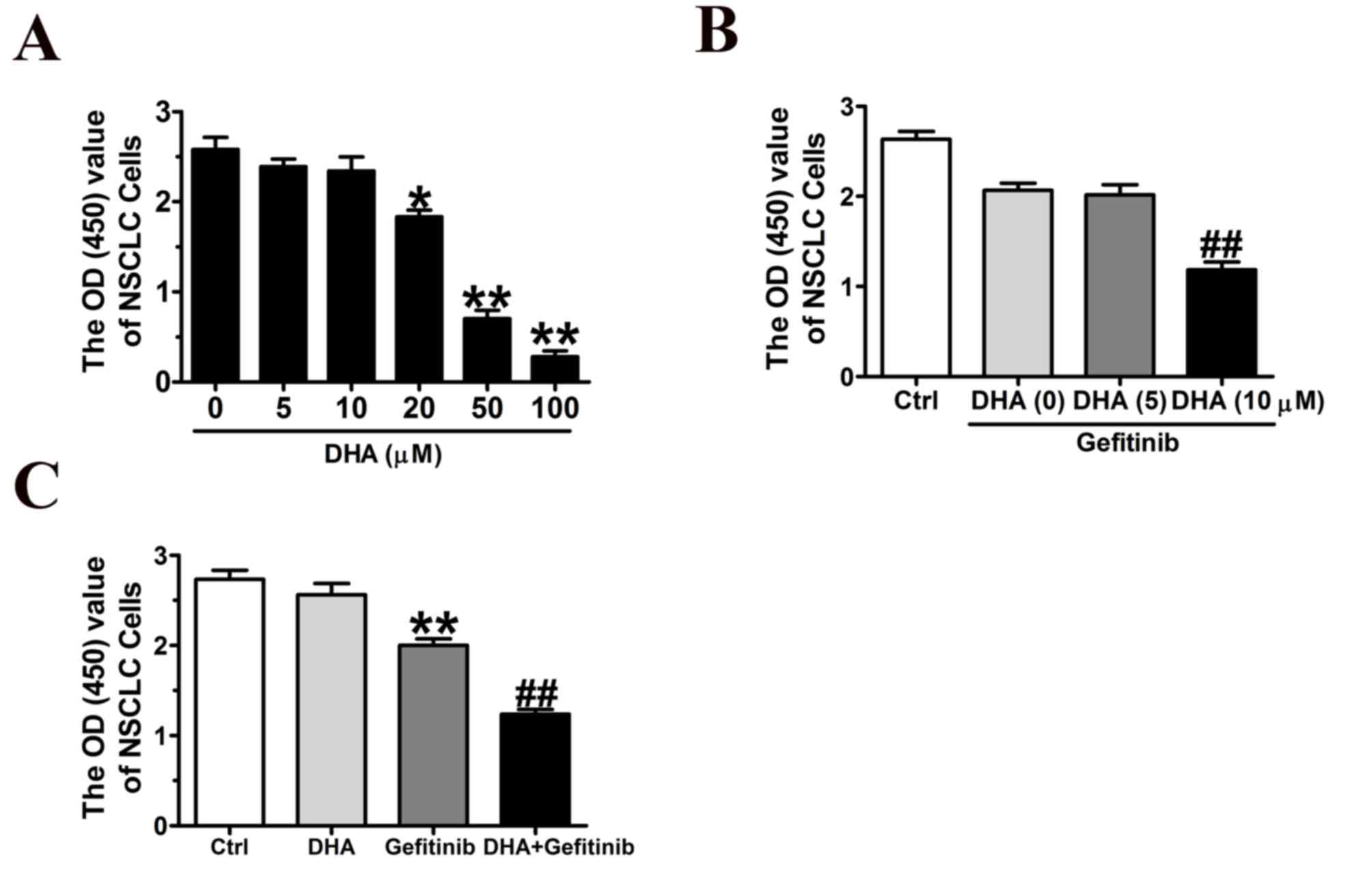
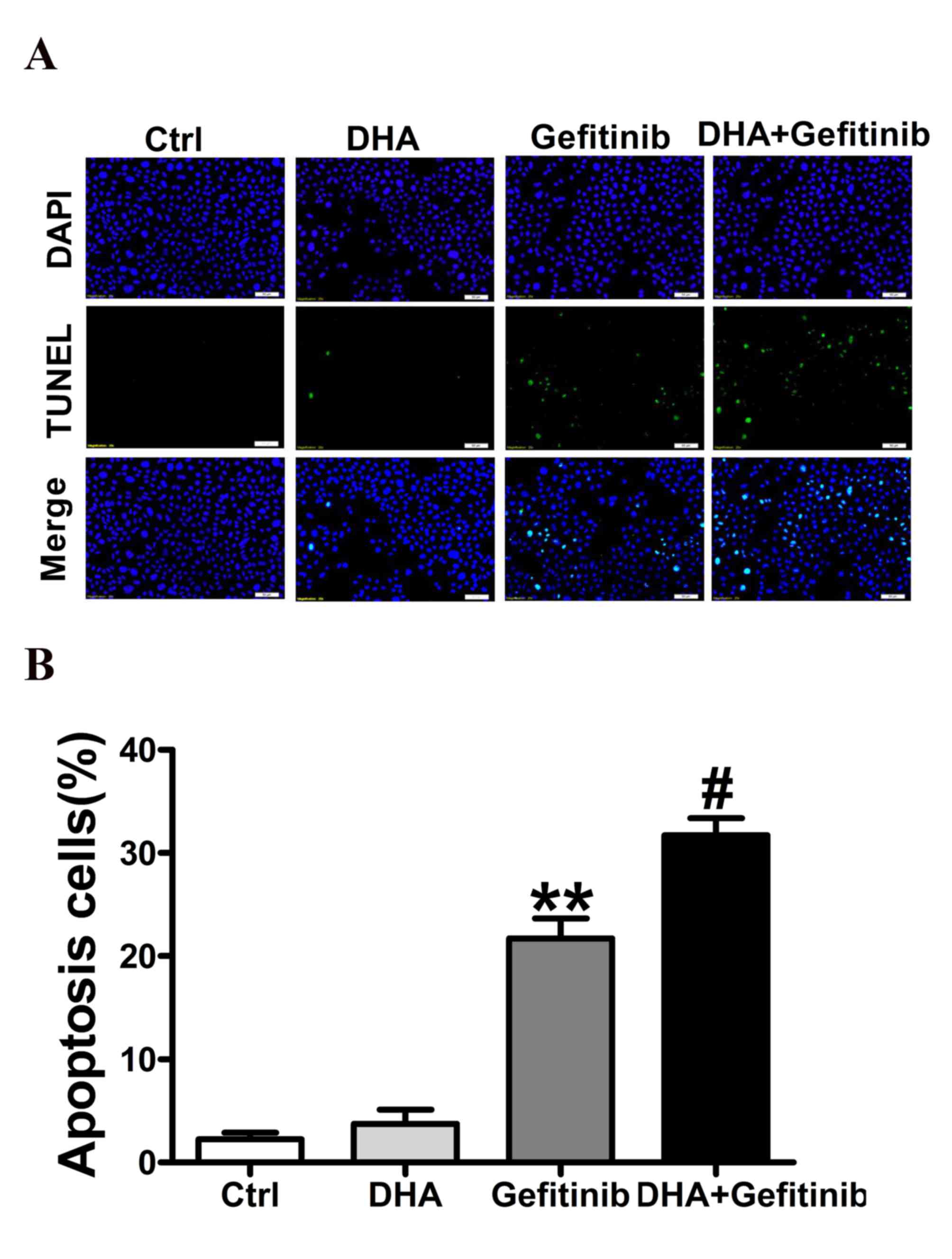
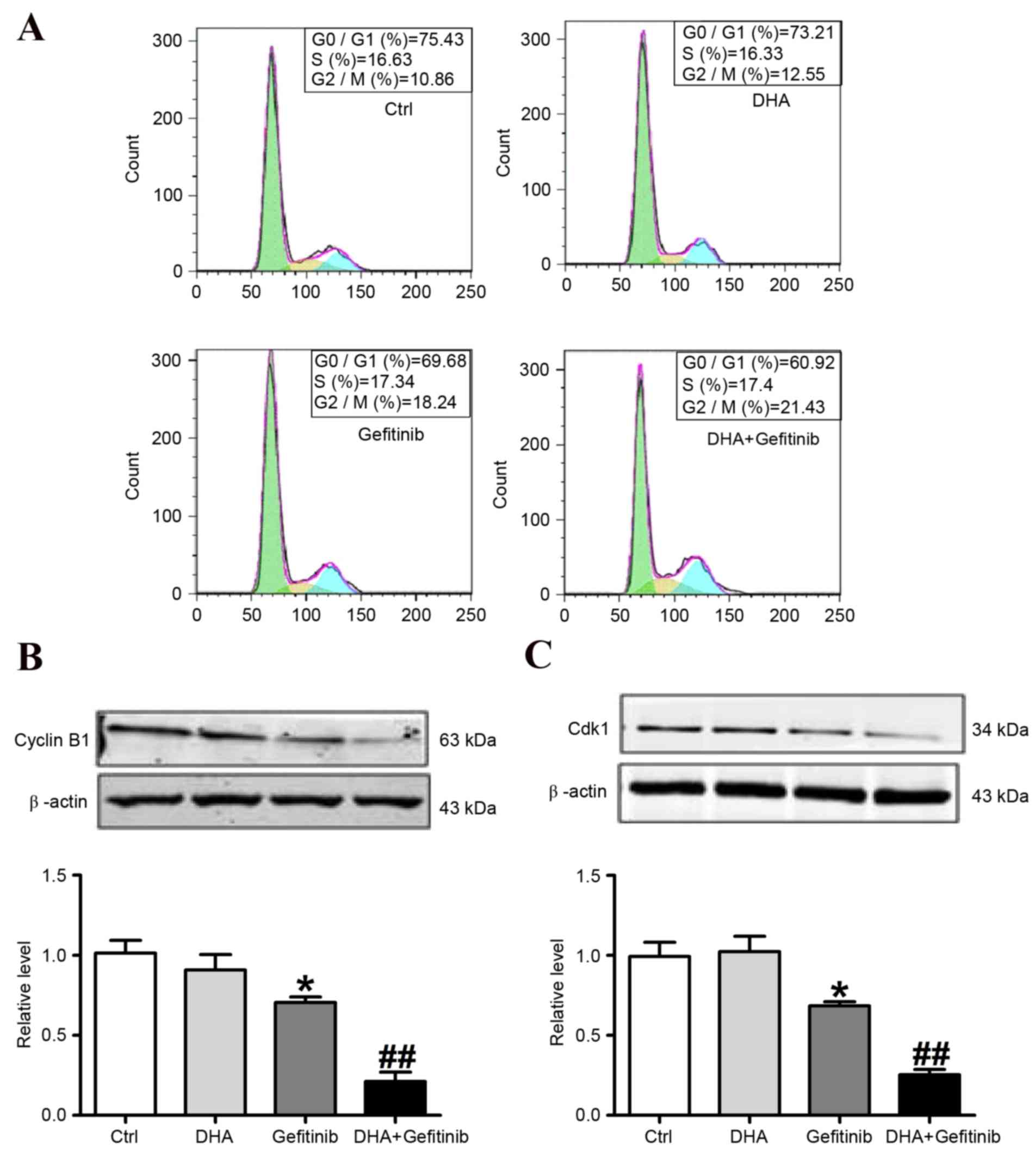
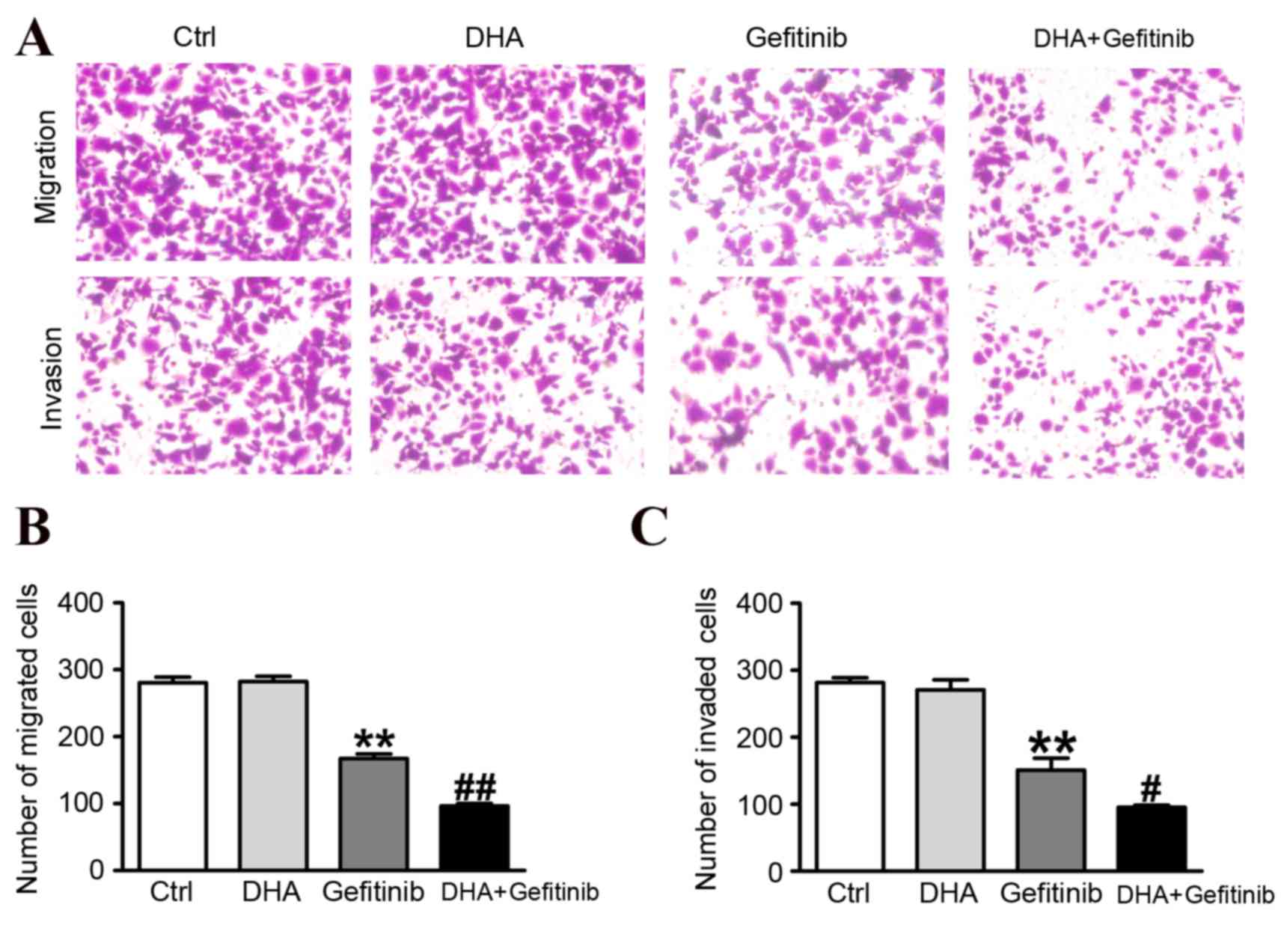
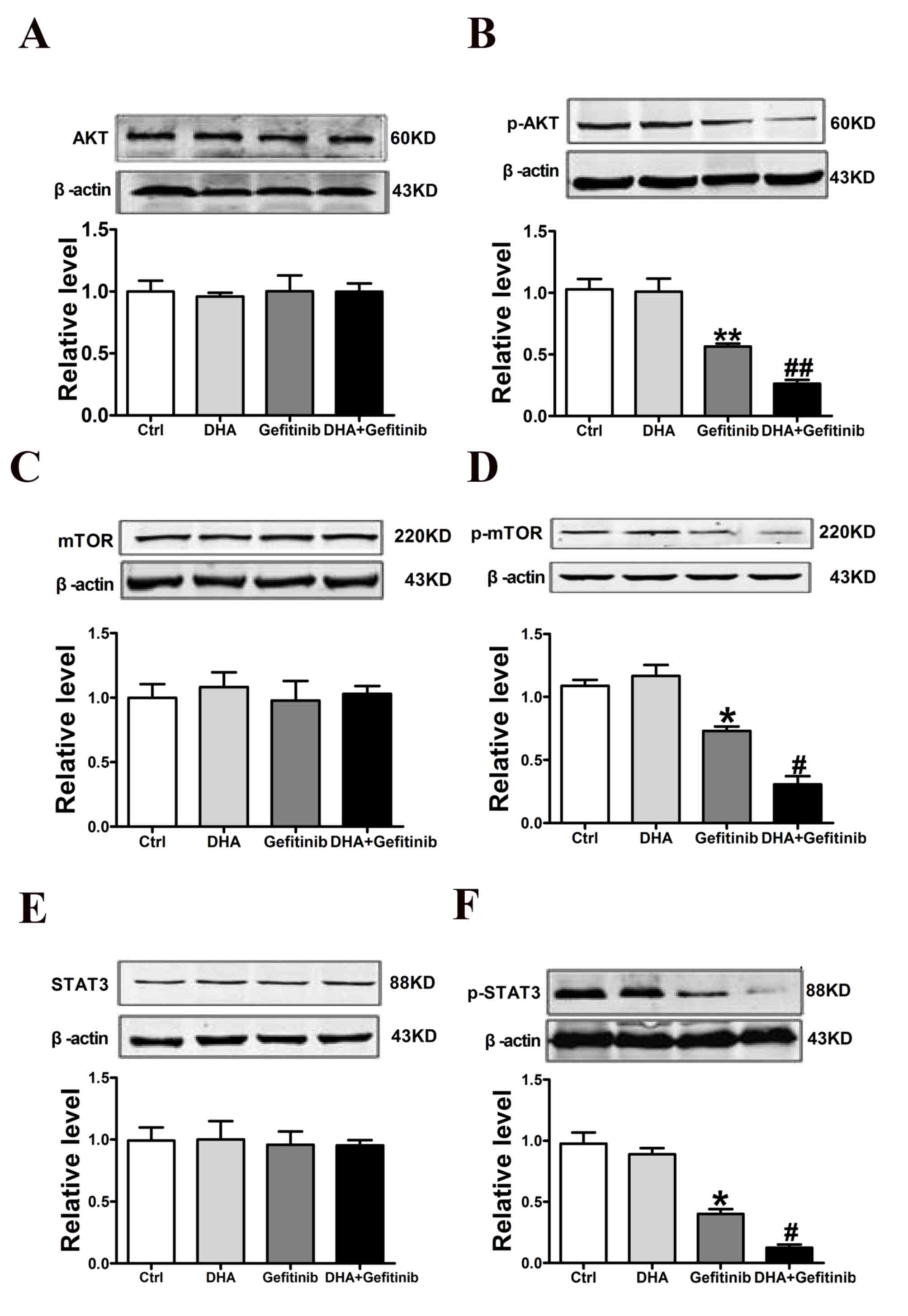
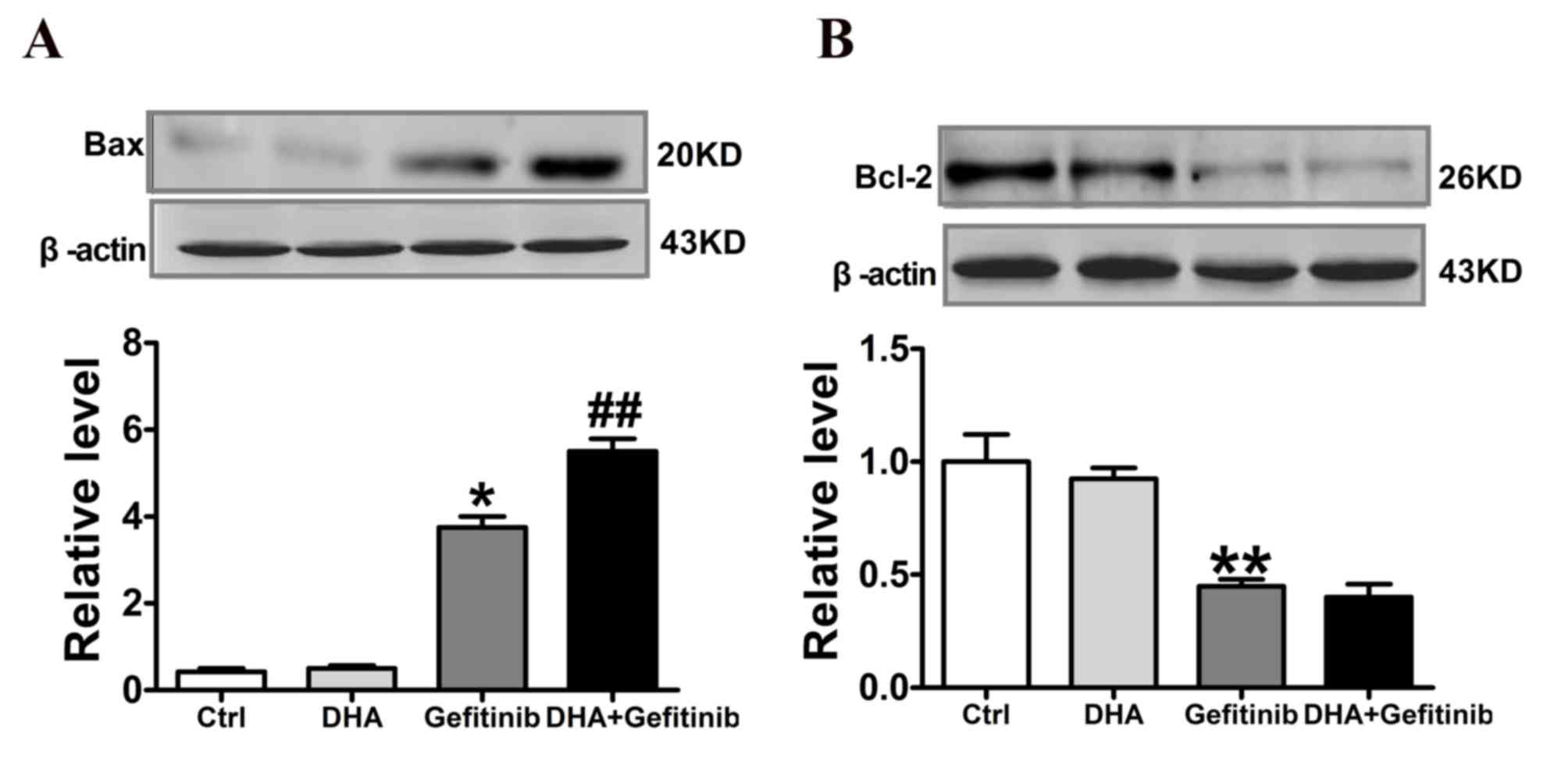
Non‑small cell lung cancer (NSCLC) is among the leading causes of cancer‑associated mortality worldwide. In clinical practice, therapeutic strategies based on drug combinations are often used for the treatment of various types of cancer. The present study aimed to investigate the effects of the combination of dihydroartemisinin (DHA) and gefitinib on NSCLC. Cell Counting kit 8 assay was used to evaluate cell viability. Transwell assays were performed to investigate cellular migration and invasion, and cellular apoptosis was evaluated using the terminal deoxynucleotidyl transferase dUTP nick‑end labeling assay. Flow cytometry was used to investigate cell cycle distribution and the expression levels of target proteins were determined using western blot analysis. The results of the present study demonstrated that DHA (5, 10, 20, 50 and 100 µM) reduced cancer cell viability in a dose‑dependent manner in the NCI‑H1975 human NSCLC cell line and significantly enhanced gefitinib‑induced apoptosis. Furthermore, DHA and gefitinib co‑administration induced cell cycle arrest in G2/M phase, which was associated with a marked decline in the protein expression levels of G2/M regulatory proteins, including cyclin B1 and cyclin‑dependent kinase 1. The addition of DHA appeared to potentiate the inhibitory actions of gefitinib on the migratory and invasive capabilities of NCI‑H1975 cells. DHA and gefitinib co‑administration also downregulated the expression levels of phosphorylated (p)‑Akt, p‑mechanistic target of rapamycin, p‑signal transducer and activator of transcription 3 and B‑cell lymphoma 2 (Bcl‑2), and upregulated the expression of Bcl‑2‑associated X protein. In conclusion, the present results suggested that the combination of DHA and gefitinib may have potential as a novel and more effective therapeutic strategy for the treatment of patients with NSCLC.
View Figures

Figure 1

Figure 2

Figure 3

Figure 4

Figure 5

Figure 6

View References

1 

Jemal A, Bray F, Center MM, Ferlay J, Ward E and Forman D: Global cancer statistics. CA Cancer J Clin. 61:69–90. 2011. View Article : Google Scholar : PubMed/NCBI

2 

Song L, Xiong H, Li J, Liao W, Wang L, Wu J and Li M: Sphingosine kinase-1 enhances resistance to apoptosis through activation of PI3K/Akt/NF-κB pathway in human non-small cell lung cancer. Clin Cancer Res. 17:1839–1849. 2011. View Article : Google Scholar : PubMed/NCBI

3 

Chemotherapy in non-small cell lung cancer: A meta-analysis using updated data on individual patients from 52 randomised clinical trials. Non-small Cell Lung Cancer Collaborative Group. BMJ. 311:899–909. 1995. View Article : Google Scholar : PubMed/NCBI

4 

Iwamoto Y, Mitsudomi T, Sakai K, Yamanaka T, Yoshioka H, Takahama M, Yoshimura M, Yoshino I, Takeda M, Sugawara S, et al: Randomized phase II study of adjuvant chemotherapy with long-term S-1 versus cisplatin+S-1 in completely resected stage II–IIIA non-small cell lung cancer. Clin Cancer Res. 21:5245–5252. 2015. View Article : Google Scholar : PubMed/NCBI

5 

Scagliotti GV, Fossati R, Torri V, Crinò L, Giaccone G, Silvano G, Martelli M, Clerici M, Cognetti F, Tonato M, et al: Adjuvant Lung Project Italy/European Organisation for Research Treatment of Cancer-Lung Cancer Cooperative Group Investigators: Randomized study of adjuvant chemotherapy for completely resected stage I, II, or IIIA non-small-cell lung cancer. J Natl Cancer Inst. 95:1453–1461. 2003. View Article : Google Scholar : PubMed/NCBI

6 

Cohen MH, Williams GA, Sridhara R, Chen G, McGuinn WD Jr, Morse D, Abraham S, Rahman A, Liang C, Lostritto R, et al: United States food and drug administration drug approval summary: Gefitinib (ZD1839; Iressa) tablets. Clin Cancer Res. 10:1212–1218. 2004. View Article : Google Scholar : PubMed/NCBI

7 

Lynch TJ, Bell DW, Sordella R, Gurubhagavatula S, Okimoto RA, Brannigan BW, Harris PL, Haserlat SM, Supko JG, Haluska FG, et al: Activating mutations in the epidermal growth factor receptor underlying responsiveness of non-small-cell lung cancer to gefitinib. N Engl J Med. 350:2129–2139. 2004. View Article : Google Scholar : PubMed/NCBI

8 

Hu CJ, Zhou L and Cai Y: Dihydroartemisinin induces apoptosis of cervical cancer cells via upregulation of RKIP and downregulation of bcl-2. Cancer Biol Ther. 15:279–288. 2014. View Article : Google Scholar : PubMed/NCBI

9 

Dong Q, Chen L, Lu Q, Sharma S, Li L, Morimoto S and Wang G: Quercetin attenuates doxorubicin cardiotoxicity by modulating Bmi-1 expression. Br J Pharmacol. 171:4440–4454. 2014. View Article : Google Scholar : PubMed/NCBI

10 

Zhang S, Ma Y, Jiang J, Dai Z, Gao X, Yin X, Xi W1 and Min W: Inhibition of urokinase-type plasminogen activator expression by dihydroartemisinin in breast cancer cells. Oncol Lett. 7:1375–1380. 2014.PubMed/NCBI

11 

Zhou HJ, Zhang JL, Li A, Wang Z and Lou XE: Dihydro-artemisinin improves the efficiency of chemotherapeutics in lung carcinomas in vivo and inhibits murine Lewis lung carcinoma cell line growth in vitro. Cancer Chemother Pharmacol. 66:21–29. 2010. View Article : Google Scholar : PubMed/NCBI

12 

Mi YJ, Geng GJ, Zou ZZ, Gao J, Luo XY, Liu Y2, Li N, Li CL, Chen YQ, Yu XY2 and Jiang J: Dihydroartemisinin inhibits glucose uptake and cooperates with glycolysis inhibitor to induce apoptosis in non-small cell lung carcinoma cells. PLoS One. 10:e01204262015. View Article : Google Scholar : PubMed/NCBI

13 

Hermeking H: The miR-34 family in cancer and apoptosis. Cell Death Differ. 17:193–199. 2010. View Article : Google Scholar : PubMed/NCBI

14 

Wang J, Wei H, Zhao B, Li M, Lv W, Lv L, Song B and Lv S: The reverse effect of X-ray irradiation on acquired gefitinib resistance in non-small cell lung cancer cell line NCI-H1975 in vitro. J Mol Histol. 45:641–652. 2014. View Article : Google Scholar : PubMed/NCBI

15 

Fan Y, Chen M, Meng J, Yu L, Tu Y, Wan L, Fang K and Zhu W: Arsenic trioxide and resveratrol show synergistic anti-leukemia activity and neutralized cardiotoxicity. PLoS One. 9:e1058902014. View Article : Google Scholar : PubMed/NCBI

16 

Zhao X, Zhong H, Wang R, Liu D, Waxman S, Zhao L and Jing Y: Dihydroartemisinin and its derivative induce apoptosis in acute myeloid leukemia through Noxa-mediated pathway requiring iron and endoperoxide moiety. Oncotarget. 6:5582–5596. 2015. View Article : Google Scholar : PubMed/NCBI

17 

Zhao C, Gao W and Chen T: Synergistic induction of apoptosis in A549 cells by dihydroartemisinin and gemcitabine. Apoptosis. 19:668–681. 2014. View Article : Google Scholar : PubMed/NCBI

18 

Maemondo M, Inoue A, Kobayashi K, Sugawara S, Oizumi S, Isobe H, Gemma A, Harada M, Yoshizawa H and Kinoshita I: Gefitinib or chemotherapy for non-small-cell lung cancer with mutated EGFR. N Engl J Med. 362:2380–2388. 2010. View Article : Google Scholar : PubMed/NCBI

19 

Yusuf SW, Kim P and Durand JB: Erlotinib or gefitinib for non-small-cell lung cancer. N Engl J Med. 364:2367–2368. 2011. View Article : Google Scholar : PubMed/NCBI

20 

Matsui TA, Murata H, Sakabe T, Sowa Y, Horie N, Nakanishi R, Sakai T and Kubo T: Sulforaphane induces cell cycle arrest and apoptosis in murine osteosarcoma cells in vitro and inhibits tumor growth in vivo. Oncol Rep. 18:1263–1268. 2007.PubMed/NCBI

21 

Jakubikova J, Bao Y and Sedlak J: Isothiocyanates induce cell cycle arrest, apoptosis and mitochondrial potential depolarization in HL-60 and multidrug-resistant cell lines. Anticancer Res. 25:3375–3386. 2005.PubMed/NCBI

22 

Chang A: Chemotherapy, chemoresistance and the changing treatment landscape for NSCLC. Lung Cancer. 71:3–10. 2011. View Article : Google Scholar : PubMed/NCBI

23 

Simmons TL, Andrianasolo E, McPhail K, Flatt P and Gerwick WH: Marine natural products as anticancer drugs. Mol Cancer Ther. 4:333–342. 2005.PubMed/NCBI

24 

Gordaliza M: Natural products as leads to anticancer drugs. Clinical Translational Oncol. 9:767–776. 2007. View Article : Google Scholar

25 

Altmann KH and Gertsch J: Anticancer drugs from nature-natural products as a unique source of new microtubule-stabilizing agents. Nat Prod Rep. 24:327–357. 2007. View Article : Google Scholar : PubMed/NCBI

26 

Newman DJ and Cragg GM: Natural products as sources of new drugs over the last 25 years. J Nat Prod. 70:461–477. 2007. View Article : Google Scholar : PubMed/NCBI

27 

Sun H, Meng X, Han J, Zhang Z, Wang B, Bai X and Zhang X: Anti-cancer activity of DHA on gastric cancer-an in vitro and in vivo study. Tumour Biol. 34:3791–3800. 2013. View Article : Google Scholar : PubMed/NCBI

28 

Follo MY, Manzoli L, Poli A, McCubrey JA and Cocco L: PLC and PI3K/Akt/mTOR signalling in disease and cancer. Adv Biol Regul. 57:10–16. 2015. View Article : Google Scholar : PubMed/NCBI

29 

Cornu M, Albert V and Hall MN: mTOR in aging, metabolism, and cancer. Curr Opin Genet Dev. 23:53–62. 2013. View Article : Google Scholar : PubMed/NCBI

30 

Faried LS, Faried A, Kanuma T, Nakazato T, Tamura T, Kuwano H and Minegishi T: Inhibition of the mammalian target of rapamycin (mTOR) by rapamycin increases chemosensitivity of CaSki cells to paclitaxel. Eur J Cancer. 42:934–947. 2006. View Article : Google Scholar : PubMed/NCBI

31 

Li YC, He SM, He ZX, Li M, Yang Y, Pang JX, Zhang X, Chow K, Zhou Q, Duan W, et al: Plumbagin induces apoptotic and autophagic cell death through inhibition of the PI3K/Akt/mTOR pathway in human non-small cell lung cancer cells. Cancer Lett. 344:239–259. 2014. View Article : Google Scholar : PubMed/NCBI

32 

Feng X, Li L, Jiang H, Jiang K, Jin Y and Zheng J: Dihydro-artemisinin potentiates the anticancer effect of cisplatin via mTOR inhibition in cisplatin-resistant ovarian cancer cells: involvement of apoptosis and autophagy. Biochem Biophys Res Commun. 444:376–381. 2014. View Article : Google Scholar : PubMed/NCBI

33 

Wu GS, Lu JJ, Guo JJ, Huang MQ, Gan L, Chen XP and Wang YT: Synergistic anti-cancer activity of the combination of dihydroartemisinin and doxorubicin in breast cancer cells. Pharmacol Rep. 65:453–459. 2013. View Article : Google Scholar : PubMed/NCBI

34 

Adams JM and Cory S: The Bcl-2 protein family: Arbiters of cell survival. Science. 281:1322–1326. 1998. View Article : Google Scholar : PubMed/NCBI

35 

Sheng H, Shao J, Morrow JD, Beauchamp RD and DuBois RN: Modulation of apoptosis and Bcl-2 expression by prostaglandin E2 in human colon cancer cells. Cancer Res. 58:362–366. 1998.PubMed/NCBI

36 

McDonnell TJ, Troncoso P, Brisbay SM, Logothetis C, Chung LW, Hsieh JT, Tu SM and Campbell ML: Expression of the protooncogene bcl-2 in the prostate and its association with emergence of androgen-independent prostate cancer. Cancer Res. 52:6940–6944. 1992.PubMed/NCBI

37 

Katz HR: bcl-2 protein in non-small-cell lung carcinoma. N Engl J Med. 330:2211994. View Article : Google Scholar : PubMed/NCBI

38 

Miyashita T, Krajewski S, Krajewska M, Wang HG, Lin HK, Liebermann DA, Hoffman B and Reed JC: Tumor suppressor p53 is a regulator of bcl-2 and bax gene expression in vitro and in vivo. Oncogene. 9:1799–1805. 1994.PubMed/NCBI

39 

Zhang L, Yu J, Park BH, Kinzler KW and Vogelstein B: Role of BAX in the apoptotic response to anticancer agents. Science. 290:989–992. 2000. View Article : Google Scholar : PubMed/NCBI

40 

Choudhuri T, Pal S, Agwarwal ML, Das T and Sa G: Curcumin induces apoptosis in human breast cancer cells through p53-dependent Bax induction. FEBS Lett. 512:334–340. 2002. View Article : Google Scholar : PubMed/NCBI

41 

Brambilla E, Negoescu A, Gazzeri S, Lantuejoul S, Moro D, Brambilla C and Coll JL: Apoptosis-related factors p53, Bcl2, and Bax in neuroendocrine lung tumors. Am J Pathol. 149:1941–1952. 1996.PubMed/NCBI

42 

Gupta S, Afaq F and Mukhtar H: Involvement of nuclear factor-kappa B, Bax and Bcl-2 in induction of cell cycle arrest and apoptosis by apigenin in human prostate carcinoma cells. Oncogene. 21:3727–3738. 2002. View Article : Google Scholar : PubMed/NCBI

43 

Sakamoto KM, Grant S, Saleiro D, Crispino JD, Hijiya N, Giles F, Platanias L and Eklund EA: Targeting novel signaling pathways for resistant acute myeloid leukemia. Mol Genet Metab. 114:397–402. 2015. View Article : Google Scholar : PubMed/NCBI

44 

He SQ, Gao M, Fu YF and Zhang YN: Glycyrrhizic acid inhibits leukemia cell growth and migration via blocking AKT/mTOR/STAT3 signaling. Int J Clin Exp Pathol. 8:5175–5181. 2015.PubMed/NCBI

Related Articles

  • Abstract
  • View
  • Download
  • Twitter
Copy and paste a formatted citation
Spandidos Publications style
Jin H, Jiang AY, Wang H, Cao Y, Wu Y and Jiang XF: Dihydroartemisinin and gefitinib synergistically inhibit NSCLC cell growth and promote apoptosis via the Akt/mTOR/STAT3 pathway. Mol Med Rep 16: 3475-3481, 2017.
APA
Jin, H., Jiang, A., Wang, H., Cao, Y., Wu, Y., & Jiang, X. (2017). Dihydroartemisinin and gefitinib synergistically inhibit NSCLC cell growth and promote apoptosis via the Akt/mTOR/STAT3 pathway. Molecular Medicine Reports, 16, 3475-3481. https://doi.org/10.3892/mmr.2017.6989
MLA
Jin, H., Jiang, A., Wang, H., Cao, Y., Wu, Y., Jiang, X."Dihydroartemisinin and gefitinib synergistically inhibit NSCLC cell growth and promote apoptosis via the Akt/mTOR/STAT3 pathway". Molecular Medicine Reports 16.3 (2017): 3475-3481.
Chicago
Jin, H., Jiang, A., Wang, H., Cao, Y., Wu, Y., Jiang, X."Dihydroartemisinin and gefitinib synergistically inhibit NSCLC cell growth and promote apoptosis via the Akt/mTOR/STAT3 pathway". Molecular Medicine Reports 16, no. 3 (2017): 3475-3481. https://doi.org/10.3892/mmr.2017.6989
Copy and paste a formatted citation
x
Spandidos Publications style
Jin H, Jiang AY, Wang H, Cao Y, Wu Y and Jiang XF: Dihydroartemisinin and gefitinib synergistically inhibit NSCLC cell growth and promote apoptosis via the Akt/mTOR/STAT3 pathway. Mol Med Rep 16: 3475-3481, 2017.
APA
Jin, H., Jiang, A., Wang, H., Cao, Y., Wu, Y., & Jiang, X. (2017). Dihydroartemisinin and gefitinib synergistically inhibit NSCLC cell growth and promote apoptosis via the Akt/mTOR/STAT3 pathway. Molecular Medicine Reports, 16, 3475-3481. https://doi.org/10.3892/mmr.2017.6989
MLA
Jin, H., Jiang, A., Wang, H., Cao, Y., Wu, Y., Jiang, X."Dihydroartemisinin and gefitinib synergistically inhibit NSCLC cell growth and promote apoptosis via the Akt/mTOR/STAT3 pathway". Molecular Medicine Reports 16.3 (2017): 3475-3481.
Chicago
Jin, H., Jiang, A., Wang, H., Cao, Y., Wu, Y., Jiang, X."Dihydroartemisinin and gefitinib synergistically inhibit NSCLC cell growth and promote apoptosis via the Akt/mTOR/STAT3 pathway". Molecular Medicine Reports 16, no. 3 (2017): 3475-3481. https://doi.org/10.3892/mmr.2017.6989
Follow us
  • Twitter
  • LinkedIn
  • Facebook
About
  • Spandidos Publications
  • Careers
  • Cookie Policy
  • Privacy Policy
How can we help?
  • Help
  • Live Chat
  • Contact
  • Email to our Support Team