Spandidos Publications Logo
  • About
    • About Spandidos
    • Aims and Scopes
    • Abstracting and Indexing
    • Editorial Policies
    • Reprints and Permissions
    • Job Opportunities
    • Terms and Conditions
    • Contact
  • Journals
    • All Journals
    • Oncology Letters
      • Oncology Letters
      • Information for Authors
      • Editorial Policies
      • Editorial Board
      • Aims and Scope
      • Abstracting and Indexing
      • Bibliographic Information
      • Archive
    • International Journal of Oncology
      • International Journal of Oncology
      • Information for Authors
      • Editorial Policies
      • Editorial Board
      • Aims and Scope
      • Abstracting and Indexing
      • Bibliographic Information
      • Archive
    • Molecular and Clinical Oncology
      • Molecular and Clinical Oncology
      • Information for Authors
      • Editorial Policies
      • Editorial Board
      • Aims and Scope
      • Abstracting and Indexing
      • Bibliographic Information
      • Archive
    • Experimental and Therapeutic Medicine
      • Experimental and Therapeutic Medicine
      • Information for Authors
      • Editorial Policies
      • Editorial Board
      • Aims and Scope
      • Abstracting and Indexing
      • Bibliographic Information
      • Archive
    • International Journal of Molecular Medicine
      • International Journal of Molecular Medicine
      • Information for Authors
      • Editorial Policies
      • Editorial Board
      • Aims and Scope
      • Abstracting and Indexing
      • Bibliographic Information
      • Archive
    • Biomedical Reports
      • Biomedical Reports
      • Information for Authors
      • Editorial Policies
      • Editorial Board
      • Aims and Scope
      • Abstracting and Indexing
      • Bibliographic Information
      • Archive
    • Oncology Reports
      • Oncology Reports
      • Information for Authors
      • Editorial Policies
      • Editorial Board
      • Aims and Scope
      • Abstracting and Indexing
      • Bibliographic Information
      • Archive
    • Molecular Medicine Reports
      • Molecular Medicine Reports
      • Information for Authors
      • Editorial Policies
      • Editorial Board
      • Aims and Scope
      • Abstracting and Indexing
      • Bibliographic Information
      • Archive
    • World Academy of Sciences Journal
      • World Academy of Sciences Journal
      • Information for Authors
      • Editorial Policies
      • Editorial Board
      • Aims and Scope
      • Abstracting and Indexing
      • Bibliographic Information
      • Archive
    • International Journal of Functional Nutrition
      • International Journal of Functional Nutrition
      • Information for Authors
      • Editorial Policies
      • Editorial Board
      • Aims and Scope
      • Abstracting and Indexing
      • Bibliographic Information
      • Archive
    • International Journal of Epigenetics
      • International Journal of Epigenetics
      • Information for Authors
      • Editorial Policies
      • Editorial Board
      • Aims and Scope
      • Abstracting and Indexing
      • Bibliographic Information
      • Archive
    • Medicine International
      • Medicine International
      • Information for Authors
      • Editorial Policies
      • Editorial Board
      • Aims and Scope
      • Abstracting and Indexing
      • Bibliographic Information
      • Archive
  • Articles
  • Information
    • Information for Authors
    • Information for Reviewers
    • Information for Librarians
    • Information for Advertisers
    • Conferences
  • Language Editing
Spandidos Publications Logo
  • About
    • About Spandidos
    • Aims and Scopes
    • Abstracting and Indexing
    • Editorial Policies
    • Reprints and Permissions
    • Job Opportunities
    • Terms and Conditions
    • Contact
  • Journals
    • All Journals
    • Biomedical Reports
      • Information for Authors
      • Editorial Policies
      • Editorial Board
      • Aims and Scope
      • Abstracting and Indexing
      • Bibliographic Information
      • Archive
    • Experimental and Therapeutic Medicine
      • Information for Authors
      • Editorial Policies
      • Editorial Board
      • Aims and Scope
      • Abstracting and Indexing
      • Bibliographic Information
      • Archive
    • International Journal of Epigenetics
      • Information for Authors
      • Editorial Policies
      • Editorial Board
      • Aims and Scope
      • Abstracting and Indexing
      • Bibliographic Information
      • Archive
    • International Journal of Functional Nutrition
      • Information for Authors
      • Editorial Policies
      • Editorial Board
      • Aims and Scope
      • Abstracting and Indexing
      • Bibliographic Information
      • Archive
    • International Journal of Molecular Medicine
      • Information for Authors
      • Editorial Policies
      • Editorial Board
      • Aims and Scope
      • Abstracting and Indexing
      • Bibliographic Information
      • Archive
    • International Journal of Oncology
      • Information for Authors
      • Editorial Policies
      • Editorial Board
      • Aims and Scope
      • Abstracting and Indexing
      • Bibliographic Information
      • Archive
    • Medicine International
      • Information for Authors
      • Editorial Policies
      • Editorial Board
      • Aims and Scope
      • Abstracting and Indexing
      • Bibliographic Information
      • Archive
    • Molecular and Clinical Oncology
      • Information for Authors
      • Editorial Policies
      • Editorial Board
      • Aims and Scope
      • Abstracting and Indexing
      • Bibliographic Information
      • Archive
    • Molecular Medicine Reports
      • Information for Authors
      • Editorial Policies
      • Editorial Board
      • Aims and Scope
      • Abstracting and Indexing
      • Bibliographic Information
      • Archive
    • Oncology Letters
      • Information for Authors
      • Editorial Policies
      • Editorial Board
      • Aims and Scope
      • Abstracting and Indexing
      • Bibliographic Information
      • Archive
    • Oncology Reports
      • Information for Authors
      • Editorial Policies
      • Editorial Board
      • Aims and Scope
      • Abstracting and Indexing
      • Bibliographic Information
      • Archive
    • World Academy of Sciences Journal
      • Information for Authors
      • Editorial Policies
      • Editorial Board
      • Aims and Scope
      • Abstracting and Indexing
      • Bibliographic Information
      • Archive
  • Articles
  • Information
    • For Authors
    • For Reviewers
    • For Librarians
    • For Advertisers
    • Conferences
  • Language Editing
Login Register Submit
  • This site uses cookies
  • You can change your cookie settings at any time by following the instructions in our Cookie Policy. To find out more, you may read our Privacy Policy.

    I agree
Search articles by DOI, keyword, author or affiliation
Search
Advanced Search
presentation
Molecular Medicine Reports
Join Editorial Board Propose a Special Issue
Print ISSN: 1791-2997 Online ISSN: 1791-3004
Journal Cover
September-2017 Volume 16 Issue 3

Full Size Image

Sign up for eToc alerts
Recommend to Library

Journals

International Journal of Molecular Medicine

International Journal of Molecular Medicine

International Journal of Molecular Medicine is an international journal devoted to molecular mechanisms of human disease.

International Journal of Oncology

International Journal of Oncology

International Journal of Oncology is an international journal devoted to oncology research and cancer treatment.

Molecular Medicine Reports

Molecular Medicine Reports

Covers molecular medicine topics such as pharmacology, pathology, genetics, neuroscience, infectious diseases, molecular cardiology, and molecular surgery.

Oncology Reports

Oncology Reports

Oncology Reports is an international journal devoted to fundamental and applied research in Oncology.

Experimental and Therapeutic Medicine

Experimental and Therapeutic Medicine

Experimental and Therapeutic Medicine is an international journal devoted to laboratory and clinical medicine.

Oncology Letters

Oncology Letters

Oncology Letters is an international journal devoted to Experimental and Clinical Oncology.

Biomedical Reports

Biomedical Reports

Explores a wide range of biological and medical fields, including pharmacology, genetics, microbiology, neuroscience, and molecular cardiology.

Molecular and Clinical Oncology

Molecular and Clinical Oncology

International journal addressing all aspects of oncology research, from tumorigenesis and oncogenes to chemotherapy and metastasis.

World Academy of Sciences Journal

World Academy of Sciences Journal

Multidisciplinary open-access journal spanning biochemistry, genetics, neuroscience, environmental health, and synthetic biology.

International Journal of Functional Nutrition

International Journal of Functional Nutrition

Open-access journal combining biochemistry, pharmacology, immunology, and genetics to advance health through functional nutrition.

International Journal of Epigenetics

International Journal of Epigenetics

Publishes open-access research on using epigenetics to advance understanding and treatment of human disease.

Medicine International

Medicine International

An International Open Access Journal Devoted to General Medicine.

Journal Cover
September-2017 Volume 16 Issue 3

Full Size Image

Sign up for eToc alerts
Recommend to Library

  • Article
  • Citations
    • Cite This Article
    • Download Citation
    • Create Citation Alert
    • Remove Citation Alert
    • Cited By
  • Similar Articles
    • Related Articles (in Spandidos Publications)
    • Similar Articles (Google Scholar)
    • Similar Articles (PubMed)
  • Download PDF
  • Download XML
  • View XML
Article Open Access

mTOR signaling promotes foam cell formation and inhibits foam cell egress through suppressing the SIRT1 signaling pathway

  • Authors:
    • Haixiang Zheng
    • Yucai Fu
    • Yusheng Huang
    • Xinde Zheng
    • Wei Yu
    • Wei Wang
  • View Affiliations / Copyright

    Affiliations: Department of Cardiology, The Second Affiliated Hospital of Shantou University Medical College, Shantou, Guangdong 515041, P.R. China, Laboratory of Cell Senescence, Shantou University Medical College, Shantou, Guangdong 515041, P.R. China
    Copyright: © Zheng et al. This is an open access article distributed under the terms of Creative Commons Attribution License.
  • Pages: 3315-3323
    |
    Published online on: July 18, 2017
       https://doi.org/10.3892/mmr.2017.7032
  • Expand metrics +
Metrics: Total Views: 0 (Spandidos Publications: | PMC Statistics: )
Metrics: Total PDF Downloads: 0 (Spandidos Publications: | PMC Statistics: )
Cited By (CrossRef): 0 citations Loading Articles...

This article is mentioned in:


Abstract

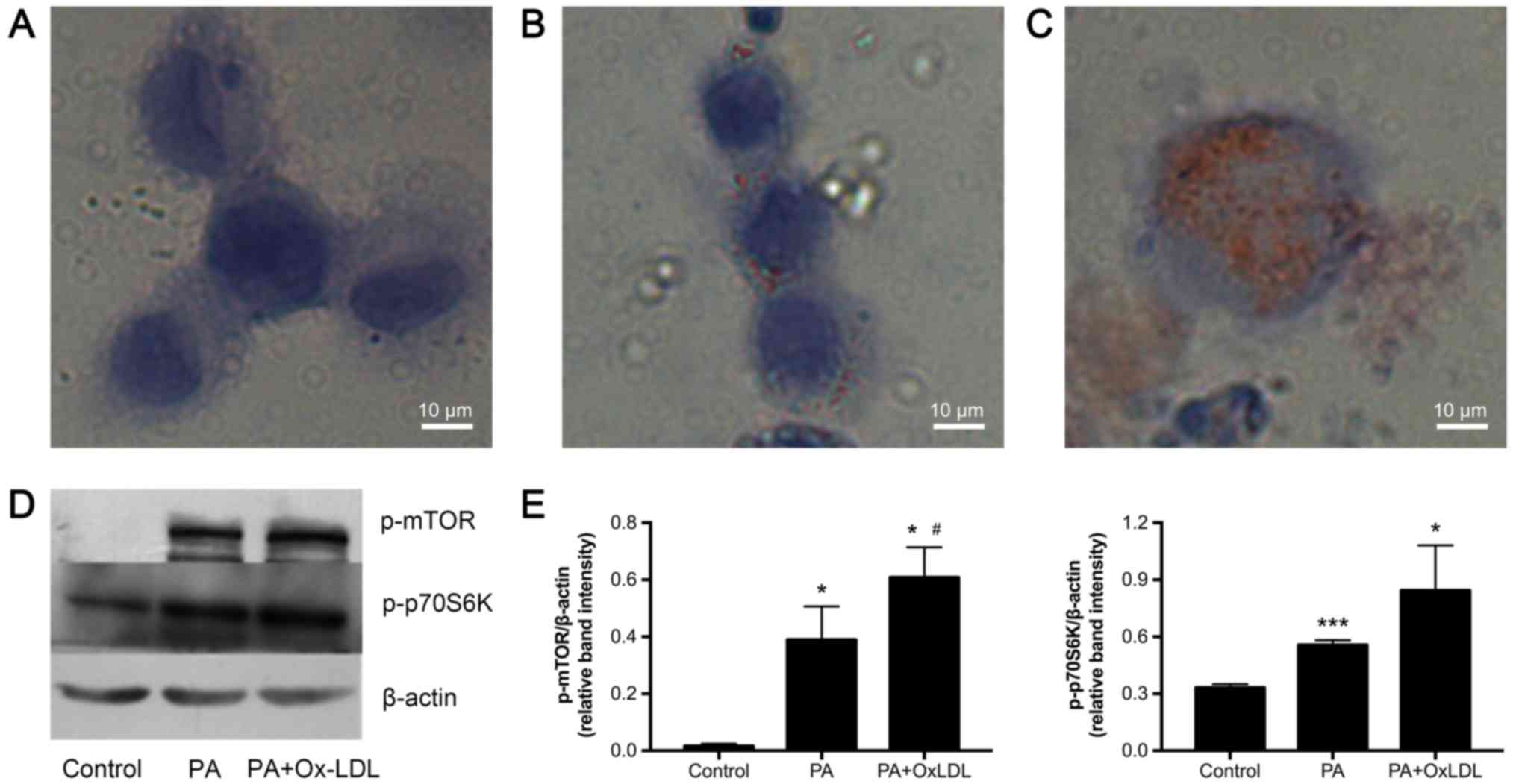
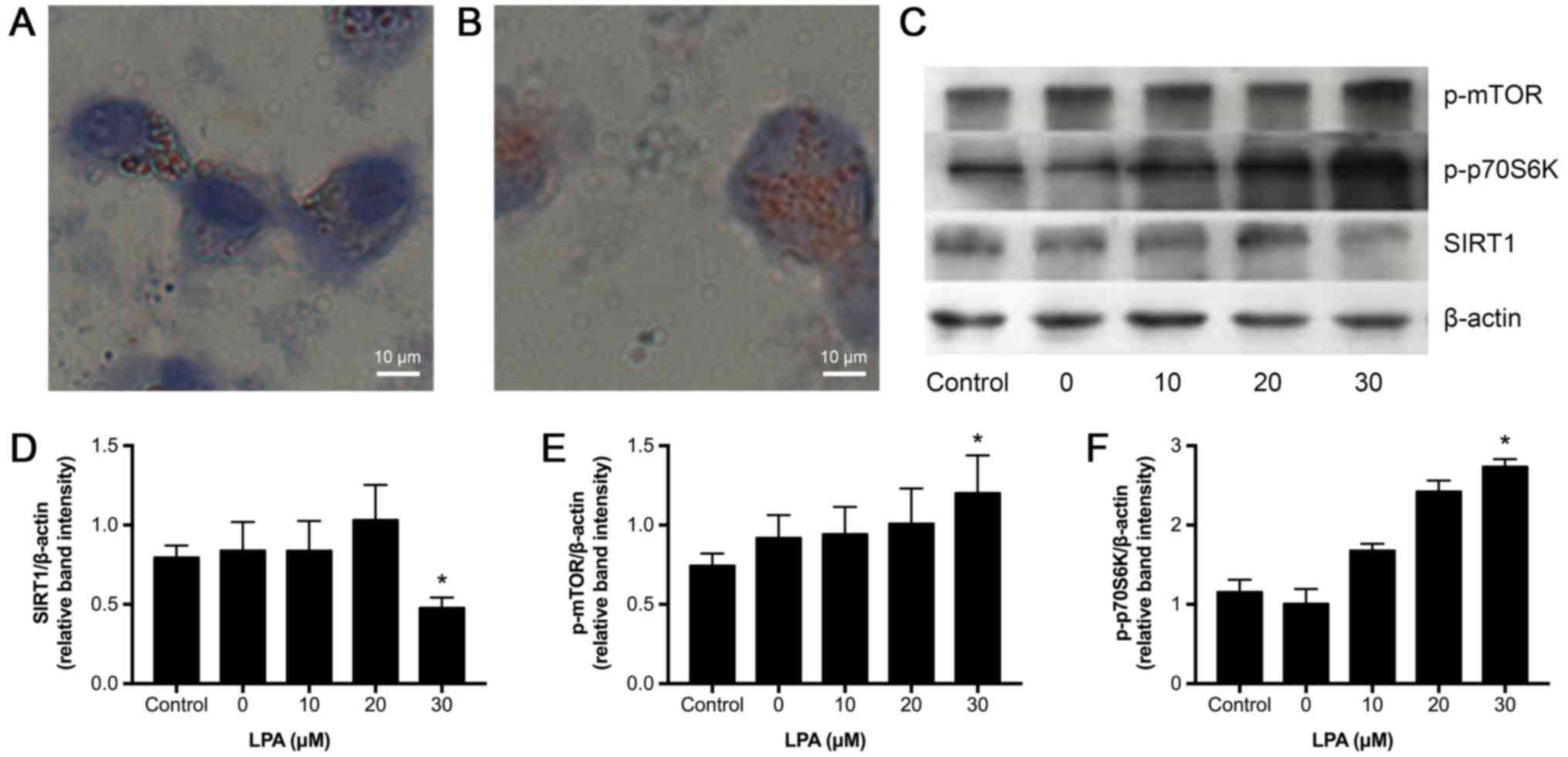
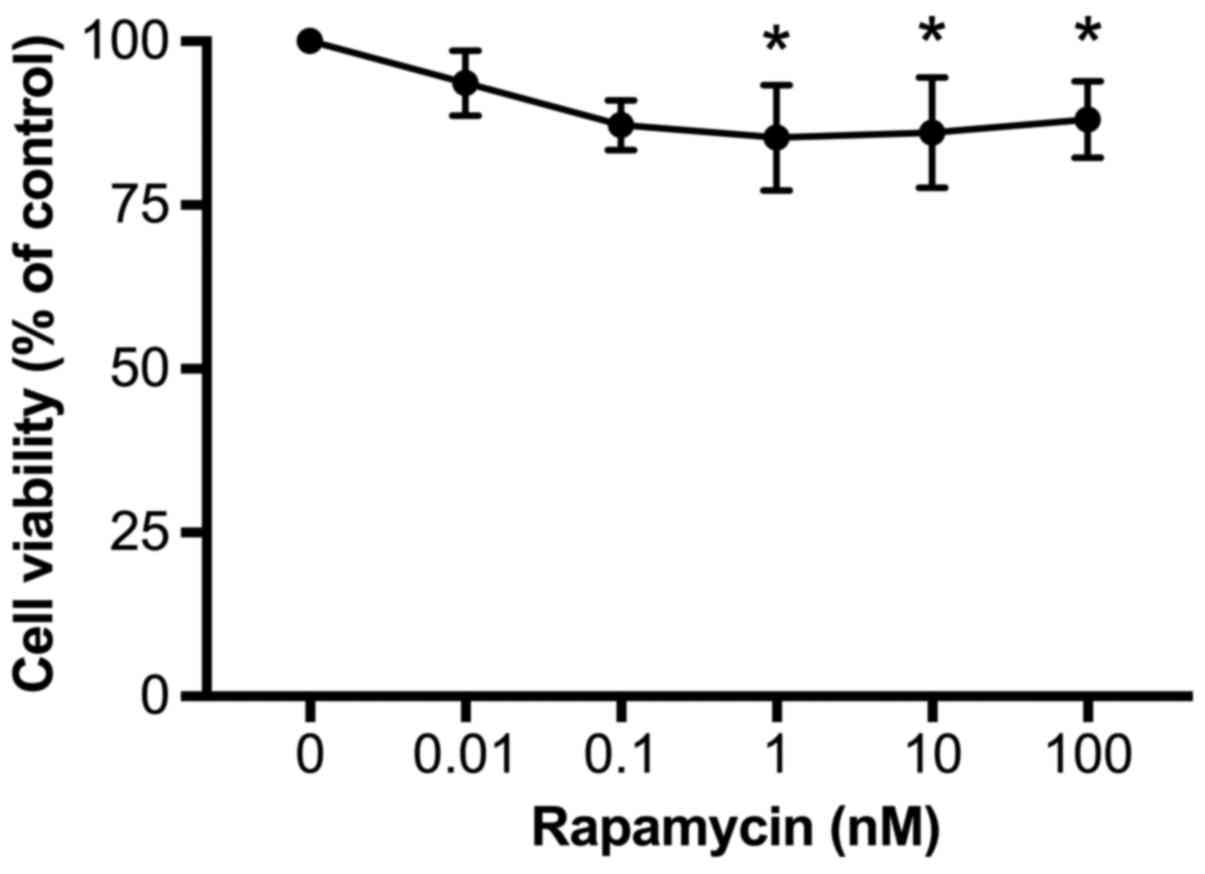
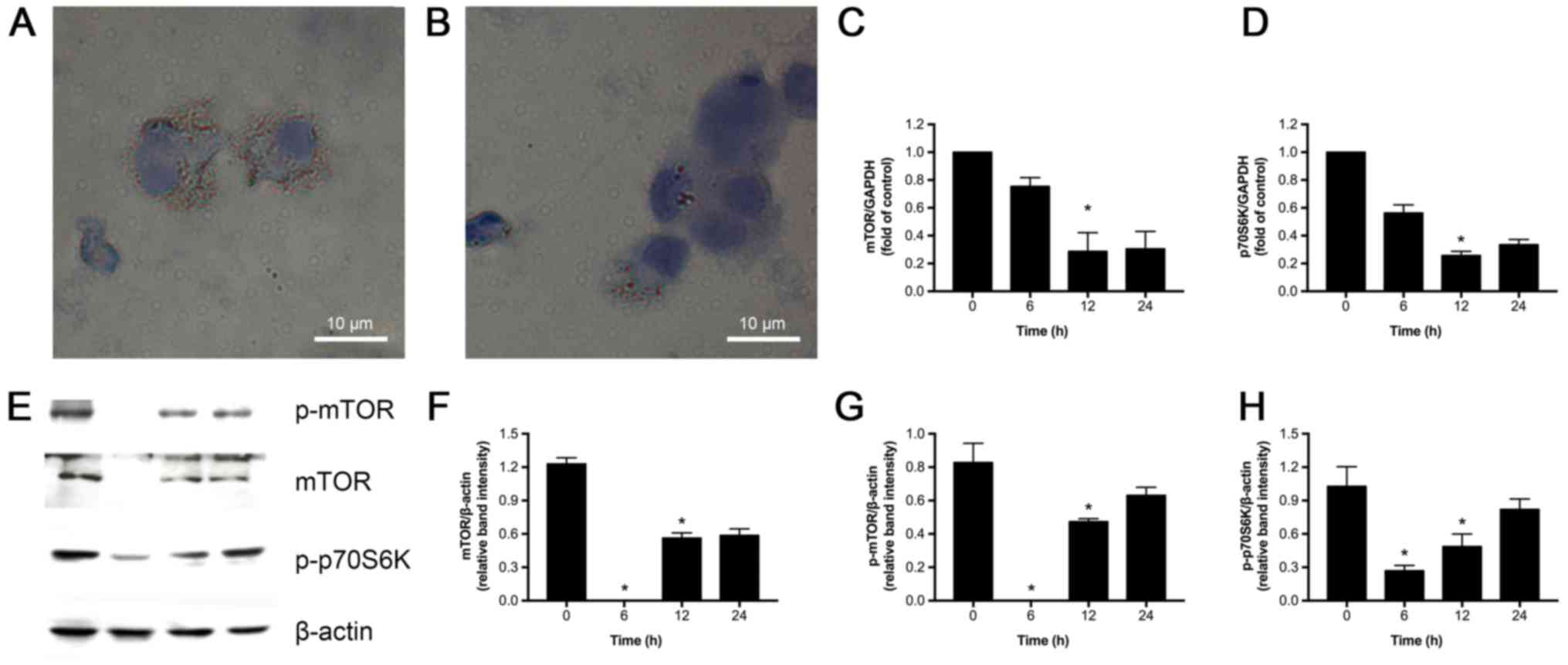
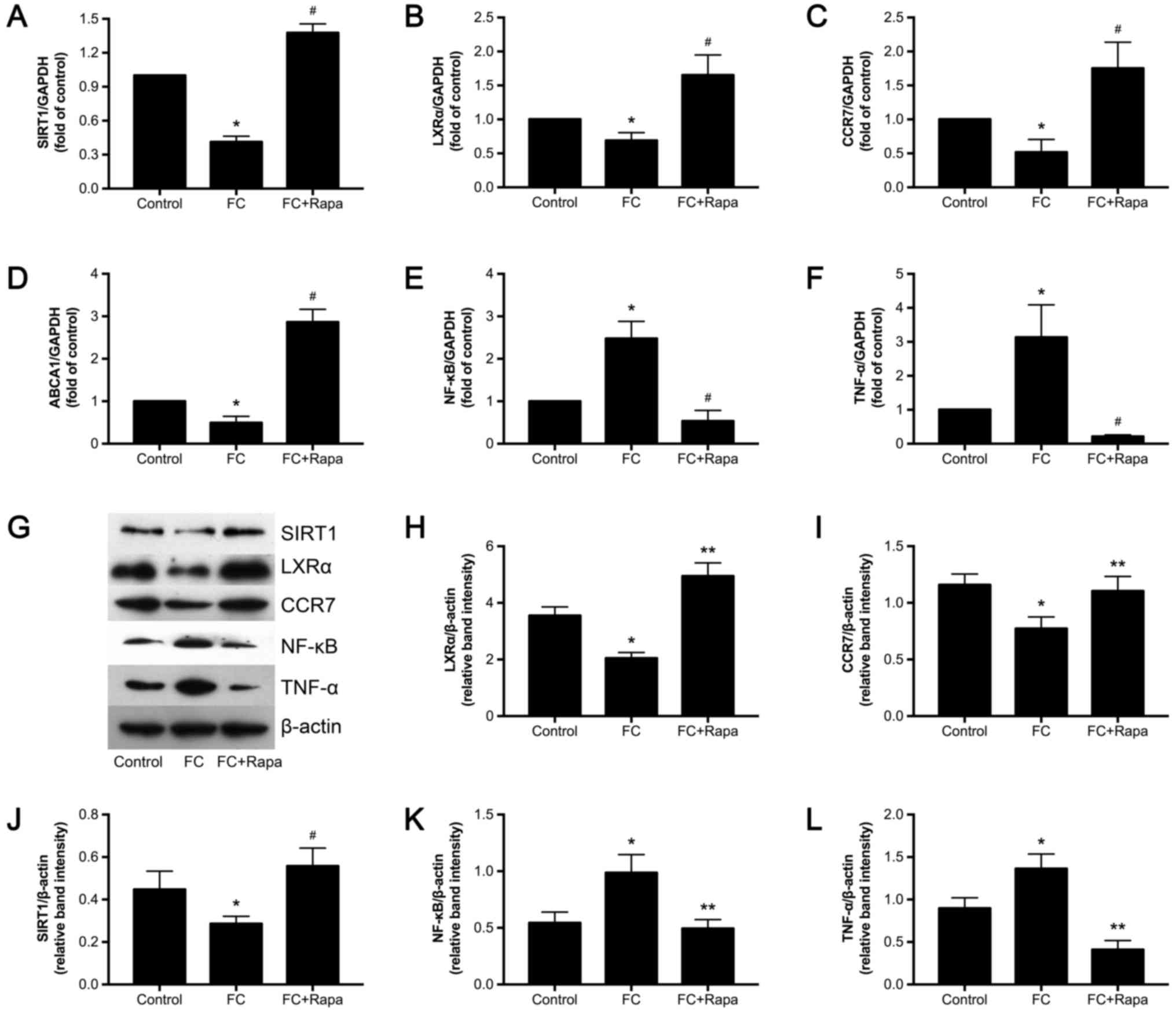
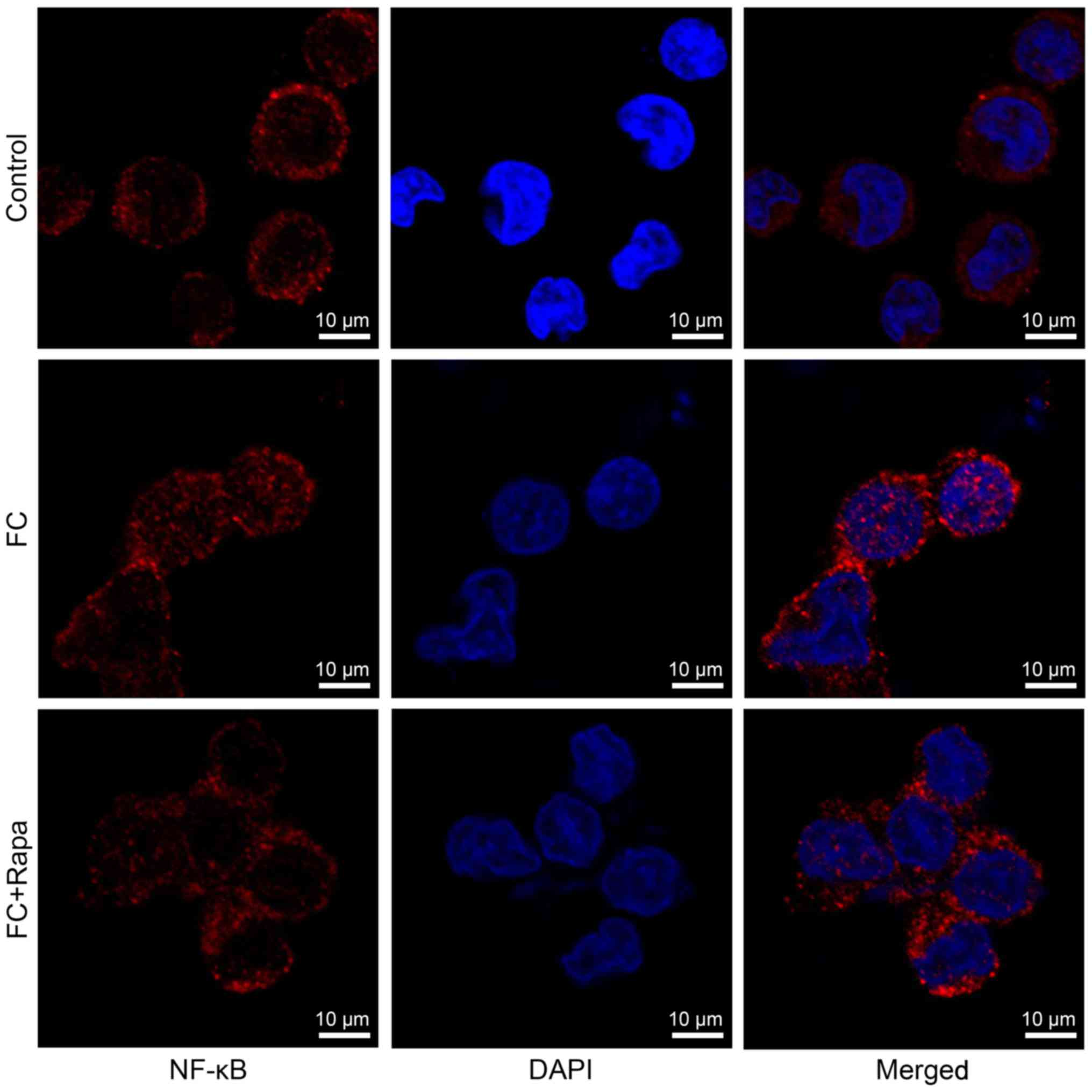
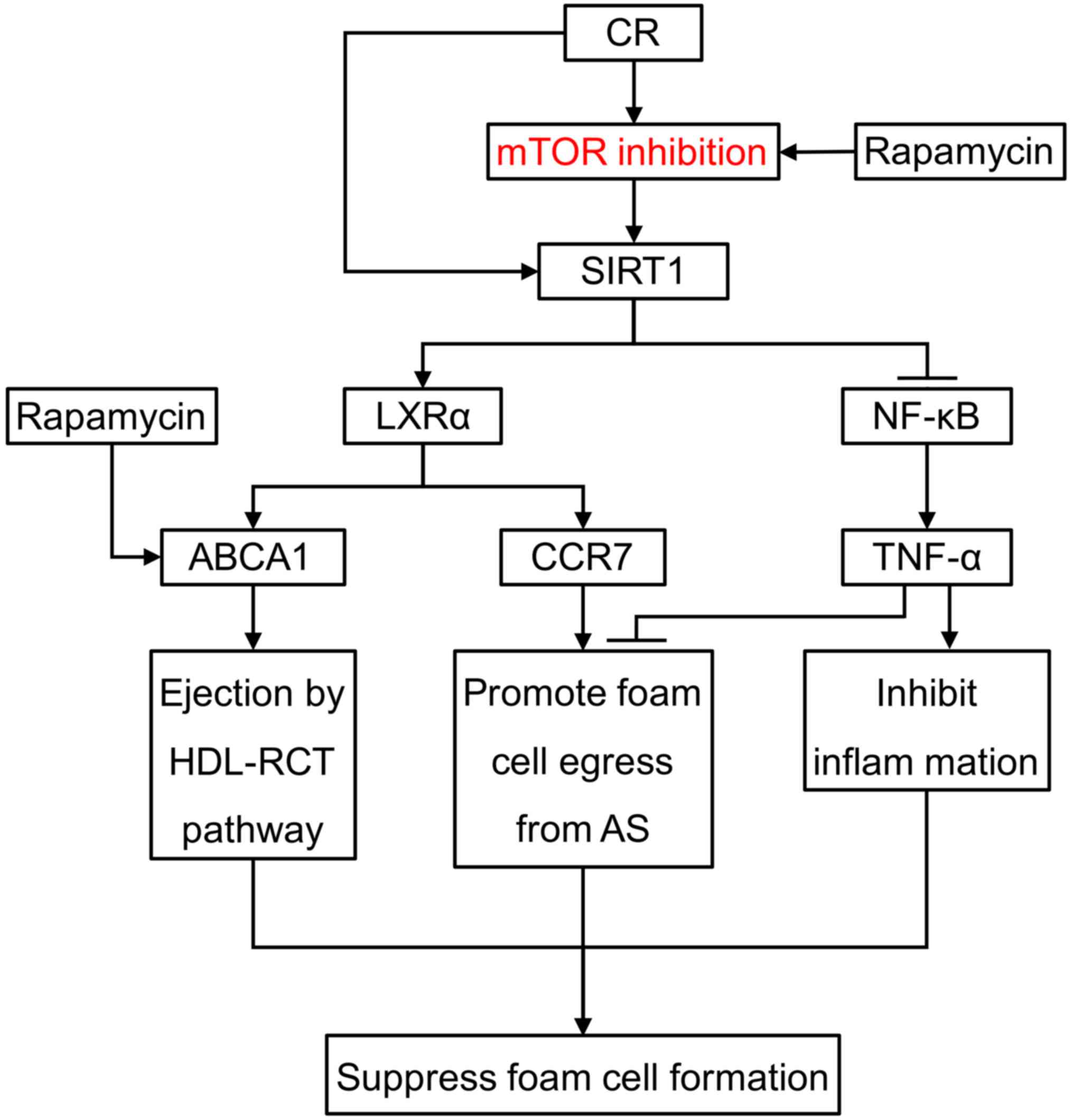
Atherosclerosis (AS) is a chronic immuno‑inflammatory disease accompanied by dyslipidemia. The authors previously demonstrated that sirtuin 1 (SIRT1) may prevent atherogenesis through influencing the liver X receptor/C‑C chemokine receptor type 7/nuclear factor‑κB (LXR‑CCR7/NF‑κB) signaling pathway. Previous studies have suggested a role for mammalian target of rapamycin (mTOR) signaling in the pathogenesis of cardiovascular diseases. The present study investigated the potential association between mTOR signaling and SIRT1‑LXR‑CCR7/NF‑κB signaling (SIRT1 signaling) in AS pathogenesis. To induce foam cell formation, U937 cells were differentiated into macrophages by exposure to phorbol 12‑myristate 13‑acetate (PMA) for 24 h, followed by treatment with palmitate and oxidized low density lipoprotein for a further 24 h. Oil red O staining revealed a large accumulation of lipid droplets present in foam cells. Western blot analysis demonstrated increased protein levels of phosphorylated (p)‑mTOR and its downstream factor p‑ribosomal protein S6 kinase (p70S6K). Reverse transcription‑quantitative polymerase chain reaction and western blot analyses additionally revealed decreased expression of SIRT1, LXRα and CCR7 and increased expression of NF‑κB and its downstream factor tumor necrosis factor‑α (TNF‑α) in an atherogenetic condition induced by lysophosphatidic acid (LPA). In addition, abundant lipid droplets accumulated in U937‑LPA‑treated foam cells. Rapamycin, an mTOR inhibitor, suppressed the expression and activity of mTOR and p70S6K, however enhanced expression of SIRT1, LXRα, and CCR7. Conversely, rapamycin deceased TNF‑α and NF‑κB activity, the latter of which was further confirmed by immunofluorescence analysis demonstrating increased levels of NF‑κB present in the cytoplasm compared with the nucleus. The findings of the present study suggest that mTOR signaling promotes foam cell formation and inhibits foam cell egress via suppression of SIRT1 signaling.
View Figures

Figure 1

Figure 2

Figure 3

Figure 4

Figure 5

Figure 6

Figure 7

View References

1 

Yusuf S, Reddy S, Ounpuu S and Anand S: Global burden of cardiovascular diseases: Part I: General considerations, the epidemiologic transition, risk factors, and impact of urbanization. Circulation. 104:2746–2753. 2001. View Article : Google Scholar : PubMed/NCBI

2 

Go AS, Mozaffarian D, Roger VL, Benjamin EJ, Berry JD, Blaha MJ, Dai S, Ford ES, Fox CS, Franco S, et al: Heart disease and stroke statistics-2014 update: A report from the American Heart Association. Circulation. 129:e28–e292. 2014. View Article : Google Scholar : PubMed/NCBI

3 

Falk E: Pathogenesis of atherosclerosis. J Am Coll Cardiol. 47:(8 Suppl). C7–C12. 2006. View Article : Google Scholar : PubMed/NCBI

4 

Cruzado JM: Nonimmunosuppressive effects of mammalian target of rapamycin inhibitors. Transplant Rev (Orlando). 22:73–81. 2008. View Article : Google Scholar : PubMed/NCBI

5 

Yang Z and Ming XF: mTOR signalling: The molecular interface connecting metabolic stress, aging and cardiovascular diseases. Obes Rev. 13:(Suppl 2). S58–S68. 2012. View Article : Google Scholar

6 

Yang Q and Guan KL: Expanding mTOR signaling. Cell Res. 17:666–681. 2007. View Article : Google Scholar : PubMed/NCBI

7 

Sciarretta S, Volpe M and Sadoshima J: Mammalian target of rapamycin signaling in cardiac physiology and disease. Circ Res. 114:549–564. 2014. View Article : Google Scholar : PubMed/NCBI

8 

Martinet W, De Loof H and De Meyer GR: mTOR inhibition: A promising strategy for stabilization of atherosclerotic plaques. Atherosclerosis. 233:601–607. 2014. View Article : Google Scholar : PubMed/NCBI

9 

Johnson SC, Rabinovitch PS and Kaeberlein M: mTOR is a key modulator of ageing and age-related disease. Nature. 493:338–345. 2013. View Article : Google Scholar : PubMed/NCBI

10 

Mueller MA, Beutner F, Teupser D, Ceglarek U and Thiery J: Prevention of atherosclerosis by the mTOR inhibitor everolimus in LDLR−/− mice despite severe hypercholesterolemia. Atherosclerosis. 198:39–48. 2008. View Article : Google Scholar : PubMed/NCBI

11 

Chen WQ, Zhong L, Zhang L, Ji XP, Zhang M, Zhao YX, Zhang C and Zhang Y: Oral rapamycin attenuates inflammation and enhances stability of atherosclerotic plaques in rabbits independent of serum lipid levels. Br J Pharmacol. 156:941–951. 2009. View Article : Google Scholar : PubMed/NCBI

12 

Ma KL, Ruan XZ, Powis SH, Moorhead JF and Varghese Z: Anti-atherosclerotic effects of sirolimus on human vascular smooth muscle cells. Am J Physiol Heart Circ Physiol. 292:H2721–H2728. 2007. View Article : Google Scholar : PubMed/NCBI

13 

Mathis AS, Jin S, Friedman GS, Peng F, Carl SM and Knipp GT: The pharmacodynamic effects of sirolimus and sirolimus-calcineurin inhibitor combinations on macrophage scavenger and nuclear hormone receptors. J Pharm Sci. 96:209–222. 2007. View Article : Google Scholar : PubMed/NCBI

14 

Yu M, Kang X, Xue H and Yin H: Toll-like receptor 4 is up-regulated by mTOR activation during THP-1 macrophage foam cells formation. Acta Biochim Biophys Sin (Shanghai). 43:940–947. 2011. View Article : Google Scholar : PubMed/NCBI

15 

Thomson AW, Turnquist HR and Raimondi G: Immunoregulatory functions of mTOR inhibition. Nat Rev Immunol. 9:324–337. 2009. View Article : Google Scholar : PubMed/NCBI

16 

Sordi V, Bianchi G, Buracchi C, Mercalli A, Marchesi F, D'Amico G, Yang CH, Luini W, Vecchi A, Mantovani A, et al: Differential effects of immunosuppressive drugs on chemokine receptor CCR7 in human monocyte-derived dendritic cells: Selective upregulation by rapamycin. Transplantation. 82:826–834. 2006. View Article : Google Scholar : PubMed/NCBI

17 

Trogan E, Feig JE, Dogan S, Rothblat GH, Angeli V, Tacke F, Randolph GJ and Fisher EA: Gene expression changes in foam cells and the role of chemokine receptor CCR7 during atherosclerosis regression in ApoE-deficient mice. Proc Natl Acad Sci USA. 103:3781–3786. 2006. View Article : Google Scholar : PubMed/NCBI

18 

Feig JE, Pineda-Torra I, Sanson M, Bradley MN, Vengrenyuk Y, Bogunovic D, Gautier EL, Rubinstein D, Hong C, Liu J, et al: LXR promotes the maximal egress of monocyte-derived cells from mouse aortic plaques during atherosclerosis regression. J Clin Invest. 120:4415–4424. 2010. View Article : Google Scholar : PubMed/NCBI

19 

Baker RG, Hayden MS and Ghosh S: NF-κB, inflammation, and metabolic disease. Cell Metab. 13:11–22. 2011. View Article : Google Scholar : PubMed/NCBI

20 

Takeda-Watanabe A, Kitada M, Kanasaki K and Koya D: SIRT1 inactivation induces inflammation through the dysregulation of autophagy in human THP-1 cells. Biochem Biophys Res Commun. 427:191–196. 2012. View Article : Google Scholar : PubMed/NCBI

21 

Zeng HT, Fu YC, Yu W, Lin JM, Zhou L, Liu L and Wang W: SIRT1 prevents atherosclerosis via liver-X-receptor and NF-κB signaling in a U937 cell model. Mol Med Rep. 8:23–28. 2013.PubMed/NCBI

22 

Zhang S, Cai G, Fu B, Feng Z, Ding R, Bai X, Liu W, Zhuo L, Sun L, Liu F and Chen X: SIRT1 is required for the effects of rapamycin on high glucose-inducing mesangial cells senescence. Mech Ageing Dev. 133:387–400. 2012. View Article : Google Scholar : PubMed/NCBI

23 

Medvedik O, Lamming DW, Kim KD and Sinclair DA: MSN2 and MSN4 link calorie restriction and TOR to sirtuin-mediated lifespan extension in saccharomyces cerevisiae. PLoS Biol. 5:e2612007. View Article : Google Scholar : PubMed/NCBI

24 

Ghosh HS, McBurney M and Robbins PD: SIRT1 negatively regulates the mammalian target of rapamycin. PLoS One. 5:e91992010. View Article : Google Scholar : PubMed/NCBI

25 

Cui MZ: Lysophosphatidic acid effects on atherosclerosis and thrombosis. Clin Lipidol. 6:413–426. 2011. View Article : Google Scholar : PubMed/NCBI

26 

Lamming DW and Sabatini DM: A Central role for mTOR in lipid homeostasis. Cell Metab. 18:465–469. 2013. View Article : Google Scholar : PubMed/NCBI

27 

Ma KL, Liu J, Wang CX, Ni J, Zhang Y, Wu Y, Lv LL, Ruan XZ and Liu BC: Activation of mTOR modulates SREBP-2 to induce foam cell formation through increased retinoblastoma protein phosphorylation. Cardiovasc Res. 100:450–460. 2013. View Article : Google Scholar : PubMed/NCBI

28 

Fueller M, Wang DA, Tigyi G and Siess W: Activation of human monocytic cells by lysophosphatidic acid and sphingosine-1-phosphate. Cell Signal. 15:367–375. 2003. View Article : Google Scholar : PubMed/NCBI

29 

Bot M, Bot I, Lopez-Vales R, van de Lest CH, Saulnier-Blache JS, Helms JB, David S, van Berkel TJ and Biessen EA: Atherosclerotic lesion progression changes lysophosphatidic acid homeostasis to favor its accumulation. Am J Pathol. 176:3073–3084. 2010. View Article : Google Scholar : PubMed/NCBI

30 

Ghosh HS, McBurney M and Robbins PD: SIRT1 negatively regulates the mammalian target of rapamycin. PLoS One. 5:e91992010. View Article : Google Scholar : PubMed/NCBI

31 

Xu J, Dang Y, Ren YR and Liu JO: Cholesterol trafficking is required for mTOR activation in endothelial cells. Proc Natl Acad Sci USA. 107:4764–4769. 2010. View Article : Google Scholar : PubMed/NCBI

32 

Gareus R, Kotsaki E, Xanthoulea S, van der Made I, Gijbels MJ, Kardakaris R, Polykratis A, Kollias G, de Winther MP and Pasparakis M: Endothelial cell-specific NF-κB inhibition protects mice from atherosclerosis. Cell Metab. 8:372–383. 2008. View Article : Google Scholar : PubMed/NCBI

33 

Ma KL, Ruan XZ, Powis SH, Chen Y, Moorhead JF and Varghese Z: Inflammatory stress exacerbates lipid accumulation in hepatic cells and fatty livers of apolipoprotein E knockout mice. Hepatology. 48:770–781. 2008. View Article : Google Scholar : PubMed/NCBI

34 

Yeung F, Hoberg JE, Ramsey CS, Keller MD, Jones DR, Frye RA and Mayo MW: Modulation of NF-κB-dependent transcription and cell survival by the SIRT1 deacetylase. EMBO J. 23:2369–2380. 2004. View Article : Google Scholar : PubMed/NCBI

35 

Salminen A, Kauppinen A, Suuronen T and Kaarniranta K: SIRT1 longevity factor suppresses NF-κB-driven immune responses: Regulation of aging via NF-kappaB acetylation? Bioessays. 30:939–942. 2008. View Article : Google Scholar : PubMed/NCBI

36 

Cohen HY, Miller C, Bitterman KJ, Wall NR, Hekking B, Kessler B, Howitz KT, Gorospe M, de Cabo R and Sinclair DA: Calorie restriction promotes mammalian cell survival by inducing the SIRT1 deacetylase. Sci. 305:390–392. 2004. View Article : Google Scholar

37 

Blagosklonny MV: Calorie restriction: decelerating mTOR-driven aging from cells to organisms (including humans). Cell Cycle. 9:683–688. 2010. View Article : Google Scholar : PubMed/NCBI

38 

Ma L, Dong W, Wang R, Li Y, Xu B, Zhang J, Zhao Z and Wang Y: Effect of caloric restriction on the SIRT1/mTOR signaling pathways in senile mice. Brain Res Bull. 116:67–72. 2015. View Article : Google Scholar : PubMed/NCBI

Related Articles

  • Abstract
  • View
  • Download
  • Twitter
Copy and paste a formatted citation
Spandidos Publications style
Zheng H, Fu Y, Huang Y, Zheng X, Yu W and Wang W: mTOR signaling promotes foam cell formation and inhibits foam cell egress through suppressing the SIRT1 signaling pathway. Mol Med Rep 16: 3315-3323, 2017.
APA
Zheng, H., Fu, Y., Huang, Y., Zheng, X., Yu, W., & Wang, W. (2017). mTOR signaling promotes foam cell formation and inhibits foam cell egress through suppressing the SIRT1 signaling pathway. Molecular Medicine Reports, 16, 3315-3323. https://doi.org/10.3892/mmr.2017.7032
MLA
Zheng, H., Fu, Y., Huang, Y., Zheng, X., Yu, W., Wang, W."mTOR signaling promotes foam cell formation and inhibits foam cell egress through suppressing the SIRT1 signaling pathway". Molecular Medicine Reports 16.3 (2017): 3315-3323.
Chicago
Zheng, H., Fu, Y., Huang, Y., Zheng, X., Yu, W., Wang, W."mTOR signaling promotes foam cell formation and inhibits foam cell egress through suppressing the SIRT1 signaling pathway". Molecular Medicine Reports 16, no. 3 (2017): 3315-3323. https://doi.org/10.3892/mmr.2017.7032
Copy and paste a formatted citation
x
Spandidos Publications style
Zheng H, Fu Y, Huang Y, Zheng X, Yu W and Wang W: mTOR signaling promotes foam cell formation and inhibits foam cell egress through suppressing the SIRT1 signaling pathway. Mol Med Rep 16: 3315-3323, 2017.
APA
Zheng, H., Fu, Y., Huang, Y., Zheng, X., Yu, W., & Wang, W. (2017). mTOR signaling promotes foam cell formation and inhibits foam cell egress through suppressing the SIRT1 signaling pathway. Molecular Medicine Reports, 16, 3315-3323. https://doi.org/10.3892/mmr.2017.7032
MLA
Zheng, H., Fu, Y., Huang, Y., Zheng, X., Yu, W., Wang, W."mTOR signaling promotes foam cell formation and inhibits foam cell egress through suppressing the SIRT1 signaling pathway". Molecular Medicine Reports 16.3 (2017): 3315-3323.
Chicago
Zheng, H., Fu, Y., Huang, Y., Zheng, X., Yu, W., Wang, W."mTOR signaling promotes foam cell formation and inhibits foam cell egress through suppressing the SIRT1 signaling pathway". Molecular Medicine Reports 16, no. 3 (2017): 3315-3323. https://doi.org/10.3892/mmr.2017.7032
Follow us
  • Twitter
  • LinkedIn
  • Facebook
About
  • Spandidos Publications
  • Careers
  • Cookie Policy
  • Privacy Policy
How can we help?
  • Help
  • Live Chat
  • Contact
  • Email to our Support Team