Spandidos Publications Logo
  • About
    • About Spandidos
    • Aims and Scopes
    • Abstracting and Indexing
    • Editorial Policies
    • Reprints and Permissions
    • Job Opportunities
    • Terms and Conditions
    • Contact
  • Journals
    • All Journals
    • Oncology Letters
      • Oncology Letters
      • Information for Authors
      • Editorial Policies
      • Editorial Board
      • Aims and Scope
      • Abstracting and Indexing
      • Bibliographic Information
      • Archive
    • International Journal of Oncology
      • International Journal of Oncology
      • Information for Authors
      • Editorial Policies
      • Editorial Board
      • Aims and Scope
      • Abstracting and Indexing
      • Bibliographic Information
      • Archive
    • Molecular and Clinical Oncology
      • Molecular and Clinical Oncology
      • Information for Authors
      • Editorial Policies
      • Editorial Board
      • Aims and Scope
      • Abstracting and Indexing
      • Bibliographic Information
      • Archive
    • Experimental and Therapeutic Medicine
      • Experimental and Therapeutic Medicine
      • Information for Authors
      • Editorial Policies
      • Editorial Board
      • Aims and Scope
      • Abstracting and Indexing
      • Bibliographic Information
      • Archive
    • International Journal of Molecular Medicine
      • International Journal of Molecular Medicine
      • Information for Authors
      • Editorial Policies
      • Editorial Board
      • Aims and Scope
      • Abstracting and Indexing
      • Bibliographic Information
      • Archive
    • Biomedical Reports
      • Biomedical Reports
      • Information for Authors
      • Editorial Policies
      • Editorial Board
      • Aims and Scope
      • Abstracting and Indexing
      • Bibliographic Information
      • Archive
    • Oncology Reports
      • Oncology Reports
      • Information for Authors
      • Editorial Policies
      • Editorial Board
      • Aims and Scope
      • Abstracting and Indexing
      • Bibliographic Information
      • Archive
    • Molecular Medicine Reports
      • Molecular Medicine Reports
      • Information for Authors
      • Editorial Policies
      • Editorial Board
      • Aims and Scope
      • Abstracting and Indexing
      • Bibliographic Information
      • Archive
    • World Academy of Sciences Journal
      • World Academy of Sciences Journal
      • Information for Authors
      • Editorial Policies
      • Editorial Board
      • Aims and Scope
      • Abstracting and Indexing
      • Bibliographic Information
      • Archive
    • International Journal of Functional Nutrition
      • International Journal of Functional Nutrition
      • Information for Authors
      • Editorial Policies
      • Editorial Board
      • Aims and Scope
      • Abstracting and Indexing
      • Bibliographic Information
      • Archive
    • International Journal of Epigenetics
      • International Journal of Epigenetics
      • Information for Authors
      • Editorial Policies
      • Editorial Board
      • Aims and Scope
      • Abstracting and Indexing
      • Bibliographic Information
      • Archive
    • Medicine International
      • Medicine International
      • Information for Authors
      • Editorial Policies
      • Editorial Board
      • Aims and Scope
      • Abstracting and Indexing
      • Bibliographic Information
      • Archive
  • Articles
  • Information
    • Information for Authors
    • Information for Reviewers
    • Information for Librarians
    • Information for Advertisers
    • Conferences
  • Language Editing
Spandidos Publications Logo
  • About
    • About Spandidos
    • Aims and Scopes
    • Abstracting and Indexing
    • Editorial Policies
    • Reprints and Permissions
    • Job Opportunities
    • Terms and Conditions
    • Contact
  • Journals
    • All Journals
    • Biomedical Reports
      • Information for Authors
      • Editorial Policies
      • Editorial Board
      • Aims and Scope
      • Abstracting and Indexing
      • Bibliographic Information
      • Archive
    • Experimental and Therapeutic Medicine
      • Information for Authors
      • Editorial Policies
      • Editorial Board
      • Aims and Scope
      • Abstracting and Indexing
      • Bibliographic Information
      • Archive
    • International Journal of Epigenetics
      • Information for Authors
      • Editorial Policies
      • Editorial Board
      • Aims and Scope
      • Abstracting and Indexing
      • Bibliographic Information
      • Archive
    • International Journal of Functional Nutrition
      • Information for Authors
      • Editorial Policies
      • Editorial Board
      • Aims and Scope
      • Abstracting and Indexing
      • Bibliographic Information
      • Archive
    • International Journal of Molecular Medicine
      • Information for Authors
      • Editorial Policies
      • Editorial Board
      • Aims and Scope
      • Abstracting and Indexing
      • Bibliographic Information
      • Archive
    • International Journal of Oncology
      • Information for Authors
      • Editorial Policies
      • Editorial Board
      • Aims and Scope
      • Abstracting and Indexing
      • Bibliographic Information
      • Archive
    • Medicine International
      • Information for Authors
      • Editorial Policies
      • Editorial Board
      • Aims and Scope
      • Abstracting and Indexing
      • Bibliographic Information
      • Archive
    • Molecular and Clinical Oncology
      • Information for Authors
      • Editorial Policies
      • Editorial Board
      • Aims and Scope
      • Abstracting and Indexing
      • Bibliographic Information
      • Archive
    • Molecular Medicine Reports
      • Information for Authors
      • Editorial Policies
      • Editorial Board
      • Aims and Scope
      • Abstracting and Indexing
      • Bibliographic Information
      • Archive
    • Oncology Letters
      • Information for Authors
      • Editorial Policies
      • Editorial Board
      • Aims and Scope
      • Abstracting and Indexing
      • Bibliographic Information
      • Archive
    • Oncology Reports
      • Information for Authors
      • Editorial Policies
      • Editorial Board
      • Aims and Scope
      • Abstracting and Indexing
      • Bibliographic Information
      • Archive
    • World Academy of Sciences Journal
      • Information for Authors
      • Editorial Policies
      • Editorial Board
      • Aims and Scope
      • Abstracting and Indexing
      • Bibliographic Information
      • Archive
  • Articles
  • Information
    • For Authors
    • For Reviewers
    • For Librarians
    • For Advertisers
    • Conferences
  • Language Editing
Login Register Submit
  • This site uses cookies
  • You can change your cookie settings at any time by following the instructions in our Cookie Policy. To find out more, you may read our Privacy Policy.

    I agree
Search articles by DOI, keyword, author or affiliation
Search
Advanced Search
presentation
Molecular Medicine Reports
Join Editorial Board Propose a Special Issue
Print ISSN: 1791-2997 Online ISSN: 1791-3004
Journal Cover
November-2017 Volume 16 Issue 5

Full Size Image

Sign up for eToc alerts
Recommend to Library

Journals

International Journal of Molecular Medicine

International Journal of Molecular Medicine

International Journal of Molecular Medicine is an international journal devoted to molecular mechanisms of human disease.

International Journal of Oncology

International Journal of Oncology

International Journal of Oncology is an international journal devoted to oncology research and cancer treatment.

Molecular Medicine Reports

Molecular Medicine Reports

Covers molecular medicine topics such as pharmacology, pathology, genetics, neuroscience, infectious diseases, molecular cardiology, and molecular surgery.

Oncology Reports

Oncology Reports

Oncology Reports is an international journal devoted to fundamental and applied research in Oncology.

Experimental and Therapeutic Medicine

Experimental and Therapeutic Medicine

Experimental and Therapeutic Medicine is an international journal devoted to laboratory and clinical medicine.

Oncology Letters

Oncology Letters

Oncology Letters is an international journal devoted to Experimental and Clinical Oncology.

Biomedical Reports

Biomedical Reports

Explores a wide range of biological and medical fields, including pharmacology, genetics, microbiology, neuroscience, and molecular cardiology.

Molecular and Clinical Oncology

Molecular and Clinical Oncology

International journal addressing all aspects of oncology research, from tumorigenesis and oncogenes to chemotherapy and metastasis.

World Academy of Sciences Journal

World Academy of Sciences Journal

Multidisciplinary open-access journal spanning biochemistry, genetics, neuroscience, environmental health, and synthetic biology.

International Journal of Functional Nutrition

International Journal of Functional Nutrition

Open-access journal combining biochemistry, pharmacology, immunology, and genetics to advance health through functional nutrition.

International Journal of Epigenetics

International Journal of Epigenetics

Publishes open-access research on using epigenetics to advance understanding and treatment of human disease.

Medicine International

Medicine International

An International Open Access Journal Devoted to General Medicine.

Journal Cover
November-2017 Volume 16 Issue 5

Full Size Image

Sign up for eToc alerts
Recommend to Library

  • Article
  • Citations
    • Cite This Article
    • Download Citation
    • Create Citation Alert
    • Remove Citation Alert
    • Cited By
  • Similar Articles
    • Related Articles (in Spandidos Publications)
    • Similar Articles (Google Scholar)
    • Similar Articles (PubMed)
  • Download PDF
  • Download XML
  • View XML
Article Open Access

Neuroprotective effects of hydrogen sulfide on sodium azide‑induced autophagic cell death in PC12 cells

  • Authors:
    • Haiyan Shan
    • Yang Chu
    • Pan Chang
    • Lijun Yang
    • Yi Wang
    • Shaohua Zhu
    • Mingyang Zhang
    • Luyang Tao
  • View Affiliations / Copyright

    Affiliations: Shanghai Key Laboratory of Forensic Medicine, Institute of Forensic Science, Ministry of Justice, Shanghai 200063, P.R. China, Institute of Forensic Sciences, Soochow University, Suzhou, Jiangsu 215123, P.R. China, Central Laboratory, Second Affiliated Hospital of Xi'an Medical College, Xi'an, Shaanxi 710038, P.R. China
    Copyright: © Shan et al. This is an open access article distributed under the terms of Creative Commons Attribution License.
  • Pages: 5938-5946
    |
    Published online on: August 25, 2017
       https://doi.org/10.3892/mmr.2017.7363
  • Expand metrics +
Metrics: Total Views: 0 (Spandidos Publications: | PMC Statistics: )
Metrics: Total PDF Downloads: 0 (Spandidos Publications: | PMC Statistics: )
Cited By (CrossRef): 0 citations Loading Articles...

This article is mentioned in:


Abstract

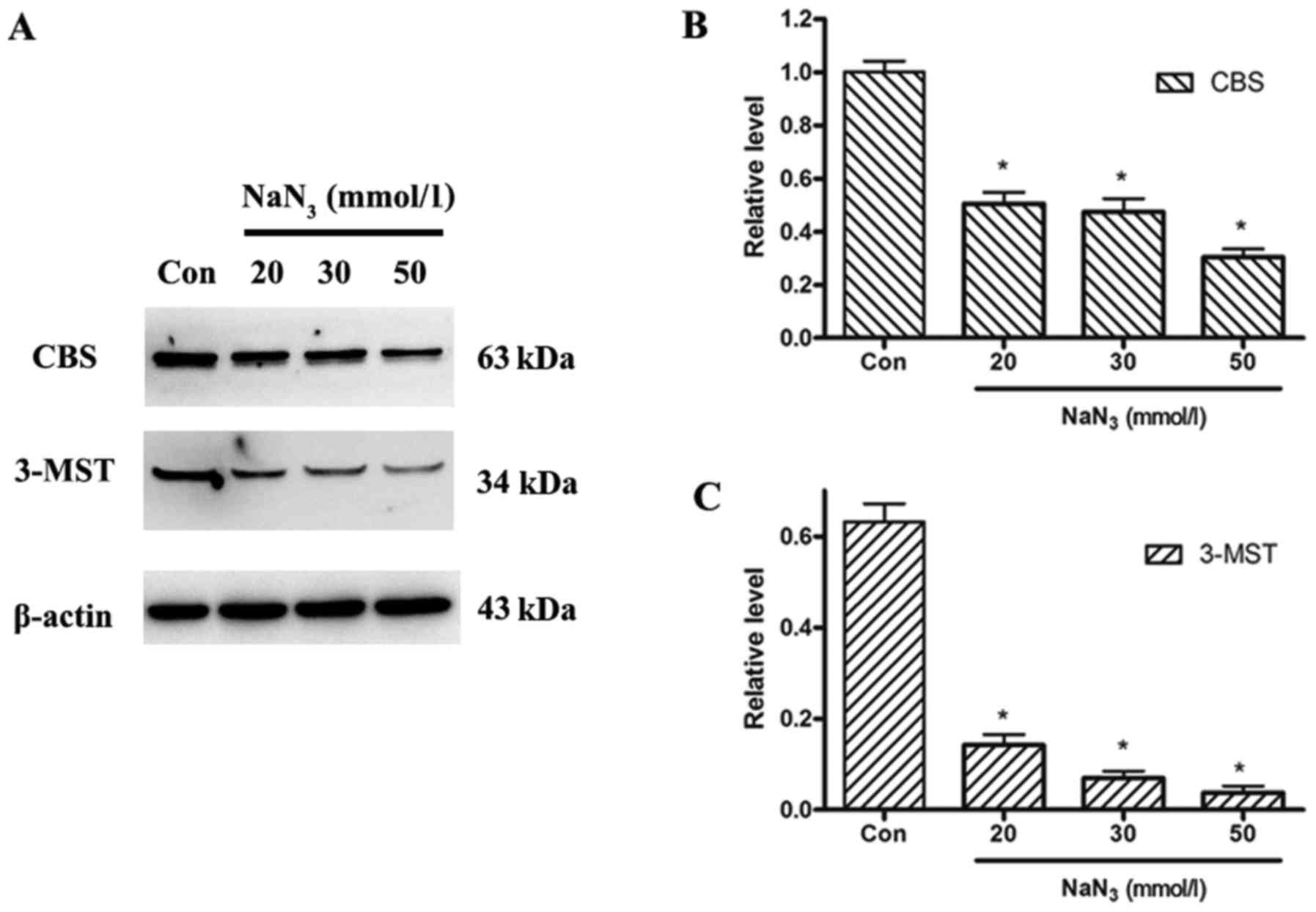
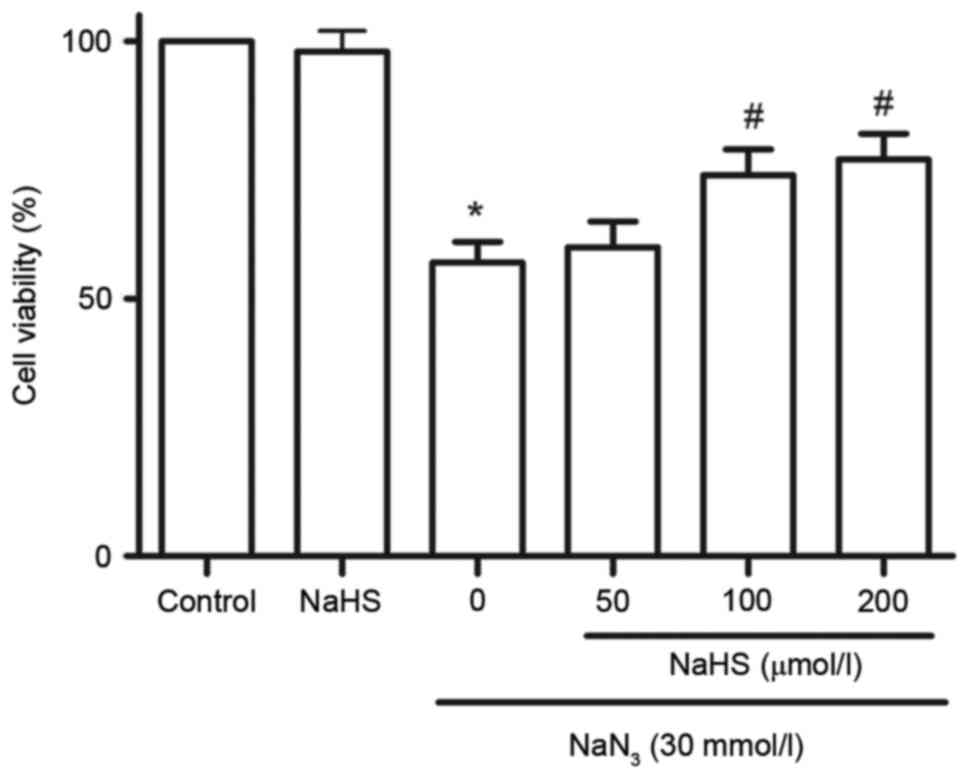
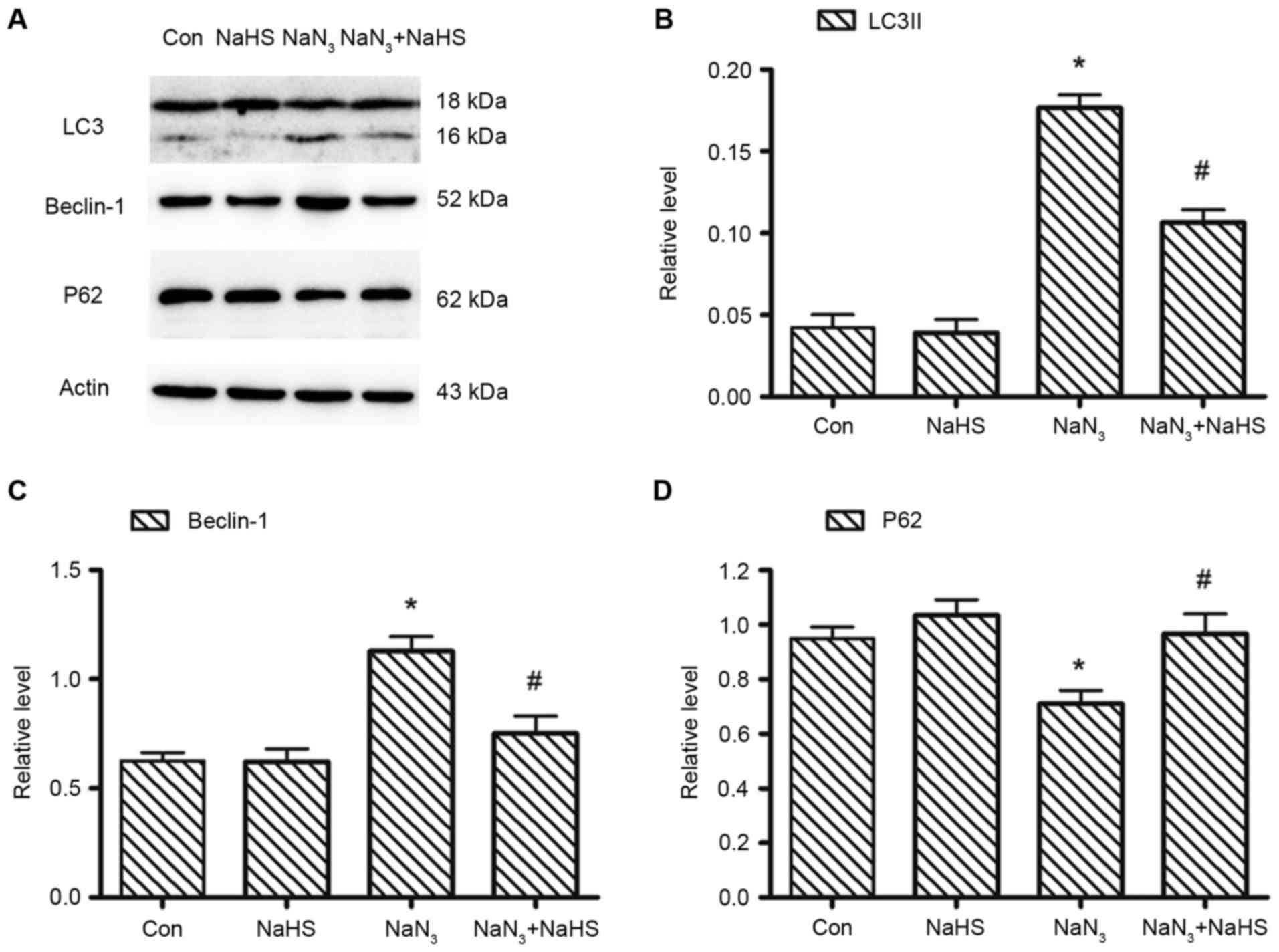
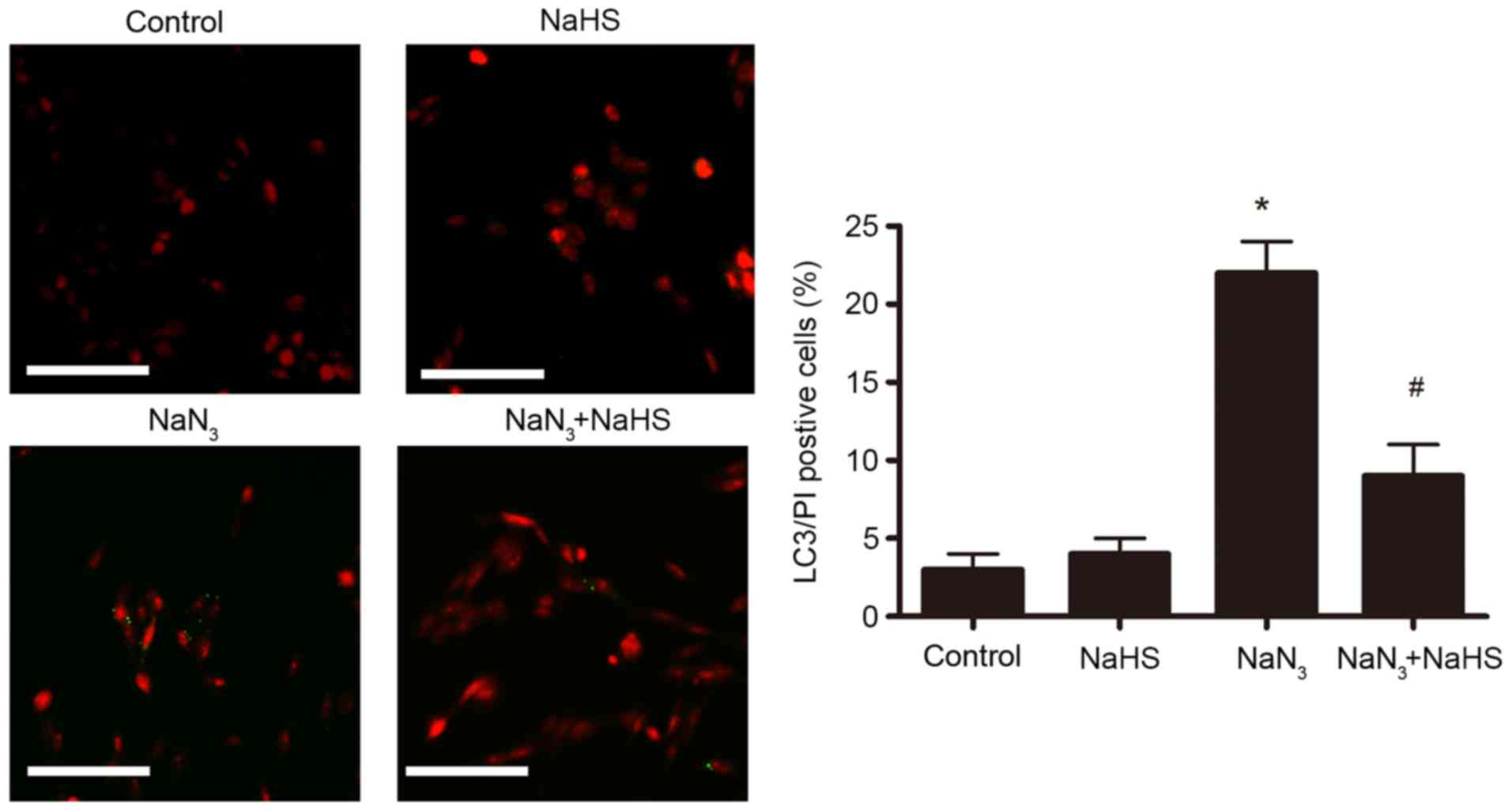
Sodium azide (NaN3) is a chemical of rapidly growing commercial importance. It is very acutely toxic and inhibits cytochrome oxidase (COX) by binding irreversibly to the heme cofactor. A previous study from our group demonstrated that hydrogen sulfide (H2S), the third endogenous gaseous mediator identified, had protective effects against neuronal damage induced by traumatic brain injury (TBI). It is well‑known that TBI can reduce the activity of COX and have detrimental effects on the central nervous system metabolism. Therefore, in the present study, it was hypothesized that H2S may provide neuroprotection against NaN3 toxicity. The current results revealed that NaN3 treatment induced non‑apoptotic cell death, namely autophagic cell death, in PC12 cells. Expression of the endogenous H2S‑producing enzymes, cystathionine‑β‑synthase and 3‑mercaptopyruvate sulfurtransferase, decreased in a dose‑dependent manner following NaN3 treatment. Pretreatment with H2S markedly attenuated the NaN3‑induced cell viability loss and autophagic cell death in a dose‑dependent manner. The present study suggests that H2S‑based strategies may have future potential in the prevention and/or therapy of neuronal damage following NaN3 exposure.
View Figures

Figure 1

Figure 2

Figure 3

Figure 4

Figure 5

Figure 6

Figure 7

View References

1 

Mittenberg W, DiGiulio DV, Perrin S and Bass AE: Symptoms following mild head injury: Expectation as aetiology. J Neurol Neurosurg Psychiatry. 55:200–204. 1992. View Article : Google Scholar : PubMed/NCBI

2 

Harris LK, Black RT, Golden KM, Reeves TM, Povlishock JT and Phillips LL: Traumatic brain injury-induced changes in gene expression and functional activity of mitochondrial cytochrome C oxidase. J Neurotrauma. 18:993–1009. 2001. View Article : Google Scholar : PubMed/NCBI

3 

Gu YL, Zhang LW, Ma N, Ye LL, de X Wang and Gao X: Cognitive improvement of mice induced by exercise prior to traumatic brain injury is associated with cytochrome c oxidase. Neurosci Lett. 570:86–91. 2014. View Article : Google Scholar : PubMed/NCBI

4 

Huttemann M, Lee I, Kreipke CW and Petrov T: Suppression of the inducible form of nitric oxide synthase prior to traumatic brain injury improves cytochrome c oxidase activity and normalizes cellular energy levels. Neuroscience. 151:148–154. 2008. View Article : Google Scholar : PubMed/NCBI

5 

Bennett MC, Mlady GW, Kwon YH and Rose GM: Chronic in vivo sodium azide infusion induces selective and stable inhibition of cytochrome c oxidase. J Neurochem. 66:2606–2611. 1996. View Article : Google Scholar : PubMed/NCBI

6 

Fayaz SM, Kumar VS Suvanish and Rajanikant GK: Necroptosis: Who knew there were so many interesting ways to die? CNS Neurol Disord Drug Targets. 13:42–51. 2014. View Article : Google Scholar : PubMed/NCBI

7 

Park Y, Liu C, Luo T, Dietrich WD, Bramlett H and Hu B: Chaperone-mediated autophagy after traumatic brain injury. J Neurotrauma. 32:1449–1457. 2015. View Article : Google Scholar : PubMed/NCBI

8 

Cheng G, Kong RH, Zhang LM and Zhang JN: Mitochondria in traumatic brain injury and mitochondrial-targeted multipotential therapeutic strategies. Br J Pharmacol. 167:699–719. 2012. View Article : Google Scholar : PubMed/NCBI

9 

Sarkar C, Zhao Z, Aungst S, Sabirzhanov B, Faden AI and Lipinski MM: Impaired autophagy flux is associated with neuronal cell death after traumatic brain injury. Autophagy. 10:2208–2222. 2014. View Article : Google Scholar : PubMed/NCBI

10 

Zhang M, Shan H, Chang P, Wang T, Dong W, Chen X and Tao L: Hydrogen sulfide offers neuroprotection on traumatic brain injury in parallel with reduced apoptosis and autophagy in mice. PLoS One. 9:e872412014. View Article : Google Scholar : PubMed/NCBI

11 

Zhang L, Cheng XR, Hu JJ, Sun L and Du GH: Neuroprotective Effects of hyperoside on sodium azide-induced apoptosis in PC12 cells. Chin J Natural Med. 9:450–455. 2011.

12 

Grammatopoulos TN, Morris K, Bachar C, Moore S, Andres R and Weyhenmeyer JA: Angiotensin II attenuates chemical hypoxia-induced caspase-3 activation in primary cortical neuronal cultures. Brain Res Bull. 62:297–303. 2004. View Article : Google Scholar : PubMed/NCBI

13 

Selvatici R, Previati M, Marino S, Marani L, Falzarano S, Lanzoni I and Siniscalchi A: Sodium azide induced neuronal damage in vitro: Evidence for non-apoptotic cell death. Neurochem Res. 34:909–916. 2009. View Article : Google Scholar : PubMed/NCBI

14 

Huang CW and Moore PK: H2S synthesizing enzymes: Biochemistry and molecular aspects. Handb Exp Pharmacol. 230:3–25. 2015. View Article : Google Scholar : PubMed/NCBI

15 

Bhatia M: Role of hydrogen sulfide in the pathology of inflammation. Scientifica (Cairo). 2012:1596802012.PubMed/NCBI

16 

Kimura H: Hydrogen sulfide and polysulfides as biological mediators. Molecules. 19:16146–16157. 2014. View Article : Google Scholar : PubMed/NCBI

17 

Kimura H: Hydrogen sulfide: Its production, release and functions. Amino Acids. 41:113–121. 2011. View Article : Google Scholar : PubMed/NCBI

18 

Kimura H: Physiological roles of hydrogen sulfide and polysulfides. Handb Exp Pharmacol. 230:61–81. 2015. View Article : Google Scholar : PubMed/NCBI

19 

Chang S and Lamm SH: Human health effects of sodium azide exposure: A literature review and analysis. Int J Toxicol. 22:175–186. 2003. View Article : Google Scholar : PubMed/NCBI

20 

Ott M, Gogvadze V, Orrenius S and Zhivotovsky B: Mitochondria, oxidative stress and cell death. Apoptosis. 12:913–922. 2007. View Article : Google Scholar : PubMed/NCBI

21 

Yin F, Boveris A and Cadenas E: Mitochondrial energy metabolism and redox signaling in brain aging and neurodegeneration. Antioxid Redox Signal. 20:353–371. 2014. View Article : Google Scholar : PubMed/NCBI

22 

Ryu JR, Hong CJ, Kim JY, Kim EK, Sun W and Yu SW: Control of adult neurogenesis by programmed cell death in the mammalian brain. Mol Brain. 9:432016. View Article : Google Scholar : PubMed/NCBI

23 

Sato E, Suzuki T, Hoshi N, Sugino T and Hasegawa H: Sodium azide induces necrotic cell death in rat squamous cell carcinoma SCC131. Med Mol Morphol. 41:211–220. 2008. View Article : Google Scholar : PubMed/NCBI

24 

Inomata K and Tanaka H: Protective effect of benidipine against sodium azide-induced cell death in cultured neonatal rat cardiac myocytes. J Pharmacol Sci. 93:163–170. 2003. View Article : Google Scholar : PubMed/NCBI

25 

Lutton JD, Moonga BS and Dempster DW: Osteoclast demise in the rat: Physiological versus degenerative cell death. Exp Physiol. 81:251–260. 1996. View Article : Google Scholar : PubMed/NCBI

26 

Amador FC, Henriques AG, da Cruz E Silva OA and da Cruz E Silva EF: Monitoring protein phosphatase 1 isoform levels as a marker for cellular stress. Neurotoxicol Teratol. 26:387–395. 2004. View Article : Google Scholar : PubMed/NCBI

27 

Satpute R, Bhattacharya R, S Kashyap R, J Purohit H, Y Deopujari J, M Taori G and F Daginawala H: Antioxidant potential of Fagonia arabica against the chemical ischemia-induced in PC12 cells. Iran J Pharm Res. 11:303–313. 2012.PubMed/NCBI

28 

Smith CM, Chen Y, Sullivan ML, Kochanek PM and Clark RS: Autophagy in acute brain injury: Feast, famine, or folly? Neurobiol Dis. 43:52–59. 2011. View Article : Google Scholar : PubMed/NCBI

29 

Liu L, Sun T, Xin F, Cui W, Guo J and Hu J: Nerve growth factor protects against alcohol-induced neurotoxicity in PC12 cells via PI3K/Akt/mTOR pathway. Alcohol Alcohol. 52:12–18. 2017. View Article : Google Scholar : PubMed/NCBI

30 

Shen HM and Codogno P: Autophagic cell death: Loch Ness monster or endangered species? Autophagy. 7:457–465. 2011. View Article : Google Scholar : PubMed/NCBI

31 

Kang R, Zeh HJ, Lotze MT and Tang D: The Beclin 1 network regulates autophagy and apoptosis. Cell Death Differ. 18:571–580. 2011. View Article : Google Scholar : PubMed/NCBI

32 

Klionsky DJ, Abdalla FC, Abeliovich H, Abraham RT, Acevedo-Arozena A, Adeli K, Agholme L, Agnello M, Agostinis P, Aguirre-Ghiso JA, et al: Guidelines for the use and interpretation of assays for monitoring autophagy. Autophagy. 8:445–544. 2012. View Article : Google Scholar : PubMed/NCBI

33 

Lipinski MM, Wu J, Faden AI and Sarkar C: Function and mechanisms of autophagy in brain and spinal cord trauma. Antioxid Redox Signal. 23:565–577. 2015. View Article : Google Scholar : PubMed/NCBI

34 

Gotor C, Garcia I, Crespo JL and Romero LC: Sulfide as a signaling molecule in autophagy. Autophagy. 9:609–611. 2013. View Article : Google Scholar : PubMed/NCBI

35 

Kimura H: Hydrogen sulfide: Production, release, and functions. Nihon Yakurigaku Zasshi. 139:6–8. 2012.(In Japanese). View Article : Google Scholar : PubMed/NCBI

36 

Zhang M, Shan H, Chang P, Ma L, Chu Y, Shen X, Wu Q, Wang Z, Luo C, Wang T, et al: Upregulation of 3-MST relates to neuronal autophagy after traumatic brain injury in mice. Cell Mol Neurobiol. 37:291–302. 2017. View Article : Google Scholar : PubMed/NCBI

37 

Zhang M, Shan H, Wang Y, Wang T, Liu W, Wang L, Zhang L, Chang P, Dong W, Chen X and Tao L: The expression changes of cystathionine-b-synthase in brain cortex after traumatic brain injury. J Mol Neurosci. 51:57–67. 2013. View Article : Google Scholar : PubMed/NCBI

38 

Chen WL, Niu YY, Jiang WZ, Tang HL, Zhang C, Xia QM and Tang XQ: Neuroprotective effects of hydrogen sulfide and the underlying signaling pathways. Rev Neurosci. 26:129–142. 2015. View Article : Google Scholar : PubMed/NCBI

39 

Miyamoto R, Otsuguro K, Yamaguchi S and Ito S: Contribution of cysteine aminotransferase and mercaptopyruvate sulfurtransferase to hydrogen sulfide production in peripheral neurons. J Neurochem. 130:29–40. 2014. View Article : Google Scholar : PubMed/NCBI

40 

Zhang ZY, Chen B, Zhao DJ and Kang L: Functional modulation of mitochondrial cytochrome c oxidase underlies adaptation to high-altitude hypoxia in a Tibetan migratory locust. Proc Biol Sci. 280:201227582013; View Article : Google Scholar : PubMed/NCBI

41 

Sena LA and Chandel NS: Physiological roles of mitochondrial reactive oxygen species. Mol Cell. 48:158–167. 2012. View Article : Google Scholar : PubMed/NCBI

42 

Han M and Im DS: Effects of mitochondrial inhibitors on cell viability in U937 monocytes under glucose deprivation. Arch Pharm Res. 31:749–757. 2008. View Article : Google Scholar : PubMed/NCBI

43 

Nagpure BV and Bian JS: Brain, learning, and memory: Role of H2S in neurodegenerative diseases. Handb Exp Pharmacol. 230:193–215. 2015. View Article : Google Scholar : PubMed/NCBI

44 

Whiteman M, Armstrong JS, Chu SH, Jia-Ling S, Wong BS, Cheung NS, Halliwell B and Moore PK: The novel neuromodulator hydrogen sulfide: An endogenous peroxynitrite ‘scavenger’? J Neurochem. 90:765–768. 2004. View Article : Google Scholar : PubMed/NCBI

45 

Kimura Y, Goto Y and Kimura H: Hydrogen sulfide increases glutathione production and suppresses oxidative stress in mitochondria. Antioxid Redox Signal. 12:1–13. 2010. View Article : Google Scholar : PubMed/NCBI

46 

Kansanen E, Kuosmanen SM, Leinonen H and Levonen AL: The Keap1-Nrf2 pathway: Mechanisms of activation and dysregulation in cancer. Redox Biol. 1:45–49. 2013. View Article : Google Scholar : PubMed/NCBI

47 

Calvert JW, Jha S, Gundewar S, Elrod JW, Ramachandran A, Pattillo CB, Kevil CG and Lefer DJ: Hydrogen sulfide mediates cardioprotection through Nrf2 signaling. Circ Res. 105:365–374. 2009. View Article : Google Scholar : PubMed/NCBI

48 

Liu J, Wu J, Sun A, Sun Y, Yu X, Liu N, Dong S, Yang F, Zhang L, Zhong X, et al: Hydrogen sulfide decreases high glucose/palmitate-induced autophagy in endothelial cells by the Nrf2-ROS-AMPK signaling pathway. Cell Biosci. 6:332016. View Article : Google Scholar : PubMed/NCBI

Related Articles

  • Abstract
  • View
  • Download
  • Twitter
Copy and paste a formatted citation
Spandidos Publications style
Shan H, Chu Y, Chang P, Yang L, Wang Y, Zhu S, Zhang M and Tao L: Neuroprotective effects of hydrogen sulfide on sodium azide‑induced autophagic cell death in PC12 cells. Mol Med Rep 16: 5938-5946, 2017.
APA
Shan, H., Chu, Y., Chang, P., Yang, L., Wang, Y., Zhu, S. ... Tao, L. (2017). Neuroprotective effects of hydrogen sulfide on sodium azide‑induced autophagic cell death in PC12 cells. Molecular Medicine Reports, 16, 5938-5946. https://doi.org/10.3892/mmr.2017.7363
MLA
Shan, H., Chu, Y., Chang, P., Yang, L., Wang, Y., Zhu, S., Zhang, M., Tao, L."Neuroprotective effects of hydrogen sulfide on sodium azide‑induced autophagic cell death in PC12 cells". Molecular Medicine Reports 16.5 (2017): 5938-5946.
Chicago
Shan, H., Chu, Y., Chang, P., Yang, L., Wang, Y., Zhu, S., Zhang, M., Tao, L."Neuroprotective effects of hydrogen sulfide on sodium azide‑induced autophagic cell death in PC12 cells". Molecular Medicine Reports 16, no. 5 (2017): 5938-5946. https://doi.org/10.3892/mmr.2017.7363
Copy and paste a formatted citation
x
Spandidos Publications style
Shan H, Chu Y, Chang P, Yang L, Wang Y, Zhu S, Zhang M and Tao L: Neuroprotective effects of hydrogen sulfide on sodium azide‑induced autophagic cell death in PC12 cells. Mol Med Rep 16: 5938-5946, 2017.
APA
Shan, H., Chu, Y., Chang, P., Yang, L., Wang, Y., Zhu, S. ... Tao, L. (2017). Neuroprotective effects of hydrogen sulfide on sodium azide‑induced autophagic cell death in PC12 cells. Molecular Medicine Reports, 16, 5938-5946. https://doi.org/10.3892/mmr.2017.7363
MLA
Shan, H., Chu, Y., Chang, P., Yang, L., Wang, Y., Zhu, S., Zhang, M., Tao, L."Neuroprotective effects of hydrogen sulfide on sodium azide‑induced autophagic cell death in PC12 cells". Molecular Medicine Reports 16.5 (2017): 5938-5946.
Chicago
Shan, H., Chu, Y., Chang, P., Yang, L., Wang, Y., Zhu, S., Zhang, M., Tao, L."Neuroprotective effects of hydrogen sulfide on sodium azide‑induced autophagic cell death in PC12 cells". Molecular Medicine Reports 16, no. 5 (2017): 5938-5946. https://doi.org/10.3892/mmr.2017.7363
Follow us
  • Twitter
  • LinkedIn
  • Facebook
About
  • Spandidos Publications
  • Careers
  • Cookie Policy
  • Privacy Policy
How can we help?
  • Help
  • Live Chat
  • Contact
  • Email to our Support Team