Spandidos Publications Logo
  • About
    • About Spandidos
    • Aims and Scopes
    • Abstracting and Indexing
    • Editorial Policies
    • Reprints and Permissions
    • Job Opportunities
    • Terms and Conditions
    • Contact
  • Journals
    • All Journals
    • Oncology Letters
      • Oncology Letters
      • Information for Authors
      • Editorial Policies
      • Editorial Board
      • Aims and Scope
      • Abstracting and Indexing
      • Bibliographic Information
      • Archive
    • International Journal of Oncology
      • International Journal of Oncology
      • Information for Authors
      • Editorial Policies
      • Editorial Board
      • Aims and Scope
      • Abstracting and Indexing
      • Bibliographic Information
      • Archive
    • Molecular and Clinical Oncology
      • Molecular and Clinical Oncology
      • Information for Authors
      • Editorial Policies
      • Editorial Board
      • Aims and Scope
      • Abstracting and Indexing
      • Bibliographic Information
      • Archive
    • Experimental and Therapeutic Medicine
      • Experimental and Therapeutic Medicine
      • Information for Authors
      • Editorial Policies
      • Editorial Board
      • Aims and Scope
      • Abstracting and Indexing
      • Bibliographic Information
      • Archive
    • International Journal of Molecular Medicine
      • International Journal of Molecular Medicine
      • Information for Authors
      • Editorial Policies
      • Editorial Board
      • Aims and Scope
      • Abstracting and Indexing
      • Bibliographic Information
      • Archive
    • Biomedical Reports
      • Biomedical Reports
      • Information for Authors
      • Editorial Policies
      • Editorial Board
      • Aims and Scope
      • Abstracting and Indexing
      • Bibliographic Information
      • Archive
    • Oncology Reports
      • Oncology Reports
      • Information for Authors
      • Editorial Policies
      • Editorial Board
      • Aims and Scope
      • Abstracting and Indexing
      • Bibliographic Information
      • Archive
    • Molecular Medicine Reports
      • Molecular Medicine Reports
      • Information for Authors
      • Editorial Policies
      • Editorial Board
      • Aims and Scope
      • Abstracting and Indexing
      • Bibliographic Information
      • Archive
    • World Academy of Sciences Journal
      • World Academy of Sciences Journal
      • Information for Authors
      • Editorial Policies
      • Editorial Board
      • Aims and Scope
      • Abstracting and Indexing
      • Bibliographic Information
      • Archive
    • International Journal of Functional Nutrition
      • International Journal of Functional Nutrition
      • Information for Authors
      • Editorial Policies
      • Editorial Board
      • Aims and Scope
      • Abstracting and Indexing
      • Bibliographic Information
      • Archive
    • International Journal of Epigenetics
      • International Journal of Epigenetics
      • Information for Authors
      • Editorial Policies
      • Editorial Board
      • Aims and Scope
      • Abstracting and Indexing
      • Bibliographic Information
      • Archive
    • Medicine International
      • Medicine International
      • Information for Authors
      • Editorial Policies
      • Editorial Board
      • Aims and Scope
      • Abstracting and Indexing
      • Bibliographic Information
      • Archive
  • Articles
  • Information
    • Information for Authors
    • Information for Reviewers
    • Information for Librarians
    • Information for Advertisers
    • Conferences
  • Language Editing
Spandidos Publications Logo
  • About
    • About Spandidos
    • Aims and Scopes
    • Abstracting and Indexing
    • Editorial Policies
    • Reprints and Permissions
    • Job Opportunities
    • Terms and Conditions
    • Contact
  • Journals
    • All Journals
    • Biomedical Reports
      • Information for Authors
      • Editorial Policies
      • Editorial Board
      • Aims and Scope
      • Abstracting and Indexing
      • Bibliographic Information
      • Archive
    • Experimental and Therapeutic Medicine
      • Information for Authors
      • Editorial Policies
      • Editorial Board
      • Aims and Scope
      • Abstracting and Indexing
      • Bibliographic Information
      • Archive
    • International Journal of Epigenetics
      • Information for Authors
      • Editorial Policies
      • Editorial Board
      • Aims and Scope
      • Abstracting and Indexing
      • Bibliographic Information
      • Archive
    • International Journal of Functional Nutrition
      • Information for Authors
      • Editorial Policies
      • Editorial Board
      • Aims and Scope
      • Abstracting and Indexing
      • Bibliographic Information
      • Archive
    • International Journal of Molecular Medicine
      • Information for Authors
      • Editorial Policies
      • Editorial Board
      • Aims and Scope
      • Abstracting and Indexing
      • Bibliographic Information
      • Archive
    • International Journal of Oncology
      • Information for Authors
      • Editorial Policies
      • Editorial Board
      • Aims and Scope
      • Abstracting and Indexing
      • Bibliographic Information
      • Archive
    • Medicine International
      • Information for Authors
      • Editorial Policies
      • Editorial Board
      • Aims and Scope
      • Abstracting and Indexing
      • Bibliographic Information
      • Archive
    • Molecular and Clinical Oncology
      • Information for Authors
      • Editorial Policies
      • Editorial Board
      • Aims and Scope
      • Abstracting and Indexing
      • Bibliographic Information
      • Archive
    • Molecular Medicine Reports
      • Information for Authors
      • Editorial Policies
      • Editorial Board
      • Aims and Scope
      • Abstracting and Indexing
      • Bibliographic Information
      • Archive
    • Oncology Letters
      • Information for Authors
      • Editorial Policies
      • Editorial Board
      • Aims and Scope
      • Abstracting and Indexing
      • Bibliographic Information
      • Archive
    • Oncology Reports
      • Information for Authors
      • Editorial Policies
      • Editorial Board
      • Aims and Scope
      • Abstracting and Indexing
      • Bibliographic Information
      • Archive
    • World Academy of Sciences Journal
      • Information for Authors
      • Editorial Policies
      • Editorial Board
      • Aims and Scope
      • Abstracting and Indexing
      • Bibliographic Information
      • Archive
  • Articles
  • Information
    • For Authors
    • For Reviewers
    • For Librarians
    • For Advertisers
    • Conferences
  • Language Editing
Login Register Submit
  • This site uses cookies
  • You can change your cookie settings at any time by following the instructions in our Cookie Policy. To find out more, you may read our Privacy Policy.

    I agree
Search articles by DOI, keyword, author or affiliation
Search
Advanced Search
presentation
Molecular Medicine Reports
Join Editorial Board Propose a Special Issue
Print ISSN: 1791-2997 Online ISSN: 1791-3004
Journal Cover
November-2017 Volume 16 Issue 5

Full Size Image

Sign up for eToc alerts
Recommend to Library

Journals

International Journal of Molecular Medicine

International Journal of Molecular Medicine

International Journal of Molecular Medicine is an international journal devoted to molecular mechanisms of human disease.

International Journal of Oncology

International Journal of Oncology

International Journal of Oncology is an international journal devoted to oncology research and cancer treatment.

Molecular Medicine Reports

Molecular Medicine Reports

Covers molecular medicine topics such as pharmacology, pathology, genetics, neuroscience, infectious diseases, molecular cardiology, and molecular surgery.

Oncology Reports

Oncology Reports

Oncology Reports is an international journal devoted to fundamental and applied research in Oncology.

Experimental and Therapeutic Medicine

Experimental and Therapeutic Medicine

Experimental and Therapeutic Medicine is an international journal devoted to laboratory and clinical medicine.

Oncology Letters

Oncology Letters

Oncology Letters is an international journal devoted to Experimental and Clinical Oncology.

Biomedical Reports

Biomedical Reports

Explores a wide range of biological and medical fields, including pharmacology, genetics, microbiology, neuroscience, and molecular cardiology.

Molecular and Clinical Oncology

Molecular and Clinical Oncology

International journal addressing all aspects of oncology research, from tumorigenesis and oncogenes to chemotherapy and metastasis.

World Academy of Sciences Journal

World Academy of Sciences Journal

Multidisciplinary open-access journal spanning biochemistry, genetics, neuroscience, environmental health, and synthetic biology.

International Journal of Functional Nutrition

International Journal of Functional Nutrition

Open-access journal combining biochemistry, pharmacology, immunology, and genetics to advance health through functional nutrition.

International Journal of Epigenetics

International Journal of Epigenetics

Publishes open-access research on using epigenetics to advance understanding and treatment of human disease.

Medicine International

Medicine International

An International Open Access Journal Devoted to General Medicine.

Journal Cover
November-2017 Volume 16 Issue 5

Full Size Image

Sign up for eToc alerts
Recommend to Library

  • Article
  • Citations
    • Cite This Article
    • Download Citation
    • Create Citation Alert
    • Remove Citation Alert
    • Cited By
  • Similar Articles
    • Related Articles (in Spandidos Publications)
    • Similar Articles (Google Scholar)
    • Similar Articles (PubMed)
  • Download PDF
  • Download XML
  • View XML
Article

Aloin promotes A549 cell apoptosis via the reactive oxygen species‑mitogen activated protein kinase signaling pathway and p53 phosphorylation

  • Authors:
    • Li Wan
    • Lin Zhang
    • Kai Fan
    • Jianjun Wang
  • View Affiliations / Copyright

    Affiliations: Department of Thoracic Surgery, Union Hospital, Tongji Medical College, Huazhong University of Science and Technology, Wuhan, Hubei 430022, P.R. China
  • Pages: 5759-5768
    |
    Published online on: August 29, 2017
       https://doi.org/10.3892/mmr.2017.7379
  • Expand metrics +
Metrics: Total Views: 0 (Spandidos Publications: | PMC Statistics: )
Metrics: Total PDF Downloads: 0 (Spandidos Publications: | PMC Statistics: )
Cited By (CrossRef): 0 citations Loading Articles...

This article is mentioned in:


Abstract

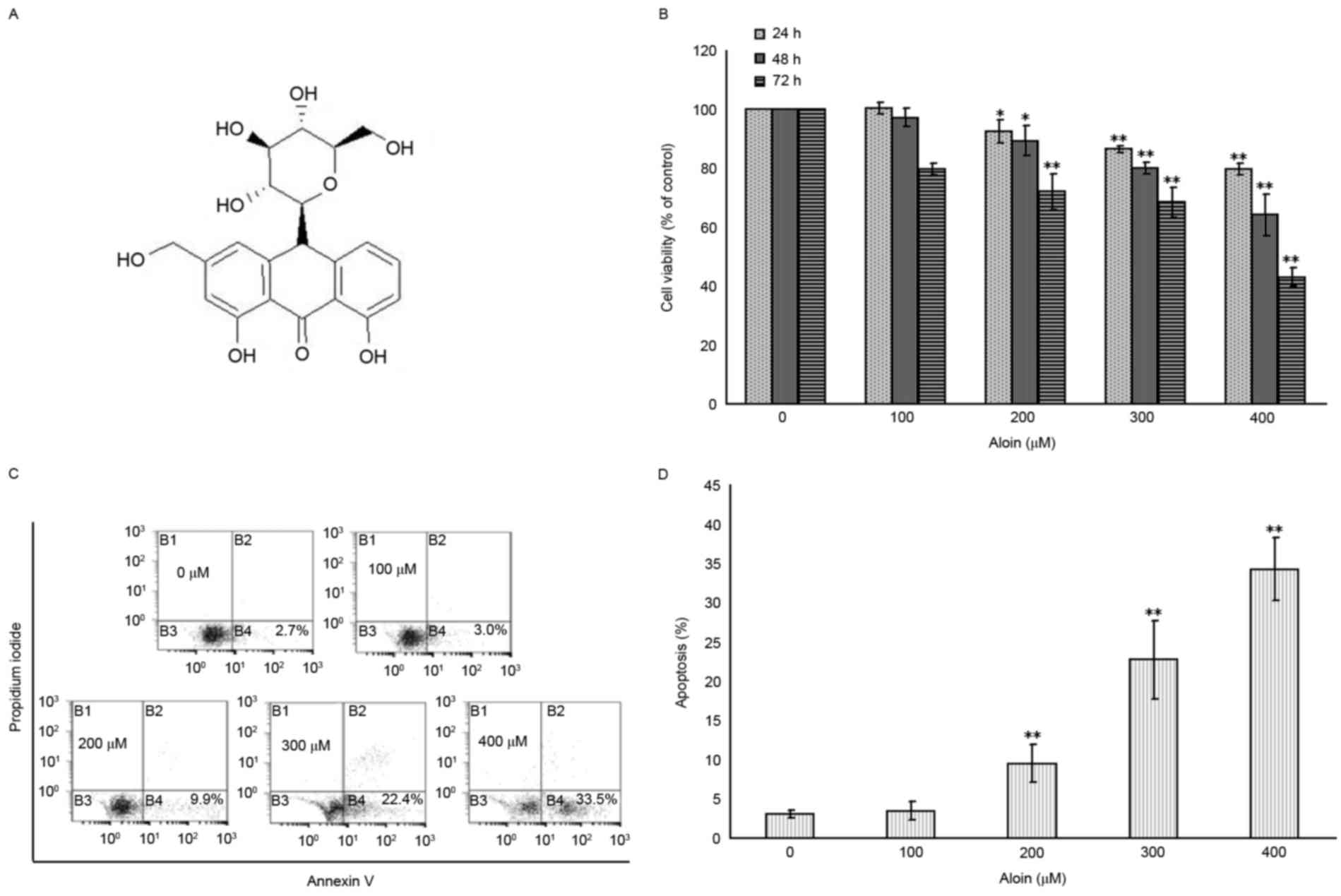
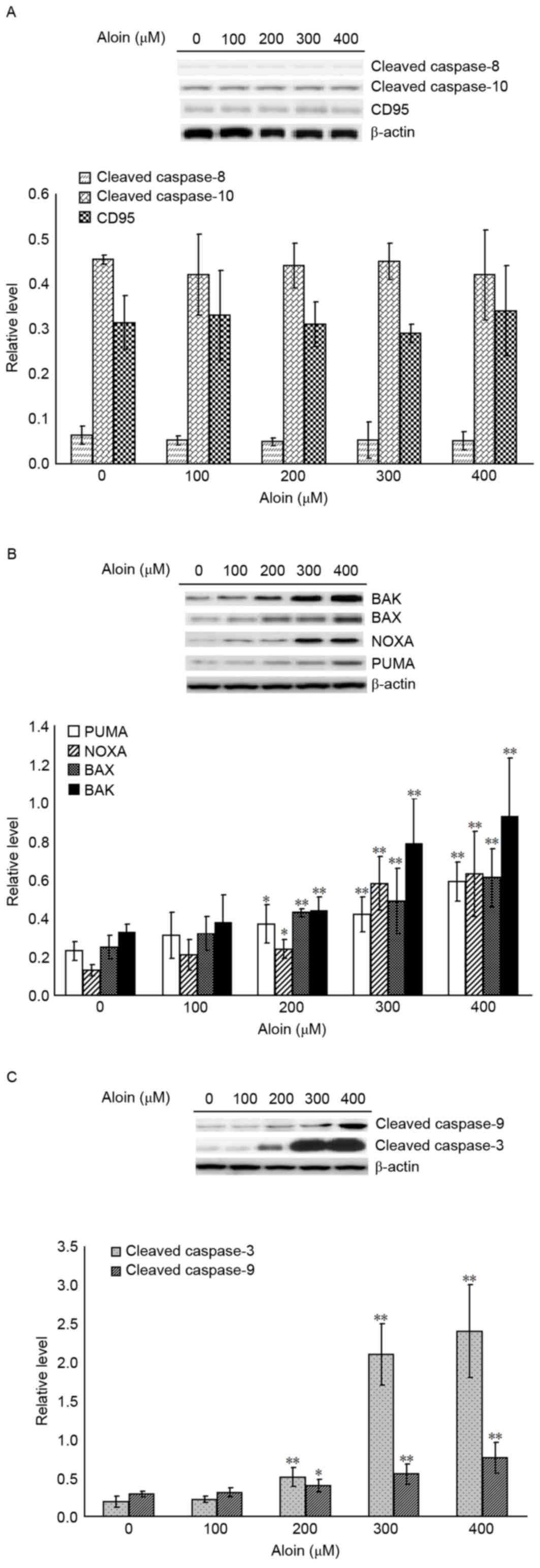
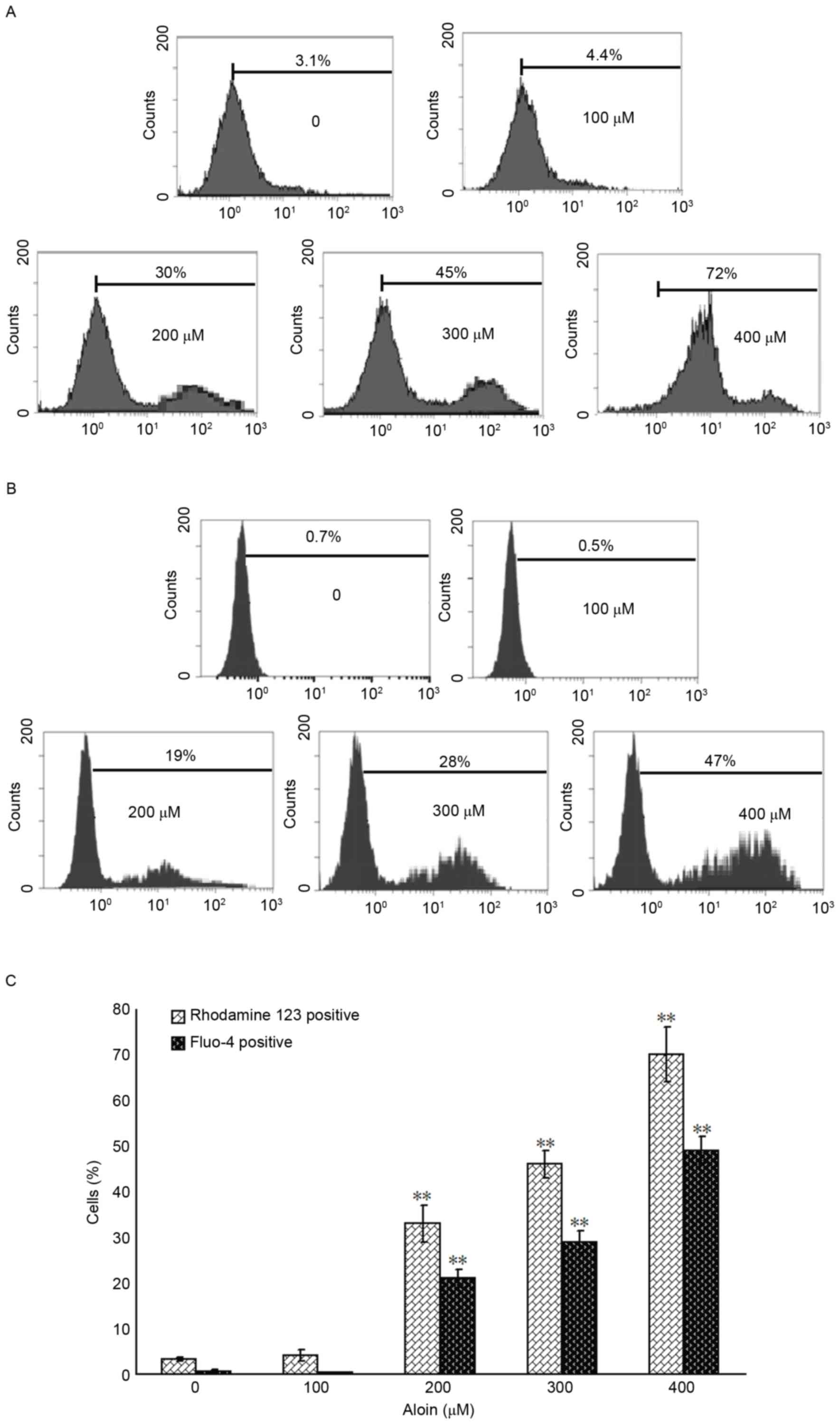
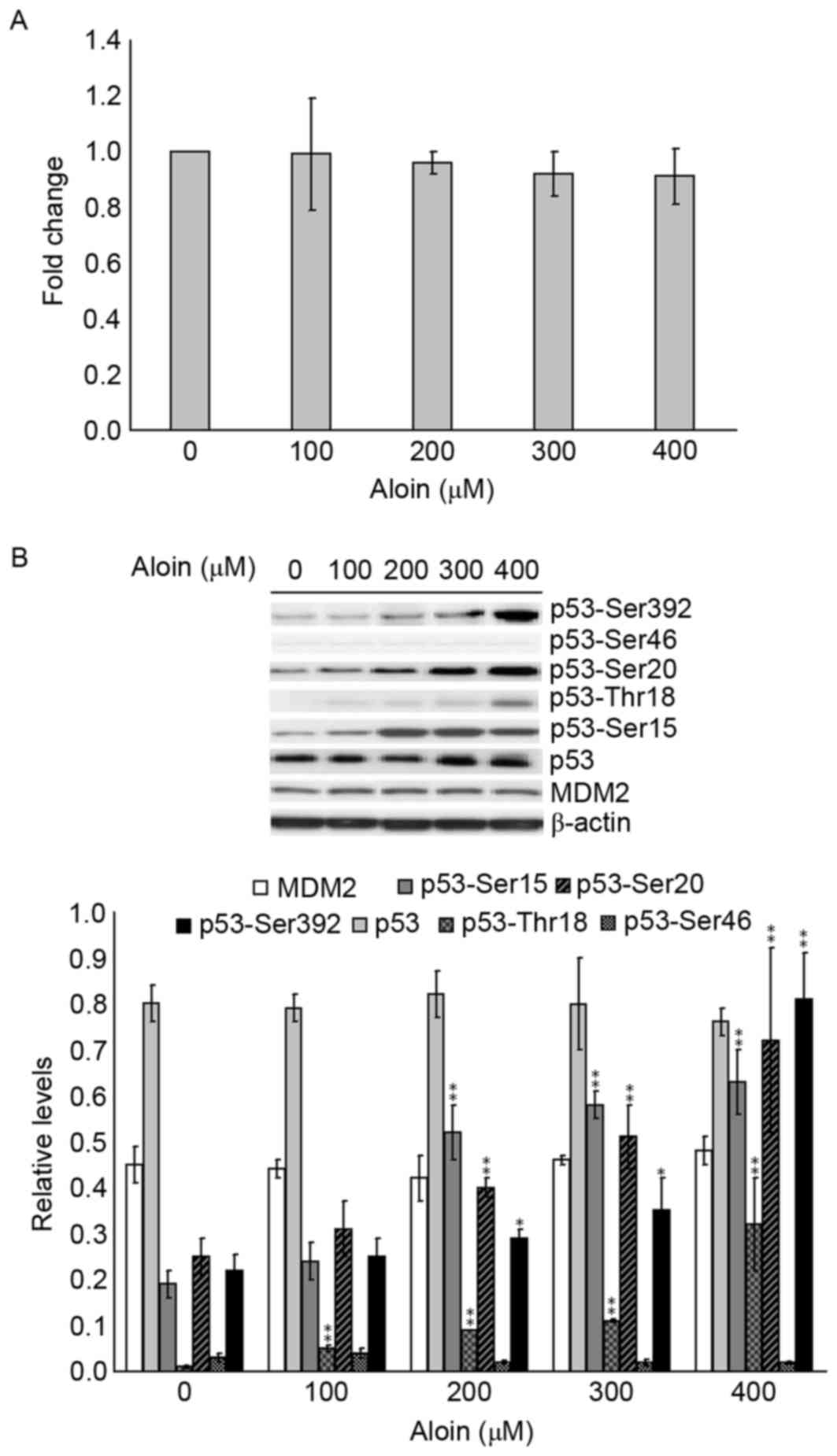
Aloin has the potential to be a novel anticancer agent in cancer therapies. However, the detailed anticancer effect of Aloin remains to be fully elucidated. The present study analyzed the p53‑dependent mechanisms in response to Aloin treatment. Using the p53‑proficient A549 cells, an Aloin‑induced apoptotic cell model was established, which was used to evaluate the potential underlying molecular mechanisms. The results demonstrated that 200, 300 and 400 µM Aloin induced intrinsic cell apoptosis, which was further confirmed by disruption of the mitochondrial membrane potential, elevation of cytosolic Ca2+ levels, and activation of B‑cell lymphoma 2 (Bcl‑2) homologous antagonist killer, Bcl‑2 X‑associated protein, p53 upregulated modulator of apoptosis and phorbol‑12‑myristate‑13‑acetate‑induced protein 1. Aloin‑induced apoptosis was also accompanied by the induction of p53 phosphorylation on Serine (Ser)15, Threonine 18, Ser20 and Ser392; however, there were no significant differences in the expression of p53 and mouse double minute 2 homolog. Aloin‑induced apoptosis was reactive oxygen species (ROS)‑ and c‑Jun/p38‑dependent, as specific inhibitors for ROS, phosphorylated (p)‑c‑Jun and p‑p38 may attenuate Aloin‑induced A549 cell proliferating inhibition. In conclusion, these results suggested that Aloin may induce apoptosis in A549 cells via the ROS‑mitogen activated protein kinase signaling pathway, with p53 phosphorylation. These results implicate Aloin as a potential therapeutic agent for the treatment of lung cancer.
View Figures

Figure 1

Figure 2

Figure 3

Figure 4

Figure 5

Figure 6

Figure 7

View References

1 

Gutterman Y and Chauser-Volfson E: The content of secondary phenol metabolites in pruned leaves of Aloe arborescens, a comparison between two methods: Leaf exudates and leaf water extract. J Nat Med. 62:430–435. 2008. View Article : Google Scholar : PubMed/NCBI

2 

Tabolacci C, Rossi S, Lentini A, Provenzano B, Turcano L, Facchiano F and Beninati S: Aloin enhances cisplatin antineoplastic activity in B16-F10 melanoma cells by transglutaminase-induced differentiation. Amino Acids. 44:293–300. 2013. View Article : Google Scholar : PubMed/NCBI

3 

Buenz EJ: Aloin induces apoptosis in Jurkat cells. Toxicol In Vitro. 22:422–429. 2008. View Article : Google Scholar : PubMed/NCBI

4 

Pronin AN, Xu H, Tang H, Zhang L, Li Q and Li X: Specific alleles of bitter receptor genes influence human sensitivity to the bitterness of aloin and saccharin. Curr Biol. 16:1403–1408. 2007. View Article : Google Scholar

5 

Michael D and Oren M: The p53 and Mdm2 families in cancer. Curr Opin Genet Dev. 12:53–59. 2002. View Article : Google Scholar : PubMed/NCBI

6 

Jiang Y, Rao K, Yang G, Chen X, Wang Q, Liu A, Zheng H and Yuan J: Benzo(a)pyrene induces p73 mRNA expression and necrosis in human lung adenocarcinoma H1299 cells. Environ Toxicol. 27:202–210. 2012. View Article : Google Scholar : PubMed/NCBI

7 

Callén E, Jankovic M, Wong N, Zha S, Chen HT, Difilippantonio S, Di Virgilio M, Heidkamp G, Alt FW, Nussenzweig A and Nussenzweig M: Essential role for DNA-PKcs in DNA double-strand break repair and apoptosis in ATM-deficient lymphocytes. Mol Cell. 34:285–297. 2009. View Article : Google Scholar : PubMed/NCBI

8 

Saxena N, Ansari KM, Kumar R, Dhawan A, Dwivedi PD and Das M: Patulin causes DNA damage leading to cell cycle arrest and apoptosis through modulation of Bax, p(53) and p(21/WAF1) proteins in skin of mice. Toxicol Appl Pharmacol. 234:192–201. 2009. View Article : Google Scholar : PubMed/NCBI

9 

Sheikh MS and Fornace AJ Jr: Role of p53 family members in apoptosis. J Cell Physiol. 182:171–181. 2000. View Article : Google Scholar : PubMed/NCBI

10 

Wang C, Gao C, Chen Y, Yin J, Wang P and Lv X: Expression pattern of the apoptosis-stimulating protein of p53 family in p53+ human breast cancer cell lines. Cancer Cell International. 13:1162013. View Article : Google Scholar : PubMed/NCBI

11 

Deb SP, Singh S and Deb S: MDM2 overexpression, activation of signaling networks and cell proliferation. Subcell Biochem. 85:215–234. 2014. View Article : Google Scholar : PubMed/NCBI

12 

Krzesniak M, Zajkowicz A, Matuszczyk I and Rusin M: Rapamycin prevents strong phosphorylation of p53 on serine 46 and attenuates activation of the p53 pathway in A549 lung cancer cells exposed to actinomycin D. Mech Ageing Dev. 139:11–21. 2014. View Article : Google Scholar : PubMed/NCBI

13 

Jabbur JR, Huang P and Zhang W: DNA damage-induced phosphorylation of p53 at serine 20 correlates with p21 and Mdm-2 induction in vivo. Oncogene. 19:6203–6208. 2000. View Article : Google Scholar : PubMed/NCBI

14 

Tichý A, Záskodová D, Zoelzer F, Vávrová J, Sinkorová Z, Pejchal J, Osterreicher J and Rezácová M: Gamma-radiation-induced phosphorylation of p53 on serine 15 is dose-dependent in MOLT-4 leukaemia cells. Folia Biol (Praha). 55:41–44. 2009.PubMed/NCBI

15 

Tampio M, Loikkanen J, Myllynen P, Mertanen A and Vahakangas KH: Benzo(a)pyrene increases phosphorylation of p53 at serine 392 in relation to p53 induction and cell death in MCF-7 cells. Toxicol Lett. 178:152–159. 2008. View Article : Google Scholar : PubMed/NCBI

16 

Sluss HK, Armata H, Gallant J and Jones SN: Phosphorylation of serine 18 regulates distinct p53 functions in mice. Mol Cell Biol. 24:976–984. 2004. View Article : Google Scholar : PubMed/NCBI

17 

Lee KB, Kim KR, Huh TL and Lee YM: Proton induces apoptosis of hypoxic tumor cells by the p53-dependent and p38/JNK MAPK signaling pathways. Int J Oncol. 33:1247–1256. 2008.PubMed/NCBI

18 

Brown L and Benchimol S: The involvement of MAPK signaling pathways in determining the cellular response to p53 activation: Cell cycle arrest or apoptosis. J Biol Chem. 281:3832–3840. 2006. View Article : Google Scholar : PubMed/NCBI

19 

Huang J, Wu L, Tashiro S, Onodera S and Ikejima T: Reactive oxygen species mediate oridonin-induced HepG2 apoptosis through p53, MAPK and mitochondrial signaling pathways. J Pharmacol Sci. 107:370–379. 2008. View Article : Google Scholar : PubMed/NCBI

20 

Salles-Passador I, Fotedar A and Fotedar R: Cellular response to DNA damage. Link between p53 and DNA-PK. C R Acad Sci III. 322:113–120. 1999. View Article : Google Scholar : PubMed/NCBI

21 

Gatz SA, Keimling M, Baumann C, Dörk T, Debatin KM, Fulda S and Wiesmüller L: Resveratrol modulates DNA double-strand break repair pathways in an ATM/ATR-p53- and -Nbs1-dependent manner. Carcinogenesis. 29:519–527. 2008. View Article : Google Scholar : PubMed/NCBI

22 

Chène P: Inhibiting the p53-MDM2 interaction: An important target for cancer therapy. Nat Rev Cancer. 3:102–109. 2003. View Article : Google Scholar : PubMed/NCBI

23 

Huang X, Wu Z, Mei Y and Wu M: XIAP inhibits autophagy via XIAP-Mdm2-p53 signalling. EMBO J. 32:2204–2216. 2013. View Article : Google Scholar : PubMed/NCBI

24 

Zheng M, Yang J, Xu X, Sebolt JT, Wang S and Sun Y: Efficacy of MDM2 inhibitor MI-219 against lung cancer cells alone or in combination with MDM2 knockdown, a XIAP inhibitor or etoposide. Anticancer Res. 30:3321–3331. 2010.PubMed/NCBI

25 

Lan YH, Chiang JH, Huang WW, Lu CC, Chung JG, Wu TS, Jhan JH, Lin KL, Pai SJ, Chiu YJ, et al: Activations of both extrinsic and intrinsic pathways in HCT 116 human colorectal cancer cells contribute to apoptosis through p53-Mediated ATM/Fas signaling by emilia sonchifolia extract, a folklore medicinal plant. Evid Based Complement Alternat Med. 2012:1781782012. View Article : Google Scholar : PubMed/NCBI

26 

Seitz SJ, Schleithoff ES, Koch A, Schuster A, Teufel A, Staib F, Stremmel W, Melino G, Krammer PH, Schilling T and Müller M: Chemotherapy-induced apoptosis in hepatocellular carcinoma involves the p53 family and is mediated via the extrinsic and the intrinsic pathway. Int J Cancer. 126:2049–2066. 2010.PubMed/NCBI

27 

Liu T, Laurell C, Selivanova G, Lundeberg J, Nilsson P and Wiman KG: Hypoxia induces p53-dependent transactivation and Fas/CD95-dependent apoptosis. Cell Death Differ. 14:411–421. 2007. View Article : Google Scholar : PubMed/NCBI

28 

Lee MC, Liao JD, Huang WL, Jiang FY, Jheng YZ, Jin YY and Tseng YS: Aloin-induced cell growth arrest, cell apoptosis, and autophagy in human non-small cell lung cancer cells. Biomarkers and Genomic Medicine. 6:144–149. 2014. View Article : Google Scholar

29 

Livak KJ and Schmittgen TD: Analysis of relative gene expression data using real time quantitative PCR and the 2(-Delta Delta C(T)) method. Methods. 25:402–408. 2001. View Article : Google Scholar : PubMed/NCBI

30 

Camins A, Sureda FX, Gabriel C, Pallàs M, Escubedo E and Camarasa J: Modulation of neuronal mitochondrial membrane potential by the NMDA receptor: Role of arachidonic acid. Brain Res. 777:69–74. 1997. View Article : Google Scholar : PubMed/NCBI

31 

Cao XH, Zhao SS, Liu DY, Wang Z, Niu LL, Hou LH and Wang CL: ROS-Ca(2+) is associated with mitochondria permeability transition pore involved in surfactin-induced MCF-7 cells apoptosis. Chem Biol Interact. 190:16–27. 2011. View Article : Google Scholar : PubMed/NCBI

32 

Liu J, Chang F, Li F, Fu H, Wang J, Zhang S, Zhao J and Yin D: Palmitate promotes autophagy and apoptosis through ROS-dependent JNK and p38 MAPK. Biochem Biophys Res Commun. 463:262–267. 2015. View Article : Google Scholar : PubMed/NCBI

33 

Sato A, Okada M, Shibuya K, Watanabe E, Seino S, Narita Y, Shibui S, Kayama T and Kitanaka C: Pivotal role for ROS activation of p38 MAPK in the control of differentiation and tumor-initiating capacity of glioma-initiating cells. Stem Cell Res. 12:119–131. 2014. View Article : Google Scholar : PubMed/NCBI

34 

Liu WH, Cheng YC and Chang LS: ROS-mediated p38alpha MAPK activation and ERK inactivation responsible for upregulation of Fas and FasL and autocrine Fas-mediated cell death in Taiwan cobra phospholipase A(2)-treated U937 cells. J Cell Physiol. 219:642–651. 2009. View Article : Google Scholar : PubMed/NCBI

35 

Colin DJ, Limagne E, Ragot K, Lizard G, Ghiringhelli F, Solary É, Chauffert B, Latruffe N and Delmas D: The role of reactive oxygen species and subsequent DNA-damage response in the emergence of resistance towards resveratrol in colon cancer models. Cell Death Dis. 5:e15332014. View Article : Google Scholar : PubMed/NCBI

36 

Lapidus RG, Carter-Cooper BA, Sadowska M, Choi EY, Wonodi O, Muvarak N, Natarajan K, Pidugu LS, Jaiswal A, Toth EA, et al: Hydroxylated dimeric naphthoquinones increase the generation of reactive oxygen species, induce apoptosis of acute myeloid leukemia cells and are not substrates of the multidrug resistance proteins abcb1 and abcg2. Pharmaceuticals (Basel). 9(pii): E42016. View Article : Google Scholar : PubMed/NCBI

37 

Hsieh CJ, Kuo PL, Hsu YC, Huang YF, Tsai EM and Hsu YL: Arctigenin, a dietary phytoestrogen, induces apoptosis of estrogen receptor-negative breast cancer cells through the ROS/p38 MAPK pathway and epigenetic regulation. Free Radic Biol Med. 67:159–170. 2014. View Article : Google Scholar : PubMed/NCBI

38 

Sanada M, Kuroda K and Ueda M: ROS production and apoptosis induction by formation of Gts1p-mediated protein aggregates. Biosci Biotechnol Biochem. 75:1546–1553. 2011. View Article : Google Scholar : PubMed/NCBI

39 

Derouet-Hümbert E, Drăgan CA, Hakki T and Bureik M: ROS production by adrenodoxin does not cause apoptosis in fission yeast. Apoptosis. 12:2135–2142. 2007. View Article : Google Scholar : PubMed/NCBI

40 

Jiang H, Hou C, Zhang S, Xie H, Zhou W, Jin Q, Cheng X, Qian R and Zhang X: Matrine upregulates the cell cycle protein E2F-1 and triggers apoptosis via the mitochondrial pathway in K562 cells. Eur J Pharmacol. 559:98–108. 2007. View Article : Google Scholar : PubMed/NCBI

41 

Pei D, Zhang Y and Zheng J: Regulation of p53: A collaboration between Mdm2 and Mdmx. Oncotarget. 3:228–235. 2012. View Article : Google Scholar : PubMed/NCBI

42 

Walker G and Box N: Ribosomal stress, p53 activation and the tanning response. Expert Rev Dermatol. 3:649–656. 2008. View Article : Google Scholar : PubMed/NCBI

43 

Yang J, Ahmed A and Ashcroft M: Activation of a unique p53-dependent DNA damage response. Cell Cycle. 8:1630–1632. 2009. View Article : Google Scholar : PubMed/NCBI

44 

Pabla N, Huang S, Mi QS, Daniel R and Dong Z: ATR-Chk2 signaling in p53 activation and DNA damage response during cisplatin-induced apoptosis. J Biol Chem. 283:6572–6583. 2008. View Article : Google Scholar : PubMed/NCBI

45 

Cheng F, Liu J, Teh C, Chong SW, Korzh V, Jiang YJ and Deng LW: Camptothecin-induced downregulation of MLL5 contributes to the activation of tumor suppressor p53. Oncogene. 30:3599–3611. 2011. View Article : Google Scholar : PubMed/NCBI

46 

Fraser M, Bai T and Tsang BK: Akt promotes cisplatin resistance in human ovarian cancer cells through inhibition of p53 phosphorylation and nuclear function. Int J Cancer. 122:534–546. 2008. View Article : Google Scholar : PubMed/NCBI

47 

Katayama A, Ogino T, Bandoh N, Takahara M, Kishibe K, Nonaka S and Harabuchi Y: Overexpression of small ubiquitin-related modifier-1 and sumoylated Mdm2 in oral squamous cell carcinoma: Possible involvement in tumor proliferation and prognosis. Int J Oncol. 31:517–524. 2007.PubMed/NCBI

48 

Saito S, Goodarzi AA, Higashimoto Y, Noda Y, Lees-Miller SP, Appella E and Anderson CW: ATM mediates phosphorylation at multiple p53 sites, including Ser(46), in response to ionizing radiation. J Biol Chem. 277:12491–12494. 2002. View Article : Google Scholar : PubMed/NCBI

49 

Yamauchi M, Suzuki K, Kodama S and Watanabe M: Stabilization of alanine substituted p53 protein at Ser15, Thr18, and Ser20 in response to ionizing radiation. Biochem Biophys Res Commun. 323:906–911. 2004. View Article : Google Scholar : PubMed/NCBI

50 

Momand J, Villegas A and Belyi VA: The evolution of MDM2 family genes. Gene. 486:23–30. 2011. View Article : Google Scholar : PubMed/NCBI

51 

Ongkeko WM, Wang XQ, Siu WY, Lau AW, Yamashita K, Harris AL, Cox LS and Poon RY: MDM2 and MDMX bind and stabilize the p53-related protein p73. Curr Biol. 9:829–832. 1999. View Article : Google Scholar : PubMed/NCBI

52 

Yoou MS, Park CL, Kim MH, Kim HM and Jeong HJ: Inhibition of MDM2 expression by rosmarinic acid in TSLP-stimulated mast cell. Eur J Pharmacol. 771:191–198. 2016. View Article : Google Scholar : PubMed/NCBI

53 

Kao CL, Hsu HS, Chen HW and Cheng TH: Rapamycin increases the p53/MDM2 protein ratio and p53-dependent apoptosis by translational inhibition of mdm2 in cancer cells. Cancer Lett. 286:250–259. 2009. View Article : Google Scholar : PubMed/NCBI

54 

Inoue T, Geyer RK, Yu ZK and Maki CG: Downregulation of MDM2 stabilizes p53 by inhibiting p53 ubiquitination in response to specific alkylating agents. FEBS Lett. 490:196–201. 2001. View Article : Google Scholar : PubMed/NCBI

55 

Huang M, Zhang H, Liu T, Tian D, Gu L and Zhou M: Triptolide inhibits MDM2 and induces apoptosis in acute lymphoblastic leukemia cells through a p53-independent pathway. Mol Cancer Ther. 12:184–194. 2013. View Article : Google Scholar : PubMed/NCBI

56 

Vitale I, Senovilla L, Galluzzi L, Criollo A, Vivet S, Castedo M and Kroemer G: Chk1 inhibition activates p53 through p38 MAPK in tetraploid cancer cells. Cell Cycle. 7:1956–1961. 2008. View Article : Google Scholar : PubMed/NCBI

57 

Zhang JQ, Li YM, Liu T, He WT, Chen YT, Chen XH, Li X, Zhou WC, Yi JF and Ren ZJ: Antitumor effect of matrine in human hepatoma G2 cells by inducing apoptosis and autophagy. World J Gastroenterol. 16:4281–4290. 2010. View Article : Google Scholar : PubMed/NCBI

58 

Taylor CA, Zheng Q, Liu Z and Thompson JE: Role of p38 and JNK MAPK signaling pathways and tumor suppressor p53 on induction of apoptosis in response to Ad-eIF5A1 in A549 lung cancer cells. Mol Cancer. 12:352013. View Article : Google Scholar : PubMed/NCBI

Related Articles

  • Abstract
  • View
  • Download
  • Twitter
Copy and paste a formatted citation
Spandidos Publications style
Wan L, Zhang L, Fan K and Wang J: Aloin promotes A549 cell apoptosis via the reactive oxygen species‑mitogen activated protein kinase signaling pathway and p53 phosphorylation. Mol Med Rep 16: 5759-5768, 2017.
APA
Wan, L., Zhang, L., Fan, K., & Wang, J. (2017). Aloin promotes A549 cell apoptosis via the reactive oxygen species‑mitogen activated protein kinase signaling pathway and p53 phosphorylation. Molecular Medicine Reports, 16, 5759-5768. https://doi.org/10.3892/mmr.2017.7379
MLA
Wan, L., Zhang, L., Fan, K., Wang, J."Aloin promotes A549 cell apoptosis via the reactive oxygen species‑mitogen activated protein kinase signaling pathway and p53 phosphorylation". Molecular Medicine Reports 16.5 (2017): 5759-5768.
Chicago
Wan, L., Zhang, L., Fan, K., Wang, J."Aloin promotes A549 cell apoptosis via the reactive oxygen species‑mitogen activated protein kinase signaling pathway and p53 phosphorylation". Molecular Medicine Reports 16, no. 5 (2017): 5759-5768. https://doi.org/10.3892/mmr.2017.7379
Copy and paste a formatted citation
x
Spandidos Publications style
Wan L, Zhang L, Fan K and Wang J: Aloin promotes A549 cell apoptosis via the reactive oxygen species‑mitogen activated protein kinase signaling pathway and p53 phosphorylation. Mol Med Rep 16: 5759-5768, 2017.
APA
Wan, L., Zhang, L., Fan, K., & Wang, J. (2017). Aloin promotes A549 cell apoptosis via the reactive oxygen species‑mitogen activated protein kinase signaling pathway and p53 phosphorylation. Molecular Medicine Reports, 16, 5759-5768. https://doi.org/10.3892/mmr.2017.7379
MLA
Wan, L., Zhang, L., Fan, K., Wang, J."Aloin promotes A549 cell apoptosis via the reactive oxygen species‑mitogen activated protein kinase signaling pathway and p53 phosphorylation". Molecular Medicine Reports 16.5 (2017): 5759-5768.
Chicago
Wan, L., Zhang, L., Fan, K., Wang, J."Aloin promotes A549 cell apoptosis via the reactive oxygen species‑mitogen activated protein kinase signaling pathway and p53 phosphorylation". Molecular Medicine Reports 16, no. 5 (2017): 5759-5768. https://doi.org/10.3892/mmr.2017.7379
Follow us
  • Twitter
  • LinkedIn
  • Facebook
About
  • Spandidos Publications
  • Careers
  • Cookie Policy
  • Privacy Policy
How can we help?
  • Help
  • Live Chat
  • Contact
  • Email to our Support Team