Spandidos Publications Logo
  • About
    • About Spandidos
    • Aims and Scopes
    • Abstracting and Indexing
    • Editorial Policies
    • Reprints and Permissions
    • Job Opportunities
    • Terms and Conditions
    • Contact
  • Journals
    • All Journals
    • Oncology Letters
      • Oncology Letters
      • Information for Authors
      • Editorial Policies
      • Editorial Board
      • Aims and Scope
      • Abstracting and Indexing
      • Bibliographic Information
      • Archive
    • International Journal of Oncology
      • International Journal of Oncology
      • Information for Authors
      • Editorial Policies
      • Editorial Board
      • Aims and Scope
      • Abstracting and Indexing
      • Bibliographic Information
      • Archive
    • Molecular and Clinical Oncology
      • Molecular and Clinical Oncology
      • Information for Authors
      • Editorial Policies
      • Editorial Board
      • Aims and Scope
      • Abstracting and Indexing
      • Bibliographic Information
      • Archive
    • Experimental and Therapeutic Medicine
      • Experimental and Therapeutic Medicine
      • Information for Authors
      • Editorial Policies
      • Editorial Board
      • Aims and Scope
      • Abstracting and Indexing
      • Bibliographic Information
      • Archive
    • International Journal of Molecular Medicine
      • International Journal of Molecular Medicine
      • Information for Authors
      • Editorial Policies
      • Editorial Board
      • Aims and Scope
      • Abstracting and Indexing
      • Bibliographic Information
      • Archive
    • Biomedical Reports
      • Biomedical Reports
      • Information for Authors
      • Editorial Policies
      • Editorial Board
      • Aims and Scope
      • Abstracting and Indexing
      • Bibliographic Information
      • Archive
    • Oncology Reports
      • Oncology Reports
      • Information for Authors
      • Editorial Policies
      • Editorial Board
      • Aims and Scope
      • Abstracting and Indexing
      • Bibliographic Information
      • Archive
    • Molecular Medicine Reports
      • Molecular Medicine Reports
      • Information for Authors
      • Editorial Policies
      • Editorial Board
      • Aims and Scope
      • Abstracting and Indexing
      • Bibliographic Information
      • Archive
    • World Academy of Sciences Journal
      • World Academy of Sciences Journal
      • Information for Authors
      • Editorial Policies
      • Editorial Board
      • Aims and Scope
      • Abstracting and Indexing
      • Bibliographic Information
      • Archive
    • International Journal of Functional Nutrition
      • International Journal of Functional Nutrition
      • Information for Authors
      • Editorial Policies
      • Editorial Board
      • Aims and Scope
      • Abstracting and Indexing
      • Bibliographic Information
      • Archive
    • International Journal of Epigenetics
      • International Journal of Epigenetics
      • Information for Authors
      • Editorial Policies
      • Editorial Board
      • Aims and Scope
      • Abstracting and Indexing
      • Bibliographic Information
      • Archive
    • Medicine International
      • Medicine International
      • Information for Authors
      • Editorial Policies
      • Editorial Board
      • Aims and Scope
      • Abstracting and Indexing
      • Bibliographic Information
      • Archive
  • Articles
  • Information
    • Information for Authors
    • Information for Reviewers
    • Information for Librarians
    • Information for Advertisers
    • Conferences
  • Language Editing
Spandidos Publications Logo
  • About
    • About Spandidos
    • Aims and Scopes
    • Abstracting and Indexing
    • Editorial Policies
    • Reprints and Permissions
    • Job Opportunities
    • Terms and Conditions
    • Contact
  • Journals
    • All Journals
    • Biomedical Reports
      • Information for Authors
      • Editorial Policies
      • Editorial Board
      • Aims and Scope
      • Abstracting and Indexing
      • Bibliographic Information
      • Archive
    • Experimental and Therapeutic Medicine
      • Information for Authors
      • Editorial Policies
      • Editorial Board
      • Aims and Scope
      • Abstracting and Indexing
      • Bibliographic Information
      • Archive
    • International Journal of Epigenetics
      • Information for Authors
      • Editorial Policies
      • Editorial Board
      • Aims and Scope
      • Abstracting and Indexing
      • Bibliographic Information
      • Archive
    • International Journal of Functional Nutrition
      • Information for Authors
      • Editorial Policies
      • Editorial Board
      • Aims and Scope
      • Abstracting and Indexing
      • Bibliographic Information
      • Archive
    • International Journal of Molecular Medicine
      • Information for Authors
      • Editorial Policies
      • Editorial Board
      • Aims and Scope
      • Abstracting and Indexing
      • Bibliographic Information
      • Archive
    • International Journal of Oncology
      • Information for Authors
      • Editorial Policies
      • Editorial Board
      • Aims and Scope
      • Abstracting and Indexing
      • Bibliographic Information
      • Archive
    • Medicine International
      • Information for Authors
      • Editorial Policies
      • Editorial Board
      • Aims and Scope
      • Abstracting and Indexing
      • Bibliographic Information
      • Archive
    • Molecular and Clinical Oncology
      • Information for Authors
      • Editorial Policies
      • Editorial Board
      • Aims and Scope
      • Abstracting and Indexing
      • Bibliographic Information
      • Archive
    • Molecular Medicine Reports
      • Information for Authors
      • Editorial Policies
      • Editorial Board
      • Aims and Scope
      • Abstracting and Indexing
      • Bibliographic Information
      • Archive
    • Oncology Letters
      • Information for Authors
      • Editorial Policies
      • Editorial Board
      • Aims and Scope
      • Abstracting and Indexing
      • Bibliographic Information
      • Archive
    • Oncology Reports
      • Information for Authors
      • Editorial Policies
      • Editorial Board
      • Aims and Scope
      • Abstracting and Indexing
      • Bibliographic Information
      • Archive
    • World Academy of Sciences Journal
      • Information for Authors
      • Editorial Policies
      • Editorial Board
      • Aims and Scope
      • Abstracting and Indexing
      • Bibliographic Information
      • Archive
  • Articles
  • Information
    • For Authors
    • For Reviewers
    • For Librarians
    • For Advertisers
    • Conferences
  • Language Editing
Login Register Submit
  • This site uses cookies
  • You can change your cookie settings at any time by following the instructions in our Cookie Policy. To find out more, you may read our Privacy Policy.

    I agree
Search articles by DOI, keyword, author or affiliation
Search
Advanced Search
presentation
Molecular Medicine Reports
Join Editorial Board Propose a Special Issue
Print ISSN: 1791-2997 Online ISSN: 1791-3004
Journal Cover
November-2017 Volume 16 Issue 5

Full Size Image

Sign up for eToc alerts
Recommend to Library

Journals

International Journal of Molecular Medicine

International Journal of Molecular Medicine

International Journal of Molecular Medicine is an international journal devoted to molecular mechanisms of human disease.

International Journal of Oncology

International Journal of Oncology

International Journal of Oncology is an international journal devoted to oncology research and cancer treatment.

Molecular Medicine Reports

Molecular Medicine Reports

Covers molecular medicine topics such as pharmacology, pathology, genetics, neuroscience, infectious diseases, molecular cardiology, and molecular surgery.

Oncology Reports

Oncology Reports

Oncology Reports is an international journal devoted to fundamental and applied research in Oncology.

Experimental and Therapeutic Medicine

Experimental and Therapeutic Medicine

Experimental and Therapeutic Medicine is an international journal devoted to laboratory and clinical medicine.

Oncology Letters

Oncology Letters

Oncology Letters is an international journal devoted to Experimental and Clinical Oncology.

Biomedical Reports

Biomedical Reports

Explores a wide range of biological and medical fields, including pharmacology, genetics, microbiology, neuroscience, and molecular cardiology.

Molecular and Clinical Oncology

Molecular and Clinical Oncology

International journal addressing all aspects of oncology research, from tumorigenesis and oncogenes to chemotherapy and metastasis.

World Academy of Sciences Journal

World Academy of Sciences Journal

Multidisciplinary open-access journal spanning biochemistry, genetics, neuroscience, environmental health, and synthetic biology.

International Journal of Functional Nutrition

International Journal of Functional Nutrition

Open-access journal combining biochemistry, pharmacology, immunology, and genetics to advance health through functional nutrition.

International Journal of Epigenetics

International Journal of Epigenetics

Publishes open-access research on using epigenetics to advance understanding and treatment of human disease.

Medicine International

Medicine International

An International Open Access Journal Devoted to General Medicine.

Journal Cover
November-2017 Volume 16 Issue 5

Full Size Image

Sign up for eToc alerts
Recommend to Library

  • Article
  • Citations
    • Cite This Article
    • Download Citation
    • Create Citation Alert
    • Remove Citation Alert
    • Cited By
  • Similar Articles
    • Related Articles (in Spandidos Publications)
    • Similar Articles (Google Scholar)
    • Similar Articles (PubMed)
  • Download PDF
  • Download XML
  • View XML
Article

Epigallocatechin‑3‑gallate protects from high glucose induced podocyte apoptosis via suppressing endoplasmic reticulum stress

  • Authors:
    • Chunhong Xiang
    • Xiaoyan Xiao
    • Bei Jiang
    • Mengkun Zhou
    • Yidan Zhang
    • Hui Li
    • Zhao Hu
  • View Affiliations / Copyright

    Affiliations: Department of Nephrology, Qilu Hospital of Shandong University, Jinan, Shandong 250012, P.R. China
  • Pages: 6142-6147
    |
    Published online on: August 29, 2017
       https://doi.org/10.3892/mmr.2017.7388
  • Expand metrics +
Metrics: Total Views: 0 (Spandidos Publications: | PMC Statistics: )
Metrics: Total PDF Downloads: 0 (Spandidos Publications: | PMC Statistics: )
Cited By (CrossRef): 0 citations Loading Articles...

This article is mentioned in:


Abstract

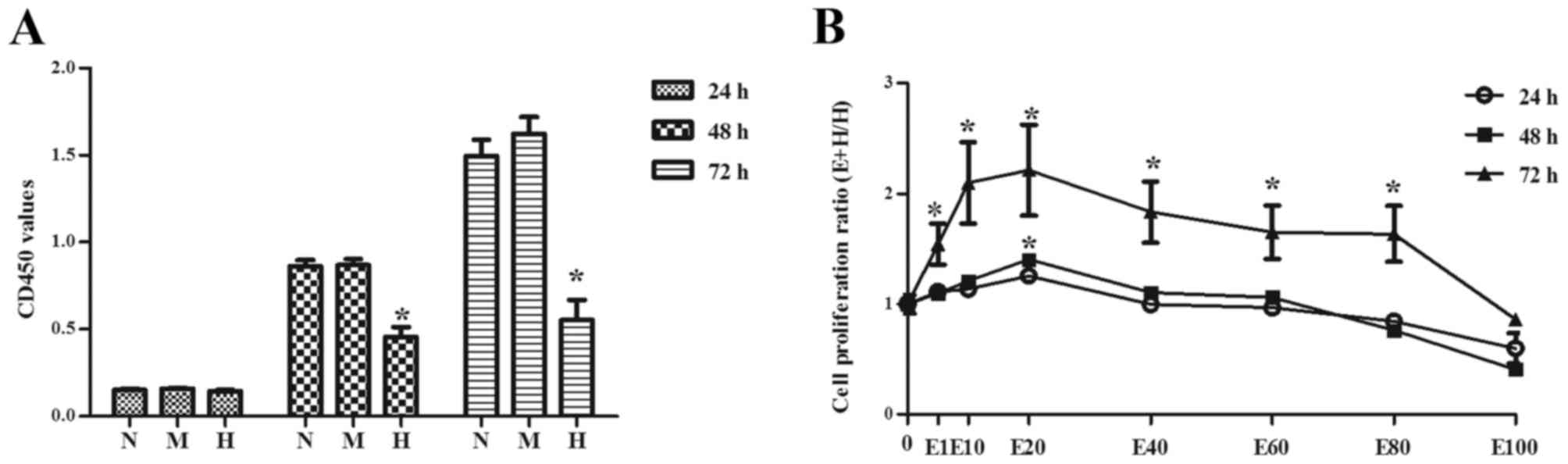
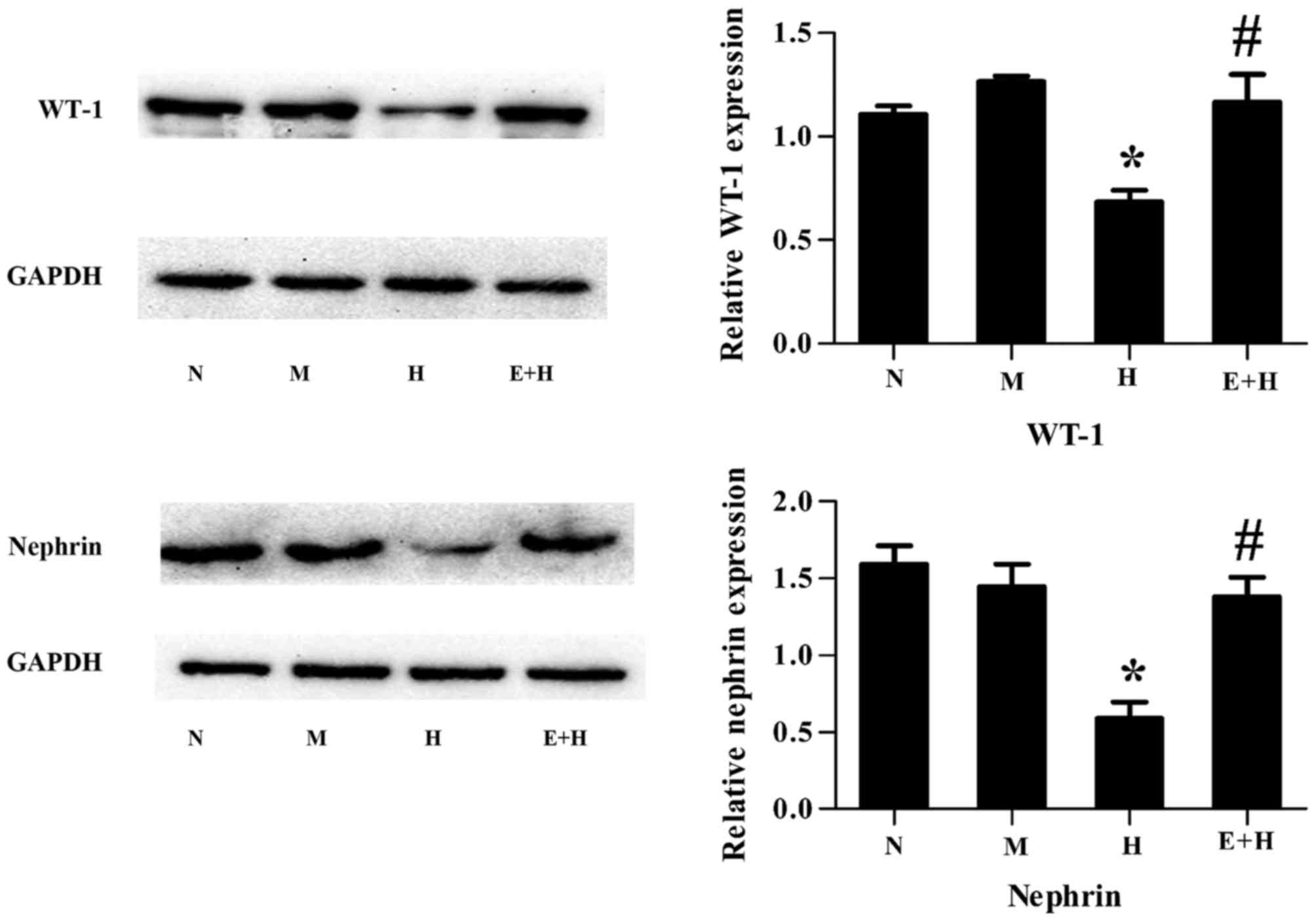
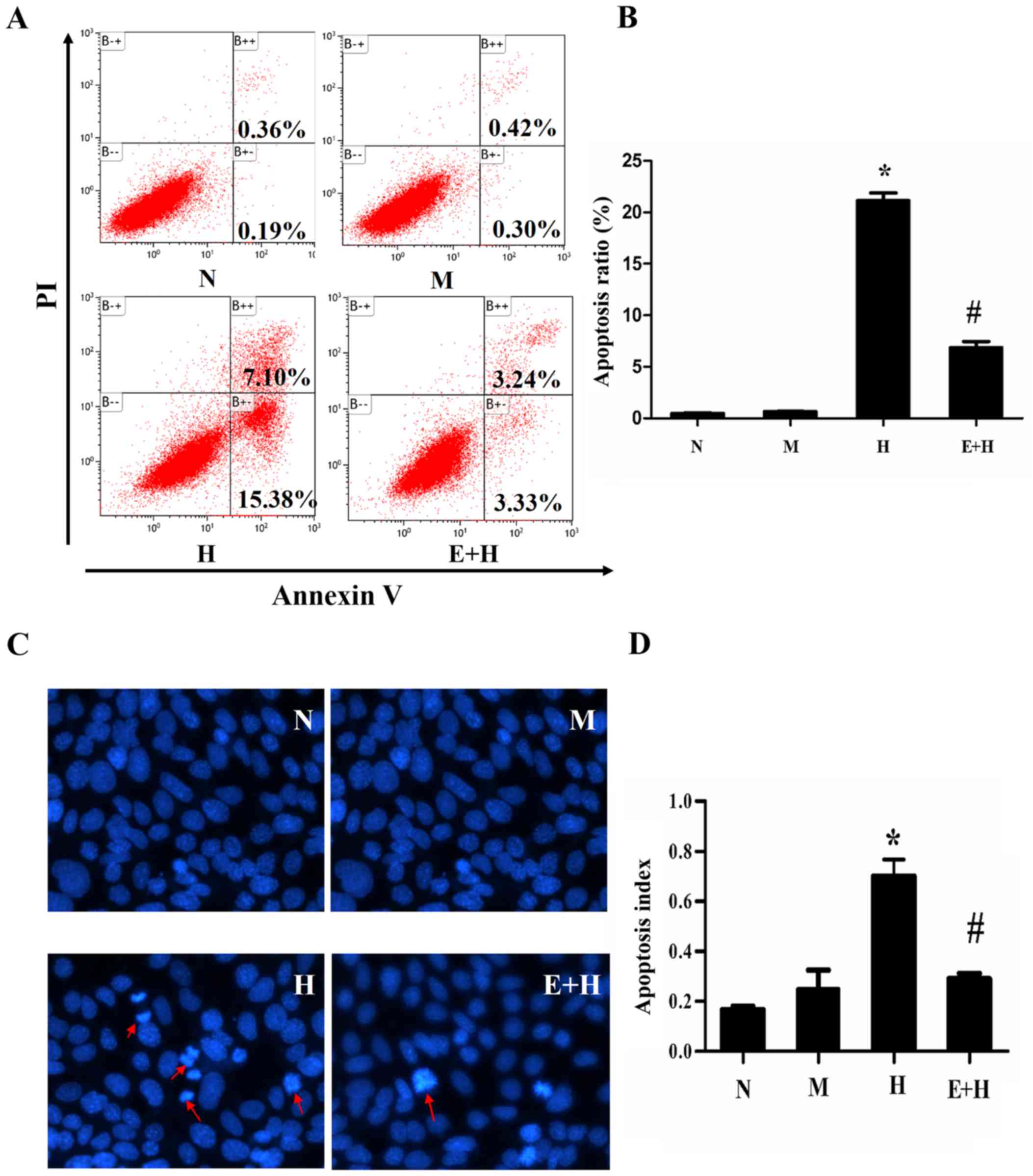
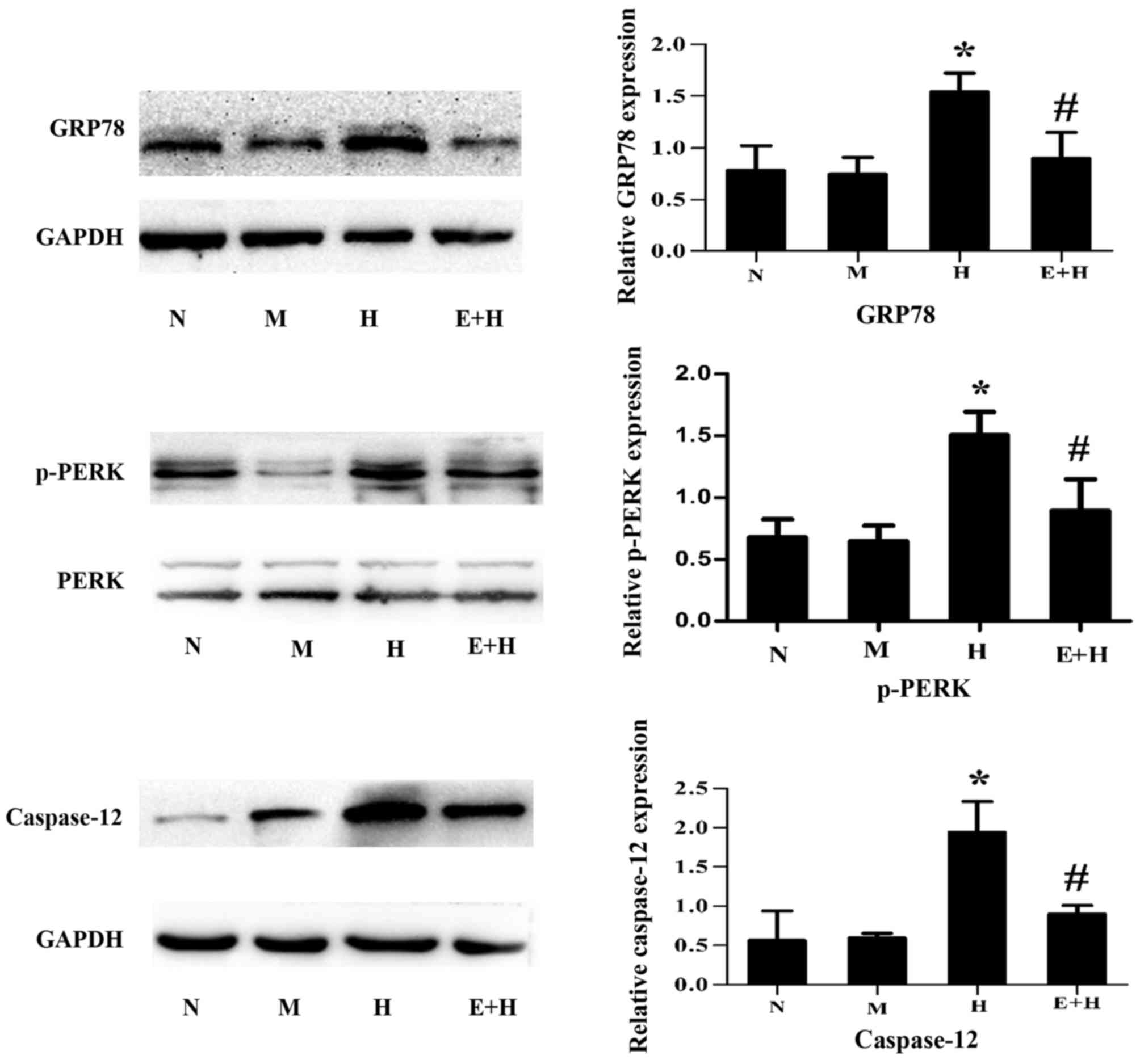
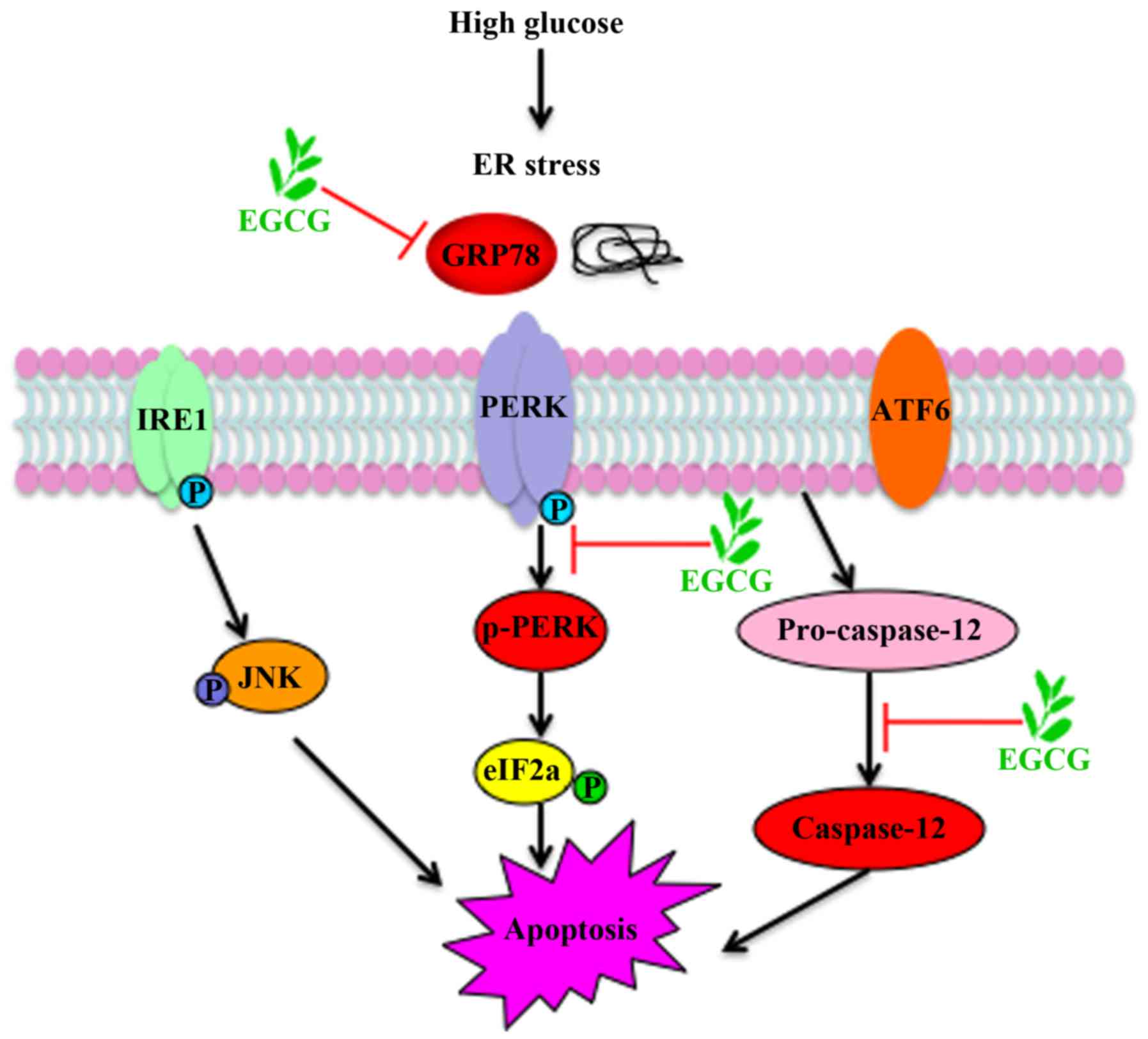
Podocytes serve a critical role in the development of many glomerular diseases, including diabetic nephropathy (DN). Epigallocatechin‑3‑gallate (EGCG), a predominant polyphenolic component of green tea, has indicated its therapeutic effects in diabetes. In the present study, mouse podocyte cells were cultured in vitro, cell injury was induced by high glucose, and the protective effect of EGCG on cell proliferation and apoptosis and the underlying mechanisms were investigated. The results demonstrated that high glucose significantly inhibited cell proliferation after 48 and 72 h compared with normal glucose and mannitol treatment. EGCG (20 µmol/l) markedly promoted podocyte proliferation after 24, 48 and 72 h incubation with high glucose. Furthermore, high glucose significantly reduced WT‑1 and nephrin expression in podocytes compared with the normal glucose and mannitol groups, while EGCG (20 µmol/l) treatment largely restored their expression. High glucose also significantly increased the apoptotic cell population compared with normal glucose and mannitol groups. However, EGCG combined with high glucose greatly decreased the apoptotic cell number compared with high glucose treatment alone. Furthermore, high glucose treatment was demonstrated to significantly increase glucose‑regulated protein 78 (GRP78), phosphorylated‑ PKR‑like ER kinase (p‑PERK) and caspase‑12 protein expression levels, which is representative of endoplasmic reticulum (ER) stress, compared with the normal glucose and mannitol groups. However, EGCG treatment significantly attenuated GRP78, p‑PERK and caspase‑12 protein expression induced by high glucose. These findings suggested that EGCG serves a protective role in glucose‑induced podocyte apoptosis via suppressing ER stress, and may provide a novel therapeutic strategy to ameliorate the process of DN.
View Figures

Figure 1

Figure 2

Figure 3

Figure 4

Figure 5

View References

1 

Ilatovskaya DV, Levchenko V, Lowing A, Shuyskiy LS, Palygin O and Staruschenko A: Podocyte injury in diabetic nephropathy: Implications of angiotensin II-dependent activation of TRPC channels. Sci Rep. 5:176372015. View Article : Google Scholar : PubMed/NCBI

2 

Khazim K, Gorin Y, Cavaglieri RC, Abboud HE and Fanti P: The antioxidant silybin prevents high glucose-induced oxidative stress and podocyte injury in vitro and in vivo. Am J Physiol Renal Physiol. 305:F691–F700. 2013. View Article : Google Scholar : PubMed/NCBI

3 

Ma J, Wu H, Zhao CY, Panchapakesan U, Pollock C and Chadban SJ: Requirement for TLR2 in the development of albuminuria, inflammation and fibrosis in experimental diabetic nephropathy. Int J Clin Exp Pathol. 7:481–495. 2014.PubMed/NCBI

4 

Liu BC, Song X, Lu XY, Li DT, Eaton DC, Shen BZ, Li XQ and Ma HP: High glucose induces podocyte apoptosis by stimulating TRPC6 via elevation of reactive oxygen species. Biochim Biophys Acta. 1833:1434–1442. 2013. View Article : Google Scholar : PubMed/NCBI

5 

Brunskill EW, Georgas K, Rumballe B, Little MH and Potter SS: Defining the molecular character of the developing and adult kidney podocyte. PLoS one. 6:e246402011. View Article : Google Scholar : PubMed/NCBI

6 

Cao AL, Wang L, Chen X, Wang YM, Guo HJ, Chu S, Liu C, Zhang XM and Peng W: Ursodeoxycholic acid and 4-phenylbutyrate prevent endoplasmic reticulum stress-induced podocyte apoptosis in diabetic nephropathy. Lab Invest. 96:610–622. 2016. View Article : Google Scholar : PubMed/NCBI

7 

Madhusudhan T, Wang H, Dong W, Ghosh S, Bock F, Thangapandi VR, Ranjan S, Wolter J, Kohli S, Shahzad K, et al: Defective podocyte insulin signalling through p85-XBP1 promotes ATF6-dependent maladaptive ER-stress response in diabetic nephropathy. Nat Commun. 6:64962015. View Article : Google Scholar : PubMed/NCBI

8 

Brown MK and Naidoo N: The endoplasmic reticulum stress response in aging and age-related diseases. Front Physiol. 3:2632012. View Article : Google Scholar : PubMed/NCBI

9 

Ron D and Walter P: Signal integration in the endoplasmic reticulum unfolded protein response. Nat Rev Mol Cell Biol. 8:519–529. 2007. View Article : Google Scholar : PubMed/NCBI

10 

Luo B and Lee AS: The critical roles of endoplasmic reticulum chaperones and unfolded protein response in tumorigenesis and anticancer therapies. Oncogene. 32:805–818. 2013. View Article : Google Scholar : PubMed/NCBI

11 

Okada T, Yoshida H, Akazawa R, Negishi M and Mori K: Distinct roles of activating transcription factor 6 (ATF6) and double-stranded RNA-activated protein kinase-like endoplasmic reticulum kinase (PERK) in transcription during the mammalian unfolded protein response. Biochem J. 366:585–594. 2002. View Article : Google Scholar : PubMed/NCBI

12 

Koumenis C, Naczki C, Koritzinsky M, Rastani S, Diehl A, Sonenberg N, Koromilas A and Wouters BG: Regulation of protein synthesis by hypoxia via activation of the endoplasmic reticulum kinase PERK and phosphorylation of the translation initiation factor eIF2alpha. Mol Cell Biol. 22:7405–7416. 2002. View Article : Google Scholar : PubMed/NCBI

13 

Harding HP, Calfon M, Urano F, Novoa I and Ron D: Transcriptional and translational control in the Mammalian unfolded protein response. Annu Rev Cell Dev Biol. 18:575–599. 2002. View Article : Google Scholar : PubMed/NCBI

14 

Nakagawa T, Zhu H, Morishima N, Li E, Xu J, Yankner BA and Yuan J: Caspase-12 mediates endoplasmic-reticulum-specific apoptosis and cytotoxicity by amyloid-beta. Nature. 403:98–103. 2000. View Article : Google Scholar : PubMed/NCBI

15 

Nowakowska A and Tarasiuk J: Comparative effects of selected plant polyphenols, gallic acid and epigallocatechin gallate, on matrix metalloproteinases activity in multidrug resistant MCF7/DOX breast cancer cells. Acta Biochim Pol. 63:571–577. 2016. View Article : Google Scholar : PubMed/NCBI

16 

Granja A, Pinheiro M and Reis S: Epigallocatechin gallate nanodelivery systems for cancer therapy. Nutrients. 8(pii): E3072016. View Article : Google Scholar : PubMed/NCBI

17 

Ortiz-López L, Márquez-Valadez B, Gómez-Sánchez A, Silva-Lucero MD, Torres-Pérez M, Téllez-Ballesteros RI, Ichwan M, Meraz-Ríos MA, Kempermann G and Ramírez-Rodríguez GB: Green tea compound epigallo-catechin-3-gallate (EGCG) increases neuronal survival in adult hippocampal neurogenesis in vivo and in vitro. Neuroscience. 322:208–220. 2016. View Article : Google Scholar : PubMed/NCBI

18 

Huang SM, Chang YH, Chao YC, Lin JA, Wu CH, Lai CY, Chan KC, Tseng ST and Yen GC: EGCG-rich green tea extract stimulates sRAGE secretion to inhibit S100A12-RAGE axis through ADAM10-mediated ectodomain shedding of extracellular RAGE in type 2 diabetes. Mol Nutr Food Res. 57:2264–2268. 2013. View Article : Google Scholar : PubMed/NCBI

19 

Kim SJ, Li M, Jeong CW, Bae HB, Kwak SH, Lee SH, Lee HJ, Heo BH, Yook KB and Yoo KY: Epigallocatechin-3-gallate, a green tea catechin, protects the heart against regional ischemia-reperfusion injuries through activation of RISK survival pathways in rats. Arch Pharm Res. 37:1079–1085. 2014. View Article : Google Scholar : PubMed/NCBI

20 

Yang EJ, Lee J, Lee SY, Kim EK, Moon YM, Jung YO, Park SH and Cho ML: EGCG attenuates autoimmune arthritis by inhibition of STAT3 and HIF-1alpha with Th17/Treg control. PLoS One. 9:e860622014. View Article : Google Scholar : PubMed/NCBI

21 

Leu JG, Lin CY, Jian JH, Shih CY and Liang YJ: Epigallocatechin-3-gallate combined with alpha lipoic acid attenuates high glucose-induced receptor for advanced glycation end products (RAGE) expression in human embryonic kidney cells. An Acad Bras Cienc. 85:745–752. 2013. View Article : Google Scholar : PubMed/NCBI

22 

Mundel P and Shankland SJ: Podocyte biology and response to injury. J Am Soc Nephrol. 13:3005–3015. 2002. View Article : Google Scholar : PubMed/NCBI

23 

Butt A and Riaz S: Study of protein profiling of human urine in diabetic hypertensive nephropathy versus normal healthy controls. Diabetes Technol Ther. 12:379–386. 2010. View Article : Google Scholar : PubMed/NCBI

24 

Lv J, Feng M, Zhang L, Wan X, Zeng YC, Liang PF and Xu AP: Protective effect of epigallocatechin gallate, a major constituent of green tea, against renal ischemia-reperfusion injury in rats. Int Urol Nephrol. 47:1429–1435. 2015. View Article : Google Scholar : PubMed/NCBI

25 

Chen B, Liu G, Zou P, Li X, Hao Q, Jiang B, Yang X and Hu Z: Epigallocatechin-3-gallate protects against cisplatin-induced nephrotoxicity by inhibiting endoplasmic reticulum stress-induced apoptosis. Exp Biol Med (Maywood). 240:1513–1519. 2015. View Article : Google Scholar : PubMed/NCBI

26 

Zou P, Song J, Jiang B, Pei F, Chen B, Yang X, Liu G and Hu Z: Epigallocatechin-3-gallate protects against cisplatin nephrotoxicity by inhibiting the apoptosis in mouse. Int J Clin Exp Pathol. 7:4607–4616. 2014.PubMed/NCBI

27 

Ozcan U, Cao Q, Yilmaz E, Lee AH, Iwakoshi NN, Ozdelen E, Tuncman G, Görgün C, Glimcher LH and Hotamisligil GS: Endoplasmic reticulum stress links obesity, insulin action and type 2 diabetes. Science. 306:457–461. 2004. View Article : Google Scholar : PubMed/NCBI

28 

Cao Y, Hao Y, Li H, Liu Q, Gao F, Liu W and Duan H: Role of endoplasmic reticulum stress in apoptosis of differentiated mouse podocytes induced by high glucose. Int J Mol Med. 33:809–816. 2014. View Article : Google Scholar : PubMed/NCBI

29 

Sun XY, Qin HJ, Zhang Z, Xu Y, Yang XC, Zhao DM, Li XN and Sun LK: Valproate attenuates diabetic nephropathy through inhibition of endoplasmic reticulum stressinduced apoptosis. Mol Med Rep. 13:661–668. 2016. View Article : Google Scholar : PubMed/NCBI

30 

Groenendyk J, Sreenivasaiah PK, Kim DH, Agellon LB and Michalak M: Biology of endoplasmic reticulum stress in the heart. Circ Res. 107:1185–1197. 2010. View Article : Google Scholar : PubMed/NCBI

31 

Xu C, Bailly-Maitre B and Reed JC: Endoplasmic reticulum stress: Cell life and death decisions. J Clin Invest. 115:2656–2664. 2005. View Article : Google Scholar : PubMed/NCBI

32 

Schroder M and Kaufman RJ: ER stress and the unfolded protein response. Mutat Res. 569:29–63. 2005. View Article : Google Scholar : PubMed/NCBI

Related Articles

  • Abstract
  • View
  • Download
  • Twitter
Copy and paste a formatted citation
Spandidos Publications style
Xiang C, Xiao X, Jiang B, Zhou M, Zhang Y, Li H and Hu Z: Epigallocatechin‑3‑gallate protects from high glucose induced podocyte apoptosis via suppressing endoplasmic reticulum stress. Mol Med Rep 16: 6142-6147, 2017.
APA
Xiang, C., Xiao, X., Jiang, B., Zhou, M., Zhang, Y., Li, H., & Hu, Z. (2017). Epigallocatechin‑3‑gallate protects from high glucose induced podocyte apoptosis via suppressing endoplasmic reticulum stress. Molecular Medicine Reports, 16, 6142-6147. https://doi.org/10.3892/mmr.2017.7388
MLA
Xiang, C., Xiao, X., Jiang, B., Zhou, M., Zhang, Y., Li, H., Hu, Z."Epigallocatechin‑3‑gallate protects from high glucose induced podocyte apoptosis via suppressing endoplasmic reticulum stress". Molecular Medicine Reports 16.5 (2017): 6142-6147.
Chicago
Xiang, C., Xiao, X., Jiang, B., Zhou, M., Zhang, Y., Li, H., Hu, Z."Epigallocatechin‑3‑gallate protects from high glucose induced podocyte apoptosis via suppressing endoplasmic reticulum stress". Molecular Medicine Reports 16, no. 5 (2017): 6142-6147. https://doi.org/10.3892/mmr.2017.7388
Copy and paste a formatted citation
x
Spandidos Publications style
Xiang C, Xiao X, Jiang B, Zhou M, Zhang Y, Li H and Hu Z: Epigallocatechin‑3‑gallate protects from high glucose induced podocyte apoptosis via suppressing endoplasmic reticulum stress. Mol Med Rep 16: 6142-6147, 2017.
APA
Xiang, C., Xiao, X., Jiang, B., Zhou, M., Zhang, Y., Li, H., & Hu, Z. (2017). Epigallocatechin‑3‑gallate protects from high glucose induced podocyte apoptosis via suppressing endoplasmic reticulum stress. Molecular Medicine Reports, 16, 6142-6147. https://doi.org/10.3892/mmr.2017.7388
MLA
Xiang, C., Xiao, X., Jiang, B., Zhou, M., Zhang, Y., Li, H., Hu, Z."Epigallocatechin‑3‑gallate protects from high glucose induced podocyte apoptosis via suppressing endoplasmic reticulum stress". Molecular Medicine Reports 16.5 (2017): 6142-6147.
Chicago
Xiang, C., Xiao, X., Jiang, B., Zhou, M., Zhang, Y., Li, H., Hu, Z."Epigallocatechin‑3‑gallate protects from high glucose induced podocyte apoptosis via suppressing endoplasmic reticulum stress". Molecular Medicine Reports 16, no. 5 (2017): 6142-6147. https://doi.org/10.3892/mmr.2017.7388
Follow us
  • Twitter
  • LinkedIn
  • Facebook
About
  • Spandidos Publications
  • Careers
  • Cookie Policy
  • Privacy Policy
How can we help?
  • Help
  • Live Chat
  • Contact
  • Email to our Support Team