Spandidos Publications Logo
  • About
    • About Spandidos
    • Aims and Scopes
    • Abstracting and Indexing
    • Editorial Policies
    • Reprints and Permissions
    • Job Opportunities
    • Terms and Conditions
    • Contact
  • Journals
    • All Journals
    • Oncology Letters
      • Oncology Letters
      • Information for Authors
      • Editorial Policies
      • Editorial Board
      • Aims and Scope
      • Abstracting and Indexing
      • Bibliographic Information
      • Archive
    • International Journal of Oncology
      • International Journal of Oncology
      • Information for Authors
      • Editorial Policies
      • Editorial Board
      • Aims and Scope
      • Abstracting and Indexing
      • Bibliographic Information
      • Archive
    • Molecular and Clinical Oncology
      • Molecular and Clinical Oncology
      • Information for Authors
      • Editorial Policies
      • Editorial Board
      • Aims and Scope
      • Abstracting and Indexing
      • Bibliographic Information
      • Archive
    • Experimental and Therapeutic Medicine
      • Experimental and Therapeutic Medicine
      • Information for Authors
      • Editorial Policies
      • Editorial Board
      • Aims and Scope
      • Abstracting and Indexing
      • Bibliographic Information
      • Archive
    • International Journal of Molecular Medicine
      • International Journal of Molecular Medicine
      • Information for Authors
      • Editorial Policies
      • Editorial Board
      • Aims and Scope
      • Abstracting and Indexing
      • Bibliographic Information
      • Archive
    • Biomedical Reports
      • Biomedical Reports
      • Information for Authors
      • Editorial Policies
      • Editorial Board
      • Aims and Scope
      • Abstracting and Indexing
      • Bibliographic Information
      • Archive
    • Oncology Reports
      • Oncology Reports
      • Information for Authors
      • Editorial Policies
      • Editorial Board
      • Aims and Scope
      • Abstracting and Indexing
      • Bibliographic Information
      • Archive
    • Molecular Medicine Reports
      • Molecular Medicine Reports
      • Information for Authors
      • Editorial Policies
      • Editorial Board
      • Aims and Scope
      • Abstracting and Indexing
      • Bibliographic Information
      • Archive
    • World Academy of Sciences Journal
      • World Academy of Sciences Journal
      • Information for Authors
      • Editorial Policies
      • Editorial Board
      • Aims and Scope
      • Abstracting and Indexing
      • Bibliographic Information
      • Archive
    • International Journal of Functional Nutrition
      • International Journal of Functional Nutrition
      • Information for Authors
      • Editorial Policies
      • Editorial Board
      • Aims and Scope
      • Abstracting and Indexing
      • Bibliographic Information
      • Archive
    • International Journal of Epigenetics
      • International Journal of Epigenetics
      • Information for Authors
      • Editorial Policies
      • Editorial Board
      • Aims and Scope
      • Abstracting and Indexing
      • Bibliographic Information
      • Archive
    • Medicine International
      • Medicine International
      • Information for Authors
      • Editorial Policies
      • Editorial Board
      • Aims and Scope
      • Abstracting and Indexing
      • Bibliographic Information
      • Archive
  • Articles
  • Information
    • Information for Authors
    • Information for Reviewers
    • Information for Librarians
    • Information for Advertisers
    • Conferences
  • Language Editing
Spandidos Publications Logo
  • About
    • About Spandidos
    • Aims and Scopes
    • Abstracting and Indexing
    • Editorial Policies
    • Reprints and Permissions
    • Job Opportunities
    • Terms and Conditions
    • Contact
  • Journals
    • All Journals
    • Biomedical Reports
      • Information for Authors
      • Editorial Policies
      • Editorial Board
      • Aims and Scope
      • Abstracting and Indexing
      • Bibliographic Information
      • Archive
    • Experimental and Therapeutic Medicine
      • Information for Authors
      • Editorial Policies
      • Editorial Board
      • Aims and Scope
      • Abstracting and Indexing
      • Bibliographic Information
      • Archive
    • International Journal of Epigenetics
      • Information for Authors
      • Editorial Policies
      • Editorial Board
      • Aims and Scope
      • Abstracting and Indexing
      • Bibliographic Information
      • Archive
    • International Journal of Functional Nutrition
      • Information for Authors
      • Editorial Policies
      • Editorial Board
      • Aims and Scope
      • Abstracting and Indexing
      • Bibliographic Information
      • Archive
    • International Journal of Molecular Medicine
      • Information for Authors
      • Editorial Policies
      • Editorial Board
      • Aims and Scope
      • Abstracting and Indexing
      • Bibliographic Information
      • Archive
    • International Journal of Oncology
      • Information for Authors
      • Editorial Policies
      • Editorial Board
      • Aims and Scope
      • Abstracting and Indexing
      • Bibliographic Information
      • Archive
    • Medicine International
      • Information for Authors
      • Editorial Policies
      • Editorial Board
      • Aims and Scope
      • Abstracting and Indexing
      • Bibliographic Information
      • Archive
    • Molecular and Clinical Oncology
      • Information for Authors
      • Editorial Policies
      • Editorial Board
      • Aims and Scope
      • Abstracting and Indexing
      • Bibliographic Information
      • Archive
    • Molecular Medicine Reports
      • Information for Authors
      • Editorial Policies
      • Editorial Board
      • Aims and Scope
      • Abstracting and Indexing
      • Bibliographic Information
      • Archive
    • Oncology Letters
      • Information for Authors
      • Editorial Policies
      • Editorial Board
      • Aims and Scope
      • Abstracting and Indexing
      • Bibliographic Information
      • Archive
    • Oncology Reports
      • Information for Authors
      • Editorial Policies
      • Editorial Board
      • Aims and Scope
      • Abstracting and Indexing
      • Bibliographic Information
      • Archive
    • World Academy of Sciences Journal
      • Information for Authors
      • Editorial Policies
      • Editorial Board
      • Aims and Scope
      • Abstracting and Indexing
      • Bibliographic Information
      • Archive
  • Articles
  • Information
    • For Authors
    • For Reviewers
    • For Librarians
    • For Advertisers
    • Conferences
  • Language Editing
Login Register Submit
  • This site uses cookies
  • You can change your cookie settings at any time by following the instructions in our Cookie Policy. To find out more, you may read our Privacy Policy.

    I agree
Search articles by DOI, keyword, author or affiliation
Search
Advanced Search
presentation
Molecular Medicine Reports
Join Editorial Board Propose a Special Issue
Print ISSN: 1791-2997 Online ISSN: 1791-3004
Journal Cover
November-2017 Volume 16 Issue 5

Full Size Image

Sign up for eToc alerts
Recommend to Library

Journals

International Journal of Molecular Medicine

International Journal of Molecular Medicine

International Journal of Molecular Medicine is an international journal devoted to molecular mechanisms of human disease.

International Journal of Oncology

International Journal of Oncology

International Journal of Oncology is an international journal devoted to oncology research and cancer treatment.

Molecular Medicine Reports

Molecular Medicine Reports

Covers molecular medicine topics such as pharmacology, pathology, genetics, neuroscience, infectious diseases, molecular cardiology, and molecular surgery.

Oncology Reports

Oncology Reports

Oncology Reports is an international journal devoted to fundamental and applied research in Oncology.

Experimental and Therapeutic Medicine

Experimental and Therapeutic Medicine

Experimental and Therapeutic Medicine is an international journal devoted to laboratory and clinical medicine.

Oncology Letters

Oncology Letters

Oncology Letters is an international journal devoted to Experimental and Clinical Oncology.

Biomedical Reports

Biomedical Reports

Explores a wide range of biological and medical fields, including pharmacology, genetics, microbiology, neuroscience, and molecular cardiology.

Molecular and Clinical Oncology

Molecular and Clinical Oncology

International journal addressing all aspects of oncology research, from tumorigenesis and oncogenes to chemotherapy and metastasis.

World Academy of Sciences Journal

World Academy of Sciences Journal

Multidisciplinary open-access journal spanning biochemistry, genetics, neuroscience, environmental health, and synthetic biology.

International Journal of Functional Nutrition

International Journal of Functional Nutrition

Open-access journal combining biochemistry, pharmacology, immunology, and genetics to advance health through functional nutrition.

International Journal of Epigenetics

International Journal of Epigenetics

Publishes open-access research on using epigenetics to advance understanding and treatment of human disease.

Medicine International

Medicine International

An International Open Access Journal Devoted to General Medicine.

Journal Cover
November-2017 Volume 16 Issue 5

Full Size Image

Sign up for eToc alerts
Recommend to Library

  • Article
  • Citations
    • Cite This Article
    • Download Citation
    • Create Citation Alert
    • Remove Citation Alert
    • Cited By
  • Similar Articles
    • Related Articles (in Spandidos Publications)
    • Similar Articles (Google Scholar)
    • Similar Articles (PubMed)
  • Download PDF
  • Download XML
  • View XML
Article Open Access

The role of fructose‑1,6‑bisphosphatase 1 in abnormal development of ovarian follicles caused by high testosterone concentration

  • Authors:
    • Tao Liu
    • Han Zhao
    • Jianfeng Wang
    • Xin Shu
    • Yuan Gao
    • Xiaoli Mu
    • Fei Gao
    • Hongbin Liu
  • View Affiliations / Copyright

    Affiliations: Center for Reproductive Medicine, Shandong Provincial Hospital Affiliated to Shandong University, Shandong 250001, P.R. China, State Key Laboratory of Stem Cell and Reproductive Biology, Institute of Zoology, Chinese Academy of Sciences, Beijing 100101, P.R. China
    Copyright: © Liu et al. This is an open access article distributed under the terms of Creative Commons Attribution License.
  • Pages: 6489-6498
    |
    Published online on: September 12, 2017
       https://doi.org/10.3892/mmr.2017.7463
  • Expand metrics +
Metrics: Total Views: 0 (Spandidos Publications: | PMC Statistics: )
Metrics: Total PDF Downloads: 0 (Spandidos Publications: | PMC Statistics: )
Cited By (CrossRef): 0 citations Loading Articles...

This article is mentioned in:


Abstract

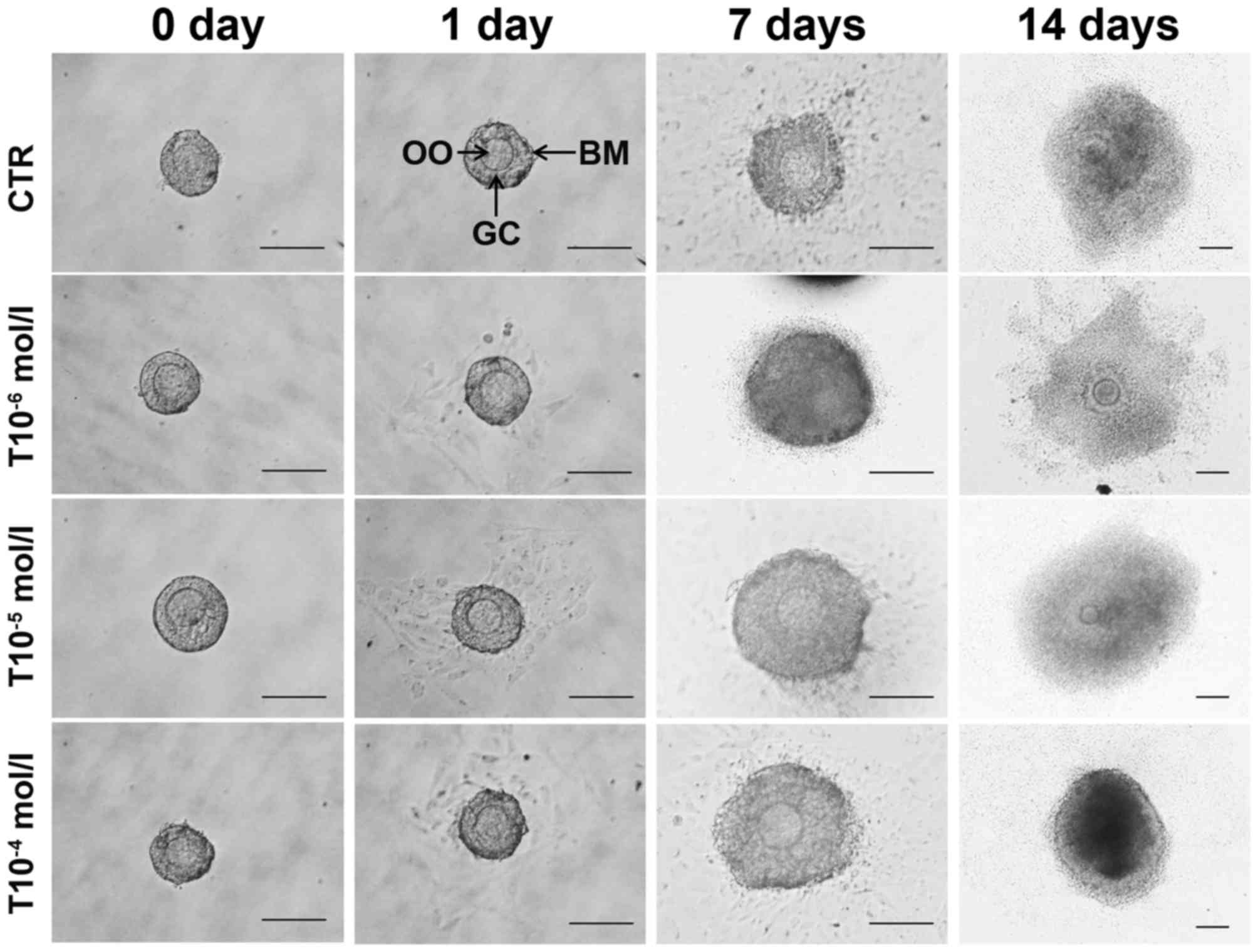
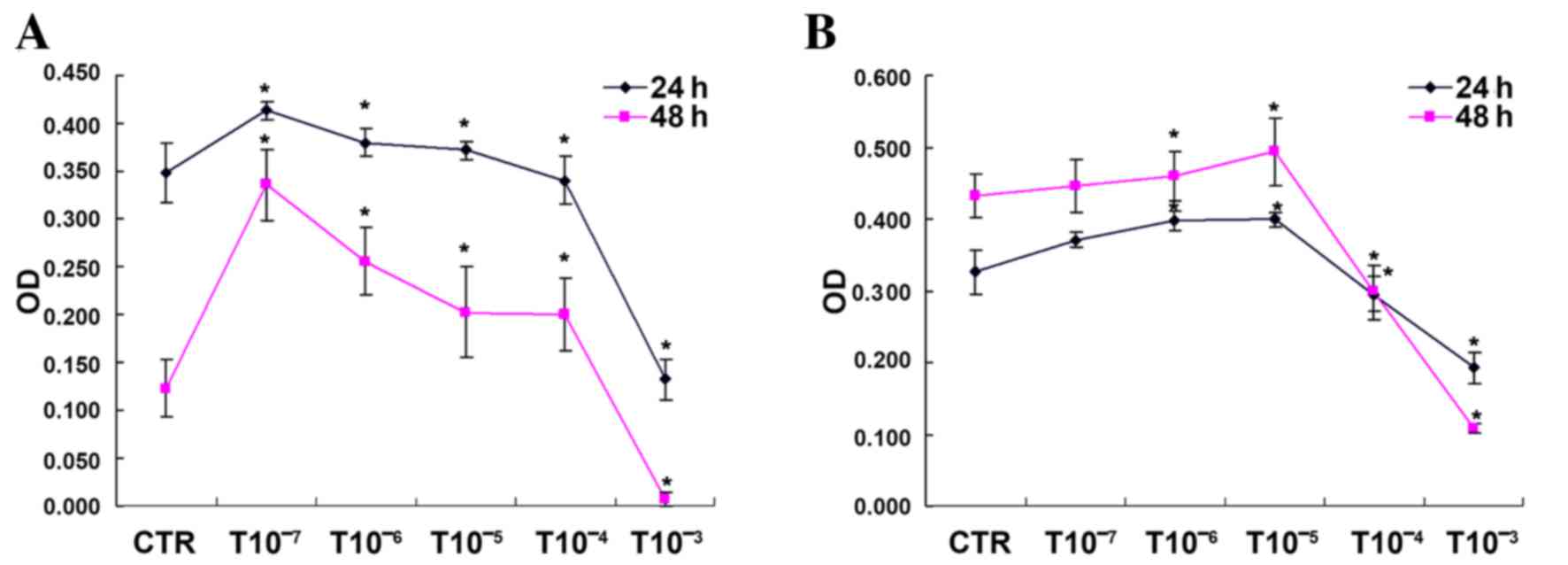
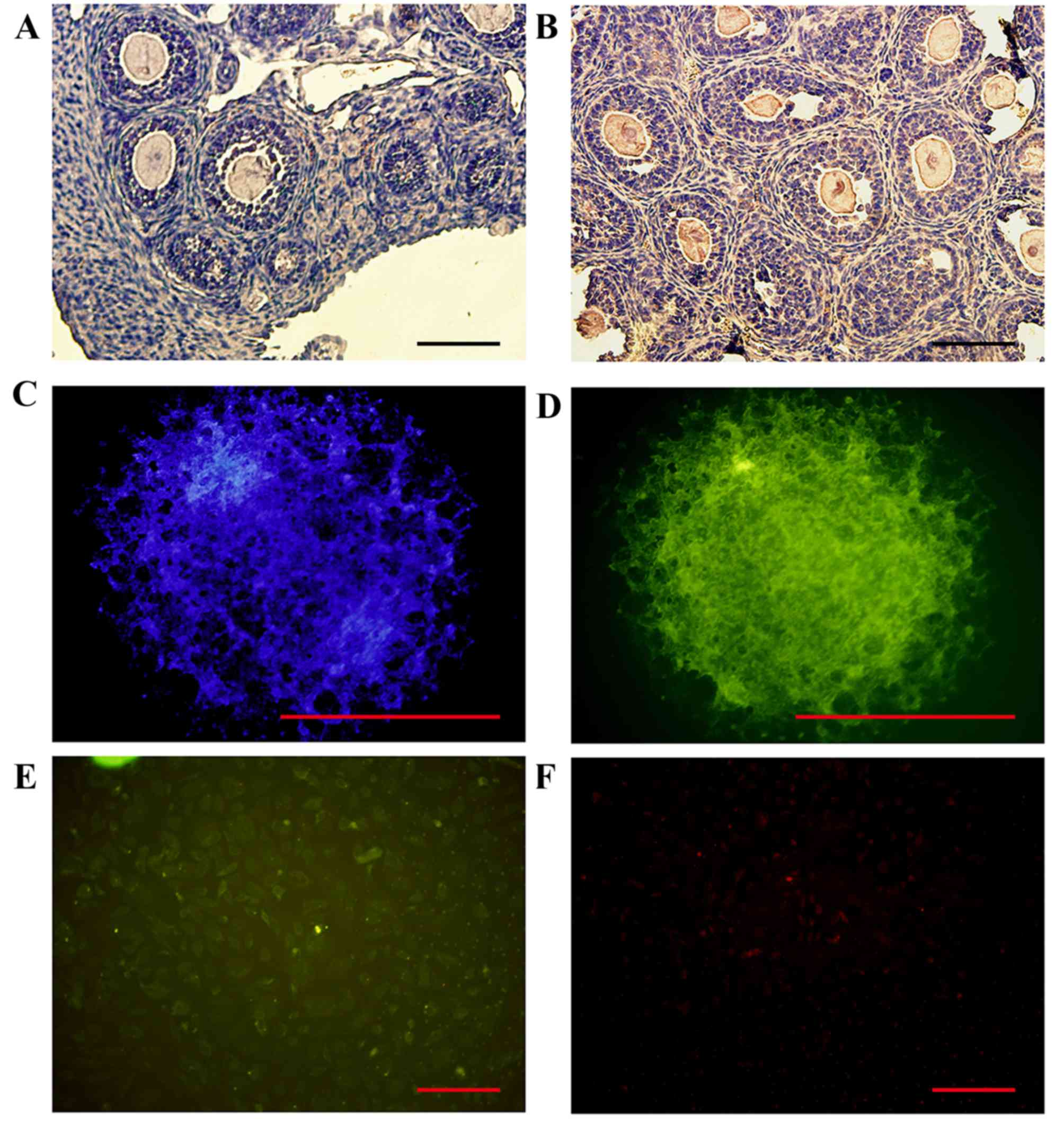
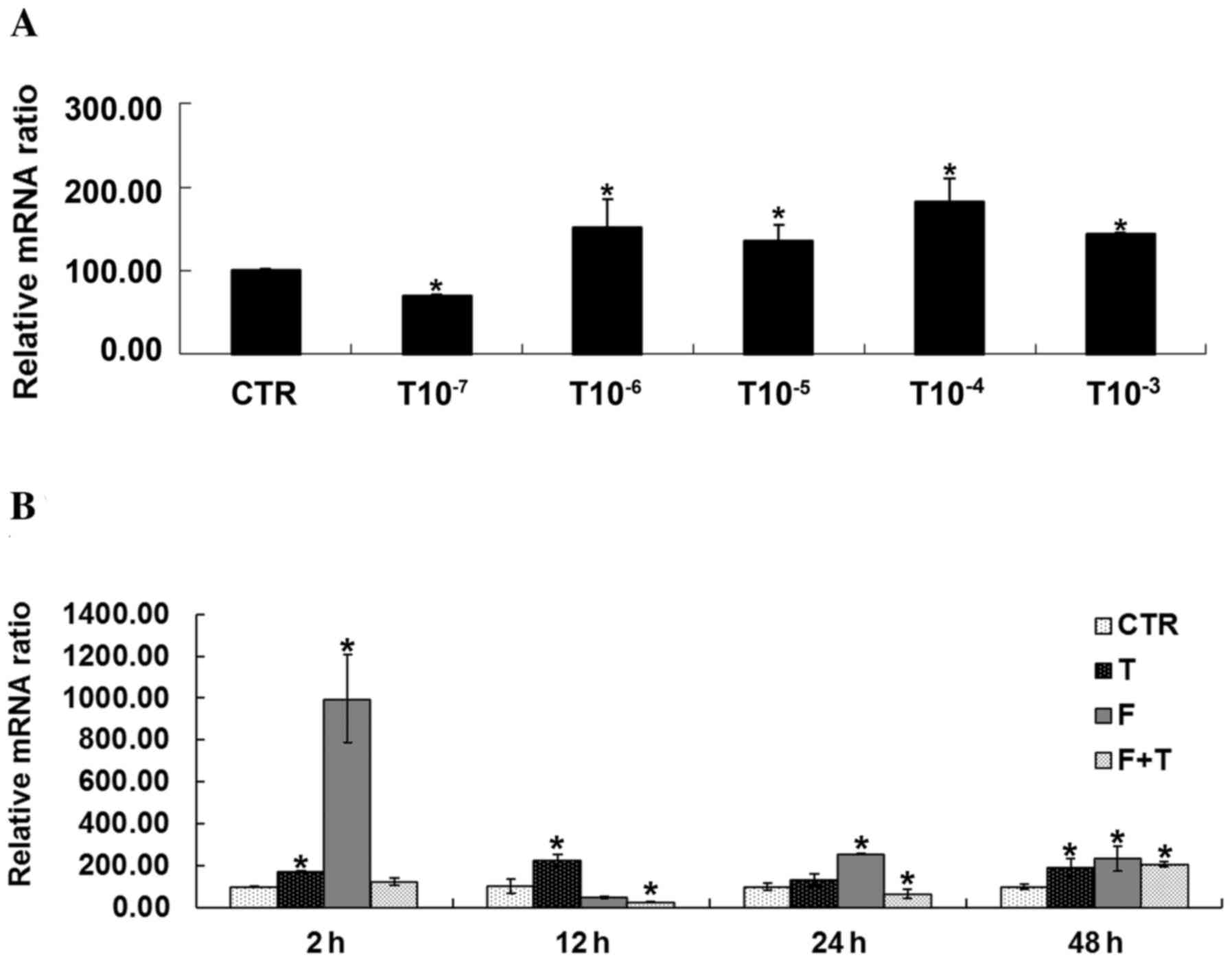
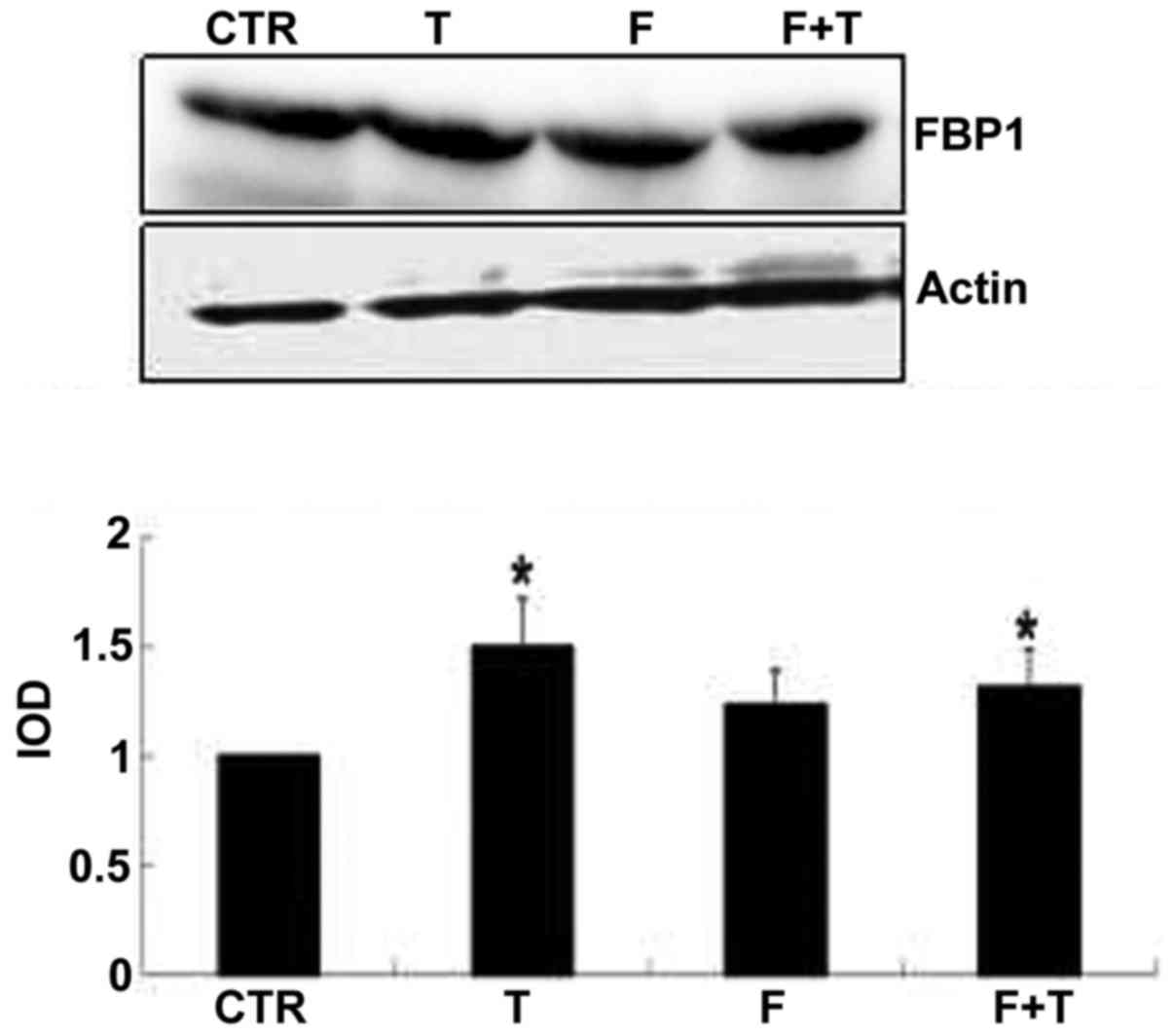
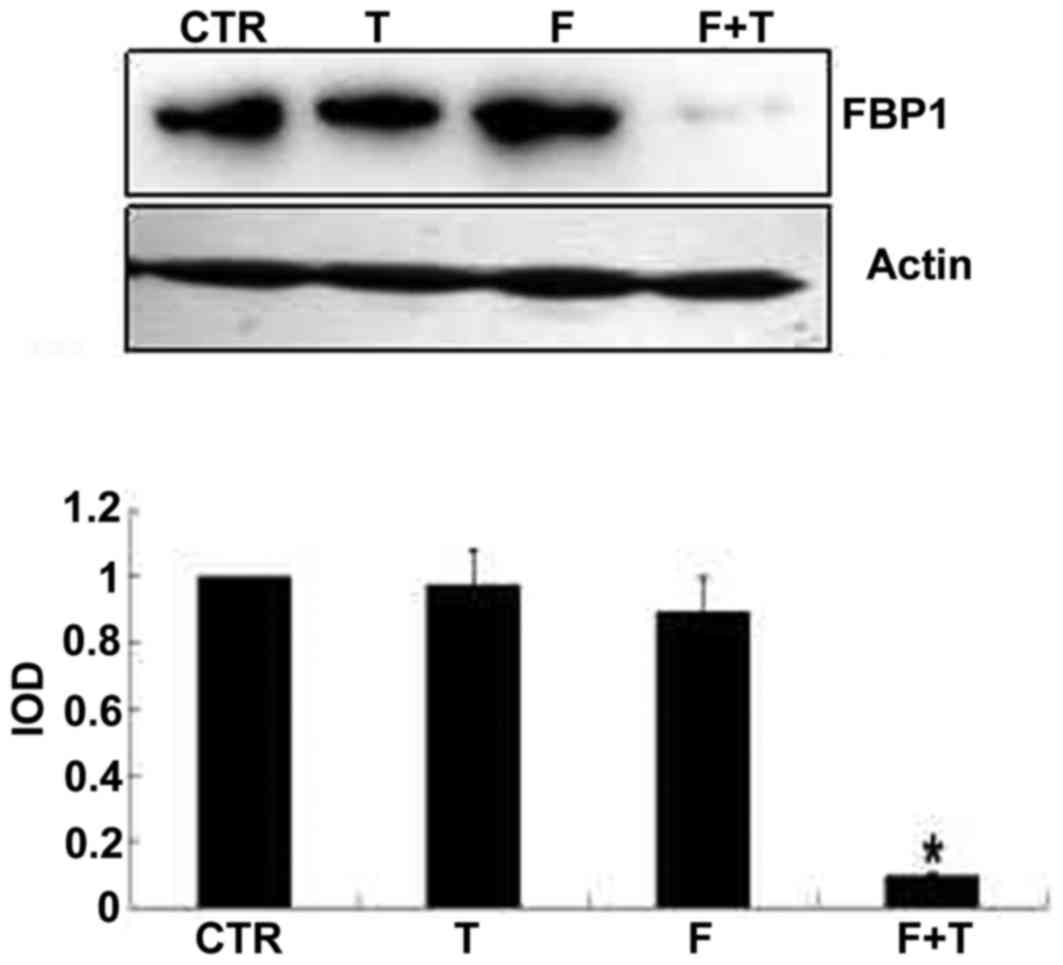
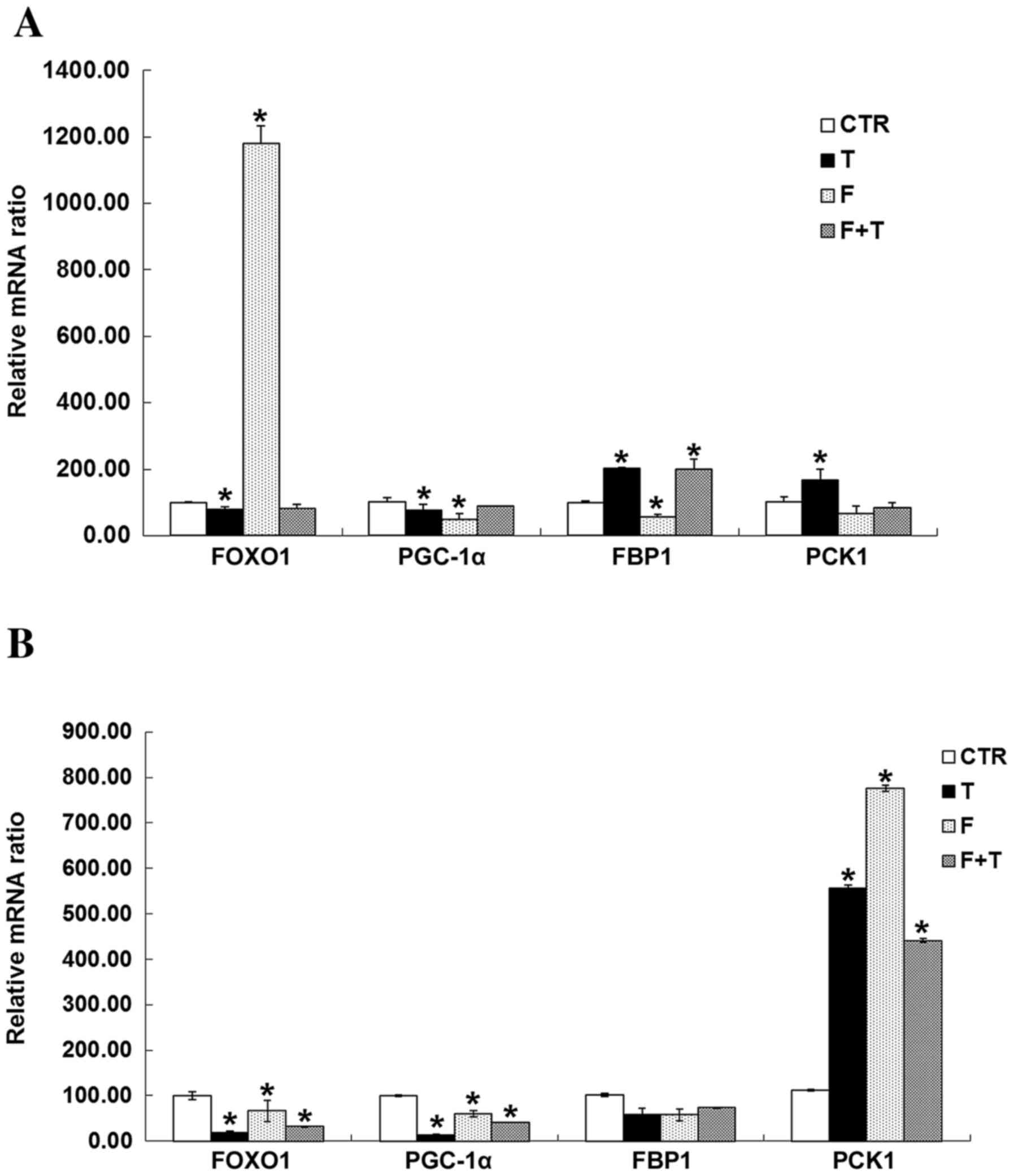
The present study aimed to identify the molecular mechanisms underlying the effects of the fructose‑1,6‑bisphosphatase 1 (FBP1) signaling pathway within normal follicle development and in hyperandrogenism‑induced abnormal follicle growth. To achieve this, murine primary follicles, granulosa cells (GCs) and theca‑interstitial cells (TICs) were isolated, cultured in vitro and treated with a high concentration of androgens. A concentration of 1x10‑5 mol/l testosterone was considerable to induce hyperandrogenism by MTT assay. All cells were divided into four groups, as follows: Control group, testosterone group, androgen receptor antagonist‑flutamide group and flutamide + testosterone group. Flutamide was used in the present study as it blocks the effects of the androgen receptor. The mRNA expression levels of FBP1 were detected using reverse transcription‑quantitative polymerase chain reaction. The expression levels and localization of FBP1 were analyzed by western blot analysis and immunofluorescence staining. The experimental results demonstrated that androgen presence stimulated follicle development, whereas excessive testosterone inhibited development. FBP1 was identified as being mainly expressed in follicles; FBP1 protein was significantly expressed in GCs of the 14‑day‑cultured follicle, as well as in the cytoplasm and nuclei of GCs and TICs in vitro. Testosterone increased FBP1 expression during a specific range of testosterone concentrations. Testosterone increased the expression of FBP1 within GCs. Furthermore, FBP1 and phosphoenolpyruvate carboxykinase 1 (PCK1) mRNA expression was increased in GCs treated with testosterone, whereas forkhead box protein O1 (FOXO1) and peroxisome proliferator‑activated receptor γ coactivator‑1α mRNA expression was significantly decreased in the testosterone group. In TICs, testosterone and flutamide inhibited the mRNA expression levels of FOXO1 and glucose‑6‑phosphatase enzyme, and promoted the expression of PCK1. These results suggested that the FBP1 signaling pathway may serve an important role in normal follicle growth and hyperandrogenism‑induced abnormal development, which may be associated with abnormal glucose metabolism induced by high concentrations of testosterone.
View Figures

Figure 1

Figure 2

Figure 3

Figure 4

Figure 5

Figure 6

Figure 7

View References

1 

Chang C, Lee SO, Wang RS, Yeh S and Chang TM: Androgen receptor (AR) physiological roles in male and female reproductive systems: Lessons learned from AR-knockout mice lacking AR in selective cells. Biol Reprod. 89:212013. View Article : Google Scholar : PubMed/NCBI

2 

Shea LD, Woodruff TK and Shikanov A: Bioengineering the ovarian follicle microenvironment. Annu Rev Biomed Eng. 16:29–52. 2014. View Article : Google Scholar : PubMed/NCBI

3 

Kim JY, Xue K, Cao M, Wang Q, Liu JY, Leader A, Han JY and Tsang BK: Chemerin suppresses ovarian follicular development and its potential involvement in follicular arrest in rats treated chronically with dihydrotestosterone. Endocrinology. 154:2912–2923. 2013. View Article : Google Scholar : PubMed/NCBI

4 

Dumesic DA, Oberfield SE, Stener-Victorin E, Marshall JC, Laven JS and Legro RS: Scientific statement on the diagnostic criteria, epidemiology, pathophysiology, and molecular genetics of polycystic ovary syndrome. Endocr Rev. 36:487–525. 2015. View Article : Google Scholar : PubMed/NCBI

5 

McGee WK, Bishop CV, Bahar A, Pohl CR, Chang RJ, Marshall JC, Pau FK, Stouffer RL and Cameron JL: Elevated androgens during puberty in female rhesus monkeys lead to increased neuronal drive to the reproductive axis: A possible component of polycystic ovary syndrome. Hum Reprod. 27:531–540. 2012. View Article : Google Scholar : PubMed/NCBI

6 

Usadi RS and Legro RS: Reproductive impact of polycystic ovary syndrome. Curr Opin Endocrinol Diabetes Obes. 19:505–511. 2012. View Article : Google Scholar : PubMed/NCBI

7 

Shi Y, Zhao H, Shi Y, Cao Y, Yang D, Li Z, Zhang B, Liang X, Li T, Chen J, et al: Genome-wide association study identifies eight new risk loci for polycystic ovary syndrome. Nat Genet. 44:1020–1025. 2012. View Article : Google Scholar : PubMed/NCBI

8 

Makieva S, Saunders PT and Norman JE: Androgens in pregnancy: Roles in parturition. Hum Reprod Update. 20:542–559. 2014. View Article : Google Scholar : PubMed/NCBI

9 

Lebbe M and Woodruff TK: Involvement of androgens in ovarian health and disease. Mol Hum Reprod. 19:828–837. 2013. View Article : Google Scholar : PubMed/NCBI

10 

Connolly F, Rae MT, Späth K, Boswell L, McNeilly AS and Duncan WC: In an ovine model of polycystic ovary syndrome (PCOS) prenatal androgens suppress female fetal renal gluconeogenesis. PLoS One. 10:e01321132015. View Article : Google Scholar : PubMed/NCBI

11 

Nicol LE, O'Brien TD, Dumesic DA, Grogan T, Tarantal AF and Abbott DH: Abnormal infant islet morphology precedes insulin resistance in PCOS-like monkeys. PLoS One. 9:e1065272014. View Article : Google Scholar : PubMed/NCBI

12 

Takagi D, Ben-Ari J, Nemet D, Zeharia A and Eliakim A: Recurrent infantile hypoglycemia due to combined fructose-1,6-diphosphatase deficiency and growth hormone deficiency. J Pediatr Endocrinol Metab. 26:761–763. 2013. View Article : Google Scholar : PubMed/NCBI

13 

Drabovich AP, Pavlou MP, Dimitromanolakis A and Diamandis EP: Quantitative analysis of energy metabolic pathways in MCF-7 breast cancer cells by selected reaction monitoring assay. Mol Cell Proteomics. 11:422–434. 2012. View Article : Google Scholar : PubMed/NCBI

14 

Thorn SR, Sekar SM, Lavezzi JR, O'Meara MC, Brown LD, Hay WW Jr and Rozance PJ: A physiological increase in insulin suppresses gluconeogenic gene activation in fetal sheep with sustained hypoglycemia. Am J Physiol Regul Integr Comp Physiol. 303:R861–R869. 2012. View Article : Google Scholar : PubMed/NCBI

15 

Romero S and Smitz J: Exposing cultured mouse ovarian follicles under increased gonadotropin tonus to aromatizable androgens influences the steroid balance and reduces oocyte meiotic capacity. Endocrine. 38:243–253. 2010. View Article : Google Scholar : PubMed/NCBI

16 

Roland AV, Nunemaker CS, Keller SR and Moenter SM: Prenatal androgen exposure programs metabolic dysfunction in female mice. J Endocrinol. 207:213–223. 2010. View Article : Google Scholar : PubMed/NCBI

17 

Zhang CP, Yang JL, Zhang J, Li L, Huang L, Ji SY, Hu ZY, Gao F and Liu YX: Notch signaling is involved in ovarian follicle development by regulating granulosa cell proliferation. Endocrinology. 152:2437–2447. 2011. View Article : Google Scholar : PubMed/NCBI

18 

Itami S, Yasuda K, Yoshida Y, Matsui C, Hashiura S, Sakai A and Tamotsu S: Co-culturing of follicles with interstitial cells in collagen gel reproduce follicular development accompanied with theca cell layer formation. Reprod Biol Endocrinol. 9:1592011. View Article : Google Scholar : PubMed/NCBI

19 

Yang JL, Zhang CP, Li L, Huang L, Ji SY, Lu CL, Fan CH, Cai H, Ren Y, Hu ZY, et al: Testosterone induces redistribution of forkhead box-3a and down-regulation of growth and differentiation factor 9 messenger ribonucleic acid expression at early stage of mouse folliculogenesis. Endocrinology. 151:774–782. 2010. View Article : Google Scholar : PubMed/NCBI

20 

Forsgren KL and Young G: Stage-specific effects of androgens and estradiol-17beta on the development of late primary and early secondary ovarian follicles of coho salmon (Oncorhynchus kisutch) in vitro. Biol Reprod. 87:642012. View Article : Google Scholar : PubMed/NCBI

21 

Lenie S and Smitz J: Functional AR signaling is evident in an in vitro mouse follicle culture bioassay that encompasses most stages of folliculogenesis. Biol Reprod. 80:685–695. 2009. View Article : Google Scholar : PubMed/NCBI

22 

Livak KJ and Schmittgen TD: Analysis of relative gene expresison data using real-time quantitiative PCR and the 2(-Delta Delta C(T)) method. Methods. 25:402–408. 2001. View Article : Google Scholar : PubMed/NCBI

23 

Zhang P, Tu B, Wang H, Cao Z, Tang M, Zhang C, Gu B, Li Z, Wang L, Yang Y, et al: Tumor suppressor p53 cooperates with SIRT6 to regulate gluconeogenesis by promoting FoxO1 nuclear exclusion. Proc Natl Acad Sci USA. 111:10684–10689. 2014; View Article : Google Scholar : PubMed/NCBI

24 

Puigserver P, Rhee J, Donovan J, Walkey CJ, Yoon JC, Oriente F, Kitamura Y, Altomonte J, Dong H, Accili D and Spiegelman BM: Insulin-regulated hepatic gluconeogenesis through FOXO1-PGC-1alpha interaction. Nature. 423:550–555. 2003. View Article : Google Scholar : PubMed/NCBI

25 

Walters KA, Allan CM and Handelsman DJ: Rodent models for human polycystic ovary syndrome. Biol Reprod. 86:1492012. View Article : Google Scholar : PubMed/NCBI

26 

Li T, Wu K, You L, Xing X, Wang P, Cui L, Liu H, Cui Y, Bian Y, Ning Y, et al: Common variant rs9939609 in gene FTO confers risk to polycystic ovary syndrome. PLoS One. 8:e662502013. View Article : Google Scholar : PubMed/NCBI

27 

Chen ZJ, Zhao H, He L, Shi Y, Qin Y, Shi Y, Li Z, You L, Zhao J, Liu J, et al: Genome-wide association study identifies susceptibility loci for polycystic ovary syndrome on chromosome 2p16.3, 2p21 and 9q33.3. Nat Genet. 43:55–59. 2011. View Article : Google Scholar : PubMed/NCBI

28 

Zhang HY, Guo CX, Zhu FF, Qu PP, Lin WJ and Xiong J: Clinical characteristics, metabolic features, and phenotype of Chinese women with polycystic ovary syndrome: A large-scale case-control study. Arch Gynecol Obstet. 287:525–531. 2013. View Article : Google Scholar : PubMed/NCBI

29 

Chen Z: Polycystic ovary syndrome etiology and clinical research. J Reprod Med. 16:2322007.

30 

Kahsar-Miller MD, Nixon C, Boots LR, Go RC and Azziz R: Prevalence of polycystic ovary syndrome (PCOS) in first-degree relatives of patients with PCOS. Fertil Steril. 75:53–58. 2001. View Article : Google Scholar : PubMed/NCBI

31 

Connolly F, Rae MT, Späth K, Boswell L, McNeilly AS and Duncan WC: In an ovine model of polycystic ovary syndrome (PCOS) prenatal androgens suppress female fetal renal gluconeogenesis. PLoS One. 10:e01321132015. View Article : Google Scholar : PubMed/NCBI

32 

Dupont J and Scaramuzzi RJ: Insulin signalling and glucose transport in the ovary and ovarian function during theovarian cycle. Biochem J. 473:1483–1501. 2016. View Article : Google Scholar : PubMed/NCBI

Related Articles

  • Abstract
  • View
  • Download
  • Twitter
Copy and paste a formatted citation
Spandidos Publications style
Liu T, Zhao H, Wang J, Shu X, Gao Y, Mu X, Gao F and Liu H: The role of fructose‑1,6‑bisphosphatase 1 in abnormal development of ovarian follicles caused by high testosterone concentration. Mol Med Rep 16: 6489-6498, 2017.
APA
Liu, T., Zhao, H., Wang, J., Shu, X., Gao, Y., Mu, X. ... Liu, H. (2017). The role of fructose‑1,6‑bisphosphatase 1 in abnormal development of ovarian follicles caused by high testosterone concentration. Molecular Medicine Reports, 16, 6489-6498. https://doi.org/10.3892/mmr.2017.7463
MLA
Liu, T., Zhao, H., Wang, J., Shu, X., Gao, Y., Mu, X., Gao, F., Liu, H."The role of fructose‑1,6‑bisphosphatase 1 in abnormal development of ovarian follicles caused by high testosterone concentration". Molecular Medicine Reports 16.5 (2017): 6489-6498.
Chicago
Liu, T., Zhao, H., Wang, J., Shu, X., Gao, Y., Mu, X., Gao, F., Liu, H."The role of fructose‑1,6‑bisphosphatase 1 in abnormal development of ovarian follicles caused by high testosterone concentration". Molecular Medicine Reports 16, no. 5 (2017): 6489-6498. https://doi.org/10.3892/mmr.2017.7463
Copy and paste a formatted citation
x
Spandidos Publications style
Liu T, Zhao H, Wang J, Shu X, Gao Y, Mu X, Gao F and Liu H: The role of fructose‑1,6‑bisphosphatase 1 in abnormal development of ovarian follicles caused by high testosterone concentration. Mol Med Rep 16: 6489-6498, 2017.
APA
Liu, T., Zhao, H., Wang, J., Shu, X., Gao, Y., Mu, X. ... Liu, H. (2017). The role of fructose‑1,6‑bisphosphatase 1 in abnormal development of ovarian follicles caused by high testosterone concentration. Molecular Medicine Reports, 16, 6489-6498. https://doi.org/10.3892/mmr.2017.7463
MLA
Liu, T., Zhao, H., Wang, J., Shu, X., Gao, Y., Mu, X., Gao, F., Liu, H."The role of fructose‑1,6‑bisphosphatase 1 in abnormal development of ovarian follicles caused by high testosterone concentration". Molecular Medicine Reports 16.5 (2017): 6489-6498.
Chicago
Liu, T., Zhao, H., Wang, J., Shu, X., Gao, Y., Mu, X., Gao, F., Liu, H."The role of fructose‑1,6‑bisphosphatase 1 in abnormal development of ovarian follicles caused by high testosterone concentration". Molecular Medicine Reports 16, no. 5 (2017): 6489-6498. https://doi.org/10.3892/mmr.2017.7463
Follow us
  • Twitter
  • LinkedIn
  • Facebook
About
  • Spandidos Publications
  • Careers
  • Cookie Policy
  • Privacy Policy
How can we help?
  • Help
  • Live Chat
  • Contact
  • Email to our Support Team